
A Complete Guide to Growing Rattlesnake Master in Your Own Garden
Published: November 12, 2026 at 9:34:17 PM UTC
Growing Rattlesnake Master (Eryngium yuccifolium) can turn a sunny, dry corner into a lively native garden. Its blue-green leaves and round flower heads look bold, yet the plant needs little care once its root system is established.
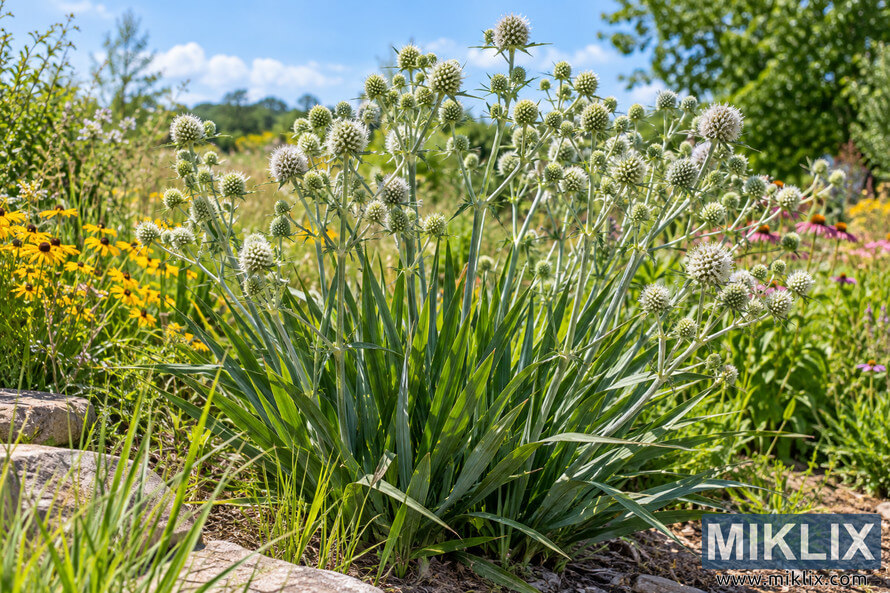
Click or tap the image for more information and higher resolutions.
What rattlesnake master is and why it belongs in a native garden
Rattlesnake master native plants are members of the parsley family, Apiaceae. The common name rattlesnake master does not mean the plant treats snakebite. The name reflects old folklore and traditional stories connected with native plants. Some accounts mention Native Americans, but historical uses and meanings varied by community. Do not treat the plant as medicine.
Eryngium yuccifolium forms a strong basal rosette. Its stiff, narrow leaves resemble yucca, which explains the species name yuccifolium. Upright stems rise from the rosette and carry small flowers in round, pale green to gray-green heads. Spiny bracts give each head a sharp, sculptural outline.
A mature plant commonly reaches about 3 to 5 feet in height and 1 to 2 feet in width. Size depends on soil, moisture, and region. The flower season usually begins in summer and may continue into early fall. Dried heads add winter interest if you leave them standing.
This rattlesnake master native supports bees, butterflies, beetles, and other insects. The flower heads offer nectar and pollen. Seeds may feed birds, while stems provide cover for small creatures. The plant also works well in prairies, pollinator borders, gravel gardens, and naturalistic designs.
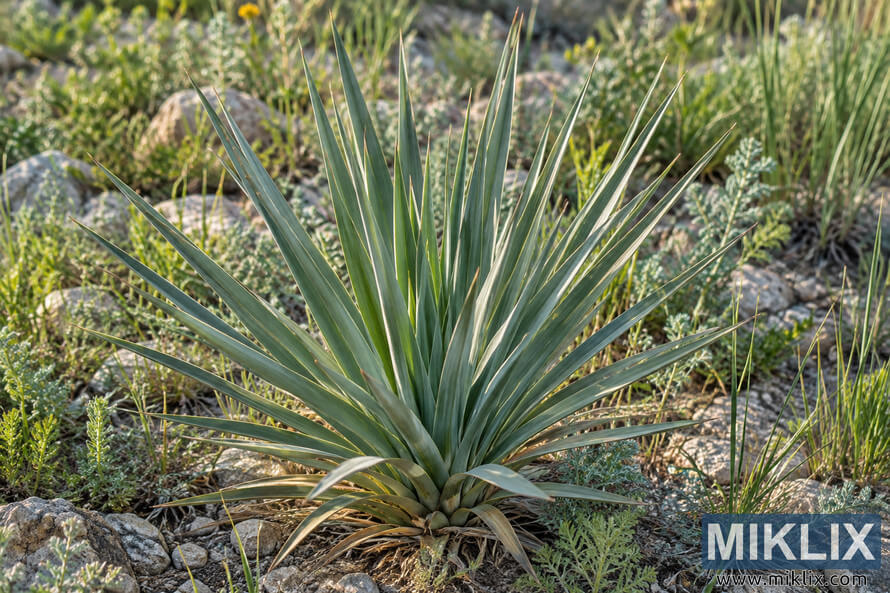
Click or tap the image for more information and higher resolutions.
Choose full sun, sharp drainage, and enough room
Choose a site with full sun, meaning at least six hours of direct light each day. More sun usually produces shorter stems, stronger blooms, and better flower color. Light shade can work in hot regions, but shade often causes floppy growth and fewer blooms.
The best soil is lean to average, well drained, and not constantly wet. Sandy or gravelly soil is ideal. Rattlesnake master can tolerate clay if water drains away. In heavy clay, place the plant on a slight mound or improve the planting area with mineral material. Do not create a rich, soggy bed.
Its deep taproot helps the plant reach moisture below the surface. That taproot also makes mature plants difficult to move. Choose the final location carefully. Avoid places that flood, stay wet in winter, or receive frequent irrigation from a lawn system.
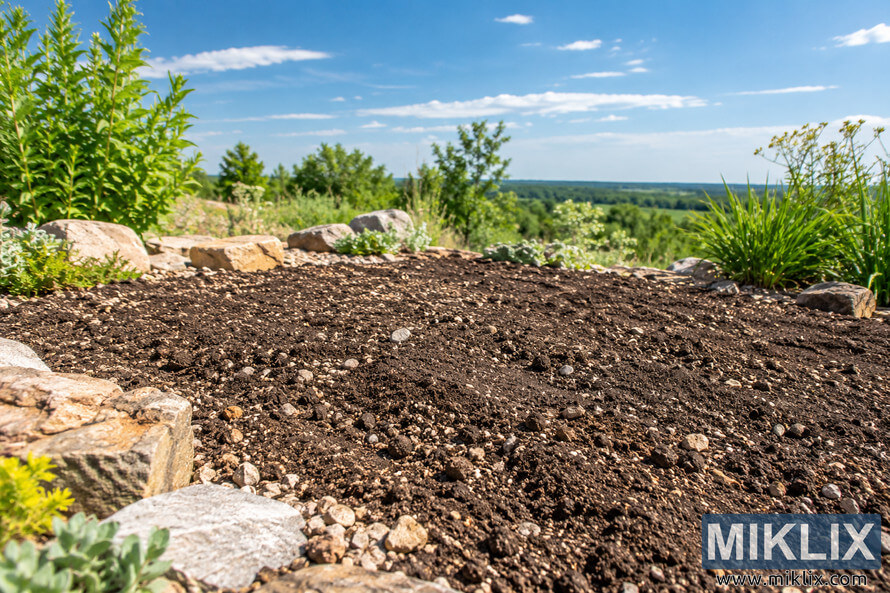
Click or tap the image for more information and higher resolutions.
Plan spacing before planting
- Allow 18 to 24 inches between young plants.
- Leave a clear path near the mature flower stems.
- Place taller plants behind the rosette in a border.
- Keep the crown at soil level, never buried.
Plant seeds or nursery plants with a simple method
Seeds are an economical way to grow rattlesnake master, but germination can be uneven. Fresh seed is usually the best choice. Many gardeners sow seeds outdoors in fall so natural winter conditions can help break dormancy. In cold climates, winter sowing in protected containers is another option.
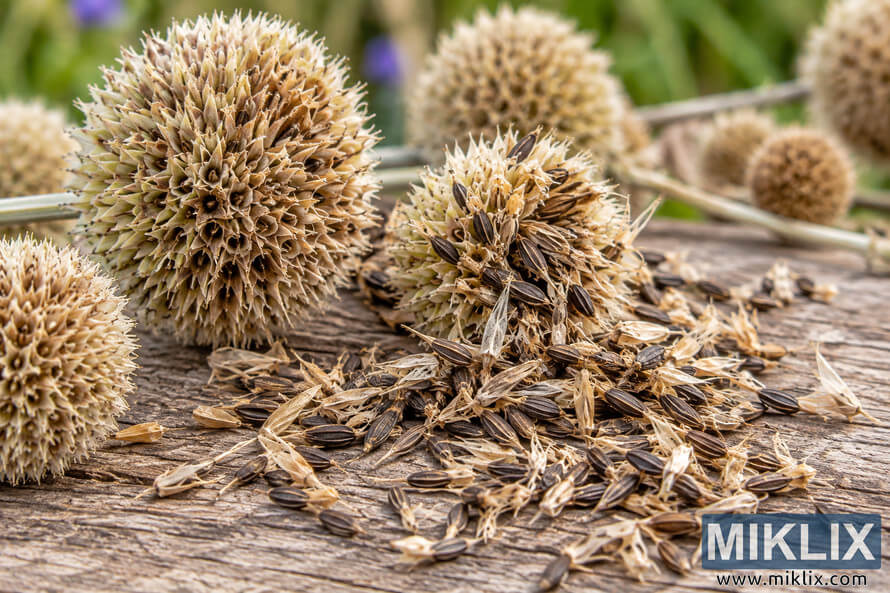
Click or tap the image for more information and higher resolutions.
How to sow rattlesnake master seeds
- Clear weeds from a sunny, prepared bed.
- Press seeds into the soil surface.
- Cover them lightly with fine soil or grit.
- Water gently so seeds remain in place.
- Mark the area and keep it lightly moist during the first spring.
- Do not bury seed deeply. Small seedlings need light and oxygen near the surface. Germination may occur in spring after a cold period. Protect the bed from aggressive weeds, which can hide slow-growing seedlings.
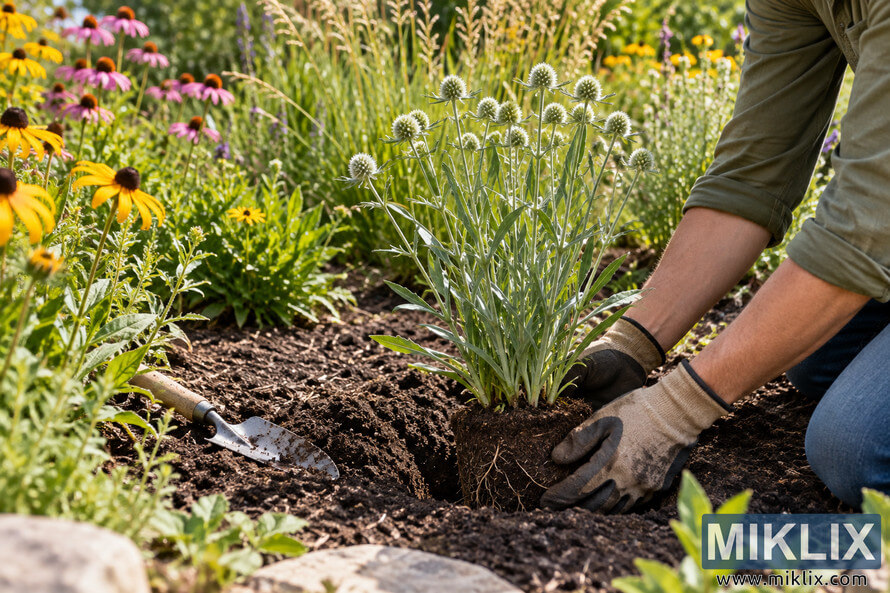
- Nursery plants are easier for a quick display. Plant them in spring or early fall when temperatures are mild. Slide the root ball out without breaking the taproot. Set it at the same depth as it grew in its container, backfill with native soil, and water thoroughly.
- Planting note: Do not loosen or cut a large taproot to fit a hole. A damaged root can delay establishment.
Click or tap the image for more information and higher resolutions.
Water, mulch, and fertilize without overdoing it
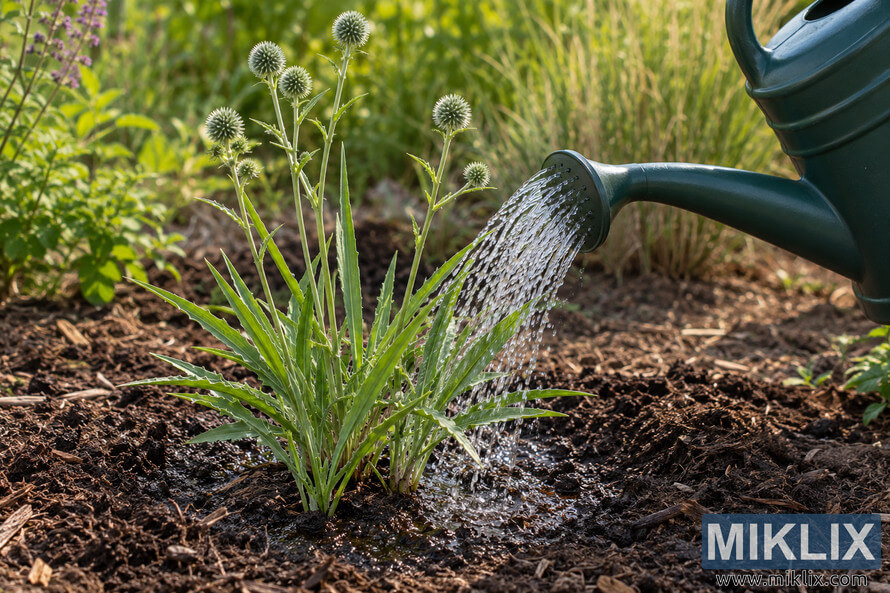
Water new plants deeply after planting. During the first growing season, check the soil once or twice each week. Water when the upper few inches are dry, then let excess water drain. Frequent shallow watering encourages weak surface roots.
After establishment, rattlesnake master is drought tolerant. It still benefits from water during a long, hot drought, especially when flower stems are forming. Established plants usually need no routine irrigation in a normal rainfall season.
Use a thin mulch layer to reduce weeds and protect young roots. Keep mulch several inches away from the crown. Thick organic mulch can hold too much moisture and may cause winter rot.
Fertilizer is rarely needed. Rich fertilizer can produce tall, soft stems with fewer blooms. If a soil test shows a real deficiency, use a light, balanced amendment according to the test. Avoid routine feeding simply to make the plant grow faster.
Click or tap the image for more information and higher resolutions.
Seasonal care
Spring
Remove winter debris, mark seedlings, and control weeds before they compete with the rosette.
Summer
Water new plants during dry spells. Watch flower stems and enjoy the pollinator activity.
Fall and winter
Collect mature seed or leave heads for birds. Cut stems in late winter unless you prefer standing structure.
Collect seed, manage self-seeding, and support mature stems
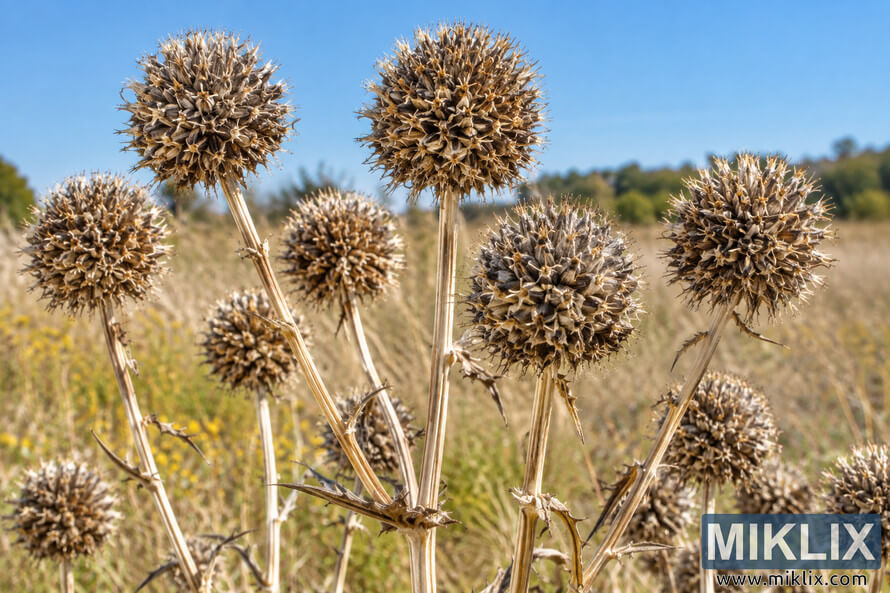
Allow flower heads to dry on the plant if you want seed. When the heads turn brown and feel dry, place a paper bag over one head and cut the stem. Shake the head gently to release seed. Store clean seed in a cool, dry place with a label showing the date and source.
Seedlings may appear near the parent plant. This self-seeding is useful in a naturalistic garden, but it can look untidy in a formal bed. Pull unwanted seedlings while they are small. Move desired young plants only when very young, before the deep taproot becomes established.
Division is not the best propagation method for this plant. The taproot dislikes disturbance, and divided pieces may fail. If division is attempted, do it on a young plant in early spring and keep the root section as intact as possible. Seed is usually safer and more productive.
Flower stems are often sturdy, but plants in rich soil or partial shade may lean. Use a discreet stake early in the season if needed. Do not wait until the stem has fallen. Remove damaged stems after flowering or leave healthy heads for winter interest.
Click or tap the image for more information and higher resolutions.
Handle pests, disease, deer, rabbits, and wildlife safely
Rattlesnake master has few serious pest problems when grown in the right conditions. Wet soil is a larger risk than insects. Root rot can develop when the crown stays damp. Improve drainage, reduce irrigation, and remove badly rotted plants.
Leaf spots may appear during wet weather. Increase air movement, water at the soil line, and remove badly affected leaves. Avoid overhead watering late in the day. A borer moth may use stems or roots in some regions. Inspect wilted stems and remove affected material, but do not spray pollinators without a clear diagnosis.
The spiny leaves and rigid texture usually make the plant resistant to deer and rabbits. Resistance is not absolute. Hungry animals may browse young growth, especially when other food is scarce. A temporary mesh barrier can protect new plants.
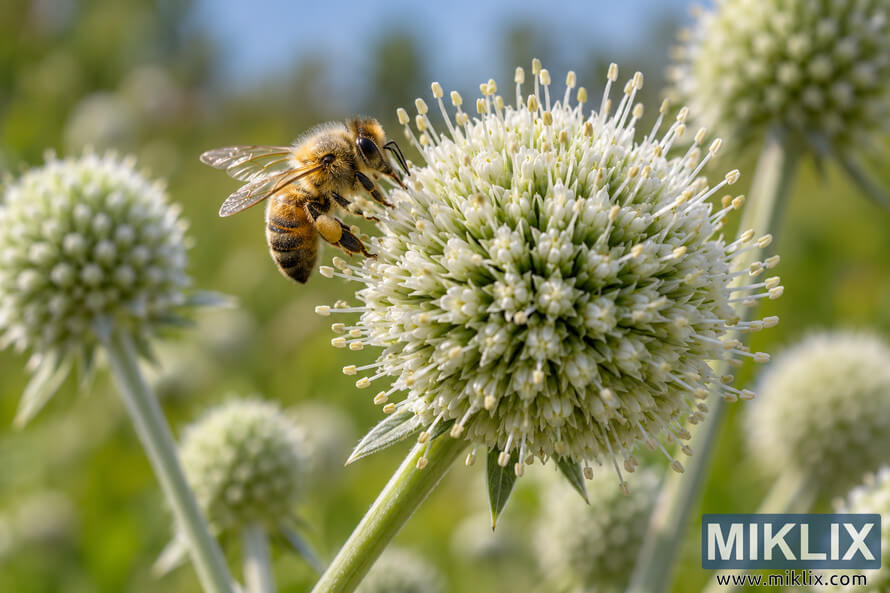
Bees and butterflies use the flower heads for nectar. Beetles and small flies may also visit. Leave some stems through winter to provide shelter and seed. Avoid broad-spectrum insecticides when flowers are open.
Safety: The name rattlesnake master is not proof of a medicinal effect. Wear gloves when handling sharp leaves, keep children from chewing plant parts, and consult a qualified professional about animal or human exposure.
Click or tap the image for more information and higher resolutions.
Design ideas and answers to common growing questions
Combine rattlesnake master with plants that enjoy the same dry, sunny conditions. Good partners include little bluestem, prairie dropseed, purple coneflower, black-eyed Susan, butterfly weed, blazing star, and mountain mint. Use repeated groups rather than one crowded specimen. The rounded heads contrast well with fine grasses and upright flower spikes.
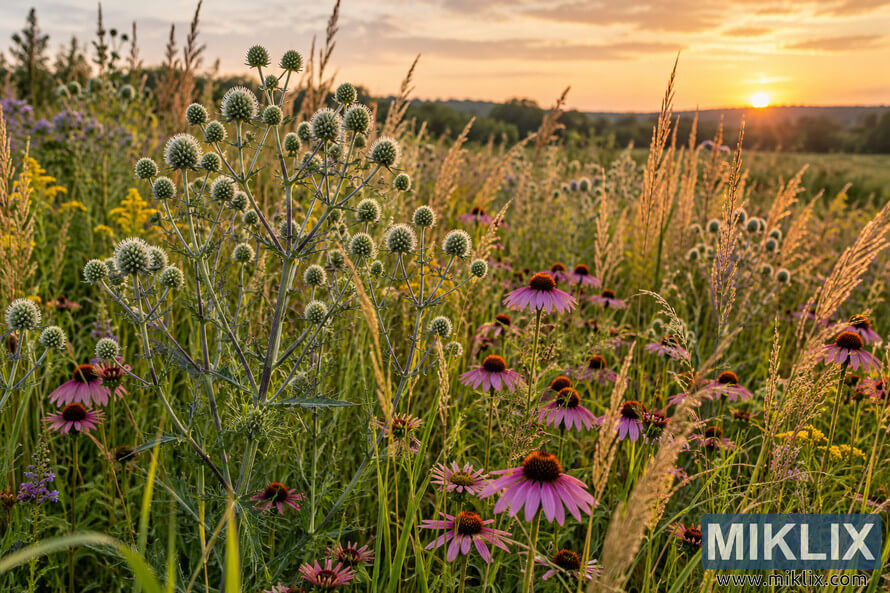
Click or tap the image for more information and higher resolutions.
Why is my rattlesnake master not blooming?
Common causes include too much shade, excess fertilizer, young age, transplant stress, or excessive moisture. Give the plant full sun and lean soil. A plant grown from seed may need more than one season before it flowers.
How much water does an established plant need?
Usually very little beyond normal rainfall. Water deeply during prolonged drought, especially in extreme heat, but allow the soil to dry between watering. Never keep the crown constantly wet.
Can it grow in a container?
Yes, but only as a temporary or carefully planned display. Use a deep container with drainage holes and a gritty mix. A shallow pot cannot accommodate the deep taproot. Containers dry faster, so monitor moisture, but do not compensate with constant watering.
Does it need winter protection?
Established plants generally tolerate winter in their hardiness range. Leave standing stems for structure and wildlife. In very wet climates, drainage matters more than extra mulch. Remove collapsed stems in late winter before fresh growth begins.
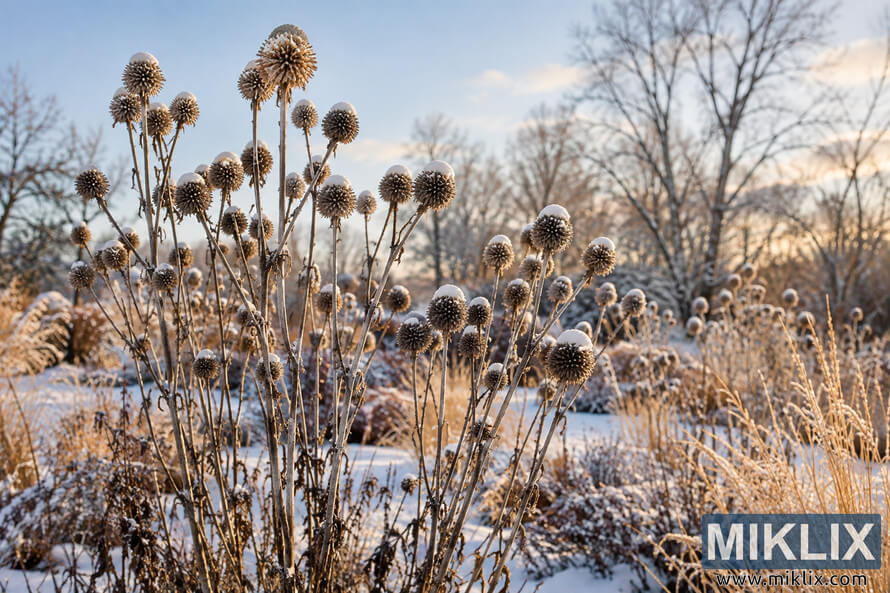
Click or tap the image for more information and higher resolutions.
Essential requirements for growing rattlesnake master
Rattlesnake master rewards patience. Start with sun, drainage, and careful planting. Once the taproot is established, this striking native plant can provide durable structure, summer flowers, fall seed, and valuable habitat with very little maintenance.
Use this short checklist before planting. It captures the conditions that matter most.
- Give the plant full sun, with at least six hours of direct light.
- Use well-drained soil; sandy, gravelly, or amended clay can work.
- Plant the crown at soil level and protect the deep taproot.
- Space plants about 18 to 24 inches apart.
- Water regularly during the first season, then only during extended drought.
- Skip routine fertilizer unless a soil test shows a deficiency.
- Collect seeds in fall or leave flower heads for birds and winter interest.
- Expect deer and rabbit resistance, but protect young plants when pressure is high.
- Choose companions with similar sun and moisture needs.
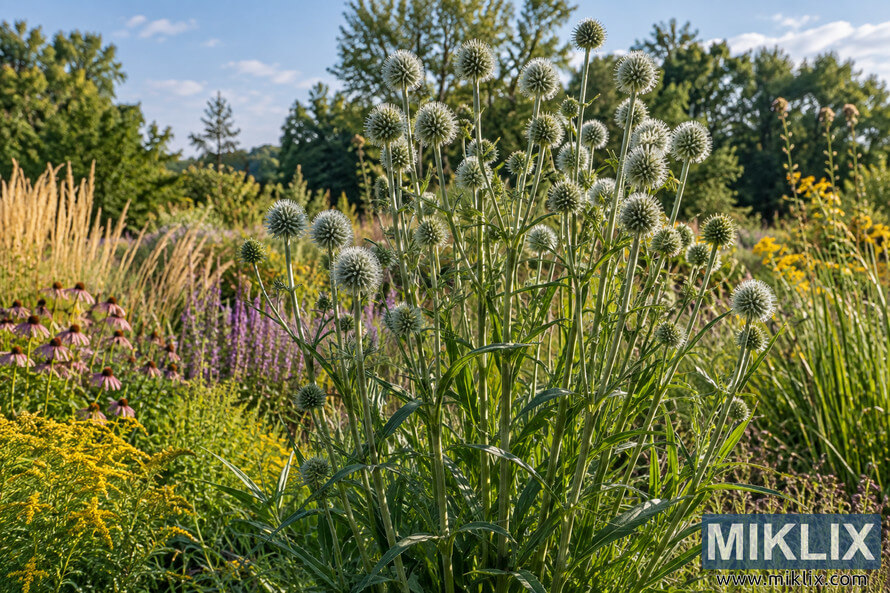
Click or tap the image for more information and higher resolutions.
Further Reading
If you enjoyed this post, you may also like these suggestions:
- A Complete Guide to Growing Cardinal Flower in Your Own Garden
- Growing Crown Imperial: A Complete Garden Guide
- Growing Buttonbush: A Complete Garden Guide