
Growing Jack-in-the-Pulpit: A Practical Woodland Garden Guide
Published: October 24, 2026 at 12:23:24 AM UTC
Growing Jack-in-the-Pulpit (Arisaema triphyllum) can turn a cool, shaded corner into a small natural woodland. This native plant rewards patience with unusual flowers, bold leaves, and bright red berries. Give it the right soil and moisture, and it can return year after year.
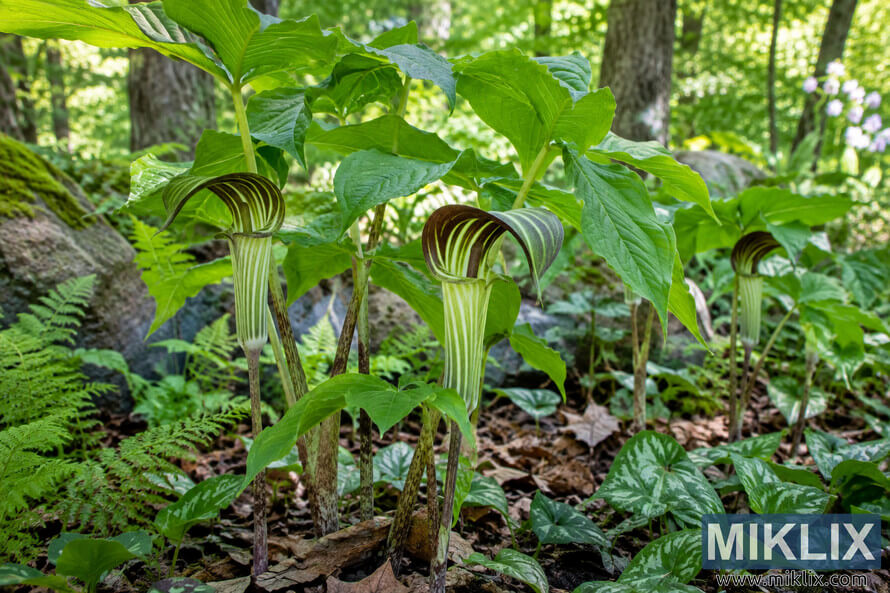
Click or tap the image for more information and higher resolutions.
Its needs are simple but specific. The plant prefers conditions that copy a forest floor, not a hot, dry flower bed.
What Makes Arisaema Triphyllum Special?
Arisaema triphyllum is a herbaceous native plant in the arisaema genus. It grows from an underground corm and usually appears in spring. A single plant may show three leaflets above a striped or green spathe. Inside the spathe is the spadix, which gives the flower its distinctive pulpit form.
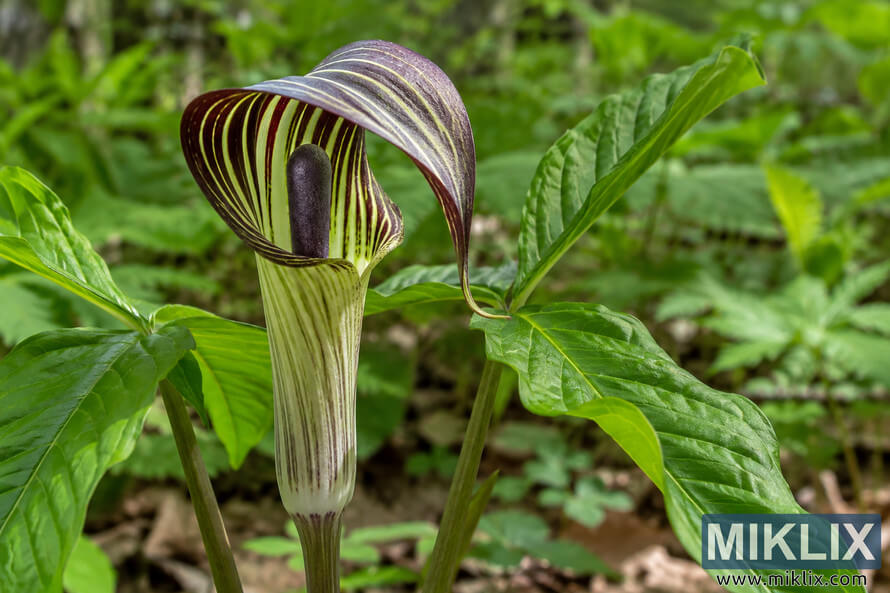
Click or tap the image for more information and higher resolutions.
Seasonal appearance
- Fresh leaves emerge in spring.
- The flower stands above the foliage.
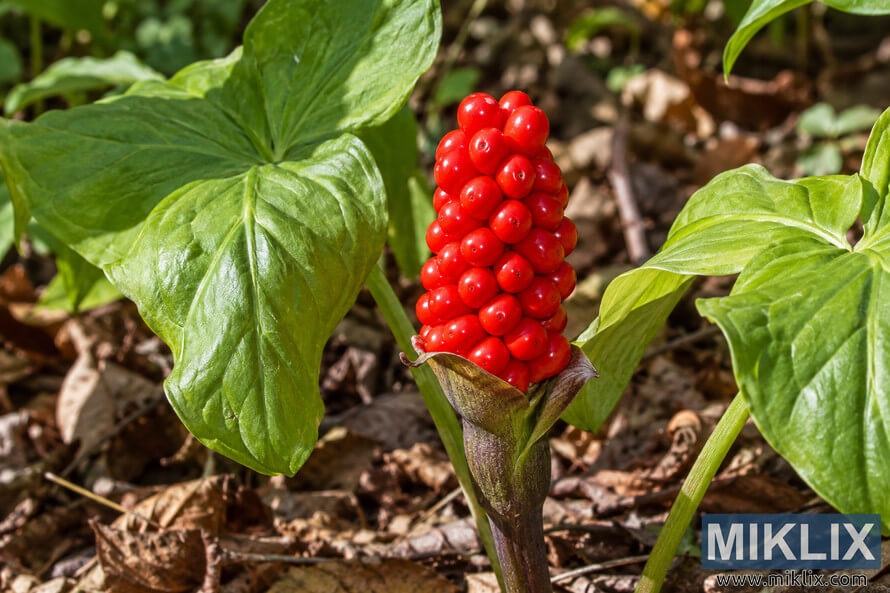
- Green berries mature to bright red in late summer.
- Foliage fades in fall as the corm rests.
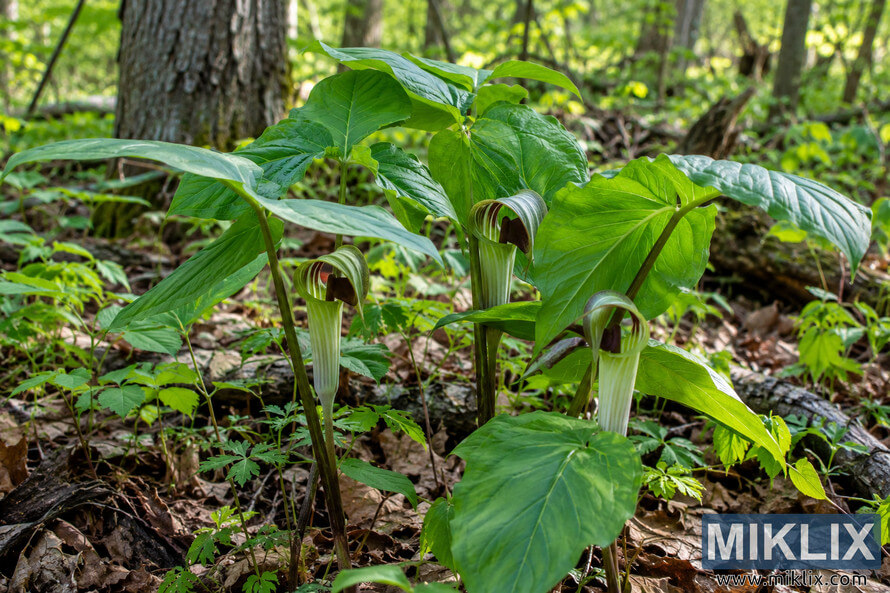
Click or tap the image for more information and higher resolutions.
Safe handling
All parts contain irritating compounds if eaten, especially the berries and corm. Keep children and pets away from the plant. Wear gloves when handling damaged roots or planting material, and wash hands afterward.
Safety note: Never eat the berries or other plant parts. Do not use this species as food or medicine.
Growing Jack-in-the-Pulpit in the Right Site
Choose a woodland-style area with bright shade, filtered morning light, or dappled light beneath deciduous trees. Deep shade may reduce growth, while strong afternoon sun can scorch the leaves and dry the soil. A site near a north-facing wall or under open tree branches often works well.
Build a natural woodland environment
- Let fallen leaves form a light protective layer.
- Mix compost or leaf mold into poor soil.
- Keep competing grass and aggressive roots away.
- Use mulch that holds moisture without covering the corm.
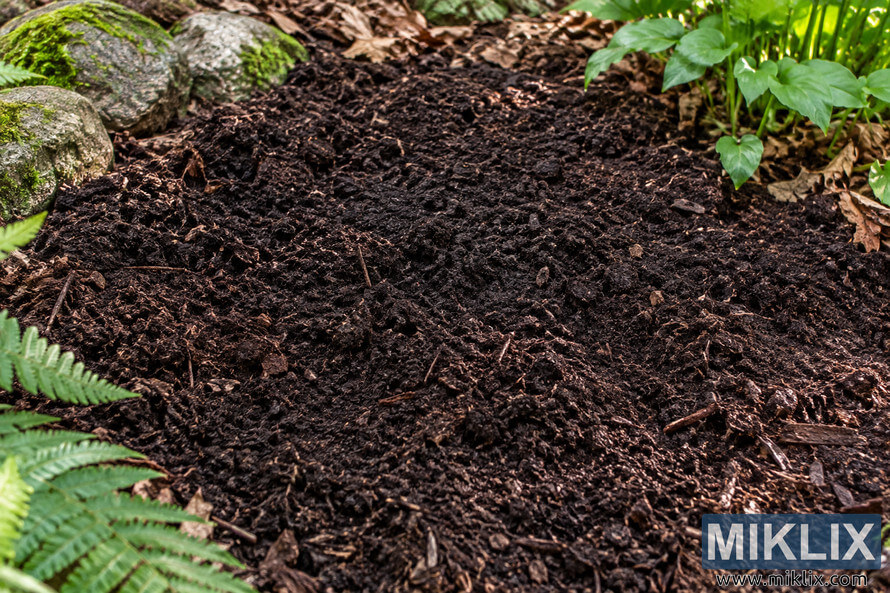
The soil should be rich, loose, and well drained. It must hold moisture but never stay waterlogged. A slightly acidic to neutral soil is usually suitable. Before planting, make sure soil drains after heavy rain. If water remains for a full day, improve drainage or choose another area.
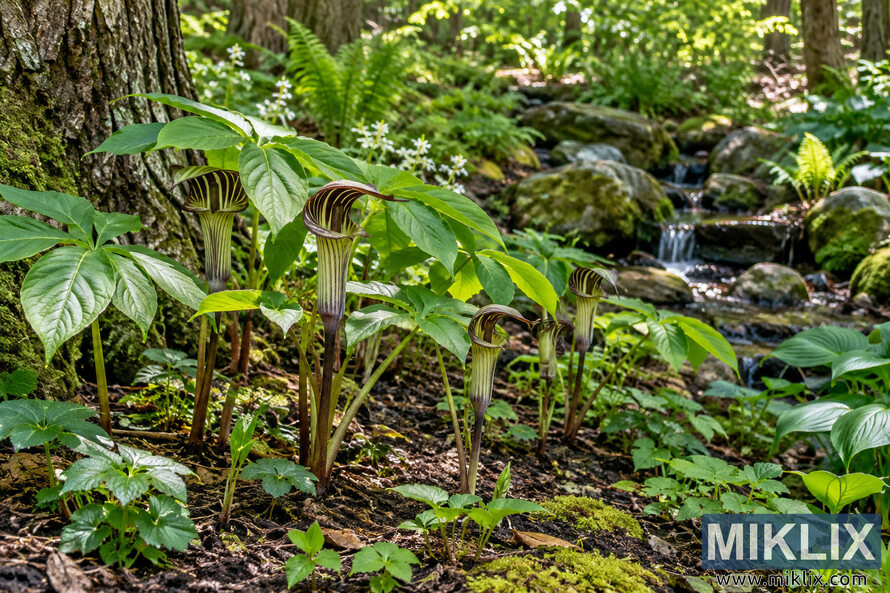
Click or tap the image for more information and higher resolutions.
Water and feed with restraint
Water during dry spring and summer periods. Apply water slowly at the soil line so the root zone is moist. A two-inch layer of leaf mulch can reduce drying. Fertilizer is rarely needed in fertile soil. If growth is weak, use a light layer of finished compost in early spring rather than a strong chemical feed.
Click or tap the image for more information and higher resolutions.
Planting, Propagation, and Seasonal Care
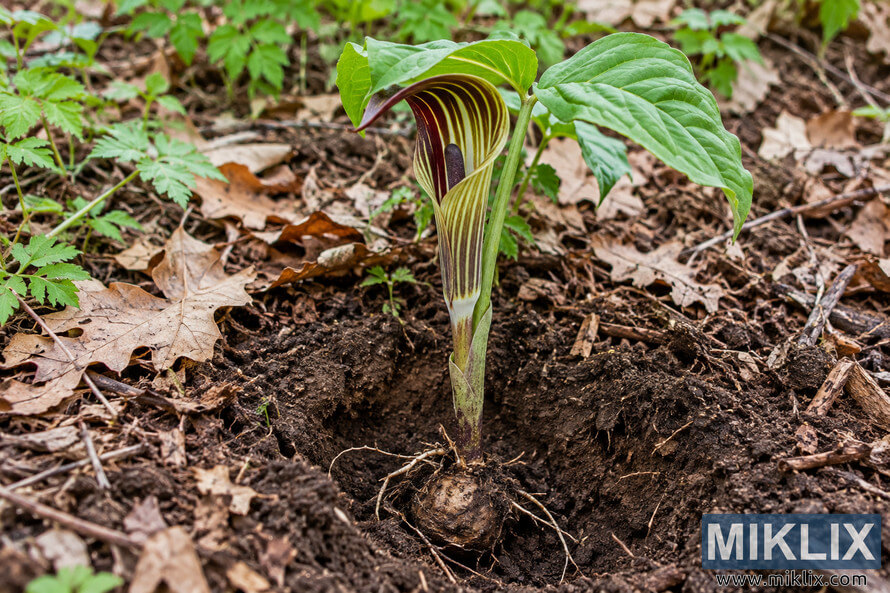
Plant dormant corms in fall or early spring. Set each corm about four to six inches deep, with the growing point facing upward. Space plants about one foot apart if you want a natural cluster. Firm the soil gently, water well, and add leaf mulch.
Click or tap the image for more information and higher resolutions.
Simple planting steps
- Clear weeds without disturbing nearby roots.
- Open a hole deeper than the corm height.
- Place the corm with the bud upward.
- Cover it with soil and water slowly.
- Mark the spot so spring growth is not disturbed.
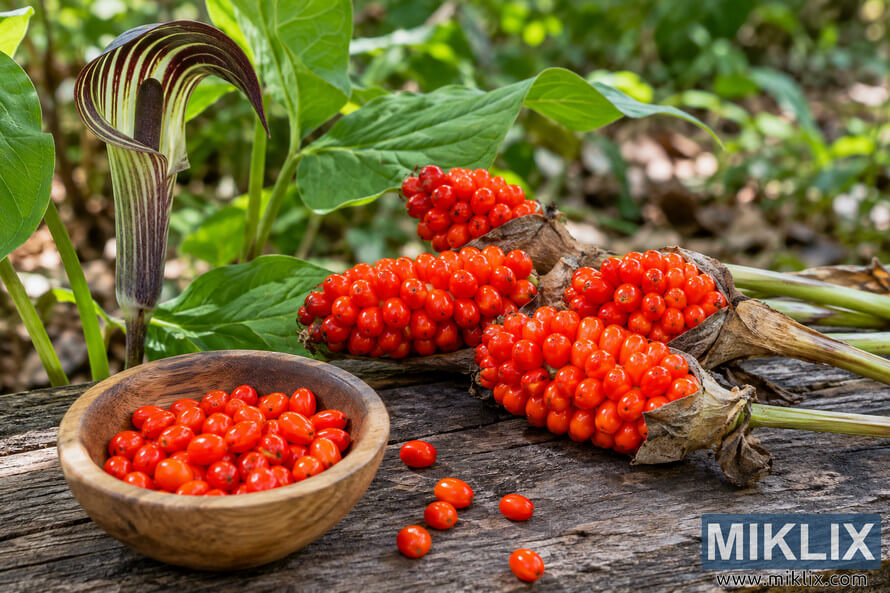
Propagation from seeds is rewarding but slow. Collect ripe berries in late summer or fall, wearing gloves. Remove the fleshy coating and rinse the seeds. Sow them outdoors in a prepared bed or container. Cold, moist conditions help break dormancy. Germination may take more than one season, so keep the area labeled and evenly moist.
Click or tap the image for more information and higher resolutions.
Propagation choices
- Seeds: best for genetic diversity, but slow.
- Corm offsets: faster when naturally produced.
- Purchased corms: predictable and convenient.
Divide established clusters while plants are dormant in fall or early spring. Lift the soil carefully and separate healthy offsets with a visible bud. Replant them at once. Avoid digging during active growth, when the leaf and flower are using stored energy.
Understand dormancy
After flowering, the plant directs energy into the corm and berries. Leaves may yellow and disappear by late summer or fall. This is normal. Stop feeding and reduce watering once the foliage dies, but do not let the soil become bone dry during prolonged drought.
Click or tap the image for more information and higher resolutions.
Common Problems and Long-Term Care
Healthy plants usually have few serious pests. Slugs may chew young leaves in wet spring weather. Handpick them, remove hiding places, and keep mulch loose. Deer or rabbits may browse foliage in some areas. A temporary barrier can protect new growth.
Yellow leaves
Early yellowing can signal drought, root damage, or poor drainage. Check the soil before adding water.
Soft corms
Rot often follows saturated soil. Improve drainage and remove damaged material with clean tools.
No flowers
Young plants may need several years to mature. Too much shade, crowding, or dry soil can also limit flowering.
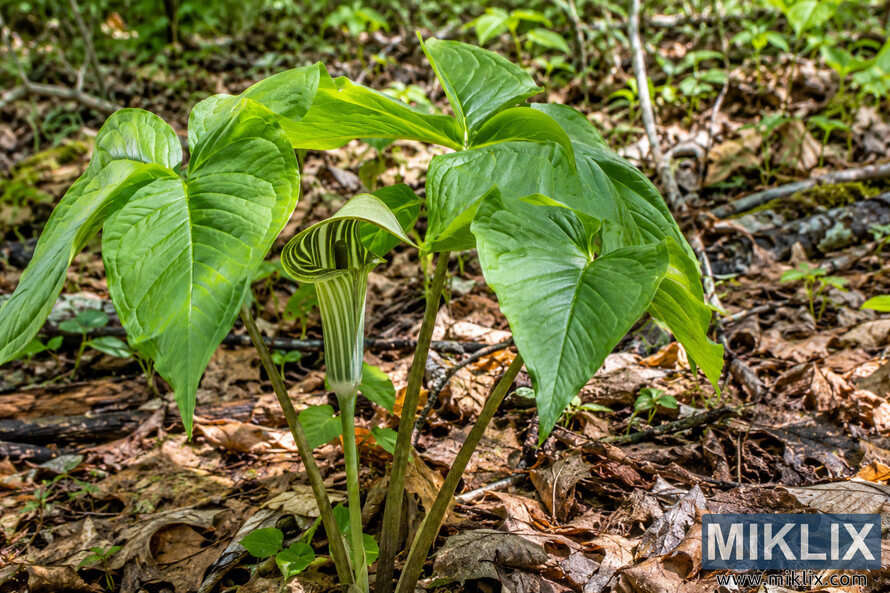
Click or tap the image for more information and higher resolutions.
Frequently asked questions
Can it grow in a home garden?
Yes. A shaded garden with rich moist soil can support this native plant.
Should I remove the berries?
Leave them if you want natural reseeding, but remove them carefully if children or pets may reach them.
Does it return every year?
In a suitable site, the corm can return year after year. Dormancy is part of its normal life cycle.
Final care checklist
- Provide bright shade or filtered light.
- Keep soil rich, loose, and evenly moist.
- Protect the corm from standing water.
- Allow leaves to fade naturally.
- Handle berries and roots with care.
With the right woodland conditions, Arisaema triphyllum becomes a dependable seasonal feature. Give it time, protect its resting corm, and let its unusual flower and bright red berries define the garden’s natural rhythm.
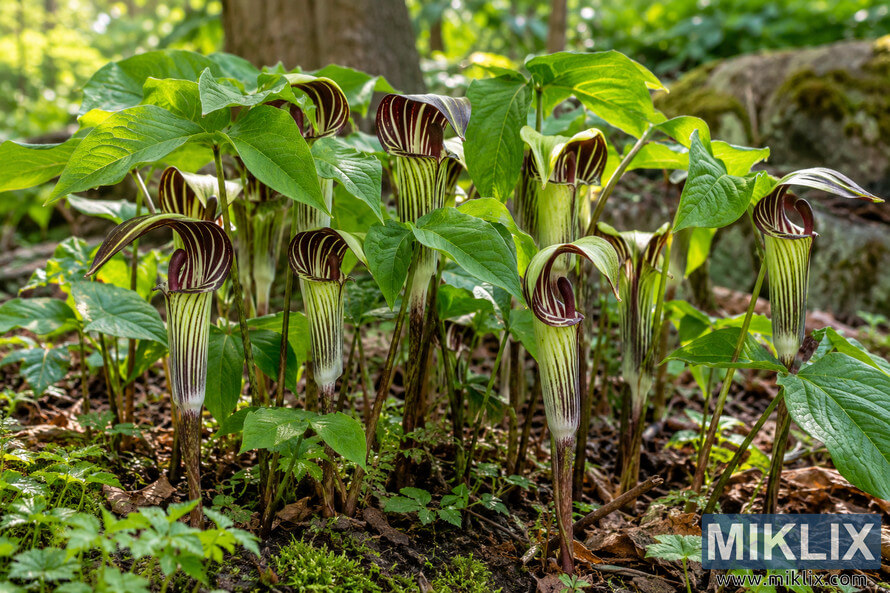
Click or tap the image for more information and higher resolutions.
Further Reading
If you enjoyed this post, you may also like these suggestions:
- A Complete Guide to Growing Green Dragon in Your Own Garden
- Bat-Faced Cuphea: A Practical Growing Guide
- A Complete Guide to Growing Cardinal Flower in Your Own Garden