
Complete Guide to Growing Loquat Trees in Your Home Garden
Published: March 15, 2026 at 7:18:58 PM UTC
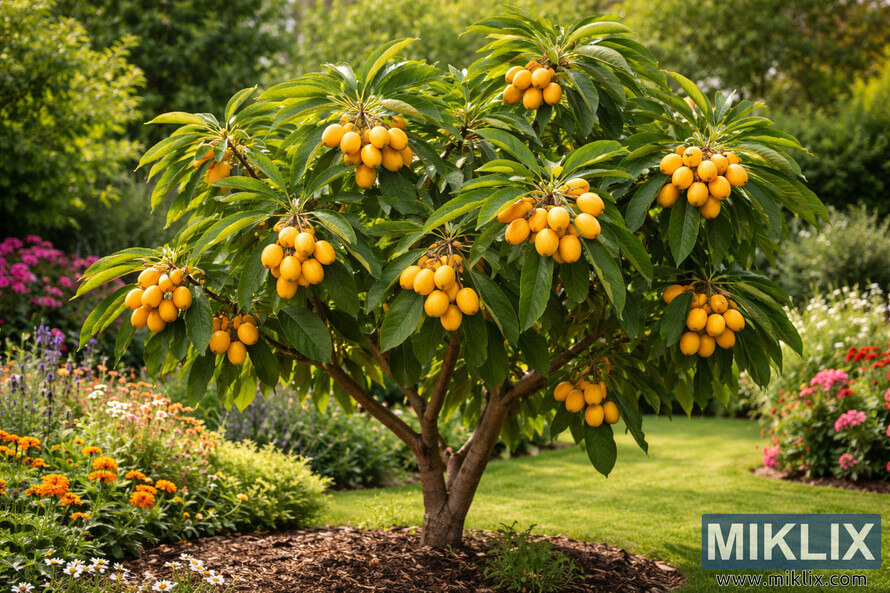
Imagine stepping into your backyard and plucking fresh, sweet fruit from your own tree. Loquat trees make this dream remarkably achievable for home gardeners across many climate zones. These beautiful evergreen trees produce clusters of golden fruit that taste like a delightful mix of peach, citrus, and mild plum.
Click or tap the image for more information and higher resolutions.
Growing loquat trees offers more than just delicious fruit. These ornamental specimens provide year-round visual interest with their large, textured leaves and fragrant winter flowers. Whether you live in a subtropical region or a temperate area with mild winters, loquats can thrive with proper care.
This comprehensive guide walks you through everything needed to successfully cultivate Eriobotrya japonica. You'll discover ideal growing conditions, planting techniques, maintenance requirements, and harvesting tips that ensure abundant crops for years to come.
Understanding Loquat Trees and Their Delicious Fruit
Loquat trees belong to the Rosaceae family, sharing lineage with apples, pears, and plums. Native to southeastern China, these evergreen trees have been cultivated for thousands of years. The botanical name Eriobotrya japonica reflects their historical cultivation in Japan, though they originated in China.
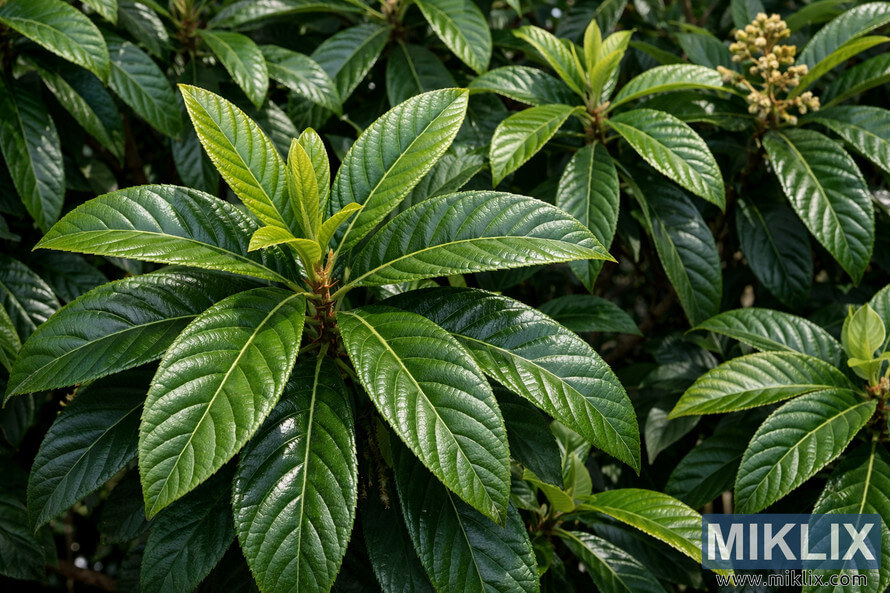
These attractive trees typically reach heights between 10 and 25 feet in home landscape settings. Their large, leathery leaves measure 5 to 12 inches long with distinctive deep veining. The foliage creates dense shade and maintains its deep green color throughout the year.
Loquat trees produce fragrant white flowers in fall and winter months. These blooms appear in terminal clusters and emit a sweet, almond-like scent. The flowers develop into fruit over several months, with harvest typically occurring in spring.
Click or tap the image for more information and higher resolutions.
Characteristics of Loquat Fruit
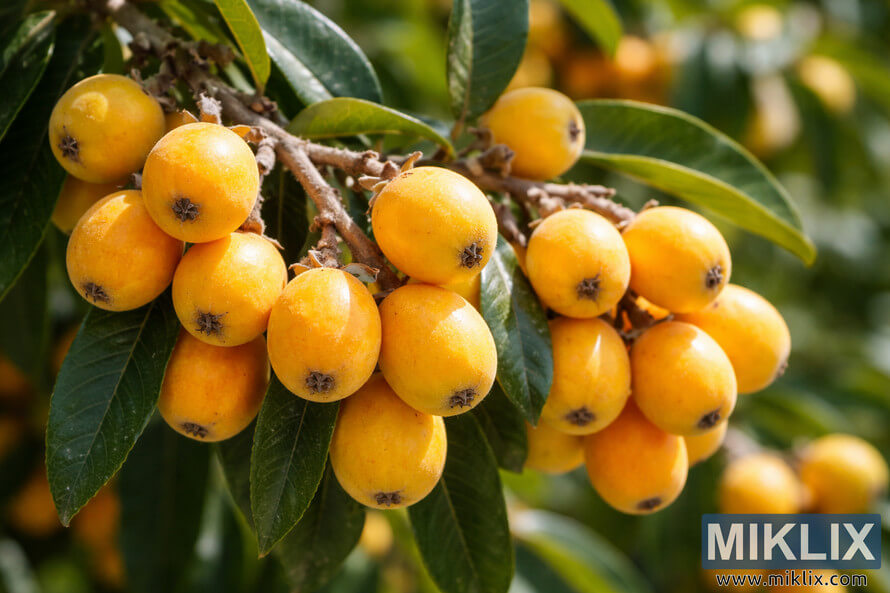
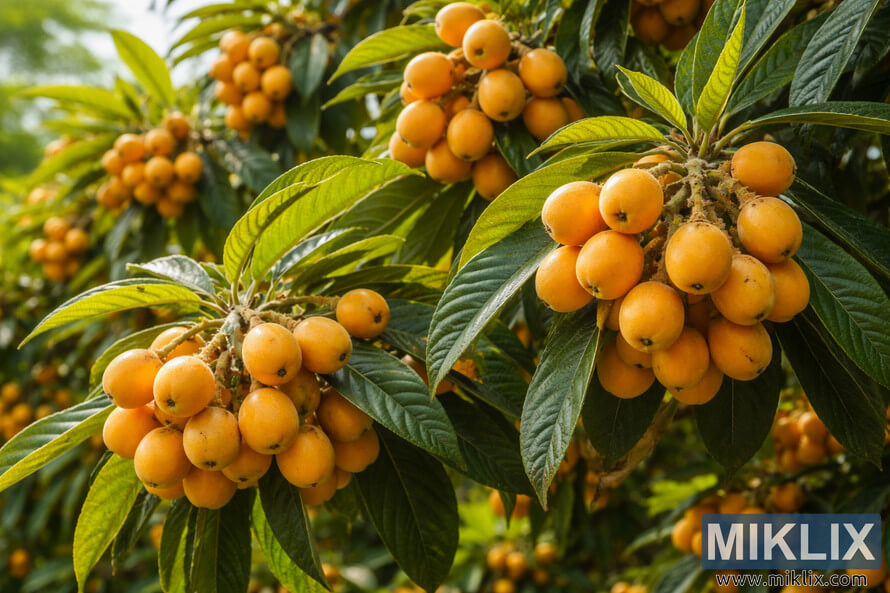
The fruits grow in clusters of 4 to 30, depending on the cultivar and growing conditions. Individual loquats measure 1 to 2 inches in diameter. Their smooth skin ranges from pale yellow to deep orange when fully ripe.
Inside, the flesh exhibits colors from white to pale orange. The texture resembles a firm apricot with juicy consistency. Most fruits contain 1 to 5 large brown seeds in the center. The flavor profile combines sweet and tart notes with hints of peach, citrus, and mango.
Fresh loquats offer excellent nutritional value. They provide vitamin A, vitamin C, potassium, and dietary fiber. The fruits work beautifully in fresh applications, jams, jellies, and baked goods. Many gardeners enjoy them straight from the tree when perfectly ripe.
Growth Habits and Lifespan
Loquat trees demonstrate moderate growth rates. Young trees typically add 12 to 24 inches of height per year under optimal conditions. They begin producing fruit within 3 to 5 years when grown from grafted nursery stock.
Mature trees can live for several decades with proper care. Some specimens in ideal climates have produced fruit for 40 years or more. The trees maintain attractive appearance throughout their lifespan, making them valuable landscape plants beyond fruit production.
These versatile trees adapt to various landscape uses. They work well as specimen trees, privacy screens, or espalier subjects. Container growing suits dwarf cultivars in areas with challenging climates.
Climate and Growing Zone Requirements for Loquat Trees
Understanding climate requirements ensures success when growing loquat trees. These subtropical to warm temperate plants thrive in specific conditions. Matching your local climate to their needs determines whether your tree will merely survive or truly flourish.
Ideal Temperature Ranges
Loquat trees grow best in USDA hardiness zones 8 through 10. They tolerate minimum winter temperatures down to 10°F to 15°F. Mature trees handle brief cold periods better than young specimens.
The trees prefer areas with mild winters and warm summers. They perform exceptionally well in Mediterranean climates and humid subtropical regions. Areas with hot, dry summers may require additional irrigation to maintain tree health.
Flower and fruit production depends heavily on winter conditions. The trees need some cool weather to initiate flowering. However, hard freezes during bloom time destroy flowers and developing fruit. This timing challenge affects successful fruit production in borderline climates.
Frost Tolerance Considerations
Young loquat trees show less cold tolerance than established specimens. Protect trees under 3 years old when temperatures drop below 25°F. Use frost blankets or temporary structures during cold snaps.
The foliage tolerates light frosts without damage. Temperatures below 25°F can injure leaves and tender new growth. Severe freezes kill branches and may damage the entire tree in extreme cases.
Flowers and developing fruit suffer damage at 28°F to 30°F. Since blooming occurs in fall and winter in most areas, late-season frosts present challenges. Gardeners in marginal zones should select late-flowering cultivars to avoid frost damage.
Regional Growing Success
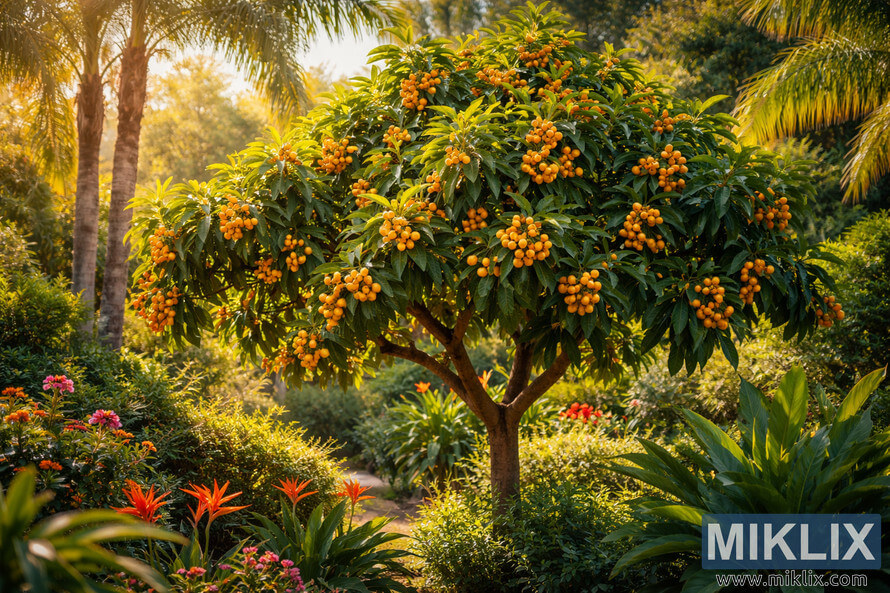
California provides ideal conditions for loquat cultivation. The coastal and inland valley regions offer perfect climate combinations. Florida gardeners also enjoy excellent results, particularly in central and southern areas.
The Gulf Coast states from Texas to Georgia support healthy loquat growth. These humid subtropical areas provide adequate warmth and winter chill. However, hard freezes occasionally damage crops in northern portions of this region.
Protected microclimates in zone 7 sometimes support loquat trees. South-facing walls, urban heat islands, and sheltered valleys offer extra warmth. Gardeners in these marginal zones should choose hardy cultivars and provide winter protection.
Climate Tip: Check your local extension office resources to determine if loquats suit your specific microclimate. They provide detailed information about temperature patterns and frost dates in your area.
Click or tap the image for more information and higher resolutions.
How to Plant a Loquat Tree Successfully
Proper planting techniques establish strong foundation for healthy loquat tree growth. Taking time to select the right location and prepare soil correctly pays dividends for years. These steps ensure your tree develops robust root systems and vigorous growth.
Selecting the Perfect Location
Loquat trees need full sun exposure for best fruit production. Choose sites receiving at least 6 to 8 hours of direct sunlight daily. More sun exposure increases flowering and improves fruit quality.
Consider mature tree size when selecting planting spots. Standard cultivars spread 15 to 20 feet wide. Provide adequate space from buildings, power lines, and other trees. Good air circulation around the canopy reduces disease pressure.
Avoid low-lying areas where cold air settles. These frost pockets increase risk of flower and fruit damage. Slightly elevated positions or gentle slopes offer better cold air drainage during winter months.
Protection from strong winds benefits loquat trees. The large leaves can suffer tearing and damage in exposed locations. Existing structures or established trees provide helpful windbreaks without creating too much shade.
Soil Preparation and Requirements
Loquat trees adapt to various soil types. They grow in sandy loam, clay loam, and everything between. Well-draining soil remains the critical factor regardless of texture.
Test soil pH before planting. Loquats prefer slightly acidic to neutral conditions between 6.0 and 7.0. Amend overly alkaline soils with sulfur or acidic organic matter. Very acidic soils benefit from lime applications.
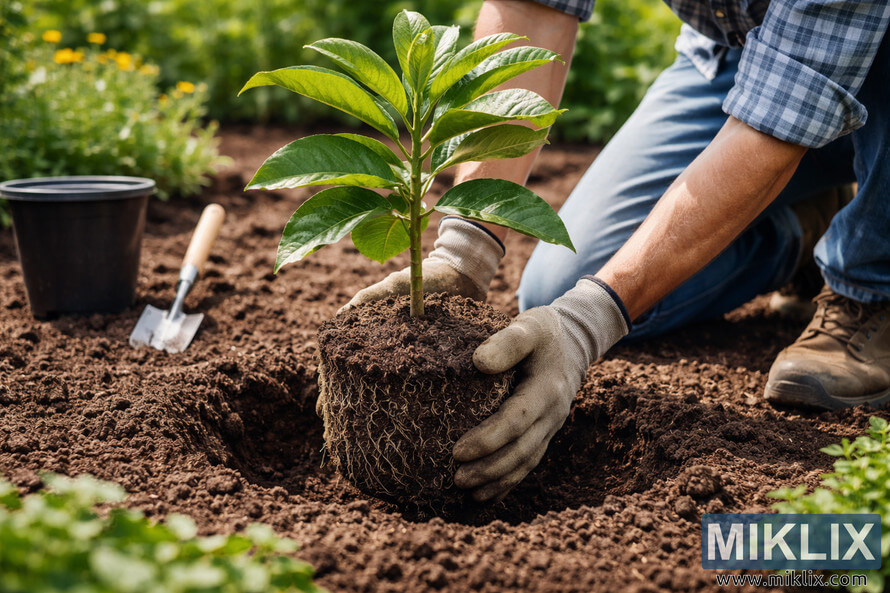
Dig a hole twice as wide as the root ball but no deeper. The tree should sit at the same depth it grew in the nursery container. Planting too deep suffocates roots and causes decline.
Break up compacted soil in the planting area. Loosen soil in a circle 3 to 4 feet wide around the planting hole. This preparation encourages roots to spread into surrounding areas. Mix compost or aged manure into native soil at a 1:3 ratio.
Planting Process Step by Step
The best time for planting loquat trees varies by region. Spring planting works well in most areas, giving trees a full growing season to establish. Fall planting suits mild winter regions where soil stays workable.
Remove the tree carefully from its container. Gently tease apart circling roots at the bottom and sides of the root ball. This encourages roots to grow outward rather than continuing to circle.
Position the tree in the center of the hole. Check that the root flare sits slightly above the surrounding soil level. Backfill with the amended soil mixture, firming gently as you go to eliminate air pockets.
Create a watering basin by building a small soil berm around the planting hole perimeter. This basin holds water over the root zone during irrigation. Water thoroughly immediately after planting to settle soil around roots.
Spacing Guidelines for Multiple Trees
Standard loquat trees require 15 to 25 feet spacing between specimens. This distance allows mature canopies to develop without crowding. Adequate spacing improves air circulation and sunlight penetration.
Dwarf cultivars need less space, typically 8 to 10 feet apart. These compact varieties suit smaller landscapes and intensive planting schemes. Container growing works well for dwarf types in limited spaces.
Consider future growth when spacing near structures. Allow at least 10 feet from buildings to prevent foundation issues and roof damage. Keep trees away from underground utilities and septic systems.
Quality Nursery Stock Selection
Purchase loquat trees from reputable nurseries that offer named cultivars. Grafted trees produce fruit true to type and begin bearing 2 to 3 years earlier than seedlings. Look for specimens with healthy root systems, balanced branch structure, and no signs of pest or disease damage. Container-grown trees transplant successfully year-round in mild climates.
Essential Planting Supplies
Gather necessary materials before planting day. Quality compost improves soil structure and provides slow-release nutrients. A soil testing kit helps determine amendment needs. Organic mulch conserves moisture and regulates soil temperature. A sturdy garden spade and wheelbarrow make hole preparation easier.
Click or tap the image for more information and higher resolutions.
Essential Care and Maintenance for Thriving Loquat Trees
Consistent care ensures loquat trees remain healthy and productive. These relatively low-maintenance trees still benefit from attention to watering, feeding, and pruning. Establishing good care routines early creates strong, resilient specimens.
Watering Requirements and Schedules
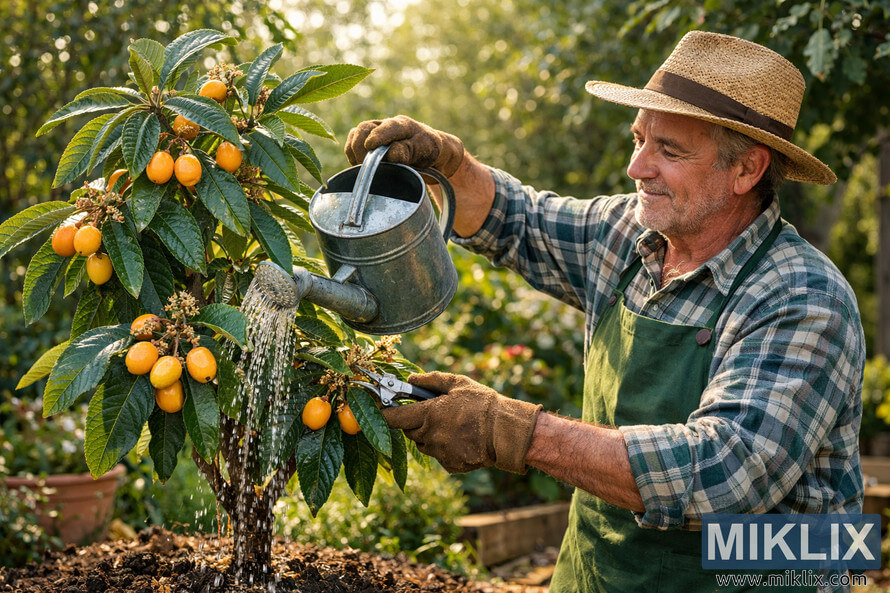
Young loquat trees need regular water to establish deep root systems. Water newly planted specimens 2 to 3 times weekly during the first growing season. Provide 5 to 10 gallons per watering session, depending on weather conditions.
Mature trees demonstrate good drought tolerance once established. They typically need supplemental water only during extended dry periods. Deep watering every 2 to 3 weeks during summer months maintains tree health and fruit quality.
Soil moisture monitoring helps prevent both underwatering and overwatering. Check soil 4 to 6 inches deep near the root zone. Water when soil feels dry at this depth. Avoid keeping soil constantly saturated, which promotes root rot.
Adjust watering based on rainfall, temperature, and soil type. Sandy soils drain quickly and need more frequent irrigation. Clay soils hold moisture longer, requiring less frequent but deeper watering. Reduce irrigation during cooler months when trees grow less actively.
Fertilization Guidelines for Optimal Growth
Loquat trees benefit from regular fertilization during active growth periods. Apply balanced fertilizer 3 to 4 times per year. Young trees under 3 years old need lighter feeding than mature specimens.
Use a complete fertilizer formulated for fruit trees. Products with an 8-8-8 or 10-10-10 analysis work well. Apply 1 to 2 pounds per year of tree age, not exceeding 10 pounds per tree annually.
Distribute fertilizer evenly under the canopy from the trunk to the drip line. Avoid piling fertilizer against the trunk, which can burn bark tissue. Water thoroughly after application to move nutrients into the root zone.
Schedule fertilizer applications in early spring, late spring, and mid-summer. Avoid fertilizing after August in most regions. Late-season feeding promotes tender new growth susceptible to cold damage.
Fertilization Boost: Experienced loquat growers often choose specialized citrus and avocado fertilizers for their trees. These formulations contain micronutrients important for subtropical fruit trees. Iron, zinc, and manganese support healthy foliage and fruit development.
Click or tap the image for more information and higher resolutions.
Mulching Benefits and Best Practices
A 3 to 4-inch layer of organic mulch provides multiple benefits. Mulch conserves soil moisture, regulates soil temperature, and suppresses weed growth. As it decomposes, mulch adds organic matter and nutrients to soil.
Apply mulch in a circle extending to the tree's drip line. Keep mulch 4 to 6 inches away from the trunk to prevent bark rot and pest problems. Replenish mulch annually as it breaks down.
Wood chips, shredded bark, and pine needles all make excellent mulch materials. Avoid fresh wood chips which can temporarily deplete soil nitrogen as they decompose. Aged or composted materials work better.
Pruning Techniques for Shape and Production
Loquat trees require minimal pruning compared to many fruit trees. Light annual pruning maintains attractive shape and removes problem branches. Major pruning can reduce flowering and fruit production.
The best time for pruning falls immediately after harvest in spring. This timing allows trees to produce new growth before next year's flowering period. Avoid heavy pruning in fall and winter when trees set flower buds.
Start by removing dead, diseased, or damaged branches. Cut back to healthy wood using clean, sharp pruning tools. Remove branches that cross or rub against others to prevent future damage.
Thin crowded interior branches to improve air circulation and light penetration. This openness reduces disease pressure and helps fruit ripen evenly. Remove water sprouts and suckers that drain energy from productive branches.
Young trees benefit from training to establish good structure. Select 3 to 5 main scaffold branches with wide angles from the trunk. Remove competing leaders and branches with narrow crotch angles that may split under fruit weight.
Mature trees sometimes need height control. Reduce tall branches by cutting back to lateral branches. This technique maintains natural appearance while keeping fruit within reach for harvest.
Pruning Tool Care: Disinfect pruning tools between cuts when removing diseased wood. Dip blades in rubbing alcohol or 10% bleach solution. This practice prevents spreading infections throughout the tree. Quality bypass pruners and sharp pruning saws make clean cuts that heal quickly.
Common Pests and Diseases Affecting Loquat Trees
Loquat trees generally demonstrate good resistance to pests and diseases. However, certain problems occasionally affect these trees. Early identification and appropriate management keep trees healthy and productive.
Click or tap the image for more information and higher resolutions.
Fire Blight Disease Management
Fire blight poses the most serious disease threat to loquat trees. This bacterial infection affects flowers, shoots, and branches. Infected tissues appear scorched, as if burned by fire.
The disease strikes during bloom periods in warm, humid conditions. Bacteria spread through rain, insects, and contaminated pruning tools. Young shoots suddenly wilt and turn brown or black. Infected branches develop distinctive shepherd's crook appearance at tips.
Remove infected branches immediately upon discovery. Cut 12 inches below visible symptoms into healthy wood. Disinfect tools after each cut. Dispose of infected material away from the garden area.
Preventive copper sprays applied during bloom period help protect against fire blight. Follow label directions carefully for timing and application rates. Avoid overhead irrigation during flowering to reduce disease spread.
Common Insect Pests
Several insects occasionally feed on loquat trees. Scale insects appear as small bumps on leaves and branches. These sap-sucking pests weaken trees and excrete sticky honeydew that attracts sooty mold.
Horticultural oil sprays control scale effectively. Apply during dormant periods or follow label instructions for growing season use. Multiple applications may be necessary for heavy infestations.
Aphids sometimes cluster on new growth and flower clusters. These soft-bodied insects cause leaf curling and distortion. Strong water sprays dislodge light infestations. Insecticidal soap provides control for larger populations.
Fruit flies can damage ripening loquats in some areas. These pests lay eggs in maturing fruit. Larvae tunnel through flesh, making fruit inedible. Harvest fruit slightly early and ripen indoors to avoid fruit fly problems.
Environmental Stress Issues
Leaf scorch appears during hot, dry periods or in low humidity areas. Leaf margins turn brown and crispy. Adequate irrigation and mulching prevent this stress-related condition.
Chlorosis causes yellowing leaves with green veins. This condition indicates iron deficiency, common in alkaline soils. Apply chelated iron according to product directions. Acidifying soil amendments provide long-term solutions.
Sunburn sometimes affects fruit in hot climates. Exposed fruit develops brown patches on sun-facing sides. Maintain adequate canopy coverage to shade developing fruit. Some growers apply kaolin clay sprays to reflect intense sunlight.
Disease Prevention: Healthy trees resist diseases better than stressed specimens. Proper watering, appropriate fertilization, and good air circulation create unfavorable conditions for disease development. Maintain tree vigor through consistent care rather than relying solely on chemical controls.
When and How to Harvest Loquat Fruit
Proper harvest timing and techniques ensure the best flavor and texture from your loquat crop. These fruits continue ripening on the tree, developing maximum sweetness. Learning to recognize perfect ripeness produces the most enjoyable eating experience.
Identifying Ripe Loquats
Loquats ripen in spring, typically March through June depending on climate and cultivar. The fruit develops over several months after winter flowering. Entire clusters don't ripen simultaneously, requiring selective picking over several weeks.
Color change signals approaching ripeness. Mature loquats shift from green to yellow, orange, or pale orange depending on variety. However, color alone doesn't guarantee ripeness. Some cultivars remain pale even when fully ripe.
Gentle pressure testing works better than color for determining ripeness. Ripe loquats yield slightly to gentle thumb pressure, similar to a ripe apricot or plum. Hard fruit needs more time on the tree. Overly soft fruit has passed prime quality.
Taste testing provides the most reliable ripeness indicator. Sample a fruit from each cluster when color develops. Ripe loquats taste sweet with balanced acidity. Underripe fruit tastes tart or bland.
Harvesting Methods and Handling
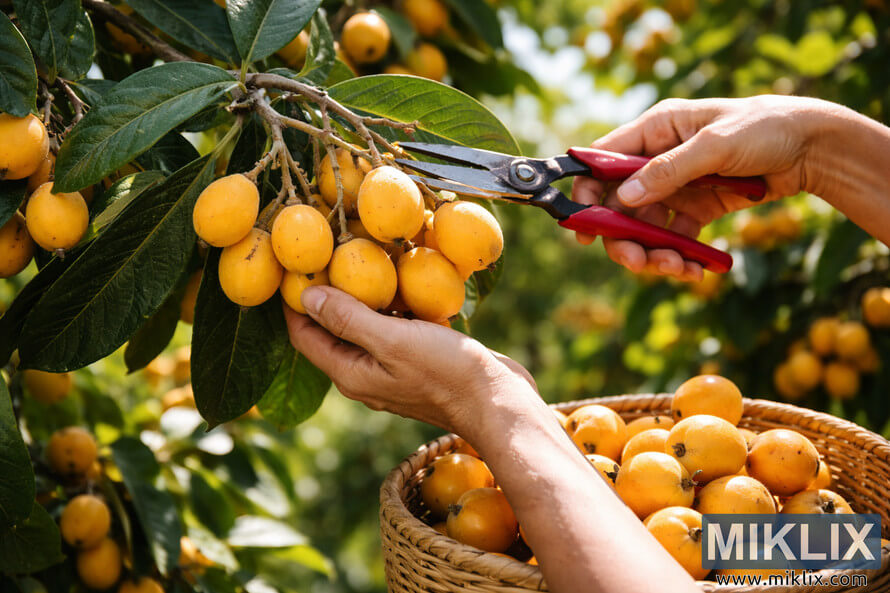
Pick loquats by hand to avoid bruising the delicate fruit. Grasp each fruit gently and twist slightly while pulling. The fruit should detach easily when ripe. Forcing unripe fruit damages the stem and tree.
Some growers harvest entire clusters by cutting the stem. This method works well for processing into jams or preserves. Individual selection produces better quality for fresh eating since fruit within clusters ripens unevenly.
Handle harvested loquats carefully. The thin skin bruises easily, leading to rapid deterioration. Place fruit gently in shallow containers rather than dropping into deep buckets. Avoid stacking fruit more than 2 or 3 layers deep.
Harvest during cooler parts of the day when possible. Morning picking after dew dries works well. Fruit picked during hot afternoon sun can be too warm for proper storage and handling.
Post-Harvest Storage and Use
Fresh loquats store for one week when refrigerated. Place unwashed fruit in perforated plastic bags in the crisper drawer. Wash fruit just before eating to prevent moisture-related decay.
Slightly underripe loquats continue ripening at room temperature. Spread fruit in a single layer away from direct sunlight. Check daily and refrigerate as individual fruits reach perfect ripeness.
The fruit works wonderfully in various culinary applications. Fresh loquats make excellent additions to fruit salads and breakfast bowls. They blend into smoothies for unique tropical flavor. Sliced loquats top yogurt, oatmeal, and desserts beautifully.
Cooked applications showcase loquat versatility. The fruit makes outstanding jams, jellies, and preserves. Loquats combine well with other fruits in pies, tarts, and crisps. Some cultures make loquat wine and liqueurs from surplus harvests.
Yield Expectations
Young loquat trees produce limited fruit during first bearing years. Expect only a few pounds from trees 3 to 5 years old. Production increases significantly as trees mature.
Mature trees yield 50 to 100 pounds of fruit per year under good conditions. Exceptional specimens in ideal climates produce even more. Alternating heavy and light crop years sometimes occurs, though less dramatically than some fruit trees.
Fruit quality improves as trees age. Older trees produce larger fruit with better flavor development. Consistent care and proper thinning of fruit clusters improve both quality and consistency of annual crops.
Click or tap the image for more information and higher resolutions.
Expert Tips for Getting the Best Loquat Harvest
Maximizing your loquat harvest involves more than basic care. These advanced techniques help experienced growers achieve consistently excellent results. Small adjustments in management create significant improvements in fruit quality and quantity.
Flower and Fruit Thinning
Loquat trees often set more fruit than they can support to maturity. Thinning clusters early in development channels tree energy into fewer, higher-quality fruits. This practice also prevents branch breakage from excessive fruit weight.
Thin flower clusters shortly after bloom when small fruits begin developing. Remove about one-third of the clusters, selecting the smallest and most damaged. This thinning increases fruit size and improves overall quality.
Further thin individual fruits within remaining clusters. Leave 3 to 5 fruits per cluster depending on cluster size. Remove the smallest fruits and any showing damage or deformity. This second thinning occurs when fruits reach marble size.
Pollination and Fruit Set Optimization
Loquat flowers benefit from cross-pollination though most cultivars produce fruit from self-pollination. Planting multiple cultivars improves fruit set and quality. Even self-fertile varieties produce better with cross-pollination.
Bees and other pollinators visit loquat flowers during their winter bloom period. Encourage pollinator populations by avoiding pesticide applications during flowering. Plant pollinator-friendly flowers nearby to maintain diverse pollinator communities.
Weather during bloom time significantly affects fruit set. Cold, rainy periods reduce pollinator activity and fruit development. Protect trees with temporary covers during extreme weather if practical for your tree size.
Cultivar Selection Matters
Choose cultivars suited to your specific climate and needs. Some varieties tolerate more cold than others. Late-blooming cultivars help avoid frost damage to flowers and developing fruit in marginal areas.
Fruit characteristics vary considerably between cultivars. Some produce large fruit with pale orange flesh. Others yield smaller yellow fruits with distinctive flavor. Consider intended use when selecting varieties.
Popular cultivars include 'Big Jim' and 'Champagne' for large, high-quality fruit. 'Gold Nugget' offers excellent cold tolerance. 'Mogi' produces exceptionally flavorful fruit. Research cultivars proven in your region before purchasing.
Container Growing for Small Spaces
Dwarf loquat cultivars adapt well to container culture. This method suits gardeners with limited space or challenging climates. Containers allow moving trees to protected locations during extreme weather.
Use containers at least 18 to 24 inches in diameter for dwarf varieties. Larger containers provide better stability and moisture retention. Ensure containers have adequate drainage holes to prevent waterlogging.
Container-grown trees need more frequent watering than in-ground specimens. Check soil moisture daily during hot weather. Fertilize container loquats more frequently using half-strength solutions.
Repot container trees every 2 to 3 years. Root-bound trees show reduced growth and fruiting. Move to slightly larger containers or root-prune and replant in fresh potting mix.
Protecting Fruit from Wildlife
Birds and squirrels often discover ripe loquats before gardeners harvest. Netting draped over trees excludes these pests effectively. Secure netting edges to prevent animals from finding entry points. Remove netting immediately after harvest to avoid trapping wildlife. Reflective tape and predator decoys provide temporary deterrence but wildlife quickly adapts to these measures.
Extending the Harvest Season
Planting early, mid-season, and late-ripening cultivars extends harvest over several months. This succession provides fresh fruit throughout spring rather than overwhelming quantities all at once. Different cultivars also offer flavor variety and protect against total crop loss from late frosts. Consider your local microclimate when timing cultivar selection for optimal results.
Click or tap the image for more information and higher resolutions.
Propagating Loquat Trees from Seeds and Cuttings
Growing new loquat trees from existing specimens appeals to adventurous gardeners. Both seed and cutting propagation work with varying success rates. Understanding each method's advantages helps choose the best approach for your situation.
Growing from Seed
Loquat seeds germinate readily and grow vigorously. However, seedling trees rarely produce fruit identical to the parent tree. Most seedlings take 8 to 10 years before first fruiting. Fruit quality from seedlings varies widely, often inferior to named cultivars.
Plant fresh seeds immediately after removing from fruit. Loquat seeds lose viability quickly when dried. Plant seeds 1 inch deep in well-draining potting mix. Keep soil consistently moist but not waterlogged.
Germination occurs within 4 to 8 weeks under warm conditions. Seedlings grow rapidly once established. Transplant to larger containers or outdoor locations once seedlings reach 6 to 8 inches tall.
Propagation from Cuttings
Rooting cuttings from mature loquat trees proves challenging but possible. This method produces trees identical to the parent. Success rates improve with proper technique and rooting hormone use.
Take semi-hardwood cuttings in late summer or early fall. Select healthy shoots from current year growth. Cut 6 to 8-inch sections just below a leaf node. Remove lower leaves, leaving 2 to 3 leaves at the tip.
Dip cutting bases in rooting hormone powder or gel. Insert cuttings 2 to 3 inches deep in sterile rooting medium. Sand, perlite, or seed-starting mix work well. Keep medium consistently moist and provide bottom heat if possible.
Cover cuttings with clear plastic to maintain humidity. Place in bright, indirect light away from direct sun. Rooting takes 8 to 12 weeks. Transplant rooted cuttings to individual containers once roots develop.
Grafting for Best Results
Professional nurseries propagate loquat trees through grafting. This technique combines desired fruiting cultivar with vigorous rootstock. Grafted trees fruit sooner and produce predictable results.
Home gardeners with grafting experience can propagate loquats this way. Whip-and-tongue or cleft grafts work well. Perform grafting in late winter or early spring when sap begins flowing.
Loquat seedlings serve as rootstock for grafting. One-year-old seedlings with pencil-thick trunks make ideal rootstock. Collect scion wood from healthy, productive trees during dormancy.
Troubleshooting Common Loquat Growing Challenges
Even experienced gardeners encounter occasional challenges when growing loquat trees. Recognizing common problems early enables effective solutions. Most issues respond well to proper diagnosis and corrective measures.
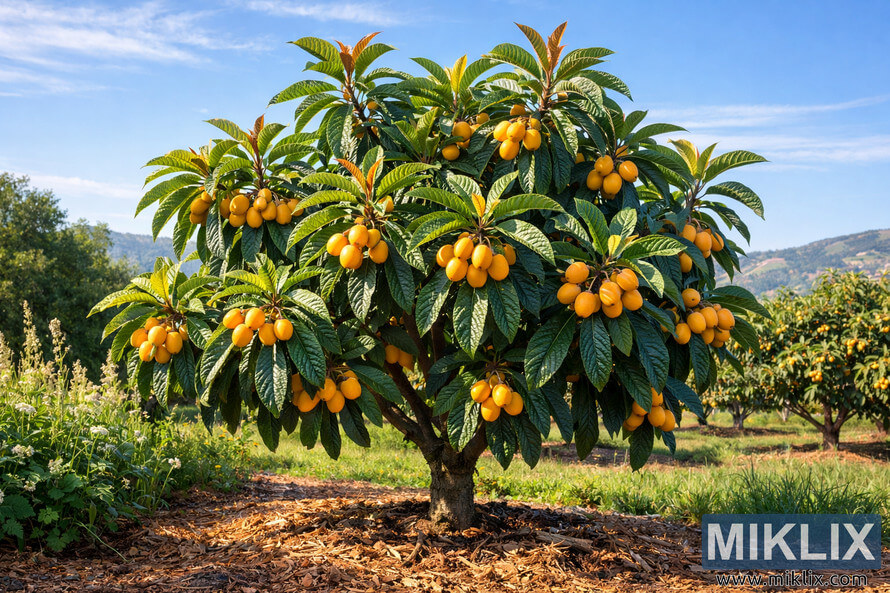
Click or tap the image for more information and higher resolutions.
Poor Fruit Production
Trees that fail to fruit or produce minimal crops frustrate gardeners. Several factors cause this problem. Young trees under 5 years old may simply need more time to reach bearing age.
Inadequate winter chill prevents proper flower bud formation. Loquats need some cool weather to initiate blooming. Excessively warm winter areas may not provide sufficient chill hours.
Frost damage during bloom destroys flowers before fruit sets. Late cold snaps eliminate entire crops in some years. Heavy pruning at wrong times removes flower buds before they bloom.
Improve fruiting by ensuring adequate fertilization and water. Avoid heavy pruning in fall and winter. Protect flowers during frost events when possible. Consider planting cold-hardy or late-blooming cultivars in marginal climates.
Leaf Problems and Discoloration
Yellow leaves with green veins indicate iron chlorosis. This nutritional deficiency affects trees in alkaline soils. Apply chelated iron products to correct the problem. Long-term soil acidification prevents recurrence.
Brown leaf tips and edges suggest water stress or salt accumulation. Increase irrigation frequency during dry periods. Leach salts from soil with deep watering. Improve drainage if soil stays waterlogged.
Spotted or blotched leaves may indicate fungal disease. Improve air circulation through selective pruning. Remove affected leaves and dispose away from garden. Apply fungicides only if problems persist despite cultural improvements.
Fruit Quality Issues
Small fruit size results from overcropping or inadequate nutrition. Thin fruit clusters to improve size of remaining fruits. Ensure consistent fertilization during fruit development.
Bland flavor indicates premature harvest or insufficient sunlight. Allow fruit to ripen fully on the tree. Prune to increase light penetration to inner canopy areas where fruit develops.
Fruit cracking occurs when irregular watering causes rapid growth spurts. Maintain consistent soil moisture throughout fruit development. Avoid heavy irrigation after drought periods.
Seasonal Care Calendar for Loquat Trees
Following seasonal care patterns helps organize maintenance tasks. These schedules align care activities with tree growth cycles. Regional variations require adjusting timing based on local climate.
Spring Care Activities
Spring marks harvest time for most loquat growing areas. Monitor fruit daily as harvest window approaches. Pick fruit at peak ripeness for best flavor and texture.
Complete pruning immediately after harvest finishes. Remove dead wood, crossing branches, and excess interior growth. Shape young trees to establish strong scaffold structure.
Apply fertilizer as new growth begins after pruning. Use complete fruit tree fertilizer according to label directions. Water deeply to move nutrients into root zone.
Summer Maintenance
Summer heat increases water demand significantly. Monitor soil moisture regularly and irrigate deeply as needed. Morning watering reduces disease pressure and water loss to evaporation.
Apply second fertilizer application in early summer. This feeding supports vigorous growth during peak growing season. Avoid late-summer fertilization that promotes tender growth vulnerable to cold damage.
Watch for pest activity during warm months. Monitor for scale insects, aphids, and other common pests. Address problems early when populations remain small and manageable.
Fall Preparations
Reduce watering frequency as temperatures cool and growth slows. Fall rains may provide adequate moisture in many regions. Continue monitoring soil moisture to prevent drought stress.
Flowers begin developing in late fall across most of the loquat growing range. Avoid heavy pruning once flower clusters appear. Protect flowers if early frost threatens.
Apply fall fertilizer application where growing seasons remain long. Skip this feeding in areas with early winters. The goal is avoiding tender new growth before cold weather.
Winter Considerations
Monitor weather forecasts for freeze warnings during bloom periods. Cover trees or use orchard heaters when hard freezes threaten flowers. These protective measures save crops in marginal climates.
Reduce watering during winter dormancy. Trees need less water when not actively growing. Soil should remain slightly moist but never waterlogged during cool months.
Apply dormant oil sprays if scale or overwintering pests appeared during previous season. Follow label directions for appropriate temperature ranges. Avoid spraying during extreme cold or when flowers have opened.
Frequently Asked Questions About Growing Loquat Trees
How long does it take for a loquat tree to produce fruit?
Grafted loquat trees from nurseries typically begin producing fruit within 3 to 5 years after planting. Trees grown from seeds take considerably longer, usually 8 to 10 years before first fruiting. The exact timing depends on growing conditions, cultivar, and care quality. Trees planted in optimal climates with excellent care sometimes fruit slightly earlier than average timeframes.
Can loquat trees grow in containers?
Yes, dwarf loquat cultivars adapt well to container growing. Use containers at least 18 to 24 inches in diameter with good drainage. Container culture works especially well in marginal climates where trees benefit from protection during extreme weather. Container-grown trees require more frequent watering and fertilization than in-ground specimens. Repot every 2 to 3 years to prevent root binding.
Why doesn't my loquat tree flower or fruit?
Several factors prevent flowering and fruiting. Young trees under 5 years old may not have reached bearing age. Insufficient winter chill prevents flower bud formation in some climates. Heavy pruning at wrong times removes developing flower buds. Frost damage during bloom periods destroys flowers before fruit sets. Ensure proper fertilization, avoid fall and winter pruning, and protect flowers from frost in marginal areas.
Are loquat trees invasive?
Loquat trees generally do not exhibit invasive characteristics in most regions. Birds spread seeds, occasionally resulting in volunteer seedlings near planted trees. These seedlings rarely compete aggressively with native vegetation. However, some subtropical regions report minor invasiveness in disturbed areas. Check with local extension services about loquat status in your specific region before planting.
How cold hardy are loquat trees?
Mature loquat trees tolerate brief periods down to 10°F to 15°F without significant damage. Young trees show less cold tolerance and need protection below 25°F. Flowers and developing fruit suffer damage at 28°F to 30°F. The trees grow best in USDA zones 8 through 10. Gardeners in zone 7 can grow loquats in protected microclimates with winter protection.
Do I need more than one loquat tree for pollination?
Most loquat cultivars produce fruit through self-pollination. However, cross-pollination from a second cultivar often improves fruit set and quality. Planting multiple trees ensures better pollination even when weather conditions reduce pollinator activity. Even self-fertile varieties benefit from genetic diversity provided by cross-pollination with different cultivars.
When is the best time to plant a loquat tree?
Spring planting works well across most loquat-growing regions. This timing provides a full growing season for establishment before winter. Fall planting suits mild-winter areas where soil remains workable and roots can establish before spring growth. Avoid planting during extreme heat or when ground stays frozen. Container-grown trees transplant successfully almost any time in mild climates with proper care.
What pests commonly affect loquat trees?
Loquat trees resist most serious pest problems. Scale insects occasionally colonize branches and leaves. Aphids sometimes cluster on new growth. Fruit flies damage ripening fruit in some regions. Fire blight poses the most serious disease threat, particularly during warm, humid bloom periods. Regular monitoring allows early detection and management before problems become severe.
How much water do loquat trees need?
Newly planted loquat trees need regular watering 2 to 3 times weekly during the first growing season. Provide 5 to 10 gallons per session depending on weather and soil type. Established trees demonstrate good drought tolerance, typically needing supplemental water only during extended dry periods. Deep watering every 2 to 3 weeks during summer maintains health and fruit quality. Adjust frequency based on rainfall, temperature, and soil conditions.
Can you eat loquat seeds?
No, do not eat loquat seeds. The seeds contain cyanogenic glycosides that release cyanide when chewed or digested. While eating one or two seeds accidentally likely causes no harm, deliberately consuming seeds poses health risks. Always remove and discard seeds before eating loquat fruit or using in recipes. The flesh surrounding seeds remains perfectly safe and nutritious.
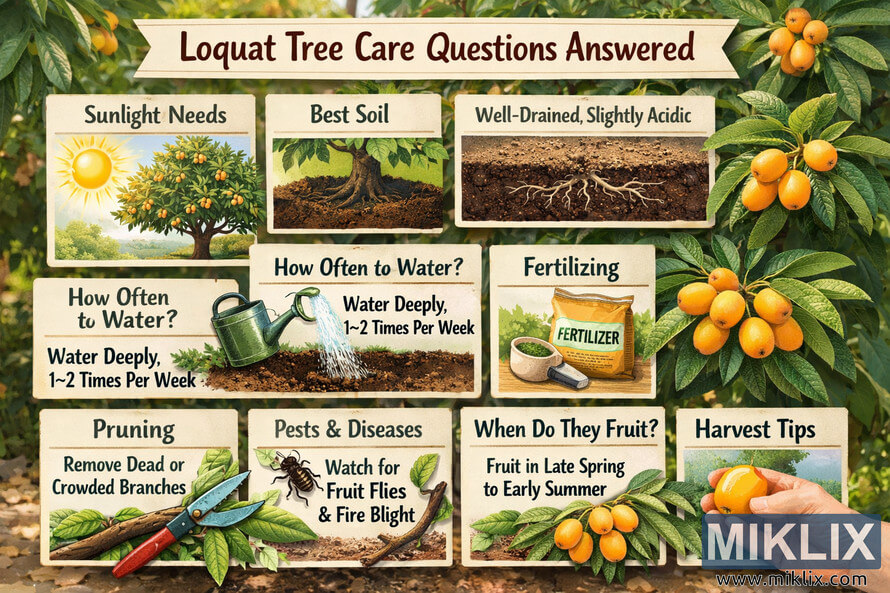
Click or tap the image for more information and higher resolutions.
Growing Your Loquat Success Story
Growing loquat trees rewards gardeners with beautiful evergreen foliage and delicious fruit. These versatile trees enhance home landscapes while producing edible crops. Success comes from matching tree requirements to your specific climate and providing consistent care.
Start by selecting appropriate cultivars for your region. Prepare planting sites with well-draining soil and full sun exposure. Establish young trees with regular watering and proper fertilization. Maintain mature specimens through seasonal care adapted to tree growth cycles.
Monitor for common pests and diseases, addressing problems promptly when they appear. Protect flowers from frost in marginal climates. Thin fruit clusters to improve quality and prevent overcropping. Harvest at peak ripeness for maximum flavor enjoyment.
The journey from planting to first harvest takes patience. However, established loquat trees produce abundant crops for decades. These productive, low-maintenance trees deserve consideration in suitable growing areas. Your efforts result in unique fruit unavailable in most markets, fresh from your own backyard.
Whether you plant a single specimen tree or establish a small home orchard, loquats offer satisfying gardening experiences. The combination of ornamental value and edible harvest makes these trees exceptional landscape choices. Start your loquat growing adventure today and enjoy years of fresh fruit harvests.
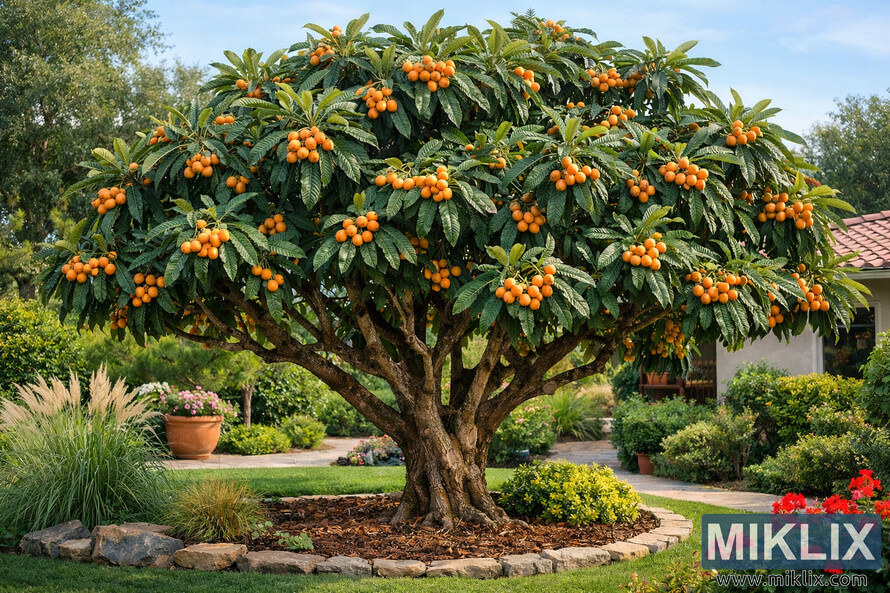
Click or tap the image for more information and higher resolutions.
Further Reading
If you enjoyed this post, you may also like these suggestions:
- A Complete Guide to Growing Leeks at Home Successfully
- Growing Carrots: The Complete Guide to Garden Success
- A Guide to Growing Honeydew Melon in Your Own Garden