
How to Grow Rosemary: Your Complete Growing Guide
Published: April 8, 2026 at 8:30:05 PM UTC
Rosemary brings both beauty and flavor to any garden. This fragrant herb has captured the hearts of gardeners and cooks for centuries. Growing your own rosemary offers fresh herbs year-round. The plant features needle-like leaves and stunning blue flowers.
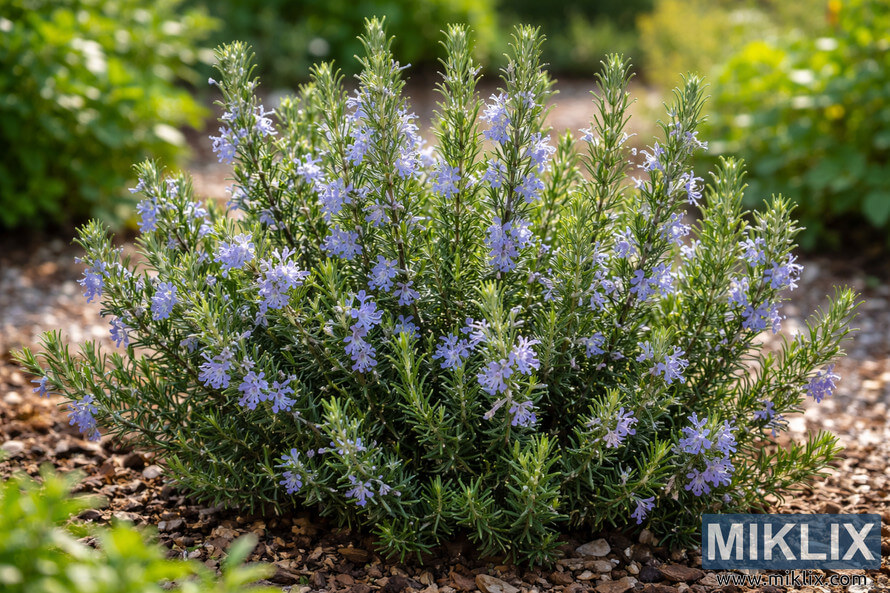
Click or tap the image for more information and higher resolutions.
This guide walks you through everything needed for success. From selecting the right variety to harvesting aromatic leaves, you'll master rosemary cultivation.
Why Grow Rosemary in Your Garden
Rosemary delivers exceptional value as both ornamental and culinary herb. This woody shrub produces fragrant leaves perfect for cooking.
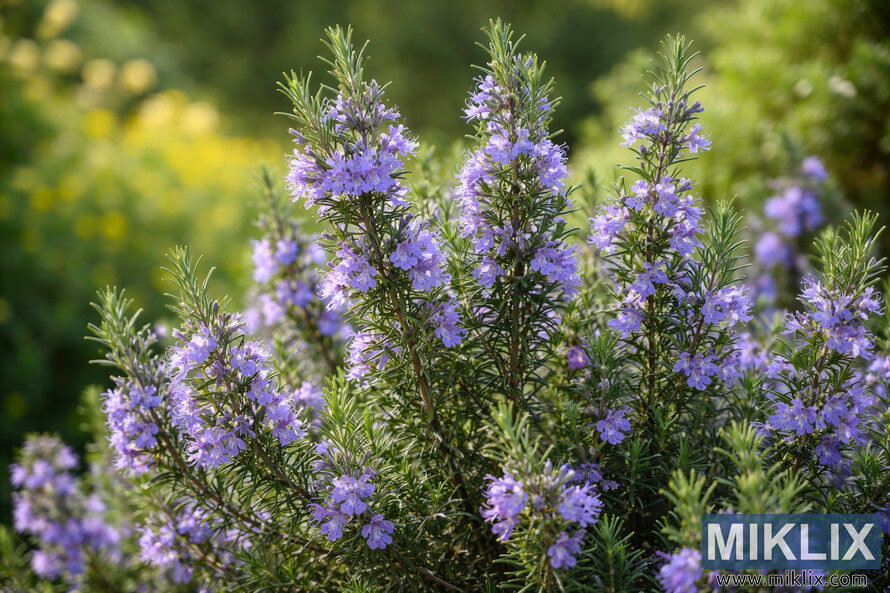
The plant blooms with beautiful blue flowers in spring and summer. These delicate blooms attract beneficial pollinators to your garden.
Culinary Uses
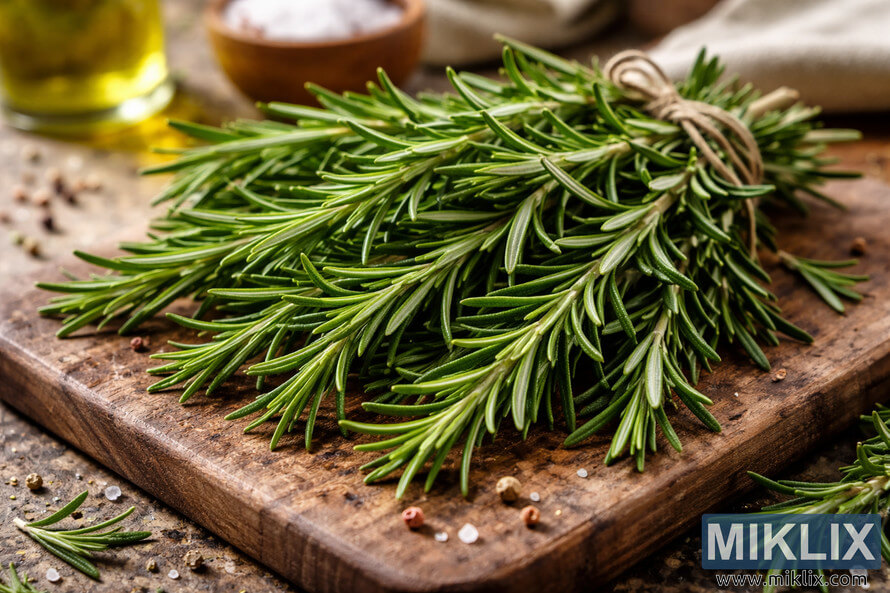
Fresh rosemary enhances countless dishes. The herb complements roasted meats, vegetables, and breads perfectly.
Dried leaves maintain their flavor for months. Many cooks prefer the intense taste of home-grown rosemary.
Click or tap the image for more information and higher resolutions.
Aromatic Benefits
The plant releases wonderful fragrance throughout your garden. Brushing against the leaves spreads this delightful scent.
Rosemary oil contains compounds that improve memory and focus. The aroma has been valued in perfumes for centuries.
Click or tap the image for more information and higher resolutions.
Choosing the Right Rosemary Variety
Different rosemary cultivars suit various growing conditions. Select varieties based on your climate and intended use.
Tuscan Blue
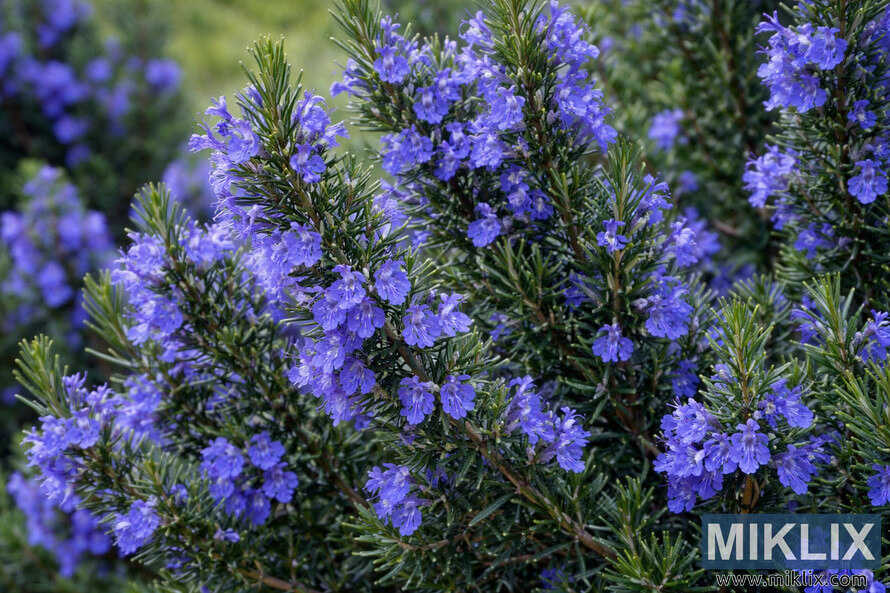
This variety features upright growth and deep blue flowers. Tuscan Blue grows vigorously in warm climates.
The plant develops woody stems quickly. It reaches heights of four to six feet at maturity.
Click or tap the image for more information and higher resolutions.
Arp
Arp tolerates cold temperatures better than other cultivars. This hardy variety survives winters in northern regions.
The plant produces pale blue to lavender flowers. Gardeners in colder zones prefer this reliable choice.
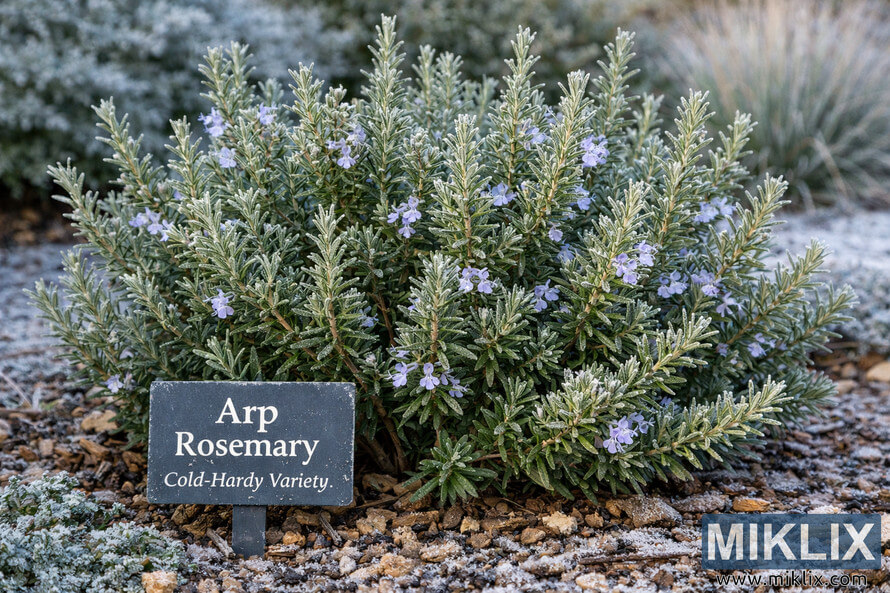
Click or tap the image for more information and higher resolutions.
Prostrate Varieties
These rosemary plants spread horizontally rather than growing tall. They work beautifully in containers and hanging baskets.
The trailing stems create attractive cascading displays. White flowers or blue-violet blooms appear throughout the growing season.
Climate Consideration: Match your rosemary variety to your local conditions. Cold-hardy types survive frost, while tender varieties need protection or indoor overwintering.
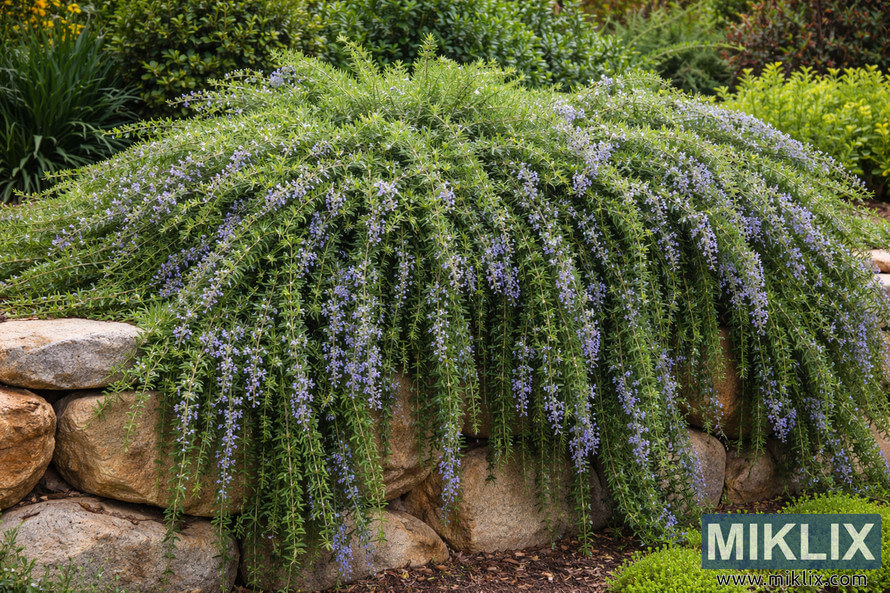
Click or tap the image for more information and higher resolutions.
Planting Your Rosemary Successfully
Proper planting sets the foundation for healthy growth. Rosemary thrives when established correctly from the start.
Best Timing for Planting
Spring offers ideal planting conditions in most regions. Wait until all danger of frost passes before transplanting outdoors.
Fall planting works in warm climates. This timing allows root establishment before summer heat arrives.
Starting from Cuttings
Cuttings provide the fastest way to grow rosemary. Take four-inch stem cuttings from healthy plants in spring or early summer.
- Remove leaves from the bottom two inches of stem
- Dip cut end in rooting hormone for better success
- Plant cuttings in well-draining potting mix
- Keep soil consistently moist until roots develop
- Expect roots to form within three to four weeks
Growing from Seed
Seeds germinate slowly and require patience. This method takes longer but costs less than buying plants.
Start seeds indoors eight to ten weeks before the last frost. Germination can take up to three weeks or longer.
Pro Tip: Rosemary seed germination rates are low. Plant multiple seeds to ensure you get enough plants for your garden.
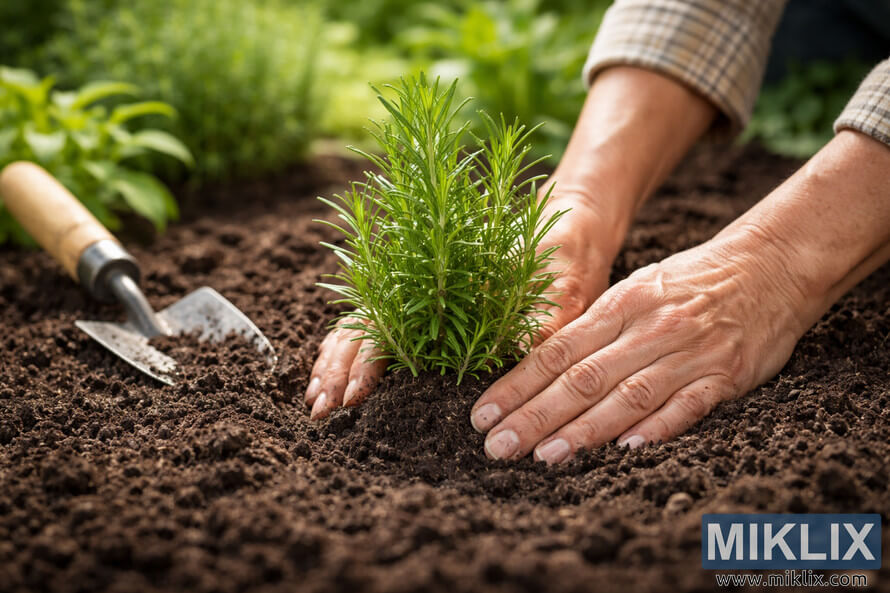
Click or tap the image for more information and higher resolutions.
Creating Ideal Growing Conditions
Rosemary needs specific conditions to flourish. Understanding these requirements ensures robust plant growth and abundant harvests.
Sunlight Requirements
This Mediterranean herb demands full sun exposure. Provide at least six to eight hours of direct sunlight daily.
Insufficient light causes weak, leggy growth. Plants in shade produce fewer leaves and flowers.
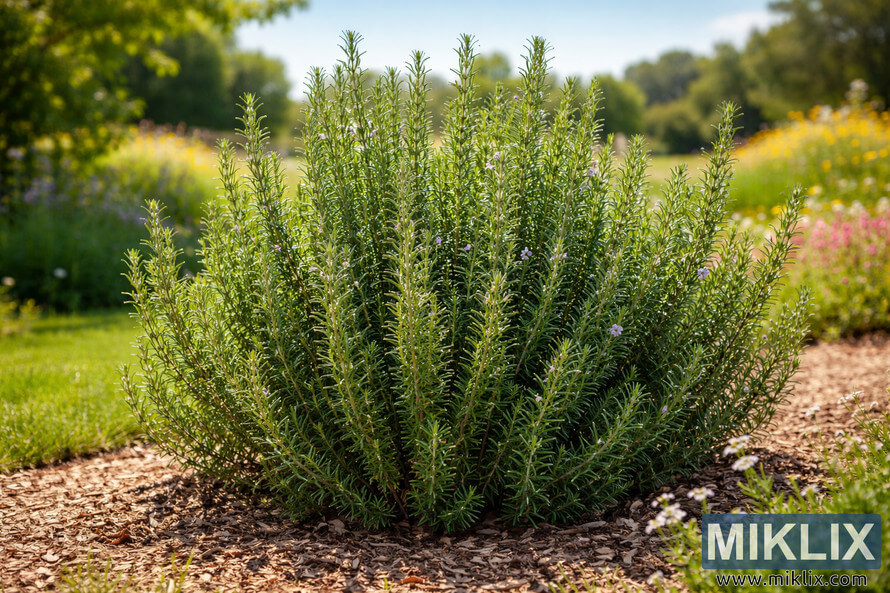
Click or tap the image for more information and higher resolutions.
Soil Preferences
Well-draining soil proves essential for rosemary success. The plant cannot tolerate waterlogged roots.
Sandy or loamy soil works best for cultivation. Heavy clay soil requires amendment with sand and compost.
- Soil pH between 6.0 and 7.0 supports optimal growth
- Add perlite or coarse sand to improve drainage
- Raised beds work excellently in areas with poor drainage
- Container growing requires fast-draining potting mix
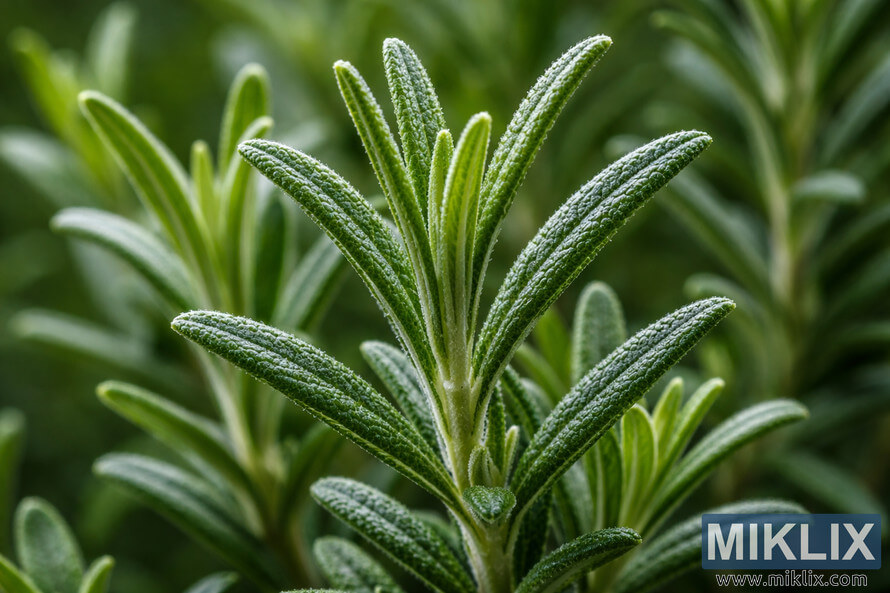
Click or tap the image for more information and higher resolutions.
Watering Guidelines
Established rosemary tolerates drought conditions well. The plant prefers drier conditions to constantly moist soil.
Water deeply but infrequently for best results. Allow the soil to dry between watering sessions.
Newly Planted Rosemary
Young plants need consistent moisture during establishment. Water two to three times weekly for the first month.
Gradually reduce watering as roots develop. Monitor soil moisture to prevent overwatering problems.
Established Plants
Mature rosemary requires minimal supplemental water. Weekly watering suffices in most climates during active growth.
Reduce watering frequency in fall and winter. The plant enters semi-dormancy during cooler months.
Essential Care and Maintenance
Regular maintenance keeps rosemary plants healthy and productive. These simple care practices promote vigorous growth and longevity.
Pruning Techniques
Pruning maintains plant shape and encourages bushy growth. Regular trimming prevents woody, bare stems from developing.
Prune rosemary in spring after the last frost. Remove up to one-third of the plant's total growth.
- Cut just above a leaf node to encourage branching
- Remove dead or damaged stems throughout the growing season
- Harvest sprigs regularly to promote compact growth
- Avoid cutting into old woody stems that may not regenerate
- Shape plants after flowering for best results
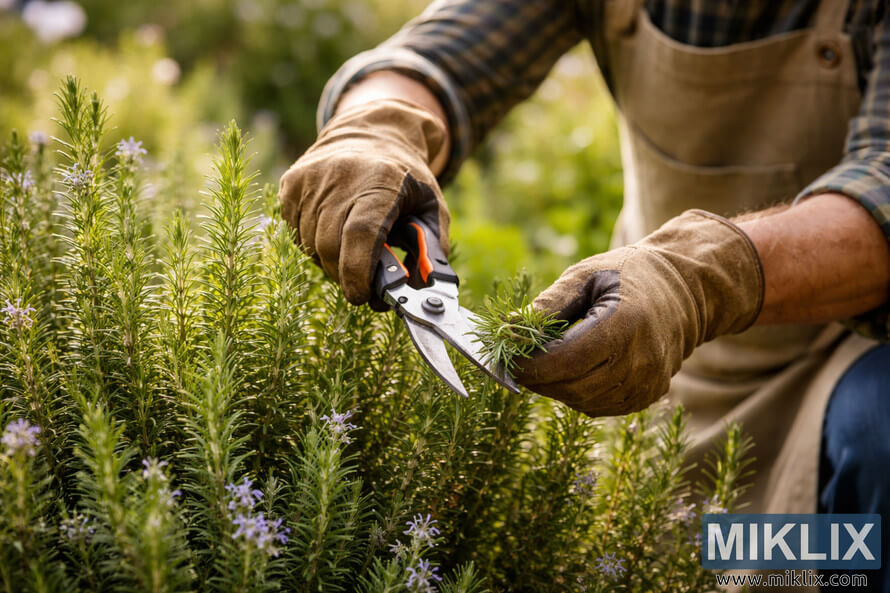
Click or tap the image for more information and higher resolutions.
Fertilizing Requirements
Rosemary needs minimal fertilization compared to other herbs. Too much fertilizer reduces essential oil production in leaves.
Apply a balanced, slow-release fertilizer once in spring. Container-grown plants benefit from light monthly feeding during active growth.
Pest and Disease Management
Rosemary generally resists most pests and diseases. Problems typically arise from improper watering or poor air circulation.
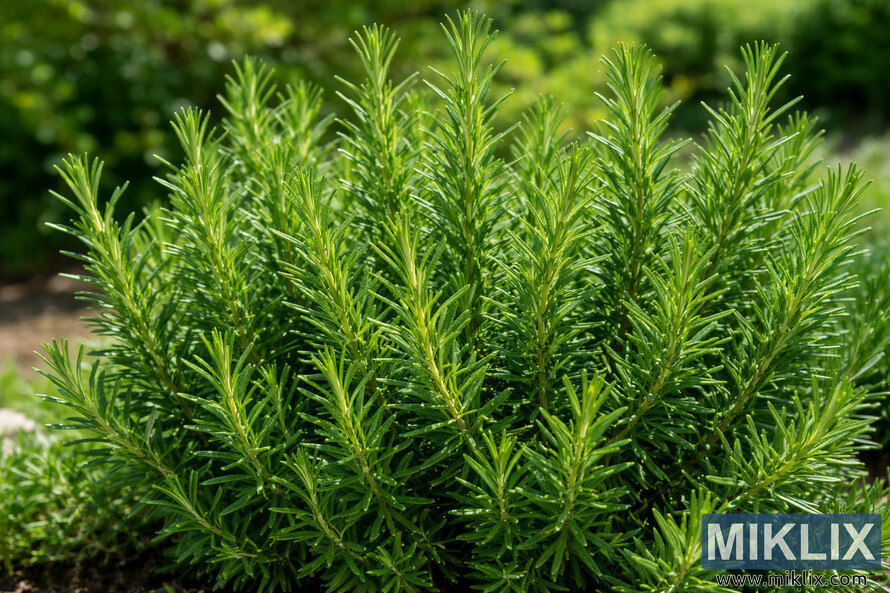
Click or tap the image for more information and higher resolutions.
Common Problems
- Root rot from excessive moisture
- Powdery mildew in humid conditions
- Spider mites during hot, dry weather
- Aphids on new growth
Prevention Methods
- Ensure excellent soil drainage
- Provide adequate air circulation
- Water at soil level, not overhead
- Inspect plants regularly for early detection
Watch for Root Rot: Yellowing leaves and wilting despite moist soil indicate root rot. This disease develops quickly in poorly draining soil. Prevention through proper drainage is far easier than treatment.
Harvesting Rosemary for Maximum Flavor
Proper harvesting techniques preserve plant health while maximizing flavor. Fresh rosemary tastes best when harvested correctly.
When to Harvest
Harvest rosemary leaves any time during the growing season. Morning hours offer the best flavor as essential oils concentrate overnight.
Wait until plants reach six to eight inches tall before first harvest. This allows adequate growth for plant establishment.
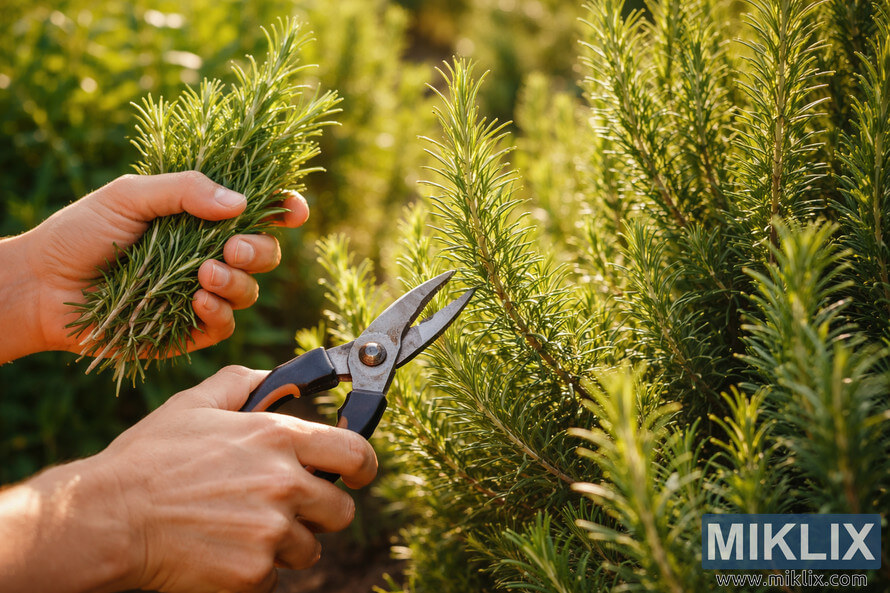
Click or tap the image for more information and higher resolutions.
Harvesting Methods
Cut stems rather than pulling individual leaves. This approach encourages bushier growth and faster regeneration.
- Use clean, sharp pruning shears or scissors
- Cut stems four to six inches from the tips
- Take no more than one-third of the plant at once
- Harvest from different areas to maintain plant shape
- Cut just above a leaf node for new growth
Click or tap the image for more information and higher resolutions.
Storing and Preserving
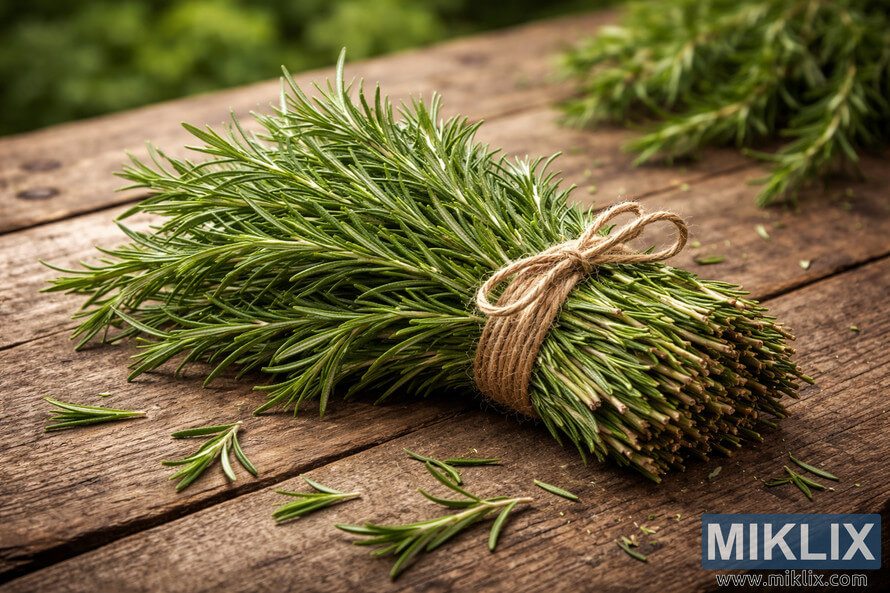
Fresh rosemary keeps for one to two weeks refrigerated. Store stems in a glass of water or wrapped in damp paper towels.
Drying preserves rosemary for long-term storage. Hang bundles upside down in a warm, dry location with good air circulation.
Drying Methods
Air drying takes one to two weeks. Strip dried leaves from stems and store in airtight containers.
Oven drying speeds the process. Use the lowest temperature setting and check frequently to prevent burning.
Freezing Technique
Freezing maintains flavor better than drying. Chop fresh leaves and freeze in ice cube trays with olive oil.
These herb cubes work perfectly for cooking. Pop them directly into hot pans or roasting dishes.
Indoor vs Outdoor Growing Strategies
Rosemary adapts to both indoor and outdoor environments. Each location requires different care approaches for success.
Outdoor Growing Tips
Garden rosemary grows larger and more vigorously than container plants. Outdoor conditions provide ideal light and air circulation.
Choose a protected location in cold climates. Plant near south-facing walls for extra warmth and winter protection.
Space plants 24 to 36 inches apart for air circulation
Mulch lightly around plants to suppress weeds
Avoid heavy mulch that retains excess moisture
Consider container growing in zones colder than Zone 7
Click or tap the image for more information and higher resolutions.
Indoor Growing Success
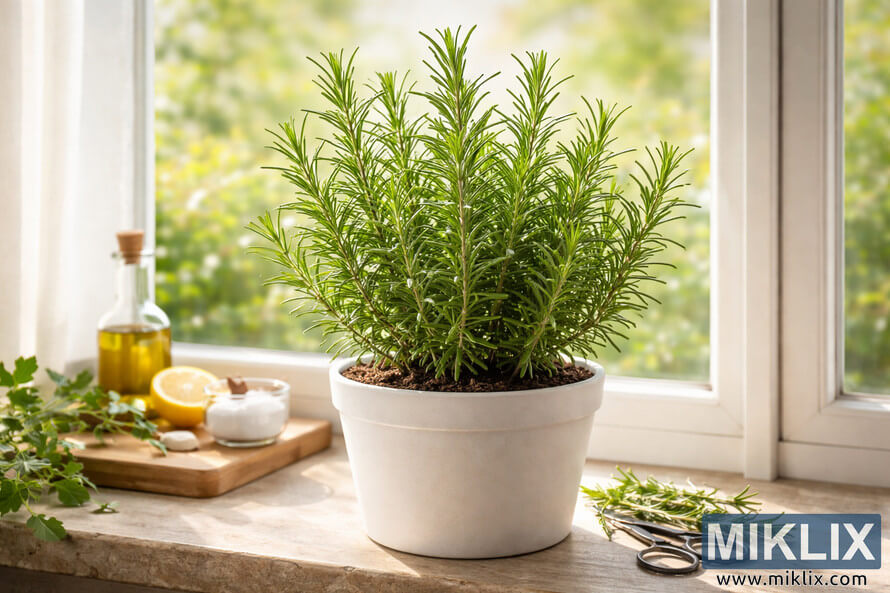
Indoor rosemary challenges many gardeners initially. The plant struggles with low light and dry indoor air.
Place containers in the brightest window available. South-facing windows provide optimal light exposure for indoor plants.
Click or tap the image for more information and higher resolutions.
| Growing Factor | Outdoor Needs | Indoor Needs |
| Light | Full sun, 6-8 hours daily | Brightest window, supplement with grow lights |
| Temperature | Tolerates 30-80°F | Prefers 60-70°F, avoid heat vents |
| Humidity | Tolerates varying levels | Needs increased humidity, use pebble tray |
| Watering | Weekly during active growth | When top inch of soil dries completely |
| Air Flow | Natural breeze sufficient | Small fan improves circulation |
Container Selection
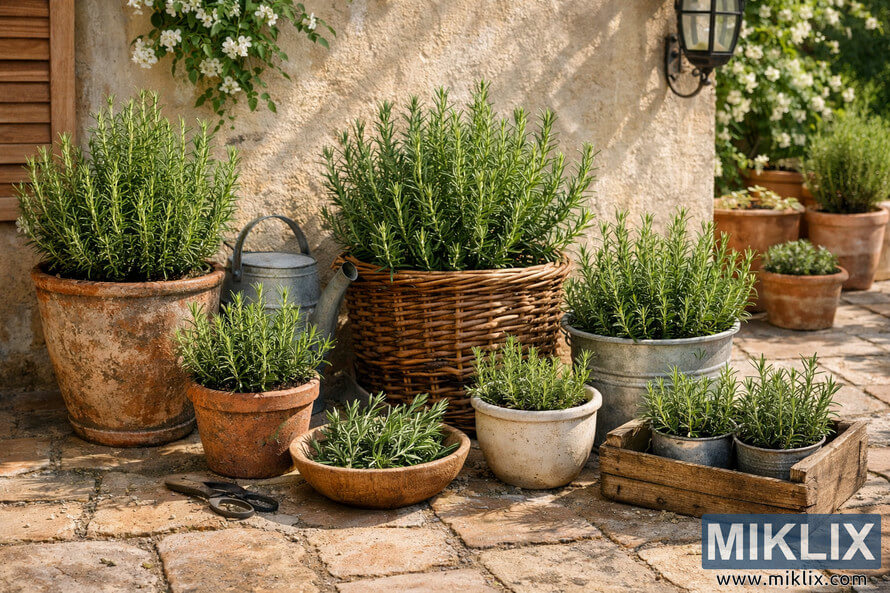
Container choice significantly impacts rosemary health. Proper pots prevent waterlogging and provide adequate root space.
- Select pots with multiple drainage holes
- Terracotta pots allow soil to dry between waterings
- Choose containers at least 12 inches deep
- Repot annually in spring to refresh soil
Troubleshooting Common Growing Problems
Even experienced gardeners encounter rosemary challenges occasionally. Identifying issues early prevents serious plant damage.
Yellowing Leaves
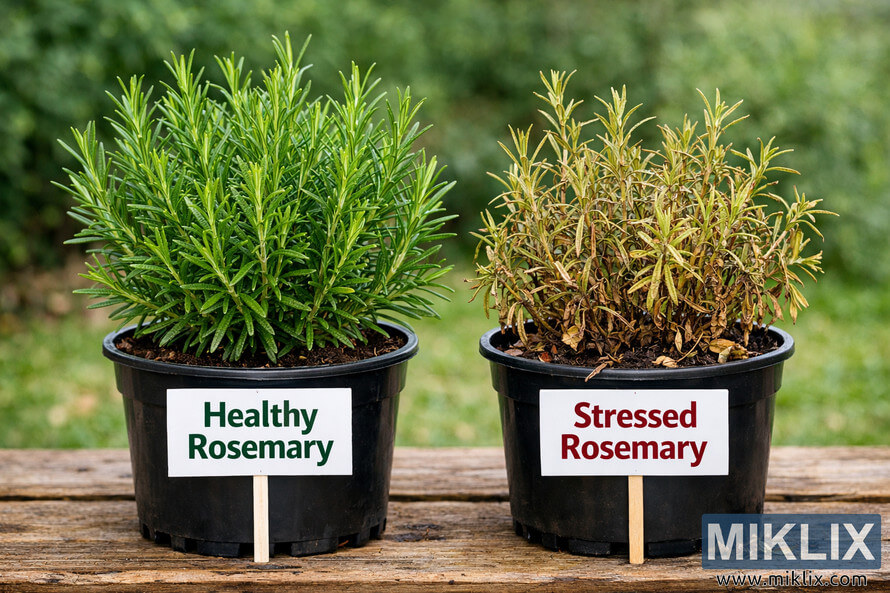
Yellow leaves signal various problems depending on the pattern. Lower leaf yellowing usually indicates overwatering or poor drainage.
Overall yellowing suggests nutrient deficiency or root problems. Check soil moisture and drainage first before adding fertilizer.
Leaf Drop
Sudden leaf drop occurs when plants experience stress. Indoor rosemary drops leaves from insufficient light or dramatic temperature changes.
Gradual leaf loss on lower stems is normal as plants mature. This natural process creates the woody stem structure characteristic of older rosemary.
Click or tap the image for more information and higher resolutions.
Poor Growth
Stunted growth results from inadequate sunlight or nutrient-poor soil. Move plants to brighter locations for improved development.
Root-bound containers also limit growth potential. Transplant to larger pots when roots circle the container bottom.
Why isn't my rosemary flowering?
Young plants under one year old rarely flower. Insufficient sunlight also prevents blooming. Ensure your plant receives full sun exposure and reaches maturity for blue flowers to appear in spring and summer.
Can I grow rosemary from grocery store cuttings?
Yes, fresh rosemary from stores can root successfully. Choose stems with green tips rather than woody sections. Remove lower leaves, place in water, and wait for roots to develop before planting in soil.
How do I overwinter rosemary outdoors?
In zones 7 and warmer, rosemary survives outdoors with minimal protection. In colder zones, mulch heavily around the base or bring container plants indoors. Reduce watering during winter dormancy regardless of location.
What causes brown tips on rosemary leaves?
Brown tips indicate either underwatering or salt buildup from hard water. Flush soil thoroughly with fresh water monthly. If using tap water, allow it to sit overnight before watering to reduce chlorine content.
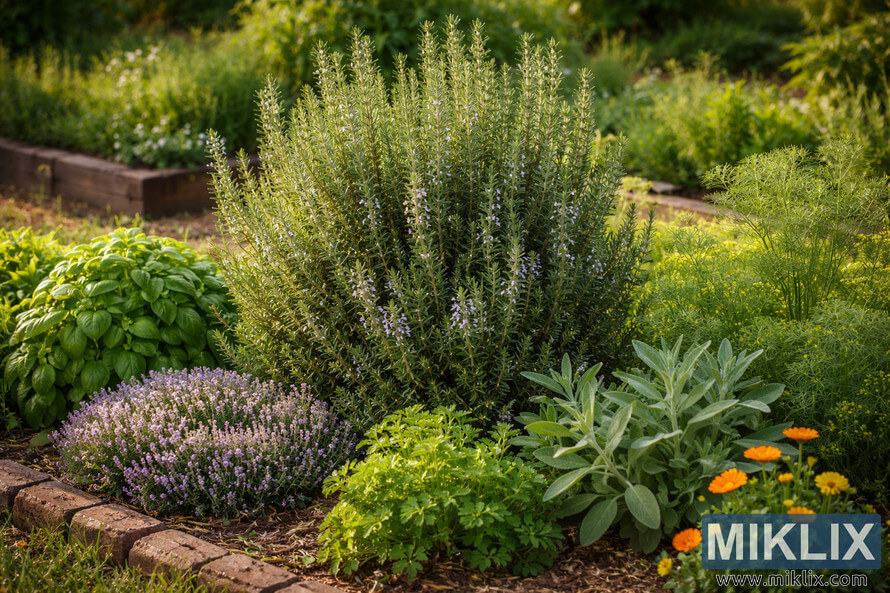
Companion Planting with Rosemary
Rosemary benefits neighboring plants through its strong aroma. Strategic companion planting creates healthier gardens with fewer pest problems.
Best Companion Plants
Mediterranean herbs make excellent rosemary companions. These plants share similar growing requirements for sun and soil drainage.
Lavender
Lavender and rosemary thrive together perfectly. Both herbs prefer dry conditions and full sun exposure.
The purple lavender flowers complement rosemary's blue blooms beautifully. Together they attract beneficial pollinators to gardens.
Thyme
Thyme grows well at rosemary's base as ground cover. This low-growing herb fills gaps between larger rosemary plants.
Both herbs resist similar pests naturally. Their combined aromas deter many common garden insects.
Sage
Sage shares rosemary's preference for well-drained soil. These perennial herbs create attractive, fragrant garden borders together.
Both plants tolerate drought once established. This pairing requires minimal maintenance throughout the growing season.
Click or tap the image for more information and higher resolutions.
Plants to Avoid
Keep rosemary away from moisture-loving plants. Vegetables requiring frequent watering grow poorly near this drought-tolerant herb.
- Avoid planting near tomatoes, cucumbers, or squash
- Separate from water-hungry annual flowers
- Keep distance from shade-preferring plants
- Don't combine with heavy feeding vegetables
Start Growing Your Rosemary Today
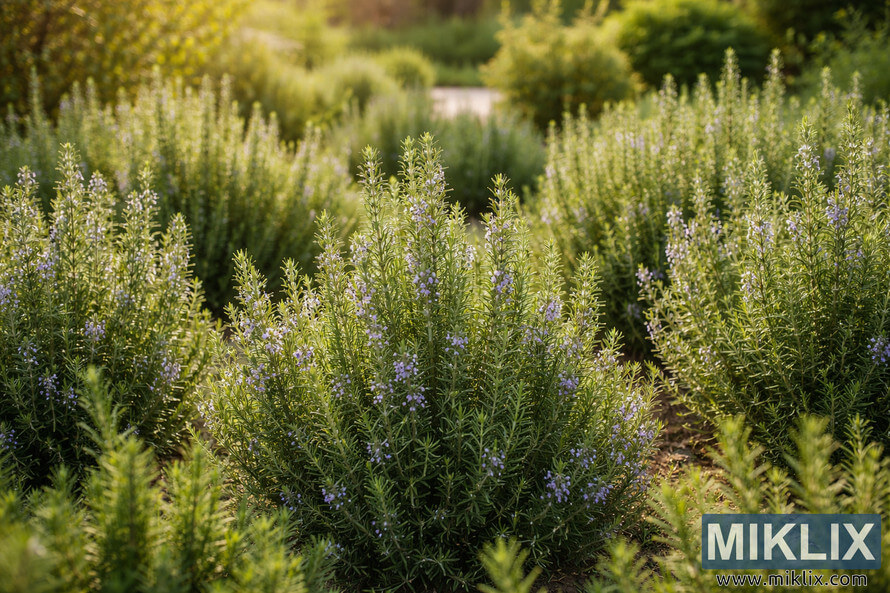
Growing rosemary successfully requires understanding its Mediterranean origins. This hardy herb rewards gardeners with years of fragrant harvests.
Remember that rosemary prefers full sun and well-drained soil above all else. Avoid overwatering and provide excellent drainage for best results.
Start with healthy plants or cuttings rather than seeds for faster success. Regular harvesting keeps plants bushy and productive throughout the growing season.
Key Takeaway: The most common rosemary failure comes from overwatering. When in doubt, let soil dry completely between watering sessions. This single practice prevents most rosemary problems.
Whether growing indoors or outdoors, rosemary adapts to various conditions. Container cultivation works perfectly for cold-climate gardeners who bring plants indoors for winter.
Harvest regularly to enjoy fresh flavor in cooking and perfumes. The plant's essential oil provides both culinary and aromatic value for household uses.
Click or tap the image for more information and higher resolutions.
Further Reading
If you enjoyed this post, you may also like these suggestions:
- A Complete Guide to Growing Your Own Oregano
- A Complete Guide to Growing Parsley in Your Home Garden
- The Ultimate Guide to Growing Mint at Home