
A Complete Guide to Growing Your Own Oregano
Published: January 16, 2026 at 11:10:20 PM UTC
Oregano, with its robust, aromatic flavor, is one of the most rewarding herbs to grow in your garden. Whether you're sprinkling it over homemade pizza, adding depth to a Mediterranean stew, or using it for its medicinal properties, having fresh oregano at your fingertips elevates both your cooking and your gardening experience.
Click or tap the image for more information and higher resolutions.
This versatile perennial herb is surprisingly easy to grow, drought-tolerant, and can thrive in various conditions, making it perfect for both novice and experienced gardeners.
In this comprehensive guide, we'll walk through everything you need to know about growing oregano successfully - from selecting the right variety for your needs to harvesting and preserving your bounty. With the right approach, you'll enjoy a continuous supply of this flavorful herb straight from your garden to your kitchen.
Understanding Oregano: Varieties and Uses
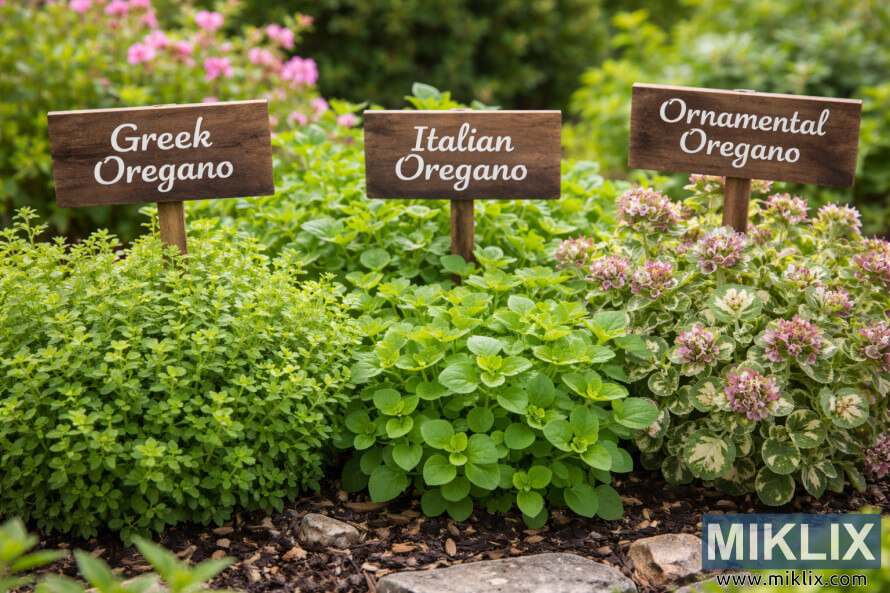
Various oregano varieties each offer unique flavors and growing characteristics
Oregano (Origanum vulgare) belongs to the mint family and is native to the Mediterranean region. This explains its preference for warm, sunny conditions and well-drained soil. Before diving into growing techniques, it's important to understand the different varieties available and their unique characteristics.
Popular Oregano Varieties
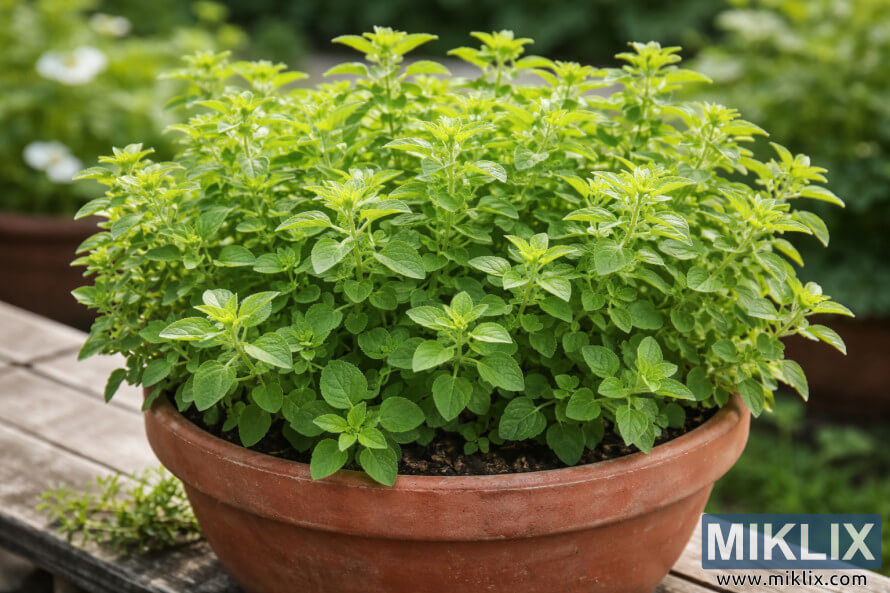
Greek Oregano (Origanum vulgare hirtum)
Considered the true culinary oregano, Greek oregano offers the most intense flavor. It features bright green leaves with white flowers and grows to about 2-3 feet tall. This variety is most commonly used in Italian and Greek cooking and is what most people think of when they imagine oregano flavor.
Click or tap the image for more information and higher resolutions.
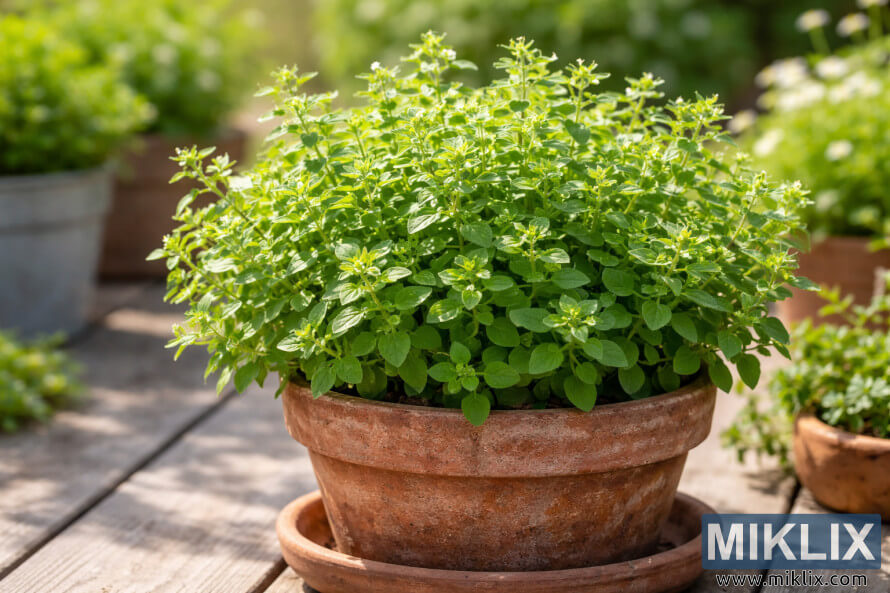
Italian Oregano (Origanum x majoricum)
A hybrid between oregano and marjoram, Italian oregano has a milder, slightly sweeter flavor. The leaves are smaller than Greek oregano, but the plant is equally aromatic and versatile in the kitchen.
Click or tap the image for more information and higher resolutions.
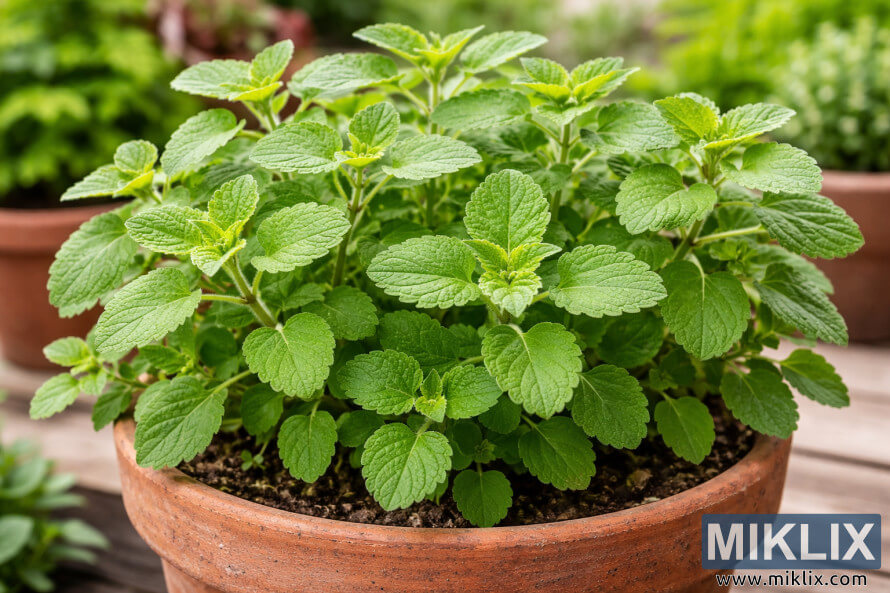
Mexican Oregano (Lippia graveolens)
Though not a true oregano (it belongs to the verbena family), Mexican oregano has a similar flavor profile with citrus and licorice notes. It's commonly used in Mexican and Southwestern cuisine and thrives in hot, dry conditions.
Click or tap the image for more information and higher resolutions.
Ornamental Varieties
Several oregano varieties are grown primarily for their appearance, such as 'Kent Beauty' with its showy pink-purple bracts and 'Aureum' (golden oregano) with its bright yellow foliage. While these can be used in cooking, their flavor is typically milder than culinary varieties.
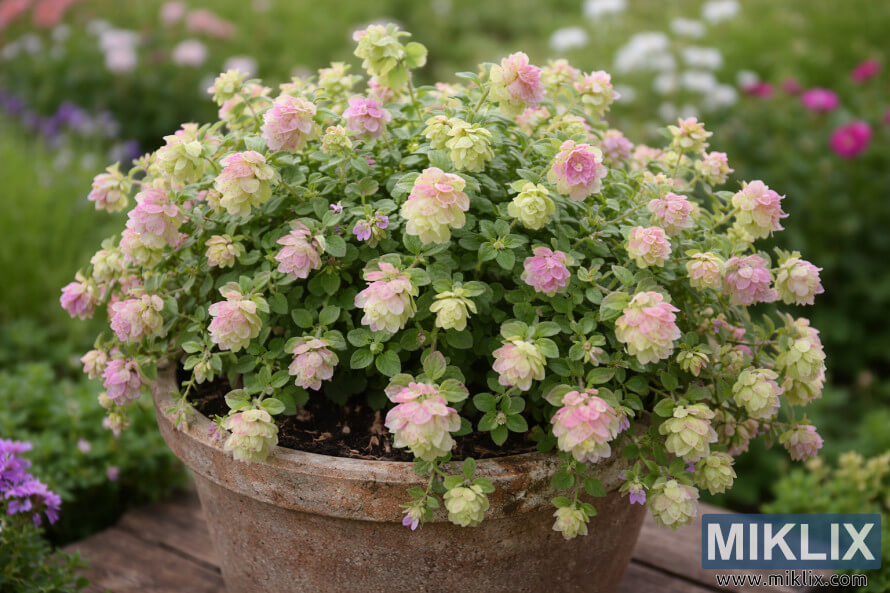
Click or tap the image for more information and higher resolutions.
Culinary and Medicinal Uses
Oregano is best known as a culinary herb, particularly in Italian, Greek, and Mediterranean cuisines. Its robust flavor pairs wonderfully with tomato-based dishes, grilled meats, vegetables, and cheeses. Beyond the kitchen, oregano has been used for centuries for its medicinal properties:
- Rich in antioxidants and antimicrobial compounds
- Traditionally used to aid digestion and relieve bloating
- Contains compounds with anti-inflammatory properties
- Can be brewed as a tea to soothe sore throats
- Used in aromatherapy for its calming properties
Optimal Growing Conditions for Oregano
Oregano thrives in full sun and well-drained soil, mimicking its Mediterranean origins
Understanding oregano's native Mediterranean environment helps explain its preferred growing conditions. Creating the right environment will ensure your oregano plants thrive and produce the most flavorful leaves.
Sunlight Requirements
Oregano loves the sun and performs best with at least 6-8 hours of direct sunlight daily. In very hot climates (zones 9 and above), a bit of afternoon shade can be beneficial during the peak of summer, but generally, the more sun oregano receives, the more flavorful its leaves will be.
Soil Preferences
Think of oregano's native Mediterranean hillsides when preparing soil for this herb. It prefers:
- Well-drained, sandy or loamy soil
- Slightly alkaline to neutral pH (6.5-7.0)
- Moderate to poor fertility (rich soil can reduce flavor intensity)
- Good air circulation around roots
If your garden soil is heavy clay or retains too much moisture, consider growing oregano in raised beds or containers with appropriate soil amendments. Adding coarse sand or perlite can improve drainage significantly.
Temperature and Climate Considerations
Oregano is hardy in USDA zones 4-10, though its behavior varies by climate:
- In zones 4-6: Oregano dies back in winter but returns from the roots in spring
- In zones 7-10: Oregano may remain evergreen year-round
- Optimal growing temperature: 70-75°F (21-24°C)
- Can tolerate heat and drought once established
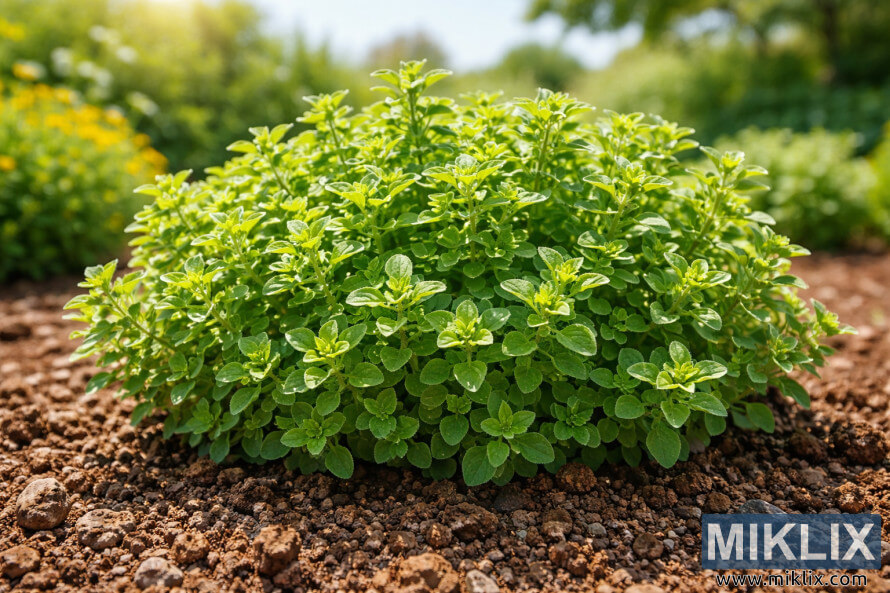
Click or tap the image for more information and higher resolutions.
Planting Oregano: Step-by-Step Instructions
Oregano can be started from seeds, cuttings, or purchased seedlings. Each method has its advantages, and your choice may depend on your timeline, budget, and gardening experience.
Starting from Seeds
Starting oregano from seeds is economical but requires patience as the seeds are tiny and slow to germinate.
- Start seeds indoors 6-8 weeks before the last frost date
- Use a seed-starting mix in shallow trays or cells
- Sprinkle seeds on the surface (they need light to germinate)
- Press gently into soil but don't cover
- Keep soil consistently moist until germination (7-14 days)
- Provide bright light once seedlings emerge
- Transplant outdoors after danger of frost has passed
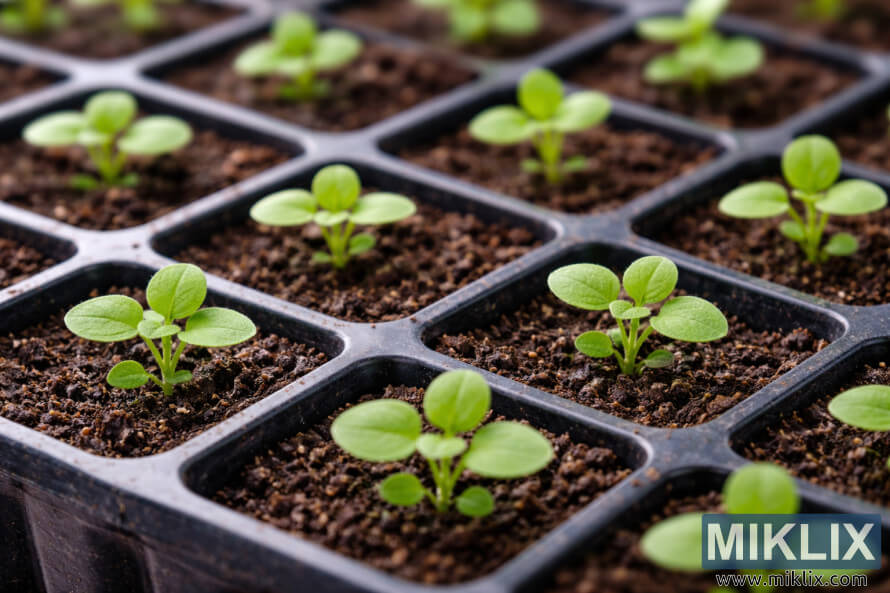
Click or tap the image for more information and higher resolutions.
Propagating from Cuttings
Propagating from cuttings is the fastest way to get established plants and ensures the offspring will be identical to the parent plant.
- Take 4-6 inch cuttings from healthy, non-flowering stems
- Remove leaves from the bottom half of each cutting
- Optional: Dip cut end in rooting hormone
- Place in water or moist potting mix
- Keep soil consistently moist until roots develop (2-3 weeks)
- Transplant to final growing location when roots are established
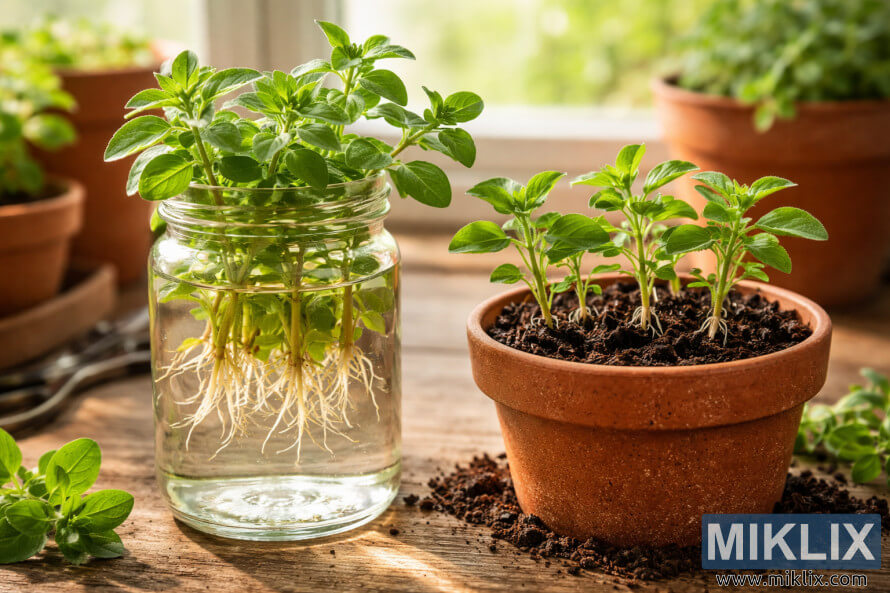
Click or tap the image for more information and higher resolutions.
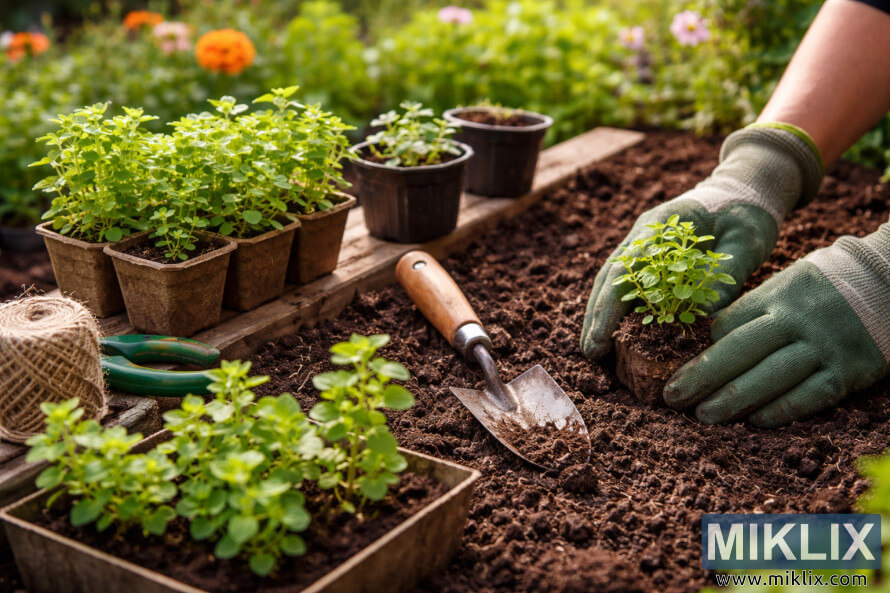
Planting Seedlings
Purchasing seedlings from a nursery is the easiest method and provides a head start on the growing season.
- Choose healthy plants with vibrant green leaves
- Prepare planting area with well-drained soil
- Dig holes slightly larger than the root ball
- Space plants 8-10 inches apart (they will spread)
- Plant at the same depth as the nursery container
- Water thoroughly after planting
- Apply a thin layer of mulch to retain moisture
Click or tap the image for more information and higher resolutions.
When to Plant Oregano
Timing is important for successful oregano establishment:
- Spring: Plant after all danger of frost has passed and soil has warmed
- Summer: Can be planted through mid-summer in most regions
- Fall: In warm climates (zones 8-10), fall planting allows roots to establish before summer heat
- Winter: Indoor planting can be done year-round with adequate light
Container Gardening vs. Garden Bed Cultivation
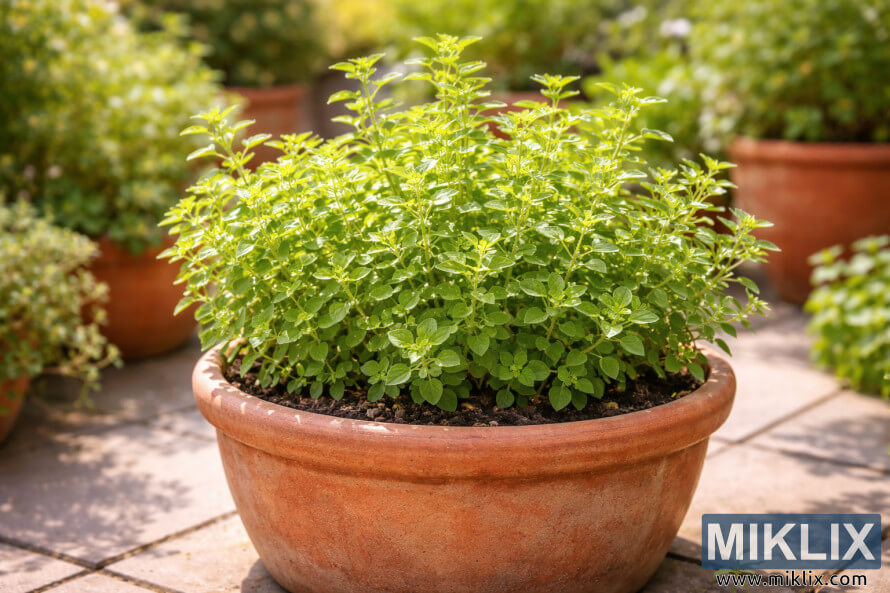
Growing Oregano in Containers
Container growing is ideal for those with limited space or poor garden soil. It also allows you to bring plants indoors during harsh winters.
Container Selection
Choose containers that:
- Are at least 8-12 inches deep with good drainage holes
- Are made of terracotta or clay (helps maintain proper soil moisture)
- Provide at least 12 inches of diameter per plant
- Have a wide mouth to accommodate oregano's spreading habit
Container Soil Mix
Create a well-draining potting mix by combining:
- 2 parts quality potting soil
- 1 part coarse sand or perlite
- 1 part compost or aged manure
Container Care Tips
- Water when the top inch of soil feels dry
- Fertilize sparingly (once in spring) with diluted organic fertilizer
- Rotate containers occasionally for even growth
- Consider moving containers to protected areas during extreme weather
Click or tap the image for more information and higher resolutions.
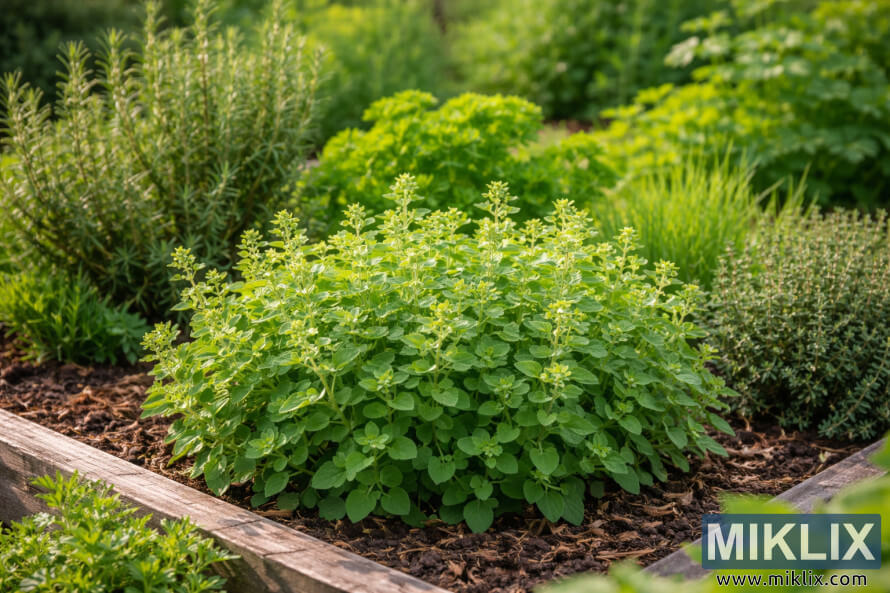
Growing Oregano in Garden Beds
Garden bed cultivation allows oregano to spread naturally and integrate with your landscape design.
Bed Preparation
Prepare your garden bed by:
- Choosing a full-sun location with good air circulation
- Amending heavy soil with sand and compost to improve drainage
- Raising the bed if your soil tends to stay wet
- Testing soil pH and adjusting to 6.5-7.0 if needed
Spacing and Layout
- Space plants 8-10 inches apart initially
- Allow 1-2 feet between oregano and other herbs
- Consider planting along borders or edges where it can cascade
- Group with other Mediterranean herbs with similar needs
Garden Bed Maintenance
- Apply a thin layer of mulch to suppress weeds
- Divide plants every 2-3 years to prevent woody growth
- Trim back after flowering to encourage fresh growth
- Monitor spread and contain if necessary
Click or tap the image for more information and higher resolutions.
Watering, Fertilization, and Ongoing Care
Oregano is relatively low-maintenance once established, but proper care ensures the most flavorful harvest and healthy plants year after year.
Watering Schedule and Techniques
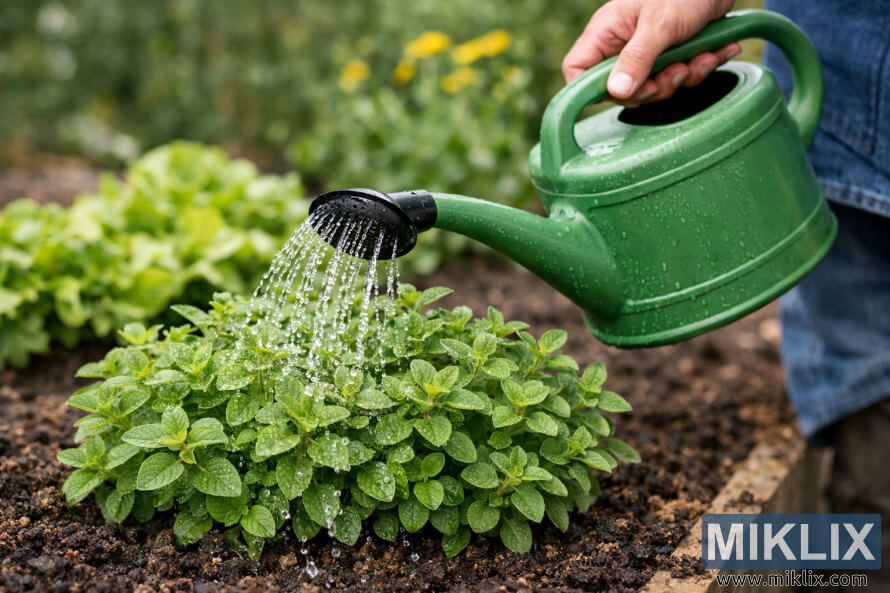
Oregano prefers to stay on the dry side, making it drought-tolerant once established. Overwatering is the most common mistake when growing this Mediterranean herb.
Watering Guidelines:
- Allow soil to dry out between waterings
- Water deeply but infrequently (typically once a week)
- Reduce watering in cooler months or during rainy periods
- Water at the base of plants to keep foliage dry
- Water in the morning to allow any splashed leaves to dry
- Reduce watering before harvesting to intensify flavor
Remember: It's better to underwater than overwater oregano. Yellow leaves often indicate overwatering, while wilting during hot afternoons is normal and doesn't necessarily mean the plant needs water.
Fertilization and Soil Management
Oregano actually develops stronger flavor in slightly nutrient-poor soil. Too much fertilizer results in lush growth but diminished essential oils that give the herb its distinctive taste.
Fertilization Tips:
- Apply a light application of compost in early spring
- If using commercial fertilizer, choose a balanced, organic option
- Dilute liquid fertilizers to half-strength
- Avoid high-nitrogen fertilizers that promote leafy growth at the expense of flavor
- Stop fertilizing at least two weeks before harvesting
Click or tap the image for more information and higher resolutions.
Seasonal Maintenance
Spring Care
- Prune away any winter-damaged or dead stems
- Apply a thin layer of compost around plants
- Divide overgrown plants if needed
Summer Care
- Monitor watering during hot periods
- Harvest regularly to encourage new growth
- Pinch flower buds if you want more leaf production
Fall Care
- Reduce watering as temperatures cool
- Harvest heavily before first frost in cold regions
- Trim plants back by one-third to prevent woodiness
Winter Care
- In zones 5-6, apply mulch around the base for protection
- In zones 4 and below, consider covering with row cover
- For container plants, move to a protected area or indoors
Managing Pests and Diseases
Oregano is naturally pest-resistant thanks to its aromatic oils, but it can occasionally face challenges. Identifying problems early and using organic solutions helps maintain healthy plants without harsh chemicals.
Common Pests
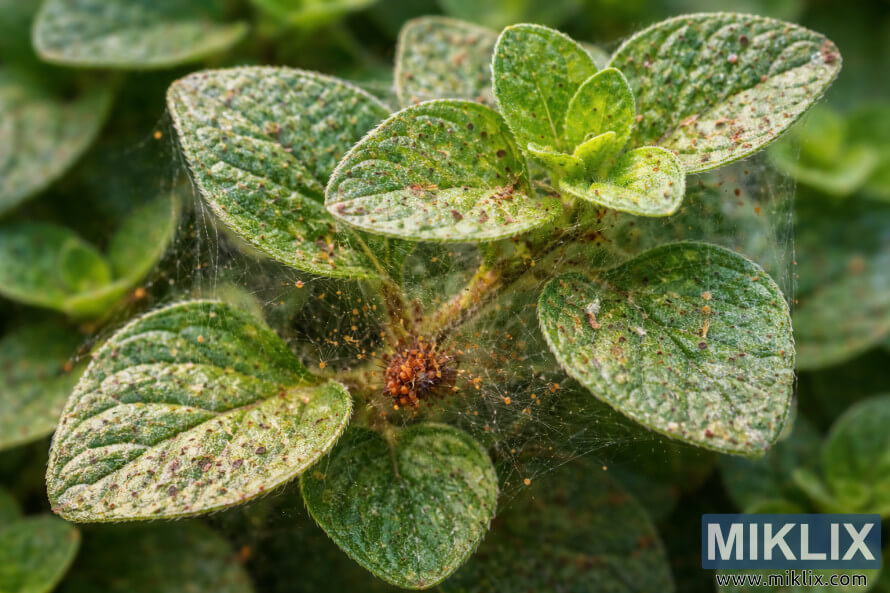
Spider Mites
Signs: Fine webbing, stippled or speckled leaves, yellowing foliage
Organic Solutions:
- Spray plants with strong stream of water to dislodge mites
- Apply insecticidal soap or neem oil solution
- Increase humidity around plants
- Introduce predatory mites as biological control
Aphids
Signs: Clusters of tiny insects on stems or leaf undersides, sticky residue, curling leaves
Organic Solutions:
- Wash plants with strong water spray
- Apply insecticidal soap to affected areas
- Introduce ladybugs or lacewings as natural predators
- Create garlic or hot pepper spray as deterrent
Click or tap the image for more information and higher resolutions.
Common Diseases
Root Rot
Signs: Wilting despite moist soil, yellowing leaves, blackened roots
Prevention and Treatment:
- Ensure excellent drainage in soil
- Avoid overwatering
- Remove affected plants to prevent spread
- For container plants, repot in fresh, well-draining soil
Powdery Mildew
Signs: White powdery coating on leaves, stunted growth
Prevention and Treatment:
- Ensure good air circulation between plants
- Water at the base to keep foliage dry
- Apply diluted milk spray (1:10 ratio with water)
- Use baking soda solution (1 tsp in 1 quart water with drop of dish soap)
Preventative Measures
The best approach to pest and disease management is prevention:
- Plant oregano in proper growing conditions
- Maintain good air circulation between plants
- Avoid overhead watering
- Remove and destroy diseased plant material
- Rotate planting areas every few years
- Introduce beneficial insects to your garden
Pruning and Harvesting Techniques
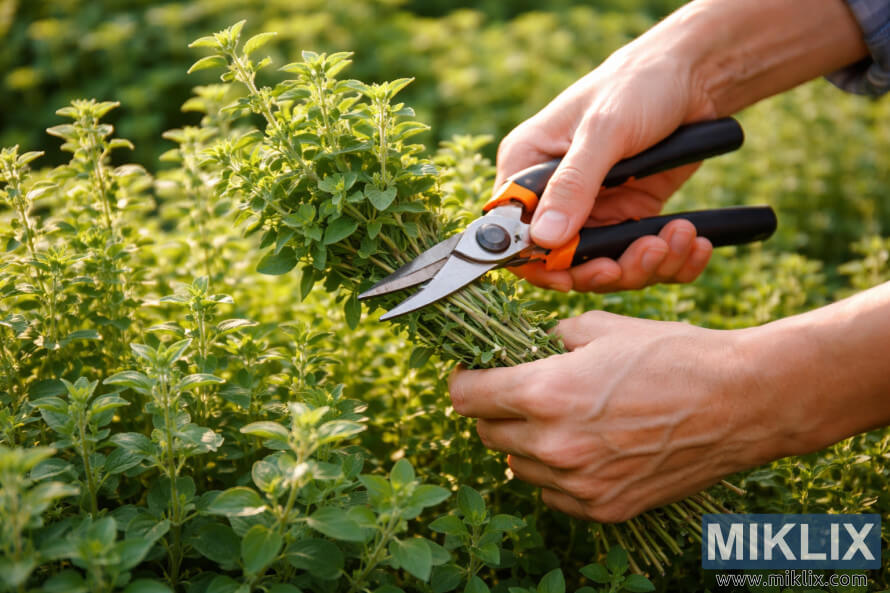
Harvest oregano by cutting stems just above a leaf node to encourage branching
Regular pruning and proper harvesting techniques not only provide you with flavorful oregano but also promote bushier growth and prevent plants from becoming woody and unproductive.
Pruning for Plant Health
Pruning serves several important purposes for oregano plants:
- Encourages bushy, compact growth
- Prevents plants from becoming leggy
- Reduces woodiness in older stems
- Improves air circulation to prevent disease
- Manages plant size and spread
Pruning Guidelines:
- Begin pruning when plants reach 4-6 inches in height
- Pinch or cut stem tips just above a leaf node
- Remove any damaged, discolored, or diseased growth
- Trim flowering stems unless you want the plant to bloom for pollinators
- Cut back plants by one-third after flowering
- In early spring, remove any dead stems from winter damage
For the most flavorful oregano, harvest before the plant flowers. Once flowering begins, the leaves often become more bitter and less aromatic.
Click or tap the image for more information and higher resolutions.
Harvesting for Maximum Flavor
The timing and method of harvesting significantly impact the flavor intensity of your oregano.
When to Harvest:
- Begin harvesting when plants are at least 6 inches tall
- Morning harvest (after dew has dried) provides the highest concentration of essential oils
- Harvest before flowering for best flavor
- Peak harvest season is typically mid-summer
- Harvest more heavily in late summer for winter storage
How to Harvest:
- Use clean, sharp scissors or pruning shears
- Cut stems 2-3 inches from the top
- Always cut just above a leaf node or set of leaves
- Harvest no more than one-third of the plant at once
- For young plants, harvest just the leaves rather than entire stems
- For established plants, cut entire stems back to 2-3 inches above the ground
Drying and Storing Oregano
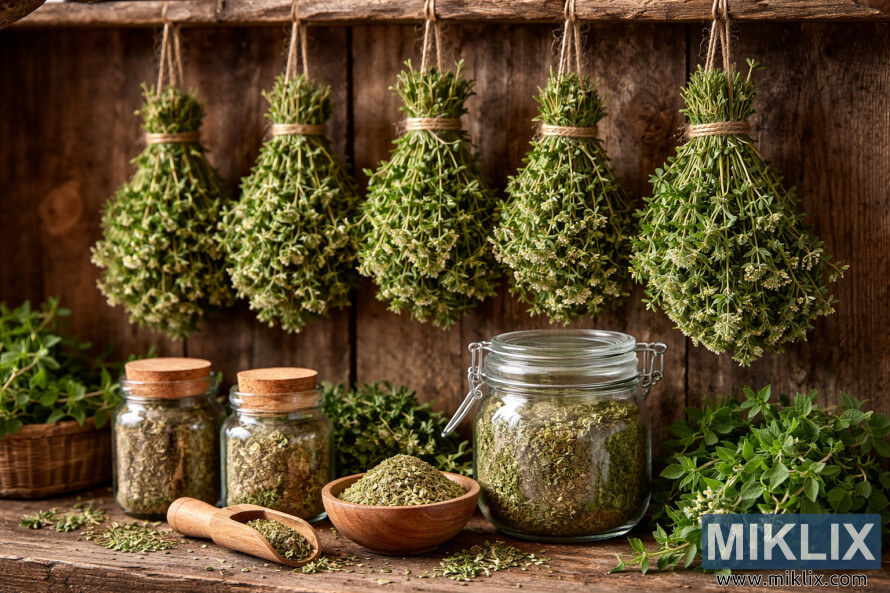
Properly dried and stored oregano can maintain its flavor for up to a year
Fresh oregano is wonderful, but properly dried oregano allows you to enjoy your harvest year-round. The drying process actually intensifies the herb's flavor, making it even more potent in cooking.
Drying Methods
Air Drying
The traditional method that preserves flavor well:
- Gather stems in small bundles (6-8 stems)
- Remove lower leaves and secure stems with twine
- Hang bundles upside down in a warm, dark, well-ventilated area
- Allow 1-2 weeks for complete drying
- Herbs are ready when leaves crumble easily
Oven Drying
Faster than air drying but requires careful temperature control:
- Preheat oven to lowest setting (ideally below 180°F/82°C)
- Spread stems in a single layer on a baking sheet
- Leave oven door slightly ajar to allow moisture to escape
- Check every 30 minutes, rotating as needed
- Drying typically takes 1-3 hours
Dehydrator Method
Provides consistent results with minimal effort:
- Remove leaves from stems
- Arrange leaves in a single layer on dehydrator trays
- Set temperature to 95-115°F (35-46°C)
- Dry for 1-3 hours, checking periodically
- Leaves should be completely dry but still green
Click or tap the image for more information and higher resolutions.
Storing Dried Oregano
Proper storage is crucial for maintaining flavor and potency:
Storage Containers:
- Airtight glass jars with tight-fitting lids
- Dark-colored containers to protect from light
- Small containers are better than large ones (less air exposure)
Storage Location:
- Cool, dark place away from heat sources
- Avoid storing near stove or dishwasher
- Pantry or cabinet away from windows is ideal
Storage Duration:
- Whole dried leaves: Up to 1 year
- Crumbled dried leaves: 6-9 months
- Ground dried oregano: 3-6 months
Alternative Preservation Methods
Beyond drying, consider these preservation techniques:
- Freezing: Chop leaves and freeze in ice cube trays with water or olive oil
- Herb Butter: Mix chopped fresh oregano into softened butter, roll into a log, and freeze
- Vinegar Infusion: Steep fresh oregano in white vinegar for flavorful dressings
- Oil Infusion: Infuse olive oil with oregano (use dried herbs to prevent botulism risk)
Companion Planting with Oregano
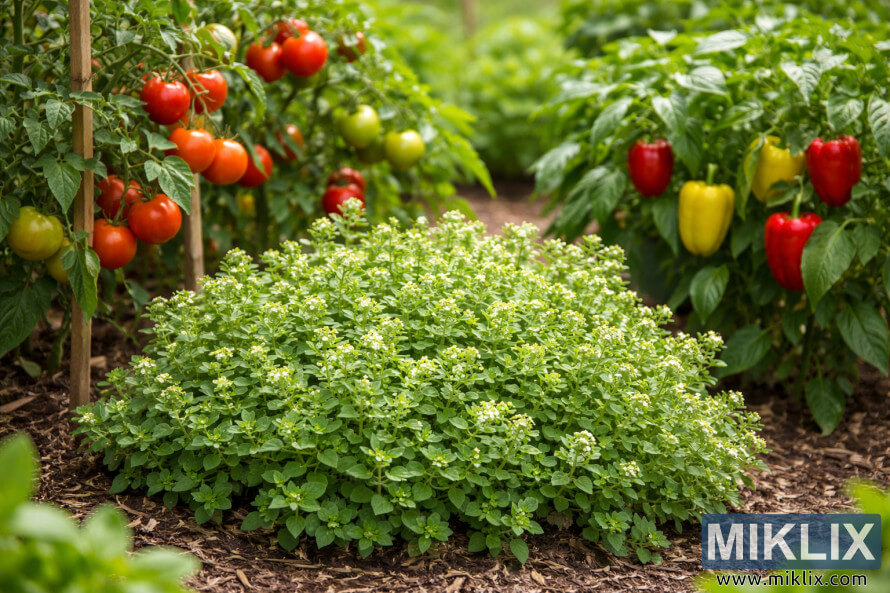
Oregano makes an excellent companion for tomatoes and peppers, deterring pests naturally
Oregano isn't just valuable for its culinary uses—it's also a beneficial companion plant in the garden. Its strong aroma can repel certain pests, while its flowers attract beneficial pollinators and predatory insects.
Benefits of Planting Oregano with Other Crops
- Deters many common garden pests with its strong scent
- Attracts pollinators like bees and butterflies when in flower
- Serves as a living mulch to suppress weeds
- Provides ground cover that helps retain soil moisture
- Enhances the flavor of neighboring vegetables (particularly tomatoes)
Good Companion Plants for Oregano
Vegetables
- Tomatoes: Oregano repels tomato hornworms and improves flavor
- Peppers: Benefits from oregano's pest-repelling properties
- Cabbage family: Oregano deters cabbage moths and other brassica pests
- Beans: Oregano helps deter bean beetles
- Eggplant: Benefits from oregano's pest protection
Herbs and Flowers
- Rosemary: Similar growing requirements, companion benefits
- Thyme: Grows well with oregano and has similar needs
- Sage: Complements oregano in both garden and kitchen
- Basil: Good companion in Mediterranean herb gardens
- Marigolds: Combined pest-repelling properties
Click or tap the image for more information and higher resolutions.
Plants to Avoid Near Oregano
While oregano is generally compatible with most plants, there are a few considerations:
- Mint: Can compete aggressively and overtake oregano
- Water-loving herbs: Oregano's dry soil preference conflicts with plants like parsley
- Plants requiring rich soil: Oregano prefers leaner soil than many vegetables
Troubleshooting Common Growing Problems
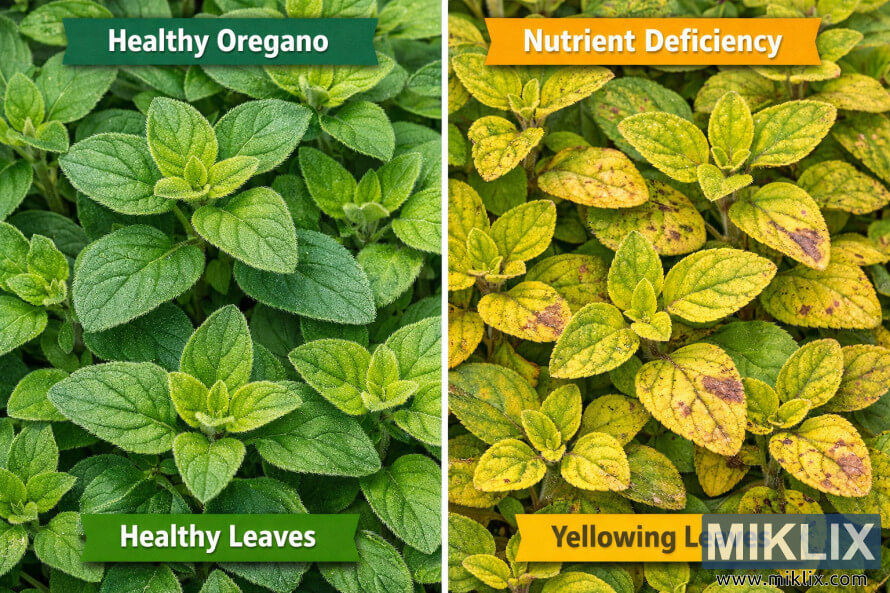
Recognizing symptoms like yellowing leaves helps identify and solve growing problems quickly
Even with oregano's resilient nature, you may occasionally encounter growing challenges. Identifying problems early and understanding their causes leads to quick resolution and healthier plants.
Why are my oregano leaves turning yellow?
Yellowing leaves typically indicate one of several issues:
- Overwatering: Most common cause; allow soil to dry between waterings
- Poor drainage: Improve soil structure or repot with better-draining mix
- Nutrient deficiency: Apply light organic fertilizer or compost
- Spider mites: Check leaf undersides for tiny specks; treat with insecticidal soap
Why is my oregano plant becoming woody with fewer leaves?
Woodiness is natural as oregano ages but can be managed:
- Regular pruning: Cut back stems by one-third after flowering
- Division: Divide plants every 2-3 years in spring
- Rejuvenation pruning: Cut entire plant back to 2 inches above ground in early spring
- Replacement: Consider starting new plants from cuttings every 3-4 years
My oregano isn't very flavorful. What's wrong?
Several factors affect oregano's flavor intensity:
- Variety: Ensure you're growing a culinary variety like Greek oregano
- Growing conditions: Full sun and slightly stressed conditions intensify flavor
- Overfertilization: Too much nitrogen reduces essential oil production
- Harvest timing: Harvest before flowering for best flavor
- Age: Young plants may have milder flavor; improves with maturity
Why did my oregano die over winter?
Winter survival depends on several factors:
- Hardiness zone: Oregano is typically hardy in zones 4-10
- Winter protection: Apply mulch around the base in colder zones
- Drainage: Wet winter soil can cause root rot
- Plant age: Older plants may be less cold-hardy
- Solution: In very cold regions, grow in containers and bring indoors for winter
Why is my oregano growing leggy and sparse?
Leggy growth typically indicates:
- Insufficient light: Move to a sunnier location
- Lack of pruning: Regular pinching encourages bushier growth
- Overcrowding: Thin plants or divide if too dense
- Too much nitrogen: Reduce fertilization
- Solution: Cut back leggy growth to encourage branching
Click or tap the image for more information and higher resolutions.
Conclusion: Enjoying Your Oregano Harvest
Growing oregano is a rewarding experience that provides both culinary delights and garden beauty. This versatile Mediterranean herb asks for little—mainly sun, well-drained soil, and minimal water—yet gives abundantly in return. Whether you're a novice gardener or a seasoned green thumb, oregano's forgiving nature makes it an excellent addition to any herb garden.
By following the guidelines in this comprehensive guide, you'll be well-equipped to grow, maintain, harvest, and preserve your own oregano. From selecting the right variety to troubleshooting common issues, you now have the knowledge to cultivate this aromatic herb successfully.
Remember that oregano, like many herbs, improves with proper care and harvesting techniques. Regular pruning encourages bushier growth, while harvesting at the right time ensures maximum flavor. Whether you use your oregano fresh in summer dishes or dried throughout the year, homegrown oregano offers superior flavor and aroma compared to store-bought alternatives.
So plant your oregano in a sunny spot, tend it with care, and enjoy the Mediterranean flavors it brings to your kitchen and the beauty it adds to your garden. Happy growing!
Further Reading
If you enjoyed this post, you may also like these suggestions:
- Complete Guide to Growing Your Own Mustard Plants
- A Guide to Growing Dill in Your Own Garden
- A Guide to the Best Chili Varieties to Grow Yourself