
A Guide to Growing Your Own Sage
Published: January 4, 2026 at 4:13:42 PM UTC
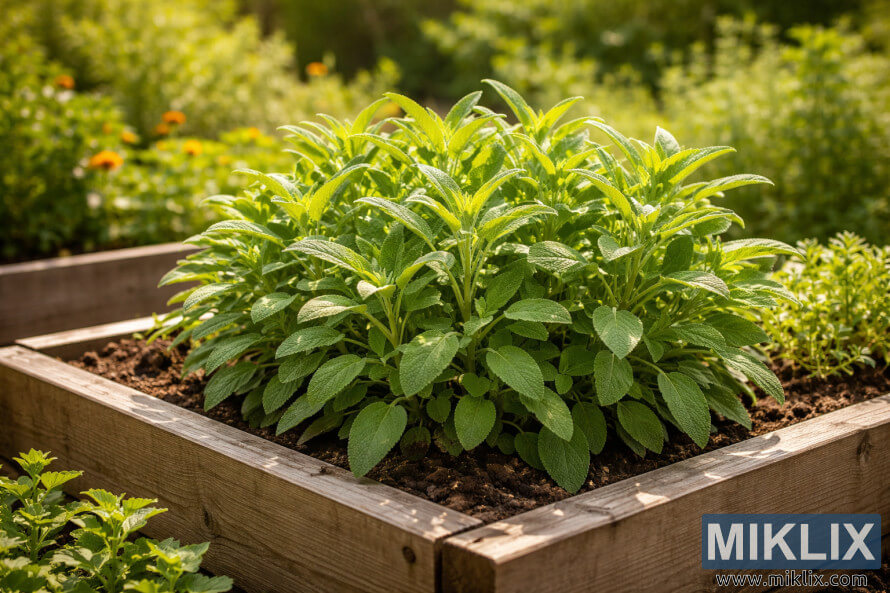
Sage is one of the most rewarding herbs you can grow in your garden. With its soft, gray-green leaves and delicate flowers, sage adds both beauty and flavor to any space.
Click or tap the image for more information and higher resolutions.
Whether you're a beginner gardener or a seasoned pro, this comprehensive guide will walk you through everything you need to know about growing, maintaining, and harvesting your own sage plants. From selecting the right variety to creative uses for your homegrown herb, you'll discover why sage deserves a special place in your garden.
Exploring Sage Varieties
Before you start growing sage, it's helpful to understand the different varieties available. Each type has its own unique characteristics, flavors, and growing requirements.
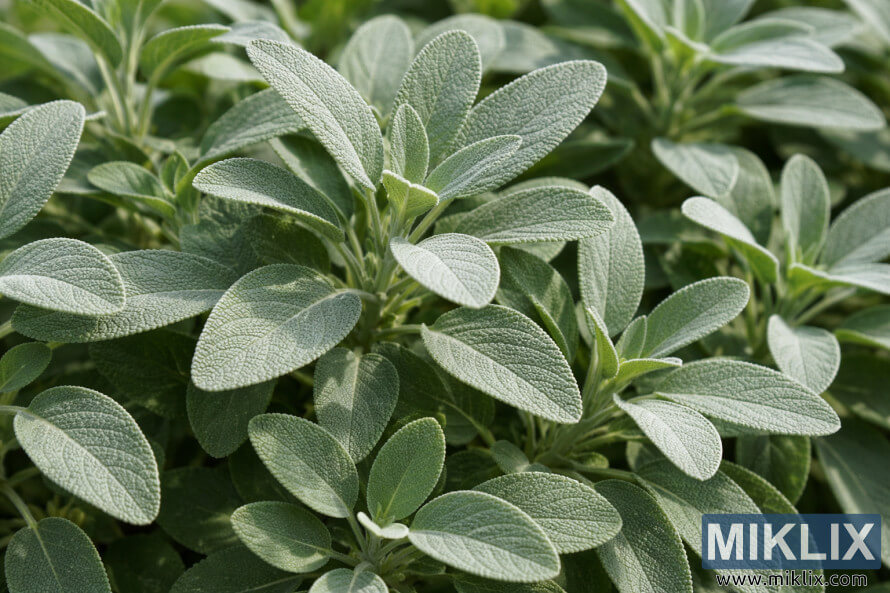
Common Sage (Salvia officinalis)
This is the classic culinary sage with gray-green leaves and a strong, earthy flavor. It grows as a small shrub reaching 18-24 inches in height and width. Common sage produces beautiful purple-blue flowers in late spring that attract pollinators to your garden. This variety is extremely hardy and can survive for several years in the right conditions.
Click or tap the image for more information and higher resolutions.
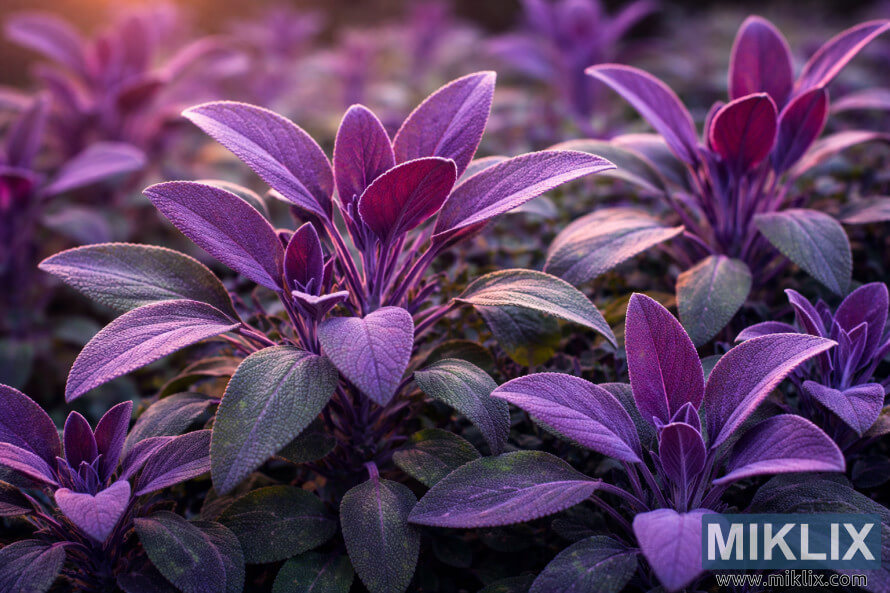
Purple Sage
Similar to common sage in growth habit, purple sage features striking purple-tinged leaves that add visual interest to your garden. It has the same culinary uses as common sage but brings a splash of color to both your garden and your plate. The flavor is slightly milder than common sage.
Click or tap the image for more information and higher resolutions.
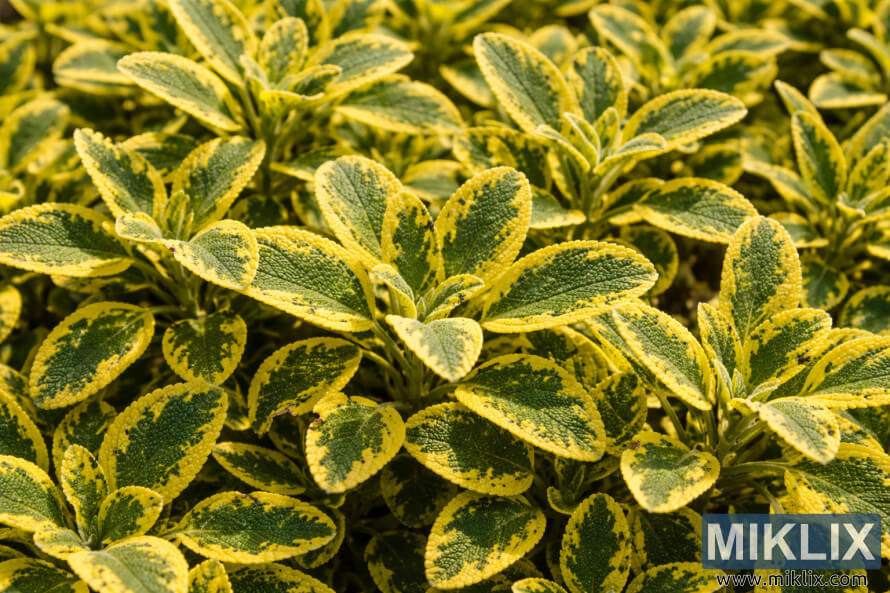
Golden Sage
This decorative variety features variegated leaves with golden-yellow edges. It's a bit less cold-hardy than common sage but makes up for it with its ornamental value. Golden sage has a milder flavor and works well in containers or as a colorful accent in herb gardens.
Click or tap the image for more information and higher resolutions.
Pineapple Sage (Salvia elegans)
While not used as extensively in cooking as common sage, pineapple sage offers a delightful fruity aroma reminiscent of pineapple. It produces stunning red flowers that attract hummingbirds and butterflies. This variety grows larger than common sage and is less cold-hardy.
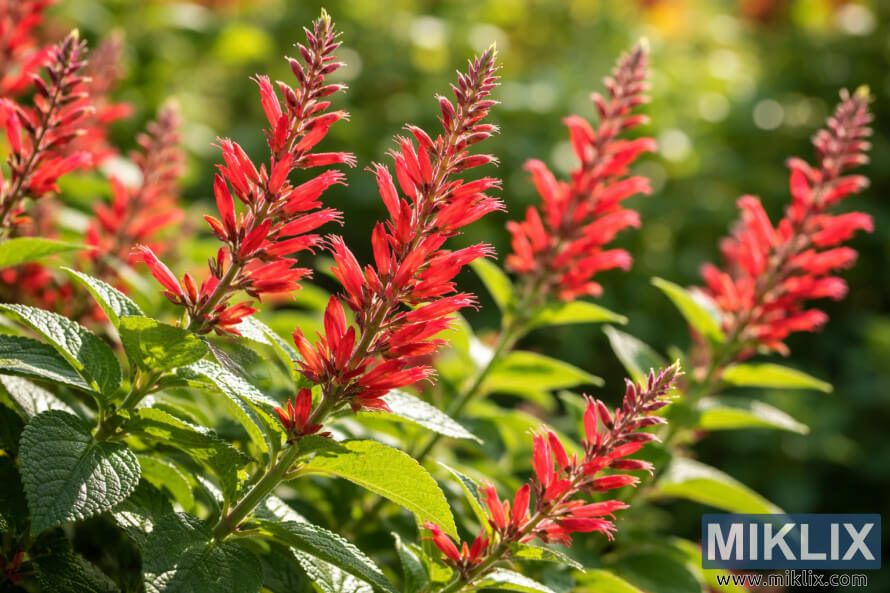
Click or tap the image for more information and higher resolutions.
Tricolor Sage
This ornamental variety features leaves variegated with green, white, and pink or purple. It's a beautiful addition to any garden but has a milder flavor than common sage. Tricolor sage works well in containers and adds visual interest to herb gardens.
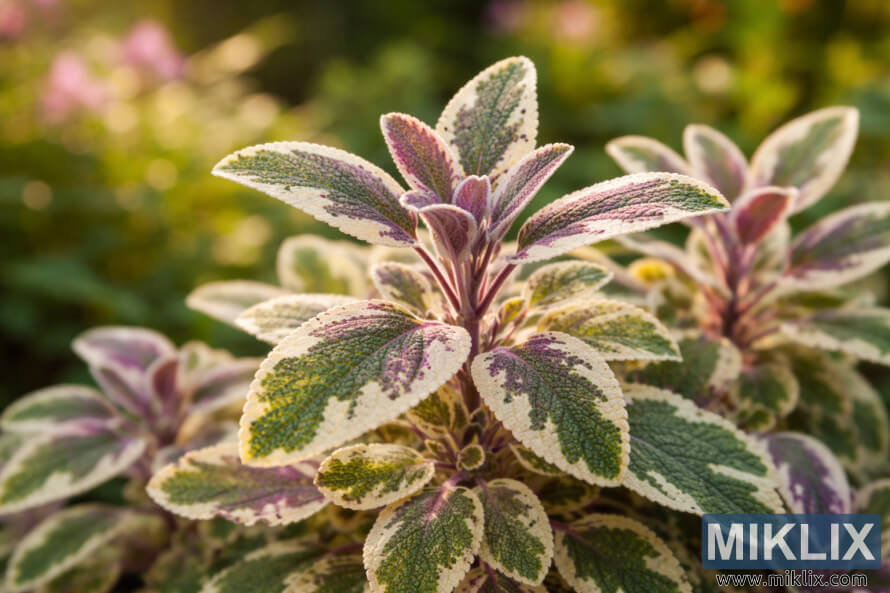
Click or tap the image for more information and higher resolutions.
Ideal Growing Conditions for Sage
Sage is a Mediterranean herb that thrives in specific conditions. Understanding these requirements will help you create the perfect environment for your sage plants to flourish.
Sunlight Requirements
Sage loves the sun and performs best in full sun conditions, requiring at least 6-8 hours of direct sunlight daily. In particularly hot climates, a bit of afternoon shade can be beneficial to prevent leaf scorch during the hottest months. If growing indoors, place your sage near a south-facing window for maximum light exposure.
Soil Preferences
One of sage's most important requirements is well-draining soil. This herb is susceptible to root rot in soggy conditions, so proper drainage is essential. Sage prefers:
- Sandy or loamy soil with good drainage
- Slightly acidic to neutral pH (6.0-7.0)
- Moderately fertile soil (not overly rich)
- Low to medium moisture levels
Temperature and Humidity
As a Mediterranean native, sage thrives in warm, relatively dry conditions:
- Hardiness zones 5-9 for perennial growth
- Prefers moderate temperatures (60-70°F)
- Can tolerate some frost once established
- Dislikes high humidity (can lead to fungal issues)
Space Requirements
Sage plants can grow quite bushy with time. When planting, space them 18-24 inches apart to ensure good air circulation. This spacing also allows each plant to develop fully without competing for resources.
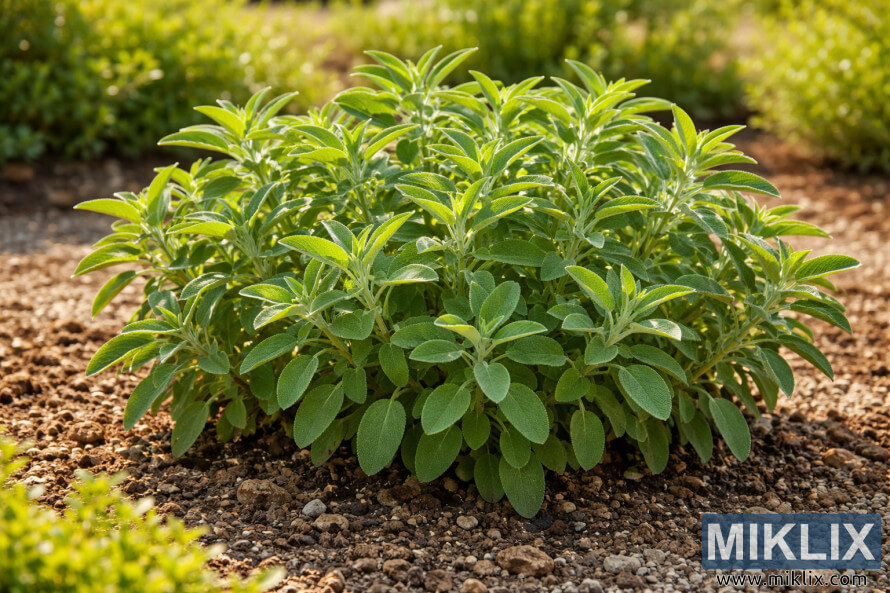
Click or tap the image for more information and higher resolutions.
Step-by-Step Planting Instructions
Whether you're starting from seeds, cuttings, or transplants, proper planting techniques are crucial for establishing healthy sage plants. Follow these methods for the best results.
Starting from Seeds
Growing sage from seeds takes patience but can be rewarding:
- Start seeds indoors 6-8 weeks before the last frost date
- Use a seed-starting mix in small pots or trays
- Plant seeds 1/8 inch deep and keep soil lightly moist
- Maintain temperature around 70°F for germination
- Expect germination in 14-21 days
- Transplant seedlings outdoors after danger of frost has passed
Note that sage grown from seed may not be true to the parent plant if it's a hybrid variety. Seeds also take longer to develop into harvestable plants compared to other methods.
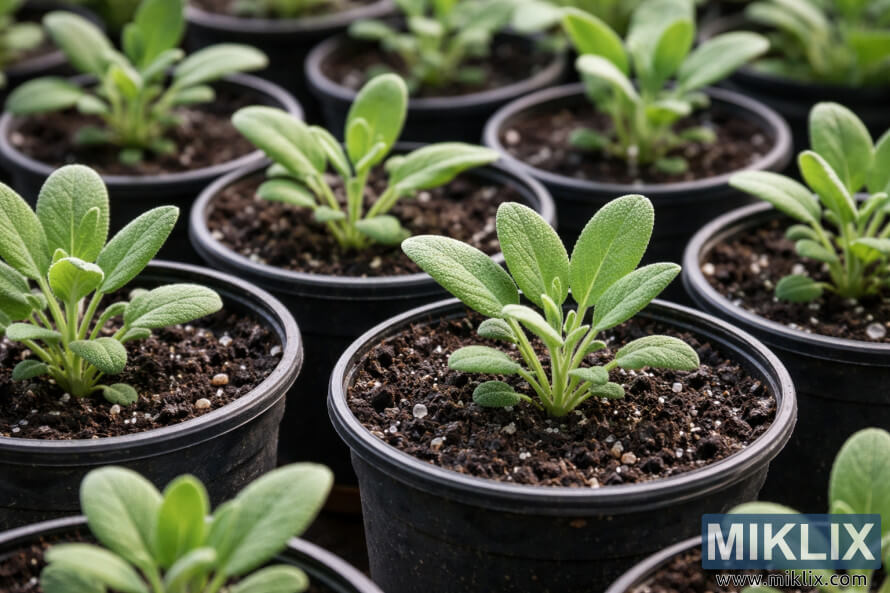
Click or tap the image for more information and higher resolutions.
Propagating from Cuttings
This is often the easiest and fastest method for growing new sage plants:
- Take 3-4 inch cuttings from healthy, non-flowering stems in late spring
- Remove leaves from the bottom half of each cutting
- Dip the cut end in rooting hormone (optional but helpful)
- Plant in a pot with moist potting mix
- Cover with a plastic bag to create humidity, but allow for air circulation
- Place in bright, indirect light
- Roots should develop in 4-6 weeks
- Transplant to final location once roots are established
Planting Transplants
Purchasing sage plants from a nursery is the quickest way to establish your herb garden:
- Choose healthy plants with no signs of disease or pest damage
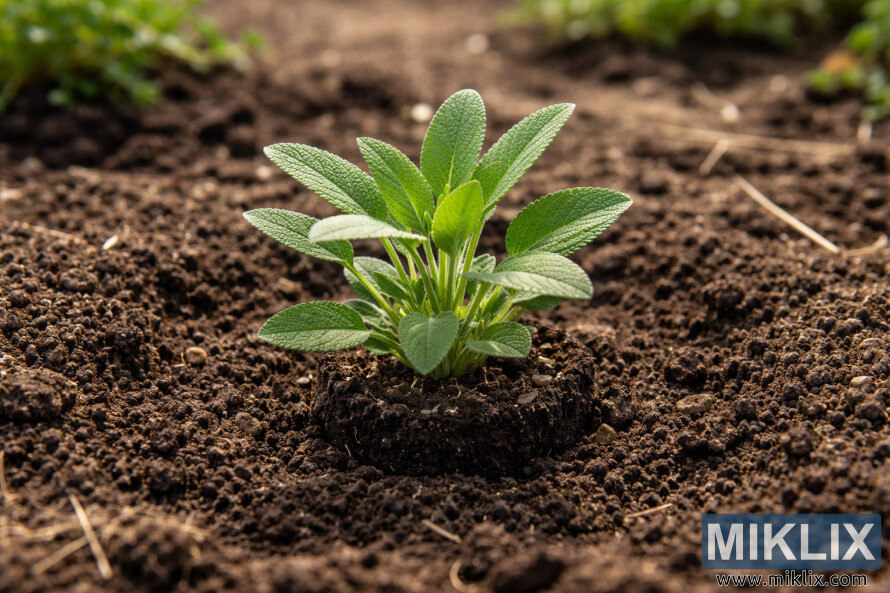
- Prepare the planting area by loosening soil to a depth of 12 inches
- Mix in some compost if soil is poor, but don't over-enrich
- Dig a hole slightly larger than the root ball
- Place plant at the same depth it was growing in its container
- Backfill with soil and firm gently around the base
- Water thoroughly after planting
- Apply a thin layer of mulch around plants, keeping it away from stems
Click or tap the image for more information and higher resolutions.
Container Planting
Sage grows excellently in containers, making it perfect for patios, balconies, or indoor herb gardens:
- Choose a container at least 12 inches in diameter with drainage holes
- Use high-quality potting mix with added perlite or sand for drainage
- Plant at the same depth as the original container
- Water thoroughly after planting, then allow soil to dry between waterings
- Place container in a spot that receives at least 6 hours of sunlight
- Consider moving containers indoors for winter in cold climates
Seasonal Care Guide
Proper care throughout the seasons will ensure your sage plants remain healthy and productive year after year. Here's what you need to know about caring for sage during each season.
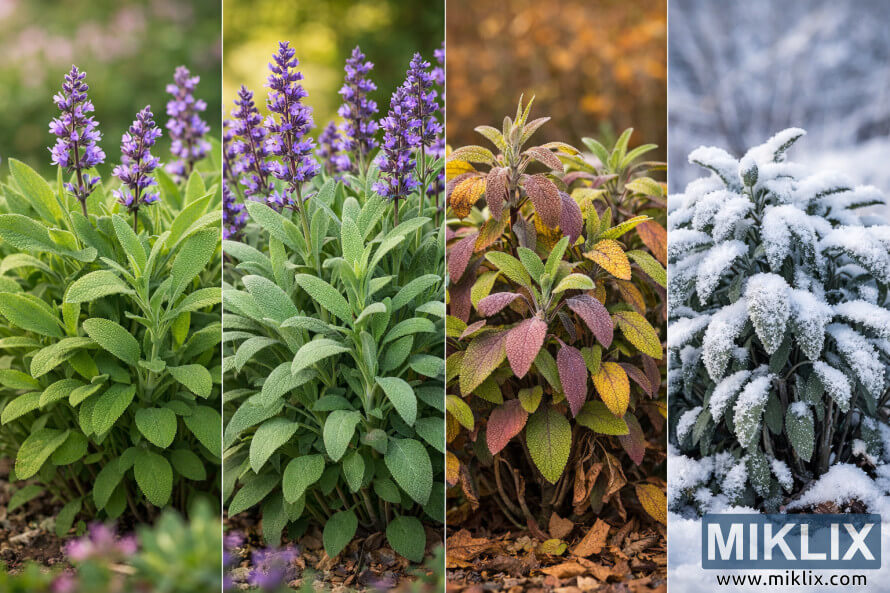
Spring Care
Spring is a time of renewal for sage plants:
- Prune away any winter-damaged or dead stems once new growth appears
- Apply a light layer of compost around established plants
- Divide older plants if they've become woody or overgrown
- Begin regular watering as growth accelerates, but avoid overwatering
- Watch for new growth as a sign that the plant is healthy
Summer Care
Summer is the peak growing season for sage:
- Water deeply but infrequently, allowing soil to dry between waterings
- Harvest leaves regularly to encourage bushier growth
- Pinch off flower buds if you want to focus energy on leaf production
- Provide afternoon shade in extremely hot climates
- Monitor for pests and diseases more frequently during this active growth period
Fall Care
Prepare your sage plants for the coming winter:
- Reduce watering as growth slows
- Harvest heavily before first frost if you're in a cold climate
- Avoid fertilizing to prevent tender new growth that could be damaged by frost
- Clean up fallen leaves around plants to prevent disease
- Consider taking cuttings for indoor growing during winter
Winter Care
Help your sage survive the dormant season:
- Apply mulch around the base of plants in colder regions (zones 5-6)
- Reduce watering significantly, only watering during extended dry periods
- Protect container plants by moving them to a sheltered location
- Avoid heavy pruning during winter dormancy
- Check occasionally for signs of disease or pest problems
| Season | Watering | Fertilizing | Pruning | Special Care |
| Spring | Moderate, as soil dries | Light compost application | Remove dead growth | Divide overgrown plants |
| Summer | Deep but infrequent | None needed | Harvest regularly | Provide shade if needed |
| Fall | Reduced | None | Light shaping only | Clean fallen debris |
| Winter | Minimal | None | Avoid until spring | Mulch in cold zones |
Click or tap the image for more information and higher resolutions.
Common Pests and Diseases
While sage is generally resistant to many problems, it can occasionally face challenges from pests and diseases. Here's how to identify and address these issues using organic solutions.
Pest Problems
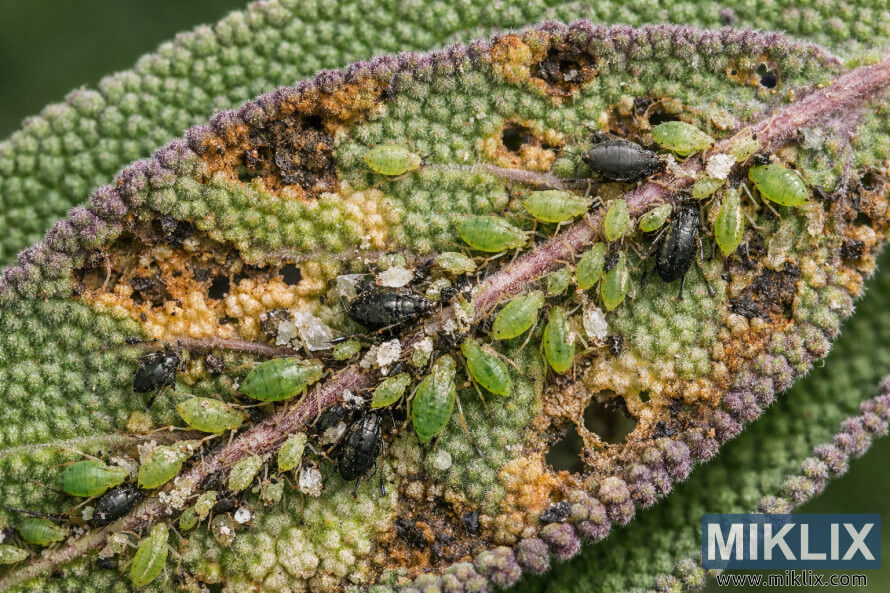
Aphids
These small, soft-bodied insects cluster on new growth and suck plant juices.
Organic solutions:
- Spray plants with a strong stream of water to dislodge aphids
- Apply insecticidal soap or neem oil solution
- Introduce beneficial insects like ladybugs
- Plant companion plants that repel aphids, such as nasturtiums
Spider Mites
These tiny pests cause stippled, yellowing leaves and fine webbing, especially in hot, dry conditions.
Organic solutions:
- Increase humidity around plants
- Spray plants with water regularly to discourage infestations
- Apply neem oil or insecticidal soap
- Remove severely infested plants to prevent spread
Click or tap the image for more information and higher resolutions.
Disease Issues
Powdery Mildew
This fungal disease appears as a white, powdery coating on leaves, typically in humid conditions with poor air circulation.
Organic solutions:
- Improve air circulation by proper spacing and pruning
- Water at the base of plants, avoiding wet foliage
- Apply a baking soda solution (1 tsp baking soda, 1 tsp horticultural oil, 1 quart water)
- Remove and destroy affected leaves
Root Rot
Caused by overwatering or poor drainage, root rot leads to yellowing leaves, wilting, and eventually plant death.
Organic solutions:
- Improve soil drainage by adding sand or perlite
- Reduce watering frequency
- Transplant affected plants to fresh, well-draining soil
- Ensure containers have adequate drainage holes
Prevention Tip: The best defense against pests and diseases is maintaining healthy plants through proper growing conditions. Well-spaced plants with good air circulation, appropriate watering, and regular monitoring will help prevent most problems before they start.
Harvesting and Storage Techniques
Knowing when and how to harvest sage ensures you'll get the best flavor and longest storage life from your herbs. Here's everything you need to know about harvesting and preserving your sage.
When to Harvest
Timing is important when harvesting sage:
- Begin light harvesting once plants are established (usually in their first year)
- Harvest in the morning after dew has dried but before the heat of the day
- Flavor is most intense just before flowering
- Harvest regularly throughout the growing season to encourage bushier growth
- Avoid harvesting more than one-third of the plant at once
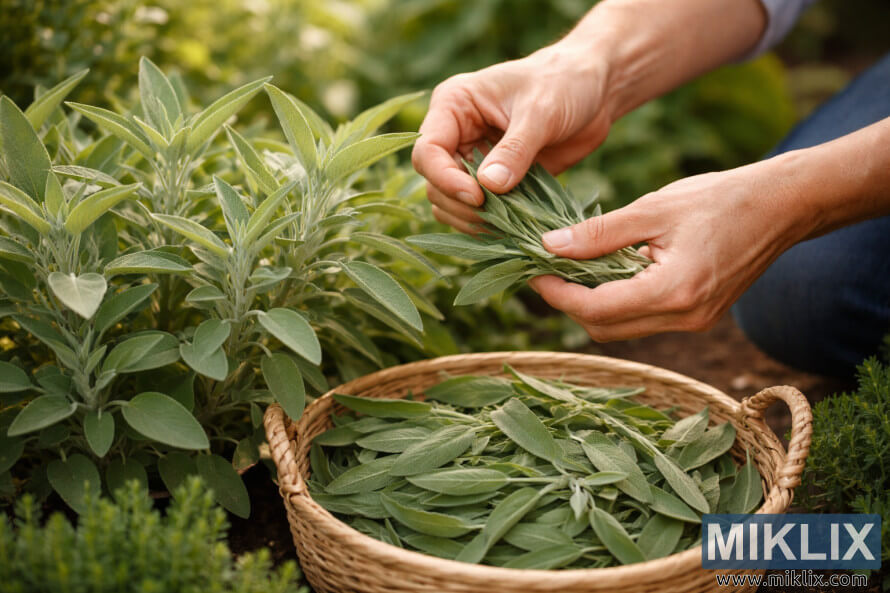
How to Harvest
Proper harvesting techniques help maintain plant health:
- Use clean, sharp scissors or pruning shears
- Cut stems rather than pulling leaves to avoid damaging the plant
- Harvest from the top and outer portions of the plant
- Cut stems just above a leaf node or set of leaves to encourage branching
- Leave at least 3-4 inches of growth at the base of the plant
Click or tap the image for more information and higher resolutions.
Fresh Storage
To keep freshly harvested sage at its best:
- Rinse leaves gently and pat dry
- Wrap loosely in a damp paper towel
- Place in a perforated plastic bag in the refrigerator
- Use within 7-10 days for optimal flavor
- Alternatively, place stems in a glass of water like a bouquet (change water daily)
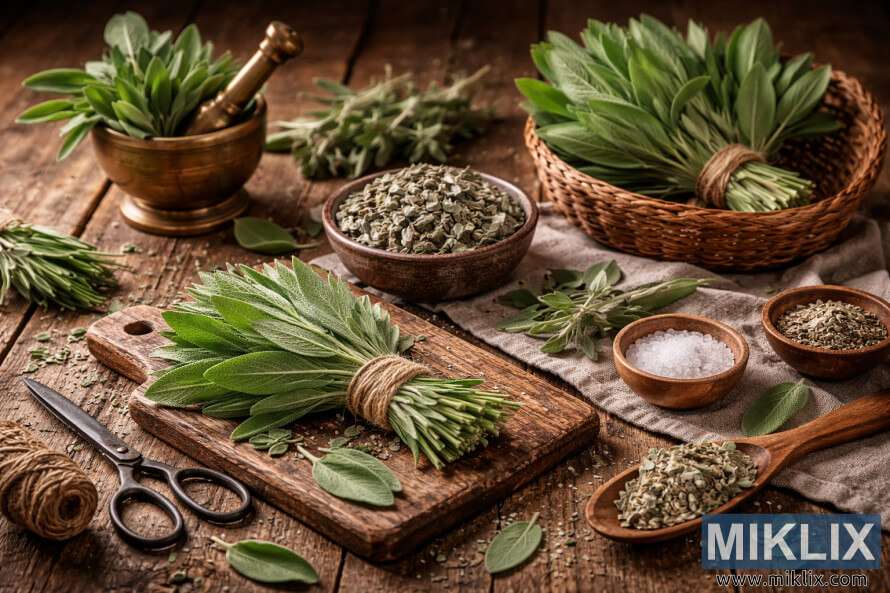
Drying Methods
Dried sage can last for months and is perfect for cooking year-round:
Air Drying
- Bundle 5-10 stems together with twine or a rubber band
- Hang bundles upside down in a warm, dry, well-ventilated area away from direct sunlight
- Allow 1-2 weeks for complete drying
- Leaves should crumble easily when fully dried
Oven Drying
- Spread leaves in a single layer on a baking sheet
- Set oven to lowest temperature (ideally below 180°F)
- Leave door slightly ajar to allow moisture to escape
- Check every 30 minutes until leaves are completely dry (1-4 hours)
Dehydrator
- Arrange leaves in a single layer on dehydrator trays
- Set temperature to 95-115°F
- Dry for 1-4 hours until leaves are crisp
Freezing Sage
Freezing preserves flavor well for cooking:
- Wash and thoroughly dry leaves
- Lay flat in a single layer on a baking sheet and freeze
- Transfer frozen leaves to airtight containers or freezer bags
- Alternatively, chop leaves and freeze in ice cube trays with water or olive oil
- Use frozen sage directly in cooking without thawing
Click or tap the image for more information and higher resolutions.
Companion Planting with Sage
Sage makes an excellent companion for many garden plants. Its strong aroma can repel certain pests, while its flowers attract beneficial insects. Here's how to use sage effectively in companion planting.
Good Companions for Sage
These plants grow well alongside sage and may benefit from its pest-repelling properties:
Vegetables
- Brassicas (cabbage, broccoli, kale) - Sage repels cabbage moths and cabbage loopers
- Carrots - Sage helps deter carrot flies
- Tomatoes - Sage can improve growth and flavor
- Strawberries - Sage helps repel certain strawberry pests
Herbs and Flowers
- Rosemary - Similar growing conditions make them perfect companions
- Thyme - Grows well with sage and has similar requirements
- Nasturtiums - Attract beneficial insects
- Marigolds - Help repel nematodes and other pests
Plants to Avoid Near Sage
Some plants don't pair well with sage:
- Cucumbers - Sage can inhibit their growth
- Rue - These herbs compete and don't grow well together
- Basil - Different water requirements make them challenging companions
- Alliums (onions, garlic) - May compete for nutrients
Companion Planting Strategies
Try these approaches to maximize the benefits of companion planting with sage:
- Plant sage around the perimeter of vegetable beds to create a protective barrier
- Intersperse sage plants among susceptible vegetables rather than creating separate herb sections
- Use sage as part of a diverse polyculture to increase biodiversity and resilience
- Allow some sage plants to flower to attract beneficial pollinators and predatory insects
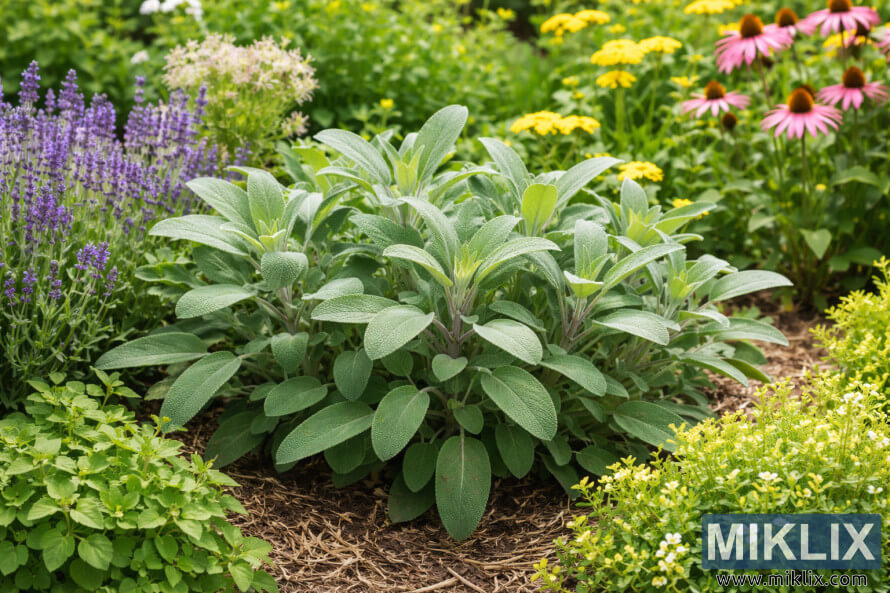
Garden Design Tip: Create a Mediterranean herb garden by grouping sage with other herbs that share similar growing requirements, such as rosemary, thyme, and lavender. This creates not only a beautiful and fragrant garden space but also makes maintenance easier since all plants have similar needs.
Click or tap the image for more information and higher resolutions.
Winter Care and Overwintering
Sage is a perennial herb in many regions, but it requires some special attention to survive cold winters. Here's how to ensure your sage plants return strong in spring.
Winter Hardiness by Zone
Understanding your climate zone helps determine the best winter care approach:
- Zones 5-6: Sage is marginally hardy and needs protection
- Zones 7-8: Sage typically survives winter with minimal protection
- Zones 9-11: Sage remains evergreen and may continue growing year-round
Preparing Sage for Winter
Take these steps in late fall to prepare your sage plants:
- Stop fertilizing by late summer to prevent tender new growth
- Reduce watering as temperatures cool
- Perform a light pruning to remove any diseased or damaged growth
- Avoid heavy pruning in fall, as it can stimulate vulnerable new growth
- Clear away fallen leaves and debris from around the plant base
Protection Methods
In colder regions, provide additional protection:
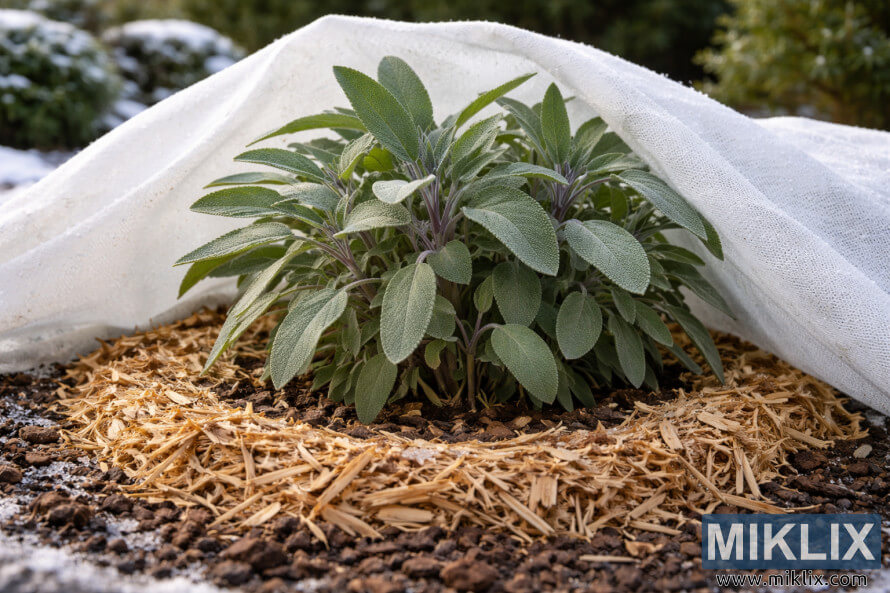
Mulching
- Apply 2-3 inches of mulch around the base of plants after the ground freezes
- Use straw, pine needles, or shredded leaves
- Keep mulch slightly away from stems to prevent rot
- Remove mulch gradually in spring as temperatures warm
Covering
- In zones 5-6, consider covering plants with burlap or frost cloth
- Create a cage of chicken wire around the plant and fill with dry leaves
- Remove coverings during warm winter days to prevent moisture buildup
Click or tap the image for more information and higher resolutions.
Container Sage in Winter
Potted sage requires special attention during winter:
- Move containers to a protected location like an unheated garage or shed
- Alternatively, bury pots in the ground up to their rims and mulch heavily
- Reduce watering significantly, only watering when soil is completely dry
- Consider bringing particularly valuable plants indoors to a cool, bright location
Spring Revival
When spring arrives, help your sage transition back to active growth:
- Remove winter protection gradually as temperatures warm
- Prune away any winter-damaged or dead growth
- Apply a light layer of compost around the base
- Resume normal watering as new growth appears
- Divide older plants if they've become woody or overgrown
Important: Sage plants typically become woody and less productive after 3-4 years. Consider propagating new plants from cuttings every few years to maintain a supply of vigorous, productive sage.
Creative Uses for Homegrown Sage
Once you've successfully grown your own sage, you'll want to make the most of your harvest. Beyond the traditional Thanksgiving stuffing, sage has numerous culinary, medicinal, and decorative applications.
Culinary Uses
Sage's earthy, slightly peppery flavor enhances many dishes:
- Classic pairings: Poultry, pork, sausages, and stuffing
- Pasta dishes: Brown butter and sage sauce for ravioli or gnocchi
- Vegetables: Roasted butternut squash, sweet potatoes, or mushrooms with sage
- Breads: Sage and cornbread or focaccia
- Compound butter: Mix chopped sage into softened butter for meats or bread
- Herbal vinegars: Infuse white wine vinegar with sage for dressings
- Herbal salt: Dry and blend with sea salt for a flavorful seasoning

Click or tap the image for more information and higher resolutions.
Medicinal and Wellness Applications
Sage has been used traditionally for various health purposes:
- Sore throat remedy: Sage tea with honey as a gargle
- Digestive aid: Tea to soothe upset stomach and aid digestion
- Memory support: Studies suggest sage may support cognitive function
- Aromatherapy: Dried sage bundles or essential oil for relaxation
- Natural deodorant: Sage tea as an antibacterial underarm rinse
"He that would live for aye, must eat sage in May."
Old English proverb
Decorative and Household Uses
Sage's beauty and aroma make it perfect for home décor:
- Dried arrangements: Include sage in dried flower bouquets
- Wreaths: Weave fresh or dried sage into decorative wreaths
- Potpourri: Mix dried sage leaves with other herbs and flowers
- Smudge sticks: Bundle and dry sage stems for ceremonial use
- Natural dye: Create soft green fabric dyes from sage leaves
- Insect repellent: Place dried sage in closets to deter moths
Garden Uses Beyond Cultivation
Sage contributes to garden health in several ways:
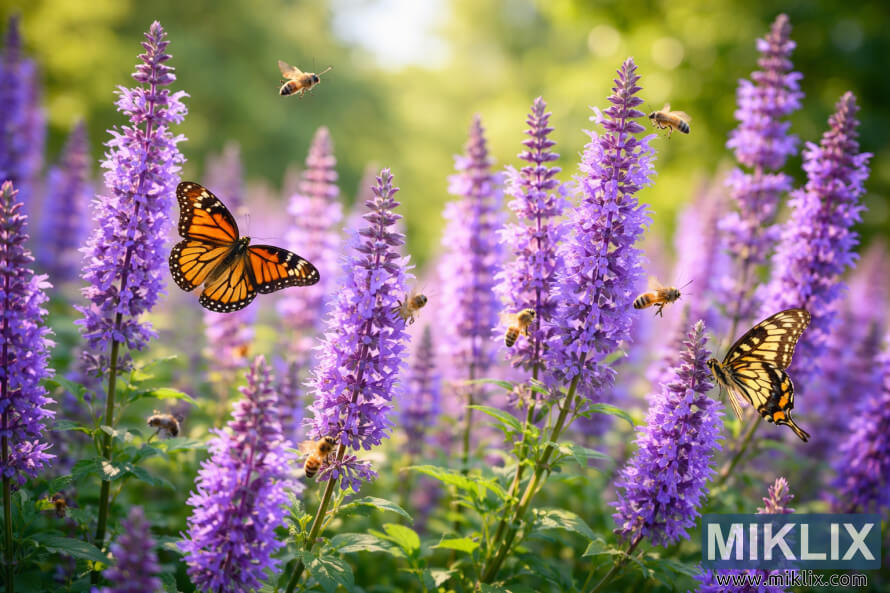
- Pollinator attraction: Allow some plants to flower to support bees and butterflies
- Pest management: Plant throughout the garden to repel certain insect pests
- Ornamental value: Use colorful sage varieties as landscape accents
- Erosion control: Plant sage on slopes to help stabilize soil
Click or tap the image for more information and higher resolutions.
Conclusion: Growing Sage Successfully
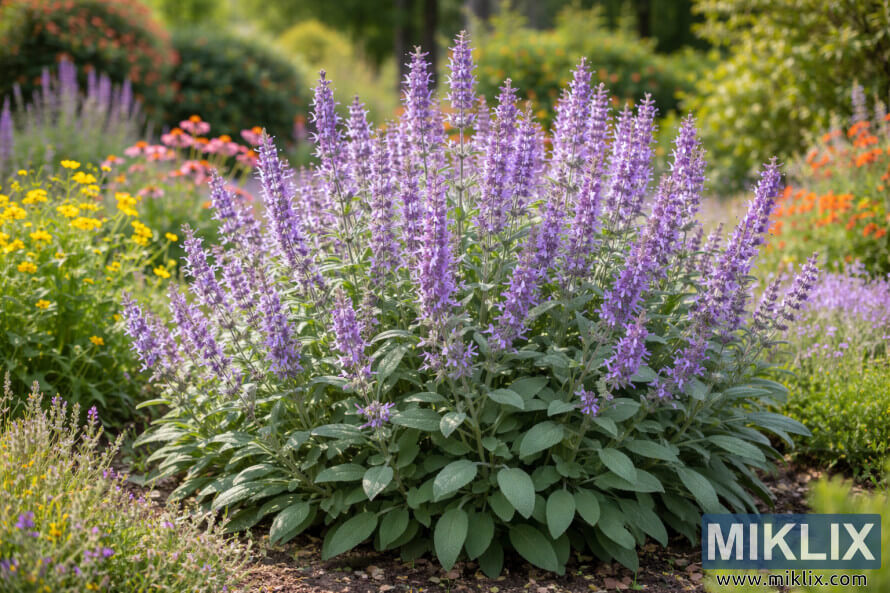
Growing sage is a rewarding experience that provides you with a versatile herb for cooking, wellness, and garden beauty. With its silvery-green foliage, drought tolerance, and minimal maintenance requirements, sage is an excellent choice for both beginning and experienced gardeners.
Remember these key points for success:
- Provide full sun and well-draining soil
- Water sparingly once established
- Prune regularly to maintain shape and prevent woodiness
- Harvest thoughtfully throughout the growing season
- Protect plants in winter if you're in a colder climate
- Replace plants every 3-4 years for best production
By following the guidance in this article, you'll be well on your way to growing abundant sage that will enhance your cooking, support your wellness, and beautify your garden for years to come. Happy growing!
Click or tap the image for more information and higher resolutions.
Further Reading
If you enjoyed this post, you may also like these suggestions:
- A Guide to Growing Chamomile in Your Own Garden
- A Complete Guide to Growing Ginger at Home
- Growing Licorice: Complete Guide to Cultivating This Remarkable Herb at Home