
Health Benefits of Dill: Your Complete Guide to This Powerful Herb
פורסם:
עודכן לאחרונה: 23 ביולי 2026 בשעה 18:43:29 UTC
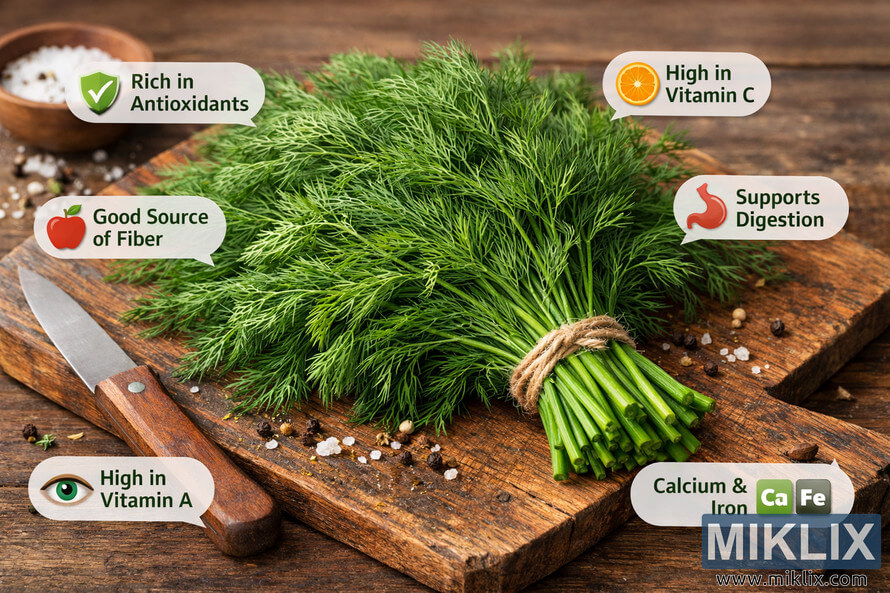
Dill is much more than a flavorful herb for your potato salad. This feathery green plant packs serious nutritional power that people have recognized for thousands of years. From ancient Egyptian medicine to modern research labs, dill continues to prove its worth as both food and natural remedy.
Health Benefits of Dill: Your Complete Guide to This Powerful Herb
לחץ או הקש על התמונה לקבלת מידע נוסף ורזולוציות גבוהות יותר.
The health benefits of dill extend far beyond its culinary uses. Whether you sprinkle fresh dill on your dishes or use dill seeds in cooking, you're adding a herb rich in vitamins, minerals, and protective compounds. This guide explores everything you need to know about incorporating dill into your wellness routine.
What Is Dill and Why Does It Matter for Your Health?
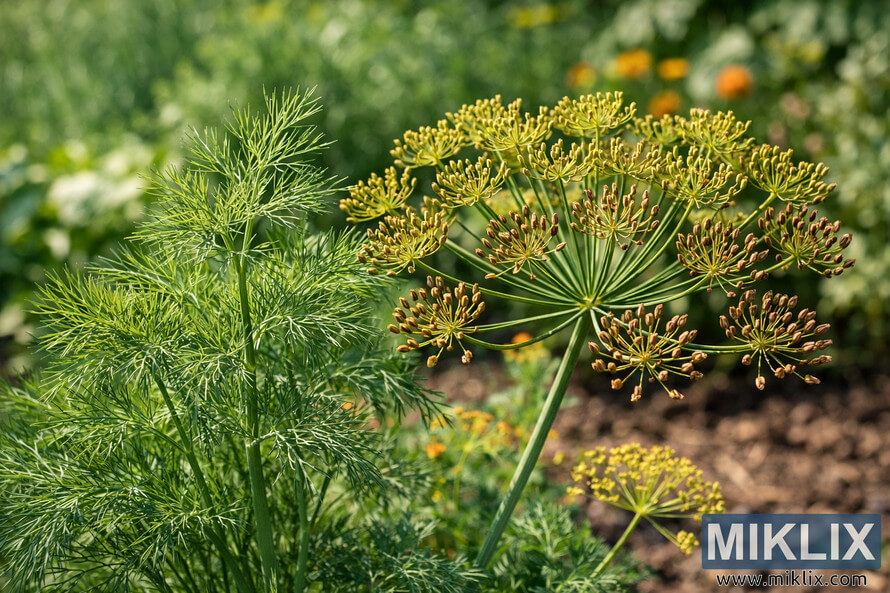
Dill, scientifically known as Anethum graveolens, belongs to the celery family. This annual herb grows wild across Mediterranean and southern Russian regions. People cultivate dill worldwide for both its leaves and seeds.
The name "dill" comes from the Old Norse word "dilla," meaning to soothe. Ancient civilizations used this herb to calm digestive troubles and promote sleep. Modern studies now confirm many of these traditional uses have scientific merit.
לחץ או הקש על התמונה לקבלת מידע נוסף ורזולוציות גבוהות יותר.
Nutritional Profile of Dill
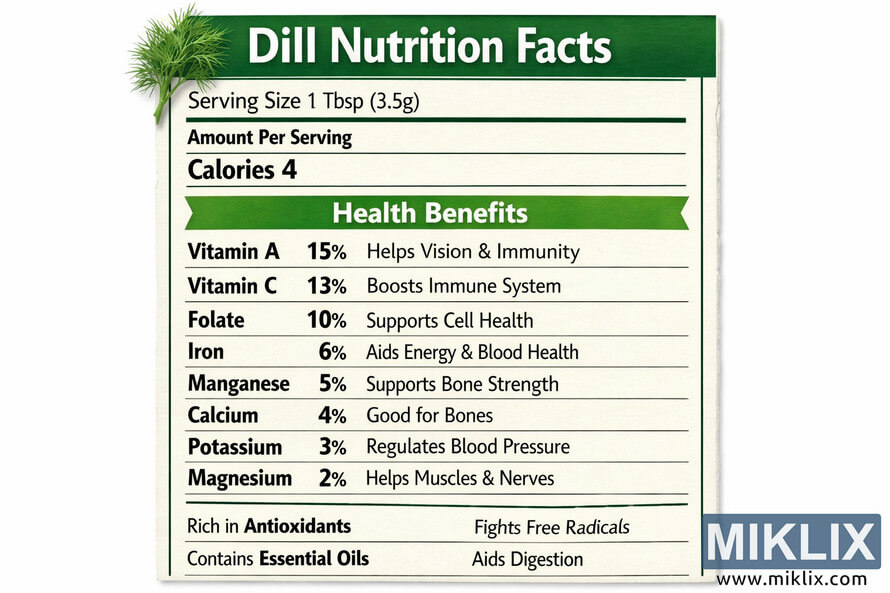
Fresh dill delivers impressive nutrition in a low-calorie package. Just one cup of fresh dill sprigs contains significant amounts of vitamin A, vitamin C, and manganese. The herb also provides calcium for bone health and iron for blood health.
Key Nutrients in Fresh Dill (per cup)
- Vitamin A: 43% of daily value
- Vitamin C: 14% of daily value
- Vitamin K: Critical for bone health
- Manganese: Supports metabolism
- Calcium: Essential for bones
- Iron: Vital for blood cells
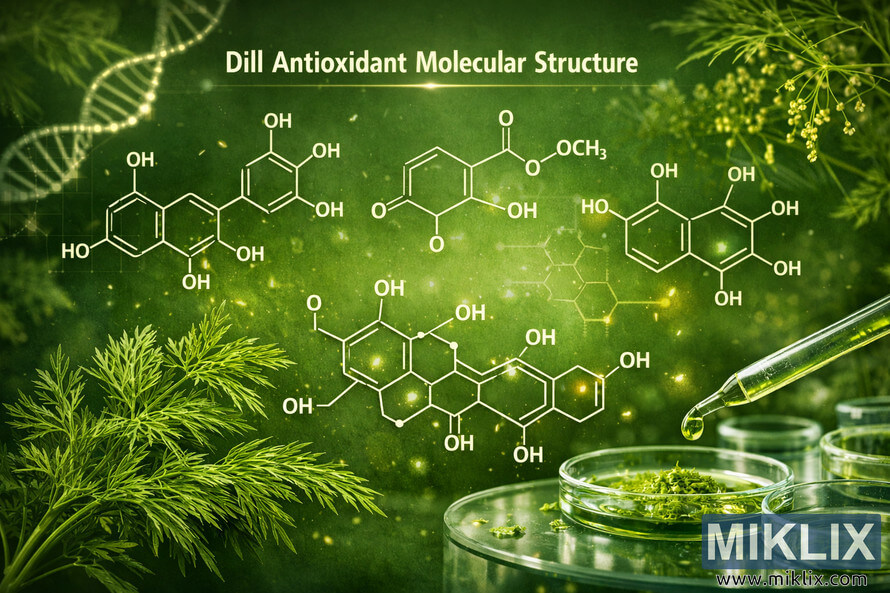
Beyond basic vitamins, dill contains powerful plant compounds. These include flavonoids and monoterpenes that give dill its distinctive properties. The antioxidant capacity of dill helps protect your cells from damage.
לחץ או הקש על התמונה לקבלת מידע נוסף ורזולוציות גבוהות יותר.
How Dill Supports Your Digestive System
The health benefits of dill shine brightest in digestive support. For centuries, people have turned to dill to ease stomach discomfort. The herb works through multiple mechanisms to improve gut function.
Anti-Spasmodic Properties
Dill acts as a natural anti-spasmodic agent. This means it helps relax the smooth muscles in your digestive tract. When these muscles contract too forcefully, you experience cramping and discomfort.
Research shows compounds in dill may help lower the intensity of digestive spasms. People with irritable bowel syndrome often report relief when using dill regularly. The herb provides gentle support without harsh side effects.
Bloating and Gas Relief
Fresh dill works wonders for reducing bloating. The carminative properties help your body expel trapped gas more efficiently. Many people notice reduced bloating within an hour of consuming dill.
Quick Tip: Chew half a teaspoon of dill seeds after meals to prevent gas and bloating. This traditional remedy remains popular in many cultures for good reason.
Supporting Healthy Gut Bacteria
Your gut contains trillions of bacteria that influence your overall health. Dill may help promote beneficial bacteria while discouraging harmful strains. This balance plays a crucial role in digestion and immunity.
Studies indicate that dill extracts show antimicrobial activity against certain problematic gut bacteria. At the same time, the herb provides fiber that feeds beneficial microbes. This dual action supports a healthier gut environment.
לחץ או הקש על התמונה לקבלת מידע נוסף ורזולוציות גבוהות יותר.
Powerful Anti-Inflammatory and Antioxidant Properties
Chronic inflammation contributes to numerous health problems. Heart disease, diabetes, and arthritis all involve inflammatory processes. The antioxidant and anti-inflammatory properties of dill offer natural protection.
Flavonoids and Their Health Role
Dill contains several important flavonoids including kaempferol and vicenin. These compounds act as antioxidants, neutralizing harmful free radicals in your body. Free radical damage accelerates aging and disease development.
Research demonstrates that dill may help lower oxidative stress markers. When people consume dill regularly, their bodies show reduced signs of cellular damage. This protection extends to multiple organ systems.
Fighting Inflammation Naturally
The anti-inflammatory effects of dill work at the cellular level. Compounds in the herb inhibit inflammatory pathways that trigger pain and swelling. This makes dill potentially helpful for inflammatory conditions.
Inflammation Dill May Help Address
- Joint inflammation and stiffness
- Digestive tract inflammation
- Skin irritation and redness
- General systemic inflammation
How to Use Dill for Inflammation
- Add fresh dill to salads daily
- Brew dill seed tea twice per week
- Include in smoothies or juices
- Use dill oil in cooking regularly
Studies show that regular consumption of herbs rich in antioxidants provides cumulative benefits over months of use. The key lies in consistent incorporation rather than occasional large doses.
לחץ או הקש על התמונה לקבלת מידע נוסף ורזולוציות גבוהות יותר.
Strengthening Your Bones With Dill
Strong bones require more than just calcium. You need a complex mix of nutrients working together. Fresh dill delivers several bone-supporting compounds that work synergistically.
Calcium Content and Absorption
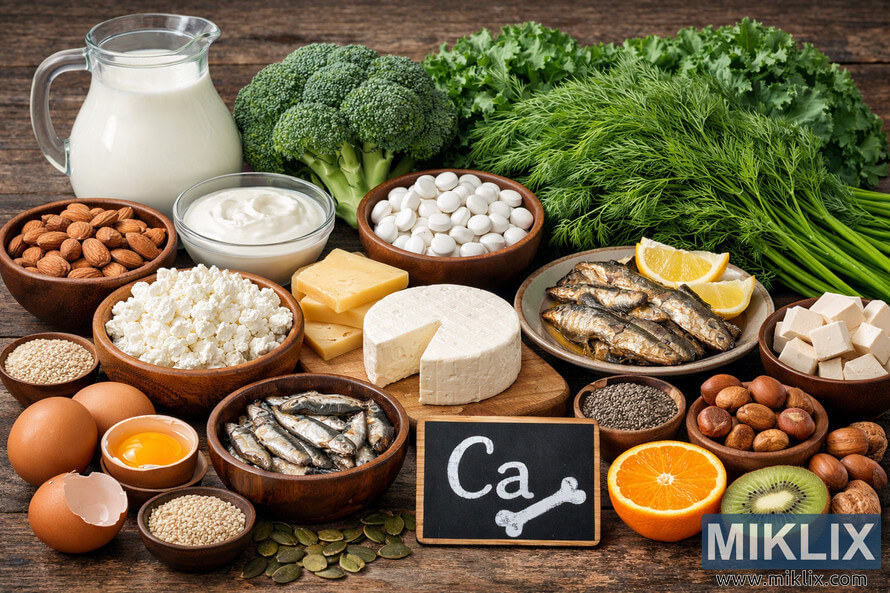
One cup of fresh dill provides approximately 5% of your daily calcium needs. While not enormous, this contribution adds up when you use dill regularly. The herb offers a plant-based calcium source for various diets.
Calcium from plant sources often comes with co-factors that enhance absorption. Dill contains magnesium and vitamin K, both crucial for calcium utilization. This natural combination supports optimal bone mineralization.
Vitamin K for Bone Density
Vitamin K plays a critical role in bone metabolism. This nutrient activates proteins that bind calcium to your bone matrix. Without adequate vitamin K, calcium cannot integrate properly into bone tissue.
Fresh dill ranks as an excellent vitamin K source. Regular consumption helps ensure your body can direct calcium to bones rather than soft tissues. This reduces risk of both osteoporosis and arterial calcification.
Important Note: If you take blood thinning medications, consult your healthcare provider before significantly increasing vitamin K intake from dill or other sources. Consistency in vitamin K consumption matters more than total amount for people on these medications.
לחץ או הקש על התמונה לקבלת מידע נוסף ורזולוציות גבוהות יותר.
Heart Health Benefits You Should Know About
Your heart works tirelessly every moment of your life. Supporting cardiovascular health through diet makes tremendous sense. The health benefits of dill extend to multiple aspects of heart function and disease prevention.
Cholesterol Management
High cholesterol levels increase your risk of heart disease significantly. Studies suggest that dill may help lower cholesterol naturally. Animal research shows promising results, though human studies remain limited.
The mechanism involves increased bile acid excretion and improved cholesterol metabolism. When you consume dill regularly, your liver may process cholesterol more efficiently. This could help lower total cholesterol and improve your lipid profile.
Research indicates that compounds in dill seeds show particularly strong cholesterol-lowering effects. People interested in natural cholesterol management might benefit from including both fresh dill and seeds in their diet.
לחץ או הקש על התמונה לקבלת מידע נוסף ורזולוציות גבוהות יותר.
Blood Pressure Regulation
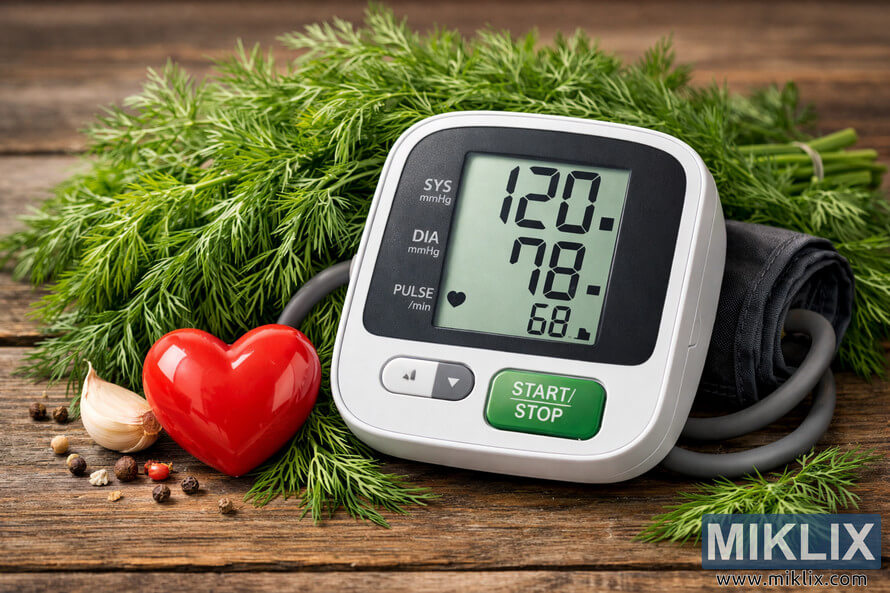
High blood pressure strains your entire cardiovascular system. Dill contains compounds that may help lower blood pressure through multiple pathways. The calcium channel blocking effect relaxes blood vessel walls.
How Dill Supports Heart Health
- May help lower LDL cholesterol levels
- Supports healthy blood pressure ranges
- Provides antioxidants that protect vessels
- Reduces inflammation in arterial walls
- Contains heart-healthy minerals
The potassium content in dill also contributes to blood pressure management. This mineral helps balance sodium levels and supports proper fluid regulation. Together, these effects create favorable conditions for cardiovascular health.
לחץ או הקש על התמונה לקבלת מידע נוסף ורזולוציות גבוהות יותר.
Reducing Heart Disease Risk Factors
Heart disease develops through multiple risk factors working together. Inflammation, oxidative stress, high cholesterol, and elevated blood sugar all contribute. Dill may help address several of these factors simultaneously.
The flavonoids in dill protect blood vessels from oxidative damage. This preservation of endothelial function keeps arteries flexible and responsive. Healthy blood vessels mean better circulation and reduced heart disease risk.
Boosting Your Immune System With Dill
A strong immune system protects you from countless threats daily. Fresh dill provides nutrients and compounds that support immune function. The vitamin C content alone makes dill valuable for immune health.
Vitamin C and Immune Response
Vitamin C plays multiple roles in immune function. This antioxidant supports white blood cell production and activity. One cup of fresh dill delivers about 14% of your daily vitamin C needs.
Regular vitamin C intake helps your body respond to infections more effectively. The vitamin also protects immune cells from damage during their fight against pathogens. This dual action enhances both prevention and recovery.
Antimicrobial Properties
Dill demonstrates antimicrobial activity against various bacteria and fungi. Studies show that dill extracts inhibit growth of common foodborne pathogens. This protective effect extends beyond just digestive benefits.
The essential oils in dill contain compounds like carvone and limonene. These substances disrupt microbial cell membranes and metabolic processes. While not replacing antibiotics, dill offers gentle antimicrobial support for overall wellness.
Traditional Wisdom: Many cultures use dill water for infants with colic. The gentle antimicrobial and soothing properties make dill a traditional choice for supporting digestive comfort in people of all ages.
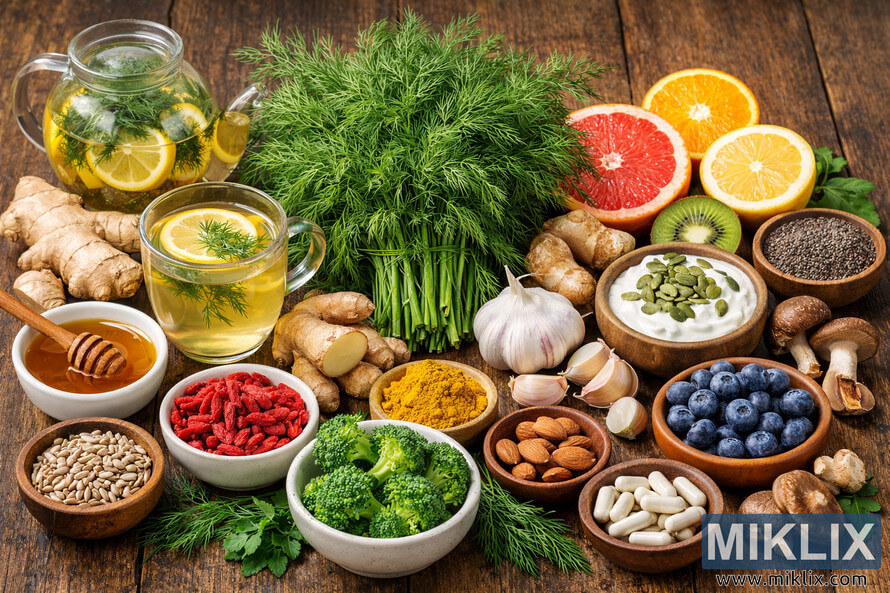
לחץ או הקש על התמונה לקבלת מידע נוסף ורזולוציות גבוהות יותר.
Potential Anti-Cancer Properties of Dill
Cancer research increasingly examines plant compounds for protective effects. Dill contains several substances that show promise in laboratory studies. While human research remains limited, early findings merit attention.
Monoterpenes and Cell Protection
Monoterpenes found in dill show ability to influence cancer cell behavior in test tube studies. These compounds may help trigger programmed cell death in abnormal cells. They also appear to enhance detoxification enzyme activity.
One specific monoterpene called d-limonene has attracted significant research interest. Studies suggest this compound may help reduce risk of certain cancer types. Dill provides a dietary source of this protective substance.
Antioxidant Defense Against DNA Damage
DNA damage from free radicals can initiate cancer development. The antioxidants in dill help neutralize these harmful molecules before they damage genetic material. This protection represents a fundamental cancer prevention strategy.
Medical Disclaimer: Dill should never replace conventional cancer treatment. While research on dill's anti-cancer properties shows promise, these findings come primarily from laboratory and animal studies. Always consult oncologists for cancer prevention and treatment guidance.
Population studies suggest that diets rich in herbs and vegetables correlate with lower cancer rates. Dill contributes to this protective dietary pattern. The cumulative effect of multiple plant compounds working together may explain these benefits.
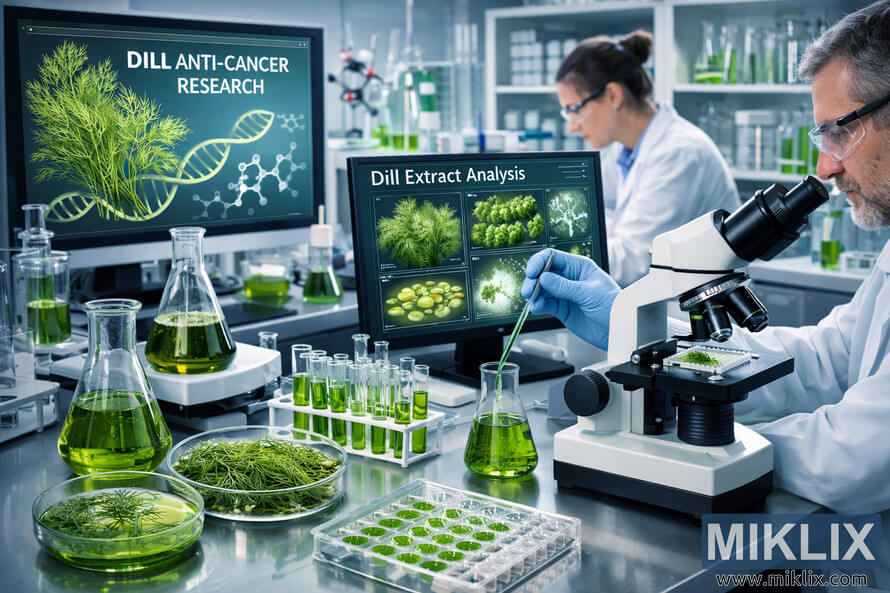
לחץ או הקש על התמונה לקבלת מידע נוסף ורזולוציות גבוהות יותר.
Dill May Help Manage Blood Sugar Levels
Stable blood sugar supports energy, mood, and long-term health. People with diabetes or prediabetes constantly seek natural blood sugar management strategies. Research suggests dill may help in this important area.
Impact on Glucose Metabolism
Animal studies indicate that dill extracts may help lower blood sugar levels. The mechanism involves improved insulin sensitivity and glucose uptake by cells. When cells respond better to insulin, blood sugar remains more stable.
Human research in this area remains preliminary. However, the traditional use of dill for metabolic support spans centuries across multiple cultures. Modern research now works to validate and understand these traditional applications.
Supporting Diabetes Management
For people with diabetes, every dietary choice matters. Adding fresh dill to meals provides flavor without carbohydrates or calories. The herb makes healthy eating more enjoyable while potentially offering metabolic benefits.
Some studies suggest that dill seed extracts show stronger effects than fresh leaves for blood sugar management. People interested in using dill for diabetes support might incorporate both forms into their routine under medical supervision.
Important Consideration: If you take diabetes medications, monitor your blood sugar closely when adding significant amounts of dill to your diet. The herb may enhance medication effects, potentially requiring dosage adjustments. Work with your healthcare provider to optimize your regimen safely.
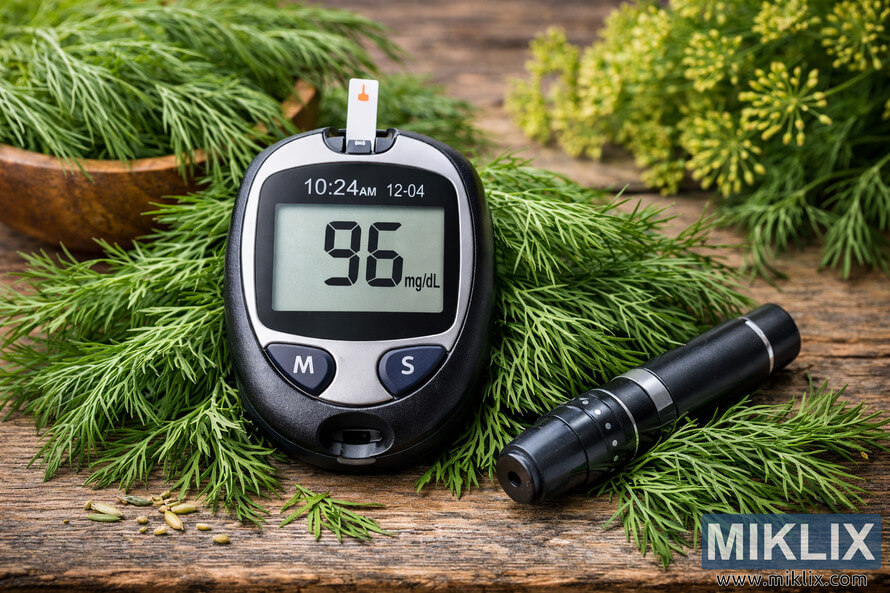
לחץ או הקש על התמונה לקבלת מידע נוסף ורזולוציות גבוהות יותר.
Traditional and Medicinal Uses Across Cultures
Dill's medicinal use stretches back thousands of years. Different cultures discovered similar applications independently. This convergent wisdom suggests genuine therapeutic value underlying traditional practices.
Ancient Egyptian and Greek Applications
Ancient Egyptians listed dill among medicinal plants in historical texts. They used the herb for headaches, digestive complaints, and general wellness support. Greek physicians including Hippocrates recommended dill for various conditions.
The name "dill" itself connects to ancient uses. The Norse word meaning "to soothe" reflects the herb's calming properties. This etymological clue points to long-standing recognition of dill's therapeutic effects.
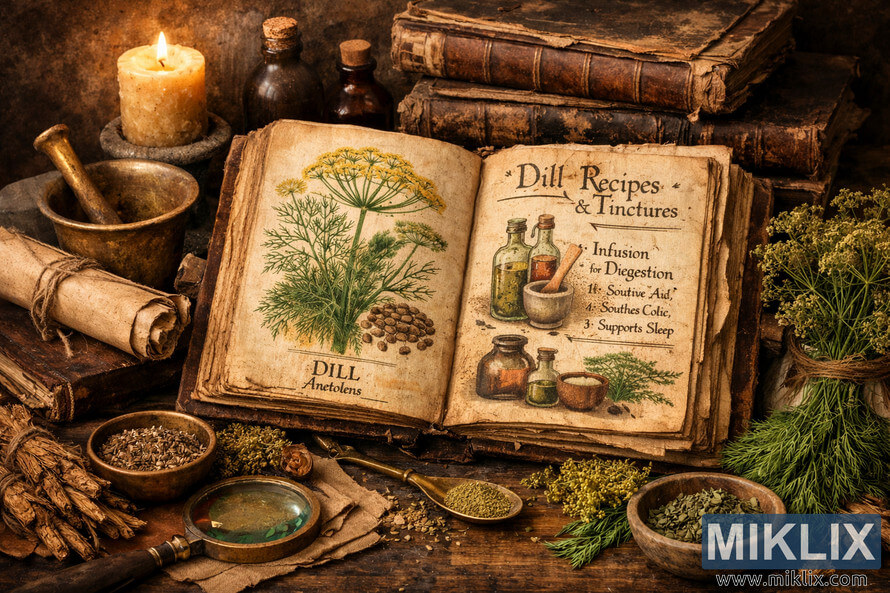
לחץ או הקש על התמונה לקבלת מידע נוסף ורזולוציות גבוהות יותר.
Traditional European Folk Medicine
European folk traditions employed dill extensively. Mothers gave dill water to colicky infants for generations. Adults used dill tea for insomnia, anxiety, and digestive troubles. These practices continue in many regions today.
Traditional Dill Applications
- Digestive aid after heavy meals
- Calming agent for restless children
- Breath freshener and oral health
- Mild sedative for better sleep
- Lactation support for nursing mothers
- Topical application for skin issues
לחץ או הקש על התמונה לקבלת מידע נוסף ורזולוציות גבוהות יותר.
Ayurvedic and Traditional Chinese Medicine
Ayurvedic medicine classifies dill as warming and digestive-stimulating. Practitioners recommend it for balancing specific constitutions and treating digestive weakness. The seeds particularly receive emphasis in Ayurvedic formulations.
Traditional Chinese Medicine uses dill less extensively than some herbs. However, practitioners value dill for moving stagnant energy and warming the digestive system. This aligns with applications in other traditional systems.
How to Incorporate Dill Into Your Daily Diet
Knowing dill's benefits means little without practical application strategies. Fortunately, this versatile herb fits easily into various dishes and preparations. Both fresh dill and dried forms offer convenience and flavor.
Using Fresh Dill Effectively
Fresh dill delivers the most vibrant flavor and maximum nutrients. Add fresh dill at the end of cooking to preserve its delicate taste. Heat diminishes both flavor and nutritional content of this herb.
Chop fresh dill finely for even distribution throughout dishes. The feathery leaves mix well into salads, yogurt-based sauces, and dressings. Fresh dill also makes an excellent garnish that actually enhances nutrition.
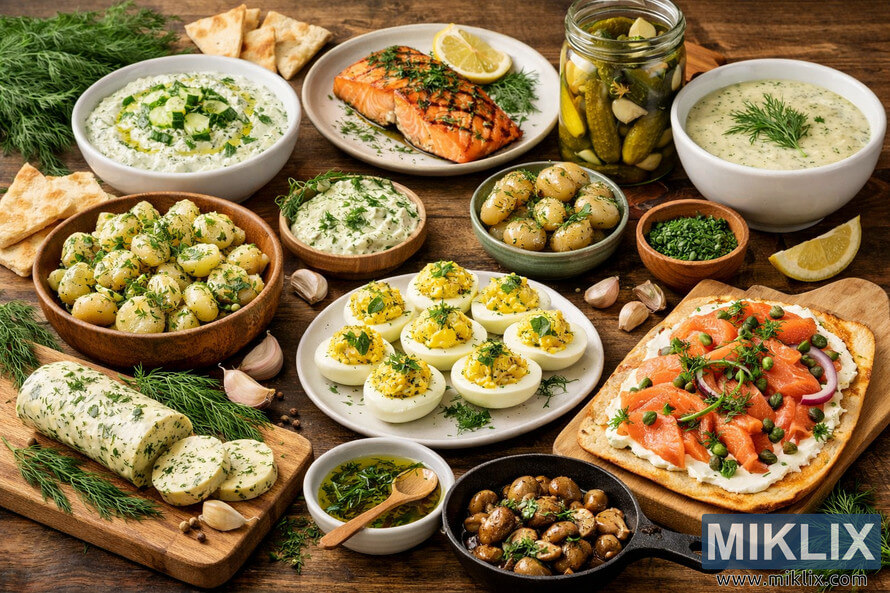
Fresh Dill in Main Dishes
- Sprinkle over grilled fish or chicken
- Mix into scrambled eggs or omelets
- Add to potato dishes of any kind
- Incorporate into grain salads
- Blend into hummus or bean dips
Fresh Dill in Side Dishes
- Toss with roasted vegetables
- Add to cucumber salad recipes
- Mix into coleslaw variations
- Fold into pasta salads
- Combine with fresh tomatoes
Fresh Dill in Condiments
- Blend into tzatziki sauce
- Mix with sour cream for dips
- Add to homemade mayonnaise
- Incorporate into salad dressings
- Create dill butter spreads
לחץ או הקש על התמונה לקבלת מידע נוסף ורזולוציות גבוהות יותר.
Cooking With Dill Seeds
Dill seeds offer concentrated flavor and extended storage life. Toast seeds briefly before use to enhance their aromatic qualities. The seeds work well in pickles, breads, and spice blends.
Crush dill seeds slightly before adding to dishes. This releases essential oils and intensifies flavor. Use whole seeds in pickling brines and crushed seeds in cooking for maximum impact.
Dill Tea and Infusions
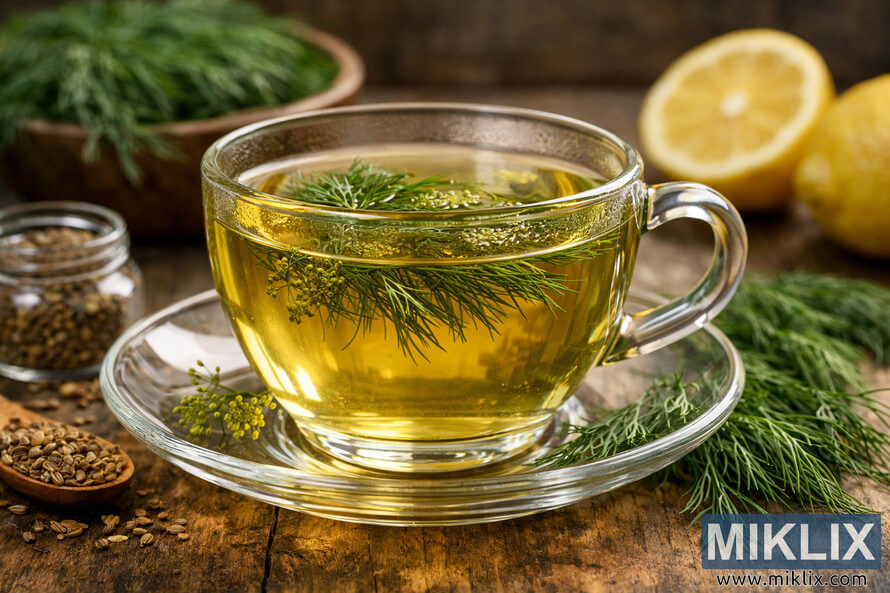
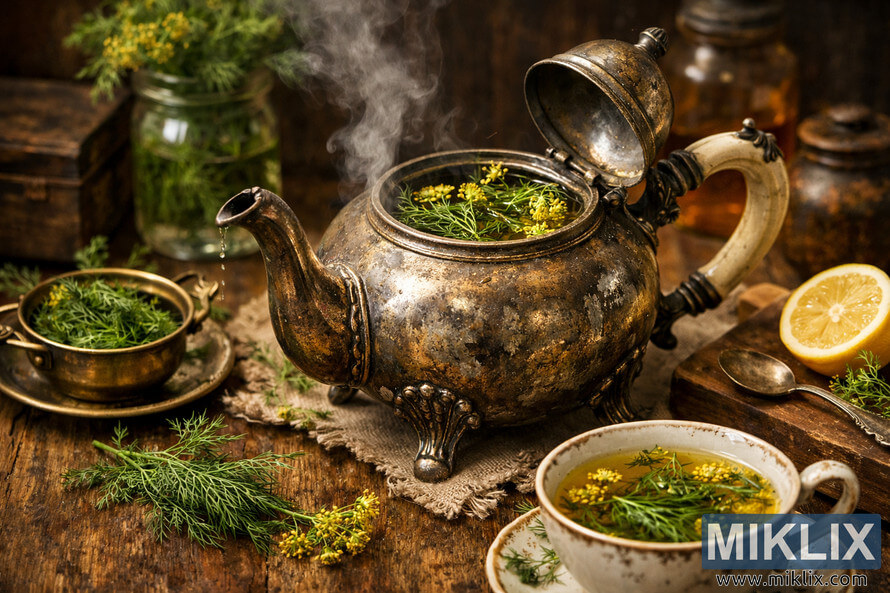
Brewing dill tea provides concentrated benefits in convenient form. Steep one teaspoon of crushed dill seeds in hot water for ten minutes. Strain and drink after meals for digestive support.
Simple Dill Tea Recipe: Crush 1 teaspoon dill seeds, add to 1 cup boiling water, steep covered for 10 minutes, strain, and enjoy. Add honey if desired. Drink 2-3 times per week for digestive wellness support.
Storing Fresh Dill Properly
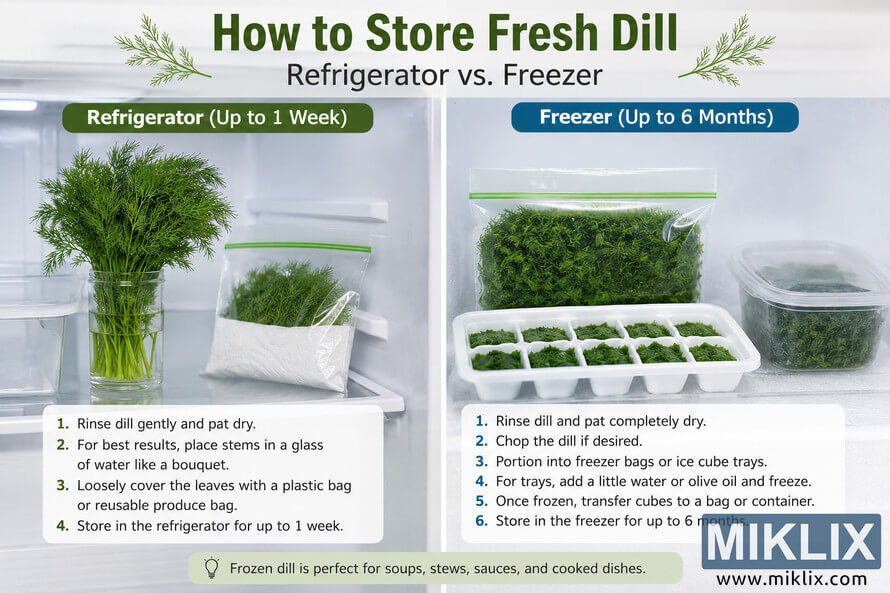
Fresh dill requires proper storage to maintain quality. Wrap unwashed dill loosely in paper towels, then place in a plastic bag. Store in your refrigerator's vegetable drawer for up to one week.
For longer storage, freeze fresh dill for several months. Chop the herb finely, place in ice cube trays with water, and freeze. These frozen cubes add instant dill flavor to soups and stews during cooking.
You can also dry fresh dill at home. Hang small bunches upside down in a dark, well-ventilated space. Once completely dry, store crumbled leaves in an airtight container away from light. Properly dried dill maintains quality for months.
לחץ או הקש על התמונה לקבלת מידע נוסף ורזולוציות גבוהות יותר.
Recommended Daily Intake and Important Precautions
While dill offers numerous health benefits, appropriate amounts matter. Most research involves moderate culinary quantities. Understanding safe consumption levels helps you maximize benefits while avoiding potential issues.
Typical Culinary Amounts
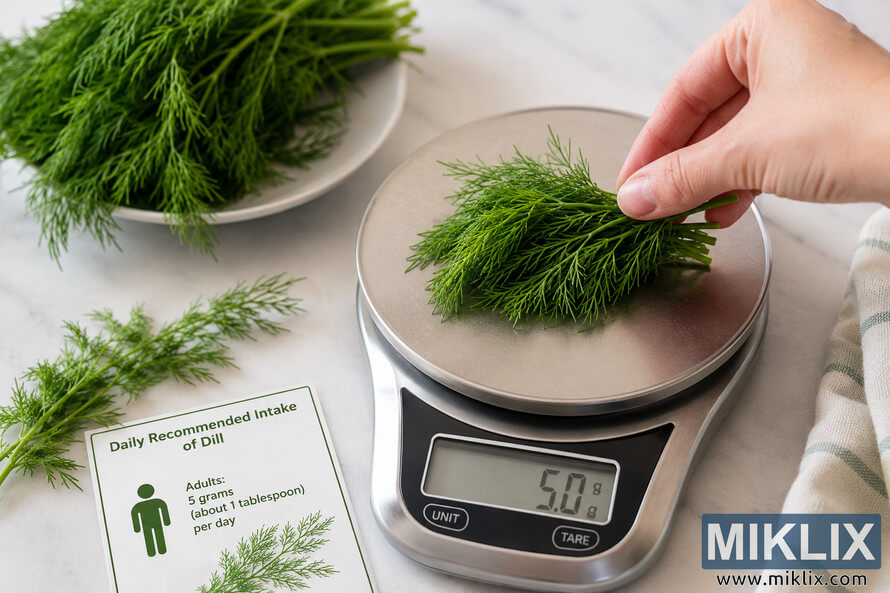
Using dill as a culinary herb poses minimal risk for most people. Adding fresh dill to dishes daily provides health benefits without concern. Most studies suggest 1-2 tablespoons of fresh dill daily offers therapeutic value.
For dill seeds, smaller amounts apply. One-half to one teaspoon of seeds several times per week provides concentrated benefits. Always start with lower amounts and gradually increase to assess your tolerance.
לחץ או הקש על התמונה לקבלת מידע נוסף ורזולוציות גבוהות יותר.
Special Populations and Considerations
Pregnant women should use dill in normal food amounts only. Large medicinal doses during pregnancy lack safety data. The traditional use of dill to support lactation appears safe when consumed as food.
Allergy Alert: People allergic to carrots, celery, or fennel may react to dill. These plants share similar proteins that can trigger allergic responses. Discontinue use and consult a healthcare provider if you experience any allergic symptoms after consuming dill.
Medication Interactions
Dill may interact with certain medications. Blood thinners require careful monitoring when significantly increasing dill intake. The vitamin K content can affect medication effectiveness if consumption varies dramatically.
Diabetes medications may work more effectively when combined with dill. While potentially beneficial, this interaction requires medical supervision. Monitor blood sugar levels closely and report significant changes to your healthcare provider.
When to Exercise Caution With Dill
- Taking blood thinning medications
- Managing diabetes with medication
- Scheduled for surgery within 2 weeks
- Known allergies to related plants
- Pregnant beyond culinary amounts
Safe Dill Use Guidelines
- Start with small culinary amounts
- Gradually increase over several weeks
- Monitor for any adverse reactions
- Maintain consistent intake patterns
- Consult healthcare providers as needed
Quality and Source Considerations
Choose organic fresh dill when possible to minimize pesticide exposure. Wash all herbs thoroughly before use regardless of source. For supplements or concentrated extracts, select reputable manufacturers with third-party testing.
Growing your own dill provides the freshest possible supply. This annual herb grows easily in most climates. Home cultivation ensures you know exactly how your food was produced.
Making Dill Part of Your Wellness Journey
The health benefits of dill extend far beyond its culinary appeal. This humble herb delivers impressive nutritional value and therapeutic properties backed by both tradition and emerging research. From digestive support to heart health, dill offers multiple pathways to better wellness.
You don't need complicated preparations or large quantities to experience dill's advantages. Simple daily incorporation through cooking provides meaningful benefits over time. The key lies in consistency rather than intensity.
Fresh dill enhances countless dishes while simultaneously supporting your health. This dual benefit makes it easy to maintain a dill-rich diet. Whether you sprinkle it on potatoes, blend it into dips, or brew it as tea, dill rewards regular use.
Remember that no single herb creates perfect health. Dill works best as part of a varied, plant-rich diet combined with other healthy lifestyle practices. Think of dill as one valuable tool in your wellness toolkit.
Start incorporating dill this week and notice the difference over the next few months. Your digestive system may feel more comfortable. Your heart health markers might improve. Your meals will certainly taste better. These combined benefits make dill worth exploring for anyone interested in natural health approaches.
Your Next Steps: Purchase fresh dill from your local market this week. Try adding it to at least one meal daily. Notice how it enhances both flavor and your sense of wellbeing. Small consistent actions create lasting health improvements.
לחץ או הקש על התמונה לקבלת מידע נוסף ורזולוציות גבוהות יותר.
קריאה נוספת
אם נהניתם מהפוסט הזה, אולי תאהבו גם את ההצעות הבאות:
- ג'ינג'ר ובריאותך: כיצד השורש הזה יכול להגביר את החסינות והבריאות
- פתיחת בהירות קוגניטיבית: היתרונות המדהימים של תוספי תזונה של פטריות רעמת האריה
- תוספי CLA: משחררים את כוח שריפת השומן של שומנים בריאים