
A Guide to the Health Benefits of Rhubarb
Published: June 7, 2026 at 7:12:41 PM UTC
Rhubarb stands out as one of the most intriguing vegetables in North America. While many people treat it like a fruit in desserts, this plant offers remarkable health benefits that extend far beyond its culinary uses. The bright red stalks contain a wealth of nutrients that support your body in numerous ways.
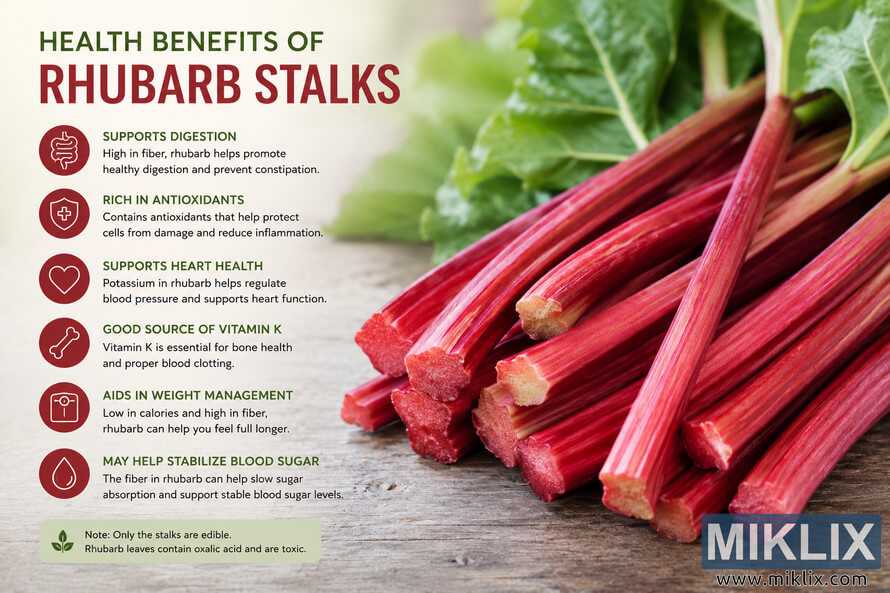
Click or tap the image for more information and higher resolutions.
This perennial vegetable has been valued in Chinese medicine for thousands of years. Modern research now confirms what traditional healers long understood about rhubarb's therapeutic properties.
Understanding the health benefits of rhubarb can help you make informed dietary choices. This guide explores the nutritional profile, wellness advantages, and safe consumption practices for this unique vegetable.
Nutritional Profile of Rhubarb
Rhubarb delivers impressive nutritional value with minimal calories. A single cup serving contains only 26 calories, making it an excellent choice for weight management. The vegetable provides substantial amounts of essential nutrients your body needs daily.
The vitamin content in rhubarb deserves special attention. One serving supplies over 45% of your daily vitamin K requirement. This vitamin plays a crucial role in blood clotting and bone metabolism. Rhubarb also provides vitamin C, supporting immune function and collagen production.
Fiber content makes rhubarb particularly valuable for digestive health. Each serving delivers about 2 grams of dietary fiber. This helps maintain regular bowel movements and supports gut bacteria balance.
Key Vitamins
Rhubarb provides essential vitamins that support multiple body functions.
- Vitamin K for bone strength
- Vitamin C for immunity
- Vitamin A for vision
- B-complex vitamins for energy
Mineral Content
The vegetable contains important minerals needed for optimal health.
- Calcium for bones and teeth
- Potassium for heart function
- Manganese for metabolism
- Magnesium for muscle health
Antioxidant Power
Rhubarb contains powerful compounds that protect your cells.
- Anthocyanins for inflammation
- Polyphenols for cell protection
- Lycopene for heart health
- Lutein for eye protection
Low-Calorie Benefits
The vegetable offers nutrition without excess calories or sugar.
- Only 26 calories per serving
- No added sugar naturally
- High water content
- Satisfying fiber volume
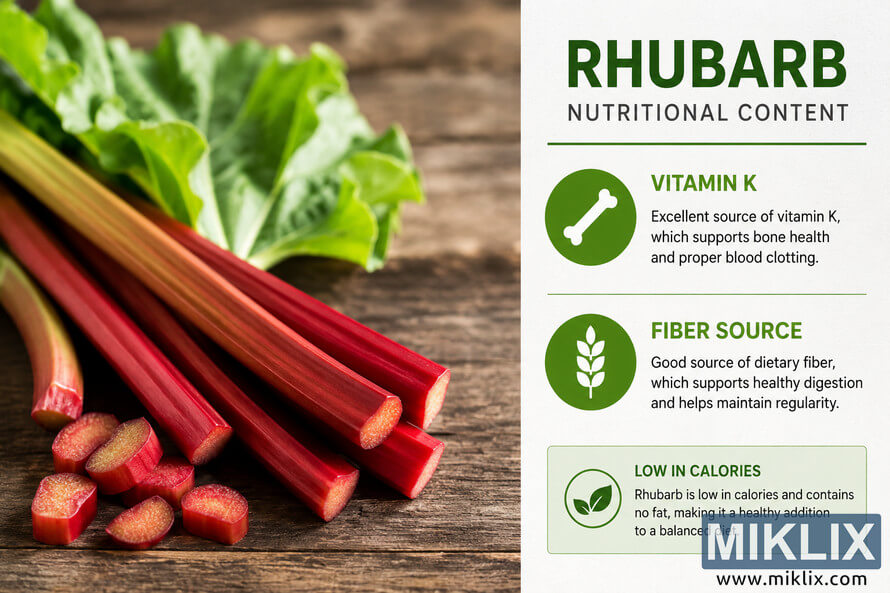
Click or tap the image for more information and higher resolutions.
Digestive Health Benefits
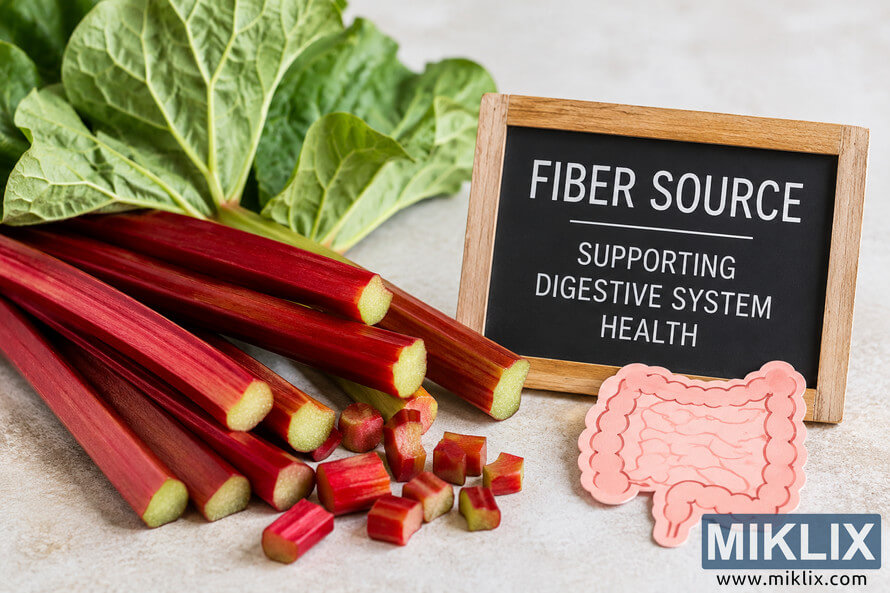
The fiber in rhubarb provides significant support for your digestive system. This vegetable contains both soluble and insoluble fiber types. Each type serves distinct functions in maintaining gut health and regularity.
Insoluble fiber adds bulk to stool and promotes regular bowel movements. This helps prevent constipation and supports overall colon health. The fiber also feeds beneficial gut bacteria, creating a healthier microbiome.
Rhubarb also contains compounds that may support bile production. Bile acids help break down fats and absorb fat-soluble vitamins. Studies suggest certain compounds in rhubarb roots may enhance this process.
How Fiber Works in Your Body
Soluble fiber dissolves in water to form a gel-like substance. This slows digestion and helps you feel full longer. It also helps moderate blood sugar levels after meals. The fiber binds to cholesterol in your digestive tract.
Insoluble fiber passes through your digestive system largely intact. It speeds up the passage of food through your stomach and intestines. This type of fiber helps maintain regular bowel movements and prevents digestive issues.
Important Note: People with digestive conditions should introduce rhubarb gradually. The high fiber content may cause temporary bloating or gas as your system adjusts to increased intake.
Click or tap the image for more information and higher resolutions.
Bone Health Support
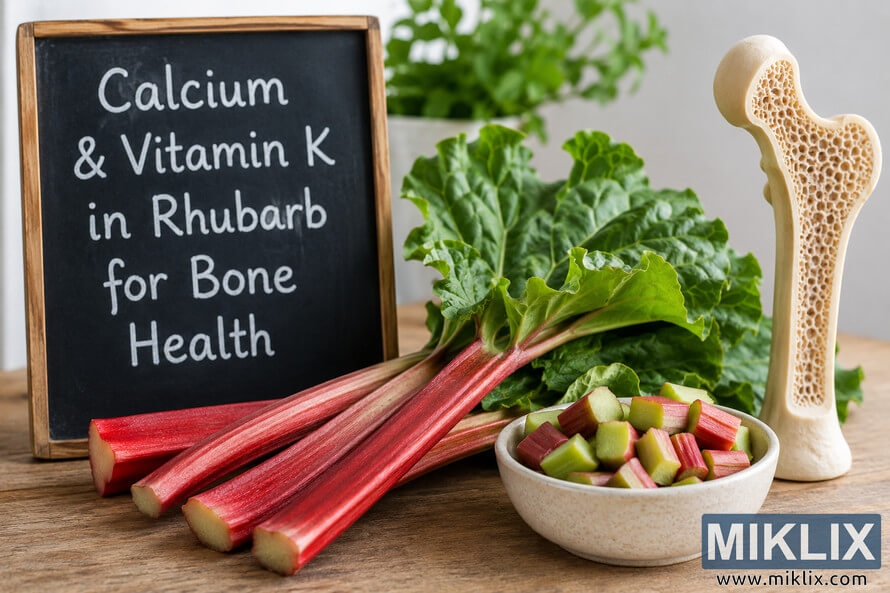
Rhubarb provides essential nutrients for maintaining strong bones throughout life. The vitamin K content stands out as particularly beneficial. This vitamin activates proteins needed for bone mineralization and calcium regulation.
Vitamin rhubarb contains works with calcium to strengthen bone matrix. Research shows adequate vitamin K intake reduces fracture risk in older adults. One serving of rhubarb delivers nearly half your daily vitamin K requirement.
The calcium in rhubarb contributes to bone density maintenance. While the amount per serving is modest, it adds to your total daily calcium intake. Every source helps when building or maintaining bone mass.
Vitamin K and Bone Metabolism
Vitamin K activates osteocalcin, a protein that binds calcium to bones. Without adequate vitamin K, your body cannot effectively use calcium for bone building. This vitamin also helps prevent calcium deposits in soft tissues.
The vitamin also plays a role in reducing bone loss during aging. Studies indicate higher vitamin K intake correlates with better bone density in postmenopausal women. Regular consumption of vitamin K-rich foods like rhubarb supports long-term bone health.
Click or tap the image for more information and higher resolutions.
Cardiovascular Benefits
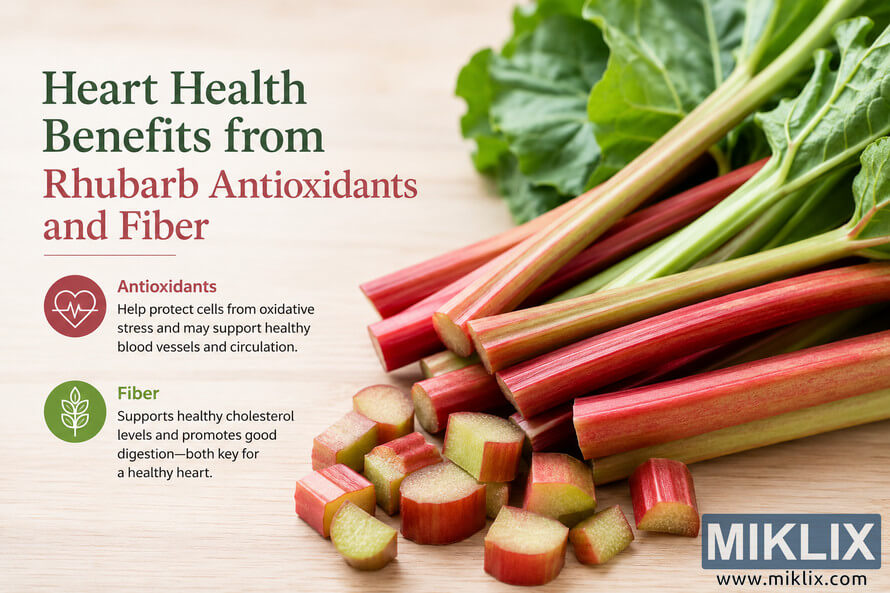
Research suggests rhubarb may support heart health through multiple mechanisms. The fiber content helps lower cholesterol levels by binding bile acids. Your body must use cholesterol to make new bile acids, reducing blood cholesterol.
Antioxidants rhubarb contains protect cardiovascular tissue from oxidative damage. The anthocyanins that give rhubarb its red color show particular promise. These compounds may help reduce inflammation in blood vessels.
Studies examining rhubarb extract show potential for reducing cholesterol levels. Participants taking rhubarb supplements experienced decreases in total and LDL cholesterol. The effects appeared within weeks of consistent use.
Cholesterol Management
The soluble fiber in rhubarb binds to cholesterol in your intestines. This prevents cholesterol absorption into your bloodstream. Your liver then pulls cholesterol from blood to make more bile acids, further lowering cholesterol levels.
Plant compounds in rhubarb may also inhibit cholesterol production in the liver. This dual action makes rhubarb a valuable addition to heart-healthy diets. The vegetable works alongside other lifestyle changes to support cardiovascular wellness.
Clinical Evidence: A study published in the Journal of Ethnopharmacology found rhubarb extract reduced LDL cholesterol by up to 9% in participants over eight weeks. Researchers attributed this to both fiber content and bioactive compounds.
Click or tap the image for more information and higher resolutions.
Cancer Prevention Research
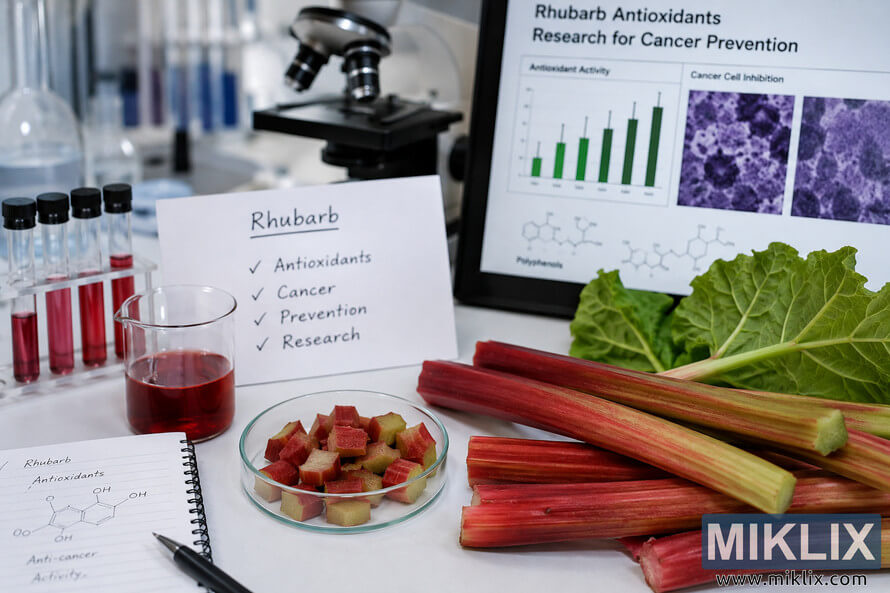
Preliminary research explores rhubarb's potential role in cancer prevention. The antioxidants in this vegetable combat free radicals that can damage cellular DNA. This protection may reduce cancer risk over time.
Anthocyanins, the pigments giving rhubarb its distinctive color, show promise in laboratory studies. These compounds demonstrate anti-cancer properties in cell cultures. Research focuses particularly on their effects on colon and liver cancer cells.
Studies also examine compounds in rhubarb roots used in Chinese medicine. These preparations contain concentrated amounts of bioactive substances. Some research suggests these may inhibit tumor growth in animal models.
Antioxidant Mechanisms
Antioxidants neutralize free radicals before they can damage cells. Free radicals are unstable molecules that can harm DNA, proteins, and cell membranes. Chronic exposure to free radicals increases cancer risk over decades.
The polyphenols in rhubarb work through several pathways. They may trigger natural detoxification processes in cells. These compounds also support the immune system's ability to identify and eliminate abnormal cells.
Research Status: While laboratory and animal studies show promise, human clinical trials remain limited. Rhubarb should be viewed as part of an overall healthy diet, not as cancer treatment or guaranteed prevention. Always consult healthcare providers about cancer risk factors.
Click or tap the image for more information and higher resolutions.
Weight Management Support
Rhubarb supports weight management goals through its low calorie density and high fiber content. The vegetable provides volume and satisfaction with minimal energy. This helps you feel full while consuming fewer calories overall.
The fiber in rhubarb slows digestion and extends feelings of fullness. This can reduce snacking between meals and help control portion sizes. The vegetable also has a low glycemic impact, preventing blood sugar spikes.
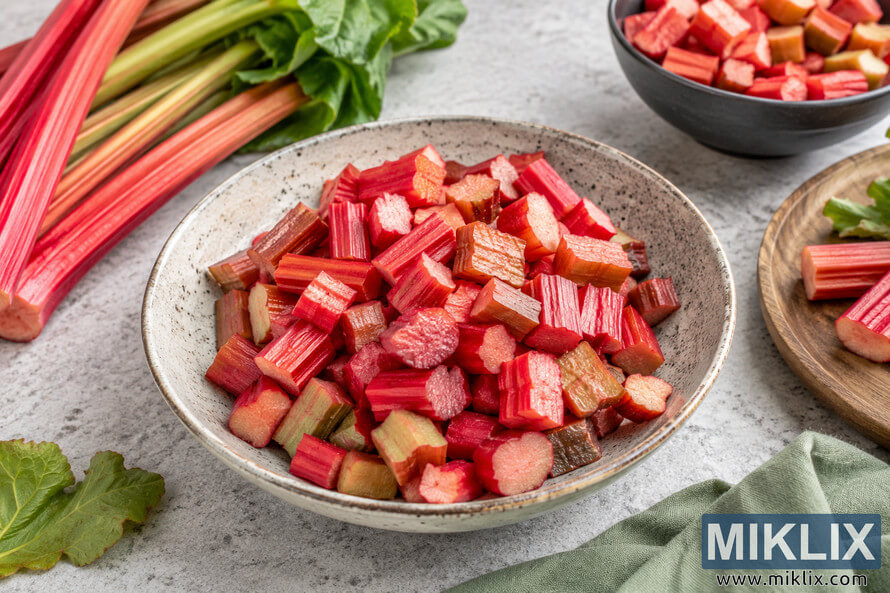
Preparation methods significantly affect rhubarb's role in weight management. The stalks contain minimal natural sugar when consumed without additions. However, traditional rhubarb recipes often include substantial added sugar that counteracts the vegetable's benefits.
Smart Preparation Tips
Choose cooking methods that minimize added sugar. Roast rhubarb with cinnamon and a touch of stevia or monk fruit sweetener. Combine it with naturally sweet fruits like strawberries to reduce the need for added sweeteners.
Raw rhubarb can be sliced thin and added to salads for a tart crunch. The stalks also work well in savory dishes alongside pork or chicken. These preparations maximize nutritional benefits while controlling calories.
Click or tap the image for more information and higher resolutions.
Blood Sugar Regulation
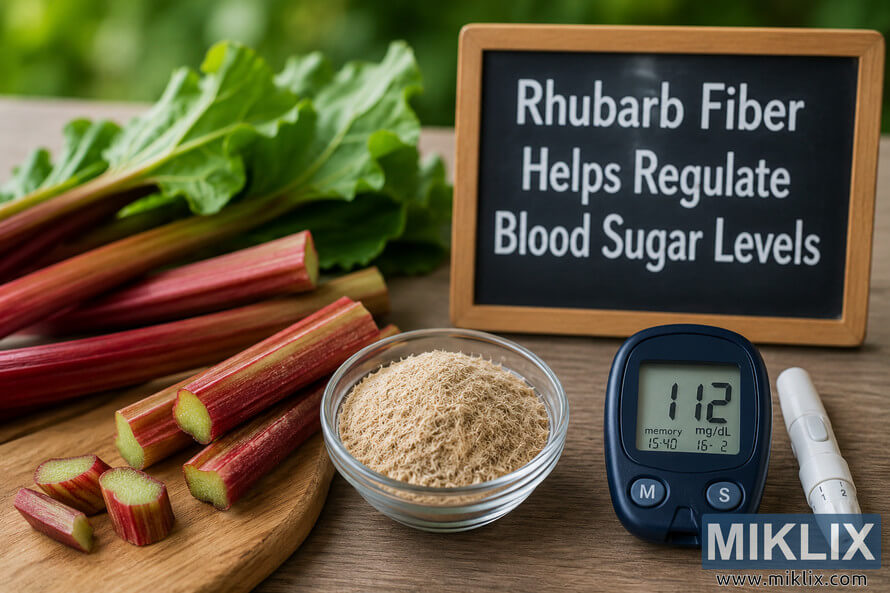
The fiber content in rhubarb helps moderate blood sugar responses to meals. Soluble fiber slows the absorption of sugars into your bloodstream. This prevents rapid spikes and crashes in blood glucose levels.
Research indicates certain compounds in rhubarb may support insulin sensitivity. Better insulin function allows your cells to use blood sugar more efficiently. This mechanism could benefit people managing diabetes or prediabetes.
Studies examining rhubarb extract show promising effects on glucose metabolism. Animal research demonstrates improved blood sugar control with consistent rhubarb consumption. Human studies are exploring these effects in people with metabolic conditions.
Glycemic Impact
Rhubarb has a low glycemic index when prepared without added sugar. The vegetable causes minimal blood sugar elevation compared to many fruits and starchy vegetables. This makes it suitable for low-carbohydrate eating patterns.
The combination of fiber and water content creates a filling food that doesn't spike insulin. This can help maintain steady energy levels throughout the day. People often report reduced cravings when including high-fiber vegetables like rhubarb regularly.
Click or tap the image for more information and higher resolutions.
Understanding Oxalic Acid
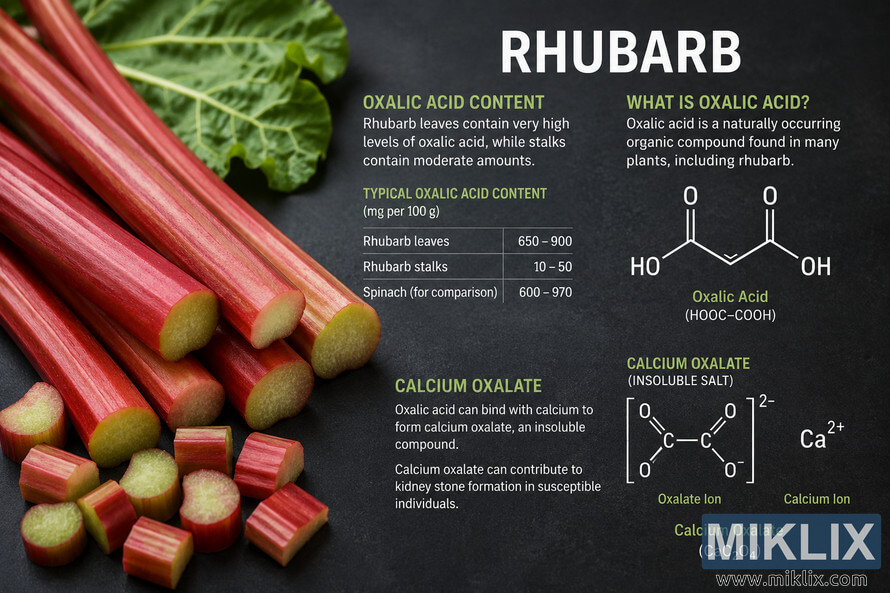
Rhubarb contains oxalic acid, particularly concentrated in the leaves. This compound binds to minerals like calcium, forming calcium oxalate. The leaves contain dangerous levels and should never be consumed.
The stalks contain much lower oxalic acid levels that are safe for most people. However, individuals prone to kidney stones should moderate their intake. Calcium oxalate is the most common type of kidney stone.
Oxalic acid also reduces the bioavailability of calcium in rhubarb. The acid binds to calcium during digestion, preventing absorption. This means you absorb less calcium from rhubarb than the nutritional numbers suggest.
Safety Considerations
People with a history of kidney stones may need to limit high-oxalate foods. Rhubarb falls into this category, though cooking reduces oxalate content somewhat. Drinking plenty of water helps prevent oxalate crystal formation.
Always remove and discard rhubarb leaves before preparation. The leaves contain toxic levels of oxalic acid that can cause severe poisoning. Symptoms include difficulty breathing, burning mouth, and kidney damage in extreme cases.
Safe Consumption
- Eat only the red or pink stalks
- Cook rhubarb to reduce oxalates
- Combine with calcium-rich foods
- Stay well hydrated
- Enjoy moderate portions regularly
Precautions Needed
- Never eat the green leaves
- Limit intake with kidney stones
- Watch for medication interactions
- Avoid excessive consumption
- Consult doctor if uncertain
Click or tap the image for more information and higher resolutions.
Medication Interactions
Rhubarb may interact with certain medications, particularly blood thinners. The high vitamin K content can interfere with anticoagulant drugs like warfarin. These medications work by blocking vitamin K activity in blood clotting.
People taking blood thinners should maintain consistent vitamin K intake. Sudden increases or decreases can affect medication effectiveness. Discuss rhubarb consumption with your healthcare provider if you take anticoagulants.
Rhubarb may also affect medications that are metabolized by the liver. Some compounds in rhubarb can alter enzyme activity involved in drug processing. This could change how quickly your body breaks down certain medications.
When to Consult Your Doctor
Anyone taking prescription medication should discuss dietary changes with their healthcare team. This is especially important for blood thinners, diabetes medications, and drugs affecting kidney function. Your doctor can advise on safe rhubarb consumption levels.
People with kidney disease should exercise caution due to oxalate content. The kidneys filter oxalate from blood, and impaired kidney function may allow oxalate buildup. This can increase risk of stone formation and other complications.
Selection and Storage Tips
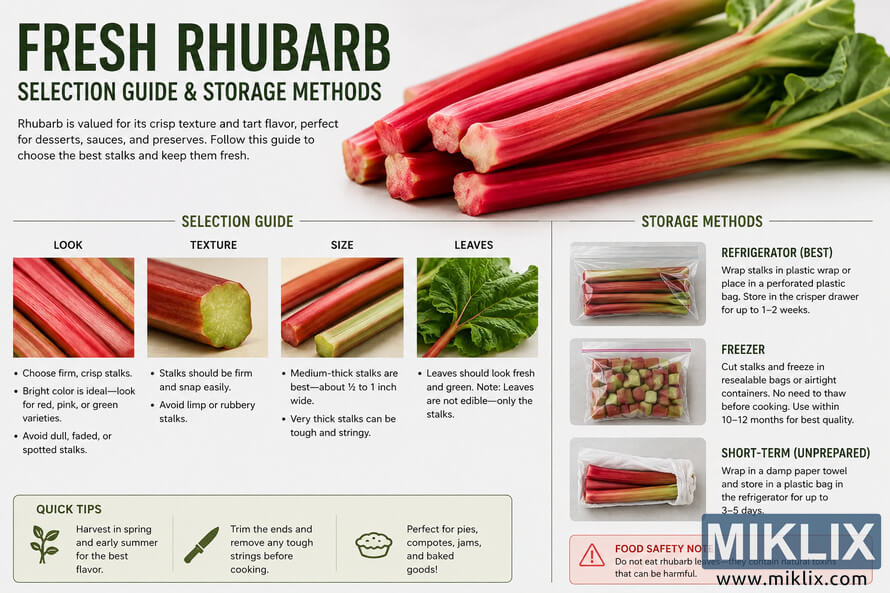
Choose rhubarb stalks that feel firm and crisp when gently squeezed. The color can range from pink to deep red, depending on the variety. Color intensity doesn't necessarily indicate superior flavor or nutritional value.
Avoid stalks that appear limp, shriveled, or have brown spots. Fresh rhubarb should snap cleanly when bent. The cut ends should look moist rather than dried out.
Store unwashed rhubarb in the refrigerator wrapped in plastic or in a sealed container. Properly stored stalks remain fresh for up to two weeks. For longer storage, chop rhubarb into pieces and freeze in airtight bags.
Preparation Methods
Rinse rhubarb stalks under cold water just before use. Trim away any remaining leaf material and the dry end. Cut stalks into pieces according to your recipe requirements.
The stalks don't require peeling in most preparations. The skin contains beneficial fiber and nutrients. However, very thick stalks may benefit from peeling to improve texture in delicate dishes.
Click or tap the image for more information and higher resolutions.
Healthy Cooking Methods
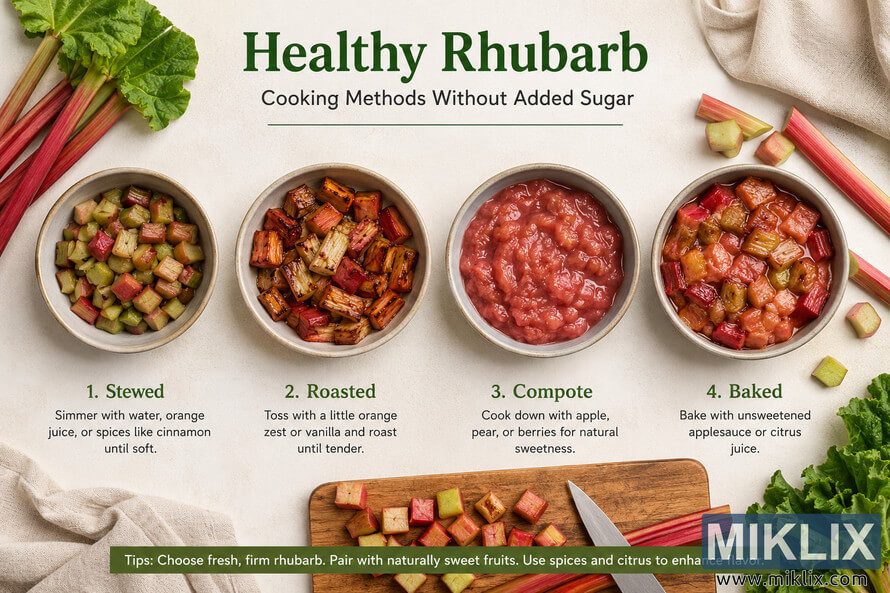
Roasting brings out rhubarb's natural sweetness while maintaining nutritional value. Spread chopped stalks on a baking sheet and roast at 375°F for 15-20 minutes. Add cinnamon or ginger for flavor without extra sugar.
Stewing rhubarb creates a sauce perfect for topping yogurt or oatmeal. Simmer chopped stalks with a small amount of water until soft. Sweeten minimally with natural alternatives rather than large amounts of added sugar.
Raw rhubarb offers maximum nutrient retention. Thinly slice young, tender stalks for salads or vegetable platters. The tart flavor pairs well with creamy dips or sweet fruit combinations.
Minimizing Sugar Addition
Combine rhubarb with naturally sweet fruits to balance tartness. Strawberries, apples, and oranges complement rhubarb's flavor profile. This reduces the need for added sweeteners in recipes.
Use alternative sweeteners like stevia, monk fruit, or small amounts of honey. These options provide sweetness with less impact on blood sugar. Start with less sweetener than recipes suggest and adjust to taste.
Roasted Rhubarb
Enhances natural sweetness through caramelization. Maintains most vitamins and fiber. Great for batch preparation.
Best for: Meal prep
Fresh Raw Rhubarb
Preserves all nutrients and enzymes. Provides maximum fiber benefits. Requires young, tender stalks.
Best for: Salads
Stewed Sauce
Creates versatile topping for breakfast foods. Easy to control sweetness levels. Freezes well for later use.
Best for: Toppings
Click or tap the image for more information and higher resolutions.
Healthy Recipe Ideas
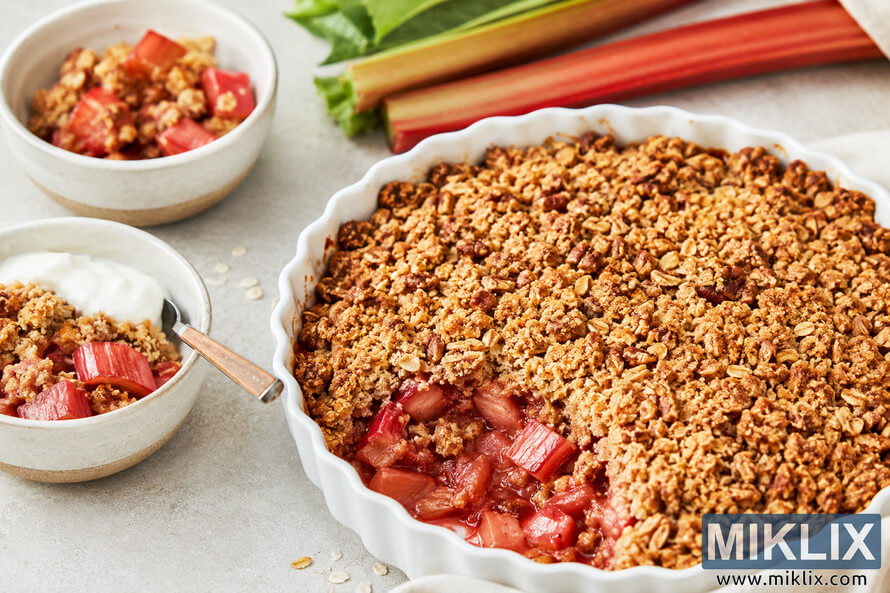
Breakfast bowls gain nutritional boost with stewed rhubarb topping. Layer Greek yogurt with rhubarb compote and granola. The combination provides protein, probiotics, and fiber to start your day.
Savory applications showcase rhubarb's versatility. Create chutneys to accompany grilled meats or roasted vegetables. The tartness cuts through rich flavors and adds complexity to dishes.
Smoothies offer convenient ways to include rhubarb in your diet. Blend frozen rhubarb with berries, spinach, and protein powder. The tart flavor balances sweet fruits without requiring added sugar.
Creative Serving Suggestions
Add diced rhubarb to grain salads for a pop of color and tang. It pairs beautifully with quinoa, farro, or wild rice. Include nuts and fresh herbs for complete nutritional balance.
Grill rhubarb stalks as a unique side dish. Brush with a small amount of olive oil and grill until tender with char marks. Serve alongside fish or poultry for an unexpected flavor element.
Click or tap the image for more information and higher resolutions.
Frequently Asked Questions
Is rhubarb a fruit or vegetable?
Rhubarb is botanically a vegetable, specifically a perennial plant with edible stalks. People often treat it like fruit in desserts due to its tart flavor profile. In North America, a 1947 court ruling classified it as fruit for trade purposes, but this doesn't change its biological classification.
Can I eat rhubarb raw?
Yes, rhubarb stalks are safe to eat raw in moderate amounts. Choose young, tender stalks for the best texture. The raw vegetable provides maximum nutritional benefits since cooking can reduce some vitamin content. Many people enjoy thin slices in salads or as a crunchy snack.
Why are rhubarb leaves poisonous?
Rhubarb leaves contain high levels of oxalic acid and other toxic compounds. These substances can cause severe symptoms including kidney damage, difficulty breathing, and burning sensations. Always remove and discard leaves before consuming the stalks, which contain safe oxalate levels.
How much rhubarb is safe to eat daily?
Most people can safely consume 1-2 cups of cooked rhubarb daily. This amount provides health benefits without excessive oxalate intake. People prone to kidney stones should limit consumption to a few servings per week and stay well hydrated. Always consult your healthcare provider if you have kidney concerns.
Does cooking rhubarb reduce its nutritional value?
Cooking causes some vitamin C loss but preserves most other nutrients. Heat actually increases the bioavailability of certain beneficial compounds. Cooking also reduces oxalate content, making the calcium more absorbable. Brief cooking methods like roasting preserve more nutrients than prolonged boiling.
Can rhubarb help lower cholesterol?
Studies suggest rhubarb may support cholesterol management through its fiber and plant compounds. The soluble fiber binds cholesterol in your digestive tract. Research shows potential reductions in LDL cholesterol with regular consumption. However, rhubarb works best as part of an overall heart-healthy diet and lifestyle.
Making Rhubarb Part of Your Healthy Diet
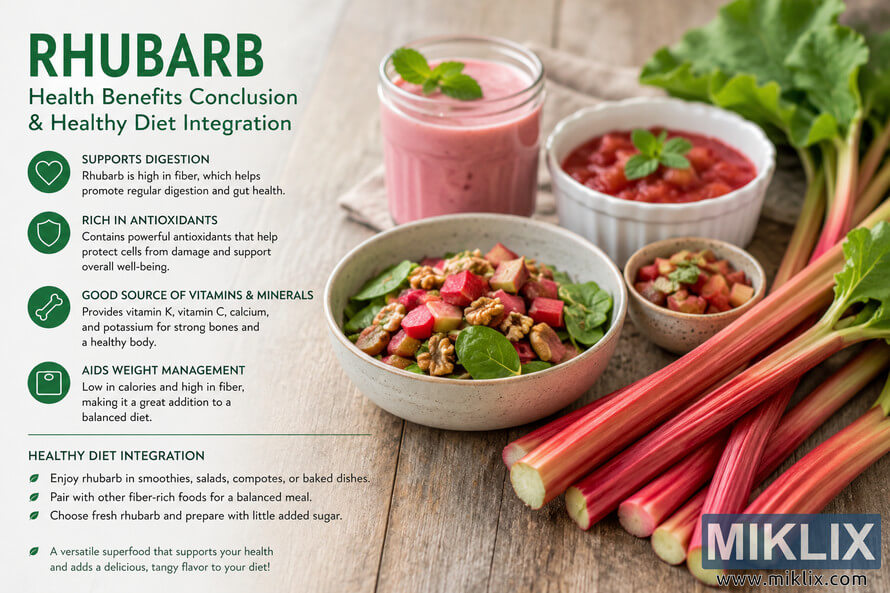
The health benefits of rhubarb make it a valuable addition to a balanced diet. This unique vegetable provides essential vitamins, minerals, and antioxidants with minimal calories. The fiber content supports digestive health while the vitamin K strengthens bones.
Safe consumption requires understanding both benefits and precautions. Always use only the stalks and discard toxic leaves. People with kidney stones or taking blood thinners should consult healthcare providers before adding rhubarb regularly.
Experiment with different preparation methods to find what you enjoy most. Whether roasted, stewed, or raw, rhubarb offers versatility in both sweet and savory applications. Focus on minimizing added sugar to maximize the health benefits this remarkable vegetable provides.
Start incorporating rhubarb into your meals during its peak season. The vegetable grows abundantly in North America from spring through early summer. Fresh, locally grown rhubarb offers the best flavor and nutritional value for supporting your wellness goals.
Click or tap the image for more information and higher resolutions.
Further Reading
If you enjoyed this post, you may also like these suggestions:
- Loquat: The Sweet Fruit Packed with Real Health Benefits
- Lemongrass: The Aromatic Herb with Powerful Wellness Benefits
- The Green Hydration Machine: How Cucumbers Boost Your Wellbeing