
Health Benefits of Nectarines: A Complete Guide to This Nutrient-Rich Stone Fruit
Published: May 31, 2026 at 4:50:50 PM UTC
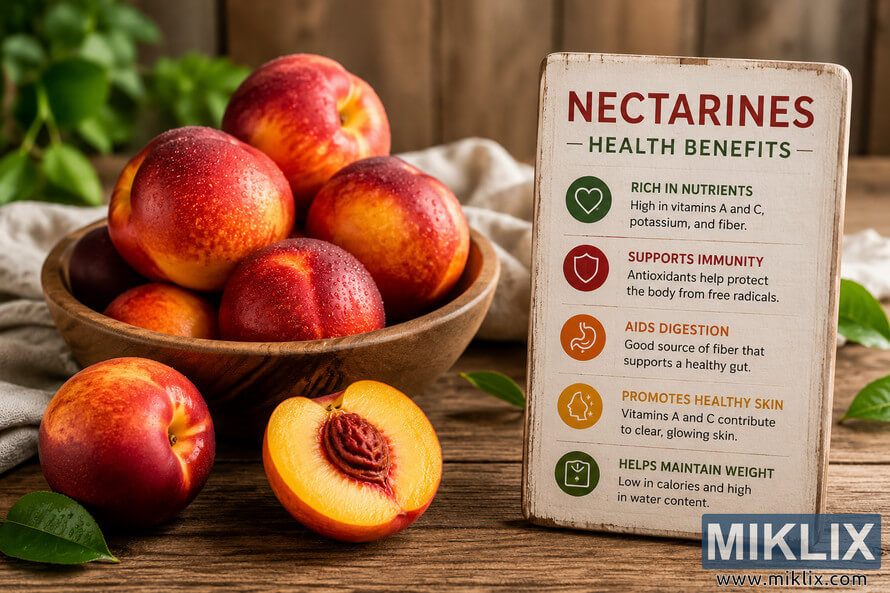
Nectarines are more than just a delicious summer treat. This smooth-skinned variety peach delivers powerful nutrition in every bite. Many people wonder what makes this fruit special for their health.
Click or tap the image for more information and higher resolutions.
Nectarines pack essential vitamins, minerals, and antioxidants your body needs. They support everything from heart function to skin health.
This guide reveals the top health benefits of nectarines. You will learn how this stone fruit can improve your wellness. We will explore its nutritional content and practical ways to add it to your diet.
Nutritional Profile of Nectarines
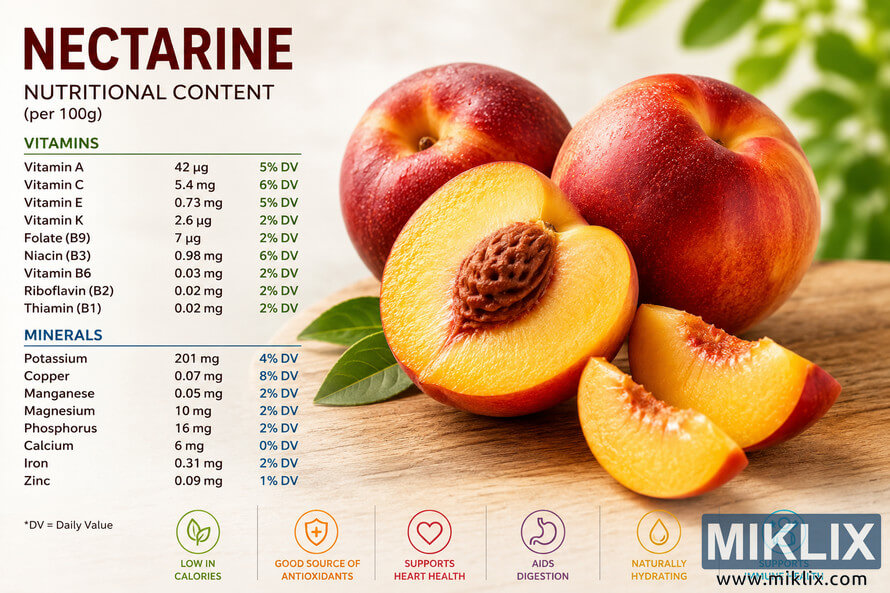
Nectarines are low calories fruits that deliver impressive nutritional value. A medium nectarine contains about 60 calories. This makes it perfect for weight management goals.
The content nectarines provide includes vital nutrients. They are a rich source of vitamin C. Just one fruit gives you nearly 15% of your daily needs.
These stone fruit also contain vitamin A. This supports eye health and immune function. The antioxidants found nectarines help protect your cells from damage.
Key Vitamins and Minerals
Vitamin C
This powerful antioxidant supports immune function. It helps your body produce collagen for healthy skin.
- Boosts immune defense
- Promotes collagen production
- Enhances iron absorption
- Protects against oxidative stress
Vitamin A
Essential for vision and cell growth. This vitamin plays a key role in maintaining healthy eyes.
- Supports night vision
- Maintains eye health
- Promotes skin cell renewal
- Strengthens immune response
Potassium
This mineral helps regulate blood pressure. It supports proper heart function and muscle health.
- Regulates blood pressure naturally
- Supports heart health
- Maintains fluid balance
- Aids muscle function
Fiber
Nectarines provide dietary fiber. This supports digestive health and helps you feel full longer.
- Improves digestion
- Promotes gut health
- Supports weight management
- Stabilizes blood sugar
Click or tap the image for more information and higher resolutions.
Antioxidant Content
The antioxidants in nectarines fight free radicals. These compounds may support your body against various conditions. Research shows they play a protective role.
Beta-carotene gives nectarines their orange color. Your body converts this into vitamin A. The fruit also contains flavonoids and phenolic compounds.
These antioxidants work together in your body. They may support cardiovascular health and reduce oxidative stress. This is one reason nectarines are so beneficial.
Top Health Benefits of Nectarines
Nectarines offer remarkable health benefits beyond basic nutrition. These effects support multiple body systems. Let us explore how this fruit improves your wellness.
Heart Health Support
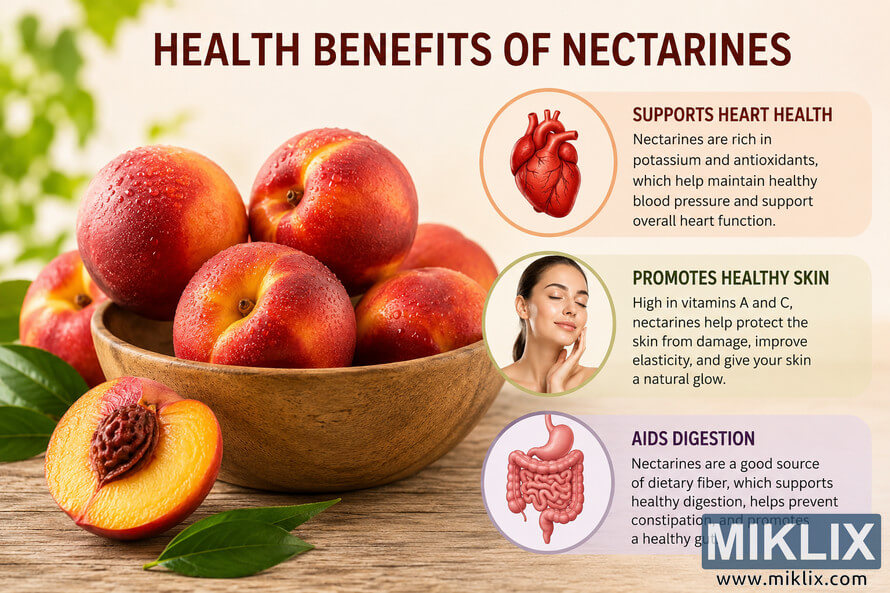
Nectarines may support cardiovascular function in several ways. The potassium content helps manage blood pressure levels. This mineral works to balance sodium effects.
The fiber found nectarines also benefits your heart. It helps lower cholesterol absorption. Studies suggest this may reduce heart disease risk over time.
Antioxidants in the fruit protect blood vessels. They help reduce inflammation throughout your body. This creates better conditions for heart health.
Key Point: The combination of potassium, fiber, and antioxidants makes nectarines an excellent choice for heart health. Regular consumption as part of a balanced diet may support cardiovascular wellness.
Click or tap the image for more information and higher resolutions.
Skin Health Enhancement
Your skin benefits significantly from eating nectarines. The vitamin C content supports collagen production. This protein keeps skin firm and elastic.
Vitamin A in nectarines promotes skin cell renewal. It helps maintain smooth, healthy skin texture. The antioxidants fight damage from sun exposure and pollution.
Beta-carotene provides additional skin protection. It may help reduce signs of aging. Many people notice improved skin health when they add this fruit to their diet.

Click or tap the image for more information and higher resolutions.
Digestive Health Benefits
The fiber content nectarines deliver supports your digestive system. This helps food move smoothly through your gut. Regular consumption promotes healthy bowel function.
Nectarines contain both soluble and insoluble fiber. Soluble fiber feeds beneficial gut bacteria. Insoluble fiber adds bulk to support regular elimination.
This stone fruit also provides natural sugars and water. These help maintain proper hydration for digestion. The combination supports overall gut health.
Eye Health Protection
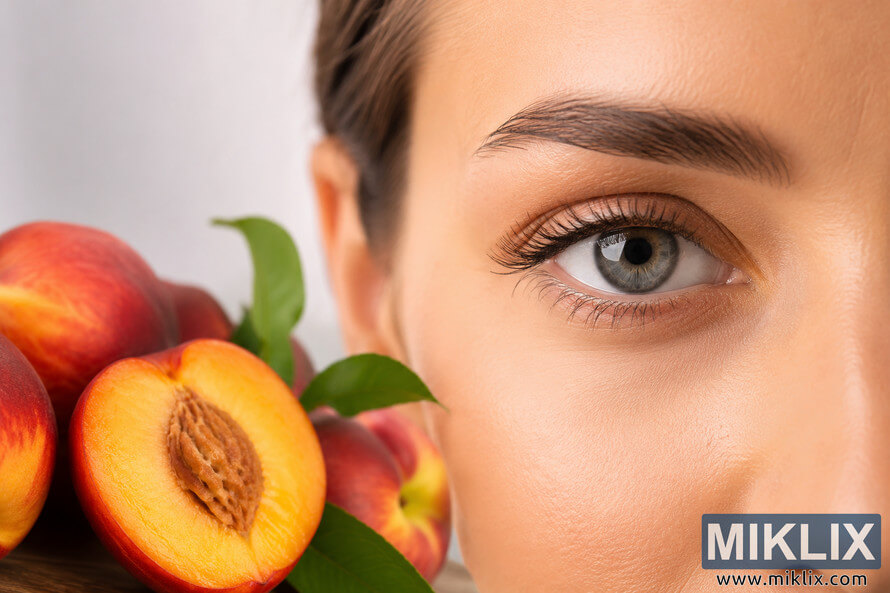
Nectarines high in vitamin A content makes them excellent for vision. This nutrient is essential for eye health. It helps maintain the cornea and supports night vision.
The beta-carotene in nectarines converts to vitamin A in your body. This process supports retinal health. Lutein and zeaxanthin also protect eye tissue.
These compounds may reduce risk of age-related eye conditions. They filter harmful blue light. Regular consumption supports long-term eye function.
Click or tap the image for more information and higher resolutions.
Immune System Support
The vitamin C found nectarines strengthens your immune defense. This antioxidant helps white blood cells function better. It supports your body against common illnesses.
Vitamin A also plays a role in immune health. It maintains the integrity of skin and mucous membranes. These act as barriers against pathogens.
The variety of antioxidants work together to support immune function. They help reduce inflammation that can weaken immunity. Adding nectarines to your diet may support overall immune health.
Weight Management Support
Nectarines are low calories yet satisfying. One medium fruit fills you up without excess calories. This makes them perfect for weight management plans.
The fiber content helps control appetite. It slows digestion and keeps you feeling full longer. Natural sugars provide energy without blood sugar spikes.
Water content in nectarines also aids weight goals. The fruit is about 85% water. This adds volume to meals without adding significant calories.
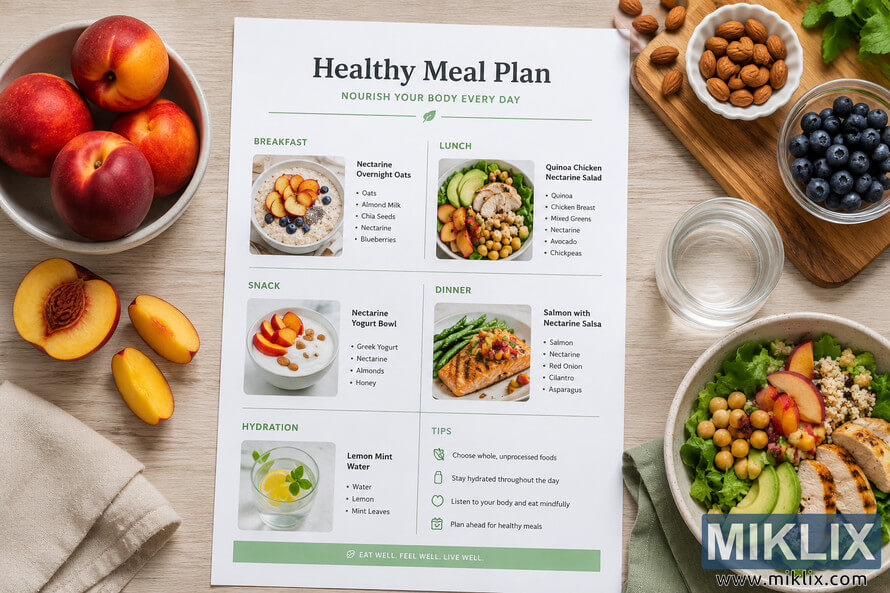
Click or tap the image for more information and higher resolutions.
Nectarines vs Peaches: Key Differences
Many people ask about the difference between these fruits. Nectarines are actually a smooth-skinned variety peach. The main distinction is the skin texture.
Peaches have fuzzy skin due to a dominant gene. Nectarines have a recessive gene that creates smooth skin. Both fruits belong to the same species.
Nutritional Comparison
The nutritional content is remarkably similar between the two. Both provide vitamin C, vitamin A, and fiber. The amounts vary only slightly.
Nectarines may contain slightly more vitamin C per serving. Peaches might have marginally more vitamin A. These differences are minimal for practical purposes.
Both fruits offer the same health benefits. Your choice can depend on taste preference and texture. Some people prefer the smooth skin of nectarines.
Nectarines
- Smooth skin is easier to eat
- Slightly firmer texture
- Often sweeter taste
- No peeling required
- Rich source of antioxidants
Peaches
- Fuzzy skin some dislike
- Softer, juicier texture
- May require peeling
- Bruise more easily
- Similar nutritional value
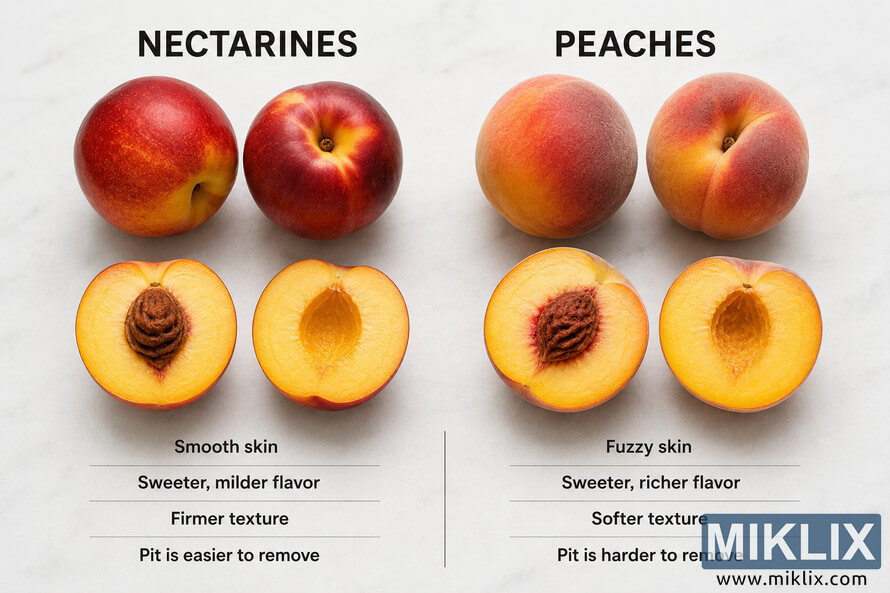
Click or tap the image for more information and higher resolutions.
Different Varieties of Nectarines
Several nectarine varieties exist worldwide. Each type offers unique characteristics. The main categories are yellow and white nectarines.
Yellow Nectarines
These are the most common variety in stores. They have golden-yellow flesh when ripe. The flavor is tangy-sweet with slight acidity.
Yellow nectarines work well for cooking and baking. They hold their shape better under heat. Many people enjoy them fresh as well.
White Nectarines
White varieties have pale, creamy flesh. They taste sweeter with less acid than yellow types. The flavor is often described as more delicate.
These are excellent for eating fresh. They have a lower acid content that some people prefer. White nectarines are popular in Asia and gaining popularity elsewhere.
Freestone vs Clingstone
This classification refers to the pit. Freestone varieties have flesh that separates easily from the pit. These are better for eating fresh and slicing.
Clingstone nectarines have flesh that clings to the pit. They are often used for canning and processing. Both types offer the same health benefits.
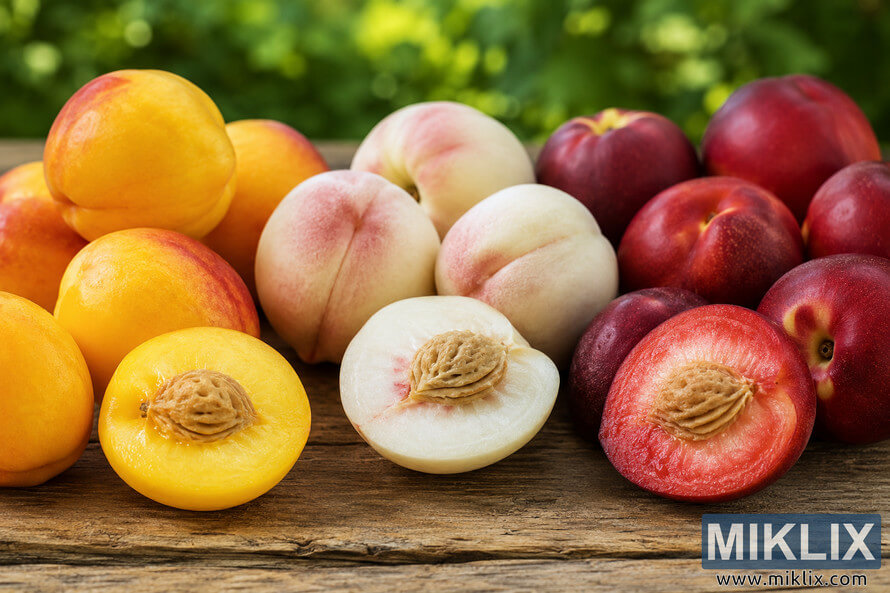
Click or tap the image for more information and higher resolutions.
How to Select and Store Nectarines
Choosing quality nectarines ensures you get maximum nutrition. Look for fruits with vibrant color and smooth skin. Avoid those with bruises or soft spots.
Selection Tips
Ripe nectarines yield slightly to gentle pressure. The background color should be yellow or cream, not green. A sweet fragrance indicates ripeness.
The skin should be smooth and unblemished. Small surface scratches are acceptable. Avoid fruits that feel rock hard or mushy.
Size does not indicate quality or flavor. Choose based on color, firmness, and aroma. Fresh nectarines should smell sweet and fruity.
Nectarines continue ripening after harvest. Buy firm fruits if you plan to eat them later. Choose softer ones for immediate consumption.
Storage Methods
Store unripe nectarines at room temperature. Place them in a paper bag to speed ripening. Check daily for desired firmness.
Once ripe, refrigerate nectarines to extend freshness. They will keep for up to five days in the fridge. Let them come to room temperature before eating for best flavor.
Never store unripe nectarines in the refrigerator. Cold temperatures stop the ripening process. The fruit may never develop full flavor.
- Check nectarines for color and firmness
- Store unripe fruit at room temperature
- Place in paper bag to accelerate ripening
- Refrigerate ripe nectarines within one day
- Consume refrigerated fruit within five days
- Return to room temperature before eating
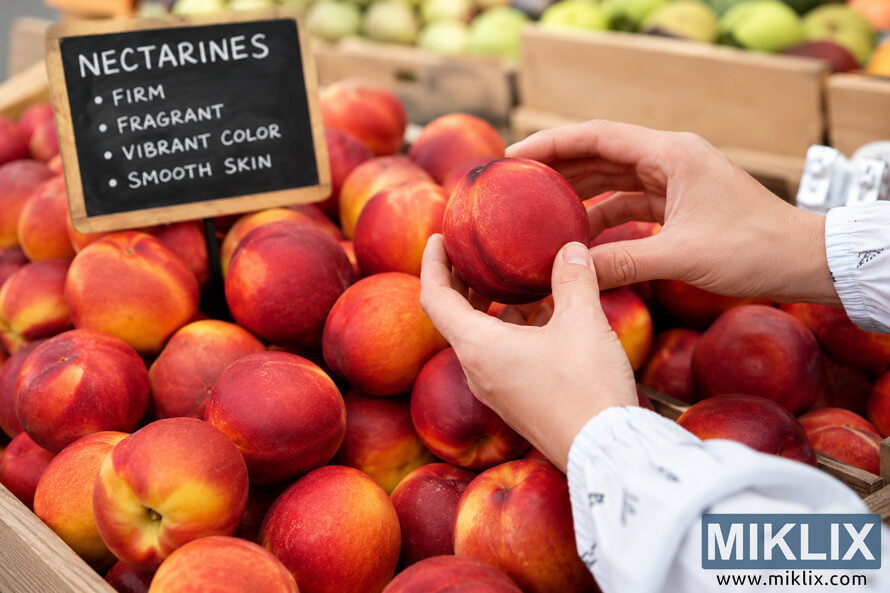
Click or tap the image for more information and higher resolutions.
Ways to Add Nectarines to Your Diet
Nectarines are versatile in the kitchen. You can enjoy them fresh or cooked. Here are simple ways to include this fruit in your balanced diet.
Fresh Consumption
The simplest method is eating nectarines fresh. Wash the fruit thoroughly under running water. Bite into it like an apple for a quick snack.
Slice nectarines for breakfast cereals or oatmeal. Add them to yogurt for extra nutrition. They pair well with cottage cheese too.
Fresh nectarines make excellent additions to fruit salads. Combine them with berries and melons. The sweet flavor complements other fruits beautifully.
Smoothies and Drinks
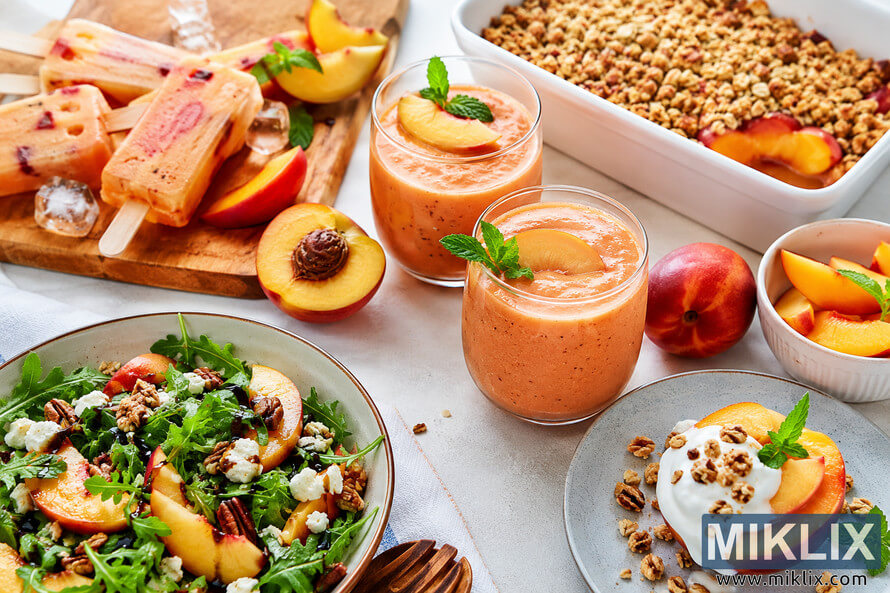
Blend nectarines into smoothies for a nutrition boost. They add natural sweetness without refined sugar. Combine with spinach, banana, and almond milk.
Freeze nectarine slices for frozen treats. They work like ice cubes in drinks. This adds flavor while keeping beverages cold.
Make nectarine water by adding slices to your water bottle. This creates a refreshing, lightly flavored drink. It encourages better hydration throughout the day.
Click or tap the image for more information and higher resolutions.
Salads and Savory Dishes
Add sliced nectarines to green salads. They pair wonderfully with arugula and goat cheese. A balsamic dressing complements the fruit flavor.
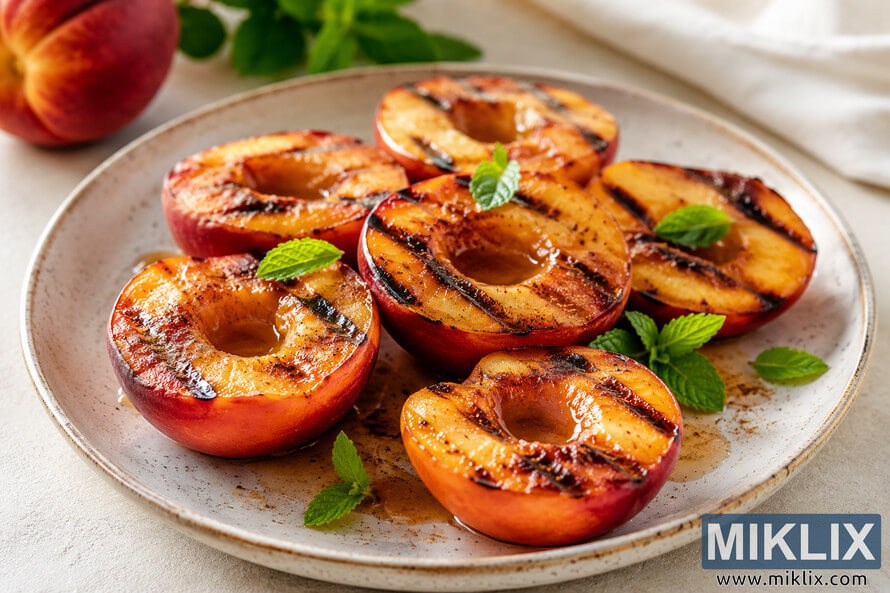
Grill nectarines for a sweet side dish. Cut them in half and cook cut-side down. Serve alongside grilled chicken or pork.
Include nectarines in salsas for a unique twist. Dice them with tomatoes, onions, and cilantro. This creates a fresh topping for fish tacos.
Click or tap the image for more information and higher resolutions.
Baking and Desserts
Bake nectarines into pies, cobblers, and crisps. They hold up well to heat and create delicious desserts. Use less sugar since the fruit is naturally sweet.
Make a simple nectarine compote by simmering with a touch of honey. Serve over pancakes or ice cream. This is a healthier dessert option.
Create frozen nectarine popsicles for summer treats. Blend the fruit with a little juice and freeze. Kids and adults love these healthy alternatives to store-bought popsicles.
Breakfast Ideas
- Sliced over oatmeal
- Blended in smoothies
- Mixed with yogurt parfaits
- Added to whole grain pancakes
Lunch Options
- Fresh in green salads
- Grilled with chicken
- In grain bowls
- As salsa topping
Snack Suggestions
- Fresh whole fruit
- With almond butter
- In trail mix
- Frozen fruit bars
Potential Considerations and Allergies
While nectarines offer many benefits, some people should exercise caution. Understanding potential issues helps you make informed choices about including this fruit in your diet.
Allergic Reactions
Some people experience allergic reactions to nectarines. This is often related to oral allergy syndrome. Symptoms include itching or swelling in the mouth.
People with birch pollen allergies may react to nectarines. The proteins are similar between the two. Cooking the fruit usually eliminates this problem.
Serious allergic reactions are rare but possible. Seek medical attention if you experience difficulty breathing or severe swelling. Stop eating the fruit immediately if symptoms appear.

Click or tap the image for more information and higher resolutions.
Blood Sugar Considerations
Nectarines contain natural sugars. People with diabetes can enjoy them in moderation. The fiber content helps slow sugar absorption.
Monitor portion sizes to manage blood sugar levels. One medium nectarine is a reasonable serving. Pair the fruit with protein for better blood sugar control.
The glycemic index of nectarines is relatively low. This means they have a gentler effect on blood sugar than many other fruits. Always consult your healthcare provider about your specific diet needs.
Pesticide Concerns
Conventionally grown nectarines may contain pesticide residues. Washing thoroughly reduces but does not eliminate all residues. Consider buying organic when possible.
The Environmental Working Group often lists nectarines in their "Dirty Dozen." This indicates higher pesticide levels. Organic options provide peace of mind.
If organic is not available, wash nectarines under running water. Use a produce brush to scrub the skin gently. This removes surface pesticides and dirt.
Important: If you have known fruit allergies or medical conditions affecting fruit consumption, consult your healthcare provider before adding nectarines to your diet regularly.
Scientific Research on Nectarine Benefits
Research continues to explore the health benefits of nectarines. Studies examine how compounds found nectarines affect human health. The evidence supports several positive effects.
Antioxidant Research
Scientists study the antioxidants in stone fruits extensively. Research shows these compounds reduce oxidative stress in the body. This may support protection against various chronic conditions.
Studies indicate that the polyphenols in nectarines have anti-inflammatory effects. These compounds may support brain health and cognitive function. More research is needed to confirm long-term benefits.
Laboratory studies demonstrate strong antioxidant activity in nectarine extracts. These findings suggest potential for supporting cellular health. Human studies are ongoing to understand real-world applications.
Cardiovascular Studies
Research links fruit consumption to better heart health. The fiber and potassium in nectarines may support cardiovascular function. Studies show reduced risk of heart disease with regular fruit intake.
One study found that people who eat more stone fruits have lower blood pressure. The effect appears related to potassium content and antioxidants. This supports including nectarines in heart-healthy diets.
Research on cholesterol management shows promise. The soluble fiber in nectarines may help reduce LDL cholesterol absorption. This contributes to better overall cardiovascular health markers.
Cancer Research
Preliminary studies explore connections between fruit antioxidants and cancer prevention. The compounds in nectarines show promise in laboratory settings. They may help protect cells from damage that leads to cancer development.
Research is still early in this area. Scientists study how specific antioxidants affect cancer cell growth. While promising, more human studies are needed to draw firm conclusions.
Eating a variety of fruits as part of a balanced diet appears beneficial. No single fruit prevents cancer alone. Nectarines contribute to an overall healthy eating pattern that may reduce risk.

Click or tap the image for more information and higher resolutions.
Frequently Asked Questions About Nectarines
Are nectarines high in sugar?
Nectarines contain natural sugars but are not considered high-sugar fruits. One medium nectarine has about 11-12 grams of sugar. The fiber content helps slow sugar absorption, making them suitable for most people when eaten in moderation.
Can I eat nectarine skin?
Yes, nectarine skin is completely edible and nutritious. The smooth-skinned variety peach does not require peeling. Wash the fruit thoroughly before eating. The skin contains additional fiber and antioxidants.
How many nectarines should I eat per day?
One to two nectarines per day fits well into most healthy diets. This provides excellent nutrition without excessive calories. Balance nectarine consumption with other fruits for variety. Individual needs vary based on activity level and health goals.
Do nectarines help with weight loss?
Nectarines may support weight management due to their low calories and high fiber content. They help you feel full while providing essential nutrients. Include them as part of a balanced diet and active lifestyle for best weight management results.
Are nectarines good for skin?
Yes, nectarines are excellent for skin health. The vitamin C supports collagen production, which keeps skin firm. Vitamin A promotes cell renewal. Antioxidants protect against environmental damage that ages skin prematurely.
Can diabetics eat nectarines?
People with diabetes can enjoy nectarines in moderation. The fiber content helps manage blood sugar response. Monitor portion sizes and pair with protein for better blood sugar control. Always follow your healthcare provider's dietary recommendations for diabetes management.
Making Nectarines Part of Your Healthy Lifestyle
Nectarines are a nutritional powerhouse that deserves a place in your diet. This stone fruit delivers vitamins, minerals, and antioxidants that support overall health. The benefits range from heart health to skin wellness.
Adding nectarines to your meals is simple and delicious. Eat them fresh for a quick snack. Include them in breakfast, lunch, or dinner recipes. Their versatility makes healthy eating easier.
The research supports regular fruit consumption for better health outcomes. Nectarines contribute to this goal while tasting great. They are low in calories but rich in nutrients your body needs.
Remember that no single food creates perfect health. Nectarines work best as part of a balanced diet filled with varied fruits and vegetables. Combine them with whole grains, lean proteins, and healthy fats.
Start enjoying the health benefits of nectarines today. Choose ripe, quality fruit at your local market. Experiment with different ways to prepare and serve them. Your body will thank you for this nutritious addition to your diet.
Click or tap the image for more information and higher resolutions.
Further Reading
If you enjoyed this post, you may also like these suggestions:
- Burdock Root Benefits: Nutrition, Uses, and Potential Health Effects
- Green Gold: Why Kale Deserves a Spot on Your Plate
- A Guide to the Health Benefits of Celery