
Hops in Beer Brewing: Bor
Pubblicato:
Ultimo aggiornamento: 17 settembre 2026 alle ore 16:26:23 UTC
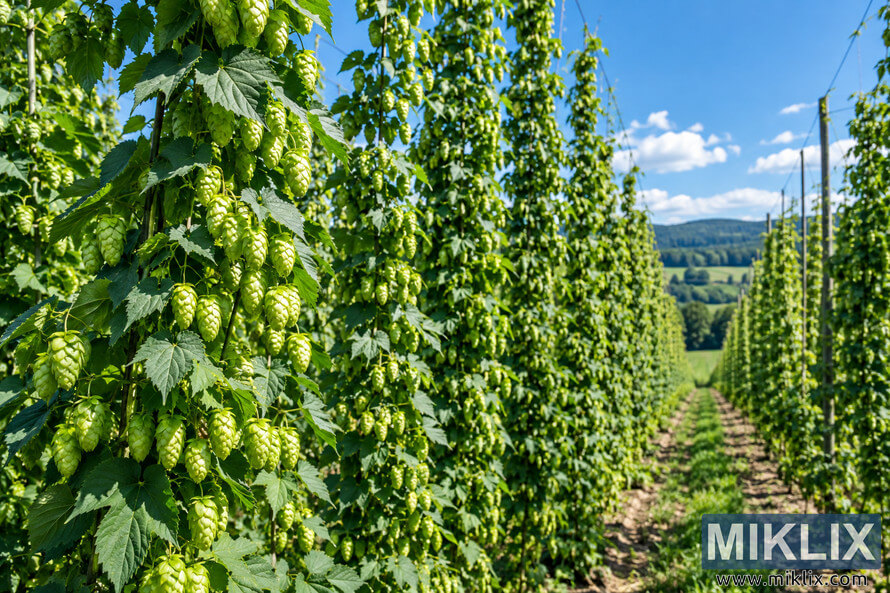
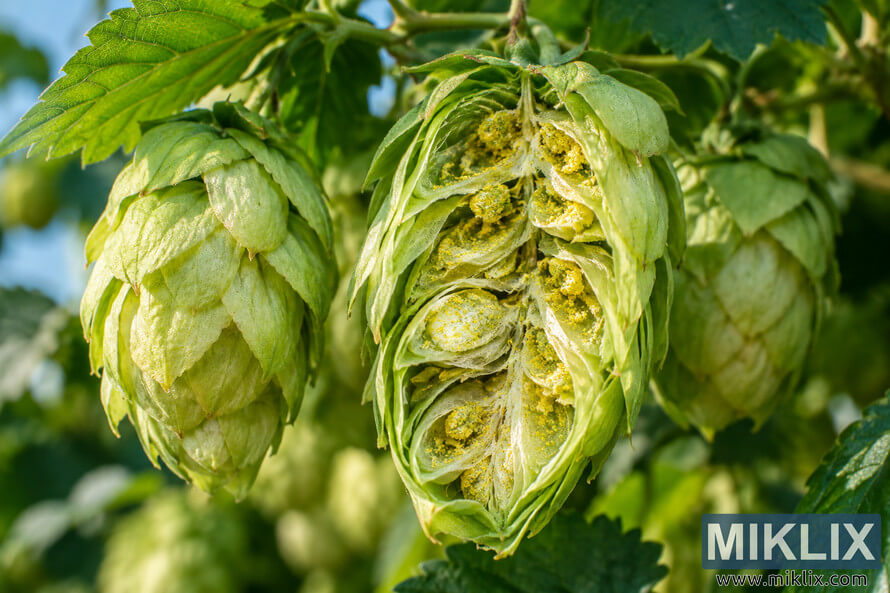
Bor hops represent a fascinating chapter in Czech brewing history. This unique variety emerged as a seedling plant with distinct characteristics that set it apart from traditional European hops.
Hops in Beer Brewing: Bor
Fare clic o toccare l'immagine per ulteriori informazioni e risoluzioni più elevate.
For homebrewers seeking authentic northern brewer alternatives with complex flavor profiles, understanding Bor hops opens new creative possibilities in craft beer production.
Origin and History of Bor Hops
The Bor hops variety originated in the Czech Republic through a careful breeding program. This plant emerged as a seedling from the northern brewer lineage, inheriting many desirable traits while developing its own unique profile.
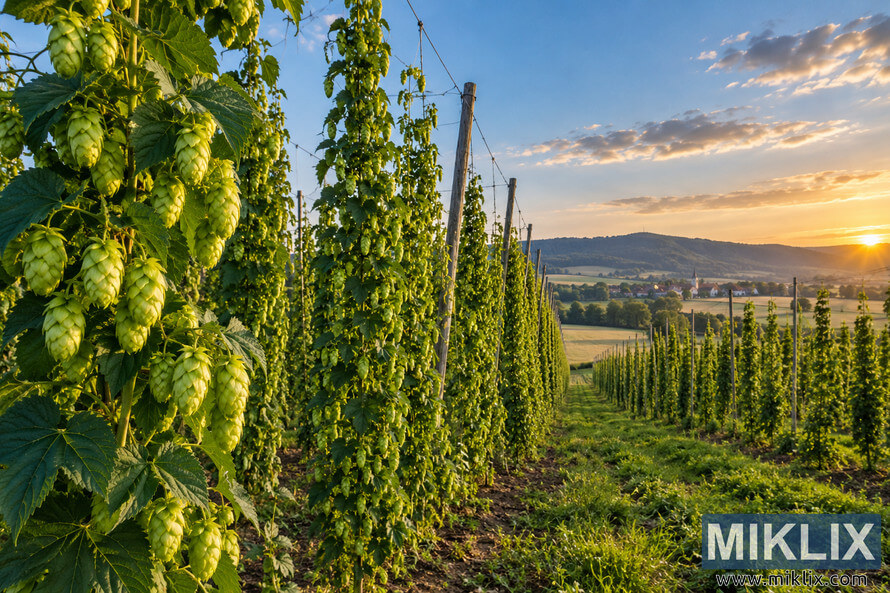
Czech hop growers developed Bor to address specific brewing needs. The crop showed promising characteristics from early cultivation trials. Its genetic background connects to traditional European breeding programs that shaped modern hop production.
Fare clic o toccare l'immagine per ulteriori informazioni e risoluzioni più elevate.
Breeding Background
Bor resulted from selective breeding efforts in Czech hop growing regions. Researchers focused on creating a variety with balanced bittering potential and distinct aroma characteristics. The seedling plant demonstrated stability across multiple growing seasons before commercial release.
The variety gained recognition among European brewers during the late twentieth century. Its cultivation expanded beyond Czech borders as international craft brewers discovered its brewing potential.
Fare clic o toccare l'immagine per ulteriori informazioni e risoluzioni più elevate.
Bor Hops Characteristics and Chemical Profile
Understanding the chemical composition of Bor hops helps homebrewers make informed decisions. The variety offers a balanced profile that works across multiple beer styles.
Alpha Acid Content and Bittering Power
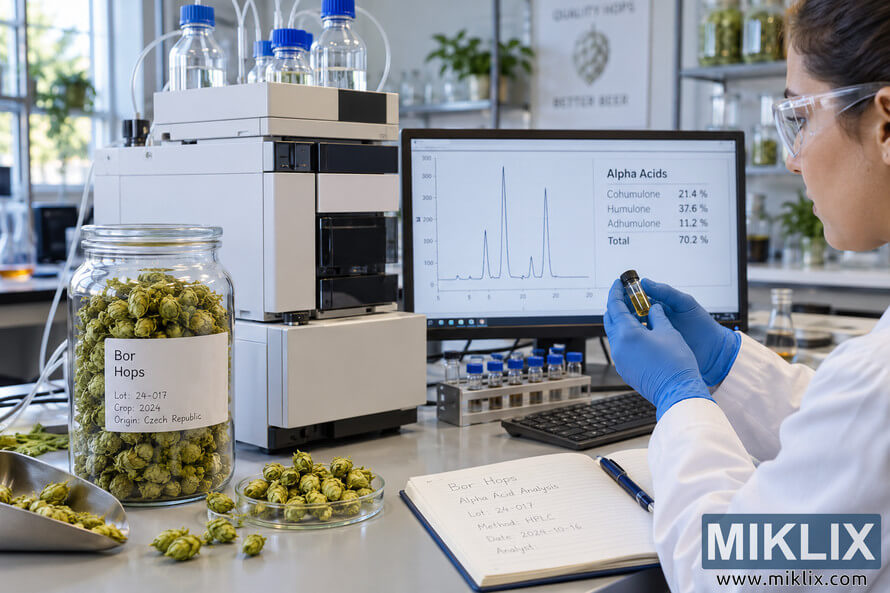
Bor hops typically contain alpha acid levels ranging from seven to nine percent. This moderate alpha acid content positions the variety as a dual-purpose hop suitable for both bittering and aroma additions.
| Component | Typical Range | Brewing Impact |
| Alpha Acid | 7.0 - 9.0% | Moderate bittering potential |
| Beta Acid | 4.5 - 6.0% | Storage stability and oxidation resistance |
| Cohumulone | 28 - 32% | Moderate cohumulone ratio for smooth bitterness |
| Total Oils | 1.0 - 1.8 ml/100g | Rich aroma and flavor contribution |
The cohumulone percentage in Bor hops ranges from twenty-eight to thirty-two percent. This moderate cohumulone level contributes to a smooth, refined bitterness rather than harsh or aggressive bite.
Fare clic o toccare l'immagine per ulteriori informazioni e risoluzioni più elevate.
Flavor and Aroma Profile
The flavor aroma characteristics of Bor hops distinguish it from typical northern brewer varieties. Brewers describe complex sensory experiences when using this hop variety.
Primary Aroma Notes
- Pine and resinous character with evergreen qualities
- Herbal undertones suggesting dried herbs and tea
- Subtle citrus hints providing bright top notes
- Earthy base notes grounding the aroma profile
Flavor Contributions
- Pine flavor with gentle resinous qualities
- Spicy, herbal mid-palate complexity
- Clean bitterness without harsh astringency
- Lingering earthy finish with subtle sweetness
The pine character represents the most recognizable flavor aroma signature of Bor hops. This resinous quality works exceptionally well in beer styles that benefit from forest-like hop character.
Best Beer Styles for Bor Hops
The versatility of Bor hops allows usage across multiple beer styles. Its balanced profile suits both traditional and experimental brewing approaches.
Traditional European Styles
Bor hops excel in beer styles with Czech or German heritage. The variety complements malt-forward profiles while adding complexity.
Czech Pilsner
- Provides authentic Czech hop character
- Balances noble hop profile expectations
- Contributes spicy, herbal notes
- Works well in late kettle additions
- Enhances traditional pilsner malt flavors
Munich Dunkel
- Complements dark malt sweetness
- Adds herbal complexity without overpowering
- Pine notes create depth in darker beers
- Moderate alpha acid suits lager bittering
- Supports traditional German brewing methods
Vienna Lager
- Enhances toasted malt character
- Provides clean bittering backbone
- Subtle aroma supports malt focus
- Works in both bittering and finishing
- Maintains beer style authenticity
American Craft Beer Styles
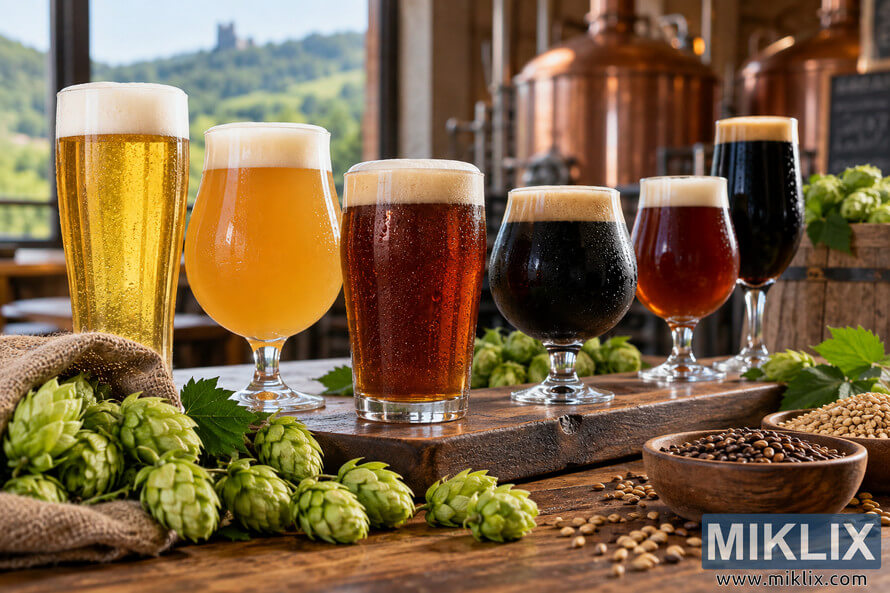
Creative American brewers have adapted Bor hops for contemporary craft beer styles. The variety brings unique character to hop-forward beers.
- Pale Ale - Bor hops contribute resinous pine character balanced with citrus notes
- Amber Ale - The herbal profile complements caramel malt sweetness effectively
- Brown Ale - Earthy hop notes enhance nutty malt flavors in darker ales
- Porter - Pine and herbal qualities add complexity to roasted malt profiles
- Session IPA - Moderate alpha acid allows generous hopping without excessive bitterness
Fare clic o toccare l'immagine per ulteriori informazioni e risoluzioni più elevate.
Brewing Techniques and Hopping Methods
Successful brewing with Bor hops requires understanding optimal timing and technique. Different additions extract distinct characteristics from this variety.
Bittering Additions
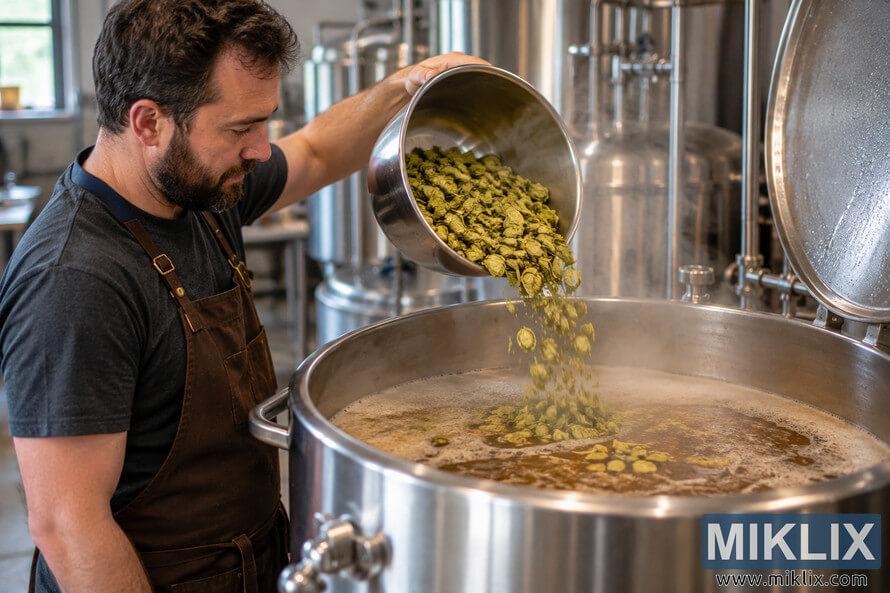
The moderate alpha acid content makes Bor hops suitable for sixty-minute bittering additions. Add hops at the start of your boil to extract clean bitterness.
Calculate your bittering addition based on desired IBU targets. The cohumulone profile ensures smooth bitterness integration. Most homebrewers find Bor hops provide pleasant bittering without harsh edges.
For a five-gallon batch targeting thirty IBUs, expect to use approximately one to one point five ounces at sixty minutes. Adjust based on specific alpha acid percentage of your crop.
Fare clic o toccare l'immagine per ulteriori informazioni e risoluzioni più elevate.
Bittering Addition Guidelines
- Add at start of sixty-minute boil
- Calculate based on actual alpha acid
- Expect smooth, refined bitterness
- Works well as sole bittering hop
Flavor and Aroma Additions
Late kettle additions showcase the distinctive flavor aroma profile of Bor hops. Add hops during the final fifteen minutes of boiling for maximum flavor impact.
| Addition Timing | Primary Character | Recommended Amount | Best For |
| 15 minutes | Balanced flavor and aroma | 0.5 - 1.0 oz per 5 gallons | Pale ales, amber ales |
| 5 minutes | Strong aroma, minimal bitterness | 0.5 - 1.5 oz per 5 gallons | IPAs, hoppy lagers |
| Whirlpool/180°F | Maximum aroma preservation | 1.0 - 2.0 oz per 5 gallons | All hop-forward styles |
| Dry hop | Intense pine and herbal aroma | 1.0 - 3.0 oz per 5 gallons | IPAs, pale ales, specialty beers |
Dry Hopping with Bor
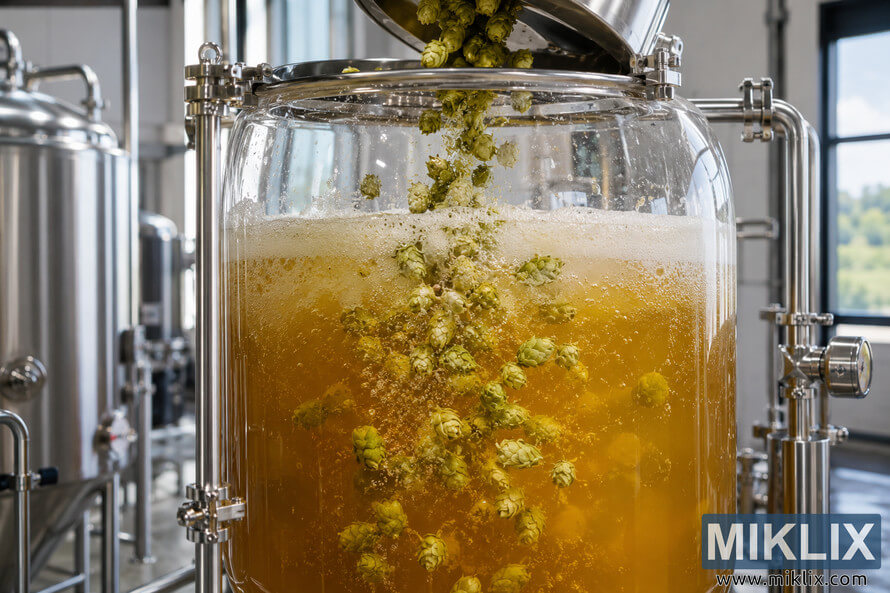
Dry hopping extracts the full aromatic potential of Bor hops. Add hops during active fermentation or after primary fermentation completes.
Most brewers achieve excellent results with three to five days of dry hop contact time. The pine and herbal notes intensify beautifully through this method. Consider using a hop bag for easier removal and reduced sediment.
Temperature Consideration: Dry hop at fermentation temperature or slightly cooler. Excessive heat during dry hopping can extract undesirable grassy flavors from any hop variety including Bor.
Fare clic o toccare l'immagine per ulteriori informazioni e risoluzioni più elevate.
Dosage Recommendations for Homebrewers
Proper dosage ensures optimal results when brewing with Bor hops. These recommendations suit standard five-gallon homebrew batches.
Style-Specific Dosage Charts
Low Hopping Rates
Styles emphasizing malt character or subtle hop presence benefit from restrained Bor hop usage.
- Czech Pilsner: 1.5 - 2.5 oz total
- Munich Dunkel: 1.0 - 1.5 oz total
- Brown Ale: 1.5 - 2.0 oz total
- Vienna Lager: 1.0 - 2.0 oz total
Moderate to High Hopping Rates
Hop-forward styles showcase Bor characteristics through generous additions across multiple timing points.
- American Pale Ale: 3.0 - 5.0 oz total
- Session IPA: 4.0 - 6.0 oz total
- Porter: 2.0 - 3.5 oz total
- Amber Ale: 2.5 - 4.0 oz total
Multi-Addition Brewing Strategy
Splitting your Bor hops across multiple additions creates layered complexity. This approach works well for showcasing the variety's range.
- Start with sixty-minute bittering addition using thirty to forty percent of total hops
- Add fifteen-minute flavor addition using twenty to thirty percent of total hops
- Include five-minute or whirlpool addition with twenty to thirty percent of total hops
- Finish with dry hop addition using remaining twenty to thirty percent if desired
- Adjust proportions based on desired emphasis on bitterness versus aroma
Storage Tips for Maximum Freshness
Proper storage preserves the delicate aroma and flavor compounds in Bor hops. Following these guidelines maintains hop quality over time.
Optimal Storage Conditions
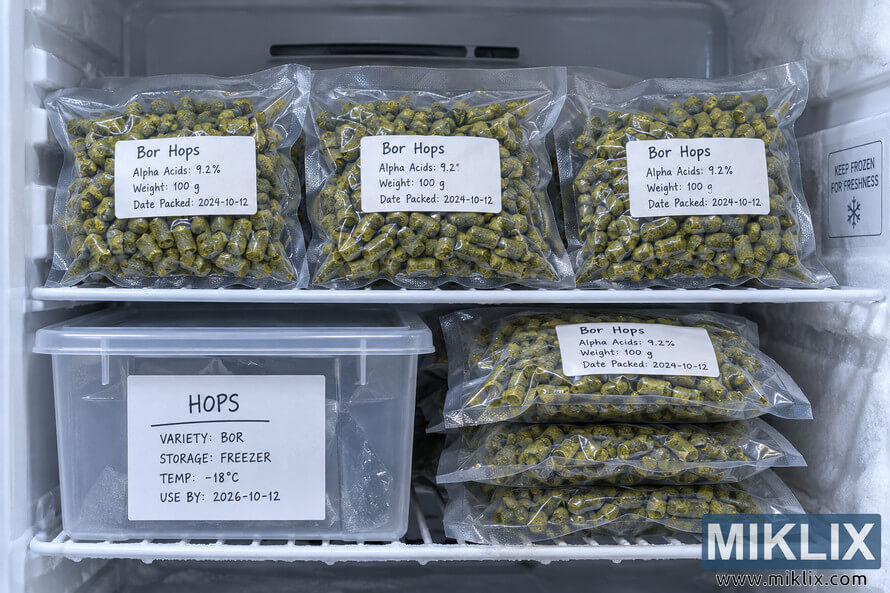
Temperature control represents the most critical factor in hop storage. Store Bor hops in your freezer immediately upon receipt. Consistent freezing temperatures prevent oxidation and preserve essential oils.
Proper Storage Methods
- Freezer storage at zero degrees Fahrenheit or below
- Vacuum-sealed packaging to exclude oxygen
- Dark storage preventing light exposure
- Minimal temperature fluctuations
- Separate storage from aromatic foods
Storage Mistakes to Avoid
- Room temperature storage causing rapid degradation
- Exposure to air and oxygen
- Clear packaging allowing light penetration
- Frequent temperature cycling
- Storage near strong-smelling items
Fare clic o toccare l'immagine per ulteriori informazioni e risoluzioni più elevate.
Package Handling Best Practices
Minimize air exposure when accessing stored hops. Remove only the amount needed for immediate brewing. Reseal packages quickly using clips or vacuum sealers.
Label each package with variety name, alpha acid percentage, and crop year. This information helps track hop age and adjust recipes accordingly. Most properly stored hops maintain quality for one to two years.
Bor Hops Substitution Options
Understanding suitable replacements helps when Bor hops become unavailable. Several varieties offer similar characteristics for recipe adaptation.
Close Substitutes
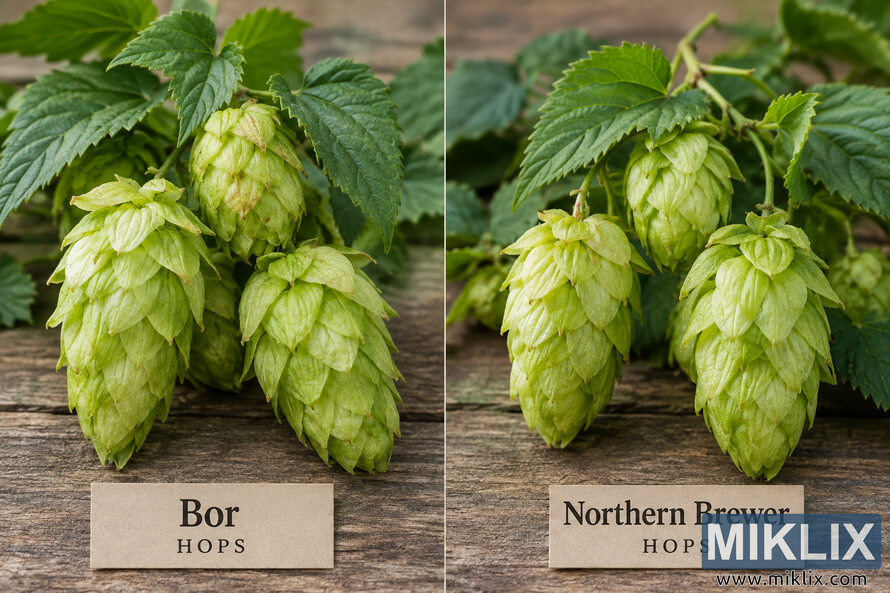
The northern brewer variety represents the closest substitute for Bor hops. As the parent variety, northern brewer shares genetic characteristics and similar alpha acid ranges.
| Substitute Variety | Alpha Acid Range | Similarity Level | Key Differences |
| Northern Brewer | 8.0 - 10.0% | Very High | Slightly higher alpha, more pronounced mint notes |
| Perle | 7.0 - 9.5% | High | More mint and spice, less pine character |
| Chinook | 12.0 - 14.0% | Moderate | Higher alpha, more intense pine and grapefruit |
| Galena | 12.0 - 14.0% | Moderate | Higher alpha, cleaner bittering with less aroma |
Fare clic o toccare l'immagine per ulteriori informazioni e risoluzioni più elevate.
Blending for Profile Matching
Combining multiple varieties can approximate the Bor profile when direct substitutes are unavailable. Blend sixty percent northern brewer with forty percent Perle to create similar character.
This blending approach captures both the pine notes and herbal complexity characteristic of Bor. Adjust ratios based on your specific flavor targets and available crop alpha acid levels.
Bor Hops Recipe Suggestions
These tested recipe frameworks demonstrate effective Bor hop usage across popular beer styles. Adapt grain bills and yeast selections to match your preferences.
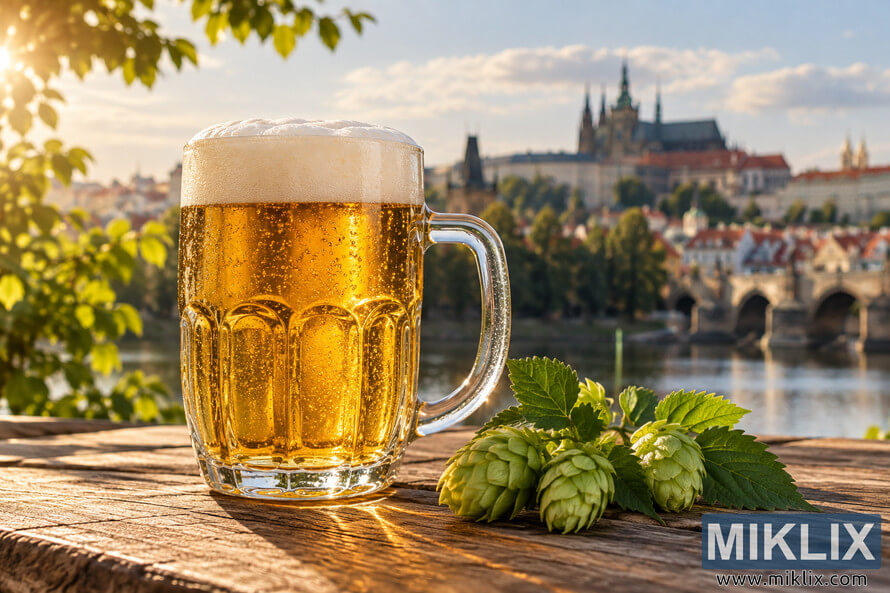
Czech Pale Lager Recipe
Grain Bill (5 Gallons)
- Nine pounds Pilsner malt (Bohemian or German)
- Eight ounces Munich malt for depth
- Four ounces Carafoam for head retention
Hop Schedule
- One ounce Bor at sixty minutes (bittering)
- Zero point five ounce Bor at fifteen minutes (flavor)
- Zero point five ounce Bor at five minutes (aroma)
Additional Parameters
- Yeast: Czech or Bohemian lager strain
- Mash temperature: 150-152°F
- Fermentation: 50°F for two weeks
- Target ABV: 4.8-5.2%
- Expected IBU: 32-38
Fare clic o toccare l'immagine per ulteriori informazioni e risoluzioni più elevate.
American Pale Ale Recipe
Grain Bill and Hop Schedule (5 Gallons)
Malts: Eight pounds American two-row, one pound Crystal 40L, eight ounces Victory malt
Hops: One ounce Bor at sixty minutes, one ounce Bor at fifteen minutes, one ounce Bor at five minutes, two ounces Bor dry hop for five days
Yeast: American ale strain (Safale US-05 or equivalent)
Vitals: Mash at 152°F, ferment at 68°F, target 5.5-6.0% ABV, expect 45-55 IBU
Key Brewing Parameters and Considerations
Success with Bor hops depends on understanding how brewing variables affect hop expression. These parameters influence final beer character.
Water Chemistry Impact
Water mineral content affects hop perception significantly. Higher sulfate levels accentuate hop bitterness and dryness. Moderate chloride softens hop character and enhances malt sweetness.
Hop-Forward Water Profile
Emphasize Bor hop characteristics with elevated sulfate levels and restrained chloride content.
- Sulfate: 200-300 ppm
- Chloride: 50-75 ppm
- Calcium: 100-150 ppm
- Ratio: 3:1 to 4:1 sulfate to chloride
Balanced Water Profile
Create harmony between malt and Bor hop character with equal mineral treatment.
- Sulfate: 100-150 ppm
- Chloride: 75-100 ppm
- Calcium: 75-125 ppm
- Ratio: 1.5:1 sulfate to chloride
Malt-Forward Water Profile
Soften Bor hop perception while maintaining adequate bittering through chloride emphasis.
- Sulfate: 50-100 ppm
- Chloride: 100-150 ppm
- Calcium: 75-100 ppm
- Ratio: 1:1.5 to 1:2 sulfate to chloride
pH Considerations
Maintain proper mash pH regardless of water profile to optimize hop utilization and flavor.
- Target mash pH: 5.2-5.4
- Use acid or alkalinity adjustments
- Test with reliable pH meter
- Adjust before mashing begins
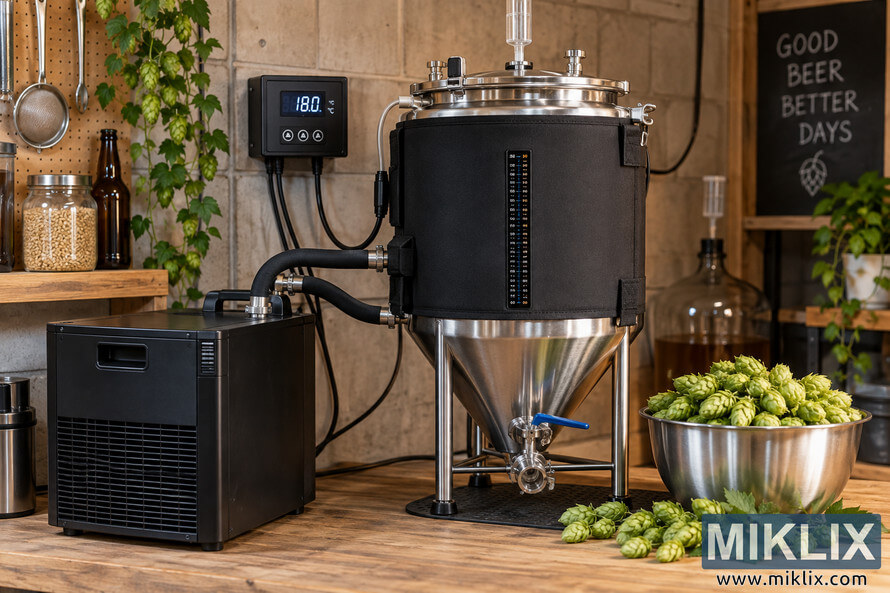
Fermentation Temperature Effects
Yeast activity influences hop character perception. Higher fermentation temperatures can emphasize fruity esters that complement or compete with Bor hop profile.
For clean hop expression, ferment at the lower end of your yeast strain's temperature range. This approach minimizes competing fermentation flavors and allows the pine and herbal notes to shine clearly.
Fare clic o toccare l'immagine per ulteriori informazioni e risoluzioni più elevate.
Frequently Asked Questions About Bor Hops
Can Bor hops be used as a single-hop variety?
Yes, Bor hops work excellently as a single-hop variety throughout the brewing process. The balanced alpha acid content provides adequate bittering while the distinctive flavor aroma profile creates interesting single-hop beers. Many brewers use Bor exclusively in Czech-style lagers and pale ales to showcase its unique pine and herbal characteristics.
How does Bor compare to Saaz hops?
Bor hops differ significantly from Saaz despite both having Czech origins. Saaz offers classic noble hop character with floral and spicy notes at lower alpha acid levels (3-5%). Bor provides higher alpha acid content (7-9%) with more pronounced pine and resinous character. While Saaz suits delicate pilsners, Bor works better in beers requiring more assertive hop presence.
What makes Bor hops unique compared to other Czech varieties?
The Bor variety stands out through its seedling plant heritage from northern brewer lineage, creating a distinct profile compared to noble Czech varieties. Its moderate alpha acid range makes it more versatile than traditional Czech hops. The pine character represents unusual territory for Czech breeding programs, offering brewers something different from typical Saaz-descended varieties.
How long can I store Bor hops before quality degrades?
Properly stored Bor hops maintain quality for twelve to twenty-four months when kept frozen in oxygen-barrier packaging. The variety's moderate beta acid content provides reasonable storage stability. After two years, expect some aroma degradation even with perfect storage conditions. Always check for oxidized or cheesy aromas before using older crop hops.
Do pellet and whole cone Bor hops perform differently?
Both formats deliver similar results with minor differences. Pellets offer better utilization rates due to increased surface area, typically providing ten to fifteen percent more bitterness for equal weights. Whole cones provide slightly different aroma character and work better for dry hopping when hop removal is desired. Most homebrewers prefer pellets for convenience and consistency.
Can I grow Bor hops in my home garden?
Growing Bor hops at home presents challenges due to limited rhizome availability outside commercial hop-growing regions. The variety requires specific climate conditions similar to Czech growing areas. If you obtain planting material, expect three years for the plant to reach full production. Most homebrewers find purchasing commercial Bor hops more practical than home cultivation.
Conclusion
Bor hops represent a versatile brewing ingredient with unique characteristics rooted in Czech hop breeding traditions. The variety's balanced alpha acid content and distinctive pine-forward flavor profile make it suitable for traditional European styles and contemporary craft beers alike.
Understanding proper usage rates, storage methods, and brewing techniques allows you to maximize this hop variety's potential. Whether you are brewing authentic Czech lagers or experimental American ales, Bor hops offer creative possibilities worth exploring in your homebrewing journey.
Start with the recommended recipes and dosage guidelines provided throughout this guide. Experiment with different addition timings to discover how Bor hops perform in your specific brewing system and water profile. The distinctive character of this variety rewards thoughtful application and careful technique.

Fare clic o toccare l'immagine per ulteriori informazioni e risoluzioni più elevate.
Ulteriori letture
Se ti è piaciuto questo post, potrebbero piacerti anche questi suggerimenti:
- Il luppolo nella produzione della birra: Hallertau Tradition
- Il luppolo nella produzione della birra: Talisman
- Luppolo nella produzione della birra: Mathon