
A Guide to the Health Benefits of Cantaloupe
出版された:
最終更新日 2026年5月14日 16:36:04 UTC
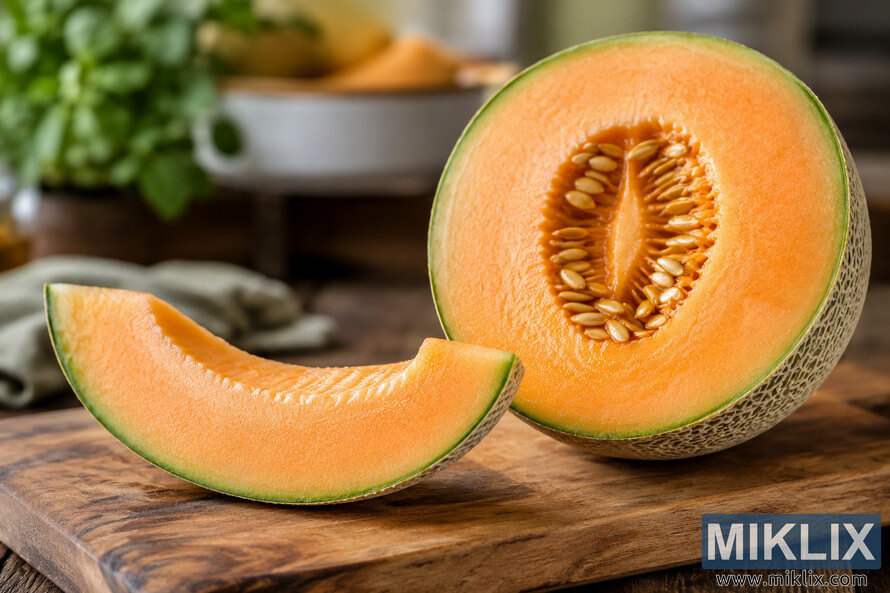
Cantaloupe stands out as one of nature's most refreshing fruits. This sweet melon delivers exceptional nutritional value while keeping calories low. Many people enjoy cantaloupe during hot summer days without realizing its remarkable health advantages.
A Guide to the Health Benefits of Cantaloupe
画像をクリックまたはタップすると、詳細と高解像度が表示されます。
The bright orange cantaloupe flesh contains powerful nutrients that support your body in multiple ways. From boosting immunity to protecting your eyes, cantaloupe offers benefits that extend far beyond its delicious taste.
Cantaloupe: A Nutritional Powerhouse
Cantaloupe packs impressive nutrition into every serving. This melon belongs to the Cucurbitaceae family, which also includes watermelon and honeydew melon. The fruit thrives in warm climates across the United States.
A single cup of cantaloupe provides remarkable nutritional density. The serving contains only 53 calories yet delivers substantial vitamins and minerals. Water makes up about 90 percent of the fruit's composition.
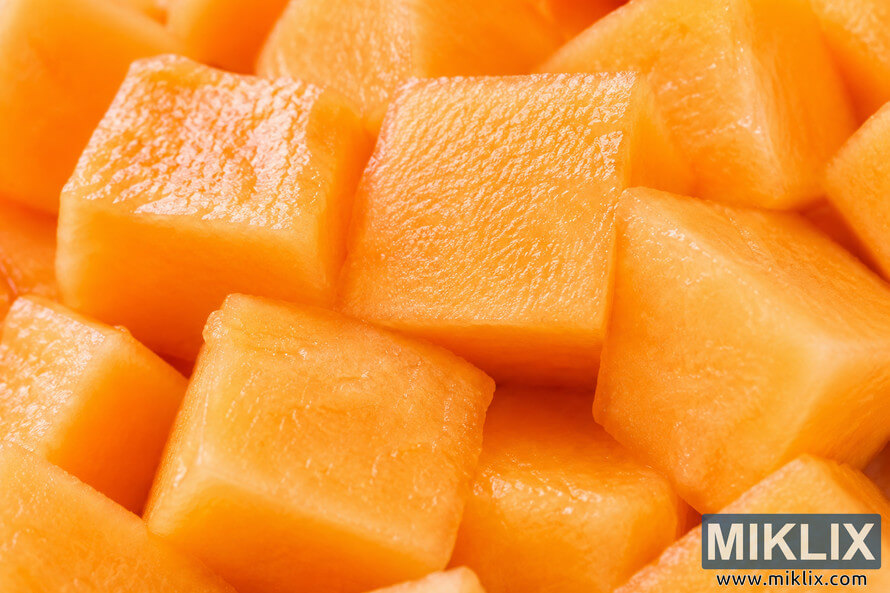
The melon's orange color signals high beta-carotene content. Your body converts this compound into vitamin A, essential for vision and immune function.
画像をクリックまたはタップすると、詳細と高解像度が表示されます。
Essential Vitamins and Minerals
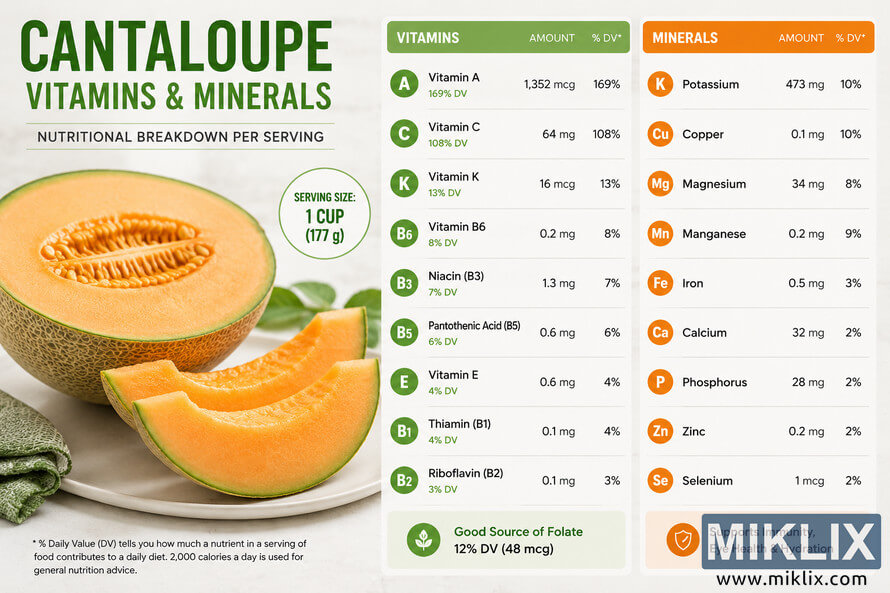
Cantaloupe delivers exceptional vitamin content per 1-cup serving. Vitamin C reaches 100 percent of your daily needs in just one serving. This powerful antioxidant protects cells from damage while supporting collagen production.
Key Nutrients Per Cup
- Vitamin A: 108% daily value
- Vitamin C: 100% daily value
- Potassium: 12% daily value
- Folate: 8% daily value
- Fiber: 1.6 grams
- Water: 144 grams
画像をクリックまたはタップすると、詳細と高解像度が表示されます。
The fruit also contains smaller amounts of B vitamins, magnesium, and zinc. These nutrients work together supporting various body functions. Fiber content aids digestive health despite being present in modest amounts.
Cantaloupe provides these nutrients while remaining low in sugar compared to many fruits. This makes it an excellent choice for people monitoring their carbohydrate intake.
Strengthening Your Immune System
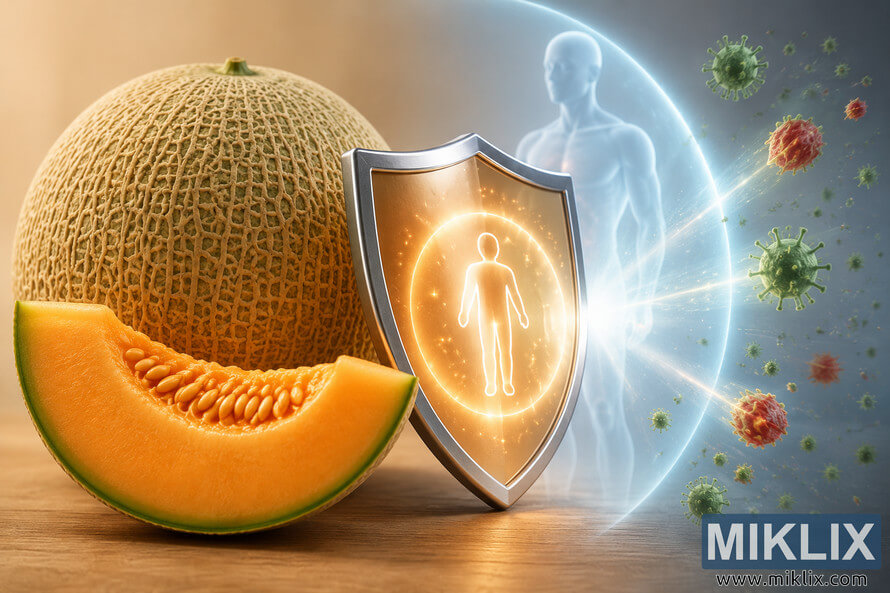
Cantaloupe supports immune function through multiple mechanisms. The high vitamin C content plays a crucial role in immune cell production. These cells defend your body against harmful pathogens.
Vitamin A from beta-carotene strengthens your body's first line of defense. This vitamin maintains the integrity of skin and mucous membranes. These barriers prevent bacteria and viruses from entering your system.
Antioxidant Protection
The fruit contains powerful antioxidants beyond vitamins. These compounds neutralize free radicals that can damage cells. Regular consumption may help reduce inflammation throughout the body.
Beta-carotene and vitamin C work synergistically providing enhanced protection. This combination may also help reduce the duration of common colds. Many people include cantaloupe in their diet during cold and flu season.
The melon's antioxidants may also help protect against chronic disease. Studies suggest regular fruit consumption correlates with reduced disease risk. Cantaloupe varieties all offer similar immune-boosting benefits.
画像をクリックまたはタップすると、詳細と高解像度が表示されます。
Supporting Digestive Health
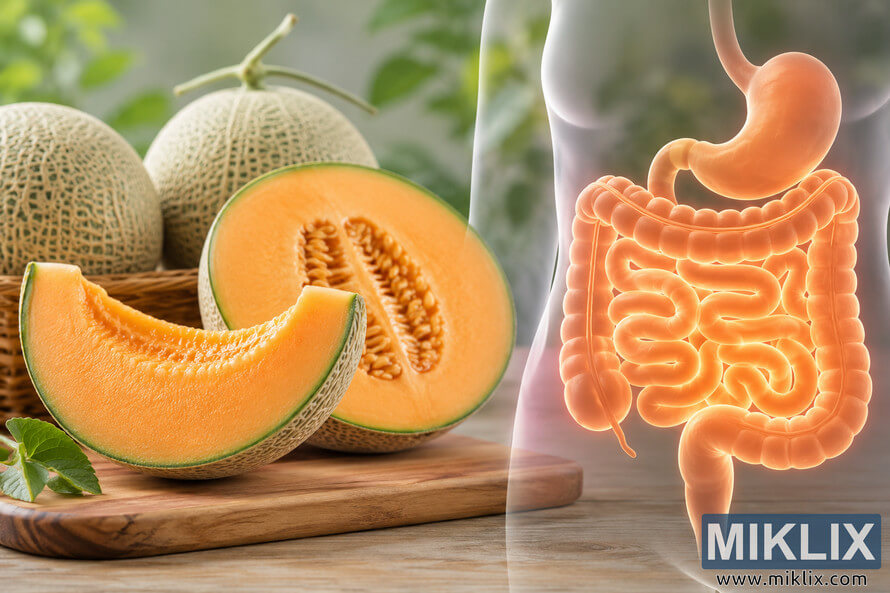
Cantaloupe promotes healthy digestion through its fiber and water content. The combination helps maintain regular bowel movements. This prevents constipation and supports overall gut health.
Fiber feeds beneficial bacteria living in your intestines. These microorganisms produce compounds that support colon health. A balanced gut microbiome contributes to better nutrient absorption.
The high water content in cantaloupe helps prevent dehydration. Adequate hydration proves essential for proper digestive function. Water softens stool and facilitates its movement through the intestinal tract.
Natural Digestive Support
Cantaloupe provides gentle digestive support without causing discomfort. Unlike some high-fiber fruits, it rarely causes bloating or gas. This makes it suitable for people with sensitive stomachs.
The fruit's natural enzymes may also aid protein digestion. Some varieties contain compounds that help break down food particles. This can reduce the digestive burden on your system.
画像をクリックまたはタップすると、詳細と高解像度が表示されます。
Protecting Your Vision and Eye Health
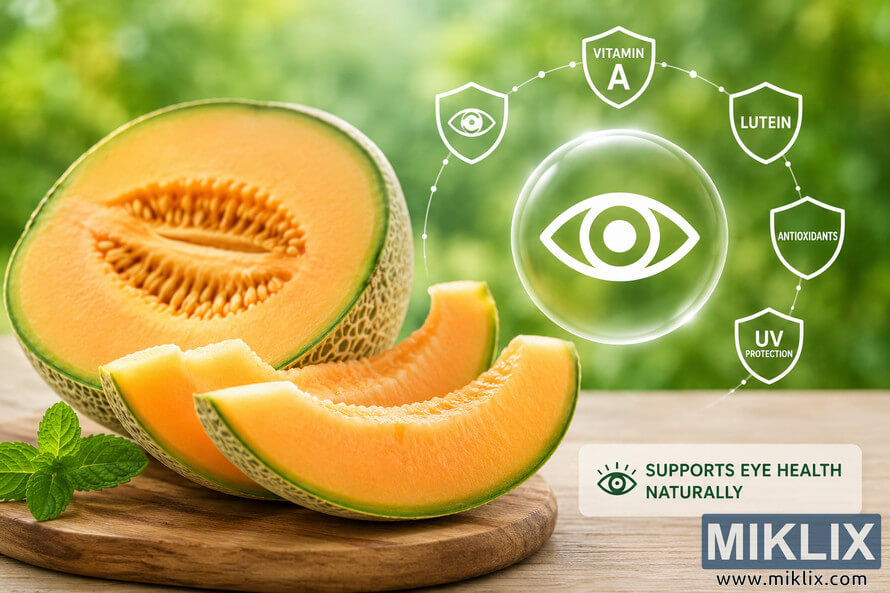
Cantaloupe stands out as an exceptional fruit for eye health. The high vitamin A content directly supports vision function. This nutrient helps your eyes adjust to low light conditions.
Beta-carotene protects the retina from oxidative damage. This antioxidant may also help reduce the risk of age-related macular degeneration. Regular consumption of orange fruits and vegetables supports long-term eye health.
Lutein and Zeaxanthin Content
Beyond beta-carotene, cantaloupe contains lutein and zeaxanthin. These carotenoids concentrate in the macula of your eye. They filter harmful blue light and protect delicate eye tissue.
Studies show people who eat more carotenoid-rich fruits maintain better vision with age. Cantaloupe provides an easy way to increase your intake of these protective compounds. The nutrients work together creating a comprehensive eye protection system.
Many eye health professionals recommend eating cantaloupe regularly. The fruit offers a delicious alternative to supplements for obtaining vision-supporting nutrients.
画像をクリックまたはタップすると、詳細と高解像度が表示されます。
Promoting Heart Health and Cardiovascular Function
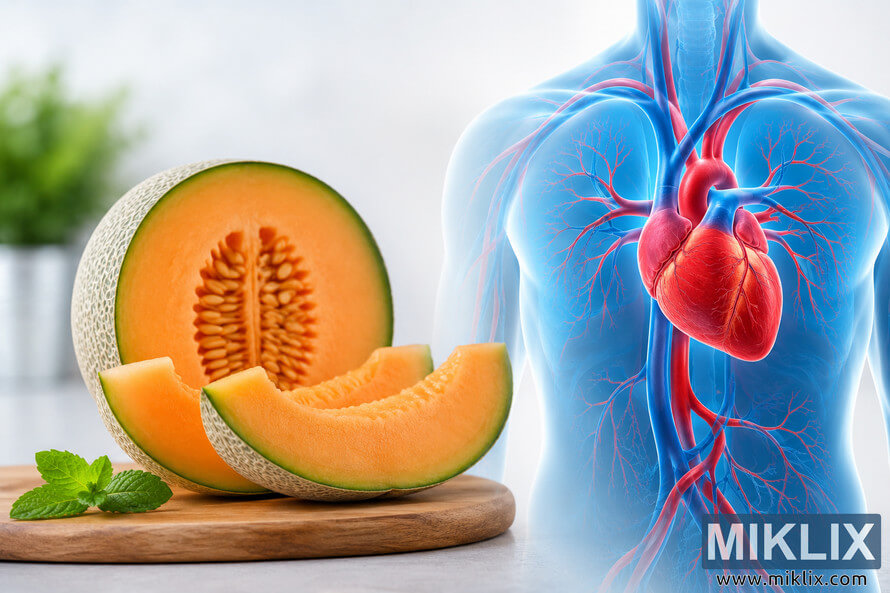
Cantaloupe supports cardiovascular health through multiple pathways. Potassium helps regulate blood pressure by counteracting sodium's effects. This mineral relaxes blood vessel walls, improving circulation.
The fiber content may also help lower cholesterol levels. Soluble fiber binds to cholesterol in your digestive tract. This prevents its absorption and helps remove it from your body.
Antioxidants in cantaloupe protect your heart in additional ways. These compounds reduce inflammation in blood vessels. Chronic inflammation contributes to heart disease development over time.
Blood Pressure Management
Regular cantaloupe consumption may help maintain healthy blood pressure. The potassium-to-sodium ratio in the fruit proves ideal for cardiovascular health. Many people struggle to get enough potassium from their diet.
The melon provides this essential mineral without added salt or calories. One cup cantaloupe delivers substantial potassium while keeping sodium minimal. This makes it an excellent choice for heart-conscious individuals.
Studies suggest people who eat more fruits and vegetables have lower heart disease risk. Cantaloupe fits perfectly into heart-healthy eating patterns. The fruit complements other cardiovascular-protective foods in your diet.
画像をクリックまたはタップすると、詳細と高解像度が表示されます。
Hydration and Skin Health Benefits
Cantaloupe excels at supporting hydration due to its high water content. The fruit consists of approximately 90 percent water. This makes it an excellent choice during hot days or after exercise.
Proper hydration affects every system in your body. Water helps transport nutrients to cells and remove waste products. Many people struggle to drink enough plain water throughout the day.
Eating water-rich fruits like cantaloupe contributes to your daily fluid intake. The natural sugars provide quick energy while hydrating your body. This combination makes cantaloupe an ideal pre-workout snack.
Skin Health and Appearance
The vitamins in cantaloupe directly benefit skin health. Vitamin C supports collagen production, maintaining skin elasticity. This protein keeps your skin firm and helps prevent wrinkles.
Vitamin A promotes skin cell turnover and repair. This process keeps your skin looking fresh and healthy. The antioxidants protect skin cells from sun damage and environmental stressors.
Many people notice improved skin appearance when eating cantaloupe regularly. The hydration combined with nutrients creates ideal conditions for healthy skin. The fruit works from the inside out to enhance your complexion.

画像をクリックまたはタップすると、詳細と高解像度が表示されます。
Cantaloupe for Weight Management
Cantaloupe supports weight management goals effectively. The low calorie density means you can eat satisfying portions without excessive calories. This helps you feel full while maintaining a calorie deficit.
The natural sweetness satisfies cravings for sugary snacks. Choosing cantaloupe over processed desserts reduces your overall sugar intake. This simple swap can make a significant difference in your diet.
Fiber and water create a feeling of fullness that lasts. This reduces the likelihood of overeating at subsequent meals. Many successful weight management plans include regular fruit consumption.
Low-Calorie Nutrient Density
Cantaloupe provides exceptional nutrition per calorie consumed. This nutrient density proves crucial for weight loss or maintenance. You get essential vitamins and minerals without excess energy intake.
The fruit contains no fat and minimal protein. This makes it ideal for balancing meals containing higher-fat proteins. Adding cantaloupe to your breakfast or lunch increases the meal's volume without significantly impacting calories.
People following various diet plans can easily incorporate cantaloupe. The fruit fits into low-carb, low-fat, and balanced eating approaches. Its versatility makes it a valuable tool for sustainable weight management.
画像をクリックまたはタップすると、詳細と高解像度が表示されます。
How to Select and Store Fresh Cantaloupe
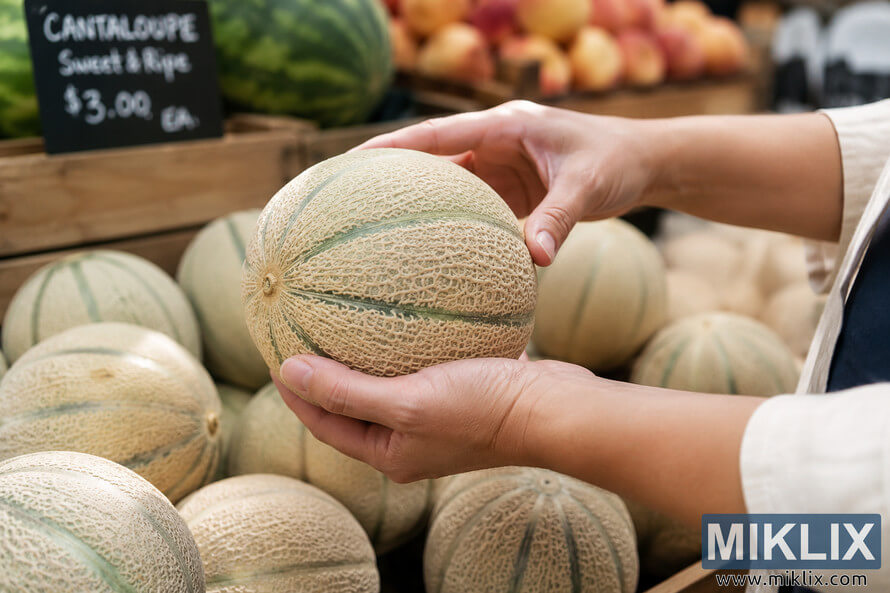
Choosing the perfect cantaloupe requires attention to several factors. A ripe melon should feel heavy for its size, indicating high water content. This weight suggests optimal juiciness and flavor development.
The skin should display a golden or cream-colored background under the netting. Avoid melons with green undertones as they need more ripening time. The netting should appear raised and well-defined across the surface.
Ripeness Indicators
Press gently on the blossom end opposite the stem. A slight give indicates proper ripeness without being overripe. The stem end should smell sweet and fragrant when ripe.
Signs of Perfect Ripeness
- Golden color under netting
- Sweet aroma at stem end
- Slight softness when pressed
- Heavy weight for size
- No soft spots or bruises
Storage Tips
- Store whole melon at room temperature until ripe
- Refrigerate after cutting within 2 hours
- Use cut cantaloupe within 3-4 days
- Store in airtight container when cut
- Keep away from strong-smelling foods
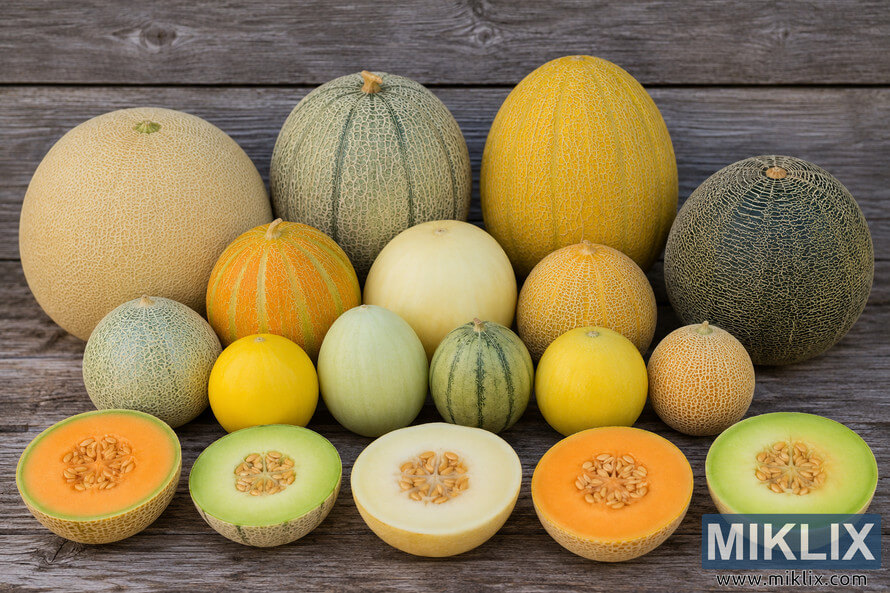
Cantaloupe varieties differ slightly in appearance and taste. Some types have smoother skin while others display more pronounced netting. All varieties offer similar nutritional benefits regardless of their external appearance.
画像をクリックまたはタップすると、詳細と高解像度が表示されます。
Proper Storage Methods
Uncut cantaloupe keeps best at room temperature for several days. Once fully ripe, you can refrigerate it to slow further ripening. Whole melons typically last 5-7 days when properly stored.
Cut cantaloupe requires immediate refrigeration to prevent bacterial growth. Place pieces in an airtight container to maintain freshness. The cold temperature preserves flavor and texture for several days.
Wash the outside of the melon before cutting, even though you don't eat the skin. This prevents transferring surface bacteria to the flesh. Use clean utensils and cutting boards to maintain food safety.
Creative Ways to Enjoy Cantaloupe
Cantaloupe offers remarkable versatility in meal planning. The fruit works equally well in sweet and savory applications. Many people limit themselves to eating it plain, missing creative preparation options.
Fresh cantaloupe makes an excellent breakfast addition. Pair it with yogurt and granola for a balanced morning meal. The natural sweetness complements protein-rich foods perfectly.
Breakfast and Snack Ideas
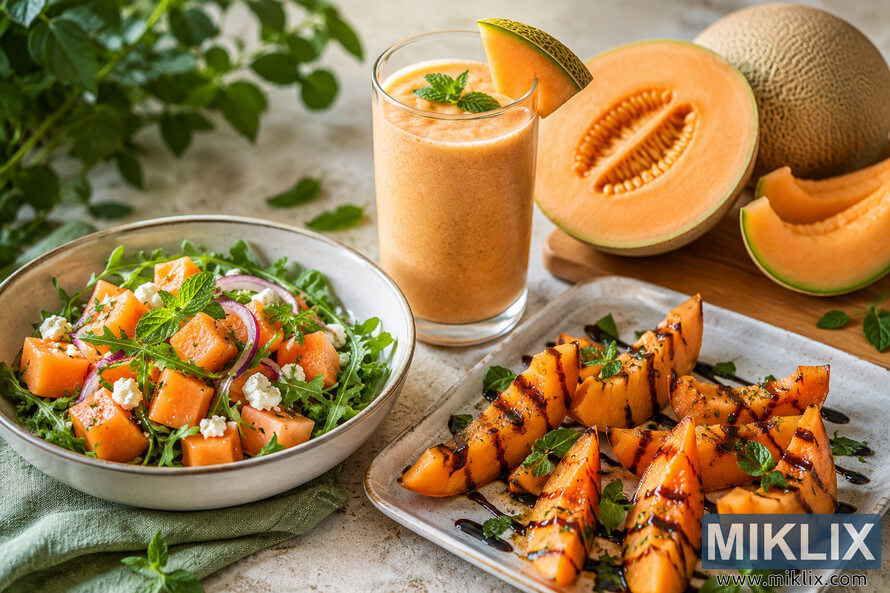
Blend cantaloupe into smoothies with other fruits and vegetables. The mild flavor pairs well with stronger ingredients like spinach or kale. Add protein powder to create a complete meal replacement.
Cantaloupe salad combines the melon with fresh mint and lime juice. This refreshing dish works as a side or light lunch. Some people add feta cheese for a savory twist on the classic preparation.
Simple Preparations
- Cubed with cottage cheese
- Blended into smoothies
- Frozen for sorbet
- Added to fruit salad
Savory Applications
- Wrapped with prosciutto
- Grilled with balsamic glaze
- Diced in salsa
- Added to green salads
Beverage Uses
- Blended into agua fresca
- Muddled in cocktails
- Juiced for fresh drinks
- Infused in water
Advanced Preparation Techniques
Grilling cantaloupe caramelizes its natural sugars, creating deeper flavor. Cut thick slices and grill for 2-3 minutes per side. Serve with a drizzle of honey or balsamic reduction.
Freeze cantaloupe pieces for a healthy frozen treat. The frozen fruit makes an excellent base for homemade sorbet. Blend frozen pieces with a touch of lime juice for instant dessert.
Cantaloupe pairs surprisingly well with savory ingredients. Try it with prosciutto for a classic Italian appetizer. The sweet and salty combination creates perfect flavor balance.
画像をクリックまたはタップすると、詳細と高解像度が表示されます。
Understanding Different Cantaloupe Varieties
Multiple cantaloupe varieties grow throughout the United States. Each type offers slightly different characteristics while maintaining similar nutritional profiles. Understanding these differences helps you select the best option for your needs.
Eastern cantaloupes display heavily netted skin with pronounced ridges. These melons typically grow in warmer regions and mature during summer months. The flesh ranges from pale to deep orange depending on ripeness.
Western cantaloupes often have smoother skin with less pronounced netting. These varieties tend to be larger and have firmer flesh. They ship better than eastern types due to their sturdier structure.
Honeydew and Other Melons
Honeydew melon belongs to the same family as cantaloupe. This melon features smooth, pale green skin and light green flesh. Honeydew melons offer similar hydration benefits but with different vitamin profiles.
Watermelon represents another popular melon variety. While it provides excellent hydration, its nutrient density differs from cantaloupe. Each melon type offers unique advantages in a balanced diet.
Many people enjoy trying different melon varieties throughout the growing season. This variety ensures you benefit from different nutrient profiles. Rotating between melons keeps your diet interesting while maximizing nutritional diversity.
画像をクリックまたはタップすると、詳細と高解像度が表示されます。
Growing Your Own Cantaloupe
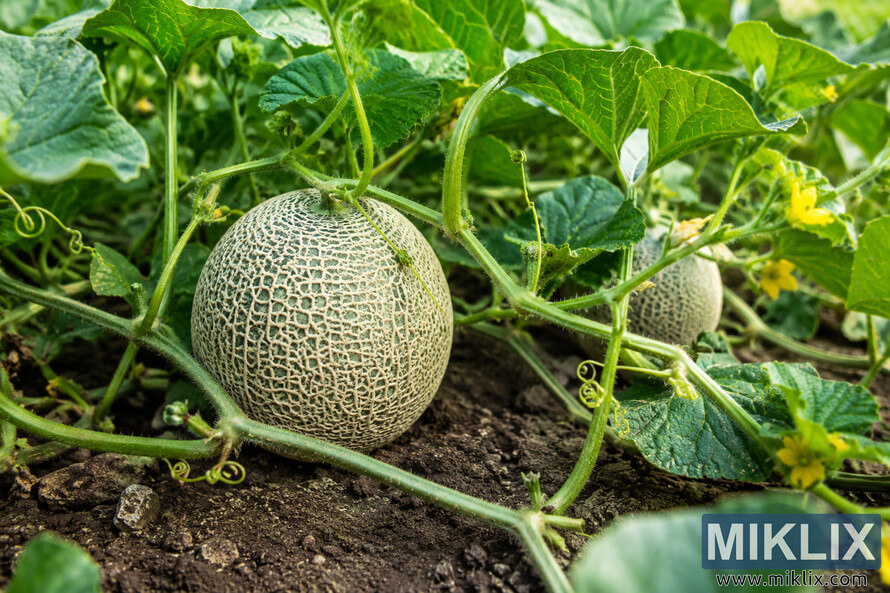
Growing cantaloupe at home provides access to the freshest possible fruit. The plants require warm temperatures and plenty of sunlight. Many gardeners successfully cultivate melons with proper planning and care.
Seeds germinate best when soil temperature reaches 70 degrees Fahrenheit. Plant seed about one inch deep in well-draining soil. Space plants several feet apart to accommodate spreading vines.
Cantaloupe plants need consistent water throughout the growth period. Reduce watering as fruits approach maturity to concentrate sugars. This technique enhances the final flavor of your homegrown melons.
Growing Season and Harvest
Most cantaloupe varieties require 70-90 days from planting to harvest. The growing season varies by region and specific variety planted. Warmer climates support longer growing seasons with multiple plantings possible.
Watch for signs of ripeness similar to selecting melons at the market. The fruit should separate easily from the vine when fully mature. Harvest in the morning when sugars are most concentrated in the flesh.
Home-grown cantaloupe often tastes sweeter than store-bought varieties. The ability to harvest at peak ripeness makes a noticeable difference. Many gardeners consider melons worth the space they require in the garden.
画像をクリックまたはタップすると、詳細と高解像度が表示されます。
Making Cantaloupe Part of Your Healthy Lifestyle
Cantaloupe delivers exceptional nutritional benefits in every serving. The fruit supports immune function, heart health, and proper hydration. Its versatility makes it easy to incorporate into various meals throughout the day.
Regular cantaloupe consumption contributes to meeting your daily fruit recommendations. The vitamins, minerals, and water content work together supporting overall health. Few fruits offer such impressive nutrition with so few calories.
Start adding cantaloupe to your diet today and experience the benefits firsthand. Whether eaten fresh, blended into smoothies, or incorporated into creative recipes, this melon enhances your nutritional intake. Your body will thank you for choosing this nutrient-dense fruit.
さらに読む
この投稿が気に入った場合は、次の提案も気に入るかもしれません: