
Gambar: Blood Glucose Meter and Swiss Chard: A Symbol of Diabetes Management and Nutrition
Diterbitake:
Dianyari pungkasan: 12 September 2026 ing 14:51:37 UTC
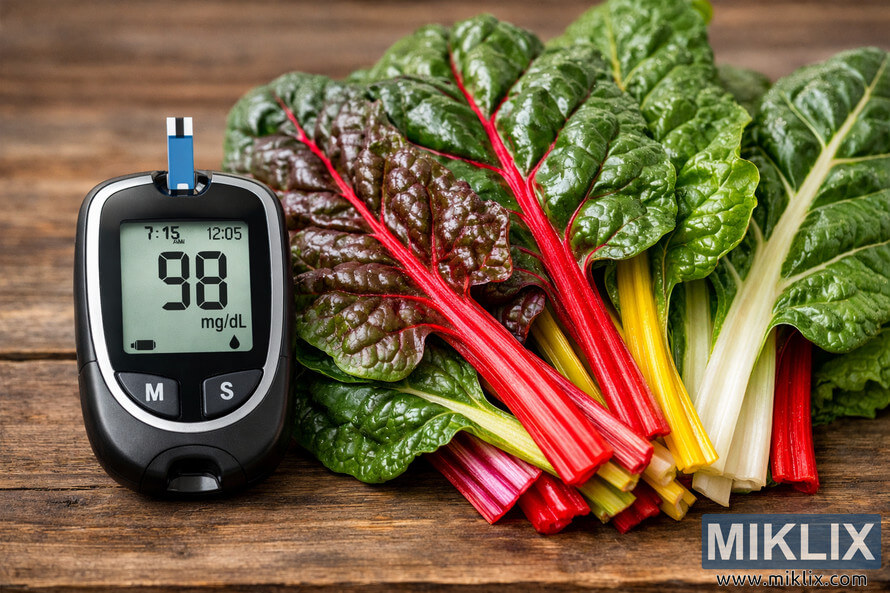
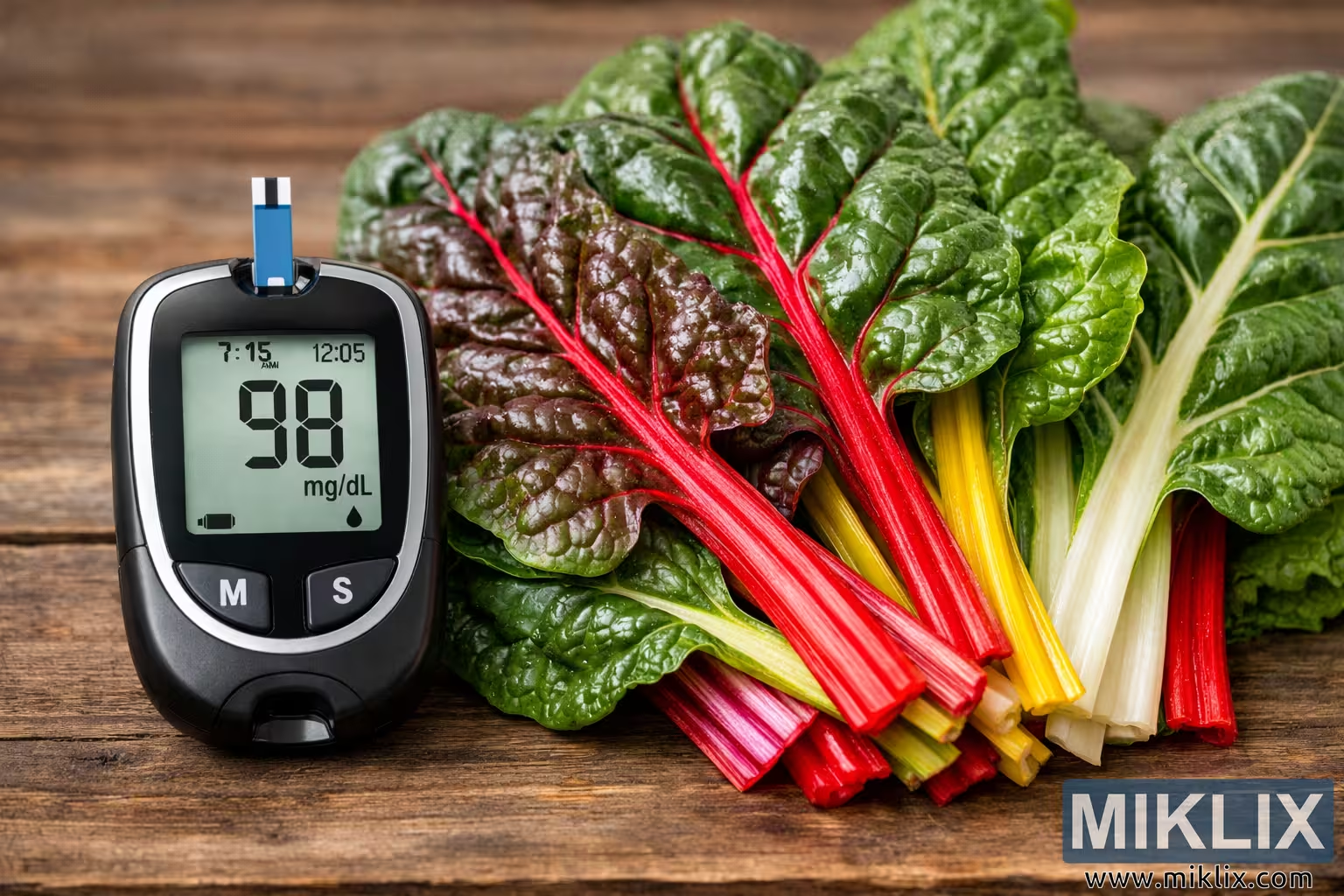
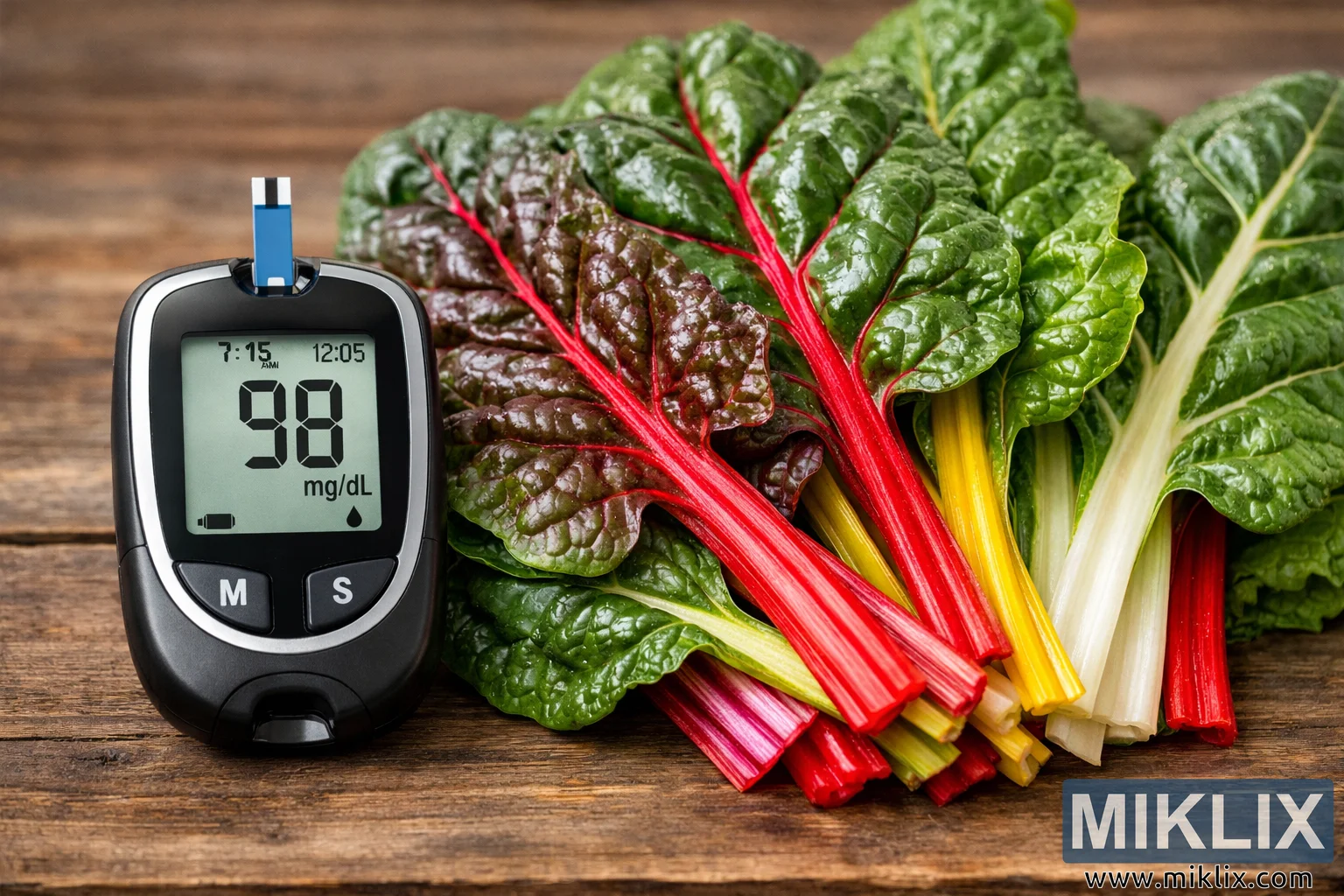
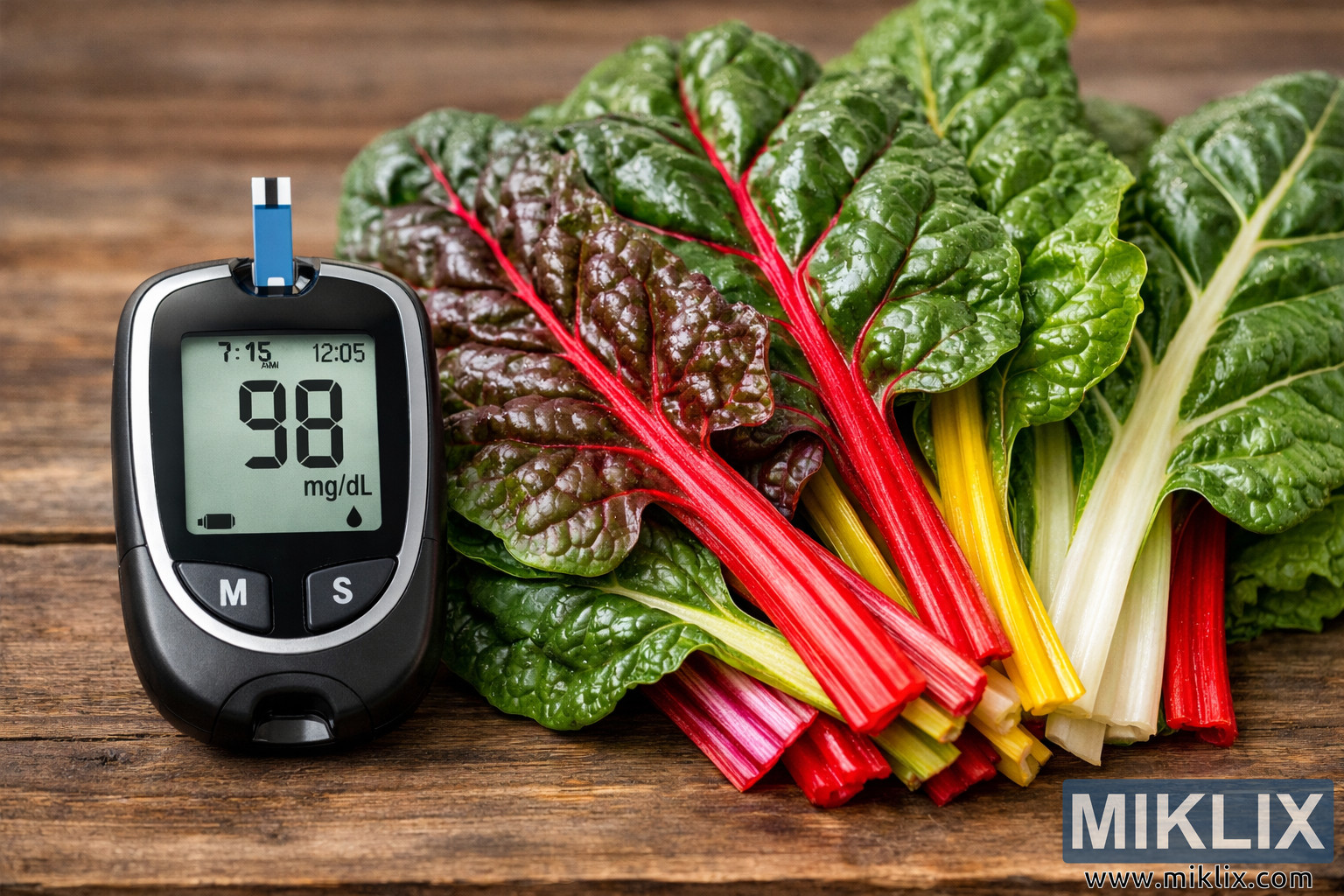
A detailed visual depiction of a blood glucose meter next to colorful Swiss chard leaves, symbolizing the connection between diabetes management and balanced nutrition through fresh vegetables.
Blood Glucose Meter and Swiss Chard: A Symbol of Diabetes Management and Nutrition
Versi sing kasedhiya saka gambar iki
File gambar sing kasedhiya kanggo diundhuh ing ngisor iki kurang dikompres lan resolusine luwih dhuwur - lan akibate, kualitase luwih dhuwur - tinimbang gambar sing disemat ing artikel lan kaca ing situs web iki, sing luwih dioptimalake kanggo ukuran file supaya bisa ngurangi konsumsi bandwidth.
Ukuran biasa (1,536 x 1,024)
Ukuran gedhe (3,072 x 2,048)
Ukuran gedhe banget (4,608 x 3,072)
Ukuran ekstra gedhe (6,144 x 4,096)
Ukuran gedhe banget lucu (1,048,576 x 699,051)
- Isih upload... ;-)
Katrangan gambar
The image presents a meticulously composed still life scene that captures the intersection of modern health technology and natural nutrition. At the center-left of the composition lies a sleek, handheld blood glucose meter, its digital display illuminated with a reading of 98 mg/dL. The device is rendered with precision, showing a clear interface that includes a small clock icon, a date indicator, and two functional buttons labeled 'M' and 'S'. A blue test strip extends from the top of the meter, signifying readiness for use and evoking the daily routine of glucose monitoring familiar to individuals managing diabetes. The meter’s design is understated yet purposeful, with a matte black and silver finish that contrasts elegantly against the organic textures surrounding it.
To the right of the meter, a vibrant bunch of Swiss chard leaves dominates the frame. The chard is freshly harvested, its stems displaying a striking palette of red, yellow, and white hues that transition seamlessly into deep green, crinkled leaves. The veins of the leaves mirror the colors of the stems, creating a natural harmony that draws the viewer’s eye across the composition. Each leaf is detailed with visible ridges and subtle variations in tone, suggesting freshness and vitality. The stems are thick and glossy, their colors saturated and luminous under soft, natural lighting.
The background consists of a rustic wooden surface, weathered and textured, providing a warm, earthy foundation for the scene. The wood grain runs horizontally, complementing the landscape orientation of the image and reinforcing a sense of grounded stability. The lighting is even and natural, casting gentle shadows that enhance depth without overpowering the subjects. The blurred background hints at additional greenery, maintaining focus on the foreground elements while suggesting a broader context of nature and wellness.
Symbolically, the juxtaposition of the blood glucose meter and Swiss chard conveys a powerful message about the balance between medical management and dietary mindfulness. The meter represents precision, control, and the technological aspect of diabetes care, while the Swiss chard embodies nourishment, vitality, and the healing potential of whole foods. Together, they form a visual narrative that celebrates proactive health management—where science and nature coexist harmoniously.
The composition is carefully balanced: the meter occupies the left third of the frame, anchoring the image with its structured geometry, while the organic forms of the chard fill the remaining space with fluid, natural curves. This contrast between the mechanical and the organic reinforces the theme of integration between human innovation and natural sustenance.
Color plays a crucial role in the emotional impact of the image. The greens of the leaves evoke freshness and life, the reds and yellows of the stems suggest energy and optimism, and the neutral tones of the meter and wood provide a calm backdrop that allows the vibrant colors to stand out. The overall palette is warm and inviting, encouraging associations with health, vitality, and balance.
The photograph’s high resolution ensures that every detail—from the fine texture of the chard leaves to the subtle reflections on the meter’s surface—is captured with clarity. This level of detail invites close inspection, allowing viewers to appreciate both the aesthetic beauty and the underlying message. The image transcends mere documentation; it becomes a visual metaphor for the daily discipline and holistic approach required in managing diabetes.
In essence, this image is not only a representation of objects but a story told through light, color, and composition. It speaks to the harmony between technology and nature, reminding viewers that effective diabetes management extends beyond numbers on a screen—it encompasses mindful choices, fresh ingredients, and a commitment to overall well-being. The scene is serene yet purposeful, evoking a sense of calm determination and hope. It stands as a testament to the idea that health is cultivated through both awareness and nourishment, where each element—digital precision and organic vitality—plays an essential role in sustaining life.
Gambar kasebut ana hubungane karo: Swiss Chard: Why It Is One of the Healthiest Leafy Greens