
Collard Greens: The Leafy Green Your Diet Is Missing
게시됨:
마지막으로 업데이트되었습니다: 2026년 7월 21일 오후 8시 40분 6초 UTC
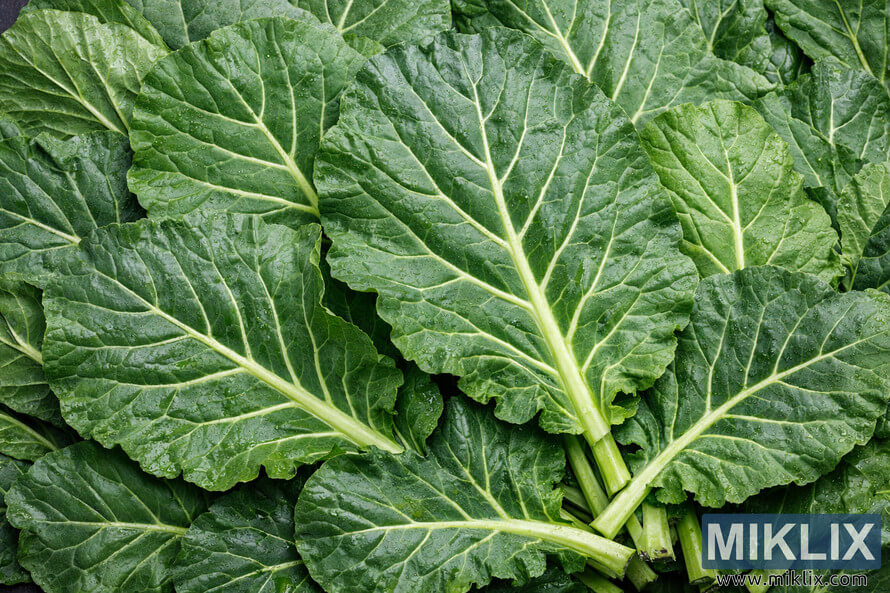
Collard greens stand among the most nutrient-dense vegetables you can add to your diet. These leafy cruciferous vegetables have supported human health for thousands of years. Their robust flavor and impressive nutritional profile make them a staple in kitchens worldwide.
Collard Greens: The Leafy Green Your Diet Is Missing
이미지를 클릭하거나 탭하면 자세한 정보와 더 높은 해상도를 볼 수 있습니다.
Many people overlook collard greens when shopping for vegetables. This oversight means missing out on exceptional health benefits. From supporting heart health to strengthening bones, collards provide your body with essential nutrients it needs to thrive.
This comprehensive guide explores everything you need to know about collard greens. You will discover their nutritional composition, understand their health advantages, and learn practical preparation methods.
What Are Collard Greens
Collard greens belong to the cruciferous vegetables family. This family includes broccoli, cabbage, and kale. The botanical name for collards is Brassica oleracea.
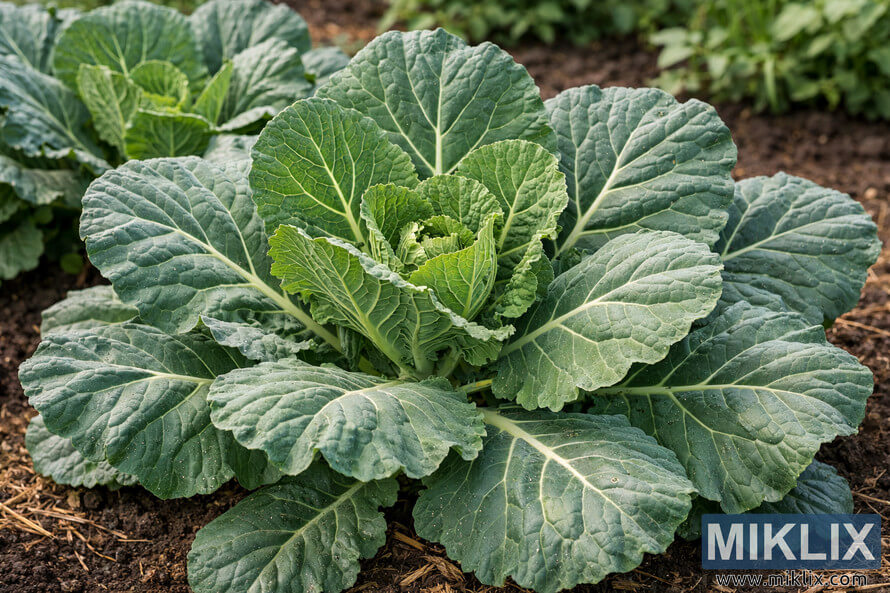
These vegetables grow large, dark green leaves. The leaves have a slightly bitter, earthy flavor. Collard greens can tolerate cold weather better than many other vegetables.
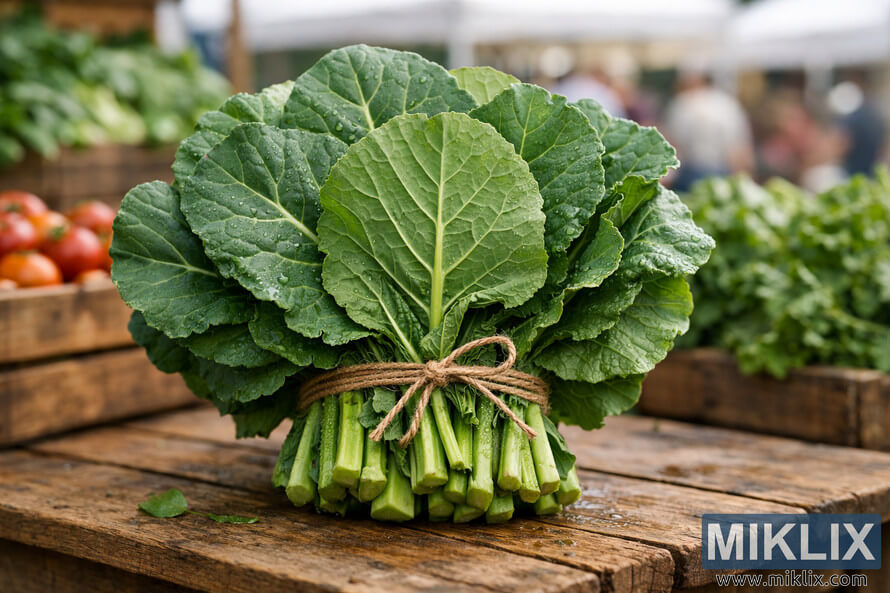
People have cultivated collards for over 2,000 years. Ancient Greeks and Romans consumed these greens regularly. Today, collard greens remain popular in Southern United States cuisine and many other cultures.
이미지를 클릭하거나 탭하면 자세한 정보와 더 높은 해상도를 볼 수 있습니다.
Key Characteristics of Collards
- Large, smooth leaves with thick stems
- Part of the cruciferous vegetables family
- Grown year-round in many climates
- Available fresh, frozen, or canned
- Versatile cooking applications
- Rich, robust flavor when cooked
이미지를 클릭하거나 탭하면 자세한 정보와 더 높은 해상도를 볼 수 있습니다.
Nutritional Profile of Collard Greens
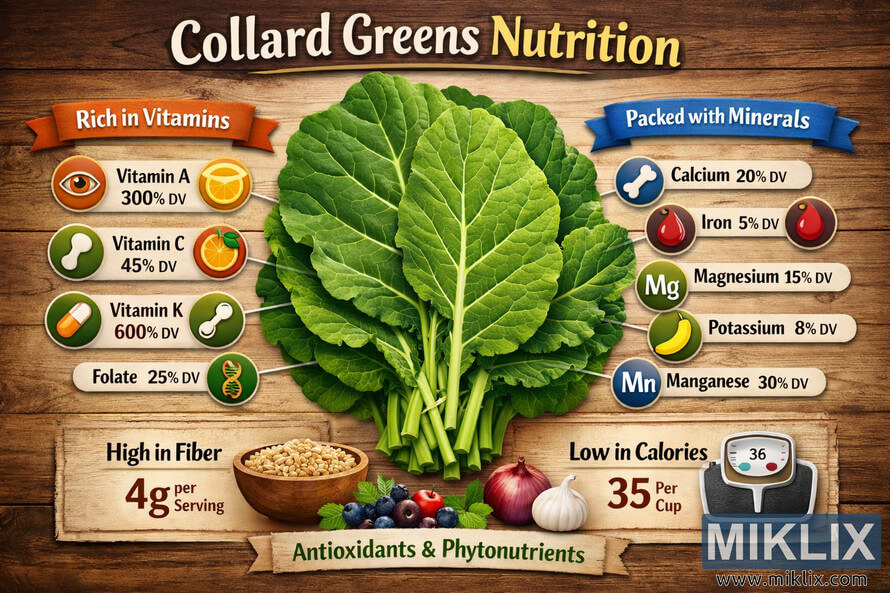
One cup of cooked collard greens provides an exceptional nutrient density. These greens contain minimal calories while delivering maximum nutritional value. Understanding their composition helps you appreciate their health benefits.
Collard greens provide substantial amounts of vitamins and minerals. They offer more calcium than many dairy products. The fiber content supports digestive health effectively.
이미지를 클릭하거나 탭하면 자세한 정보와 더 높은 해상도를 볼 수 있습니다.
Macronutrient Breakdown
A single cup of cooked collards contains approximately 49 calories. This low calorie count makes them excellent for weight loss efforts. The macronutrient distribution supports various dietary needs.
| Nutrient | Amount per Cup | Daily Value |
| Calories | 49 | 2% |
| Protein | 4g | 8% |
| Fiber | 5g | 20% |
| Carbohydrates | 9g | 3% |
| Fat | 0.7g | 1% |
Vitamin Content
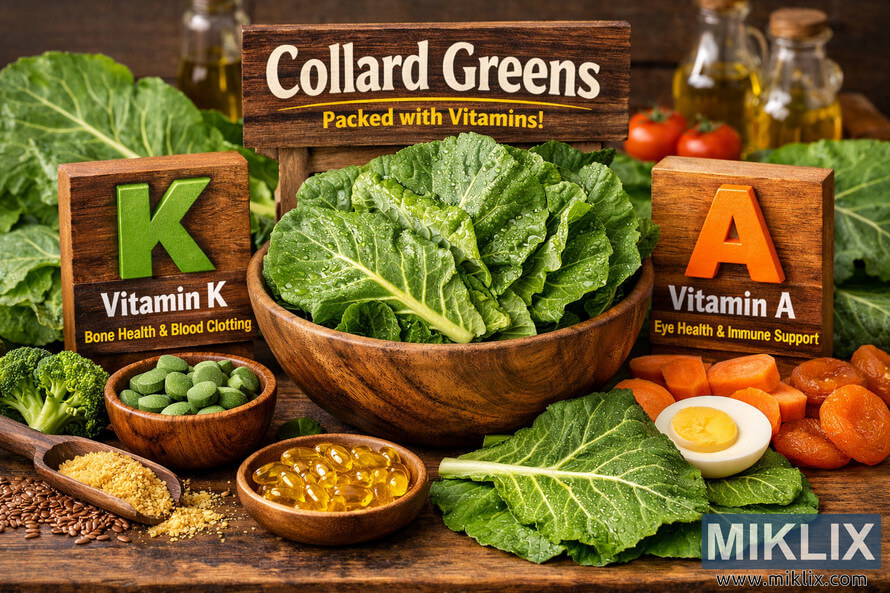
Collard greens contain extraordinary amounts of vitamin K. One cup provides over 1000% of your daily requirement. This vitamin plays crucial roles in blood clotting and bone health.
Vitamin A appears abundantly in these greens. Your body converts beta-carotene from collards into vitamin A. This nutrient supports eye health and immune function.
이미지를 클릭하거나 탭하면 자세한 정보와 더 높은 해상도를 볼 수 있습니다.
Mineral Composition
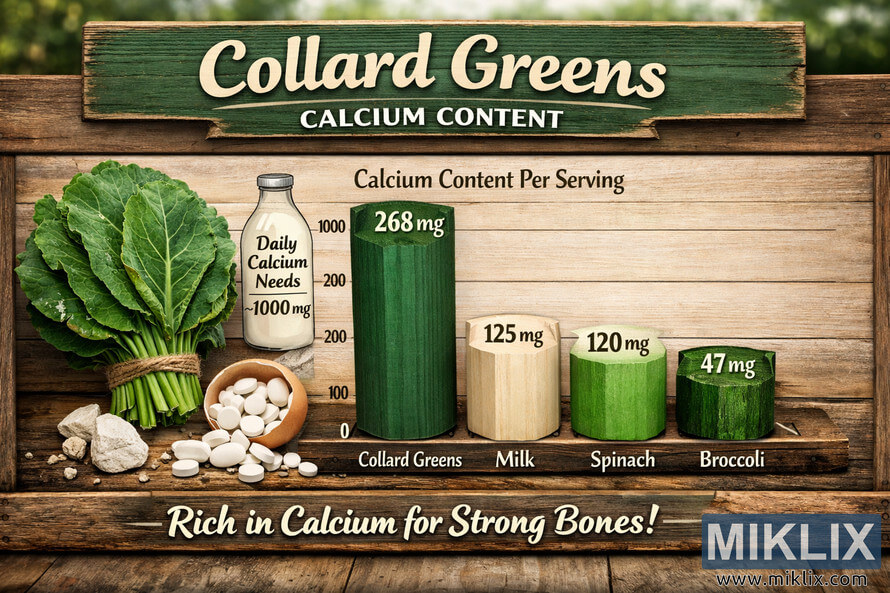
Calcium levels in collard greens surpass many expectations. One cup delivers about 266 mg of calcium. This amount represents roughly 25% of daily calcium needs.
Iron content supports oxygen transport throughout your body. Collards also provide manganese, which aids metabolism. Magnesium and potassium contribute to heart health and muscle function.
- Calcium: Supports bone density and teeth strength
- Iron: Essential for red blood cell production
- Magnesium: Regulates muscle and nerve function
- Potassium: Maintains healthy blood pressure levels
- Manganese: Supports metabolism and antioxidant defenses
- Phosphorus: Works with calcium for bone health
Health Benefits of Collards for Digestion
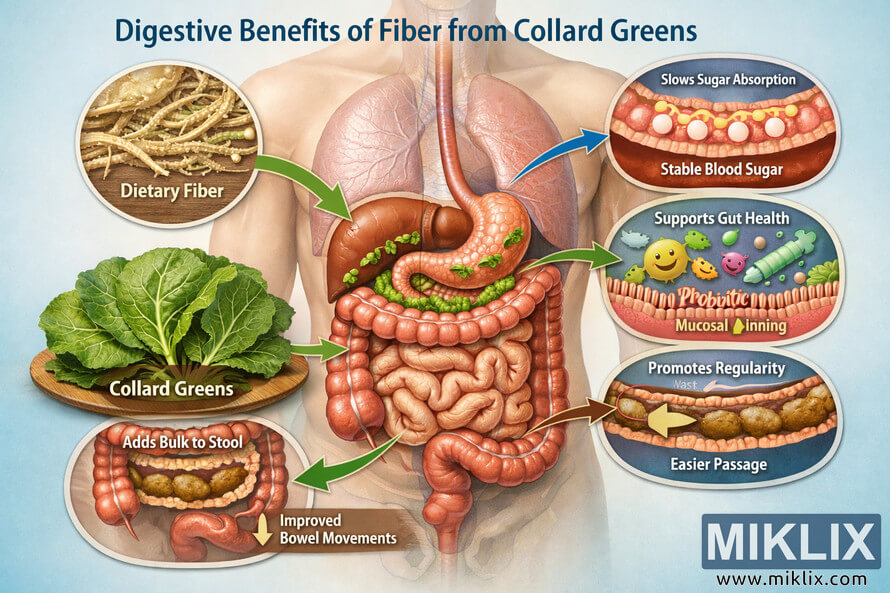
The fiber in collard greens provides exceptional digestive support. Dietary fiber helps move food through your intestinal tract. This movement prevents constipation and promotes regularity.
Collard greens contain both soluble and insoluble fiber. Soluble fiber feeds beneficial gut bacteria. Insoluble fiber adds bulk to stool and speeds transit time.
Fiber and Gut Health
One cup of cooked collards provides about 5 grams of fiber. This amount represents 20% of daily fiber requirements. Regular fiber intake reduces the risk of developing digestive disorders.
Soluble Fiber Benefits
- Feeds healthy gut bacteria
- Slows sugar absorption
- Reduces cholesterol levels
- Creates feeling of fullness
Insoluble Fiber Benefits
- Prevents constipation
- Promotes regular bowel movements
- Reduces hemorrhoid risk
- Supports colon health
Studies indicate that high fiber intake correlates with lower risk of colorectal cancer. The fiber in collards may reduce this risk. People who add collard greens to their diet often report improved digestive comfort.
이미지를 클릭하거나 탭하면 자세한 정보와 더 높은 해상도를 볼 수 있습니다.
Collard Greens and Heart Health
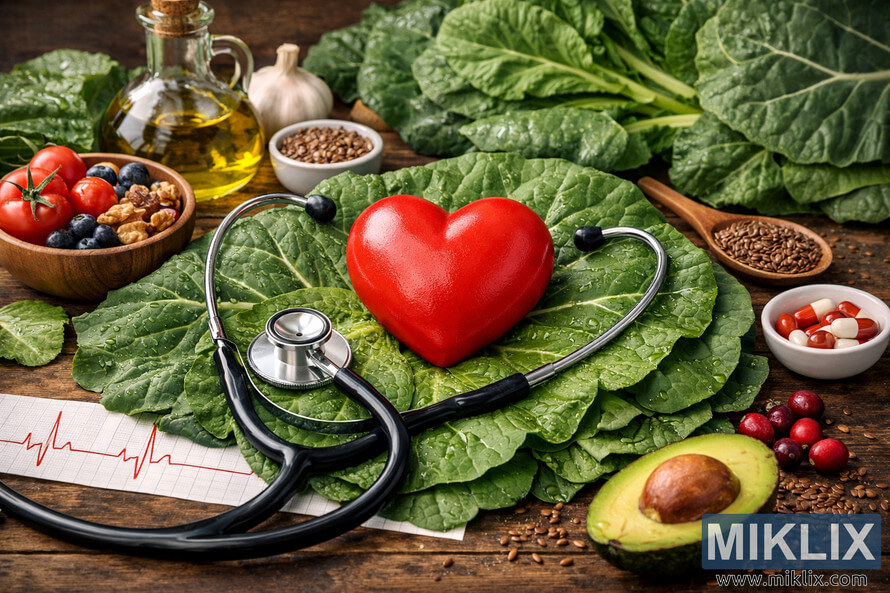
Heart disease remains a leading cause of death globally. Collard greens contain compounds that support cardiovascular health. Regular consumption may help lower your risk of heart disease.
The fiber in collards helps reduce cholesterol levels. Lower cholesterol means less plaque buildup in arteries. This reduction supports better blood flow and heart function.
Cholesterol Management
Collard greens provide bile acid-binding properties. These properties help remove cholesterol from your body. Studies show that steamed collards work especially well for this purpose.
Research Finding: Studies indicate that consuming cruciferous vegetables like collards can reduce the risk of developing heart disease by up to 15%. The combination of fiber, antioxidants, and anti-inflammatory compounds provides comprehensive cardiovascular protection.
이미지를 클릭하거나 탭하면 자세한 정보와 더 높은 해상도를 볼 수 있습니다.
Blood Pressure Support
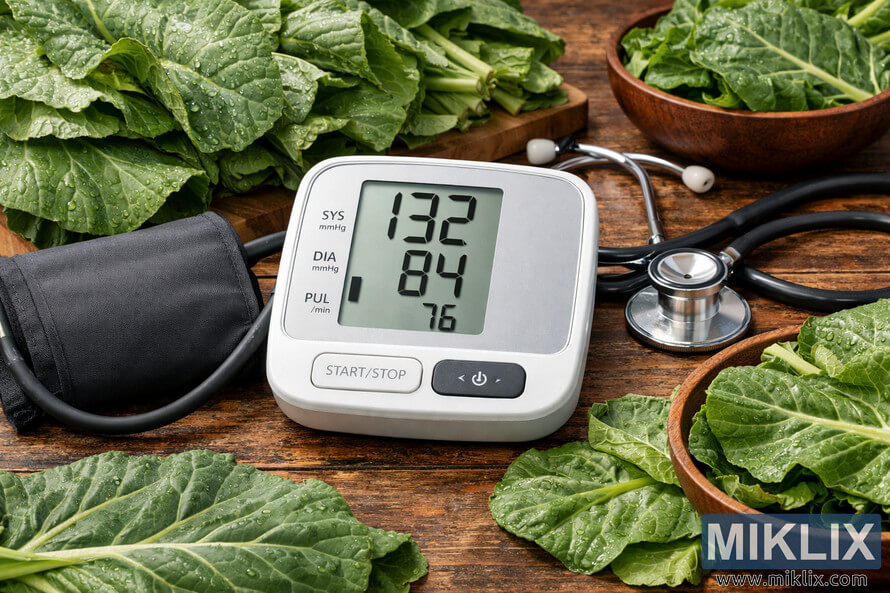
Potassium in collard greens helps regulate blood pressure. This mineral counteracts sodium effects in your body. Adequate potassium intake supports healthy blood pressure levels.
Nitrates naturally present in greens may also lower blood pressure. Your body converts these nitrates into nitric oxide. Nitric oxide helps blood vessels relax and expand.
- Potassium helps balance sodium levels
- Magnesium supports vascular relaxation
- Folate reduces homocysteine levels
- Antioxidants protect arterial walls
- Omega-3 fatty acids reduce inflammation
이미지를 클릭하거나 탭하면 자세한 정보와 더 높은 해상도를 볼 수 있습니다.
Anti-Inflammatory Properties
Chronic inflammation contributes to heart disease development. Collard greens contain powerful anti-inflammatory compounds. These include vitamin K, omega-3 fatty acids, and various antioxidants.
The alpha-linolenic acid in collards fights inflammation. This omega-3 fatty acid appears in plant-based foods. Regular intake may reduce inflammatory markers in your blood.
Strengthening Bones with Collard Greens
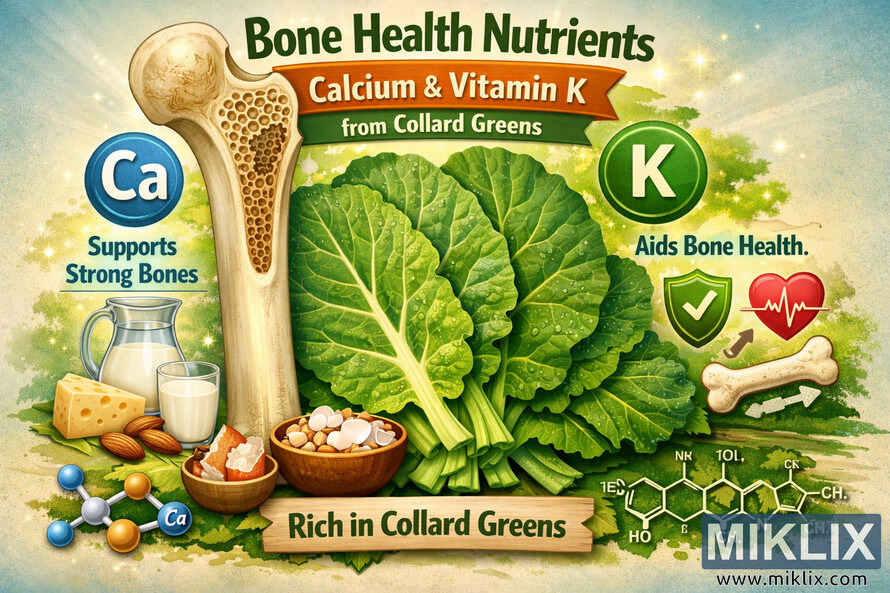
Strong bones require more than just calcium. Vitamin K plays an equally important role in bone health. Collard greens provide exceptional amounts of both nutrients.
Vitamin K activates proteins that bind calcium to bones. Without adequate vitamin K, calcium cannot properly strengthen your skeleton. One cup of collards provides over ten times your daily vitamin K needs.
이미지를 클릭하거나 탭하면 자세한 정보와 더 높은 해상도를 볼 수 있습니다.
Calcium Content and Absorption
Collard greens offer excellent calcium bioavailability. Your body can absorb about 50% of the calcium from collards. This rate exceeds calcium absorption from dairy products.
The calcium in one cup of cooked collard greens equals roughly one-quarter of daily requirements. This amount supports bone density maintenance. Regular consumption helps prevent osteoporosis as you age.
Magnesium and phosphorus in collards also support bone structure. These minerals work synergistically with calcium. Together, they create strong, resilient bones.
이미지를 클릭하거나 탭하면 자세한 정보와 더 높은 해상도를 볼 수 있습니다.
Vitamin K and Bone Metabolism
Vitamin K activates osteocalcin, a protein essential for bone formation. Low vitamin K intake increases fracture risk. Studies show that people consuming adequate vitamin K maintain better bone density.
- Activates bone-building proteins
- Reduces calcium loss from bones
- Improves bone mineral density
- Decreases fracture risk in older adults
- Works synergistically with vitamin D
- Supports bone tissue regeneration
Immune System Support from Collards
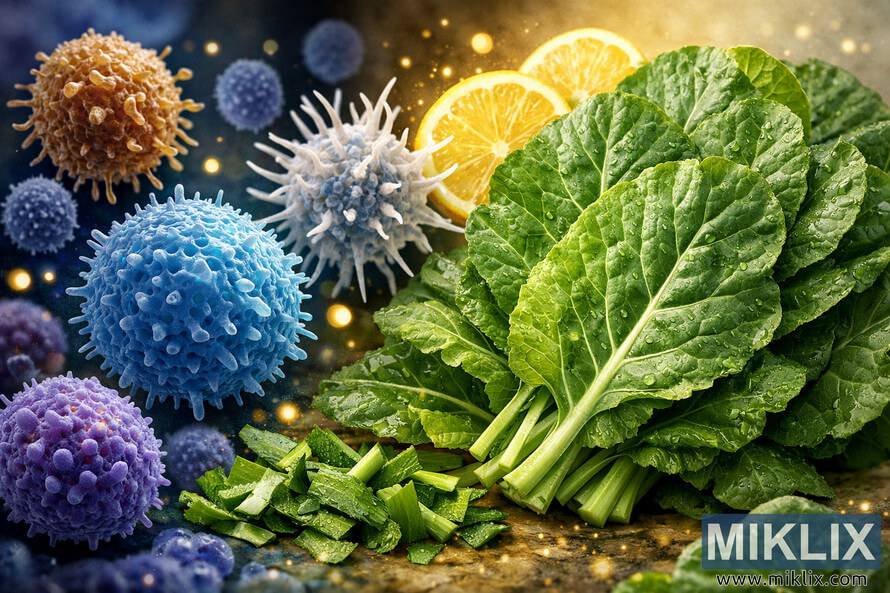
A strong immune system protects against infections and disease. Collard greens contain multiple nutrients that support immune function. Vitamin C, vitamin A, and antioxidants all contribute to immunity.
Vitamin C in collards stimulates white blood cell production. These cells fight infections in your body. One cup provides significant vitamin C to meet daily needs.
Antioxidant Protection
Antioxidants in collard greens neutralize harmful free radicals. Free radicals damage cells and weaken immunity. Beta-carotene, vitamin C, and vitamin E provide antioxidant protection.
Immune Fact: Cruciferous vegetables like collards contain glucosinolates, compounds that support the body's detoxification systems. These compounds help your immune system identify and eliminate potential threats more efficiently.
The vitamin A from collards maintains mucous membrane integrity. These membranes form barriers against pathogens. Healthy membranes prevent bacteria and viruses from entering your body.
Anti-Microbial Compounds
Collards contain sulforaphane, a compound with antimicrobial properties. Research suggests sulforaphane may help fight certain bacteria. This compound appears when you chop or chew collard greens.
Folate in collards supports immune cell production. Adequate folate ensures proper immune system function. People with folate deficiency often experience weakened immunity.
이미지를 클릭하거나 탭하면 자세한 정보와 더 높은 해상도를 볼 수 있습니다.
Cancer Prevention Properties of Collard Greens
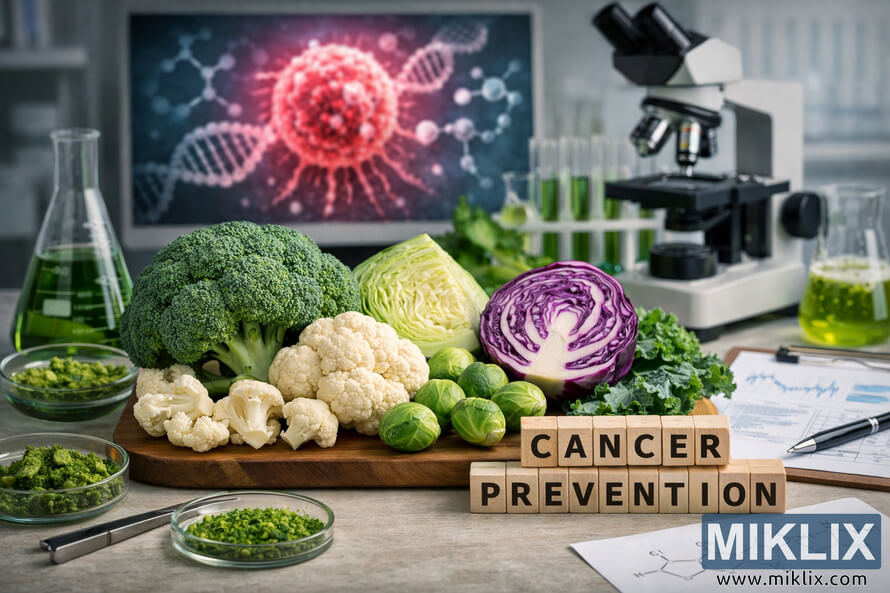
Research increasingly links cruciferous vegetables to reduced cancer risk. Collard greens contain specific compounds that may prevent cancer development. These protective effects appear across multiple cancer types.
Glucosinolates in collards break down into active compounds during digestion. These compounds, including sulforaphane and indole-3-carbinol, demonstrate anti-cancer properties. Studies show they may help prevent certain cancers.
이미지를 클릭하거나 탭하면 자세한 정보와 더 높은 해상도를 볼 수 있습니다.
Mechanisms of Cancer Protection
Sulforaphane activates detoxification enzymes in your body. These enzymes eliminate potential carcinogens. Regular intake of cruciferous vegetables like collards supports this protective mechanism.
Breast Cancer
Studies indicate that women who consume more cruciferous vegetables show lower rates of breast cancer. The compounds in collards may help regulate estrogen metabolism.

이미지를 클릭하거나 탭하면 자세한 정보와 더 높은 해상도를 볼 수 있습니다.
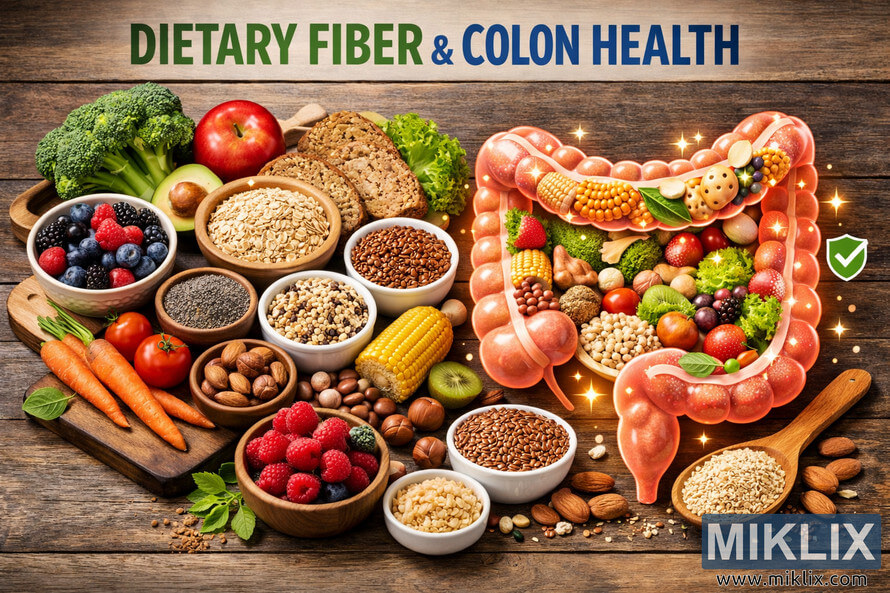
Colon Cancer
Fiber from collards promotes healthy colon function. This fiber may reduce the risk of developing colorectal cancer by improving gut health and reducing inflammation.
이미지를 클릭하거나 탭하면 자세한 정보와 더 높은 해상도를 볼 수 있습니다.
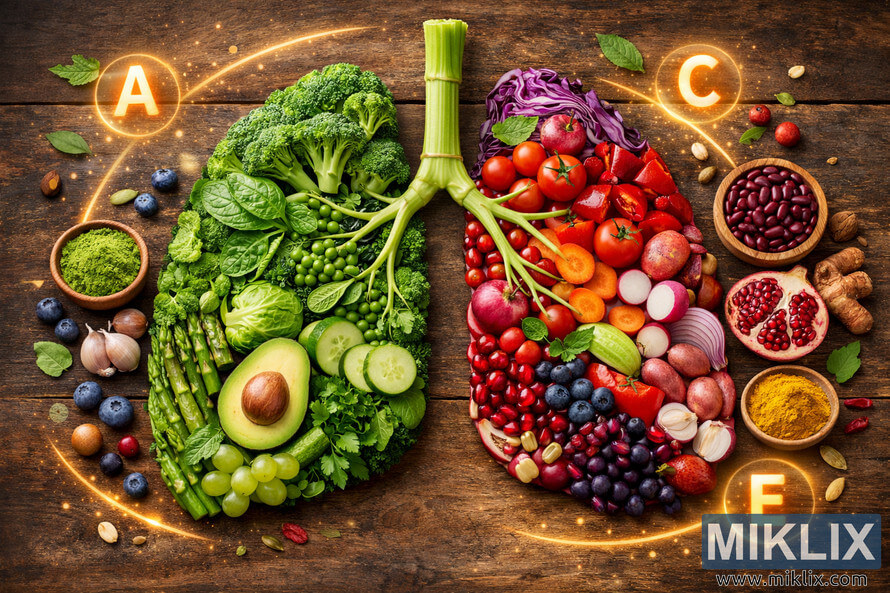
Lung Cancer
Antioxidants in collards protect lung tissue from damage. Research suggests regular intake of greens may lower risk of lung cancer, especially in former smokers.
이미지를 클릭하거나 탭하면 자세한 정보와 더 높은 해상도를 볼 수 있습니다.
Research Evidence
Multiple studies examine the relationship between cruciferous vegetable intake and cancer risk. A study published in a major nutrition journal found significant associations. People consuming these vegetables regularly showed reduced cancer incidence.
The protective effects appear strongest with regular, long-term consumption. Experts recommend eating cruciferous vegetables several times weekly. Collard greens represent an excellent choice for cancer prevention.
Collard Greens for Weight Loss
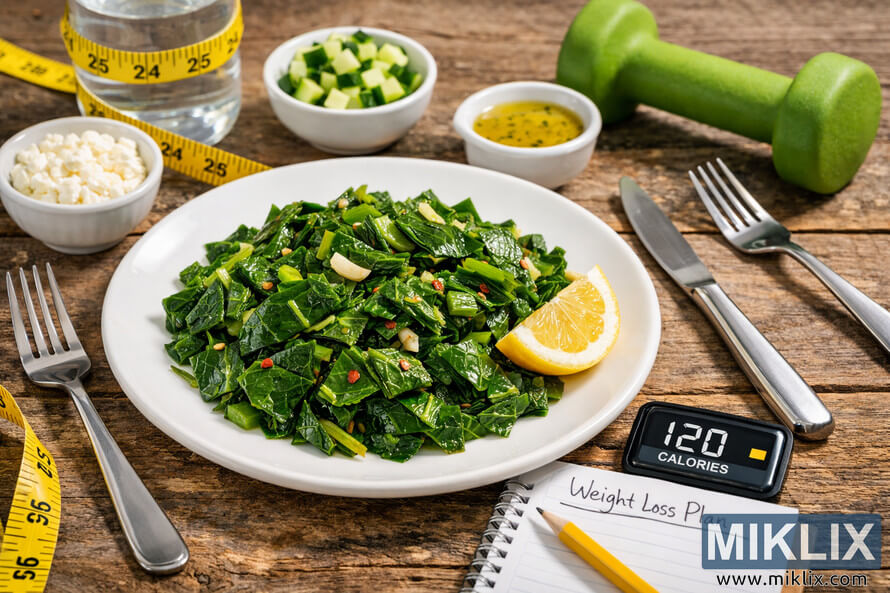
Weight loss requires consuming fewer calories than your body burns. Collard greens support this goal through multiple mechanisms. Their low calorie density allows you to eat satisfying portions.
One cup of cooked collards contains only 49 calories. This low calorie count means you can eat large servings without exceeding your daily calorie budget. The high fiber content creates lasting fullness.
Satiety and Appetite Control
Fiber in collard greens slows digestion and promotes satiety. You feel fuller longer after eating these greens. This effect helps reduce overall calorie intake throughout the day.
The volume of collard greens also contributes to satisfaction. Large portions fill your stomach without adding many calories. This physical fullness signals your brain to stop eating.
Weight Loss Advantages
- Extremely low in calories
- High fiber content promotes fullness
- Nutrient-dense for essential vitamins
- Versatile for meal planning
- Helps reduce cravings
- Supports healthy metabolism
Considerations
- May cause bloating initially
- Requires proper preparation
- Some find taste bitter
- Can interact with blood thinners
- May need gradual introduction
이미지를 클릭하거나 탭하면 자세한 정보와 더 높은 해상도를 볼 수 있습니다.
Metabolic Benefits
B vitamins in collards support energy metabolism. These vitamins help convert food into usable energy. Proper metabolism supports weight loss efforts.
The low glycemic index of collards prevents blood sugar spikes. Stable blood sugar reduces cravings and hunger. This stability makes maintaining a calorie deficit easier.
How to Prepare and Cook Collard Greens
Proper preparation maximizes both flavor and nutritional value of collards. Different cooking methods produce varying results. Understanding these techniques helps you enjoy collards regularly.
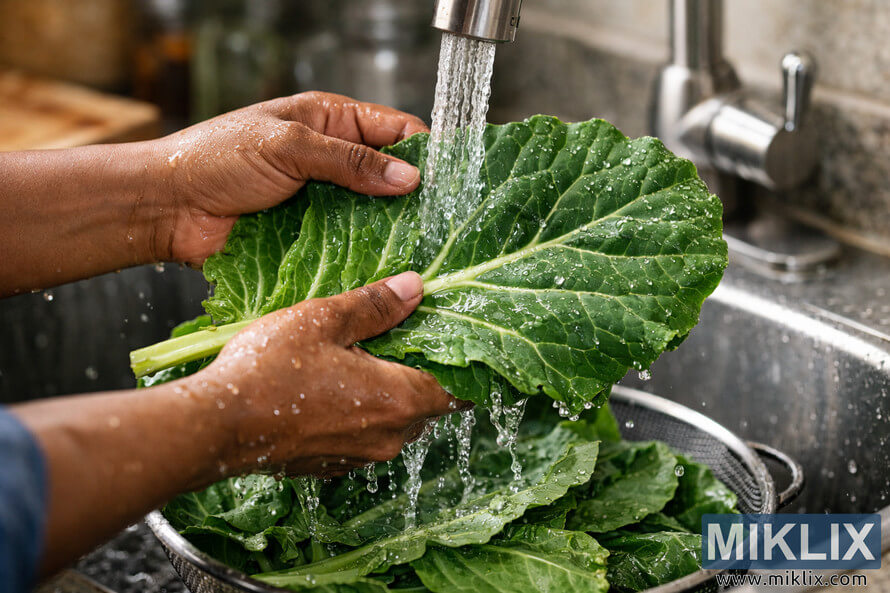
Fresh collard greens require thorough cleaning before cooking. Dirt often hides in the leaf folds. Proper cleaning ensures food safety and better taste.
Selecting and Storing Collards
Choose collard greens with firm, dark green leaves. Avoid wilted or yellowing specimens. Smaller leaves tend to taste less bitter than larger ones.
- Look for vibrant green color without brown spots
- Select leaves that feel crisp and firm
- Avoid yellowing or wilted greens
- Store unwashed in plastic bag in refrigerator
- Use within 3-5 days for best quality
- Wash just before cooking to maintain freshness
이미지를 클릭하거나 탭하면 자세한 정보와 더 높은 해상도를 볼 수 있습니다.
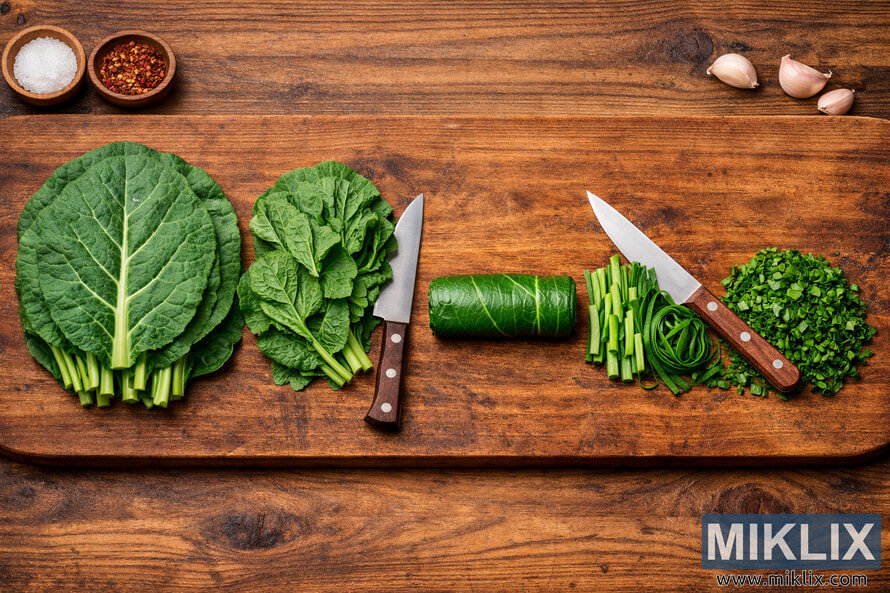
Cleaning and Preparation Steps
- Fill a large bowl or clean sink with cold water
- Submerge collard greens and swish vigorously to remove dirt
- Lift greens out and drain water, repeat if necessary
- Remove thick stems by folding leaves and cutting along stem
- Stack several leaves and roll them tightly
- Slice the rolled leaves into ribbons (called chiffonade)
- Your collards are now ready for cooking
이미지를 클릭하거나 탭하면 자세한 정보와 더 높은 해상도를 볼 수 있습니다.
Cooking Methods
Different preparation methods yield different nutritional results. Steaming preserves the most nutrients overall. However, cooking with a small amount of fat improves absorption of fat-soluble vitamins.
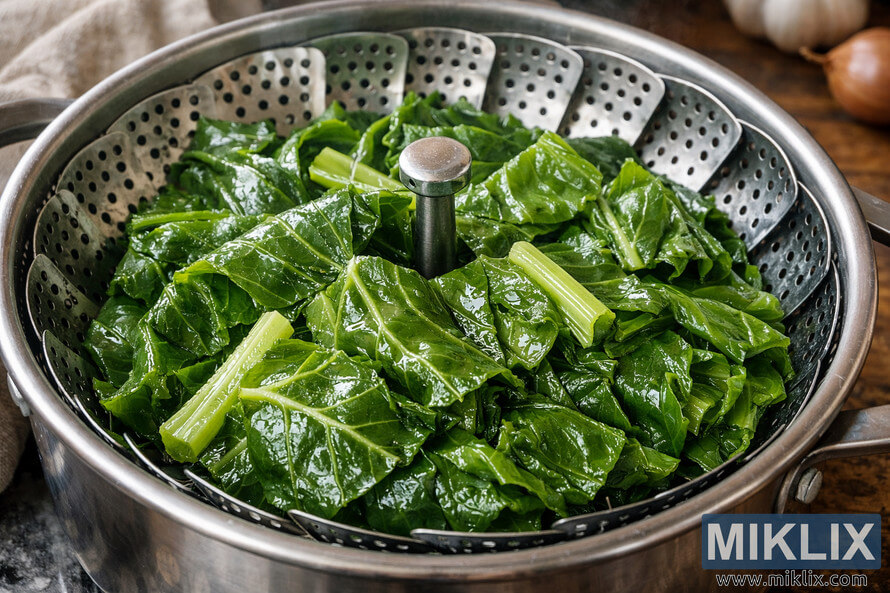
Steaming
Steaming preserves maximum nutrients while softening leaves. Steam for 5-7 minutes until tender but still bright green. This method works excellently for salads and side dishes.
- Preserves most vitamins
- Maintains vibrant color
- Quick cooking time
- No added calories
이미지를 클릭하거나 탭하면 자세한 정보와 더 높은 해상도를 볼 수 있습니다.
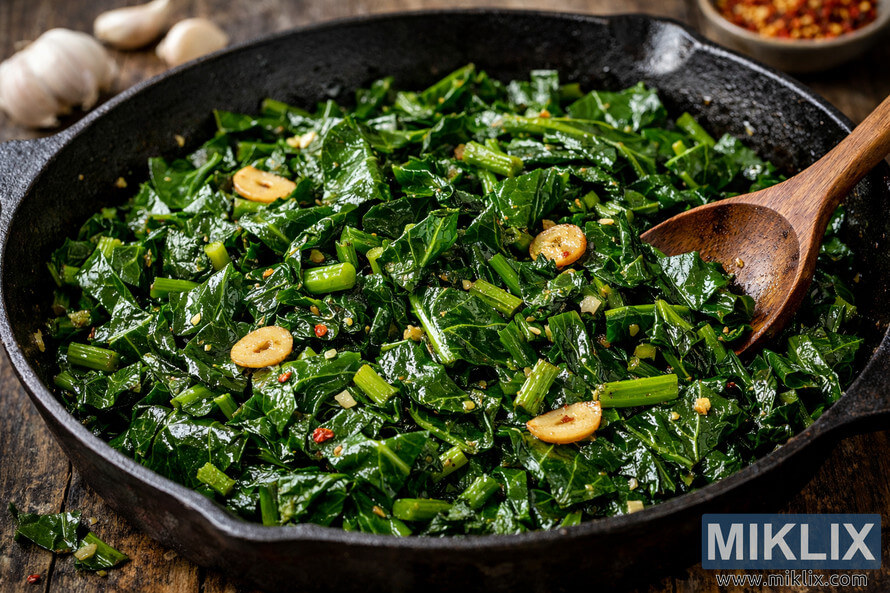
Sautéing
Sautéing with olive oil enhances flavor and vitamin absorption. Heat oil over medium heat, add collard greens and cook 7-10 minutes. Garlic and onions add delicious flavor.
- Improves vitamin A absorption
- Adds healthy fats
- Creates rich flavor
- Quick preparation
이미지를 클릭하거나 탭하면 자세한 정보와 더 높은 해상도를 볼 수 있습니다.
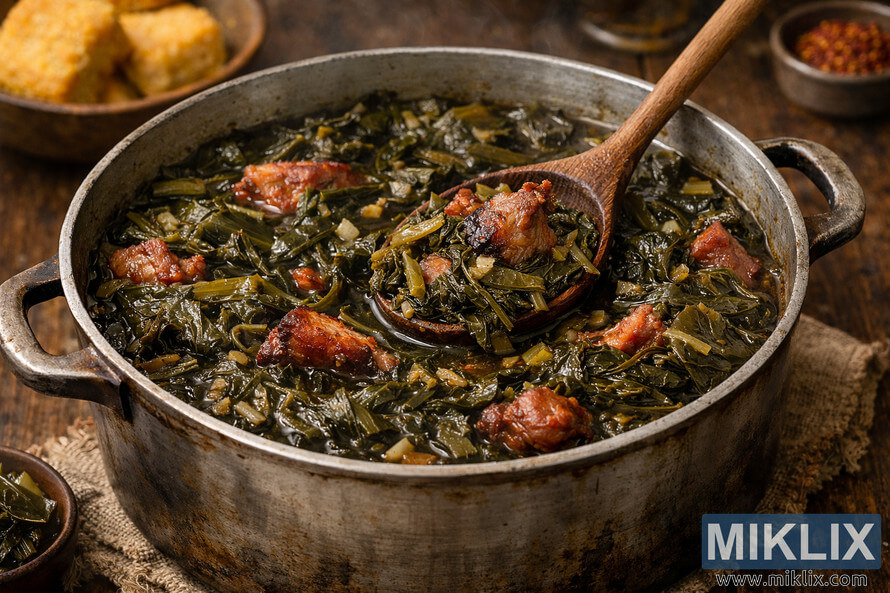
Braising
Traditional slow cooking creates tender, flavorful collards. Simmer in broth for 30-45 minutes. This method produces classic Southern-style greens with deep flavor.
- Creates tender texture
- Develops complex flavors
- Traditional preparation
- Good for tough leaves
이미지를 클릭하거나 탭하면 자세한 정보와 더 높은 해상도를 볼 수 있습니다.
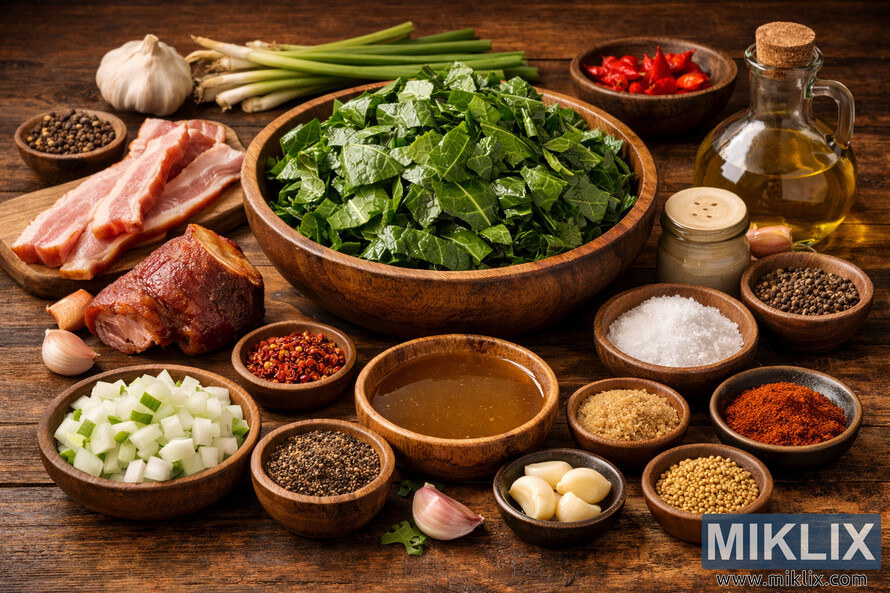
Flavor Enhancement Tips
Collard greens pair well with various flavors. Acidic ingredients like lemon juice or vinegar brighten their taste. A small amount of olive oil helps your body absorb fat-soluble vitamins.
Complementary Ingredients
- Garlic and onions for savory depth
- Lemon juice for brightness
- Apple cider vinegar for tang
- Red pepper flakes for heat
- Smoked paprika for depth
- Olive oil for richness
이미지를 클릭하거나 탭하면 자세한 정보와 더 높은 해상도를 볼 수 있습니다.
Creative Ways to Add Collard Greens to Your Diet
Beyond traditional preparations, collards work in many modern dishes. Their sturdy leaves hold up well in various recipes. Experimenting with different preparations helps you enjoy them regularly.
Raw collards can replace tortillas in wraps. Their large leaves provide the perfect vessel for fillings. This substitution reduces calories while adding nutrients.

이미지를 클릭하거나 탭하면 자세한 정보와 더 높은 해상도를 볼 수 있습니다.
Breakfast Options
Add collard greens to morning smoothies for nutritional boost. Their mild flavor disappears among fruits. Blend with banana, berries, and your choice of liquid.
Sautéed collards make excellent additions to omelets or scrambled eggs. The combination provides protein and vegetables in one meal. This breakfast supports energy throughout your day.
이미지를 클릭하거나 탭하면 자세한 정보와 더 높은 해상도를 볼 수 있습니다.
Lunch and Dinner Ideas
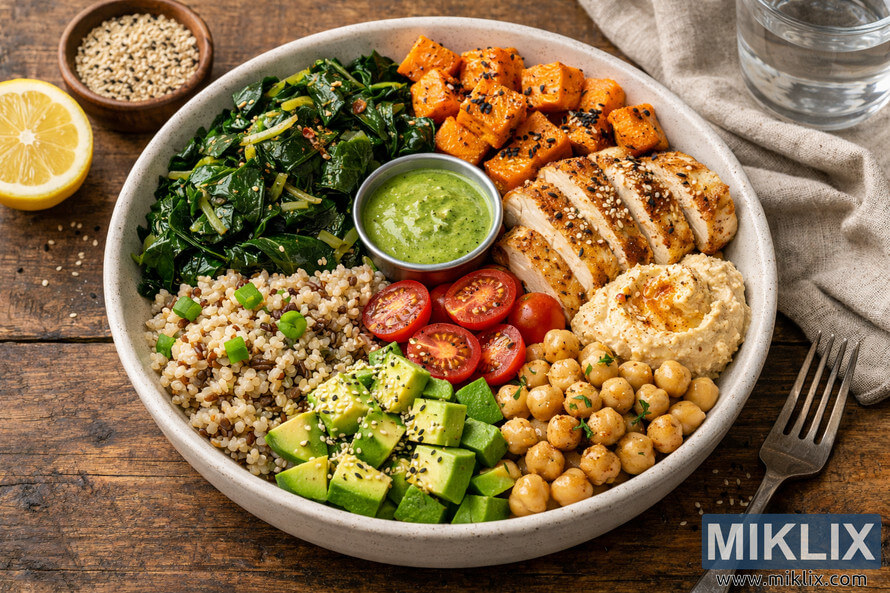
Collard greens work beautifully in grain bowls. Layer them with quinoa, brown rice, or farro. Add proteins and other vegetables for complete meals.
Use collard leaves as wraps for sandwiches or burritos. Their size and strength make them ideal bread replacements. This swap reduces carbohydrates while increasing nutrients.
- Add to soups and stews for extra nutrition
- Mix into pasta dishes during final cooking minutes
- Layer in lasagna instead of noodles
- Stuff with grains and proteins for rolls
- Blend into pesto for unique flavor
- Chop into salads for added texture
Snack Preparations
Collard green chips provide a nutritious alternative to potato chips. Remove stems, tear into pieces, and toss with olive oil. Bake at 275°F until crispy, about 20-25 minutes.
Season chips with your favorite spices before baking. Salt, garlic powder, and nutritional yeast create savory flavors. These chips contain far fewer calories than traditional snacks.
Important Considerations and Precautions
While collard greens offer numerous health benefits, some people need special considerations. Understanding potential interactions ensures safe consumption. Most people can enjoy collards without concerns.
The high vitamin K content affects people taking blood-thinning medications. These medications work by blocking vitamin K activity. Sudden changes in vitamin K intake can interfere with medication effectiveness.
Medication Interactions
People taking warfarin or similar blood thinners should maintain consistent vitamin K intake. Dramatically increasing collard consumption may reduce medication effectiveness. Consult your healthcare provider before making significant dietary changes.
Important: If you take blood-thinning medications, maintain consistent intake of vitamin K-rich foods like collard greens. Sudden increases or decreases can affect medication levels. Always discuss dietary changes with your doctor.

이미지를 클릭하거나 탭하면 자세한 정보와 더 높은 해상도를 볼 수 있습니다.
Thyroid Considerations
Cruciferous vegetables contain goitrogens, compounds that may affect thyroid function. However, this concern applies mainly to raw collards consumed in very large amounts. Cooking significantly reduces goitrogen content.
People with thyroid conditions need not avoid collards entirely. Moderate intake of cooked collards poses minimal risk. Those with concerns should discuss consumption with their healthcare provider.
Digestive Adjustments
Some people experience gas or bloating when first adding collards to their diet. This reaction occurs as gut bacteria adjust to increased fiber. Starting with small portions helps your digestive system adapt.
- Begin with half-cup servings initially
- Gradually increase portion sizes over weeks
- Drink plenty of water with fiber-rich meals
- Cook collards thoroughly for easier digestion
- Consider digestive enzyme supplements if needed
Oxalate Content
Collards contain oxalates, compounds that can contribute to kidney stone formation in susceptible individuals. People with history of kidney stones should moderate intake. Cooking reduces oxalate content significantly.
For most people, oxalates in collards pose no health risk. The calcium in collards actually binds some oxalates during digestion. This binding reduces the amount your body absorbs.
Collard Greens Compared to Other Leafy Vegetables
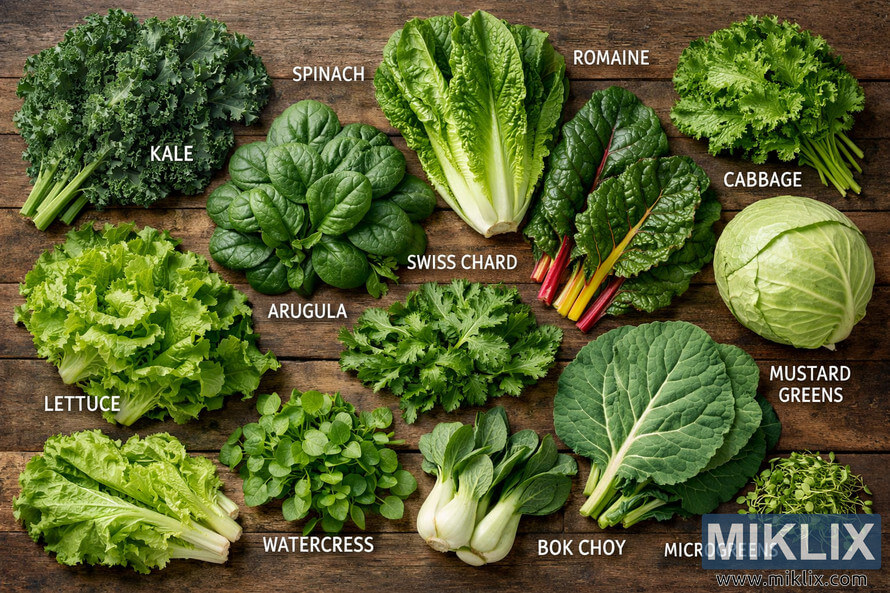
Many leafy greens offer excellent nutrition. Collards stand out in certain areas while other greens excel elsewhere. Understanding these differences helps you choose vegetables for specific health goals.
Kale has gained popularity as a superfood. Collards provide similar benefits with some advantages. Both belong to the cruciferous vegetables family and offer comparable nutrition.
Nutritional Comparisons
| Vegetable | Vitamin K (% DV) | Calcium (mg) | Fiber (g) | Calories |
| Collard Greens | 1045% | 266 | 5.3 | 49 |
| Kale | 1062% | 177 | 2.6 | 33 |
| Spinach | 888% | 245 | 4.3 | 41 |
| Swiss Chard | 716% | 102 | 3.7 | 35 |
이미지를 클릭하거나 탭하면 자세한 정보와 더 높은 해상도를 볼 수 있습니다.
Advantages of Collards
Collards provide more calcium than kale per serving. Their calcium bioavailability exceeds that of spinach. People seeking plant-based calcium sources benefit greatly from collards.
The fiber content in collards surpasses most other leafy greens. This higher fiber supports better digestive health. Collards also maintain their structure better when cooked.
Why Choose Collards
- Higher calcium than most greens
- Better calcium absorption
- More fiber per serving
- Milder taste than kale
- Sturdier leaves for cooking
- Lower oxalate than spinach
Best Uses for Each Green
- Collards: Traditional cooking, wraps
- Kale: Salads, smoothies, chips
- Spinach: Quick cooking, raw salads
- Swiss chard: Sautéing, side dishes
Frequently Asked Questions About Collard Greens
Can I eat collard greens raw?
Yes, you can eat raw collard greens. However, cooking makes them easier to digest and reduces goitrogen content. Raw collards work well in smoothies or thinly sliced in salads. Massaging raw leaves with lemon juice and olive oil softens them and improves flavor. Most people find cooked collards more palatable and easier on digestion.
How often should I eat collard greens for health benefits?
Aim to consume collard greens 2-3 times weekly for optimal health benefits. This frequency provides consistent nutrient intake without excessive amounts. You can increase frequency if you enjoy them daily. People taking blood thinners should maintain consistent intake rather than varying amounts dramatically. Include other cruciferous vegetables in your diet for variety and comprehensive nutrition.
Do collard greens lose nutrients when cooked?
Cooking reduces some nutrients while improving others. Vitamin C decreases with heat exposure. However, cooking breaks down cell walls, making some nutrients more available. Steaming preserves most vitamins while making minerals more accessible. Brief cooking times minimize nutrient loss. Adding a small amount of olive oil during cooking improves absorption of fat-soluble vitamins like vitamin K and vitamin A.
Are frozen collard greens as nutritious as fresh?
Frozen collard greens retain most nutritional value. Vegetables freeze at peak ripeness, preserving nutrients. Studies show minimal difference between fresh and frozen greens nutritionally. Frozen collards offer convenience and longer storage. They work perfectly in cooked dishes. Choose packages without added sauces or seasonings for healthiest options. Both fresh and frozen collards provide excellent health benefits.
Why do my collard greens taste bitter?
Bitterness in collards comes from natural compounds called glucosinolates. Older, larger leaves taste more bitter than younger ones. Proper cooking reduces bitterness significantly. Adding acidic ingredients like lemon juice or vinegar balances bitter flavors. A pinch of sugar or honey also counters bitterness. Cooking collards with garlic, onions, or other aromatics masks bitter notes. Blanching before other cooking methods removes some bitter compounds.
Can collard greens help with weight loss?
Collard greens support weight loss through multiple mechanisms. Their low calorie density allows large portions without excessive calories. High fiber content promotes fullness and reduces appetite. One cup contains only 49 calories but provides substantial volume. The fiber slows digestion, creating lasting satiety. Collards also provide nutrients essential for metabolism. Replace higher-calorie foods with collards to reduce overall calorie intake while maintaining nutrition and satisfaction.
Conclusion: Making Collard Greens Part of Your Healthy Lifestyle
Collard greens deserve recognition as one of the most nutritious vegetables available. Their impressive vitamin and mineral content supports numerous body functions. From heart health to bone strength, these greens provide comprehensive benefits.
The health benefits of collards extend beyond basic nutrition. Their fiber supports digestion and weight loss efforts. Antioxidants and anti-inflammatory compounds protect against chronic diseases. Regular consumption may reduce the risk of developing various health conditions.
Adding collard greens to your diet requires minimal effort. These versatile vegetables adapt to many cooking methods and recipes. Whether steamed, sautéed, or braised, collards deliver consistent nutritional value.
Start incorporating collards gradually if they are new to your diet. Begin with small portions and experiment with different preparations. Find cooking methods and flavor combinations you enjoy. Consistency matters more than quantity for long-term health benefits.
The cruciferous vegetables family offers powerful health protection. Collard greens stand out among these vegetables for calcium content and versatility. People seeking plant-based nutrition find collards particularly valuable.
Consider your individual health needs when adding collard greens to your diet. Those taking medications should consult healthcare providers about appropriate intake. Most people can safely enjoy collards as part of balanced nutrition.
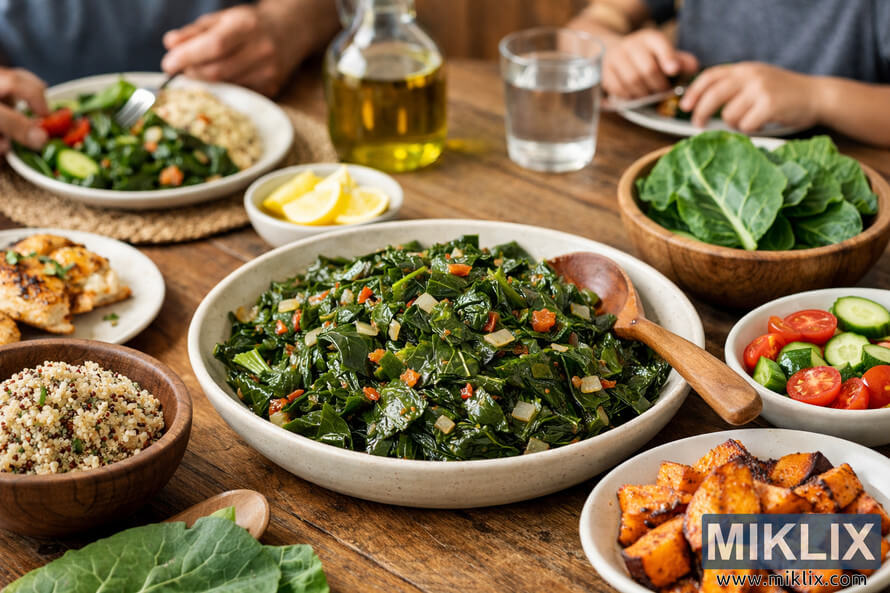
Remember that no single food creates optimal health. Collard greens work best as part of diverse, whole-food diet. Combine them with other vegetables, whole grains, and quality proteins. This approach ensures comprehensive nutrient intake.
Your body will thank you for including these nutrient-dense greens. The vitamins, minerals, and beneficial compounds in collards support wellness at every level. Make collard greens a regular part of your meals and experience their remarkable health benefits.
이미지를 클릭하거나 탭하면 자세한 정보와 더 높은 해상도를 볼 수 있습니다.
추가 자료
이 글이 마음에 드셨다면 다음 제안도 마음에 드실 겁니다.