
Shallots: The Small Vegetable with Big Nutritional Benefits
ପ୍ରକାଶିତ:
ଶେଷ ଥର ପାଇଁ ଅଦ୍ୟତନ ହୋଇଥିଲା: 10:49:34 PM UTC ଠାରେ ଅଗଷ୍ଟ 5, 2026
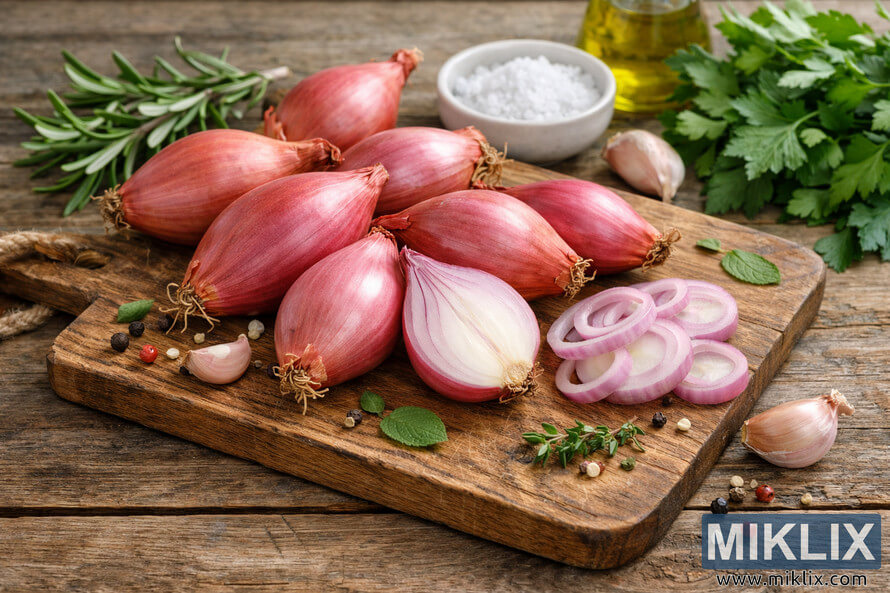
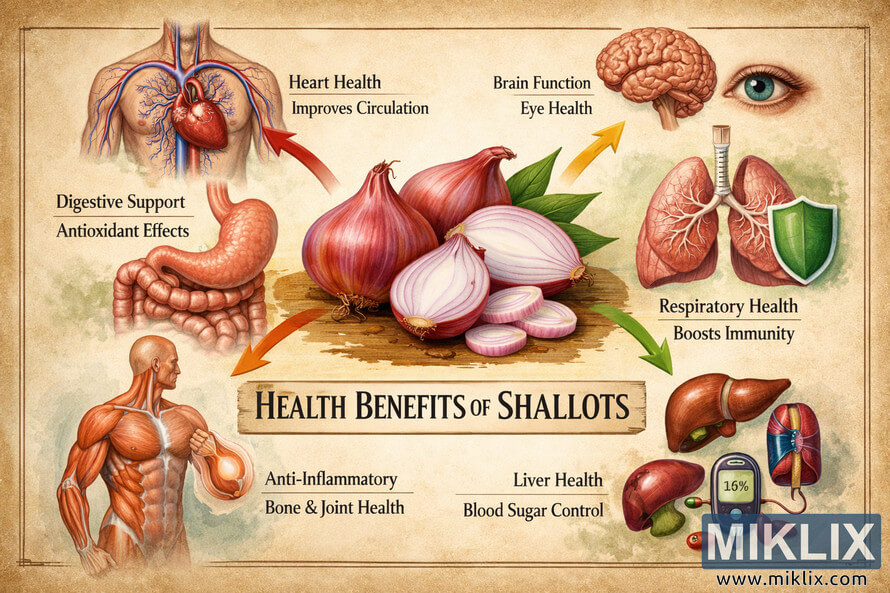
Shallots often hide in the shadows of their more popular cousins, onions and garlic. Yet these small, copper-skinned bulbs pack remarkable health benefits that deserve attention. From supporting heart health to helping regulate blood sugar levels, shallots contain powerful compounds that can transform your wellness journey.
Shallots: The Small Vegetable with Big Nutritional Benefits
ଅଧିକ ସୂଚନା ଏବଂ ଉଚ୍ଚ ରିଜୋଲ୍ୟୁସନ୍ ପାଇଁ ପ୍ରତିଛବି ଉପରେ କ୍ଲିକ୍ କିମ୍ବା ଟାପ୍ କରନ୍ତୁ।
This comprehensive guide explores the science-backed health benefits of shallots. You'll discover their nutritional profile, learn how compounds shallots contain can protect your body, and find practical ways to add them to your diet.
What Are Shallots and How Do They Differ from Onions?
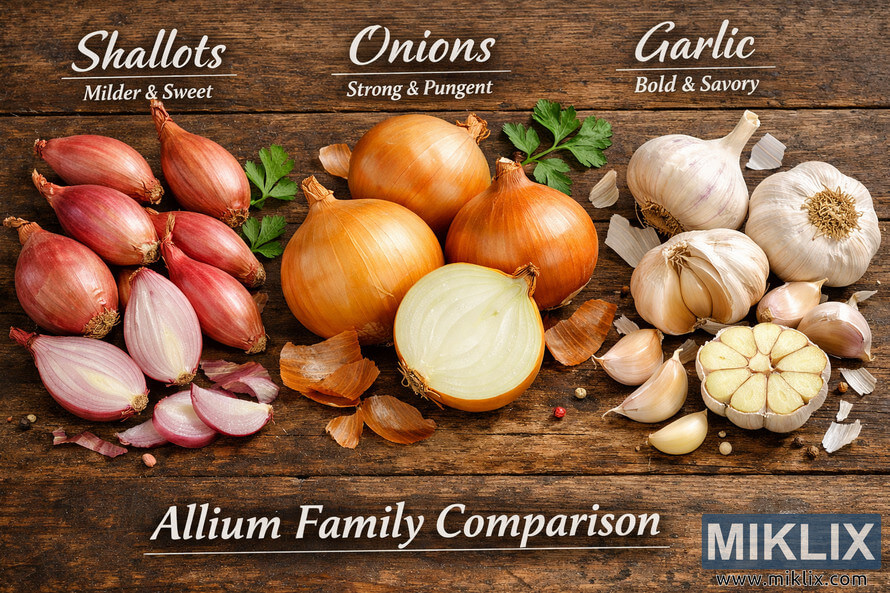
Shallots are a type of onion that belongs to the allium family, alongside garlic, leeks, and common onions. These small bulbs grow in clusters and feature a distinctive elongated shape with thin, papery, copper-colored skin. The flavor profile sets shallots apart from regular onions.
While onions deliver a sharp, pungent taste, shallots offer a milder, sweeter flavor with subtle garlic notes. This makes them perfect for delicate sauces and dressings where you want depth without overwhelming other ingredients.
ଅଧିକ ସୂଚନା ଏବଂ ଉଚ୍ଚ ରିଜୋଲ୍ୟୁସନ୍ ପାଇଁ ପ୍ରତିଛବି ଉପରେ କ୍ଲିକ୍ କିମ୍ବା ଟାପ୍ କରନ୍ତୁ।
The Allium Family Connection
The allium family includes some of the most health-promoting vegetables available. Members of this family share similar beneficial compounds that contribute to their protective effects. Shallots contain many of the same antioxidants found in garlic and onions, though in different concentrations.
Research shows that people who regularly consume allium vegetables experience lower rates of certain chronic diseases. The compounds shallots and their relatives contain work together to support your immune system and reduce inflammation throughout your body.
Shallot Characteristics
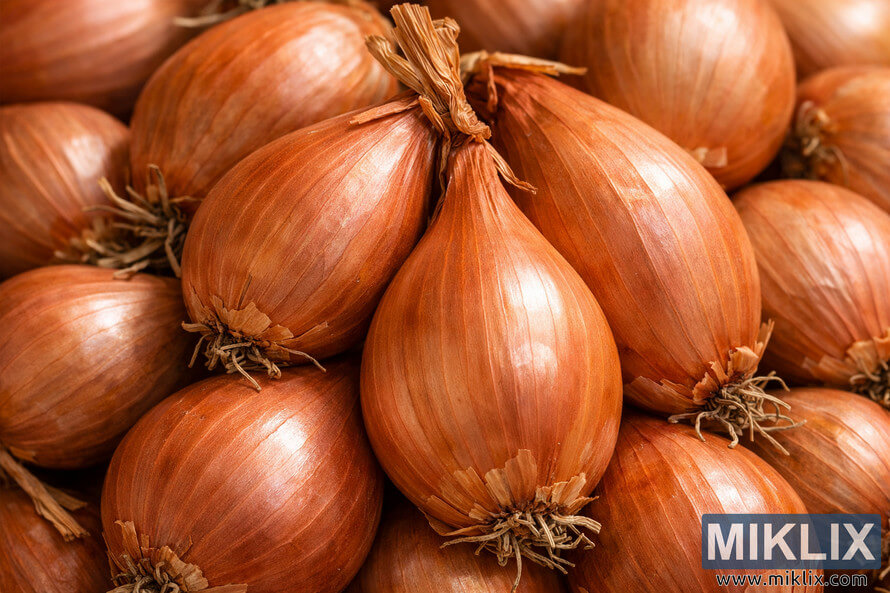
- Elongated, tapered bulb shape
- Copper to reddish-brown skin
- Grows in clusters like garlic
- Sweet, mild flavor with garlic hints
- Smaller size than most onions
- Purple-tinged white flesh inside
ଅଧିକ ସୂଚନା ଏବଂ ଉଚ୍ଚ ରିଜୋଲ୍ୟୁସନ୍ ପାଇଁ ପ୍ରତିଛବି ଉପରେ କ୍ଲିକ୍ କିମ୍ବା ଟାପ୍ କରନ୍ତୁ।
Nutritional Profile: What Makes Shallots a Superfood
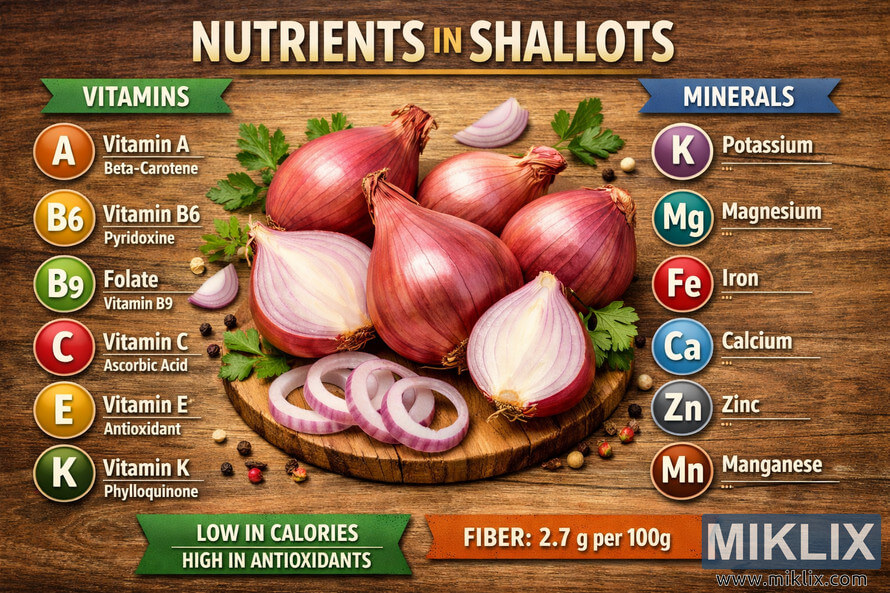
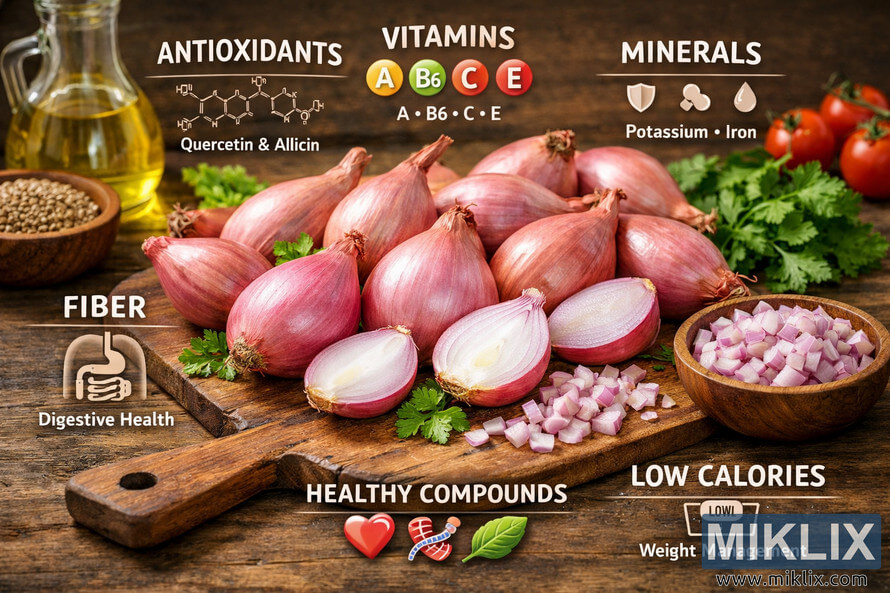
Shallots pack impressive nutrition into their small size. A 100-gram serving provides essential vitamins and minerals while keeping calories remarkably low. Understanding what shallots contain helps explain their wide-ranging health benefits.
ଅଧିକ ସୂଚନା ଏବଂ ଉଚ୍ଚ ରିଜୋଲ୍ୟୁସନ୍ ପାଇଁ ପ୍ରତିଛବି ଉପରେ କ୍ଲିକ୍ କିମ୍ବା ଟାପ୍ କରନ୍ତୁ।
Vitamins and Minerals in Shallots
Shallots serve as an excellent source of several key nutrients. They're particularly rich in vitamin C, which supports immune function and acts as a powerful antioxidant. The vitamin A content promotes eye health and skin integrity.
B vitamins in shallots help your body convert food into energy. Folate, also known as vitamin B9, plays a crucial role in cell division and DNA synthesis. This makes shallots especially valuable for people planning pregnancy or supporting overall cellular health.
| Nutrient | Amount per 100g | % Daily Value | Primary Benefit |
| Calories | 72 kcal | 4% | Energy source |
| Protein | 2.5 g | 5% | Muscle maintenance |
| Fiber | 3.2 g | 13% | Digestive health |
| Vitamin C | 8 mg | 13% | Immune support |
| Vitamin A | 1200 IU | 24% | Eye health |
| Folate | 34 mcg | 9% | Cell division |
| Potassium | 334 mg | 10% | Blood pressure regulation |
| Manganese | 0.29 mg | 15% | Antioxidant function |
Powerful Antioxidants and Phytochemicals
The true power of shallots lies in their antioxidant compounds. These substances protect your cells from damage caused by free radicals. Quercetin, one of the primary antioxidants in shallots, has been extensively studied for its anti-inflammatory properties.
Allicin and other sulfur-containing compounds give shallots their characteristic aroma. These same compounds also help reduce oxidative stress in your body. Research suggests these antioxidants may help prevent chronic diseases and support healthy aging.
Important Note: The antioxidant content in shallots remains highest when eaten raw or lightly cooked. High heat can reduce some beneficial compounds, though cooked shallots still offer significant health benefits.
Science-Backed Health Benefits of Shallots
The health benefits of shallots extend far beyond basic nutrition. Scientific research reveals how compounds shallots contain can protect against disease and promote wellness. Let's explore the evidence-based advantages of adding shallots to your diet.
Blood Sugar Control and Diabetes Management
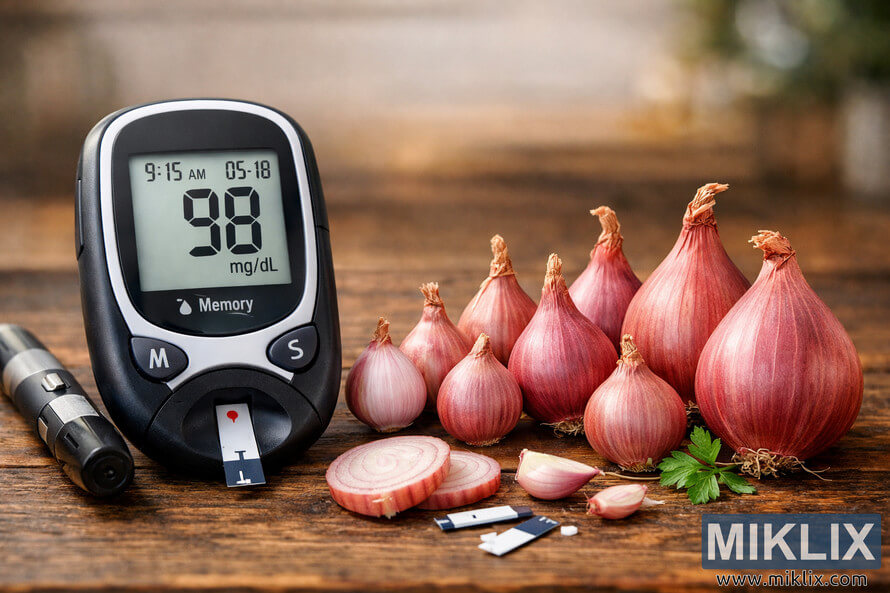
Shallots contain compounds that help regulate blood sugar levels effectively. Studies show that allium vegetables can improve insulin sensitivity and glucose metabolism. This makes them particularly valuable for people with diabetes or those at risk.
The fiber content in shallots slows down sugar absorption in your bloodstream. This prevents the rapid blood sugar spikes that can occur after meals. Regular consumption may also help reduce fasting blood sugar levels over time.
Research indicates that the antioxidants in shallots protect pancreatic cells that produce insulin. By preserving these cells, shallots help maintain your body's natural ability to regulate blood sugar. This protective effect makes them a smart addition to any diabetes-prevention diet.
ଅଧିକ ସୂଚନା ଏବଂ ଉଚ୍ଚ ରିଜୋଲ୍ୟୁସନ୍ ପାଇଁ ପ୍ରତିଛବି ଉପରେ କ୍ଲିକ୍ କିମ୍ବା ଟାପ୍ କରନ୍ତୁ।
How Shallots Help Manage Blood Sugar
- Improve insulin sensitivity in cells
- Slow glucose absorption after meals
- Protect insulin-producing pancreatic cells
- Reduce fasting blood sugar levels
- Support healthy glucose metabolism
ଅଧିକ ସୂଚନା ଏବଂ ଉଚ୍ଚ ରିଜୋଲ୍ୟୁସନ୍ ପାଇଁ ପ୍ରତିଛବି ଉପରେ କ୍ଲିକ୍ କିମ୍ବା ଟାପ୍ କରନ୍ତୁ।
Heart Health and Cardiovascular Protection
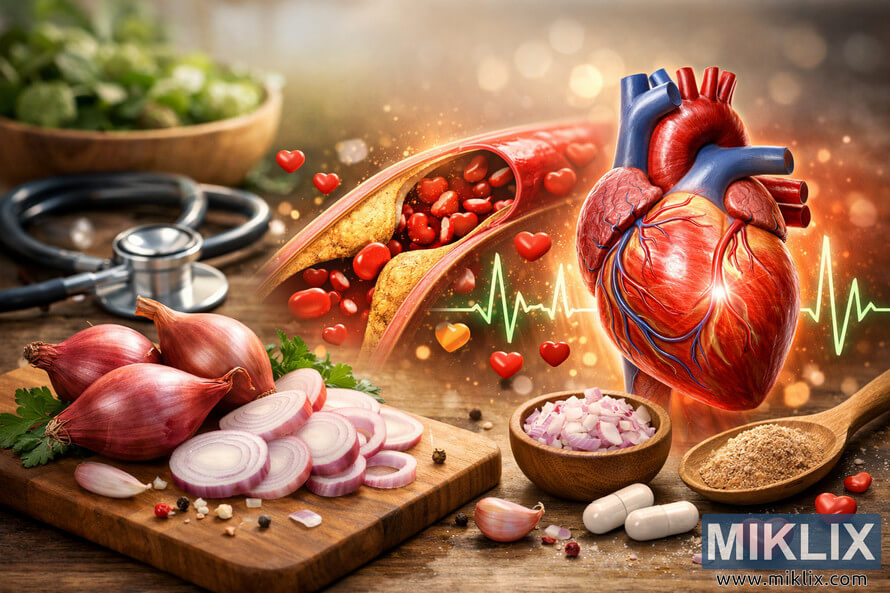
The health benefits of shallots for your heart are substantial and well-documented. Multiple compounds work together to support cardiovascular function. These vegetables help reduce several major risk factors for heart disease.
Shallots help prevent dangerous blood clots from forming in your blood vessels. The sulfur compounds act as natural blood thinners, reducing platelet aggregation. This protective mechanism can lower your risk of heart attack and stroke.
Research shows that regular consumption of allium vegetables like shallots can help reduce blood pressure. The potassium content supports healthy blood vessel function, while antioxidants help keep arteries flexible and clear.
ଅଧିକ ସୂଚନା ଏବଂ ଉଚ୍ଚ ରିଜୋଲ୍ୟୁସନ୍ ପାଇଁ ପ୍ରତିଛବି ଉପରେ କ୍ଲିକ୍ କିମ୍ବା ଟାପ୍ କରନ୍ତୁ।
Cholesterol Management
Shallots contain compounds that can help improve your cholesterol profile. Studies indicate they may help reduce LDL cholesterol while supporting healthy HDL levels. This balance is crucial for preventing arterial plaque buildup.
The fiber in shallots binds to cholesterol in your digestive system. This prevents absorption and helps your body eliminate excess cholesterol naturally. Combined with their antioxidant properties, this makes shallots powerful allies for heart health.
Research Insight: A study published in the Journal of Nutrition found that people who consumed allium vegetables regularly had significantly lower rates of cardiovascular disease compared to those who rarely ate them.
Cancer Prevention Properties
Emerging research suggests that compounds shallots contain may help prevent certain types of cancer. The organosulfur compounds show promise in laboratory studies for inhibiting cancer cell growth. While more human research is needed, the preliminary evidence is encouraging.
Antioxidants in shallots help fight free radicals that can damage DNA. This protective effect may reduce the risk of cellular mutations that lead to cancer. The quercetin content also demonstrates anti-cancer properties in various studies.
Population studies show that people who regularly eat allium vegetables have lower rates of stomach and colorectal cancer. The compounds help detoxify carcinogens and support your body's natural defense mechanisms against abnormal cell growth.
Anti-Inflammatory and Antioxidant Effects
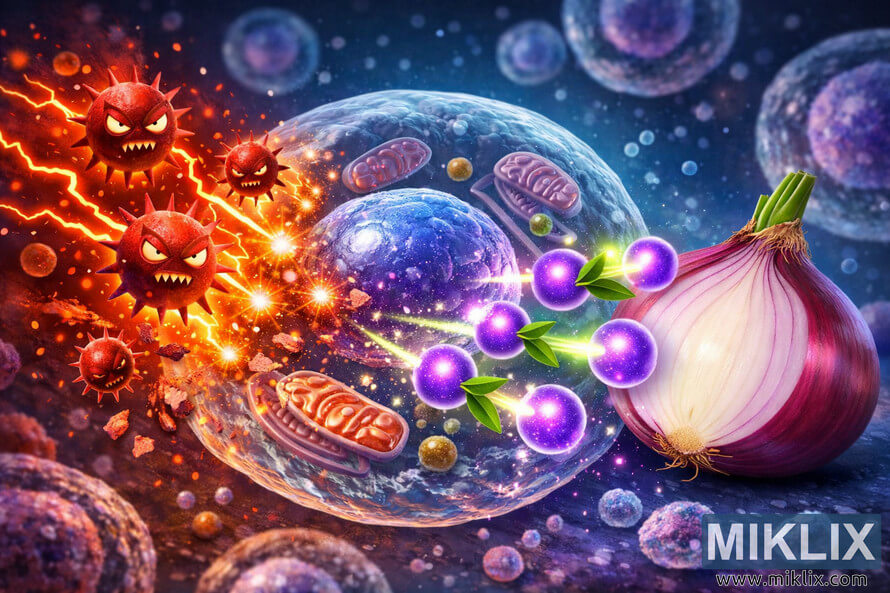
Chronic inflammation underlies many serious health conditions. Shallots contain powerful anti-inflammatory compounds that can help reduce this damaging inflammation. The quercetin in shallots particularly excels at calming inflammatory responses.
These vegetables help reduce oxidative stress throughout your body. Free radicals constantly attack your cells, but antioxidants neutralize these harmful molecules. Regular consumption of shallots strengthens your cellular defenses against oxidative damage.
ଅଧିକ ସୂଚନା ଏବଂ ଉଚ୍ଚ ରିଜୋଲ୍ୟୁସନ୍ ପାଇଁ ପ୍ରତିଛବି ଉପରେ କ୍ଲିକ୍ କିମ୍ବା ଟାପ୍ କରନ୍ତୁ।
Joint Health and Arthritis Relief
The anti-inflammatory properties also help reduce joint pain and stiffness. People with arthritis may find relief from symptoms when they regularly include shallots in their diet. The compounds help decrease inflammation in joints and surrounding tissues.
Immune System Support
Shallots provide multiple benefits for your immune system. The vitamin C content supports white blood cell production and function. These cells form your body's first line of defense against infections and disease.
The antiviral properties of shallots help your body fight off viral infections. Studies show that compounds in allium vegetables can inhibit the replication of certain viruses. This makes them valuable during cold and flu season.
Antimicrobial compounds also help fight bacterial infections naturally. The sulfur compounds demonstrate antibacterial activity against various harmful bacteria. This protective effect supports your overall immune function and helps prevent illness.
Immune Benefits
- Boost white blood cell production
- Provide antiviral properties against common viruses
- Offer antibacterial compounds for infection prevention
- Supply vitamin C for immune function
- Support overall immune system strength
Protective Compounds
- Quercetin reduces inflammation
- Allicin fights microorganisms
- Sulfur compounds boost detoxification
- Vitamin A supports mucous membranes
- Antioxidants protect immune cells
Digestive Health Benefits
The fiber content in shallots promotes healthy digestion and regular bowel movements. This dietary fiber feeds beneficial gut bacteria, supporting a balanced microbiome. A healthy gut contributes to better overall health and stronger immunity.
Prebiotic compounds in shallots nourish probiotic bacteria in your intestines. These friendly bacteria help digest food, produce vitamins, and protect against harmful pathogens. The relationship between shallots and gut health creates lasting wellness benefits.
Bone Health and Mineral Support
Shallots contain minerals essential for maintaining strong bones. The manganese supports bone formation and helps prevent bone loss. Combined with other minerals, this makes shallots valuable for skeletal health.
Research suggests that allium vegetables may help reduce the risk of osteoporosis. The compounds help prevent excessive bone breakdown while supporting new bone formation. This balance becomes increasingly important as we age.
How Shallots Compare to Onions and Garlic
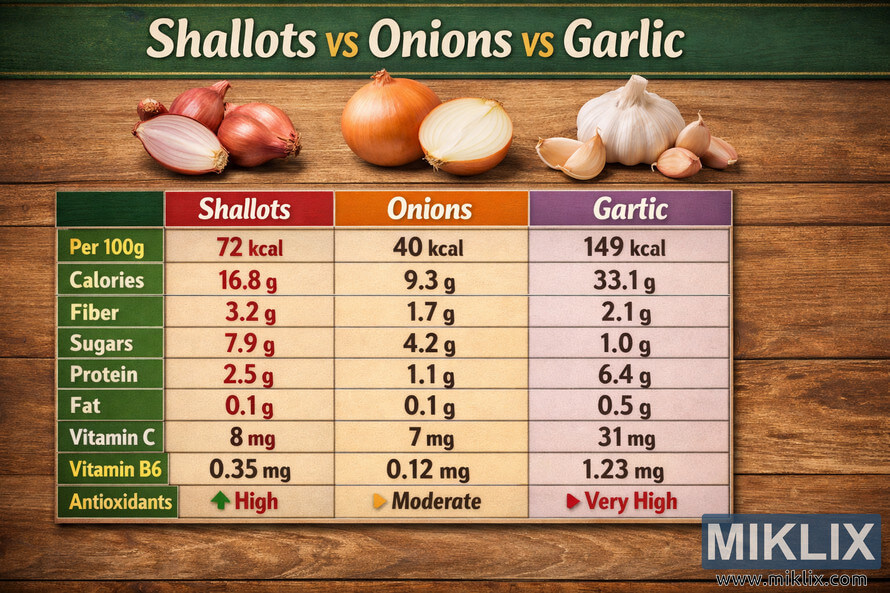
Understanding how shallots stack up against their allium relatives helps you make informed dietary choices. While all members of this family offer health benefits, each has unique advantages. Let's compare the nutritional profiles and beneficial compounds.
ଅଧିକ ସୂଚନା ଏବଂ ଉଚ୍ଚ ରିଜୋଲ୍ୟୁସନ୍ ପାଇଁ ପ୍ରତିଛବି ଉପରେ କ୍ଲିକ୍ କିମ୍ବା ଟାପ୍ କରନ୍ତୁ।
Nutritional Differences
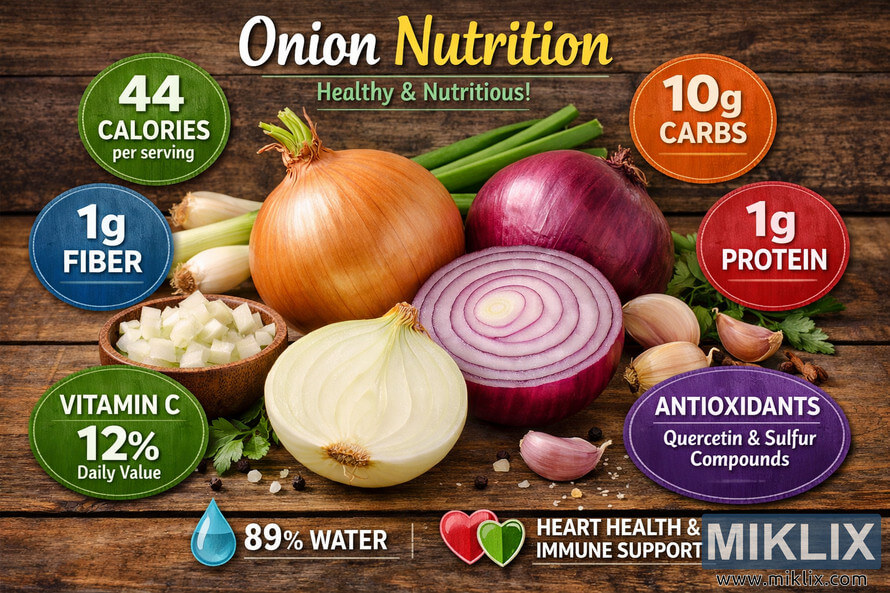
Shallots contain higher concentrations of certain minerals compared to regular onions. They provide more manganese, potassium, and vitamin A per serving. However, onions offer more vitamin C and fiber in the same portion size.
Garlic exceeds both shallots and onions in allicin content, the compound responsible for many antimicrobial benefits. Yet shallots provide a broader range of antioxidants, including higher levels of quercetin. Each vegetable brings its own nutritional strengths to your diet.
Shallots
- Highest quercetin content
- Rich in vitamin A
- Excellent manganese source
- Sweet, complex flavor
- Moderate allicin levels
ଅଧିକ ସୂଚନା ଏବଂ ଉଚ୍ଚ ରିଜୋଲ୍ୟୁସନ୍ ପାଇଁ ପ୍ରତିଛବି ଉପରେ କ୍ଲିକ୍ କିମ୍ବା ଟାପ୍ କରନ୍ତୁ।
Onions
- High vitamin C content
- Most fiber per serving
- Strong anti-inflammatory effects
- Bold, pungent flavor
- Widely available and affordable
ଅଧିକ ସୂଚନା ଏବଂ ଉଚ୍ଚ ରିଜୋଲ୍ୟୁସନ୍ ପାଇଁ ପ୍ରତିଛବି ଉପରେ କ୍ଲିକ୍ କିମ୍ବା ଟାପ୍ କରନ୍ତୁ।
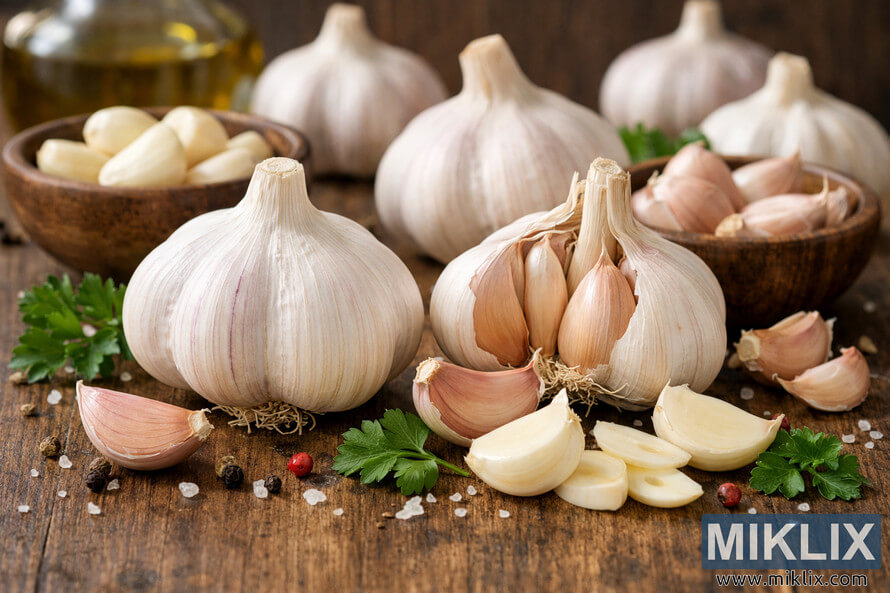
Garlic
- Highest allicin concentration
- Powerful antimicrobial properties
- Strong cardiovascular benefits
- Intense, distinctive flavor
- Rich in selenium
ଅଧିକ ସୂଚନା ଏବଂ ଉଚ୍ଚ ରିଜୋଲ୍ୟୁସନ୍ ପାଇଁ ପ୍ରତିଛବି ଉପରେ କ୍ଲିକ୍ କିମ୍ବା ଟାପ୍ କରନ୍ତୁ।
When to Choose Each Vegetable
Your health goals and culinary needs should guide your selection. For blood sugar management, shallots provide an excellent choice due to their specific compound profile. When fighting infections, garlic's superior allicin content makes it the top pick.
The best approach involves rotating all three vegetables in your diet. This diversity ensures you receive the full spectrum of health benefits. Each type of onion offers complementary nutrients and protective compounds.
How to Incorporate Shallots Into Your Diet
Adding shallots to your meals is easier than you might think. Their versatile flavor enhances both raw and cooked dishes. These practical tips help you maximize the health benefits while enjoying delicious food.

ଅଧିକ ସୂଚନା ଏବଂ ଉଚ୍ଚ ରିଜୋଲ୍ୟୁସନ୍ ପାଇଁ ପ୍ରତିଛବି ଉପରେ କ୍ଲିକ୍ କିମ୍ବା ଟାପ୍ କରନ୍ତୁ।
Raw Shallot Preparations
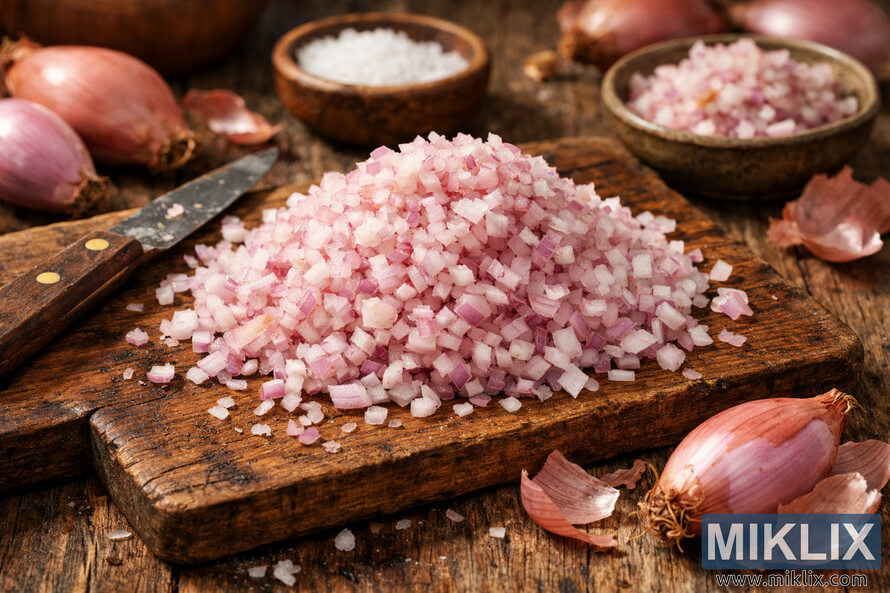
Raw shallots preserve maximum antioxidant content and provide the strongest health benefits. Their mild flavor works beautifully in fresh applications. Thinly slice them for salads or mince them for vinaigrettes and salsas.
Pickling shallots creates a tangy condiment that maintains most beneficial compounds. The acidic environment preserves antioxidants while mellowing the sharp bite. These pickled shallots add flavor and nutrition to sandwiches and grain bowls.
Quick Raw Shallot Ideas
- Thinly slice over fresh green salads for sweet crunch
- Mince into homemade salad dressings and marinades
- Add to fresh salsas and relishes for depth
- Pickle whole small shallots for gourmet garnishes
- Combine with citrus juice for ceviche preparations
- Fold minced shallots into butter for compound spreads
ଅଧିକ ସୂଚନା ଏବଂ ଉଚ୍ଚ ରିଜୋଲ୍ୟୁସନ୍ ପାଇଁ ପ୍ରତିଛବି ଉପରେ କ୍ଲିକ୍ କିମ୍ବା ଟାପ୍ କରନ୍ତୁ।
Cooked Shallot Applications
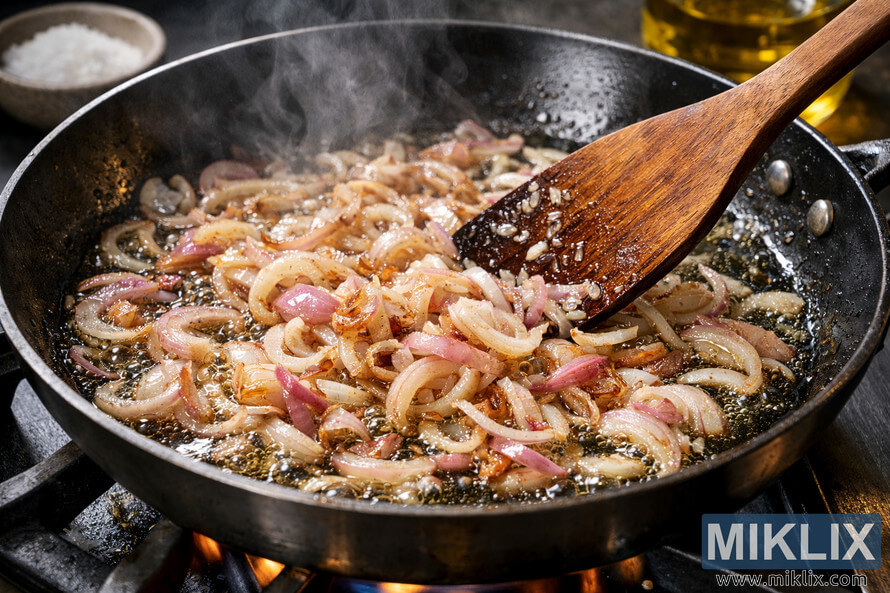
Cooking shallots develops their natural sweetness while creating rich, complex flavors. Gentle sautéing preserves many health benefits while transforming texture. The compounds shallots contain remain largely intact with proper cooking methods.
Roasting whole shallots caramelizes their natural sugars and creates a buttery texture. This method concentrates flavors while maintaining nutritional value. Roasted shallots make excellent side dishes or additions to other preparations.
- Cooking Methods That Preserve Nutrients
- Quick sautéing over medium heat for 3-5 minutes
- Gentle roasting at 375°F until tender but not brown
- Light steaming to soften while retaining crispness
- Brief blanching before adding to other dishes
- Slow cooking in soups and stews for flavor infusion
ଅଧିକ ସୂଚନା ଏବଂ ଉଚ୍ଚ ରିଜୋଲ୍ୟୁସନ୍ ପାଇଁ ପ୍ରତିଛବି ଉପରେ କ୍ଲିକ୍ କିମ୍ବା ଟାପ୍ କରନ୍ତୁ।
Daily Serving Recommendations
Health experts suggest consuming one to two shallots daily for optimal benefits. This amount provides therapeutic doses of beneficial compounds without overwhelming your diet. Start with smaller amounts if you're new to shallots.
People sensitive to alliums should begin cautiously and monitor their response. The fiber and sulfur compounds can cause digestive discomfort in some individuals. Gradually increasing intake allows your body to adapt comfortably.
Store shallots in a cool, dark, dry place with good air circulation. Properly stored shallots last several months and maintain their nutritional value. Avoid refrigeration unless they're already peeled or cut.
Delicious Shallot Recipe Ideas
Breakfast Options
- Add minced shallots to scrambled eggs or omelets
- Include in breakfast hash with potatoes and vegetables
- Mix into savory oatmeal bowls with cheese and greens
- Top avocado toast with thinly sliced raw shallots
Lunch and Dinner Preparations
- Create creamy shallot soup with roasted vegetables
- Toss with pasta, olive oil, and fresh herbs
- Add to stir-fries with garlic and ginger
- Layer into sandwiches and wraps for extra flavor
- Roast alongside chicken or fish for complete meals
- Incorporate into grain bowls with quinoa or rice
Precautions and Potential Side Effects
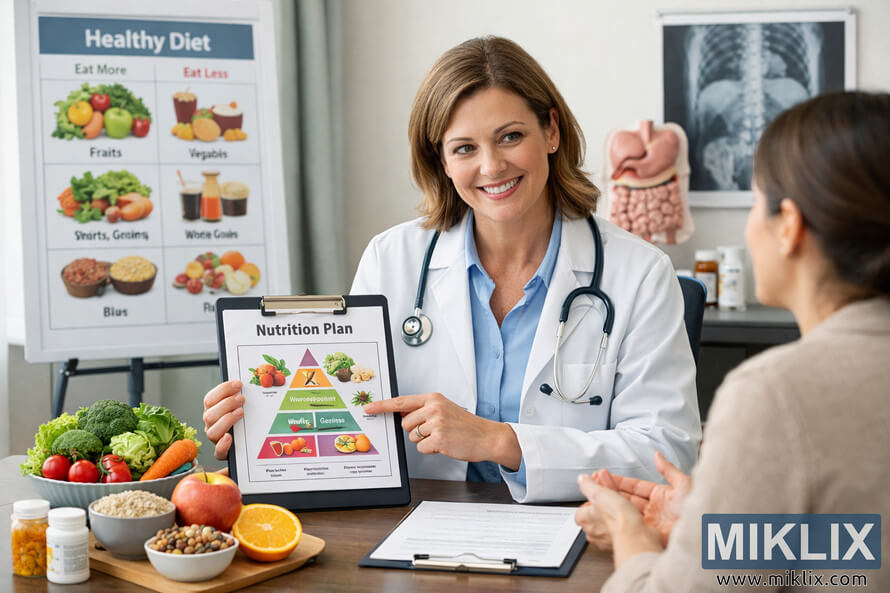
While shallots offer tremendous health benefits, certain people should exercise caution. Understanding potential interactions and side effects helps you consume shallots safely. Most people tolerate them well, but awareness prevents problems.
ଅଧିକ ସୂଚନା ଏବଂ ଉଚ୍ଚ ରିଜୋଲ୍ୟୁସନ୍ ପାଇଁ ପ୍ରତିଛବି ଉପରେ କ୍ଲିକ୍ କିମ୍ବା ଟାପ୍ କରନ୍ତୁ।
Digestive Considerations
Some people experience gas or bloating after eating shallots. The fiber and sulfur compounds can challenge sensitive digestive systems. Starting with small portions allows you to gauge your tolerance before increasing consumption.
People with irritable bowel syndrome may find shallots trigger symptoms. The FODMAPs in allium vegetables can cause discomfort for those with this condition. Work with a healthcare provider to determine if shallots fit your dietary needs.
Important Warning: Shallots are toxic to dogs and cats. Never feed shallots, onions, or garlic to pets. These vegetables can cause serious health problems including anemia in animals.
Medication Interactions
Shallots can interact with certain medications, particularly blood thinners. The natural anticoagulant properties may enhance the effects of warfarin and similar drugs. Always discuss dietary changes with your doctor if you take prescription medications.
People scheduled for surgery should stop eating large amounts of shallots at least two weeks before the procedure. The blood-thinning effects could increase bleeding risk during and after surgery. Inform your surgical team about your dietary habits.
Who Should Limit Shallot Consumption
- People taking blood-thinning medications like warfarin
- Individuals with upcoming scheduled surgeries
- Those with severe acid reflux or GERD symptoms
- People with diagnosed allium allergies or sensitivities
- Individuals with active stomach ulcers or gastritis
Allergic Reactions
True allium allergies are relatively rare but can occur. Symptoms may include skin rashes, itching, or digestive upset. Severe reactions can cause breathing difficulties and require immediate medical attention.
Some people develop contact dermatitis when handling raw shallots. Wearing gloves during preparation prevents skin irritation. If you notice recurring reactions, consult an allergist for proper testing.
Acid Reflux and Heartburn
Raw shallots can trigger acid reflux in susceptible individuals. The compounds may relax the lower esophageal sphincter, allowing stomach acid to escape. Cooking shallots thoroughly often reduces this effect significantly.
People with frequent heartburn should monitor their response to shallots carefully. Some find cooked shallots cause no problems while raw preparations trigger symptoms. Individual tolerance varies widely.
Selecting and Storing Shallots for Maximum Benefits
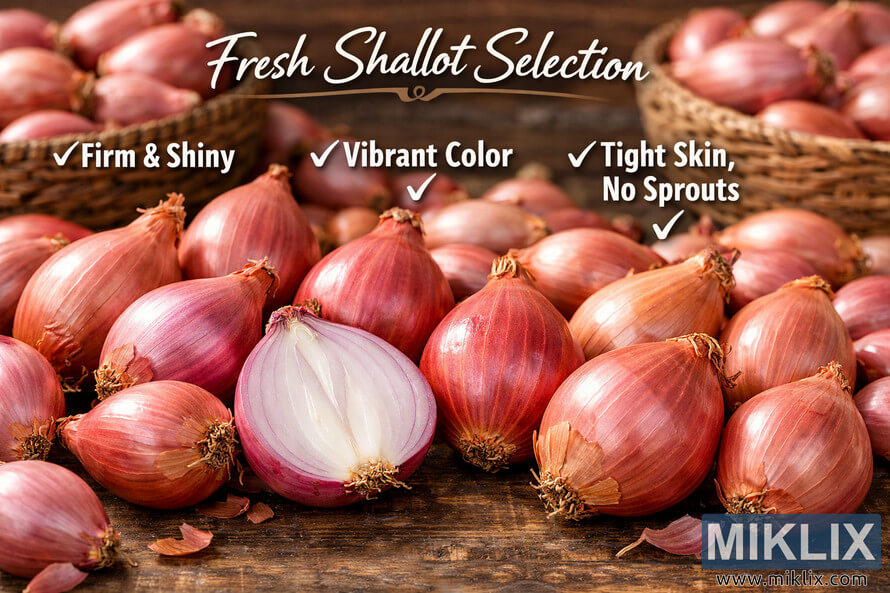
Proper selection and storage preserve the health benefits of shallots. Fresh, high-quality shallots provide maximum nutritional value. These guidelines help you choose the best bulbs and keep them fresh longer.
ଅଧିକ ସୂଚନା ଏବଂ ଉଚ୍ଚ ରିଜୋଲ୍ୟୁସନ୍ ପାଇଁ ପ୍ରତିଛବି ଉପରେ କ୍ଲିକ୍ କିମ୍ବା ଟାପ୍ କରନ୍ତୁ।
How to Choose Quality Shallots
Look for firm, heavy shallots with dry, papery skin. Avoid bulbs with soft spots, moisture, or green sprouts. The skin should be intact without major tears or damage. Size matters less than firmness and condition.
Fresh shallots feel solid when gently squeezed. They should have no odor until you cut into them. Any strong smell before peeling indicates spoilage or damage. Quality shallots store longer and provide better flavor.
Signs of Fresh Shallots
- Firm, solid bulbs without soft areas
- Dry, intact papery outer skin
- No visible sprouting or green shoots
- Heavy weight for their size
- No strong odor when uncut
- Uniform copper-brown coloring
Avoid Shallots With
- Soft, mushy spots or areas
- Visible mold or moisture
- Active green sprouting
- Strong odor before cutting
- Damaged or torn outer skin
- Unusually light weight
Proper Storage Methods
Store whole, unpeeled shallots in a cool, dark, dry location with good ventilation. A pantry or basement works perfectly. Avoid plastic bags, which trap moisture and promote spoilage. Use mesh bags or open baskets instead.
Properly stored shallots remain fresh for one to two months. Keep them away from potatoes, which release moisture and gases that speed spoilage. Check your stored shallots regularly and remove any that show signs of deterioration.
Storage Guidelines
- Place in mesh bags or open baskets for air circulation
- Store in cool location between 45-55°F when possible
- Keep in dark area away from direct sunlight
- Maintain low humidity to prevent mold growth
- Separate from potatoes and other produce
- Check weekly and remove any spoiling bulbs
Storing Cut Shallots
Once cut, shallots require refrigeration in airtight containers. They stay fresh for five to seven days when properly sealed. The cut surfaces oxidize and lose some antioxidants over time, so use them relatively quickly.
Freezing extends the life of chopped shallots significantly. Spread minced shallots on a tray to freeze individually, then transfer to freezer bags. This method preserves many health benefits for up to six months.
Growing Your Own Shallots at Home
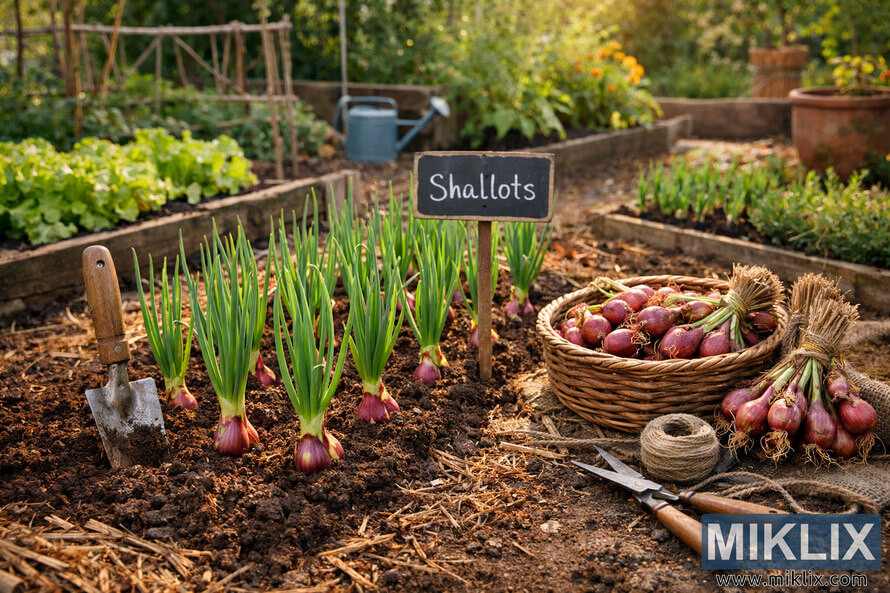
Growing shallots in your garden ensures access to the freshest, most nutritious bulbs. Home-grown shallots contain no pesticides and often have superior flavor. The process is simpler than you might expect.
Planting and Care Requirements
Shallots prefer well-drained soil rich in organic matter. Plant individual cloves in fall or early spring, depending on your climate. Space them four to six inches apart in rows. The pointed end should face upward, with the top barely covered by soil.
Water regularly but avoid overwatering, which can cause rot. Shallots need consistent moisture during bulb formation. Mulching helps retain soil moisture and suppress weeds. Remove any flower stalks that appear to direct energy toward bulb development.
Basic Growing Steps
- Choose a sunny location with well-draining soil
- Enrich soil with compost or aged manure before planting
- Plant cloves 1 inch deep with pointed end facing up
- Space plants 4-6 inches apart in rows 12 inches apart
- Water when soil feels dry one inch below surface
- Apply light fertilizer monthly during growing season
- Harvest when tops fall over and turn brown
Harvesting and Curing
- Harvest shallots when the tops fall over and begin drying. Gently lift bulbs from the soil and brush off excess dirt. Cure them in a dry, well-ventilated area for two to three weeks. This process concentrates flavors and extends storage life.
- After curing, trim roots and dried tops, leaving about an inch of stem. Store cured shallots following the guidelines mentioned earlier. Home-grown shallots often store even longer than purchased ones when properly cured.
ଅଧିକ ସୂଚନା ଏବଂ ଉଚ୍ଚ ରିଜୋଲ୍ୟୁସନ୍ ପାଇଁ ପ୍ରତିଛବି ଉପରେ କ୍ଲିକ୍ କିମ୍ବା ଟାପ୍ କରନ୍ତୁ।
Frequently Asked Questions About Shallots and Health
Can shallots really help lower blood sugar levels?
Yes, research shows that shallots can help regulate blood sugar levels through multiple mechanisms. They improve insulin sensitivity, slow glucose absorption, and protect pancreatic cells that produce insulin. Regular consumption may help reduce fasting blood sugar levels and improve overall glucose metabolism. However, shallots should complement, not replace, medical treatment for diabetes.
How many shallots should I eat daily for health benefits?
Most nutrition experts recommend consuming one to two medium shallots daily to experience health benefits. This amount provides therapeutic doses of beneficial compounds without overwhelming your digestive system. You can divide this amount across multiple meals. Start with smaller portions if you're new to eating shallots regularly, then gradually increase as your body adapts.
Are raw or cooked shallots healthier?
Raw shallots contain higher levels of certain antioxidants and enzymes that cooking can reduce. However, cooked shallots still provide substantial health benefits and may be easier to digest for some people. Light cooking methods like brief sautéing preserve most beneficial compounds. The best approach includes both raw and cooked shallots in your diet for maximum benefits and variety.
Can eating shallots help with weight loss?
Shallots can support weight management efforts in several ways. They're low in calories but high in fiber, which promotes feelings of fullness. The compounds help regulate blood sugar, reducing cravings and energy crashes. Additionally, the antioxidants support metabolic health. While shallots alone won't cause weight loss, they make an excellent addition to a balanced, calorie-controlled diet.
Do shallots have the same antibacterial properties as garlic?
Shallots do possess antibacterial and antimicrobial properties, though generally not as potent as garlic. Both contain allicin and other sulfur compounds that fight harmful bacteria. Shallots offer a broader range of antioxidants including higher quercetin levels. For maximum antimicrobial benefits, include both shallots and garlic in your diet rather than choosing one over the other.
Are shallots safe during pregnancy?
Shallots are generally safe to eat during pregnancy in normal food amounts. They provide folate and other nutrients beneficial for fetal development. However, pregnant women should avoid consuming extremely large quantities or taking concentrated shallot supplements. The natural blood-thinning properties warrant moderation. Always consult your healthcare provider about dietary choices during pregnancy.
Can shallots cause allergic reactions?
While relatively uncommon, some people do experience allergic reactions to shallots and other allium vegetables. Symptoms can include skin rashes, digestive upset, or in severe cases, difficulty breathing. Contact dermatitis from handling raw shallots is more common than food allergies. If you suspect an allium allergy, consult an allergist for proper testing and diagnosis.
How do shallots compare to onions nutritionally?
Shallots and onions share similar nutritional profiles with some key differences. Shallots contain more vitamin A, manganese, and quercetin than most onions. Regular onions provide slightly more vitamin C and fiber per serving. Both offer excellent health benefits, so the choice often comes down to flavor preference and recipe requirements. Including both in your diet provides optimal nutritional diversity.
Conclusion: Embracing Shallots for Better Health
The health benefits of shallots extend far beyond their delicious flavor. These small but mighty vegetables offer protection against chronic diseases, support cardiovascular health, and help regulate blood sugar levels. The compounds shallots contain work synergistically to reduce inflammation and oxidative stress throughout your body.
From supporting your immune system to promoting digestive health, shallots deserve a prominent place in your diet. Their versatility makes them easy to incorporate into countless dishes. Whether eaten raw or cooked, they deliver impressive nutritional value alongside exceptional taste.
Start small if you're new to cooking with shallots. Add them to one meal daily and notice how they enhance both flavor and nutrition. As you become more comfortable, experiment with different preparation methods. Your body will thank you for this simple yet powerful dietary addition.
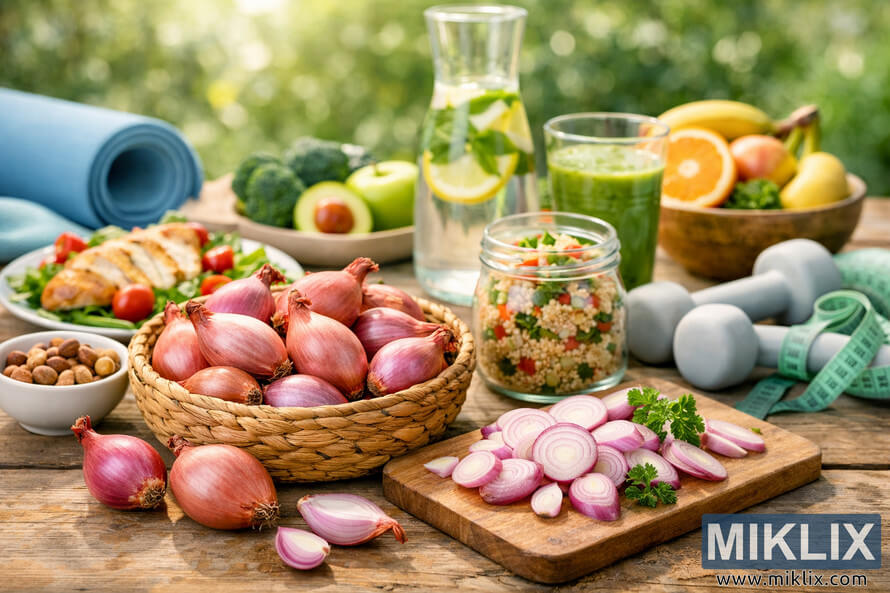
Remember that shallots work best as part of an overall healthy lifestyle. Combine them with other nutrient-dense foods, regular physical activity, and adequate sleep. These small changes accumulate into significant health improvements over time. Make shallots your delicious ally in the journey toward better health.
ଅଧିକ ସୂଚନା ଏବଂ ଉଚ୍ଚ ରିଜୋଲ୍ୟୁସନ୍ ପାଇଁ ପ୍ରତିଛବି ଉପରେ କ୍ଲିକ୍ କିମ୍ବା ଟାପ୍ କରନ୍ତୁ।
ଅଧିକ ପଠନ
ଯଦି ଆପଣ ଏହି ପୋଷ୍ଟକୁ ଉପଭୋଗ କରିଛନ୍ତି, ତେବେ ଆପଣଙ୍କୁ ଏହି ପରାମର୍ଶଗୁଡ଼ିକ ମଧ୍ୟ ପସନ୍ଦ ଆସିପାରେ:
- ଓମେଗା ଗୋଲ୍ଡ: ନିୟମିତ ସାଲମନ ଖାଇବାର ସ୍ୱାସ୍ଥ୍ୟ ଲାଭ
- ହର୍ସରାଡିସ୍ର ଶକ୍ତିଶାଳୀ ସ୍ୱାସ୍ଥ୍ୟ ଲାଭ: ଏକ ସମ୍ପୂର୍ଣ୍ଣ ମାର୍ଗଦର୍ଶିକା
- ପତ୍ରରୁ ଜୀବନକୁ: ଚା କିପରି ଆପଣଙ୍କ ସ୍ୱାସ୍ଥ୍ୟକୁ ପରିବର୍ତ୍ତନ କରେ