
A Guide to the Health Benefits of Basil
Opublikowano:
Ostatnia aktualizacja: 21 maja 2026 16:07:47 UTC
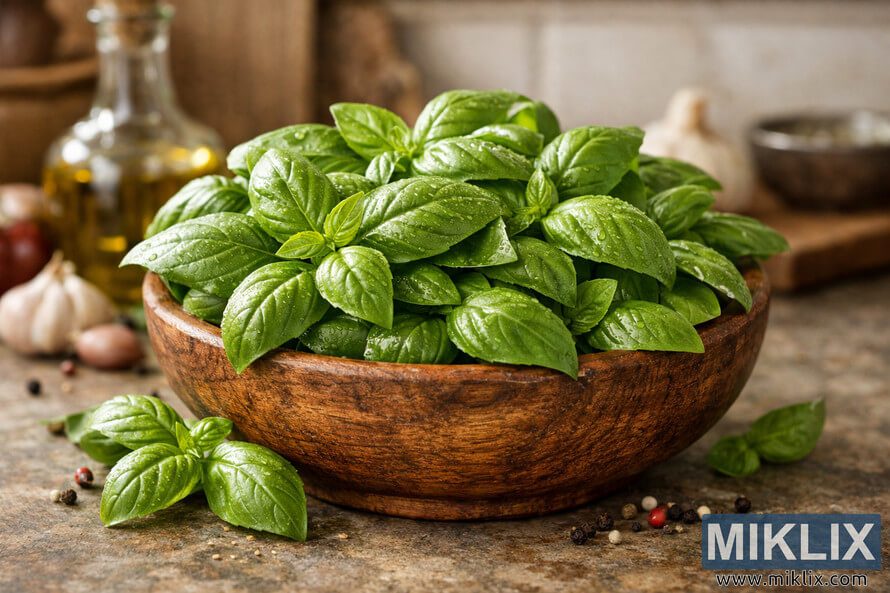
Basil stands as one of the most beloved herbs in kitchens worldwide. This aromatic plant delivers far more than exceptional flavor to your favorite dishes. The health benefits of basil extend deep into nutrition and wellness.
A Guide to the Health Benefits of Basil
Kliknij lub dotknij obrazu, aby uzyskać więcej informacji i wyższą rozdzielczość.
People have used this remarkable herb for thousands of years in traditional medicine. Modern science now confirms what ancient healers knew intuitively. Basil contains powerful compounds that support your body in numerous ways.
This comprehensive guide explores everything you need to know about basil's impact on health. You'll discover its nutritional profile, key health benefits, and practical ways to add basil to your daily routine.
The Nutritional Power of Basil Leaves
Basil leaves pack an impressive array of nutrients into a small package. Understanding what makes this herb so nutritionally valuable helps explain its many health benefits.
Essential Vitamins and Minerals
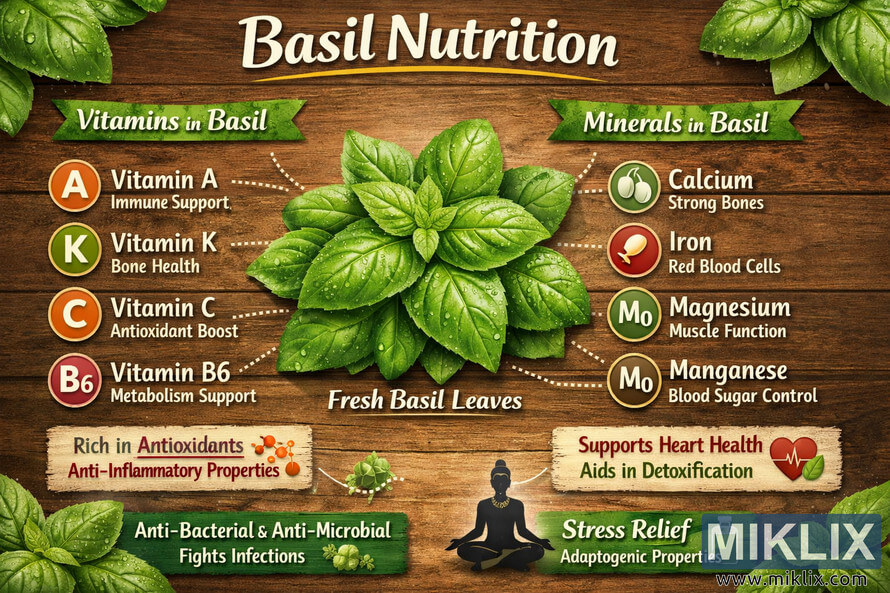
Fresh basil serves as an excellent source of vitamin K. Just two tablespoons provide significant amounts of this crucial nutrient. Vitamin K plays a vital role in blood clotting and bone health.
The herb also contains vitamin A, which supports eye health and immune function. You'll find meaningful amounts of vitamin C, iron, calcium, and manganese in basil leaves too.
Beneficial Plant Compounds
Sweet basil contains powerful antioxidants that protect your cells. These include flavonoids and polyphenols. The essential oil in basil leaves adds another layer of therapeutic compounds.
Key Nutrients Per 2 Tablespoons Fresh Basil
- Vitamin K: 27% of daily value
- Vitamin A: 3% of daily value
- Manganese: 3% of daily value
- Iron: 2% of daily value
- Calcium: 1% of daily value
Bioactive Compounds
- Eugenol and linalool essential oils
- Flavonoids like orientin and vicenin
- Phenolic acids including rosmarinic acid
- Volatile aromatic compounds
- Chlorophyll and carotenoids
Different types of basil offer varying nutrient profiles. Sweet basil remains the most common variety. Holy basil and Thai basil bring their own unique combinations of beneficial compounds.
Kliknij lub dotknij obrazu, aby uzyskać więcej informacji i wyższą rozdzielczość.
Antioxidant Effects and Free Radical Defense
The antioxidants in basil provide one of its most significant health benefits. These compounds work tirelessly to protect your body from cellular damage.
Understanding Oxidative Stress
Your body constantly produces free radicals during normal metabolic processes. These unstable molecules can damage cells when they accumulate. This phenomenon is called oxidative stress.
Oxidative stress contributes to aging and various chronic diseases. The body needs antioxidants to neutralize free radicals. Basil contains several types of these protective compounds.
How Basil Antioxidants Work
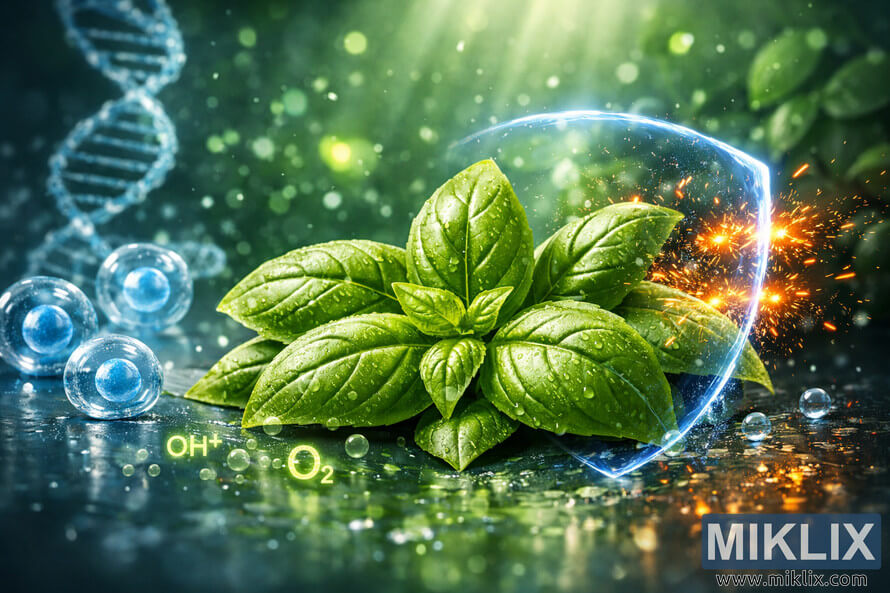
The flavonoids in basil leaves act as powerful free radical scavengers. These compounds donate electrons to unstable molecules. This process stabilizes free radicals before they can harm your cells.
Studies show that basil extract demonstrates strong antioxidant activity. Research suggests that basil may help reduce markers of oxidative stress in the body. The herb's ability to combat free radicals supports overall cellular health.
Research Insight: Laboratory studies indicate that basil's antioxidant capacity rivals that of synthetic antioxidants used in food preservation. The natural compounds in basil provide similar protective effects in human cells.
Kliknij lub dotknij obrazu, aby uzyskać więcej informacji i wyższą rozdzielczość.
Types of Antioxidants in Basil
Basil contains multiple classes of antioxidants. Each type offers distinct protective properties. Together, they create a comprehensive defense system.
- Phenolic compounds that prevent lipid oxidation
- Flavonoids that protect against cellular damage
- Essential oils with antimicrobial and antioxidant properties
- Vitamin C that regenerates other antioxidants
- Carotenoids that protect eye and skin cells
Kliknij lub dotknij obrazu, aby uzyskać więcej informacji i wyższą rozdzielczość.
Anti-Inflammatory Properties of Sweet Basil
Inflammation serves as your body's natural response to injury or infection. However, chronic inflammation can lead to serious health problems. The health benefits of basil include powerful anti-inflammatory effects.
Key Anti-Inflammatory Compounds
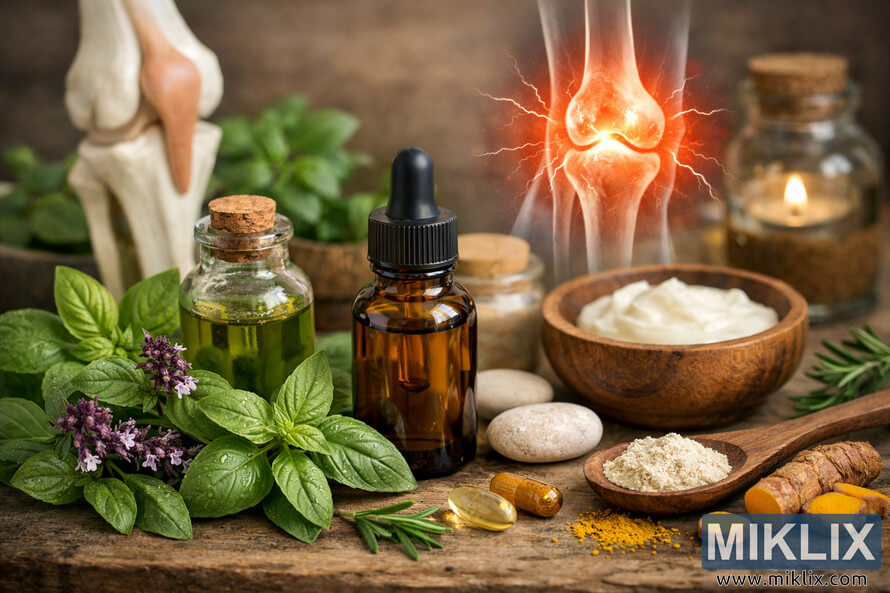
Eugenol stands out as basil's primary anti-inflammatory agent. This compound appears in high concentrations in basil essential oil. Research shows eugenol inhibits inflammatory enzymes in the body.
The herb also contains rosmarinic acid. This phenolic compound demonstrates significant anti-inflammatory activity. Studies suggest it may help reduce inflammation as effectively as some over-the-counter medications.
Benefits for Inflammatory Conditions
People with arthritis may find relief through basil consumption. The herb's anti-inflammatory properties could help ease joint pain and swelling. Some research indicates basil extract reduces inflammation markers in the body.
The ability of basil to address inflammation extends to various body systems. This makes it potentially valuable for managing chronic inflammatory conditions. Many people incorporate basil into their diet specifically for these effects.
Kliknij lub dotknij obrazu, aby uzyskać więcej informacji i wyższą rozdzielczość.
Basil Tea for Inflammation
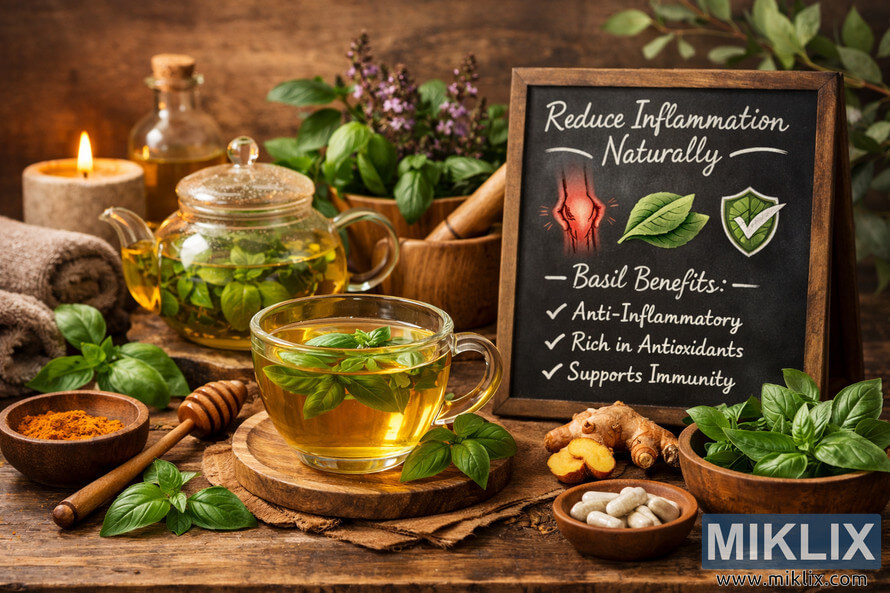
Drinking basil tea provides a gentle way to harness anti-inflammatory benefits. The warm water extracts beneficial compounds from the leaves. Many people find this soothing beverage helps with minor aches and discomfort.
Kliknij lub dotknij obrazu, aby uzyskać więcej informacji i wyższą rozdzielczość.
Concentrated Basil Supplements
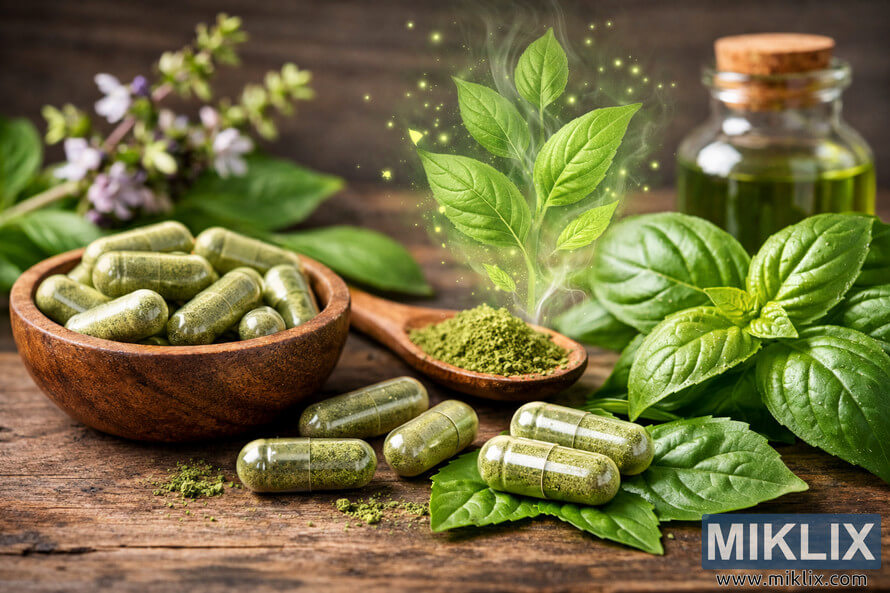
Supplements offer higher concentrations of basil's active compounds. Quality organic basil extract supplements provide standardized amounts of beneficial substances. These may deliver stronger anti-inflammatory effects than culinary use alone.
Kliknij lub dotknij obrazu, aby uzyskać więcej informacji i wyższą rozdzielczość.
Topical Basil Applications
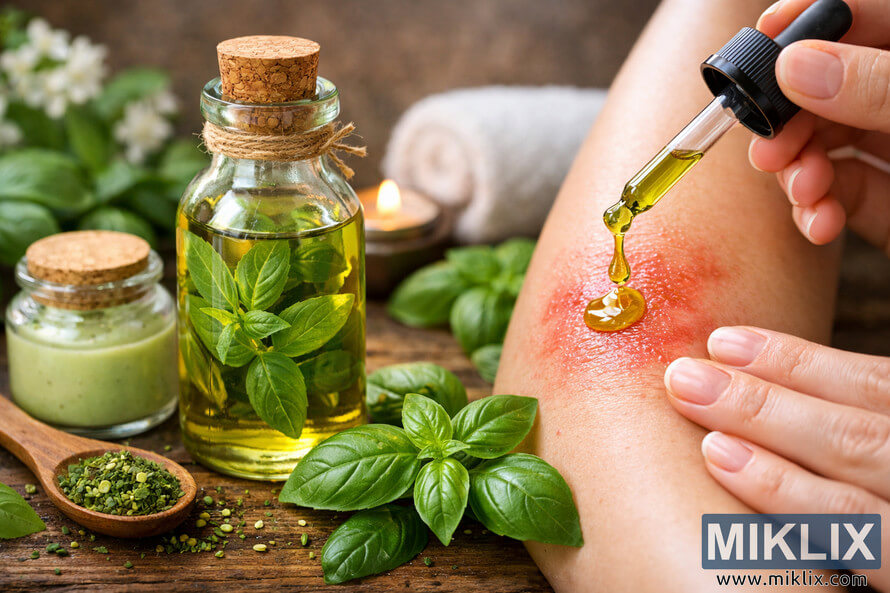
Some people apply basil oil topically for localized inflammation. The essential oil diluted in a carrier oil may help with skin irritation. Always test a small area first and consult healthcare providers for serious conditions.
Kliknij lub dotknij obrazu, aby uzyskać więcej informacji i wyższą rozdzielczość.
Heart Health and Blood Pressure Benefits
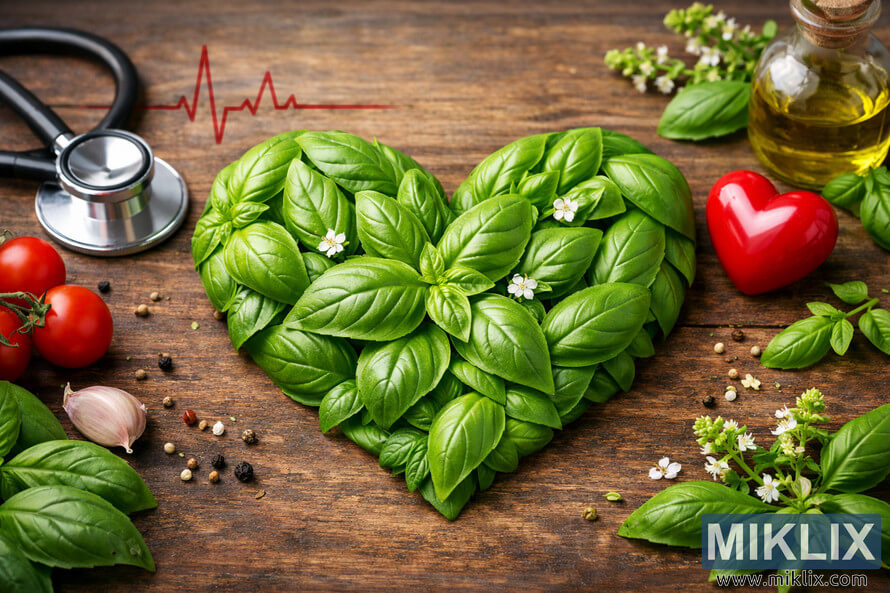
Your cardiovascular system benefits significantly from the compounds in basil. The herb supports heart health through multiple mechanisms. Research continues to reveal new ways basil may protect your cardiovascular system.
Kliknij lub dotknij obrazu, aby uzyskać więcej informacji i wyższą rozdzielczość.
Blood Pressure Regulation
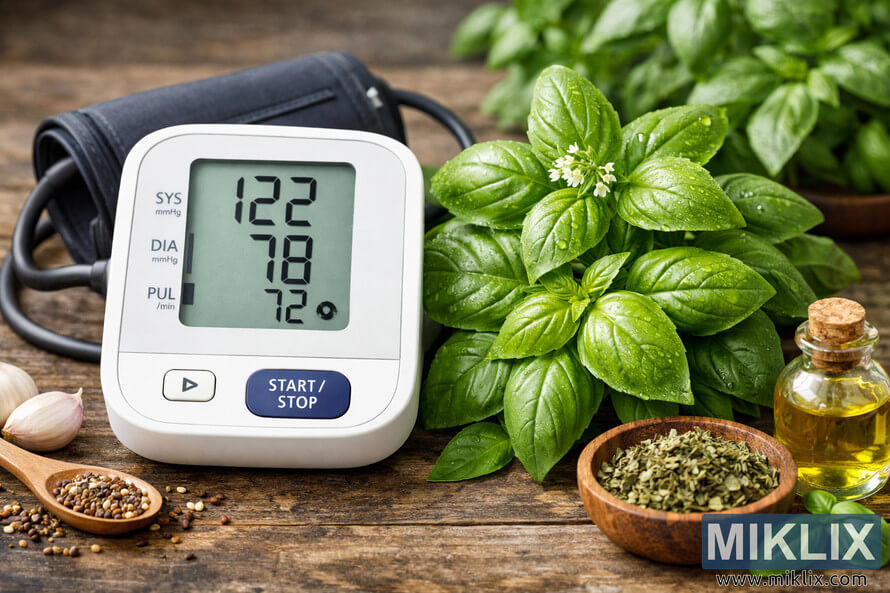
Studies suggest that basil may help lower blood pressure. The eugenol in basil acts as a natural calcium channel blocker. This mechanism helps blood vessels relax and widens them.
People with high blood pressure might benefit from adding basil to their diet. The herb's compounds work to reduce strain on arterial walls. Some research indicates regular basil consumption supports healthy blood pressure levels.
Cholesterol and Heart Disease Prevention
Basil contains compounds that may help manage cholesterol levels. Animal studies show basil extract can reduce bad cholesterol while maintaining good cholesterol. These effects could contribute to lower heart disease risk.
The antioxidants in basil protect against oxidative damage to blood vessels. This protection helps prevent the development of atherosclerosis. Keeping your cardiovascular system healthy reduces your risk of serious heart problems.
Kliknij lub dotknij obrazu, aby uzyskać więcej informacji i wyższą rozdzielczość.
Supporting Cardiovascular Wellness
The magnesium in basil leaves helps muscles and blood vessels relax. This mineral plays a crucial role in maintaining cardiovascular function. Combined with basil's other heart-healthy compounds, this creates comprehensive support.
Basil's anti-inflammatory properties also protect the heart. Chronic inflammation damages blood vessels and contributes to heart disease. The herb's ability to reduce inflammation benefits your entire cardiovascular system.
Adding fresh basil to heart-healthy meals enhances both flavor and nutrition. The herb pairs perfectly with vegetables, lean proteins, and whole grains. This makes it easy to incorporate into a cardiovascular-protective diet.
Digestive Health and Gut Benefits
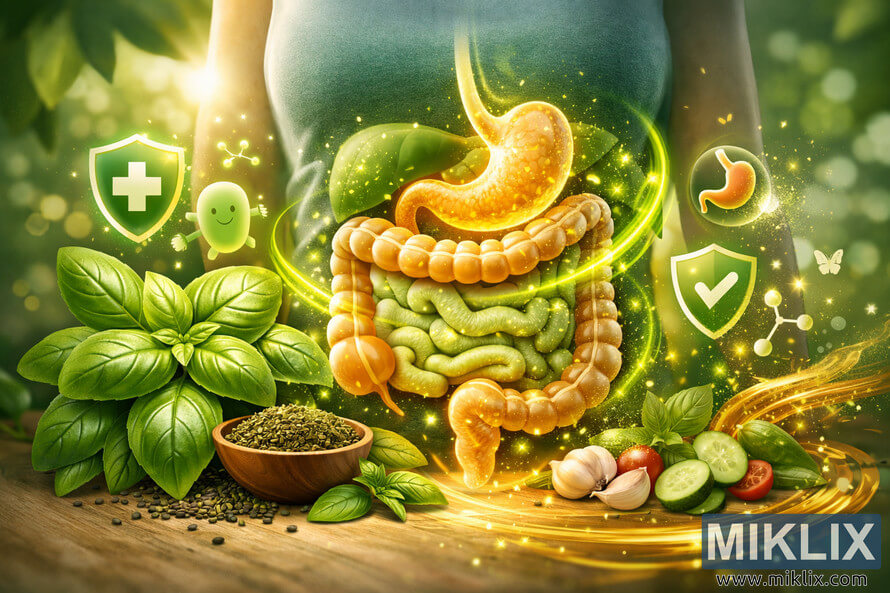
Basil has traditionally been used to support digestive function. Modern research confirms many of these traditional uses. The health benefits of basil extend throughout your digestive system.
Kliknij lub dotknij obrazu, aby uzyskać więcej informacji i wyższą rozdzielczość.
Easing Digestive Discomfort
The compounds in basil may help reduce gas and bloating. The herb's carminative properties help ease digestive upset. Many people find that consuming basil with meals improves their digestion.
Basil's essential oils stimulate digestive enzyme production. This helps your body break down food more efficiently. Better digestion means improved nutrient absorption and less discomfort after eating.
Antimicrobial Effects in the Gut
Research shows basil exhibits antimicrobial activity against harmful bacteria. This property may help maintain healthy gut flora balance. The herb could protect against certain foodborne pathogens.
The ability of basil to fight bad bacteria while supporting digestion makes it valuable. A healthy gut microbiome influences overall health in numerous ways. Basil's gentle antimicrobial effects contribute to gut wellness.
Immune System Support and Disease Prevention
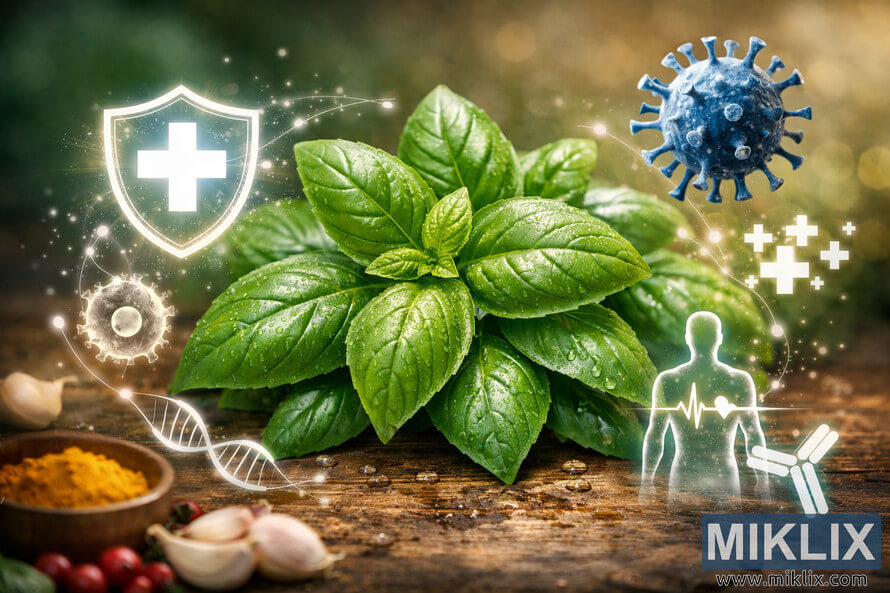
A strong immune system protects you from illness and infection. Basil contains several compounds that support immune function. The herb's effects on immunity add to its impressive health profile.
Kliknij lub dotknij obrazu, aby uzyskać więcej informacji i wyższą rozdzielczość.
Antimicrobial and Antiviral Properties
Studies demonstrate that basil oil has antimicrobial effects. The herb shows activity against various bacteria and fungi. Some research suggests basil may even have antiviral properties.
These protective effects help your body fight off pathogens. The essential oil components of basil appear particularly effective. This makes basil a valuable addition to immune-supporting strategies.
Supporting Immune Cell Function
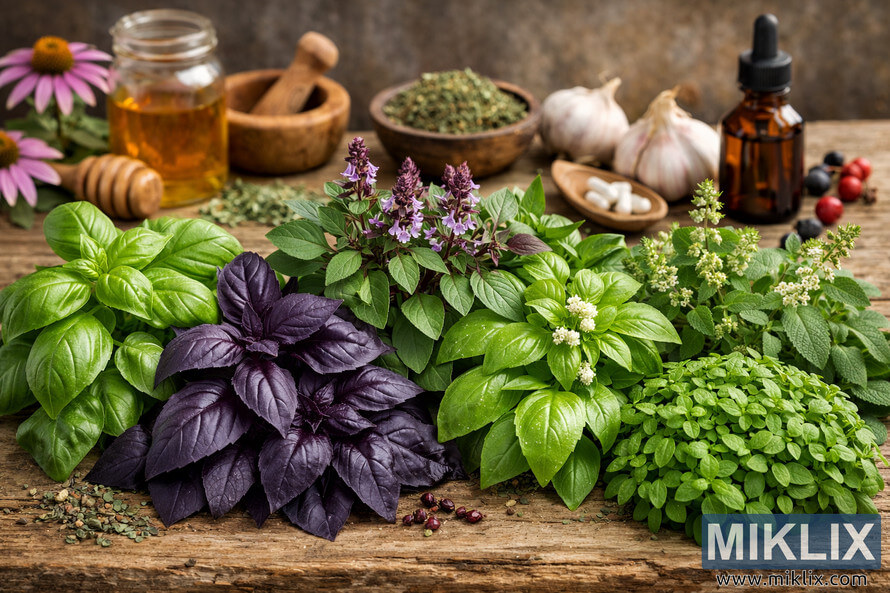
The nutrients in basil support the production and function of immune cells. Vitamin A plays a crucial role in maintaining mucosal immunity. The antioxidants protect immune cells from oxidative damage.
Chronic stress can weaken immune function. Basil's adaptogenic properties may help your body manage stress better. This indirect effect supports overall immune health and resilience.
Kliknij lub dotknij obrazu, aby uzyskać więcej informacji i wyższą rozdzielczość.
Holy Basil for Stress and Immunity
Holy basil deserves special mention for immune support. This sacred variety contains unique compounds not found in sweet basil. Research shows holy basil helps modulate immune response.
The herb works as an adaptogen, helping your body cope with various stressors. Since stress impacts immunity, this makes holy basil particularly valuable. Many people use it specifically for immune system strengthening.
Blood Sugar Regulation and Diabetes Management
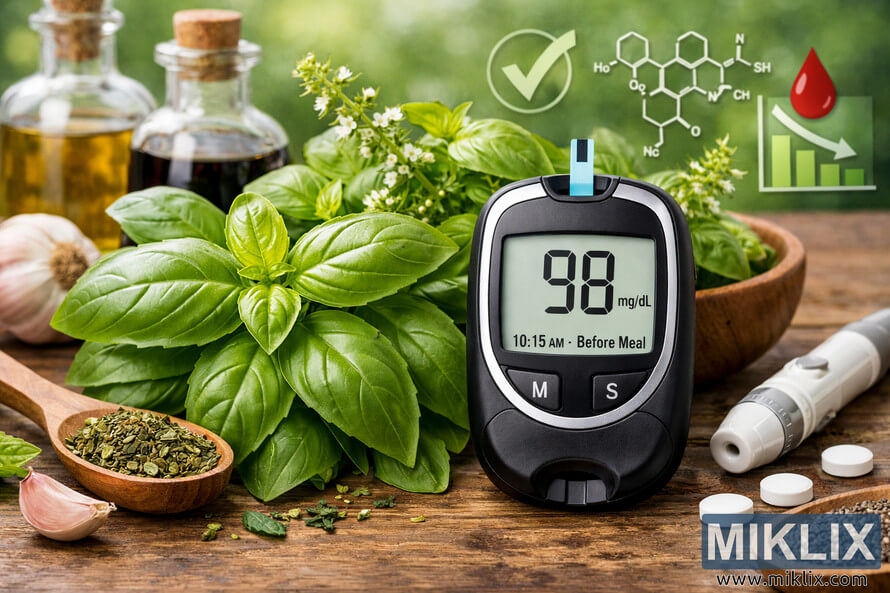
Managing blood sugar levels is crucial for preventing and controlling diabetes. Research suggests basil may help regulate blood glucose. These effects make it potentially useful for people with diabetes or prediabetes.
Kliknij lub dotknij obrazu, aby uzyskać więcej informacji i wyższą rozdzielczość.
How Basil Affects Blood Sugar
Studies indicate that basil extract may help lower fasting blood sugar levels. The herb appears to improve insulin sensitivity. This means your cells respond better to insulin's signals.
Animal research shows promising results for diabetes management. Basil consumption led to reduced blood glucose in diabetic subjects. While human studies are limited, early findings suggest similar benefits may apply to people.
Mechanisms of Blood Sugar Control
The eugenol in basil may slow the release of sugar into the bloodstream. This helps prevent sharp spikes in blood glucose after meals. Stable blood sugar levels reduce diabetes complications over time.
Basil's antioxidants protect pancreatic cells that produce insulin. Oxidative stress damages these crucial cells in diabetes. By reducing this damage, basil may help preserve insulin production.
Important Note: People taking diabetes medications should consult their healthcare provider before adding therapeutic amounts of basil to their regimen. Basil may enhance the effects of blood sugar-lowering drugs, potentially causing hypoglycemia.
Mental Health and Cognitive Function Benefits
Your brain health significantly impacts your overall quality of life. Basil offers several benefits for mental and cognitive function. These effects stem from the herb's unique combination of compounds.
Kliknij lub dotknij obrazu, aby uzyskać więcej informacji i wyższą rozdzielczość.
Stress Reduction and Mood Support
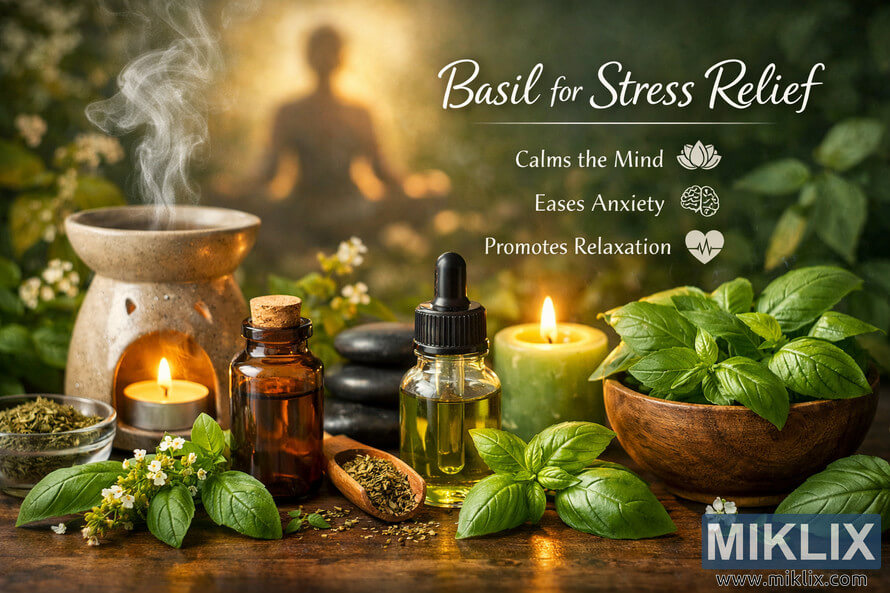
Basil contains compounds that may help reduce stress and anxiety. The herb's aroma alone can have calming effects. Some people report improved mood when regularly consuming basil.
Holy basil in particular shows strong adaptogenic properties. It helps normalize cortisol levels during stressful periods. This makes the body more resilient to both physical and mental stress.
Memory and Cognitive Enhancement
Research suggests basil may support memory function. The antioxidants protect brain cells from oxidative damage. This protection may help maintain cognitive abilities as you age.
The anti-inflammatory effects of basil benefit brain health too. Inflammation contributes to cognitive decline and neurodegenerative diseases. By reducing inflammation, basil may help preserve mental sharpness.

Kliknij lub dotknij obrazu, aby uzyskać więcej informacji i wyższą rozdzielczość.
Neuroprotective Properties
Studies indicate basil extract may protect neurons from damage. The herb's compounds shield brain cells from various harmful factors. This neuroprotection could reduce the risk of conditions like Alzheimer's disease.
The essential oils in basil cross the blood-brain barrier. This allows them to directly affect brain tissue. Their antioxidant and anti-inflammatory actions work at the cellular level in the brain.
Potential Cancer-Fighting Compounds in Basil
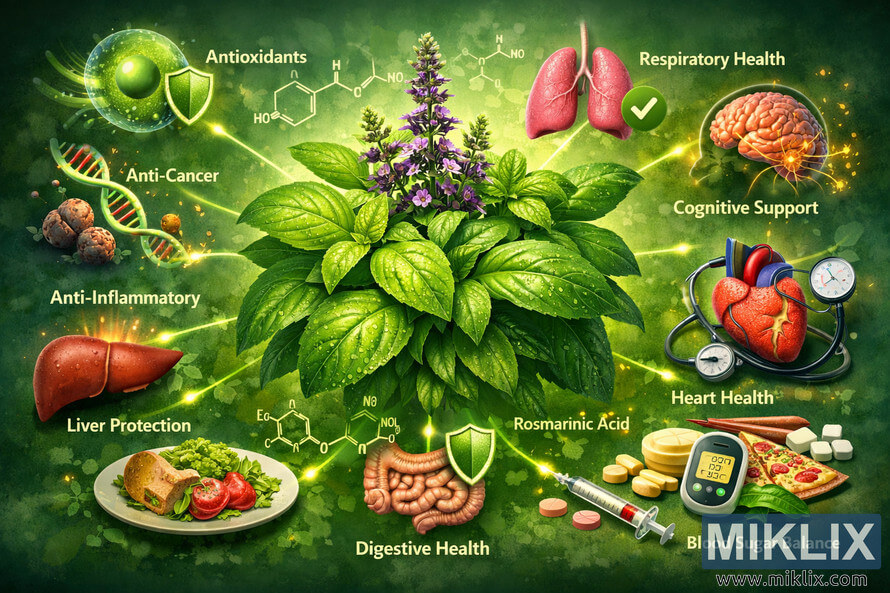
Cancer prevention remains a major focus of nutritional research. Basil contains several compounds that show promise in this area. While research is ongoing, early findings suggest interesting potential.
Kliknij lub dotknij obrazu, aby uzyskać więcej informacji i wyższą rozdzielczość.
Antioxidant Protection Against Cell Damage
The powerful antioxidants in basil protect DNA from damage. Free radicals can cause mutations that lead to cancer. By neutralizing these harmful molecules, basil may reduce cancer risk.
Laboratory studies show basil extract can inhibit cancer cell growth. These experiments use concentrated amounts not typically consumed in food. However, they reveal mechanisms that might apply to dietary intake.
Anti-Inflammatory Effects and Cancer
Chronic inflammation creates an environment where cancer can develop. The anti-inflammatory compounds in basil address this risk factor. Reducing systemic inflammation may help prevent various types of cancer.
Research on basil's cancer-protective effects continues to evolve. Current evidence comes primarily from laboratory and animal studies. Human clinical trials are needed to confirm these potential benefits.
Research Context: While laboratory studies show promising anti-cancer effects of basil compounds, these findings don't directly translate to eating basil preventing cancer. Consider basil as one component of a cancer-preventive lifestyle that includes varied plant foods, exercise, and regular medical screening.
Skin Health and Beauty Benefits
Your skin reflects your overall health and well-being. Basil offers both internal and external benefits for skin. The herb's properties address several common skin concerns.
Antibacterial Effects for Acne
The antibacterial properties of basil may help fight acne-causing bacteria. Some people apply diluted basil oil directly to problem areas. The herb's antimicrobial effects can reduce breakouts.
Consuming basil also supports clear skin from within. The antioxidants reduce inflammation that contributes to acne. Combined with external application, this creates a comprehensive approach.
Kliknij lub dotknij obrazu, aby uzyskać więcej informacji i wyższą rozdzielczość.
Anti-Aging and Skin Protection
Free radicals accelerate skin aging and cause wrinkles. The antioxidants in basil protect skin cells from this damage. Regular consumption may help maintain youthful-looking skin.
Basil's anti-inflammatory properties benefit aging skin too. Inflammation breaks down collagen and elastin. By reducing this inflammation, basil helps preserve skin's firmness and elasticity.
Basil for Healthy Skin
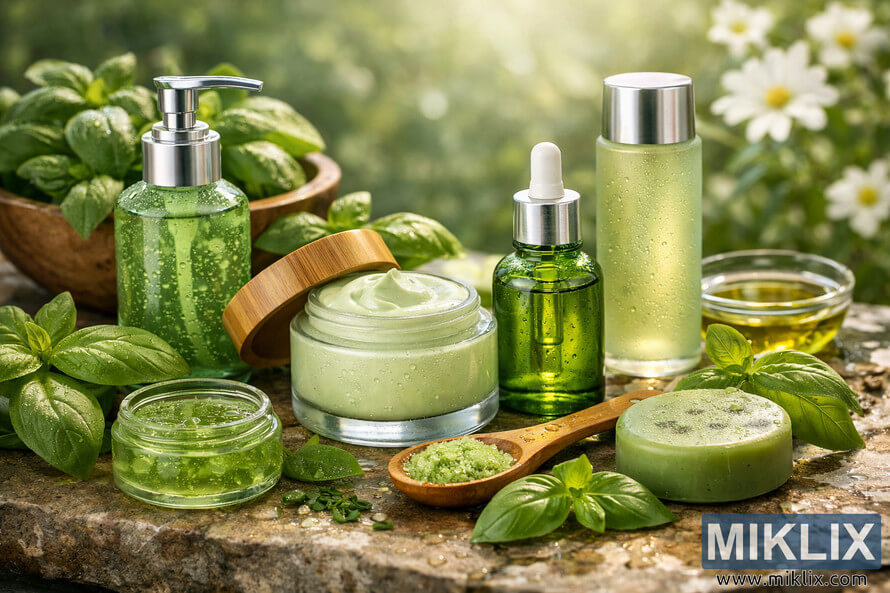
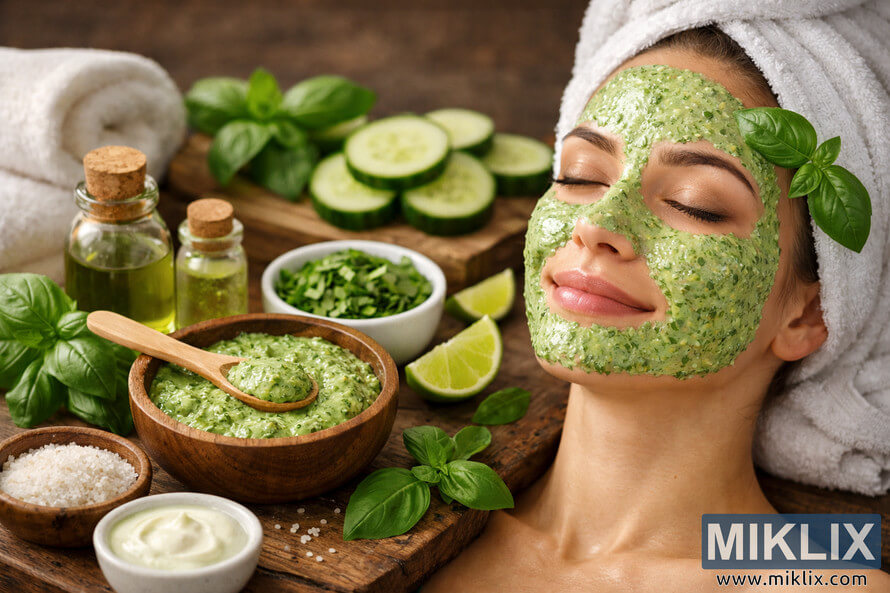
Many natural beauty enthusiasts incorporate basil into their skincare routines. Simple basil-infused toners can refresh and clarify skin. The herb's astringent properties help tighten pores.
You can create gentle basil steam treatments at home. The warm steam opens pores while basil's essential oils provide antibacterial benefits. This traditional practice deep-cleanses skin naturally.
Kliknij lub dotknij obrazu, aby uzyskać więcej informacji i wyższą rozdzielczość.
Different Types of Basil and Their Unique Benefits
Not all basil is created equal. Various types offer distinct flavors and health properties. Understanding these differences helps you choose the right variety for your needs.
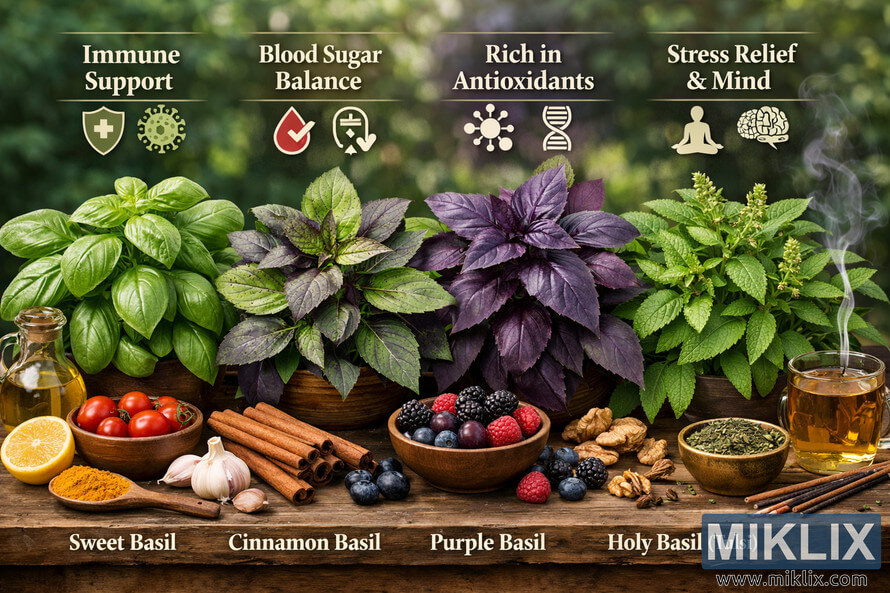
Sweet Basil - The Kitchen Standard
Sweet basil remains the most commonly used variety worldwide. This is the classic basil you find in Italian cooking. It offers well-balanced health benefits and a versatile flavor profile.
The essential oils in sweet basil include linalool and eugenol. These compounds provide the characteristic aroma and many health effects. Sweet basil works excellently in both fresh and cooked dishes.
Holy Basil - The Medicinal Powerhouse
Holy basil, also called tulsi, holds sacred status in Ayurvedic medicine. This variety contains unique compounds not found in other types. Holy basil excels as an adaptogen and immune supporter.
People often consume holy basil as tea rather than a cooking herb. The flavor is more pungent and peppery than sweet basil. Its therapeutic properties make it popular in herbal medicine.
Kliknij lub dotknij obrazu, aby uzyskać więcej informacji i wyższą rozdzielczość.
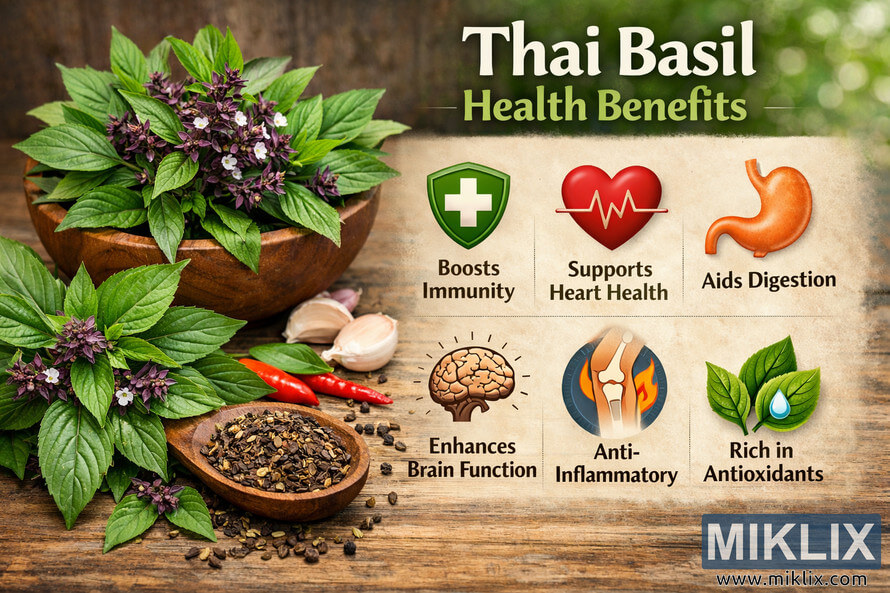
Thai Basil
Thai basil features a distinct anise-like flavor. The variety contains different essential oil profiles. It's commonly used in Southeast Asian cuisine and offers similar antioxidant benefits to sweet basil.
Kliknij lub dotknij obrazu, aby uzyskać więcej informacji i wyższą rozdzielczość.
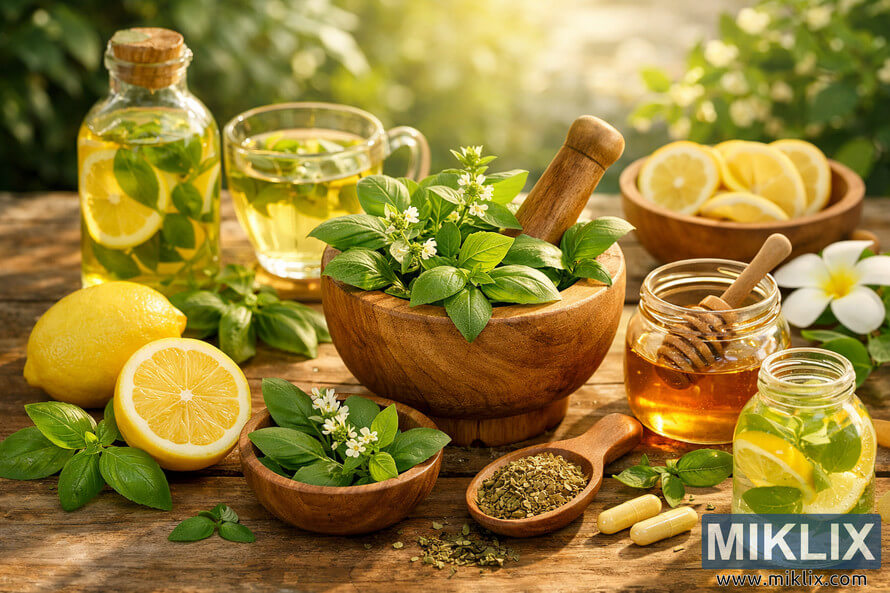
Lemon Basil
Lemon basil combines basil's benefits with citrus notes. The variety contains citral, giving it a lemony aroma. This makes it excellent for teas and lighter dishes while maintaining basil's health properties.
Kliknij lub dotknij obrazu, aby uzyskać więcej informacji i wyższą rozdzielczość.
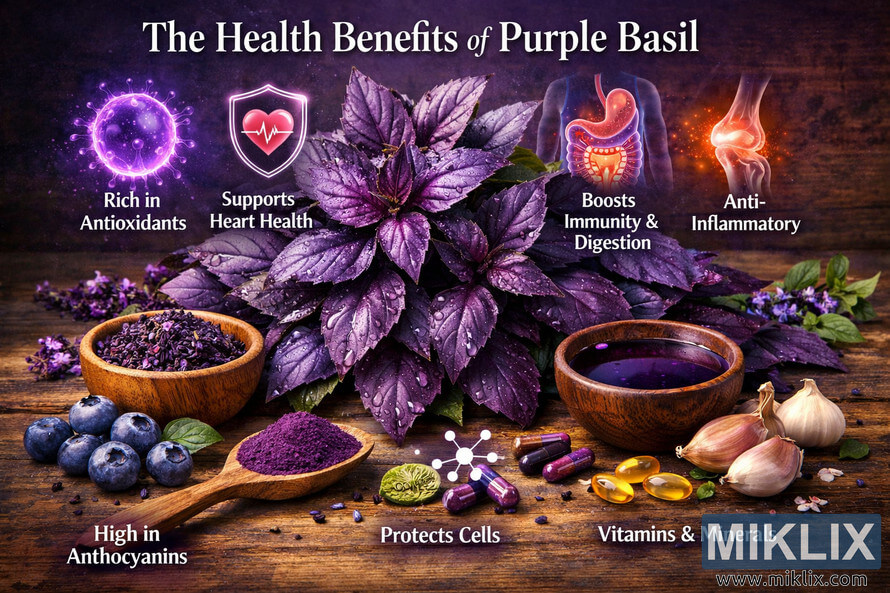
Purple Basil
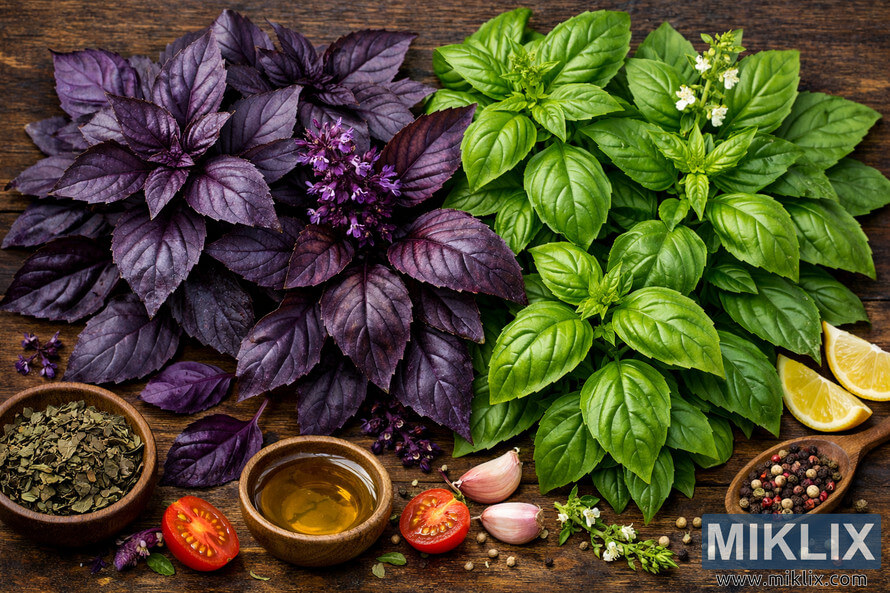
Purple basil contains anthocyanins that give it color. These pigments provide additional antioxidant power. The variety offers unique visual appeal along with the standard health benefits of basil.
Kliknij lub dotknij obrazu, aby uzyskać więcej informacji i wyższą rozdzielczość.
Ways to Consume Basil for Maximum Health Benefits
How you consume basil affects which benefits you receive. Different preparation methods preserve or enhance certain compounds. Understanding these options helps you maximize basil's health effects.
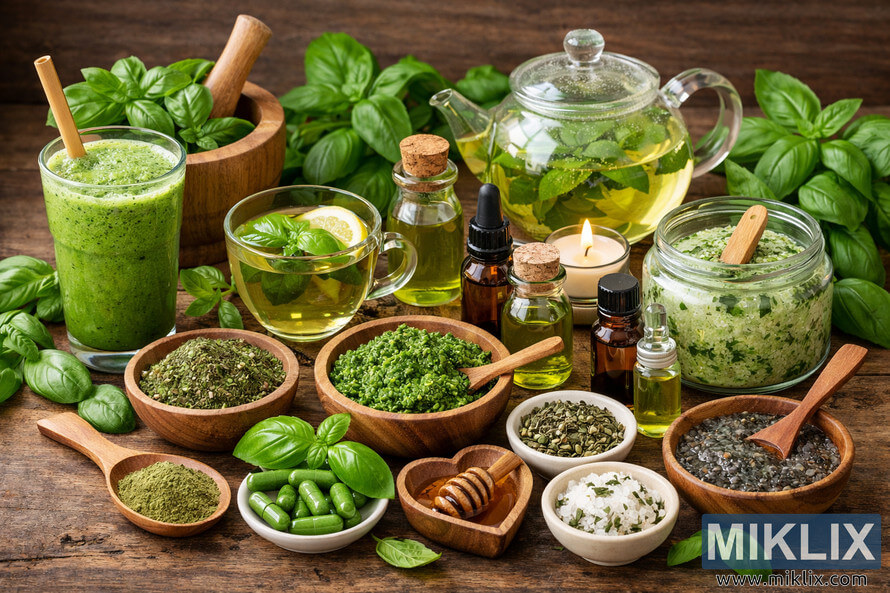
Fresh Basil in Your Diet
Fresh basil leaves offer the most complete nutrient profile. Eating basil raw preserves heat-sensitive compounds. Add fresh basil to salads, sandwiches, and smoothies for maximum benefits.
The flavor of fresh basil enhances countless dishes. You can easily incorporate it into your daily meals. Even small amounts provide meaningful health benefits when consumed regularly.
Kliknij lub dotknij obrazu, aby uzyskać więcej informacji i wyższą rozdzielczość.
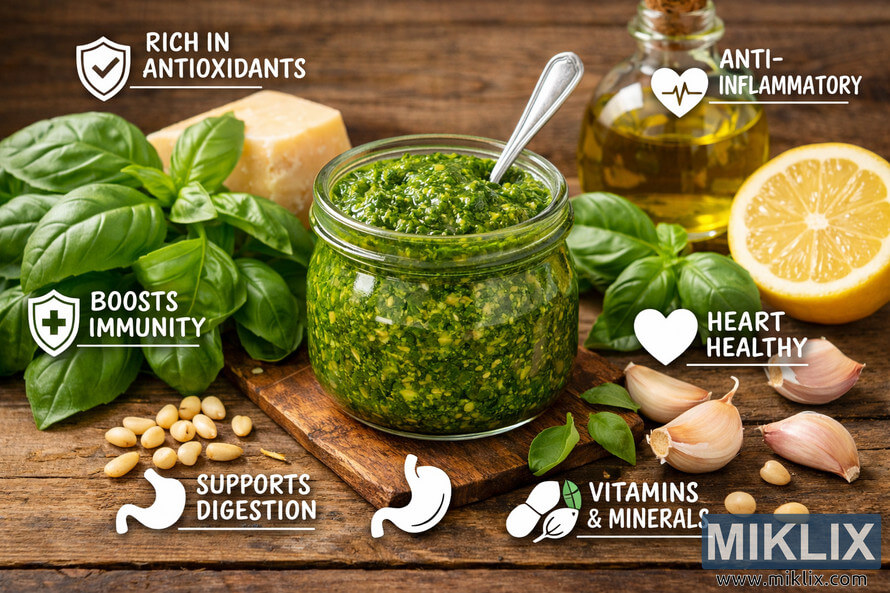
Basil Pesto - A Concentrated Form
Pesto provides a concentrated dose of basil's benefits. Traditional pesto combines fresh basil with olive oil, nuts, and cheese. The oil helps your body absorb basil's fat-soluble nutrients.
You can create healthier pesto variations using different ingredients. The key is using abundant fresh basil leaves. This versatile sauce makes it easy to add basil to various meals.
Kliknij lub dotknij obrazu, aby uzyskać więcej informacji i wyższą rozdzielczość.
Dried Basil and Its Uses
Dried basil offers convenience and longer storage. The drying process concentrates some compounds while reducing others. Dried basil works well in cooked dishes where extended heating occurs.
You need more dried basil than fresh to achieve similar flavor. The concentration of certain nutrients actually increases in dried form. However, some volatile compounds dissipate during drying.
Basil Tea and Infusions
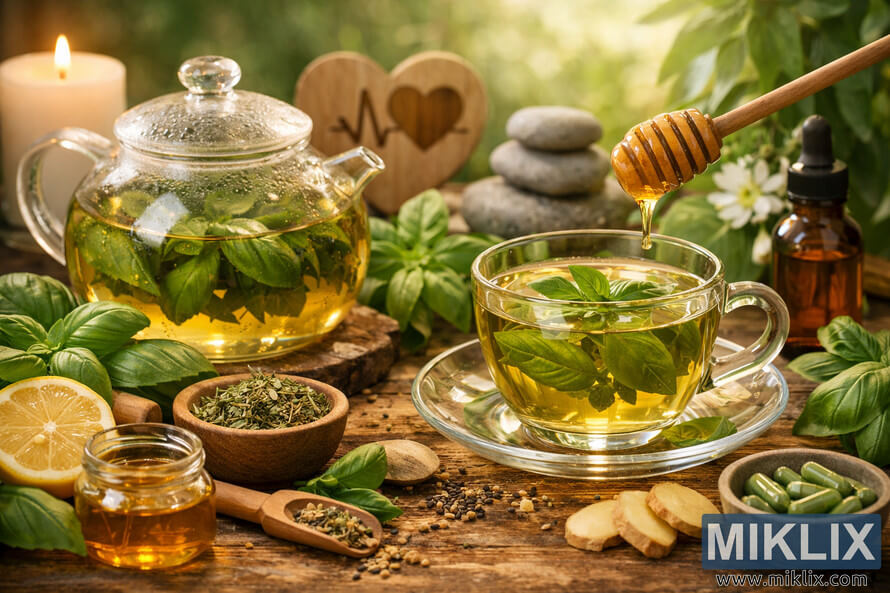
Basil tea extracts water-soluble compounds from the leaves. This gentle preparation method preserves delicate beneficial substances. Many people drink basil tea specifically for its calming and digestive benefits.
You can make tea from fresh or dried basil leaves. Steep the herb in hot water for five to ten minutes. Some people combine basil with other herbs for enhanced effects.
Kliknij lub dotknij obrazu, aby uzyskać więcej informacji i wyższą rozdzielczość.
Basil Essential Oil
Basil essential oil contains highly concentrated active compounds. A few drops provide potent effects. The oil is used in aromatherapy and sometimes diluted for topical application.
Never consume pure essential oil without professional guidance. The concentration makes it too strong for internal use. However, properly diluted oil can provide therapeutic benefits.
Basil Supplements
Standardized basil extract supplements offer consistent dosing. These products concentrate specific beneficial compounds. Quality supplements provide higher amounts than typical dietary intake.
Look for supplements tested by third-party organizations. This ensures you're getting what the label promises. Follow dosage recommendations on the product or from your healthcare provider.
Fresh Basil Delivery
Access to fresh, high-quality basil maximizes health benefits. Organic basil avoids pesticide residues. Several services now deliver fresh herbs directly to your door.
Year-round access ensures you can consistently enjoy basil's benefits. Fresh delivery maintains the herb's nutrient content. This convenience makes regular consumption easier.
Growing Your Own Basil
Growing basil at home provides the freshest possible leaves. Indoor herb gardens make this possible year-round. You control growing conditions and avoid chemicals.
Basil grows easily in containers or gardens. The plant thrives in warm conditions with adequate sunlight. Fresh-picked basil offers maximum flavor and nutrition.
Practical Tips for Incorporating Basil Into Your Diet
Knowing basil's benefits is one thing. Actually using it regularly is another. These practical tips help you easily add basil to your daily routine.
Simple Daily Additions
Start your day by adding basil to your morning smoothie. The herb blends well with fruits and vegetables. You won't even taste it among stronger flavors, but you'll get the benefits.
Keep fresh basil visible in your kitchen. When you see it, you'll remember to use it. Place a small pot on your windowsill for convenient access.
Breakfast Ideas
Transform your morning meals with these basil additions:
- Add fresh basil to scrambled eggs or omelets
- Blend basil into green smoothies with spinach and fruit
- Top avocado toast with fresh basil leaves
- Mix chopped basil into yogurt parfaits
Lunch Options
Boost your midday meals with basil:
- Layer fresh basil in sandwiches and wraps
- Toss basil into grain bowls and salads
- Add basil to homemade soups before serving
- Create basil-infused dressings and vinaigrettes
Dinner Dishes
End your day with basil-enhanced dinners:
- Sprinkle fresh basil over pasta dishes
- Top grilled proteins with basil chimichurri
- Stir basil into stir-fries just before serving
- Add basil to homemade pizza and flatbreads
Snacks and Sides
Include basil in lighter fare:
- Make caprese skewers with basil, tomato, and mozzarella
- Blend basil into hummus and other dips
- Create basil-infused olive oil for dipping bread
- Add basil to roasted vegetable medleys
Kliknij lub dotknij obrazu, aby uzyskać więcej informacji i wyższą rozdzielczość.
Preservation Methods
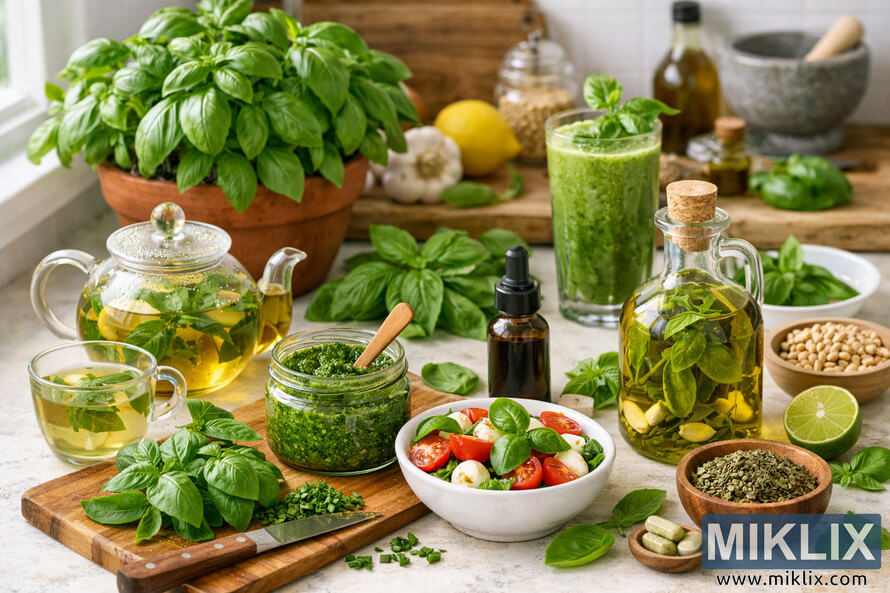
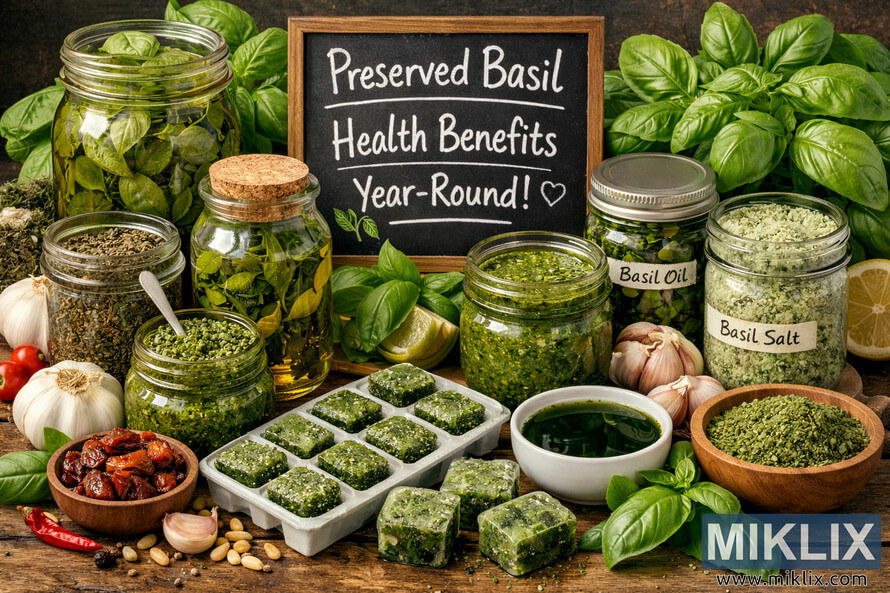
Preserve basil when you have abundance. Freezing basil in ice cube trays with water or oil works well. These frozen cubes add instant flavor and nutrition to cooked dishes.
Making large batches of pesto preserves basil effectively. The oil prevents oxidation and browning. Frozen pesto maintains quality for several months.
Kliknij lub dotknij obrazu, aby uzyskać więcej informacji i wyższą rozdzielczość.
Precautions and Important Considerations
While basil is generally safe for most people, certain situations require caution. Understanding potential concerns helps you use basil safely and effectively.
Kliknij lub dotknij obrazu, aby uzyskać więcej informacji i wyższą rozdzielczość.
Medication Interactions
Basil may interact with certain medications. The herb can enhance the effects of blood-thinning drugs. People taking anticoagulants should consult their healthcare provider before using therapeutic amounts.
Blood pressure medications may also interact with basil. Since basil can lower blood pressure, combining it with medications might cause excessive drops. Monitor your blood pressure if you consume large amounts of basil.
Pregnancy and Breastfeeding
Culinary amounts of basil are generally considered safe during pregnancy. However, medicinal doses and concentrated extracts require more caution. Pregnant women should discuss basil supplements with their healthcare provider.
Limited research exists on basil's effects during breastfeeding. Small culinary amounts pose minimal risk. Avoid therapeutic doses unless advised by a qualified healthcare professional.
Allergy Alert: Some people experience allergic reactions to basil. Symptoms may include skin rashes, itching, or digestive upset. Start with small amounts if you're trying basil for the first time. Discontinue use if you experience any adverse reactions.
Quality and Source Matters
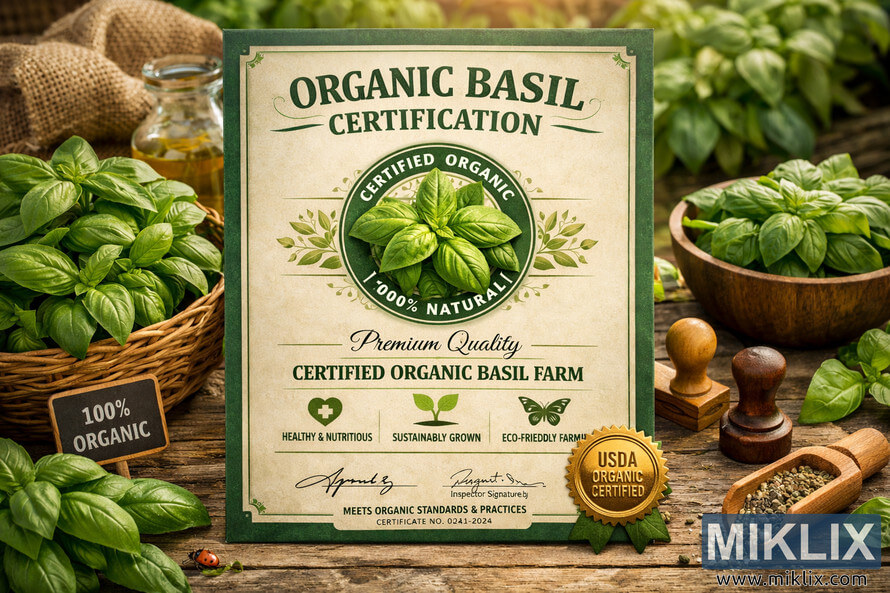
Choose organic basil when possible to avoid pesticide residues. Conventionally grown herbs can contain chemical residues. These compounds may counteract some of basil's health benefits.
If using supplements, select products from reputable manufacturers. Third-party testing ensures quality and purity. Look for certifications from organizations like USP or NSF.
Kliknij lub dotknij obrazu, aby uzyskać więcej informacji i wyższą rozdzielczość.
Appropriate Dosing
Culinary use of basil rarely causes problems. Most people can safely consume several fresh leaves daily. Therapeutic doses require more consideration and professional guidance.
Essential oils are extremely concentrated and require careful dosing. Never consume undiluted basil oil. Follow product instructions exactly or consult an aromatherapy professional.
Current Research and Future Potential
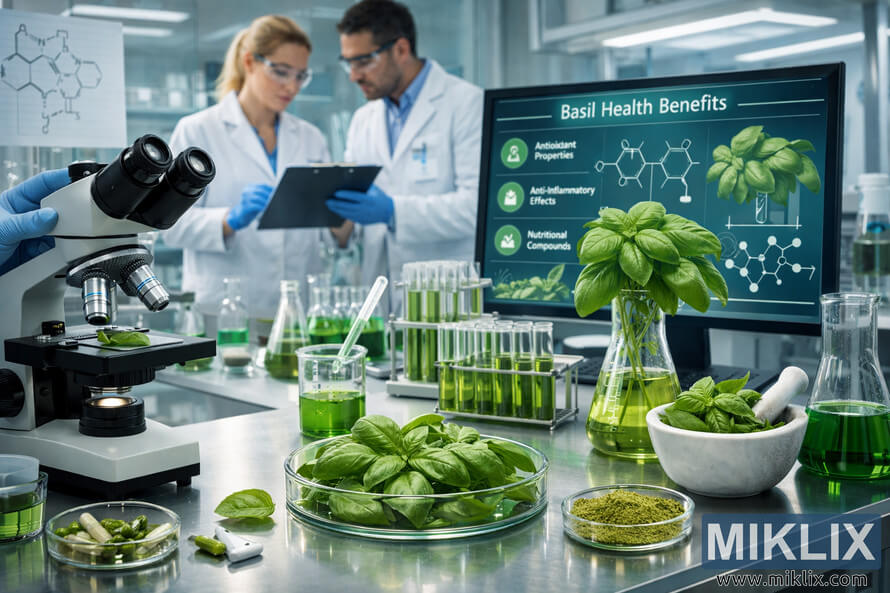
Scientific interest in basil continues to grow. Researchers are uncovering new potential benefits and mechanisms. Understanding the current state of research provides realistic expectations.
Ongoing Studies
Clinical trials are investigating basil's effects on various conditions. Studies examine diabetes management, cardiovascular health, and cognitive function. Results from these trials will clarify basil's therapeutic potential.
Researchers are also studying specific compounds isolated from basil. Understanding how individual components work helps develop targeted applications. This research may lead to new therapeutic uses.
Traditional Medicine Validation
Modern science increasingly validates traditional basil uses. Ancient healers prescribed basil for many conditions now confirmed by research. This validation strengthens our confidence in basil's benefits.
However, not all traditional uses have scientific support yet. Research continues to investigate these applications. The combination of traditional wisdom and modern science creates comprehensive understanding.
Future Directions: Scientists are exploring basil's potential in neurodegenerative disease prevention, cancer treatment support, and metabolic syndrome management. While early findings show promise, more human clinical trials are needed before making definitive therapeutic recommendations.
Kliknij lub dotknij obrazu, aby uzyskać więcej informacji i wyższą rozdzielczość.
Embracing Basil for Whole-Body Health
The health benefits of basil extend far beyond adding flavor to your meals. This remarkable herb supports your body through multiple pathways. From powerful antioxidants to anti-inflammatory compounds, basil offers comprehensive wellness support.
The scientific research backing basil's benefits continues to grow. Studies confirm what traditional medicine has taught for centuries. Basil deserves its place as both a culinary treasure and therapeutic herb.
Incorporating basil into your daily diet requires minimal effort. The herb's versatility makes it easy to add to countless dishes. Even small amounts consumed regularly contribute to better health outcomes.
Whether you choose fresh basil leaves, dried herbs, teas, or supplements, you'll benefit from this extraordinary plant. Start with simple additions to familiar foods. Gradually increase your consumption as you discover new ways to enjoy basil.
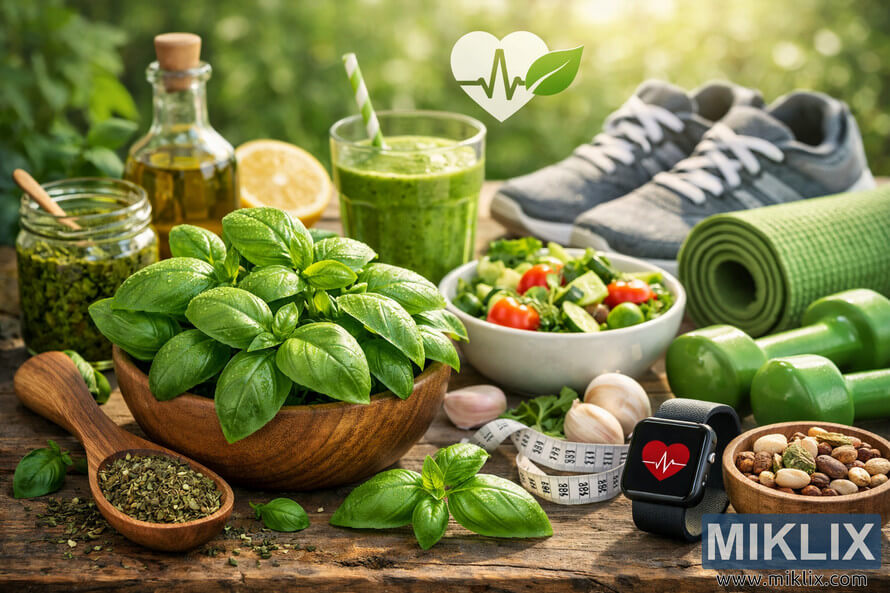
Remember that basil works best as part of a comprehensive healthy lifestyle. Combine it with other nutritious foods, regular physical activity, and adequate rest. This holistic approach maximizes the health benefits basil provides.
The variety of basil types gives you options to explore. Each offers unique flavors and slightly different compound profiles. Experimenting with different varieties keeps your diet interesting while providing diverse health benefits.
As research continues, we'll likely discover even more ways basil supports human health. The herb's complex chemistry contains numerous compounds that scientists are still studying. Future findings may reveal additional therapeutic applications.
Make basil a regular part of your nutritional routine. Its combination of flavor, nutrition, and health-promoting properties makes it an ideal addition to any diet. Your body will thank you for this delicious and beneficial choice.
Kliknij lub dotknij obrazu, aby uzyskać więcej informacji i wyższą rozdzielczość.
Dalsza lektura
Jeśli podobał Ci się ten wpis, mogą Cię zainteresować również poniższe sugestie:
- Beyond Pie: Odżywcza moc orzechów pekan, której nie znałeś
- Spoonfuls of Wellness: Zalety jogurtu
- Cukierki natury: Dlaczego daktyle zasługują na miejsce w diecie