
Hops in Beer Brewing: Belma
Publicado:
Última atualização: 15 de setembro de 2026 às 17:17:33 UTC
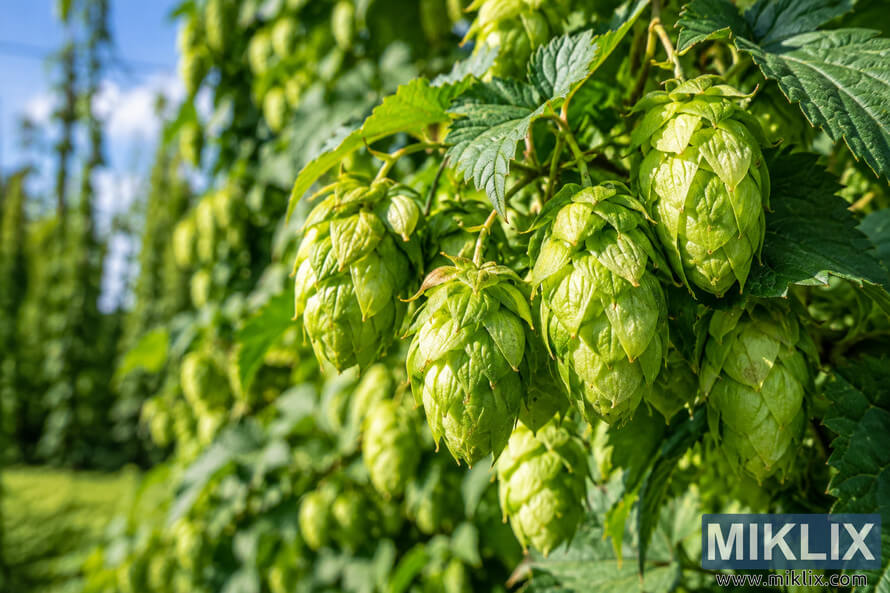
Belma hops burst onto the craft beer scene with a flavor profile that immediately caught attention. This American hop variety delivers distinctive strawberry and melon notes that set it apart from traditional hops. Whether you're crafting your first pale ale or perfecting an IPA recipe, understanding Belma can transform your homebrew.
Hops in Beer Brewing: Belma
Clique ou toque na imagem para obter mais informações e resoluções mais elevadas.
Developed at Puterbaugh Farms in Washington's Yakima Valley, Belma represents years of careful cultivation. The hop variety offers brewers a unique tool for creating fruit-forward beers without actual fruit additions. Its complex aroma profile makes it a favorite among craft brewers seeking something different.
This guide covers everything you need to know about brewing with Belma hops. You'll learn about its characteristics, best applications, and practical tips for getting the most from this variety in your homebrew.
Origins and Key Characteristics of Belma Hops
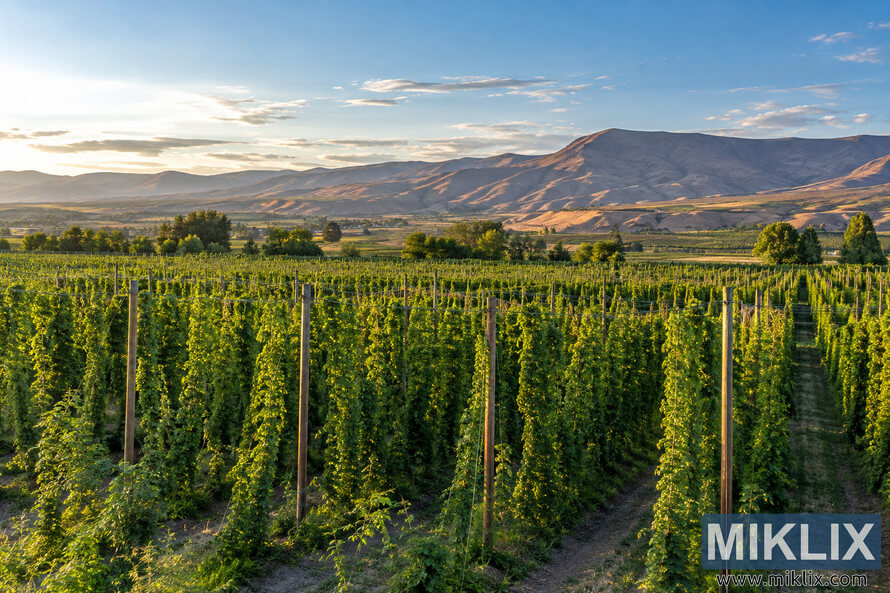
Belma hops originated from Puterbaugh Farms in the heart of Yakima Valley. This region produces most American hops and provides ideal growing conditions. The variety was released commercially after extensive testing and selection.
The hop's development focused on creating a unique fruit character. Breeders wanted something beyond citrus and pine notes common in many American varieties. Belma delivers exactly that with its standout strawberry aroma.
Clique ou toque na imagem para obter mais informações e resoluções mais elevadas.
Physical Characteristics and Growing Profile
Belma hop cones display a medium to large size with good density. The lupulin content appears abundant, giving the hops their characteristic golden color inside. Growers appreciate the variety's reliable yield and disease resistance.
The hops grow well in the Pacific Northwest climate. They thrive in well-drained soil with plenty of sunlight. Commercial farms report consistent harvests year after year, making Belma a dependable choice for brewing supply.
Quick Fact: Belma was initially developed as an experimental hop and gained popularity through small-batch test brews before achieving commercial release.
Alpha Acid Content and Bittering Properties
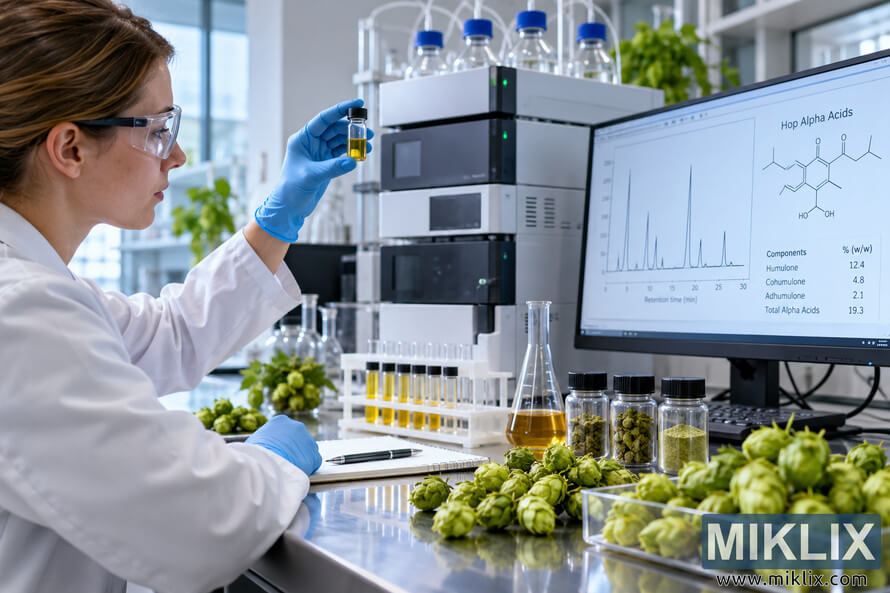
Belma hops contain alpha acids ranging from 9% to 13% in most harvests. This moderate to high alpha acid level makes the variety versatile for different brewing applications. You can use Belma for both bittering and aroma additions in your beer.
The beta acids typically measure around 4% to 6%. This ratio of alpha to beta acids contributes to Belma's balanced bittering quality. The bitterness comes across as smooth rather than harsh or astringent.
Clique ou toque na imagem para obter mais informações e resoluções mais elevadas.
Understanding Hop Utilization Rates
When you add Belma early in the boil, expect clean bitterness without overwhelming hop bite. The alpha acids isomerize efficiently during a 60-minute boil. Most brewers target 20-40 IBUs when using Belma as the primary bittering hop.
Late boil additions preserve more of the aromatic oils. A 15-minute addition provides moderate bitterness with enhanced aroma. This timing works well for pale ales and session IPAs where balance matters.
Early Boil (60 minutes)
- Maximum bitterness extraction
- Clean, smooth IBU contribution
- Minimal aroma retention
- Best for base bitterness in any style
Late Boil (5-15 minutes)
- Moderate bitterness with aroma
- Preserves more essential oils
- Fruit character begins to shine
- Ideal for hop-forward styles
Recommended Dosage Rates by Boil Stage
For bittering additions in a 5-gallon batch, use 0.5 to 1 ounce of Belma at 60 minutes. This provides a solid bitter foundation without dominating the beer. Adjust based on your target IBU level and the specific alpha acid percentage of your hops.
Flavor and aroma additions call for 1 to 2 ounces total. Split these between late boil and whirlpool stages for complexity. Some brewers prefer all late additions to maximize the fruit character Belma offers.
Aroma and Flavor Profile of Belma Hops
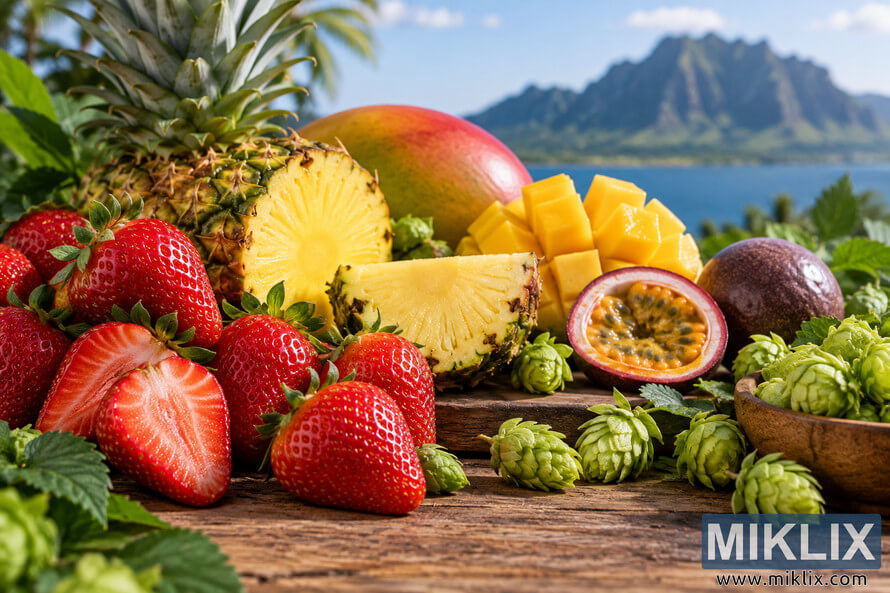
Belma hops are most famous for their strawberry character. This distinctive aroma sets them apart in the hop world. The strawberry note appears prominently in the nose and follows through to the flavor in finished beer.
Beyond strawberry, Belma offers layers of melon and citrus. Some brewers detect pineapple notes as well. The tropical fruit character adds complexity without becoming overwhelming or artificial-tasting.
Primary Aroma Descriptors
The strawberry aroma comes through strongest in dry-hopped beers. It presents as fresh strawberry rather than candy-like or artificial. This natural fruit quality makes Belma valuable for brewers seeking authentic fruit notes.
Melon characteristics include honeydew and cantaloupe impressions. These blend harmoniously with the strawberry to create a fruit-forward profile. The citrus notes provide brightness and balance to the sweeter fruit tones.
Clique ou toque na imagem para obter mais informações e resoluções mais elevadas.
Oil Composition and Volatile Compounds
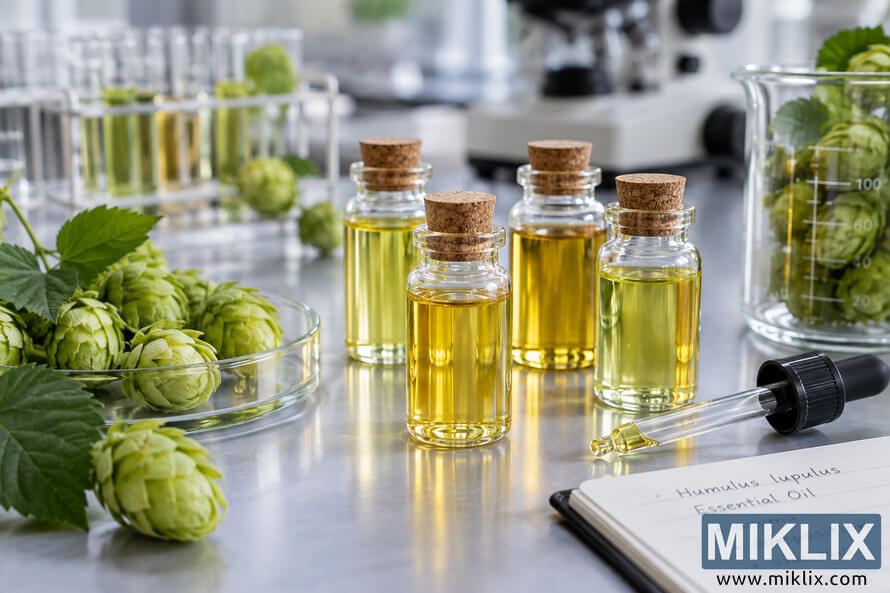
The essential oil content in Belma hops ranges from 1.0 to 2.5 mL per 100g. This moderate oil level contributes to good aroma retention in finished beer. The oil composition includes high levels of myrcene and other fruity compounds.
Myrcene typically represents the largest portion of the oil profile. This compound contributes to the hoppy, slightly herbal base notes. Other terpenes provide the distinctive fruit character that defines Belma.
Clique ou toque na imagem para obter mais informações e resoluções mais elevadas.
Flavor Experience in Finished Beer
When you taste a Belma-hopped beer, the fruit character shines through immediately. The strawberry flavor appears most prominent at first sip. It's followed by subtle melon and tropical notes that develop across the palate.
The finish tends toward clean and slightly sweet rather than dank or resinous. This makes Belma ideal for approachable, fruit-forward beers. The hop doesn't leave heavy bitterness or astringency on the tongue.
Brewer's Tip: Belma's fruit character intensifies when combined with clean fermenting yeast strains. Avoid highly estery yeasts that might compete with or muddle the hop's distinctive profile.
Best Brewing Applications for Belma Hops
Belma excels in late hop additions where its aroma and flavor characteristics can shine. Whirlpool and dry hop applications bring out the best in this variety. The fruit-forward profile works particularly well in styles that showcase hop character.
Whirlpool and Steep Additions
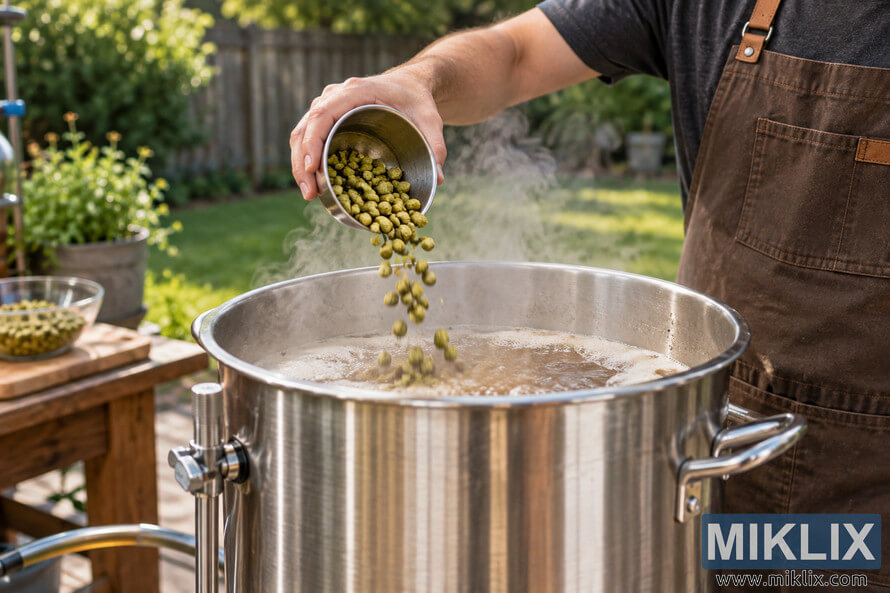
Adding Belma during the whirlpool stage captures maximum aroma with moderate flavor contribution. Use 1 to 2 ounces per 5 gallons at temperatures between 170°F and 180°F. Steep for 20 to 30 minutes for optimal extraction.
The lower temperature preserves volatile aromatics that would be lost in a rolling boil. This technique produces a beer with prominent strawberry and melon notes. Many brewers consider whirlpool the sweet spot for Belma additions.
Clique ou toque na imagem para obter mais informações e resoluções mais elevadas.
Dry Hopping Techniques
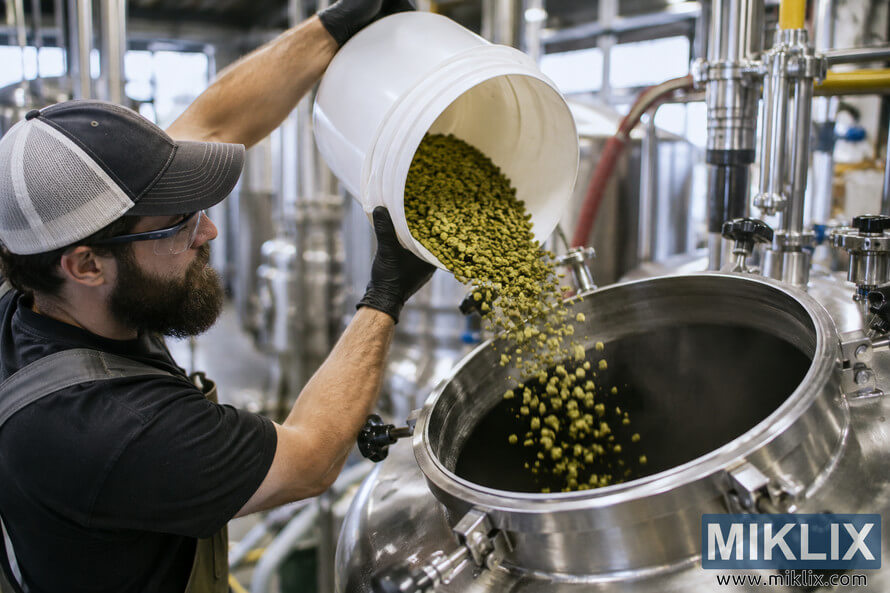
Dry hopping with Belma delivers intense fruit aroma without additional bitterness. Add 2 to 4 ounces per 5 gallons during or after primary fermentation. The strawberry character becomes very pronounced through dry hopping.
Timing matters when dry hopping with Belma. Adding hops during active fermentation creates biotransformation effects that can enhance fruit character. Post-fermentation dry hopping provides a cleaner, more direct hop aroma.
Clique ou toque na imagem para obter mais informações e resoluções mais elevadas.
Active Fermentation Dry Hop
- Add when fermentation is 50-75% complete
- Yeast enhances hop biotransformation
- Creates more complex fruit esters
- Shorter contact time needed (3-4 days)
- CO2 scrubbing helps prevent oxidation
Post-Fermentation Dry Hop
- Add after fermentation is complete
- More direct hop character expression
- Cleaner, brighter aroma profile
- Longer contact time beneficial (5-7 days)
- Requires gentle handling to avoid oxygen
Combination Approaches
Many successful Belma recipes use multiple hop addition points. A combination of late boil, whirlpool, and dry hop creates layered complexity. This approach maximizes both the aroma and flavor potential of the variety.
Consider splitting your Belma hop bill across these additions: 30% late boil for flavor backbone, 30% whirlpool for aroma foundation, and 40% dry hop for intense finishing aroma. Adjust ratios based on your desired intensity and beer style.
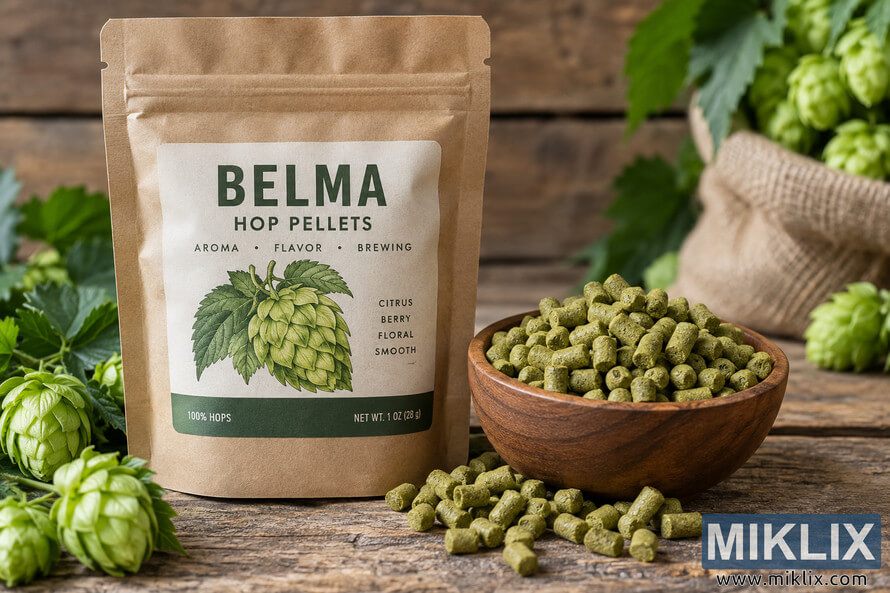
Premium Belma Hop Pellets
Fresh-packed Belma hops with guaranteed alpha acid content. Perfect for your next IPA, pale ale, or experimental brew. Available in 1oz, 4oz, and 1lb packages.
- Vacuum-sealed for freshness
- Current crop year guaranteed
- Lab-verified alpha acid levels
Clique ou toque na imagem para obter mais informações e resoluções mais elevadas.
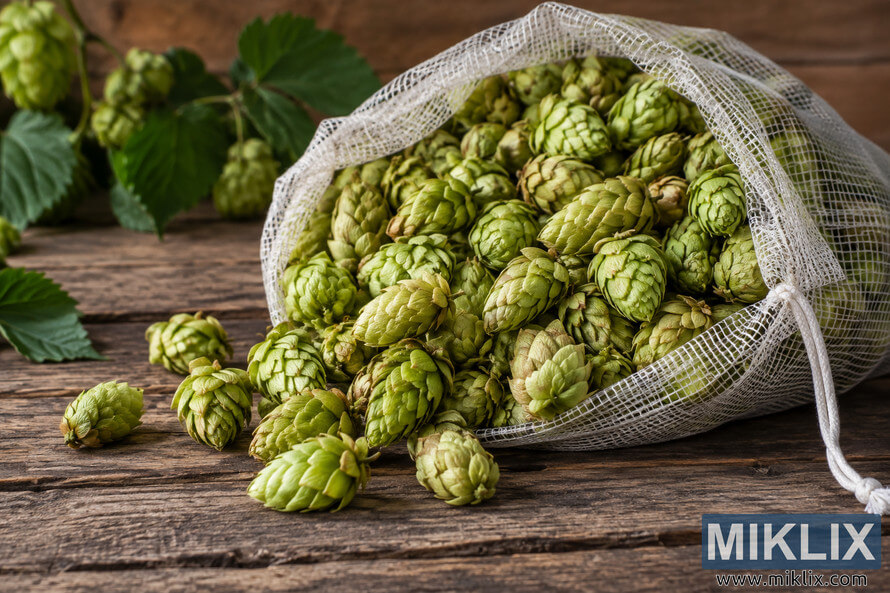
Whole Cone Belma Hops
Premium whole cone hops for brewers who prefer traditional hopping methods. Ideal for dry hopping and hop bags. Maximum aroma preservation in whole cone form.
- Hand-selected quality cones
- Optimal for dry hopping
- No processing preserves oils
Clique ou toque na imagem para obter mais informações e resoluções mais elevadas.
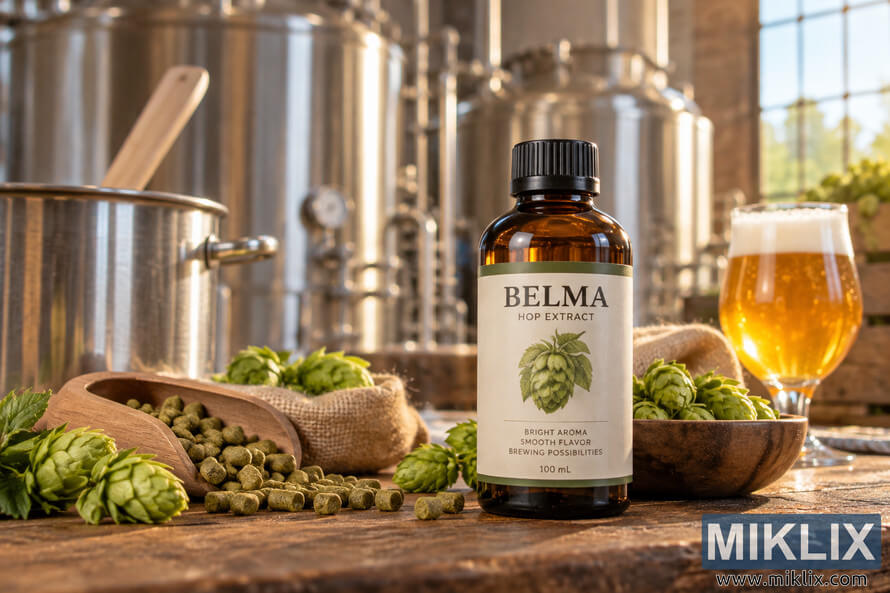
Belma Hop Extract
Concentrated hop extract for precise bittering and aroma additions. Perfect for extract brewers and experimental recipes requiring exact dosing. No vegetable matter in your beer.
- Precise dosing with dropper
- Clean bitterness profile
- Extended shelf life
- Ideal for small batches
Clique ou toque na imagem para obter mais informações e resoluções mais elevadas.
Recommended Beer Styles for Belma Hops
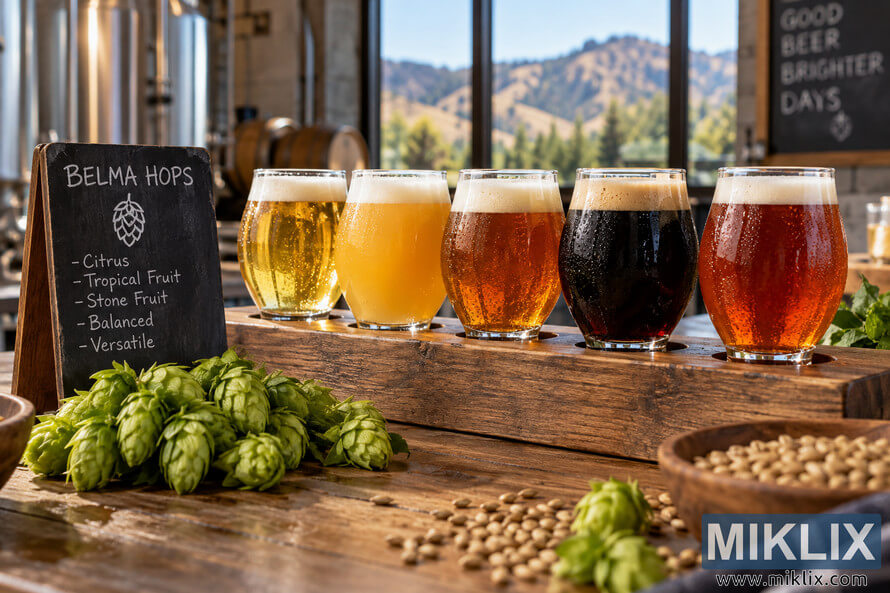
Belma hops work exceptionally well in a wide range of styles where hop character plays a prominent role. The variety's fruit-forward profile suits modern craft beer preferences. Understanding which styles best showcase Belma helps you make informed recipe decisions.
Clique ou toque na imagem para obter mais informações e resoluções mais elevadas.
Pale Ale Styles
American pale ale represents an ideal canvas for Belma hops. The style's moderate alcohol and balanced malt backbone let the hop's strawberry character shine without overwhelming the palate. Many brewers use Belma as the sole hop variety in pale ales with excellent results.
Session IPAs benefit from Belma's approachable fruit character. The lower alcohol content keeps the beer drinkable while the hops provide plenty of aroma interest. Use Belma heavily in whirlpool and dry hop additions for session ales.
IPA Variations
West Coast IPAs can feature Belma alongside traditional C-hops for added fruit complexity. The variety plays well with Cascade, Centennial, or Amarillo. Belma adds a unique strawberry note that distinguishes your IPA from standard citrus-forward versions.
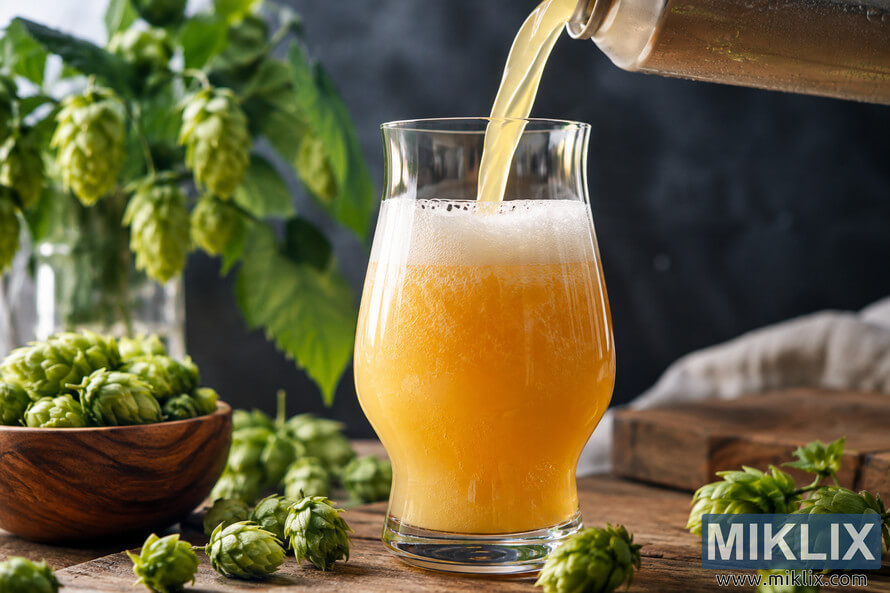
Hazy IPAs showcase Belma's fruit character beautifully. The soft, pillowy mouthfeel of a hazy complements the hop's smooth bitterness and pronounced aroma. Pair Belma with other fruit-forward hops like Citra or Mosaic for intense tropical character.
Clique ou toque na imagem para obter mais informações e resoluções mais elevadas.
Wheat and Belgian Styles
American wheat ales gain interesting complexity from Belma additions. The hop's fruit character complements wheat's natural grain sweetness. Keep hop rates moderate to maintain style balance while adding aromatic interest.
Belgian-style blonde ales can incorporate small amounts of Belma for a modern twist. The strawberry notes pair surprisingly well with Belgian yeast esters. Use restraint with hop quantities to avoid overwhelming the delicate yeast character.
Experimental and Hybrid Styles
Fruit beer recipes benefit from Belma's natural strawberry character. The hop enhances actual fruit additions or stands alone to create fruit-forward beers without fruit. This saves money and reduces haze from fruit matter.
Sour ales with fruit characteristics pair wonderfully with Belma. The hop's bright fruit notes complement tart and acidic base beers. Consider Belma in Berliner Weisse or fruited kettle sours for layered complexity.
| Beer Style | Hop Bill Percentage | Addition Timing | Target IBUs | Best Pairings |
| American Pale Ale | 60-100% | Late boil + Dry hop | 30-45 | Cascade, Centennial |
| Session IPA | 50-80% | Whirlpool + Dry hop | 35-50 | Mosaic, Simcoe |
| West Coast IPA | 30-50% | All stages | 50-70 | Columbus, Amarillo |
| Hazy IPA | 40-70% | Whirlpool + Heavy dry hop | 40-60 | Citra, Galaxy, Mosaic |
| American Wheat | 40-60% | Late boil + Light dry hop | 15-30 | Hallertau Blanc, Mandarina Bavaria |
| Blonde Ale | 30-50% | Whirlpool only | 15-25 | Sterling, Liberty |
Homebrewing Tips and Best Practices with Belma Hops
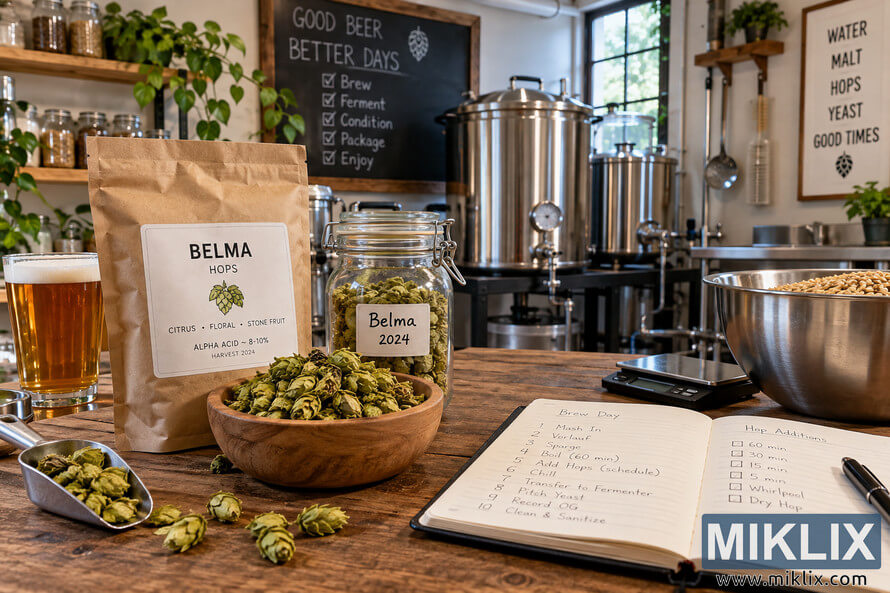
Success with Belma hops comes from understanding how to maximize their unique characteristics. These practical tips help homebrewers get the most from this variety. Small adjustments in technique can dramatically improve your results.
Clique ou toque na imagem para obter mais informações e resoluções mais elevadas.
Water Chemistry Considerations
Water profile impacts how Belma's fruit character expresses itself in beer. A sulfate-forward profile enhances hop perception and creates a drier finish. Target a sulfate to chloride ratio of 2:1 for hop-forward styles featuring Belma.
Avoid excessive mineral content that can clash with delicate fruit notes. Keep total dissolved solids moderate. Water that's too hard can create harsh bitterness that masks Belma's pleasant characteristics.
Yeast Selection Guidelines
Clean fermenting yeast strains work best with Belma. The hop's fruit character shines brightest when yeast doesn't compete. American ale strains like US-05 or WLP001 provide neutral backgrounds for hop expression.
For hazy styles, choose yeast that emphasizes biotransformation. London Ale III or Vermont Ale strains enhance hop oils through yeast interaction. These strains can amplify Belma's tropical fruit characteristics during fermentation.
Timing and Temperature Control
Temperature matters when extracting Belma's aromatics. Keep whirlpool temperatures below 180°F to preserve volatile compounds. Higher temperatures drive off the delicate strawberry and melon notes you want to capture.
Fermentation temperature affects how Belma's character develops. Ferment at the lower end of your yeast's range for cleaner hop expression. Higher fermentation temperatures can create competing esters that muddle the hop profile.
Belma Hop Advantages
- Unique strawberry aroma not found in other varieties
- Versatile across well wide range of styles
- Smooth bitterness quality without harshness
- Works well as single hop or in blends
- Strong aromatic intensity with good retention
- Moderate alpha acids allow flexible usage
Potential Challenges
- Limited availability compared to mainstream varieties
- Higher cost than commodity hops
- Fruit character may not suit all beer styles
- Requires proper storage to maintain freshness
- Can be overpowering if used excessively
- May be too unconventional for traditional styles
Recipe Formulation Strategy
Start with simple malt bills when first experimenting with Belma. A clean base of Pilsner or pale malt lets you evaluate the hop's true character. Add complexity gradually in subsequent batches once you understand how Belma behaves.
Balance hop quantities carefully to avoid overwhelming fruit character. New brewers often add too much, creating an unbalanced beer. Start conservatively with 3-4 ounces total per 5 gallons and adjust upward in future batches.
Dry Hopping Duration and Technique
Contact time during dry hopping affects aroma intensity and character. Three to five days typically provides optimal extraction for Belma. Longer contact times risk grassy or vegetal notes developing.
Temperature during dry hopping influences extraction efficiency. Room temperature dry hopping extracts more oils than cold crashing first. Some brewers prefer to dry hop warm, then cold crash before packaging.
Important Note: Belma's high oil content can contribute to beer haze and faster staling if oxidation occurs. Handle carefully during transfers and minimize oxygen exposure after fermentation.
Maximizing Freshness and Aroma
Package your Belma-hopped beers quickly after dry hopping completes. The bright fruit aromatics fade with time. Kegging and drinking within two to three weeks captures peak hop character.
For bottled beers, minimize headspace and use oxygen-absorbing caps. Oxidation particularly affects fruit-forward hop varieties like Belma. Proper packaging extends the window of optimal flavor.
Ready to Brew Your Best Belma Beer?
Get access to exclusive Belma hop recipes, brewing calculators, and expert tips from professional brewers. Join our community of homebrewers perfecting fruit-forward hop character.
Storage and Handling Recommendations for Belma Hops
Proper storage preserves Belma hops' distinctive aroma and effectiveness. Hops degrade quickly under poor conditions. Following best practices ensures your investment in quality hops pays off in your finished beer.
Optimal Storage Conditions
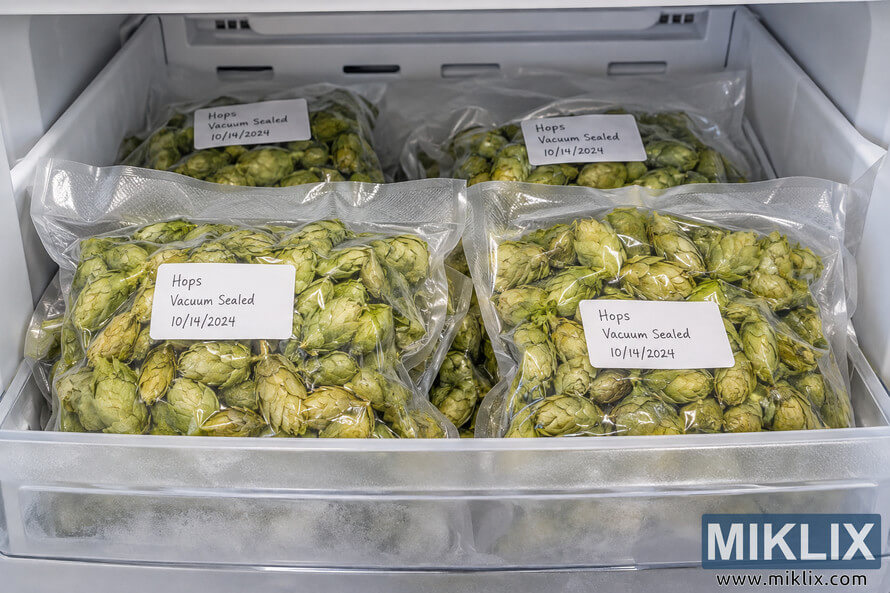
Store Belma hops in your freezer at 0°F or below. Freezing halts the degradation of alpha acids and essential oils. Vacuum-sealed packaging provides the best protection against oxidation and moisture.
Keep hops away from temperature fluctuations. Each freeze-thaw cycle accelerates quality loss. Store hops in the back of your freezer where temperature remains most stable, not in the door.
Clique ou toque na imagem para obter mais informações e resoluções mais elevadas.
Packaging and Protection
Original vacuum-sealed packaging offers excellent protection. Once opened, reseal hops in vacuum bags or use oxygen-barrier zip bags. Squeeze out as much air as possible before sealing to minimize oxygen contact.
Label your hop packages with variety, alpha acid content, and purchase date. Hop characteristics change over time even when frozen. Knowing the age and specifications helps you adjust recipes appropriately.
Monitoring Hop Quality
Fresh Belma hops smell intensely of strawberry and fruit when opened. Stale hops develop cheesy, vegetal, or musty aromas. If your hops smell off, don't use them in beer regardless of age.
Alpha acid content degrades over time even with proper storage. Expect 5-15% annual loss depending on storage conditions. Adjust bittering calculations for older hops to hit target IBUs accurately.
Purchasing Strategy
Buy Belma hops in quantities you'll use within one year. While properly stored hops last longer, freshest is always best for aroma varieties. Purchase harvest-fresh hops in fall when new crop becomes available.
Check harvest dates when ordering hops online. Reputable suppliers list crop year clearly. Current crop year hops contain maximum aroma and alpha acid levels for best brewing results.
Comparing Belma with Similar Hop Varieties
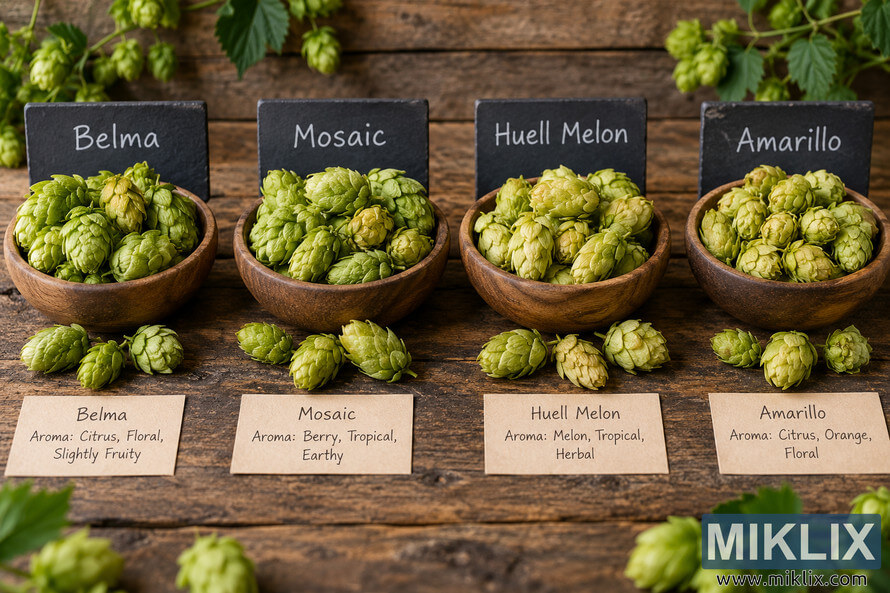
Understanding how Belma compares to other hops helps with recipe substitutions and hop blending decisions. Several varieties share characteristics with Belma, though none perfectly replicate its strawberry profile. These comparisons guide your brewing choices.
Belma vs. Mosaic Hops
Mosaic and Belma both offer fruit-forward profiles, but express differently. Mosaic leans toward blueberry, tropical fruit, and pine. Belma focuses on strawberry and melon with less resinous character.
Both varieties work well in similar beer styles. Mosaic brings higher alpha acids and more intense bitterness potential. Blending the two creates complex fruit character spanning berry and tropical spectrums.
Belma vs. Huell Melon
Huell Melon shares Belma's melon character but comes from German breeding. Huell Melon emphasizes honeydew and strawberry notes similar to Belma. The German variety tends toward slightly lower alpha acids.
Both hops excel in wheat beers and lighter styles. Belma offers more American hop brightness while Huell Melon provides softer, more subtle fruit character. Consider using them together for layered melon expression.
Belma vs. Amarillo Hops
Amarillo represents a more traditional American hop profile with orange and grapefruit character. Belma's strawberry sets it apart from Amarillo's citrus focus. Both provide clean bitterness and versatile brewing applications.
Blending Belma with Amarillo creates interesting citrus-meets-berry complexity. Use Amarillo for base bitterness and Belma for late additions. This combination works particularly well in pale ales and IPAs.
When to Choose Belma
- Desire distinctive strawberry character
- Creating fruit-forward beer without fruit additions
- Brewing softer, approachable hop profiles
- Want unique character for experimental beers
- Seeking alternatives to overused varieties
When to Choose Alternatives
- Need traditional citrus hop character (use Cascade)
- Require very high alpha for bittering (use Columbus)
- Want dank, resinous profile (use Simcoe)
- Brewing classic styles requiring noble hops
- Budget constraints favor commodity varieties
Clique ou toque na imagem para obter mais informações e resoluções mais elevadas.
Substitution Guidelines
No hop perfectly substitutes for Belma's unique strawberry character. For emergency substitutions, consider combining Huell Melon with a small amount of Citra. This approximates the fruit-forward profile though it won't be identical.
When blending hops, use Belma for 30-50% of late additions to maintain its character. Too many competing hop varieties muddle individual characteristics. Keep hop blends simple to let Belma shine through.
Frequently Asked Questions About Belma Hops
What makes Belma hops unique compared to other hop varieties?
Belma hops stand out for their distinctive strawberry aroma and flavor profile. Unlike most American hops that focus on citrus, pine, or tropical fruit, Belma delivers authentic strawberry character with complementary melon notes. This makes it ideal for brewers seeking fruit-forward beers without actual fruit additions. The variety also offers smooth bitterness and moderate alpha acids that work across a wide range of styles.
How much Belma hops should I use for a 5-gallon batch?
For a 5-gallon batch, use 0.5-1 ounce for bittering at 60 minutes if needed. For aroma and flavor, add 1-2 ounces total split between late boil (15 minutes or less) and whirlpool additions. For dry hopping, use 2-4 ounces depending on desired intensity. Start conservatively with 3-4 ounces total per batch and adjust upward in future brews based on your preferences.
Can I use Belma as a single hop variety in my beer?
Yes, Belma works excellently as a single hop variety, especially in pale ales and IPAs. Its complex fruit profile provides enough character to stand alone without needing other hops for complexity. Single-hopped Belma beers showcase the variety's unique strawberry and melon characteristics clearly. Many brewers prefer this approach when first experimenting with Belma to understand its true profile before blending with other varieties.
What beer styles work best with Belma hops?
Belma excels in American pale ale, session IPA, West Coast IPA, and hazy IPA styles where hop character takes center stage. It also works well in American wheat ales, blonde ales, and fruit-forward experimental beers. The variety's approachable fruit profile suits styles meant for wider audiences. Avoid using Belma in traditional English or German styles where its American fruit character would be inappropriate.
How should I store Belma hops to maintain freshness?
Store Belma hops in your freezer at 0°F or below in vacuum-sealed packaging or oxygen-barrier bags. Remove as much air as possible before sealing. Label packages with variety, alpha acid content, and purchase date. Avoid temperature fluctuations by storing hops in the back of your freezer. Fresh Belma hops smell strongly of strawberry and fruit; discard any hops that develop cheesy, vegetal, or musty aromas regardless of age.
What hops pair well with Belma in hop blends?
Belma pairs excellently with Mosaic for enhanced berry and tropical fruit complexity. Citra adds complementary citrus brightness to Belma's strawberry character. Amarillo provides traditional American hop backbone while letting Belma's unique profile shine. For hazy IPAs, combine Belma with Galaxy or Simcoe. Keep blends simple with 2-3 varieties maximum so Belma's distinctive character remains prominent rather than getting lost in too many competing hop flavors.
What is the typical alpha acid range for Belma hops?
Belma hops typically contain 9-13% alpha acids, with most commercial lots falling around 10-12%. This moderate to high alpha acid content makes Belma versatile for both bittering and aroma applications. The variety provides smooth, clean bitterness without harshness. Always check the specific alpha acid percentage on your hop package and adjust recipe calculations accordingly, as percentages vary between crop years and growing conditions.
When is the best time to add Belma hops during brewing?
The best time to add Belma depends on your goals. For maximum strawberry aroma, focus on whirlpool additions at 170-180°F for 20-30 minutes, plus heavy dry hopping for 3-5 days. For balanced flavor and aroma, add hops at 15 minutes before end of boil, during whirlpool, and dry hop. For bittering only, add at 60 minutes, though this wastes Belma's premium aroma characteristics. Most successful Belma recipes emphasize late additions and dry hopping over early boil additions.
Final Thoughts on Brewing with Belma Hops
Belma hops offer homebrewers and craft brewers a distinctive tool for creating fruit-forward beers with authentic strawberry character. The variety's unique profile sets it apart in a crowded hop market dominated by citrus and pine varieties.
Success with Belma comes from understanding its strengths and applying proper brewing techniques. Focus on late additions, whirlpool hopping, and dry hopping to capture the variety's best characteristics. Use clean fermenting yeast and balanced water chemistry to let the hop shine.
This hop variety rewards experimentation. Start with simple single-hop pale ales to learn Belma's profile, then explore more complex applications. The investment in quality hops and proper technique pays dividends in unique, memorable beers.
Whether you brew commercially or at home, Belma provides options for creating beers that stand out from standard offerings. Its approachable fruit character appeals to wide audiences while offering enough complexity to satisfy experienced craft beer drinkers.
Clique ou toque na imagem para obter mais informações e resoluções mais elevadas.
Leitura adicional
Se gostou deste post, também pode gostar destas sugestões:
- Lúpulo na cerveja: El Dorado
- Lúpulo na produção de cerveja: Styrian Wolf
- Lúpulo na Cerveja a Produzir: Coigneau