
The Powerful Health Benefits of Horseradish: A Complete Guide
Publicado:
Última atualização: 30 de junho de 2026 às 09:35:27 UTC
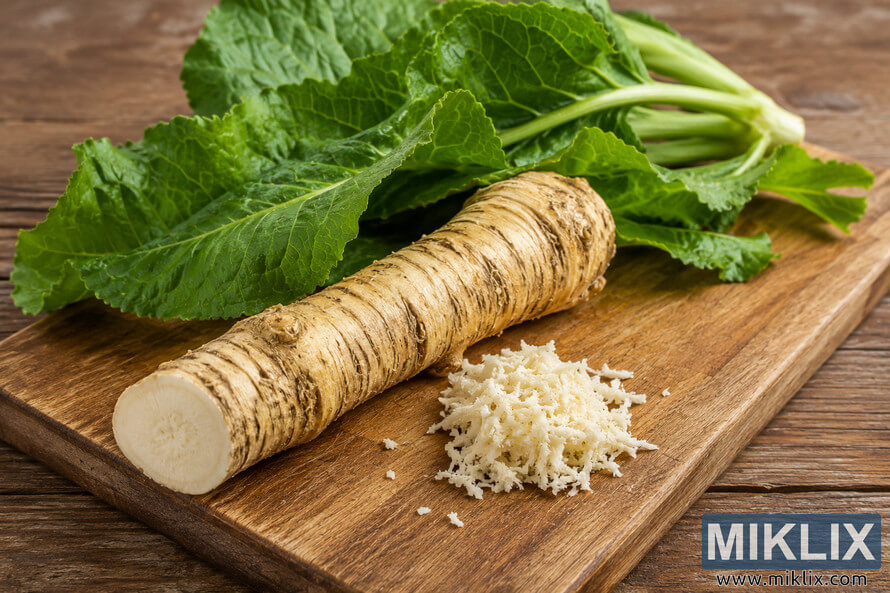
Have you ever wondered why horseradish makes your eyes water and clears your sinuses instantly? This pungent root vegetable has been used for centuries, dating back to the middle ages, not just as a spicy condiment but as a powerful medicinal plant.
The Powerful Health Benefits of Horseradish: A Complete Guide
Clique ou toque na imagem para obter mais informações e resoluções mais elevadas.
The sharp, distinctive flavor that makes horseradish sauce a favorite accompaniment for sandwiches and roast beef comes from special compounds called mustard oils. These same oils deliver remarkable health benefits that modern science continues to validate.
Beyond adding a fiery kick to your favorite dishes, horseradish offers impressive nutritional value and therapeutic properties. From supporting respiratory health to boosting your immune system, this humble root deserves a prominent place in your wellness routine. Whether you grow horseradish in your garden or purchase ground horseradish from your local store, understanding its health benefits can transform how you use this remarkable plant.
What Is Horseradish and Where Does It Come From?
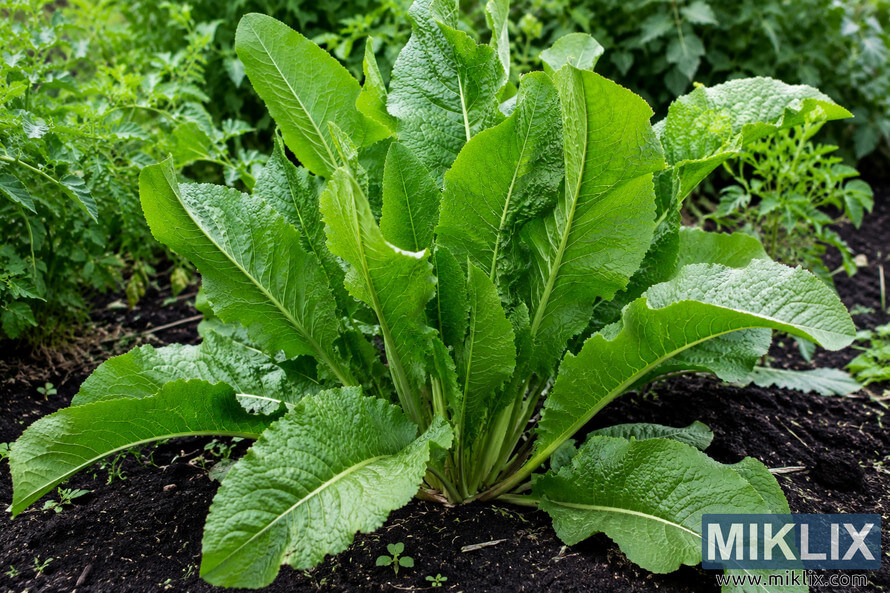
Horseradish, scientifically known as Armoracia rusticana, belongs to the same family as mustard, wasabi, and cabbage. This perennial plant thrives in temperate climates and has been cultivated for thousands of years. The plant produces large leaves that grow up to two feet tall, emerging from a thick main root buried in the ground. Gardeners appreciate horseradish for its low maintenance requirements and ability to spread vigorously once established.
Growing Characteristics
The horseradish plant prefers full sun and well-drained soil with plenty of water during the growing season. Leaves grow rapidly in spring and summer, reaching impressive heights. The plant produces small white flowers in late spring, though most gardeners harvest the roots before flowering occurs. In fall and early spring, the main root reaches peak pungency, making these ideal harvest times.
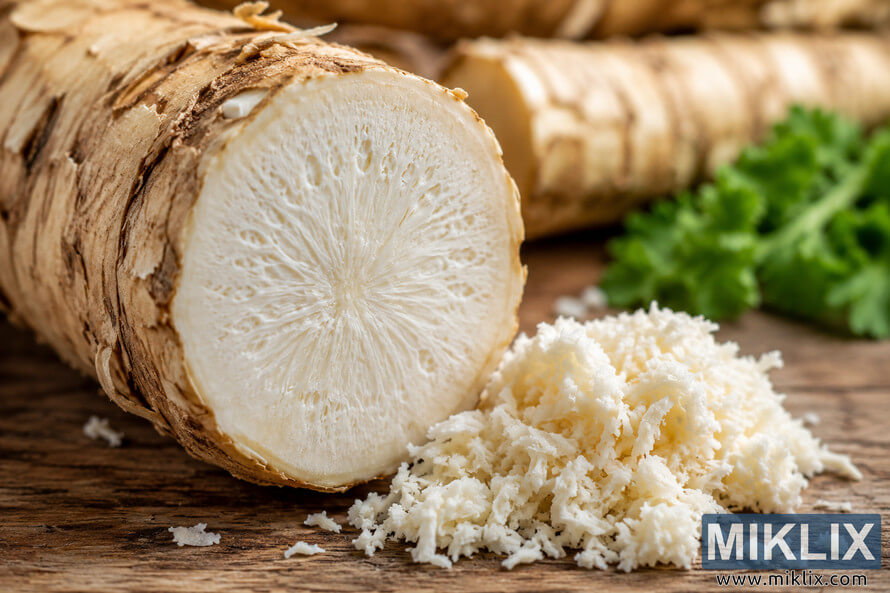
The edible portion is the thick, white root that develops underground. When freshly grated, the root releases volatile mustard oils that create its characteristic heat and aroma. Unlike peppers that burn your tongue, horseradish affects your nasal passages and sinuses. This unique property has made it valuable both as a culinary ingredient and medicinal remedy throughout history.
Different varieties of horseradish exist, though they share similar properties. Some types have variable markings on their leaves, while others maintain uniform coloring. Commercial growers and home gardeners alike value horseradish for its hardy nature and ability to return year after year with minimal care.
Clique ou toque na imagem para obter mais informações e resoluções mais elevadas.
Nutritional Profile: What Makes Horseradish So Beneficial?
The health benefits of horseradish stem from its impressive nutritional composition. This root vegetable contains remarkably few calories while delivering substantial amounts of essential nutrients. Fresh horseradish root provides vitamin C, folate, potassium, calcium, magnesium, and dietary fiber. The plant also contains powerful compounds that give it unique medicinal properties.
Key Vitamins and Minerals
- Vitamin C supports immune function and acts as an antioxidant
- Folate aids in cell growth and metabolism
- Potassium helps regulate blood pressure
- Calcium strengthens bones and teeth
- Magnesium supports muscle and nerve function
Active Beneficial Compounds
- Glucosinolates break down into isothiocyanates
- Sinigrin provides antimicrobial properties
- Allyl isothiocyanate creates the pungent effect
- Peroxidase enzymes offer antioxidant benefits
- Essential oils deliver therapeutic effects
The most significant components are glucosinolates, sulfur-containing compounds found throughout the plant. When you cut or grind horseradish roots, enzymes convert glucosinolates into isothiocyanates. These powerful substances give horseradish its sharp taste and many of its health-promoting properties. Research shows these compounds exhibit antibacterial, anticancer, and anti-inflammatory effects in the human body.
One tablespoon of prepared horseradish contains only six calories but provides approximately fifteen percent of your daily vitamin C needs. The root also contains trace amounts of zinc, manganese, and B vitamins. When consumed as part of a balanced diet, horseradish contributes valuable nutrients without adding significant calories or fat.
Clique ou toque na imagem para obter mais informações e resoluções mais elevadas.
Comprehensive Health Benefits of Horseradish
Sinus Relief and Respiratory Benefits
The most well-known benefit of horseradish is its ability to clear nasal passages and sinuses. The volatile oils released when eating horseradish stimulate mucous membranes, promoting drainage and providing immediate relief. People suffering from colds, allergies, or sinus infections often find horseradish more effective than commercial decongestants. The mustard oils work quickly to thin mucus and ease breathing.
Studies show that compounds in horseradish help break down stubborn mucus in the respiratory tract. This makes it easier to expel congestion naturally. Unlike pharmaceutical options that may cause drowsiness, horseradish provides relief without unwanted side effects. Many traditional remedies combine horseradish with honey or vinegar to create natural cough syrups that soothe irritated throats while clearing airways.
Regular consumption during cold and flu season may help prevent respiratory infections from taking hold. The antimicrobial properties kill bacteria and viruses before they can establish themselves in your system. For those with chronic sinus problems, incorporating small amounts of horseradish into your diet several times weekly might reduce the frequency and severity of flare-ups.
Clique ou toque na imagem para obter mais informações e resoluções mais elevadas.
Digestive Health Benefits
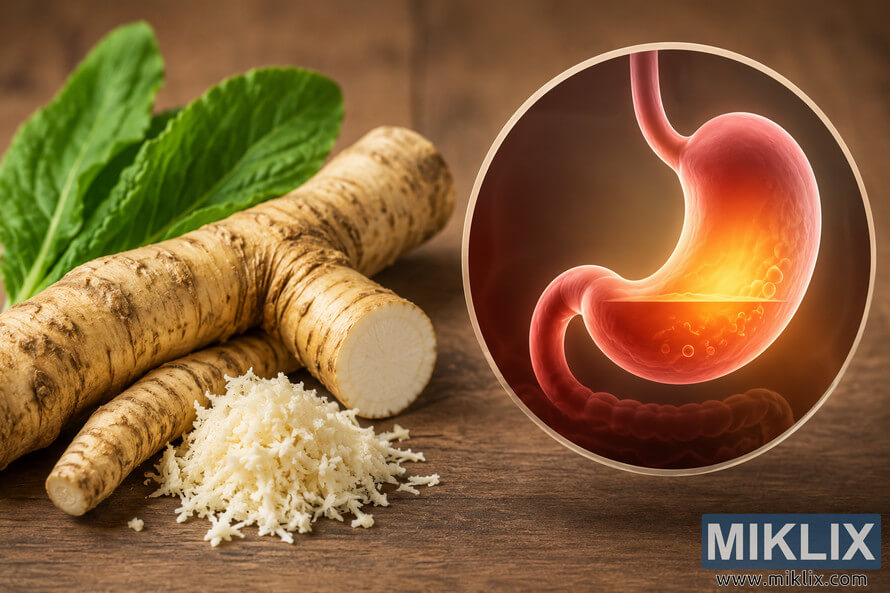
Horseradish has been used medicinally to support healthy digestion for generations. The root stimulates production of digestive enzymes and bile, which help break down food more efficiently. This can reduce bloating, gas, and indigestion after meals. The natural enzymes in fresh horseradish aid in protein digestion, making it an excellent accompaniment to meat dishes.
The fiber content in horseradish roots supports regular bowel movements and feeds beneficial gut bacteria. A healthy gut microbiome is essential for overall wellness, affecting everything from mood to immune function. The antimicrobial properties also help maintain balance in the digestive tract by controlling harmful bacteria without disrupting beneficial organisms.
People who suffer from sluggish digestion may find that consuming horseradish before meals stimulates appetite and prepares the digestive system. Traditional herbalists recommend horseradish as a bitter tonic to improve overall digestive function. The warming effect of the mustard oils increases blood flow to the digestive organs, enhancing their performance.
Clique ou toque na imagem para obter mais informações e resoluções mais elevadas.
Anti-Inflammatory Properties
Chronic inflammation contributes to many serious health conditions, including heart disease, arthritis, and diabetes. The compounds in horseradish demonstrate powerful anti-inflammatory effects in scientific studies. Isothiocyanates block enzymes that promote inflammation, potentially reducing pain and swelling throughout the body.
Research indicates that regular consumption of horseradish may help people with inflammatory conditions manage their symptoms. The antioxidants in the root neutralize free radicals that cause cellular damage and trigger inflammatory responses. While horseradish should not replace medical treatment, it can complement conventional therapies for inflammatory diseases.
Important Note: The anti-inflammatory compounds in horseradish work best when the root is fresh. Ground horseradish loses potency over time, so purchase small quantities and store properly in your refrigerator.
Immune System Support
A robust immune system is your first line of defense against illness. Horseradish contains high levels of vitamin C, a nutrient essential for immune cell function. The root also provides compounds that directly fight pathogens. Studies show that horseradish extracts kill various bacteria, viruses, and fungi that cause infections.
The antimicrobial effects come primarily from the mustard oils released when horseradish is processed. These volatile compounds can eliminate harmful organisms in the digestive tract, respiratory system, and urinary tract. Some research suggests horseradish may be particularly effective against bacteria that have developed resistance to antibiotics.
During cold and flu season, consuming horseradish several times weekly might reduce your risk of getting sick. If you do catch a bug, the decongestant properties help you recover more quickly. The combination of immune-boosting nutrients and antimicrobial compounds makes horseradish a valuable addition to your wellness toolkit.
Clique ou toque na imagem para obter mais informações e resoluções mais elevadas.
Cardiovascular Benefits
Emerging research suggests horseradish may support heart health in several ways. The potassium content helps regulate blood pressure by counteracting sodium's effects. Lower blood pressure reduces strain on your cardiovascular system and decreases risk of heart attack and stroke.
Compounds in horseradish may also help reduce cholesterol levels. Animal studies indicate that horseradish extracts lower LDL cholesterol while maintaining healthy HDL levels. The anti-inflammatory properties protect blood vessels from damage that can lead to atherosclerosis. Additionally, horseradish contains compounds that may prevent blood clots from forming.
The antioxidants in horseradish protect heart cells from oxidative stress, a major contributor to cardiovascular disease. While more human studies are needed, current evidence suggests that including horseradish in a heart-healthy diet may provide protective benefits. The root pairs well with fish, which also supports cardiovascular wellness.
Antibacterial and Antimicrobial Effects
One of the most impressive qualities of horseradish is its ability to fight harmful microorganisms. The allyl isothiocyanate in horseradish demonstrates powerful antibacterial activity against numerous pathogens. This natural compound has been shown to kill E. coli, Staphylococcus, and other dangerous bacteria.
Bacteria Affected by Horseradish
- E. coli (food poisoning)
- Staphylococcus aureus (skin infections)
- Listeria (foodborne illness)
- Salmonella (digestive infections)
- H. pylori (stomach ulcers)
Other Microorganisms
- Candida albicans (yeast infections)
- Various respiratory viruses
- Urinary tract infection bacteria
- Dental cavity-causing bacteria
- Skin fungal infections
Traditional folk medicine has long used horseradish poultices to treat skin infections and promote wound healing. The antimicrobial properties help prevent infection while the anti-inflammatory effects reduce swelling. Modern research validates these traditional uses, showing that horseradish extracts can inhibit bacterial growth on surfaces and in the body.
Food preservation is another area where horseradish shines. The natural antimicrobial compounds help prevent spoilage and foodborne illness. This is why horseradish has been used in pickling and preserving foods for centuries. Adding horseradish to your meals may help protect against food-related bacteria while enhancing flavor.
How to Incorporate Horseradish Into Your Diet
Adding horseradish to your regular diet is easier than you might think. The key is starting with small amounts and gradually increasing as you become accustomed to the flavor. Fresh horseradish root offers the most health benefits, but prepared horseradish sauce and ground horseradish also provide value. Here are practical ways to enjoy this powerful root vegetable.
Clique ou toque na imagem para obter mais informações e resoluções mais elevadas.
Fresh Horseradish Preparation
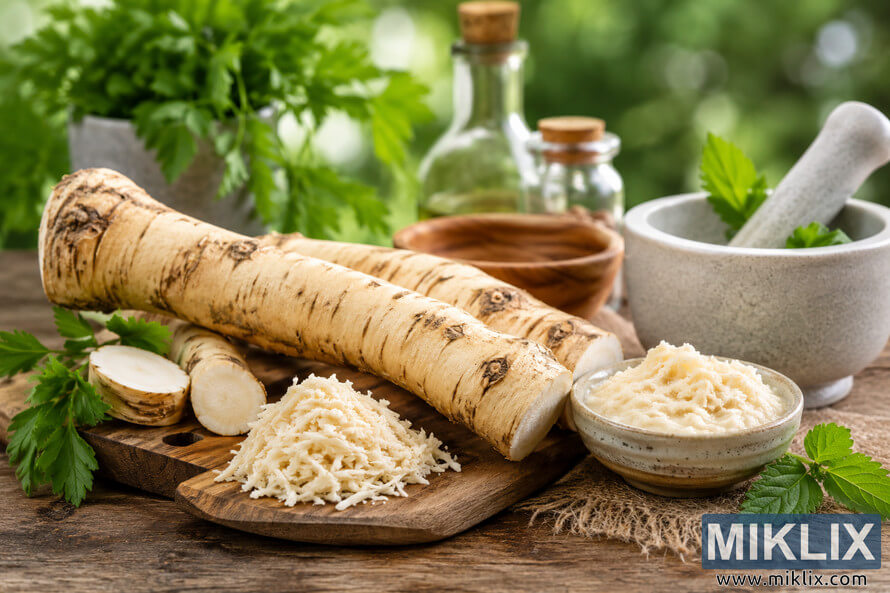
If you grow horseradish in your garden or purchase fresh roots, proper preparation maximizes both flavor and health benefits. Begin by washing the root thoroughly to remove soil. Peel the outer brown skin using a vegetable peeler. The white flesh underneath contains the active compounds. Use a grater or food processor to grind the root into a paste.
Work quickly, as the mustard oils dissipate rapidly once the root is cut. Adding a small amount of vinegar immediately after grating helps preserve the pungency and prevents browning. White vinegar is traditional, but apple cider vinegar adds additional health benefits. Store freshly grated horseradish in an airtight container in the refrigerator, where it will maintain potency for several weeks.
Harvesting Tip: Fall is the ideal time to harvest horseradish roots from your garden. After the first frost, leaves grow dormant and the root reaches maximum pungency. Spring offers a second harvest window before new growth begins.
Creative Ways to Use Horseradish
Condiments and Sauces
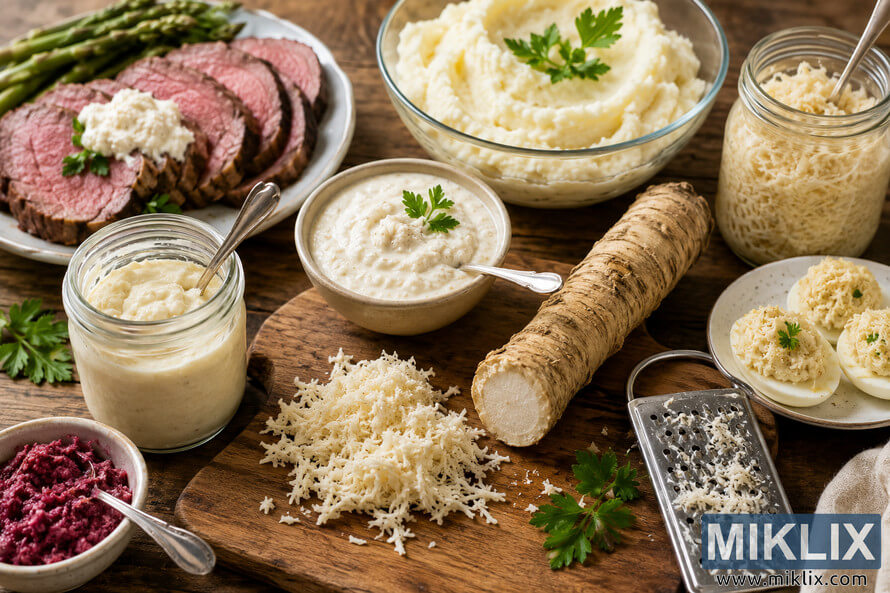
Mix prepared horseradish with mayonnaise, sour cream, or Greek yogurt to create delicious spreads. These sauces complement roast beef, fish, and sandwiches perfectly. Add horseradish to cocktail sauce for shrimp or blend it into salad dressings for an extra kick.
Main Dishes
Stir ground horseradish into mashed potatoes or add it to meat marinades. Mix it into meatloaf or burger patties for depth of flavor. Horseradish pairs exceptionally well with beef, pork, and oily fish like salmon or mackerel.
Health Remedies
Combine fresh horseradish with honey to make a natural cough syrup. Mix it with lemon juice and hot water for a soothing tea that clears sinuses. Some people take a small spoonful of prepared horseradish at the first sign of cold symptoms.
Recommended Dosages
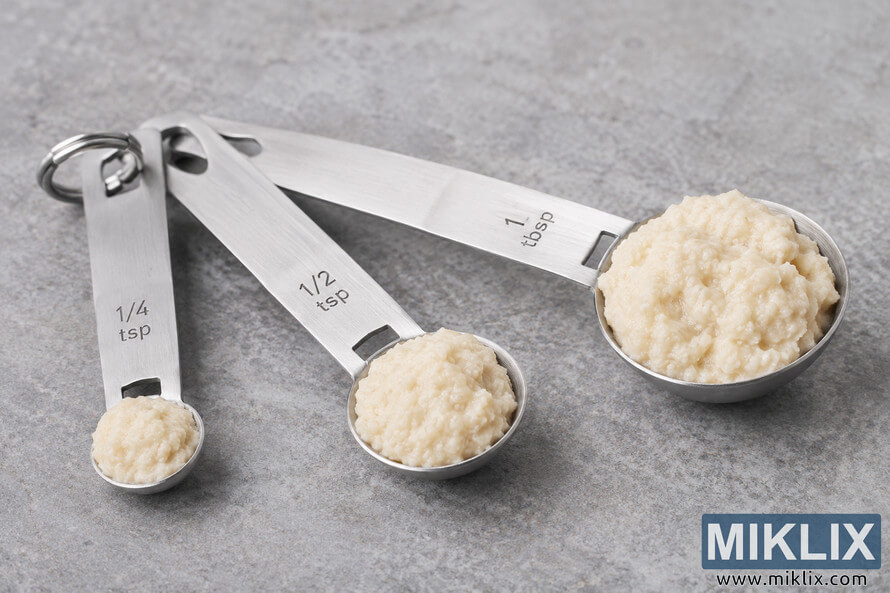
While horseradish is generally safe for most people, moderation is important. For general health maintenance, one to two teaspoons of prepared horseradish daily provides benefits without overwhelming your system. During acute illness like a cold or sinus infection, you can increase this to one tablespoon three times daily until symptoms improve.
Those new to horseradish should start with just a quarter teaspoon and gradually increase. The intense flavor takes some getting used to, but most people find they enjoy it once acclimated. Always consume horseradish with food to prevent stomach irritation. The oils can be harsh on an empty stomach.
Clique ou toque na imagem para obter mais informações e resoluções mais elevadas.
Growing Your Own Horseradish
For gardeners, growing horseradish at home ensures a fresh supply while providing an attractive addition to your garden. The plant thrives in full sun but tolerates partial shade. Choose a location with well-drained soil, as horseradish roots rot in waterlogged ground. Space plants two to three feet apart, as the leaves grow quite large.
Plant root cuttings or crowns in early spring, about two inches deep. Water regularly during dry spells, especially in summer when leaves grow rapidly. The plant requires minimal maintenance beyond occasional weeding. Be aware that horseradish spreads aggressively, so many gardeners plant it in containers or dedicated areas to control growth.
Watch for flea beetles during the growing season, as these pests sometimes damage leaves. However, the plant is generally pest-resistant due to its natural mustard oils. Most gardeners find horseradish one of the easiest vegetables to grow, producing abundantly with little effort.
Potential Side Effects and Precautions
While horseradish offers numerous health benefits, certain individuals should exercise caution. Understanding potential side effects and contraindications helps you use this powerful root safely. Most people tolerate horseradish well in culinary amounts, but larger medicinal doses may cause problems for some.
Common Side Effects
The most frequent side effects involve digestive discomfort. Excessive amounts of horseradish can cause stomach upset, nausea, or diarrhea. The volatile oils irritate mucous membranes throughout the digestive tract when consumed in large quantities. Always start with small amounts and increase gradually to assess your tolerance.
Some people experience skin irritation when handling fresh horseradish root. The oils can cause redness, burning, or rash on sensitive skin. Wear gloves when grating or processing large amounts. If the oils contact your eyes, rinse immediately with cool water. The burning sensation is temporary but uncomfortable.
Safety Warning: Never apply horseradish directly to children's skin or give large amounts internally to young children. Their mucous membranes are more sensitive and can be damaged by the powerful oils.
Who Should Avoid Horseradish
- Pregnant women should limit consumption, as horseradish may stimulate menstruation in large amounts
- People with stomach ulcers or inflammatory digestive conditions might experience increased irritation
- Those with hypothyroidism should moderate intake, as horseradish belongs to the goitrogen family
- Individuals taking diuretic medications need to monitor potassium levels
- Anyone with kidney problems should consult a healthcare provider before consuming large amounts
- People scheduled for surgery should stop eating horseradish two weeks beforehand, as it may affect blood clotting
Drug Interactions
Horseradish can interact with certain medications. The root may enhance the effects of thyroid medications, requiring dosage adjustments. It can increase the action of diuretics, potentially causing electrolyte imbalances. If you take prescription medications regularly, discuss horseradish consumption with your doctor or pharmacist.
The blood-thinning properties of horseradish mean it could enhance anticoagulant medications like warfarin. This combination might increase bleeding risk. Similarly, horseradish may interact with diabetes medications by lowering blood sugar. Monitor glucose levels carefully if you have diabetes and consume horseradish regularly.
Safe Usage Guidelines
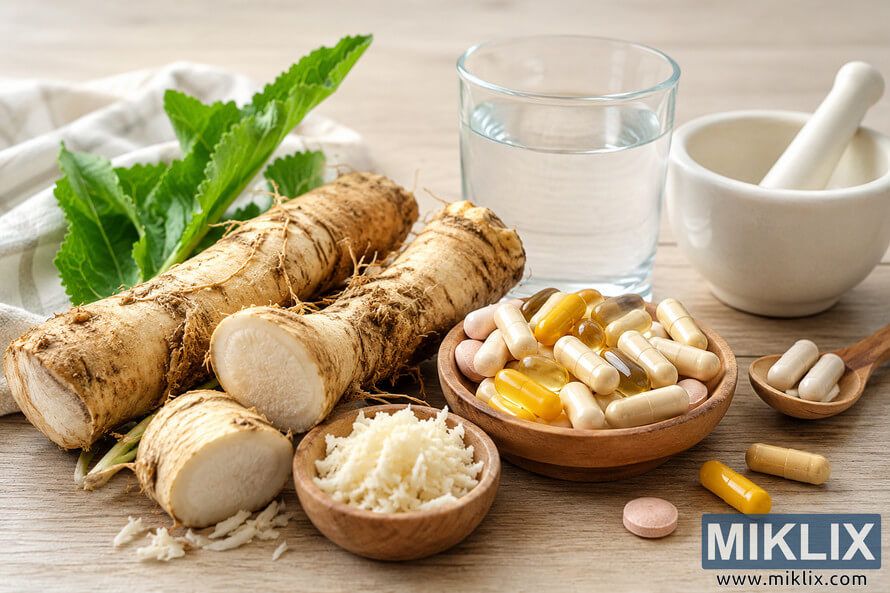
To enjoy horseradish safely, follow these simple guidelines. Stick to culinary amounts rather than taking concentrated supplements without professional guidance. Store prepared horseradish properly in the refrigerator to prevent bacterial growth. Discard any product that develops an off smell or unusual color.
When introducing horseradish to your diet, observe how your body responds. Most adverse effects occur only with excessive consumption. One or two teaspoons daily rarely causes problems for healthy adults. If you experience persistent digestive upset or other concerning symptoms, reduce your intake or discontinue use.
Clique ou toque na imagem para obter mais informações e resoluções mais elevadas.
Embracing Horseradish for Better Health
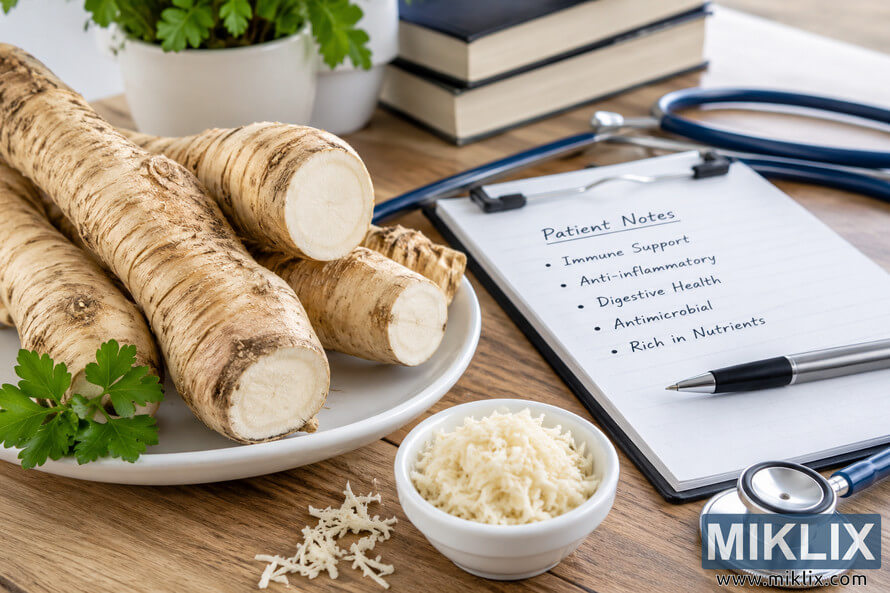
Horseradish stands as a remarkable example of how traditional remedies align with modern scientific understanding. This humble root, grown by gardeners for centuries, delivers impressive health benefits backed by research. From clearing congested sinuses to fighting harmful bacteria, horseradish earns its place as both a flavorful condiment and a natural medicine.
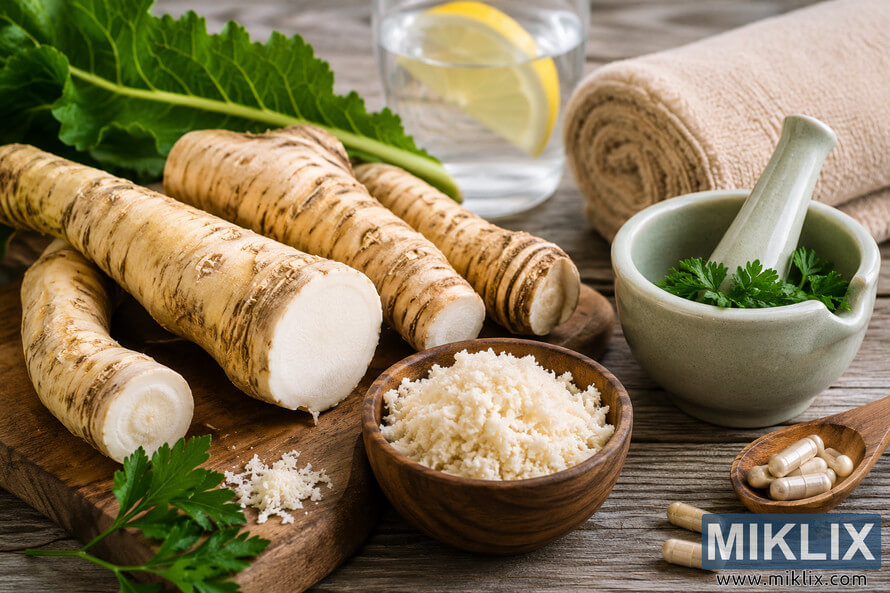
The compounds found in horseradish roots, particularly the mustard oils released when the plant is processed, provide therapeutic effects that pharmaceutical companies cannot easily replicate. Whether you harvest fresh roots from your garden in fall or purchase prepared ground horseradish from the store, incorporating this powerful plant into your diet supports multiple aspects of health.
Start small if you are new to horseradish. Add a dollop of sauce to your sandwiches or mix it into your favorite dressings. As you become accustomed to the flavor, experiment with larger amounts and different preparations. Many people find that regular consumption during cold season keeps them healthier throughout the winter months.
Remember that horseradish works best as part of an overall healthy lifestyle. Combine it with plenty of fresh vegetables, adequate water, regular exercise, and sufficient sleep. This holistic approach maximizes the benefits of horseradish while supporting your body's natural healing capabilities. The plant is powerful, but not a magic cure-all.
Growing horseradish in your own garden connects you with a tradition stretching back to the middle ages. The plant requires minimal maintenance, thrives in full sun, and produces abundantly year after year. Few plants offer such impressive health benefits with so little effort. Even a small garden space can accommodate several horseradish plants.
As research continues to validate traditional uses of horseradish, we gain greater appreciation for this remarkable root vegetable. The same qualities that make it a beloved condiment also make it a valuable tool for natural health. By understanding both the benefits and precautions, you can safely harness horseradish's healing power to support your wellness journey.
Clique ou toque na imagem para obter mais informações e resoluções mais elevadas.
Leitura adicional
Se gostou deste post, também pode gostar destas sugestões:
- Alimento para o cérebro e muito mais: Os benefícios surpreendentes das nozes
- Um Guia para os Benefícios para a Saúde do Melão
- Pêssego Perfeito: O doce caminho para uma saúde melhor