
Turnip: The Root Vegetable That Supports Better Health
Опубліковано:
Останнє оновлення: 14 вересня 2026 р. о 14:49:20 UTC
Turnips often sit forgotten in the produce section. Yet this humble root vegetable packs remarkable nutritional power. Many people walk past turnips without understanding their health potential.
Turnip: The Root Vegetable That Supports Better Health
Натисніть або торкніться зображення, щоб отримати більше інформації та вищу роздільну здатність.
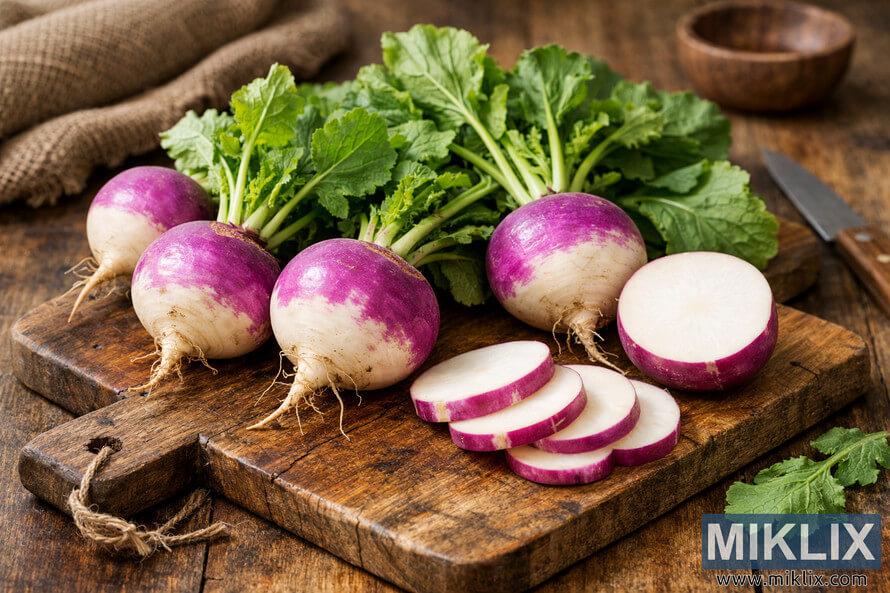
This purple-topped veggie delivers vitamins, minerals, and compounds that support your body. From ancient gardens to modern tables, turnips have nourished communities for centuries.
You'll discover why nutritionists recommend adding turnips to your weekly meal plan. This guide explores science-backed benefits and practical ways to enjoy this versatile root.
Understanding Turnips as a Root Vegetable
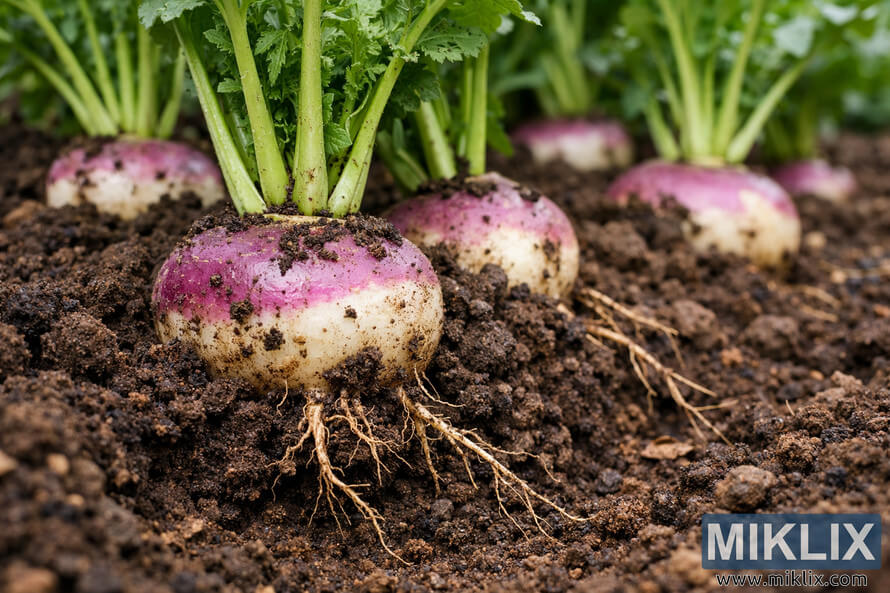
Turnips belong to the Brassica family alongside cabbage and broccoli. The edible root grows underground while greens reach toward sunlight.
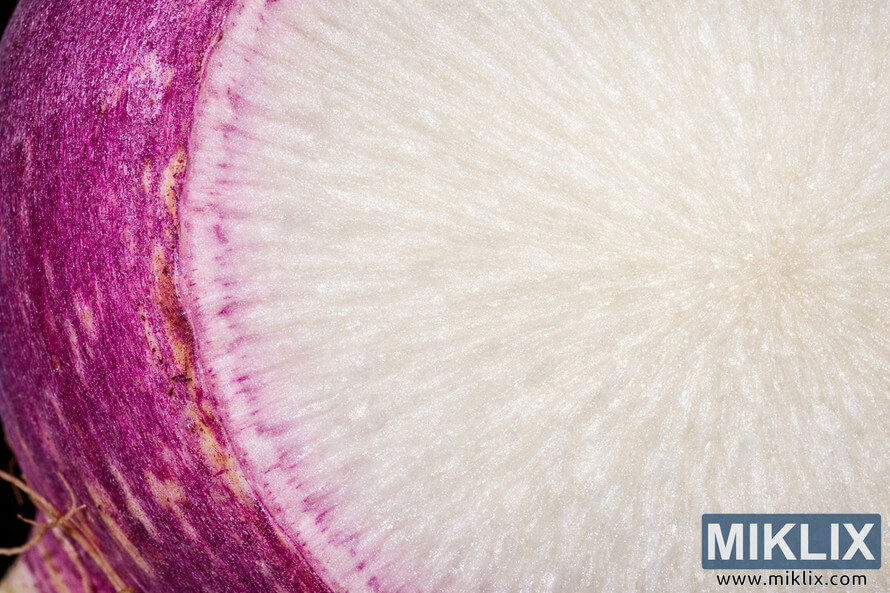
The globe-shaped root typically measures two to three inches across. White flesh hides beneath purple and white skin. Both the root and greens offer distinct nutritional profiles.
Cool-season gardens produce the best turnips during fall and spring. Summer heat can make the roots woody and bitter. The vegetable thrives in temperatures between fifty and sixty-five degrees.
Garden-fresh turnips taste mildly sweet with peppery notes. Storage time affects flavor intensity. Young turnips offer delicate sweetness while mature roots develop stronger taste.
Натисніть або торкніться зображення, щоб отримати більше інформації та вищу роздільну здатність.
Complete Nutritional Profile of Turnips
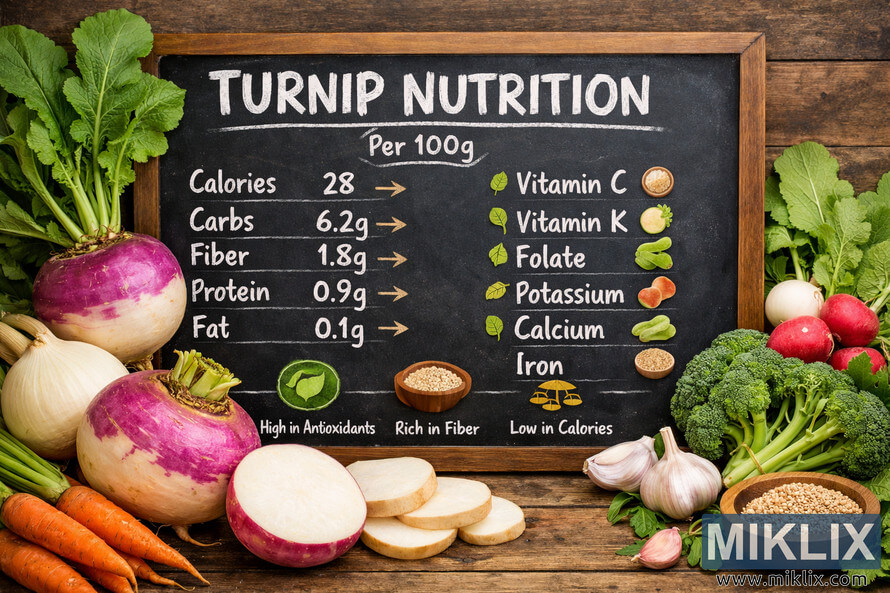
One cup of cubed raw turnips contains just thirty-six calories. This makes turnips an excellent choice for calorie-conscious eating plans. The low fat content supports various dietary approaches.
Essential Vitamins in Turnips
Turnips deliver impressive vitamin C levels. A single cup provides thirty percent of daily requirements. This antioxidant supports immune function and skin health.
Vitamin C Content
The high vitamin C concentration helps your body fight oxidative stress. This water-soluble vitamin must be consumed regularly since your body cannot store it.
- Supports collagen production for healthy skin
- Enhances iron absorption from plant foods
- Protects cells from free radical damage
- Strengthens immune system response
B-Vitamin Complex
Turnips contain folate and other B vitamins. These nutrients support energy metabolism and nervous system function.
- Folate aids cell division and DNA synthesis
- B6 supports brain development and function
- Thiamine helps convert food into energy
- Riboflavin promotes healthy skin and eyes
Vitamin K Presence
This fat-soluble vitamin plays crucial roles in blood clotting. Turnip greens contain even higher concentrations than the root.
- Essential for proper blood coagulation
- Supports bone mineralization and strength
- May reduce cardiovascular disease risk
- Works with calcium for bone health
Vitamin A Benefits
The greens provide significant vitamin A through beta-carotene. Your body converts this compound as needed.
- Maintains healthy vision and eye function
- Supports immune system effectiveness
- Promotes cell growth and differentiation
- Protects mucous membranes throughout body
Натисніть або торкніться зображення, щоб отримати більше інформації та вищу роздільну здатність.
Mineral Content Analysis
Turnips provide essential minerals your body needs. Potassium content supports heart health and blood pressure regulation. One cup delivers around two hundred fifty milligrams of this vital mineral.
Calcium strengthens bones and teeth. While turnip roots contain moderate amounts, the greens offer exceptional calcium levels. This matters especially for those avoiding dairy products.
| Mineral | Amount per Cup | Daily Value % | Primary Function |
| Potassium | 248 mg | 7% | Blood pressure regulation |
| Calcium | 39 mg | 4% | Bone health and strength |
| Magnesium | 14 mg | 4% | Muscle and nerve function |
| Phosphorus | 35 mg | 3% | Energy production and storage |
| Iron | 0.4 mg | 2% | Oxygen transport in blood |
Натисніть або торкніться зображення, щоб отримати більше інформації та вищу роздільну здатність.
Fiber and Carbohydrate Composition
Dietary fiber fills two grams per cup of turnips. This supports digestive health and promotes feelings of fullness. The fiber content aids regular bowel movements and feeds beneficial gut bacteria.
Total carbohydrates reach eight grams per cup. Most come from natural sugars and complex carbohydrates. The low glycemic nature means turnips won't spike blood sugar dramatically.
Science-Backed Health Benefits of Turnips
Research reveals multiple ways turnips support bodily functions. The vegetable contains compounds that work at cellular levels. Scientists continue discovering new benefits through ongoing studies.
Digestive System Support
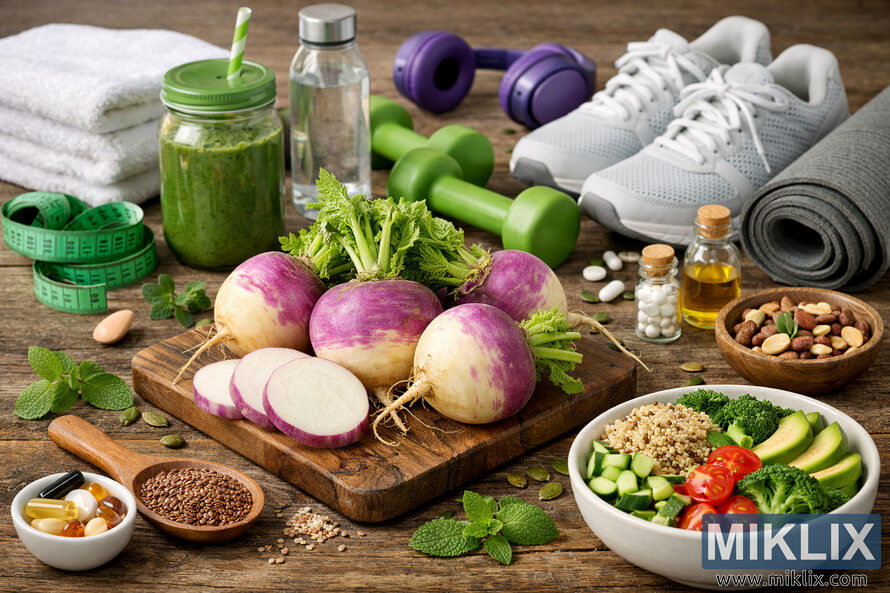
The fiber in turnips promotes healthy digestion. Insoluble fiber adds bulk to stool and prevents constipation. Soluble fiber feeds beneficial gut bacteria.
These good bacteria produce short-chain fatty acids. These compounds reduce inflammation in the colon. Regular turnip consumption may lower digestive disorder risks.
Research Insight: Studies show that cruciferous vegetables like turnips support gut microbiome diversity. A diverse microbiome correlates with better overall health outcomes.
Натисніть або торкніться зображення, щоб отримати більше інформації та вищу роздільну здатність.
Immune Function Enhancement
Vitamin C acts as a powerful immune booster. It stimulates white blood cell production and activity. These cells form your body's defense against pathogens.
The antioxidants in turnips neutralize harmful free radicals. This reduces oxidative stress that can weaken immunity. Regular consumption may decrease infection frequency and severity.
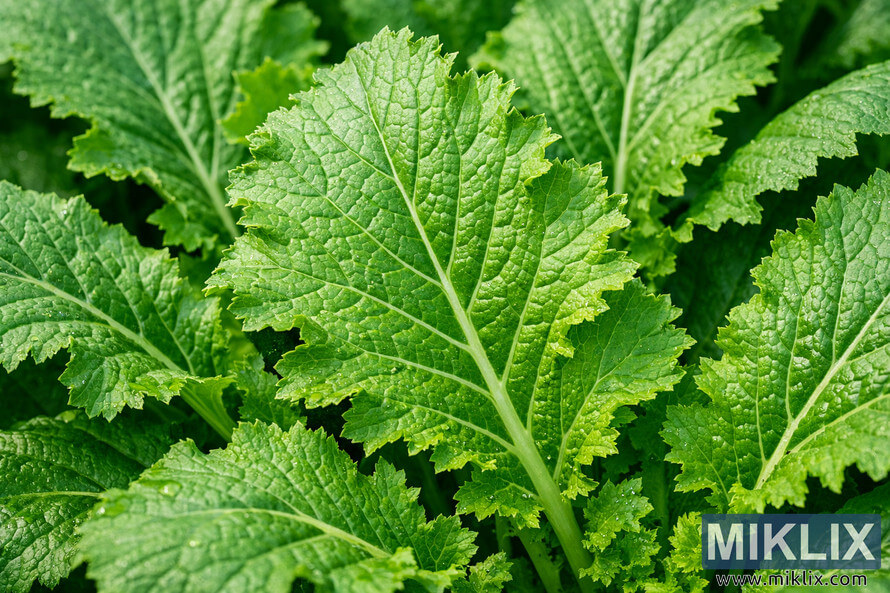
Turnip greens contain additional immune-supporting nutrients. The combination of vitamins A, C, and E creates synergistic effects. Together these vitamins strengthen multiple immune pathways.
Натисніть або торкніться зображення, щоб отримати більше інформації та вищу роздільну здатність.
Cardiovascular Health Protection
Potassium helps regulate blood pressure by counteracting sodium effects. The mineral relaxes blood vessel walls and improves circulation. This reduces strain on your cardiovascular system.
Fiber content supports healthy cholesterol levels. Soluble fiber binds to cholesterol in the digestive tract. This prevents absorption and helps remove excess cholesterol from your body.
Anti-Inflammatory Properties
Turnips contain glucosinolates that break down into beneficial compounds. These substances demonstrate anti-inflammatory effects in research studies. Chronic inflammation links to numerous health conditions.
The vegetable provides antioxidants including vitamin C and beta-carotene. These compounds reduce inflammation markers throughout your body. Lower inflammation supports overall wellness and disease prevention.
Weight Management Benefits
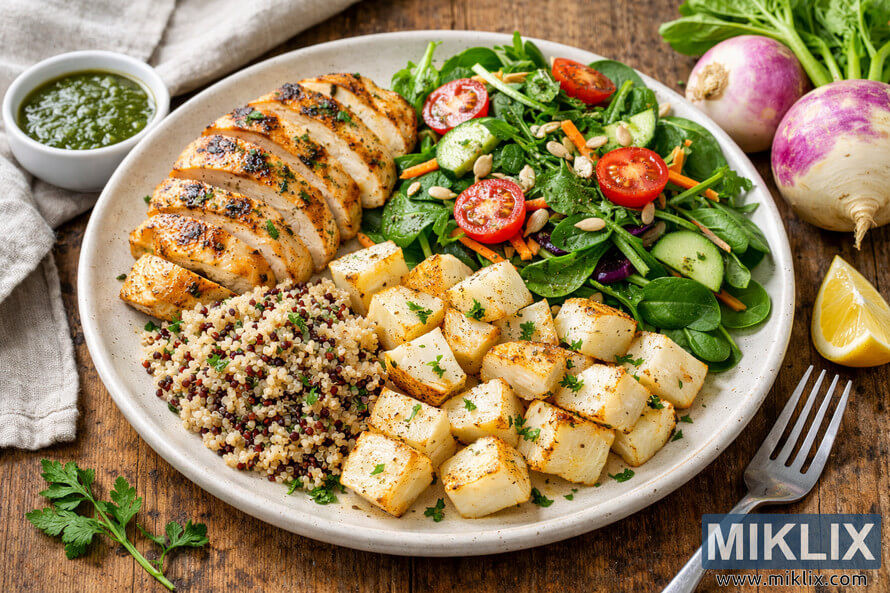
The low calorie density makes turnips ideal for weight control. You can eat satisfying portions without consuming excessive calories. The fiber promotes fullness that lasts for hours.
Water content reaches ninety percent in fresh turnips. High water foods increase meal volume without adding calories. This helps you feel satisfied while maintaining calorie deficits.
Weight Loss Advantages
- Very low calorie density supports deficit eating
- High fiber content promotes lasting satiety
- Versatile preparation methods prevent diet boredom
- Natural sweetness satisfies cravings healthily
- Can replace higher-calorie starches in meals
Considerations
- Must be part of overall balanced diet
- Some cooking methods add significant calories
- Not a complete protein source alone
- May cause gas in sensitive individuals initially
Натисніть або торкніться зображення, щоб отримати більше інформації та вищу роздільну здатність.
Bone Health Support
Calcium and vitamin K work together for strong bones. These nutrients support bone mineral density maintenance. Adequate intake throughout life reduces osteoporosis risk.
Turnip greens deliver exceptional amounts of both nutrients. Including the greens maximizes bone health benefits. The combination proves particularly valuable for aging adults.
Disease Prevention Potential
Cruciferous vegetables contain compounds studied for cancer prevention. Glucosinolates may help neutralize carcinogens and inhibit tumor growth. Research continues exploring these protective mechanisms.
The antioxidant content combats cellular damage from free radicals. This oxidative stress contributes to various chronic diseases. Regular vegetable consumption associates with reduced disease incidence.
Important Note: While turnips offer health benefits, they should complement medical treatment, not replace it. Always consult healthcare providers regarding specific health conditions.
How to Incorporate Turnips Into Your Diet
Adding turnips to meals requires minimal effort. The vegetable adapts to numerous cooking methods. Start with simple preparations before trying complex recipes.
Selection and Storage Guidelines
Choose firm turnips without soft spots or blemishes. Smaller roots typically offer sweeter, more tender flesh. The skin should feel smooth with vibrant purple coloring.
Fresh greens should look crisp and green. Wilted or yellowed leaves indicate age. Remove greens before storage to prevent moisture loss from roots.
Fresh Turnip Indicators
- Firm texture throughout the root
- Smooth, unblemished skin surface
- Vibrant purple and white coloring
- Crisp, green leaves attached
- Heavy weight for size
- No soft spots or sprouting
Storage Best Practices
- Remove greens immediately after purchase
- Store roots in refrigerator crisper drawer
- Keep in perforated plastic bag
- Use within two weeks for best quality
- Store greens separately in damp towel
- Consume greens within three to four days
Signs of Spoilage
- Soft or mushy texture when pressed
- Dark spots or mold growth
- Strong, unpleasant odor
- Shriveled or dried-out appearance
- Sprouting from the top
- Slimy surface coating

Натисніть або торкніться зображення, щоб отримати більше інформації та вищу роздільну здатність.
Preparation Techniques
Wash turnips thoroughly under cool running water. The skin on young turnips can remain during cooking. Older vegetables benefit from peeling to remove bitter outer layers.
Cut turnips into uniform pieces for even cooking. Dice small for quick roasting or slice thin for faster preparation. The cooking method determines optimal size and shape.
Cooking Methods Comparison
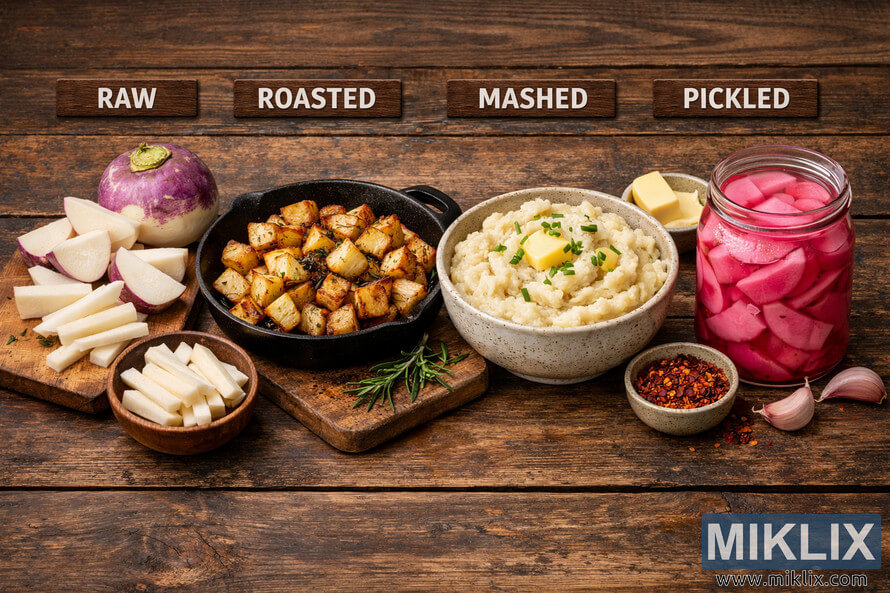
Roasting brings out natural sweetness through caramelization. Toss cubed turnips with olive oil, salt, and pepper. Spread on a baking sheet and roast at four hundred degrees for twenty-five minutes.
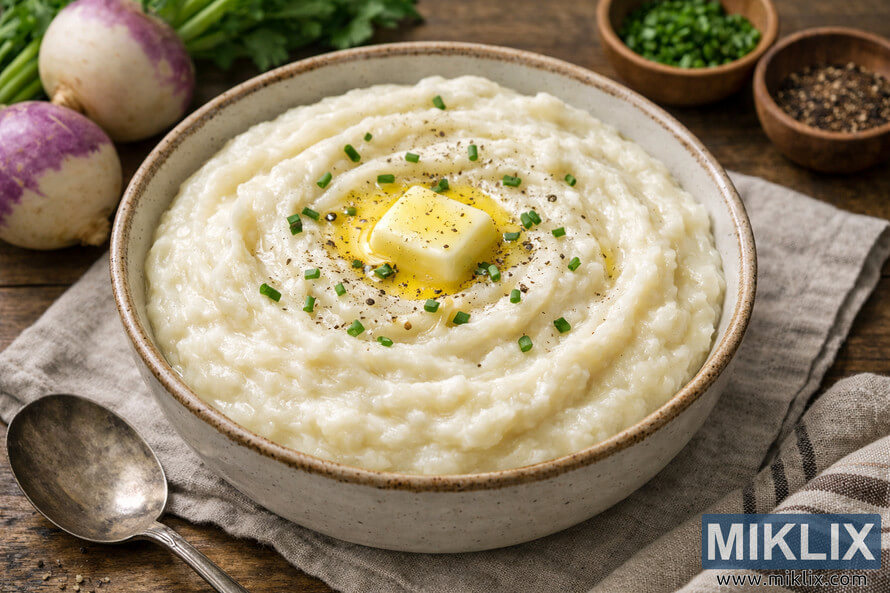
Mashing creates a lower-carb alternative to potatoes. Boil turnip chunks until tender, then mash with butter and seasonings. The texture resembles mashed potatoes with subtle flavor differences.
Натисніть або торкніться зображення, щоб отримати більше інформації та вищу роздільну здатність.
Roasted Turnips
Roasting concentrates flavors and creates appealing texture. The high heat caramelizes natural sugars. This method works well as a side dish for any protein.
- Cut turnips into one-inch cubes
- Toss with oil and seasonings
- Roast at four hundred degrees
- Cook twenty to thirty minutes
- Stir halfway through cooking time

Натисніть або торкніться зображення, щоб отримати більше інформації та вищу роздільну здатність.
Mashed Turnips
This preparation substitutes for mashed potatoes effectively. The lower carbohydrate content appeals to many eating plans. Add garlic for enhanced flavor depth.
- Peel and cube turnips evenly
- Boil until fork-tender
- Drain completely before mashing
- Add butter and cream as desired
- Season with salt and pepper
Steaming preserves maximum nutrients during cooking. Place turnip pieces in a steamer basket over boiling water. Cover and steam for ten to fifteen minutes until tender.
Raw turnips add crunch to salads and slaws. Slice thin or julienne for best texture. The peppery flavor complements vinegar-based dressings particularly well.
Натисніть або торкніться зображення, щоб отримати більше інформації та вищу роздільну здатність.
Recipe Ideas and Meal Integration
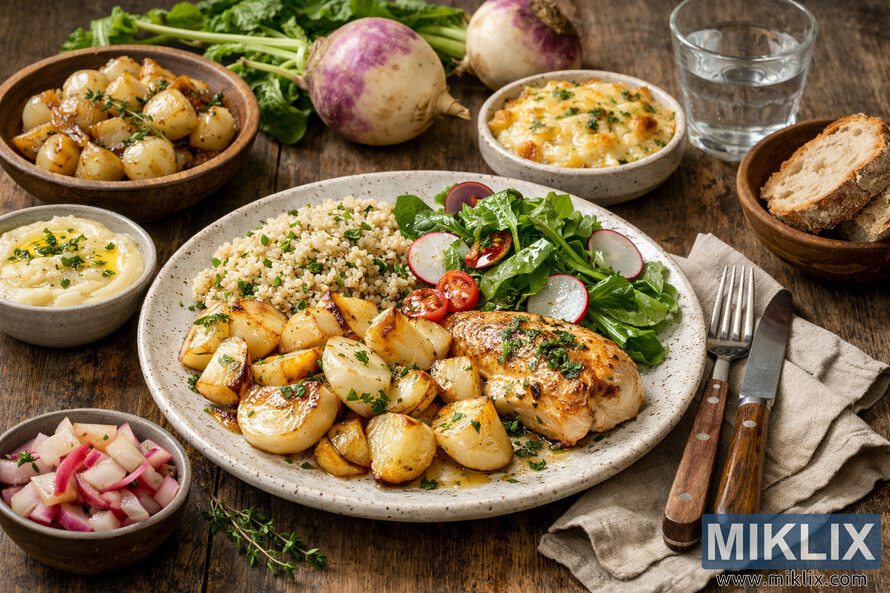
Substitute turnips for potatoes in soup recipes. They absorb flavors while maintaining texture better than potatoes. The vegetable works especially well in fall and winter soups.
Add diced turnips to stir-fry dishes for extra nutrition. They cook quickly over high heat. The mild flavor pairs well with Asian seasonings and sauces.
- Replace half the potatoes in traditional recipes with turnips to reduce carbohydrates while maintaining volume
- Dice small and add to ground meat dishes for hidden vegetable servings children will eat
- Spiralize raw turnips as a pasta alternative for low-carb Italian dishes
- Cube and add to sheet pan dinners with other root vegetables for easy weeknight meals
- Grate raw into coleslaw for added nutrition and interesting texture contrast
- Puree cooked turnips into creamy soups for smooth texture and mild flavor
Натисніть або торкніться зображення, щоб отримати більше інформації та вищу роздільну здатність.
Preparing Turnip Greens
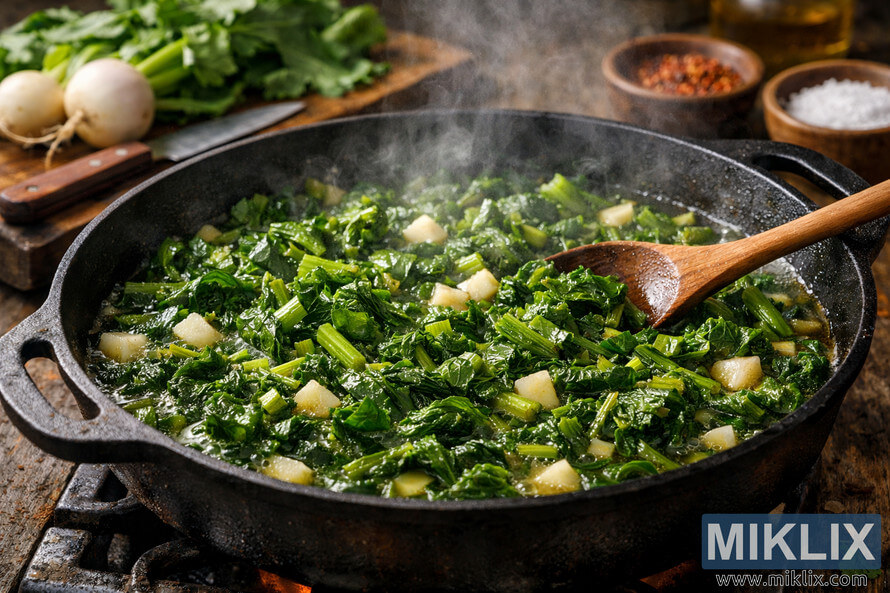
- The leaves require different treatment than roots. Wash greens thoroughly to remove any grit or soil. Remove thick stems that remain tough after cooking.
- Sauté greens with garlic and olive oil for a simple side dish. The cooking time ranges from five to seven minutes. Greens should wilt but retain bright green color.
- Add chopped greens to soups during the last few minutes of cooking. They wilt quickly and add nutritional value. The slightly bitter taste balances rich broths.
Натисніть або торкніться зображення, щоб отримати більше інформації та вищу роздільну здатність.
Important Considerations and Precautions
Most people tolerate turnips without issues. However, certain individuals should exercise awareness. Understanding potential concerns helps you make informed dietary choices.
Digestive Sensitivity
Cruciferous vegetables can cause gas and bloating. Start with small portions if you're unaccustomed to eating turnips. Gradually increase intake as your digestive system adapts.
Cooking reduces compounds that cause digestive discomfort. Raw turnips contain more of these substances. Well-cooked roots and greens prove easier to digest for sensitive individuals.
Digestive Tip: If you experience gas after eating turnips, try cooking them thoroughly and starting with smaller portions. Your gut bacteria will adapt over time.
Thyroid Function Considerations
Turnips contain goitrogens that may interfere with thyroid function. These compounds can affect iodine uptake when consumed in very large amounts. Cooking significantly reduces goitrogen levels.
People with existing thyroid conditions should consult healthcare providers. Moderate consumption rarely causes problems for most individuals. Cooking the vegetable provides additional safety margin.
Medication Interactions
Vitamin K affects blood clotting medications like warfarin. Turnip greens contain high amounts of this vitamin. Maintain consistent intake rather than varying dramatically.
Discuss dietary changes with your doctor if taking blood thinners. Sudden increases in vitamin K can reduce medication effectiveness. Consistency matters more than complete avoidance.
Allergic Reactions
True turnip allergies remain relatively rare. Cross-reactivity may occur in people allergic to other Brassica vegetables. Watch for symptoms like itching, swelling, or difficulty breathing.
Stop consumption and seek medical attention if allergic symptoms develop. Keep antihistamines available if you have known vegetable allergies. Prevention through awareness provides best protection.
Can I eat turnips every day?
Yes, daily turnip consumption is safe for most people. The vegetable provides valuable nutrients without significant risks. Vary your vegetable intake for optimal nutritional diversity.
Do turnips lose nutrients when cooked?
Some nutrient loss occurs during cooking, particularly vitamin C. However, cooking improves digestibility and reduces compounds that may cause discomfort. Steaming preserves more nutrients than boiling.
Are turnip greens more nutritious than the root?
Turnip greens contain higher concentrations of certain nutrients, especially vitamins A, C, and K. The root provides different benefits including fiber and unique compounds. Eating both maximizes nutritional value.
How do turnips compare nutritionally to potatoes?
Turnips contain fewer calories and carbohydrates than potatoes. They provide more vitamin C and different antioxidants. Potatoes offer more potassium but higher glycemic impact. Both vegetables fit healthy diets.
Making Turnips Part of Your Healthy Lifestyle
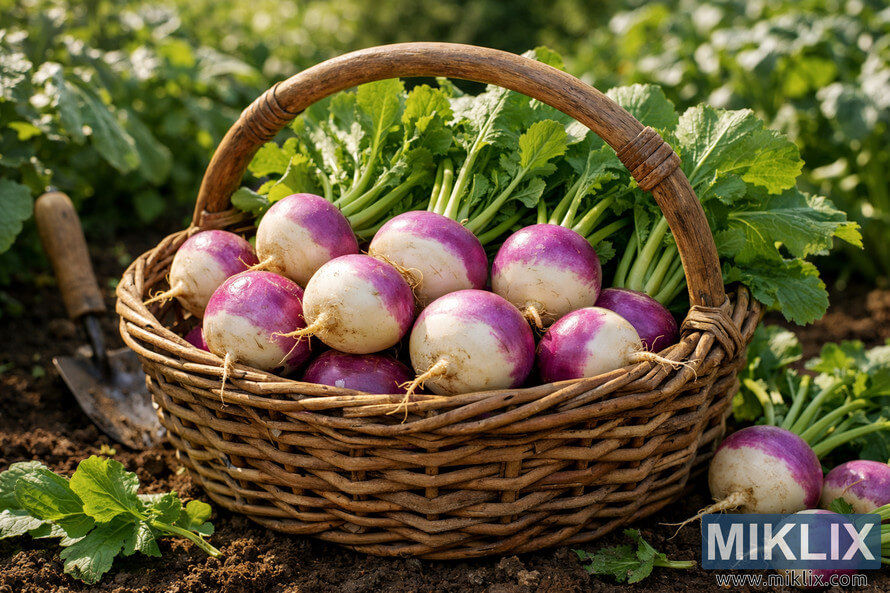
Turnips deserve recognition as a nutritional powerhouse. This affordable root vegetable delivers impressive health benefits. From supporting digestion to strengthening immunity, turnips contribute to overall wellness.
The versatility makes turnips easy to incorporate into various dishes. Whether roasted, mashed, or added to soups, preparation methods abound. Both the root and greens offer distinct nutritional advantages.
Start exploring turnips through simple recipes and preparations. Your body will benefit from the vitamins, minerals, and beneficial compounds. This humble veggie proves that powerful nutrition often comes in unassuming packages.
Consider adding turnips to your next grocery list. Your health journey benefits from diverse vegetable intake. Small dietary changes accumulate into significant wellness improvements over time.
Натисніть або торкніться зображення, щоб отримати більше інформації та вищу роздільну здатність.
Додаткова література
Якщо вам сподобався цей пост, вам також можуть сподобатися ці пропозиції:
- Від солодкого до суперфуду: приховані переваги для здоров'я болгарського перцю
- З'їсти на здоров'я: Чому індичка - це супер-м'ясо
- Від здоров’я кишечника до втрати ваги: численні переваги глюкоманнанових добавок