
Hops in Beer Brewing: Bramling Cross
Kushicilelwe:
Igcine ukubuyekezwa: Septhemba 18, 2026 16:09:29 UTC
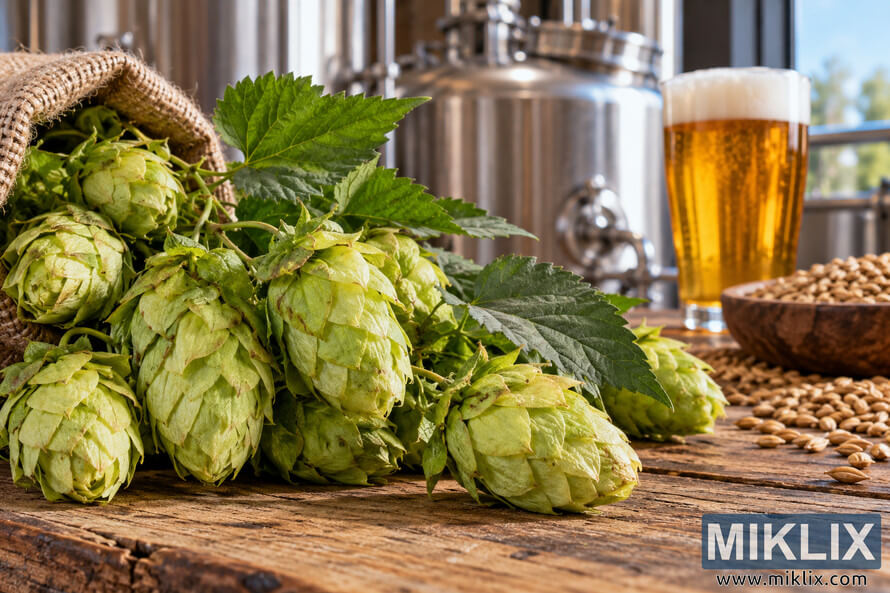
Bramling Cross hops bring a unique character to homebrewing that sets them apart from common varieties. This English dual-purpose hop offers distinctive flavors that can transform your ales into something special. Whether you're brewing your first batch or refining advanced recipes, understanding this hop variety opens new creative possibilities.
Hops in Beer Brewing: Bramling Cross
Chofoza noma uthephe isithombe ukuze uthole ulwazi olwengeziwe kanye nezixazululo eziphezulu.
Many homebrewers overlook Bramling Cross in favor of more popular hops. That's a mistake. This variety delivers complex flavor profiles that work beautifully in traditional English ales and experimental craft beers alike. The brewing techniques and timing matter greatly when working with these hops.
This guide covers everything you need to brew successfully with Bramling Cross hops. You'll learn about their origins, flavor characteristics, ideal beer styles, and practical techniques. We'll explore alpha acid content, timing strategies, and malt pairings that bring out the best in this remarkable hop variety.
Origin and History of Bramling Cross Hops
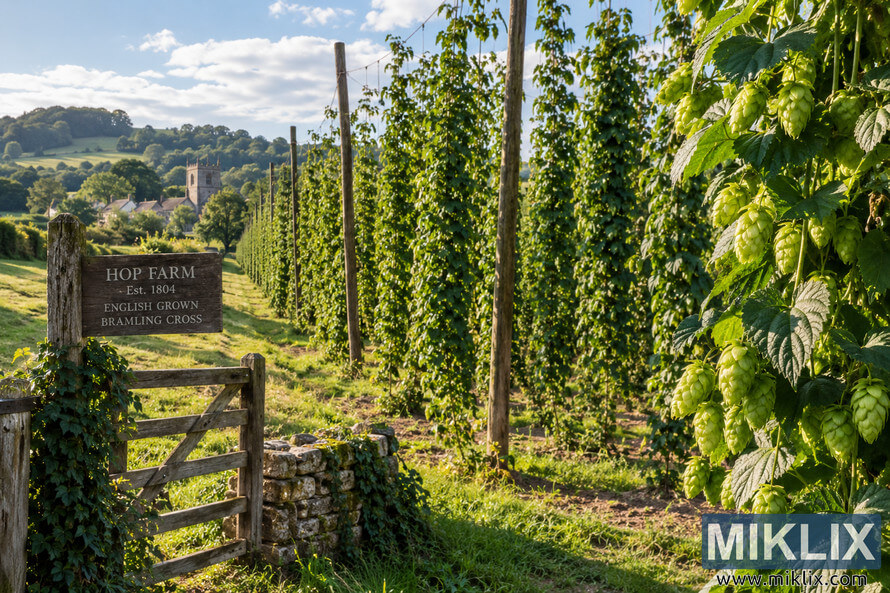
Bramling Cross originated in 1927 at Wye College in Kent, England. This hop variety emerged from a breeding program that crossed Bramling with a wild Manitoba hop. The goal was creating a hop with better disease resistance and unique flavor qualities for English brewing traditions.
British brewers embraced Bramling Cross for decades in traditional ales. The variety gained popularity throughout the mid-20th century as a reliable dual-purpose hop. Its cultivation spread across Kent's hop-growing regions, where it adapted well to the local climate and soil conditions.
Today, Bramling Cross experiences renewed interest from craft brewers. Modern homebrewers appreciate its distinctive character that differs from mainstream American hops. The variety represents authentic English brewing heritage while offering creative possibilities for contemporary beer styles.
Chofoza noma uthephe isithombe ukuze uthole ulwazi olwengeziwe kanye nezixazululo eziphezulu.
Bramling Cross Hop Characteristics and Profile
Understanding the technical profile of Bramling Cross hops helps you brew with confidence. These characteristics determine how the hop performs in your recipes and what flavors emerge in finished beer.
Chofoza noma uthephe isithombe ukuze uthole ulwazi olwengeziwe kanye nezixazululo eziphezulu.
Alpha Acid Content and Bitterness
Bramling Cross typically contains 5-7% alpha acid content. This moderate range makes it versatile for both bittering and aroma additions. The alpha acid levels provide clean bitterness without harsh or astringent qualities that some high-alpha hops can introduce.
When used for bittering, Bramling Cross delivers a smooth, balanced foundation. The bitterness integrates well with malt sweetness in traditional English ale styles. Homebrewers can achieve 20-40 IBUs effectively with 60-minute boil additions of this variety.
Beta Acids and Oil Composition
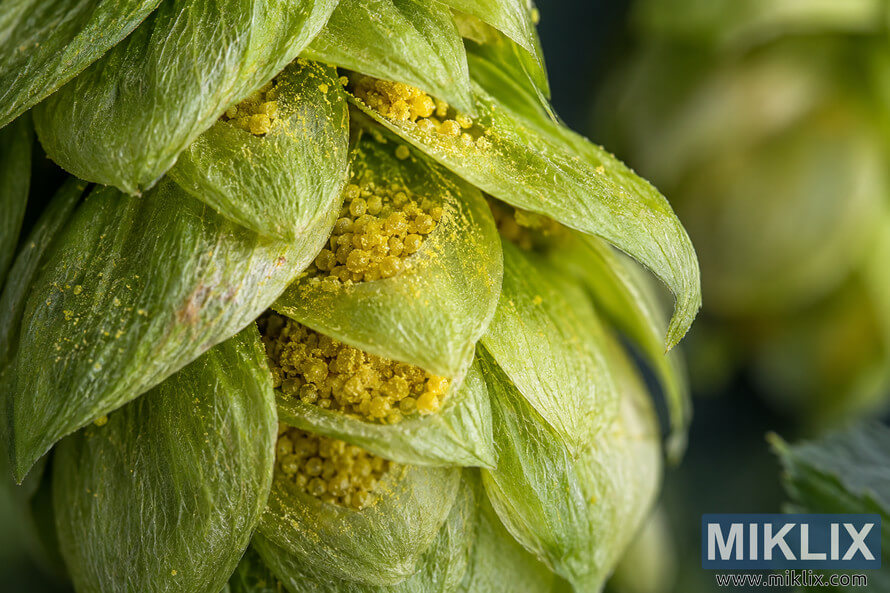
The beta acid content ranges from 2-4%, contributing to aroma complexity. Essential oils in Bramling Cross include myrcene, humulene, and caryophyllene. These compounds create the signature flavor and aroma profile that makes this hop distinctive.
The oil composition favors fruity and spicy characteristics over purely floral notes. This makes Bramling Cross different from other English varieties like Fuggles or East Kent Goldings. The myrcene contributes subtle fruit notes while humulene adds earthy depth.
Flavor and Aroma Profile
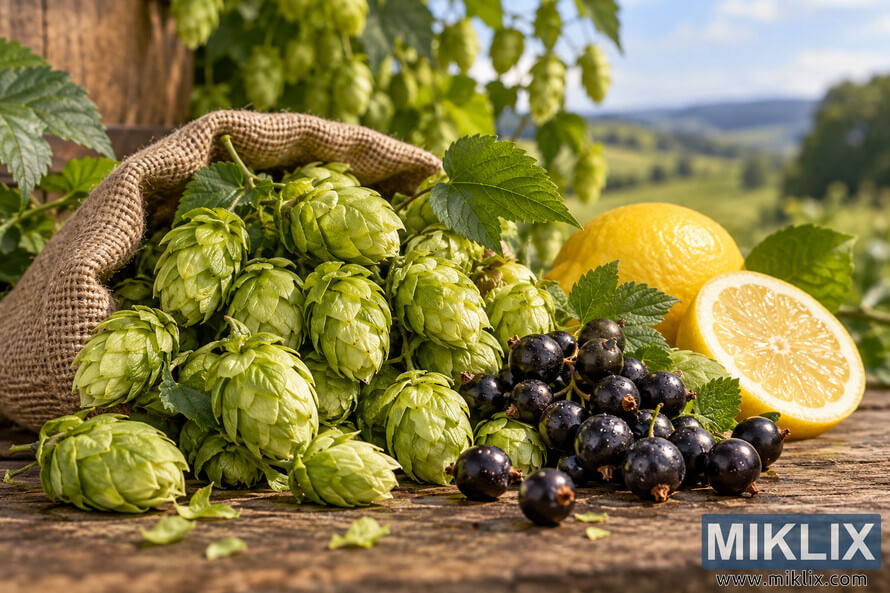
Bramling Cross delivers a flavor profile that surprises many first-time users. The primary characteristic is a distinctive black currant note. This fruity quality stands out immediately in both aroma and taste, especially when used in late additions or dry hopping.
The lemon characteristics emerge as a complementary note to the black currant. You'll detect citrus brightness that adds refreshing qualities to the beer. This lemon aspect works particularly well in pale ales and golden ales where the hop character shines through clean malt profiles.
Primary Flavor Components
Black Currant
The dominant flavor note provides dark fruit character that's uncommon in most hop varieties.
- Intense in dry hop applications
- Mellows with longer boil times
- Pairs beautifully with crystal malts
- Creates depth in darker ales
Lemon Zest
Bright citrus notes balance the darker fruit characteristics with refreshing qualities.
- Most prominent in late additions
- Enhances pale ale character
- Provides clean finish
- Works well in summer ales
Spicy Undertones
Subtle peppery qualities add complexity without overwhelming the fruit-forward profile.
- Develops during fermentation
- Complements Belgian yeast strains
- Adds sophisticated depth
- Emerges in aged beers
Earthy Background
Traditional English hop character provides grounding for brighter fruit notes.
- Balances fruity elements
- Increases with alpha acid usage
- Essential for authentic ales
- Rounds out flavor profile
Chofoza noma uthephe isithombe ukuze uthole ulwazi olwengeziwe kanye nezixazululo eziphezulu.
Aroma Intensity and Application
The aroma intensity varies significantly based on how you use Bramling Cross hops. Late kettle additions between 5-15 minutes produce moderate aroma that blends well with other hop varieties. Dry hopping amplifies the black currant character dramatically, creating bold fruit-forward beers.
Whirlpool additions at lower temperatures (160-180°F) preserve delicate aromatic compounds. This technique captures the best of both worlds - substantial aroma without excessive bitterness. Many homebrewers find this approach ideal for showcasing Bramling Cross qualities.
Ideal Beer Styles for Bramling Cross Hops
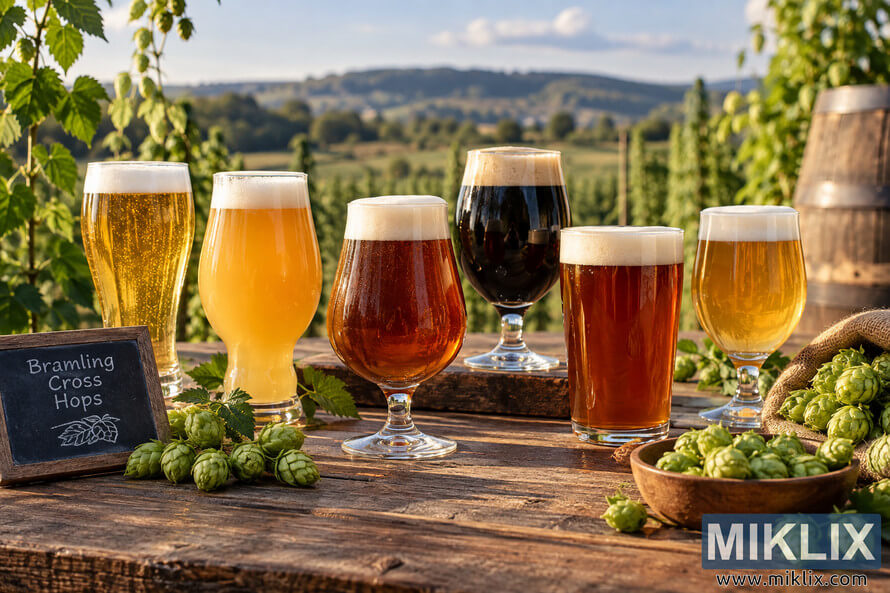
Bramling Cross excels in specific beer styles where its unique characteristics enhance the overall profile. Traditional English ales remain the most natural fit, but craft brewers have expanded its applications successfully into modern styles.
Traditional English Ales
English bitter represents the classic application for Bramling Cross. The hop variety delivers authentic character that defines this style. Use it as the primary hop in best bitters, ESBs (Extra Special Bitters), and ordinary bitters for traditional results.
Mild ales benefit from Bramling Cross additions as well. The subtle fruit notes complement malty sweetness without overpowering delicate flavors. Keep hopping rates moderate (15-25 IBUs) to maintain the style's characteristic balance.
Brown ales showcase Bramling Cross beautifully when the black currant character plays against nutty malt flavors. The combination creates complexity that elevates simple recipes into memorable beers. Consider this hop for both English browns and American interpretations.
Chofoza noma uthephe isithombe ukuze uthole ulwazi olwengeziwe kanye nezixazululo eziphezulu.
English Pale Ale
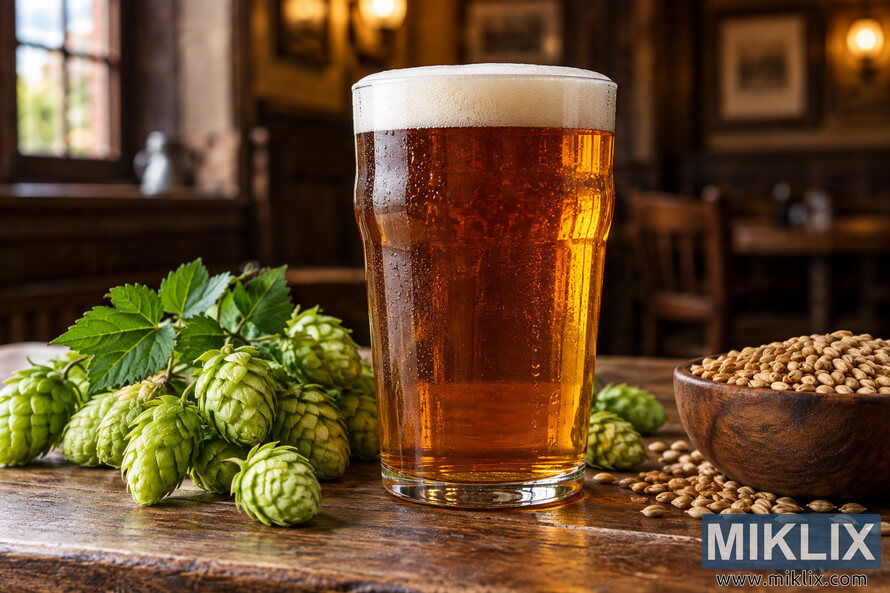
Perfect showcase for Bramling Cross characteristics. The hop's fruit-forward profile complements pale malt sweetness while providing balanced bitterness. Target 30-40 IBUs with additions throughout the boil for optimal results.
- Alpha acid: 5-7% works perfectly
- Bittering: 60-minute additions
- Aroma: 10-minute additions
- Dry hop: Optional for intensity
Chofoza noma uthephe isithombe ukuze uthole ulwazi olwengeziwe kanye nezixazululo eziphezulu.
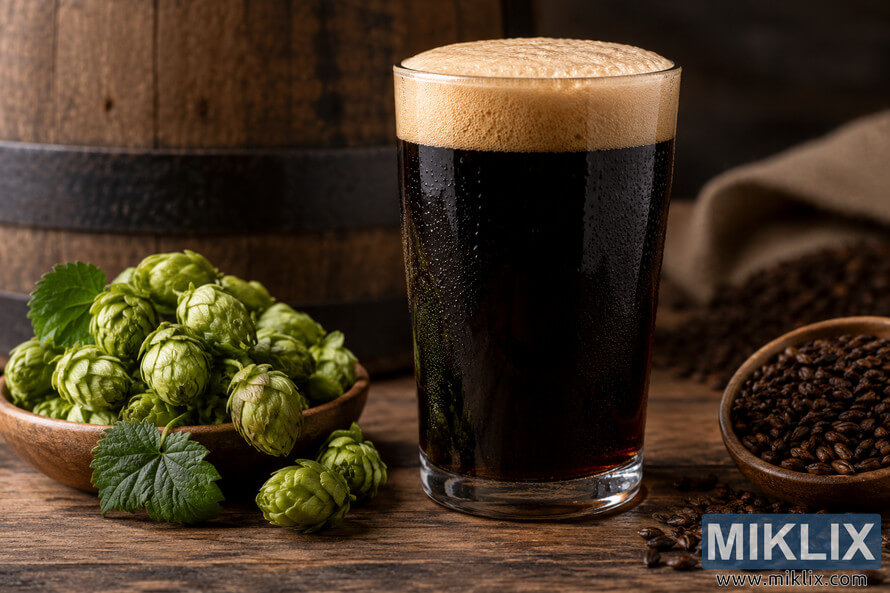
Porter
The black currant notes enhance chocolate and roasted malt flavors beautifully. Bramling Cross adds fruity complexity that distinguishes your porter from ordinary recipes. Use moderate hopping rates to balance without overwhelming malt character.
- IBU target: 25-35 for balance
- Late additions enhance fruit notes
- Complements chocolate malt
- Creates unique porter profile
Chofoza noma uthephe isithombe ukuze uthole ulwazi olwengeziwe kanye nezixazululo eziphezulu.
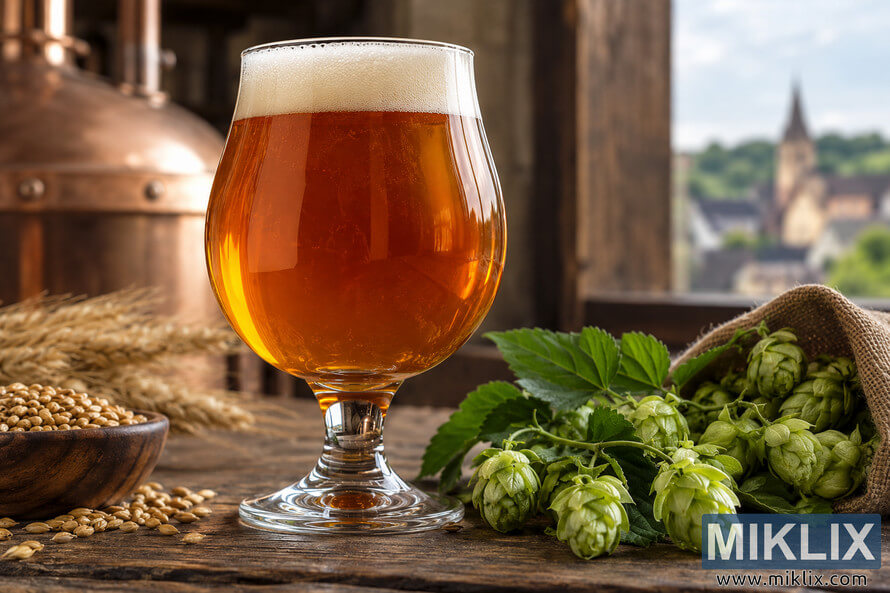
Belgian Ales
Surprising but effective pairing where Bramling Cross spicy undertones complement Belgian yeast esters. The hop variety works especially well in Belgian blondes and golden strong ales. The fruit character harmonizes with yeast-derived flavors.
- Enhances yeast complexity
- Moderate bitterness essential
- Fruit notes blend with esters
- Creative brewing opportunity
Chofoza noma uthephe isithombe ukuze uthole ulwazi olwengeziwe kanye nezixazululo eziphezulu.
Modern Craft Beer Applications
Session IPAs gain interesting character from Bramling Cross when blended with American hops. Use it at 20-30% of total hop bill to add fruity depth without dominating citrusy American varieties. The combination creates approachable IPAs with unique British-American fusion character.
Saisons and farmhouse ales represent experimental territory where Bramling Cross performs surprisingly well. The hop's spicy and fruity qualities complement rustic farmhouse yeast strains. This application remains underutilized but offers creative brewers fascinating possibilities.
Brewing Techniques and Best Practices
Successful brewing with Bramling Cross requires understanding when and how to add these hops. The timing significantly impacts which characteristics emerge in your finished beer. Different addition schedules produce dramatically different results even with identical recipes.
First Wort Hopping
First wort hopping with Bramling Cross creates smooth, well-integrated bitterness. Add hops to the kettle as you begin lautering, before the boil starts. This technique extracts alpha acids gently while preserving some aromatic compounds that would otherwise volatilize.
This method works exceptionally well for English bitters and mild ales. The resulting bitterness feels softer and more rounded than traditional 60-minute additions. Expect approximately 10% more perceived bitterness compared to standard bittering additions with the same weight.
Bittering Additions
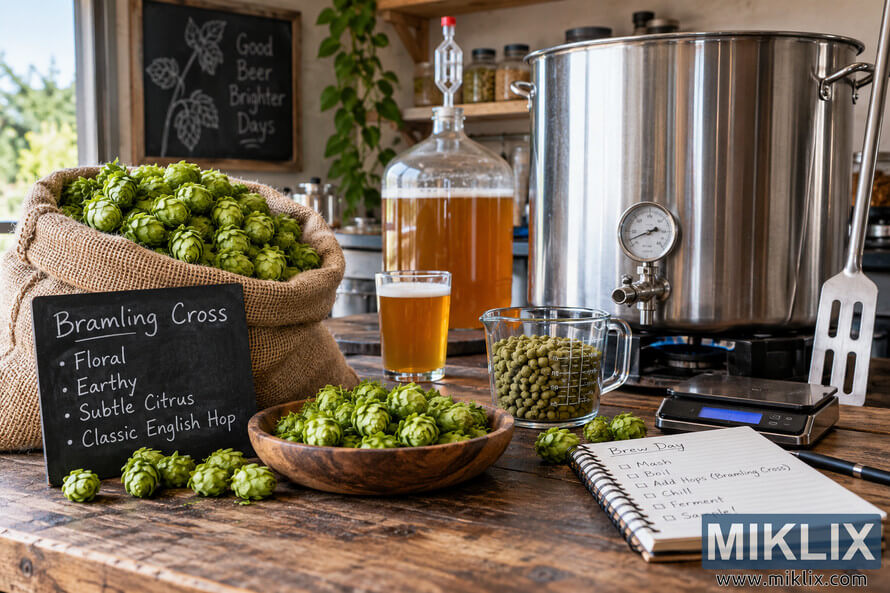
Standard 60-minute additions provide clean bittering power from Bramling Cross. Calculate your IBU targets based on 5-7% alpha acid depending on your specific hop lot. Most homebrewers find that 1-2 ounces in a 5-gallon batch delivers 25-35 IBUs effectively.
The bitterness quality remains smooth without harsh astringency. This makes Bramling Cross forgiving for beginning brewers who might accidentally over-hop. The dual-purpose nature means you get pleasant background flavor even from early additions.
| Addition Timing | Purpose | Typical Amount (5 gal) | Primary Contribution |
| First Wort | Smooth Bitterness | 0.5-1 oz | Integrated bittering with subtle aroma |
| 60 Minutes | Bittering | 1-2 oz | Clean IBU foundation |
| 15-20 Minutes | Flavor | 0.5-1 oz | Balanced flavor and light aroma |
| 5-10 Minutes | Aroma | 0.5-1.5 oz | Moderate black currant aroma |
| Whirlpool (170°F) | Aroma | 1-2 oz | Strong aroma, minimal bitterness |
| Dry Hop | Maximum Aroma | 1-3 oz | Intense fruit-forward character |
Flavor Additions
Mid-boil additions between 15-20 minutes extract flavor compounds effectively. This timing produces the best balance of Bramling Cross character without excessive bitterness. You'll get noticeable black currant and lemon notes that enhance the beer's middle palate.
Consider splitting your flavor additions between 15 and 10 minutes for complexity. The earlier addition contributes more integrated flavor while the later provides fresher notes. This layering technique creates depth that single-addition schedules cannot match.
Aroma Additions and Dry Hopping
Late kettle additions at 5 minutes or less maximize aroma from Bramling Cross. The black currant character becomes pronounced and vibrant. These additions contribute minimal bitterness while loading the beer with aromatic compounds that survive into the finished product.
Dry hopping amplifies the fruity characteristics dramatically. Add 1-3 ounces per 5 gallons during active fermentation or after. Contact time of 3-5 days produces optimal results without extracting harsh vegetal flavors. Many brewers prefer adding Bramling Cross when fermentation slows but CO2 production continues, which helps purge oxygen.
Chofoza noma uthephe isithombe ukuze uthole ulwazi olwengeziwe kanye nezixazululo eziphezulu.
Alpha Acid Content and IBU Contributions
Calculating IBUs accurately with Bramling Cross ensures your beer matches expectations. The variety's moderate alpha acid levels make calculations straightforward, but understanding the practical applications helps avoid common mistakes.
Understanding Alpha Acid Ranges
Bramling Cross packages typically list specific alpha acid percentages for each crop year. This number varies between 5-7% depending on growing conditions and harvest. Always use the exact alpha acid value from your hop package for accurate IBU calculations rather than assuming an average.
Fresh hops contain higher alpha acids than aged ones. Storage conditions matter significantly - hops stored properly in vacuum-sealed packages at cold temperatures maintain potency longer. Check packaging dates and choose the freshest available Bramling Cross for consistent results.
IBU Calculation Formulas
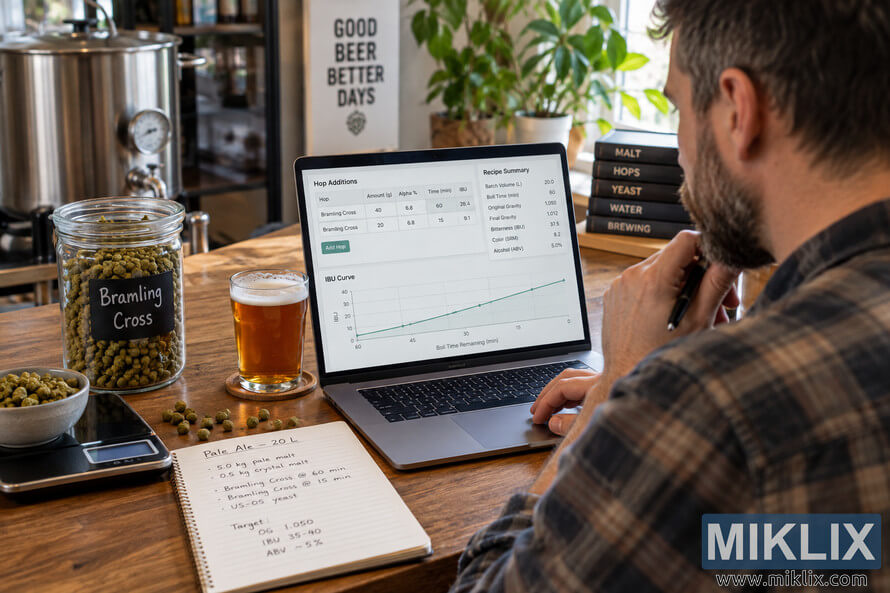
Most homebrewers use brewing software or online calculators for IBU estimates. The Tinseth formula remains most popular and reasonably accurate for homebrew scales. It accounts for boil time, volume, gravity, and alpha acid content to predict bitterness levels.
Manual calculation example: For 1 ounce of 6% alpha acid Bramling Cross in a 60-minute boil at 5 gallons and 1.050 gravity, expect approximately 28 IBUs. The same weight at 15 minutes produces roughly 12 IBUs. Understanding these relationships helps you design recipes confidently.
Practical IBU Targets by Style
- English Mild: 15-25 IBUs - Use 0.5-1 oz for 60 minutes
- English Bitter: 25-35 IBUs - Use 1-1.5 oz for 60 minutes
- ESB: 30-45 IBUs - Use 1.5-2 oz for 60 minutes plus late additions
- Porter: 25-35 IBUs - Use 1-1.5 oz bittering, focus on late hops
- Pale Ale: 35-45 IBUs - Split between bittering and flavor/aroma additions
Chofoza noma uthephe isithombe ukuze uthole ulwazi olwengeziwe kanye nezixazululo eziphezulu.
Adjusting for Utilization
Hop utilization decreases as wort gravity increases. High-gravity beers extract alpha acids less efficiently than lower-gravity brews. If brewing a strong ale above 1.065, increase hop amounts by 10-15% to achieve target bitterness levels.
Boil vigor also affects utilization. A rolling boil extracts alpha acids more effectively than a gentle simmer. Maintain consistent boiling conditions across batches for predictable results with Bramling Cross and all hop varieties.
Malt Pairing Suggestions
The right malt foundation brings out the best in Bramling Cross characteristics. Certain malt varieties complement the hop's fruity and spicy notes while others can clash or overwhelm. Strategic malt selection enhances rather than fights against these distinctive qualities.
Base Malt Selections
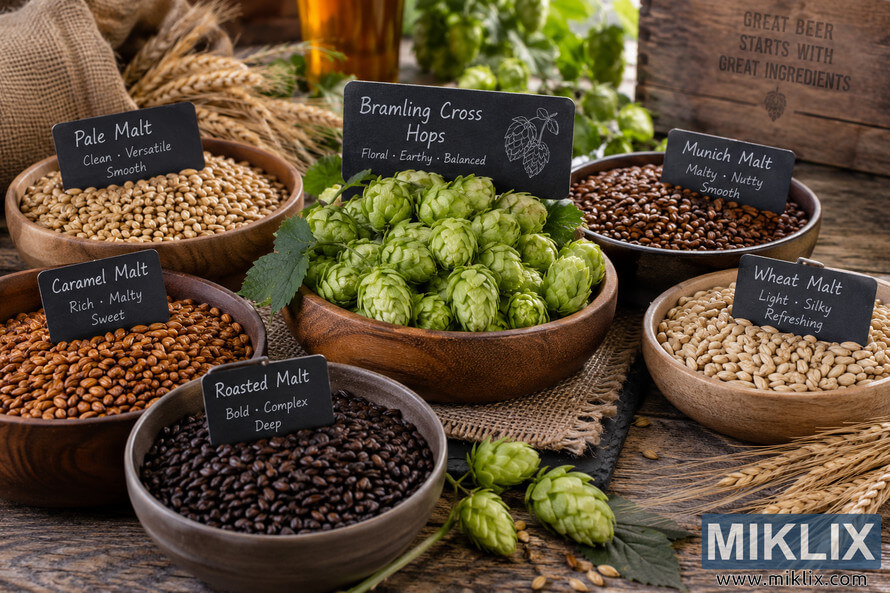
British pale ale malt forms the ideal foundation for Bramling Cross beers. This malt variety provides subtle biscuit character that supports without competing against hop qualities. The slightly toastier profile compared to American two-row creates authentic English ale character.
Maris Otter remains the gold standard for traditional British styles featuring Bramling Cross. This heritage barley variety delivers rich, bready maltiness that pairs beautifully with the hop's black currant notes. Many brewers consider Maris Otter essential for authentic bitters and pale ales.
Pilsner malt works well in lighter applications where you want Bramling Cross characteristics to dominate. The clean, neutral base allows the hop's fruit and citrus notes to shine. Consider this approach for golden ales or experimental Belgian-style beers.
Crystal and Caramel Malts
Medium crystal malts (40-60L) complement Bramling Cross exceptionally well. The caramel sweetness balances hop bitterness while enhancing fruit characteristics. The combination creates depth and complexity that defines classic English ales.
Darker crystal malts (80-120L) add raisiny, dark fruit notes that harmonize with black currant qualities. Use these in porters, brown ales, and darker bitters. The synergy between malt and hop creates unified flavor profiles rather than distinct separate components.
Pale Ale Grist
Perfect for English pale ales and bitters showcasing Bramling Cross.
- 90% Maris Otter pale malt
- 7% Crystal 60L
- 3% Biscuit malt
Porter Grain Bill
Rich malt complexity for darker ales with Bramling Cross.
- 85% British pale malt
- 8% Crystal 80L
- 5% Chocolate malt
- 2% Black patent malt
Result: Dark fruit and chocolate notes enhancing black currant hop character
Golden Ale Recipe
Light, crisp foundation letting Bramling Cross shine.
- 92% Pilsner malt
- 5% Vienna malt
- 3% Honey malt
Result: Clean, slightly sweet base highlighting lemon and fruit hop notes
Specialty Malts
Biscuit malt at 2-5% adds toasted bread character that pairs naturally with Bramling Cross. This subtle addition enhances malt complexity without sweetness. The combination works particularly well in best bitters and ESBs.
Victory or amber malt contributes nutty, toasted notes that complement the hop variety nicely. Use 3-6% in brown ales and darker bitters. These malts bridge between light and dark flavor components, creating smooth transitions across the palate.
Avoid heavily roasted malts in large quantities when featuring Bramling Cross prominently. While chocolate malt works in porters, excessive roast character can clash with the hop's fruit-forward profile. Keep roasted malts under 7% of total grist when the hop plays a starring role.
Chofoza noma uthephe isithombe ukuze uthole ulwazi olwengeziwe kanye nezixazululo eziphezulu.
Tips and Troubleshooting for Homebrewers
First-time users of Bramling Cross sometimes encounter unexpected results. Understanding common issues and their solutions helps you brew successfully from your first batch. These practical tips come from experienced homebrewers who've mastered this unique hop variety.
Storage and Freshness
Proper hop storage preserves Bramling Cross characteristics significantly. Always store unopened packages in the freezer at 0°F or below. Once opened, reseal packages carefully and return immediately to freezer storage between uses.
Vacuum sealing opened hop packages extends shelf life dramatically. If you don't have a vacuum sealer, press out as much air as possible and use multiple zip-lock bags for protection. Oxidized hops lose aromatic compounds and develop papery, cheesy off-flavors.
Check the harvest date when purchasing Bramling Cross. Hops lose approximately 10-15% of alpha acids per year even with proper storage. Buy the freshest available and avoid packages over 18 months old unless they've been cold-stored continuously.
Dosage Adjustments
Start conservatively with Bramling Cross if you're unfamiliar with its intensity. The black currant character can dominate when used heavily. Begin with recipes calling for 2-3 ounces total in a 5-gallon batch and adjust in subsequent brews based on your preferences.
Single-hop beers showcase Bramling Cross effectively but require careful balance. Use 60-minute additions for bittering foundation, then add most hops in the final 10 minutes and during dry hopping. This approach creates bold character without harsh bitterness.
Bramling Cross Advantages
- Distinctive black currant and lemon profile creates unique beers
- Dual-purpose versatility works for bittering and aroma
- Moderate alpha acid makes calculations straightforward
- Smooth bitterness quality forgives minor recipe mistakes
- Works beautifully in traditional and modern beer styles
- Readily available from most homebrew suppliers
- Affordable compared to trendy American varieties
Potential Challenges
- Strong fruit character may not suit all palates
- Can dominate when used too heavily in recipes
- Requires proper pairing with complementary malts
- Alpha acid varies between crop years
- Less familiar to brewers accustomed to American hops
- May need adjustments when substituting in existing recipes
Troubleshooting Common Issues
If your Bramling Cross beer tastes overly vegetal or grassy, you likely used too much late-addition hops or dry-hopped too long. Reduce late hop amounts by 25% and limit dry hop contact to 3-5 days maximum. The fruit characteristics should dominate over any vegetal notes.
Weak hop character despite adequate additions usually indicates freshness problems. Old or improperly stored hops lose aromatic potency dramatically. Always source from reputable suppliers who maintain proper cold storage and have high turnover.
Harsh bitterness without complementary flavor suggests insufficient late additions. Bramling Cross shines brightest when used throughout the boil, not just for bittering. Add at least 30-40% of total hops in the final 15 minutes to balance IBUs with flavor and aroma.
Important Brewing Reminders
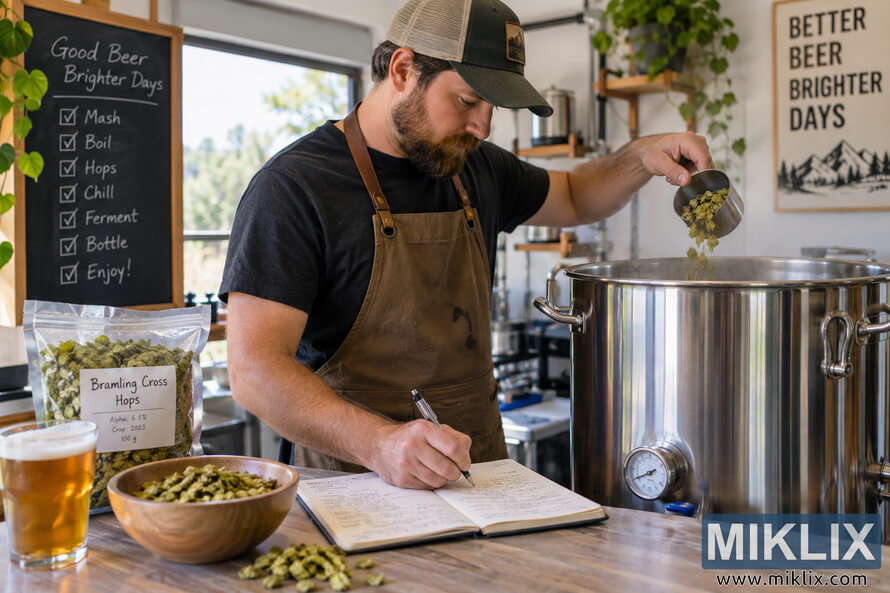
- Always record actual alpha acid percentages from hop packages
- Adjust recipes based on your specific water chemistry
- Consider blending with other hops if Bramling Cross seems too intense
- Take detailed notes for future batches and refinements
- Don't expect identical results to American hop-forward beers
Chofoza noma uthephe isithombe ukuze uthole ulwazi olwengeziwe kanye nezixazululo eziphezulu.
Recipe Development Strategies
Start with proven recipes rather than creating original formulas for your first Bramling Cross brew. This establishes baseline expectations for the hop's characteristics. Clone recipes for English bitters or porters provide excellent starting points.
When developing original recipes, build around the hop's strengths. Design malt bills that complement fruit and spice notes. Keep recipes relatively simple initially - complex malt bills can obscure subtle Bramling Cross characteristics you're trying to understand.
Experiment with hop blending once you understand Bramling Cross individually. It pairs well with East Kent Goldings, Fuggles, and even some American varieties like Cascade. Use Bramling Cross as 40-60% of total hops when blending for balanced character.
Advanced Brewing Applications
Experienced homebrewers can push Bramling Cross beyond traditional applications. These advanced techniques explore the hop variety's full potential in creative brewing approaches.
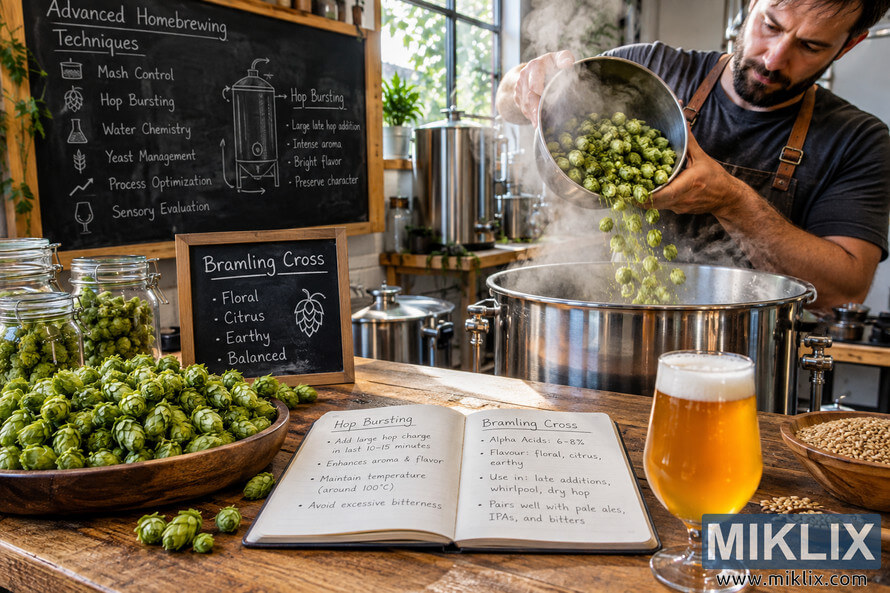
Hop Bursting Techniques
Hop bursting concentrates additions in the final 20 minutes of boiling. This technique maximizes Bramling Cross flavor and aroma while minimizing bitterness. Use 4-6 ounces in a 5-gallon batch distributed between whirlpool and final 5-minute additions.
Combine hop bursting with minimal 60-minute additions for foundation bitterness. Add just 0.5 ounces at the start for 10-15 IBUs, then load late hops heavily. The result showcases intense black currant character with surprising drinkability.
Temperature-Controlled Dry Hopping
Advanced brewers dry hop at specific temperatures to control extraction. Cold-side dry hopping at 50-55°F produces cleaner fruit notes with less vegetal character. Warm dry hopping during active fermentation (65-70°F) creates more integrated character.
Split dry hop additions between fermentation and post-fermentation for complexity. Add half during high krausen when CO2 production purges oxygen, then add remaining hops after cold crashing begins. This two-stage approach layers different aromatic expressions.
Blending with Modern Hops
Create unique profiles by pairing Bramling Cross with American or New World hops. The variety's black currant notes complement tropical fruit hops like Galaxy or Mosaic surprisingly well. Use 60% Bramling Cross with 40% fruity American varieties for British-meets-West-Coast character.
Experiment with noble hop blends too. Bramling Cross adds fruit-forward complexity to otherwise subdued European hop profiles. Try 70% Bramling Cross with 30% Saaz or Tettnang in Belgian-style ales for sophisticated results.
Chofoza noma uthephe isithombe ukuze uthole ulwazi olwengeziwe kanye nezixazululo eziphezulu.
Example Recipes Featuring Bramling Cross
These tested recipes demonstrate effective Bramling Cross applications. Each showcases different aspects of the hop variety across various beer styles and brewing techniques.
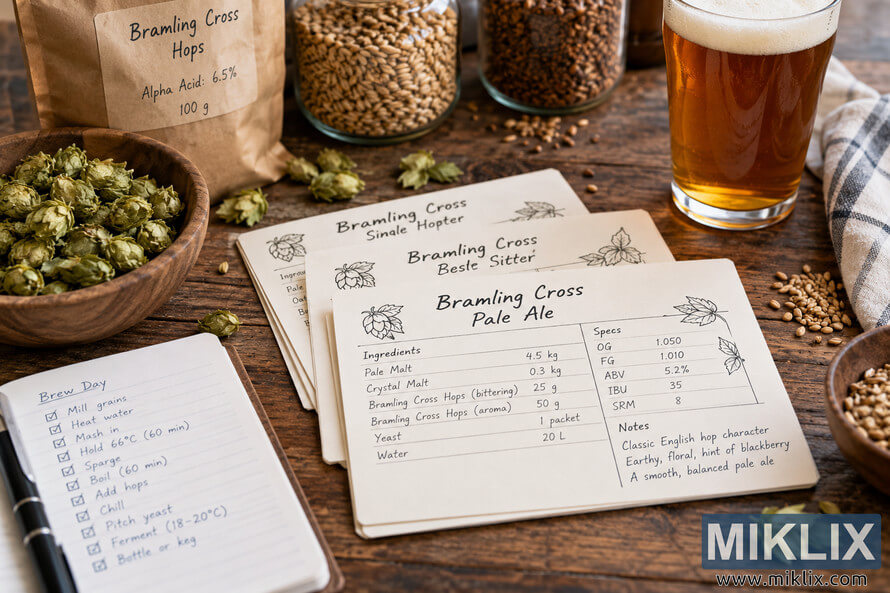
Classic English Bitter
This straightforward recipe highlights authentic bitter character with Bramling Cross as the sole hop variety. The result showcases the hop's traditional application in the style that made it famous.
Traditional English Bitter - 5 Gallons
Original Gravity: 1.040 | Final Gravity: 1.010 | ABV: 4.0% | IBU: 32
Grain Bill:
- 8 lbs Maris Otter pale malt
- 8 oz Crystal 60L
- 4 oz Biscuit malt
Hop Schedule (6% AA Bramling Cross):
- 1.0 oz - 60 minutes (24 IBUs)
- 0.5 oz - 15 minutes (6 IBUs)
- 0.5 oz - 5 minutes (2 IBUs)
Yeast: Wyeast 1968 London ESB Ale or dry equivalent
Fermentation: 65-68°F for 7-10 days, then cold crash
American-Style Porter
This recipe demonstrates Bramling Cross in darker styles where black currant notes enhance chocolate and roasted malt complexity.
Black Currant Porter - 5 Gallons
Original Gravity: 1.056 | Final Gravity: 1.014 | ABV: 5.5% | IBU: 30
Grain Bill:
- 10 lbs British pale malt
- 1 lb Crystal 80L
- 8 oz Chocolate malt
- 4 oz Black patent malt
Hop Schedule (6% AA Bramling Cross):
- 1.25 oz - 60 minutes (22 IBUs)
- 0.75 oz - 10 minutes (5 IBUs)
- 1.0 oz - Whirlpool at 170°F for 20 min (3 IBUs)
- 1.5 oz - Dry hop for 4 days
Yeast: American ale yeast (US-05 or equivalent)
Experimental Golden Ale
This modern recipe lets Bramling Cross shine in a light, approachable style perfect for introducing others to the hop variety's unique characteristics.
Bramling Cross Golden Ale - 5 Gallons
Original Gravity: 1.048 | Final Gravity: 1.010 | ABV: 5.0% | IBU: 28
Grain Bill:
- 9 lbs Pilsner malt
- 8 oz Vienna malt
- 4 oz Honey malt
Hop Schedule (6% AA Bramling Cross):
- 0.75 oz - 60 minutes (15 IBUs)
- 1.0 oz - 10 minutes (8 IBUs)
- 1.5 oz - 5 minutes (5 IBUs)
- 2.0 oz - Dry hop for 3 days
Yeast: Clean American or British ale yeast
Notes: This recipe emphasizes late hop character. Consider hop bursting for even more aroma intensity.
Chofoza noma uthephe isithombe ukuze uthole ulwazi olwengeziwe kanye nezixazululo eziphezulu.
Frequently Asked Questions About Bramling Cross
Can I substitute Bramling Cross for other hops in existing recipes?
Bramling Cross substitutes reasonably well for other English hops like Fuggles or Progress in traditional ales. However, its distinctive black currant character will noticeably alter the beer's profile. When substituting, reduce amounts by 10-15% initially since Bramling Cross has strong aromatic qualities. For American hop varieties, substitution is not recommended as the flavor profiles differ dramatically. Consider Bramling Cross a unique variety rather than a direct replacement for most hops.
How long does Bramling Cross stay fresh in storage?
Properly vacuum-sealed Bramling Cross stored at 0°F maintains quality for 18-24 months from harvest date. After opening, reseal carefully and continue freezer storage for best results. The hop will gradually lose alpha acids (10-15% yearly) and aromatic compounds even with proper storage. Always check the harvest date when purchasing and prioritize fresh crops. Once opened, use within 6-12 months for optimal aroma characteristics, though the hops remain usable longer for bittering applications.
What makes Bramling Cross different from other English hops?
The distinctive black currant aroma and flavor sets Bramling Cross apart from classic English varieties. While hops like Fuggles and East Kent Goldings offer earthy, woody, and floral characteristics, Bramling Cross provides pronounced dark fruit notes with lemon undertones. This unique profile comes from its specific oil composition and breeding lineage. The variety also offers slightly higher alpha acid content than many traditional English hops, making it more versatile as a dual-purpose option.
Is Bramling Cross suitable for brewing lagers?
While traditionally used in ales, Bramling Cross can work in lagers with careful application. The hop's fruit-forward character suits English-style lagers and experimental craft lagers nicely. Use it sparingly in traditional German lager styles where subtle hop character is preferred. For best results in lagers, focus on late additions and moderate hopping rates (20-30 IBUs maximum). The black currant notes provide interesting complexity in golden lagers and steam beers.
Should I use pellets or whole cone Bramling Cross?
Pellets offer superior convenience and consistency for most homebrewers. They provide better utilization, easier measurement, and more compact storage. Whole cones may preserve slightly more delicate aromatics but require more storage space and can be messier to work with. For practical homebrewing purposes, pellets deliver excellent results with greater ease. Choose whole cones only if you specifically want to experiment with that format or prefer traditional techniques for aesthetic or philosophical reasons.
How much Bramling Cross should I use for dry hopping?
Start with 1-2 ounces per 5 gallons for moderate dry hop character. Increase to 2-3 ounces for bold, hop-forward beers where you want pronounced black currant aroma. Dry hop for 3-5 days at fermentation temperature or during cold crash. Longer contact times can extract vegetal flavors, so monitor carefully. The hop's strong aromatic profile means a little goes further than neutral varieties - you'll achieve noticeable aroma with moderate amounts rather than requiring massive dry hop additions.
Does Bramling Cross work in IPAs?
Bramling Cross works better in English-style IPAs than American IPAs. Its moderate alpha acid and distinctive character suit sessionable, balanced IPAs rather than aggressively bitter West Coast styles. Consider using it as 30-50% of total hops in blends with American varieties for unique fusion IPAs. The black currant notes create interesting complexity when paired with citrusy or tropical fruit hops. For traditional American IPAs, choose hops bred specifically for that application rather than forcing Bramling Cross into an unnatural role.

Chofoza noma uthephe isithombe ukuze uthole ulwazi olwengeziwe kanye nezixazululo eziphezulu.
Final Thoughts on Brewing with Bramling Cross
Bramling Cross offers homebrewers a distinctive hop variety that creates memorable beers. The black currant and lemon characteristics set this English hop apart from mainstream options. Whether brewing traditional bitters or experimenting with modern styles, understanding this variety's qualities unlocks creative brewing possibilities.
Success with Bramling Cross comes from respecting its unique character rather than forcing it into inappropriate applications. The hop shines in styles where fruit-forward aromatics complement rather than clash with malt profiles. Proper technique, fresh ingredients, and thoughtful recipe design allow you to showcase what makes this variety special.
Start with proven recipes to establish baseline expectations for Bramling Cross characteristics. Once familiar with the hop's behavior, experiment with different styles, blends, and techniques. The variety rewards creative brewing while remaining approachable for beginners who follow basic guidelines.
Your journey with Bramling Cross hops begins with that first batch. The distinctive flavors will expand your brewing repertoire and deepen your appreciation for English hop varieties. Whether you brew classic bitters or innovative modern ales, this hop variety delivers character that distinguishes your beer from ordinary homebrews.
Chofoza noma uthephe isithombe ukuze uthole ulwazi olwengeziwe kanye nezixazululo eziphezulu.
Ukufunda Okuqhubekayo
Uma ukujabulele lokhu okuthunyelwe, ungaphinda uthande lezi ziphakamiso:
- Ama-Hops Ekubhiyeni Ubhiya: Pride of Kent
- Ama-Hops in Beer Brewing: Amallia
- AmaHops Ekuphiseni Ubhiya: Aquila