
Pumpkins: The Nutrient-Packed Superfood You Should Eat Year-Round
Kushicilelwe:
Igcine ukubuyekezwa: Septhemba 7, 2026 06:33:40 UTC
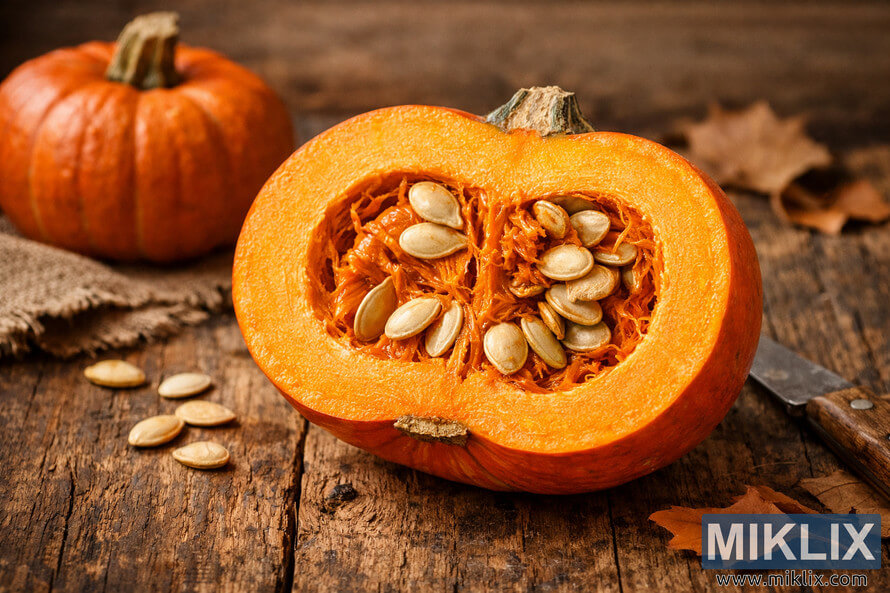
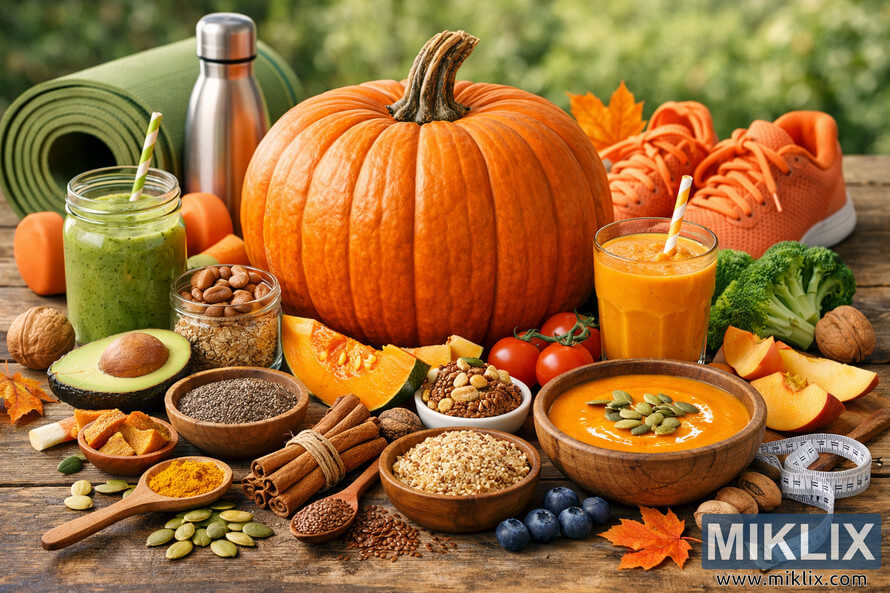
Pumpkin isn't just for Halloween decorations or pies during the holiday season. This versatile squash packs incredible nutritional power that can transform your health year round. From supporting your immune system to protecting your heart, pumpkin offers benefits that extend far beyond its delicious flavor.
Pumpkins: The Nutrient-Packed Superfood You Should Eat Year-Round
Chofoza noma uthephe isithombe ukuze uthole ulwazi olwengeziwe kanye nezixazululo eziphezulu.
Whether you prefer fresh pumpkin or canned pumpkin, this humble ingredient deserves a permanent place in your kitchen. The orange flesh contains powerful compounds that neutralize free radicals and protect your body from cellular damage.
In this comprehensive guide, you'll discover everything you need to know about pumpkin's impressive health benefits. We'll explore its nutritional profile, reveal specific ways pumpkin may improve your wellbeing, and share practical tips for adding this superfood to your daily meals.
Nutritional Profile of Pumpkin: What Makes It a Superfood
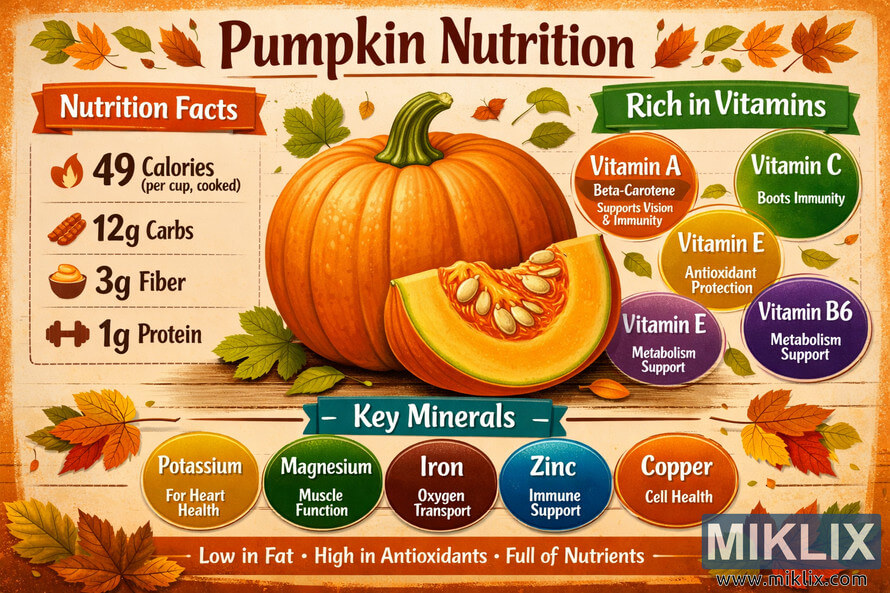
Pumpkin stands out as a nutritional powerhouse that delivers impressive benefits with remarkably low calories. A single cup of cooked pumpkin contains only about 49 calories, making it an ideal food for anyone watching their weight. The bright orange color signals the presence of beta-carotene, which your body converts to vitamin A.
Chofoza noma uthephe isithombe ukuze uthole ulwazi olwengeziwe kanye nezixazululo eziphezulu.
Macronutrient Breakdown
The macronutrient composition of pumpkin makes it suitable for virtually any diet plan. Each cup provides approximately 12 grams of carbohydrates with about 3 grams of fiber. This fiber content supports digestive health and helps you feel satisfied longer.
Pumpkin contains minimal fat and provides about 2 grams of protein per cup. While not a protein powerhouse, it contributes to your daily intake when combined with other ingredients in recipes. The low sugar content, typically around 6 grams per cup, makes pumpkin suitable even for those monitoring blood sugar levels.
Chofoza noma uthephe isithombe ukuze uthole ulwazi olwengeziwe kanye nezixazululo eziphezulu.
Vitamin and Mineral Content
Vitamin A Powerhouse
Pumpkin delivers over 200% of your daily vitamin A needs in a single serving. This essential nutrient supports eye health, immune function, and skin integrity.
- Supports night vision and overall eye health
- Strengthens immune system response
- Promotes healthy skin cell production
- Aids in proper organ function
Vitamin C Benefits
Each serving provides about 19% of daily vitamin C requirements. This antioxidant vitamin plays crucial roles in immune defense and collagen production.
- Boosts immune system strength
- Promotes wound healing
- Supports collagen formation
- Enhances iron absorption
Potassium Rich
Pumpkin contains high potassium levels that support heart health and blood pressure regulation. This mineral is essential for proper muscle and nerve function.
- Helps regulate blood pressure
- Supports heart muscle function
- Maintains proper fluid balance
- Aids nerve signal transmission
Additional Minerals
Beyond the major players, pumpkin provides essential minerals like iron, magnesium, and manganese that support various bodily functions.
- Iron for oxygen transport
- Magnesium for bone health
- Manganese for metabolism
- Copper for enzyme function
Antioxidant Compounds
The antioxidants in pumpkin work tirelessly to neutralize free radicals throughout your body. These protective compounds include alpha-carotene, beta-carotene, and beta-cryptoxanthin. Together, they shield your cells from oxidative stress that can lead to chronic diseases.
Pumpkin also contains lutein and zeaxanthin, two carotenoids specifically beneficial for eye health. These compounds accumulate in your retina where they filter harmful blue light and protect against age-related vision problems.
Chofoza noma uthephe isithombe ukuze uthole ulwazi olwengeziwe kanye nezixazululo eziphezulu.
How Pumpkin Supports Your Immune System
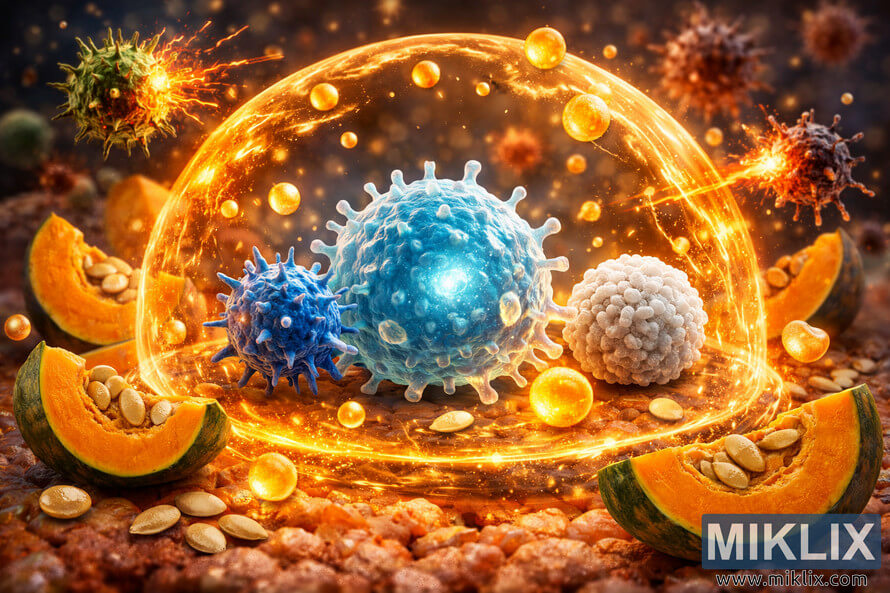
Your immune system relies on specific nutrients to function optimally, and pumpkin delivers several of these in abundance. The high vitamin A content plays a particularly crucial role in maintaining the integrity of your skin and mucous membranes, which form your body's first line of defense against pathogens.
Chofoza noma uthephe isithombe ukuze uthole ulwazi olwengeziwe kanye nezixazululo eziphezulu.
Vitamin A and Immune Function
The beta-carotene in pumpkin converts to active vitamin A in your body. This process provides the raw material your immune cells need to respond effectively to threats. Research shows that vitamin A deficiency compromises immune response, making you more susceptible to infections.
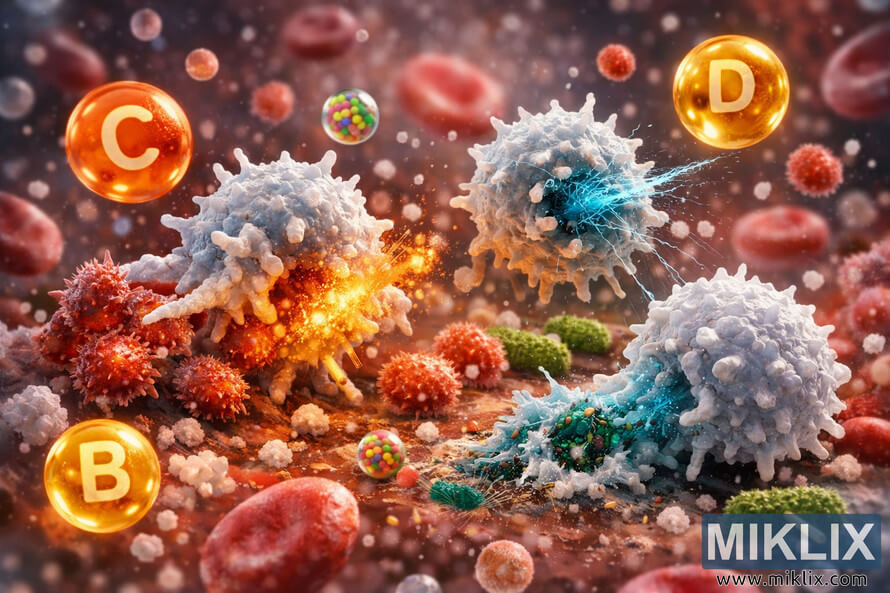
Vitamin A also regulates the production and function of white blood cells. These cellular defenders identify and eliminate harmful bacteria and viruses before they can cause illness. The vitamin further supports antibody production, giving your body more weapons in its infection-fighting arsenal.
Chofoza noma uthephe isithombe ukuze uthole ulwazi olwengeziwe kanye nezixazululo eziphezulu.
Vitamin C Contribution
While pumpkin isn't the highest source of vitamin C, it contributes meaningfully to your daily needs. This vitamin stimulates the production of white blood cells and helps them function more effectively. Vitamin C also acts as an antioxidant, protecting immune cells from damage during their battles against pathogens.
Anti-Inflammatory Properties
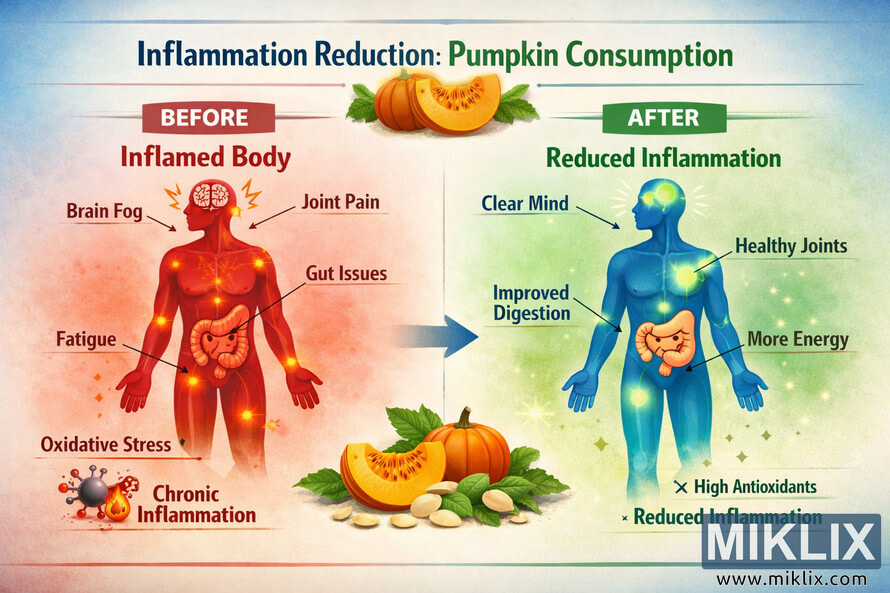
Chronic inflammation weakens your immune system over time. The antioxidants in pumpkin help reduce inflammatory responses throughout your body. By controlling inflammation, these compounds allow your immune system to focus on genuine threats rather than fighting constant low-level inflammation.
Key Anti-Inflammatory Benefits
- Reduces inflammatory markers in blood tests
- Protects against chronic inflammation
- Supports faster recovery from illness
- Maintains balanced immune responses
- Helps prevent autoimmune reactions
- Supports gut health and immunity
People who regularly eat pumpkin may experience fewer colds and shorter duration of illnesses. The combination of vitamins, minerals, and antioxidants creates a comprehensive defense system.
Chofoza noma uthephe isithombe ukuze uthole ulwazi olwengeziwe kanye nezixazululo eziphezulu.
Protecting Your Vision with Pumpkin
The connection between pumpkin consumption and eye health runs deep. The carotenoids found in this orange squash concentrate in your retina, where they perform critical protective functions. Regular consumption may protect against age-related vision decline.

Chofoza noma uthephe isithombe ukuze uthole ulwazi olwengeziwe kanye nezixazululo eziphezulu.
Lutein and Zeaxanthin
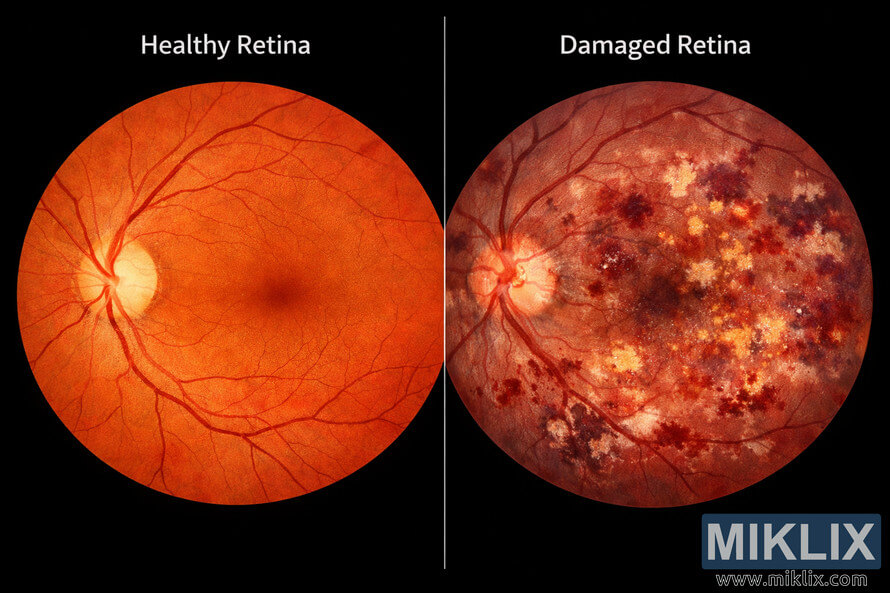
These two carotenoids function like natural sunglasses for your eyes. They filter high-energy blue light before it can damage delicate retinal cells. This filtering action may protect against macular degeneration, a leading cause of vision loss in older adults.
Studies suggest that people with higher dietary intake of lutein and zeaxanthin have a lower risk of developing cataracts. These compounds also accumulate in the lens of your eye, maintaining its clarity and transparency over time.
Chofoza noma uthephe isithombe ukuze uthole ulwazi olwengeziwe kanye nezixazululo eziphezulu.
Vitamin A for Night Vision
The vitamin A in pumpkin directly supports your ability to see in low light conditions. Your retina uses vitamin A to produce rhodopsin, a pigment crucial for night vision. Without adequate vitamin A, you might experience difficulty adapting to darkness or seeing clearly at night.
Did You Know? A single cup of cooked pumpkin provides more than 200% of your daily vitamin A needs. This makes it one of the most efficient foods for supporting eye health naturally.
Protection Against Digital Eye Strain
In our screen-dominated world, the antioxidants in pumpkin offer additional benefits. The blue light emitted by digital devices can contribute to eye fatigue and potentially long-term damage. The protective compounds in pumpkin help counteract these effects, supporting eye comfort during extended screen time.

Chofoza noma uthephe isithombe ukuze uthole ulwazi olwengeziwe kanye nezixazululo eziphezulu.
Pumpkin's Role in Cardiovascular Health
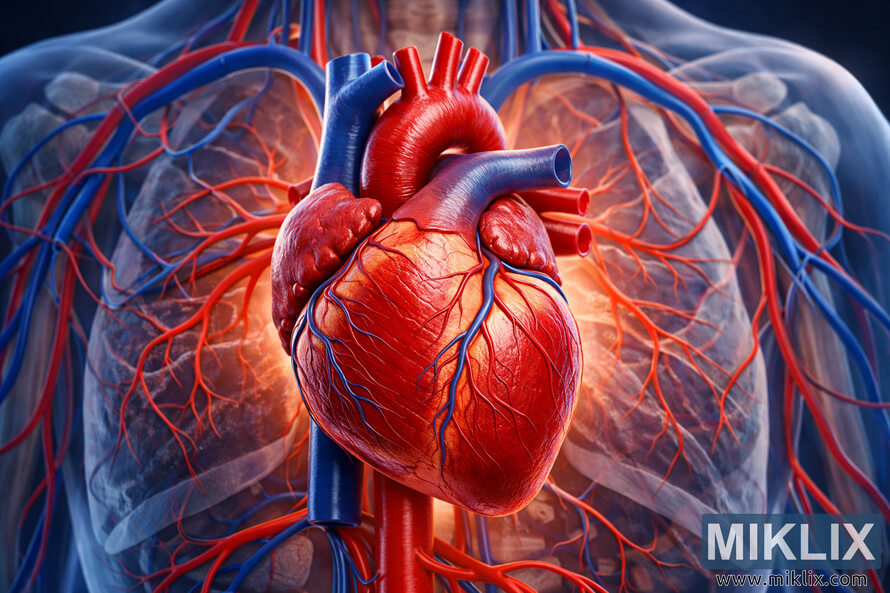
Your heart benefits significantly from the nutrients packed into pumpkin. The combination of fiber, potassium, and antioxidants creates a powerful formula for cardiovascular protection. Research indicates that eating pumpkin may lower risk of heart disease through multiple mechanisms.
Blood Pressure Regulation
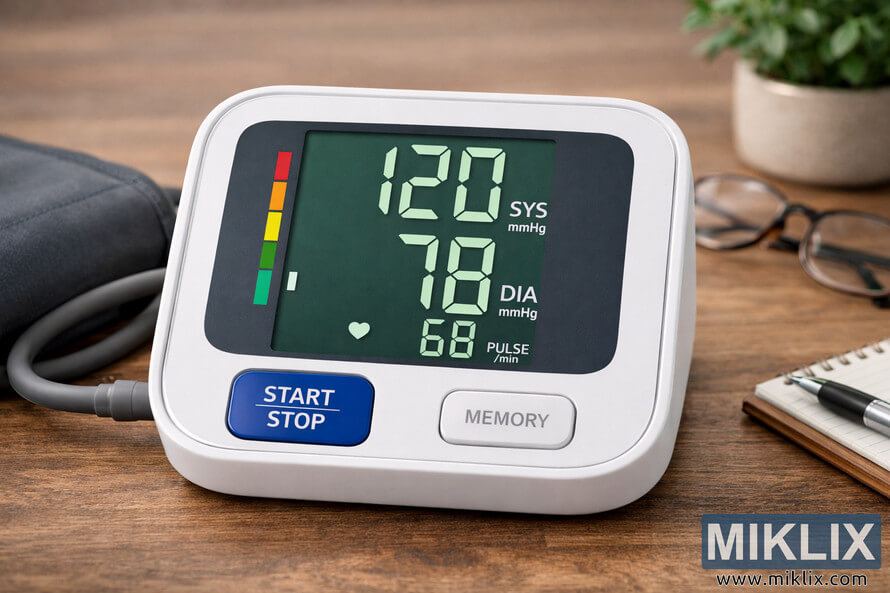
The high potassium content in pumpkin plays a vital role in blood pressure management. Potassium helps counteract the effects of sodium, allowing your blood vessels to relax and reducing pressure on arterial walls. Many people don't consume enough potassium, making pumpkin an easy way to boost your intake.
Chofoza noma uthephe isithombe ukuze uthole ulwazi olwengeziwe kanye nezixazululo eziphezulu.
Potassium Benefits
- Relaxes blood vessel walls
- Balances sodium levels
- Reduces strain on heart
- Improves circulation efficiency
- Lowers hypertension risk
Chofoza noma uthephe isithombe ukuze uthole ulwazi olwengeziwe kanye nezixazululo eziphezulu.
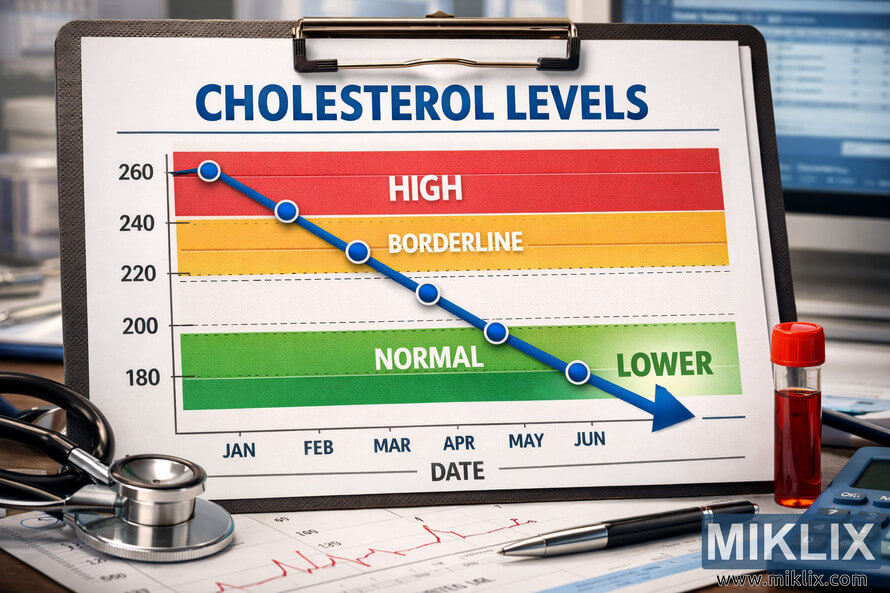
Fiber Impact
- Binds to cholesterol in digestive system
- Reduces cholesterol absorption
- Lowers LDL levels naturally
- Supports healthy blood lipids
- Promotes arterial health
Chofoza noma uthephe isithombe ukuze uthole ulwazi olwengeziwe kanye nezixazululo eziphezulu.
Antioxidant Protection
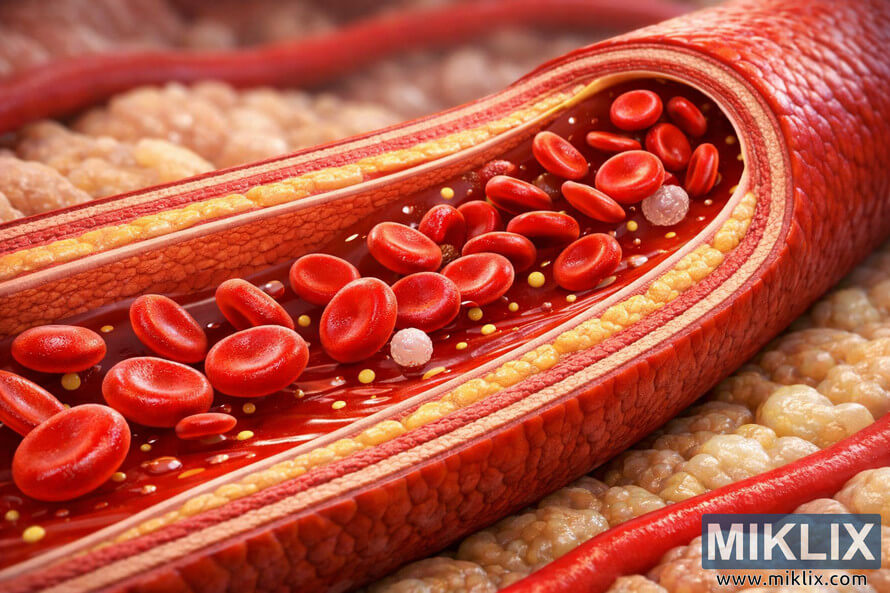
The antioxidants in pumpkin also protect your cardiovascular system by preventing oxidation of LDL cholesterol. Oxidized LDL cholesterol is more likely to accumulate in arterial walls, contributing to plaque formation. By keeping cholesterol in its non-oxidized state, pumpkin helps maintain clear, healthy arteries.
Chofoza noma uthephe isithombe ukuze uthole ulwazi olwengeziwe kanye nezixazululo eziphezulu.
Inflammation Reduction
Chronic inflammation contributes to heart disease development. The anti-inflammatory compounds in pumpkin help reduce this risk factor. Studies show that people who eat more anti-inflammatory foods like pumpkin have lower rates of cardiovascular events.
Supporting Digestive Health with Pumpkin
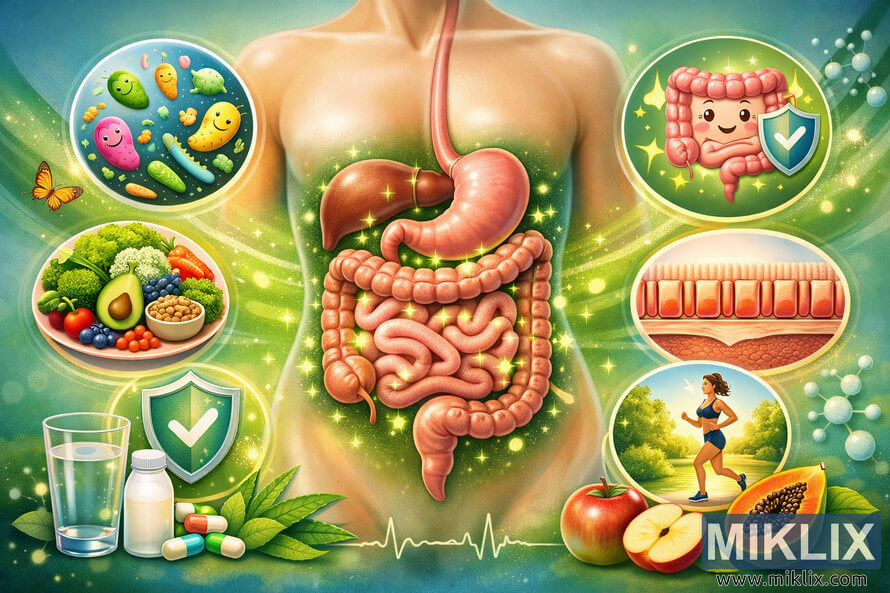
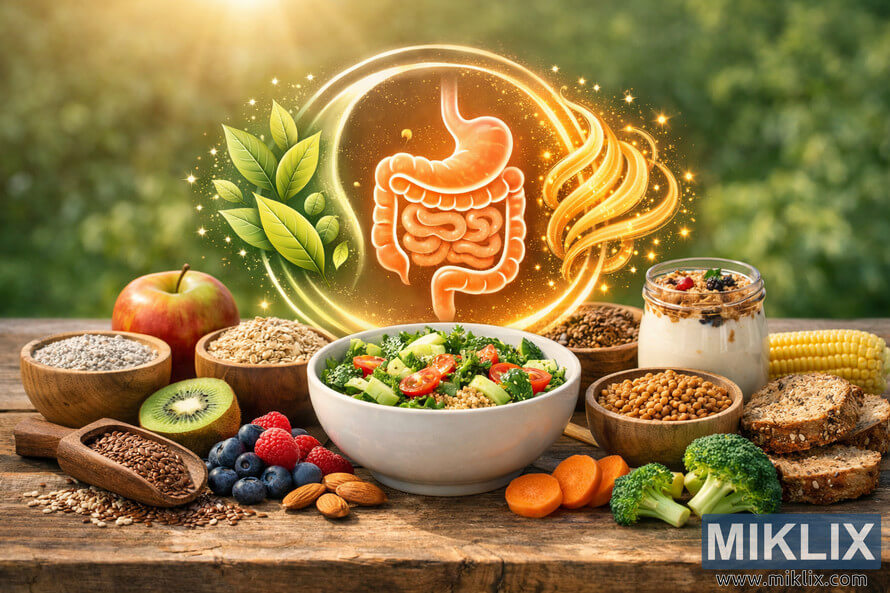
The fiber content in pumpkin makes it an exceptional food for digestive wellness. Both soluble and insoluble fiber work together to keep your digestive system running smoothly. Regular consumption of pumpkin may protect against various digestive issues.
Chofoza noma uthephe isithombe ukuze uthole ulwazi olwengeziwe kanye nezixazululo eziphezulu.
Fiber for Regularity
The fiber in pumpkin adds bulk to your stool and helps food move through your digestive tract at a healthy pace. This prevents constipation while also reducing the risk of diarrhea. The balanced fiber content makes pumpkin gentle enough for sensitive digestive systems.
One cup of cooked pumpkin provides about 3 grams of fiber, contributing to the recommended daily intake of 25-30 grams. When combined with other fiber-rich foods throughout the day, pumpkin helps you reach optimal fiber levels for digestive health.
Chofoza noma uthephe isithombe ukuze uthole ulwazi olwengeziwe kanye nezixazululo eziphezulu.
Prebiotic Effects
The fiber in pumpkin also acts as a prebiotic, feeding the beneficial bacteria in your gut. These friendly microorganisms play crucial roles in digestion, immune function, and even mood regulation. By nourishing your gut bacteria, pumpkin supports overall health beyond just digestion.
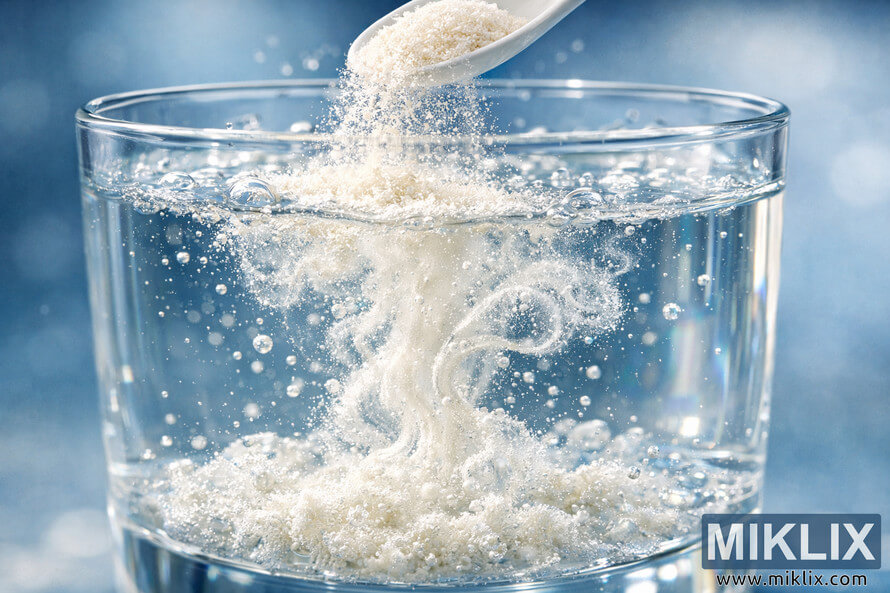
Soluble Fiber
Dissolves in water to form a gel-like substance that slows digestion and helps you feel full longer.
Chofoza noma uthephe isithombe ukuze uthole ulwazi olwengeziwe kanye nezixazululo eziphezulu.
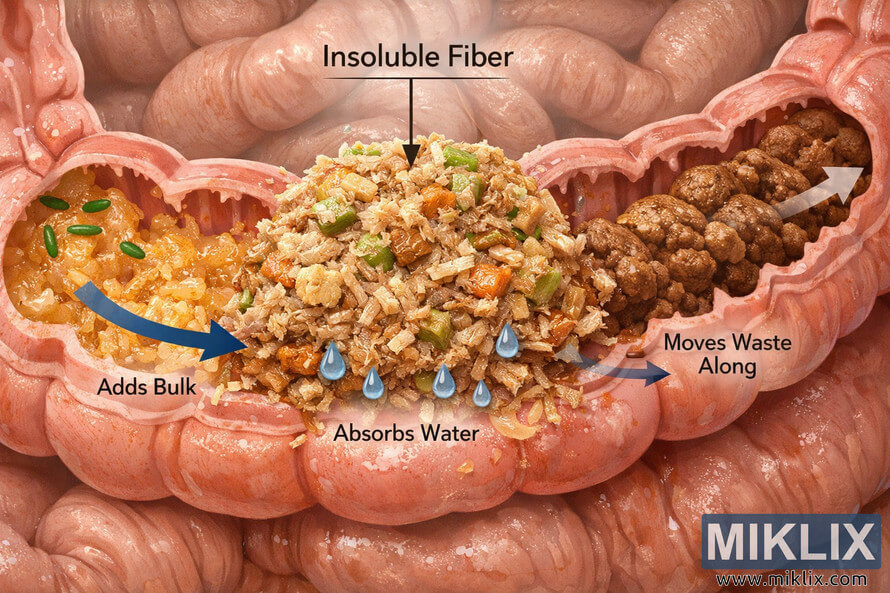
Insoluble Fiber
Adds bulk to stool and helps food pass more quickly through the stomach and intestines.
Chofoza noma uthephe isithombe ukuze uthole ulwazi olwengeziwe kanye nezixazululo eziphezulu.
Combined Benefits
Together, both fiber types create optimal conditions for digestive health and nutrient absorption.
Chofoza noma uthephe isithombe ukuze uthole ulwazi olwengeziwe kanye nezixazululo eziphezulu.
Digestive Comfort
Many people find pumpkin easy to digest, even when dealing with digestive sensitivities. The soft texture and mild flavor make it suitable for various dietary needs. Pumpkin puree can be particularly soothing for upset stomachs.
Pumpkin for Weight Loss and Management
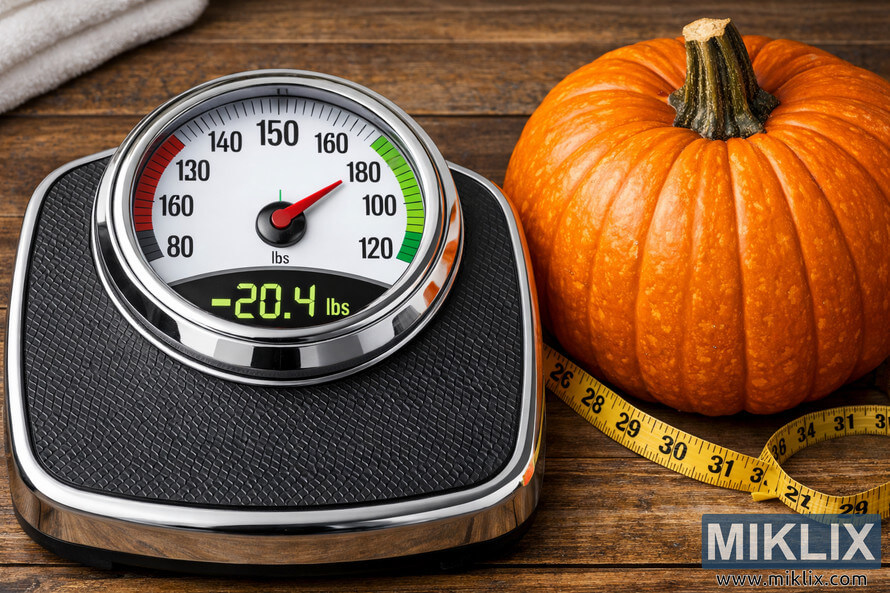
If you're working toward weight loss goals, pumpkin deserves a spot in your meal plan. The combination of low calories and high fiber makes it incredibly satisfying without adding excessive energy to your diet. You can eat generous portions of pumpkin while maintaining a caloric deficit.
Satiety and Fullness
The fiber and water content in pumpkin work together to promote feelings of fullness. When you eat pumpkin, the fiber expands in your stomach, triggering satiety signals to your brain. This natural appetite control can help you eat less overall without feeling deprived.
Chofoza noma uthephe isithombe ukuze uthole ulwazi olwengeziwe kanye nezixazululo eziphezulu.
Low Calorie Density
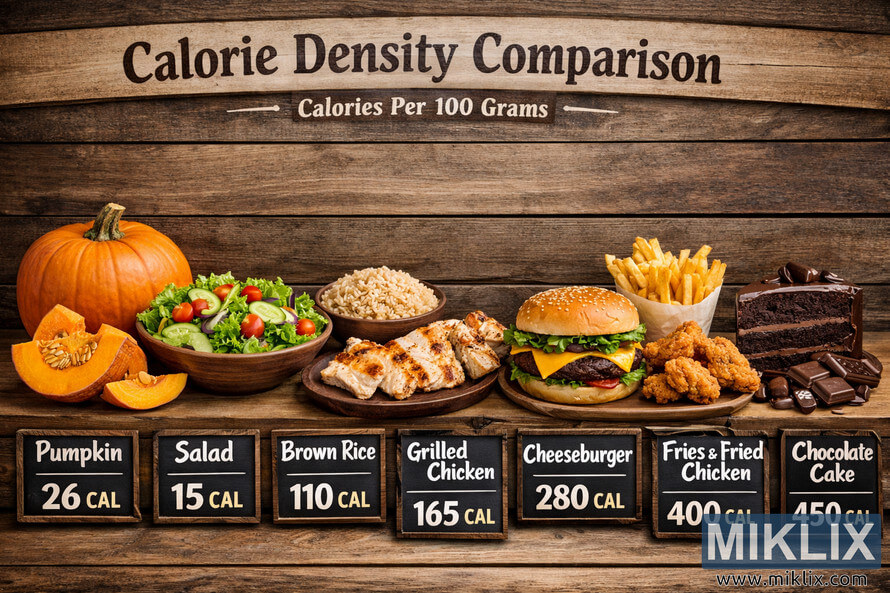
Calorie density refers to the number of calories in a given weight of food. Pumpkin has very low calorie density, meaning you can eat a large volume for relatively few calories. This property makes it excellent for weight loss.
For example, one cup of cooked pumpkin contains only 49 calories. You could eat two full cups and still consume fewer calories than a single tablespoon of butter. This allows you to feel satisfied while maintaining your calorie goals.
Nutrient Density
While low in calories, pumpkin remains high in essential nutrients. This combination of low calories and high nutrients defines nutrient density. Foods with high nutrient density support weight loss while preventing nutritional deficiencies.
Weight Loss Benefits
- Only 49 calories per cup
- High fiber for satiety
- Naturally low in sugar
- Versatile in recipes
- Satisfying texture
- Rich in nutrients
- Helps control appetite
- Easy to prepare
Chofoza noma uthephe isithombe ukuze uthole ulwazi olwengeziwe kanye nezixazululo eziphezulu.
Blood Sugar Stability
The fiber in pumpkin slows the absorption of sugar into your bloodstream. This creates more stable blood sugar levels, preventing the spikes and crashes that can trigger hunger and cravings. Stable blood sugar makes it easier to stick to your eating plan.
People following weight loss diets often struggle with cravings. The natural sweetness and satisfying texture of pumpkin can help satisfy sweet cravings in a healthy way. Use pumpkin puree in place of higher-calorie ingredients in desserts and baked goods.
Don't Forget Pumpkin Seeds: Nutritional Powerhouses
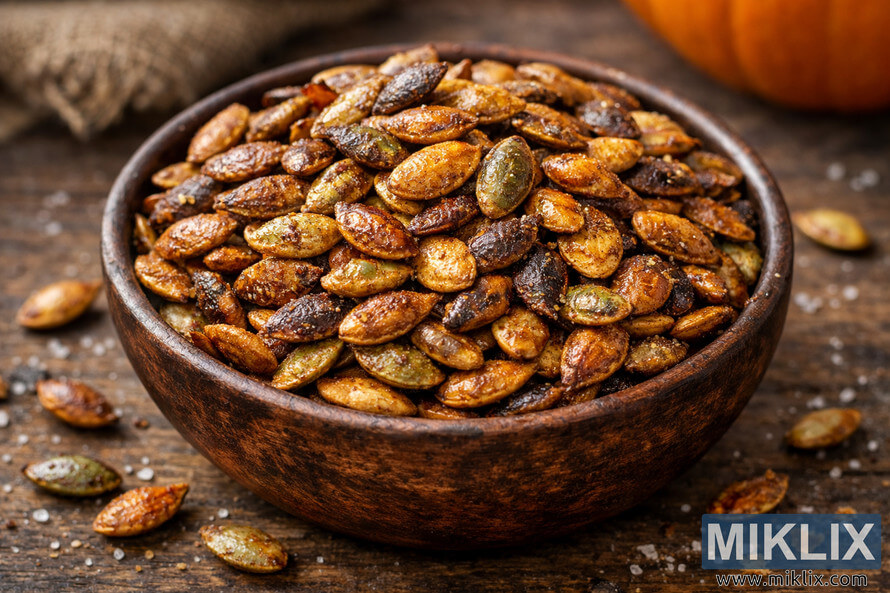
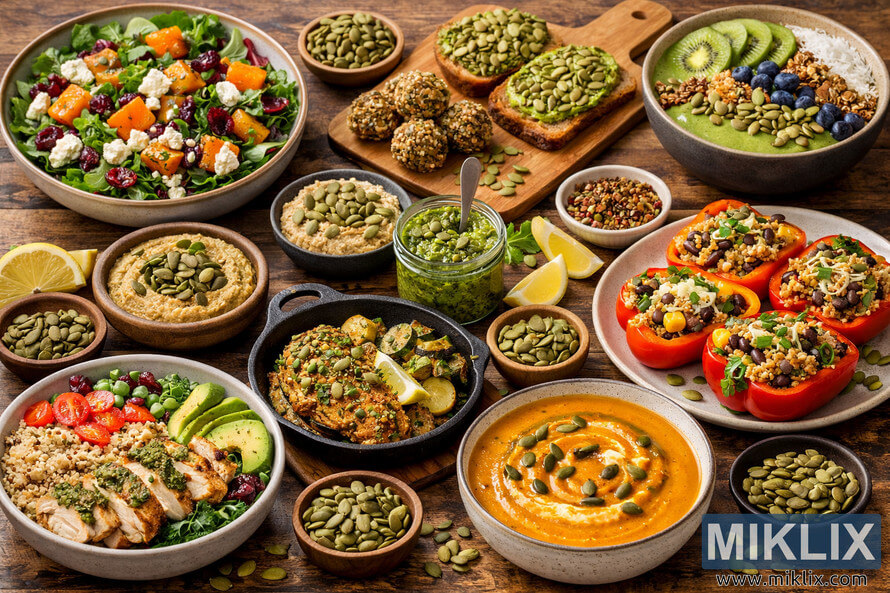
While pumpkin flesh offers impressive benefits, pumpkin seeds provide their own unique nutritional advantages. Also called pepitas, these seeds pack protein, healthy fats, and minerals into small packages. Don't throw away those seeds when you prepare fresh pumpkin.
Chofoza noma uthephe isithombe ukuze uthole ulwazi olwengeziwe kanye nezixazululo eziphezulu.
Protein and Healthy Fats
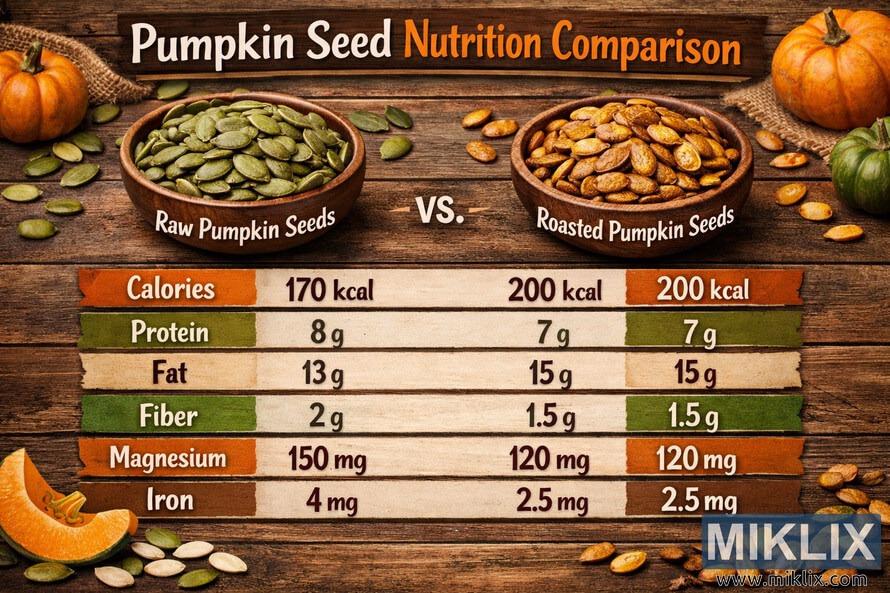
A quarter cup of pumpkin seeds contains about 9 grams of protein and 15 grams of fat, mostly healthy unsaturated varieties. This makes them excellent for vegetarians and anyone looking to increase plant-based protein intake. The protein in pumpkin seed supports muscle maintenance and repair.
Mineral Content
Magnesium
Essential for over 300 enzyme reactions in your body. Supports bone health, energy production, and muscle function.
Zinc
Critical for immune function, wound healing, and protein synthesis. Many people don't get enough zinc in their diets.
Iron
Necessary for oxygen transport throughout your body. Plant-based iron from seeds helps prevent anemia.
Chofoza noma uthephe isithombe ukuze uthole ulwazi olwengeziwe kanye nezixazululo eziphezulu.
Prostate and Urinary Health
Research suggests that pumpkin seed oil and extracts may support prostate health in men. The compounds in pumpkin seeds might help reduce symptoms of benign prostatic hyperplasia. Some studies also indicate benefits for bladder function and urinary health.
Chofoza noma uthephe isithombe ukuze uthole ulwazi olwengeziwe kanye nezixazululo eziphezulu.
Practical Tips for Adding Pumpkin to Your Diet
Incorporating pumpkin into your daily meals doesn't require complicated recipes or unusual ingredients. This versatile ingredient adapts easily to both sweet and savory dishes. Whether you use fresh pumpkin or canned pumpkin, you'll find countless ways to enjoy its benefits year round.
Fresh Versus Canned Pumpkin
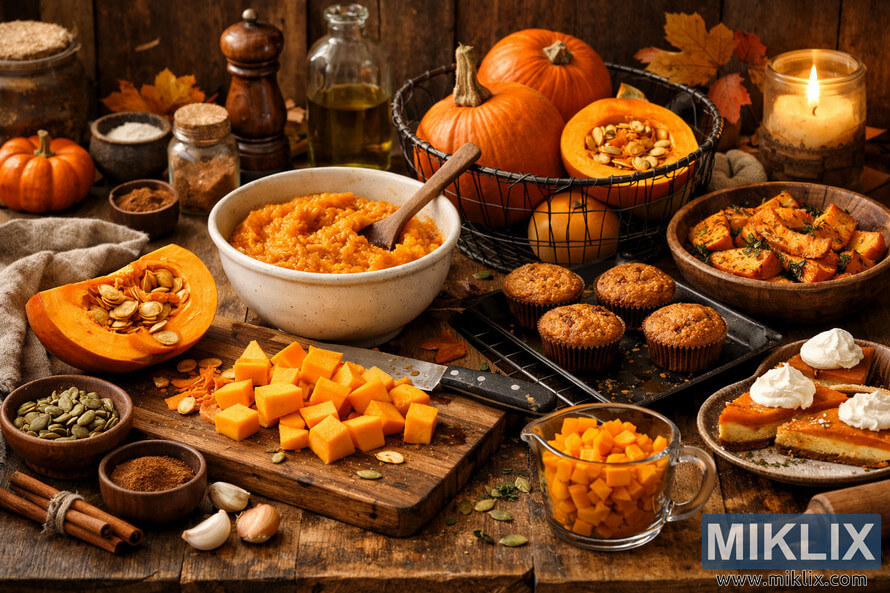
Both fresh and canned pumpkin offer excellent nutrition. Fresh pumpkin requires more preparation time but provides a slightly different texture and taste. Canned pumpkin offers convenience without sacrificing nutritional value, making it perfect for busy schedules.
Fresh Pumpkin Advantages
- Fuller, more complex flavor
- Customizable texture
- Can roast seeds separately
- More control over consistency
- Fun cooking experience
Fresh Pumpkin Considerations
- Requires more preparation time
- Seasonal availability varies
- Storage space needed
- Consistency can vary
- More cleanup required
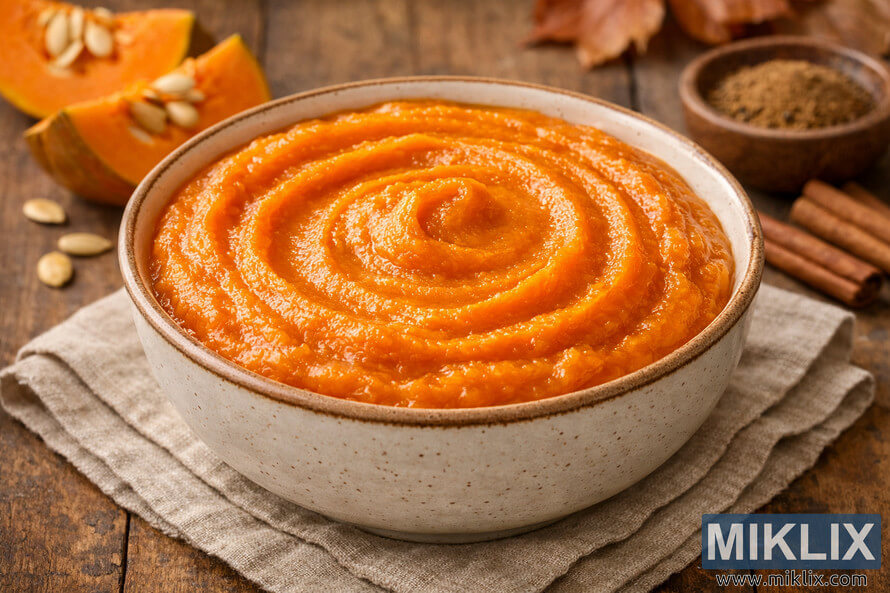
When buying canned pumpkin, choose pure pumpkin puree rather than pumpkin pie filling. Pie filling contains added sugar and spices that increase calories and reduce the health benefits. Pure pumpkin puree contains only pumpkin with no additives.
Chofoza noma uthephe isithombe ukuze uthole ulwazi olwengeziwe kanye nezixazululo eziphezulu.
Breakfast Ideas
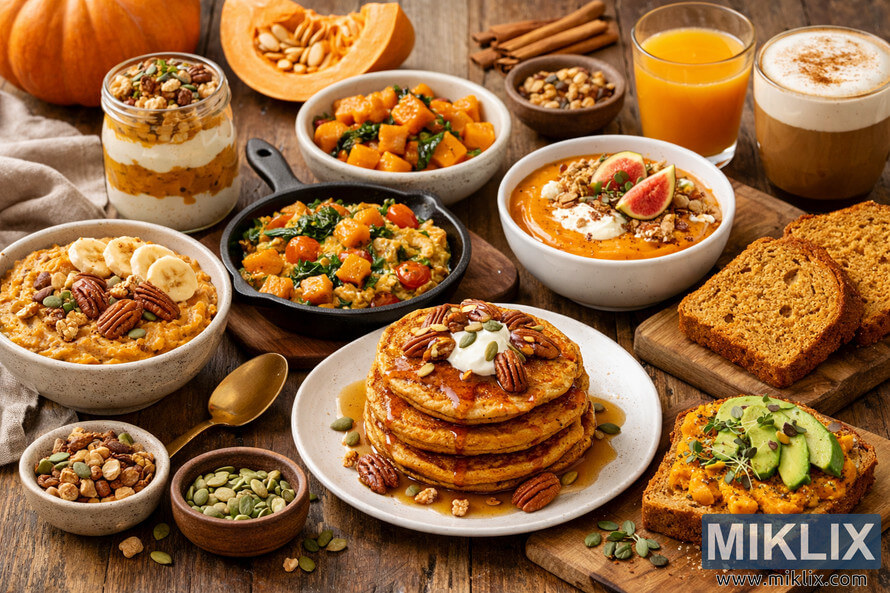
Start your day with pumpkin to boost nutrition from your first meal. The fiber helps keep you satisfied until lunch, preventing mid-morning energy crashes. These breakfast options combine taste with nutrition.
Chofoza noma uthephe isithombe ukuze uthole ulwazi olwengeziwe kanye nezixazululo eziphezulu.
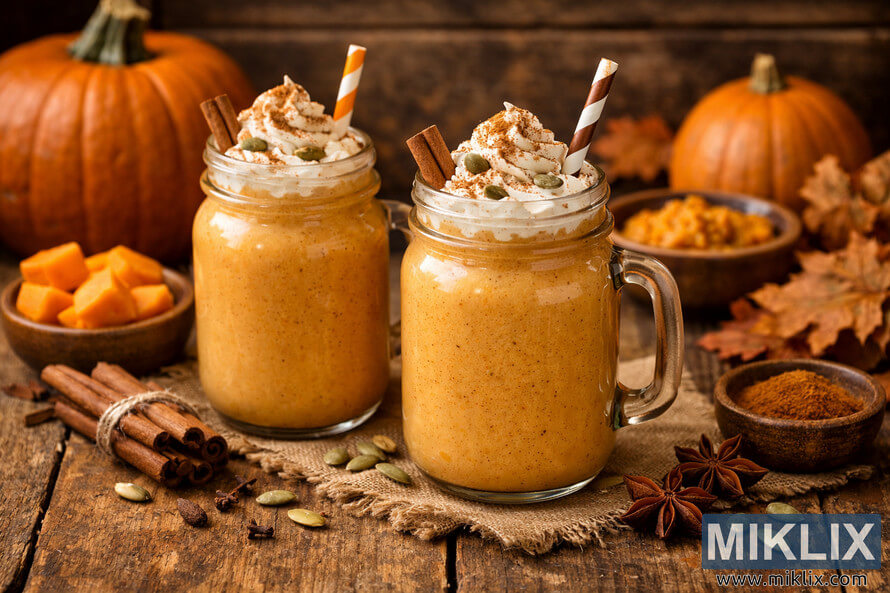
Pumpkin Smoothies
Blend pumpkin puree with banana, yogurt, and pumpkin spice for a creamy breakfast drink. Add protein powder for extra staying power.
- Quick and portable option
- Easily customizable flavors
- Combines fruits and vegetables
- Perfect for busy mornings
Chofoza noma uthephe isithombe ukuze uthole ulwazi olwengeziwe kanye nezixazululo eziphezulu.
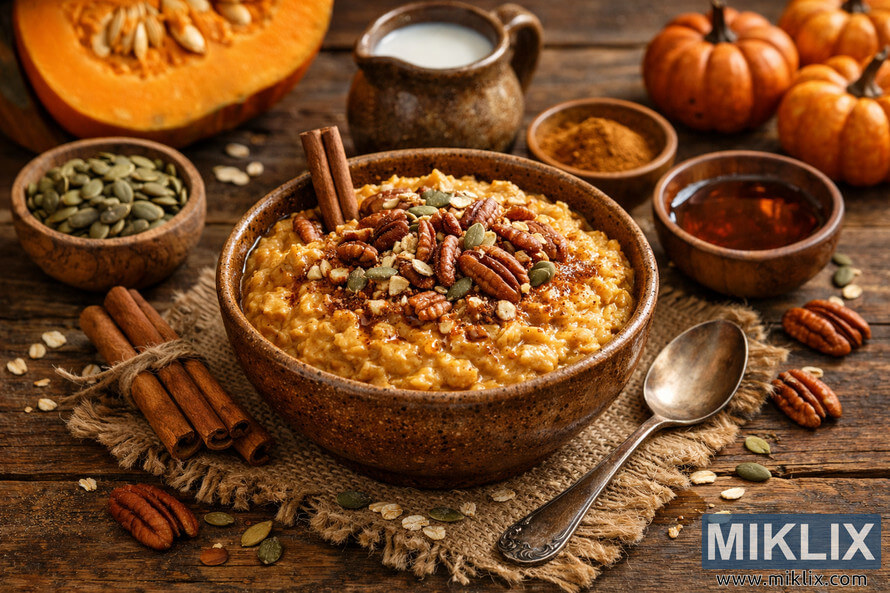
Pumpkin Oatmeal
Stir pumpkin puree into your morning oats while cooking. Add cinnamon and drizzle maple syrup for natural sweetness.
- Boosts fiber content significantly
- Adds creamy texture
- Increases vitamin content
- Keeps you full longer
Chofoza noma uthephe isithombe ukuze uthole ulwazi olwengeziwe kanye nezixazululo eziphezulu.
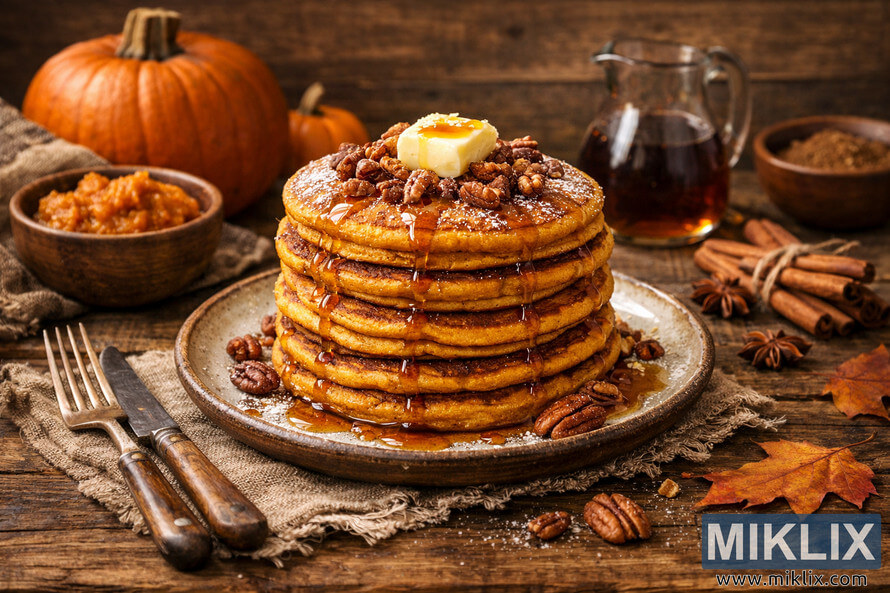
Pumpkin Pancakes
Mix pumpkin puree into your favorite pancake batter. The moisture from pumpkin creates fluffy pancakes with added nutrients.
- Family-friendly breakfast
- Sneaks vegetables into meals
- Works with whole grain flour
- Freezes well for quick meals
Chofoza noma uthephe isithombe ukuze uthole ulwazi olwengeziwe kanye nezixazululo eziphezulu.
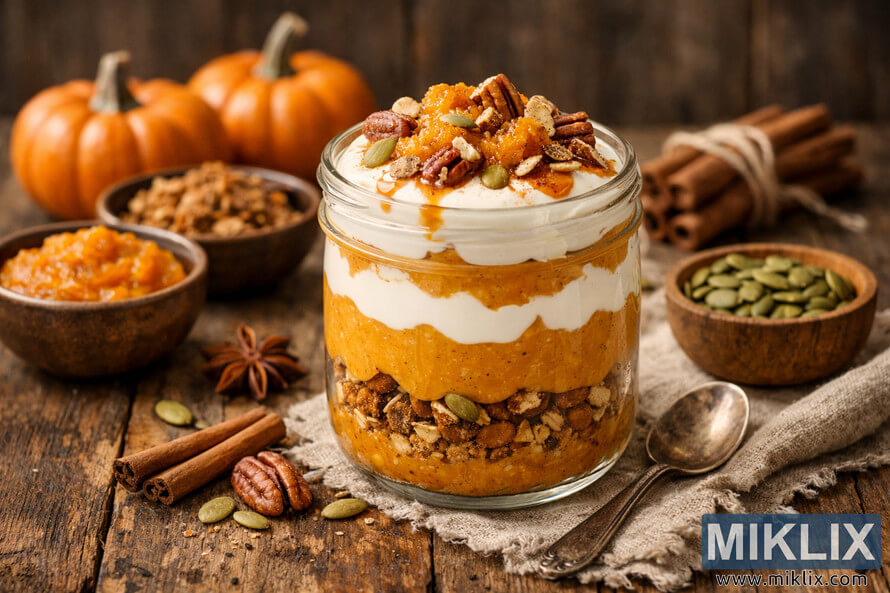
Pumpkin Yogurt Parfait
Layer pumpkin puree with Greek yogurt, granola, and a drizzle maple syrup. This no-cook option provides protein and probiotics.
- No cooking required
- High in protein
- Contains probiotics
- Beautiful presentation
Chofoza noma uthephe isithombe ukuze uthole ulwazi olwengeziwe kanye nezixazululo eziphezulu.
Savory Dishes
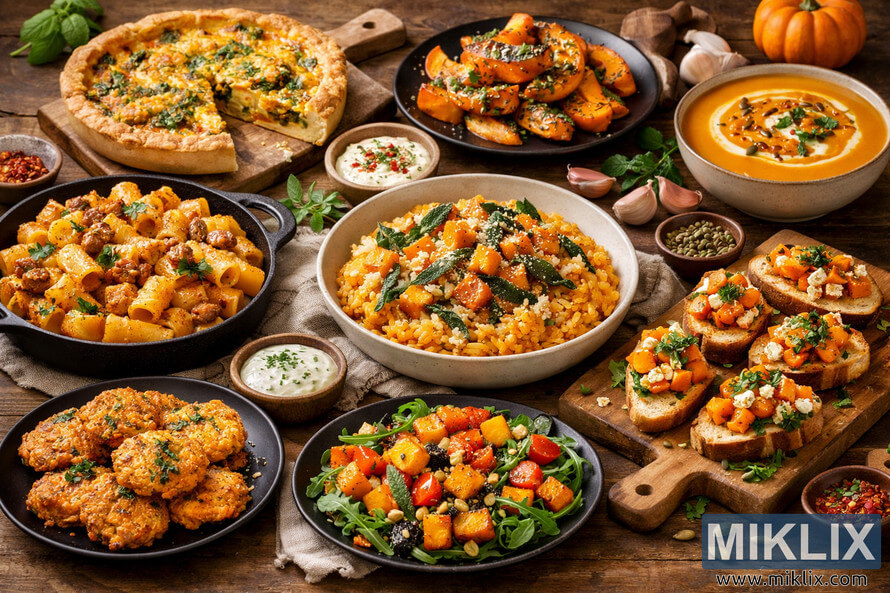
Pumpkin's mild flavor makes it perfect for savory applications. It adds nutrition and substance to soups, stews, and main dishes without overwhelming other ingredients. The creamy texture when cooked makes it ideal for comfort food.
Chofoza noma uthephe isithombe ukuze uthole ulwazi olwengeziwe kanye nezixazululo eziphezulu.
Pumpkin Soup Recipes
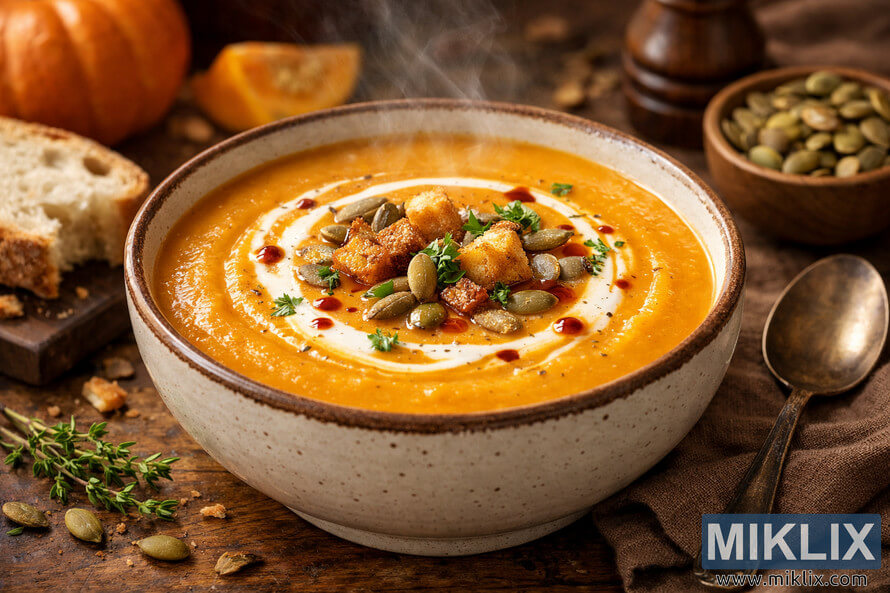
Classic pumpkin soup combines roasted pumpkin with broth, onions, and warming spices. Blend until smooth for a velvety texture that satisfies on cold days. Add cream or coconut milk for extra richness, or keep it dairy-free. This soup freezes beautifully, so make large batches for convenient future meals.
Chofoza noma uthephe isithombe ukuze uthole ulwazi olwengeziwe kanye nezixazululo eziphezulu.
Pasta and Risotto
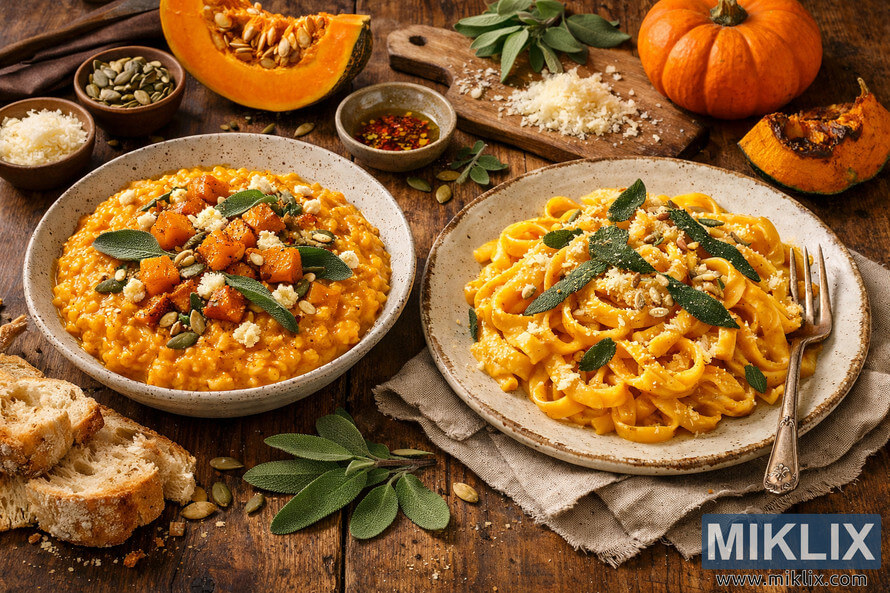
Use pumpkin puree as a base for pasta sauces. Mix it with garlic, sage, and a splash of pasta water for a simple yet elegant dish. For risotto, stir pumpkin puree into the rice during the final minutes of cooking. The pumpkin adds color, nutrition, and creamy consistency.
Chofoza noma uthephe isithombe ukuze uthole ulwazi olwengeziwe kanye nezixazululo eziphezulu.
Curries and Stews
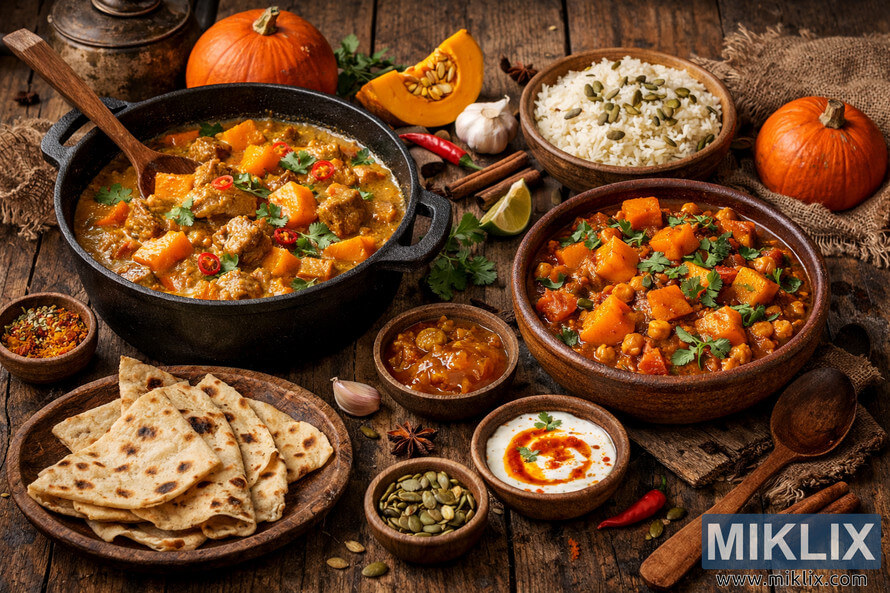
Cubed pumpkin holds its shape well in slow-cooked dishes. Add it to curries, stews, or chili for substance and nutrition. The squash absorbs flavors from spices and broths while contributing its own subtle sweetness. This balance creates complex, satisfying dishes.
Chofoza noma uthephe isithombe ukuze uthole ulwazi olwengeziwe kanye nezixazululo eziphezulu.
Baking with Pumpkin
Pumpkin puree works as a fat substitute in many baked goods. Replace half the oil or butter in recipes with pumpkin puree to reduce calories while maintaining moisture. This technique works particularly well in muffins, quick breads, and cakes.
Sweet Baking Options
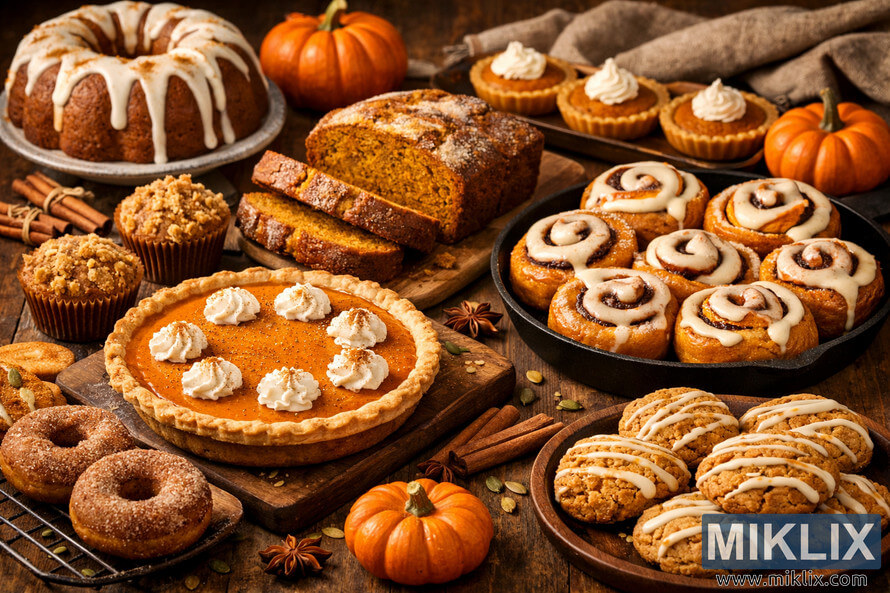
- Pumpkin muffins with chocolate chips
- Pumpkin bread with walnuts
- Pumpkin cookies with spices
- Pumpkin cheesecake bars
- Traditional pumpkin pies
Healthier Alternatives
- Whole wheat pumpkin muffins
- Sugar-free pumpkin brownies
- Protein pumpkin bars
- Oat flour pumpkin cookies
- Low-fat pumpkin cake
Chofoza noma uthephe isithombe ukuze uthole ulwazi olwengeziwe kanye nezixazululo eziphezulu.
Seasoning and Flavor Combinations
While pumpkin spice remains popular, don't limit yourself to that flavor profile. Pumpkin pairs beautifully with both sweet and savory ingredients. Experiment with different combinations to discover new favorite dishes.
Sweet Pairings
- Cinnamon and nutmeg
- Maple syrup and vanilla
- Brown sugar and ginger
- Chocolate and espresso
- Caramel and pecans
- Coconut and cardamom
Savory Pairings
- Sage and brown butter
- Garlic and rosemary
- Curry and coconut
- Thyme and black pepper
- Cumin and chili powder
- Parmesan and balsamic
Selecting and Storing Pumpkin
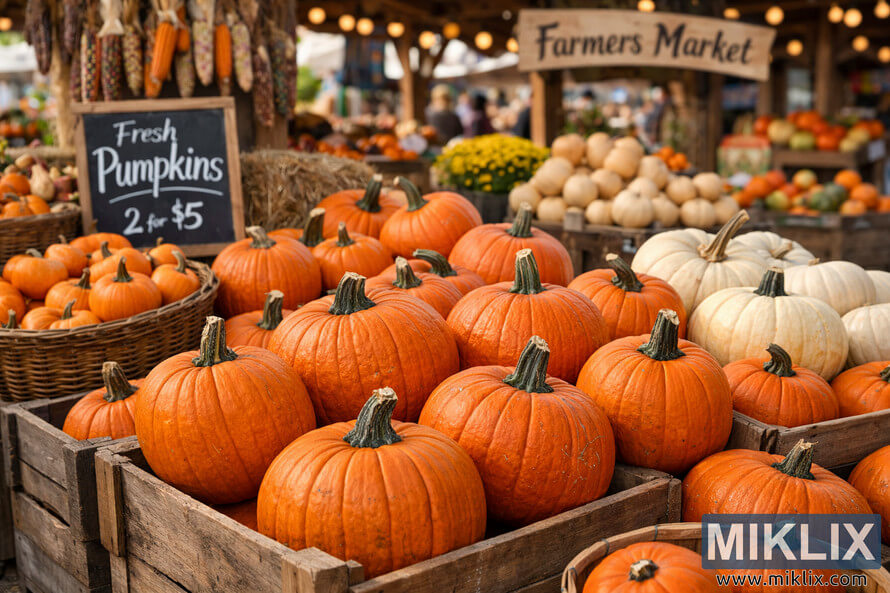
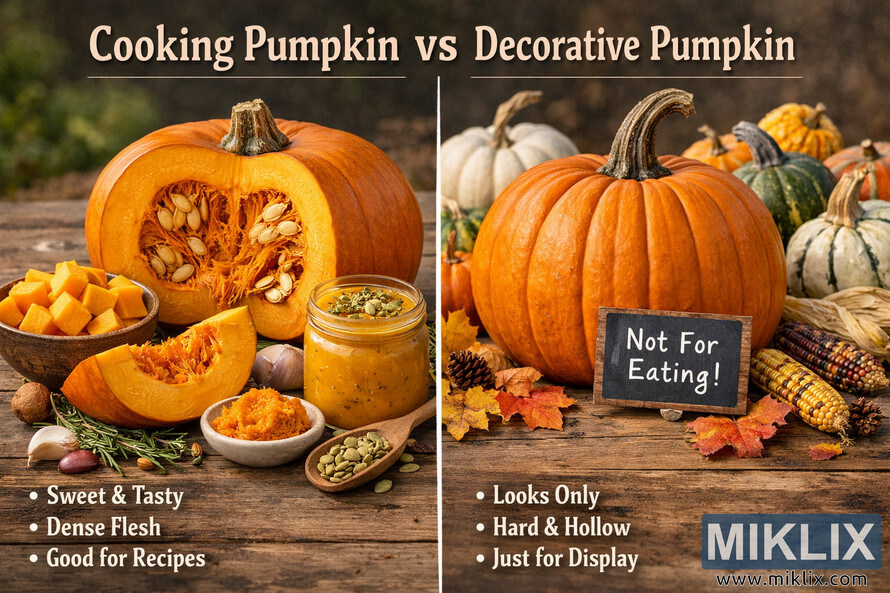
Choosing the right pumpkin ensures the best flavor and texture for your recipes. While decorative pumpkins work fine for carving, cooking pumpkins offer superior taste and texture. Learn to identify cooking varieties for the best culinary results.
Chofoza noma uthephe isithombe ukuze uthole ulwazi olwengeziwe kanye nezixazululo eziphezulu.
Best Varieties for Cooking
Sugar pumpkins, also called pie pumpkins, provide the best eating experience. These smaller pumpkins typically weigh three to five pounds and have denser, sweeter flesh than larger carving varieties. Their size also makes them easier to handle in the kitchen.
Look for pumpkins with deep orange color and firm, unblemished skin. The stem should be intact and dry. Avoid pumpkins with soft spots, cracks, or mold. A ripe cooking pumpkin feels heavy for its size, indicating dense, moist flesh inside.
Chofoza noma uthephe isithombe ukuze uthole ulwazi olwengeziwe kanye nezixazululo eziphezulu.
Storage Guidelines
Fresh Pumpkin Storage
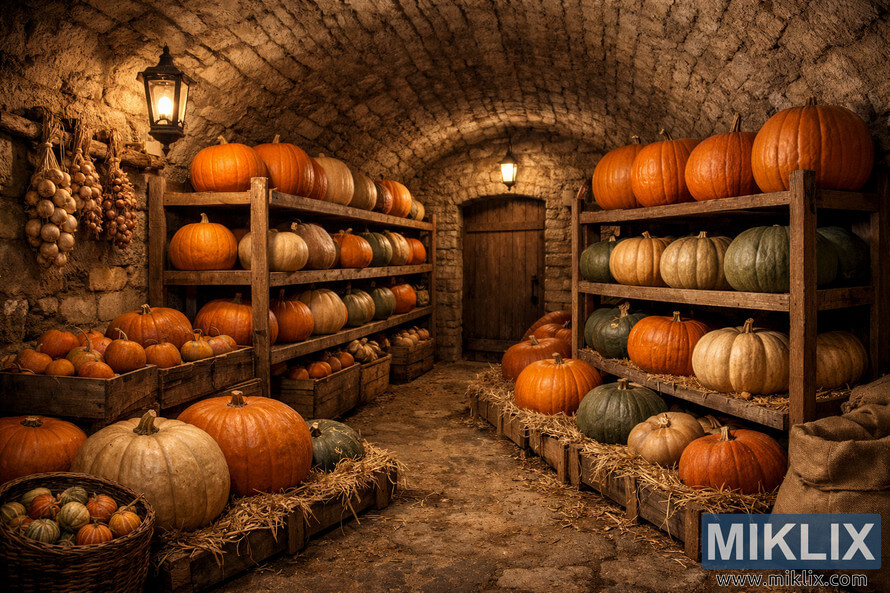
Whole pumpkins keep for one to three months when stored properly. Place them in a cool, dry location with good air circulation. Ideal temperature ranges between 50-55°F. Check periodically for soft spots that indicate spoilage.
Once cut, wrap unused portions tightly in plastic wrap and refrigerate. Use within one week for best quality. You can also freeze cooked pumpkin puree in airtight containers or freezer bags for up to six months.
Chofoza noma uthephe isithombe ukuze uthole ulwazi olwengeziwe kanye nezixazululo eziphezulu.
Preparing Fresh Pumpkin
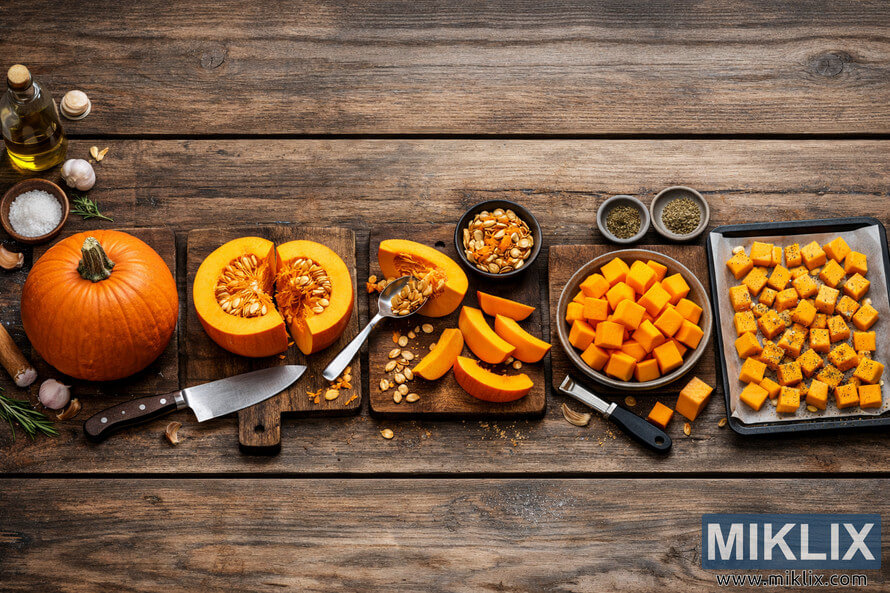
To prepare fresh pumpkin, start by washing the exterior thoroughly. Cut the pumpkin in half and scoop out the seeds and stringy pulp. Save the seeds for roasting. Cut the halves into smaller pieces for easier handling.
Roast the pieces skin-side up at 375°F until the flesh becomes tender, usually 45-60 minutes. Let cool, then scoop the flesh away from the skin. Puree in a food processor or blender for smooth consistency, or leave it chunked for certain recipes. The roasting process concentrates flavor and enhances natural sweetness.
Chofoza noma uthephe isithombe ukuze uthole ulwazi olwengeziwe kanye nezixazululo eziphezulu.
Special Dietary Considerations and Pumpkin
Pumpkin accommodates most dietary restrictions and preferences naturally. Whether you follow a specific eating plan for health reasons or personal choice, pumpkin likely fits seamlessly into your diet. This versatility makes it valuable for families with diverse dietary needs.
Allergen Information
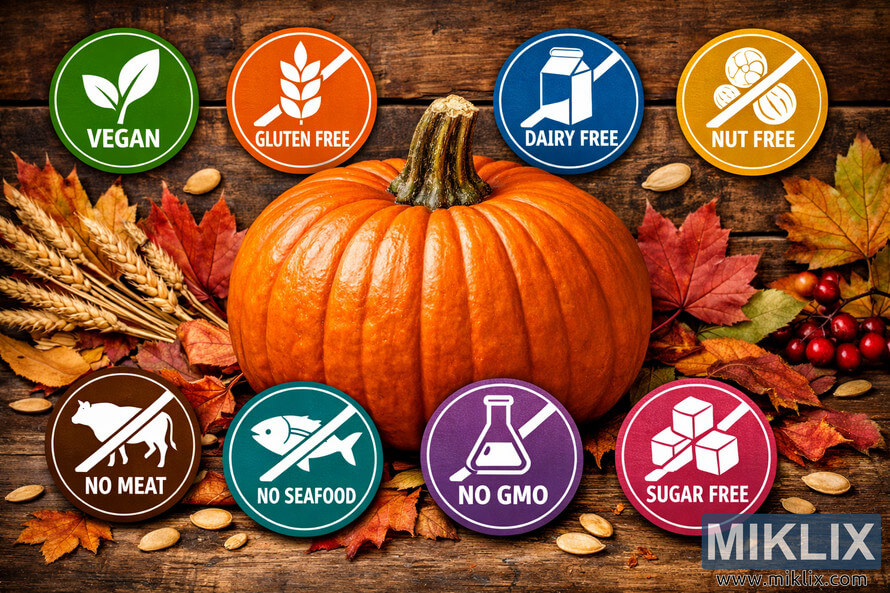
Pumpkin itself contains no common allergens. It's naturally gluten-free, dairy-free, and nut-free. This makes it safe for people with celiac disease, lactose intolerance, or nut allergies. However, always check labels on canned products to ensure no allergens were added during processing.
Chofoza noma uthephe isithombe ukuze uthole ulwazi olwengeziwe kanye nezixazululo eziphezulu.
Diabetes-Friendly Options
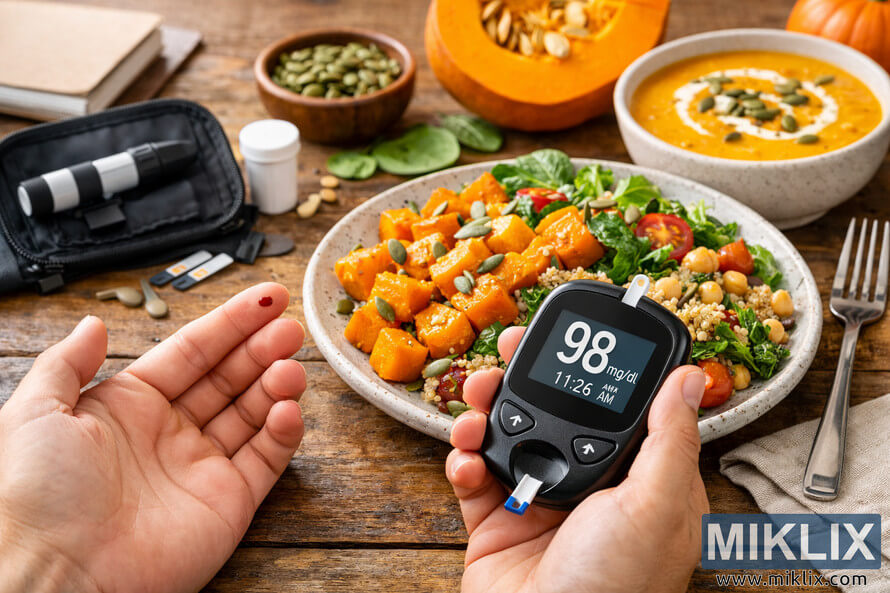
People with diabetes can enjoy pumpkin as part of a balanced meal plan. The fiber helps slow sugar absorption, preventing rapid blood glucose spikes. However, be mindful of preparation methods. Skip the sugar in recipes or use sugar substitutes designed for baking.
Low Glycemic Impact
Pumpkin has a relatively low glycemic index, meaning it doesn't cause rapid blood sugar increases. The combination of fiber and nutrients creates a favorable metabolic response. When combined with protein or healthy fat, the impact on blood sugar becomes even more stable.
Portion Awareness
While pumpkin itself won't spike blood sugar dramatically, watch portion sizes in recipes that add sugar or other carbohydrates. A half-cup serving of plain pumpkin contains about 6 grams of carbs. Factor this into your meal planning when managing blood glucose.
Chofoza noma uthephe isithombe ukuze uthole ulwazi olwengeziwe kanye nezixazululo eziphezulu.
Plant-Based Diets
Vegetarians and vegans find pumpkin particularly valuable. It provides nutrients that might be harder to obtain from plant sources alone. The vitamin A content helps meet needs that animal products typically fulfill. Pumpkin seeds add plant-based protein and iron to vegan diets.
Low FODMAP Considerations
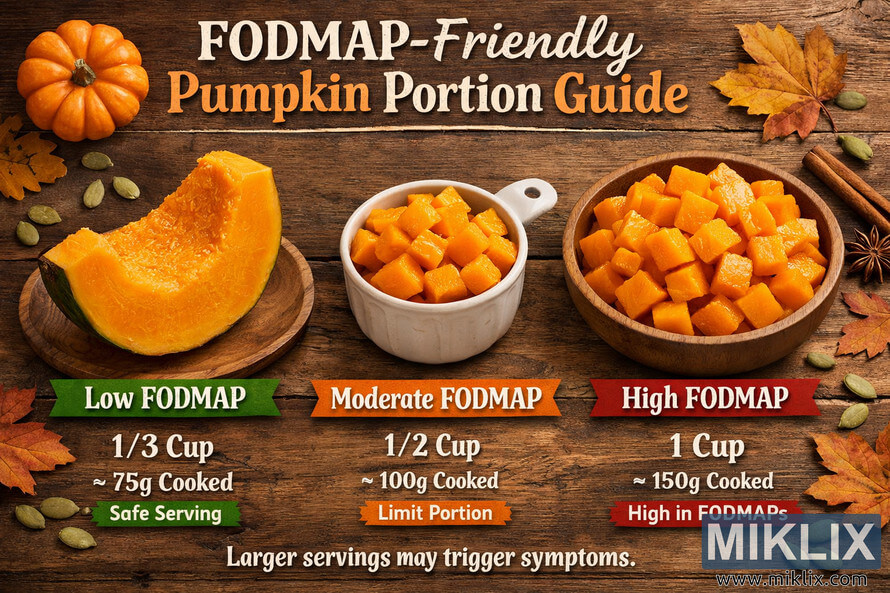
For people following a low FODMAP diet for digestive issues, pumpkin can be consumed in moderate amounts. Stick to a quarter-cup serving to stay within recommended limits. Canned pumpkin and fresh pumpkin both work, though individual tolerance may vary.
Chofoza noma uthephe isithombe ukuze uthole ulwazi olwengeziwe kanye nezixazululo eziphezulu.
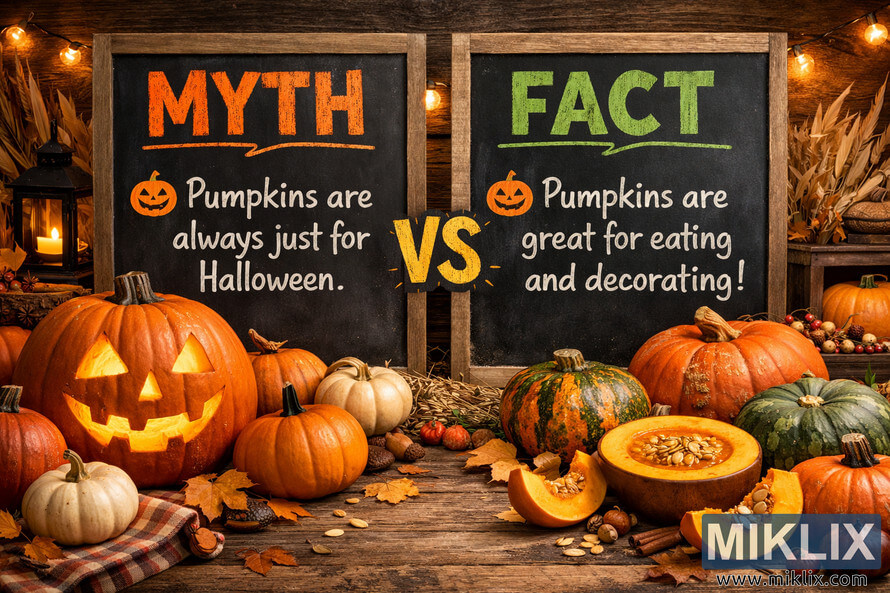
Common Myths About Pumpkin
Despite pumpkin's popularity, several misconceptions persist about this nutritious food. Understanding the facts helps you make informed decisions about incorporating pumpkin into your diet. Let's address some common myths with scientific evidence.
Chofoza noma uthephe isithombe ukuze uthole ulwazi olwengeziwe kanye nezixazululo eziphezulu.
Myth: Pumpkin Pie Filling Equals Pure Pumpkin
Many people confuse pumpkin pie filling with pure pumpkin puree. Pie filling contains added sugar, spices, and sometimes preservatives. These additions significantly increase calorie content and reduce the health benefits. Always read labels carefully when shopping for canned pumpkin.
Pure pumpkin contains only pumpkin with nothing added. One cup has about 80 calories. The same amount of pie filling can contain 250 calories or more due to added sweeteners. This difference matters significantly when you're tracking nutrition.
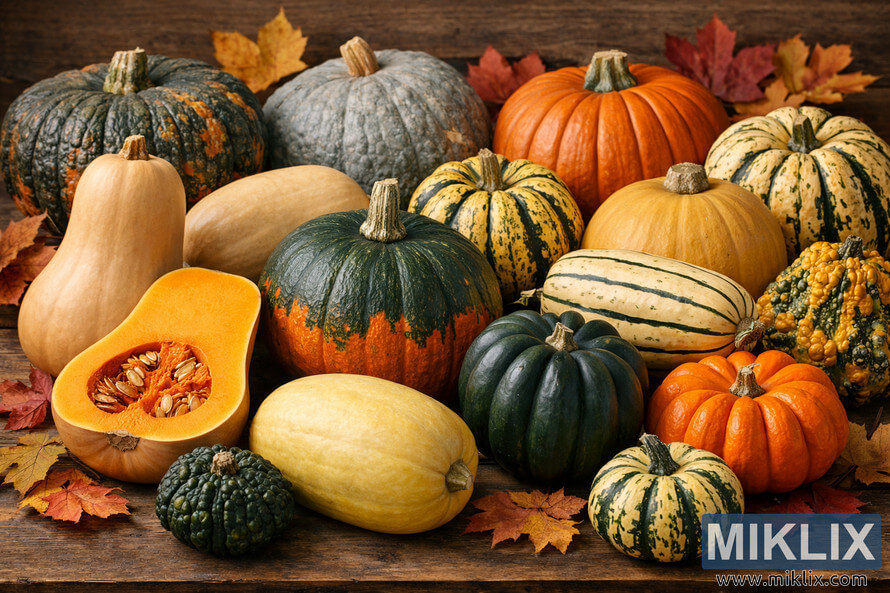
Myth: All Orange Squash Is Pumpkin
While pumpkin belongs to the squash family, not all orange squash is pumpkin. Butternut squash, for example, offers similar nutrition but different flavor and texture. Some canned products labeled "pumpkin" may actually contain other squash varieties.
This doesn't diminish nutritional value, as most winter squash varieties provide comparable benefits. The FDA allows certain squash mixtures to be labeled as pumpkin if they meet specific standards. Focus on nutrition rather than getting caught up in technical classifications.
Chofoza noma uthephe isithombe ukuze uthole ulwazi olwengeziwe kanye nezixazululo eziphezulu.
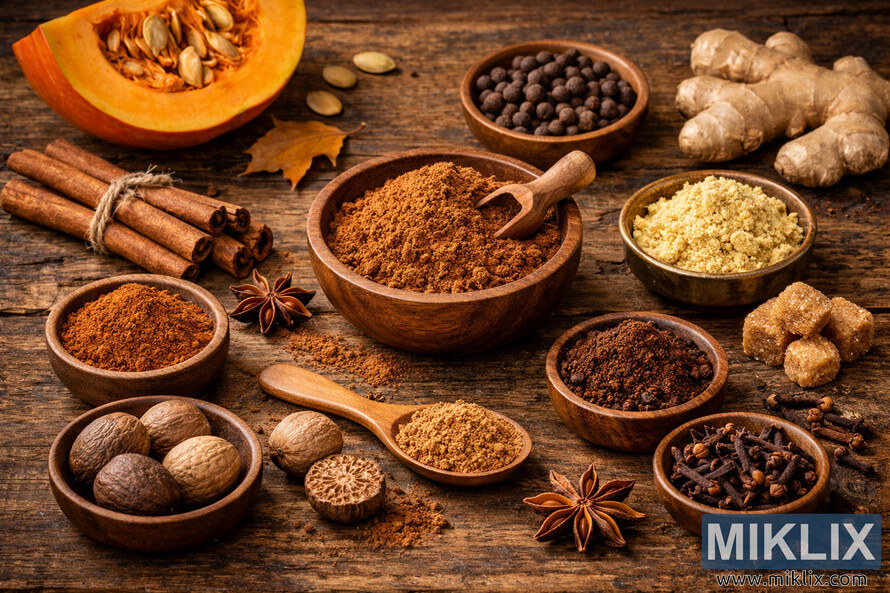
Myth: Pumpkin Spice Contains Pumpkin
The popular pumpkin spice blend contains no actual pumpkin. This seasoning mix typically includes cinnamon, nutmeg, ginger, cloves, and sometimes allspice. While these spices complement pumpkin flavor wonderfully, they don't provide the nutrients found in actual pumpkin.
When you see "pumpkin spice" flavor in products, check whether they contain real pumpkin. Many pumpkin spice lattes, cookies, and cereals contain only the spice blend without any actual pumpkin. You miss out on the nutritional benefits when consuming just the flavoring.
Chofoza noma uthephe isithombe ukuze uthole ulwazi olwengeziwe kanye nezixazululo eziphezulu.
Myth: Fresh Pumpkin Is Always Better Than Canned
While fresh pumpkin offers certain advantages, canned pumpkin isn't inferior nutritionally. In fact, canned pumpkin often contains more concentrated nutrition than fresh because manufacturers use varieties specifically bred for canning. The canning process also makes certain nutrients more bioavailable.
Canned pumpkin undergoes minimal processing. It's cooked, pureed, and canned without additives. This convenience doesn't compromise nutrition. Studies show that canned pumpkin may actually provide more beta-carotene than fresh in some cases. Choose the format that best fits your lifestyle and cooking style.
Creative Recipe Inspiration
Once you understand pumpkin's versatility, the recipe possibilities become endless. Think beyond traditional pumpkin pies and explore innovative ways to use this ingredient. These creative ideas help you eat pumpkin more frequently throughout the year.
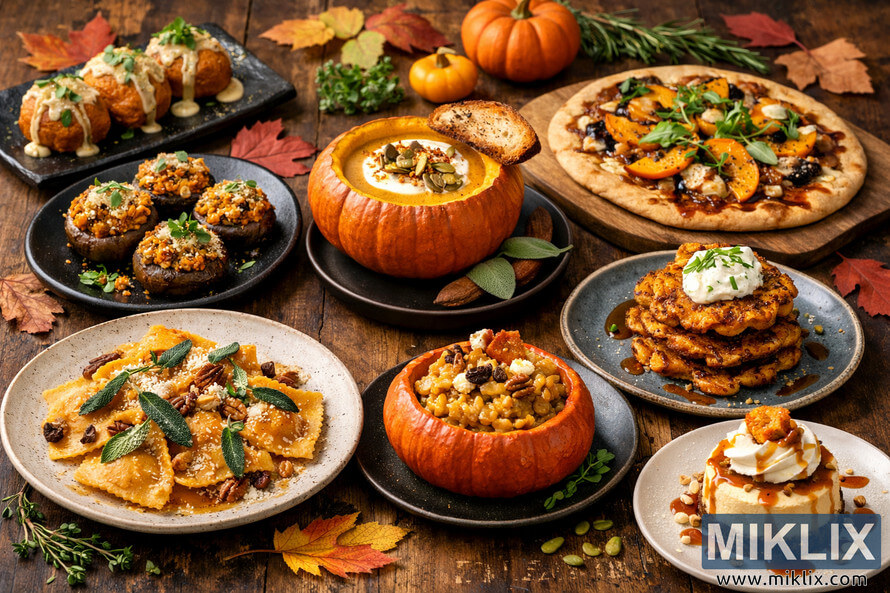
International Pumpkin Dishes
Cultures around the world have incorporated pumpkin into their traditional cuisines for centuries. Exploring these global recipes adds variety to your cooking while teaching you new flavor combinations and techniques.
Chofoza noma uthephe isithombe ukuze uthole ulwazi olwengeziwe kanye nezixazululo eziphezulu.
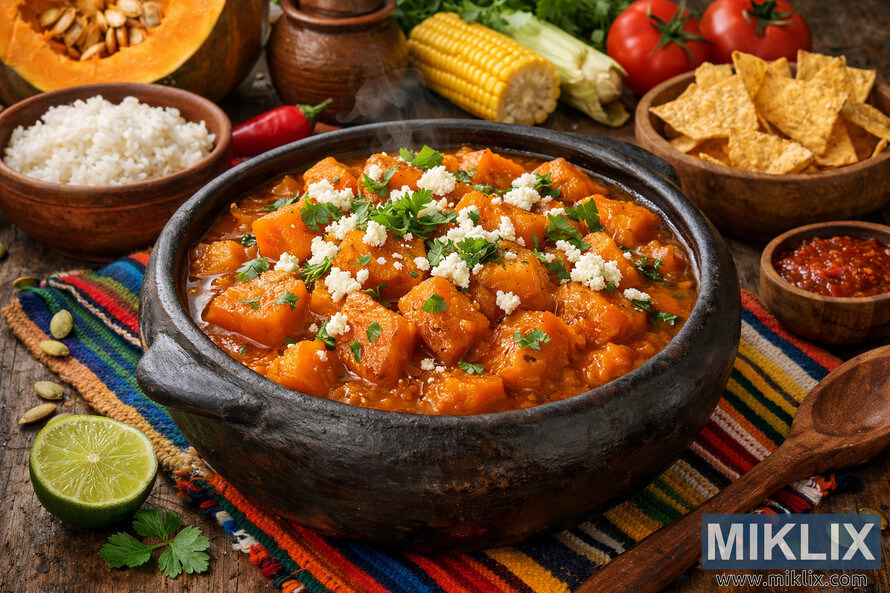
Latin American
Try calabaza en tacha, a Mexican dessert where pumpkin simmers in piloncillo syrup with cinnamon. Or explore Colombian arepas made with pumpkin mixed into the masa.
Chofoza noma uthephe isithombe ukuze uthole ulwazi olwengeziwe kanye nezixazululo eziphezulu.
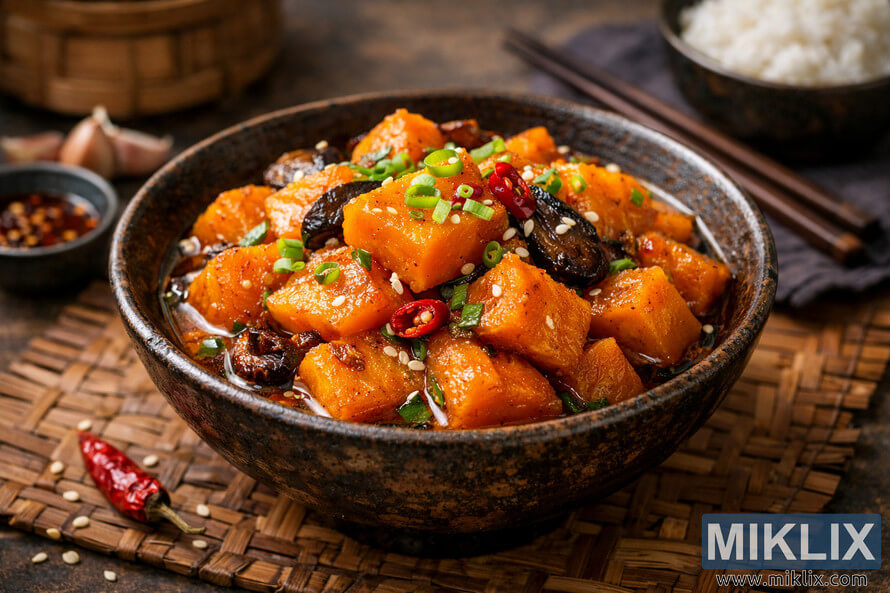
Asian Cuisine
Japanese kabocha squash dishes showcase pumpkin in savory contexts. Thai pumpkin curry combines coconut milk with aromatic spices for complex flavor.
Chofoza noma uthephe isithombe ukuze uthole ulwazi olwengeziwe kanye nezixazululo eziphezulu.
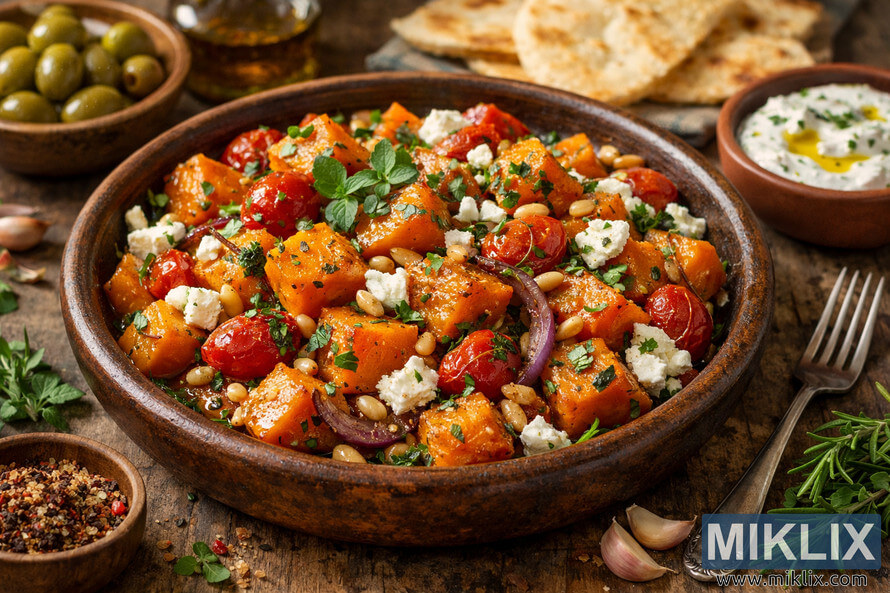
Mediterranean
Italian risotto alla zucca features pumpkin prominently. Greek cuisine includes pumpkin in savory pies with feta cheese and herbs.
Chofoza noma uthephe isithombe ukuze uthole ulwazi olwengeziwe kanye nezixazululo eziphezulu.
Family-Friendly Recipes
Getting the whole family to eat more vegetables becomes easier when you disguise them in favorite dishes. Pumpkin's mild flavor and smooth texture when pureed make it perfect for sneaking nutrition into meals kids already enjoy.
Hidden Veggie Mac and Cheese
Blend pumpkin puree into cheese sauce for mac and cheese. The orange color looks natural, and the flavor remains cheesy and appealing to children.
- Increases vitamin A content dramatically
- Adds fiber to comfort food
- Creates creamier sauce texture
- No one detects the vegetables

Chofoza noma uthephe isithombe ukuze uthole ulwazi olwengeziwe kanye nezixazululo eziphezulu.
Pumpkin Pizza Sauce
Mix pumpkin puree with tomato sauce for pizza. This combination boosts nutrition while maintaining familiar pizza taste that kids love.
- More nutritious than plain tomato sauce
- Adds natural sweetness
- Creates unique flavor profile
- Perfect for picky eaters
Pumpkin Chicken Nuggets
Add pumpkin puree to homemade chicken nugget mixture. The moisture helps create tender nuggets while adding nutritional value.
- Healthier than store-bought options
- Adds vegetables to protein
- Creates moist interior texture
- Bakes well in oven
Pumpkin Chocolate Chip Muffins
Combine pumpkin with chocolate chips in muffins. The chocolate masks any vegetable taste while pumpkin keeps muffins moist.
- Perfect for school lunches
- Balanced treat option
- Freezes well for convenience
- Kid-approved taste
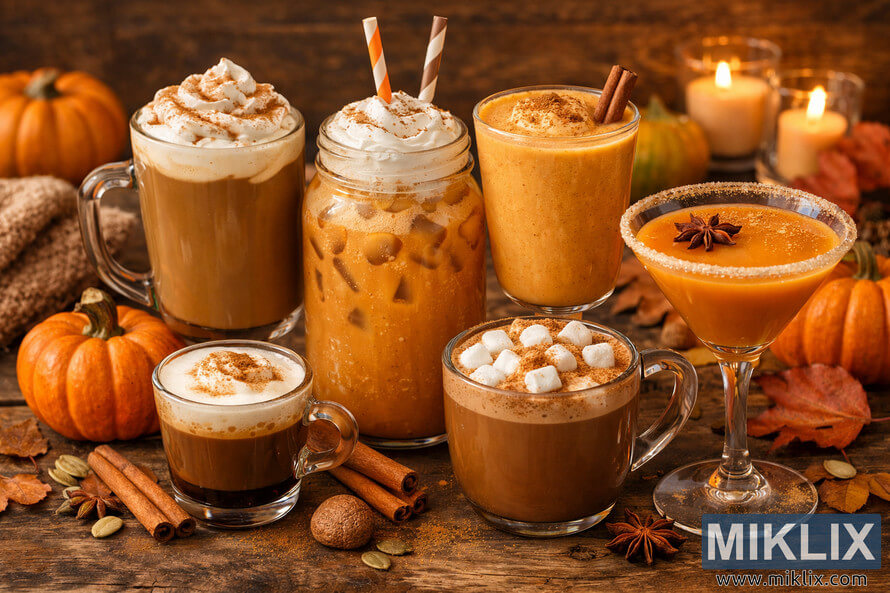
Beverage Ideas
Don't limit pumpkin to solid foods. This versatile ingredient blends beautifully into various beverages. From morning smoothies to afternoon lattes, pumpkin adds nutrition and flavor to your drinks.
- Blend pumpkin puree with banana, milk, and ice for a quick smoothie that tastes like pumpkin pie
- Mix pumpkin puree into coffee with frothed milk for a homemade pumpkin spice latte with real pumpkin
- Add pumpkin to protein shakes for extra nutrition and creamy texture that helps you feel satisfied
- Stir pumpkin puree into warm milk with honey for a comforting bedtime drink rich in nutrients
- Create pumpkin juice by blending cooked pumpkin with apple juice and warming spices for unique flavor
Chofoza noma uthephe isithombe ukuze uthole ulwazi olwengeziwe kanye nezixazululo eziphezulu.
Embracing Pumpkin for Better Health
Pumpkin offers remarkable health benefits that extend far beyond its delicious flavor. From supporting your immune system to protecting your heart and eyes, this versatile squash delivers impressive nutrition in every serving. The combination of vitamins, minerals, fiber, and antioxidants makes pumpkin a true superfood.
Whether you eat pumpkin in sweet dishes or savory recipes, you'll gain valuable nutrients with minimal calories. The low calorie density combined with high fiber content makes pumpkin especially valuable for weight loss efforts. You can enjoy generous portions while maintaining your health goals.
Don't limit pumpkin to autumn months or holiday pies. With canned pumpkin readily available year round, you can access these benefits throughout every season. Stock your pantry with pure pumpkin puree and experiment with different recipes until you find your favorites.
Remember that both the flesh and seeds provide unique nutritional advantages. Roast those pumpkin seeds for a crunchy snack that delivers protein, healthy fats, and essential minerals. Use the flesh in everything from breakfast smoothies to dinner soups.
Start small if you're new to cooking with pumpkin. Add a spoonful to your morning oatmeal or blend it into your afternoon smoothie. As you become more comfortable with this ingredient, branch out into more creative recipes. Your body will thank you for the nutritional boost.
The health benefits of pumpkin are undeniable and well-supported by research. This humble squash deserves recognition as a nutritional powerhouse that can improve multiple aspects of your health. Make pumpkin a regular part of your diet and experience the difference it can make in how you look and feel.
Chofoza noma uthephe isithombe ukuze uthole ulwazi olwengeziwe kanye nezixazululo eziphezulu.
Ukufunda Okuqhubekayo
Uma ukujabulele lokhu okuthunyelwe, ungaphinda uthande lezi ziphakamiso:
- Iqiniso Elimnandi: Indlela Ama-Strawberry Akhulisa Ngayo Impilo Yakho Nenhlalakahle
- I-Casein Protein: Imfihlo Ekhipha Kancane Kancane Yokulungisa Imisipha Yasebusuku Bonke kanye Nokusutha
- I-AAKG Ekhishiwe: I-Arginine Alpha-Ketoglutarate Ikukhokhisa Kanjani Ukusebenza, Iphampu Nokubuyisela