
Hops in Beer Brewing: Cobb
Published: October 12, 2025 at 8:45:18 AM UTC
Cobb hops, a British aroma hop, is prized for its soft floral and earthy notes. It boasts moderate alpha acids, ranging from 5.0–6.7%. This makes Cobb ideal for adding aroma and finishing touches, rather than as a primary bittering agent. In recipes, brewers typically dedicate about 20% of the hop bill to Cobb, aiming for a classic English aroma without excessive bitterness.
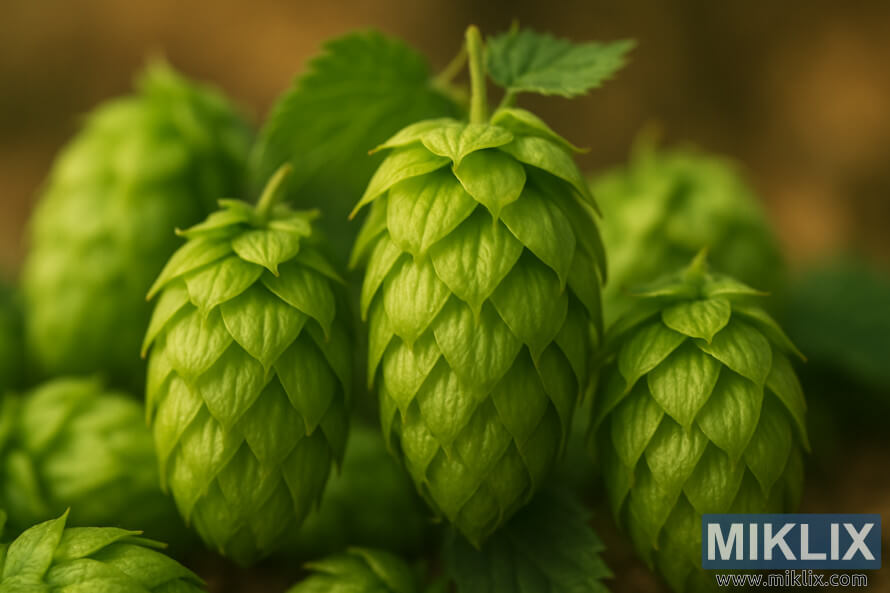
Click or tap the image for more information and higher resolutions.
As a key ingredient in craft beer, Cobb excels in traditional English ales and modern hybrids. British aroma hops, such as Cobb, are best used in late kettle additions, whirlpooling, and dry hopping. This allows them to contribute delicate volatile oils. Modern yeast strains can also transform hop precursors, revealing fruity and floral flavors that complement Cobb's character.
Key Takeaways
- Cobb hops is a British aroma hops variety with moderate alpha acids (about 5.0–6.7%).
- Commonly used as a finishing and aroma hop at roughly 20% of total hop additions.
- Suits English ales and craft beer recipes that favor subtle floral and earthy notes.
- Works well in late additions and dry hopping to maximize aroma impact.
- Yeast biotransformation can enhance Cobb's fruity and floral potential during fermentation.
Overview of Cobb hops: origin, alpha acids, and aroma characteristics
Cobb hops originate from Great Britain, part of a rich English aroma variety tradition. Their British roots highlight why they're best for late additions, finishing, and adding aroma, not as a primary bittering hop.
Cobb alpha acids are moderate, usually around 6%, with a range from 5.0 to 6.7%. Brewers often use Cobb for about 20% of a hop bill in blends. This alpha level provides a gentle backbone without overpowering the palate.
The Cobb aroma profile is characterized by floral, herbal, and light citrus notes, typical of British hops. These traits make Cobb ideal for bitters, pale ales, and English-style ales. Here, subtle complexity and balance are more important than a strong flavor.
Aroma potential changes during fermentation, thanks to yeast enzymes transforming hop precursors. Yeast strains with strong β-lyase or β-glucosidase activity can release thiols and terpene alcohols. This alters how Cobb is experienced in the finished beer. The choice of yeast and fermentation temperature significantly impacts the final Cobb aroma.
Use Cobb for layered aroma in late hopping, dry hopping, or small whirlpool additions. Its British hops profile complements traditional malt bills and classic ale yeasts. This allows floral and herbal notes to emerge without overshadowing malt character.
Cobb hops in American craft brewing: popularity and common uses
Cobb hops are predominantly used as finishing hops, not for bittering. They appear in four documented recipes, used for late kettle additions and dry hopping. This aligns with broader aroma hop trends in the U.S. market.
Usage of Cobb hops in the U.S. shows significant variability. Recipes typically include Cobb at around 20 percent, with individual percentages ranging from 12.1 to 52.3 percent. Small batches and pilot brews often use higher percentages to achieve specific floral or herbal notes.
American craft brewers significantly increased hop use in the 2010s. Many now favor intense finishing hops. This trend explains Cobb's niche: it adds floral, mild spice, and herbal tones that complement citrusy American hops.
Brewers often blend Cobb with more assertive varieties like Mosaic, Citra, or Amarillo. This combination brings balance and subtle complexity. Yeast-driven biotransformation can also enhance Cobb's fruitiness during fermentation or dry-hop contact.
Cobb hop usage in the U.S. remains modest but significant for brewers seeking unique aroma profiles. Its presence in recipes and flexible late-use role make it a staple in hop popularity trends among both experimental and traditional craft breweries.
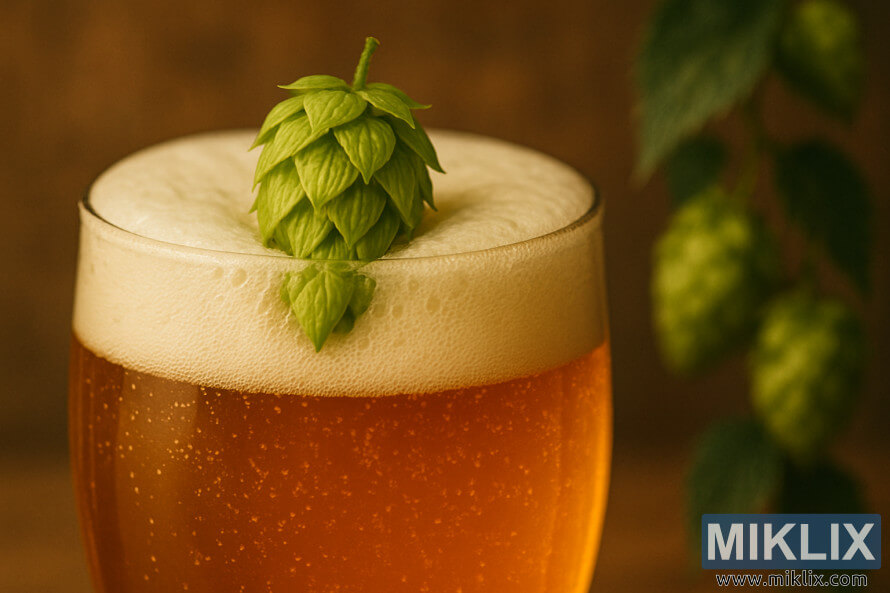
Click or tap the image for more information and higher resolutions.
Cobb hops: brewing roles and when to use them
Cobb is mainly used for its aroma. It's best for late-kettle additions, whirlpool finishes, or gentle dry hopping. This method captures floral and herbal notes. Brewers often use it for its subtle nuances rather than for bitterness.
For Cobb aroma additions, aim for 10–20 minutes or in the whirlpool. This preserves volatile oils, keeping delicate topnotes fresh. Avoid harsh grassy flavors by using it this way. Its low-to-moderate alpha acids make it unsuitable for early bittering.
Cobb is perfect for finishing hops. It excels in the brew's final stages, enhancing aroma without increasing bitterness. Recipes often include about 20% Cobb, paired with another hop for backbone and higher alpha acids.
Dry hop timing is crucial for biotransformation. Adding Cobb during active fermentation or early post-fermentation allows yeast enzymes to convert precursors. The choice of yeast strain and fermentation temperature affects these conversions.
For a pure aromatic boost, consider a late whirlpool charge followed by a short dry hop at cold-side conditions. This method secures volatile compounds and supports yeast-driven flavor evolution. It's ideal for achieving bright floral and herbal notes without extra bitterness.
- Late-kettle: capture soft citrus and floral esters.
- Whirlpool: maximize aroma retention while minimizing vegetal compounds.
- Dry hop timing: target early post-fermentation for biotransformation or cold-side for pure aroma.
When blending, pair Cobb with higher-alpha varieties like Citra or Centennial. Use it as a finishing hop to enhance blends and add English-style floral character to pale ales and session beers. This approach highlights Cobb's strengths while maintaining balance.
Cobb hops flavor pairings with malts and yeasts
Cobb shines as an aroma hop when the malt bill allows it to stand out. Opt for a pale base like Maris Otter or two-row, and keep crystal malts light. This setup lets floral and herbal notes shine without being overshadowed by roast or heavy caramel.
Traditional English malts complement Cobb well for malt-forward ales. A small amount of Crystal 40–60 L adds sweetness and body, preserving hop aromatics. Steer clear of dark or roasted malts, as they can hide delicate hop nuances.
Cobb's interaction with yeast significantly impacts the beer's aroma. Choose ale strains with high β-lyase activity to enhance fruity, tropical notes. Fermenting between 18–24 °C often boosts these releases.
Yeast biotransformation can be enhanced by co-fermentations or strains with high enzymatic activity. A healthy fermentation followed by cold maturation at around 4 °C helps preserve volatile thiols.
- Use 15–25% Cobb in late-hop blends to showcase aroma without overpowering malt complements.
- Pair with Maris Otter or standard pale malt for a balanced, English-style profile.
- Select ale strains with lower IRC7 truncation for stronger Cobb yeast interactions and thiol expression.
Recipes should align yeast biotransformation and malt choice for harmony. Thoughtful malt complements and targeted Cobb yeast interactions create a beer where hop nuance, malt depth, and fermentation character are in perfect sync.
Common beer styles that benefit from Cobb hops
Cobb hops are known for their floral and herbal scents, with a moderate bitterness. They are perfect for beers where aroma is key, without overpowering the palate. This makes them ideal for a variety of beer styles.
In the realm of English ales and bitters, Cobb's subtle bitterness and aromatic qualities are a blessing. It enhances the floral notes in English pale ales and bitters, adding depth without overwhelming the malt flavors.
For craft brewers, Cobb is a gem in pale ales. It's best used as a finishing or dry-hop hop. Here, it brings out herbaceous and floral notes that complement the esters from American yeast and the brightness of other hops.
In sessionable beers, Cobb adds a refined aromatic touch. It's often combined with Maris Otter or English crystal malts. This blend preserves the classic balance while introducing a subtle hop complexity.
- Traditional choices: English pale ale, bitter, and session ale.
- Contemporary uses: pale ales, English-style IPAs, and blended dry-hop bills.
- Blending role: finishing hop to accentuate floral and herbal aromas.
For brewers focusing on aroma, Cobb is a great addition to hop blends. It excels in beers where aroma is paramount. It pairs beautifully with both traditional English styles and modern American brews.
Dosage guidelines for Cobb hops by brew style and use
Cobb hop dosage varies based on its role in the beer. It's best used as an aroma and finish hop, not as a primary bittering hop. With alpha acids ranging from 5.0–6.7%, it's considered a moderate-alpha aroma variety. Most additions should be made in the late kettle, whirlpool, and dry hop stages.
Typically, Cobb makes up about 20% of the total hop bill in recipes. This balance helps control bitterness while adding floral and citrus notes. Early bittering additions should be modest. Use higher-alpha hops for the bulk of IBUs, then add Cobb late for character.
Homebrewers often use 0.5–2 oz/gal for late additions and dry hopping, depending on beer strength and desired aroma. Commercial brewers use around 0.5–1.5 lb per barrel for finishing additions, adjusted by style and intensity targets.
- Pale ales and IPAs: favor 12–52% of total hop mass as late/whirlpool plus a dry-hop dose. Adjust Cobb hop rates to emphasize aroma without pushing bitterness.
- Bitters and British-style ales: use small early bittering amounts, then 0.5–1.0 lb per barrel equivalent for finishing.
- Stouts and malty beers: keep Cobb as a subtle accent. Lower hopping rates preserve malt balance and let delicate citrus lift the profile.
Dry-hop guidance in commercial terms often reads 3–5 g/L. For homebrewers, this translates to about 0.5–2 oz/gal, depending on desired aroma intensity. Test in small batches to find the right balance between brightness and herbal character.
When calculating bittering, account for alpha acid variability. Use conservative early additions and concentrate the majority of Cobb hops in late kettle and dry-hop steps. Yeast selection and fermentation temperature will affect biotransformation of hop oils, so pair timing with the strain you plan to use.
Track your Cobb hop dosage choices across recipes. Start with moderate hopping rates, then adjust late additions based on tastings. This method keeps results consistent while exploring how much Cobb hops shape each brew.
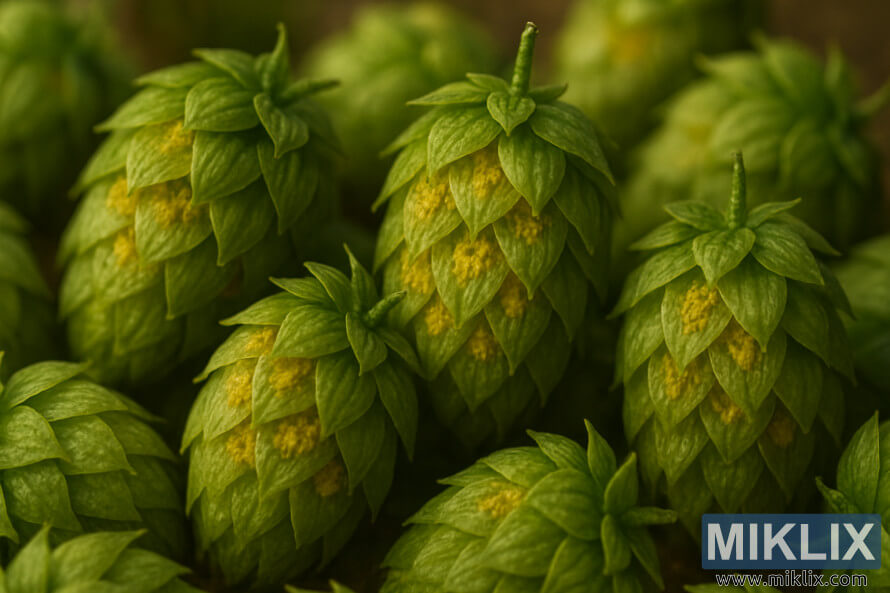
Click or tap the image for more information and higher resolutions.
Cobb hops processing forms: whole cone, pellets, and extracts
Brewers have several options when it comes to Cobb hops. Each format impacts handling, storage, and the aroma in the fermenter.
Whole cone Cobb is ideal for small-batch brewers who value freshness and delicate oils. It's easy to inspect and perfect for dry hopping in kegs or small fermenters.
Cobb hop pellets are better for large-scale production. They offer consistent dosing and compact storage. Pellets break down in wort, releasing alpha acids reliably. They also reduce headspace and simplify transfer in modern brew systems.
Hop extracts are for commercial brewers needing tight alpha-acid control and less vegetal matter. Aroma extracts and CO2-style products preserve specific volatile fractions for late additions and post-fermentation dosing.
- Choose whole cone Cobb for aroma nuance, biotransformation potential, and visible hop material.
- Choose Cobb hop pellets for consistent bitterness, easier scaling, and better shelf stability in tight spaces.
- Choose hop extracts when you need precise alpha control, cleaner wort, and lower trub in high-volume runs.
Storage and handling are crucial, more than the format itself. Cold storage and low oxygen exposure preserve oils in whole cones, pellets, and extracts. For the best aroma, limit heat and light exposure.
Small-scale brewers often prefer whole cone Cobb for late additions and dry hopping. Production breweries favor Cobb hop pellets for dosing and filtration. Larger operations rely on hop extracts for standardizing profiles and reducing processing time.
Choose hop formats based on your equipment, batch size, and filtration plans. Thoughtful selection ensures the unique aromas Cobb brings to American craft beers are preserved.
Hop pairings: complementary hop varieties to blend with Cobb
Cobb typically makes up about 20% of a hop blend. Brewers often plan their hop combinations around it. For a classic floral and herbal backbone, pair Cobb with East Kent Goldings or Fuggle. These British aroma hops enhance subtle earth and flower notes while preserving Cobb’s distinct character.
To add brightness and citrus or tropical top notes, combine Cobb with Cascade, Amarillo, or Belma. These American varieties introduce zesty orange, grapefruit, and stone-fruit tones. They brighten Cobb without overpowering its aroma. Use them in later additions or during whirlpool and dry hop stages.
For a stronger bittering structure, start with high-alpha bittering hops like Columbus, Nugget, or Apollo. Reserve Cobb for late hops to balance firm bitterness with aromatic nuance. This method ensures Cobb remains a finishing touch rather than the bitter backbone.
Consider thiol-rich varieties and modern aromatics for yeast-driven biotransformation. Nelson Sauvin, Citra, Mosaic, or Galaxy add thiol precursors and fruity terpenes. These react with expressive English and American ale yeasts. Blends combining Cobb for floral/herbal notes with a thiol-rich partner yield complex tropical lift after fermentation.
Practical Cobb blend partners can be grouped by role:
- Floral/herbal backbone: East Kent Goldings, Fuggle, Bramling Cross
- Citrus/tropical lift: Cascade, Amarillo, Belma, Citra
- Bittering support: Columbus, Nugget, Apollo, Bravo
- Thiol/fruit complexity: Nelson Sauvin, Mosaic, Galaxy
Begin with Cobb at roughly 15–25% of the hop bill and adjust the other components to taste. Test small pilot batches and stagger additions to find how each complementary hop shifts aroma, flavor, and fermentation-driven transformation.
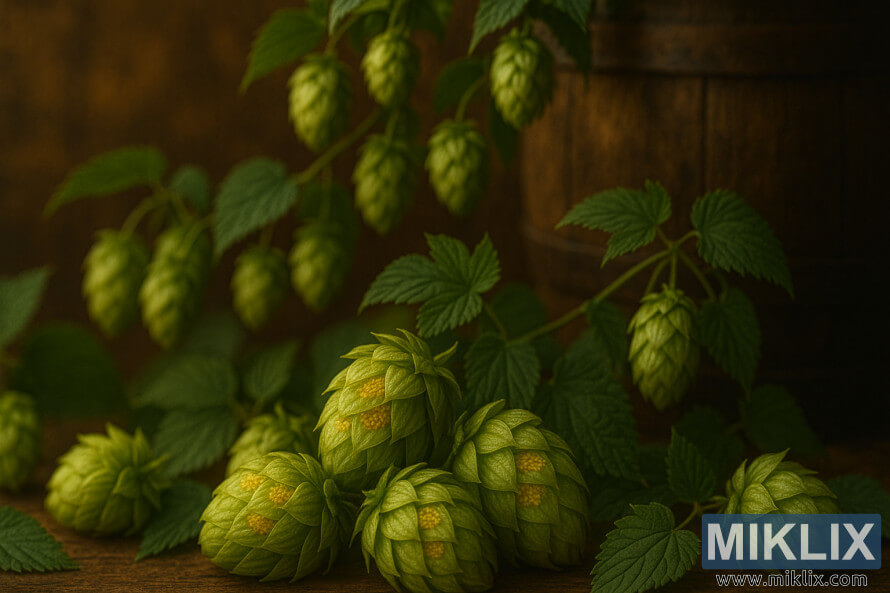
Click or tap the image for more information and higher resolutions.
Recipe ideas featuring Cobb hops: mash-to-bottle suggestions
Begin with four Cobb recipes, ranging from traditional to modern styles. An English Pale Ale employs Maris Otter malt with 5–10% crystal 20–40L. Mash at 152 °F for a fuller body and mouthfeel. Bitter with Columbus or Nugget early, then add Cobb late in the boil.
For a Cobb dry-hop recipe, use 0.25–0.5 oz/gal to enhance aroma.
A session bitter maintains the same malt base but lowers the original gravity to 1.038–1.044. Use light finishing additions of Cobb to preserve English character. Aim for gentle bitterness and a restrained hop presence that complements the malt.
An American pale uses a pale malt base with modest crystal. Bitter with Bravo or Apollo early. Add Cobb in whirlpool at 160 °F for 15–20 minutes to capture volatile oils. Use a Cobb pale ale recipe with a late kettle addition and a dry-hop blend where Cobb is about 20% of the dry-hop bill.
For variety, try a Cobb single-hop beer. Use a neutral ale yeast, clean fermentation at 18–20 °C, and simple malt to highlight hop flavor. Target late additions and a single-stage dry hop of 0.5–1 oz/gal to showcase the hop.
- Typical inclusion rate: aim for hops to represent about 15–25% of total aroma contributions in blended recipes.
- Late kettle/whirlpool additions at lower temperatures protect delicate oils and floral notes.
- Dry-hop timing: overlap late fermentation or early conditioning to favor uptake and conversion.
Leverage yeast choice to boost thiol-derived fruit. Pick an ale strain with known β-lyase activity and avoid strains with truncated IRC7 when seeking thiol expression. Consider co-inoculation with non-Saccharomyces strains that have higher β-lyase activity for extra complexity.
Ferment between 18–22 °C to promote enzymatic conversion. A short cold soak at 4 °C for up to five days can concentrate thiols. Time the Cobb dry-hop recipe so additions overlap the tail end of active fermentation or the first days of conditioning to enhance biotransformation.
Blend hop varieties for balance. In modern APA/IPA builds, let Cobb provide a spicy-floral backbone while Citra or Mosaic contribute tropical top notes. Keep Cobb at about 15–25% of the dry-hop bill for complexity without dominance.
Use these mash-to-bottle frameworks to adapt grain bills, bittering hops, and dry-hop levels for your brewery or home setup. Each framework suits a goal: showcase Cobb in a Cobb single-hop beer, build a balanced Cobb pale ale recipe, or craft a hybrid with a precise Cobb dry-hop recipe.
Practical brewing tips when working with Cobb hops
Utilize Cobb hops for their aromatic qualities. Allocate most of the hops for late-boil additions, whirlpool at 70–80 °C, and dry hopping. This method preserves volatile oils and enhances flavor during conditioning.
Target 15–25% of the total hop charge for Cobb in blends. This balance allows for bittering hops while Cobb dominates the aroma. For dry hopping, split additions to maintain freshness.
Opt for pellet hops for their consistency and ease of storage. Store hops cold and in an oxygen-free environment to preserve freshness. Proper handling of Cobb hops minimizes oil loss and maintains their true aroma.
Limit early boil additions to avoid stripping thiols and monoterpenes. Use the whirlpool window to extract aroma without losing key compounds.
- Select yeast strains with strong β-lyase activity for better thiol biotransformation. This enhances Cobb's aroma through fermentation.
- Keep fermentation temperatures between 18–24 °C for optimal thiol release. Warmer temperatures can alter thiol profiles, so plan your fermentation temperature based on your desired style.
- Minimize copper contact in process lines. Copper can lower certain thiols like 4MMP and dull aroma intensity.
Post-fermentation cold maturation can concentrate thiols and stabilize hop aroma. Consider adding exogenous enzymes, such as cystathionine β-lyase, for extra thiol release. Be cautious of modest gains and monitor results closely.
If Cobb is not available, substitute with British aroma varieties that share floral and herbal notes. Adjust rates based on oil content and alpha acids to match the intended contribution.
Monitor hop oxygen pickup during dry hopping for practical cellar work. Use closed transfers and inert gas to protect aromas. These steps aid in preserving aroma and maximizing Cobb's contribution in finished beer.
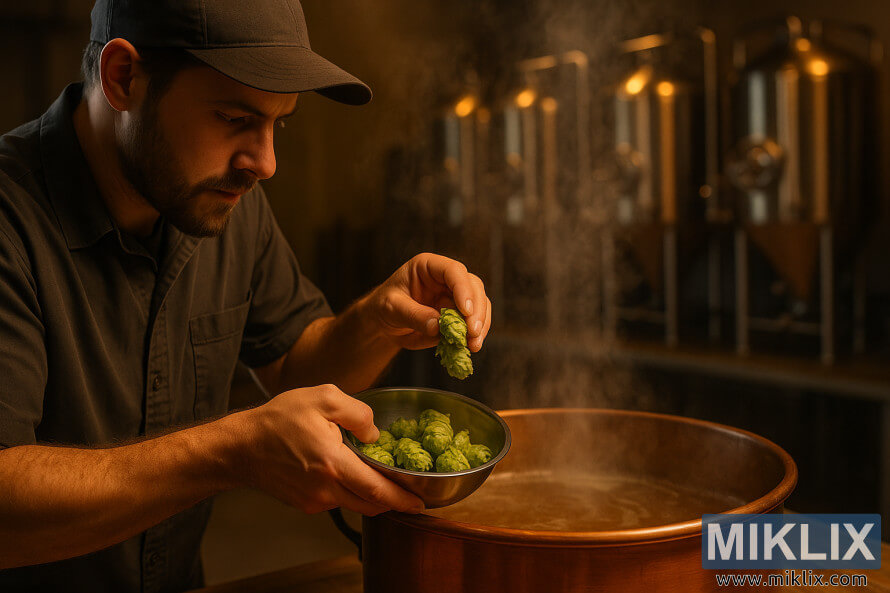
Click or tap the image for more information and higher resolutions.
Analytical considerations: alpha acids, oils, and expected variability
Brewers should consider Cobb alpha variability as a practical planning factor. Typical alpha acids for Cobb are around 6%, with ranges near 5.0–6.7%. This moderate range means actual batch alpha can significantly alter recipe bittering.
Using hop analytical data from supplier certificates or lab runs helps fine-tune bittering additions. Pelleting and other processing steps change hop oil composition, affecting extraction rates during the boil and dry hop. Adjusting additions based on measured alpha acid and oil values leads to more consistent IBUs and aroma impact.
Hop oil composition varies by season and growing region. Key components like myrcene, humulene, and linalool define aroma performance. Small changes in these compounds significantly affect how hops present in late kettle additions and dry hopping.
Chemical precursors in hops are crucial for biotransformation during fermentation. Thiol precursors, including glutathionylated and cysteinylated forms, and terpene glycosides have different concentrations across harvests. Only a small fraction converts to free thiols in beer, often in the 0.1–0.5% range.
Yeast choice and fermentation conditions influence conversion rates. Strains with functional IRC7-type activity and favorable enzymatic profiles can boost release of volatile thiols. Pilot batches and lab assays help estimate actual outcomes before scaling recipes.
Good hop quality control involves combining lab-tested hop analytical data with sensory checks. Track alpha acid certificates, review hop oil composition reports, and sample new lots in test brews. This approach reduces surprises and supports repeatable results.
- Measure batch alpha to adjust bittering additions.
- Compare hop oil composition across lots for aroma planning.
- Use pilot fermentations to gauge biotransformation potential.
- Maintain supplier certificates and perform in-house quality checks.
Cobb hops sustainability and sourcing
Cobb hops originate from Great Britain, making sourcing in the U.S. a challenge. Brewers often rely on importers or specialized distributors. Those using Cobb at a 20% recipe rate prefer smaller, consistent shipments over large bulk orders.
The focus on sustainable hops is growing within the industry. Modern techniques like pelletization and vacuum or nitrogen packaging reduce spoilage and extend shelf life. This is essential for transporting hops from the U.K. to U.S. breweries.
Choosing sustainable practices can also benefit the environment. Techniques such as yeast biotransformation, tailored fermentative conditions, and selective enzymatic additions can enhance aroma efficiency. This makes hop procurement more sustainable.
Exploring cryo hops or concentrated products can also be cost-effective. These forms reduce transport weight and volume, potentially lowering the carbon footprint associated with long-distance imports.
When sourcing Cobb domestically, it's important to check supplier transparency on farming practices and traceability. Inquire about irrigation, pesticide use, and worker welfare to support responsible growers.
Practical steps include ordering smaller lots more frequently, storing hops in cold, oxygen-free conditions, and training brew teams to optimize aroma extraction. These actions help maintain quality while pursuing sustainable hop sourcing.
Cobb hops
Cobb hops originate from Great Britain and are mainly used for their aroma. They have a moderate alpha acid content, typically between 5.0–6.7%. In recipes, brewers often use about 20% of the hops as Cobb to achieve a balanced English-style finish.
In British brewing, Cobb complements floral, herbal, and earthy notes. It's ideal for finishing ales, bitters, and pale ales. To fine-tune the flavor, brewers might blend it with other Goldings-family hops or American aroma varieties.
The final taste of Cobb is influenced by yeast choice and fermentation conditions. Yeast enzymes can transform precursors in the hop, releasing subtle thiols and floral aromas. While there's some direct thiol release, specific yeast strains or targeted steps are needed for more pronounced effects.
- Origin: Great Britain, aroma purpose.
- Alpha acids: moderate, ~6% (range ~5.0–6.7%).
- Typical recipe share: about 20% of total hops used.
- Documented use: present in multiple commercial and craft recipes.
For practical use, add Cobb late in the boil or at dry hop to preserve its delicate flavors. Small changes in fermentation temperature and yeast strain can significantly impact its aromatic contribution.
Conclusion
Cobb hops conclusion: Cobb is a British aroma hop with moderate alpha acids around 6%. It shines in finishing and dry hopping, not as primary bittering. Allocate about 20% of your hop bill to Cobb for aroma, using higher-alpha hops for bitterness.
It's perfect for English-style ales, pale ales, and other aroma-focused beers. Brewers often blend Cobb with Magnum or Target for bittering. They also add East Kent Goldings or Fuggle for complementary aromas. Modern yeast and fermentation control enhance aroma through biotransformation, though yields are modest.
For the best aroma, use late kettle or whirlpool additions and targeted dry-hop schedules. Keep an eye on fermentation temperature and choose expressive ale yeasts. This approach maximizes Cobb's floral and herbal character while being budget-friendly. It ensures consistent aroma enhancement without breaking the bank.
Further Reading
If you enjoyed this post, you may also like these suggestions:
- Hops in Beer Brewing: Olympic
- Hops in Beer Brewing: Southern Cross
- Hops in Beer Brewing: Pocket Talisman