
Hops in Beer Brewing: Goldings (NZ)
Published: September 29, 2026 at 3:34:08 PM UTC
New Zealand's take on the classic English hop brings something special to your homebrew. Goldings (NZ) hops offer brewers a unique twist on traditional brewing.
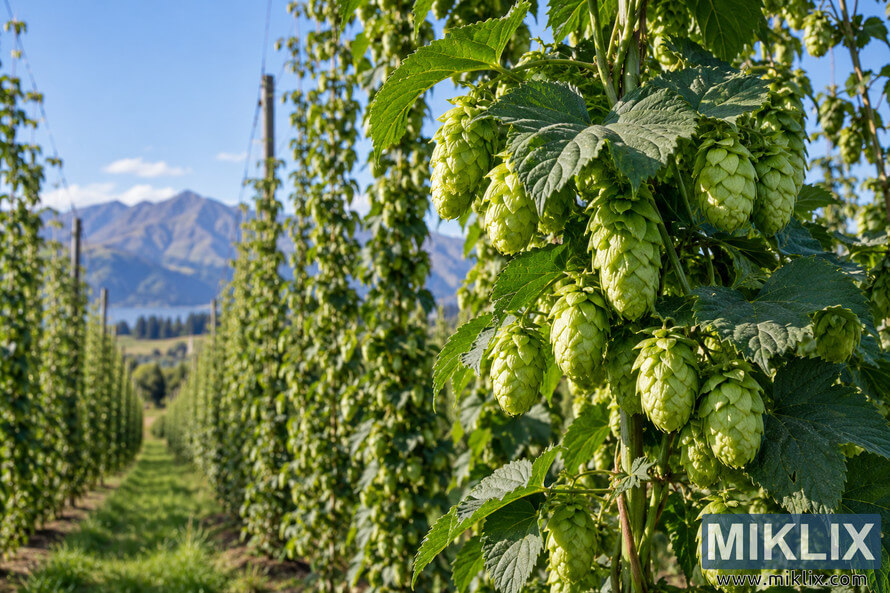
Click or tap the image for more information and higher resolutions.
This variety combines old-world character with new-world intensity. The hop delivers complexity that elevates ales and lagers alike.
Whether you're crafting your first pale ale or perfecting a stout recipe, understanding this hop variety transforms your brewing results. Let's explore what makes Goldings (NZ) hops a must-have for serious homebrewers.
Origin and Unique Characteristics of Goldings (NZ) Hops
Goldings (NZ) hops emerged from New Zealand's innovative hop breeding program. The variety descends from traditional English Kent Goldings brought to the Southern Hemisphere.
New Zealand's terroir changed everything about this hop. The soil composition and climate created distinct characteristics not found in the original English variety.
The growing conditions in New Zealand produce hops with more pronounced citrus notes. Brewers immediately notice the difference when compared to East Kent Goldings.
What Sets This Hop Apart
This New Zealand variety maintains the gentle character of traditional Goldings. However, it adds a modern twist that craft brewers love.
The hop exhibits excellent dual-purpose qualities. You can use it for both bittering and aroma additions in your brewing process.
Traditional Characteristics
- Mild, pleasant bitterness
- Earthy undertones
- Floral notes
- Smooth finish
New Zealand Influence
- Bright citrus accent
- Lemon zest character
- Enhanced aromatics
- Clean hop expression
Flavor and Aroma Profile of Goldings (NZ) Hops
The aroma profile of Goldings (NZ) hops stands out in any brew. This hop variety delivers layers of complexity that develop throughout the brewing process.
Primary aromatic compounds include myrcene, humulene, and caryophyllene. These essential oils create the signature scent profile brewers seek.
Primary Flavor Components
The flavor experience begins with gentle earthiness. This foundation supports the more prominent citrus and floral notes.
Lemon characteristics dominate the citrus spectrum. Many brewers describe a fresh lemon zest quality that brightens beer profiles.
Subtle honey and spice notes appear in the background. These qualities add depth without overwhelming the palate.
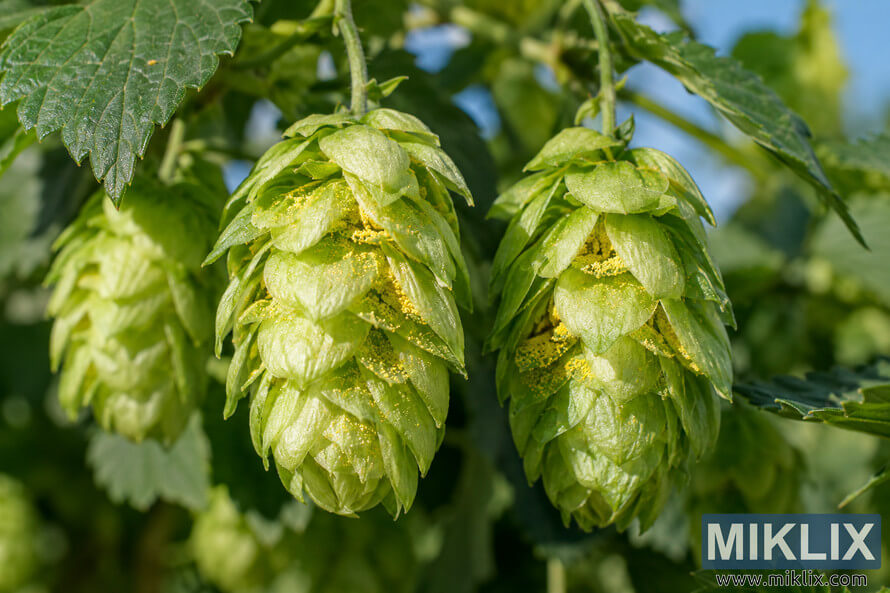
Click or tap the image for more information and higher resolutions.
Aroma Expression in Different Beer Styles
The way this hop expresses itself changes with beer style. Pale ales showcase the citrus qualities most prominently.
In darker beers like stouts, the earthy notes come forward. The hop provides balance without competing with roasted malt character.
Traditional English ale styles benefit from the authentic Goldings character. The New Zealand twist adds a modern interpretation that craft beer enthusiasts appreciate.
Premium Goldings (NZ) Hops
Get fresh, vacuum-sealed Goldings (NZ) hops from trusted suppliers. These hops arrive with guaranteed freshness and full aroma potential.
- Alpha acid tested
- Harvest year certified
- Vacuum sealed packaging
- Multiple size options
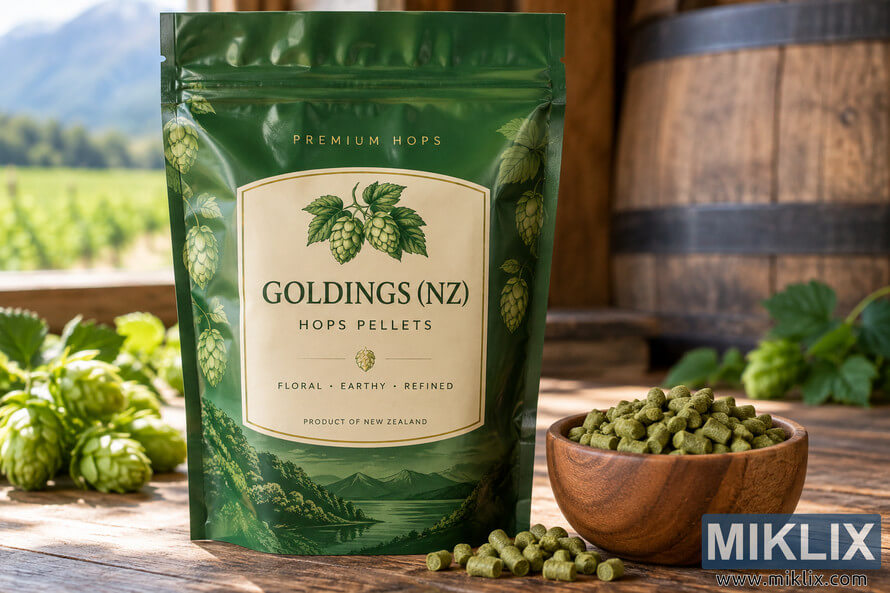
Click or tap the image for more information and higher resolutions.
Bulk Brewing Supply
Stock up with bulk quantities for multiple brew days. Save money while ensuring you never run out during brewing season.
- Pound packages available
- Volume discounts offered
- Free shipping options
- Long-term storage ready
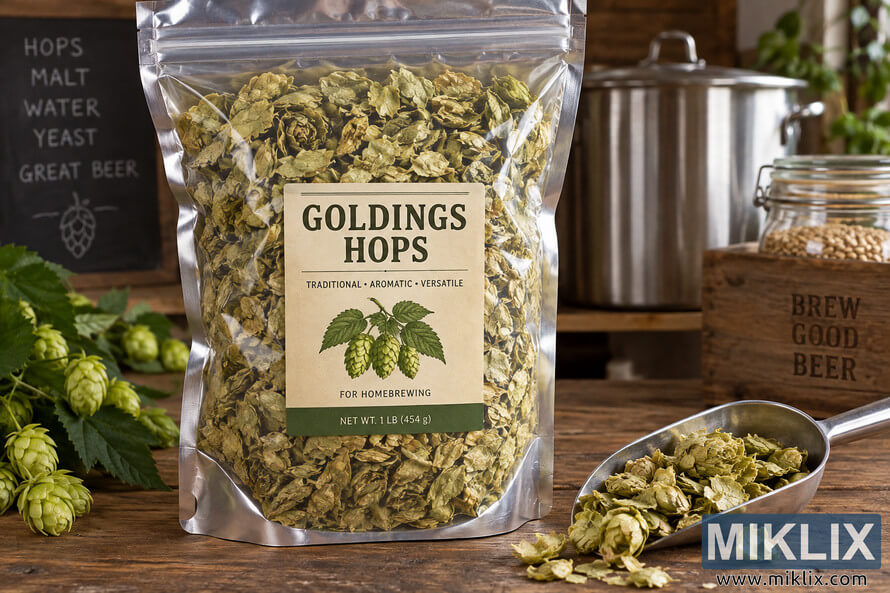
Click or tap the image for more information and higher resolutions.
Organic Certified Options
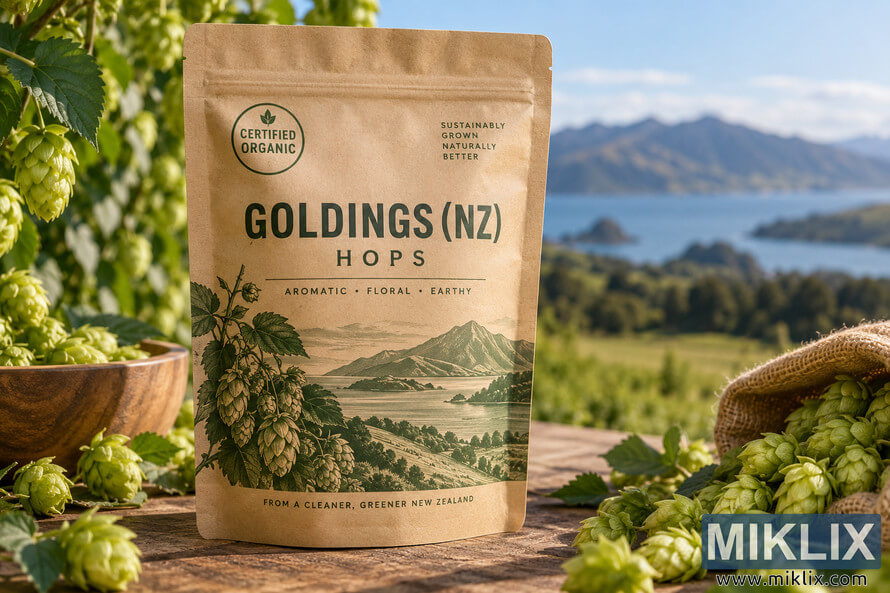
Choose certified organic Goldings (NZ) hops for your craft creations. Perfect for brewers committed to organic ingredients.
- USDA organic certified
- Pesticide-free growing
- Sustainable farming
- Premium quality control
Click or tap the image for more information and higher resolutions.
Alpha Acid Content and Bittering Properties
Goldings (NZ) hops typically contain between four and six percent alpha acids. This moderate range makes the variety versatile for various brewing applications.
The alpha acid content provides gentle bitterness without harsh edges. Brewers appreciate the smooth bittering qualities this hop delivers.
Understanding Alpha Acid Ranges
Different crop years produce varying alpha acid levels. Always check the specification sheet that comes with your hop purchase.
The bittering potential remains consistent enough for recipe planning. Most batches fall within a predictable range that makes calculations straightforward.
| Measurement | Typical Range | Brewing Impact |
| Alpha Acids | 4.0-6.0% | Moderate bittering potential |
| Beta Acids | 2.0-3.0% | Contributes to stability |
| Cohumulone | 28-32% | Affects bitterness quality |
| Total Oils | 0.8-1.2 mL/100g | Determines aroma intensity |
Bittering Characteristics in Practice
The bitterness from this hop feels refined and balanced. It never dominates the beer profile, even at higher IBU levels.
Many brewers choose Goldings (NZ) as a bittering hop for English-style ales. The clean bitterness supports malt character without overwhelming it.
Precise hop measurements ensure consistent bitterness levels
The cohumulone ratio sits in the moderate range. This contributes to the pleasant bitterness quality that defines well-crafted ales.
Best Beer Styles for Goldings (NZ) Hops
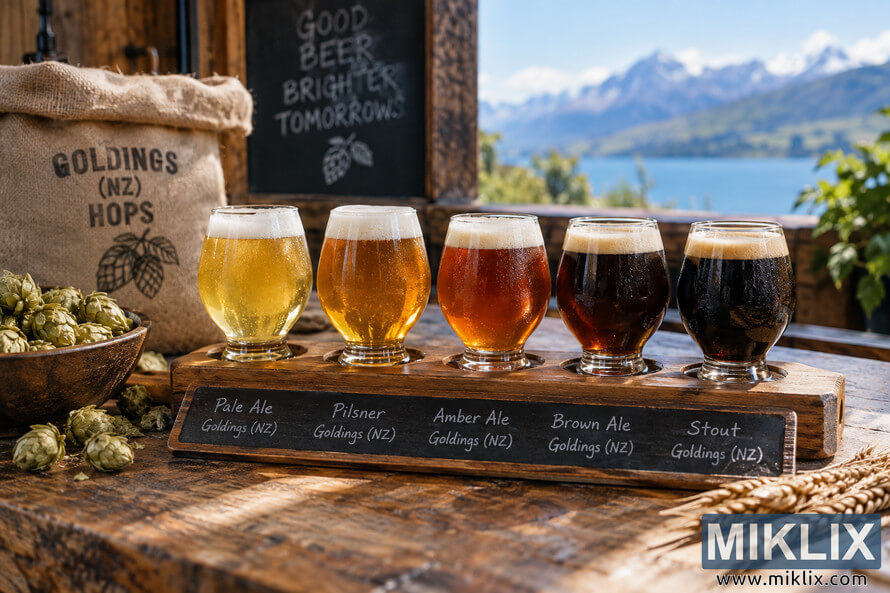
Goldings (NZ) hops shine across multiple beer styles
This hop variety excels in traditional English ale styles. The flavor profile matches perfectly with classic recipes that brewers have perfected over centuries.
Modern craft beer styles also benefit from Goldings (NZ) character. The citrus notes work beautifully in American interpretations of English styles.
Click or tap the image for more information and higher resolutions.
Traditional English Styles
English bitters showcase this hop at its finest. The variety provides the authentic character that defines these classic beers.
Extra Special Bitters gain complexity from Goldings (NZ) additions. Both bittering and aroma additions contribute to the layered flavor profile.
Porters and stouts benefit from the earthy qualities. The hop complements roasted malt without adding harsh bitterness.
American Craft Interpretations
American pale ales take on unique character with this hop. The citrus notes add a twist to the traditional style.
Session IPAs find balance with moderate alpha acids. Brewers can achieve hop flavor without excessive bitterness.
Excellent Matches
- English Bitter
- Extra Special Bitter
- English Pale Ale
- Mild Ale
- Brown Ale
- Porter
Good Matches
- American Pale Ale
- Session IPA
- Blonde Ale
- Amber Ale
- Irish Red Ale
- Dry Stout
Experimental Options
- Wheat Beer
- Cream Ale
- California Common
- Kölsch
- Saison
- Golden Ale
Hybrid and Experimental Styles
Creative brewers push boundaries with this versatile hop. Wheat beers gain interesting dimension from late boil additions.
The hop works surprisingly well in some Belgian-inspired styles. The floral qualities complement Belgian yeast character in unexpected ways.
Usage Rates and Timing Recommendations
Getting the most from Goldings (NZ) hops requires understanding proper usage rates. The amount you use depends on your brewing goals and beer style.
Timing additions throughout the boil creates different effects. Early additions contribute bitterness while late additions preserve aroma.
Bittering Addition Guidelines
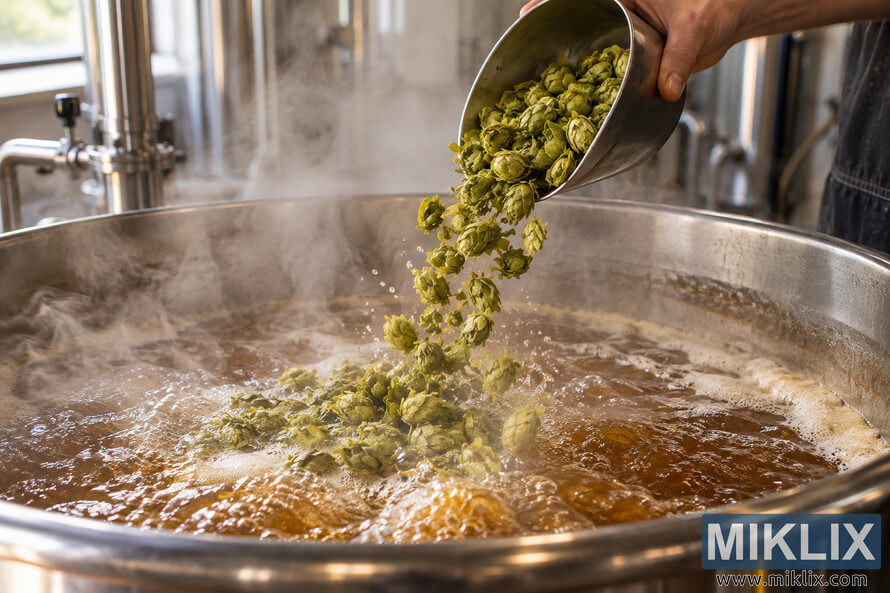
For bittering purposes, add Goldings (NZ) hops at the start of your boil. The sixty-minute addition extracts alpha acids while volatile aromatic compounds dissipate.
Use approximately one to one point five ounces per five-gallon batch for moderate bitterness. Adjust based on your target IBU and measured alpha acid content.
Calculate your exact needs using brewing software or IBU calculators. Always account for the specific alpha acid percentage of your hop lot.
Click or tap the image for more information and higher resolutions.
Aroma and Flavor Additions
Late boil additions preserve the delicate citrus and floral aromatics. Add hops between fifteen and five minutes before the end of the boil.
Flameout additions maximize aroma retention. Adding hops when you turn off the heat captures the most volatile compounds.
Dry hopping with Goldings (NZ) creates intense aroma without additional bitterness. Use two to four ounces per five gallons during secondary fermentation.
| Addition Timing | Recommended Amount | Primary Contribution | Secondary Effects |
| 60 minutes (Bittering) | 1.0-1.5 oz/5 gal | Clean bitterness | Minimal aroma |
| 15 minutes (Flavor) | 0.5-1.0 oz/5 gal | Hop flavor | Some bitterness |
| 5 minutes (Aroma) | 0.5-1.0 oz/5 gal | Bright aroma | Light flavor |
| Flameout/Whirlpool | 1.0-2.0 oz/5 gal | Maximum aroma | Rich flavor |
| Dry Hop (3-5 days) | 2.0-4.0 oz/5 gal | Intense aroma | No bitterness |
Single-Hop Brewing Considerations
Some brewers create single-hop beers to showcase Goldings (NZ) character. This approach requires balancing bittering and aroma additions carefully.
Plan for multiple addition points throughout the boil. This technique builds complexity using one hop variety.
A typical single-hop schedule might include sixty-minute, fifteen-minute, and flameout additions. Each contributes different aspects of the hop profile.
Homebrewing Tips and Best Practices
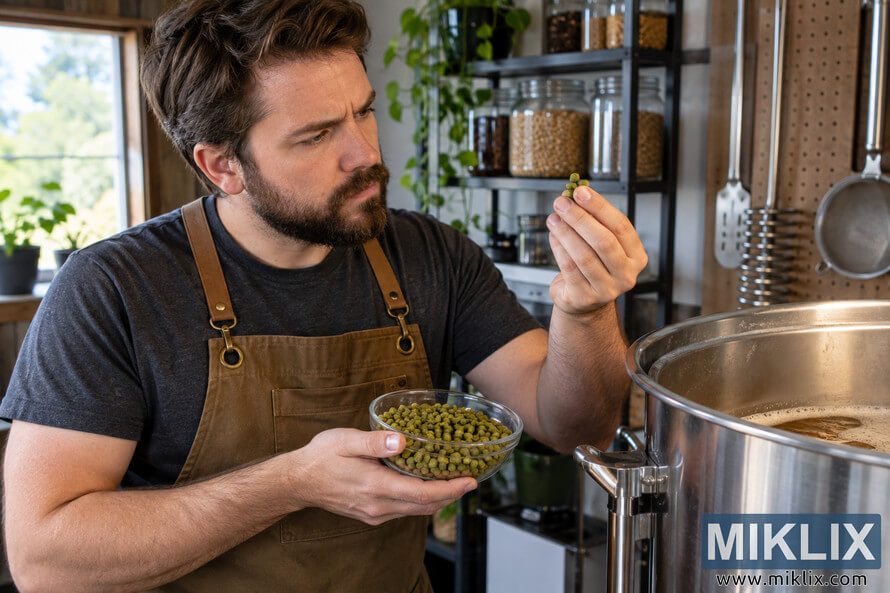
Success with Goldings (NZ) hops begins with proper handling and storage. These practices ensure you get maximum flavor and aroma from every ounce.
Pay attention to freshness indicators when purchasing hops. The harvest date and alpha acid testing date tell you about hop quality.
Click or tap the image for more information and higher resolutions.
Water Chemistry Considerations
Water chemistry affects how hop bitterness expresses itself in beer. Higher sulfate levels enhance hop character and perceived bitterness.
English-style ales traditionally use balanced water profiles. Maintain a sulfate-to-chloride ratio around one-to-one for authentic character.
If brewing hop-forward American styles, increase sulfate levels. A ratio of two-to-one sulfate-to-chloride brings out citrus notes.
Fermentation Temperature Impact
Fermentation temperature influences how hop aromatics express themselves. Warmer fermentation temperatures can drive off delicate hop compounds.
Keep fermentation temperatures at the lower end of yeast specifications. This practice preserves the subtle lemon and floral notes.
Pro Tip: When dry hopping with Goldings (NZ), wait until active fermentation slows. Adding hops during vigorous fermentation causes CO2 to scrub away aromatic compounds.
Combining with Other Hop Varieties
Goldings (NZ) blends beautifully with other hop varieties. Pairing it with Fuggle creates an authentic English ale profile.
Modern American hops like Cascade complement the citrus character. The combination produces complex aromatics that craft beer fans enjoy.
For experimental blends, try pairing with New Zealand varieties like Motueka. The shared terroir creates harmonious flavor profiles.
Storage and Freshness Considerations
Proper storage determines whether your hops deliver peak flavor or disappointing results. Goldings (NZ) hops contain delicate oils that degrade quickly under poor conditions.
Temperature, oxygen exposure, and light all accelerate hop degradation. Understanding these factors helps you maintain quality between purchase and brew day.
Optimal Storage Conditions
Store hops in your freezer at zero degrees Fahrenheit or below. This temperature stops enzymatic activity that breaks down alpha acids and aromatic oils.
Keep hops in their original vacuum-sealed packaging until needed. Once opened, transfer unused portions to airtight containers or resealable bags.
Remove as much air as possible before resealing. Oxygen exposure causes oxidation that creates cheesy or stale aromas.
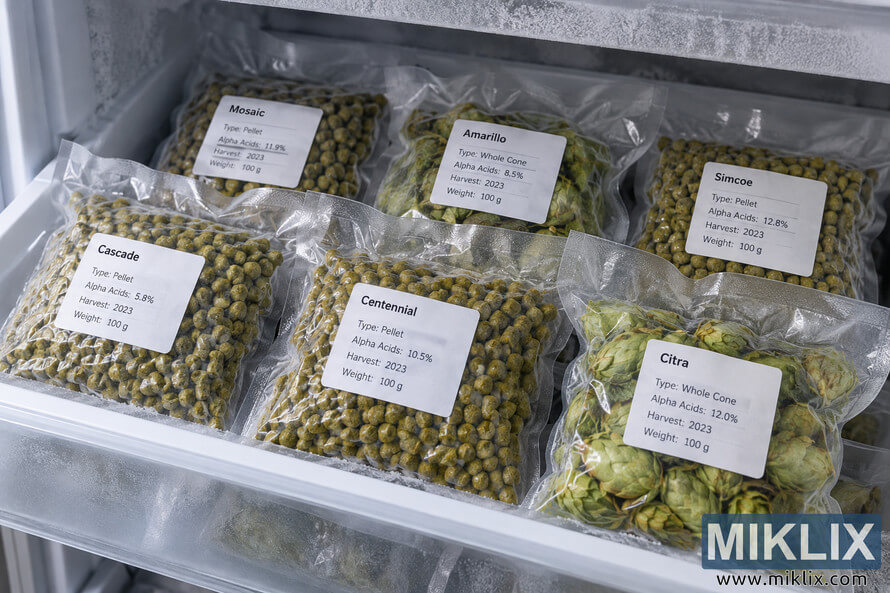
Click or tap the image for more information and higher resolutions.
Evaluating Hop Freshness
Fresh Goldings (NZ) hops smell vibrant and citrusy when you open the package. Any cheesy, sweaty, or stale odors indicate degradation.
The color should be bright green without brown discoloration. Browning suggests oxidation has begun.
Check the harvest date on your hop package. Hops maintain peak quality for twelve months when properly stored.
Signs of Fresh Hops
- Bright green color throughout
- Strong citrus and floral aroma
- Sticky lupulin glands visible
- Recent harvest date
- Intact vacuum seal
- No off-odors present
Signs of Degraded Hops
- Brown or faded color
- Cheesy or stale smell
- Dry, papery texture
- Old harvest date
- Broken or compromised seal
- Musty or moldy odors
Long-Term Storage Strategies
Brewers who buy hops in bulk need extra care with storage. Consider using a vacuum sealer to repackage hops into smaller portions.
Label each package with the variety name, alpha acid percentage, and storage date. This information helps you track freshness and plan recipes.
Some brewers use oxygen-absorbing packets in their storage containers. These packets extend shelf life by removing residual oxygen.
Comparison with Other Hop Varieties
Understanding how Goldings (NZ) compares to similar hops helps with substitutions and recipe development. Several varieties share characteristics with this New Zealand classic.
Kent Goldings from England represents the parent variety. The comparison reveals how terroir influences hop character.
East Kent Goldings vs Goldings (NZ)
East Kent Goldings delivers more earthy and woody characteristics. The English variety feels more traditional and restrained.
Goldings (NZ) brings brighter citrus notes to the table. The lemon character stands out more prominently than in Kent Goldings.
Alpha acid levels run similar between the varieties. You can substitute them at equal rates for bittering purposes.
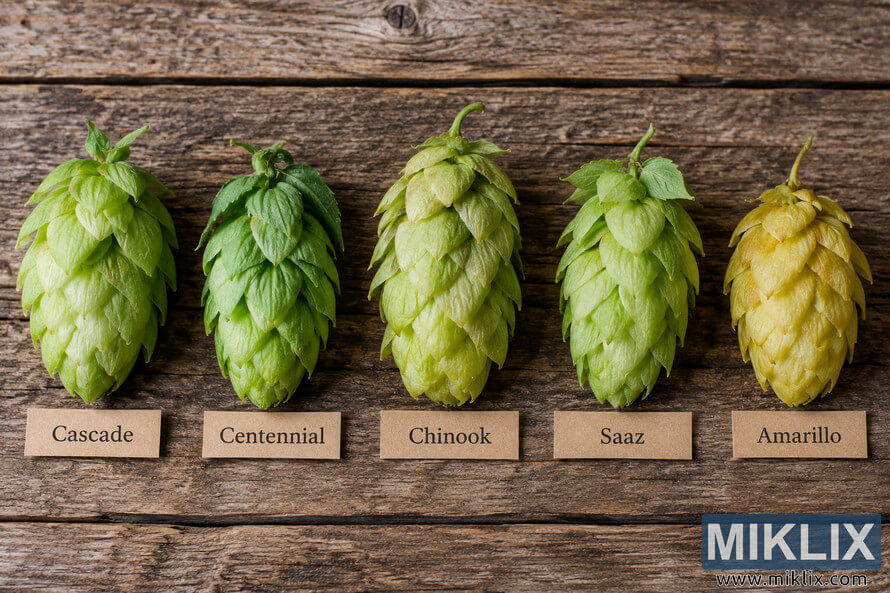
Click or tap the image for more information and higher resolutions.
Fuggle and Willamette Comparisons
Fuggle hops share the earthy, woody character found in Goldings varieties. The bitterness quality remains gentle and refined.
Willamette, an American variety bred from Fuggle, offers another substitution option. It provides floral and spicy notes without the prominent citrus character.
| Hop Variety | Alpha Acids | Primary Flavor | Best Substitution Match |
| Goldings (NZ) | 4.0-6.0% | Citrus, Lemon, Floral | Original variety |
| East Kent Goldings | 4.0-5.5% | Earthy, Floral, Spicy | 95% match |
| Fuggle | 4.0-5.5% | Earthy, Woody, Mild | 85% match |
| Willamette | 4.0-6.0% | Floral, Spicy, Fruity | 80% match |
| Styrian Goldings | 4.5-6.0% | Earthy, Spicy, Noble | 75% match |
New Zealand Hop Family
Other New Zealand varieties like Motueka and Riwaka share regional characteristics. These hops offer more intense citrus and tropical fruit notes.
Blending Goldings (NZ) with bolder New Zealand varieties creates interesting complexity. The traditional character balances the more aggressive modern flavors.
Common Pitfalls to Avoid
Even experienced brewers make mistakes with hop usage. Learning from common errors saves you from disappointing batches.
Understanding these pitfalls before they happen protects your investment in quality ingredients. Prevention beats troubleshooting every time.
Over-Hopping Your Beer
The biggest mistake brewers make is adding too many hops. More hops do not always create better beer.
Goldings (NZ) works best with restraint and balance. Excessive additions create muddy flavors that obscure the variety's subtle qualities.
Start with conservative amounts in your first batches. You can always increase hop rates in future brews.
Warning: Dry hopping beyond four ounces per five gallons often produces grassy, vegetal flavors. The delicate lemon and floral notes get lost in the overload.
Ignoring Water Chemistry
Water chemistry dramatically affects hop expression. Brewing with untreated tap water might sabotage your results.
High carbonate levels in water create harsh, lingering bitterness. This roughness masks the smooth character that makes Goldings (NZ) special.
Test your water or use brewing software to adjust mineral content. Small changes make dramatic differences in your finished beer.
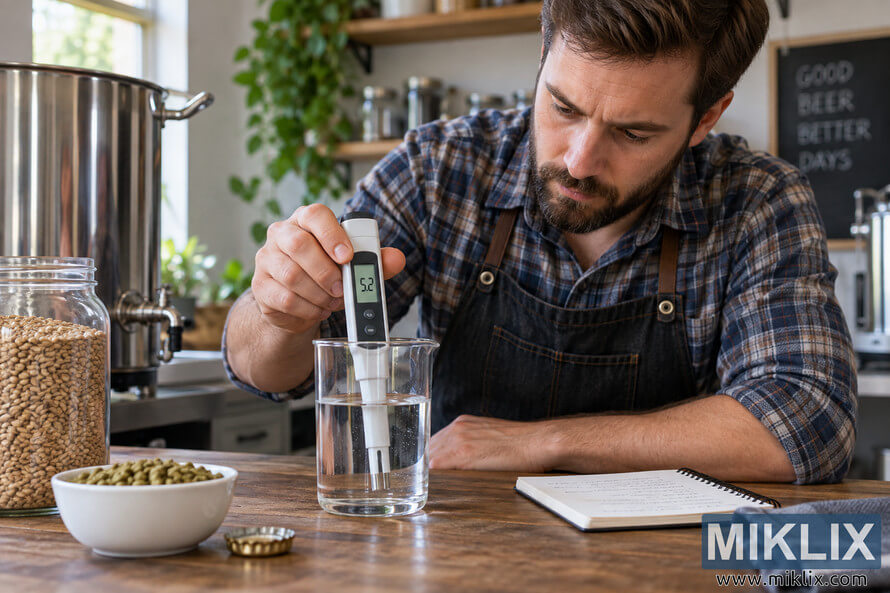
Click or tap the image for more information and higher resolutions.
Poor Timing of Additions
Adding all your hops at once creates one-dimensional beer. The complexity of Goldings (NZ) emerges through multiple addition points.
Early additions contribute bitterness while late additions preserve aroma. Understanding this relationship improves every brew.
Plan your hop schedule before starting the brew. Having hops measured and ready prevents rushed decisions during the boil.
Neglecting Temperature Control
Temperature swings during fermentation strip away hop aromatics. The volatile compounds that create the signature lemon character disappear quickly.
Maintain steady fermentation temperatures throughout the process. This control preserves the qualities you paid for.
If dry hopping, add hops after fermentation cools. High temperatures during active fermentation drive off precious aroma compounds.
Can I substitute Goldings (NZ) for East Kent Goldings in recipes?
Yes, you can substitute at equal amounts. The primary difference is enhanced citrus character in the New Zealand variety. Your beer will have brighter lemon notes compared to the more earthy English version.
How long do Goldings (NZ) hops stay fresh in the freezer?
Properly vacuum-sealed hops maintain peak quality for twelve months in the freezer. After that period, they remain usable but gradually lose aromatic intensity. Always check for off-odors before using older hops.
What makes Goldings (NZ) different from other Goldings varieties?
New Zealand's terroir creates distinct citrus and lemon characteristics not found in English Goldings. The variety maintains traditional earthy and floral notes while adding a modern, bright character that craft brewers appreciate.
Should I dry hop with Goldings (NZ) hops?
Dry hopping works beautifully with this variety. Use two to four ounces per five gallons for three to five days. The practice creates intense lemon and floral aromatics without adding bitterness to your beer.
Can I grow Goldings (NZ) hops at home?
Yes, but results vary based on your climate. The variety grows best in regions with cool winters and warm summers. Contact hop rhizome suppliers to determine if your growing zone suits this variety.
Conclusion
Goldings (NZ) hops offer homebrewers a perfect bridge between tradition and innovation. The variety respects classic brewing heritage while adding modern character.
Success comes from understanding the hop's unique qualities and using them thoughtfully. Proper storage, careful timing, and balanced additions unlock the variety's full potential.
Your next brew day presents an opportunity to explore this exceptional hop. The knowledge you've gained here transforms theory into delicious reality.
Whether crafting a traditional English bitter or experimenting with modern interpretations, Goldings (NZ) delivers the complexity and balance that defines great beer. Order fresh hops, plan your recipe, and discover why brewers worldwide trust this remarkable variety.
Further Reading
If you enjoyed this post, you may also like these suggestions:
- Hops in Beer Brewing: Northern Brewer (US)
- Hops in Beer Brewing: Pacific Jade
- Hops in Beer Brewing: Density