
Fermenting Beer with White Labs WLP051 California V Ale Yeast
Published: March 13, 2026 at 8:36:05 PM UTC
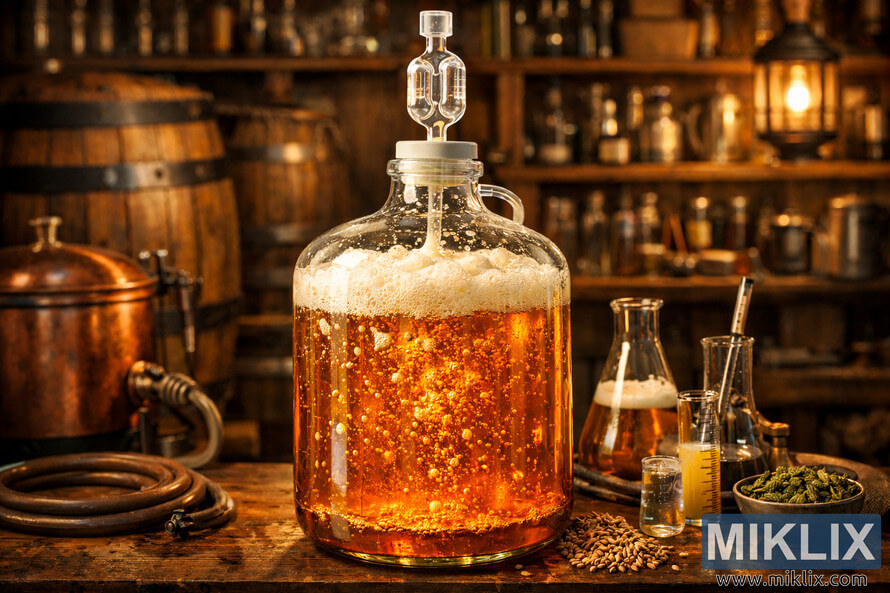
White Labs WLP051 California V Ale Yeast has become a favorite among craft brewers. It's known for its clean, expressive ale strain.
Click or tap the image for more information and higher resolutions.
In this article, we'll provide practical guidance on fermenting with WLP051. We'll cover handling PurePitch Next Gen, expected flavor outcomes, and real-world performance data. Our goal is to help you determine if White Labs WLP051 California V Ale Yeast meets your recipe goals and cellar workflow.
Key Takeaways
- WLP051 is a PurePitch Next Gen liquid yeast (SKU WLP051NG) marketed by White Labs and available from the Vault.
- Typical retail price observed is about $14.99 per packet for small-batch use.
- The strain offers a clean fermentation profile that suits many American ale styles.
- Shipping thresholds and insulated packaging matter for product integrity during transit.
- This WLP051 review will synthesize specs, handling tips, and brewing outcomes to improve your ales.
Introduction to White Labs WLP051 California V Ale Yeast
White Labs WLP051 California V Ale Yeast is a top choice for brewers aiming for a fruit-forward character. It's favored by both homebrewers and professional craft breweries for its consistent performance and unique aroma. This yeast has a long history in the brewing world.
WLP051 offers significant benefits for recipe design and maintaining brand consistency. It's ideal for those who desire strong cherry and apple esters. This allows brewers to focus on malt and hop choices that complement these fruity notes. The yeast's predictable attenuation and flocculation also help in keeping production schedules on track.
Overview of flavor profile and common uses
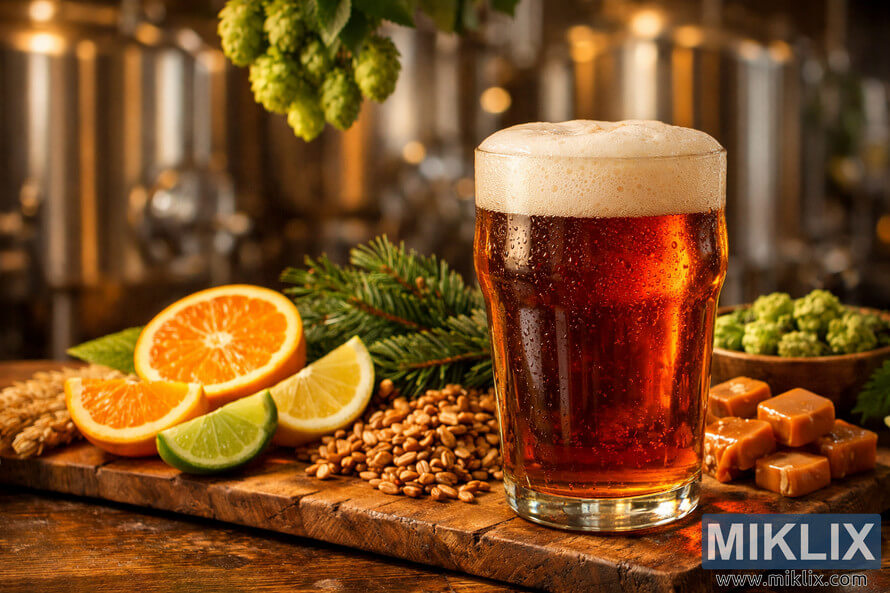
The WLP051 flavor profile is known for its bold esters, with cherry and apple being the most prominent. These characteristics are perfect for pale ales, blonde ales, and brown ales, adding depth. It's also suitable for higher gravity beers, enhancing their fruitiness.
How this article will help you brew better ales
- Practical pitching and temperature tips to manage ester levels.
- Handling advice to protect yeast viability during storage and shipping.
- Troubleshooting steps for sulfur notes and sluggish finishes.
For those looking for a reliable yeast choice, this article provides detailed guidance. It covers pitching rates, fermentation control, and pairing the yeast with malts and hops. This ensures consistent results and maximizes the yeast's unique character.
Click or tap the image for more information and higher resolutions.
Product Overview and Packaging Details
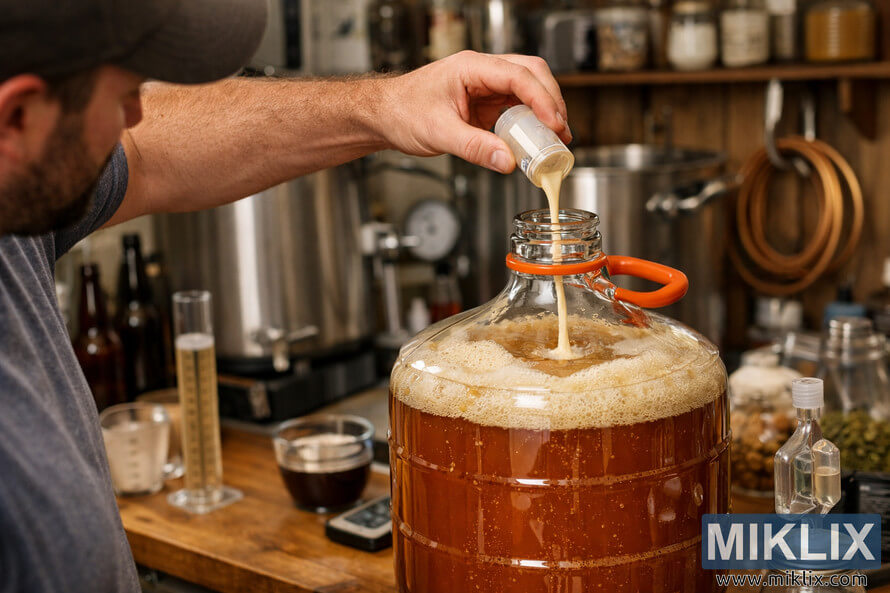
The PurePitch Next Gen WLP051 line introduces White Labs’ WLP051 California V Ale in a modern, user-friendly package. Brewers now have the benefit of PurePitch Next Gen WLP051 in single-use packets. These packets simplify storage and pitching. White Labs Vault yeast listings archive the strain for long-term access by professional labs and homebrewers who prefer controlled inventory.
The retail SKU for the Next Gen product is WLP051NG SKU, with sample retail pricing at $14.99 per packet. Product pages on the White Labs online store include detailed specs, a technical PDF for PurePitch Next Gen handling, customer Q&A, and client reviews. These resources help buyers choose the right format for their batch size.
- PurePitch Next Gen format: ready-to-pitch single packets with handling instructions and tech documentation.
- White Labs Vault yeast: secure inventory option for labs and advanced brewers.
- WLP051NG SKU: used by retailers and in catalog listings for ordering and stock checks.
Packaging options and ancillary items help maintain cold chain during transit. White Labs offers insulated mailers and ice packs in small and large sizes to support liquid yeast shipping. Prices for these items are $4.99 for a small ice pack and $8.99 for a larger option, sold separately from yeast packets.
Shipping details vary by item and promotion. Some product pages note that certain items may ship freight-only, while others are in stock for quick shipment. Free shipping thresholds are cited on sale pages, such as free shipping over $79 or over $99 depending on current offers. Shoppers should check individual product notes since some items are not eligible for sitewide discounts.
White Labs cross-sells useful accessories for starter work and yeast health. Common add-ons include Servomyces nutrient capsules and magnetic stir plates for starter preparation. Documentation like the technical PDF “PurePitch Next Generation for HBSDS - WLPXXX Saccharomyces” clarifies storage, pitching, and handling steps for best results with PurePitch Next Gen WLP051.
Click or tap the image for more information and higher resolutions.
Fermentation Characteristics and Performance
White Labs WLP051 California V Ale exhibits consistent fermentation traits, aiding brewers in forecasting final gravity and conditioning requirements. Below, we outline the practical attributes brewers can anticipate when employing this strain in ales across various gravities.
- Attenuation range — The typical attenuation of WLP051 lies between 72% and 78%. This range signifies a moderate conversion of sugars to alcohol and CO2, resulting in a drier finish compared to strains with lower attenuation. Expect consistent final gravities for most pale and amber ales, provided proper pitching and temperature control are maintained.
- Flocculation behavior — WLP051 flocculation is classified as medium to high. The yeast settles reasonably well post-fermentation, contributing to good clarity with standard conditioning periods. For those aiming for crystal-clear beers, allowing sufficient time in secondary or a conditioning phase is crucial for lees drop and brightening.
- Alcohol tolerance — WLP051 alcohol tolerance is rated as medium, generally suitable up to about 5–10% ABV. This makes it ideal for session beers and many higher gravity ales. For beers at or beyond this range, consider increasing pitch rates, staggered nutrient additions, or blended yeast approaches to prevent sluggish or stuck fermentations.
White Labs QC reports this strain as STA1 negative, indicating it lacks diastaticus activity, which is associated with overattenuation risks. This information is crucial when choosing a yeast for beers where residual dextrins and body are important to the final profile.
Adjust your pitch, nutrient schedule, and conditioning time based on the attenuation, flocculation, and alcohol limits mentioned here to achieve consistent results with WLP051. Small tweaks in oxygenation and pitching rate can enhance performance and help meet target gravities without introducing off-flavors.
Click or tap the image for more information and higher resolutions.
Optimal Fermentation Temperature and Control
Maintaining a consistent fermentation temperature is crucial with WLP051. The ideal temperature ensures clean attenuation and the desired fruity esters. It prevents the esters from becoming harsh and solvent-like.
The recommended temperature range is 66°–70°F (19°–21°C). This range supports reliable attenuation and balanced ester production. For a brighter cherry and apple flavor, aim for the higher end. For cleaner results, target the lower end.
- Use a temperature-controlled fermentation chamber for precision. A FermWrap or Inkbird controller allows for small, steady adjustments.
- Swamp coolers with a digital thermostat are budget-friendly options. Add ice packs in insulated coolers to lower temps a few degrees when needed.
- Apply heat belts or fermentation jackets in cold basements to prevent overcooling during long ferments.
- Insulate fermenters to reduce daily swings. Simple foam jackets or a fermentation fridge with thermal mass help reduce strain on the yeast.
Effective temperature control balances yeast esters, enhancing flavor and aroma. Stable temperatures ensure predictable ester formation and reduce fusel alcohols that can impart harsh notes.
Temperatures above the recommended range can increase ester and fusel production. This can enhance cherry/apple esters, which are pleasant in moderation, or lead to solvent-like esters at higher temperatures.
Cooler ferments slow down metabolism, potentially leaving residual sulfur perception. To minimize sulfur WLP051 forms, maintain steady temperatures and allow the beer to condition. A short warm diacetyl rest near the end of primary can help eliminate volatile sulfur compounds.
Before pitching, assess ambient conditions and equipment. Consistent attention to WLP051 fermentation temperature and yeast ester control minimizes surprises. This allows the strain to showcase its best characteristics.
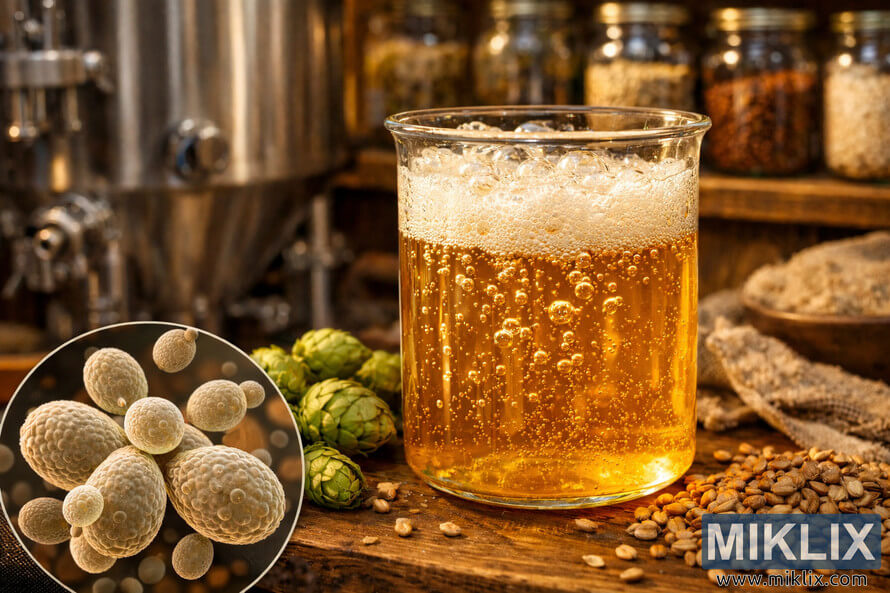
Click or tap the image for more information and higher resolutions.
Flavor and Aroma Profile to Expect
The WLP051 California V Ale yeast offers brewers a clear understanding of what to anticipate in terms of aroma and flavor. Expect bold, fruit-forward esters that manifest as fresh cherry and green apple. These characteristics are particularly well-suited for malt-driven ales, defining the beer's character.
Big ester production: cherry and apple notes
WLP051 esters cherry apple are a defining feature of this strain. At moderate fermentation temperatures, the yeast produces noticeable cherry esters and crisp apple tones. Use medium to rich malt bills to allow these esters to shine without becoming overpowering.
Residual sulfur/lager-like compounds and how they present
WLP051 sulfur notes can emerge during early conditioning, manifesting as faint, lager-like sulfur. These notes typically diminish with time and under oxygen-free aging conditions. Short rests or extended conditioning can refine the profile, reducing sulfur perception in the final pour.
How malt, hops, and fermentation interact with this yeast’s profile
- Malt: Sweet, caramel, or biscuity malts enhance fruit esters and contribute to a fuller mouthfeel.
- Hops: Aggressive hopping can balance or mask fruitiness; delicate hop choices allow esters to remain prominent.
- Fermentation: Pitch rate, oxygenation, and temperature control significantly impact ester levels and sulfur persistence.
Effective yeast-hop interaction is crucial when working with WLP051. Careful selection of malt and hop intensity influences how WLP051 esters cherry apple are perceived. Managing fermentation helps reduce WLP051 sulfur notes, achieving balance between yeast character and hop presence.
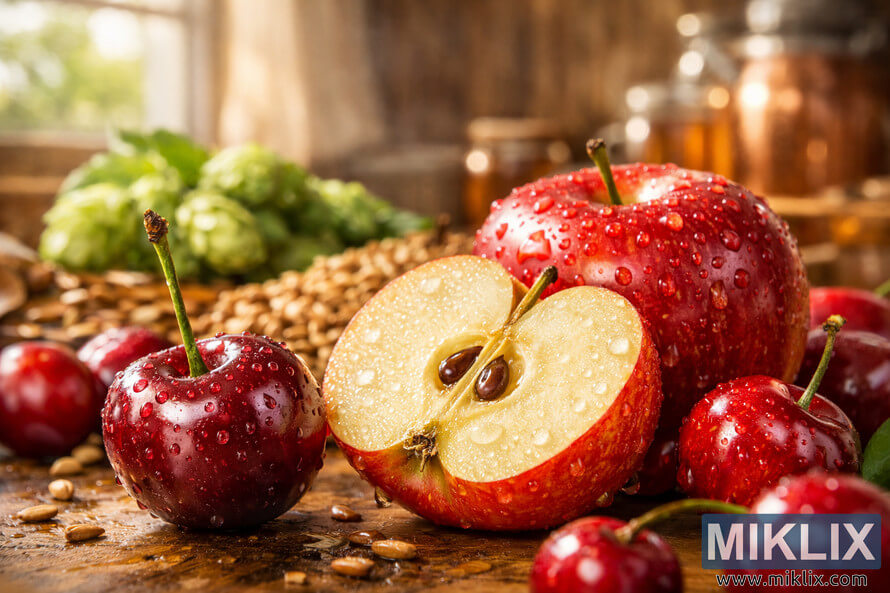
Click or tap the image for more information and higher resolutions.
Style Recommendations and Best Uses
White Labs WLP051 shines in beers where fruity esters enhance the flavor without overpowering other ingredients. It's ideal for homebrewers and professional brewers looking to refine their craft. Below, we outline practical style choices and tuning tips to maximize this yeast's potential.
- Everyday ales that sing:
- Consider pale ale, blonde ale, brown ale, and cream ale for WLP051. These styles benefit from its soft cherry and apple esters. These esters enhance the beer's profile without sacrificing drinkability.
- Higher gravity options:
- Barleywine and double/imperial styles are perfect for WLP051 in stronger brews. This yeast can handle medium alcohol levels and supports complex, high-ABV beers up to 10%.
- Where to experiment:
- Experiment with WLP051 in IPAs, stouts, porters, and red ales. Observe how fruitiness interacts with hops and roast. In hop-forward IPAs, balance mash and hopping to complement esters. For stouts and porters, manage fermentation temperature to avoid excess ester or sulfur.
Making simple adjustments can fine-tune your beer. Lower mash temperatures and cooler fermentation within the recommended range can control esters. Richer grain bills, higher pitch rates, and added yeast nutrients support clean attenuation in stronger ales.
Use the list above as a starting point for selecting the best beers for WLP051. Test one variable at a time to understand how WLP051 responds in your system.
Pitching Rates and Starter Recommendations
Accurate pitching is key to clean and predictable fermentation. For standard 5–6 gallon ales at moderate gravities, PurePitch direct pitch is ideal, saving time. However, stronger beers or larger batches may require more cell count to prevent culture stress.
Deciding on a starter or multiple packs hinges on original gravity and batch size. Use a yeast starter WLP051 for high-OG beers or batches over 6 gallons. For beers aiming for 8–10% ABV, a starter or combined packs are necessary to ensure healthy cell counts before pitching.
Estimating your target is easy with White Labs tools. White Labs offers a Pitch Rate Calculator that converts recommended cells/ml into practical starter volumes or pack counts. Simply input volume and OG to determine if a single PurePitch direct pitch is enough or if a yeast starter WLP051 is needed.
- Low to moderate OG (under 1.060): PurePitch direct pitch typically adequate for 5‑6 gal.
- Moderate to high OG (1.060–1.080): consider a starter or two packs for robust fermentation.
- Very high OG or large batches: use a stirred starter or multi-pack build to reach the WLP051 pitching rate target.
Proper pitching minimizes off-flavors and sluggish fermentation. Adequate oxygenation and nutrients at the start allow cells to reproduce, avoiding stress esters or sulfur compounds. Aim for recommended cell counts and add Servomyces or yeast nutrient when necessary.
Tools like stir plates, starter flasks, and the White Labs calculator make planning easier. Monitor temperature, oxygen, and cell health to ensure consistent performance from batch to batch. Correct WLP051 pitching rate decisions lead to cleaner beers and fewer fermentation surprises.
Yeast Handling and Best Practices
Proper handling is key to maintaining WLP051's health and ensuring consistent results. Store liquid yeast in a cold environment and minimize movement before pitching. Adhere to the storage guidelines for PurePitch and use insulated mailers with ice packs for transit to preserve viability.
Storage before pitching: cold chain, shelf life, and handling
Refrigerate White Labs PurePitch until you're ready to use it. Always check the expiration and in-stock status on the product page when ordering. Cold chain disruptions can reduce cell counts, so plan your shipping to avoid warm periods and unpack promptly.
Thawing or warming PurePitch and avoiding contamination
Gradually warm refrigerated PurePitch to the desired pitching temperature to avoid thermal shock. Open packages in a clean environment. Sanitize all surfaces, tools, and hands to minimize contamination risks.
- Gently swirl the pouch; avoid shaking hard.
- If using a starter, allow yeast to acclimate before combining with wort.
- Discard any pack that smells severely off or appears compromised.
Using Servomyces and other nutrients to support fermentation
Using nutrients can enhance fermentation vigor and reduce off-flavors. Follow the label instructions for Servomyces dosing and timing additions early in the wort. This helps yeast absorb amino acids and vitamins.
- When gravity is high or when pitching rates are low, add yeast nutrient at recommended levels.
- Consider a second dose during the first 24 hours for stressed ferments.
- Record additions and outcomes so you can refine your process brew to brew.
Consistent practices for handling WLP051, careful PurePitch storage, and attentive Servomyces dosing are crucial. They help safeguard fermentation quality and preserve the strain’s characteristic flavors.
Managing Sulfur and Off-Flavor Risks
WLP051 can introduce subtle lager-like sulfur notes in beer due to its metabolic tendencies and genetic links to Saccharomyces pastorianus. Brewers must plan for this during fermentation and conditioning to safeguard the beer's aroma and flavor.
Why sulfur appears
Sulfur compounds naturally form during yeast metabolism. WLP051 often leaves trace amounts, manifesting as a light eggy or struck-match character. This trait is more noticeable in low-ester styles or when beers are packaged too soon.
Conditioning and time
Extended cold rests effectively reduce sulfur and allow volatile compounds to dissipate. Conditioning WLP051 at cellar temperatures for additional weeks mimics a lagering period. This often enhances clarity and aroma.
- Hold beer longer before packaging to reduce perceived sulfur.
- Avoid premature carbonation; let CO2 levels stabilize after conditioning.
- Gentle rousing during early conditioning can speed yeast clean-up without stressing the beer.
Aeration and airing practices
Proper oxygenation of wort before pitching supports healthy yeast activity and reduces sulfur production. After active fermentation ends, minimize oxygen exposure to prevent oxidation and other off-flavors.
Adjunct strategies
Adjusting the malt bill to emphasize fruity esters can help mask minor sulfur notes. Thoughtful hopping at flameout or late additions can add aromatic lift that balances residual sulfur. If sulfur remains noticeable, blending with a neutral lot or switching strains for sensitive styles will help reduce sulfur yeast impact.
- Use a slightly richer malt profile to support ester balance.
- Fine-tune hop schedules to add aromatic complexity late in the boil.
- Consider a different strain when brewing delicate or hop-forward beers.
These steps form a practical WLP051 sulfur management plan. Brewers who allow sufficient conditioning WLP051 time and use targeted mash and hopping tactics can keep off-flavor risks low while preserving the strain's desirable character.
Comparing WLP051 to Other White Labs Strains
WLP051 falls between classic American ale yeasts and ester-rich English yeasts. It's often compared to WLP001 for its fruit-forward character. This comparison aids in selecting the right yeast for pale ales, blondes, and other styles where yeast flavor is crucial.
WLP051 produces more cherry and apple esters, sometimes leaving faint sulfur notes. These notes fade with conditioning. In contrast, WLP001 California Ale Yeast is cleaner and more neutral, enhancing the flavors of hops and malt.
- Flavor focus: WLP051 emphasizes fruit esters; WLP001 stays neutral.
- Use cases: WLP051 adds character to session ales and English-style recipes; WLP001 suits hop-forward West Coast IPAs and beers needing yeast transparency.
- Conditioning: WLP051 benefits from extra time to reduce sulfur; WLP001 usually clears faster with fewer off-flavor concerns.
Genetic studies shed light on WLP051's behavior. Recent sequencing reveals it's close to hybrid species linked to lager lineages. This explains why WLP051 exhibits traits not typical of pure Saccharomyces cerevisiae strains used for ales.
Understanding WLP051's genetics helps explain its ester tendencies and occasional sulfur production. Its hybrid background affects fermentation kinetics and temperature sensitivity. Brewers should adjust pitch rates and temperature control accordingly.
When deciding between these yeasts, align strain traits with recipe goals. Opt for WLP051 for beers with pronounced cherry and apple esters and manage residual sulfur through conditioning and process control. For a neutral yeast profile that highlights hops, choose WLP001 or another clean ale strain.
- Choose WLP051 for fruit-forward ales, English-style interpretations, and creative malty beers.
- Pick WLP001 for hop-centric brews, crisp pale ales, and whenever yeast neutrality is essential.
- Consider hybrid behavior and WLP051 genetics when planning fermentation schedule and conditioning time.
Water Chemistry and Mash Considerations for Best Results
Adjusting mash and water conditions is crucial for WLP051 to produce bright cherry and apple esters. This is without the unwanted sweetness or harsh bitterness. Even small changes in mash rests and ion levels can significantly alter fermentability and ester presentation in the beer.
Adjusting mash profile to complement ester production
Strive for a mash schedule that balances dextrins and fermentable sugars, aligning with the yeast’s 72%–78% attenuation. A single infusion at 154–156°F (68–69°C) enhances body and ester presence. For a drier finish, aim for 150–152°F (65–67°C) or incorporate a short beta-amylase rest.
Water ions to emphasize malt or hop clarity
Modify the sulfate-to-chloride ratio to influence hops and malt clarity. Increasing chloride highlights malt and roundness, supporting ester-forward character. Conversely, sulfate tightening hop bitterness and preventing ester cloying in hop-forward beers. Monitor calcium for enzyme activity and mash clarity, keeping it moderate for yeast health and nutrient uptake.
Grain bill tips for accentuating cherry/apple esters
Begin with quality pale malt for a neutral, fermentable base that showcases WLP051. Incorporate modest crystal malts—10% or less—to enhance fruitiness without overwhelming it. Avoid heavy caramel or roasted malts that could mask the delicate cherry and apple notes. For higher gravity beers, add Munich or Vienna in small amounts to bolster malt backbone without dulling esters.
- Keep adjuncts minimal when targeting clean fruit esters.
- Use flaked oats or wheat sparingly to improve mouthfeel while preserving ester clarity.
- Match mash thickness and temperature to your target attenuation for the WLP051 mash profile.
Monitor water chemistry and the grain bill WLP051 closely when crafting recipes. Small, deliberate adjustments in ions, mash temperature, and specialty malts will yield the desired ester profile and balanced final gravity.
Fermentation Timeline and Conditioning Plan
To achieve consistent results, it's crucial to follow a detailed fermentation timeline and conditioning plan for WLP051. At the recommended temperatures, primary fermentation starts quickly but slows down as the gravity decreases. It's important to plan your transfers and rests according to the yeast's behavior. This helps preserve esters while reducing sulfur compounds.
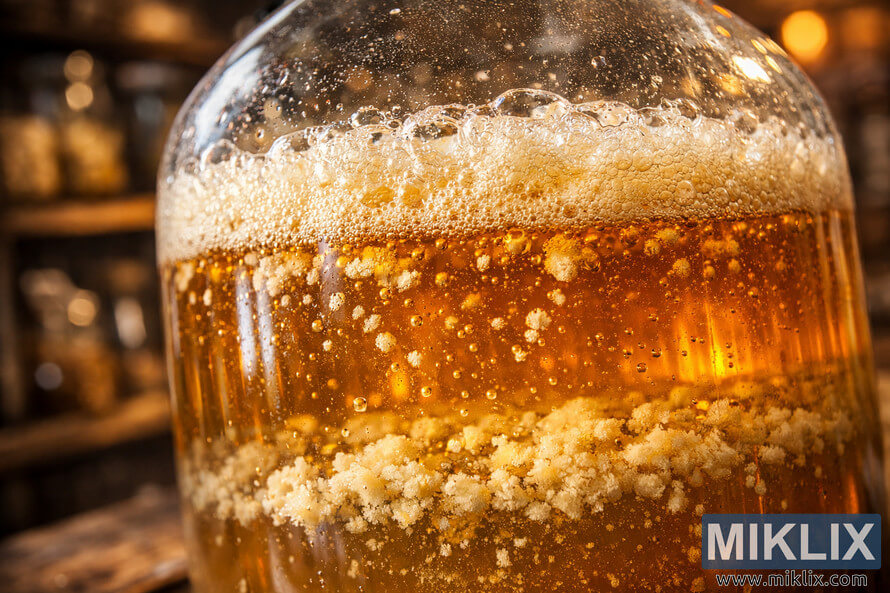
At temperatures between 66°–70°F (19°–21°C), primary fermentation is quite active in the first 48–72 hours. Most batches complete active fermentation in about 5–10 days. Healthy pitch rates and starters lead to shorter times, while high original gravity beers take longer.
Here's a checklist to monitor primary fermentation progress:
- Day 1–3: vigorous krausen, frequent airlock activity.
- Day 4–7: krausen collapses, gravity drops significantly.
- Day 8–10+: gravity nearing target; prepare for conditioning if stable over 48 hours.
For conditioning WLP051, a secondary rest or extended cold conditioning is recommended to reduce volatile sulfur. Medium to high flocculation aids in clearing. However, allow the beer sufficient time to condition before packaging. A cold rest at near-freezing temperatures for 1–3 weeks often results in clearer beer and less sulfur notes.
Recommended clearing steps:
- Verify final gravity is stable for 48 hours before cold rest.
- Cold crash or lager-like rest for 7–21 days depending on beer gravity and clarity goals.
- Rack or filter only after solids have compacted and off-flavors have diminished.
Delay carbonation until the beer tastes right. Carbonation of WLP051 should occur after sufficient conditioning to avoid trapping sulfur volatiles. Bottle or keg when the beer is clear and organoleptic issues have resolved. This preserves the intended ester profile while minimizing unwanted sulfur.
Practical packaging tips:
- Perform a sensory check before priming or force-carbonating.
- If sulfur persists, lengthen the cold rest rather than packaging early.
- Target moderate CO2 levels that suit the style to avoid masking subtle fruit esters.
Troubleshooting Common Fermentation Issues
Small problems during fermentation can quickly escalate if left unaddressed. This section provides practical steps to troubleshoot WLP051 when fermentation slows, off-flavors emerge, or sulfur appears. These tips are designed to help you act swiftly and protect your brew.
Slow or stuck fermentations often stem from underpitching, low oxygen, nutrient deficiencies, or temperatures that are too cool. High original gravity can also challenge WLP051. Begin by checking temperature and gravity readings. Warm the fermenter to the recommended 66°–70°F (19°–21°C) range to revive stalled yeast.
- Rouse yeast gently by swirling or rocking the fermenter to resuspend yeast cells.
- Add a measured dose of Servomyces or a yeast nutrient to address deficiencies.
- Prepare and pitch a healthy starter or add another PurePitch cell pack if underpitching is suspected.
If WLP051 fermentation stalls, verify oxygen levels at packaging time for future batches. Avoid introducing oxygen late in fermentation. For immediate stuck fermentation, pitching a vigorous ale strain can complete fermentation without harming flavor.
Excessive esters or solvent-like notes often result from too-warm fermentations or stress from incorrect pitch rates. Keep future fermentations on the lower end of the strain’s range. Confirm proper oxygenation and target a correct pitch rate using White Labs calculators to prevent over-stressing yeast.
- Lower the temperature on next brews to reduce ester formation.
- Control pitching and oxygen to avoid solvent aromas.
Unintended sulfur often fades with time. Extended conditioning or a brief cold rest will help most sulfur compounds precipitate or dissipate. If sulfur persists close to packaging, gently rouse and aerate before packaging, or blend with a clean tank to balance the defect. To fix sulfur yeast problems that do not resolve, repitch with a neutral, attenuative strain to clean up remaining volatiles.
When buttery diacetyl appears, perform a diacetyl rest. Raise the beer briefly into the upper end of the recommended fermentation temperature to encourage yeast to reabsorb diacetyl. Hold for 24–48 hours, then re-cool for conditioning. If diacetyl or sulfur lingers after these steps, escalating to repitching with a healthy culture may be the best path.
Keep records of pitch rate, wort oxygenation, nutrient use, and temperatures for each batch. These notes facilitate faster diagnosis and help avoid repeat mistakes with WLP051. Regularly review process control points to reduce the need for troubleshooting WLP051 later.
Additional Equipment and Supplies to Consider
For a successful WLP051 fermentation, having the right extras is crucial. Essential items include compact starter gear, reliable shipping protection, and targeted nutrients. These elements reduce risk and enhance yeast performance. Below, we outline practical items to streamline starters and safeguard liquid yeast during transit.
Magnetic stir plates and starter tools
A compact magnetic stir plate accelerates yeast growth, ensuring a consistent starter. Combining it with a wort whipper allows for quick oxygenation without contamination risks. White Labs offers these tools within a consumer-friendly price range, making them accessible to both homebrewers and professional hobbyists.
Insulated mailers and ice packs for shipping
Insulated mailers and ice packs are vital for shipping liquid yeast. White Labs provides both small and large mailer options, along with ice packs, at reasonable prices. It's important to check carrier rules, as some shipments may require freight service. Proper packing minimizes temperature shock, preserving yeast health for WLP051 starters.
Yeast nutrients and dosing recommendations
Yeast nutrient Servomyces is beneficial for stressful or high-gravity ferments. It supports yeast cell wall function and can enhance attenuation when used correctly. For most batches, follow the product's dosing instructions and adjust based on gravity and pitching rate. Including Servomyces in your toolkit helps prevent sluggish fermentations and supports clean finishes.
- Starter essentials: compact magnetic stir plate, flask, and wort whipper for consistent starters.
- Shipping protection: insulated mailers and ice packs to maintain cold chain during transit.
- Nutrient support: yeast nutrient Servomyces for challenging or high-ABV brews.
Keep White Labs' PurePitch Next Gen handling notes handy and maintain sanitary practices when transferring yeast. Investing in the right WLP051 starter equipment minimizes issues and gives you better control over fermentation outcomes.
Conclusion
WLP051 California V Ale Yeast is a standout for its ester-forward profile, ideal for pale ales, blondes, and brown ales. It can also handle higher gravity projects with proper management. The yeast's specs include 72%–78% attenuation, medium-to-high flocculation, and a 66°–70°F (19°–21°C) fermentation window. These details provide brewers with a solid foundation for recipe planning and predicting final gravity.
For successful fermentation with WLP051, maintaining consistent temperature control and correct pitching rates are crucial. Nutrient support, such as Servomyces, is also essential. To mitigate sulfur risk, extended conditioning or brief lagering-like rests can help. Additionally, using White Labs pitch calculators and proper handling techniques can minimize off-flavors and enhance clarity. The PurePitch format and typical retail pricing, like $14.99 for WLP051NG, make it an accessible choice for many brewers.
In summary, this WLP051 review concludes that careful technique is key to unlocking its full potential. By adhering to best practices—stable temperatures, accurate pitching, and patient conditioning—you can enjoy the yeast's expressive cherry and apple esters. Avoiding unwanted sulfur or solvent notes is achievable with the right supplies and attention. WLP051 can thus become a reliable ally for brewers aiming to craft a wide range of ales.
FAQ
What is White Labs WLP051 California V Ale Yeast and why should I consider it?
White Labs WLP051, also known as WLP051NG, is a PurePitch Next Generation liquid ale yeast. It's known for its ester-forward profile, adding cherry and apple notes to pale ales, blonde ales, brown ales, and high-gravity ales. This yeast is available as a Vault product on White Labs' Yeast Bank. It can be purchased through White Labs' online store and authorized retailers for around $14.99 per packet.
How does WLP051 perform in fermentation—attenuation, flocculation, and alcohol tolerance?
WLP051 typically attenuates between 72% and 78%, leading to drier finishes. Its flocculation is medium to high, ensuring good settling. It has a medium alcohol tolerance, suitable for most ales up to 10% ABV. Beers above 10% ABV may require additional yeast and nutrients.
What flavor and aroma should I expect from beers fermented with WLP051?
Beers fermented with WLP051 will have pronounced cherry and apple esters. These esters complement malt-driven styles like pale ales and blondes. However, it may also produce some sulfur notes early on. These notes will diminish with time and proper conditioning.
What fermentation temperature range is recommended and why?
White Labs recommends fermenting WLP051 between 66° and 70°F (19° and 21°C). This range enhances the desired ester profile and ensures predictable attenuation. Higher temperatures can increase ester and fusel production, while cooler temperatures may slow fermentation and emphasize sulfur. Maintaining a stable temperature is crucial for consistent flavor.
Do I need a starter or can I direct‑pitch the PurePitch packet?
PurePitch Next Gen packets are designed for direct pitching in most homebrew batches. However, a starter or multiple packets may be necessary for higher gravity beers or larger volumes. Use White Labs' Pitch Rate Calculator to determine the required cell count for your recipe.
How should I handle and store WLP051 before pitching?
Store PurePitch packets in the refrigerator and follow the packaging's shelf-life guidance. Use insulated mailers and ice packs for cold chain protection during transit. Slowly bring refrigerated yeast to the desired pitching temperature to avoid thermal shock. Always handle yeast in a sanitary environment.
What shipping and accessory options does White Labs offer for PurePitch yeast?
White Labs sells insulated mailers and ice packs to protect yeast viability during shipping. Prices start at about $4.99 and $8.99. Some items may require freight shipping or have exclusions from sitewide discounts. Check product pages for in-stock status, Q&A, and customer reviews. Free shipping thresholds vary, often around $79 or $99.
How should I manage potential sulfur and off‑flavor issues with WLP051?
Allow extended conditioning and cold rests to dissipate sulfur volatiles. Avoid premature packaging to allow for proper maturation. Ensure correct pitch rates, adequate oxygenation, and nutrient use to reduce yeast stress. If sulfur persists, consider additional conditioning, rousing, blending, or repitching with a neutral strain.
What are common causes of slow or stuck fermentation with WLP051 and how do I fix them?
Slow or stuck fermentation can result from underpitching, insufficient oxygenation, low nutrients, or high OG relative to tolerance. Remedies include warming the fermenter, gently rousing the yeast, adding yeast nutrient, and pitching a healthy starter or additional PurePitch. Proper oxygenation and calculated pitching rates can prevent most issues.
How does WLP051 interact with malt, hops, and mash profile?
WLP051 pairs well with pale malts and modest crystal character, enhancing cherry and apple notes. Higher chloride levels emphasize maltiness, while higher sulfate levels enhance hop bite. Adjust mash and hop schedules to balance esters with malt or hop character.
Can I use WLP051 for IPAs, stouts, and high‑gravity beers?
Yes, WLP051 can add pleasant fruitiness to IPAs, stouts, porters, and red ales. For hop-forward IPAs, balance ester character with hopping and fermentation control. For high-gravity beers, use multiple packets or a robust starter, ensure strong nutrition and oxygenation, and monitor fermentation to avoid off-notes.
How long should primary fermentation and conditioning take with WLP051?
Primary fermentation typically shows vigorous activity in 48–72 hours and finishes in about 5–10 days. Plan for secondary conditioning or extended cold rests to reduce sulfur and improve clarity. Allow additional weeks for lagering-like rests before packaging.
What pitching, oxygenation, and nutrient practices minimize ester or solvent issues?
Pitch at calculated rates (use White Labs' Pitch Rate Calculator), oxygenate wort adequately before pitching, and add nutrients when needed—Servomyces is a commonly recommended option. Proper pitching and oxygen prevent stressed yeast, which reduces excessive ester, solvent, or sulfur production. If esters are excessive, lower fermentation temperature and review pitch rates in future batches.
How does WLP051 compare to WLP001 California Ale Yeast?
WLP051 is a bigger ester producer with notable cherry and apple notes, while WLP001 is cleaner and more neutral. White Labs positions WLP051 as having more similarities to English strains in flavor expression. Genetically, sequencing studies show WLP051 has ties to Saccharomyces pastorianus, though it has been used for ales historically.
Are there specific equipment or supplies to improve results with WLP051?
Useful gear includes magnetic stir plates and stir bars for starters, wort whippers for oxygenation, insulated mailers and ice packs for shipping, and Servomyces yeast nutrient for challenging fermentations. White Labs lists these accessories on its retail site and provides PurePitch documentation for handling and starter preparation.
Where can I find technical documentation, reviews, and purchasing info for WLP051?
White Labs' product pages for WLP051NG include technical PDFs (PurePitch Next Generation documentation), Q&A, customer reviews (for example, 15 reviews noted), and retail purchasing details. Authorized retailers carrying White Labs PurePitch yeast may also list WLP051; verify current stock, pricing, and shipping terms on the seller's site.
What are the best packaging and carbonation practices to preserve WLP051’s character?
Don't carbonate or package until the beer has sufficiently conditioned to clear sulfur and stabilize ester balance. Cold conditioning and gentle aging improve clarity and reduce volatile sulfur. Package only when the beer is organoleptically ready—rushing to bottle or keg can trap sulfur volatiles and harm the intended flavor profile.
Further Reading
If you enjoyed this post, you may also like these suggestions:
- Fermenting Beer with Fermentis SafSour LP 652 Bacteria
- Fermenting Beer with Mangrove Jack's M54 Californian Lager Yeast
- Fermenting Beer with Lallemand LalBrew London Yeast