
Fermenting Beer with White Labs WLP028 Edinburgh/Scottish Ale Yeast
Published: January 28, 2026 at 4:55:14 PM UTC
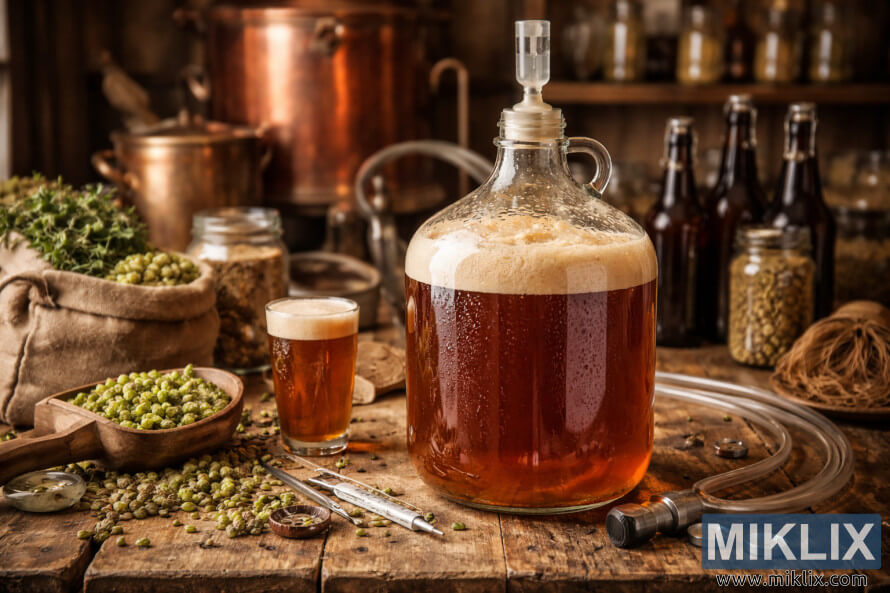
WLP028 provides a solid foundation for malt-forward beers, adding subtle fruity notes when given the chance. It's favored for its consistent performance, clean fermentation, and balanced character.
Click or tap the image for more information and higher resolutions.
Key Takeaways
- White Labs WLP028 Edinburgh/Scottish Ale Yeast suits malty Scottish ales and high-gravity brews.
- Use a pitch-rate calculator and consider a starter for high OG beers to ensure healthy fermenting WLP028 activity.
- Target the manufacturer’s temperature range, then ramp carefully to avoid solventy esters during fermenting strong ales.
- Plan for vigorous primary fermentation and set up a blowoff if brewing big Scotch ales or barleywine.
- Monitor gravity and know when to warm a stuck fermentation to reach expected attenuation.
Why Choose White Labs WLP028 Edinburgh/Scottish Ale Yeast for Your Brew
The yeast's flavor profile is centered around gentle fruit esters, enhancing malty recipes. At cooler temperatures, it remains restrained, offering a neutral base. However, as temperatures rise, the pear melon esters become more pronounced, adding a soft fruitiness to various beer styles.
Opt for WLP028 in beers where malt is the star, and yeast provides a subtle touch. It excels in traditional Scottish ales, barleywines, and old ales, adding complexity with its esters. It's also great in porters, stouts, and pale ales for a refined ester profile.
- Best beers for WLP028: Scotch ale, brown ale, red ale, barleywine, porter, stout.
- Also suitable for: English and American IPAs where moderate ester expression is acceptable.
- Specialty uses: dry and sweet meads or ciders that benefit from a restrained fruit background.
Practical brewers see WLP028 as a core yeast strain due to its versatility across styles and temperatures. The organic version is perfect for those committed to organic brewing. For brewers seeking a yeast that adds tasteful esters without overpowering, WLP028 is an excellent choice.
Key Fermentation Characteristics of WLP028
White Labs WLP028 exhibits consistent behavior, aiding brewers in planning their mash, yeast handling, and aging processes. This guide outlines its performance in attenuation, flocculation, and alcohol tolerance. It's designed to help you align it with your recipe goals.
Attenuation range and what it means for final gravity
WLP028's attenuation typically ranges from 70% to 75%. This conversion level results in a noticeable gravity drop, yet retains some malt sweetness. It produces a moderate residual body, ideal for traditional Scotch and old ale styles.
Calculating the expected final gravity with WLP028 reveals it will retain enough sugars. This is crucial for high OG beers. For barleywine or strong Scotch ales, adjust your mash and fermentables to achieve a balanced residual sweetness against the alcohol.
Flocculation behavior and clarity expectations
The strain exhibits medium flocculation. Standard conditioning and cold-crash methods will generally achieve decent clarity for most ales. For crystal-clear beers, consider using fining agents or extending cold conditioning.
Practical handling before packaging is key. Monitoring WLP028's flocculation during conditioning informs whether a secondary rest or filtration is necessary before bottling or kegging.
Alcohol tolerance and suitability for strong ales
WLP028's alcohol tolerance is approximately 8%–12% ABV. It performs well for strong Scotch-style ales and many barleywines within this range. For beers exceeding 12%, increase nutrients, pitch healthy cells, and allow for longer conditioning to prevent stalled fermentations.
Remember, the strain is STA1 negative, impacting sugar utilization and fermentation behavior. Monitoring the expected final gravity with WLP028 helps determine whether to warm the fermenter or allow more time for conditioning.
Recommended Fermentation Temperature Range and Effects
White Labs suggests fermenting WLP028 between 65°–70° F (18°–21° C). This range offers brewers a clear understanding of how the strain performs at different temperatures. Below, we explore practical tips and strategies to influence flavor and finish.
Manufacturer guidance: 65°–70° F (18°–21° C)
White Labs advises fermenting at 65°–70° F for consistent results. At 65° F, the yeast remains relatively neutral. However, near 70° F, it produces more fruit-forward esters. Use this range as your starting point when planning your fermentation schedule.
How temperature shifts alter ester production (pear and melon notes)
Increasing the fermentation temperature towards the upper end of the recommended range enhances pear and melon esters. Brewers aiming for a more pronounced fruit character should aim for warmer temperatures within this range.
Lowering the temperature into the high 50s or low 60s reduces esters and emphasizes malt. Many homebrewers achieve a classic Scottish profile at 58°–62° F. However, activity may stall below 50°–52° F.
Practical temperature control tips for homebrewers
- Insulated closets or fermentation chambers provide consistent temperatures for precise control.
- Water baths add thermal mass, helping to stabilize temperature during active fermentation periods.
- For strong ales, start cooler to limit hot alcohols, then raise the temperature later for a clean finish.
- Utilize small heaters or fridge controllers for precise temperature control when ambient temperatures are outside the 58°–70° F range.
It's crucial to monitor temperatures closely in the first 48–72 hours. Early temperature fluctuations significantly impact ester formation and overall attenuation. By carefully controlling fermentation temperature, you can tailor WLP028's effects to match your desired beer.
Pitching Rates and Yeast Health Considerations
Accurate WLP028 pitching rates are crucial for maintaining the quality of strong ales. Small batches and high original gravity beers demand meticulous planning. Utilizing a pitch calculator is essential to achieve the right viable cell counts. This decision will determine whether a starter is necessary or if additional packs are required.
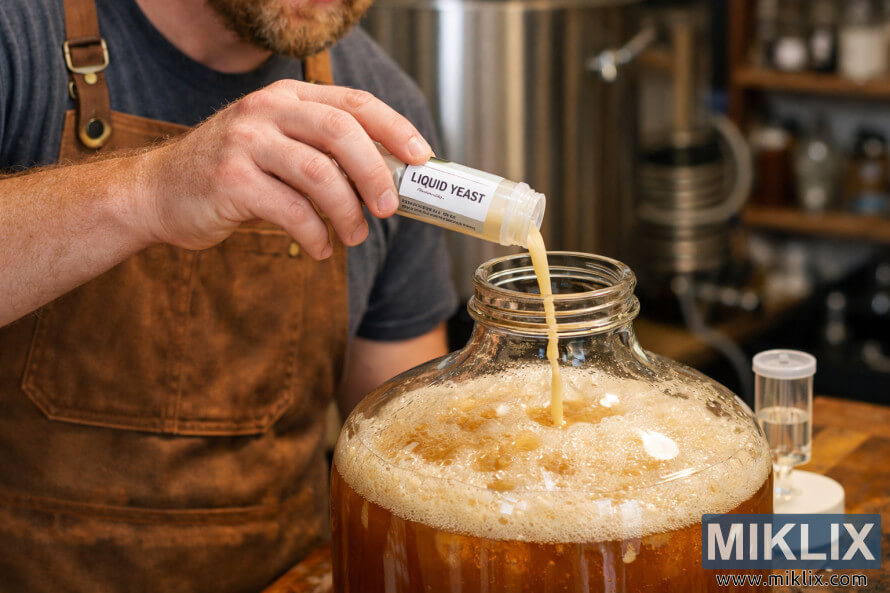
White Labs offers a pitch calculator to determine the appropriate starter size or the number of vials needed for a specific cell count. Beers with an original gravity near 1.100 OG require significantly more cells than a single pack can provide. For beers with an original gravity of 1.125 OG and similar, many brewers opt for a larger yeast starter or use multiple WLP028 packs.
Deciding between building a yeast starter WLP028 or using multiple packs depends on several factors:
- For low to moderate OG ales with fresh yeast, a single pack is sufficient.
- Beers with OGs above ~1.090 require a starter or multiple packs to achieve the desired cell count.
- In cases where time is limited and yeast is fresh, using two or three packs can be a viable alternative to a larger starter.
Oxygenation is critical for high OG beers. Adequate dissolved oxygen at pitch is essential for yeast replication and to prevent the production of solventy off-flavors. It's important to ensure sufficient oxygen early on and avoid adding more after fermentation has begun.
Yeast nutrients play a vital role in supporting yeast metabolism in high-gravity beers. Incorporating a quality nutrient regimen can prevent sluggish fermentation and aid yeast in surviving the stress of high ABV. This can improve attenuation and reduce fusel formation.
Here are some tips for handling and repitching:
- Follow White Labs' guidelines for handling liquid cultures and rehydration steps.
- When using older slurries, step up starters instead of pitching directly into very high OG wort.
- If reusing a slurry, verify its viability or supplement with a fresh starter sized according to the pitch calculator.
Combining cell count, oxygenation, and yeast nutrients is key for a robust fermentation. This approach ensures WLP028 finishes clean and reaches its expected attenuation without undue stress.
Click or tap the image for more information and higher resolutions.
Fermenting Strong Ales: Strategies for Scotch Ale and Barleywine
Brewing big beers with WLP028 strong ales requires careful planning. High original gravities put yeast under intense pressure. Small decisions on pitching, oxygen, and temperature can make a big difference. They can turn a balanced scotch ale into a beer with harsh fusel notes.
Managing high original gravities (example OG ~1.125)
For beers with an OG of 1.125, start with a healthy yeast pitch. Use a large starter or multiple White Labs packs to ensure enough cell count. Oxygenate the wort well at packaging to support early yeast growth.
Add yeast nutrients and consider a staggered nutrient schedule during active fermentation. Expect attenuation in the 70%–75% range with WLP028. However, verify with gravity readings rather than assumptions.
Temperature ramping strategies to avoid solventy off-flavors
Many brewers recommend starting fermentation cool to avoid solvent esters. Begin in the low 60s Fahrenheit or even high 50s for intense worts. This approach reduces fusel alcohol production during peak activity.
After the most vigorous phase ends, slowly raise the temperature to the mid-60s or low 70s. This ramping fermentation temp practice helps yeast finish sugars and clean up byproducts without shocking the culture.
Monitoring attenuation and when to warm to finish fermentation
Track gravity every 24–48 hours. If readings stall above expected final gravity, raise temperature a degree or two. Gently swirl the fermenter to resuspend yeast. Avoid abrupt heating; gradual increases coax yeast back to work.
If fermentation still slows, consider a small nutrient dose or a gentle rouse. Do not force rapid climbs in temperature. Careful management preserves ester balance while helping the beer reach target attenuation.
- Pitch sufficiently for fermenting 1.125 OG.
- Oxygenate and nutrient-dose early.
- Start cool, then use controlled ramping fermentation temp.
- Monitor gravity and warm slowly to finish, avoiding solvent off-flavors.
Practical Fermentation Location Choices and Ambient Impacts
When using WLP028, the right fermentation location is crucial. Ambient conditions influence yeast activity, ester levels, and fermentation speed. A consistent environment is key for reliable results.
Effects of ambient ranges (50–73° F) on activity
WLP028 prefers warmer temperatures, often becoming dormant at 50–52° F. Homebrewers have noted slow starts at these temperatures. However, a room temperature in the high 50s to mid-60s usually ensures consistent attenuation and balanced esters.
Targeting temperatures between 62°–64° F can produce the desired pear and light melon flavors without harsh solvents. A stable temperature range of 59°–62° F is suitable for those preferring a more restrained ester profile.
Using insulated closets, water baths, and controlled rooms
An insulated fermenter or closet can help maintain a consistent temperature by reducing heat loss. This method is effective in cooler basements or garages.
- Water bath: Provides thermal mass to moderate swings and keeps temperature steady during active fermentation.
- Temperature-controlled room: Best for precise work on strong Scotch ales and barleywines where ramping matters.
- Insulated closet: Cheap, effective option for mid-range control when you lack active cooling or heating.
How to handle diurnal temperature swings for consistent results
Diurnal temperature swings can stress yeast and alter ester balance. A water bath helps manage these swings during peak activity. It stabilizes temperature fluctuations, giving you time to adjust if necessary.
If temperature swings continue, start fermentation in the coolest steady spot. Then, move to a slightly warmer area for later stages. This approach helps control attenuation without shocking the yeast.
Click or tap the image for more information and higher resolutions.
Dealing with Blowoff and Vigorous Primary Fermentation
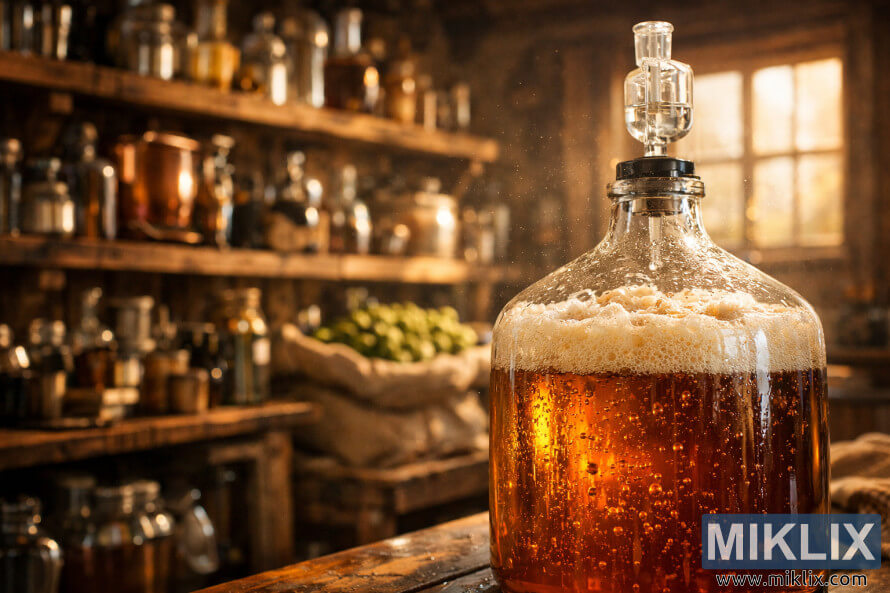
WLP028 can lead to intense activity in the first days of fermentation, especially in high-gravity beers. It's crucial to prepare for a robust krausen and possible overflow when brewing strong scotch ales or barleywines.
- When blowoff is likely: Beers with OGs near 1.125, healthy yeast pitches, and warm temperatures are at risk for a vigorous krausen. Many brewers have reported WLP028 blowoff in their big beers under these conditions.
- Blowoff tube setup: Connect a food-grade hose from the fermenter lid to a sanitized bucket filled with a mild sanitizer solution. Keep the hose loose to prevent clogs. Ensure the bucket is stable and large enough for the expected foam or beer.
- Fermentation precautions for the space: Provide extra headspace for your primary fermenter or use a larger vessel to minimize overflow risk. Avoid placing fermenters above carpets, electronics, or finished wood. Monitor closely during the first 24–72 hours.
- Signs of overly vigorous fermentation: Watch for froth rising into the lid, sputtering airlocks, or a clogged blowoff tube. Rapid gravity drops or excessive foaming indicate vigorous fermentation WLP028 is underway and needs attention.
- Mitigation steps
- Start cooler to moderate krausen intensity and slow the initial surge.
- Move the fermenter to a cooler spot if activity becomes excessive.
- Keep the blowoff tube clear and check the receiving bucket periodically.
- Use larger fermenters with extra headspace for high-gravity batches.
By taking simple fermentation precautions and setting up a proper blowoff tube, you can reduce mess and preserve beer quality. Vigilant monitoring during the early window prevents vigorous fermentation WLP028 from becoming a cleanup problem.
Fermentation Timeline and Monitoring Progress
Monitoring a WLP028 fermentation timeline is crucial for making timely decisions. It eliminates the need for guesswork. Begin with clear expectations for the first week. Then, use readings to guide your decisions on conditioning and packaging.
The active fermentation window for WLP028 typically spans the first few days. With a healthy pitch and warm conditions, activity peaks between 24 and 72 hours. However, cooler starts may delay this peak. It's important to rely on readings over visual observations alone.
Gravity readings are key to tracking attenuation. White Labs estimates about 70%–75% attenuation for this strain. Take readings daily or every other day until they approach the expected final gravity. These readings show trends that visual cues might miss.
The decision to move from primary to secondary or conditioning depends on stability, not a fixed time frame. Wait for gravity to stabilize for 2–3 days before transferring or packaging. For high-gravity beers like Scotch ales or barleywines, longer primary fermentation can enhance flavor and reduce oxidation risk.
- Begin gravity baseline: record original gravity before pitching.
- Early check: confirm active fermentation in first 24–36 hours for a warm, well-pitched batch.
- Mid-ferment: use readings to estimate percent attenuation and progress toward 70%–75%.
- Finish criteria: two to three stable gravity readings indicate it is safe to move or condition.
Knowing when to rack WLP028 comes from stable readings and visual signs of settling. If gravity is near target and fermentation has slowed, racking to conditioning brightens the beer. It prepares it for aging. For big beers, consider leaving most of the conditioning in the primary. This allows yeast to clean up byproducts.
Click or tap the image for more information and higher resolutions.
Flavor Management: Balancing Malt, Hop, and Yeast Contributions
Understanding WLP028 flavor balance requires seeing yeast, malt, and hops as a team. The Edinburgh strain brings out pear and melon esters, blending well with a malt-centric base. It's crucial to balance these fruit notes with the richness of caramel, toffee, or light roast malts.
Choosing the right mash and grain bill is key when using WLP028. Incorporate darker specialty malts in moderation to enhance malt character without clouding the beer. Lowering fermentation temperatures can also help keep ester levels in check, ensuring the malt takes center stage.
When planning your beer, consider the malt yeast hop interaction. Opt for traditional British hops like East Kent Goldings or Fuggle, which complement the yeast's esters without overpowering them. For those who prefer a more subtle American hop profile, choose varieties with floral or earthy notes that enhance the yeast's fruitiness.
To enhance the yeast's pear melon esters, select hops with mild fruity or floral characteristics. Steer clear of hops with strong citrus or pine notes, as they can clash with the yeast's contributions. For pale or amber malts, Styrian Golding or Willamette can be excellent choices.
- Control fermentation temp to dial ester levels down for a malt-first beer.
- Trim hop additions so they do not mask subtle pear and melon esters.
- Allow extended conditioning for strong ales so esters and malt meld smoothly.
To emphasize maltiness, focus on precise mash schedules and judicious hopping. Ensure the yeast's character remains by avoiding over-roasting malts and allowing full attenuation before extensive conditioning.
In crafting robust Scotch ales or barleywines, give the yeast ample time to attenuate and integrate flavors. This approach enhances WLP028's flavor balance, resulting in a malt-forward beer with yeast-driven complexity.
Comparing WLP028 to Other Scottish and Ale Strains
WLP028 falls between traditional Scottish yeasts and general ale yeasts in terms of behavior and flavor. It offers a balance between body and drinkability due to its moderate attenuation and medium flocculation. The choice of temperature significantly influences the outcome when comparing Scottish yeasts.
Temperature tolerance is a key factor in yeast selection. White Labs suggests temperatures between 65°–70° F. However, many homebrewers successfully use WLP028 at temperatures in the high 50s to low 60s. This range allows for adjusting the intensity of pear and melon esters.
Comparing WLP028 to WLP029 reveals differences in ester production. WLP028 produces fruitier esters at warmer temperatures, while WLP029 is cleaner at cooler temperatures. This highlights the importance of temperature in shaping the flavor profile.
Flocculation and attenuation vary among similar strains. WLP028 has medium flocculation, resulting in reasonable clarity but potentially longer suspension than high-flocculating yeasts. Its attenuation of 70%–75% is moderate, contrasting with drier fermentations from English or American ale strains. This comparison aids in predicting conditioning time and filtration requirements.
- WLP028 is ideal for those seeking tunable ester character and broad style flexibility.
- For strict historical authenticity, choose a strain rated for cooler fermentation.
- For clearer beer sooner, consider a higher-flocculating Scottish strain or employ fining and cold conditioning.
The choice between WLP028 and other yeasts often hinges on control versus purity. Temperature and pitch rate can influence esters and attenuation. Selecting the right yeast is crucial for achieving the desired malt profile and traditional character in your recipe.
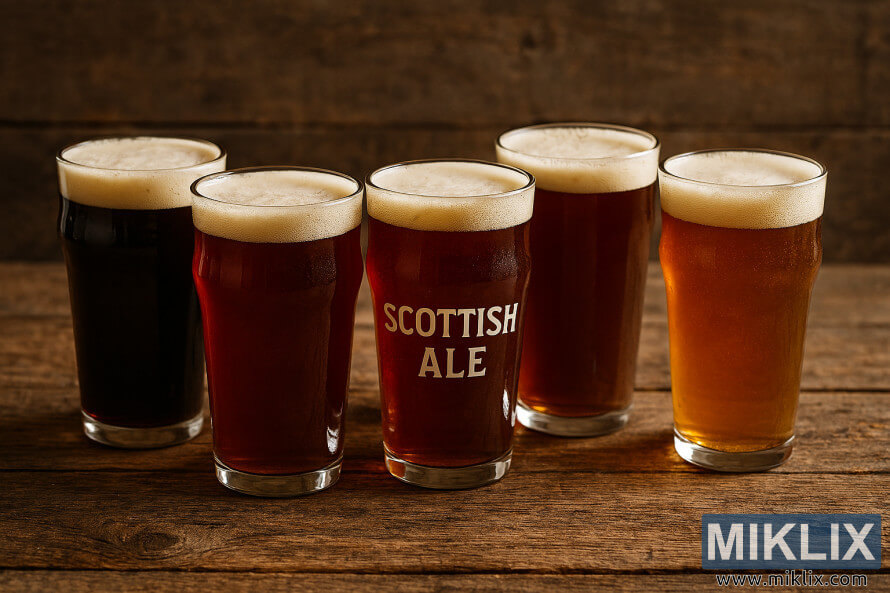
Click or tap the image for more information and higher resolutions.
Common Fermentation Issues and Troubleshooting with WLP028
Brewers using White Labs WLP028 may encounter slow starts, stalled activity, or unexpected flavors. Quick diagnosis is key to saving a batch. Below, we outline common causes, practical fixes, and steps for deciding whether to repitch yeast.
Stuck or slow fermentations often stem from underpitching on high-OG worts, low dissolved oxygen at pitch, or a lack of wort nutrients. Temperatures below the yeast’s active range, such as 50°–52° F, can also slow activity. For stuck fermentation WLP028, first check gravity readings and confirm ambient conditions.
- Raise temperature gradually by a few degrees. Move the fermenter to a warmer room or use a heat wrap.
- Gently swirl or rouse the yeast to resuspend settled cells, especially during the early active window.
- Add yeast nutrient if the problem shows early; oxygenate cautiously when fermentation is still healthy.
- If no recovery occurs after a couple of days, build a starter or add a fresh pack to repitching yeast for rescue.
Off-flavors WLP028 can signal stressed yeast. Solventy or fusel alcohol notes often come from underpitching or spikes in fermentation temperature during peak activity. WLP028 naturally produces pear and melon esters, but a hot, solventy character means the yeast struggled.
- Confirm fermentation temperature history. Lowering peak temps is not helpful once solventous esters form, but avoiding repeat mistakes is essential.
- Improve pitching rates and oxygenation in future brews to prevent stress-related off-flavors WLP028.
- For current batches with minor solvent notes, extended conditioning and lower-temperature aging can help integration.
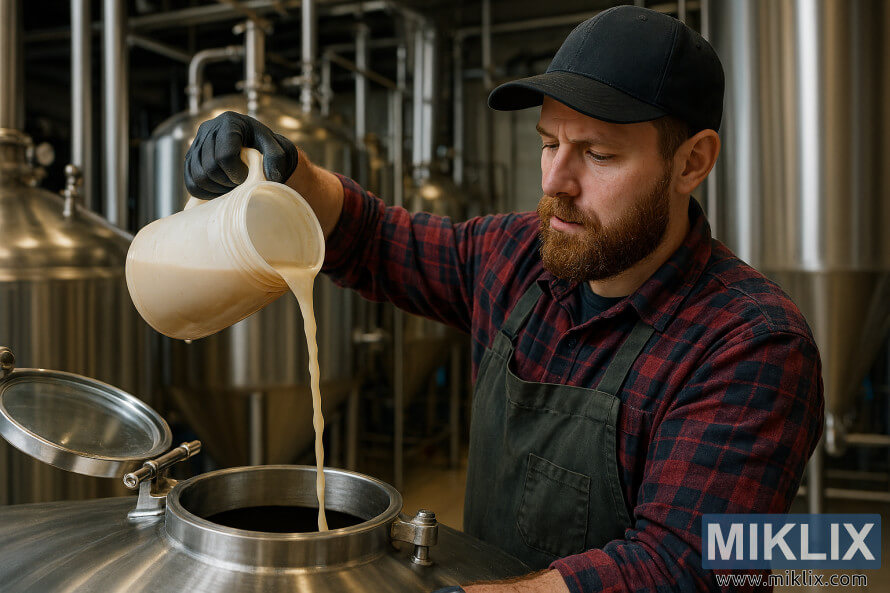
Deciding when to repitch or rehydrate is critical. If gravity stalls early and other fixes fail, prepare a vigorous starter or open a fresh White Labs pack. Match strain character when possible; using the same WLP028 maintains intended flavor. Aerate carefully when repitching to supply yeast with needed oxygen without risking oxidation of the beer.
Use this troubleshooting checklist to guide decisions: confirm gravity and temps, rouse yeast if early, add nutrient or oxygen when appropriate, then move to repitching yeast only after those steps fail. Clear records of pitch rate, OG, and temperature help prevent repeat issues on future brews.
Packaging, Conditioning, and Aging Considerations
Strong Scotch ales and barleywines fermented with WLP028 require thoughtful packaging and aging strategies. These steps are crucial to maintain balance, clarity, and the unique pear and melon esters WLP028 is famous for. Cold storage and careful packaging help avoid overcarbonation and preserve the beer's flavor.
Conditioning times for these big beers should be extended. Scotch ales often require weeks of tank or bottle conditioning. Barleywines, on the other hand, need months to achieve the perfect balance between alcohol warmth and malt depth. It's essential to monitor gravity until it stabilizes before sealing to prevent re-fermentation.
Cold conditioning and clarification techniques aid in yeast flocculation, enhancing visual clarity. Move the beer to colder storage at lagering temperatures for several days to weeks. This encourages yeast to drop out. Use gentle fining agents or light filtration for crystal clear presentations, but cold conditioning yeast first to avoid stripping desirable character.
Aging impacts the beer's profile in predictable ways. Longer cellar time reduces harsh alcohol notes and smooths out the mouthfeel. Ester integration aging allows pear and melon esters to blend with roasty and caramel malts, creating a cohesive, rounded profile. Plan to age stronger beers for months to achieve peak drinkability.
Follow a simple checklist when packaging and aging:
- Confirm stable final gravity before bottling or kegging.
- Allow additional WLP028 conditioning time in tank for heavy beers.
- Use cold conditioning to improve clarity and encourage yeast drop.
- Store bottles or kegs at consistent cellar temperatures during ester integration aging.
These steps help preserve the signature fruit esters while showcasing malt complexity. When you plan for conditioning and aging scotch ale WLP028, you get a smoother, clearer beer with well-integrated flavors that reward patience.
White Labs WLP028 Edinburgh/Scottish Ale Yeast
White Labs categorizes WLP028 as a core strain, setting clear performance targets for brewers. This yeast has 70%–75% attenuation, medium flocculation, and can handle alcohol up to 12%. It ferments best between 65°–70° F (18°–21° C). Quality control confirms STA1 QC Result: Negative, ensuring the yeast lacks STA1 activity.
WLP028 is versatile, suitable for more than just Scottish ales. It excels in American IPA, barleywine, blonde ale, brown ale, and porter. It's also great for cider and mead, including dry and sweet varieties, and can handle stronger beers like imperial stout and old ale.
The suggested styles list showcases its versatility: pale ale, English bitter, English IPA, double IPA, porter, red ale, scotch ale, stout, and whiskey-fermented blends. This yeast is ideal for balanced esters that enhance malt character without overpowering hops or oak during aging.
For those in the U.S., buying WLP028 is straightforward. It's available through White Labs and many retailers. Local shops and online sellers offer packs or vials. Brewgrass Homebrew in Louisville, Kentucky, is a verified retailer that stocks grain, hops, yeast, and ships nationwide.
- Part No: WLP028 — core strain and organic version available.
- WLP028 STA1 negative — useful when fermentation behavior and dextrin handling are a concern.
- Retail tip: ask your shop about organic WLP028 if that is a priority for the recipe.
When purchasing yeast, consider freshness, pitch recommendations, and the need for a starter for high-gravity beers. Local homebrew shops and national distributors make buying WLP028 USA convenient. Stores like Brewgrass Homebrew can assist with availability and shipping options.
Conclusion
WLP028 conclusion: White Labs WLP028 Edinburgh/Scottish Ale yeast is a top pick for brewers seeking malt-forward beers. It offers gentle pear and melon esters. Its moderate attenuation (70%–75%), medium flocculation, and 8%–12% alcohol tolerance make it versatile for session and strong ales.
Fermenting at 65°–70° F brings out esters. Cooler temperatures, however, tighten malt character. This flexibility is key for brewers aiming to enhance their beer's flavor.
For high OG brews like scotch ale or barleywine, a healthy pitch is crucial. Use a starter or multiple packs, along with oxygen and nutrients, to prevent fermentation stalls. Vigorous activity and possible blowoff are expected early on.
Consider a warm finish and extended conditioning to ensure smooth integration of hot alcohol notes and esters. This approach helps WLP028 excel as the best yeast for scotch ale, avoiding solventy off-flavors.
Availability is widespread: White Labs supplies the strain, and many U.S. homebrew shops carry it. Organic options are available for those who prefer them. By following the recommended fermentation temperature, pitching rate, and conditioning strategies, you can fine-tune yeast behavior to suit your recipe and desired flavor profile.
FAQ
What flavor profile does White Labs WLP028 Edinburgh/Scottish Ale yeast produce?
WLP028 offers a malt-forward taste with hints of pear and melon. It can range from neutral to fruity, depending on the temperature. For a cleaner Scottish profile, ferment at cooler temperatures. Warmer temps bring out the fruit notes.
Which styles benefit most from WLP028?
This yeast is perfect for Scotch ales, old ales, and barleywines. It also works well in brown and red ales. White Labs suggests using it in English and American IPAs, stouts, porters, meads, and ciders.
Is WLP028 available as an organic strain and where can I buy it in the U.S.?
Yes, there's an organic version of WLP028. You can buy it from White Labs and homebrew retailers. Brewgrass Homebrew in Louisville, KY, is a U.S. example that ships nationwide. Check local stores or online for availability.
What attenuation and final gravity should I expect with WLP028?
Expect attenuation between 70%–75%. This means your beer will have a moderate sweetness, perfect for Scotch ales. For high OG beers, the gravity drop will be significant, but the finish will be sweeter.
How does WLP028 flocculate and will I need clarification steps?
WLP028 flocculates moderately. It settles well with conditioning and cold crashing. However, it might stay suspended longer than strains that flocculate more. You may need fining agents, cold conditioning, or filtration for clarity.
What is the alcohol tolerance of WLP028?
WLP028 can handle medium to high alcohol levels, up to 12% ABV. It's great for strong Scotch ales and many barleywines. For beers over 12% ABV, use extra nutrients, higher pitching rates, and extended conditioning.
What fermentation temperature range does White Labs recommend?
White Labs suggests fermenting between 65°–70° F (18°–21° C). This range allows for a range of flavors. Many brewers ferment cooler to emphasize maltiness and reduce esters.
How do temperature shifts alter WLP028 ester production?
Higher temperatures increase pear and melon esters. Cooler temps suppress these esters, resulting in a cleaner malt profile. For big ales, start cooler to reduce fusel alcohols and warm up later for a clean finish.
What practical temperature control methods work well for homebrewers using WLP028?
Use insulated closets, water baths, or temperature-controlled rooms. A water bath helps stabilize temperatures. Avoid cold spots that can stall fermentation. Start in a cooler spot and move to warmer if needed.
How should I size my pitch for WLP028, especially for high OG beers?
Use White Labs' pitch rate calculator for the right cell count. High OG beers need larger pitches. Consider building a starter or using multiple packs for beers over 1.090 OG. For very strong beers, step up a starter or use a large yeast cake.
When should I build a starter versus using multiple packs?
Build a starter for high OG or long-ferment beers. Use multiple packs for immediate cell mass. A small starter plus an extra pack is a safe approach.
What oxygen and nutrient practices help WLP028 perform in strong ales?
Oxygenate well at pitching and consider yeast nutrients for high ABV beers. This reduces stress and supports healthy fermentation. It also lowers fusel formation risk.
How should I manage fermentation of very high gravity beers (example OG ~1.125)?
Start with conservative temps and a large pitch. Ensure strong oxygenation and nutrient additions. Use a blowoff tube and plan for extended conditioning.
What temperature ramping strategy minimizes solvent off-flavors with WLP028?
Start cooler to reduce fusels. As fermentation slows, warm up to mid-60s to low 70s. Gradually increase temperature and monitor gravity.
How do I know when to warm a stalled or slow fermentation?
Check gravity readings for progress. If stalled and within the yeast's activity window, warm up a few degrees. Gently rouse the yeast if still stalled. Prepare a fresh starter or repitch if necessary.
What ambient temperature ranges affect WLP028 performance and how?
WLP028 works from the high 50s to mid-60s. Avoid dormancy at 50°–52° F. Stable environments in 59°–64° F often yield good results. The manufacturer recommends 65°–70° F, but many prefer cooler starts.
What are effective fermentation locations for consistent results with WLP028?
Use an insulated closet, a water bath, or a dedicated chamber. A water bath moderates temperature swings. Avoid cold spots and plan moves for temperature ramps.
How should I set up for potential blowoff with high-gravity WLP028 ferments?
Expect vigorous blowoff with high OG, strong pitches, or warm starts. Use a blowoff tube, extra headspace, and monitor the first 24–72 hours. Starting cooler and using larger fermenters reduce overflow risk.
What signs indicate overly vigorous fermentation and how do I mitigate it?
Rapid krausen, foamy airlock discharge, or sanitizer loss indicate excessive vigor. Mitigate by cooling slightly, ensuring clear blowoff tubes, or increasing headspace. Avoid sudden cooling that could stall fermentation.
When does active fermentation typically peak with WLP028?
Peak activity usually occurs within 24–72 hours for well-pitched, warmer ferments. Cooler starts delay and extend peak activity. Watch closely for high-gravity worts.
How should I monitor attenuation and decide when to condition or package?
Regularly check gravity readings and wait for stability before packaging. Expect 70%–75% attenuation. For strong ales, extended primary time is acceptable. Move to conditioning when gravity is near target and bubbling slows.
How do WLP028's esters interact with malt and hop choices?
WLP028's esters complement caramel and roasted malts in Scottish and old ales. Use moderate, complementary hops like East Kent Goldings or Fuggle. Avoid aggressive citrus/pine hops that clash with the yeast's fruit esters.
What techniques emphasize maltiness while preserving yeast character?
Ferment cooler to suppress esters. Use darker malts and controlled mash profiles. Limit hopping and allow extended conditioning for better integration of esters with malt.
How does WLP028 compare to cooler-tolerant Scottish strains?
WLP028 is versatile but leans towards more ester expression at warmer temps. For historic authenticity at low 50s, choose a cooler-tolerant strain. WLP028 offers tunable ester control and style flexibility.
What common fermentation problems occur with WLP028 and how can I troubleshoot them?
Stuck or slow ferments often result from underpitching, low oxygen, nutrient deficiency, or cold temps. Correct with warming, gentle rousing, nutrient additions, or repitching. Solventy off-flavors come from stress—improve pitch rate and stabilize temperatures.
When should I consider repitching or rehydrating yeast to rescue a batch?
If fermentation stalls early, try warming or rousing. If still stalled, repitch a vigorous starter or fresh WLP028 pack. Rehydration is key for dry yeasts; follow White Labs' guidance for liquid WLP028.
What conditioning and aging timeline should I plan for Scotch ales and barleywines with WLP028?
Plan extended conditioning: weeks for strong Scotch ales and months for barleywines. Aging smooths harsh alcohols and integrates esters with malt. Use cold conditioning and fining agents for clarity.
How does cold conditioning affect WLP028 beers?
Cold conditioning improves clarity by dropping out the yeast. It also mellow harsh alcohols and integrates esters. Use cold crash or lagering temperatures after fermentation is complete.
What exact White Labs specifications should I note for WLP028?
Official specs: Attenuation 70%–75%; Flocculation: Medium; Alcohol tolerance: 8%–12% ABV; Recommended fermentation: 65°–70° F (18°–21° C); STA1 QC result: Negative; Part No WLP028; listed as a Core strain with an organic version available.
Where can I buy WLP028 and who is a retail example in the United States?
Buy WLP028 from White Labs and retailers. Brewgrass Homebrew in Louisville, KY, is a U.S. example that ships nationwide. Check local stores or online for availability and organic options.
Further Reading
If you enjoyed this post, you may also like these suggestions:
- Fermenting Beer with Fermentis SafBrew HA-18 Yeast
- Fermenting Beer with Wyeast 1099 Whitbread Ale Yeast
- Fermenting Beer with White Labs WLP410 Belgian Wit II Ale Yeast