
Fermenting Beer with White Labs WLP653 Brettanomyces Lambicus Yeast
Published: September 30, 2026 at 3:22:33 PM UTC
Wild yeast strains like White Labs WLP653 Brettanomyces lambicus open new doors for homebrewers seeking complex, funky flavors. This specialized yeast strain brings authentic Belgian character to your beers. Unlike standard brewing yeast, Brettanomyces lambicus creates distinctive horsey, fruity, and earthy notes.
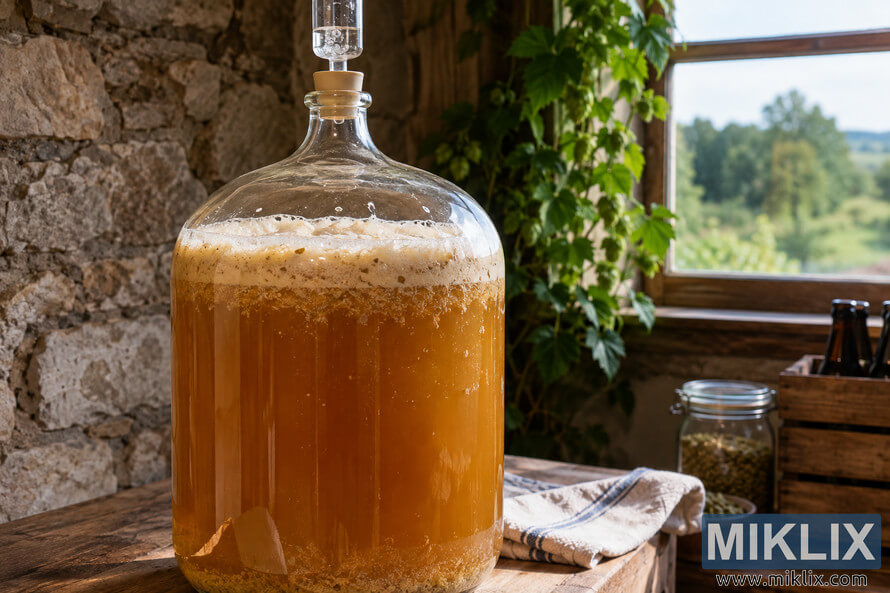
Click or tap the image for more information and higher resolutions.
Many brewers hesitate to work with Brett strains due to concerns about contamination and unpredictable results. This guide eliminates the guesswork. You'll learn proper fermentation techniques, temperature control, and how to achieve consistent flavor profiles with WLP653.
Understanding White Labs WLP653 Brettanomyces lambicus
What Makes This Strain Special
White Labs WLP653 represents authentic Brettanomyces lambicus isolated from traditional Belgian lambic breweries. This liquid yeast culture produces the signature funky character found in classic sour beers. The strain works differently than standard Saccharomyces brewing yeast.
Brett strains are slow fermenters. They consume complex sugars that regular yeast cannot process. This extended fermentation creates layers of flavor over time. WLP653 specifically delivers pineapple, hay, and barnyard notes.
Key Insight: Brettanomyces lambicus is a wild yeast strain, not bacteria. It ferments beer without producing extreme sourness like Lactobacillus or Pediococcus cultures do.
Strain Characteristics Overview
Fermentation Profile
- Temperature range: 60-75°F optimal
- Attenuation: 65-85% depending on conditions
- Flocculation: Low to medium
- Alcohol tolerance: Up to 12% ABV
Flavor Contributions
- Primary: Pineapple and tropical fruit notes
- Secondary: Hay and barnyard character
- Tertiary: Earthy, horsey complexity
- Mouthfeel: Dry, crisp finish
Fermentation Techniques for WLP653 Brettanomyces lambicus
Primary Fermentation Methods
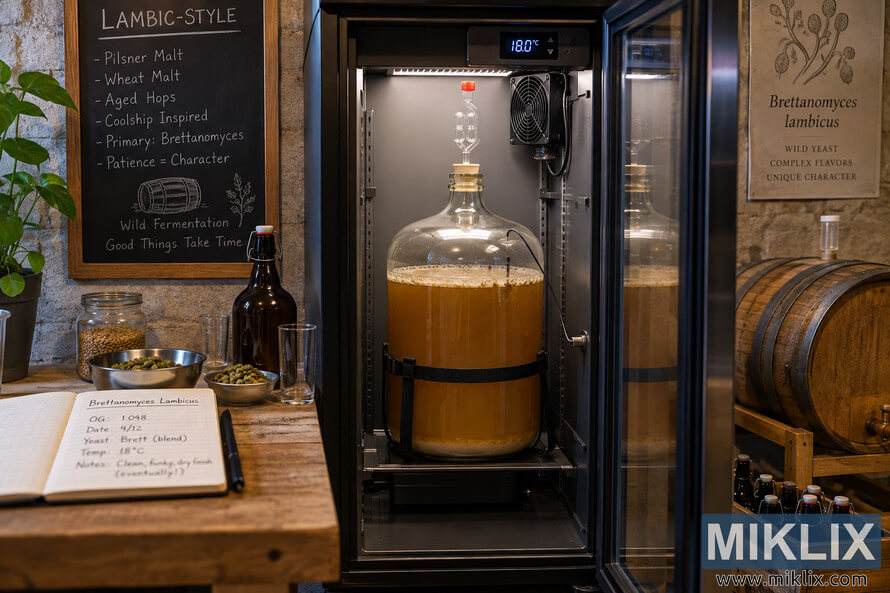
You have three main approaches when brewing with WLP653. Each method produces different results. Your choice depends on the flavor profile you want and your patience level.
100% Brett Fermentation
- Use WLP653 as sole yeast strain
- Fermentation takes 3-6 months
- Creates most intense funky character
- Requires dedicated equipment
- Best for authentic lambic-style beers
Secondary Brett Addition
- Ferment with standard yeast first
- Add WLP653 after primary completes
- Total time: 4-8 weeks
- Balanced funk and drinkability
- Safer for shared equipment
Co-Fermentation
- Pitch Brett and standard yeast together
- Ready in 3-4 weeks
- Subtle Brett character
- Good for beginners
- Consistent results
Click or tap the image for more information and higher resolutions.
Temperature Management
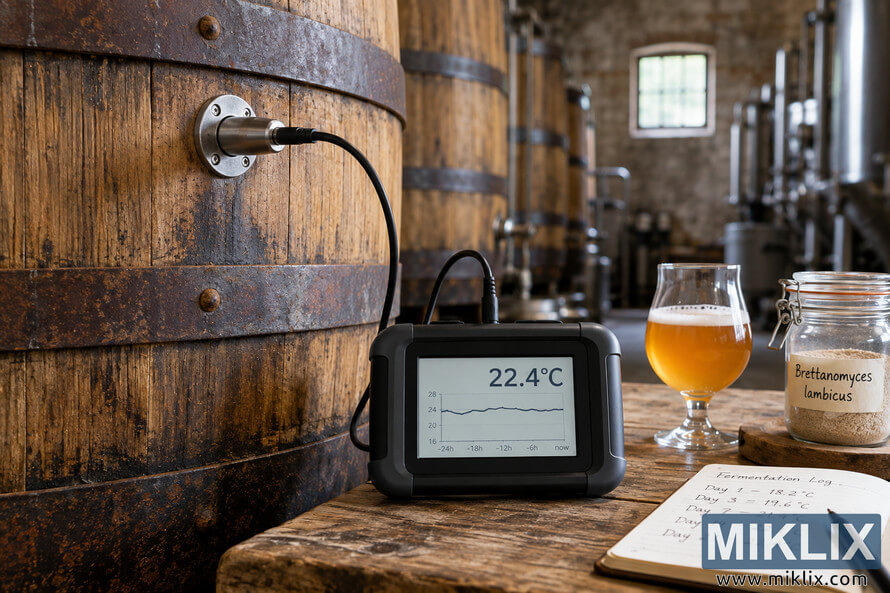
Temperature control significantly impacts WLP653 performance. This strain tolerates a wide range but produces different flavors at different temperatures. Most homebrewers achieve best results between 68-72°F.
| Temperature Range | Fermentation Speed | Flavor Profile | Best For |
| 60-65°F | Slower (4-8 months) | Clean, subtle fruit | Traditional lambics |
| 68-72°F | Moderate (2-4 months) | Balanced funk and fruit | Most homebrewing |
| 75-80°F | Faster (6-12 weeks) | Strong barnyard character | Intense funky ales |
Click or tap the image for more information and higher resolutions.
Pitching Rates and Yeast Health
White Labs liquid yeast requires proper pitching rates for healthy fermentation. One vial of WLP653 contains approximately 100 billion cells. This amount suits five gallons of beer at standard gravity.
Higher gravity beers need more yeast. You can build a starter to increase cell count. Brett starters take longer than standard yeast starters. Plan for 3-5 days of starter growth before brew day.
Viability Matters: Liquid yeast loses viability over time. Fresh White Labs vials work best. Check the production date on the package. Yeast older than two months benefits from starter preparation.
Flavor Profile Development with Brettanomyces lambicus
Expected Flavor Development Timeline
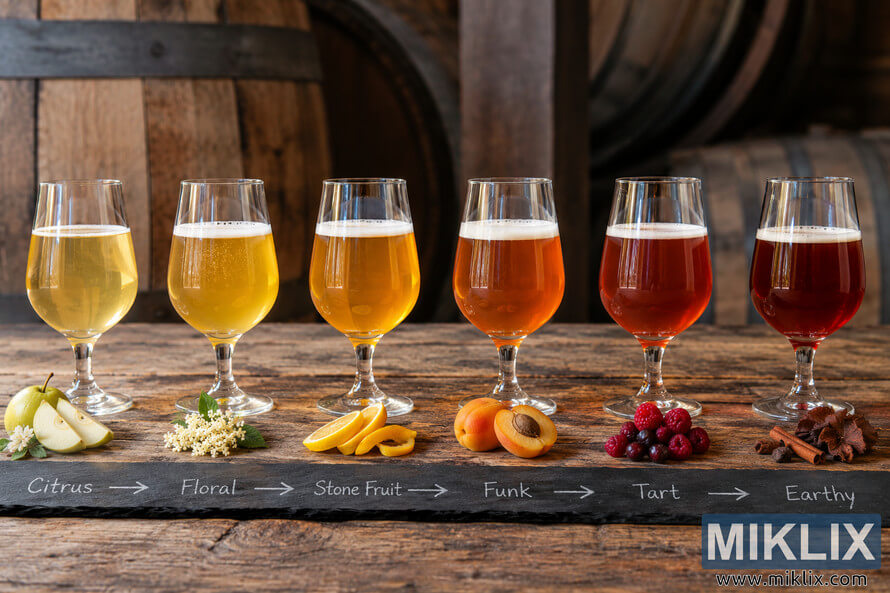
Brettanomyces lambicus creates evolving flavors over extended fermentation. The beer tastes different at various stages. Understanding this timeline helps you decide when to bottle.
Weeks 1-2: Initial fermentation begins slowly. Beer smells yeasty with minimal Brett character. Gravity drops gradually.
Weeks 3-6: Fruity esters emerge. Pineapple and citrus notes become prominent. Some funky aroma develops.
Weeks 7-12: Barnyard character intensifies. Earthy, hay-like flavors balance the fruit. Beer dries out significantly.
Months 4-6: Peak complexity achieved. All flavor components integrate. Horsey notes add depth without overwhelming.
Months 6+: Flavors mellow and mature. Some fruit fades while earthy character persists. Beer becomes very dry.
Click or tap the image for more information and higher resolutions.
Influencing Final Flavor
Several factors shape the final flavor profile beyond just time and temperature. Your ingredient choices and process decisions create unique results with WLP653.
Malt Bill Impact
Grain selection affects Brett expression. Pilsner malt provides clean canvas for funk. Wheat adds protein that Brett consumes over time. Specialty malts contribute residual sweetness for Brett to work on.
Simple recipes work best. Complex malt bills can create muddy flavors. Focus on quality base malt like Briess or continental European varieties.
Fruit and Oak Additions
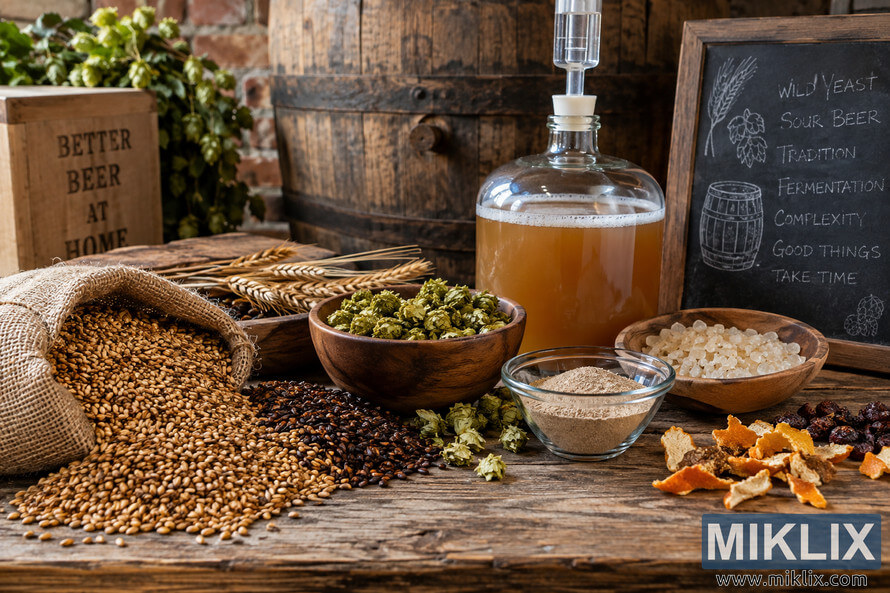
Fruit additions enhance WLP653 character beautifully. Raspberries, cherries, and stone fruits complement the natural fruitiness. Add fruit after primary fermentation completes.
Oak aging contributes complexity. Oak tannins interact with Brett over time. Use medium toast American or French oak cubes. Start with one ounce per gallon.
Click or tap the image for more information and higher resolutions.
Attenuation Rates and Gravity Management
Understanding Brett Attenuation
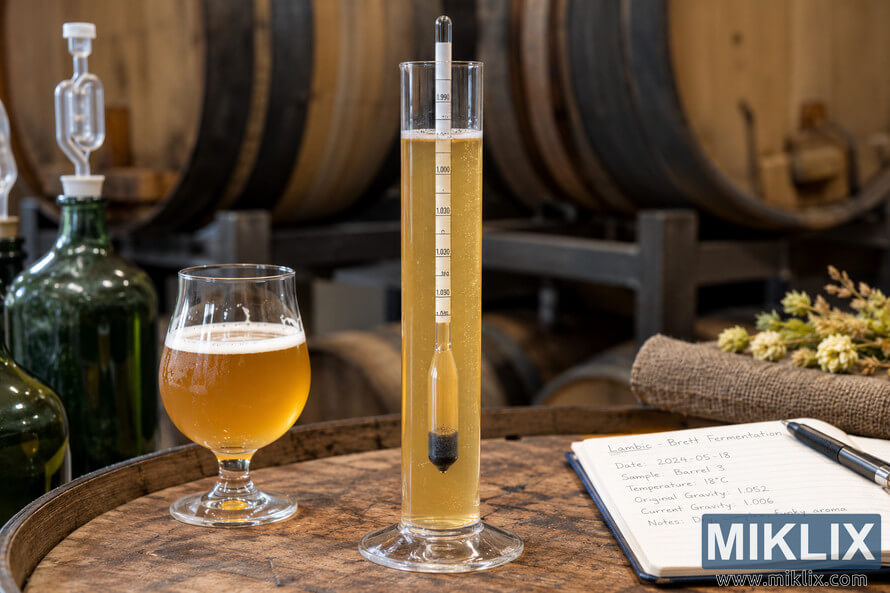
Brettanomyces lambicus achieves remarkable attenuation compared to standard brewing yeast. WLP653 can ferment beers down to 1.002 specific gravity or lower. This super-attenuation creates bone-dry finished beers.
The strain consumes dextrins and other complex carbohydrates that Saccharomyces leaves behind. This unique ability makes Brett perfect for crisp, highly attenuated ales. Final gravity readings often surprise brewers.
Click or tap the image for more information and higher resolutions.
Typical Attenuation Ranges
| Starting Gravity | Expected Final Gravity | Attenuation Percentage | Fermentation Duration |
| 1.040-1.050 | 1.002-1.006 | 85-95% | 8-12 weeks |
| 1.055-1.065 | 1.004-1.008 | 80-90% | 10-16 weeks |
| 1.070-1.080 | 1.006-1.012 | 75-85% | 12-20 weeks |
Monitoring Fermentation Progress
Track gravity readings every two weeks during fermentation. Brett fermentation shows long periods of apparent inactivity. Gravity might stay stable for weeks before dropping further. Patience rewards you with better results.
The beer is ready when gravity remains stable for three consecutive readings two weeks apart. This stability indicates complete fermentation. Bottling too early causes over-carbonation issues.
Bottle Bombs Warning: Brettanomyces continues fermenting in bottles. Use less priming sugar than normal beers. Calculate for 2.0-2.2 volumes of CO2 maximum. Consider using champagne bottles for safety.
Practical Homebrewing Tips for White Labs WLP653
Equipment Considerations
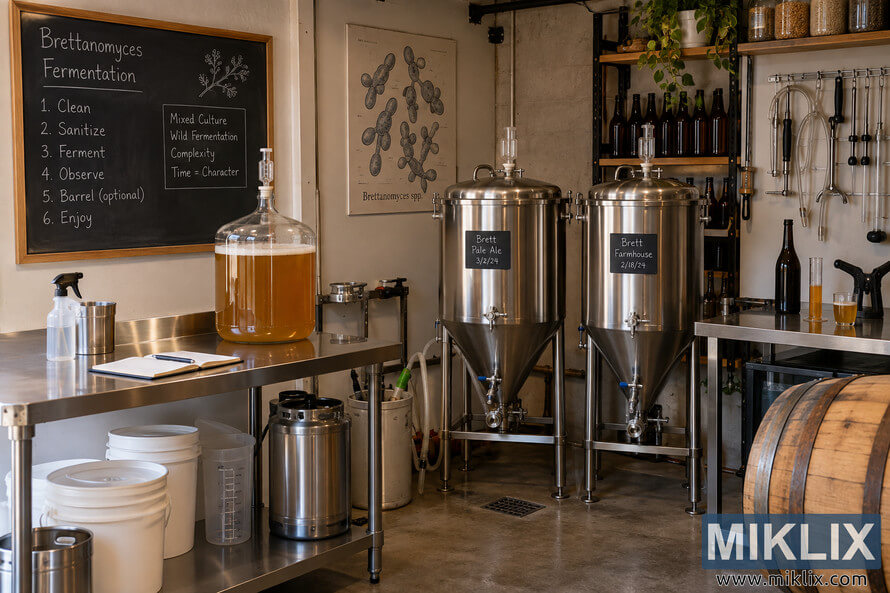
Many homebrewers dedicate separate equipment for Brett beers. Brettanomyces cells hide in scratches and crevices. Cross-contamination can affect future clean beer batches. Plastic fermenters and soft tubing pose the highest risk.
Stainless steel and glass equipment clean more effectively. You can sanitize these materials thoroughly between uses. If you share equipment, extra cleaning attention becomes essential. Use separate bottling buckets and hoses for Brett beers.
Equipment Best Practices
- Use glass carboys for Brett fermentation
- Label all Brett-dedicated equipment clearly
- Store Brett gear separately from clean brewing supplies
- Replace soft plastic parts regularly
- Consider PET bottles for packaging
Avoid These Mistakes
- Don't reuse plastic fermenters for clean beers
- Never share bottling equipment without thorough sanitizing
- Avoid using the same airlocks
- Don't rush the fermentation process
- Never skip gravity stability checks before bottling
Click or tap the image for more information and higher resolutions.
Recipe Formulation Guidelines
Simple recipes showcase WLP653 best. Complex ingredient lists muddy the distinctive Brett character. Start with straightforward grain bills and minimal hop additions.
Grain Bill Recommendations
- 70-80% Pilsner or pale malt base
- 10-20% wheat malt for body
- 5-10% Munich for malt complexity
- Avoid crystal malts in pure Brett beers
Hopping Strategy
Low hopping rates work best. Target 10-20 IBUs for balanced bitterness. Aged hops provide traditional lambic character. Skip late hop additions. Brett aroma competes with hop aromatics.
Noble hop varieties complement Brett flavors. Saaz, Hallertau, and Tettnang all work excellently. Use whole leaf hops if possible for gentler extraction.
Storage and Handling
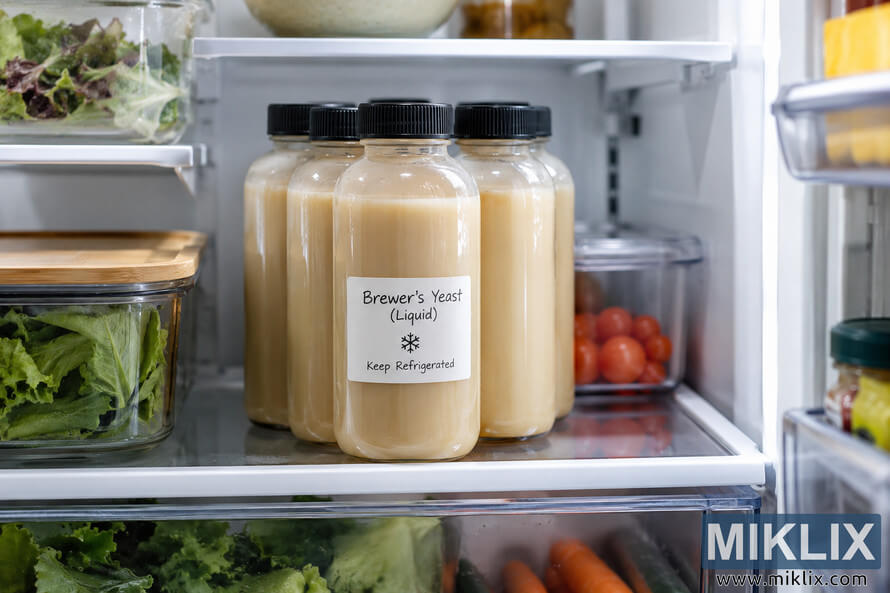
White Labs yeast requires refrigeration immediately upon receipt. Store at 35-40°F for optimal viability. Most suppliers offer cold shipping with ice packs to maintain yeast quality during transit.
Remove yeast from refrigerator 30-60 minutes before pitching. Gradual temperature adjustment prevents thermal shock. Swirl the vial gently to resuspend settled cells before opening.
Click or tap the image for more information and higher resolutions.
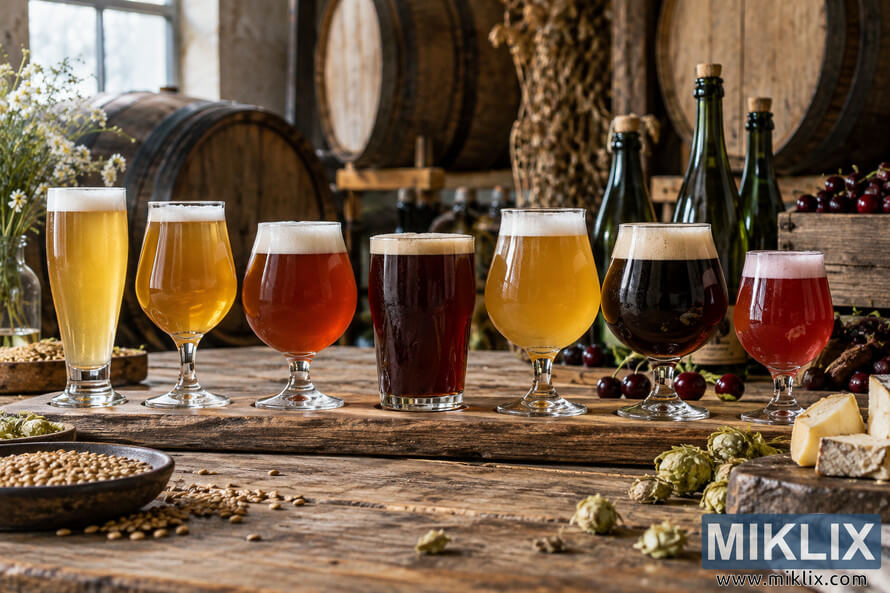
Recommended Beer Styles Using Brettanomyces lambicus
Classic Belgian Styles
White Labs WLP653 shines in traditional Belgian sour ales. These styles were designed around wild yeast fermentation. Modern homebrewers can recreate authentic flavors using this strain.
Belgian Lambic
Pure spontaneous fermentation style. Use 100% Brett fermentation with aged hops. Ferment for 6-12 months minimum. Add fruit in secondary for traditional fruit lambics.
- OG: 1.040-1.054
- FG: 1.000-1.006
- ABV: 5-7%
- IBU: 10-15
Flanders Red Ale
Complex sour red ale aged in oak. Co-ferment with Belgian ale yeast and WLP653. Oak cubes add tannin structure. Aging develops vinous character over time.
- OG: 1.048-1.057
- FG: 1.008-1.012
- ABV: 4.5-6.5%
- IBU: 10-20
American Wild Ale
Modern interpretation with American hops and malt. Secondary fermentation with WLP653 creates funky IPA character. Dry hop after Brett activity peaks for aromatic complexity.
- OG: 1.050-1.070
- FG: 1.004-1.010
- ABV: 5-8%
- IBU: 20-40
Click or tap the image for more information and higher resolutions.
Fruit Beer Variations
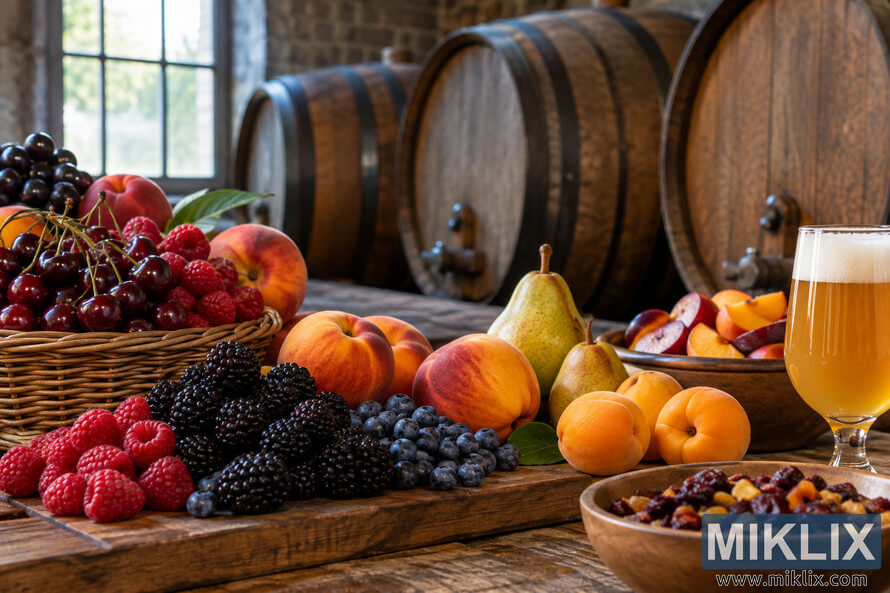
Fruit additions pair exceptionally well with Brettanomyces lambicus. The natural fruit sugars provide extra food for Brett. The yeast enhances fruit character while adding complexity. Choose ripe, quality fruit for best results.
Cherry Lambic
Traditional Belgian kriek uses whole sour cherries. Add 1-2 pounds per gallon after primary fermentation completes. Ferment an additional 2-3 months on fruit.
- Use tart cherry varieties
- Pit cherries to avoid almond flavors
- Expect deep ruby color
- Final gravity around 1.002
Raspberry Lambic
Framboise showcases raspberry character beautifully. Use 1 pound per gallon of frozen raspberries. Seeds contribute light tannin. Striking pink color develops naturally.
- Frozen berries work excellently
- Seeds add complexity
- Bright pink to red appearance
- Intensely fruity aroma
Peach Lambic
Stone fruit creates delicate flavors with Brett. Peaches require more fruit per gallon due to milder flavor. Use 2-3 pounds per gallon for noticeable character.
- Ripe peaches essential
- Remove pits completely
- Golden orange color
- Subtle fruit character
Mixed Berry Lambic
Combine multiple berry types for complex fruit character. Blend strawberries, blackberries, and blueberries. Each berry contributes unique flavor notes to finished beer.
- Equal parts each berry type
- Total 1.5 pounds per gallon
- Deep purple color
- Layered fruit complexity
Click or tap the image for more information and higher resolutions.
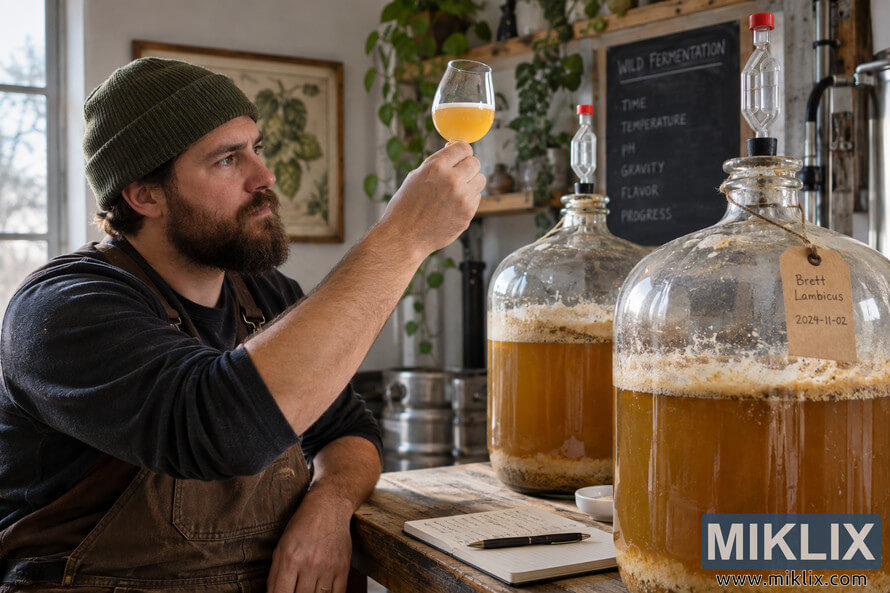
Troubleshooting Common Issues with WLP653
Slow or Stalled Fermentation
Brett fermentation naturally progresses slowly. However, truly stalled fermentation requires intervention. Several factors can stop WLP653 activity prematurely.
Why hasn't my gravity dropped in three weeks?
Brett strains often show minimal activity for extended periods. Check temperature first. WLP653 needs at least 65°F to ferment actively. Increase temperature gradually to 70-72°F if needed. Gently swirl the fermenter to rouse yeast without introducing oxygen. Wait another two weeks before adding fresh yeast culture.
My beer smells like vinegar. Is this normal?
Strong vinegar aroma indicates acetobacter contamination, not Brett character. This bacteria requires oxygen to grow. Check your airlock seal and fermenter integrity. Some acetic acid is acceptable in small amounts. Overwhelming vinegar smell means the batch is likely ruined. Prevention requires careful sanitation and proper oxygen exclusion.
When should I add more WLP653 to my beer?
Add fresh yeast only after ruling out environmental issues. Ensure temperature stays in optimal range. Verify adequate nutrients remain in the wort. If gravity stays stable for four weeks despite good conditions, pitch a fresh vial of WLP653. The new culture often restarts fermentation within days.
How do I know when fermentation is truly complete?
Take gravity readings two weeks apart. Three consecutive identical readings confirm completion. Brett can pause fermentation then restart weeks later. Rushing to bottle causes over-carbonation. Plan for minimum 8-10 weeks total fermentation time with pure WLP653 batches. Patience prevents bottle bombs.
Click or tap the image for more information and higher resolutions.
Off-Flavor Management
Brettanomyces produces strong flavors that some perceive as off-flavors. Understanding the difference between desired funk and actual problems helps you evaluate your beer accurately.
| Flavor/Aroma | Cause | Normal or Problem | Solution |
| Barnyard, horsey | Brett character | Normal | None needed - desired trait |
| Pineapple, tropical fruit | Brett esters | Normal | None needed - desired trait |
| Bandaid, medicinal | Chlorophenol formation | Problem | Use filtered water, avoid chlorine |
| Vinegar, acetic acid | Acetobacter infection | Problem | Prevent oxygen exposure |
| Rotten eggs, sulfur | Yeast stress | Usually temporary | Age longer, add nutrients |
Conclusion
White Labs WLP653 Brettanomyces lambicus opens creative possibilities for homebrewers seeking unique flavor profiles. This wild yeast strain delivers authentic Belgian character through patient fermentation. Understanding temperature management, attenuation rates, and flavor development timelines ensures successful brewing outcomes.
Start with simple recipes and dedicated equipment. Monitor fermentation progress carefully and allow adequate time for full development. The distinctive funky, fruity, and earthy flavors reward brewers who master this challenging but rewarding yeast strain.
Quality ingredients and proper yeast handling make the difference between good and exceptional Brett beers. Source fresh WLP653 from reputable suppliers who maintain cold chain standards. Your brewing experiments with Brettanomyces lambicus will produce memorable beers that showcase traditional brewing techniques.

Click or tap the image for more information and higher resolutions.
Further Reading
If you enjoyed this post, you may also like these suggestions:
- Fermenting Beer with White Labs WLP670 American Farmhouse Yeast Blend
- Fermenting Beer with Lallemand LalBrew Nottingham Yeast
- Fermenting Beer with Lallemand LalBrew Köln Yeast