
Fermenting Beer with Wyeast 1010 American Wheat Yeast
Published: December 27, 2025 at 6:12:28 PM UTC
Wyeast 1010 American Wheat Yeast is a top-cropping, low-flocculating strain. It provides homebrewers with a dry, crisp finish and a hint of tartness. It's perfect for American wheat fermentation and styles like cream ale, Kölsch, and Düsseldorf altbier.
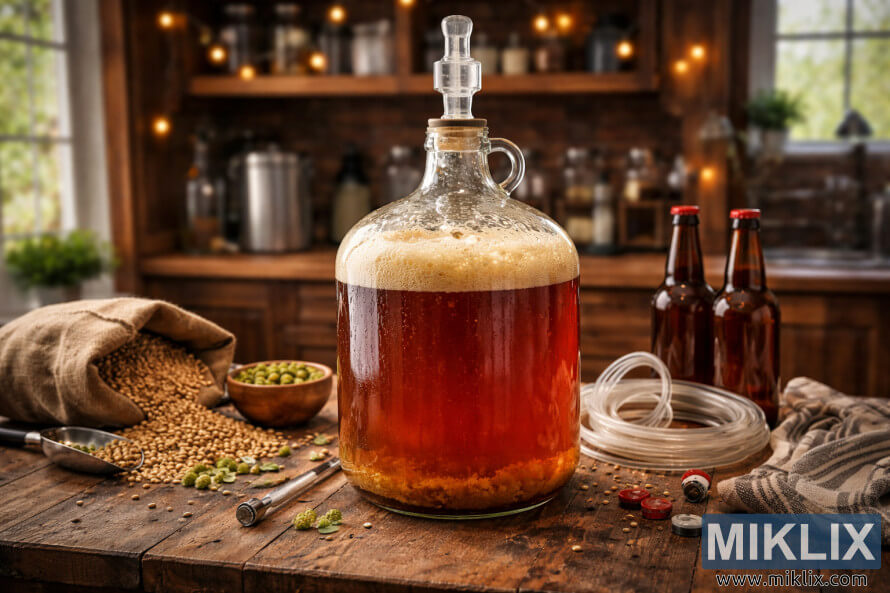
Click or tap the image for more information and higher resolutions.
Key Takeaways
- Wyeast 1010 American Wheat Yeast is a top-cropping, low-flocculation wheat ale yeast suited for dry, crisp beers.
- Target attenuation is about 74–78% with alcohol tolerance near 10% ABV.
- Temperature control is key: cooler ferments are cleaner; slightly warmer ferments reveal subtle esters.
- Common styles include American wheat, cream ale, Kölsch, and Düsseldorfer altbier.
- Adjust mash and hopping to the substyle when brewing with Wyeast 1010 to achieve desired balance.
Why Choose Wyeast 1010 American Wheat Yeast for Your Brew
Wyeast 1010 stands out for its clean, unobtrusive yeast character. It's a top choice for brewers aiming for a crisp finish with minimal ester production. This yeast acts as a blank canvas, allowing malt and hop flavors to take center stage without the distraction of fruity or spicy notes.
When it comes to yeast selection for American wheat, balance is key. Wyeast 1010 ferments aggressively and stays in suspension longer due to its low flocculation. This characteristic aids in achieving higher attenuation and a drier profile, perfect for light, refreshing beers.
The benefits of using a neutral ale yeast like Wyeast 1010 are numerous. At cooler fermentation temperatures, it produces very clean flavors. It's ideal for beers where you want to emphasize citrusy hops or biscuit malt without yeast-driven complexity overshadowing them.
Homebrewers appreciate Wyeast 1010 for its versatility. It suits both traditional American wheat beers and modern, hopped interpretations like Ballast Point’s Gumballhead. This makes it a go-to for brewers looking for consistency in their wheat-forward brews.
When considering yeast selection for American wheat, process control is crucial. Factors like pitching rates, temperature control, and oxygen management significantly impact the beer's neutrality. Brewers often choose Wyeast 1010 for its ability to produce a straightforward, drinkable beer with a neutral yeast character at its core.
Fermentation Profile and Flavor Impact
The Wyeast 1010 flavor profile is characterized by dryness, crispness, and a hint of tartness. It's a favorite among brewers for its ability to produce beers with minimal esters. This allows the malt and hops to shine through, enhancing drinkability.
At a consistent 66°F, this strain yields beers that are remarkably clean, with almost no yeast-derived flavors. Some find this too neutral for traditional wheat beers. Yet, others appreciate it for its ability to highlight malt and light hop flavors.
When fermented at warmer temperatures, between 75–82°F, the yeast's phenolic and ester production increases. This can add a unique twist to wheat beers, giving them a more pronounced yeast character.
Effective fermentation schedules are crucial in shaping the final product. A gradual temperature increase from 17–19°C can introduce subtle fruitiness without overwhelming the base. It's also important to manage top-cropping behavior to maintain consistency in the flavor profile.
Recipe builders have found success with Wyeast 1010 in both malt-forward and hop-forward beers. For beers that focus on malt, aim for lower temperatures and clean fermentations. For those that benefit from yeast character, slightly warmer temperatures or a gentle temperature ramp can enhance the wheat beer flavor.
- Low-temp aim: emphasize neutral ale yeast characteristics and crisp finish.
- Warm-temp aim: introduce phenolics and esters for classic wheat beer flavor.
- Management tip: monitor krausen and limit oxygen after pitching to preserve the desired Wyeast 1010 flavor profile.
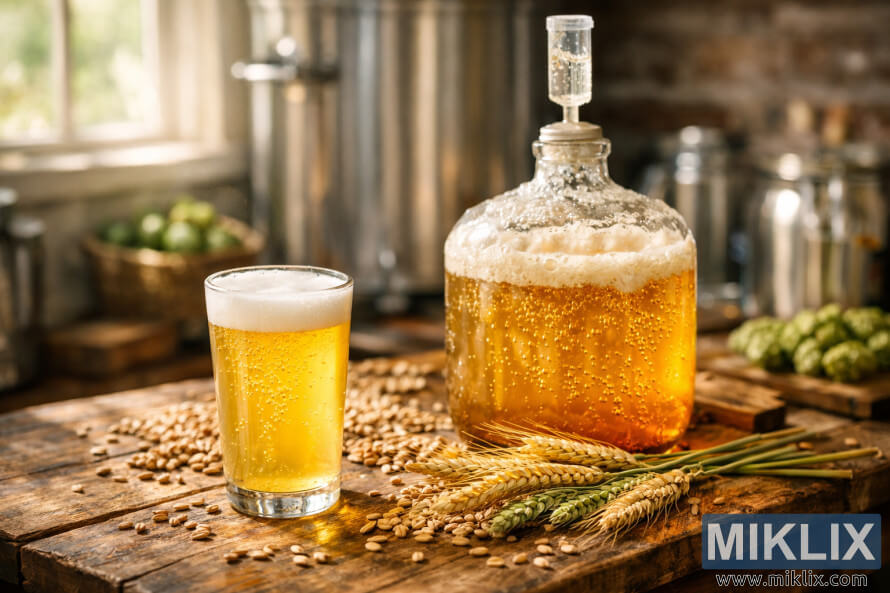
Click or tap the image for more information and higher resolutions.
Attenuation, Flocculation, and Alcohol Tolerance
Wyeast 1010 typically attenuates between 74–78%, resulting in a dry finish in many American wheat beers. This yeast strain efficiently converts sugars, bringing the original gravity of 1.048 down to a final gravity of 1.011. This conversion leads to beers around 4.9% ABV in standard-strength batches.
The yeast's flocculation is low, meaning they stay suspended longer. This trait helps in achieving the desired attenuation before settling. However, it can result in hazier beers if not enough time is given for solids to settle out.
The strain's alcohol tolerance is near 10% ABV, offering ample room for most wheat ales and many hybrid styles. However, caution is advised with high-gravity worts. Pushing the tolerance too high can stress the yeast, potentially reducing apparent attenuation unless proper nutrition and oxygen management are maintained.
Temperature control and proper pitching rates are crucial for consistent results. Many brewers achieve clean finishes and reliable attenuation at around 66°F. At this temperature, ester production is low, and attenuation approaches the quoted range.
- Example: OG 1.048 to FG 1.011 shows roughly 74% attenuation and 4.9% ABV in practice.
- Tip: Keep the yeast healthy with oxygen and nutrients for consistent performance near the alcohol tolerance 10% ABV mark.
- Note: Allow extra conditioning time to clear beers when flocculation low leads to extended suspension.
Optimal Fermentation Temperatures and Control Strategies
The recommended temperature range for Wyeast 1010 fermentation is 58–74°F (14–23°C). This range helps maintain the strain's low-ester character and supports a healthy fermentation process.
In warm climates, active temperature control significantly enhances brewing outcomes. Brewers in Southern California, for instance, achieved cleaner ales by using a chest freezer with a temperature controller. Aiming for a temperature around 66°F often results in a balanced flavor profile.
For optimal results, adopt a gradual temperature increase rather than sudden changes. Begin with a cooler temperature, around 17–19°C, to manage ester production. Then, slightly raise the temperature towards the end of primary fermentation to aid in complete attenuation. This method promotes subtle flavor development and prevents the formation of unwanted fusel or solvent notes.
- Set a stable chamber temperature before pitching to reduce lag time and stress on yeast.
- Monitor with a separate probe at beer level; ambient readings can mislead fermentation decisions.
- Consider a 2–4°F diurnal change after the active phase to encourage cleanup without pushing phenolics.
Utilizing a chest freezer for fermentation with a reliable controller streamlines the process and allows for precise temperature control, even for ales. Investing in a controller and quality probe can lead to consistent results and repeatable beers.
Ensure that your mash and fermentation choices are in harmony. A single-infusion mash at around 66°C complements temperature control strategies. This approach allows yeast behavior to influence flavor more than mash steps, simplifying the brewing process and enhancing predictability.
Monitor gravity and aroma as you adjust temperatures. This data will help you fine-tune the Wyeast 1010 fermentation temperature for your specific equipment and taste preferences. This ensures that each batch meets your desired profile.
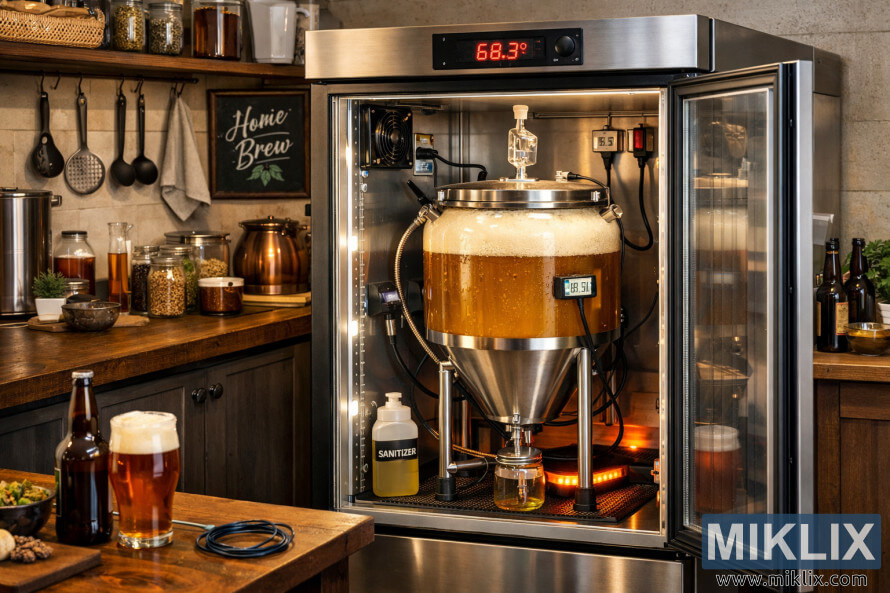
Click or tap the image for more information and higher resolutions.
How Fermentation Temperature Affects Flavor with Wyeast 1010
Wyeast 1010 typically shows a low ester profile when held in its recommended range. Within that window, the yeast produces clean, neutral notes. These notes let malt and hop character stand out.
Raising fermentation temperature increases yeast activity and the production of temperature flavor esters. Brewers report that modest warm ramps can coax subtle fruitiness without overpowering the beer.
Some hobbyists note that fermenting near 64–66°F yields very clean beer that some call too neutral for wheat. Moving into the mid to high 70s°F can bring out Wyeast 1010 esters and light phenolic spice. Many find this appealing in American wheat.
To explore warmer fermentation effects safely, use a gentle plan. Start in the recommended range, then raise by a few degrees over several days. This approach helps reveal yeast character while limiting harsh off-flavors.
Consider the style goal when choosing your temp. For classic neutral wheat, keep temperatures low. For a more expressive American wheat, target a slightly warmer schedule. This will highlight Wyeast 1010 esters and balanced phenolic notes.
- Start: 17–19°C for a neutral baseline.
- Warm ramp: increase 2–4°C later in primary to nudge temperature flavor esters.
- High-end test: brief periods in the mid-20s°C can show warmer fermentation effects but watch for solventy off-notes.
Track taste across fermentations and adjust the next batch. Small temperature shifts change the ester balance more than recipe tweaks. That makes temp control a powerful tool for dialing in the flavor you want with Wyeast 1010.
Recipe Building for American Wheat and Related Styles
Begin with a grain bill that focuses on Pilsner and wheat malts. A practical American wheat recipe combines equal parts Pilsner and wheat malt. This blend creates a soft, bready flavor profile while keeping yeast character in the background.
Here are Wyeast 1010 recipe examples to guide formulation:
- 47.4% Pilsner malt, 47.4% wheat malt, 5.1% rice hulls.
- Target original gravity near 1.048 and final gravity around 1.011 for an ABV near 4.9%.
- Bitterness about 24 IBU (Tinseth) keeps the beer balanced without masking malt sweetness.
Choose a mash schedule that supports the desired body. For a mash schedule wheat beer, use a short protein rest followed by a standard saccharification step. This controls mouthfeel and fermentability.
- 52°C for 10 minutes to aid protein modification when using high wheat percentages.
- 66°C for 60 minutes for balanced fermentability and moderate body.
- 78°C for 10 minutes mash out to stop enzymatic activity.
Many brewers follow Dave Taylor's note that a single infusion at about 66°C is often sufficient for American wheat. This simplified approach reduces mash complexity while still producing a clean, drinkable beer.
Taste control comes from fermentation. Wyeast 1010 stays neutral at the low end of its range, which lets malt and hops shine. If a brewer wants subtle yeast-derived esters, raise fermentation temperature slightly within the strain’s tolerance.
Adjust water chemistry to accentuate crispness. Moderate sulfate levels help hop clarity and a soft chloride balance enhances wheat mouthfeel.
Use these Wyeast 1010 recipe examples and the mash schedule wheat beer guidance as a starting point. Small tweaks to grain percentages, mash temperature, and fermentation will tailor the final beer to your palate.
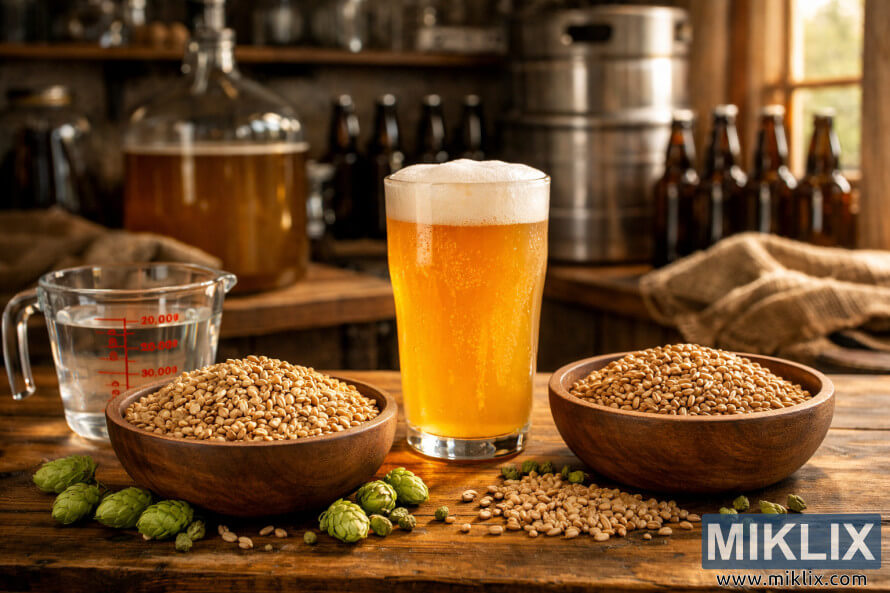
Click or tap the image for more information and higher resolutions.
Hops and Bitterness Choices for American Wheat Beers
Wyeast 1010 provides a clean, neutral base, allowing hop character to take center stage. This neutrality offers brewers a choice: to keep the beer soft and malt-forward or to make it hop-forward. This can be achieved through aromatic late additions and dry hopping.
Traditional American wheat recipes often include a single bittering addition at 60 minutes, aiming for modest IBUs. This bitterness supports the malt and wheat body without overpowering it. Classic recipes usually target IBUs between 8 and 18.
Modern substyles, however, push the boundaries further. Beers like Three Floyds Gumballhead and Great Lakes Cloud Cutter showcase the impact of late additions, whirlpool hopstands, and short dry hops. These techniques enhance citrus, floral, and tropical notes. For those aiming at hop-forward wheat beers, Cascades and Amarillo are excellent choices due to their clear, approachable profiles.
For a balanced approach, start with a 60-minute bittering addition to establish the base IBUs. Then, add a small late addition at five minutes and a short hopstand at 170°F (about 77°C). Alternatively, a brief dry hop of two to three days can also be considered. If aiming for a classic American wheat, reduce or skip late additions and dry hopping to maintain a soft, grain-first character.
- Recipe suggestion: Cascade + Amarillo, single 60-minute bittering addition (~11 IBU), five-minute late hop, 85°C hopstand, three-day dry hop for a modern twist.
- Classic route: one 60-minute addition, aim for lower IBUs, and avoid dry hopping.
- Hoppy route: increase late additions and a short dry hop to reach a pronounced aroma while keeping overall IBUs moderate.
Adjust hop selection, timing, and IBU recommendations to align with the beer's intended character. Even small changes in late hopping and dry hop duration can significantly impact the final product, given the yeast's clean canvas.
Pitching, Yeast Management, and Starter Recommendations
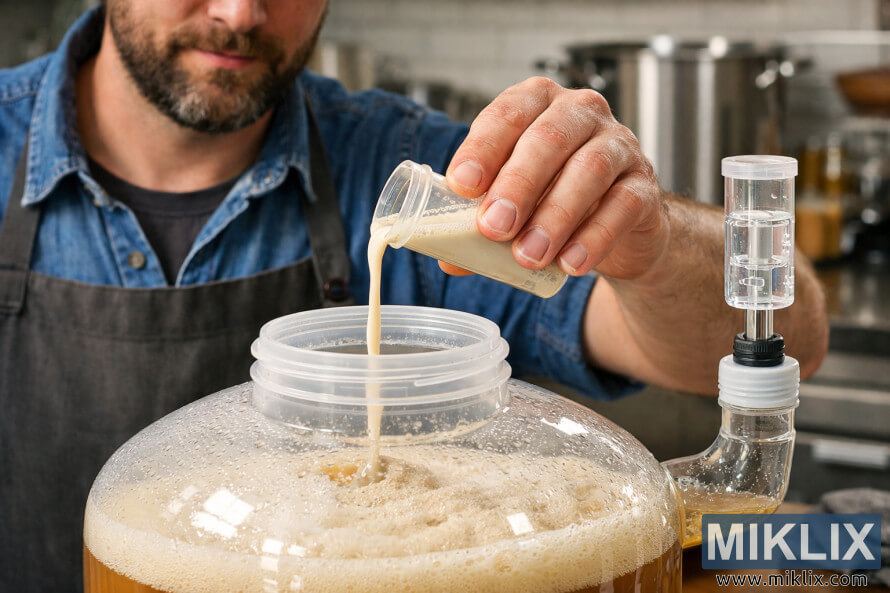
Begin with an adequate cell count. Wyeast 1010 exhibits low flocculation and solid attenuation. Proper pitching ensures it reaches its attenuation range efficiently, avoiding long lag times. For a 23 L batch at OG 1.048, one active Wyeast pack is sufficient. However, higher gravities necessitate additional cells.
Consider building a yeast starter for 1010 when aiming for a clean profile or when the gravity surpasses the standard range. A modest starter enhances population and shortens lag. Skipping a starter can lead to underpitching, resulting in diacetyl, esters, and sluggish fermentation.
Effective yeast handling for American wheat involves gentle hydration of dry yeast or proper management of liquid packs with stringent sanitation. Ensure wort oxygenation before pitching; Wyeast 1010 thrives in dissolved oxygen, forming a healthy krausen near the surface. Active top-cropping is typical with this strain.
Follow these simple steps to manage yeast and starters:
- Calculate cell counts based on batch size and original gravity.
- Prepare a low-gravity starter 12–24 hours before pitching for liquid cultures.
- Oxygenate wort to about 8–10 ppm or use a brief aeration step for homebrew volumes.
- Keep fermentation temperature steady to avoid off-flavors.
Monitor krausen development and gravity drift during primary fermentation. Prompt activity indicates successful pitching Wyeast 1010 and effective yeast handling for American wheat. If fermentation stalls, slightly warm the fermenter and check oxygen and nutrient levels before repitching.
Adhere to best practices when storing or reusing yeast: harvest from healthy fermentations, maintain cool temperatures, and use within a few months. Preparing a yeast starter from harvested slurry increases reliability for the next brew, preserving the clean wheat character brewers often seek.
Click or tap the image for more information and higher resolutions.
Primary and Conditioning Schedules for Best Results
Begin with a robust primary plan to expedite Wyeast 1010's sugar consumption. A consistent primary temperature of about 66°F (19°C) ensures a clean flavor and predictable attenuation. Homebrewers often witness vigorous fermentation within the first 48–72 hours. It's crucial to maintain active krausen space and reliable temperature control.
Implementing a short temperature ramp can aid in yeast finishing and clearing fermentables. Consider three days at 17°C, followed by one day at 18°C, and then one day at 19°C. This method subtly nudges attenuation without inducing harsh esters. Monitor gravity readings to track fermentation progress along the American wheat timeline.
Once terminal gravity stabilizes for two readings 24 hours apart, transition to conditioning. Given Wyeast 1010's low flocculation, extend settling time. A standard conditioning schedule for Wyeast 1010 includes several days at the cooler end of its range to enhance drop-out and clarity.
- Hold at finishing temps around 10–12°C for 3–7 days to compact yeast.
- Cold crash to near 2–4°C if clear beer is desired.
- For hop-forward beers, shorten conditioning to preserve aroma and bright character.
Employ a chest freezer and PID or Inkbird controller for consistent finishing temps. Maintaining consistent control during primary and conditioning phases minimizes off-flavors. This ensures Wyeast 1010 delivers a balanced American wheat profile.
Document your fermentation timeline for American wheat and refine the conditioning schedule for Wyeast 1010 in your next batch. Small adjustments to ramp timing and finishing temps can enhance clarity, mouthfeel, and final flavor without overcomplicating the process.
Common Fermentation Issues and Troubleshooting
Low flocculation in Wyeast 1010 can result in a persistent haze if the beer doesn't condition properly. To address this, cold crash the beer for several days or use finings to enhance clarity. Wheat beers, in particular, may require extra time in the cellar to achieve the desired clarity.
Temperature fluctuations significantly impact the levels of esters and phenols in the beer. Fermenting between 65–72°F helps to keep the character of the beer in check. On the other hand, warmer temperatures, near 75–82°F, can enhance fruity esters and spicy notes. To maintain the target temperature, consider using a chest freezer with a controller. If the beer tastes flat, try fermenting at a slightly warmer temperature to encourage more yeast activity.
Underpitching and low oxygen levels can stress the yeast, leading to under-attenuation and off-flavors. To mitigate this, prepare a yeast starter when the gravity is high or use multiple sachets for larger batches. Adequate aeration of the wort before pitching is crucial to help the yeast reach full attenuation.
For stuck fermentation 1010, it's essential to check the gravity, yeast viability, and temperature. Gently raise the fermenter to the high end of the yeast's range and swirl to resuspend the yeast. If the fermentation stalls, consider adding an active starter or a healthy dry ale strain to complete the fermentation.
- When using adjuncts like rice hulls, ensure proper soaking and draining to avoid creating a pasty bed that hinders extraction.
- Adjust the bittering additions if the beer tastes cloying. A solid early bittering charge helps balance the sweetness from high wheat bills and adjuncts.
- Monitor the dissolved oxygen at pitching. Use a sanitized oxygen source or vigorous splashing for small systems.
To address yeast off-flavors, confirm the pitch rate, temperature control, and oxygenation. Acetaldehyde, diacetyl, and sulfur notes often indicate stressed or tired yeast. Correct the root cause and provide yeast with sufficient time for clean-up during conditioning.
When troubleshooting, keep detailed records of mash profile, pitch rate, and temperature logs. Small changes can make a significant difference. Use these notes to refine future brews and reduce repeat issues with Wyeast 1010 troubleshooting.
Pairing Wyeast 1010 with Different Beer Styles
Wyeast 1010 excels in scenarios requiring a clean, low-ester yeast profile. It's a top choice for American Wheat or Rye beers, offering a crisp, neutral base. This characteristic makes it ideal for straightforward wheat recipes.
The yeast's versatility also aligns with classic German styles, where subtle fermentation is key. Kölsch and Düsseldorf-style altbier benefit from 1010's restrained fruitiness and tidy finish. These beers highlight malt and hop nuances, unobscured by yeast esters.
Wyeast 1010 also thrives in hop-forward territory, provided temperature control is precise. Hopped American wheat variations and pale-ale hybrids showcase its ability to let hop flavor and aroma dominate. When fermented cool, it supports bold dry-hop character without introducing competing yeast notes.
Community brewers frequently cite real-world examples to illustrate the yeast's versatility. Neutral Wheat beers, akin to Widmer or Goose Island, coexist with hopped-up house beers like Gumballhead-style pale wheat ales. This adaptability is a boon for recipe experimentation.
- Clean, neutral wheat: ideal for showcasing malt and adjuncts.
- German-style ales: Kölsch and altbier for bright, crisp finishes.
- Hop-forward wheat hybrids: use for bold hop aroma and clarity.
- Cream Ale and lighter pale ales: maintain a soft, smooth body.
When choosing the best styles for Wyeast 1010, align fermentation control with your goals. Opt for steady temperatures for neutral results. Slightly increase temperatures for a hint of fruit character. The results demonstrate Wyeast 1010's ability to adapt without losing balance.
Wyeast 1010 American Wheat Yeast
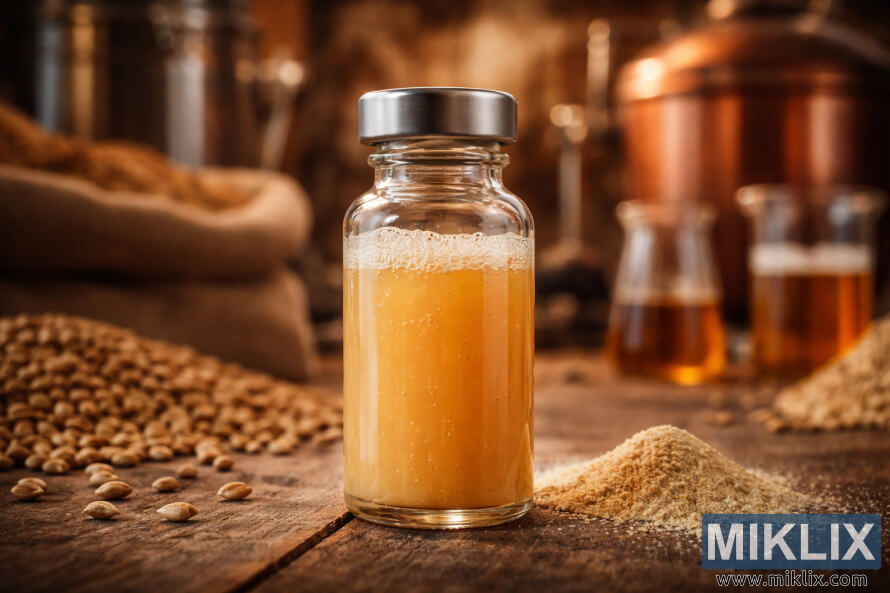
Wyeast 1010 is a top-cropping yeast with low flocculation and moderate attenuation. Lab sheets indicate attenuation around 74–78% and an alcohol tolerance near 10% ABV. It thrives in a temperature range of 58–74°F (14–23°C), making it versatile for many light ales.
Temperature control is key to the yeast's character, as reported by Wyeast 1010 lab data and community feedback. A cold, steady fermentation results in a very clean profile. However, warmer or poorly controlled fermentations can introduce subtle esters and phenolics into the beer.
Homebrewers often employ a chest freezer with a controller to maintain the recommended temperature range. Using a starter is crucial for achieving consistent attenuation, especially with higher original gravities. This practice reduces lag time and supports a healthy, even fermentation.
The American Wheat Ale yeast strain is suitable for various styles, including American wheat and rye, cream ale, Kölsch, and northern Altbier. Its neutral character allows brewers to highlight mash and hop choices without yeast interference.
- Mash: single infusion near 66°C for balanced body and fermentability.
- Hops: adjust levels by substyle to keep the yeast in the background or let it complement subtle hop notes.
- Adjuncts: hydrate rice hulls if using high adjunct grists to avoid lautering issues.
Field evidence from brewers shows OG/FG examples like 1.048 to 1.011 are common for American wheat recipes. This range highlights the strain’s clean attenuation while preserving a soft finish and light mouthfeel.
Use the published Wyeast 1010 specs and lab data as a starting point. Adjust mash temps, hop schedule, and fermentation control to steer the American Wheat Ale yeast strain toward either a neutral platform or a mildly expressive character.
Click or tap the image for more information and higher resolutions.
Conclusion
Wyeast 1010 summary: This strain is a dependable choice for American wheat and light ales. It achieves 74–78% attenuation, exhibits low flocculation, and thrives in a 58–74°F range. Brewers can anticipate a dry, slightly tart, and crisp taste. This highlights malt and hop flavors.
Real-world brewing underscores the importance of temperature control for Wyeast 1010. Employing a chest freezer and temperature controller ensures precise neutrality. For those seeking yeast-driven esters, fermenting at the warmer end adds character without dominating the beer.
Best practices for Wyeast 1010 include a single-infusion mash at 66°C and a 60-minute bittering addition for balance. Tailor late hops or dry hop additions to the substyle. Wyeast 1010's consistency and flexibility make it a preferred choice for both homebrewers and craft brewers. It excels in creating clean, drinkable wheat-based ales.
Further Reading
If you enjoyed this post, you may also like these suggestions:
- Fermenting Beer with Fermentis SafBrew HA-18 Yeast
- Fermenting Beer with CellarScience Monk Yeast
- Fermenting Beer with Wyeast 2124 Bohemian Lager Yeast