
Fermenting Beer with Wyeast 1026-PC British Cask Ale Yeast
Published: December 8, 2025 at 12:27:38 PM UTC
This article dives into the specifics of Wyeast 1026-PC British Cask Ale Yeast for homebrewers. For those aiming at authentic cask character, choosing the right British cask ale yeast is as vital as selecting malt and hops.
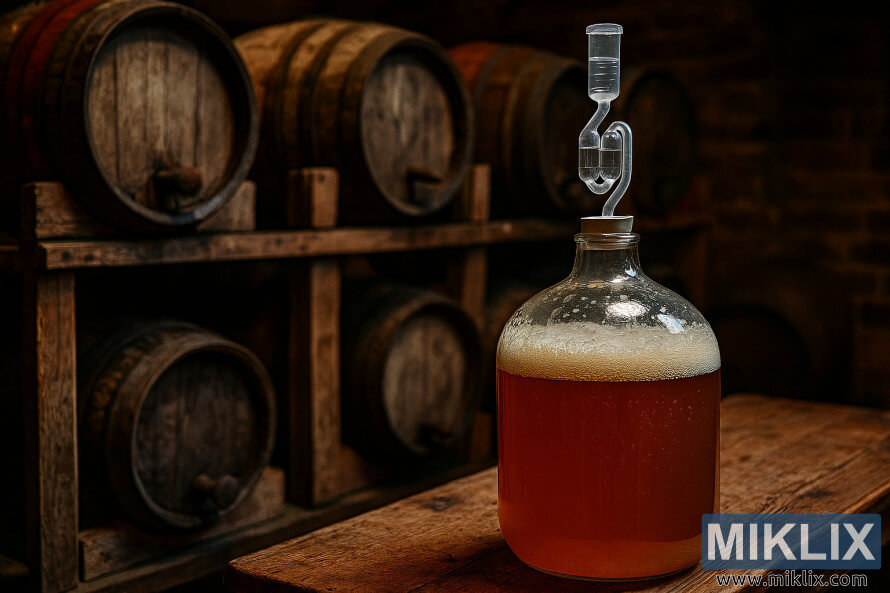
Click or tap the image for more information and higher resolutions.
The aim is to provide practical, evidence-based insights. This Wyeast 1026 review combines data from Wyeast Laboratories with feedback from brewers and established best practices. It offers clear advice on using Wyeast 1026-PC in cask-conditioned British ales, session IPAs, and Australian-style ales where a British profile is fitting.
Topics will include a detailed strain overview, essential statistics, and fermentation parameters. We'll also discuss recommended styles, recipe design tips, temperature and pitching strategies, and guidance on clarity and casking. Additionally, we'll compare it to other British ale strains, address common issues, and share real brewer experiences. Our goal is to assist you in determining if this yeast is right for your homebrew setup and routine.
Key Takeaways
- Wyeast 1026-PC British Cask Ale Yeast delivers classic British ale character with balanced attenuation and moderate flocculation.
- This Wyeast 1026 review emphasizes practical use for cask-conditioned ales, session IPAs, and some Australian-style beers.
- Yeast choice affects aroma, mouthfeel, and conditioning—critical for real ale served from the cask.
- Expect guidance on pitching rates, temperature control, and clarity techniques specific to this strain.
- The article blends manufacturer data with brewer reports to give actionable, U.S.-focused advice.
Why yeast strain selection matters for homebrewers
Yeast is the heart of beer, transforming wort sugars into alcohol and carbon dioxide. It also creates esters, phenolics, and other compounds that define aroma and taste. This critical role underscores the importance of yeast selection in every brewing recipe.
Diverse yeast strains influence flavor in unique ways. Some enhance fruity esters, highlighting malt sweetness. Others introduce mild phenolic notes, perfect for traditional English ales. Recognizing yeast's impact on flavor is key to aligning strain choice with style goals, whether aiming for a dry bitter or a soft cask ale.
Yeast also influences technical aspects of brewing. Its attenuation rate determines how much sugar is fermented, affecting final gravity and body. Flocculation, or how well yeast settles, impacts clarity and conditioning time. Brewers must consider these factors when planning mash profiles and carbonation targets.
Practical brewing hinges on understanding yeast behavior. A yeast with moderate alcohol tolerance and flocculation is ideal for cask-conditioned ales. Choosing a strain like Wyeast 1026-PC ensures fermentation traits align with serving methods. This approach helps predict conditioning schedules and mouthfeel.
Improving results is straightforward: list desired sensory traits, review attenuation and flocculation figures, and test small batches. This method turns yeast selection into a reliable part of recipe design, eliminating the need for guesswork.
Overview of Wyeast 1026-PC British Cask Ale Yeast
Wyeast 1026-PC is marketed as a versatile liquid culture for both traditional cask ales and contemporary hop-forward recipes. It is known for its malt-forward character, finishing crisp with a hint of tartness. This yeast is a cornerstone for brewers aiming to create balanced, flavorful beers.
The yeast's profile is characterized by low-to-moderate ester production. This ensures that malt and hop aromas remain clear and balanced. Brewers appreciate its ability to clear well without filtration, making it ideal for session bitters and English-style IPAs.
Available as smack packs or pouches, 1026-PC is produced seasonally. Wyeast typically starts production in early months, with supplies lasting into autumn. This limited availability adds to the yeast's allure among brewers.
- Fermentation style: cask-conditioned, crisp finish.
- Sensory notes: mild esters, slight tartness, malt-forward delivery.
- Packaging: liquid culture ideal for starters or direct pitching.
Alongside other Wyeast strains like 1768-PC and 1882-PC, 1026-PC stands out for its classic British profile with ample room for hop expression. It's perfect for brewers who desire a beer with a robust malt body and a clean, refreshing finish.
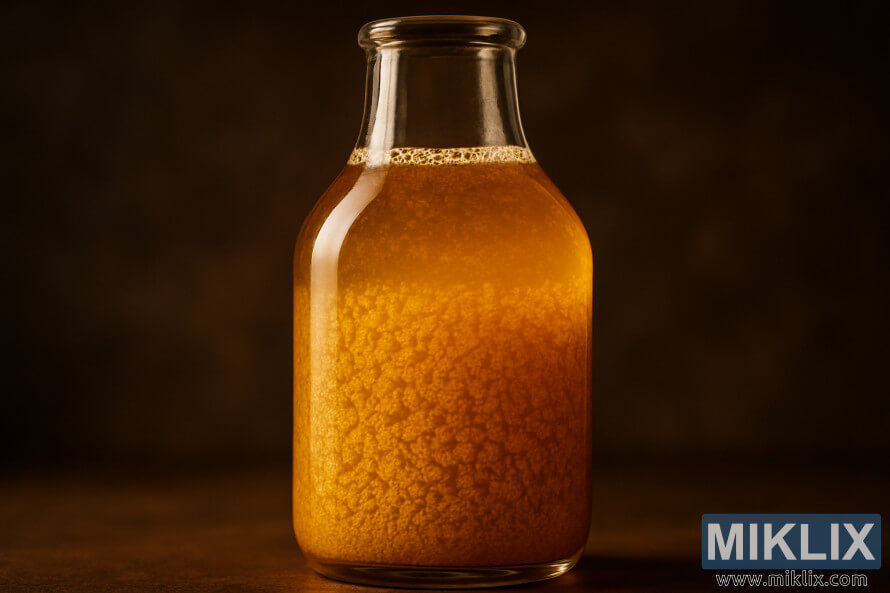
Click or tap the image for more information and higher resolutions.
Vital statistics and fermentation parameters
Wyeast 1026 attenuation typically ranges from 74–77%. This range results in a dry finish for beers. It also ensures the beer retains enough body to showcase malt character.
Expect medium-high 1026 flocculation. The yeast clears reasonably well on its own. This is beneficial for brightening in conditioned cask or kegged beers, avoiding the need for heavy filtration.
For optimal results, target a 1026 fermentation temperature between 63–72°F (17–22°C). This temperature range promotes balanced ester production and steady attenuation.
Keep in mind the 1026 alcohol tolerance, which is about 9% ABV. Exceeding this limit can stress the culture and lead to off-flavors. Therefore, it's crucial to design recipes with this ceiling in mind.
- Practical outcome: crisp, slightly tart finish with clean malt expression.
- Conditioning: medium-high 1026 flocculation speeds clearing during cask conditioning.
- Recipe tip: aim for OG and mash schedules that support the 74–77% Wyeast 1026 attenuation.
Best beer styles to brew with this strain
Wyeast 1026-PC shines with classic British ale yeast styles. It offers a clean, balanced profile, perfect for cask-conditioned British ales, English Pale Ale, and English Bitter. This yeast is preferred for its ability to maintain malt clarity and a subtle yeast presence.
For those who love hoppy beers, this strain is ideal for English IPA and hoppy bitters. It produces low-to-moderate ester levels, allowing hop character to shine without being overshadowed by fruity yeast esters. This makes it a top choice for showcasing hop aroma and bitterness.
Malt-forward styles also benefit from Wyeast 1026-PC. ESB, Blonde Ale, and Southern English Brown Ale enjoy its crisp finish and subtle malt support. The yeast enhances caramel and biscuit notes, ensuring a dry finish that prevents cloying sweetness.
Australian ales also find a compatible fermentation profile with this yeast. Brewers in Australia and the United States report that Wyeast 1026-PC adapts well to local malt and hop varieties. It produces balanced, drinkable ales that honor tradition without excessive ester influence.
However, it's important to understand its limitations. Wyeast 1026-PC is not as intensely estery as strains like Wyeast 1768. If you're aiming for bold fruity character, consider a different British strain. For clarity, hop accentuation, and a true cask-ale tone, this yeast is among the best for 1026 across various beer styles.

Click or tap the image for more information and higher resolutions.
Recipe design tips for using Wyeast 1026-PC British Cask Ale Yeast
When crafting recipes for 1026, let the malt and hops take center stage. This yeast strain produces minimal esters and clears well. A solid pale malt base, complemented by East Kent Goldings, Fuggles, or Australian hops, ensures a clear malt-forward character.
Target original gravities and expected attenuation at 74–77%. With a 1.048 OG, you can anticipate a crisp, drinkable finish, perfect for bitters and pale ales. Remember to adjust for attenuation when balancing body and final sweetness in your cask ale recipe.
- Use modest specialty malts. Small percentages of crystal or double-roast crystal add complexity without masking yeast restraint.
- Consider invert syrup or a touch of darker malt for mouthfeel and sweetness control in stronger recipes.
- Reserve roast or caramel malts for subtle color and depth, not dominant flavor.
Hopping should highlight nuance. Late additions and dry hopping work well because the yeast’s restrained ester profile lets hop aroma and flavor stand out. For IPAs or hoppy bitters, emphasize hop timing over high kettle bittering rates.
- Target gentle bitterness for session bitters; keep IBUs moderate to let malt balance shine.
- For hoppy ales, add aromatic hops late and consider a short dry-hop to lift nose without overpowering cask character.
- Match water chemistry to style to support perceived hop bitterness and malt sweetness.
Conditioning and carbonation are crucial for cask service. For a true cask ale recipe, keep carbonation low and condition on the lees to develop smoothness and natural carbonation. For keg service, use moderate carbonation to preserve a crisp finish while retaining drinkability.
Follow proper pitching and fermentation hygiene. Healthy yeast handling and correct pitch rates improve attenuation predictability. This ensures the malt and hop choices you made while designing recipes for 1026 come through cleanly in the glass.
Fermentation schedule and temperature management
Begin with a controlled ramp to prepare the strain for steady activity. For Wyeast 1026-PC, aim for a primary fermentation range of 63–72°F (17–22°C). This temperature range helps preserve the classic British character while ensuring reliable attenuation in most ales.
Many brewers find that maintaining temperatures near 67–72°F results in clean fermentation with modest esters. For a quicker finish, start in the mid-60s and incrementally increase the temperature once fermentation is active. This helps the yeast reach the final gravity more efficiently.
Adopt a simple cask ale fermentation schedule for conditioning real ale. After primary attenuation, transfer the beer to the cask for a secondary rest at cellar temperatures. Allow time for natural carbonation and brightening, which can take days to weeks, depending on the beer's strength and cask volume.
Be vigilant for diacetyl towards the end of active fermentation. Although Wyeast 1026 is not known for heavy diacetyl production, a short diacetyl rest at 68–70°F can expedite cleanup for higher-gravity batches. A 1–3°F warm-up for 24–48 hours often resolves any buttery notes.
- Typical schedule: pitch at mid-60s, hold 3–5 days for high activity, raise to upper 60s to finish.
- For cask work: allow secondary conditioning in-cask at 50–55°F (10–13°C) to mature and clarify.
- Monitor gravity, not time, to avoid under- or over-conditioning.
The 1026 fermentation profile excels in clarity and moderate ester expression within the recommended temperature range. Gentle temperature control and a patient cask ale fermentation schedule are key to achieving the best flavor, attenuation, and brightening for traditional British ales.
Click or tap the image for more information and higher resolutions.
Pitching rates, starters, and underpitching risks
Accurate cell counts are crucial to prevent long lag phases and unwanted flavors. For a standard 5-gallon batch at moderate gravity, a well-sized starter or two smack packs are necessary. Wyeast's liquid cultures thrive with a starter, so plan your pitching of Wyeast 1026 accordingly.
Yeast starters 1026 are essential for achieving the recommended cell numbers, reducing stress on the culture. They ensure predictable fermentation timing and allow the British cask ale character to shine. Use a pitching calculator or Wyeast's guidance to determine the right starter size for your original gravity.
Underpitching can lead to delayed starts, slow attenuation, and reduced ester profiles. Brewers have noted cleaner fermentations and a milder British character when underpitching, especially at typical ale gravities. However, be cautious as low pitch rates alter yeast metabolism, potentially masking signature flavors.
- Standard approach: build a starter to the target cell count for your batch gravity.
- If you lack time: use multiple fresh packs to approximate the same yeast mass.
- Experimental tactic: some brewers purposely underpitch to tweak character, but results vary and risk off-flavors.
To ensure reliable results, maintain consistent pitching practices with Wyeast 1026 across batches. Proper starters, tight sanitation, and correct aeration are key. These practices help the yeast perform optimally, minimizing underpitching risks and allowing the strain to express its intended profile.
Flocculation, clarity, and conditioning for cask ales
Wyeast 1026 exhibits medium-high flocculation. Brewers find it drops bright without filtration, given enough time. This makes it a reliable choice for traditional British ales.
Cask conditioning Wyeast 1026 benefits from natural settling. Allowing the beer to sit on the lees in the cask helps proteins and yeast flocculate gently. This preserves the soft mouthfeel that real ale enthusiasts cherish.
Clearing British ale yeast can be enhanced with short cold conditioning. A brief chill causes yeast and haze particles to clump and fall. Many homebrewers combine this with low cellaring temperatures to maintain a crisp finish.
If quicker clarity is needed, traditional finings can be used. Isinglass is a favorite in British-style cask ales for its quick action and minimal flavor impact. Add finings before final racking and allow a few days for the beer to clear.
- Plan for time on lees in the cask to develop mild tartness and a clean finish.
- Minimize agitation when transferring and serving to avoid disturbing settled yeast.
- Consider a short crash cool if clearing British ale yeast rapidly is necessary.
Carbonation strategy is crucial during cask conditioning Wyeast 1026. Keep CO2 low to preserve subtle effervescence and the desired mouthfeel. Over-pressurizing can mask the bright, slightly tart character that makes these ales appealing.
Final clarity often results from a combination of yeast trait and brewery practice. Respecting 1026 flocculation and using modest finings or cold breaks yields clear, drinkable cask ales. These showcase the yeast's clean profile.
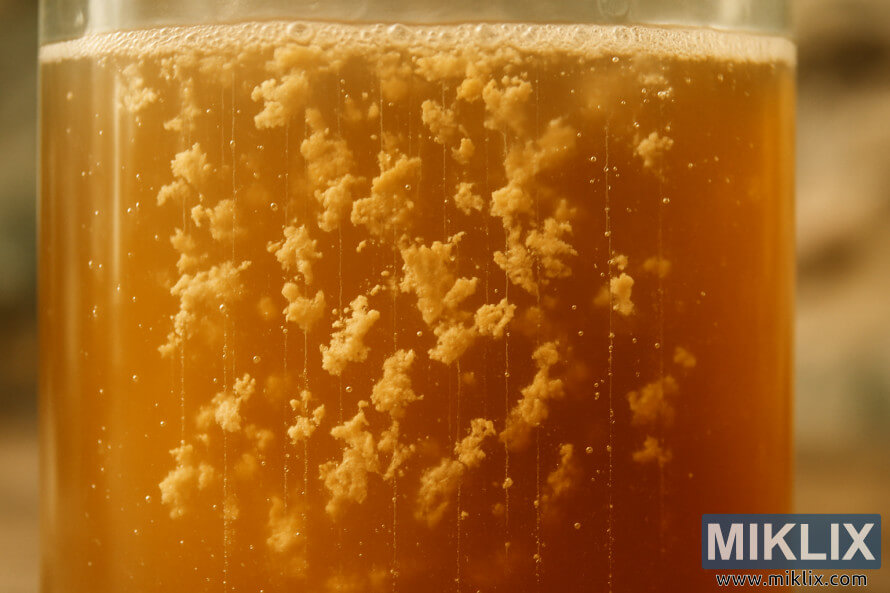
Click or tap the image for more information and higher resolutions.
Comparisons to other popular British ale strains
When selecting a British ale yeast, consider the role you envision for it. The contrast between Wyeast 1026 and 1768 is striking. Wyeast 1768, tracing back to Fuller’s, brings forth robust British esters and a sweet-fruity note. In contrast, Wyeast 1026 is cleaner, allowing the hop and malt flavors to take center stage.
Examining 1026 against 1882 offers another perspective. Wyeast 1882 is known for its crisp, dry finish and moderate stone-fruit esters. On the other hand, Wyeast 1026 finishes clean but may exhibit a slight tartness, which is more pronounced in bitters and session ales.
Comparisons often arise between 1026 and strains in the 1968/WLP002 family. These strains showcase overt British estery characteristics. In contrast, 1026 strikes a balance between traditional cask character and restraint, ensuring that malt and hop details remain prominent.
Practical advice aids in making informed choices. Opt for 1026 when seeking British authenticity that emphasizes clarity and hop accentuation. For those desiring bold, classic British esters that define the beer, choose 1768 or a strain derived from Fuller’s/Young’s.
- Profile: Wyeast 1026 — clean, balanced, low ester impact.
- Profile: Wyeast 1768 — pronounced British esters, high flocculation.
- Profile: Wyeast 1882 — crisp, dry, moderate stone-fruit esters.
For direct comparisons, keep recipes straightforward and control fermentation temperature. British yeast comparisons are most effective when the malt bill and hopping are consistent. This way, small variations in ester profile or finish become apparent.
Practical troubleshooting and common fermentation issues
Slow starts often stem from underpitching or weak yeast. To address this, create a starter or use multiple Wyeast 1026 packs. This ensures you reach the necessary cell counts. Before pitching, oxygenate the wort and maintain strict sanitation to prevent early bacterial contamination.
Muted British character can surprise brewers who expect strong esters. It's crucial to check your pitching rate and fermentation temperature. Aim for a temperature range of 63–72°F and keep it steady to preserve the strain’s signature profile.
Stuck or incomplete fermentations require swift, calm action. Confirm the expected attenuation (about 74–77%), ensure adequate nutrients, and verify oxygenation at pitching. If fermentation slows late, gently raise the temperature and perform a diacetyl rest to encourage completion.
- Underpitching: make a starter to avoid long lag phases.
- Low vitality: replace old smack packs or harvest fresh yeast for repitching.
- Oxygenation: insufficient oxygen at pitch raises risk of stuck fermentation 1026.
Off-flavors like harsh esters or solvent notes indicate stress or temperature swings. Keep fermentations within the recommended range and avoid pushing high-gravity worts without a robust starter. Proper nutrition and controlled temperatures reduce these risks.
When diagnosing fermentation problems 1026, take gravity readings, note timing, and compare to expected profiles. Gentle rousing and a brief warm period often coax stalled yeast back to life. If issues persist, consider repitching healthy yeast and testing for contaminants.
Regular record-keeping helps resolve recurring issues. Track pitch rates, wort oxygen, and fermentation curves. This data makes troubleshooting Wyeast 1026 faster and helps prevent future problems with the strain.
Case studies and brewer experiences
Community Wyeast 1026 user reviews often praise the strain in English-style ales and EIPAs for clear hop presence and balanced malt profile. Brewers report that the yeast highlights hop aromatics without masking malt sweetness.
One common 1026 fermentation examples thread describes an underpitching incident. A brewer pitched about 60 billion cells into 5.25 gallons at 1.050 and saw a fifteen-hour lag, followed by warm active fermentation around 68–72°F. The final beer came out cleaner and less traditionally British, illustrating how pitching rate shifts yeast expression.
Recipe-focused brewer experiences 1026 include pairing ESB base malts with modest crystal and small amounts of invert sugar. Users suggest 6–10 ounces of double-roast crystal per five gallons to add dark-fruit notes without drowning hop character.
Several homebrewers note that repeated repitching can deepen British strain character. Reports vary, yet some professional brewhouses find Wyeast 1026 develops more pronounced esters and mouthfeel after multiple generations.
Practical case studies highlight three takeaways:
- Pitching rate matters for expected British character and fermentation timing.
- Recipe tweaks, like moderate crystal and invert sugar, complement the strain.
- Repitching may enhance strain personality, depending on handling and generation count.
These real-world examples from forums and brewery notes provide a range of outcomes for homebrewers testing Wyeast 1026 user reviews, brewer experiences 1026, and 1026 fermentation examples in their recipes.
Storage, repitching, and yeast handling best practices
Ensure Wyeast 1026 packs are refrigerated and used before the printed expiration date. Cold storage slows down yeast metabolism, preserving its viability. If a pack has been stored for weeks, perform a smack pack test or a simple viability test before pitching.
Plan ahead for seasonal availability. Wyeast 1026-PC is produced in specific windows. Consider harvesting slurry or making a sterile culture to bridge gaps. Proper refrigeration and clear labeling are essential when storing Wyeast 1026 for later use.
- Maintain clean, sanitized vessels when collecting yeast slurry.
- Store harvested yeast in a sanitized, airtight container in the fridge for short-term use.
- Freeze-drying or long-term freezing needs careful protocols and is not recommended without experience.
Building a starter is crucial to reach ideal cell counts and reduce lag time. A healthy starter aids fermentation and supports desired flavor profiles. When repitching 1026, track generations and avoid excessive reuse to prevent contamination.
Follow these yeast handling tips to keep cultures healthy:
- Oxygenate wort well at pitching to support yeast growth.
- Use proper pitching rates or a starter sized to the batch.
- Sanitize all tools and practice tidy transfers when harvesting or repitching.
Monitor yeast vitality between repitches by checking smell and sediment color. If you detect off aromas or slimy textures, discard the culture and start fresh. Regularly test cell counts with a hemocytometer or trusted service when repitching 1026 frequently.
Control fermentation temperature to preserve yeast character. British ale strains like 1026 perform best in their recommended range. Stable conditions reduce stress and help express the strain’s malty, cask-ale traits.
Adopt a simple record-keeping habit: note pack lot numbers, pitch dates, starter size, and the number of generations. Good records make storing Wyeast 1026 and repitching 1026 predictable and safer for repeat brews.
Conclusion
Wyeast 1026-PC British Cask Ale Yeast stands out as a dependable choice for traditional British ales. It boasts 74–77% attenuation, medium-high flocculation, and an optimal fermentation range of 63–72°F. This strain can tolerate up to 9% ABV, making it ideal for cask-conditioned ales, pale bitters, IPAs, and some Australian-style beers.
Opt for this yeast for a malt-forward body with a crisp finish. It ensures hops remain clear and defined. The best scenario for 1026 is where moderate esters and predictable clearing are crucial. This is especially true for cask work, where cell count, starter size, and temperature control are key to avoiding muted character or extended lag.
Practical tips include pitching adequate starter volumes and fermenting within the recommended window. Favor modest specialty malts and schedule late hopping to highlight hop detail. Plan your purchases around seasonal availability and handle repitches carefully to maintain viability. In conclusion, Wyeast 1026-PC is versatile and dependable for homebrewers aiming for clear, traditional British ales with hop clarity and a crisp, slightly tart finish.
Further Reading
If you enjoyed this post, you may also like these suggestions:
- Fermenting Beer with Fermentis SafAle BE-256 Yeast
- Fermenting Beer with CellarScience Prime Yeast
- Fermenting Beer with Lallemand LalBrew Köln Yeast