
Fermenting Beer with Wyeast 1882-PC Thames Valley Ale II Yeast
Published: May 30, 2026 at 5:10:38 PM UTC
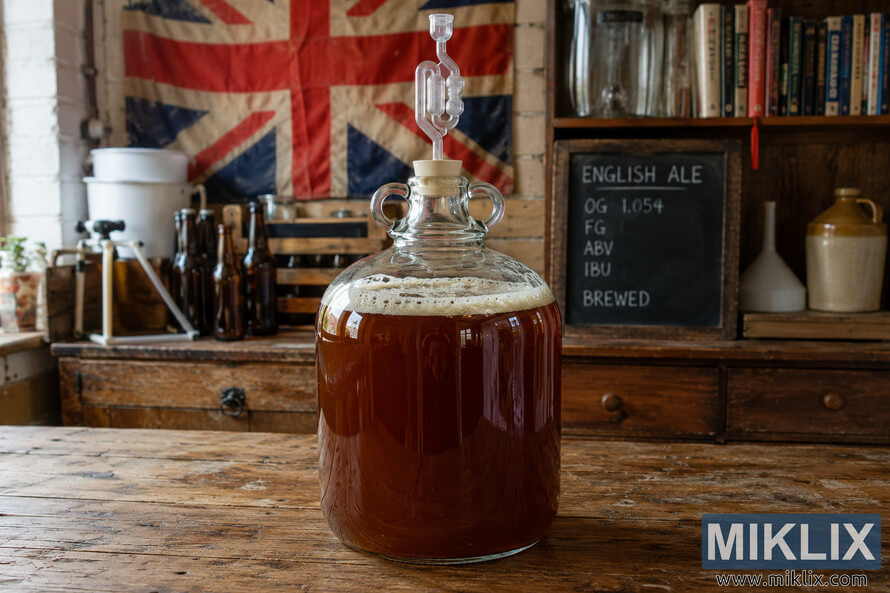
The Thames Valley yeast lineage honors English brewing heritage. Wyeast ensures each pack is viable and ready to ferment. This top-fermenting strain produces balanced esters typical of classic English ales.
Click or tap the image for more information and higher resolutions.
Key Takeaways
- Wyeast 1882-PC Thames Valley Ale II Yeast suits English-style ales and bitters.
- This guide blends product review with step-by-step brewing practices.
- Expect clear notes on pitching rates, smack pack handling, and temp control.
- Sections cover origin, technical specs, recipe design, and troubleshooting.
- Targeted for homebrewers and small-scale brewers in the United States.
Overview of Wyeast 1882-PC Thames Valley Ale II Yeast
Wyeast Laboratories markets the Thames Valley Ale II strain. Its origin, Wyeast 1882, comes from traditional English ale strains from the Thames Valley. This Saccharomyces cerevisiae variant is lab-cultured and sold in active liquid culture smack packs. It's chosen for its steady performance and predictable results.
Flavor notes from this strain are focused and beer-friendly. The flavor profile Wyeast 1882 features moderate fruity esters like ripe apple and mild pear. Malt-forward tones dominate, with restrained phenolics and a round, slightly sweet finish.
In darker malts, the yeast enhances caramel and toffee notes. It avoids harsh sulfur or solvent-like esters within its optimal temperature range. Fermentation temperature and wort composition affect ester intensity and mouthfeel.
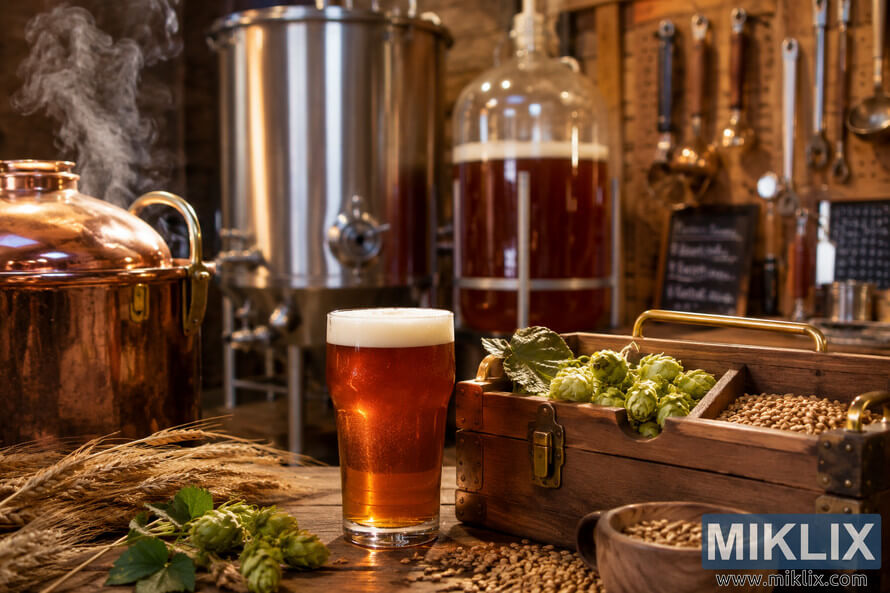
Brewers select this strain for various classic English beer styles. It's ideal for English Pale Ales, Bitters, ESBs, Brown Ales, Porters, and Milds. It also excels in modern English ale interpretations and hybrid American-English recipes, where a characterful yet not overpowering yeast is needed.

Click or tap the image for more information and higher resolutions.
Why Choose Wyeast 1882-PC Thames Valley Ale II Yeast for Homebrewing
Wyeast 1882 is a reliable choice for crafting balanced English-style ales. Homebrewers often wonder why they should choose this yeast for malt-forward beers. It offers predictable fermentation and supports the recipe without overpowering it, making it ideal for bitters, pale ales, and brown ales.
This strain's unique fermentation characteristics set it apart. It ferments with moderate vigor and steady kinetics. The yeast flocculates reliably, aiding in beer clarity without aggressive drop-out. It produces balanced esters, adding subtle fruit notes without dominating the beer.
Consistency is key for repeatable batches. Wyeast 1882 shows stable performance when pitched at proper cell counts and within the recommended temperature range. This makes it easier to fine-tune recipes and achieve consistent results from batch to batch.
When compared to other English ale yeasts, Wyeast 1882 offers a unique balance. It is fruitier than the cleanest British strains but milder than highly aromatic English strains. This allows for easier temperature management without sacrificing character.
Some brewers seek ultra-neutral yeasts or dramatically phenolic English profiles. For most malt-driven styles, however, Wyeast 1882 provides a desirable middle ground.
Attenuation and mouthfeel outcomes are crucial for recipe decisions. Wyeast 1882 typically attenuates in the moderate range, around 68–74%, depending on mash schedule and pitching rate. This level of attenuation leaves a touch of residual sweetness, supporting traditional English balance.
The mouthfeel it provides is medium body with a rounded finish. Beers fermented with this strain have a smooth palate and avoid a thin or overly dry edge. Adjusting mash temperature allows brewers to fine-tune the final sweetness and fullness to suit their style goals.
- Moderate attenuation Thames Valley Ale II: roughly 68–74% in typical homebrew conditions.
- Fermentation characteristics Wyeast 1882: steady kinetics, reliable flocculation, balanced ester profile.
- Mouthfeel English yeast: medium body, rounded finish, smooth palate.
Click or tap the image for more information and higher resolutions.
Key Specifications and Technical Details
Wyeast 1882 specs are crucial for brewers planning a batch. Here are the practical details brewers use to ensure consistent results. These include fermentation and pitching targets.
When it comes to fermentation temp Thames Valley Ale II, aim for a mid-range of 66–68°F (19–20°C). This balance is key for ester character and attenuation. The typical English ale range is 64–72°F (18–22°C). Moving towards the upper end of this range increases fruity esters. Conversely, cooler temps will tighten the profile and reduce ester production.
For a 5-gallon (19 L) ale, follow the pitching rate Wyeast 1882 guidance. Aim for 100–200 billion viable cells, depending on the original gravity. For a 1.050 OG beer, target about 0.75–1.0 million cells per mL per degree Plato. A single Wyeast smack pack for a 5-gallon 1.040–1.050 batch often benefits from a starter to reach full vigor.
Consider pack age and viability when pitching. Older packs may have fewer live cells. Check the production date and consider a larger starter or a measured cell count if precise pitching is critical. Proper pitching rate Wyeast 1882 improves attenuation, reduces lag time, and supports clean fermentation.
Flocculation Wyeast 1882 is typically medium to high. This means the yeast settles well, clarifying the beer after conditioning. This trait often results in a clear final beer without extensive filtration. If yeast compacts early, a gentle rouse before packaging can help resume activity for diacetyl cleanup.
Understanding how flocculation affects conditioning and diacetyl rest is important. High flocculation can shorten active fermentation time in the vessel but may require a short warm period or gentle agitation for complete flavor cleanup. Adjust conditioning time to match the desired clarity and mouthfeel.
- Recommended temperature range: 66–68°F (19–20°C) target; workable 64–72°F (18–22°C).
- Pitching rate Wyeast 1882: ~0.75–1.0 million cells/mL/°P for 1.050 OG; 100–200 billion cells for typical 5-gallon ales.
- Flocculation Wyeast 1882: medium to high; good settling with occasional rousing advised.
Preparing Your Yeast: Smack Pack and Propagation Tips
Proper preparation is key to a successful fermentation. This section will guide you through Wyeast smack pack handling, creating yeast starters, and spotting healthy starter signs. It's all about achieving a clean, active fermentation.
Start by inspecting the smack pack. Check the expiration date and ensure it's been refrigerated. When using a Wyeast smack pack, squeeze the inner vial to break the nutrient pouch. Then, gently shake to mix the nutrients with the slurry.
Leave the activated pack at room temperature. Watch for the outer pouch to swell, indicating the yeast is active. Allow 12–24 hours for visible activity before pitching or moving to a starter.
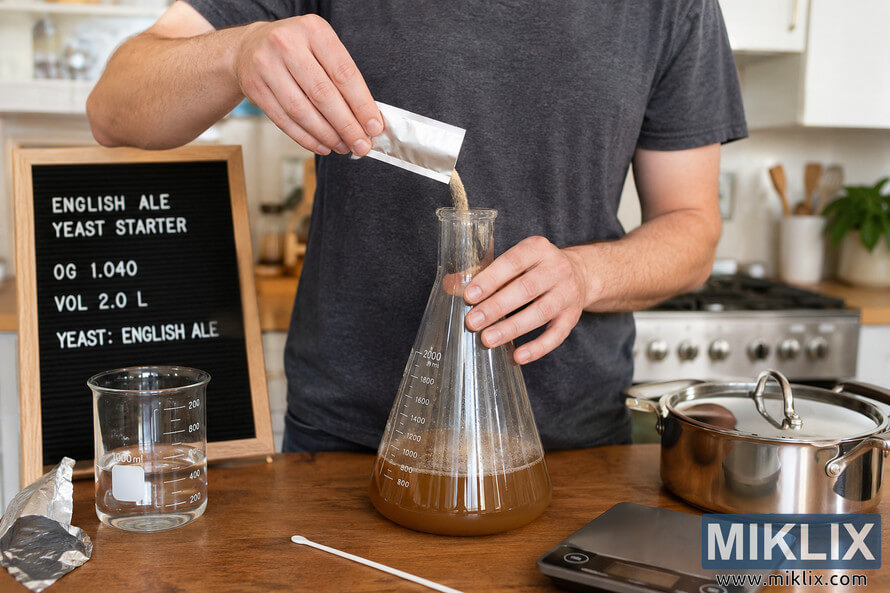
A 1–2 L starter is often enough for five-gallon ales. However, use larger starters for high gravity worts or older packs with lower viability. Start by boiling and cooling a measured DME wort, then aerate it well. Pitch the activated pack after 12–24 hours of activation.
If you expect low cell counts, consider a step-up starter. This allows for biomass buildup over one or two stages.
- Use sanitized Erlenmeyer flasks or sanitized bottles for starters.
- Boil the DME wort for 10 minutes, cool, then aerate thoroughly by shaking or with sterile air.
- Pitch the activated pack into the starter and keep it at the yeast’s recommended temperature.
Timing is crucial. Start the starter 24–48 hours before brew day for peak cell mass. For step-up starters, begin even earlier to ensure each stage is ready for the next boost.
Healthy starter signs are clear. Look for vigorous krausen, a turbid suspension, and a fresh, bready aroma. After activity slows, clear sediment should form at the bottom. Discard starters showing no activity, sour odors, or unusual colors—these are signs of contamination.
Follow these steps for effective Wyeast smack pack handling and yeast propagation. Watch for healthy starter signs and plan starter size accordingly for reliable fermentations.
Click or tap the image for more information and higher resolutions.
Sanitation and Yeast Health Best Practices
Effective yeast care begins with consistent cleaning and careful handling. Establish routines that safeguard yeast flavor and viability, while minimizing infection risks. Make these tasks simple and repetitive to integrate them seamlessly into your brewing routine.
Sanitizers and cleaning routines for yeast management
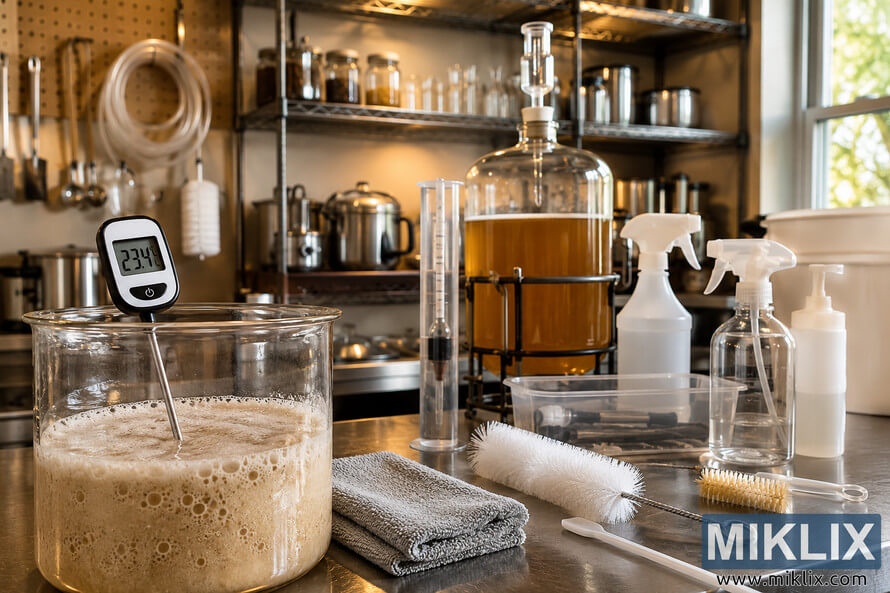
Every brew day should begin with a thorough cleaning using a strong, brewery-grade detergent like PBW to remove all soils. Ensure a complete rinse, then apply a no-rinse acid sanitizer, such as Star San, to any surfaces that will come into contact with wort or yeast. When permitted, use iodophor, but never mix different sanitizers.
Sanitize starter flasks, funnels, and transfer tubing immediately before use. Clean work surfaces with fresh sanitizer and change cloths often to prevent contamination from malt, hops, or used equipment.
Avoiding contamination during pitching
Reduce open-air exposure when transferring yeast. Use a sanitized funnel or a sanitized siphon to pour starters into the fermenter. Ensure hands and tools are sanitized and avoid touching the inner surfaces of carboys or kettles with bare hands.
Pitch starter or Wyeast 1882 smack packs into cooled wort below 80°F / 27°C to minimize cell stress. This approach helps avoid contamination and boosts early fermentation vigor.
Maintaining yeast viability between batches
Harvest yeast into sanitized containers and store them in the fridge at 34–40°F / 1–4°C with minimal headspace. Use harvested yeast within a few weeks for optimal viability and to track repitch counts in a logbook.
When washing harvested yeast, use boiled, cooled water and work in a clean area. Follow best practices for yeast storage and consider building a small yeast bank or purchasing fresh Wyeast 1882 cultures periodically to prevent mutation and gradual decline.
Click or tap the image for more information and higher resolutions.
Ideal Fermentation Schedules for Wyeast 1882-PC Thames Valley Ale II Yeast
This guide provides a practical fermentation schedule for Wyeast 1882-PC Thames Valley Ale II yeast. It covers the primary timeline, diacetyl rest usage, and cold crash recommendations for English-style ales.
Primary fermentation timeline
Active fermentation becomes visible within 12–48 hours with proper pitching and oxygenation. Expect vigorous activity early, with krausen forming and CO2 release peaking in the first two to three days.
Primary fermentation usually completes in 4–7 days, depending on original gravity and temperature control. Monitor gravity daily after the first 48 hours until readings hold steady for two consecutive checks.
For many ales, plan a total primary time of 7–10 days before moving to conditioning or packaging. Adjust timing upward for higher gravities or slower yeast performance.
When to consider a diacetyl rest
A diacetyl rest helps the yeast reabsorb buttery diacetyl near the end of fermentation. Raise the temperature by 2–3°F (1–2°C) above your main ferment temp for 24–48 hours to encourage cleanup.
Use a diacetyl rest Thames Valley Ale II when fermenting at the cool end of the yeast’s range or when a recipe is prone to diacetyl production. Skip the rest if fermentation stayed warm and yeast showed strong activity throughout.
Cold crashing and conditioning recommendations
Cold crash to near-freezing (35–40°F / 2–4°C) for 24–72 hours to speed yeast and trub drop-out before packaging. This step improves clarity and reduces sediment in bottles or kegs.
After cold crashing, condition bottles or kegs at appropriate storage temperatures for the style. For traditional English ales, cellar at 50–55°F (10–13°C) initially, then serve at roughly the same or slightly cooler temperature.
Allow longer conditioning for malt-forward English beers. Two to six+ weeks of maturation will help flavors integrate and smooth harsh edges.
- Start: expect active fermentation in 12–48 hours.
- Monitor: check gravity daily after day two until stable.
- Primary: 7–10 days is a solid target for most ales.
- Diacetyl rest: raise 2–3°F for 24–48 hours when needed.
- Cold crash recommendations: 35–40°F for 24–72 hours.
Optimizing Temperature Control for Consistent Results
Consistent character in Wyeast 1882 beers hinges on precise temperature control. Even slight temperature fluctuations can significantly alter yeast metabolism. This, in turn, affects ester production and can introduce off-flavors. Therefore, it's crucial to maintain a steady temperature to ensure your beers align with the recipe's intent.
Temperature effects on ester production
As temperature increases, yeast enzymes work more efficiently, leading to higher levels of fruity esters. At the lower end, around 64°F, Wyeast 1882 produces a classic English profile with minimal esters. However, as temperatures rise towards 72°F, the yeast's fruity and banana-like notes become more pronounced.
Significant or rapid temperature increases can result in increased fusel alcohols and solvent-like flavors. This underscores the importance of maintaining a consistent fermentation temperature.
Practical temp control methods for homebrewers
Effective temperature control doesn't require expensive equipment. Homebrewers can employ several methods to maintain a steady fermentation temperature.
- Insulated fermentation jackets to buffer ambient swings.
- Ice baths with a thermometer and scheduled ice swaps for short batches.
- Swamp coolers: a tub of water plus evaporation and a fan to gently lower temps.
- Temperature-controlled chambers: convert a refrigerator with an Inkbird or similar controller for precise settings.
It's essential to measure wort or beer temperature accurately using a probe or quality thermometer. Relying solely on ambient air temperature can lead to inaccurate readings and undermine your efforts at maintaining the optimal temperature for Wyeast 1882.
Troubleshooting off-flavors from temperature swings
Temperature swings can stress yeast, leading to off-flavors. High temperatures often result in harsh fusels, while overheating can introduce solvent-like notes. Additionally, stressed yeast may increase diacetyl levels.
- Cool the fermenter quickly back to the target range when you spot a spike.
- Give the beer extra conditioning time at the proper temperature to allow esters and diacetyl to settle.
- If fermentation stalls or solvent aromas persist, consider repitching healthy yeast after making a starter.
Employing consistent homebrew temperature control methods can significantly reduce the need to address off-flavor issues caused by temperature fluctuations. Vigilant monitoring and small, timely adjustments can help preserve the desired characteristics of Wyeast 1882.
Recipe Development with Wyeast 1882-PC Thames Valley Ale II Yeast
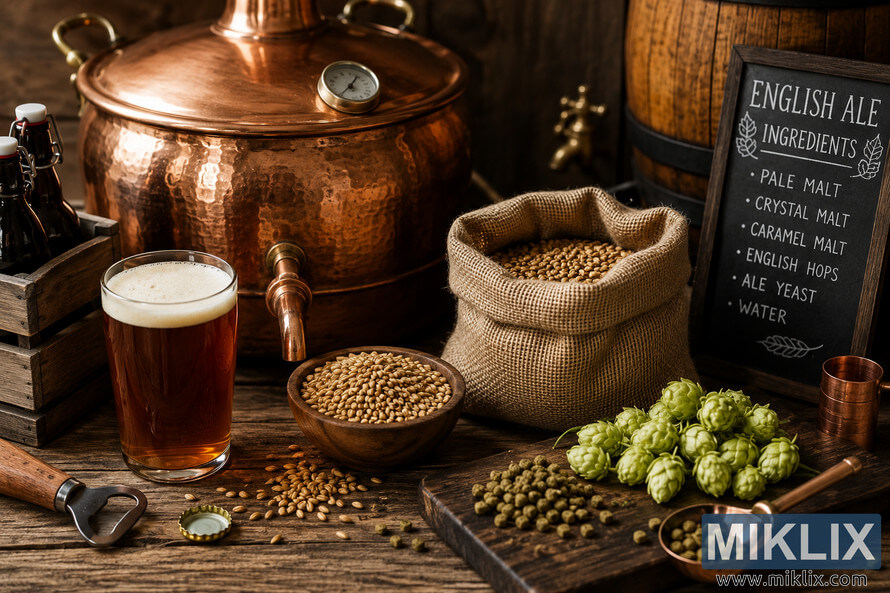
When crafting a recipe with Wyeast 1882-PC Thames Valley Ale II, it's crucial to make choices that highlight the yeast's unique qualities. Begin by selecting a grain bill and mash schedule that enhance the yeast's English ester profile. Ensure that bittering and late hop additions complement the yeast, avoiding any masking of its character.
Malt and hops to pair
- Base malts: Opt for Maris Otter or British pale malt to create a solid, malty foundation that complements Thames Valley Ale II.
- Specialty malts: Incorporate crystal malts in the 10–40L range for color and caramel notes. Brown malt adds depth to porters and brown ales, enhancing yeast esters.
- Hop choices: Select East Kent Goldings, Fuggle, and Challenger to highlight the yeast without overpowering. Reserve American varieties for hybrid styles.
- Bitterness balance: Maintain moderate IBUs to allow malt sweetness and yeast esters to shine, rather than competing with them.
Designing single-hop and complex hop bills
For a single-hop showcase, choose a classic English hop like East Kent Goldings to maintain a traditional profile. This approach ensures a clear interplay between hop and yeast.
In complex hop bills, layer English hops with small late additions of aromatic modern varieties. Add modern hops late in the boil or at whirlpool to enhance nuance while preserving the yeast-driven base.
- Timing tips: early additions handle bittering; late and whirlpool additions deliver aroma.
- Dry hopping: use sparingly for traditional styles to prevent masking the yeast character.
Adjusting mash schedule for mouthfeel
Select mash temperatures to shape body and mouthfeel in line with yeast performance. A lower mash temp (148–152°F / 64–67°C) creates a drier finish, encouraging the yeast to express more esters with less residual sweetness.
Higher mash temps (154–158°F / 68–70°C) yield fuller body and a malt-forward balance, softening the yeast's ester impression. Match the mash schedule for mouthfeel to your target style and expected attenuation for the strain.
Consider how grain bill and mash schedule interact with recipe development Wyeast 1882 to reach the desired texture. Test small adjustments across batches to refine malt pairing Thames Valley Ale II and hop pairing English yeast choices until the beer meets your goals.
Click or tap the image for more information and higher resolutions.
Fermenting Specific Styles Using This Yeast Strain
Wyeast 1882-PC Thames Valley Ale II is versatile for various English beer styles. Its moderate attenuation and subtle ester profile are perfect for creating traditionally British beers. This allows malt and hops to take center stage.
Pale ales and bitters benefit from fermentation at mid-range temperatures to control esters. Target original gravities between 1.040 and 1.052 and SRM in the 6–14 range for authenticity. Carbonation should be 1.8–2.4 volumes CO2 for bitters and slightly higher for session pale ales. Opt for English hops or restrained American varieties for a cleaner hop profile.
Porters and brown ales benefit from the yeast's caramel and toffee esters, which complement roast and chocolate malts. For more fruitiness, slightly increase fermentation temperatures to enhance esters. This balances darker flavors. Expect clearer beers after longer conditioning; allow at least two to four weeks of cold conditioning for porter yeast Wyeast 1882 to settle and develop complexity.
Traditional English ales, like ESBs and classic bitters, thrive with controlled and predictable fermentation. Use British malts and classic hops to preserve the core character of English ale yeast styles. Keep fermentation within the recommended range to avoid excess esters or solvent notes.
Modern interpretations can blend old and new successfully. Dry hopping or cautious use of American hops adds contemporary lift without overpowering the yeast character when used sparingly. Blending Wyeast 1882 styles with a cleaner ale strain allows brewers to craft hybrid profiles. These retain the English backbone while adding bright hop aroma.
- Target temps: 64–68°F for classic profiles; 68–70°F for slightly fruitier beers.
- OG targets: 1.038–1.060, depending on style and strength.
- Conditioning: 2–6 weeks, longer for darker, fuller-bodied ales.
Yeast Management Across Multiple Batches
Managing yeast health across several brews can save money and preserve the unique flavors in your beers. This guide covers the essential steps for harvesting, repitching, and maintaining a small, reliable yeast bank for homebrewing.
Harvesting and storing yeast from a previous batch
- Cold crash the fermenter, then siphon the clear beer off the top to expose the yeast/trub layer.
- Sanitize a collection jar and transfer the yeast slurry with minimal trub. Decant excess beer to leave a clean yeast cake.
- Store harvested yeast in a sanitized jar with a small headspace. Refrigerate promptly to slow metabolism and preserve viability.
- Keep sanitation strict to avoid contamination; frequent checks for off-odors or discoloration help protect future brews.
Re-pitching limits and best practices
- Limit repitches to about three to four generations for homebrew to reduce the risk of genetic drift and contamination. Track generation count with each harvest.
- Watch for reduced vitality or new off-flavors after repitches. If performance drops, stop repitching and start fresh with a new pack or starter.
- Adjust cell counts before repitching. For multiple repitches or high-gravity beers, make a starter to top up cells and maintain fermentation performance.
- Log harvest date, generation, and any sensory notes so you can correlate changes in beer quality with repitch history.
Building a yeast bank for repeated use
- Isolate single-strain batches by harvesting only from healthy, true-to-style ferments. Keep records of strain, harvest date, and generation number.
- Store harvested yeast short-term in the refrigerator for up to a few weeks. For long-term storage, use cryoprotectants and freezer methods, but be aware that freezer storage needs careful technique and lab-level care.
- Create multiple small jars labeled with strain and generation rather than one large container. Rotate stocks so fresher cells are used more often.
- Periodically revive a stored vial in a starter to confirm viability before committing it to a full batch.
By following these practical steps, you can harvest yeast Wyeast 1882 effectively, respect repitch yeast limits, and maintain a reliable yeast bank for homebrewing. Proper handling ensures the safe storage and reuse of yeast across multiple batches.
Common Fermentation Issues and How to Fix Them
Fermentation problems can quickly ruin a batch. This guide focuses on practical solutions for homebrewers using Wyeast products like Wyeast 1882-PC. It emphasizes the importance of simple, measured changes to avoid introducing new variables.
Stuck fermentations often stem from a few common causes. These include low pitching rate, poor oxygenation, nutrient gaps, bad temperature control, and stress from high gravity worts. Addressing these issues early on is crucial for recovering the beer.
- Gently rouse yeast by swirling the fermenter or gently stirring with a sanitized implement to resuspend yeast.
- Check gravity and temperature. If fermentation is slow and temps are low, raise them a few degrees within the yeast’s safe range.
- If caught early, oxygenate the wort and add a small, healthy starter to boost cell count.
- For long-standing stuck fermentation Wyeast 1882 cases, pitch fresh active yeast or use a robust champagne strain to finish attenuation.
- For high-OG worts, staggered feeding or using an adapted starter reduces osmotic stress on yeast.
Yeast stress can lead to off-flavors that alter the beer's intended taste. Common off-flavors include diacetyl (buttery), acetaldehyde (green apple), harsh fusel alcohols (solventy or hot), and sulfur. Diacetyl and acetaldehyde often result from poor oxygen or low pitch rates. High fermentation temperatures can cause fusels. Infections can introduce additional flavors.
- Perform a diacetyl rest by raising the temperature a few degrees for 24–48 hours to allow yeast to reabsorb diacetyl.
- Allow extended conditioning; many off-flavors attenuate with time as yeast clean up byproducts.
- Tighten temperature control during active fermentation to limit fusel production.
- If stress persists, consider repitching with a healthy culture and confirm sanitation protocols.
Knowing when to repitch or replace yeast is crucial. Repitch fresh culture when off-flavors do not decline after a proper rest and conditioning period. If you have repitched multiple times with declining attenuation or slower fermentations, it is time to retire that line.
Replace yeast if contamination is suspected, such as persistent off-odors, pellicle formation, or visible film on the beer. Genetic drift can change strain performance over many repitches. Track pitch history and discard yeast after several reuses if attenuation or flavor shifts occur. Asking when replace yeast Wyeast 1882 becomes relevant helps protect recipe consistency and final beer quality.
Use fermentation nutrient blends sparingly and only when needed. Overuse can unbalance flavors. Regularly monitor gravity, maintain good oxygenation at pitch, and store harvested yeast properly. These habits reduce the chance of stuck fermentation Wyeast 1882 and lower the risk of off-flavors yeast stress causes.
Tasting Notes and Sensory Evaluation
Before tasting, pour a clean sample into a tulip or nonic glass and let a small head form. Observe the beer at eye level for color, clarity, and bubble size. A brief visual check sets expectations for body and carbonation.
Use a stepwise approach to evaluate beers fermented with this strain. Start with appearance, move to aroma, then flavor, mouthfeel, and finish. Note how the profile matches typical expectations of moderate esters, gentle malt sweetness, and medium body.
- Appearance: color, clarity, head retention, lacing.
- Aroma: esters (apple, pear), malt notes (caramel, toffee), hop presence.
- Flavor: balance of malt, hops, and ester character; any diacetyl or solvent notes.
- Mouthfeel: body, carbonation, perceived creaminess or dryness.
- Finish: length, aftertaste, lingering esters or bitterness.
For a thorough sensory evaluation Thames Valley Ale II, taste the beer at two to three temperatures. Cooler serving temps highlight hop and malt balance. Warmer pours reveal ester intensity and fruit character. Record changes between temperatures.
Use a tasting checklist homebrew to keep notes consistent across batches. A simple checklist helps compare clarity, head retention, ester intensity and type, malt descriptors, hop aroma, balance, carbonation, off-flavors, and mouthfeel terms.
- Clarity and color rating (1–5).
- Head retention and lacing (poor to excellent).
- Ester intensity and descriptor (apple, pear, floral).
- Malt notes (caramel, toffee, biscuit).
- Hop aroma and bitterness balance.
- Carbonation level and mouthfeel.
- Off-flavor checklist (diacetyl, fusels, oxidation).
- Overall score and tasting notes Wyeast 1882 entry.
Always record sensory feedback in a brewing log. Jot fermentation details like pitching rate, temperature profile, and mash schedule alongside tasting notes. This practice makes it easier to trace causes of preferred or flawed outcomes.
Use recorded notes to tweak recipes. If esters are too high, lower fermentation temperature or increase starter size. If mouthfeel is thin, raise mash temperature or extend conditioning. Regularly record sensory evaluation Thames Valley Ale II results and adjust variables to refine the final beer.
Comparisons: Wyeast 1882-PC Thames Valley Ale II Yeast versus Similar Strains
Choosing the right English ale yeast is crucial for aroma, mouthfeel, and clarity. Brewers often compare Wyeast 1882 with other strains to meet their recipe goals. This section provides practical contrasts to help brewers select the best yeast for their beer.
Comparison with other Wyeast English strains
- Wyeast 1882 offers a balanced, slightly fruity ester profile with medium flocculation. It's ideal for malt-forward bitters and pale ales where subtle fruit character is desired.
- Wyeast 1098 British Ale produces a cleaner, malt-focused profile with moderate esters and higher flocculation. It's best for clarity and a traditional British backbone.
- Wyeast 1968 London ESB gives richer, biscuit-like malt notes and stronger ester complexity. It's suited for darker English styles and beers that benefit from pronounced character.
- When comparing English yeasts, brewers consider attenuation ranges, ester intensity, and settling behavior. Wyeast 1882 strikes a middle ground between the restrained 1098 and the fuller 1968.
Dry yeast alternatives and performance differences
- Safale S-04 is a popular dry English ale yeast. It offers convenience and shelf stability with fast flocculation. Expect a brisk finish and less prominent esters compared to Thames Valley Ale II.
- Fermentis US-05 is a dry American ale strain that yields a very clean profile. It's best for hop-forward or modern American styles where a neutral canvas is needed.
- Dry yeast alternatives like Wyeast 1882 deliver consistent results but trade some nuanced ester complexity for ease of storage and pitching. Consider whether convenience outweighs subtle flavor differences.
- Performance trade-offs include slight shifts in ester character, attenuation, and tank clarity. Dry yeasts often ferment reliably, yet they may produce different mouthfeel and finishing notes than liquid English strains.
When to choose this strain over others
- Choose Thames Valley Ale II when you want a touch of English fruit without overpowering esters. It supports malt-forward recipes and keeps balance in amber to pale styles.
- Pick Wyeast 1882 vs other strains when medium flocculation and good clarity matter. It gives stable attenuation and approachable conditioning time for small-batch and commercial brews.
- If the goal is an extremely clean profile, go with a neutral American strain like US-05. If you need pronounced, traditional English character, select 1968 or 1098 depending on desired ester strength.
- For brewers weighing options, note that dry yeast alternatives Wyeast 1882 can be practical for quick turnarounds. Use Thames Valley Ale II when nuanced English balance is the primary aim.
Advanced Tips from Experienced Brewers
Experienced brewers take Wyeast 1882-PC Thames Valley Ale II to new heights, refining flavor, texture, and scale. This guide delves into blending strategies, nutrient and oxygen practices, and scaling recipes from homebrew to small commercial batches. Each tip aims to enhance consistency while maintaining the English ale's unique character.
- Blending for hybrid profiles. Blending yeasts can create balanced flavors. Pair Wyeast 1882 with a cleaner American ale strain to reduce esters, or add a saison strain for spicy notes. Start with small batches of 1–5 gallons to test interactions before scaling up.
- Pitch timing and proportions. The way you pitch and the timing of it can significantly impact the outcome. Consider co-pitching equal cell counts or pitching a neutral strain after fermentation slows. Record your ratios and results for consistency.
- Precautions for blending yeasts Thames Valley Ale II. Keep a close eye on fermentation vigor and krausen. Blends can alter attenuation and flocculation. Monitor gravity curves closely and adjust temperature or oxygen as needed to guide the blend.
Oxygen and nutrient control are crucial for yeast health and beer clarity. Plan your oxygenation to match gravity and pitch rates for reliable fermentations.
- Controlled oxygenation at pitching. Provide measured oxygen at the start. Use pure O2 with a regulator for consistent dissolved oxygen, or vigorous aeration for home setups. Higher OG worts need more oxygen to build adequate cell walls.
- Nutrients for stressed fermentations. Add yeast nutrients like DAP or a complete energizer for high-gravity beers or when reusing harvested yeast. Use conservative doses and test in small batches to avoid off-flavors.
- Limit post-fermentation oxygen. Keep oxygen exposure to a minimum after active fermentation. Late oxygen can cause stale character and harm shelf life. Transfer gently and purge vessels when possible.
Scaling up requires attention to cell counts, sanitation, and equipment differences. Plan each step to protect yeast viability and beer quality.
- Scale cell counts and starters. Calculate pitching rates for larger volumes and scale starters or step-propagate from a yeast bank. For a 10–20 bbl scale, work with lab-grade propagation or a commercial lab when possible.
- Adjust vessel and temperature controls. Larger fermenters change heat transfer and krausen behavior. Upgrade cooling capacity and monitor wort temps with multiple probes to maintain the desired profile.
- Quality control and yeast management. Track yeast generations, keep strict sanitation, and test viability before each pitch. Maintain records of fermentation curves, gravity, and sensory checks to catch drift early.
Apply these advanced brewing tips Wyeast 1882 while testing in small runs. Combining blending yeasts Thames Valley Ale II with sound oxygen strategies homebrew practices will ease the move to scale recipes Wyeast 1882. Small experiments and good record keeping make scaling predictable and repeatable.
Conclusion
Wyeast 1882-PC Thames Valley Ale II Yeast stands out as a versatile English ale strain. It offers balanced esters, dependable flocculation, and suits a wide range of styles. This summary emphasizes its excellence in pale ales, bitters, brown ales, and hybrid beers. It excels where a clean malt backbone and subtle fruitiness are sought.
To achieve the best outcomes, ensure proper cell pitching and use a starter when necessary. Ferment within the recommended temperature range to manage ester levels. Maintain strict sanitation and closely monitor fermentation progress. These practices are crucial for consistent beer quality with Thames Valley Ale II.
Homebrewers should explore different mash temperatures, hop combinations, and temperature control. Keeping detailed records and adjusting one variable at a time helps refine recipes. These strategies are essential for mastering Wyeast 1882 in recipe development and yeast management.
When purchasing, opt for trusted U.S. suppliers. Prioritize cold-chain shipping and store packs in the refrigerator to maintain viability. This article serves as a guide for using Wyeast 1882-PC Thames Valley Ale II Yeast. It aids in crafting repeatable, well-rounded English-style ales.
FAQ
What is Wyeast 1882-PC Thames Valley Ale II yeast and who is it for?
Wyeast 1882-PC Thames Valley Ale II is a liquid Saccharomyces cerevisiae strain sold in Wyeast “smack packs.” It’s an English top-fermenting ale yeast selected for balanced ester production and reliable flocculation. The strain is ideal for homebrewers and small-scale brewers in the United States who want a malt-forward, traditional English character in Pale Ales, Bitters, ESBs, Brown Ales, Porters, and similar styles.
What flavor and aroma profile can I expect from beers fermented with 1882?
Expect moderate fruity esters (ripe apple, mild pear), subtle caramel/toffee notes with darker malts, restrained phenolics, and a round slightly sweet finish. Fermentation temperature and wort composition will modulate ester intensity and mouthfeel—cooler fermentations yield cleaner profiles; warmer temps increase fruitiness.
What fermentation temperature range and target should I use?
The recommended range is roughly 64–72°F (18–22°C). For balanced esters aim for the mid-range around 66–68°F (19–20°C). Lower temps reduce esters and produce a cleaner character; higher temps produce more pronounced fruity notes.
Do I need to make a starter for a 5-gallon batch?
Often yes. For a typical 5-gallon (19 L) ale with OG around 1.040–1.050, a Wyeast smack pack may benefit from a 1–2 L starter to ensure adequate cell counts and vigorous fermentation. Higher OG beers, older packs, or repitched yeast generally require larger starters or step-ups.
What pitching rate should I aim for?
Use roughly 0.75–1.0 million cells/mL/°P as a homebrew guideline. For a 5-gallon, 1.050 OG batch this translates to targeting on the order of 100–200 billion viable cells. When in doubt, build a starter to reach the target cell count, especially with older packs or high-gravity worts.
How does flocculation behave with this strain?
Wyeast 1882 exhibits medium to high flocculation. It usually clears well after conditioning, leaving a bright beer. Yeast may compact early in some batches; gentle rousing before packaging or a short conditioning period helps with diacetyl clean-up and carbonation.
When will primary fermentation finish and should I do a diacetyl rest?
With proper pitching and nutrient/oxygenation, active fermentation often begins within 12–48 hours and primary typically completes in 4–7 days. Plan 7–10 days total before packaging or secondary conditioning. A diacetyl rest (raising temp 2–3°F / 1–2°C for 24–48 hours) is useful if you fermented cool or detect buttery notes; it helps the yeast reabsorb diacetyl.
How should I handle and activate a Wyeast smack pack?
Break the inner nutrient vial by squeezing the pack, shake gently to mix, and keep at room temperature. Look for swelling and activity within 12–24 hours. Refrigerate prior to use and verify production/expiration dates—older packs should be propagated with a starter to boost viability.
What sanitation practices are recommended when working with starters and pitching?
Use no-rinse sanitizers like Star San, clean equipment with PBW or equivalent, and sanitize all transfer tools and starter flasks. Minimize open-air exposure during transfers, pitch into cooled wort (
How should I store harvested yeast and how many times can I repitch?
Harvest yeast after a cold crash into a sanitized container, minimize trub transfer, refrigerate at 34–40°F (1–4°C), and use within a few weeks for best viability. Homebrewers commonly repitch 3–4 generations; beyond that monitor performance and off-flavors and consider making a fresh starter or buying new packs to avoid genetic drift and contamination.
What mash temperatures pair best with this yeast to achieve desired body?
For a drier finish and more perceived attenuation use lower mash temps around 148–152°F (64–67°C). For fuller body and malt-forward balance use higher temps around 154–158°F (68–70°C). Match mash profile to expected attenuation (typically 68–74%) to hit the mouthfeel you want.
Which malts and hops work best with 1882?
Use traditional British malts like Maris Otter, British pale malts, and crystal malts (10–40L) to showcase yeast character. East Kent Goldings, Fuggle, and Challenger complement the profile. For modern hybrids, add restrained American hops late in the boil or whirlpool, but avoid heavy dry hopping that masks yeast esters.
How can I control temperature affordably at home?
Low-cost methods include insulated fermentation jackets, swamp coolers or ice baths with a thermometer, and using a modified refrigerator or chest freezer paired with a temperature controller like an Inkbird. Probe the wort temperature when possible rather than ambient air for better control.
What common off-flavors might arise and how do I fix them?
Common issues include diacetyl (buttery), acetaldehyde (green apple), fusel alcohols (hot/solvent), and sulfur notes. Causes are typically insufficient pitching rate, poor oxygenation, temperature stress, or sanitation problems. Remedies include a diacetyl rest, raising temperature slightly, improving oxygenation/nutrients for future batches, extended conditioning, or repitching healthy yeast if fermentation is stuck.
How should I purchase and ship liquid Wyeast cultures in the U.S.?
Buy from reputable retailers such as Northern Brewer, MoreBeer, Midwest Supplies, or local homebrew shops. Order with expedited shipping and cold packs, avoid ordering during extreme heat, and check vendor cold-chain practices. Refrigerate immediately on receipt at 34–40°F (1–4°C) and use within the manufacturer’s shelf life.
Can I blend 1882 with other yeast strains or scale it for small commercial batches?
Yes—blending can create hybrid profiles (e.g., mixing 1882 with a cleaner strain to tame esters). Test blends in small pilot batches and control pitch timing and proportions. For scaling, plan larger starters or propagation from a yeast bank, adjust cell counts proportionally, and ensure robust temperature control and sanitation at increased volume.
How should I evaluate and record sensory feedback for iterative improvements?
Use a structured tasting protocol: assess appearance, aroma, flavor, mouthfeel, and finish at multiple temperatures. Track ester intensity, malt notes, hop balance, clarity, carbonation, and off-flavors. Keep a brewing log with mash profile, pitching rate, temp schedule, and tasting notes to inform recipe adjustments over subsequent batches.
Further Reading
If you enjoyed this post, you may also like these suggestions:
- Fermenting Beer with Lallemand LalBrew Nottingham Yeast
- Fermenting Beer with Wyeast 3056 Bavarian Wheat Blend
- Fermenting Beer with White Labs WLP802 Czech Budejovice Lager Yeast