
Fermenting Beer with White Labs WLP060 American Ale Yeast Blend
Published: December 24, 2025 at 11:56:11 AM UTC
The White Labs WLP060 American Ale yeast blend offers a clean, neutral fermentation profile. It's perfect for many U.S. styles. Formulated from three complementary strains, it enhances hop flavor and bitterness. It also provides a crisp, lager-like finish.
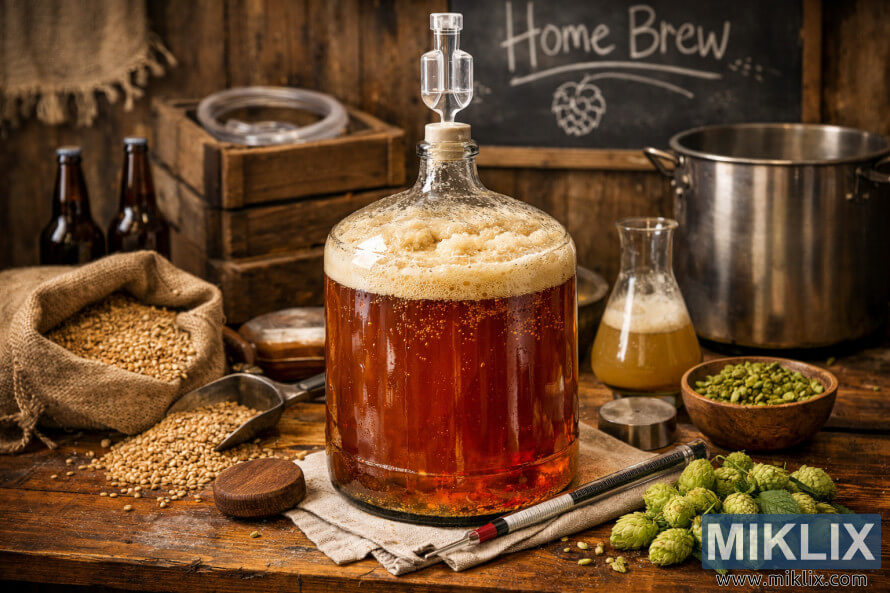
Click or tap the image for more information and higher resolutions.
Lab values for WLP060 show 72–80% apparent attenuation, medium flocculation, and alcohol tolerance in the 8–12% range. Recommended fermentation temperatures center on 68–72°F (20–22°C). Brewers should note that slight sulfur can appear during peak activity but typically dissipates with proper conditioning.
White Labs offers WLP060 in both traditional liquid vials and PurePitch® Next Generation pouches. PurePitch arrives with a higher cell count and can often remove the need for a starter at standard batch sizes. Liquid yeast benefits from cold-packed shipping and tight temperature control before brew day.
Key Takeaways
- WLP060 is a three-strain American Ale yeast blend designed for clean, neutral fermentation.
- Expect attenuation of 72–80% and medium flocculation for balanced body and clarity.
- Optimal fermentation falls between 68–72°F; slight sulfur can occur at peak activity.
- PurePitch® packaging offers higher cell counts and may eliminate the need for starters.
- Ideal for hop-forward styles like American Pale Ale and IPA to highlight bitterness and aroma.
Overview of White Labs WLP060 American Ale Yeast Blend
The WLP060 is a three-strain yeast blend from White Labs. It's designed for clean fermentation with a hint of ale character. Brewers find it perfect for achieving a lager-like crispness without losing the mouthfeel and ester control of top-fermenting yeasts.
This yeast blend boasts a STA1 QC result negative. This is crucial for brewers planning attenuation and managing starches in high adjunct mashes.
PurePitch® Next Generation packaging is available for WLP060. It offers 7.5 million cells per mL in a sealed pouch. This format is ideal for hitting commercially recommended pitching rates, especially for larger batches or high gravity beers.
- Product type: Vault strain blend
- Fermentation focus: clean, neutral, lager-like finish
- QC note: STA1 negative
- Packaging: PurePitch® Next Generation, 7.5 million cells/mL
For brewers, the American ale yeast overview is key in deciding when to use WLP060. It's perfect for crisp IPAs, clean pale ales, or hybrid lagers. These beers benefit from its neutral attenuation and consistent performance.
Fermentation Profile and Performance
WLP060 attenuation typically ranges from 72% to 80%. This results in a moderately dry finish, ideal for American ales and hop-forward recipes. It balances the body, avoiding beers that are too sweet or thin.
The flocculation rate for this strain is medium. Yeast settles at a steady pace, leaving some cells in suspension during primary conditioning. After time in the cold, many brewers achieve reasonable clarity, finding racking and packaging straightforward.
Alcohol tolerance is medium to high, around 8%–12% ABV. This tolerance allows WLP060 to handle standard-strength beers and many high-gravity recipes. Careful management with nutrients and staggered oxygenation is key.
Fermentation performance is reliable with proper pitching and stable temperatures. A healthy starter or PurePitch offering enhances consistency. Attention to oxygen and fermentation nutrition helps reach the upper end of attenuation and supports higher alcohol tolerance.
- Expected attenuation: 72%–80% — moderate to high sugar use.
- Flocculation: medium — clears with cold conditioning.
- Alcohol tolerance: ~8%–12% ABV — suitable for many ales.
- STA1 QC: negative — not diastaticus.
Optimal Fermentation Temperatures and Management
WLP060 fermentation temperature is best kept between 68°F and 72°F. This range brings out a clean, neutral profile, allowing hops to shine. It's ideal for showcasing the unique characteristics of your brew.
Steady yeast temperature control is crucial. It reduces unwanted phenolics and fruity esters. Aim for small daily swings rather than wide fluctuations to avoid stressing the culture.
Because this strain can emit light sulfur during peak activity, good sealing and venting are essential. They help purge odors while fermentation stays active. Leave a functioning airlock or blow-off tube in place until active bubbling slows.
Standard ale temperature control methods work well. Use an insulated fermenter, a swamp cooler with frozen bottles, or a temperature-controlled fermentation chamber. These methods help maintain the target range.
- Set chamber to 68–72°F and monitor with a probe near the fermenter.
- Use a heat belt or wrap when ambient temps drop at night.
- Increase cooling if you see excessive krausen and temperature spikes.
During high-gravity batches, watch for higher internal heat. Adjust yeast temperature control toward the lower end of the 68–72°F window. This limits ester production and speeds conditioning.
Short, focused attention to temperature and vessel sealing improves clarity and preserves intended flavors. Keeping WLP060 fermentation temperature consistent will yield predictable, balanced results.
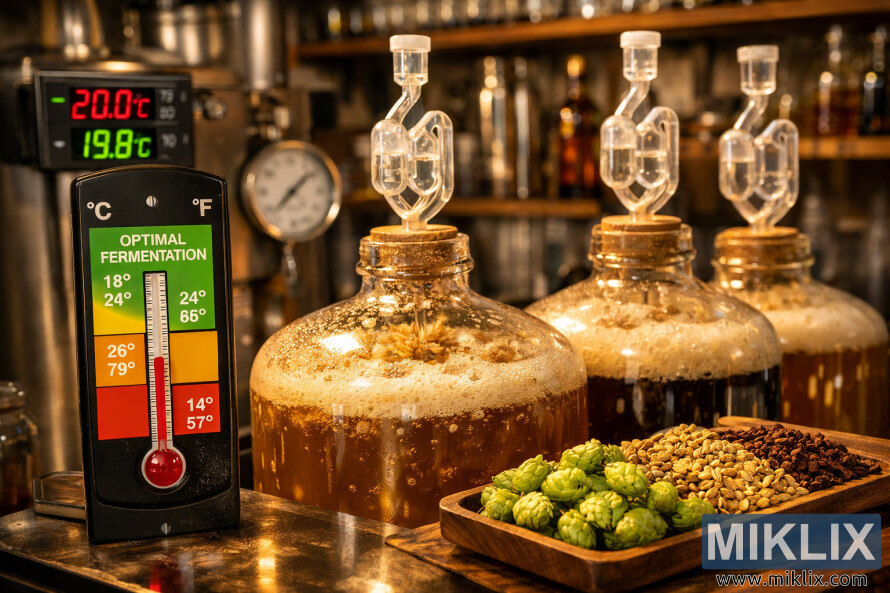
Click or tap the image for more information and higher resolutions.
Flavor and Aroma Contributions
WLP060 offers a clean, neutral fermentation character. This allows malt and hops to take center stage. Its flavor profile is crisp, much like a lager, yet it behaves as an ale strain.
The yeast's neutrality enhances hop notes and bitterness. It's ideal for American IPA and Double IPA, where clarity is key. Brewers choose WLP060 to showcase citrus, pine, and resinous hop aromas without ester interference.
During peak fermentation, slight sulfur may appear. However, this sulfur is usually transient and fades during conditioning and aging. It leaves a clear base for other flavors.
Moderate attenuation from this strain results in a relatively dry finish. This dryness enhances perceived hop bitterness and reveals malt detail. It improves overall balance in hop-forward recipes.
Expect a restrained American ale yeast aroma that supports rather than competes with hops. This subtle aromatic profile gives brewers control. It allows for crisp, clean, and focused beer expression.
Pitching Rates and PurePitch® Next Generation
PurePitch Next Generation for WLP060 offers brewers a convenient, ready-to-pour pouch. It comes with a cap and boasts a cell density of 7.5 million cells/mL. This high cell count doubles the volume of typical vials. It often meets commercial pitching needs for standard-strength ales.
For most beers with a gravity around 1.040, brewers can skip the starter when using PurePitch Next Generation. The increased WLP060 pitching rate significantly reduces setup time. It also lowers the risk of early fermentation stalls.
However, for beers with ABV levels closer to 8–12%, brewers should increase the pitching rate or prepare a starter. High-gravity worts put a lot of stress on yeast. Adding extra cells helps reduce lag, off-flavor risks, and stuck fermentations.
- Use the White Labs Pitch Rate Calculator to size the pouch for your batch gravity and volume.
- When you need to pitch like pros, follow volume and temperature guidance on the product page.
- For repitches, monitor viability and consider fresh PurePitch for consistency.
Remember, accurate cell counts are crucial. The labeled 7.5 million cells/mL makes planning easier. It ensures a predictable WLP060 pitching rate across batches.
Suggested Beer Styles and Recipe Ideas
White Labs WLP060 is versatile across various beer styles. Its clean fermentation highlights hop flavors in hop-forward ales. It's ideal for American IPA yeast, aiming for bright hop aroma and clear bitterness.
Explore WLP060 in American IPA, Double IPA, and Pale Ale to emphasize citrus, pine, and tropical hop notes. For recipes, opt for a simple malt bill that complements hops without overpowering them. Double IPAs benefit from a slightly higher mash temperature for a fuller body.
Cleaner, lighter beers also benefit from this yeast. Blonde Ale and Cream Ale showcase its neutral profile, offering crisp, sessionable beers. Consider California Common for lager-like crispness with ale fermentation speed.
WLP060 is also suitable for meads and ciders, providing a neutral finish. Use it in Dry Mead or Cider to avoid fruity yeast esters. Simple musts or musts with subtle adjuncts allow the yeast to finish clean, supporting delicate flavors.
- Hop-forward recipe ideas WLP060: pale malt base, 6–8% specialty malt, late hop additions, dry-hop for aroma.
- Light ale recipe ideas WLP060: pilsner or pale malt focus, low specialty malt, gentle hop presence.
- Hybrid and fermentable recipes: California Common with slightly cooler fermentation, or dry mead with nutrient management.
When crafting recipes, balance fermentables and hopping to match the yeast’s neutrality. This approach ensures WLP060 beer styles and American IPA yeast performance deliver the intended aroma and palate without yeast-derived distraction.
Click or tap the image for more information and higher resolutions.
Yeast Handling, Storage, and Shipping Advice
Handling liquid yeast with care is crucial from the moment you order it. White Labs advises keeping the vial or PurePitch pouch cold. It's also important to use it promptly after delivery to maintain cell viability.
When placing an order, heed White Labs' shipping advice. For long journeys or in hot weather, opt for expedited shipping. Additionally, consider adding a cold pack recommendation at checkout to minimize heat exposure.
Upon arrival, refrigerate the yeast right away. The ideal storage temperature for WLP060 is specified on the packaging. Freezing the yeast is a no-go; it damages the cells and reduces fermentation efficiency.
- Always check the use-by dates and viability notes on the label.
- Using PurePitch means you need less starter, but cold handling until brew day is still essential.
- Request a cold pack recommendation for shipping liquid yeast, especially when transit times or weather may increase temperatures.
If your package arrives warm, reach out to the vendor. For critical brews, plan your orders for cooler days or invest in faster delivery to safeguard your culture.
Store unopened yeast in the fridge and warm it to the recommended pitch temperature before use. Proper WLP060 storage and careful shipping of liquid yeast are key to achieving a clean, vigorous fermentation.
Starter vs No-Starter Decisions
Choosing between a starter and no-starter depends on gravity, batch size, and yeast product. For session and standard-strength ales, PurePitch no-starter often provides enough cells for commercial pitching. However, this might not be the case for all beers.
Before deciding against a starter, use an objective check. Enter your original gravity and batch volume into the White Labs Pitch Rate Calculator. This tool helps ensure you're not underpitching and aids in making a WLP060 starter decision.
High-gravity beers or large batches require a different strategy. For beers aiming for 10% ABV or more, a starter is essential. It increases cell numbers, improving yeast performance. This is crucial for strong worts and longer fermentations, as it enhances attenuation and reduces ester variability.
Batch scaling is also important when splitting a single PurePitch vial across multiple gallons. For large volumes, consider using multiple vials or preparing a starter. This approach ensures you meet cell requirements, especially when gravity and size challenge yeast capacity.
- When to make yeast starter: high OG, >=10% ABV targets, big batch volumes, or reuse of yeast.
- When PurePitch no-starter suffices: standard gravities, single-pouch pitches, target ABV under ~8%–10%.
- Practical step: calculate, then decide—starter if calculator shows shortfall.
A final practical tip: oxygenate wort, monitor fermentation temperature, and keep records. These steps are beneficial whether you choose a starter or a direct PurePitch no-starter pitch. They help achieve consistent results with WLP060 starter decision logic.
Common Fermentation Issues and Troubleshooting
WLP060 troubleshooting starts with monitoring fermentation activity. A small sulfur smell can appear at peak krausen. This scent usually fades with time, better ventilation, and gentle conditioning.
For persistent sulfur, racking to a secondary or extended aging helps. This allows gases to escape and yeast to reabsorb off-flavors. Cold conditioning and light fining also speed up clarification and reduce sulfur notes.
Stuck or slow fermentations require a systematic approach. Ensure a proper pitching rate by using PurePitch or making a starter. Maintain fermentation temperatures between 68–72°F to support healthy yeast activity.
Oxygenation and nutrient availability at pitch time are crucial. Poor oxygen or nitrogen levels stress yeast, increasing the risk of fermentation issues. If fermentation stalls, slightly warm the fermenter and gently swirl to resuspend yeast before adding nutrients.
- Check gravity twice daily to verify progress.
- Use gentle aeration only at the start; avoid introducing oxygen after active fermentation.
- Consider staggered nutrient additions and stepped oxygenation for high-ABV beers.
When aiming for WLP060’s alcohol tolerance, increase cell counts and add oxygen at pitch. This approach reduces stress and lowers the risk of fermentation issues.
Clarity management is also part of troubleshooting. WLP060 exhibits medium flocculation. Cold-crash, conditioning time, and fining agents help settle yeast and enhance visual clarity without flavor loss.
Keep detailed records of pitch rate, temperature, oxygen, and gravity. Consistent logs facilitate faster WLP060 troubleshooting and reveal patterns behind sulfur during fermentation or slow finishes.
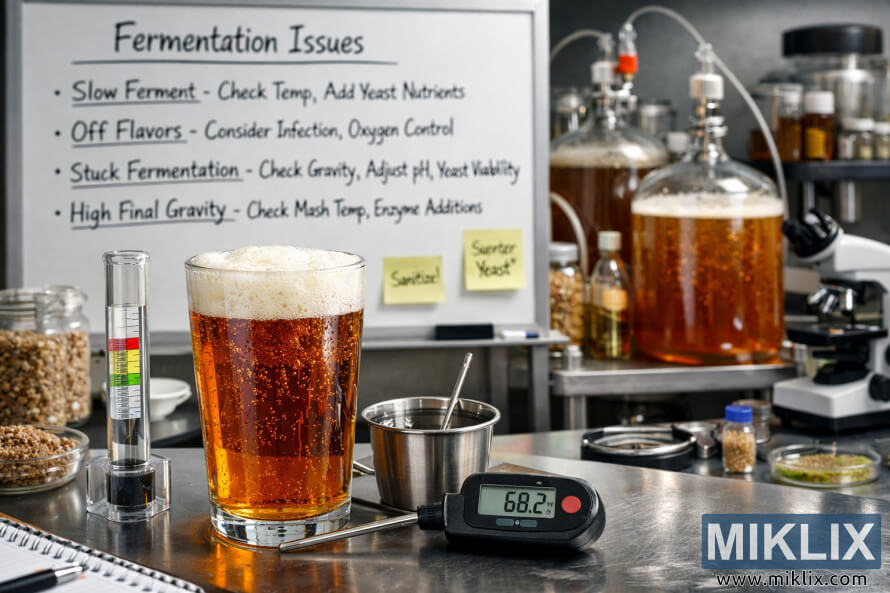
Click or tap the image for more information and higher resolutions.
Comparing WLP060 to Other American Ale Strains
WLP060 is a blend from White Labs designed to offer a clean, lager-like finish with ale fermentation speed. It outshines single-strain American ale yeasts, which often produce fruity esters or malty notes. This makes WLP060 a standout in yeast comparisons.
The blend's medium flocculation and 72–80% attenuation put it in a moderate-to-high attenuation range. It tends to leave less residual sweetness than some strains but doesn't always ferment as dry as high-attenuating American isolates.
For hop-forward beers, WLP060 enhances hop clarity and bright bitterness. Choosing WLP060 over other American ale strains is beneficial when you want hops to shine without ester interference.
Practical differences in yeast comparisons include mouthfeel, fermentation speed, and aroma profile. WLP060 offers a neutral backbone, making it ideal for IPAs and pale ales where hop clarity is key.
- Neutral flavor profile: favors hop expression over fruity esters.
- Moderate-to-high attenuation: balances body and dryness.
- Medium flocculation: yields reasonable clarity without harsh stripping of character.
When comparing White Labs blends to single-strain American ale yeasts, consider your recipe goals, mash profile, and desired final gravity. WLP060 is a reliable choice for brewers aiming for clean fermentation with ale fermentation speed.
Alcohol Tolerance Strategies for Higher ABV Beers
WLP060 has an alcohol tolerance of 8%–12% ABV, making it ideal for crafting bold ales. When aiming to brew beers over 8% ABV with WLP060, it's crucial to handle the yeast with care. This is to prevent stalled fermentations and unwanted off-flavors.
To begin, ensure a robust cell count. Consider using multiple PurePitch vials or creating a larger starter to increase the pitching rate. This approach reduces stress on the yeast and enhances attenuation when employing WLP060 high ABV strategies.
Next, oxygenate the wort at the time of pitching. Oxygen is essential for yeast health, especially in demanding ferments. For brewing over 8% ABV with WLP060, a precise oxygen dose at pitch and careful handling thereafter is vital to preserve yeast viability.
- Plan staggered nutrient additions to feed yeast through the high gravity phase.
- Monitor gravity daily and watch for signs of slowing or flocculation.
- Add nutrient or a small oxygenation pulse only if the yeast shows prolonged stress.
Control fermentation temperature to ensure yeast works efficiently without producing harsh esters. Start at the lower end of the WLP060 range and then allow a gentle rise for better attenuation. Consider a mild step-down late in fermentation to clean up ferment byproducts while respecting yeast alcohol tolerance.
For extremely high gravity batches, consider adding yeast in stages or repitching healthy cells mid-ferment. This approach supports active fermentation and aids WLP060 in reaching final gravity targets when following WLP060 high ABV strategies.
Monitor performance closely and be prepared to intervene with nutrients or oxygen if attenuation stalls. These proactive steps increase the likelihood of a clean, strong ale when brewing over 8% ABV with WLP060, keeping yeast alcohol tolerance in mind.
Clarification, Conditioning, and Finishing Techniques
Cold-conditioning after primary fermentation aids yeast settling and minimizes sulfur off-gassing. WLP060 conditioning at near-freeze temperatures for several days promotes medium flocculation. This results in clearer beer.
Allow time for flavors to mature. Sulfur and green-note esters typically decrease during conditioning and aging. Patience in secondary or in-keg conditioning leads to a cleaner profile.
- Use gentle cold-crash for 24–72 hours to promote drop-out of solids.
- Consider finings like gelatin or isinglass when clarity is needed quickly.
- Filtration can deliver consistent clarity for packaged beer when space and equipment permit.
Secondary conditioning in a keg or bottle further polishes mouthfeel and carbonation. Pack after adequate conditioning to lower the chance of residual sulfur. This presents a crisp lager-like finish with ale yeast.
Adjust conditioning length by beer strength and style. Higher ABV ales often benefit from extended aging. Lower gravity beers clear and brighten faster under the same techniques.
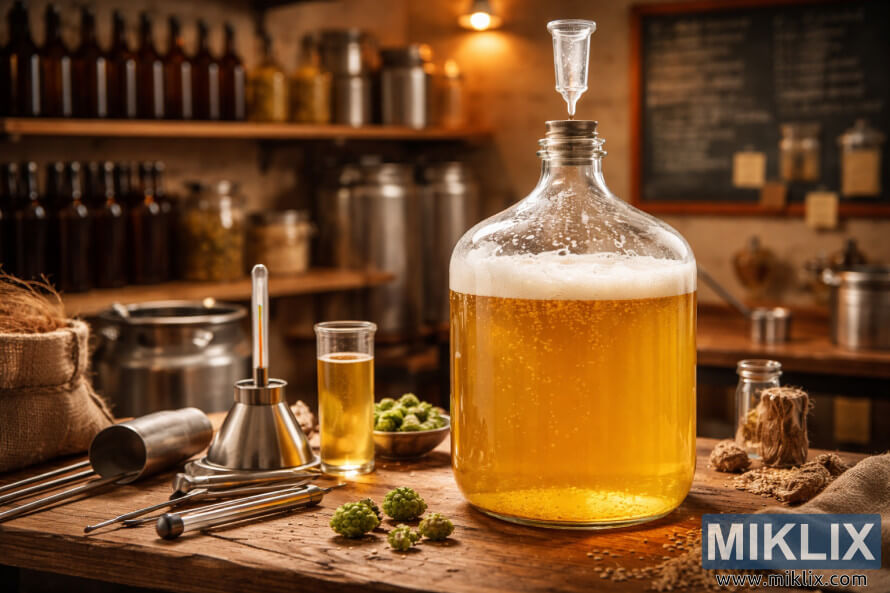
Click or tap the image for more information and higher resolutions.
Organic Availability and Buying Tips
White Labs offers WLP060 organic for brewers looking for certified ingredients. This organic version is available in standard vials and PurePitch® Next Generation pouches. The pouches provide a higher cell count per milliliter, ensuring consistent performance.
When purchasing WLP060, it's crucial to check the product specifications. Use the White Labs Pitch Rate Calculator to determine the correct pitch rate for your batch size and target gravity. Proper pitching helps avoid off-flavors and shortens the lag time.
PurePitch sellers often carry the 7.5 million cells/mL pouches. These can often eliminate the need for a starter in homebrew batches. Look for sellers who clearly list cell density and production dates.
For shipping liquid yeast, follow White Labs' tips. Include cold packs and opt for expedited shipping during warm weather. These precautions help preserve the WLP060 organic culture's health during transit.
Use an ordered check when shopping:
- Confirm organic certification on the label.
- Compare vial versus PurePitch pouch for cell count and convenience.
- Verify production or expiration dates with the seller.
- Request refrigerated handling if available.
Finding a reliable source for WLP060 is as critical as the yeast itself. Prioritize PurePitch sellers with clear storage and shipping practices. This ensures the best results from your White Labs cultures.
Practical Recipe Example Using White Labs WLP060 American Ale Yeast Blend
This brewing example WLP060 presents a simple 5-gallon American IPA recipe. It showcases the yeast's neutral, hop-forward character. The target OG is 1.060, with FG ranging from 1.012 to 1.016. This results in a clean, moderately dry finish that highlights the hops.
The grain bill consists of 11 lb (5 kg) of Pale Ale malt, 1 lb (450 g) of Munich, 0.5 lb (225 g) of Victory, and 0.5 lb (225 g) of Carapils. These ingredients enhance head retention and body balance. Mash at 152°F (67°C) for 60 minutes to achieve a moderate mouthfeel.
The hop schedule includes 1 oz of Columbus at 60 minutes for bitterness, and 1 oz of Centennial at 20 minutes. Heavy late additions of Citra and Mosaic are used for aroma and flavor. Add 1 oz each at 10 minutes, 2 oz each at flameout, and 2–4 oz total for dry hopping, depending on desired intensity.
Pitching and yeast management involve using PurePitch® Next Generation at the recommended volume for a 5-gallon batch. Alternatively, calculate cells with the White Labs Pitch Rate Calculator. For this OG, a single PurePitch pouch or one calculated pitch is often sufficient. If scaling to higher OG, make a starter or add multiple pouches.
Fermentation should be maintained at 68–72°F (20–22°C) during active fermentation. This helps keep esters low and sulfur transient. Allow 3–5 days of primary activity, then let the beer rest at ale temperatures until final gravity stabilizes.
Conditioning and finishing require extra time for any transient sulfur to fade. Cold-crash for 24–48 hours and use fining agents as desired to clarify. Bottle or keg at standard carbonation for an American IPA.
Taste notes and adjustments: WLP060 accentuates hop flavor and bitterness. Choose complementary varieties like Citra, Centennial, Columbus, and Mosaic. If hops feel sharp, reduce early bittering additions or increase late aroma hops for balance in future brews.
Conclusion
White Labs WLP060 provides a clean fermentation profile, perfect for showcasing hop character. It keeps esters and phenols to a minimum. With 72–80% attenuation, medium flocculation, and an 8–12% alcohol tolerance, it's ideal for American IPA, Pale Ale, Blonde Ale, and California Common. It also works well in ciders and meads when a neutral flavor is desired.
PurePitch® Next Generation packaging at 7.5 million cells/mL often eliminates the need for a starter in standard-strength beers. However, for high-gravity brews near tolerance limits, using starters or multiple vials is recommended. Follow White Labs' shipping and storage guidelines. Maintain a 68–72°F fermentation range to achieve the clean, lager-like character this blend offers.
When deciding if you should use WLP060, first consider the beer style and target ABV. For beers that should highlight hop bitterness and aroma, WLP060 is an excellent choice. In summary, this WLP060 review conclusion highlights its versatility and ease of use. It's a reliable option for brewers aiming for predictable, neutral fermentation that emphasizes hops.
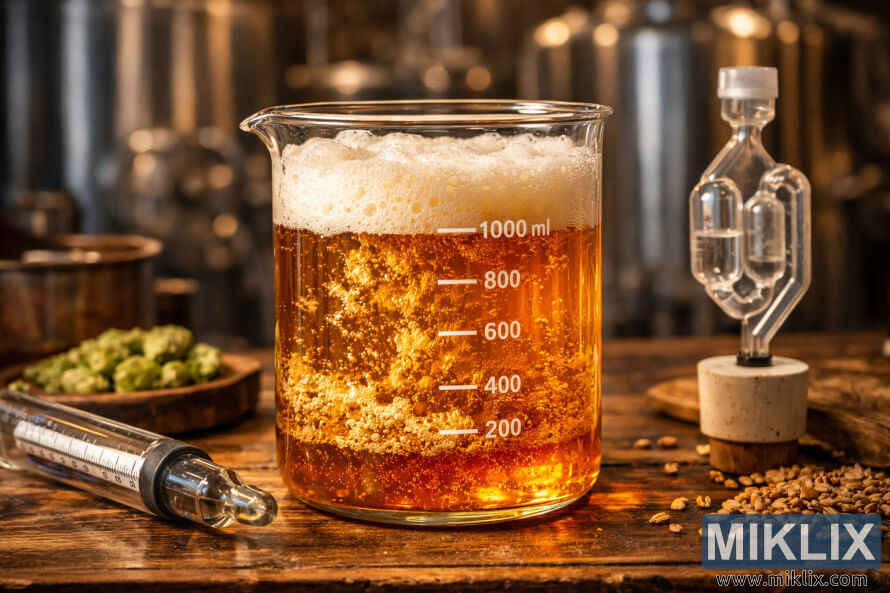
Click or tap the image for more information and higher resolutions.
Further Reading
If you enjoyed this post, you may also like these suggestions:
- Fermenting Beer with Lallemand LalBrew Munich Classic Yeast
- Fermenting Beer with Lallemand LalBrew CBC-1 Yeast
- Fermenting Beer with White Labs WLP007 Crisp English Ale Yeast