
Fermenting Beer with Wyeast 3522 Belgian Ardennes Yeast
Published: December 16, 2025 at 9:12:02 PM UTC
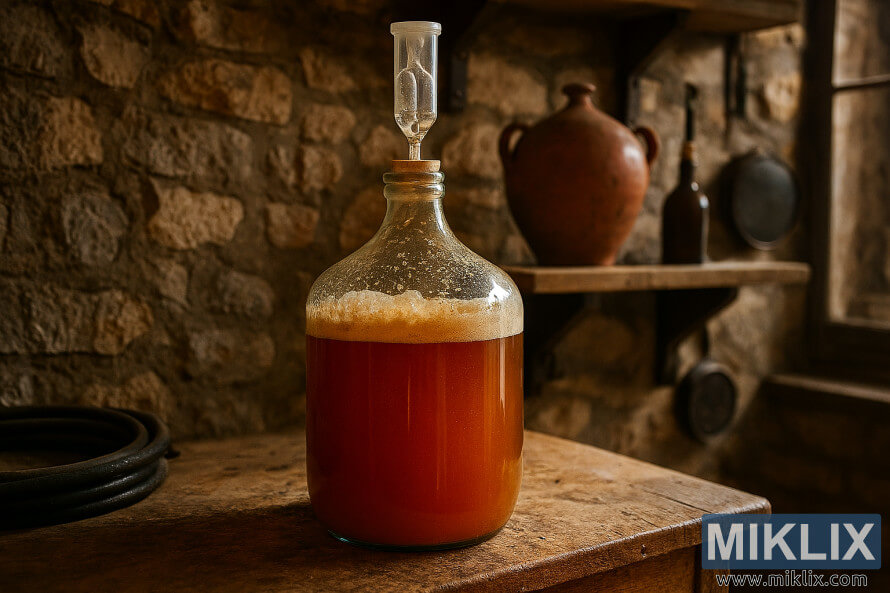
Wyeast 3522 Belgian Ardennes Yeast is a liquid ale yeast strain designed for crafting classic Belgian-style ales and robust, high-gravity beers.
Click or tap the image for more information and higher resolutions.
Key Takeaways
- Wyeast 3522 Belgian Ardennes Yeast is targeted to Belgian-style ales and strong beers.
- Available through major U.S. homebrew retailers, often with shipping promotions.
- The strain delivers versatile ester and phenolic profiles when fermenting with Ardennes.
- This Wyeast 3522 review will cover temperature, pitching, and troubleshooting.
- Use this guide to match Belgian ale yeast behavior to your recipe goals.
Overview of Wyeast 3522 Belgian Ardennes Yeast
Wyeast 3522 offers brewers a reliable ale strain. It falls into the traditional Belgian family and consistently performs well across various recipes.
The Belgian Ardennes strain profile reveals a fermentation range of 65–76°F (18–24°C). This range allows the yeast to create balanced esters and mild spice, provided it's managed properly.
WY3522 specs include an apparent attenuation of 72–76% and high flocculation. This results in a dry finish and clearer beer than many Belgian strains.
- Alcohol tolerance up to about 12%, suitable for dubbels, tripels, and strong ales.
- Flavor: delicate fruit esters with subtle phenolic spice when kept in range.
- Recommended styles: Belgian Pale Ale, Blonde, Dubbel, Tripel, Strong Golden, and Flanders variants.
The strain’s high flocculation means less extended conditioning is needed for brighter beer. This trait is appealing to brewers seeking clarity without heavy filtration.
The Belgian Ardennes strain profile showcases its flexibility. Brewers can aim for fruitier flavors at the lower end of the temperature range or more spice near the top. Predictable attenuation and alcohol tolerance guide recipe decisions.
Why Homebrewers Choose Wyeast 3522 Belgian Ardennes Yeast
Homebrewers often ponder the choice of Ardennes yeast for Belgian ales. The primary reason is its versatility. Wyeast 3522 excels in brewing a wide range of ales, from pale to strong dark varieties. This adaptability makes it a top choice for brewers aiming for a single, reliable yeast strain for various recipes.
The yeast's ability to balance flavors is another key benefit. It produces subtle fruit esters and mild spicy phenols, ensuring no single characteristic overpowers the others. When fermented within the recommended temperature range, the resulting beers exhibit a nuanced taste profile, free from harsh or cloying notes.
One of the yeast's notable strengths is its high flocculation rate. This characteristic leads to clearer, brighter beers more quickly than many other Belgian strains. Such clarity is ideal for both bottle-conditioned ales and kilder-style pours, enhancing the overall appearance of the brew.
Furthermore, Wyeast 3522 boasts an impressive alcohol tolerance, capable of fermenting up to 12% ABV. This capability allows for the creation of strong golden ales and specialty high-gravity beers. Proper pitching and temperature control are crucial to maintaining clean flavors in these high-alcohol brews.
- Reliable performance in homebrew forums and tasting panels.
- Predictable attenuation that helps hit target gravities.
- Retail recognition with known alternatives like White Labs WLP550 and dry options such as Danstar Abbaye Ale.
Community endorsement is significant for many brewers. Wyeast 3522 consistently delivers stable, balanced fermentation when used correctly. Retailers frequently suggest substitutes, making it accessible for hobbyists.
In summary, the choice of Ardennes yeast offers clear advantages. It provides versatility across styles, balanced ester-spice profiles, bright finishes, and strong alcohol tolerance. These strengths underscore why it remains a preferred strain for homebrewers seeking dependable Belgian ale characteristics.
Click or tap the image for more information and higher resolutions.
Fermentation Temperature Guidance for Optimal Flavor
Wyeast 3522 temperature guidance from the manufacturer ranges from 65–76°F (18–24°C). Use this range as a starting point, then adjust based on your desired flavor profile. Proper Ardennes fermentation temperature management is key to shaping esters, phenols, and overall balance.
For a controlled, less spicy character, start cool at about 64–65°F (18°C). A cool start limits phenolic and peppery notes, allowing for clean attenuation. Maintain Belgian yeast temp control during the first two to three days when activity is highest.
If you prefer fruit-forward esters, target mid-range temperatures during active fermentation. Raise the temperature modestly after the first active stage to encourage ester production without harsh phenols. Monitor Wyeast 3522 temperature closely; the beer can run several degrees hotter than ambient during peak activity.
Be cautious with warm ambient conditions. Fermenting in the mid-to-high 60s or low 70s F can drive the strain toward peppery phenolics and bold esters. High internal beer temperatures in the mid-70s increase the chance of what some brewers call “pepper bombs.”
Practical tips:
- Start cool to curb spicy phenols, then allow a gradual rise if you want esters.
- Use a temperature-controlled fermenter or a wrap system for tight Belgian yeast temp control.
- Measure beer temperature, not room temperature, since active fermentation raises wort heat.
Adjust your approach based on desired flavor. Keep an eye on Ardennes fermentation temp and Wyeast 3522 temperature readings to steer the yeast toward the aroma and spice level you prefer.
Pitching Rates, Starters, and Yeast Health
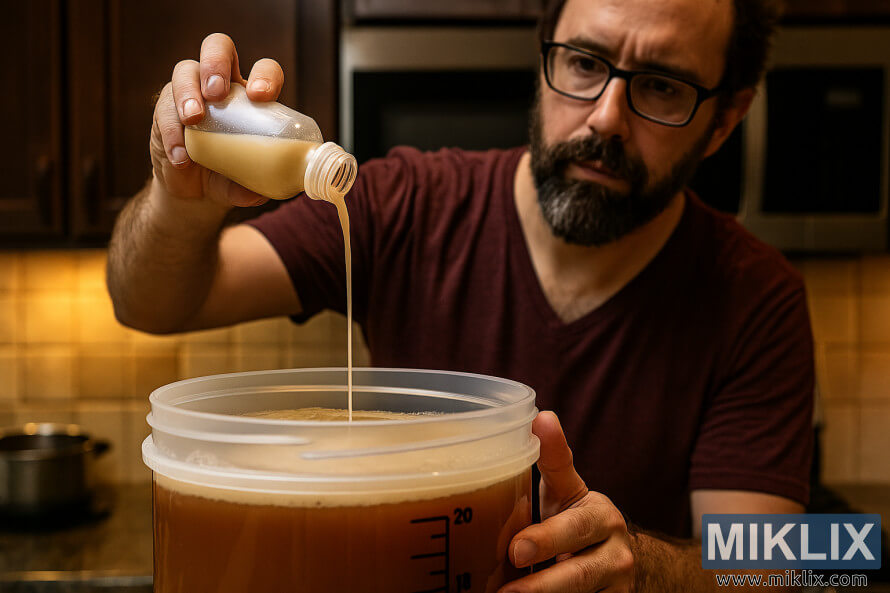
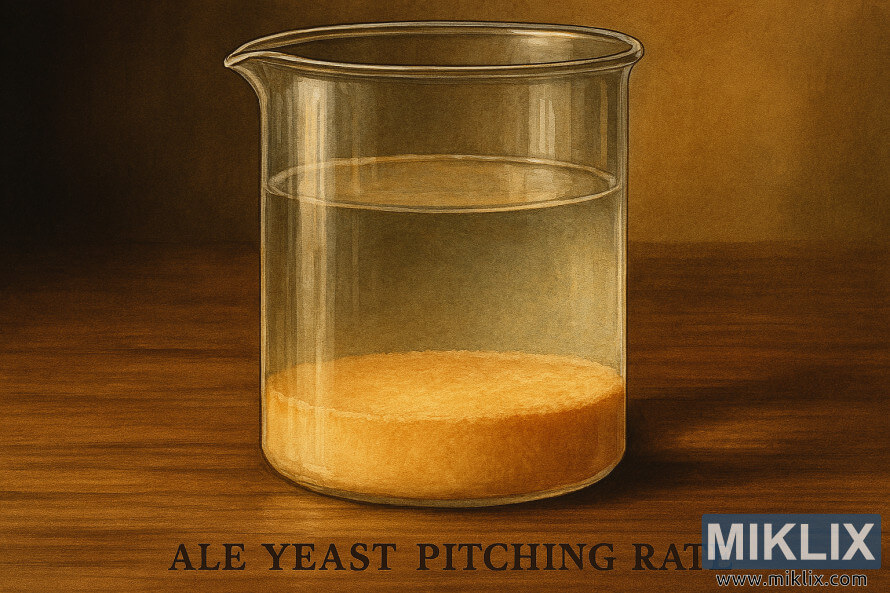
Begin with a solid plan for Wyeast 3522 pitching rates. For most ales, standard rates are suitable. However, for higher gravity beers, an Ardennes yeast starter is crucial. It helps build cell counts and reduces lag times. Retailers and homebrew guides emphasize that a small starter can prevent stuck fermentations.
Consider these pitching strategies:
- Use a starter when original gravity is high or when using older packs.
- Some brewers target 1.0–1.2 million cells/mL per °P and pitch cool, near 18°C, to control ester and phenol levels.
- Under-pitching or warm pitching tends to boost esters and phenolics, producing saison-like character.
Remember to prioritize yeast health throughout the process. Properly oxygenate the wort before pitching. For big beers, add nutrients. Let the yeast finish and settle before packaging. This aids in clarity and reduces yeast-in-bottle issues.
Follow simple handling practices to maintain viability:
- Create an Ardennes yeast starter at least 12–24 hours prior to brew day for best results.
- Pitching cooler can tame phenolics; over-pitching at low temps can mute spice if that is the goal.
- When racking, leave enough time on the yeast cake for conditioning but watch for signs like floating yeast or pronounced neck rings in bottles.
Small, consistent steps protect your brew. Preparing a reliable Ardennes yeast starter and applying basic yeast health tips will improve fermentation reliability and flavor control with Wyeast 3522.
Click or tap the image for more information and higher resolutions.
Attenuation, Flocculation, and Conditioning Behavior
Wyeast 3522 Belgian Ardennes typically shows Ardennes attenuation in the 72–76% range. This level of apparent attenuation yields a relatively dry finish. It suits saisons, Belgian pales, and tripels. Brewers can expect a drier beer than with lower-attenuating strains. So, plan original gravity and mash profile accordingly.
Flocculation Wyeast 3522 displays is high, which helps beers drop bright after primary fermentation. In many batches, the yeast will clear without a long secondary rest. A cold crash will speed settling and reduce the chance of suspended yeast during packaging.
Conditioning Belgian yeast behavior can be mixed once beer is bottled. Some brewers report complete clearing in the fermenter but notice yeast clouds or neck rings in bottles. These signs often reflect residual active cells and normal bottle conditioning for aggressive Belgian strains.
- Bottle conditioning: visible clouds and neck rings may occur during carbonation.
- Stalled fermentation risk: high alcohol tolerance up to about 12% reduces risk, but proper cell counts matter.
- Secondary conditioning: useful when clarity is a priority or when brewing high-gravity beers.
Alcohol tolerance allows the strain to finish stronger beers, yet adequate pitching rates and a healthy starter remain important. If conditioning Belgian yeast in higher gravity batches, allow extra time and monitor gravity to confirm completion.
Flavor Outcomes: Esters, Phenols, and Spiciness
Wyeast 3522 esters phenols create a delicate mix of fruity esters and subtle spicy notes. Brewers note tropical or citrus hints when using hops like Azacca or Citra. This combination brings a lively, layered Ardennes flavor profile.
The phenolic side can manifest as peppery or tart, depending on fermentation choices. Warmer temperatures and modest pitching rates enhance the peppery Belgian yeast character. This can overpower lighter malt bills.
Cooling the ferment and using a robust starter helps temper phenols. These adjustments encourage cleaner ester expression. This keeps the Ardennes flavor profile focused on fruit rather than spice.
Hop-yeast interaction significantly influences perception. When tropical hop oils meet Wyeast 3522 esters phenols, some tasters perceive amplified spiciness. A beer with bold hop aromatics may therefore taste more peppery Belgian yeast than expected.
Time softens many early yeast traits. Bottle conditioning and cold storage help integration. Initial pepper or yeastiness can mellow. Strong phenolic personalities may remain but generally blend with esters as the beer ages.
Practical tweaks yield predictable shifts:
- Lower temps and higher pitch rates reduce phenolics and favor fruity esters.
- Warmer ferments and low pitch encourage peppery Belgian yeast notes and phenolic depth.
- Hop choice can highlight tropical esters or make spice more noticeable.
Use these levers to shape the Ardennes flavor profile to match your recipe goals. Small changes in fermentation or hopping can move the balance between Wyeast 3522 esters phenols and peppery Belgian yeast expression.
Click or tap the image for more information and higher resolutions.
Practical Fermentation Walkthrough for a Belgian Pale Ale
Start by preparing a yeast starter that matches your batch size. For a 5-gallon pale ale, a 1.5–2 liter starter is ideal. Use a stir plate or vigorous shaking to aerate it. Chill your wort to a controlled pitch temperature, aiming for 64–65°F to minimize phenols.
Before adding the yeast, ensure the wort is well-aerated. Use oxygen or vigorous splashing for this. Warm your Wyeast 3522 brewing steps starter or smack pack to the right temperature. This prepares it for pitching without stressing it out. Many brewers slightly over-pitch to tame sharp phenolics.
During primary fermentation, keep the temperature between 64–68°F for the first 48–72 hours. Monitor the krausen and gravity to gauge activity. This period is crucial for balancing esters and phenols, ensuring steady fermentation.
Once fermentation slows, you can gradually increase the temperature to the mid- to upper-60s F. This will enhance ester character. However, avoid temperatures in the mid-70s F, as they can lead to harsh phenolics that overpower the pale ale.
- Monitor gravity daily until changes slow.
- Note krausen collapse as a sign you can reduce temperature control intensity.
- Keep sanitation high when sampling to prevent contamination.
Allow the beer to rest on the yeast for several days to a week. This will help clear flavors. If clarity is a priority, cold crash before packaging to drop excess yeast and speed up clearing.
When packaging, follow standard priming procedures. Be aware that Wyeast 3522 will still have some residual activity. Check your carbonation targets and avoid over-carbonated bottles. This Ardennes recipe walkthrough makes the process straightforward and repeatable.
For a quick reference, follow these steps with Wyeast 3522: prepare a suitable starter, chill and pitch at the target temperature, maintain steady fermentation temperatures early, allow a controlled warm-up if desired, condition on yeast, and package with attention to residual activity.
Troubleshooting Off-Flavors and Common Issues
Peppery or phenolic notes often come from warm fermentation. To address Ardennes off-flavors, first check your fermentation temperature and pitching rate. Cooling the fermenter a few degrees during active fermentation can reduce spicy phenols.
Stalled or incomplete attenuation shows as a thin body and high final gravity. Measure attenuation against the expected 72–76% range. If fermentation stalls, verify cell counts and yeast vitality. Then, consider re-pitching a healthy starter.
Tasting a beer with lots of suspended yeast may read as yeasty or bitter. Cold-conditioning in the fridge for several days helps yeast drop out and clarifies flavor. This step prevents false positives when diagnosing off-flavors.
- Check for infection signs: uneven spoilage, off aromas, or abnormal pellicles. A thin ring in bottles can be infection, but Belgian yeasts sometimes leave a normal krausen ring.
- Monitor carbonation closely to avoid bottle bombs if a fermentation restarted in the bottle.
- If peppery beer causes are suspected, reduce fermentation temperatures and avoid high ambient temps during peak activity.
Remedies are straightforward. Re-pitch robust yeast or build a fresh starter when fermentation lags. Cold-crash before packaging to clarify. If flavor balance still leans phenolic, try slightly lower pitch temperatures or modest over-pitching next batch to tame spicy esters.
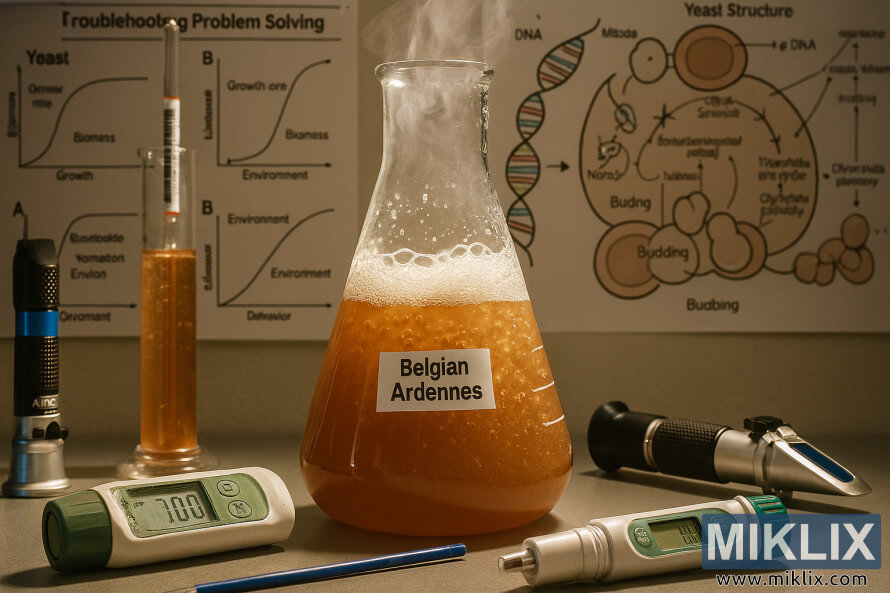
Use this Wyeast 3522 troubleshooting checklist when problems arise. Run through temp, pitch, clarity, and infection checks in that order to isolate root causes quickly and preserve your next brew.
Click or tap the image for more information and higher resolutions.
Comparisons and Substitutions for Wyeast 3522 Belgian Ardennes Yeast
Brewers often look for alternatives to Wyeast 3522, weighing liquid and dry options. White Labs WLP550 is a liquid substitute that aims to replicate the estery and phenolic characteristics of Wyeast 3522. The debate between WLP550 and 3522 centers on minor differences in ester intensity, phenol balance, and flocculation behavior.
For those preferring dry yeast, Danstar Abbaye Ale and Nottingham are viable substitutes. Danstar Abbaye can mimic the spicy, clove-like notes of Ardennes, though it may alter the body and ester profile. Nottingham, on the other hand, offers a cleaner fermentation with higher attenuation, leading to a drier finish.
When deciding between WLP550 and 3522, remember that strain temperament is crucial. WLP550 may exhibit slightly different ester/phenol ratios and flocculation rates. These variations can impact mouthfeel and perceived sweetness, even when the original gravity and hopping are the same.
- Pitching: Increase cell counts slightly when switching formats. Liquid to dry swaps can need a higher viable count to match flavor outcomes.
- Temperature: Tight temperature control helps mimic Ardennes’ profile. Keep temps in the recommended range for the chosen substitute to guide ester and phenol production.
- High-gravity beers: Verify alcohol tolerance of the substitute. Some dry options struggle in high ABV batches, so step-feed or oxygenate more aggressively if needed.
Practical tips can ease the transition between strains. Make a starter when moving from dry to liquid for consistent vigor. Taste and document differences after conditioning to refine future substitutions. Clear expectations reduce surprise when a dry yeast substitute Ardennes delivers a different ester balance than Wyeast 3522.
- Test small batches first to compare WLP550 vs 3522 under the same recipe.
- Adjust pitching rate and fermentation schedule when using dry yeast substitutes.
- Record temp ranges and attenuation for each strain to build a local reference.
Substitution is practical when supplies run low or when a specific fermenting trait is desired. Use the guidance above to match flavor, attenuation, and clarity as closely as possible while experimenting within your own brewery context.
Packaging, Carbonation, and Shelf Stability
When packaging beers fermented with Wyeast 3522 Belgian Ardennes, plan for active bottle conditioning. This strain leaves a noticeable yeast presence in the bottle. Visible yeast clouds and neck rings are common when beers are bottled without cold crashing.
Use these Ardennes packaging tips to reduce risks. Cold crash before bottling to drop yeast if clarity matters. If you choose kegging, cold-conditioning in the keg before force-carbonating will improve clarity and let flavors integrate more smoothly.
Bottle conditioning Wyeast 3522 requires careful priming. Monitor fermentation progress and measure gravity before bottling to avoid over-priming. Check bottles after a week to spot signs of over-carbonation or bottle bombs if fermentation was vigorous at packaging.
Carbonation level changes how the beer presents phenolics and aromatics. Higher carbonation can lift esters and spice, making aromas more vivid when cold. Lower carbonation can mellow sharp notes and let malt character show through.
- Target carbonate levels typical for Belgian ales unless the recipe calls for variation.
- Force-carbonation in kegs gives control and reduces uneven conditioning found in bottling.
- When bottle conditioning Wyeast 3522, allow several weeks at stable temperature for full maturation.
Shelf life Belgian ales depends on alcohol, storage, and packaging quality. With up to 12% alcohol tolerance and normal attenuation, beers made with 3522 that are properly packaged and stored cold will age like other Belgian ales. Higher alcohol styles will maintain character longer in the cellar.
Store bottles or kegs in a cool, dark place and avoid temperature swings. Inspect bottles periodically for swelling or leaks. Proper sealing and sanitation at packaging time preserve carbonation and minimize oxidation risks.
Adopt a simple checklist for safe packaging:
- Verify final gravity and that fermentation is complete.
- Decide between bottle conditioning and kegging based on clarity and control needs.
- Cold condition when possible to reduce suspended yeast before transfer.
- Label and date packages to track shelf life Belgian ales accurately.
These practices keep carbonation consistent and protect the beer's aroma profile during storage. Follow Ardennes packaging tips and monitor conditioned bottles to enjoy stable, flavorful Belgian ales over time.
Recipes and Style Ideas Showcasing Belgian Ardennes
Begin with a clean Belgian Pale Ale to emphasize yeast esters. Choose a Pils or Belgian pale base malt, add a touch of Vienna for body, and use 20–30 IBUs from citrus-forward hops like Azacca. Aim for an original gravity near 1.048 and pitch healthy cells of Wyeast 3522. This approach lets the yeast's fruit and clove notes shine without overpowering the hops.
For a classic Dubbel, aim for a starting gravity of 1.070–1.080 and step up yeast in a starter for full attenuation. Incorporate specialty malts like Munich and Belgian candy sugar for caramel depth. Ferment a touch warmer late in the run to enhance the ester profile when following Wyeast 3522 recipe ideas.
Consider a Tripel or Strong Golden Ale for elevated alcohol with a dry finish. Use pale base malt and clear Belgian candi sugar to lighten the body while preserving complex yeast character. Oxygenate well and pitch a larger starter to manage the high gravity. Then, allow a brief temperature rise for expressive esters before conditioning.
A Belgian Blonde Ale offers a flexible canvas for ingredient pairing. Keep the gravity moderate, use Saaz or Styrian Goldings sparingly, and focus on grain that supports phenolics. These Belgian Ardennes recipes benefit from subtle citrus or tropical hop accents used with restraint, allowing yeast phenols to remain central.
- Belgian Specialty Ale: incorporate dark candi or toasted sugar for richer color and raisin notes.
- Flanders Brown/Oud Bruin: blend solera-aged character with mild lacto acidity and Ardennes fermentation for complex sour-sweet balance.
- Belgian Dubbel variant: add toasted raisin and plum notes via specialty malts while maintaining yeast-driven spice.
Follow these process tips when brewing with Ardennes. Make a starter for higher gravities, pitch on the cooler side to manage phenolics, and allow a controlled temperature rise for more esters. Cold crash briefly before packaging to improve clarity and shelf stability.
Keep gravities aligned with expected attenuation: moderate for pale ales, higher for dubbels and tripels. Pair hops that bring citrus or tropical notes but do so sparingly. Use malts that bolster yeast character rather than mask it when applying Wyeast 3522 recipe ideas in homebrews.
Buying, Storage, and Handling in the United States
To purchase Wyeast 3522 USA, visit reputable American homebrew shops and large online retailers. These platforms provide detailed product information and customer feedback. This feedback, along with Q&A and user notes, is invaluable when selecting a smack pack or vial.
Retailers frequently offer free shipping on orders exceeding certain thresholds, like $59 or $99. They may also provide cold chain shipping for live liquid yeast during warmer months. It's crucial to inquire about refrigerated transit when ordering.
Proper storage of Ardennes yeast is essential. Keep it refrigerated and use it before the expiration date printed on the package. Cooler temperatures are key to preserving viability. Minimize movement and avoid prolonged delays between shipping and refrigeration.
Adhere to Wyeast handling guidelines. For a smack pack, follow the activation instructions and wait for the indicator to show activity. When creating a starter, scale the volume based on gravity and desired cell count for a healthy pitch.
Cleanliness is paramount. Sanitize all surfaces and vessels before starting a starter or pitching. Adequate aeration of wort ensures the yeast has oxygen for early growth. Pitch at the recommended temperature for Belgian Ardennes strains to enhance ester and phenol profiles.
- Check product pages for user reviews and experiential tips.
- Confirm shipping practices during hot weather.
- Refrigerate immediately on arrival and track expiration dates.
- Create a starter when brewing high-gravity beers or large batches.
Customer feedback on retailer pages offers practical handling insights and troubleshooting ideas. Utilize these notes to refine your process and enhance fermentation outcomes. By following solid Wyeast handling tips, you can ensure successful brewing when you buy Wyeast 3522 USA and store Ardennes yeast.
Conclusion
Wyeast 3522 final thoughts: the Belgian Ardennes strain is a dependable, high-flocculation ale yeast. It suits a wide range of Belgian styles. It reliably produces a mix of fruity esters and subtle spicy phenols when fermented in the recommended temperature window and with proper pitching practice.
Key control points are simple: start fermentation on the cool side, use an adequate pitching rate or a starter, and adjust pitch temperature or cell count if you want to tame peppery notes. These steps help the yeast finish bright and support strong beers up to roughly 12% ABV without leaving harsh off-flavors.
Should I use Wyeast 3522? For brewers who want one versatile Belgian strain that performs well across saisons, dubbels, tripels, and Belgian pales, it is a strong choice. If the peppery character becomes an issue, try over-pitching slightly, cooler fermentation, or consider substitutes like White Labs WLP550, Abbaye, or Nottingham.
Further Reading
If you enjoyed this post, you may also like these suggestions:
- Fermenting Beer with White Labs WLP351 Bavarian Weizen Ale Yeast
- Fermenting Beer with White Labs WLP565 Belgian Saison I Yeast
- Fermenting Beer with White Labs WLP002 English Ale Yeast