
Fermenting Beer with Wyeast 3655-PC Belgian Schelde Ale Yeast
Published: September 26, 2026 at 8:36:03 AM UTC
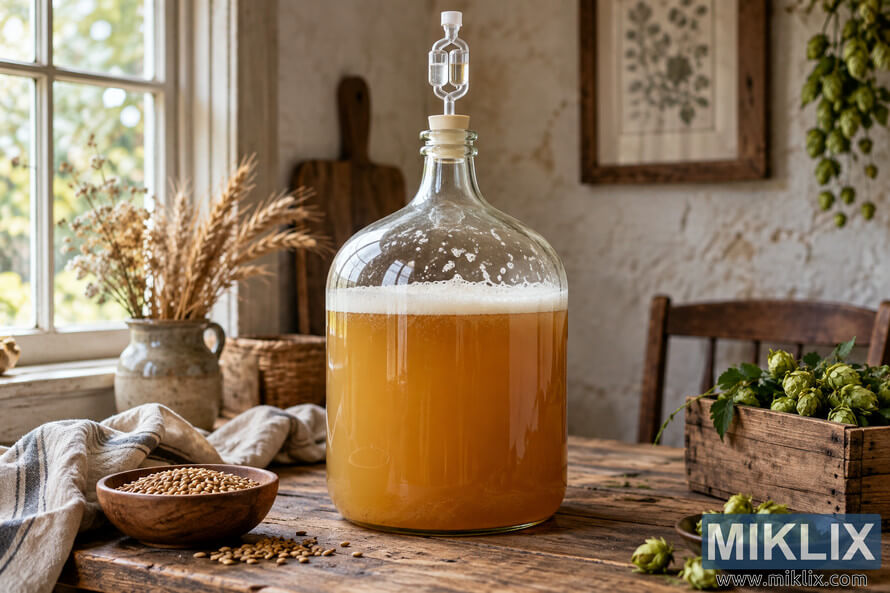
Belgian farmhouse ales demand specific yeast strains to achieve their signature character. Wyeast 3655-PC Belgian Schelde Ale delivers the complex esters and earthy spicy notes that define authentic Belgian style beers.
Click or tap the image for more information and higher resolutions.
This strain produces slightly tart dry flavors with classic Belgian aromas. Homebrewers choose this ale strain for saisons and farmhouse ales that require traditional Belgian characteristics.
Understanding proper fermentation techniques ensures optimal results. This guide covers everything from pitching rates to troubleshooting common issues with this versatile yeast.
Understanding Wyeast 3655-PC Belgian Schelde Ale Yeast Strain
The Belgian Schelde yeast represents a perfect strain farmhouse ales and saisons demand. This ale strain originates from traditional Belgian brewing regions known for producing complex farmhouse style beers.
Wyeast developed this strain to capture authentic Belgian beer styles characteristics. The yeast produces complex esters balanced with earthy spicy notes that define classic Belgian aromas.
This strain excels in saison farmhouse style production. Brewers appreciate its ability to create slightly tart dry peppery finish profiles in finished beer.
Key Strain Characteristics
Fermentation Profile
- Attenuation range: seventy-six to eighty-three percent
- Temperature tolerance: sixty-eight to eighty degrees Fahrenheit
- Flocculation: medium to low settling
- Alcohol tolerance: handles high gravity beers up to twelve percent
Flavor Contributions
- Produces complex esters with fruit aromatics
- Delivers balanced earthy spicy character
- Creates slightly tart dry finish
- Develops peppery phenolic notes
The strain performs exceptionally well across multiple beer styles. Belgian style ale production benefits most from this versatile yeast choice.
Brewers working with high gravity applications find reliable performance. The yeast maintains characteristic flavor production even under stress conditions.
Pro Tip: This strain produces complex esters balanced earthy spicy notes best when fermented at warmer temperatures between seventy-four and seventy-eight degrees Fahrenheit.
Flavor Profile and Aroma Characteristics
Primary Flavor Components
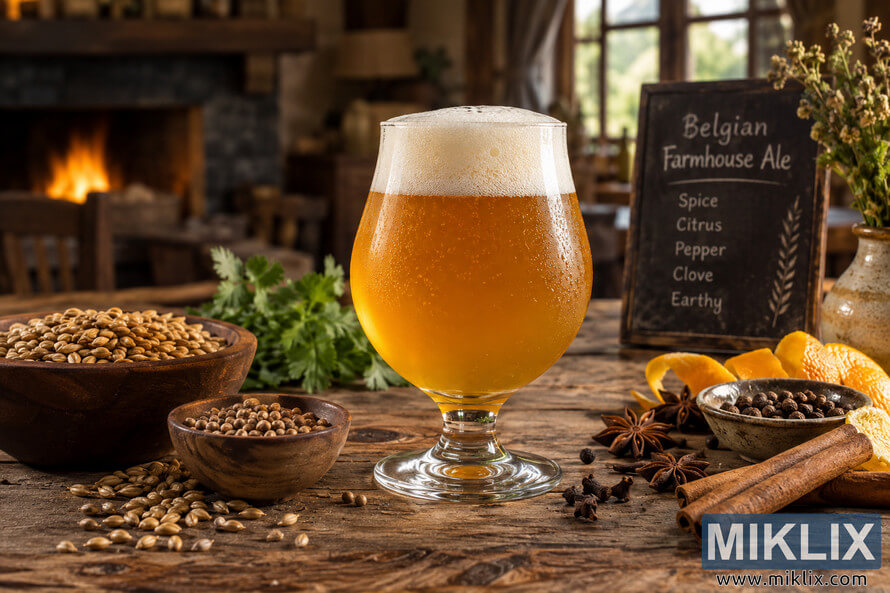
The yeast generates distinctive Belgian character through enzymatic processes. Ester production creates fruit-forward aromatics that complement grain bills.
Phenolic development adds complexity to the overall profile. These compounds produce the signature earthy spicy notes Belgian beer styles require.
- Fruity esters reminiscent of citrus and stone fruit
- Peppery phenols contributing to characteristic spice
- Subtle tart qualities enhancing drinkability
- Dry finish promoting proper attenuation
- Clean fermentation without unwanted off-flavors
Click or tap the image for more information and higher resolutions.
Aroma Development
Classic Belgian aromas emerge during active fermentation. The strain produces aromatics that define authentic farmhouse ales saisons.
Temperature management influences aroma intensity significantly. Higher fermentation temperatures amplify ester and phenol production for bolder character.
Temperature Impact on Flavors
Lower temperature ranges produce subtle character. Fermentation between sixty-eight and seventy-two degrees yields restrained esters.
Mid-range temperatures develop balanced profiles. This sweet spot between seventy-three and seventy-six degrees creates harmonious flavors.
Higher temperatures intensify characteristic elements. Fermenting above seventy-seven degrees amplifies both esters and phenolic character.
Grain selection influences final flavor outcomes. The yeast works beautifully with traditional Belgian malt profiles and specialty sugars.
Recommended Beer Styles and Applications
Click or tap the image for more information and higher resolutions.
Ideal Style Matches
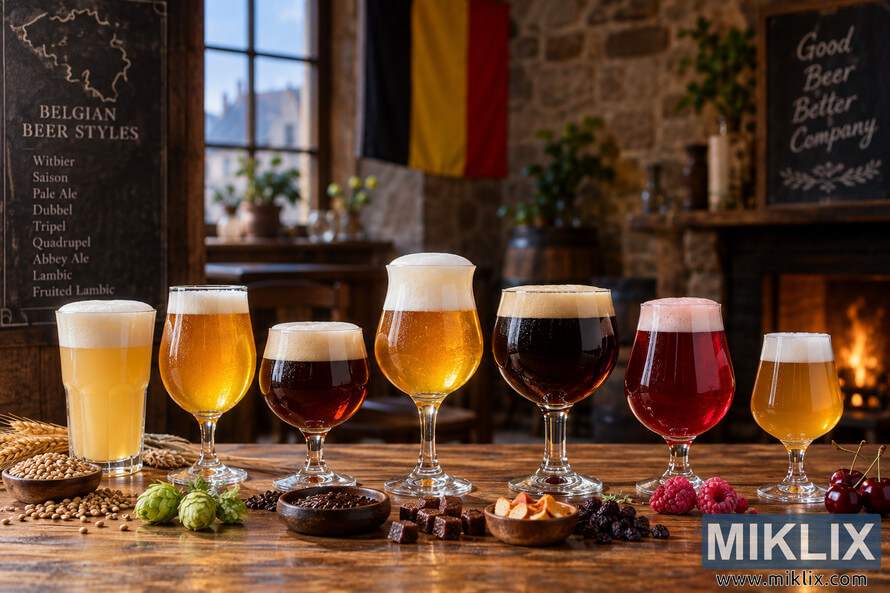
Belgian style ale production represents the primary application. The strain excels in creating authentic farmhouse ales with traditional characteristics.
Saison brewing benefits tremendously from this yeast choice. The strain produces the slightly tart dry peppery finish saisons require.
Primary Styles
- Belgian Saison
- Farmhouse Ale
- Belgian Pale Ale
- Belgian Blonde
Secondary Applications
- Belgian Tripel
- Belgian Golden Strong
- Bière de Garde
- Specialty Belgian Ales
Experimental Uses
- High Gravity Beers
- Sour Beer Blends
- Belgian IPA
- Specialty Hybrids
Style-Specific Considerations
Pale ale production with this strain requires careful planning. The yeast contributes significant character that should complement hop profiles.
High gravity beers demand attention to pitch rates. The strain handles elevated alcohol levels when properly nourished and pitched adequately.
| Beer Style | Temperature Range | Expected Character | Attenuation |
| Belgian Saison | 72-78°F | Peppery, tart, dry | 78-83% |
| Farmhouse Ale | 70-76°F | Earthy, spicy, fruity | 76-80% |
| Belgian Pale Ale | 68-74°F | Balanced esters, subtle spice | 76-79% |
| Belgian Tripel | 70-75°F | Complex fruit, warming alcohol | 78-82% |
Each style demands specific fermentation approaches. Understanding yeast behavior helps brewers achieve target characteristics consistently.
Optimal Fermentation Temperature and Conditions
Click or tap the image for more information and higher resolutions.
Temperature Management
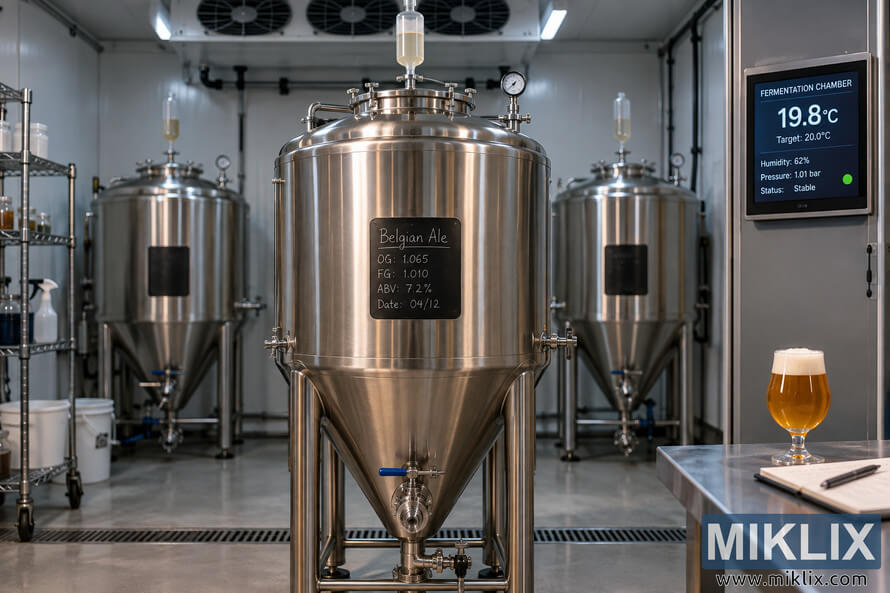
Proper temperature control determines fermentation success. The strain performs across a wide range but delivers best results within specific parameters.
Initial pitching temperature should match target fermentation range. Shocking yeast with temperature differentials creates stress and affects performance.
- Start fermentation between sixty-eight and seventy degrees Fahrenheit
- Allow natural temperature rise during active fermentation
- Peak temperatures between seventy-four and seventy-eight degrees produce optimal character
- Maintain stable conditions throughout primary fermentation
- Avoid temperature swings exceeding five degrees
Attenuation Expectations
The yeast achieves seventy-six to eighty-three percent attenuation typically. Final gravity depends on mash temperature, grain bill composition, and fermentation conditions.
Higher mash temperatures reduce fermentability. This creates residual sweetness that balances the slightly tart dry character.
Attenuation Factors: Grain composition, mash temperature, fermentation temperature, pitch rate, and yeast health all influence final attenuation levels.
Oxygen Requirements
Adequate oxygenation supports healthy fermentation. The yeast requires dissolved oxygen for cell membrane synthesis and reproduction.
Standard aeration provides eight to ten parts per million oxygen. High gravity beers benefit from pure oxygen injection reaching twelve to fourteen ppm.
Proper Pitching Rates and Cell Counts
Calculating Pitch Rates
Standard ales require zero point seven five million cells per milliliter per degree Plato. Belgian style ales often benefit from slightly lower rates to encourage ester production.
A five-gallon batch at 1.050 specific gravity needs approximately one hundred fifty billion cells. High gravity beers demand proportionally more yeast.
Standard Gravity Beers
Original gravity below 1.060 works with single fresh yeast package. Verify manufacture date ensures viability above eighty percent.
Direct pitching works for most applications. Room temperature yeast integrates better than refrigerated packages.
High Gravity Applications
Beers exceeding 1.065 require yeast starters. Build cell counts to appropriate levels days before brew day.
Calculate required cells using online calculators. Account for yeast age and viability when determining starter size.
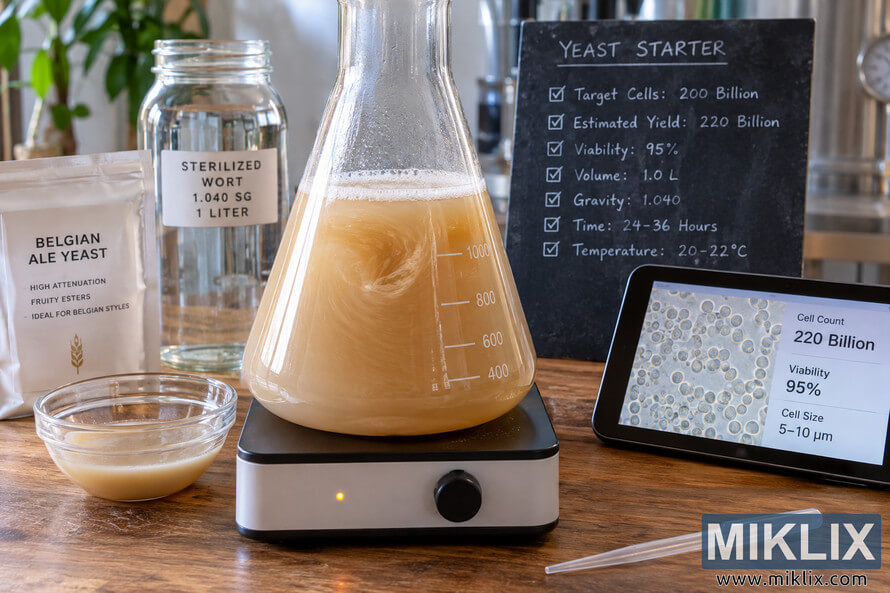
Yeast Starter Preparation
Multi-step starters build adequate cell populations. Begin three to four days before brewing to allow proper growth.
- Prepare one-liter starter with 1.040 wort
- Pitch yeast package and aerate thoroughly
- Ferment on stir plate for twenty-four hours
- Step up to two liters if needed
- Cold crash and decant before pitching
- Fresh yeast produces better results than old packages. Check manufacturing dates and store properly until use.
Click or tap the image for more information and higher resolutions.
Step-by-Step Fermentation Best Practices
Pre-Fermentation Preparation
Sanitization prevents contamination issues. Clean all equipment thoroughly before introducing yeast strains into wort.
Wort temperature stabilization ensures healthy start. Match pitching temperature to target fermentation range before adding yeast.
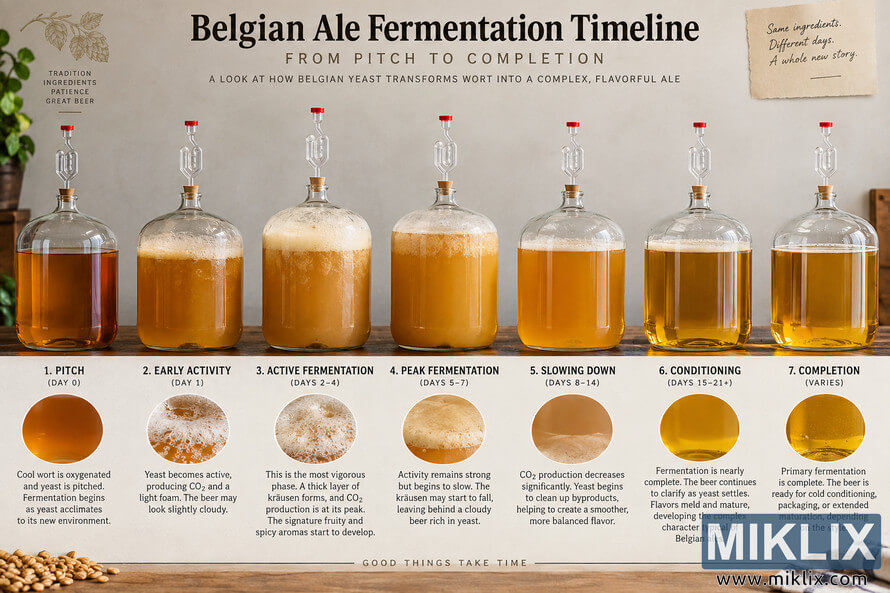
Primary Fermentation Timeline
- Pitch yeast into well-aerated wort at target temperature
- Seal fermenter with appropriate airlock system
- Observe lag phase lasting six to twelve hours
- Monitor active fermentation beginning within twenty-four hours
- Track temperature throughout fermentation maintaining stability
- Allow primary fermentation to continue seven to ten days
- Verify final gravity stability over two consecutive days
- Consider diacetyl rest if needed for cleaner finish
Click or tap the image for more information and higher resolutions.
Active Fermentation Monitoring
Vigorous activity peaks between days two and four. The krausen develops thick creamy texture indicating healthy yeast performance.
Temperature rises naturally during peak activity. Allow controlled rise within acceptable range for enhanced character development.
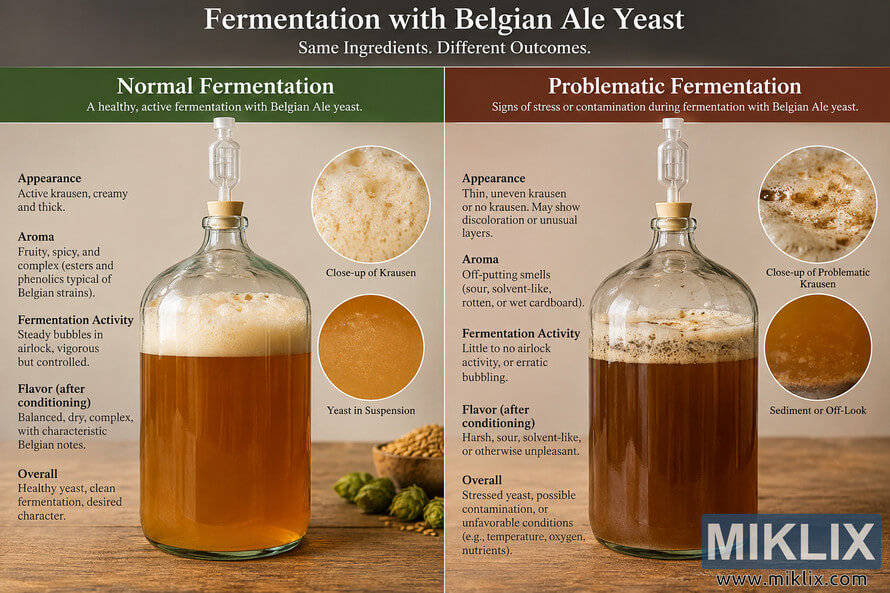
Important: Rapid temperature fluctuations stress yeast and produce off-flavors. Maintain stable environment throughout fermentation for clean characteristic Belgian flavors.
Secondary Considerations
Secondary fermentation remains optional for most applications. The strain produces clean flavors without extended conditioning.
High gravity beers benefit from additional time. Extended aging allows flavors to meld and harsh alcohol notes to smooth.
- Standard strength beers condition adequately in primary vessel
- High gravity applications improve with two to four weeks secondary
- Cold conditioning enhances clarity without filtration
- Bottle conditioning develops natural carbonation effectively
Troubleshooting Common Fermentation Issues
Stuck or Slow Fermentation
Incomplete attenuation frustrates brewers frequently. Multiple factors contribute to fermentation stopping prematurely.
Temperature drops halt yeast activity quickly. Maintaining consistent warmth throughout fermentation prevents stalling.
Low Temperature Issues
Cold conditions slow yeast metabolism significantly. The strain requires minimum sixty-eight degrees for proper activity.
- Raise fermentation temperature gradually
- Insulate fermenter if ambient temperature drops
- Use temperature control equipment for consistency
- Avoid basement locations without climate control
Click or tap the image for more information and higher resolutions.
Insufficient Yeast Population
Underpitching creates stress conditions. Too few cells struggle to complete fermentation properly.
- Calculate proper pitch rates before brewing
- Build adequate starters for high gravity
- Verify yeast package freshness and viability
- Consider repitching fresh yeast if needed
Poor Oxygenation
Inadequate oxygen limits yeast reproduction. Cells need oxygen for healthy growth and complete fermentation.
- Aerate wort thoroughly before pitching
- Shake carboys vigorously for several minutes
- Use pure oxygen systems for high gravity
- Never aerate after fermentation begins
High Mash Temperature
Excessive mash heat produces unfermentable sugars. The yeast cannot process complex dextrins remaining.
- Target mash temperature between 148-154°F
- Verify thermometer calibration regularly
- Accept slightly higher final gravity gracefully
- Adjust recipes based on equipment performance
Off-Flavor Management
Undesirable flavors indicate fermentation problems. Identifying causes helps prevent future batches from similar issues.
Phenolic character becomes excessive above eighty degrees. While some phenols define Belgian character, too much creates medicinal flavors.
| Off-Flavor | Likely Cause | Prevention Method |
| Excessive solvent character | Too high fermentation temperature | Maintain temps below 78°F |
| Butter or butterscotch notes | Insufficient diacetyl rest | Allow warmup at end of fermentation |
| Sulfur or eggy aromas | Normal during fermentation | Allow adequate conditioning time |
| Cidery or thin character | Too much simple sugar | Limit adjuncts to 20% of grain bill |
Contamination Prevention
Wild yeast or bacteria ruin beer quickly. Proper sanitation protects investments of time and ingredients.
The slightly tart character this strain produces differs from infection sourness. Learn to distinguish normal tartness from contamination.
Advanced Tips for Optimal Results
Water Chemistry Considerations
Mineral content influences yeast performance and flavor. Belgian brewing water traditionally contains moderate sulfate and chloride levels.
Balanced water profiles support clean fermentation. Avoid excessive minerals that stress yeast strains unnecessarily.
- Target sulfate between fifty and one hundred fifty ppm
- Maintain chloride between fifty and one hundred ppm
- Keep calcium above fifty ppm for yeast health
- Adjust pH to 5.2-5.4 range during mash
Nutrient Additions
Yeast nutrients support healthy fermentation especially in high gravity beers. The strain benefits from adequate nitrogen and micronutrients.
Add nutrients at beginning of boil for proper integration. Follow manufacturer recommendations for dosage based on batch size.
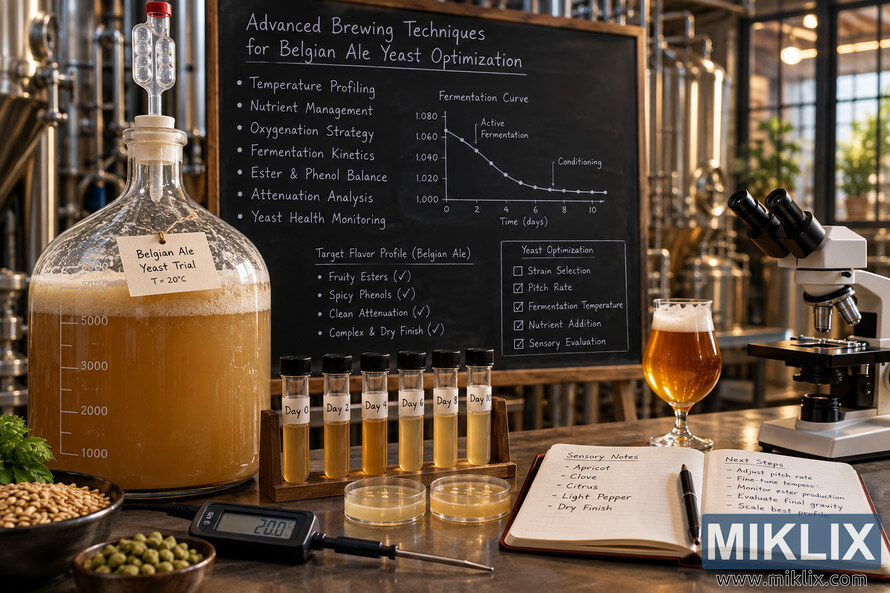
Temperature Ramping Strategy
Controlled temperature increases enhance ester development. Starting cooler and raising temperature produces complex balanced flavors.
- Begin fermentation at sixty-eight to seventy degrees
- Allow natural rise during active fermentation
- Raise temperature to seventy-six degrees on day three
- Maintain elevated temperature through day seven
- Allow cooling naturally as fermentation completes
- Expert Technique: Some brewers start at sixty-five degrees and gradually raise to eighty degrees over five days. This creates intensely characteristic Belgian aromatics while maintaining clean fermentation.
Yeast Harvesting and Reuse
This strain repitches well through multiple generations. Harvesting yeast saves money and maintains consistent house character.
Collect yeast from healthy fermentations only. Avoid harvesting from stuck batches or beers showing off-flavors.
- Harvest from primary fermenter before transferring beer
- Store in sanitized mason jars under beer layer
- Refrigerate harvested yeast promptly after collection
- Use within two to three weeks for best viability
- Build starters from harvested yeast before repitching
- Limit reuse to five generations maximum
Click or tap the image for more information and higher resolutions.
Integrating Wyeast 3655-PC Into Homebrew Recipes
Grain Bill Design
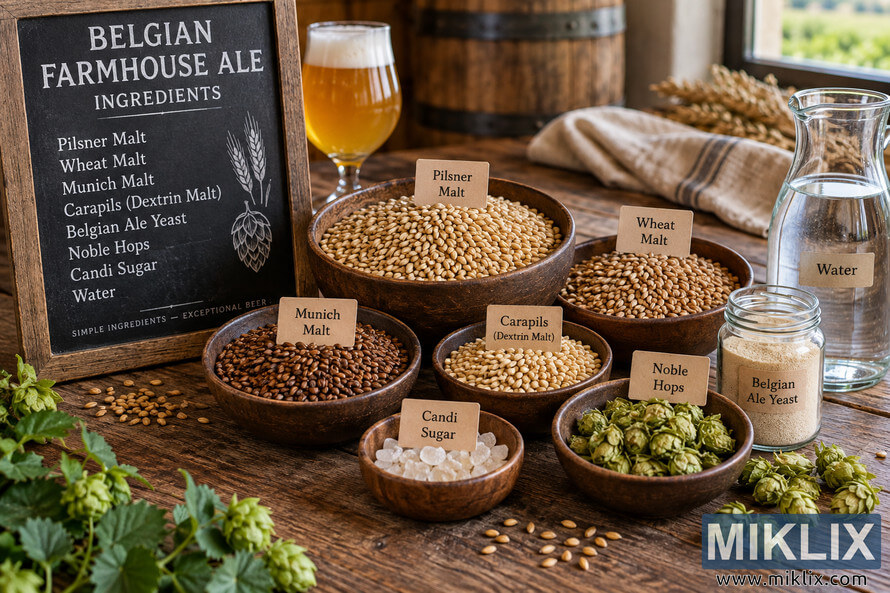
Belgian pilsner malt forms ideal base for this yeast. The clean malt character allows yeast esters and phenols to shine prominently.
Specialty grains add complexity without overwhelming yeast character. Wheat malt contributes body and enhances head retention in farmhouse ales.
Recommended Grain Proportions
- Belgian Pilsner malt: seventy to eighty-five percent base
- Wheat malt: ten to twenty percent for body
- Munich malt: five to ten percent for depth
- Aromatic malt: two to five percent for complexity
- Specialty sugars: five to fifteen percent for attenuation
Click or tap the image for more information and higher resolutions.
Hop Selection Guidelines
Noble hops complement Belgian yeast character beautifully. Saaz, Hallertau, and Styrian Goldings provide classic European character.
Moderate hopping rates work best for style accuracy. The yeast produces sufficient complexity without aggressive hop bitterness competing.
Sugar Additions
Belgian candi sugar lightens body while boosting alcohol. Clear varieties maintain pale color while dark sugars add complexity to stronger ales.
Add sugars late in boil for best integration. The yeast ferments simple sugars readily contributing to dry finish.
Sugar Usage: Limit total simple sugars to twenty percent of fermentables. Excessive sugar creates thin body and cidery flavors despite proper fermentation.
Packaging and Carbonation Strategies
Carbonation Levels
Belgian styles demand higher carbonation than typical ales. Target three to four volumes CO2 for authentic presentation and mouthfeel.
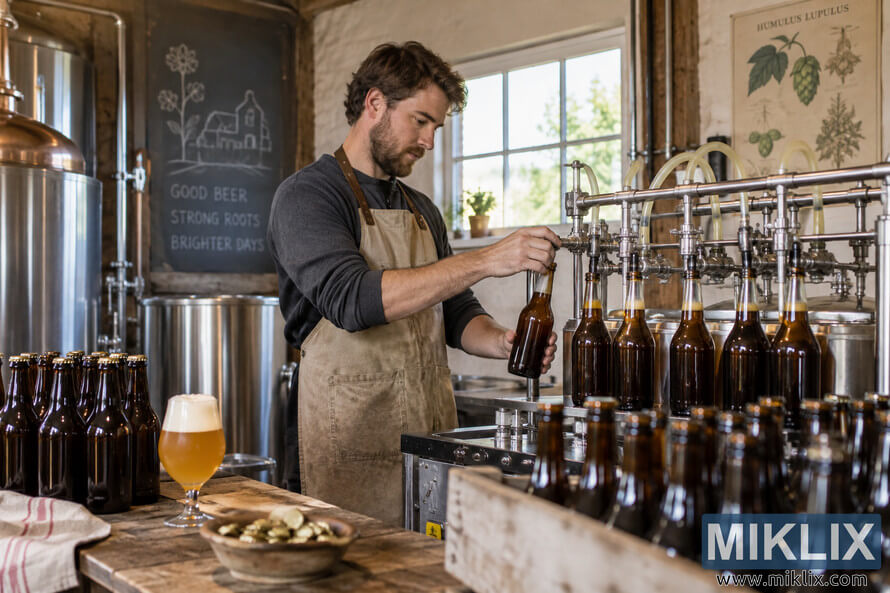
Bottle conditioning produces finest carbonation texture. The yeast remains active enough to carbonate bottles naturally.
Priming Sugar Calculation
Calculate priming sugar based on beer temperature and target carbonation. Online calculators provide accurate measurements for batch size.
- Measure beer temperature accurately before priming
- Dissolve priming sugar completely in boiled water
- Mix gently into beer avoiding oxygen introduction
- Bottle immediately after mixing priming solution
- Store bottles at room temperature for conditioning
Click or tap the image for more information and higher resolutions.
Conditioning Timeline
Allow two to three weeks for complete carbonation. Belgian beers improve significantly with proper aging time.
Temperature affects conditioning speed directly. Warmer storage accelerates carbonation but avoid exceeding seventy-five degrees.
Conclusion
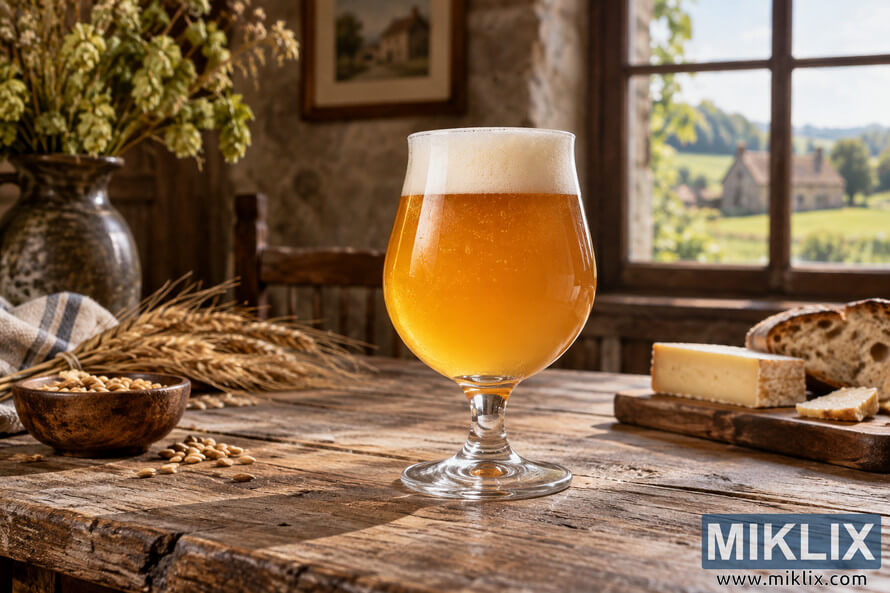
Wyeast 3655-PC Belgian Schelde Ale delivers authentic Belgian character reliably. This versatile strain produces the complex esters balanced earthy spicy notes that define classic farmhouse ales and saisons.
Success requires attention to fermentation parameters and proper yeast handling. Temperature management, adequate pitch rates, and patience throughout fermentation ensure optimal results.
The strain rewards brewers who understand its characteristics. From proper pitching through final packaging, each step contributes to achieving traditional Belgian beer styles authenticity.
Experimentation refines technique over multiple batches. Track fermentation temperatures, document results, and adjust approaches based on outcomes to develop consistent processes.
This Belgian ale yeast opens possibilities for creative brewing. Whether crafting traditional saisons or exploring modern interpretations, Wyeast 3655-PC provides the foundation for exceptional Belgian style beers.
Click or tap the image for more information and higher resolutions.
Further Reading
If you enjoyed this post, you may also like these suggestions:
- Fermenting Beer with CellarScience Berlin Yeast
- Fermenting Beer with Bulldog B49 Bavarian Wheat Yeast
- Fermenting Beer with Lallemand LalBrew Abbaye Yeast