
Fermenting Beer with White Labs WLP099 Super High Gravity Ale Yeast
Published: July 12, 2026 at 8:24:52 PM UTC
This review delves into White Labs WLP099 Super High Gravity Ale Yeast's role in fermenting high ABV beers. It's aimed at homebrewers and professionals looking to craft imperial ales and other high-alcohol styles.
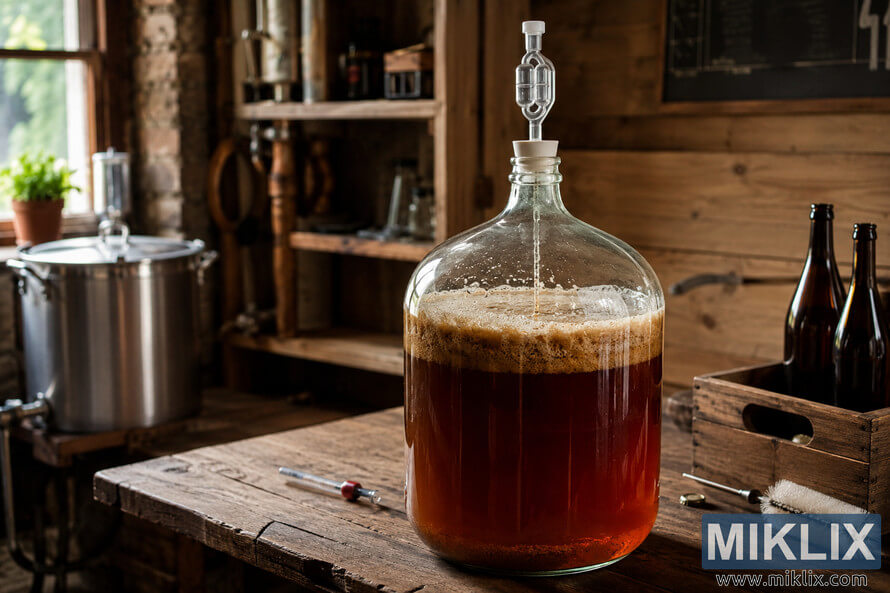
Click or tap the image for more information and higher resolutions.
This review delves into White Labs WLP099 Super High Gravity Ale Yeast's role in fermenting high ABV beers. It's aimed at homebrewers and professionals looking to craft imperial ales and other high-alcohol styles. The content is informative and practical, designed to assist in the brewing process.
Key Takeaways
- White Labs WLP099 Super High Gravity Ale Yeast is designed for high-gravity and high-ABV fermentations.
- The guide provides step-by-step pitching and starter strategies for robust propagation.
- Expect reliable attenuation and clear targets for final gravity with proper nutrition and oxygenation.
- Temperature control and staggered nutrient additions reduce stress and minimize off-flavors.
- Sources include White Labs specs, John Palmer's How to Brew, peer-reviewed studies, and experienced homebrewers.
Overview of White Labs WLP099 Super High Gravity Ale Yeast
This section provides a concise overview of WLP099 and highlights its popularity for extreme-gravity brewing. It showcases White Labs' focus on alcohol resilience, steady attenuation, and stress tolerance. This information serves as a quick reference for brewers planning big beers.
What makes WLP099 unique
WLP099 is bred by White Labs to excel in high-gravity brewing. It's designed for strong ethanol tolerance and extended fermentation. Brewers appreciate its ability to maintain fermentation activity, even when standard ale yeasts falter.
Typical attenuation and alcohol tolerance
WLP099 typically attains high attenuation, ranging from 75% to 90%. The ABV tolerance is commonly seen between 12–18%, provided proper pitch rate, nutrient, and oxygenation management. Variability is influenced by pitching rate, oxygenation, fermentation temperature, and wort composition.
Recommended beer styles for WLP099
- Barleywine and old ale, where long attenuation and robust alcohol tolerance help reach target strength.
- Imperial stout and American/Belgian strong ales, benefiting from deep attenuation and resilient fermentation.
- Imperial IPA variants and experimental high-ABV beers that need reliable alcohol completion.
WLP099 is a top choice for serious high-ABV brews due to its robust characteristics. However, its aggressive attenuation and flavor contributions might be too much for delicate, low-gravity, hop-forward beers.
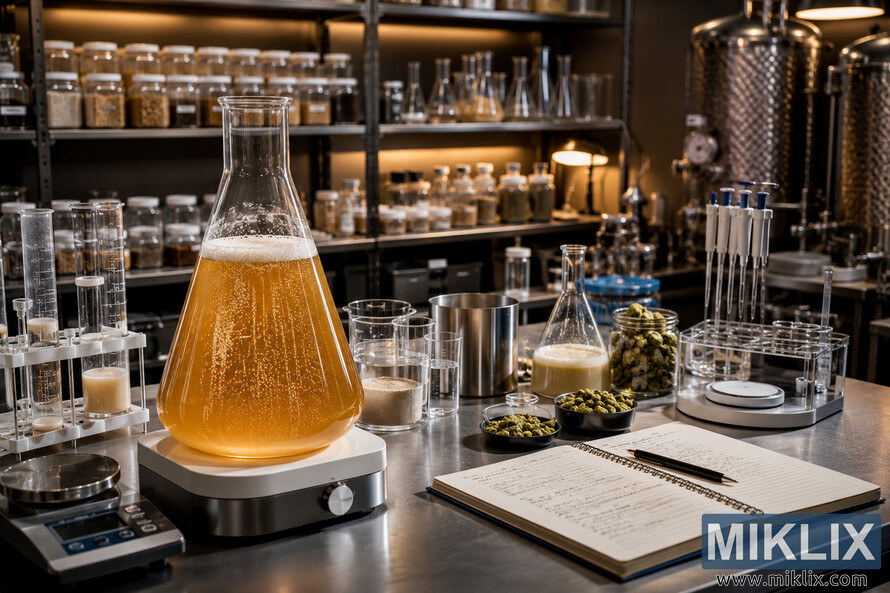
Click or tap the image for more information and higher resolutions.
Why Choose a Super High Gravity Yeast for Brewing
When aiming for a very high-ABV brew, selecting the right yeast is crucial. Super high gravity yeasts provide brewers with the means to achieve elevated alcohol levels reliably. They handle stress better than common ale strains, making recipe planning and fermentation control more predictable.
Benefits for high-alcohol beers
Super high gravity strains ensure consistent attenuation in dense worts. This predictability helps brewers hit final gravity and ABV targets without needing to re-pitch repeatedly. They also lead to shorter active ferment windows for heavy worts, reducing the time beer is at risk of infection.
High ABV yeast advantages include improved alcohol tolerance and metabolic resilience. These yeasts allow malt and hop character to mature while yeast finishes alcohol production. Proper nutrient and oxygen management is still crucial to avoid stress.
Effects on flavor profile and ester production
Strains bred for very high gravity fermentations can alter ester balance. Yeast ester production varies by strain and fermentation conditions. Some super high gravity yeasts offer a neutral finish, while others add mild fruity esters that complement strong ales.
WLP099 flavor impact is often described as neutral-to-mildly fruity at recommended temperatures. This profile allows malt complexity and hop aromatics to shine in big beers. Fermentation temperature and oxygenation still control ester levels, so careful management is key to shaping the final sensory outcome.
Comparing super high gravity strains to standard ale yeasts
High-gravity vs standard ale yeast shows clear operational differences. Standard strains like WLP001 or Safale US-05 lack the alcohol tolerance and stress tolerance needed for very heavy worts. They may stall or produce unwanted off-flavors under the same conditions.
Super high gravity strains demand different handling: higher pitching rates, more aggressive nutrient regimes, and often longer conditioning periods. Brewers must weigh trade-offs. If stressed, these strains can generate fusels or solvent-like notes, but managed correctly they unlock high ABV yeast advantages while preserving desirable flavors.
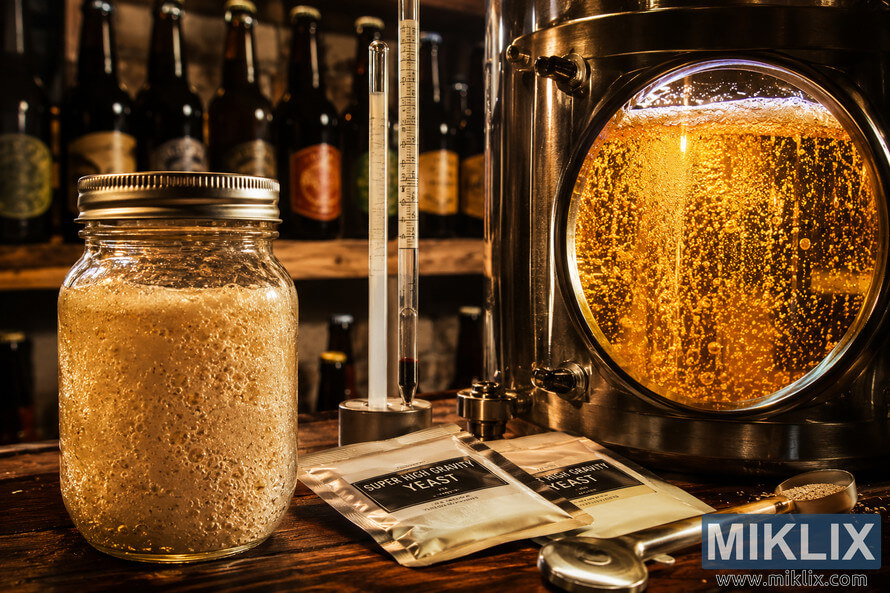
Click or tap the image for more information and higher resolutions.
Preparing Your Wort for High-Gravity Fermentation
Starting a high-ABV beer journey begins at the brewpot. Plan your grain bill, mash schedule, oxygenation strategy, and nutrient plan before heating water. Small decisions in fermentability and oxygen will shape WLP099's performance. This helps in preparing wort for high gravity without complications.
WLP099's target OG varies by style and desired alcohol level. Aim for 1.090–1.140+ for very strong ales. Design your recipe to match the yeast's capacity for fermentability. Use simple sugars like dextrose or cane sugar to increase ABV while keeping the final gravity lower. Reduce large amounts of caramel and crystal malts for a drier finish.
Set mash temps toward the lower side, about 148–152°F, for more fermentable wort. A thinner mash or a step mash that emphasizes saccharification helps WLP099 reach a lower FG. Note that pale two-row or Maris Otter malts provide cleaner, more fermentable wort than heavy, dextrinous bases.
Oxygenation is crucial for high ABV beers. Very high gravity worts need more dissolved oxygen for yeast to build sterols and unsaturated fatty acids. Target measured DO of about 8–12 ppm for extreme worts or use intensive pure oxygen at pitching for best results. Add oxygen only after wort has cooled to pitching temperature to avoid oxidation.
Pair oxygenation with a full nutrient program. Use a yeast nutrient blend that includes diammonium phosphate and complex nutrients, plus a yeast energizer or amino acid supplements for long fermentations. Consider staggered nutrient additions during early active fermentation to keep yeast healthy and reduce stress.
To avoid stuck fermentation, match pitching rate to gravity and use a strong, healthy starter or multiple packs of WLP099. Monitor gravity daily in the active phase. If fermentation slows, staged nutrient boosts and careful oxygenation in very rare cases can help restart activity. Avoid adding oxygen late unless you have sterile technique and a clear plan.
Enzymes can prevent trouble with highly dextrinous worts. Amyloglucosidase helps convert dextrins to fermentable sugars, lowering FG and lightening body. Glucanase aids lautering and reduces mash viscosity when adjuncts or rye are present. Use enzymes when recipe or mash profile predicts poor fermentability.
High gravity recipe tips include balancing adjuncts and base malts, keeping mash temps low, and planning oxygenation and nutrients up front. These measures reduce risk and make it easier for WLP099 to finish strong. This way, you avoid stuck fermentation and hit your target OG for WLP099 with confidence.
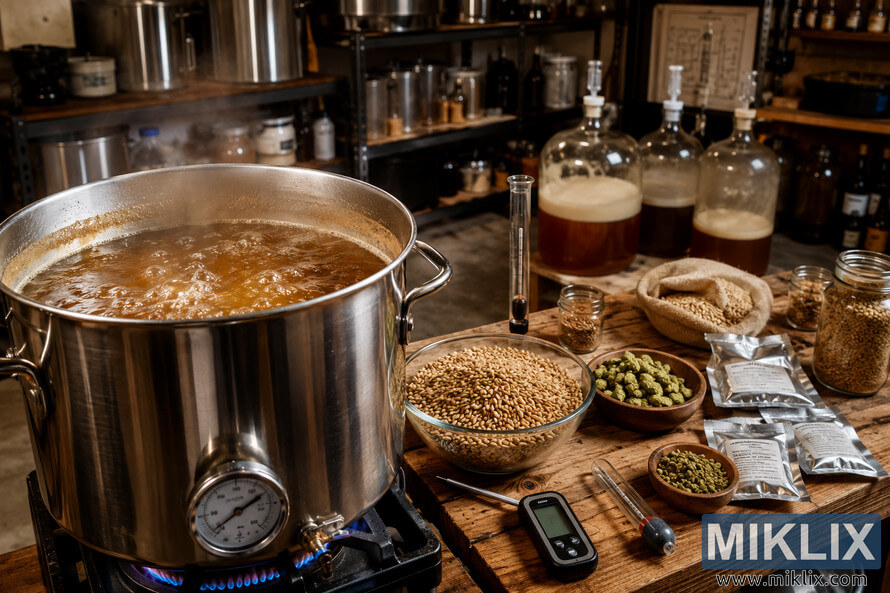
Click or tap the image for more information and higher resolutions.
Pitching Rates and Yeast Propagation for WLP099
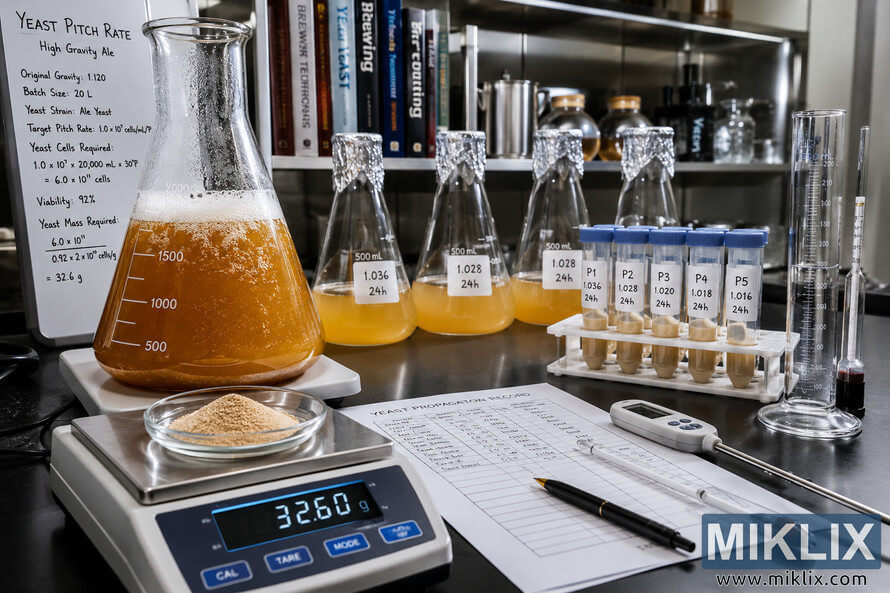
Accurate WLP099 pitching rates are crucial for clean fermentation in high-ABV beers. This guide offers practical advice on pitching rates by OG, building a high gravity starter, and when to repitch or step up a starter. It's all about protecting yeast health and ensuring optimal performance.
Recommended pitching rates by gravity
- For moderate worts (OG up to 1.060), aim for slightly higher than average ale rates to support robust fermentation.
- For very high-gravity worts (>1.080), target 0.75–1.5 million cells/mL/°P. This means about 1–2 million cells/mL for many high-gravity batches, depending on target ABV.
- Use a pitching calculator like Mr. Malty or Brewer's Friend to convert vial or packet cell counts and viability into actual pitching rates by OG.
How to build a starter for high-gravity batches
Start with a low-gravity medium around 1.020–1.040 for yeast propagation. Aerate well and keep the starter warm and agitated for vigorous growth.
- Begin with a single-step starter for modest increases in cell count.
- For larger needs, create a multi-step, step-up feeding approach. Increase volume or gravity in stages over two to three days.
- Decant most of the starter wort before pitching to avoid diluting the high-gravity wort. Pitch the yeast slurry to the cooled, oxygenated wort.
- Consider multi-vial propagation or adding yeast nutrient when brewing very high-ABV beers to maintain viability and vitality.
- If a vial provides sufficient viable cells and White Labs rehydration guidance is met, rehydration can be a suitable alternative to a traditional starter.
When to repitch or step up a starter
Repitch when a starter shows low activity, signs of contamination, or if starter gravity was too high and stressed the culture. These issues reduce viable cell counts and fermentation vigor.
- Step-up a starter when vial cell counts fall short of target pitching rates by OG. Plan seed batches early to avoid last-minute shortages.
- Use viability testing for large or commercial batches: methylene blue staining or microscope counts with a hemocytometer give precise data for yeast propagation decisions.
- When in doubt, err on the side of more healthy cells rather than fewer. Proper pitching reduces stress, lowers ester and fusel production, and improves attenuation.
Click or tap the image for more information and higher resolutions.
Fermentation Temperature Management
Temperature control during high-gravity ferments with WLP099 is crucial for flavor, attenuation, and yeast health. Small temperature adjustments can significantly reduce fusel alcohols and control esters. Employ practical temperature controls and a planned ramp to ensure yeast finishes without harsh notes.
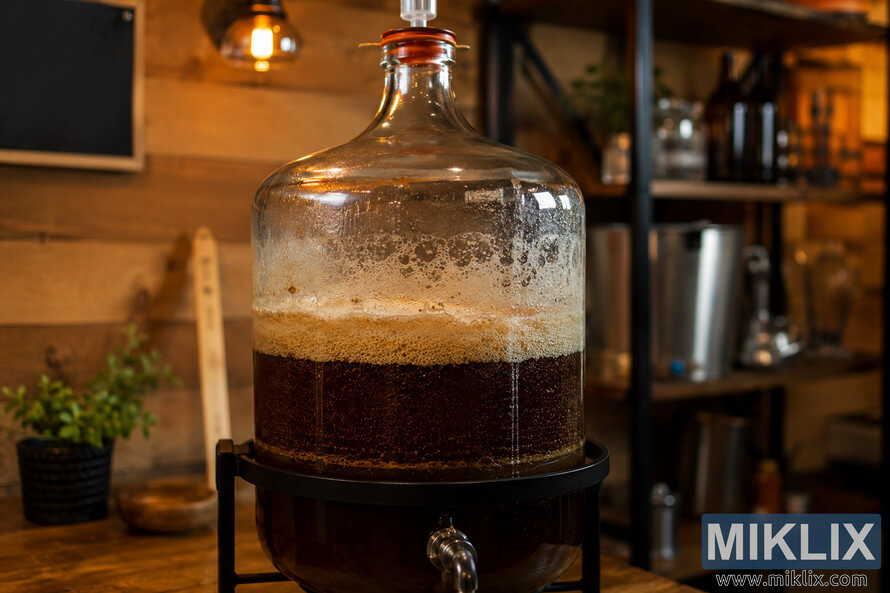
The optimal range for WLP099 fermentation is typically between 65–72°F, fitting within the ale window. For high-gravity beers, starting at the lower end of this range can help limit solvent-like fusels. Lower temperatures result in a cleaner flavor but slow down fermentation. Conversely, warmer temperatures speed up fermentation but increase the risk of ester and fusel production.
The first 48–72 hours of fermentation are the most critical. During this time, maintain close temperature control. After the initial phase, implement a gentle temperature ramp of 2–4°F per day. This helps the yeast finish sugars and reduces diacetyl. A final resting period near the mid-range can further aid in flavor cleanup without introducing heavy esters.
Utilize these tools for consistent temperature readings:
- Fermentation chamber or dedicated fridge with a controller
- PID controller for tight setpoint management
- Glycol jackets for commercial-scale batches
Be vigilant for signs of off-flavors caused by temperature. Excessive heat or stressed yeast can lead to hot, solvent-like notes and sharp alcohol bite. Warm fermentation can also result in fruity, banana-like esters. Sulfur or vegetal hints may appear if the beer is too cold or the yeast is unhealthy.
To address these issues, start with lower fermentation temperatures for high ABV yeast, increase nutrient and oxygen levels, and ensure proper pitching rates. If off-flavors emerge during fermentation, a controlled warm rest can sometimes aid yeast in cleaning up diacetyl. Post-fermentation conditioning and extended aging can also help mellow temperature-driven faults.
Click or tap the image for more information and higher resolutions.
Nutrition and Additives for Robust Fermentation
High-gravity fermentations require careful nutrition and additive strategies to ensure yeast health and productivity. Proper nutrients, measured oxygen, targeted enzymes, and timed additions reduce stress. This helps White Labs WLP099 reach expected attenuation in strong ales.
Employ multi-component yeast nutrients that combine diammonium phosphate (DAP), vitamins, trace minerals, and free amino nitrogen. Blends like Fermaid K, Fermaid O, and FermQuik are common in U.S. homebrewing. They offer a balanced profile for yeast under osmotic and alcohol stress.
For high gravity batches, choose energizers that supply organic nitrogen and micronutrients over inorganic salts. Fermaid K and Fermaid O are excellent choices for fermenting very high original gravities with WLP099.
Oxygen at pitching is crucial. For dense worts, use pure O2 with a diffusion stone and a calibrated regulator. Measured oxygen levels aid in sterol and unsaturated fatty acid synthesis. This boosts membrane integrity as alcohol rises.
Enzymes in brewing enhance wort fermentability and process ease. Amyloglucosidase (AMG) can lower final gravity in extreme high-ABV beers. Glucanases improve mash and lautering in high-grist or adjunct-heavy recipes.
Staggered nutrient timing is key for high ABV batches. Make an initial nutrient addition at or just before pitch, then follow with a dose at 24–48 hours. For long, slow fermentations, add another dose near one-third attenuation to support late-stage metabolism.
- Typical usage: follow manufacturer dosing for Fermaid K, Fermaid O, or FermQuik adjusted to wort gravity and batch size.
- Avoid adding oxygen late in fermentation to limit oxidation. Use nutrient additions and tight temperature control instead.
- When using enzymes in brewing, add AMG during cooling or pre-fermentation according to product instructions to protect enzyme activity.
Track gravity and yeast health rather than relying on fixed schedules. Adjust nutrient timing based on observed fermentation vigor and gravity drop, not only elapsed time.
For WLP099, a combined approach of proper yeast nutrient WLP099 selection, an appropriate energizer for high gravity, measured oxygenation, and targeted enzymes in brewing produces stronger, cleaner fermentations. This results in more predictable final gravities.
Monitoring Fermentation Progress with WLP099
Monitoring a high-gravity batch fermented with White Labs WLP099 closely is crucial. It prevents surprises and keeps flavors intact. A simple plan combining regular measurements with visual and sensory checks is effective. These tips guide you through routine checks and alert you to potential issues early.
Gravity readings and expected timelines
- Active fermentation should start within 12–72 hours, depending on the pitch rate and starter quality.
- Vigorous fermentation activity may last several days, especially for very high OG beers.
- Full attenuation can take 2–6+ weeks, considering conditioning and high alcohol stress.
- Check gravity every 2–4 days initially with a hydrometer or refractometer, adjusting refractometer readings for alcohol.
Visual and sensory cues to watch
- Observe krausen: a strong rise followed by gradual collapse indicates healthy fermentation. A thin, patchy krausen is a warning sign.
- Monitor airlock activity and yeast flocculation; minor bubbling in high ABV beers might be normal.
- Smell and taste small samples for ester development, diacetyl, or solvent notes, which signal stress or contamination.
- Use sensory feedback to decide on a diacetyl rest or a gentle temperature ramp to finish attenuation.
When to consider intervention
- Take action if gravity doesn't drop after the expected window, or if the gravity timeline high gravity shows little change over several checks.
- Signs of stalled fermentation include a thin krausen, low visible activity, and flat gravity readings. These are common indicators.
- First, recheck temperature and recent oxygen/nutrient history before taking more invasive steps.
- Gently rouse yeast by swirling the fermenter, add yeast nutrient or energizer, or repitch active yeast if viability seems low.
- If infection is suspected—rapidly rising gravity or off-putting sour/phenolic aromas—halt intervention and assess sanitation and blowoff evidence.
Monitoring fermentation WLP099 effectively requires a blend of data and senses. Regular gravity checks, combined with clear visual and sensory cues, offer the best chance to spot trouble early and respond appropriately.
Managing High Alcohol Stress on Yeast
High-gravity fermentations push yeast to their limits. Ethanol damages cell membranes and disrupts metabolism. Even robust strains like White Labs WLP099 face viability loss as alcohol rises. Brewers must plan to manage alcohol stress yeast to protect performance and flavor during long, high-ABV ferments.
Yeast viability high ABV drops over time, reducing attenuation and changing ester balance. Reduced cell counts slow sugar uptake and can leave residual sweetness. Tracking viability and gravity early helps detect decline and guides corrective steps before off-flavors develop.
Use targeted measures to reduce stress and preserve yeast health. Staggered feeding fermentation is one effective tactic. Add fermentable sugars in steps so ethanol rises gradually. This approach lowers osmotic shock and lets yeast adapt while building ethanol tolerance.
- Oxygenate wort well at the start to build sterol and fatty acid reserves. Proper aeration improves membrane integrity and yeast longevity.
- Consider controlled late oxygenation only in professional setups. Uncontrolled air can oxidize wort and harm flavor.
- Apply nutrient additions over time. Small, repeated doses keep metabolism active without flooding the wort with nitrogen that can increase unwanted aromas.
Glycerol adjunct brewing can improve mouthfeel and soften ethanol perception. Yeast naturally produces glycerol under stress. Certain mash or adjunct choices and fermentation regimes can encourage modest glycerol production to balance high ABV heat.
Extended cold conditioning or cell aging helps mellow alcohol bite. Long lagering or slow cold storage allows harsh volatile compounds to dissipate and gives the beer time to round out. Avoid rapid heating or aggressive force-carbonation, both of which amplify ethanol heat.
- Plan a step-fed sugar schedule for step-feeding or staggered feeding fermentation when targeting very high ABV.
- Ensure strong initial oxygenation and add nutrients in stages to support sustained fermentation.
- Use glycerol adjunct brewing techniques and extended conditioning to improve body and smoothness.
Combining these tactics helps maintain yeast viability high ABV and improves final beer balance. Thoughtful management reduces the chance of stuck fermentation and preserves desired flavors in high-alcohol brews.
Flocculation and Clarification Considerations
High-gravity beers demand careful attention to yeast behavior, conditioning time, and post-fermentation techniques. WLP099 flocculation is influenced by pitching rate, temperature, and wort composition. Early planning for clarification steps is crucial to avoid surprises at packaging.
WLP099 flocculation behavior
Super high gravity strains often exhibit medium to low flocculation, keeping cells active under stress. WLP099 may show moderate flocculation but can remain suspended longer in very high gravity worts. This prolonged suspension aids in attenuation but slows natural clearing.
Temperature swings, yeast health, and nutrient levels impact how quickly yeast drops out. Cold conditioning and gentle racking are effective in separating yeast from beer without forcing premature clarification.
Clarification techniques post-fermentation
Cold crash and extended cold conditioning are effective for clarifying after fermentation. Lowering the beer to near-freezing temperatures for several days accelerates sedimentation and reduces haze.
- Use Irish moss or Whirlfloc during the boil to aid kettle clearing before fermentation.
- For post-fermentation fining agents high ABV beers, consider gelatin, isinglass, or Polyclar, paying attention to dietary concerns and alcohol’s effect on fining performance.
- Filtration—plate or cartridge systems—works for commercial runs or homebrewers with equipment, but take care to limit oxygen pickup during the process.
Impact on packaging and conditioning
Residual yeast levels impact bottle conditioning and carbonation. When bottle-priming a high-ABV beer, calculate priming sugar conservatively to avoid overcarbonation or bottle bombs.
For kegging, avoid transferring heavy lees by racking above the sediment and using a sediment trap if possible. Longer aging times are typical for high-alcohol beers, allowing flavors to round out regardless of the chosen clarification method.
Careful handling of clarification after fermentation preserves aroma and mouthfeel while producing a stable, attractive final product. Thoughtful choices about WLP099 flocculation and fining agents high ABV beers will help you consistently clarify high gravity beer without sacrificing quality.
Attenuation Expectations and Final Gravity Targets
WLP099 attenuation expectations are crucial for planning the alcohol by volume (ABV) and mouthfeel of high-gravity brews. The expected range is broad, typically between 75% and 90%. This range is influenced by factors such as wort fermentability, oxygen levels, pitching rate, and nutrient addition. These numbers are key for achieving the desired final gravity in styles like imperial stouts and barleywines.
- Lightly fermentable wort with limited oxygen and low pitching rates may fall near 75% attenuation.
- Well-oxygenated, properly pitched, nutrient-supplemented batches often reach 85% or higher.
- Real-world results vary; measure gravity and adjust expectations based on readings rather than theory alone.
How mash schedule affects FG
The relationship between mash schedule and final gravity (FG) is clear. Lower saccharification temperatures (148–152°F / 64–67°C) result in more fermentable wort, leading to a lower FG. Conversely, higher mash temperatures (156–168°F / 69–76°C) retain more dextrins, enhancing residual sweetness and body.
- Step mashes or decoctions can tailor body: a short higher rest adds fullness, while longer low-temp rests boost attenuation.
- For lighter finishes, favor thinner mash ratios and single infusion at lower temps to encourage fermentability.
Adjusting recipes to hit desired FG
To adjust recipe FG, adjuncts and enzymes must be used with care. Dextrose increases ABV without adding body, while specialty malts like crystal or roasted barley add flavor and residual sweetness. Use these malts sparingly if aiming for a drier finish.
- Amyloglucosidase can push dextrinous worts lower, useful when yeast alone stalls above target FG.
- For an imperial stout with an OG near 1.100, common targets sit between FG 1.018 and 1.030 depending on desired sweetness and WLP099 attenuation expectations.
- If measured FG sits high, consider re-pitching active yeast or adding enzymes before conditioning rather than altering packaging plans.
Plan mash schedule FG and recipe tweaks together. Balancing fermentability, yeast health, and adjunct use gives predictable final gravity targets high gravity beers need for profile and stability.
Flavor Profile and Sensory Characteristics
WLP099 flavor profile is a blend of malt-forward strength and subtle yeast character. In strong ales, the grain bill, roasted malts, and caramel notes dominate. The yeast-derived fruitiness adds depth, enhancing the overall experience without overpowering it.
Esters from WLP099 are mild and pleasant when fermentation is well-controlled. At moderate temperatures, you'll detect gentle stone-fruit and pear notes. However, under warmer or stressed conditions, these esters can evolve into banana-like or heavier flavors, altering the balance with malt and roast.
Temperature, oxygen, and nutrient levels significantly influence flavor changes during fermentation. Higher fermentation temperatures encourage the formation of esters and fusels. Conversely, low oxygen or inadequate nutrients can lead to the presence of harsh fusel alcohols in the beer.
The mash schedule and adjuncts play a crucial role in shaping the beer's final impression. A rich, dextrinous mash enhances body and sweetness. Specialty malts introduce chocolate, coffee, or toffee tones, blending with the esters from WLP099 to create complex layers.
High ABV beers exhibit alcohol warmth alongside concentrated flavors. With time and proper aging, this warmth integrates and softens. Aging can also mellow harsher esters, allowing the subtler malt characters to emerge.
When pairing WLP099-fermented beers with food, consider the beer's sweetness, bitterness, and alcohol heat. Avoid single flavor matches. Instead, focus on robust desserts and strong cheeses that complement the roasted and chocolate notes.
- Imperial stouts: pair with chocolate desserts, blue cheese, or molasses-glazed pork.
- Barleywines: match with aged Gouda, roasted beef, or caramelized fruit.
- Belgian-strong styles: serve with spicy sausages or fruit-forward tarts.
When planning pairings, consider how fermentation and aging will alter the beer's flavor. A young, high ABV beer may require bolder, richer foods. An aged version, however, opens the door to more nuanced and subtle matches.
Common Issues and Troubleshooting
High-gravity fermentations require meticulous attention. Even minor issues can halt fermentation or introduce unwanted flavors. Before intervening, familiarize yourself with these checks to troubleshoot WLP099 effectively and minimize risks to your beer.
Stuck or sluggish fermentations and fixes
First, diagnose the problem: check the gravity, temperature, yeast viability, and oxygen levels. Common culprits include underpitching, insufficient oxygen at high gravity, and nutrient deficiencies. Begin with gentle solutions to avoid introducing oxygen or contaminants.
- Raise the fermentation temperature slightly to reactivate yeast if it's been too cool.
- Gently stir the yeast to resuspend it, helping it to continue fermentation.
- Add a balanced yeast nutrient or energizer early in the stall; avoid large late oxygen doses unless under strict sterile conditions.
- If the yeast appears dead, consider repitching with a healthy, alcohol-tolerant strain to complete fermentation.
- Enzyme additions such as amyloglucosidase can convert dextrins to fermentable sugars, aiding in completion when suitable for the style.
Off-flavors specific to high-gravity fermentations
Stressed yeast and high ethanol levels can produce solvent and fusel alcohols, leading to hot or harsh tastes. These issues often arise from high fermentation temperatures or yeast stress. Extended conditioning can help soften the hot alcohol perception over time.
Incomplete cleanup can also result in diacetyl. Plan a diacetyl rest and allow extra conditioning for heavy beers. Oxidation, often from late oxygen exposure or poor packaging, can introduce papery or cardboard notes. Avoid oxygen ingress after fermentation to protect your beer's aroma and flavor.
When to re-pitch or blend yeasts
Consider repitching yeast when nutrient and temperature corrections fail, when viability is clearly low, or when a quick recovery is needed to prevent prolonged exposure to harmful microbes. Assess the risk of contamination and possible flavor changes before introducing a new culture.
- Repitching yeast: use fresh starter or a proven high-attenuation, alcohol-tolerant strain. Sanitize thoroughly and add under controlled conditions.
- Blend yeasts high ABV: co-pitching or sequential pitching with a neutral, tolerant strain can salvage a stuck batch and improve attenuation.
- Plan for flavor impact: blended strains change ester and phenol profiles. Choose complementary yeasts and test on small batches when possible.
When troubleshooting WLP099, document each step and wait sensible intervals between actions. Use stuck fermentation fixes conservatively. Thoughtful intervention yields better results than rushed remedies and lowers the chance of off-flavors high gravity or other complications from hasty repitching yeast or attempts to blend yeasts high ABV.
Bottling, Kegging, and Conditioning High-Gravity Beers
High-gravity beers require meticulous handling during packaging. Strong ales, barleywines, and imperial stouts continue to evolve post-fermentation. It's crucial to safeguard their flavor, manage pressure, and allow harsh alcohol notes to mellow.
Choosing the right carbonation is key to the final taste. For rich, roasty beers, aim for conservative CO2 levels. This approach ensures a smoother mouthfeel and preserves the roast character. Barleywines and Belgian strong ales can handle higher CO2 levels. However, it's wise to test small batches before scaling up.
- Bottle priming: calculate residual yeast and fermentables with precision. Use modest priming sugar to avoid over-pressurizing bottles.
- Force carbonation: purge kegs with CO2 and carbonate slowly at low pressure to minimize foaming and oxidation risk.
- Slow methods: allow gradual CO2 absorption at fridge temperatures to reduce headspace turbulence and foaming.
Extended conditioning is essential for integrating flavors in high-ABV brews. Many strong ales benefit from months of rest. Extreme beers may need a year or more to soften solvent notes and build complexity. Store at steady, cool temperatures between 50–60°F for most cellaring; colder temps work for very long-term aging.
Barrel aging and wood adjuncts can add depth. Select well-maintained barrels and monitor for oxygen pickup and microbial issues. Use blending to balance barrel-forward elements with base beer character when required.
Packaging precautions are vital to maintain quality. Minimize oxygen ingress when packaging high gravity beer. Purge kegs with CO2 before filling. For bottles, use gentle siphoning or counter-pressure fillers and avoid splashing.
- Headspace packaging: leave enough headspace for pressure without over-priming. Too little room raises burst risk; too much invites oxygen.
- Seal quality: choose reliable crown caps or keg seals to prevent leaks and oxidation over long conditioning windows.
- Labeling: note bottling or kegging date and suggested conditioning window so consumers and cellars know when to condition high gravity beer before serving.
Keep records of carbonation targets and methods for each batch. This data aids in refining plans to package high ABV beer that rewards patience and careful handling.
Conclusion
WLP099 conclusion: White Labs WLP099 is a super high gravity ale yeast, designed for beers with high alcohol content. It's ideal for barleywines, imperial stouts, and Belgian strong ales. The White Labs WLP099 review summary highlights its consistent performance when brewers follow specific steps.
Best practices for WLP099 include creating balanced recipes and using proper pitching rates. Brewers should also ensure sufficient oxygen and yeast nutrients. Maintaining a controlled fermentation temperature and monitoring gravity frequently is crucial. Staged nutrient additions and step-feeding can prevent stuck fermentations.
Troubleshooting and packaging tips include careful oxygen management and repitching when necessary. Conservative carbonation plans are recommended. Extended conditioning and aging are essential to soften harsh alcohols. This ensures clarity and flavor stability in high-gravity beers.
Final recommendation: WLP099 is suitable for experienced brewers targeting high-ABV beers. It requires proper propagation, nutrient management, and conditioning time. It's not ideal for low-gravity or delicate session ales. Always refer to White Labs technical sheets and consult local suppliers for the latest information. Test WLP099 on small batches before scaling up commercially.
FAQ
What is White Labs WLP099 Super High Gravity Ale Yeast and what makes it special?
White Labs WLP099 is a liquid ale yeast strain designed for high-gravity beers and high alcohol tolerance. It's known for robust attenuation and ethanol resilience. Brewers use it for barleywines, imperial stouts, and Belgian strong ales, where deep attenuation and stress resilience are crucial.
What attenuation and alcohol tolerance can I expect from WLP099?
WLP099 typically attenuates between 75–90%, with variability influenced by pitch rate, oxygenation, and nutrients. Its alcohol tolerance ranges from 12–18% ABV. Achieving the upper end requires careful management of pitching, oxygenation, and nutrient additions.
What original gravity (OG) ranges are appropriate when using WLP099?
WLP099 is suited for high OG worts, aiming for 1.090–1.140+ for high-ABV styles. To achieve this, design grain bills and mash schedules to control fermentability. Lower saccharification temperatures and adjuncts like dextrose help reach drier FGs.
How should I oxygenate and feed a high-gravity wort for WLP099?
High-gravity worts need substantial oxygen at pitching to build sterols and UFAs. Target DO levels of 8–12 ppm O2 or use pure oxygen. Use multi-component yeast nutrients and energizers, adding them at pitch and during fermentation to sustain metabolism and reduce stuck fermentation risk.
What pitching rates and starter strategies work best for WLP099?
For worts over 1.080, use higher pitching rates, typically 0.75–1.5 million cells/mL/°P. Build large, vigorous starters with step-ups if necessary, or combine multiple vials. Decant most starter wort and pitch the slurry. Use viability checks for commercial or large-volume batches.
What fermentation temperature range should I use and how should I manage ramps?
Start fermentation at 65–72°F, adjusting for desired ester profile. Begin low for a cleaner profile, then slowly ramp 2–4°F per day after peak activity. Controlled temperature stability is crucial for high-OG fermentations.
How long does fermentation typically take with WLP099 for high-ABV beers?
Fermentation times vary widely. Active fermentation may begin within 12–72 hours, with vigorous activity lasting days to weeks. Full attenuation can take 2–6+ weeks, depending on OG and conditioning. Expect extended primary and conditioning times for extreme ABV styles.
What are common causes of stuck or sluggish fermentations and how can I fix them?
Common causes include underpitching, inadequate oxygen at pitch, nutrient deficiencies, osmotic stress, and low yeast viability. Diagnose first by checking temperature and gravity trends. Remedies include gently rousing yeast, adding staged nutrients or energizers, repitching healthy yeast, or using enzymes to increase fermentable sugars. Late oxygen additions are risky and should be used only when other options are exhausted and contamination risk is managed.
Should I consider step-feeding or staggered sugar additions with WLP099?
Yes. Step-feeding fermentable sugars gradually can reduce osmotic and ethanol shock, allowing yeast to adapt and continue attenuation to higher ABVs. Staggered nutrient additions combined with step-feeding improve metabolic health. Plan additions carefully to avoid fermentation restart shocks or contamination risk.
How does WLP099 affect flavor—esters, phenolics, and mouthfeel?
WLP099 tends toward a balanced, relatively neutral-to-mildly fruity ester profile when fermented at recommended temps. In strong ales, malt, roast, and caramel notes often dominate while yeast esters provide complementary fruitiness. Warmer or stressed fermentations can increase esters and fusels. Use mash temp, oxygenation, and nutrient management to shape body and flavor.
What final gravity (FG) targets should I plan for with WLP099?
Expected FG depends on OG, mash profile, and adjuncts. With attenuation in the 75–90% range, FGs can vary widely. For example, an OG 1.100 beer might finish in the 1.018–1.030 range depending on fermentability and desired body. Employ mash schedule adjustments, dextrose additions, or enzymes to hit precise FG targets.
How should I clarify and condition high-ABV beers fermented with WLP099?
Cold crashing and extended cold conditioning help clarity and flavor integration. Use finings (gelatin, isinglass, polyclar) or filtration for clearer results; note vegetarian concerns for some finings. Expect long conditioning—months to years for extreme ABV styles—to soften ethanol heat and develop complexity. Minimize oxygen pickup during racking and packaging to preserve quality.
What packaging and carbonation strategies are best for high-ABV beers?
Use conservative carbonation targets that suit the style: lower for imperial stouts, moderate for barleywines, higher for some Belgian strong ales. Kegging with force carbonation avoids additional refermentation stress. If bottle priming, calculate priming sugar carefully and account for lower viable yeast counts in very old or heavily flocculated beers. Always minimize oxygen ingress when filling.
When should I re-pitch or blend another yeast with WLP099?
Re-pitch if the original culture is nonviable, contaminated, or unresponsive to nutrient/temperature corrections. Blending or sequential pitching can help finish attenuation—pitch a neutral, alcohol-tolerant strain to finish sugars or co-pitch to combine traits. Be aware of flavor impacts and competition; plan and test on small batches before large-scale use.
How does WLP099 compare to other high-gravity yeast options and dry yeasts?
WLP099 is a purpose-built liquid strain marketed for super high gravity performance with documented attenuation and White Labs support. Compared to some Wyeast high-gravity strains or certain dry strains, WLP099 may offer different ester profiles, flocculation, and handling needs. Dry high-tolerance yeasts can be cheaper and more shelf-stable but may differ in flavor and attenuation. Consider cost, availability, cold-chain shipping for liquid yeast, and the need for larger starters when choosing.
What safety and conditioning considerations apply when aging very high-ABV beers?
Store strong ales in a cool, dark, stable environment (often 50–60°F) and label dates and bottling/kegging info. Extended aging mellows hot alcohol and integrates flavors; barrel aging can add complexity but increases oxygen and contamination risk. Monitor bottles or kegs periodically and avoid rapid temperature swings. Use quality closures and purge kegs with CO2 to limit oxidation.
Further Reading
If you enjoyed this post, you may also like these suggestions:
- Fermenting Beer with Wyeast 2112 California Lager Yeast
- Fermenting Beer with Fermentis SafAle WB-06 Yeast
- Fermenting Beer with Wyeast 3726 Farmhouse Ale Yeast