
A Complete Guide to Growing Night-Blooming Cereus in Your Own Garden
Published: September 24, 2026 at 2:45:01 PM UTC
Growing Night-Blooming Cereus (Peniocereus greggii) rewards patience. This unusual cactus may look plain for much of the year, then open fragrant white flowers after sunset. The blooms can appear suddenly and fade by morning.
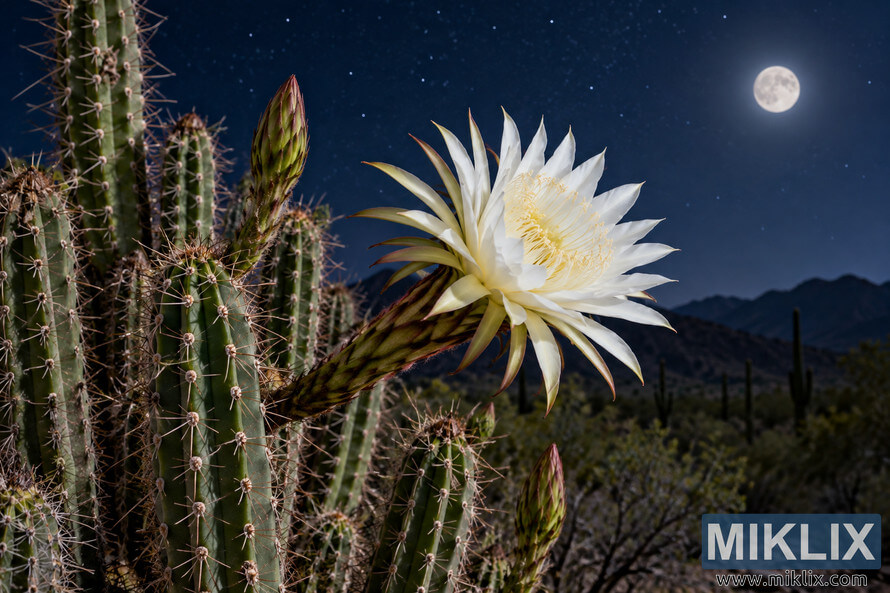
Click or tap the image for more information and higher resolutions.
This guide covers the desert species found in southern Arizona, New Mexico, and northern Mexico. It also explains why the common name night blooming cereus can cause confusion.
Identify the right night blooming cereus
Peniocereus greggii is a slender, drought-adapted cactus with narrow stems and a large underground tuberous root. It grows in dry desert scrub and can remain partly hidden among shrubs. Mature flowers are usually pale, fragrant, and several inches across.
Peniocereus greggii traits
- Thin gray-green stems with few obvious spines.
- A swollen underground root used for stored energy.
- Large night blooming flowers in warm weather.
- Adaptation to bright light and fast drainage.
Common name confusion
- Epiphyllum oxypetalum is a tropical houseplant with broad, flat stems.
- Selenicereus grandiflorus is another plant sold as night blooming cereus.
- Hylocereus undatus is commonly grown for dragon fruit.
- Common name night blooming does not confirm the species.
Check the scientific name on a nursery label. The names Peniocereus greggii, Peniocereus greggii selenicereus, and greggii selenicereus may appear in searches, but they should not be treated as interchangeable identification terms. Selenicereus grandiflorus is a different species.
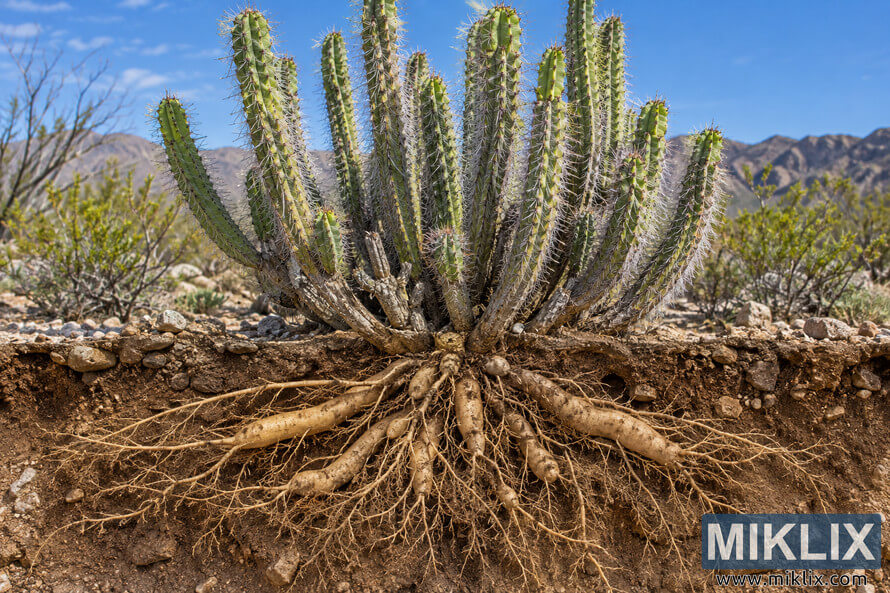
Click or tap the image for more information and higher resolutions.
Choose a site, soil, and container
Give this cactus strong light, sharp drainage, and protection from prolonged frost. In a garden bed, choose a raised or naturally sloped position. Morning sun with light afternoon shade works well in very hot desert areas. In cooler regions, use a container that can move indoors.
Garden bed
Mix native soil with mineral grit if drainage is slow. Keep the crown above the soil line. Do not bury the narrow stems.
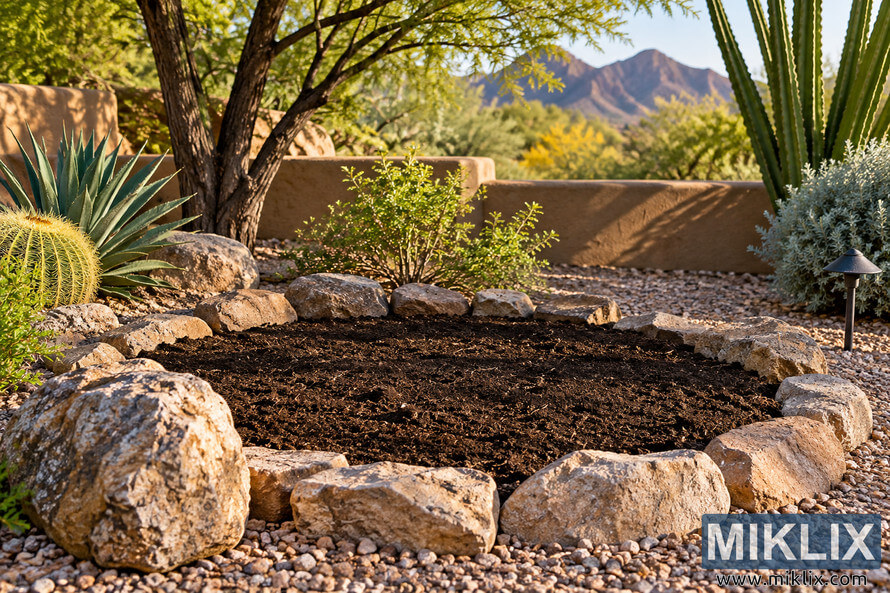
Click or tap the image for more information and higher resolutions.
Container
Use a pot with a drainage hole. Select a container only slightly wider than the root system. Oversized pots stay wet too long.
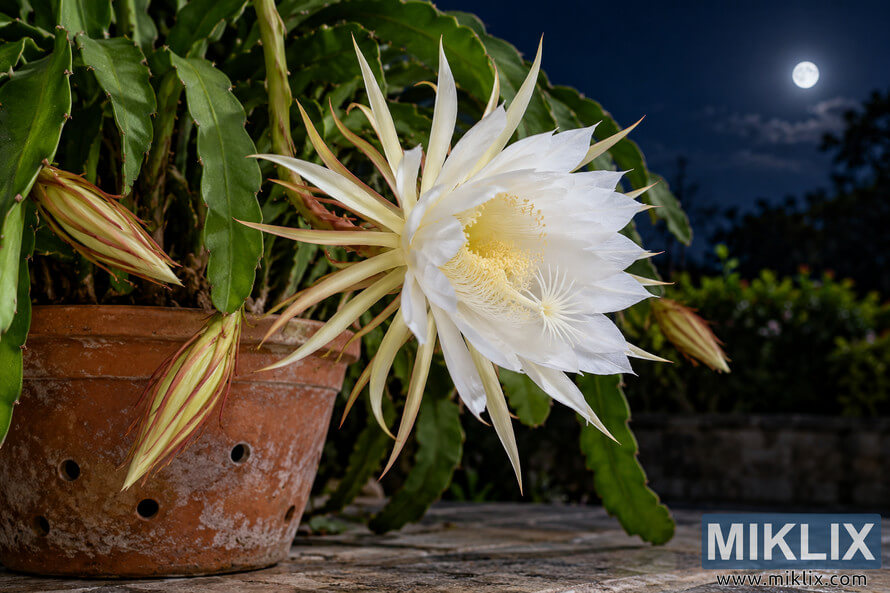
Click or tap the image for more information and higher resolutions.
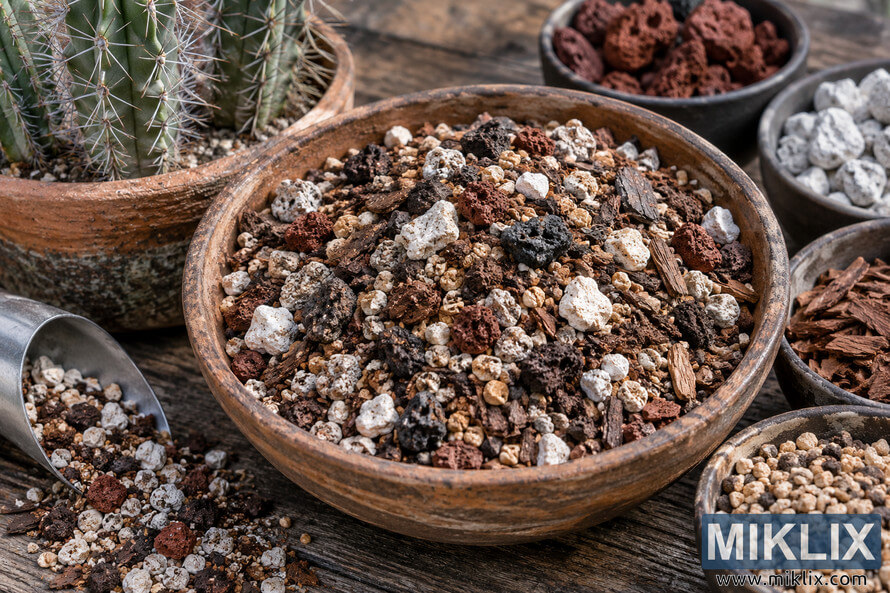
Potting mix
Use cactus mix amended with pumice, perlite, or coarse grit. The mix should drain within seconds, not hold a wet pocket around the root.
Plant during active spring growth. Water the mix once after planting, then allow it to dry before watering again. Avoid frequent disturbance because the root grows slowly.
Click or tap the image for more information and higher resolutions.
Provide light, water, temperature, and feeding
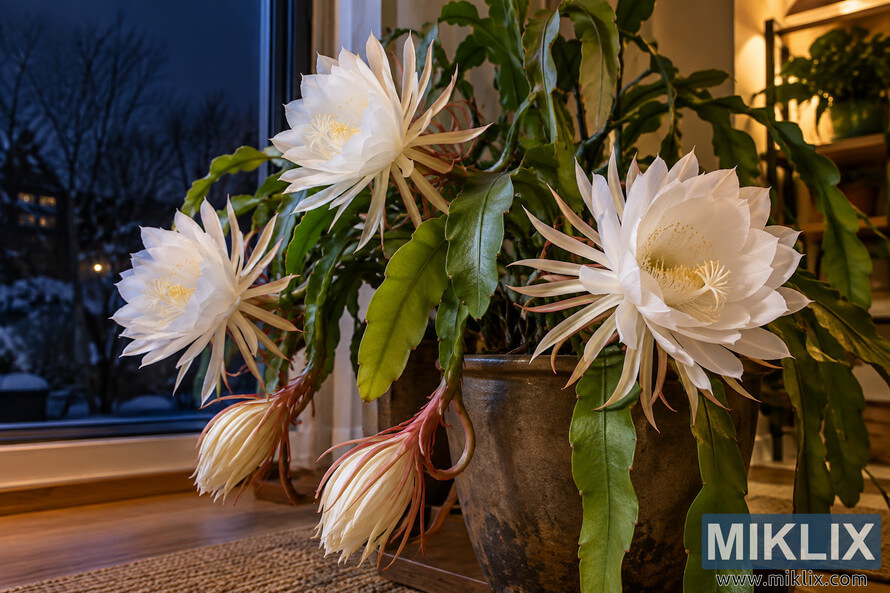
Bright light supports compact growth and future blooms. Introduce a plant to direct sun over several days to prevent scorch. A bright window, sunroom, or sheltered patio is suitable for houseplants.
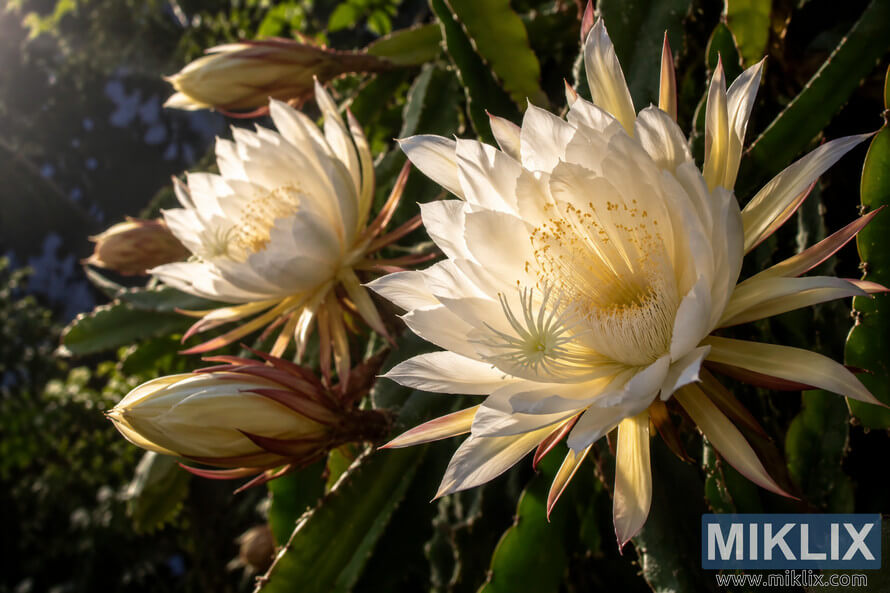
Confirm the species before changing care
Reliable identification prevents the most common mistake: treating a tropical epiphyllum like a desert cactus. Compare your plant with an authoritative profile before adjusting water or winter care.
Click or tap the image for more information and higher resolutions.
Watering and humidity
Water deeply when the growing mix is fully dry. Empty any saucer. Reduce watering in winter, especially when the plant is cool or dormant. Average household humidity is usually adequate. Extra misting can increase disease risk.
Feed in spring and summer with a diluted, low-nitrogen cactus fertilizer. Apply it to moist soil, not dry roots. Stop feeding in late summer so new growth can mature before winter.
Temperature rule: Protect the plant from freezing conditions. A brief cool period may be tolerated when the mix is dry, but frost, cold rain, and wet roots can cause severe damage.
Click or tap the image for more information and higher resolutions.
Overwintering
Bring containers indoors before the first freeze. Place them in bright light with good air movement. Water sparingly during winter. In southern Arizona and similar climates, outdoor plants may remain outside in a protected, dry location.
Support, prune, and propagate with care
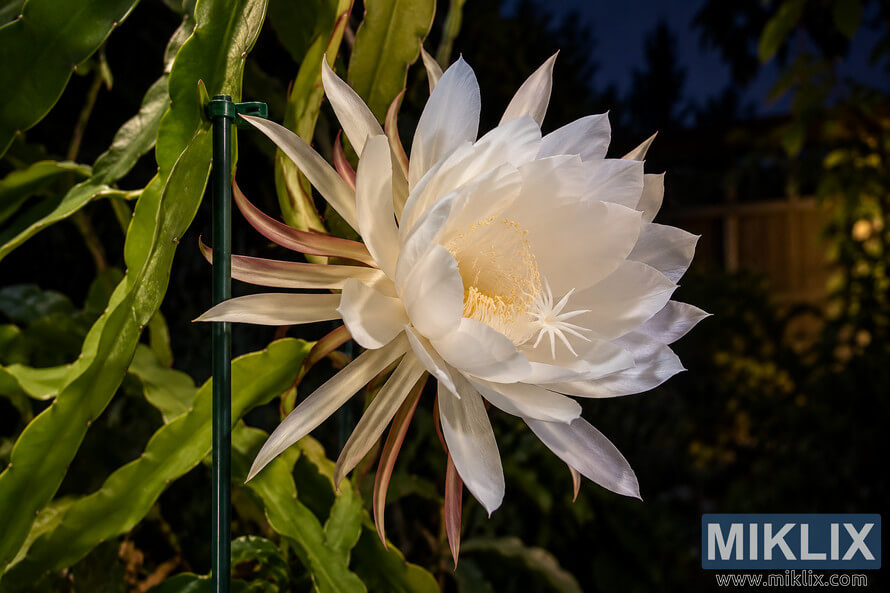
Some stems sprawl or lean as they lengthen. Use a small stake, ring, or nearby shrub for support. Tie stems loosely with soft material. Do not bend them sharply because damaged tissue heals slowly.
Click or tap the image for more information and higher resolutions.
Pruning
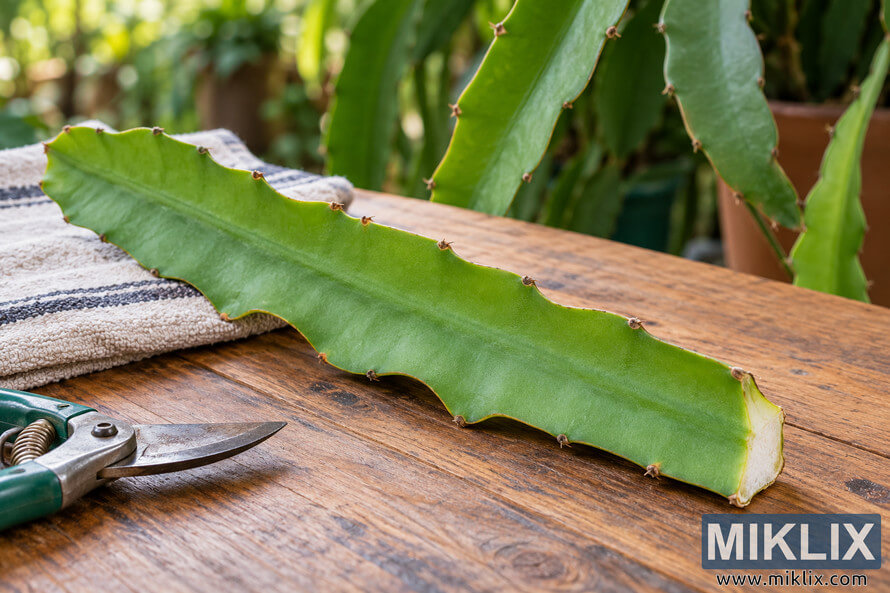
Remove dead or damaged stems with sterile tools. Prune after flowering when possible. Avoid heavy shaping cuts. This slow-growing plant needs time to replace lost growth.
Click or tap the image for more information and higher resolutions.
Cuttings
Take a healthy cutting during active growth. Let the cut end callus for several days. Set it in barely moist, gritty potting mix. Rooting may take weeks or months.
Seed propagation is slower. Sow fresh seed in a sterile, porous mix and provide warmth, bright indirect light, and light moisture. Never keep seedlings waterlogged.
Encourage blooms and enjoy the night flower
Flowering depends on maturity, light, root health, and seasonal rhythm. Young plants may need several years before they bloom. Excess nitrogen, low light, frequent repotting, and winter stress can delay flowers.
- Give strong light during spring and summer.
- Let the soil dry between thorough waterings.
- Feed lightly during active growth.
- Keep the root system slightly snug in its pot.
- Provide a dry, cooler winter rest without freezing.
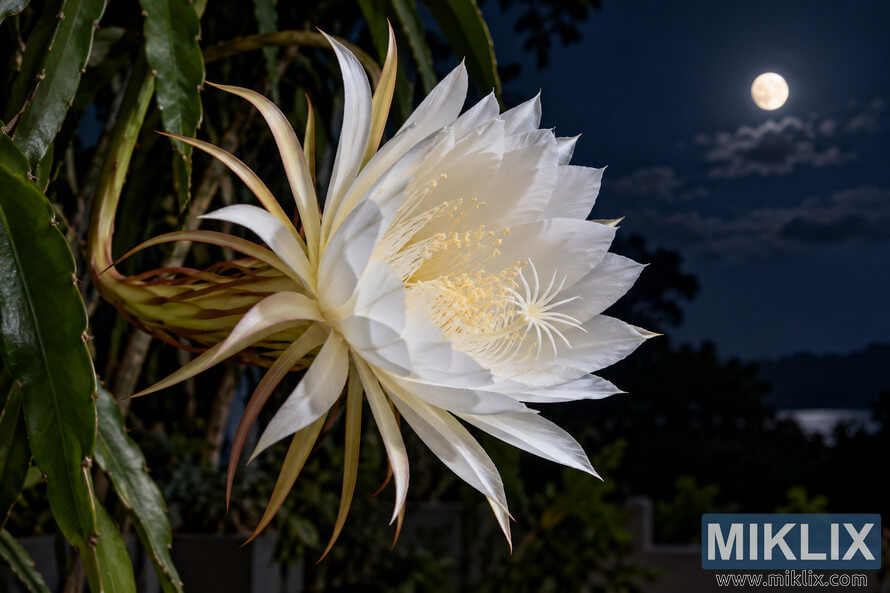
Watch for a swelling bud near the end of a stem. The flower may open over one evening, often releasing fragrance after dark. Invite neighbors to see it, since the display may fade by morning. Some plants later produce fruit when pollination succeeds.
Click or tap the image for more information and higher resolutions.
Solve pests, disease, and cultural problems
Mealybugs, scale, and spider mites may attack stressed plants. Inspect stem joints and the area near the soil. Remove small infestations with a cotton swab and suitable horticultural soap. Repeat according to the product label.
Symptom
- Soft, dark stem
- Wrinkled stems
- No blooms
Likely cause
- Wet roots or rot
- Dry roots or weak roots
- Low light, young age, or excess nitrogen
First response
- Stop watering and inspect the root
- Water thoroughly, then improve drainage
- Increase light and allow seasonal rest
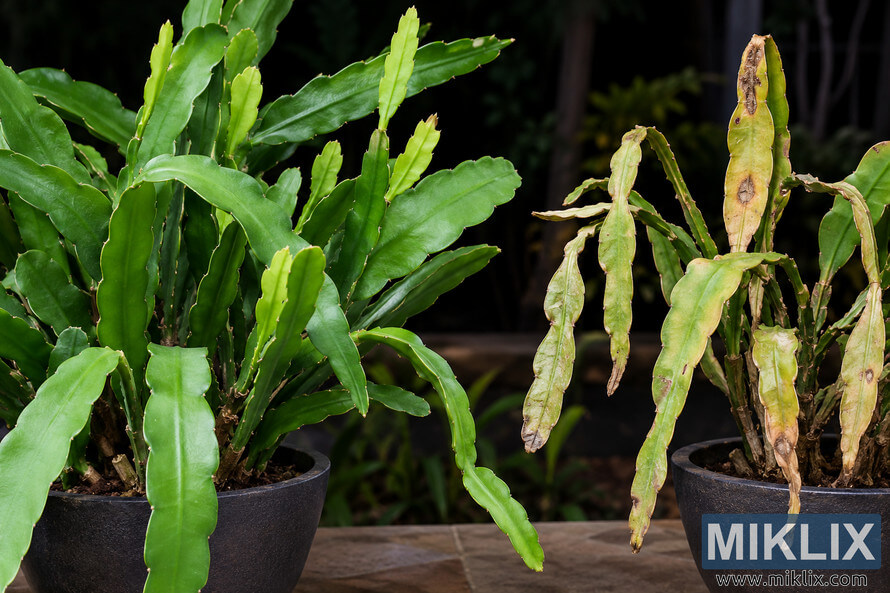
Remove rotted tissue with a sterile blade and let healthy cut surfaces dry. If a plant repeatedly declines, replace compact soil and inspect for root pests. Do not diagnose by the common name alone.
Yellowing may result from too much water, poor light, or normal aging. Move slowly when changing conditions. Sudden shifts can create sunburn or shock.
Click or tap the image for more information and higher resolutions.
Seasonal care checklist and FAQ
Spring
Resume careful watering, repot only if needed, and begin light feeding.
Summer
Protect from extreme afternoon heat, watch for buds, and provide airflow.
Fall
Reduce fertilizer and prepare container plants for cool nights.
Winter
Keep the plant bright, dry, and frost-free with limited watering.
Why does my night blooming cereus not bloom?
The plant may be too young, receive too little light, or remain wet and actively growing through winter. Improve light, reduce nitrogen, and allow a dry rest.
Can Peniocereus greggii grow indoors?
Yes. Use the brightest available window, porous soil, and a pot with drainage. Keep it away from cold glass and heating vents.
How often should I water?
There is no fixed calendar. Water when the mix is completely dry, then drain the pot fully. Water less often during winter.
Is this the same as Epiphyllum oxypetalum?
No. Epiphyllum oxypetalum is a tropical, flat-stemmed plant. Peniocereus greggii is a desert cactus with narrow stems and a tuberous root.
Grow for the season, not just the flower
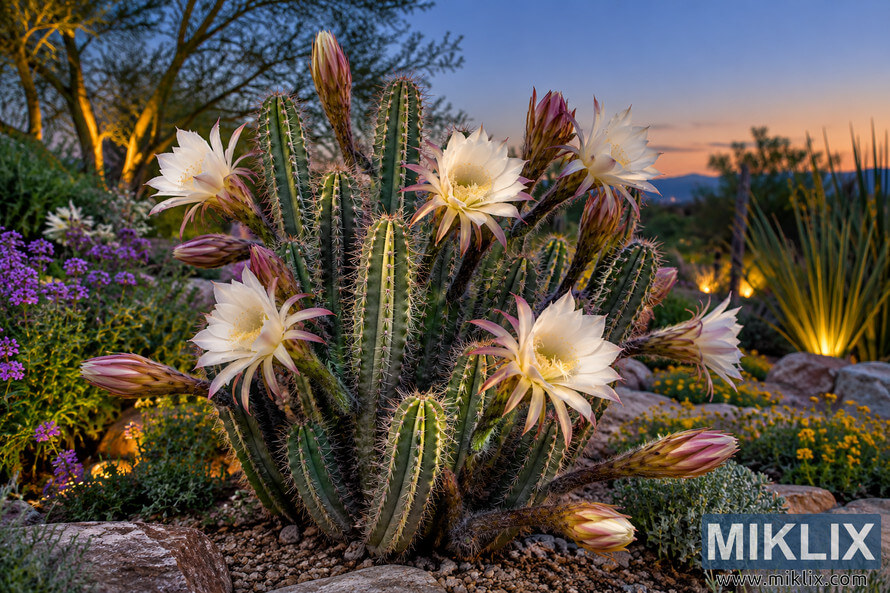
Peniocereus greggii grows best when its desert habits guide every decision. Give it light, fast drainage, careful watering, and a dry winter rest. With patience, a mature plant can reward your garden with one of nature’s briefest and most memorable blooms.
Click or tap the image for more information and higher resolutions.
Further Reading
If you enjoyed this post, you may also like these suggestions:
- Beautiful Foxglove Varieties to Transform Your Garden
- A Guide to the Most Beautiful Dahlia Varieties to Grow in Your Garden
- A Guide to the Most Beautiful Varieties of Black-Eyed Susan to Grow in Your Garden