
A Complete Guide to Growing Pride of Madeira in Your Own Garden
Published: November 2, 2026 at 5:51:14 PM UTC
Growing Pride of Madeira (Echium candicans) can turn a sunny border into a bold display of blue flower spikes. This guide explains how to choose a site, prevent common problems, and enjoy the plant through every season.
Click or tap the image for more information and higher resolutions.
Growing Pride of Madeira (Echium candicans): Know the Plant First
Size and ornamental appeal
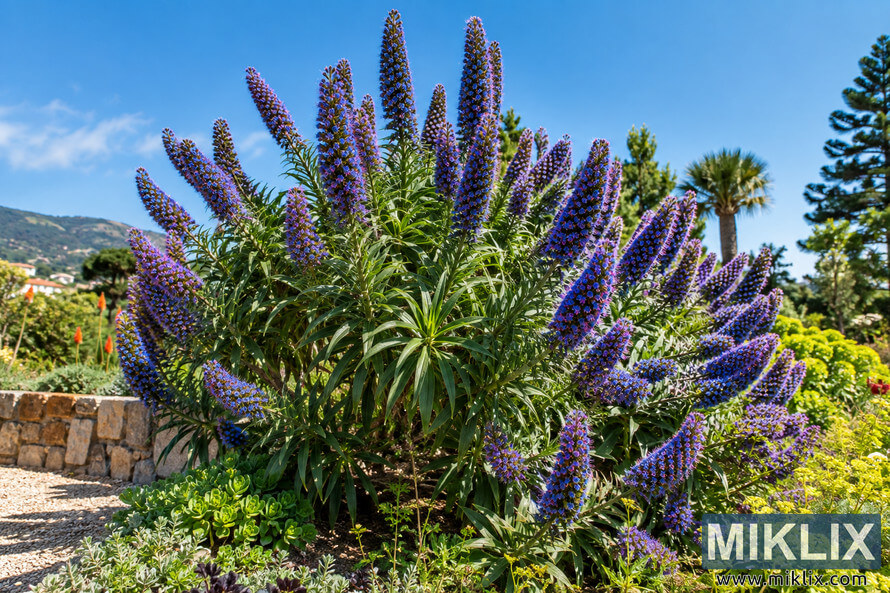
This evergreen or short-lived perennial forms a broad mound of rough, silver-green leaves. Mature plants may reach about 5 to 8 feet tall when flowers are included and spread 3 to 5 feet. The dramatic spikes attract attention from late spring into summer.
Click or tap the image for more information and higher resolutions.
Flowers and wildlife
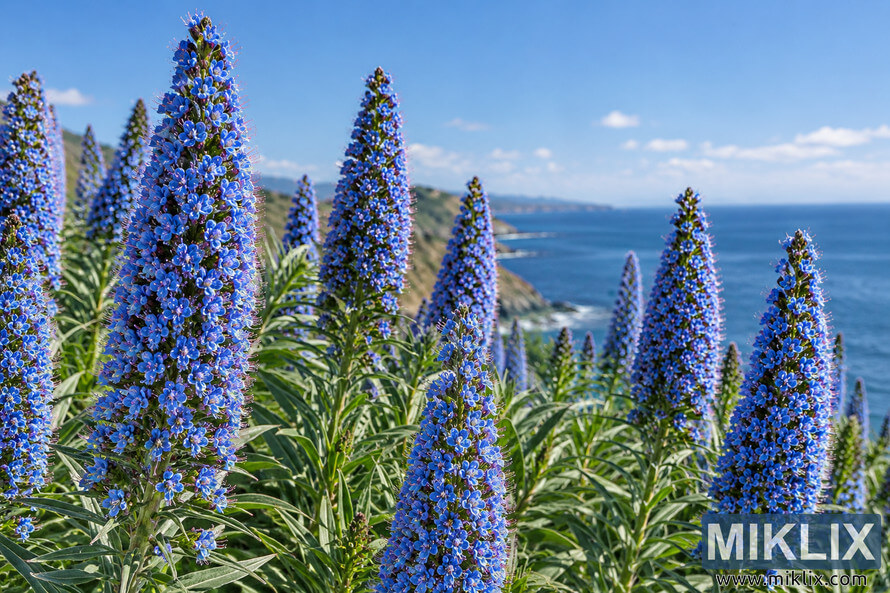
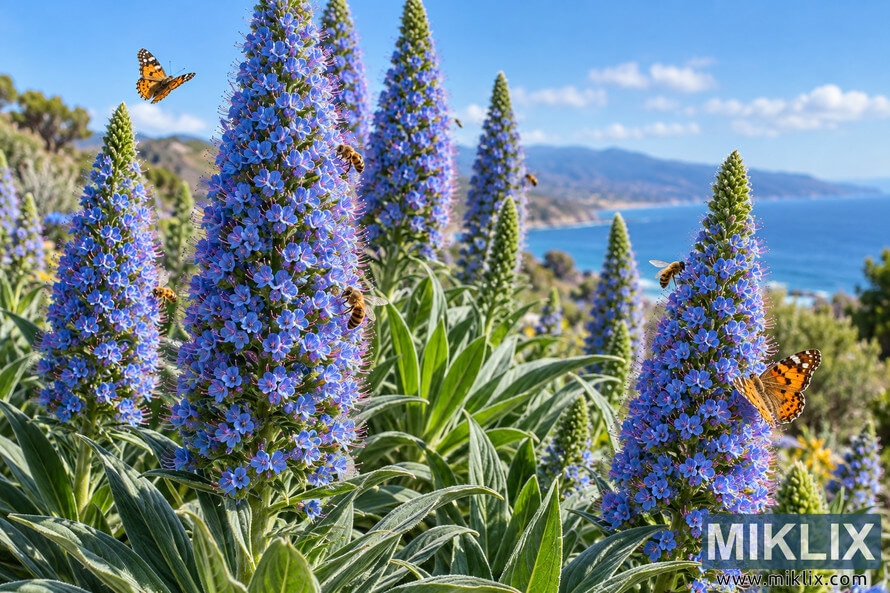
Blue to violet flowers rise above the foliage. Bees and butterflies use the nectar-rich blooms. The plant suits wildlife borders, gravel gardens, coastal beds, and large sunny containers.
Click or tap the image for more information and higher resolutions.
Hardiness and lifespan
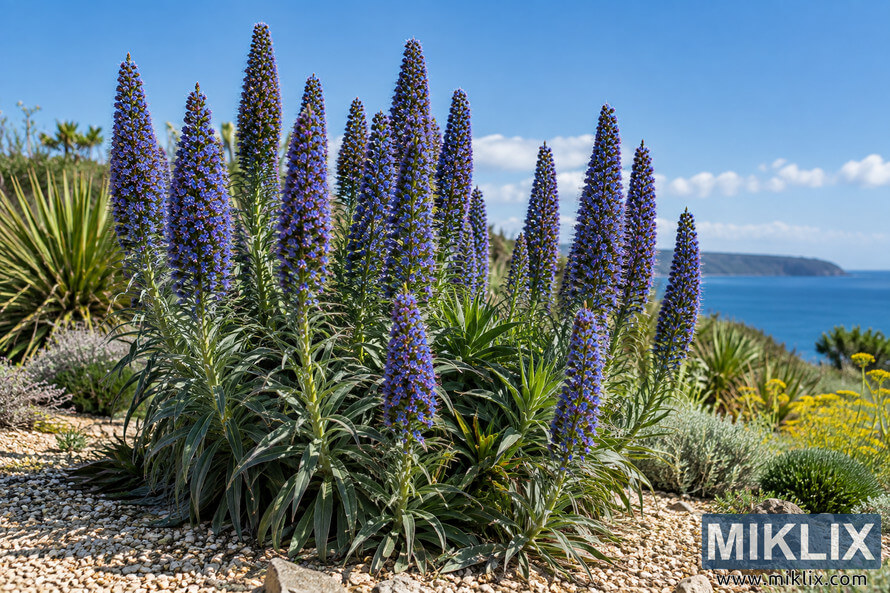
It performs best in mild regions, often USDA Zones 9 to 11. In cooler areas, it may grow as a biennial or short-lived perennial. Many plants flower once, set seed, and decline, while seedlings may replace them.
Site, Soil, and Planting Instructions
Click or tap the image for more information and higher resolutions.
Choose the right position
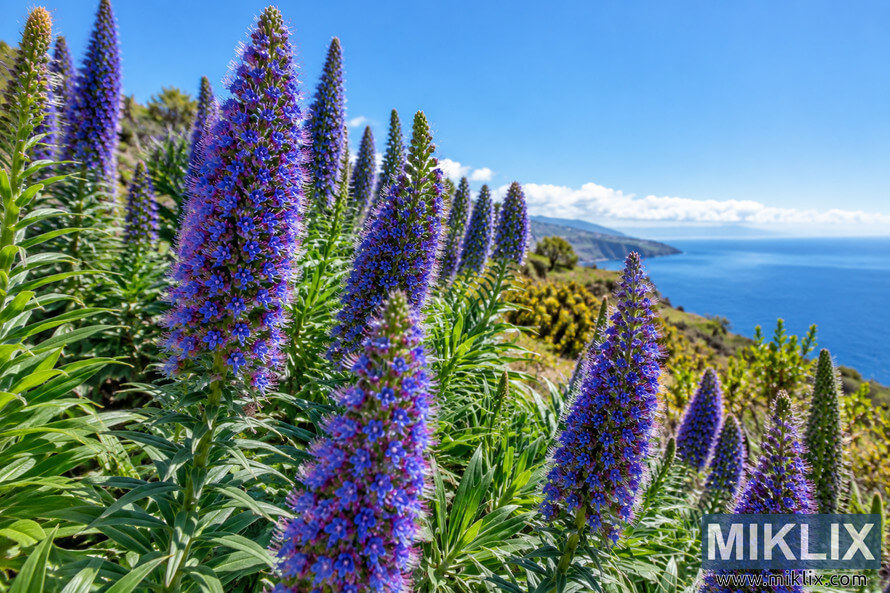
Pick a site with full sun and good air movement. Six or more hours of direct sun supports compact growth and strong flowers. In hot regions, afternoon sun is fine if the soil drains quickly.
- Leave room for a wide rosette.
- Avoid low spots that collect winter water.
- Use a sheltered position in windy regions.
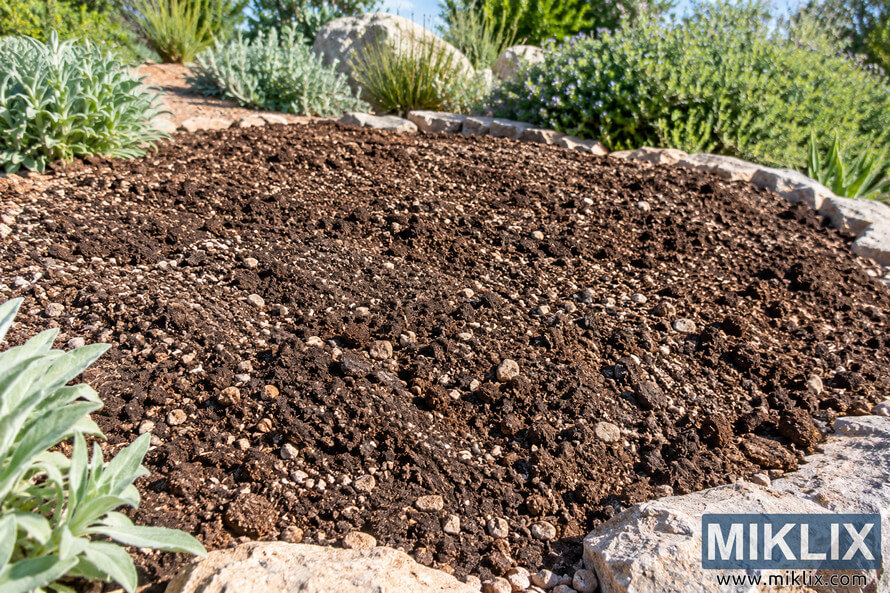
Click or tap the image for more information and higher resolutions.
Prepare the soil
Use lean, gritty soil rather than rich, wet soil. Heavy clay should be amended with coarse material and planted on a raised mound. A slightly alkaline to neutral soil is usually suitable, but drainage matters more than a precise pH.
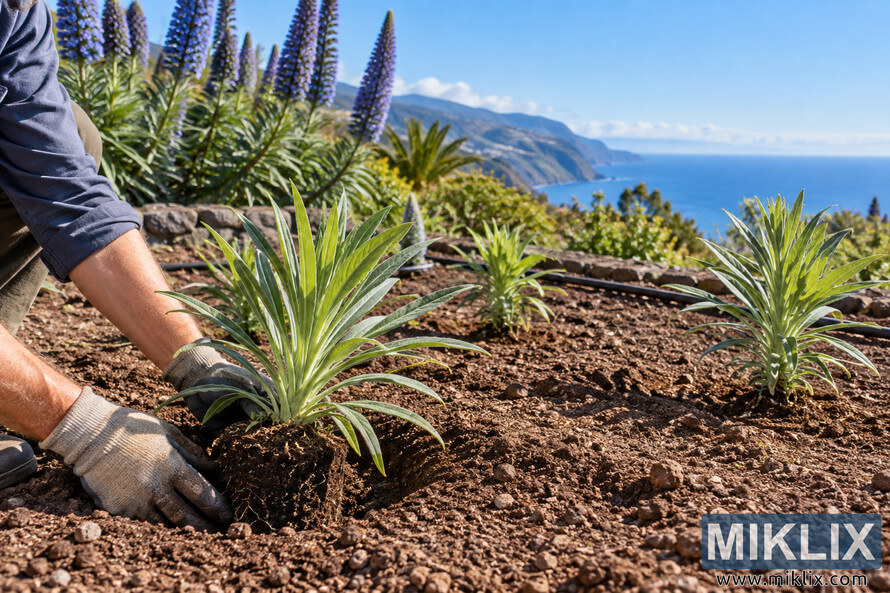
Click or tap the image for more information and higher resolutions.
Plant step by step
- Dig a hole twice as wide as the root ball.
- Set the crown level with the surrounding soil.
- Backfill without burying the stem.
- Water once to settle the roots.
- Space plants about 3 to 5 feet apart.
Watering, Feeding, Pruning, and Propagation
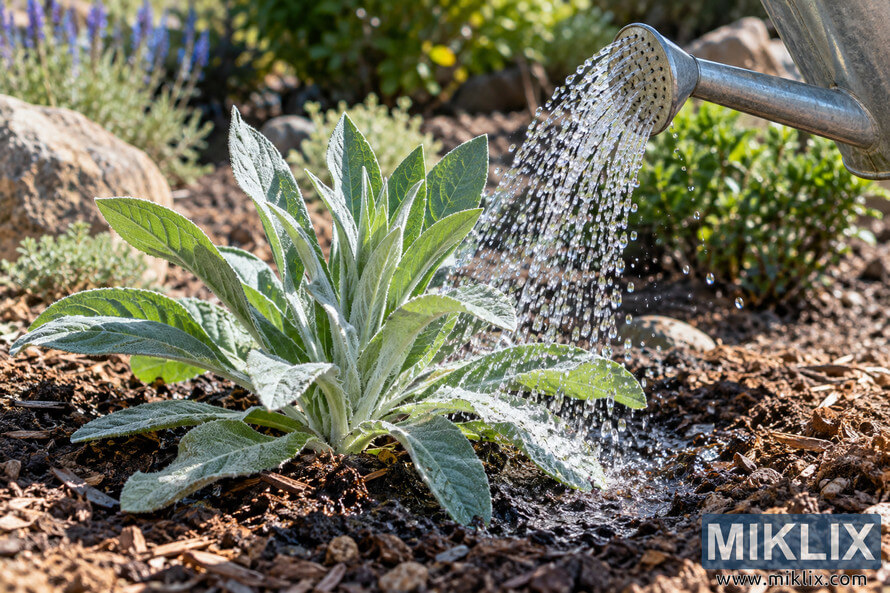
Click or tap the image for more information and higher resolutions.
Water and fertilize carefully
Water deeply after planting. Then allow the top few inches of soil to dry before watering again. Established plants tolerate dry periods. Reduce water in cool winters. Excess water is a greater risk than brief dryness.
Feed lightly in spring with a balanced, slow-release fertilizer if growth is weak. Avoid heavy feeding, which can create soft stems and excess leaves.
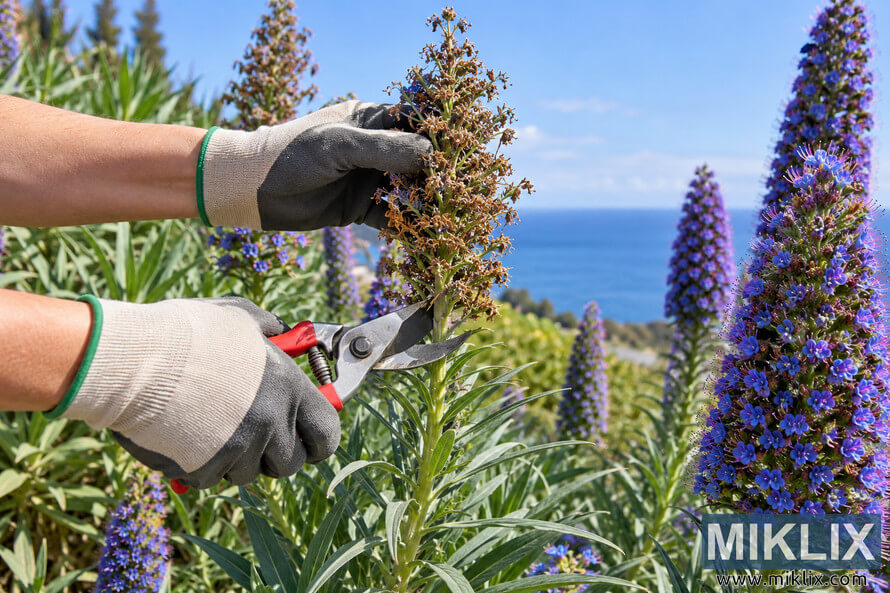
Click or tap the image for more information and higher resolutions.
Pruning and support
Remove spent spikes after flowering if you do not want seeds. Wear gloves because the foliage can feel rough. Cut damaged growth after cold weather passes. Tall spikes may need a discreet stake in exposed areas.
Click or tap the image for more information and higher resolutions.
Grow from seed
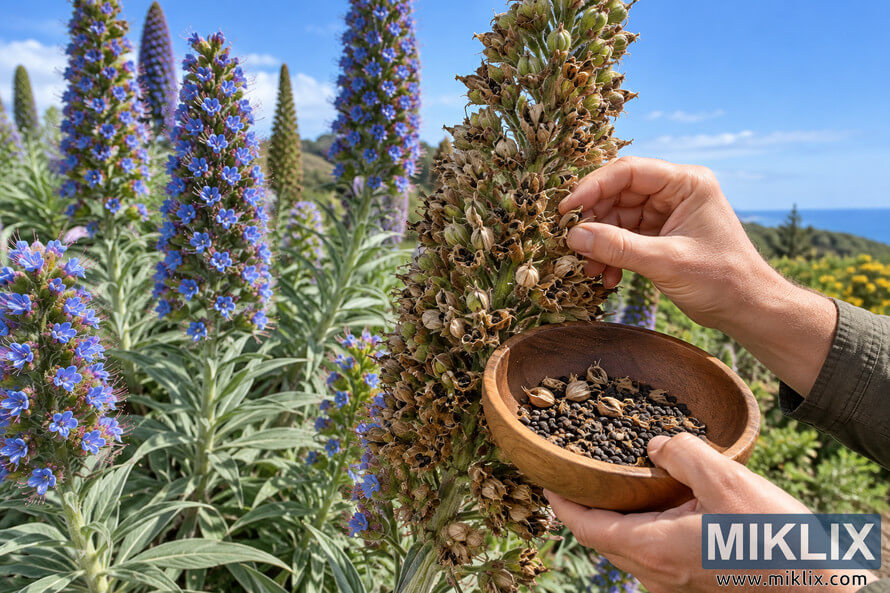
Let a flower head dry on the plant. Cut it on a dry day and place it in a paper bag. Shake gently to release the small seeds. Store them in a cool, dry place.
Sow in spring after frost in cool regions, or in autumn where winters are mild. Press seeds onto moist, free-draining mix and cover lightly. Keep bright and barely moist until seedlings appear.
Containers, Seasons, Problems, and Safe Growing
Container growing
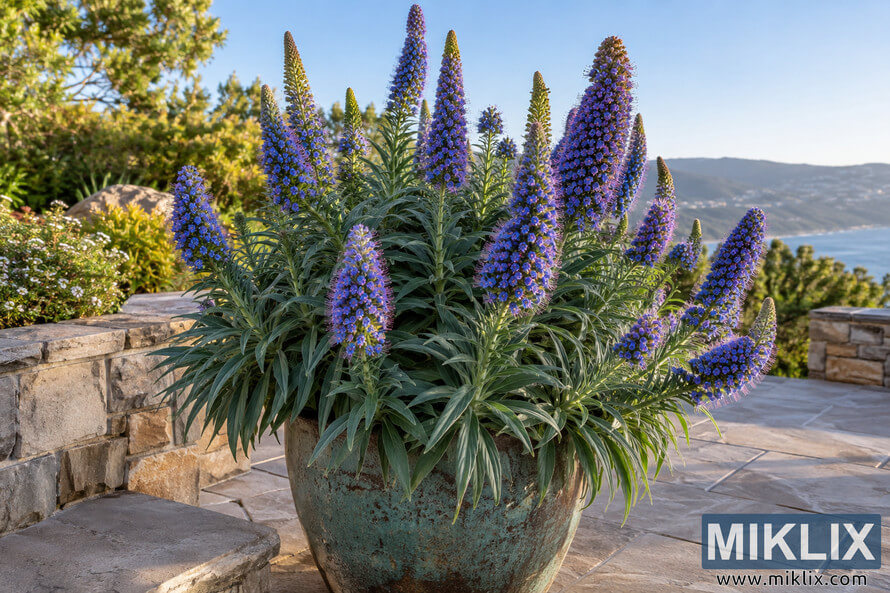
Choose a heavy pot with several drainage holes. Use cactus or Mediterranean potting mix with extra grit. Containers dry faster, so check moisture during summer. Move the pot to a bright, sheltered place before severe frost.
Click or tap the image for more information and higher resolutions.
Seasonal protection
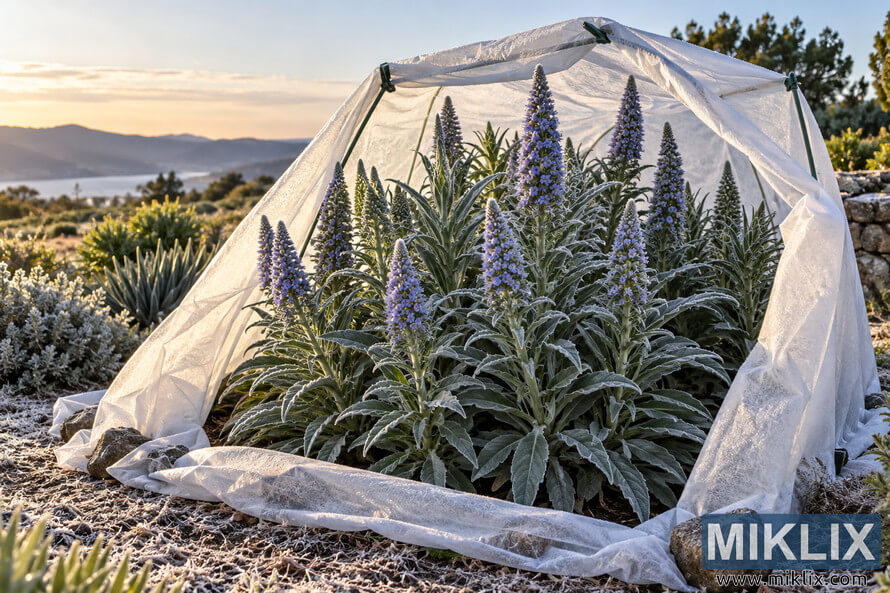
In spring, plant out after hard frost and watch new growth for slugs. In summer, water deeply but infrequently and enjoy the flowers. In autumn, collect seed and remove diseased leaves. In winter, improve drainage and protect young plants from frost.
Click or tap the image for more information and higher resolutions.
Pests and diseases
Watch for aphids, slugs, snails, and leaf damage. Strong air flow and dry foliage help prevent fungal problems. Remove badly affected leaves, avoid overhead watering, and inspect plants weekly. Root rot usually signals poor drainage or frequent watering.
Click or tap the image for more information and higher resolutions.
Safety and invasiveness note
Wear gloves when handling rough leaves. Check local guidance before planting because self-seeding behavior can vary by region. Deadhead unwanted flower spikes and remove seedlings from natural areas.
Quick Care Summary and Troubleshooting
| Need | Best practice | Warning sign |
| Light | Full sun | Weak, leaning growth |
| Soil | Gritty and fast draining | Yellow leaves or soft roots |
| Water | Deep, occasional watering | Constantly wet soil |
| Pruning | Remove spent spikes | Unwanted seedlings |
| Winter | Protect young plants from frost | Blackened new growth |
Why grow it?
- Striking blue spikes
- Excellent nectar source
- Good drought tolerance
- Strong choice for coastal gardens
What to expect
- Large mature size
- Limited frost tolerance
- Possible self-seeding
- Short lifespan in some regions
Ready to grow echium candicans?
Save the key steps: full sun, sharp drainage, careful watering, wide spacing, and frost protection. Those basics give Pride of Madeira the best chance to flower well.
With the right site and restrained care, Pride of Madeira can become a memorable feature for several seasons. Give it sun, dry roots, room to spread, and thoughtful winter protection.
Further Reading
If you enjoyed this post, you may also like these suggestions:
- Growing Prairie Smoke: A Complete Garden Guide
- A Complete Guide to Growing Ghost Flower in Your Own Garden
- Blood Lily: A Complete Guide to Growing It in Your Own Garden