
Butterfly Mariposa Lily: A Complete Garden Guide
Published: September 28, 2026 at 3:40:46 PM UTC
Few native flowers change a dry spring garden as dramatically as the Butterfly Mariposa Lily (Calochortus venustus). Its open petals may show white, pink, orange, or purple color, often with a dark blotch at the base.
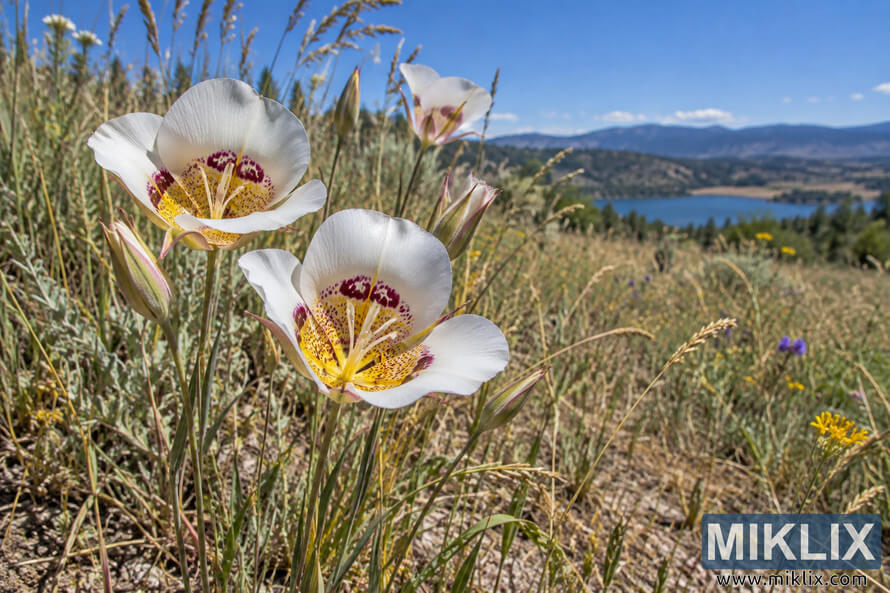
Click or tap the image for more information and higher resolutions.
The plant looks delicate, yet its underground bulbs are built for a seasonal life of growth, flowering, and rest. Success depends on copying its natural rhythm. Give the plant sun, drainage, careful spring moisture, and a dry summer dormancy. The guide below explains what to grow, what to avoid, and how to support this distinctive species without treating uncertain field records as universal rules.
A mature flower is easier to recognize when viewed with its habitat, stem, leaves, and flowering season.
How to Identify Calochortus venustus
Calochortus venustus is a perennial herb in the lily family, Liliaceae. It grows from a small bulb and usually produces a slender stem with narrow leaves. The flowers are cup-shaped to open and may appear alone or in a loose cluster. Petals often carry a contrasting blotch, band, or hairy area near the base.
Color varies widely within the species. White, pink, orange, yellow, and purple tones can occur, so color alone is not enough for identification. Compare the flower shape, petal markings, stem size, leaf form, and local range together.
Distinguishing features
- Bulb-based perennial herb with a short seasonal growth period.
- Three-petaled flowers with marked inner surfaces.
- Slender stems and narrow foliage that fade after seed production.
- Strong variation in color and blotch pattern across its range.
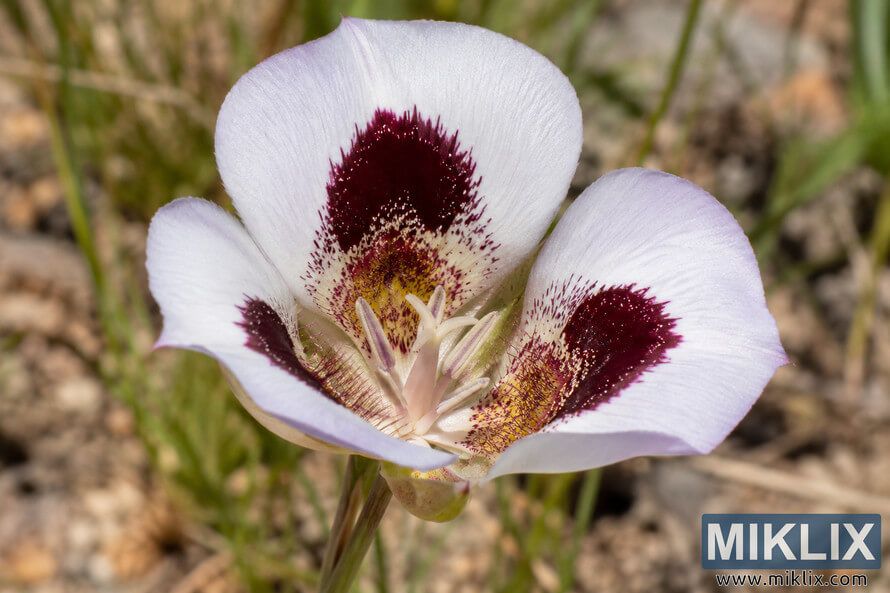
Click or tap the image for more information and higher resolutions.
Look at the petals
The blotch and inner petal texture are useful clues, but they should be checked against a regional field guide.
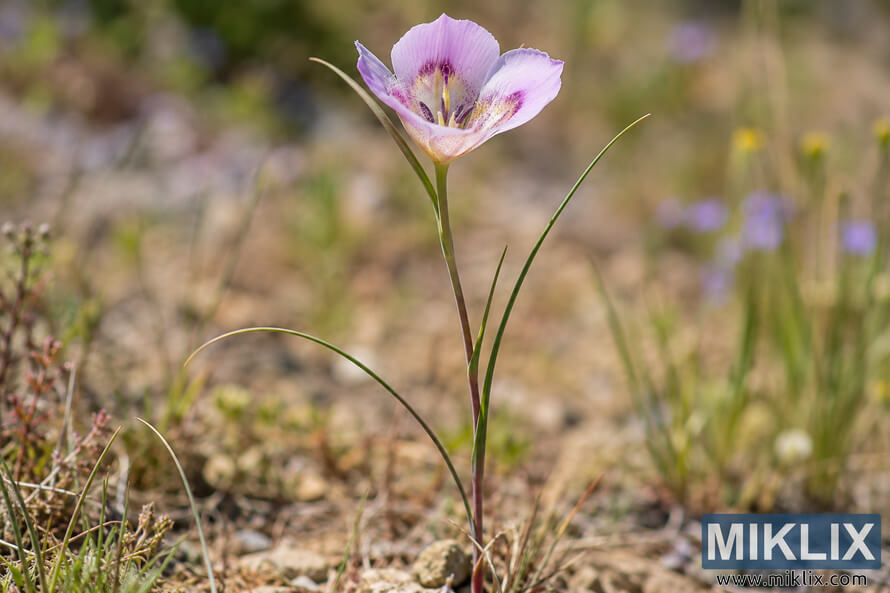
Click or tap the image for more information and higher resolutions.
Check the whole plant
Stem, leaf, size, and flowering time help separate this lily from similar mariposa lily species.
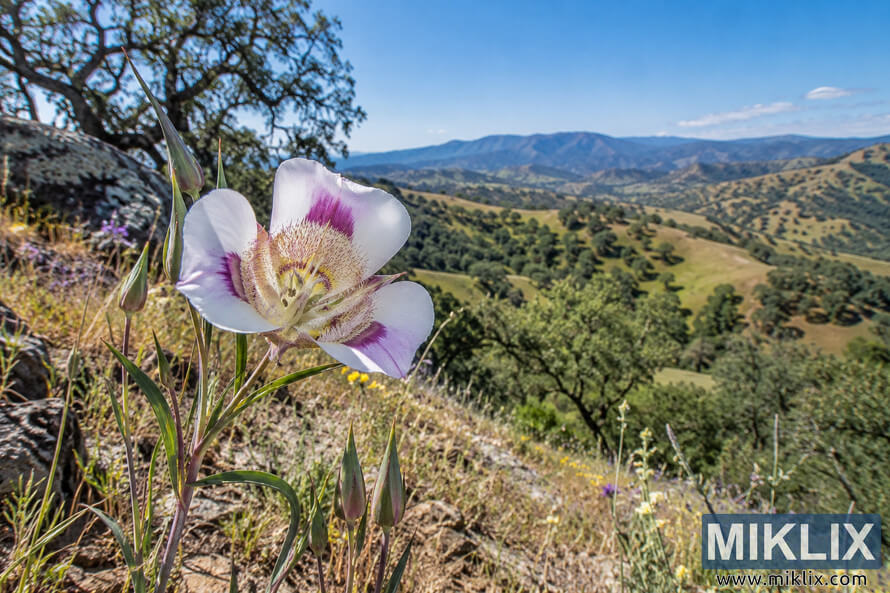
Click or tap the image for more information and higher resolutions.
Use local records
Range and habitat records can be more reliable than a common name used for several related plants.
Confirm the species before planting
Compare photographs, range information, and plant records in a trusted regional reference.
Natural Habitat, Distribution, and Growth Cycle
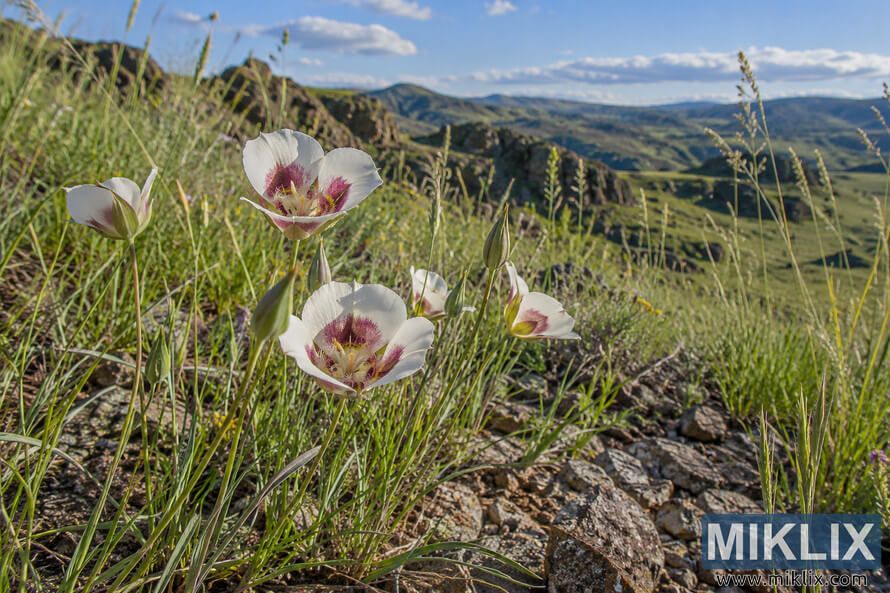
This species is associated with seasonal habitats in California and nearby dry regions. It may occur in foothills, open grasslands, rocky slopes, woodland edges, and other areas where winter or spring moisture is followed by a dry season. Records vary by source, so use local information when planning a garden.
The growth cycle is the key to care. Bulbs remain dormant through the driest part of the year. With suitable moisture and temperature, foliage appears, the stem rises, and flowers open. After flowering, the plant forms seeds and slowly withdraws energy underground.
Do not cut green leaves early. They help restore the bulb. Once foliage turns yellow or brown naturally, watering can be reduced sharply. This dry rest is normal and is not a sign that the plant has died.
Natural habitat offers a useful model: seasonal water, open sun, and soil that drains quickly after rain.
Click or tap the image for more information and higher resolutions.
Site, Soil, Sun, and Planting Instructions
Choose an open site with full sun or strong morning sun. In hot inland areas, light afternoon shade may reduce stress, but dense shade can limit flowering. A raised bed, rock garden, or sloping site is often safer than a flat area that holds winter water.
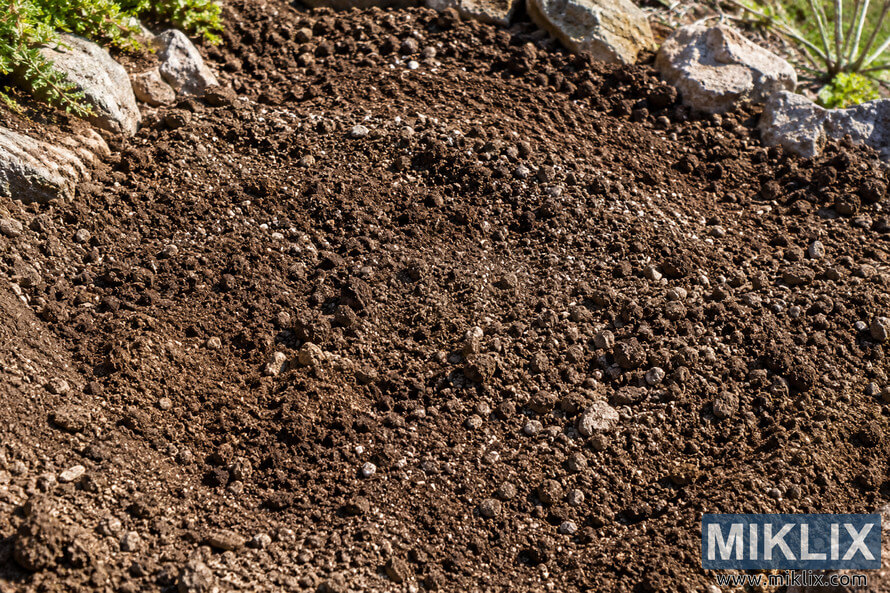
The soil should be loose, gritty, and fast draining. Native mineral soil may work if it does not stay wet. Improve heavy clay with a raised planting area rather than adding rich organic material directly into a deep bulb hole. Excess fertility and moisture can encourage rot.
Planting bulbs and seed
- Mark the site while the plant is visible, then keep it undisturbed during dormancy.
- Plant dormant bulbs at a depth suited to the supplier's instructions and local soil. Avoid guessing when bulb size differs.
- Set bulbs in firm, well-drained soil with the growing point upward.
- Water once to settle the soil, then follow seasonal rainfall rather than a fixed schedule.
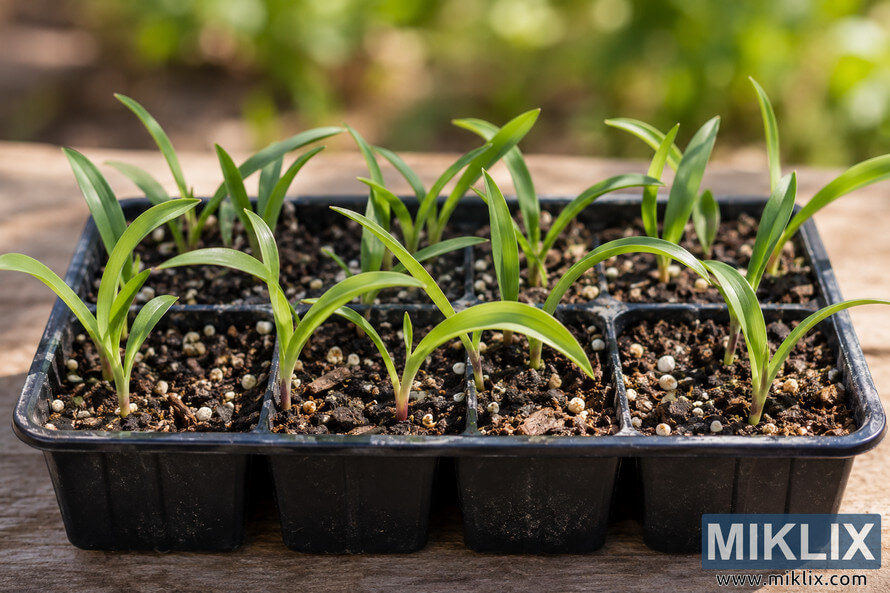
- Seed-grown plants require patience. Germination may be slow or uneven because many native bulbs follow complex temperature and moisture cues. Protect seed trays from weeds and excess water. Do not assume that a seedling will flower in its first year.
Click or tap the image for more information and higher resolutions.
Drainage first
A fast-draining site is more important than rich soil.
Click or tap the image for more information and higher resolutions.
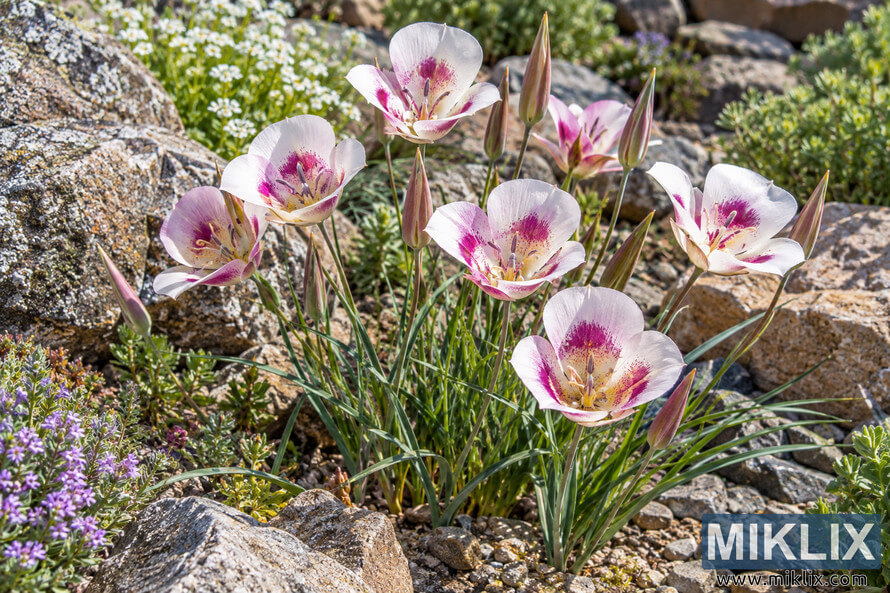
Keep the site open
Space allows sun, airflow, and easier observation of new growth.
Click or tap the image for more information and higher resolutions.
Expect a slow start
Seed propagation can take several seasons before flowering.
Watering, Fertilizing, Mulching, and Seasonal Care
Water newly planted bulbs lightly when the soil begins to dry, unless rainfall already provides moisture. During active growth, the plant may appreciate consistent but moderate moisture. Never leave the bed saturated. As leaves fade, reduce water and allow the soil to become dry during dormancy.
Fertilizer is usually unnecessary in lean native soil. If growth is weak, test the soil before feeding. A small amount of low-nitrogen fertilizer may be considered during active growth, but heavy feeding can produce soft foliage and fewer useful adaptations.
Use a thin mineral mulch, such as small gravel, to reduce weeds and keep the crown from sitting in wet organic material. Avoid thick bark mulch over the planting area. It can hold moisture and hide early signs of rot.
Spring
Watch growth, water only as needed, and enjoy flowers while leaving leaves intact.
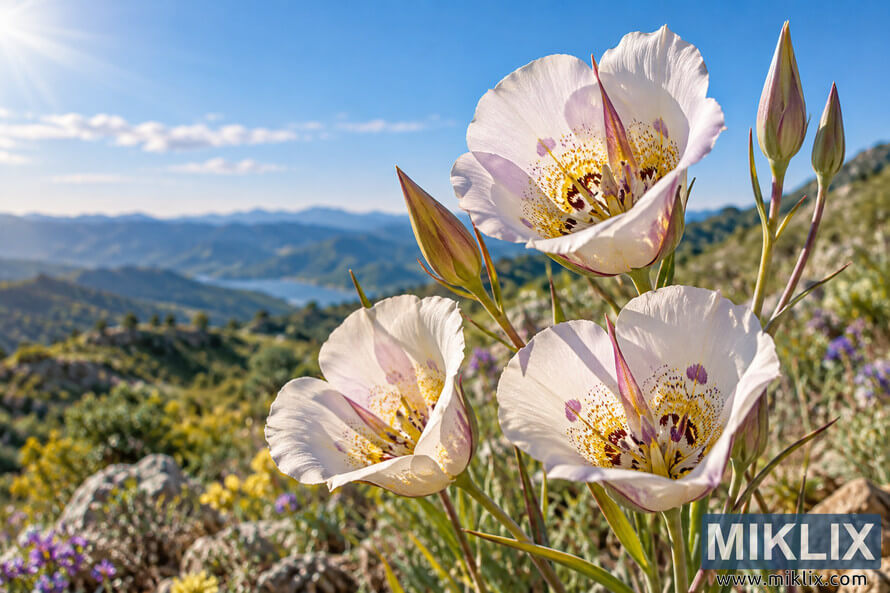
Click or tap the image for more information and higher resolutions.
After flowering
Allow seed capsules to mature if naturalization is wanted.
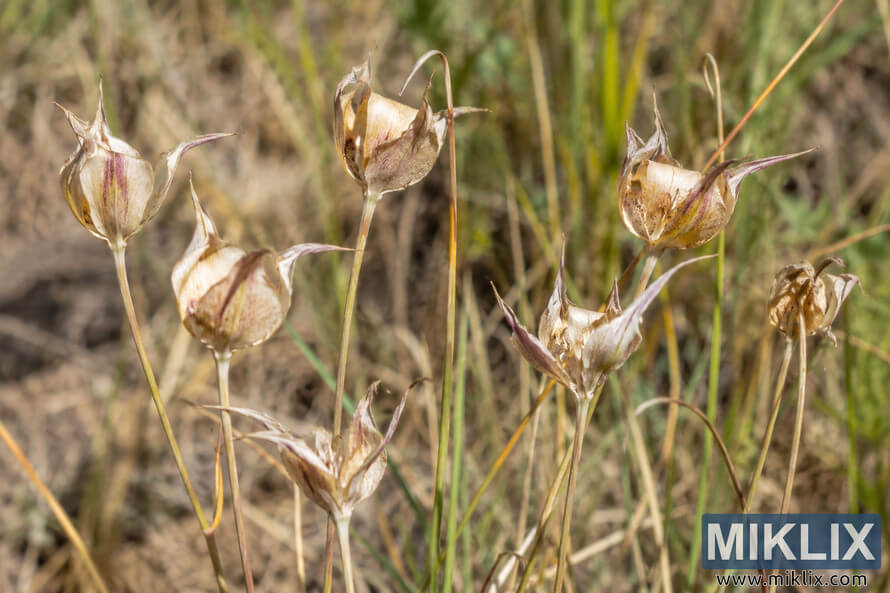
Click or tap the image for more information and higher resolutions.
Summer dormancy
Keep the bed mostly dry and mark its location to prevent digging.
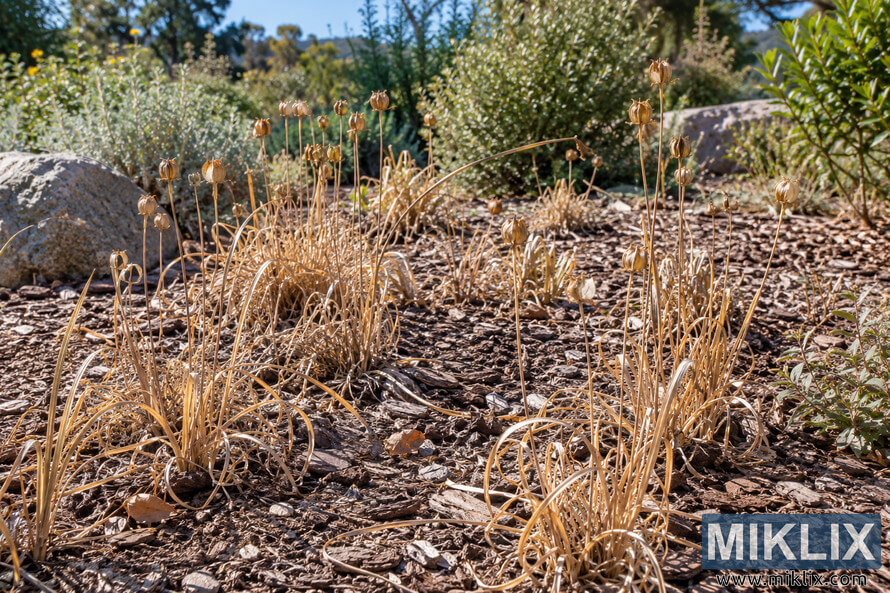
Click or tap the image for more information and higher resolutions.
Containers, Climate, Propagation, and Maintenance
Containers can work when they have large drainage holes and a gritty mix. Choose a pot deep enough for the bulb and stable enough for the tall stem. Place it where it receives sun and airflow. A container may dry faster than garden soil, so check moisture below the surface rather than watering by habit.
In cool, wet climates, use a rain-protected container or a sharply raised bed. In hot areas, morning sun and some afternoon shelter may help. In Los Angeles and similar Mediterranean areas, natural winter and spring rainfall may provide much of the moisture, but local exposure still matters.
Propagation from seed is the main patient approach. Collect mature seeds only from legally grown plants and sow them in a labeled medium. Offsets may occur, but do not dig wild bulbs to search for them. Bulbs can be damaged easily, and many wild populations face habitat pressure.
Protection from pests and disease
- Prevent rot with drainage, careful watering, and clean containers.
- Remove weeds by hand before they compete with young foliage.
- Inspect for slugs, snails, or chewing insects during wet growth periods.
- Discard badly rotted material and avoid reusing contaminated potting soil.
- Do not use broad pesticide treatments when hand control is practical.
Containers make moisture control easier, but they also require closer checks during rain and heat.
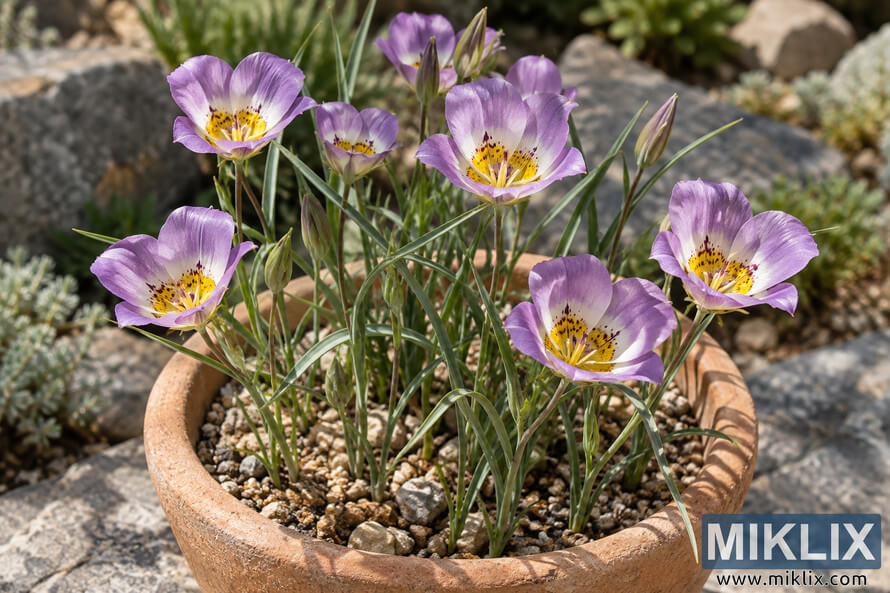
Click or tap the image for more information and higher resolutions.
Pollinator Value, Conservation, Checklist, and FAQ
Open mariposa lily flowers can attract insects, including native bees and other flower visitors. That makes the species a useful part of a pollinator garden when paired with other local plants that bloom before and after it. Avoid pesticides during flowering and leave some seed capsules if you want natural reproduction.
Do not collect wild bulbs or seed without permission. Wild populations may be limited by development, grazing, invasive plants, and changing fire or rainfall patterns. Purchase from a reputable native-plant source and ask whether stock is nursery propagated.
Seasonal care checklist
- Autumn: confirm drainage, plant approved bulbs, and label the site.
- Winter: watch rainfall and avoid saturated soil.
- Spring: provide sun, moderate moisture, and pollinator-friendly companions.
- Late spring: allow leaves and seed capsules to mature.
- Summer: stop routine watering and protect dormant bulbs from disturbance.
Why is my plant not flowering?
The bulb may be young, shaded, stressed by excess water, or still rebuilding after transplanting. Check light and drainage before adding fertilizer.
Can I grow it in heavy clay?
Only if you create a raised, sharply draining planting area. A wet winter site is a greater risk than lean soil.
Should I water during dormancy?
Usually, no routine irrigation is needed during a dry summer rest. Follow local rainfall and container conditions rather than a universal calendar.
Is Calochortus venustus a true lily?
It belongs to the lily family, but it is a distinct mariposa lily rather than a typical garden lily. Compare records before labeling a similar species.
Further Reading
If you enjoyed this post, you may also like these suggestions:
- 12 Beautiful Coneflower Varieties to Transform Your Garden
- A Guide to the Most Beautiful Zinnia Varieties to Grow in Your Garden
- A Guide to the Most Beautiful Dahlia Varieties to Grow in Your Garden