
A Complete Guide to Growing Radicchio in Your Own Garden
Published: February 13, 2026 at 4:33:04 PM UTC
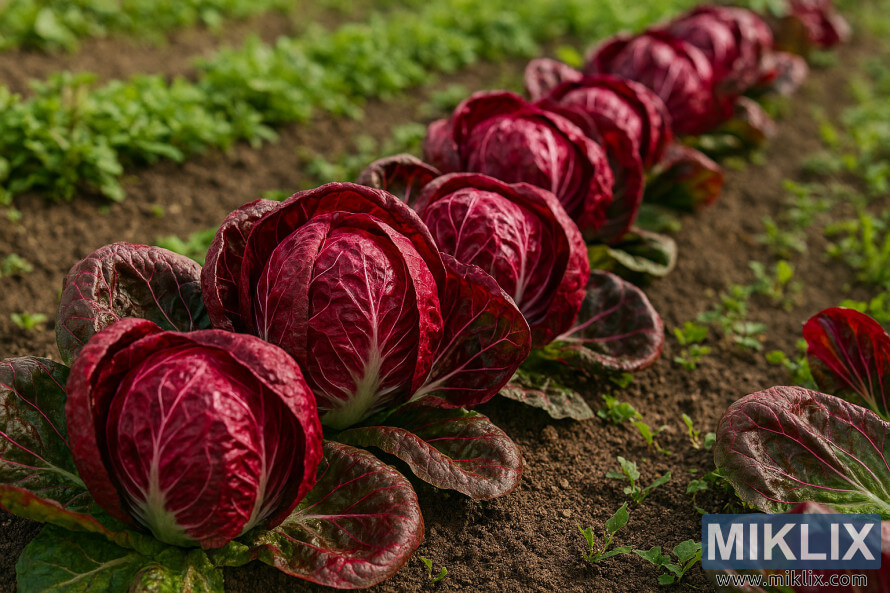
Radicchio, with its vibrant purple-red leaves and distinctive bitter flavor, adds both visual appeal and culinary character to any garden. This Italian chicory resembles a small cabbage but offers a unique taste experience that can transform ordinary salads into gourmet creations.
Click or tap the image for more information and higher resolutions.
Growing your own radicchio allows you to experience varieties rarely found in stores, harvest at peak freshness, and enjoy the satisfaction of cultivating this beautiful vegetable yourself.
Choosing the Right Radicchio Variety
Selecting the right variety is crucial for success when growing radicchio. Each type has distinct characteristics in terms of appearance, growing habits, and flavor profiles. Here are some popular varieties well-suited for home gardens:
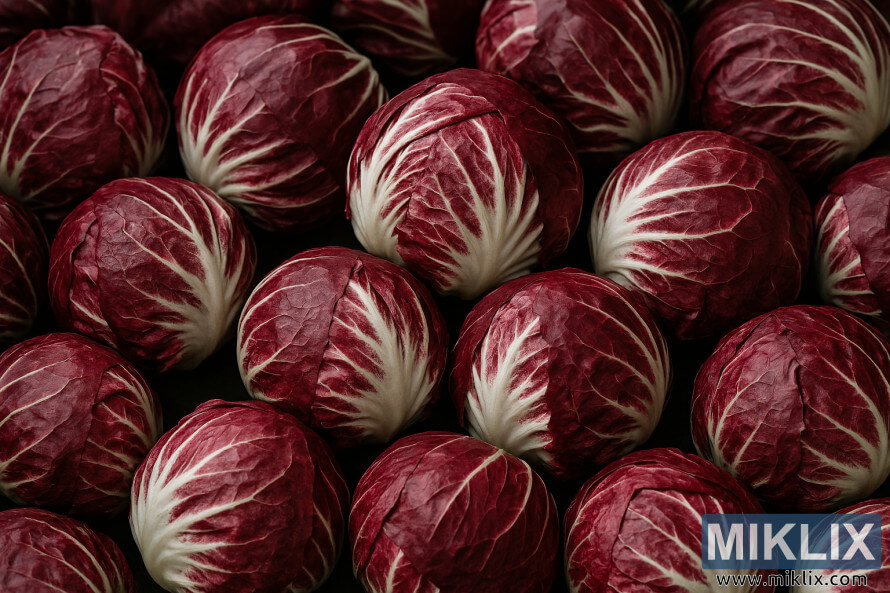
Radicchio di Chioggia
The most common variety, featuring round, cabbage-like heads with deep burgundy leaves and white ribs. Chioggia radicchio is versatile and relatively easy to grow, making it perfect for beginners. It typically matures in 80-90 days and offers a pleasantly bitter flavor that mellows when cooked.
Click or tap the image for more information and higher resolutions.
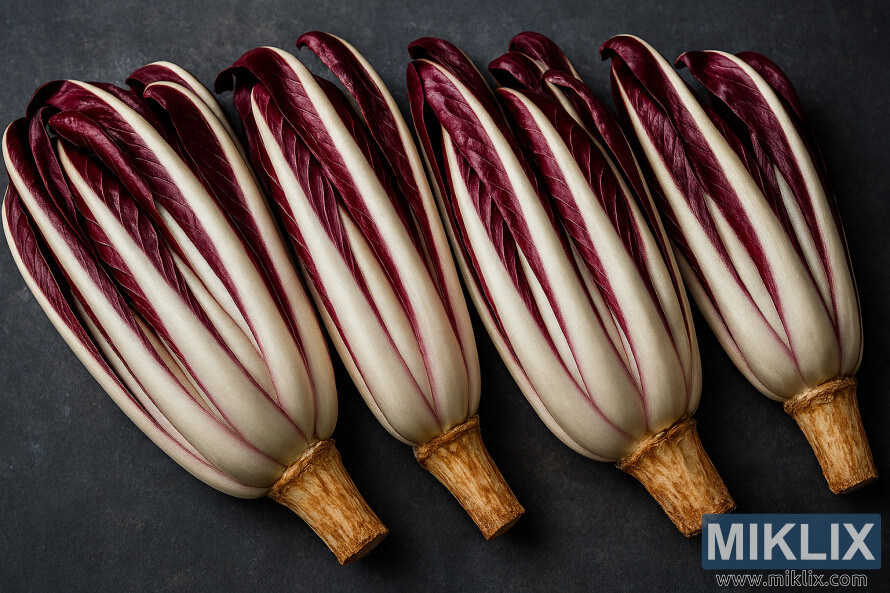
Radicchio di Treviso
Distinguished by its elongated, torpedo-shaped heads, Treviso radicchio has a more elegant appearance. It grows upright with tightly packed leaves and develops its best color and flavor in cooler temperatures. This variety typically takes 85-100 days to mature and offers a slightly milder bitterness than Chioggia.
Click or tap the image for more information and higher resolutions.
Other Varieties
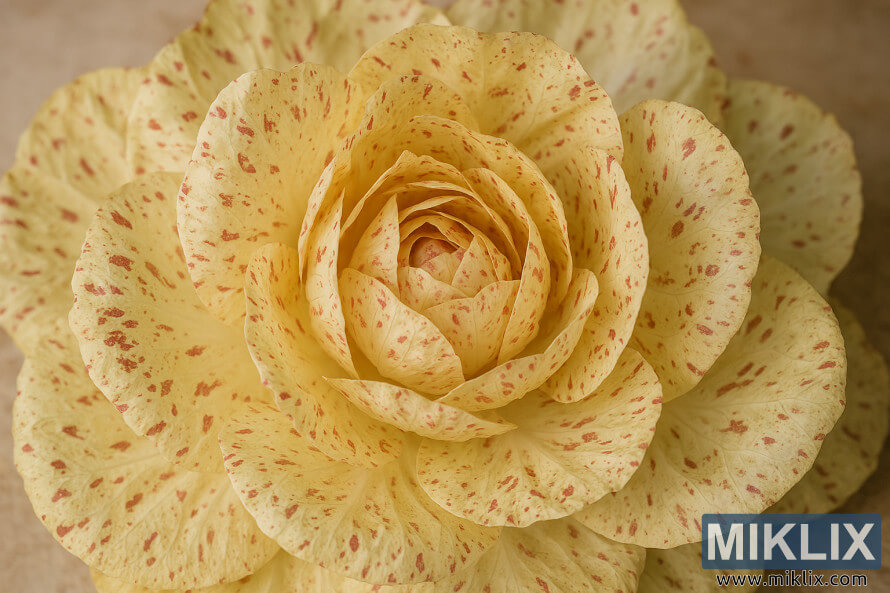
Beyond these common varieties, you might also explore Castelfranco (with its cream-colored leaves speckled with red) or Verona (which has a shape between Chioggia and Treviso). Each offers unique characteristics that can add diversity to your garden and kitchen.
Click or tap the image for more information and higher resolutions.
Planting & Site Requirements
When to Plant Radicchio
Timing is crucial when growing radicchio. As a cool-weather crop, it performs best when temperatures range between 45-75°F (7-24°C). For most regions in the United States, late summer planting for fall harvest yields the best results. Seeds should be started 10-12 weeks before your first expected fall frost date. In milder climates, you can also plant in early spring for an early summer harvest, though the heads may be smaller and more prone to bolting as temperatures rise.
Sun & Soil Requirements
Radicchio thrives in full sun during cool weather but appreciates afternoon shade in warmer conditions. Choose a location that receives at least 4-6 hours of direct sunlight daily. The soil should be well-draining, fertile, and rich in organic matter with a slightly alkaline pH between 6.5 and 7.5. Before planting, amend your soil with compost or aged manure to improve fertility and structure.
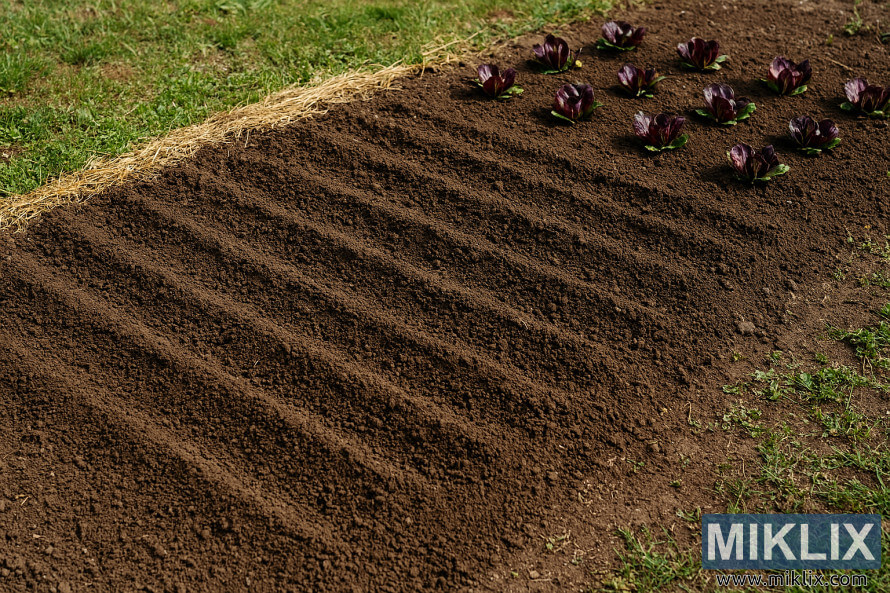
Click or tap the image for more information and higher resolutions.
How to Plant Radicchio
You can grow radicchio by direct sowing seeds or by starting seedlings indoors and transplanting them later. Here's how to approach both methods:
Direct Sowing
- Sow seeds ¼ inch deep in prepared soil
- Space seeds 1 inch apart in rows 18 inches apart
- Keep soil consistently moist until germination (usually 5-10 days)
- Once seedlings reach 2-3 inches tall, thin to 8-12 inches apart
- Save thinned seedlings for salads—they're perfectly edible!
Transplanting
- Start seeds indoors 4-6 weeks before outdoor planting date
- Use seed-starting mix in cell trays or small pots
- Provide bright light and keep soil moist but not soggy
- Transplant when seedlings have 3-4 true leaves
- Space transplants 8-12 inches apart in rows 18 inches apart
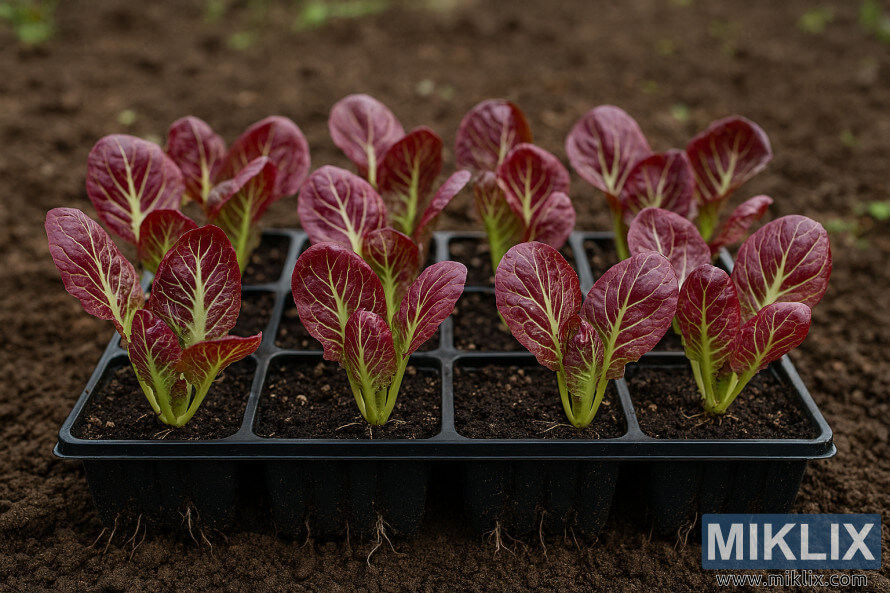
Click or tap the image for more information and higher resolutions.
Care and Maintenance
Watering
Consistent moisture is crucial for radicchio development. Aim to provide 1-2 inches of water weekly, increasing to 2-3 inches once heads begin to form. Irregular watering can lead to bitter taste and poor head formation. Using drip irrigation or soaker hoses helps maintain even soil moisture while keeping the leaves dry, which reduces disease risk.
Fertilizing
Radicchio doesn't require heavy feeding, but it does appreciate balanced nutrition. Before planting, incorporate compost or aged manure into the soil. Once plants are established (about 3-4 weeks after transplanting), apply a balanced organic fertilizer (like a 5-5-5) according to package directions. Avoid high-nitrogen fertilizers, which can promote leafy growth at the expense of head formation.
Weeding & Mulching
Radicchio's shallow root system makes it vulnerable to competition from weeds. Regular but gentle weeding is essential, especially during the early growth stages. Apply a 2-3 inch layer of organic mulch (such as straw, shredded leaves, or compost) around plants once they're established. This helps retain soil moisture, suppress weeds, and regulate soil temperature.
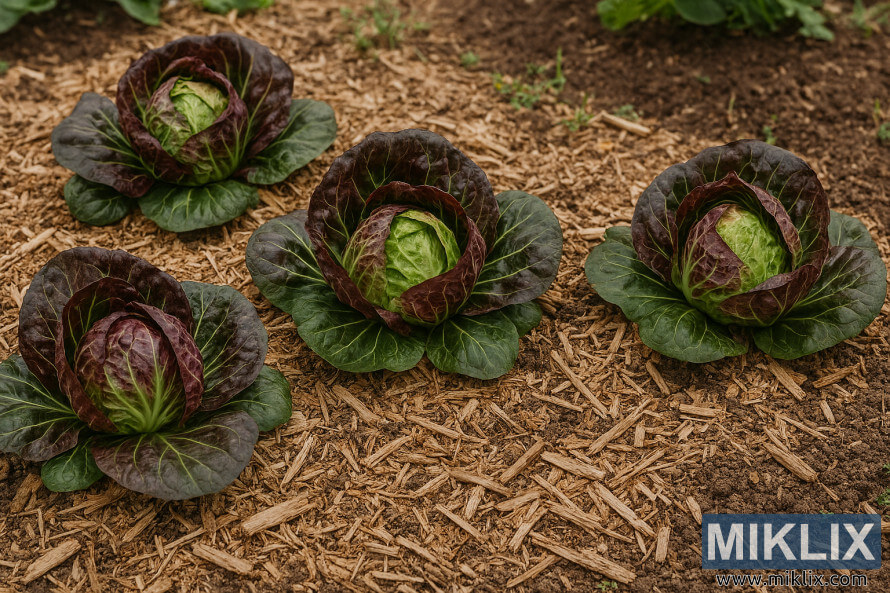
Click or tap the image for more information and higher resolutions.
Blanching (Optional)
While not required, blanching can reduce bitterness and enhance the color contrast in radicchio heads. About 2-3 weeks before harvest, gather the outer leaves and tie them loosely with garden twine or a rubber band over the developing head. This limits light exposure to the inner leaves, resulting in a milder flavor and more pronounced white veining. For Treviso types, some gardeners cover the entire plant with a bucket or pot to achieve blanching.
Troubleshooting Common Issues
Bolting
Radicchio can bolt (produce flowering stalks) when exposed to temperatures above 80°F (27°C) for extended periods. Once bolting begins, the leaves become extremely bitter and inedible.
Solutions:
- Plant for fall harvest to avoid summer heat
- Provide afternoon shade in warmer regions
- Choose bolt-resistant varieties for spring planting
- Ensure consistent watering to reduce heat stress
Pro Tip: If your radicchio does bolt, don't pull it out immediately! The flowers attract beneficial insects, and you can collect seeds from the plant for next season's planting.
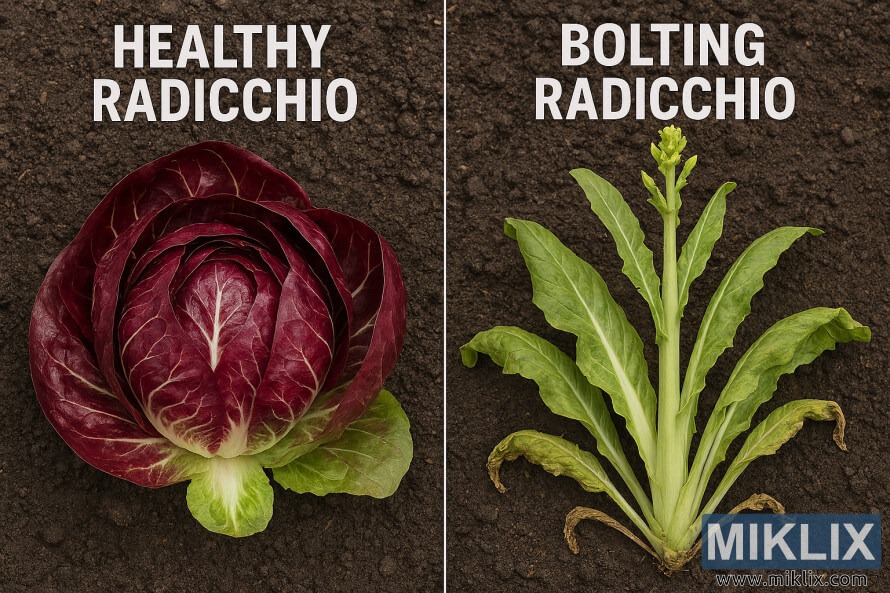
Click or tap the image for more information and higher resolutions.
Pests: Slugs and Snails
These common garden pests are particularly fond of radicchio's tender leaves and can quickly damage young plants or create unsightly holes in mature heads.
Solutions:
- Create barriers with copper tape or diatomaceous earth
- Set up beer traps around plants
- Hand-pick pests in the evening when they're most active
- Keep the garden area clear of debris where they hide
Harvesting Your Radicchio
Knowing when and how to harvest radicchio is key to enjoying its optimal flavor and texture. Most varieties are ready to harvest 80-100 days after planting, depending on the specific variety and growing conditions.
When to Harvest
Harvest radicchio when heads feel firm and compact when gently squeezed. Chioggia types should be about the size of a softball, while Treviso varieties will be more elongated. The outer leaves should have developed their characteristic deep red coloration. For the best flavor, harvest in the morning when temperatures are cool, and ideally after a light frost, which helps reduce bitterness.
How to Harvest
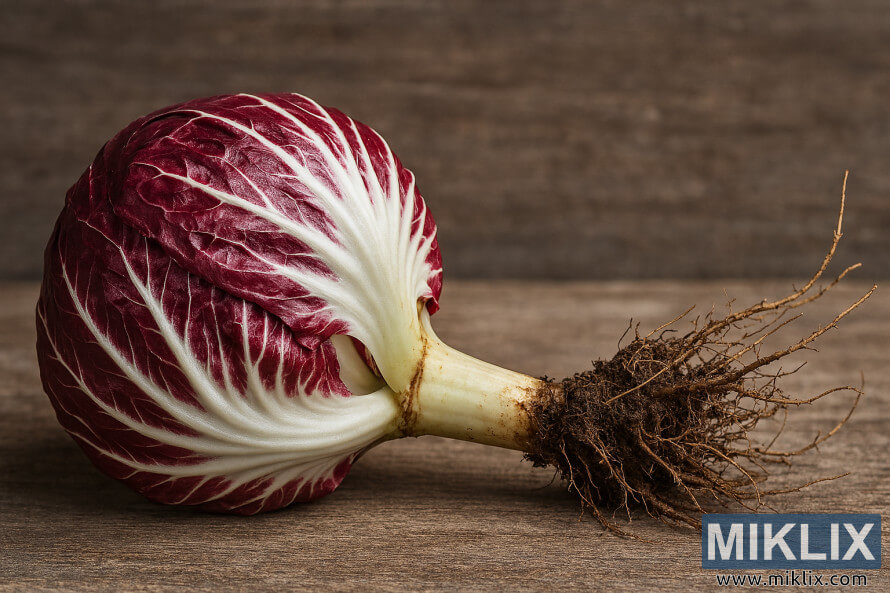
To harvest radicchio, use a sharp knife to cut the head at ground level, just below where the leaves join the root. For some varieties, particularly if you plan to store them for a while, you can dig up the entire plant with the root intact. Remove any damaged outer leaves before storing.
Click or tap the image for more information and higher resolutions.
Storage Tips
Freshly harvested radicchio will keep for 2-3 weeks in the refrigerator. Wrap unwashed heads loosely in a damp paper towel and place them in a perforated plastic bag in the crisper drawer. For longer storage, some varieties can be kept with roots attached in a cool, dark place like a root cellar, where they'll last up to a month.
Can I harvest radicchio leaves individually instead of taking the whole head?
Yes, you can harvest the outer leaves of radicchio as needed, similar to how you might harvest leaf lettuce. This "cut-and-come-again" method works particularly well with loose-leaf varieties. However, heading types like Chioggia and Treviso develop their best flavor and texture when allowed to form a complete head.
Enjoying Your Harvest
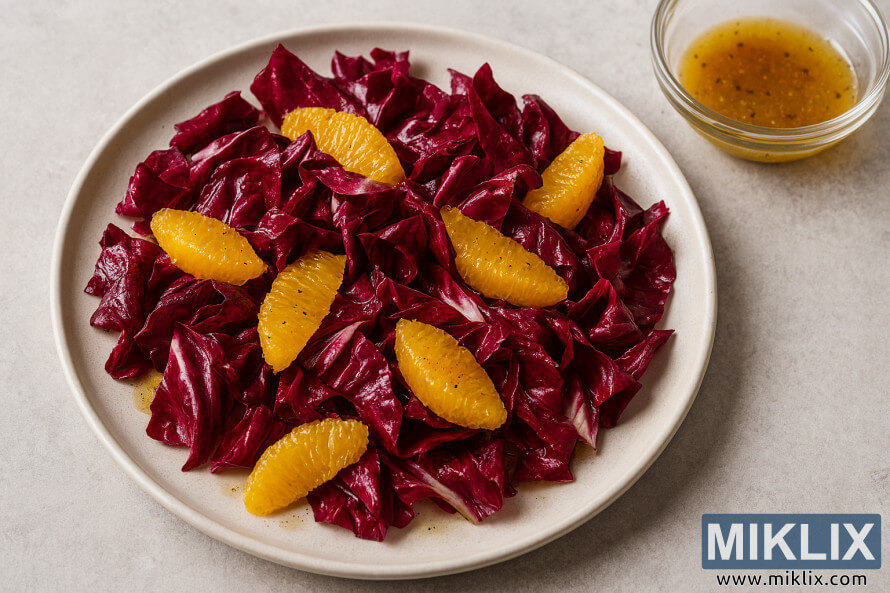
After all your hard work growing radicchio, it's time to enjoy the fruits of your labor. Radicchio's distinctive bitter flavor pairs beautifully with sweet, salty, and acidic ingredients. Try it grilled with a drizzle of balsamic vinegar, chopped into salads with apples and blue cheese, or sautéed with garlic and finished with a splash of lemon juice.
Click or tap the image for more information and higher resolutions.
Conclusion
Growing radicchio in your home garden offers a rewarding experience that culminates in a harvest of visually stunning and flavorful vegetables rarely found in grocery stores. While it requires some attention to timing and growing conditions, the process is straightforward and accessible even to beginning gardeners.
By selecting the right varieties, providing consistent care, and harvesting at the optimal time, you'll be rewarded with beautiful heads of radicchio that can transform ordinary meals into culinary adventures. The unique bitter flavor and striking appearance of homegrown radicchio make it well worth the effort to cultivate in your garden.
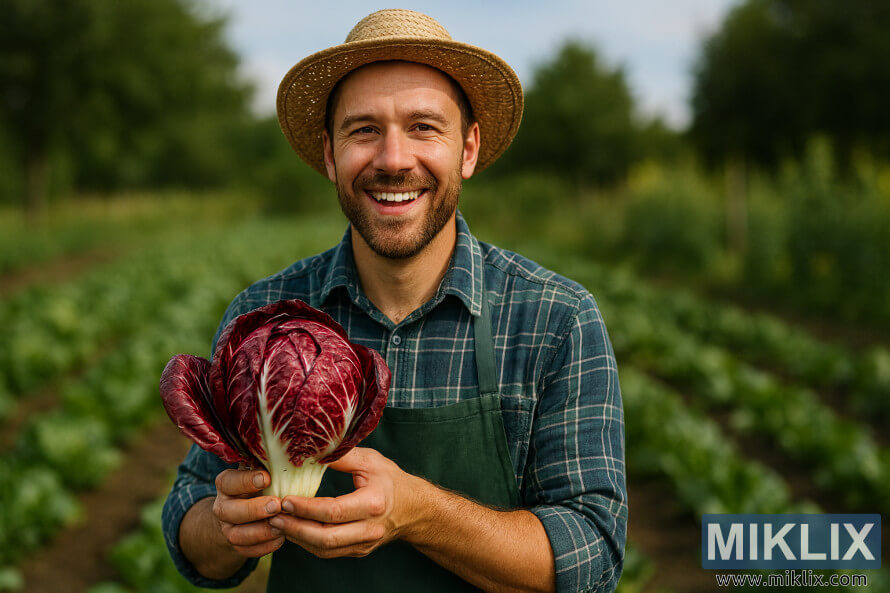
Whether you're adding it to salads, grilling it as a side dish, or incorporating it into pasta, your homegrown radicchio will bring a touch of Italian garden tradition to your table. Happy growing!
Click or tap the image for more information and higher resolutions.
Further Reading
If you enjoyed this post, you may also like these suggestions:
- A Complete Guide to Growing Guavas at Home
- How to Grow Swiss Chard: A Complete Beginner's Guide
- A Guide to Growing Goji Berries in Your Home Garden