
A Guide to Growing Spinach in Your Home Garden
Published: December 8, 2025 at 12:33:38 PM UTC
Growing your own spinach is one of the most rewarding experiences for home gardeners. This nutrient-packed leafy green not only provides an abundance of vitamins and minerals but also offers versatility in the kitchen that few other vegetables can match.

Click or tap the image for more information and higher resolutions.
Whether you're a beginner looking to start your first vegetable garden or an experienced gardener wanting to perfect your spinach growing skills, this comprehensive guide will walk you through everything you need to know about growing the best spinach possible using organic methods.
Best Spinach Varieties for Home Gardens
Choosing the right spinach variety is crucial for success in your specific growing conditions. There are three main types of spinach to consider for your garden:
The three main types of spinach: smooth-leaf (left), semi-savoy (center), and savoy (right)
Savoy Spinach
Savoy spinach has deeply crinkled, curly leaves with a dark green color. These varieties are typically more cold-hardy and disease-resistant than other types.
- Bloomsdale Long Standing - An heirloom variety with excellent flavor that's slower to bolt in warm weather. Perfect for beginners.
- Winter Bloomsdale - Exceptionally cold-tolerant, making it ideal for fall planting and winter harvests in milder climates.

Click or tap the image for more information and higher resolutions.
Semi-Savoy Spinach
Semi-savoy varieties offer a middle ground with slightly crinkled leaves that are easier to clean than savoy types while still providing good disease resistance.
- Tyee - Heat-resistant and slow to bolt, with an upright growth habit that keeps leaves cleaner.
- Catalina - Fast-growing with excellent resistance to downy mildew, perfect for containers.
- Melody - Award-winning variety with resistance to multiple diseases and excellent flavor.

Click or tap the image for more information and higher resolutions.
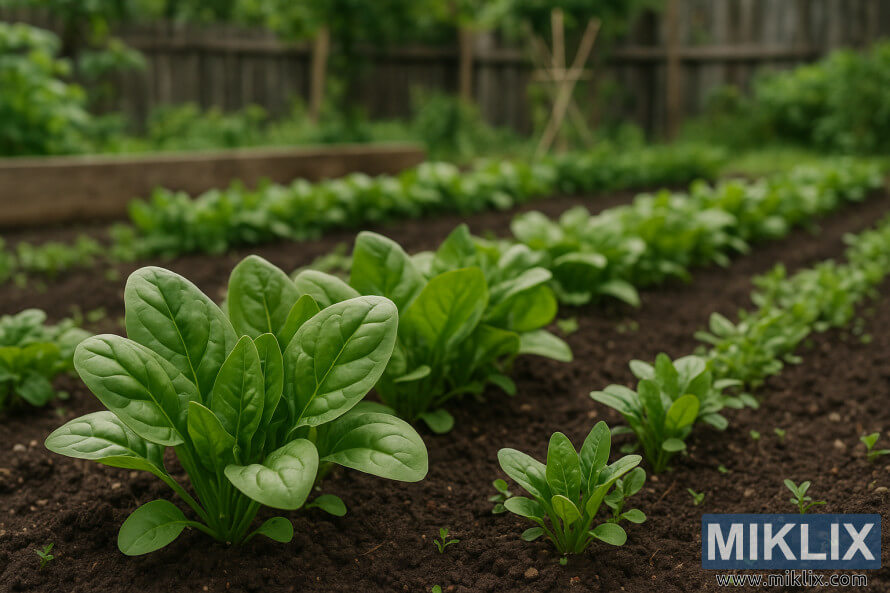
Smooth-Leaf Spinach
Smooth-leaf varieties have flat, paddle-shaped leaves that are easy to clean and often preferred for salads.
- Space - Quick-maturing with smooth, round leaves and excellent bolt resistance.
- Giant Nobel - Large, smooth leaves with mild flavor, ideal for both cooking and fresh eating.
- Red Kitten - Unique red-veined variety that adds visual interest to salads.
Click or tap the image for more information and higher resolutions.
Ideal Soil Conditions and Preparation
Spinach thrives in nutrient-rich, well-draining soil with a slightly alkaline pH between 6.5 and 7.5. Proper soil preparation is essential for developing strong root systems and healthy leaf production.
Preparing soil with compost creates the perfect growing environment for spinach
Testing and Adjusting Soil pH
Before planting, test your soil pH using a home testing kit or through your local extension office. Spinach prefers slightly alkaline conditions:
- If your soil is too acidic (below 6.5), add garden lime according to package directions.
- If your soil is too alkaline (above 7.5), incorporate sulfur or peat moss to lower the pH.
Adding Organic Matter
Spinach is a heavy feeder that benefits from rich, organic soil. Two weeks before planting:
- Work 2-4 inches of well-rotted compost or aged manure into the top 6-8 inches of soil.
- Add a balanced organic fertilizer according to package directions.
- For clay soils, add extra compost and some coarse sand to improve drainage.
- For sandy soils, incorporate extra compost to improve water retention.
Soil Structure for Container Growing
If growing spinach in containers:
- Use a high-quality organic potting mix blended with compost (2:1 ratio).
- Ensure containers have adequate drainage holes.
- Consider adding worm castings for extra nutrients.

Click or tap the image for more information and higher resolutions.
Optimal Planting Times and Seasonal Considerations
Timing is critical when growing spinach. As a cool-season crop, spinach grows best when temperatures range between 45°F and 75°F (7°C-24°C). When temperatures rise above 80°F (27°C), spinach will quickly bolt (produce flowers), making the leaves bitter.
Spinach growing calendar showing optimal planting windows for spring and fall crops
Spring Planting
For spring crops, timing is essential to harvest before hot weather arrives:
- Sow seeds 4-6 weeks before the last expected spring frost.
- Seeds will germinate when soil temperatures reach 40°F (4°C).
- For an earlier start, warm the soil with black plastic for a week before planting.
- Plant succession crops every 10-14 days until temperatures begin to warm.
Fall and Winter Planting
Fall is often the best season for growing spinach, as the plant matures in cooling rather than warming temperatures:
- Begin sowing seeds 6-8 weeks before the first expected fall frost.
- Continue planting every two weeks until about 4 weeks before your first hard freeze.
- In mild winter areas (Zones 8 and warmer), spinach can grow throughout winter with minimal protection.
- In colder regions, protect plants with cold frames, row covers, or thick mulch for winter harvests.
Summer Considerations
Traditional spinach struggles in summer heat, but you have options:
- Look for heat-tolerant varieties like 'Space' or 'Tyee' for extended spring harvests.
- Consider heat-loving spinach alternatives like Malabar spinach or New Zealand spinach for summer growing.
- Provide afternoon shade to extend your harvest as temperatures rise.
Step-by-Step Planting Instructions
Proper planting technique is crucial for successful spinach germination and growth. Follow these detailed steps for both direct seeding and transplanting.
Planting spinach seeds at the proper depth and spacing ensures good germination
Direct Seeding Method
- Create shallow furrows ½ inch deep using the edge of a trowel or your finger.
- Space rows 12-18 inches apart to allow for good air circulation.
- Sow seeds thinly, placing them about 1 inch apart within the row.
- Cover seeds with ½ inch of fine soil or compost.
- Water gently using a watering can with a rose attachment to avoid displacing seeds.
- Keep soil consistently moist until germination, which typically takes 7-14 days depending on soil temperature.
Thinning Seedlings
Once seedlings have developed their first true leaves (not the initial seed leaves):
- Thin plants to 3-4 inches apart for baby spinach.
- Thin to 6 inches apart for full-sized leaves.
- Instead of pulling, snip extra seedlings at soil level to avoid disturbing roots of remaining plants.
- Add the thinned seedlings to salads as nutritious microgreens.
Container Planting
Spinach grows well in containers at least 6-8 inches deep:
- Fill containers with potting mix to about ½ inch below the rim.
- Scatter seeds over the surface, aiming for one seed every 2 inches.
- Cover with ¼ to ½ inch of soil and water gently.
- For continuous harvests, sow new containers every 2-3 weeks.

Click or tap the image for more information and higher resolutions.
Watering Requirements and Moisture Management
Consistent moisture is crucial for growing tender, sweet spinach leaves. Irregular watering can lead to tough leaves, slow growth, and premature bolting.
Watering Frequency
Spinach has shallow roots that need regular access to moisture:
- Provide 1-1.5 inches of water per week, divided into 2-3 waterings.
- Water more frequently during hot, dry periods.
- Check soil moisture by inserting your finger 1 inch into the soil—if it feels dry, it's time to water.
- Container-grown spinach may need daily watering, especially in warm weather.
Watering Methods
How you water is as important as when you water:
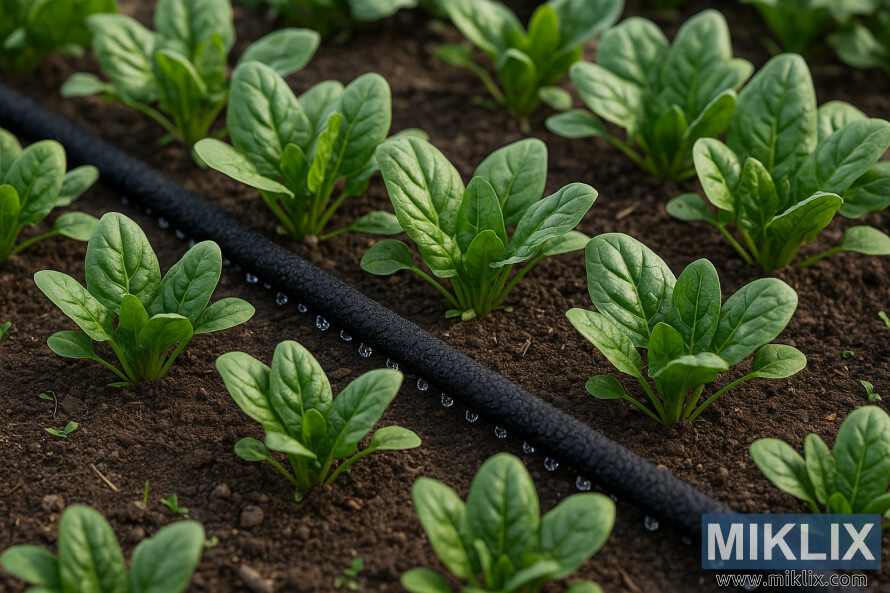
- Water at the base of plants to keep leaves dry, which helps prevent disease.
- Soaker hoses or drip irrigation are ideal for consistent, gentle watering.
- Water in the morning to allow any splashed leaves to dry during the day.
- Avoid overhead sprinklers which can promote leaf diseases.
Mulching for Moisture Retention
A layer of organic mulch helps maintain consistent soil moisture:
- Apply a 1-2 inch layer of fine mulch like straw, leaf mold, or compost.
- Keep mulch slightly away from plant stems to prevent rot.
- Mulch also helps suppress weeds and keeps soil cool, delaying bolting.
Water-Saving Tip: Morning watering reduces evaporation, ensuring more moisture reaches plant roots. For every 10 square feet of spinach, you'll need approximately 6 gallons of water per week during the growing season.
Click or tap the image for more information and higher resolutions.
Fertilization Needs and Organic Options
As a leafy green, spinach benefits from consistent nitrogen availability throughout its growth cycle. Organic fertilization methods not only feed your plants but improve soil health for future crops.
Applying compost tea provides gentle, organic nutrition for growing spinach
Pre-Planting Fertilization
Start with a nutrient-rich foundation:
- Incorporate 2-3 inches of compost or aged manure into soil before planting.
- Add a balanced organic fertilizer (like 5-5-5) according to package directions.
- For sandy soils, consider adding extra organic matter to improve nutrient retention.
Ongoing Fertilization
Support continuous leaf production with regular feeding:
- When plants reach about 2 inches tall, side-dress with compost or a nitrogen-rich organic fertilizer.
- Apply fish emulsion or compost tea every 2-3 weeks during the growing season.
- Avoid high-nitrogen synthetic fertilizers which can lead to nitrate accumulation in leaves.
Organic Fertilizer Options
These natural fertilizers work well for spinach:
- Compost tea: Gentle, balanced nutrition that won't burn plants.
- Fish emulsion: Quick-release nitrogen source ideal for leafy greens.
- Worm castings: Nutrient-rich amendment that improves soil structure.
- Alfalfa meal: Slow-release fertilizer that adds nitrogen and trace minerals.
Important: Over-fertilization can lead to lush growth but poor flavor and potential nitrate accumulation. Follow package directions carefully and err on the side of less rather than more when applying fertilizers.

Click or tap the image for more information and higher resolutions.
Sunlight and Temperature Requirements
Understanding spinach's light and temperature preferences is key to preventing premature bolting and extending your harvest season.
Spinach growing in partial afternoon shade with row covers for temperature management
Light Requirements
Spinach is adaptable to various light conditions:
- Full sun (6+ hours) is ideal in cool weather and spring/fall seasons.
- Partial shade (3-5 hours) is beneficial when temperatures rise above 70°F.
- Morning sun with afternoon shade is perfect in warmer regions or late spring.
- In hot climates, consider growing spinach on the north side of taller plants for natural shade.
Temperature Considerations
Spinach is quite temperature-sensitive:
- Optimal growing temperature: 50-65°F (10-18°C).
- Seeds germinate best at 45-75°F (7-24°C).
- Growth slows below 40°F (4°C) but plants remain viable.
- Plants will bolt when temperatures consistently exceed 75°F (24°C).
- Established plants can survive temperatures as low as 15°F (-9°C).
Extending the Growing Season
Use these techniques to grow spinach beyond its natural season:
- Spring: Use row covers or cold frames to warm soil for earlier planting.
- Summer: Provide shade cloth that blocks 30-50% of sunlight to keep plants cooler.
- Fall: Cover plants with floating row covers when frost threatens.
- Winter: Use cold frames, low tunnels, or deep mulch to overwinter spinach in zones 7 and warmer.

Click or tap the image for more information and higher resolutions.
Common Pests and Diseases with Organic Prevention Methods
While spinach is relatively problem-free, a few pests and diseases can affect your crop. Fortunately, organic methods can effectively manage most issues.
Common Pests
Aphids
Symptoms
- Curled leaves
- Sticky residue
- Small green/black insects on undersides of leaves
Organic Prevention and Treatment
- Spray with strong water stream to dislodge
- Apply insecticidal soap or neem oil
- Introduce ladybugs or lacewings
- Plant nasturtiums as trap crops
Leaf Miners
Symptoms
- Winding trails or tunnels within leaves
Organic Prevention and Treatment
- Remove and destroy affected leaves
- Use row covers to prevent adult flies from laying eggs
- Plant trap crops like lambsquarters nearby
- Apply spinosad for severe infestations
Slugs and Snails
Symptoms
- Irregular holes in leaves, slime trails
Organic Prevention and Treatment
- Handpick at night with flashlight
- Set beer traps
- Apply diatomaceous earth around plants
- Create copper barriers around beds
Common Diseases
Downy Mildew
Symptoms
- Yellow patches on leaf tops, gray/purple fuzzy growth underneath
Organic Prevention and Treatment
- Plant resistant varieties
- Ensure good air circulation
- Avoid overhead watering
- Apply copper fungicide at first signs
White Rust
Symptoms
- White or yellow spots on leaves that develop into chalky pustules
Organic Prevention and Treatment
- Practice crop rotation
- Remove infected plants immediately
- Improve air circulation
- Apply compost tea as preventative
Spinach Mosaic Virus
Symptoms
- Mottled yellow/green pattern on leaves, stunted growth
Organic Prevention and Treatment
- Control aphids which spread the virus
- Remove and destroy infected plants
- Plant resistant varieties
- Disinfect garden tools between uses
Preventative Practices
The best defense is a good offense:
- Practice crop rotation, waiting 2-3 years before planting spinach in the same location.
- Keep garden clean of debris where pests can overwinter.
- Plant companion plants like garlic, onions, and marigolds to repel pests.
- Maintain healthy soil with compost to strengthen plants' natural defenses.

Click or tap the image for more information and higher resolutions.
Harvesting Techniques for Continuous Yield
With proper harvesting techniques, you can enjoy multiple harvests from the same spinach plants, maximizing your garden's productivity.
Harvesting outer leaves allows the plant to continue producing new growth
When to Harvest
Timing your harvest properly ensures the best flavor and texture:
- Baby spinach can be harvested when leaves are 2-3 inches long, typically 20-30 days after planting.
- Full-sized leaves are ready when they're 4-6 inches long, usually 40-50 days after planting.
- Harvest in the morning when leaves are crisp and full of moisture.
- For the sweetest flavor, harvest after a light frost but before a hard freeze.
Harvesting Methods
Choose the harvesting method that best suits your needs:
Cut-and-Come-Again Method
For multiple harvests from the same plants:
- Use clean scissors or garden shears to cut outer leaves about 1 inch above the soil.
- Leave the center crown and smaller inner leaves to continue growing.
- Plants will produce new leaves for several additional harvests.
- This method works best in cool weather when plants aren't prone to bolting.
Whole Plant Harvest
When you need a large harvest at once:
- Cut the entire plant just above soil level using a sharp knife.
- In cool conditions, plants may regrow from the crown for a second, smaller harvest.
- This method is best when plants show signs of bolting or at the end of the season.
Succession Planting for Continuous Harvests
Keep the spinach coming throughout the growing season:
- Sow new seeds every 2-3 weeks during appropriate planting windows.
- As one crop finishes, another will be reaching harvestable size.
- Dedicate different sections of your garden to plantings at different stages.
- In fall, make several large plantings 7-10 days apart for extended harvests.
Harvest Tip: When you see the central stem beginning to elongate, harvest the entire plant immediately. This is the first sign of bolting, and the leaves will soon become bitter.

Click or tap the image for more information and higher resolutions.
Storage and Preservation Methods
Properly storing your spinach harvest extends its usability and prevents waste. From short-term refrigeration to long-term freezing, there are several ways to preserve your crop.
Different methods for storing and preserving spinach: refrigeration, freezing, and drying
Fresh Storage
For short-term storage of fresh spinach:
- Do not wash leaves until ready to use, as moisture accelerates spoilage.
- Remove any damaged or yellowed leaves.
- Wrap loosely in paper towels to absorb excess moisture.
- Place in a perforated plastic bag or container in the refrigerator crisper drawer.
- Properly stored, fresh spinach will last 7-10 days.

Click or tap the image for more information and higher resolutions.
Freezing Spinach
Freezing preserves spinach for up to 12 months:
- Wash leaves thoroughly and remove tough stems.
- Blanch in boiling water for 2 minutes, then immediately transfer to ice water.
- Drain well and squeeze out excess moisture.
- Pack into freezer bags, removing as much air as possible.
- Label with date and contents, then freeze flat for easy storage.
- Use frozen spinach in cooked dishes like soups, stews, and casseroles.

Click or tap the image for more information and higher resolutions.
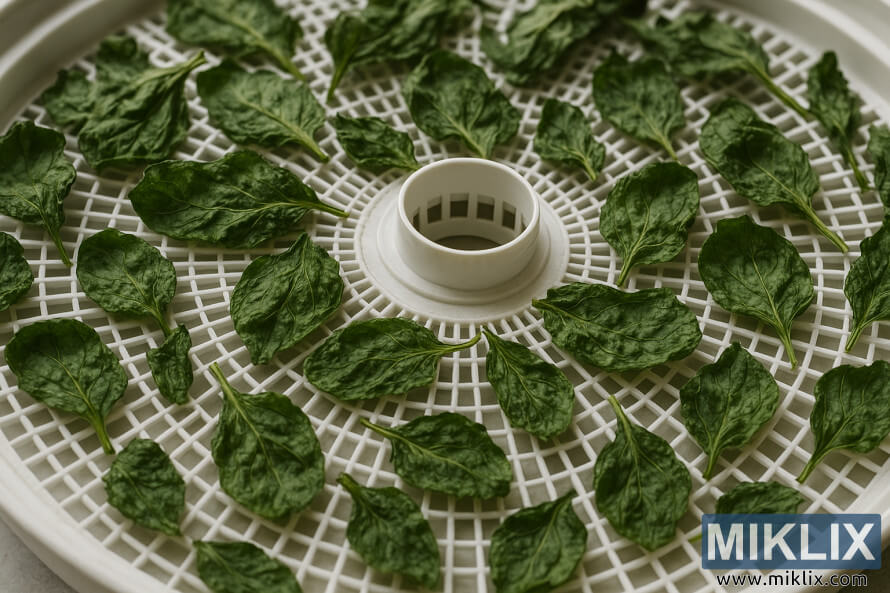
Drying Spinach
Dehydrated spinach makes nutritious additions to soups and smoothies:
- Wash and thoroughly dry leaves.
- Remove stems and tear larger leaves into pieces.
- Arrange in a single layer on dehydrator trays.
- Dry at 125°F (52°C) for 4-6 hours until completely crisp.
- Store in airtight containers away from light and moisture.
- Grind dried leaves into powder for adding to smoothies or soups.
Click or tap the image for more information and higher resolutions.
Preserving in Recipes
Transform your harvest into ready-to-use ingredients:
- Create spinach pesto by blending with olive oil, garlic, nuts, and cheese, then freezing in ice cube trays.
- Make spinach-herb butter by mixing chopped leaves with softened butter, then freezing in logs.
- Prepare and freeze spinach-based soups for quick meals later.
Troubleshooting Common Growing Problems
Even experienced gardeners encounter challenges when growing spinach. Here's how to identify and address the most common issues.
Comparison of healthy spinach (left) versus plant showing signs of bolting and nutrient deficiency (right)
Why is my spinach bolting so quickly?
Bolting (flowering) is triggered by:
- Long daylight hours - Plant heat-tolerant varieties and provide afternoon shade.
- High temperatures - Plant earlier in spring or later in fall when temperatures are cooler.
- Inconsistent watering - Maintain even soil moisture with regular watering and mulch.
- Root disturbance - Avoid cultivating around plants; hand-pull weeds carefully.
Why are my spinach leaves turning yellow?
Yellowing leaves can indicate several issues:
- Nitrogen deficiency - Apply a balanced organic fertilizer or compost tea.
- Overwatering - Improve drainage and reduce watering frequency.
- Disease - Check for downy mildew or white rust; remove affected leaves.
- Natural aging - Older outer leaves naturally yellow; remove and harvest younger leaves.
Why aren't my spinach seeds germinating?
Poor germination may be caused by:
- Old seeds - Spinach seeds lose viability after 2-3 years; use fresh seeds.
- Soil too warm - Spinach germinates best below 70°F (21°C); wait for cooler weather or pre-chill seeds.
- Planting too deep - Seeds should be only ¼-½ inch deep; replant at proper depth.
- Inconsistent moisture - Keep soil consistently moist until germination.
Why are my spinach leaves small and stunted?
Stunted growth typically results from:
- Overcrowding - Thin plants to proper spacing (3-6 inches apart).
- Poor soil fertility - Amend soil with compost and apply organic fertilizer.
- Compacted soil - Improve soil structure with organic matter before planting.
- Temperature extremes - Protect plants from extreme heat or cold with row covers.
Why do my spinach leaves taste bitter?
Bitterness is usually caused by:
- Beginning to bolt - Harvest immediately and replant in cooler conditions.
- Heat stress - Provide shade and consistent moisture; harvest in early morning.
- Mature leaves - Harvest younger leaves for milder flavor.
- Variety characteristics - Try different varieties; some are naturally sweeter than others.

Click or tap the image for more information and higher resolutions.
Companion Planting Suggestions
Strategic companion planting can improve spinach growth, deter pests, and maximize garden space. Here are the best plant partners for your spinach crop.
Beneficial companion planting with spinach, strawberries, and marigolds
Beneficial Companions
These plants help spinach thrive:
Pest-Repelling Companions
- Garlic - Deters aphids and other insects
- Onions - Confuses pests with strong scent
- Nasturtiums - Acts as trap crop for aphids
- Marigolds - Repels nematodes and other soil pests
Space-Maximizing Companions
- Radishes - Grow quickly while spinach establishes
- Strawberries - Low-growing ground cover
- Tall-growing plants - Provide afternoon shade
- Quick-growing herbs - Harvest before spinach matures
Mutually Beneficial Companions
- Peas & Beans - Fix nitrogen that spinach needs
- Brassicas - Different pest profiles reduce infestation risk
- Cilantro - Attracts beneficial insects
- Mint - Deters pests (but contain in pots to prevent spreading)
Plants to Avoid
Some plants don't make good neighbors for spinach:
- Potatoes - Compete for nutrients and can spread disease
- Fennel - Inhibits growth of many plants including spinach
- Sunflowers - Release compounds that can inhibit spinach growth
Companion Planting Strategies
Try these effective planting arrangements:
- Spinach + Strawberries: Plant spinach between strawberry rows in early spring before strawberry plants spread.
- Spinach + Peas: Plant spinach at the base of pea trellises to utilize vertical space and benefit from nitrogen fixation.
- Spinach + Radishes: Interplant quick-growing radishes with spinach to maximize early season harvests.
- Spinach + Tall Plants: In warmer regions, plant spinach on the north side of corn or tomatoes for afternoon shade.

Click or tap the image for more information and higher resolutions.
Conclusion: Enjoying Your Spinach Harvest
Growing spinach is a rewarding experience that provides nutritious greens for your table with minimal effort. By understanding spinach's preferences for cool weather, consistent moisture, and rich soil, you can enjoy abundant harvests in spring and fall. Remember that timing is crucial—plant early in spring and again in late summer for the best results. With proper care and attention to the details outlined in this guide, you'll be well on your way to growing the best spinach your garden has ever produced.
Whether you're a beginner just starting your first vegetable garden or an experienced gardener looking to perfect your spinach-growing techniques, the organic methods described here will help you grow healthier plants while building soil fertility for future crops. Experiment with different varieties to find those that perform best in your specific growing conditions, and don't forget to save seeds from your most successful plants to continue improving your spinach crop year after year.
Further Reading
If you enjoyed this post, you may also like these suggestions:
- Growing Green Beans: A Complete Guide for Home Gardeners
- Growing Parsnips: Your Complete Guide to Sweet, Homegrown Roots
- A Guide to the Best Varieties of Serviceberry Trees to Plant in Your Garden