
A Guide to Growing Honeydew Melon in Your Own Garden
Published: February 19, 2026 at 5:33:20 PM UTC
Growing your own honeydew melon is a rewarding experience that brings the sweet taste of summer right to your garden. These juicy, pale green melons with their distinctive honey-like flavor are not only delicious but also packed with nutrients.
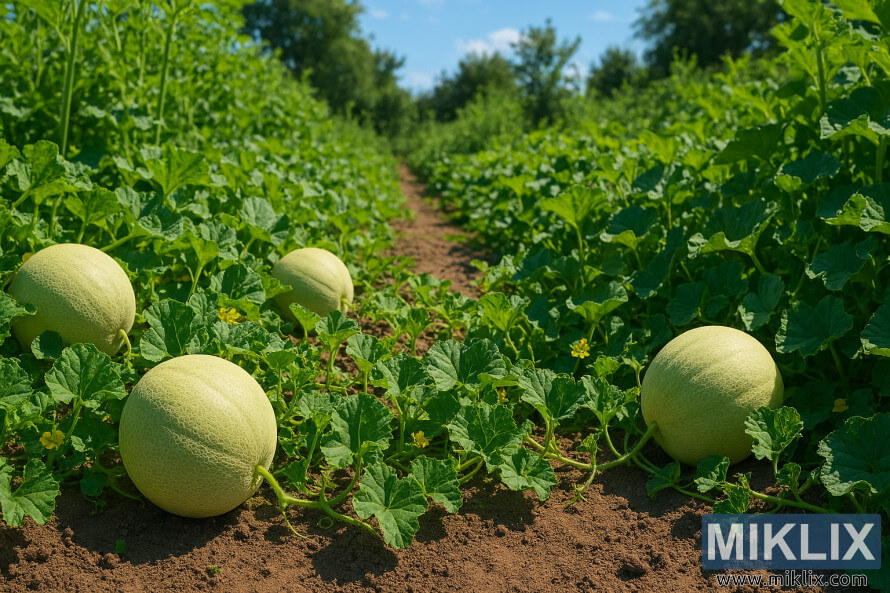
Click or tap the image for more information and higher resolutions.
While growing melons might seem challenging to beginners, with the right guidance, anyone can successfully cultivate these sweet treats at home. This guide will walk you through every step of the process, from planning to harvest, ensuring you enjoy the satisfaction of growing your own honeydew melons.
Benefits of Growing Your Own Honeydew Melon
Before diving into the growing process, let's explore why honeydew melons deserve a spot in your garden:
Health Benefits
- Rich in Vitamin C, supporting immune health
- Good source of potassium for heart health
- Contains B vitamins like thiamine and niacin
- High water content (about 90%) helps with hydration
- Low in calories but satisfyingly sweet
Gardening Benefits
- Sprawling vines can serve as natural ground cover
- Attractive yellow flowers add visual interest
- Growing from seed to harvest is deeply satisfying
- Fresher taste than store-bought melons
- Potential for organic growing without pesticides
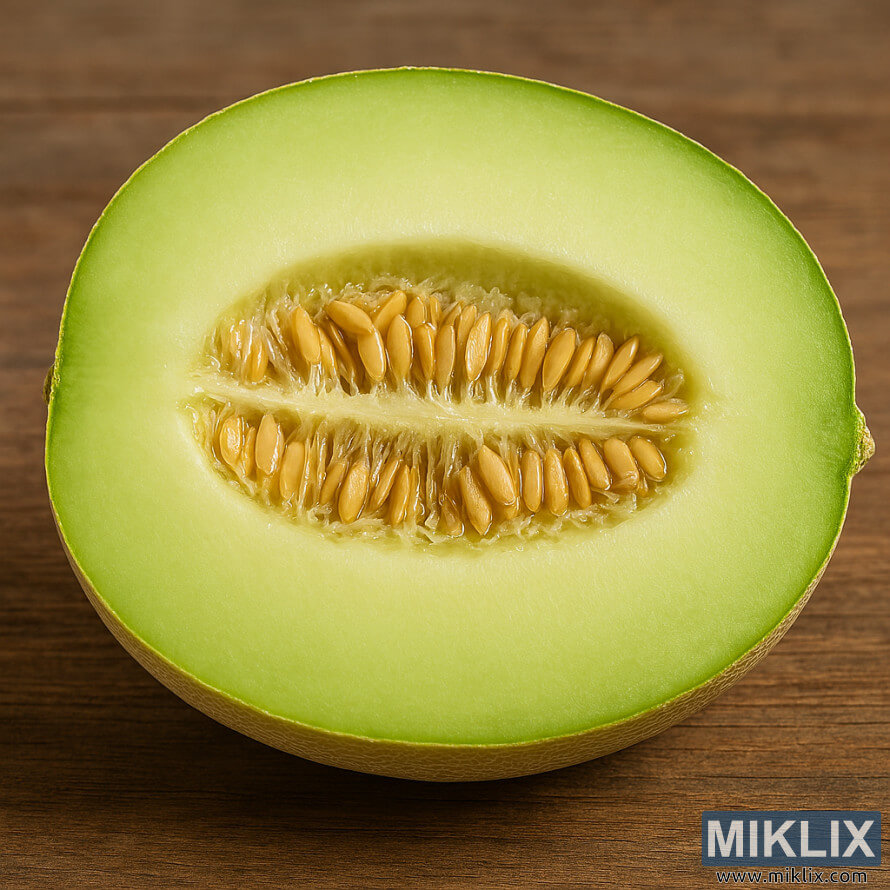
Click or tap the image for more information and higher resolutions.
Planning and Preparation for Honeydew Melon
Success with honeydew melons starts with proper planning. These warm-season crops need specific conditions to thrive in your garden.
Climate and Season Requirements
Honeydew melons thrive in warm conditions and require a long growing season of 80-110 days. They're sensitive to cold and should only be planted after all danger of frost has passed and soil temperatures reach at least 65°F (18°C). The ideal growing temperature range is between 75-85°F (24-29°C) during the day.
Climate Tip: In cooler regions with shorter growing seasons, consider starting seeds indoors 3-4 weeks before the last frost date or using black plastic mulch to warm the soil faster.
Choosing the Right Location
Honeydew melons need full sun exposure (at least 6-8 hours daily) and plenty of space for their sprawling vines. Select a location that:
- Receives maximum sunlight throughout the day
- Has protection from strong winds that can damage vines
- Offers good air circulation to prevent fungal diseases
- Provides enough space for vines to spread (6-8 feet in all directions)
Soil Preparation
Honeydew melons prefer well-draining, fertile soil with a pH between 6.0 and 7.0. Follow these steps to prepare your soil:
- Test your soil pH and amend if necessary
- Work in 2-3 inches of compost or well-rotted manure
- Add a balanced fertilizer according to package directions
- Ensure good drainage by creating raised beds if your soil tends to hold water
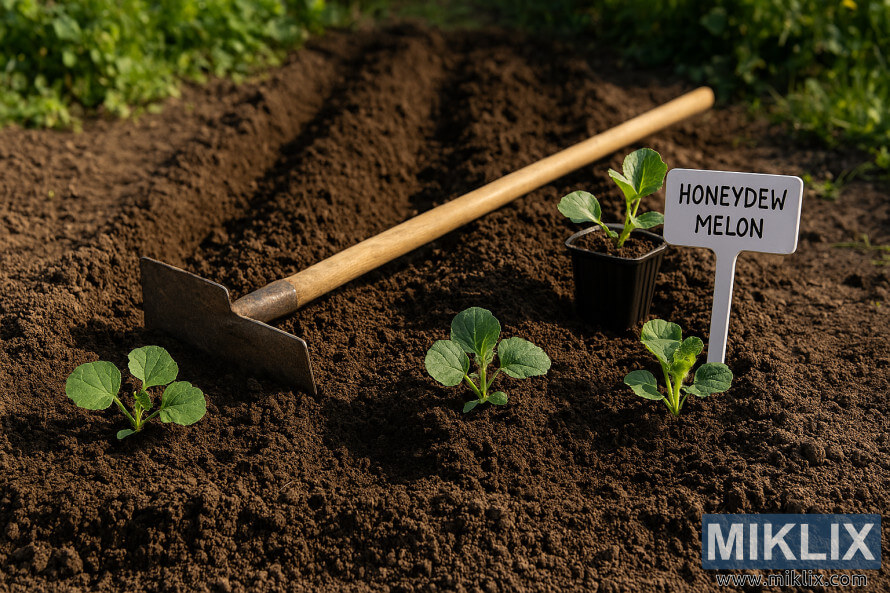
Click or tap the image for more information and higher resolutions.
Planting Your Honeydew Melon
Starting from Seeds vs. Seedlings
Direct Sowing Seeds
- Plant after soil warms to 65°F (18°C)
- Sow seeds 1-1½ inches deep
- Space seeds 4-6 per mound
- Thin to 2 strongest plants per mound
- Germination takes 5-10 days
Using Transplants
- Start indoors 3-4 weeks before last frost
- Use biodegradable pots to minimize root disturbance
- Harden off seedlings for 7-10 days before planting
- Plant when seedlings have 2-3 true leaves
- Handle carefully to avoid damaging roots
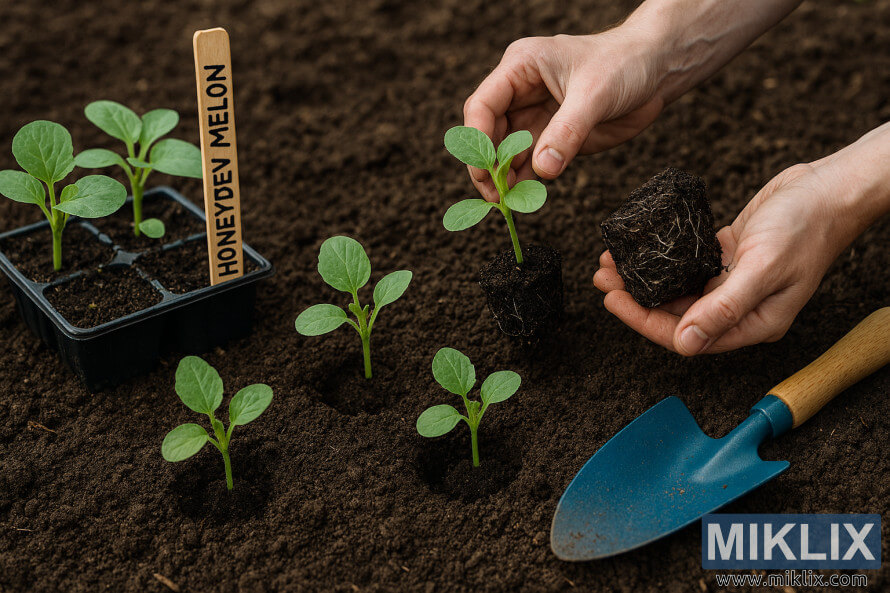
Click or tap the image for more information and higher resolutions.
Proper Spacing for Healthy Growth
Honeydew melons need ample space for their sprawling vines. Use these spacing guidelines:
- Create mounds 4-6 feet apart in all directions
- If planting in rows, space rows 6 feet apart
- After thinning, leave 2 plants per mound
- For trellised growing, space plants 2 feet apart
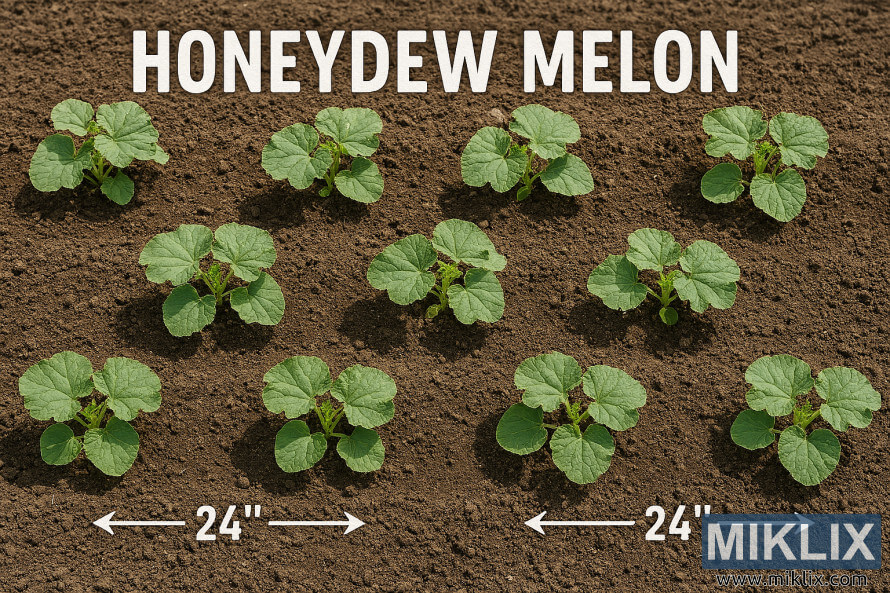
Click or tap the image for more information and higher resolutions.
Container Growing Options
While honeydew melons typically need plenty of space, you can grow them in containers with these adjustments:
- Use a container at least 24 inches wide and 12 inches deep
- Ensure excellent drainage with multiple drainage holes
- Use lightweight, nutrient-rich potting mix
- Plant only one plant per container
- Provide support for vines with a trellis or cage
- Water more frequently than in-ground plants
Pro Tip: For container-grown melons, choose compact or bush varieties like "Minnesota Midget" or "Sugar Bush" for better results in limited spaces.
Care and Maintenance of Honeydew Melon Plants
Watering Requirements
Proper watering is crucial for developing sweet, juicy honeydew melons:
- Water deeply but infrequently, providing 1-2 inches per week
- Use drip irrigation or soaker hoses to keep foliage dry
- Water at the base of plants to prevent fungal diseases
- Maintain consistent moisture during flowering and fruit development
- Reduce watering as fruits approach maturity to concentrate sweetness
Avoid overhead watering, which can lead to powdery mildew and other fungal diseases. Always water at the base of plants, preferably in the morning.
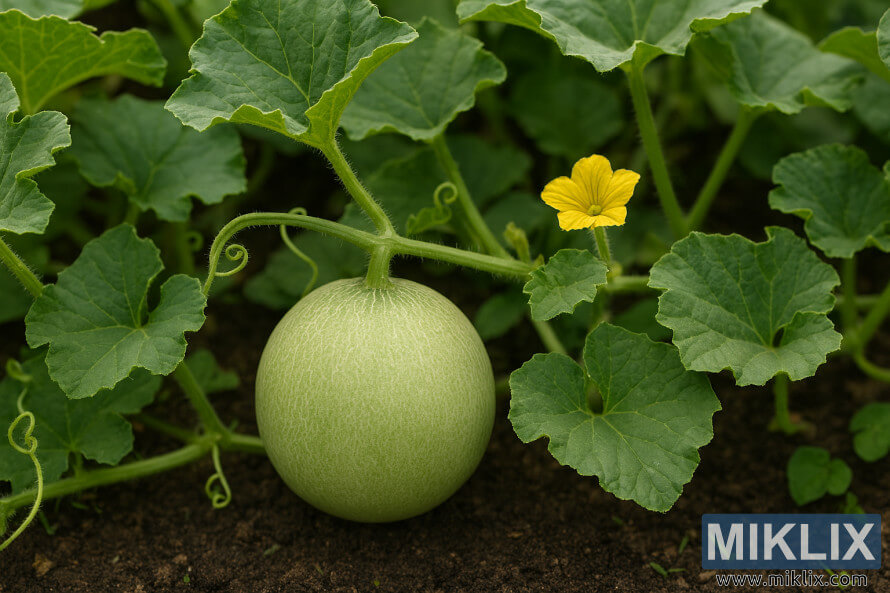
Click or tap the image for more information and higher resolutions.
Fertilizing Schedule
Honeydew melons are heavy feeders that benefit from regular fertilization:
- Apply balanced fertilizer (10-10-10) before planting
- Side-dress with nitrogen fertilizer when vines begin to run
- Apply another light feeding when fruits begin to form
- Avoid high-nitrogen fertilizers once fruits set, as they promote foliage at the expense of fruit
Mulching Benefits
Mulching provides multiple benefits for honeydew melon plants:
- Conserves soil moisture by reducing evaporation
- Suppresses weed growth around plants
- Keeps developing fruits clean and dry
- Prevents soil-borne diseases from splashing onto plants
- Moderates soil temperature fluctuations
Apply a 2-3 inch layer of organic mulch like straw, shredded leaves, or grass clippings around plants after the soil has warmed to at least 75°F.
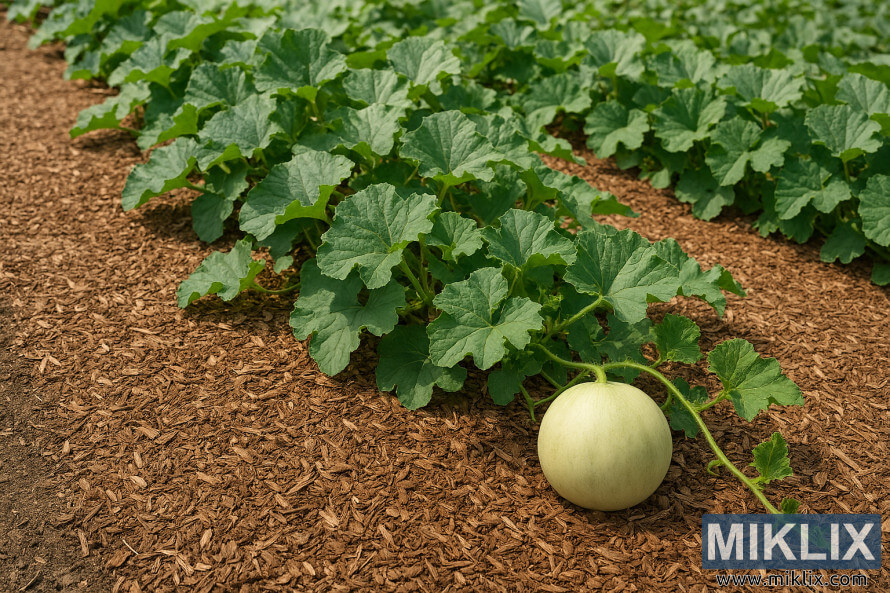
Click or tap the image for more information and higher resolutions.
Supporting Vines and Pollination
While honeydew vines traditionally sprawl along the ground, you can save space by training them on trellises. Additionally, understanding pollination helps ensure good fruit set:
- Honeydew plants produce separate male and female flowers on the same vine
- Bees and other insects are essential for pollination
- Avoid using insecticides during flowering to protect pollinators
- If growing on a trellis, support developing fruits with slings made from old t-shirts or pantyhose
Troubleshooting Common Problems
Pests and Their Management
Several pests can affect honeydew melon plants. Here's how to identify and manage them:
| Pest | Signs | Organic Control |
| Aphids | Curled leaves, sticky residue, clusters of small insects | Strong water spray, insecticidal soap, ladybugs |
| Cucumber Beetles | Striped or spotted beetles, wilting, bacterial wilt disease | Row covers until flowering, diatomaceous earth, hand picking |
| Spider Mites | Fine webbing, stippled leaves, tiny moving dots | Regular water sprays, neem oil, predatory mites |
| Squash Bugs | Brown/gray flat bugs, wilting, yellow spots on leaves | Hand picking, trap boards, neem oil spray |
Click or tap the image for more information and higher resolutions.
Disease Prevention and Treatment
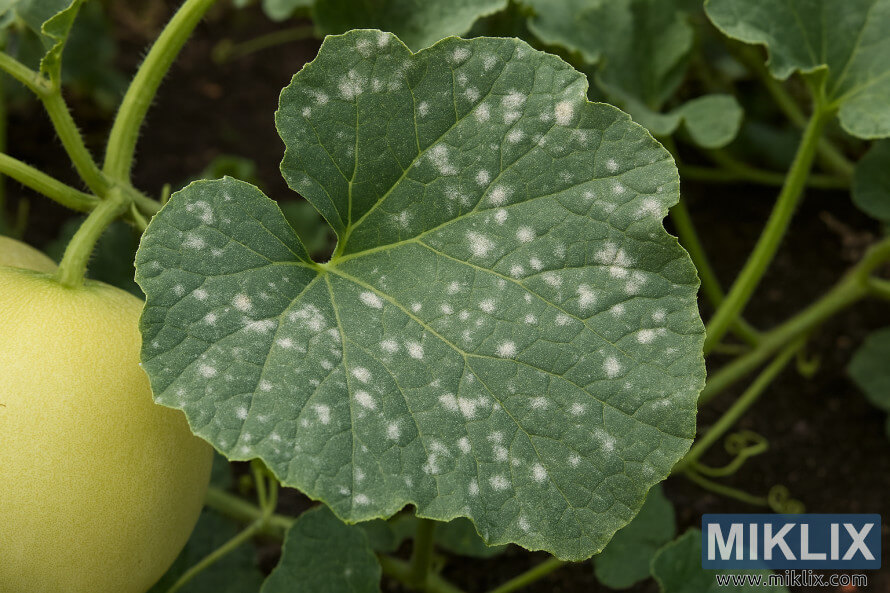
Common diseases affecting honeydew melons include:
| Disease | Symptoms | Prevention/Treatment |
| Powdery Mildew | White powdery spots on leaves and stems | Good air circulation, avoid overhead watering, milk spray (1:10 with water) |
| Bacterial Wilt | Sudden wilting of vines, sticky sap when cut | Control cucumber beetles (vectors), remove infected plants |
| Fusarium Wilt | Yellowing leaves, wilting, brown vascular tissue | Crop rotation, resistant varieties, soil solarization |
| Anthracnose | Dark, sunken lesions on fruit, leaf spots | Crop rotation, proper spacing, organic fungicides |
Prevention is key! Many melon diseases are difficult to cure once established. Focus on preventive measures like crop rotation, proper spacing, and keeping foliage dry.
Harvesting Your Honeydew Melon
Signs of Ripeness
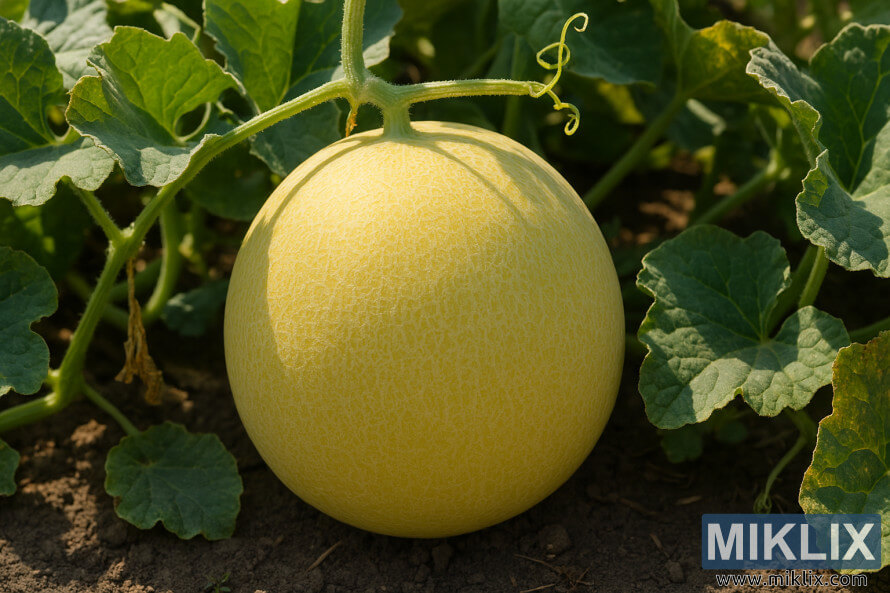
Knowing when to harvest is crucial for enjoying sweet, flavorful honeydew melons. Look for these signs of ripeness:
- Skin color changes from green to creamy white or pale yellow
- The blossom end (opposite the stem) yields slightly to gentle pressure
- A subtle, sweet aroma develops at the blossom end
- Small cracks may appear around the stem attachment area
- The surface develops a slightly waxy or sticky feel
Click or tap the image for more information and higher resolutions.
Proper Harvesting Technique
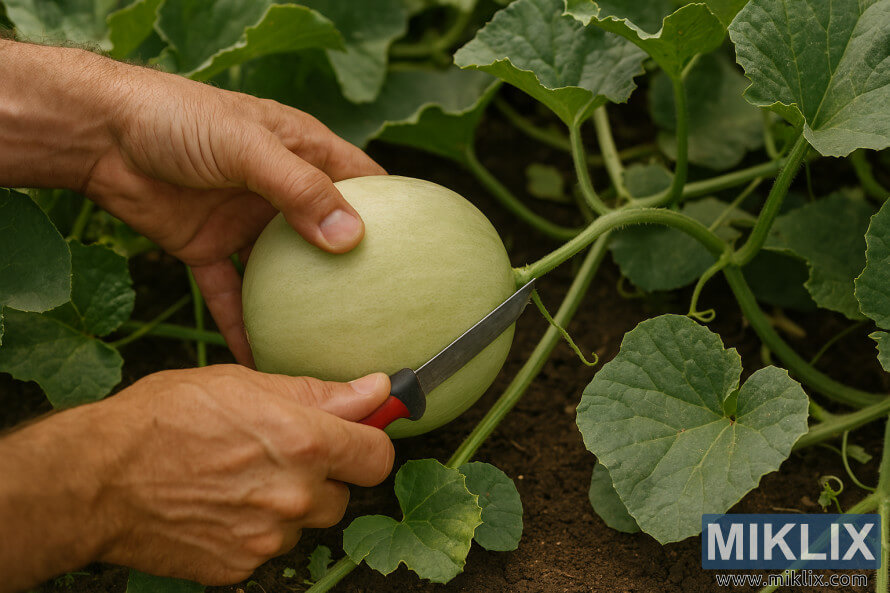
Follow these steps to properly harvest your honeydew melons:
- Use a sharp knife or garden shears to cut the stem
- Leave about 1-2 inches of stem attached to the fruit
- Handle the melons carefully to avoid bruising
- Harvest in the morning when temperatures are cooler
- Wear gloves to protect your hands from the rough vines
Click or tap the image for more information and higher resolutions.
Storage and Ripening Tips
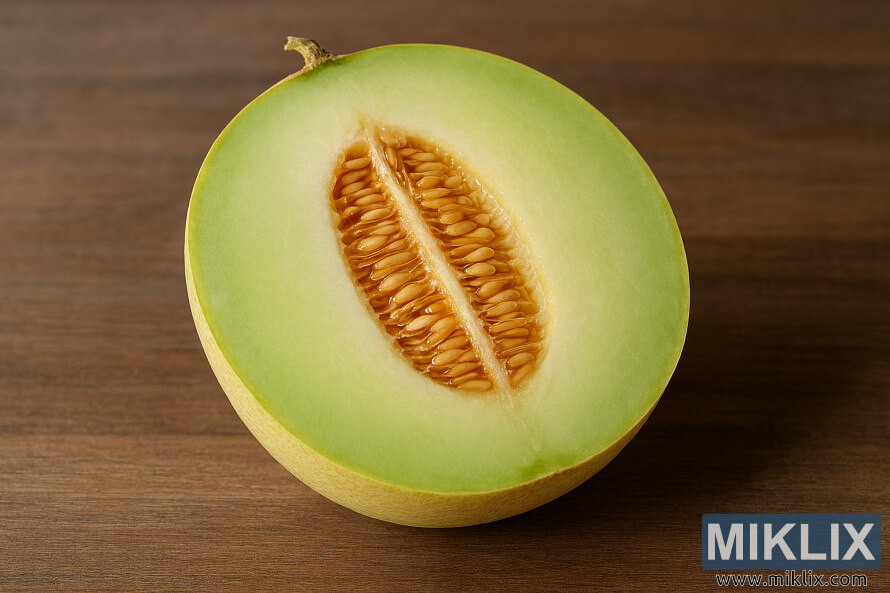
Properly stored honeydew melons can last for several weeks:
- Store uncut melons at room temperature for up to 1 week
- Refrigerate cut melon in an airtight container for up to 2 weeks
- Slightly underripe melons will continue to soften at room temperature but won't get sweeter
- For faster ripening, place in a paper bag with a ripe banana or apple
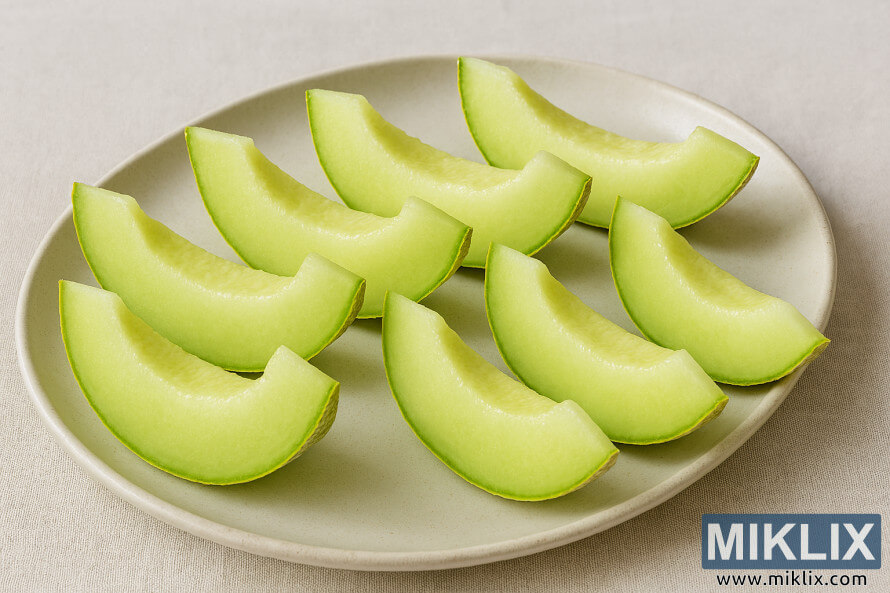
Flavor Tip: For the best flavor, allow refrigerated honeydew to warm to room temperature for about 30 minutes before eating.
Click or tap the image for more information and higher resolutions.
Conclusion: Enjoying the Fruits of Your Labor
Growing honeydew melons in your garden requires patience and attention to detail, but the reward of harvesting your own sweet, juicy melons makes it all worthwhile. From the first seedling to the final harvest, each step brings you closer to enjoying the unique flavor that only home-grown produce can provide.
Remember that each growing season brings new learning opportunities. Don't be discouraged if your first attempt isn't perfect—gardening is a journey of continuous improvement. With the knowledge from this guide and experience gained in your garden, you'll soon be growing honeydew melons that rival or surpass anything available in stores.
Now that you're equipped with all the information you need, it's time to start planning your honeydew melon patch. Happy growing!
Click or tap the image for more information and higher resolutions.
Further Reading
If you enjoyed this post, you may also like these suggestions:
- Guide to Growing Perfect Pears: Top Varieties and Tips
- How to Grow Peaches: A Guide for Home Gardeners
- A Complete Guide to Growing Pomegranates at Home From Planting to Harvest