
A Guide to Growing Lemon Grass in Your Garden
Published: February 4, 2026 at 5:58:36 PM UTC
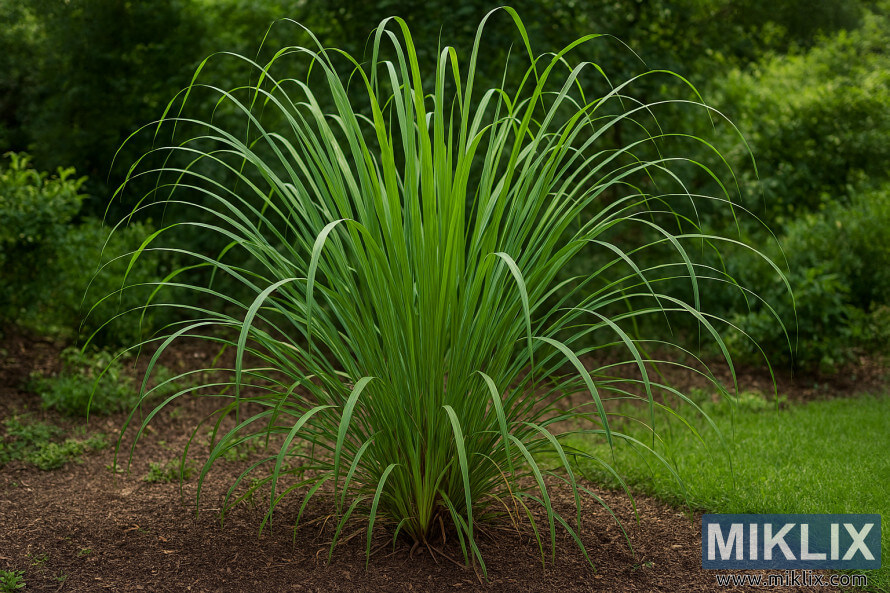
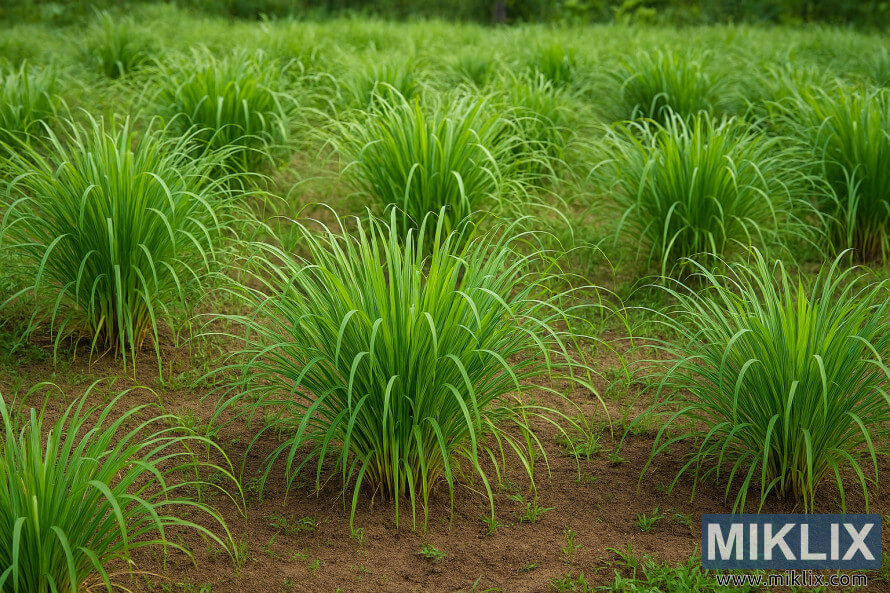
Lemon grass (Cymbopogon citratus) is a versatile, aromatic herb that brings a distinctive citrus flavor to Asian cuisine while doubling as an attractive ornamental plant in your garden. This tropical grass forms elegant, fountain-like clumps that can reach 3-5 feet tall, making it both a practical and beautiful addition to your herb garden.
Click or tap the image for more information and higher resolutions.
Beyond its culinary uses in Thai, Vietnamese, and other Asian dishes, lemon grass contains essential oils that naturally repel mosquitoes and has been used traditionally for its medicinal properties. With this comprehensive guide, you'll discover just how simple it is to grow this exotic herb right in your own backyard.
Getting Started with Lemon Grass
Before diving into growing lemon grass, it's important to understand its basic requirements and the best approaches for different climates. This tropical herb thrives in warm, sunny conditions but can be successfully grown in a variety of settings with the right care.
Climate and Growing Season
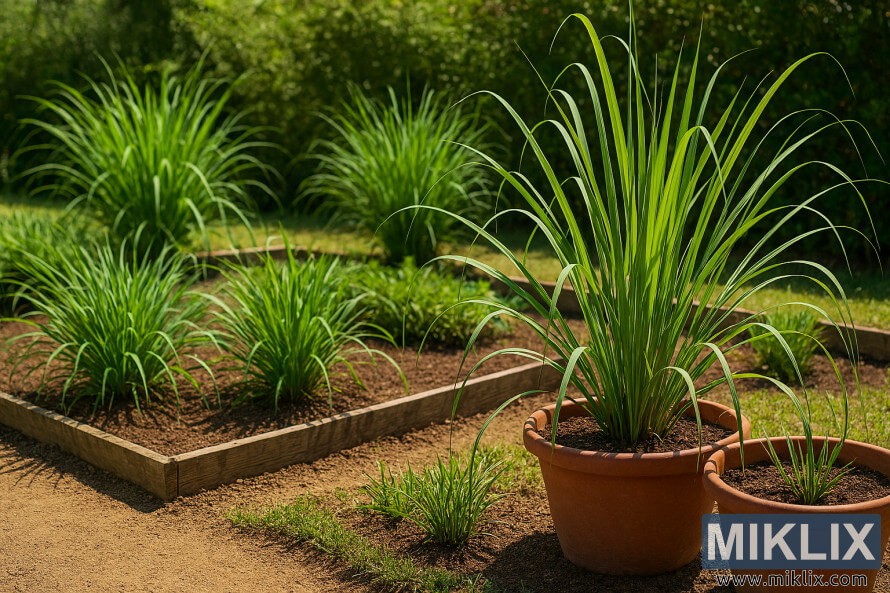
Lemon grass is a tropical perennial that loves heat and sunshine. It grows best in USDA hardiness zones 8-11, where it can remain outdoors year-round. In these warmer regions, the growing season extends from spring through fall, with active growth slowing during winter months. For gardeners in zones 4-7, lemon grass can still be grown successfully as either an annual or as a potted plant that's brought indoors during colder months.
Click or tap the image for more information and higher resolutions.
Choosing Your Growing Method
There are two primary methods for starting lemon grass: growing from seed or propagating from existing stalks. Each approach has its advantages depending on your experience level and resources.
Growing from Seed
Difficulty: Moderate to challenging
Time to Harvest: 4-6 months
Best For: Experienced gardeners, those wanting multiple plants
Growing lemon grass from seed requires patience and attention to detail. Seeds need consistent warmth (around 70°F/21°C) and humidity to germinate successfully. Use seedling trays with a plastic dome cover to maintain moisture, and consider a seedling heat mat to provide bottom warmth. Germination typically takes 10-14 days, and seedlings develop slowly at first.
Growing from Stalks
Difficulty: Easy to moderate
Time to Harvest: 2-3 months
Best For: Beginners, quicker results
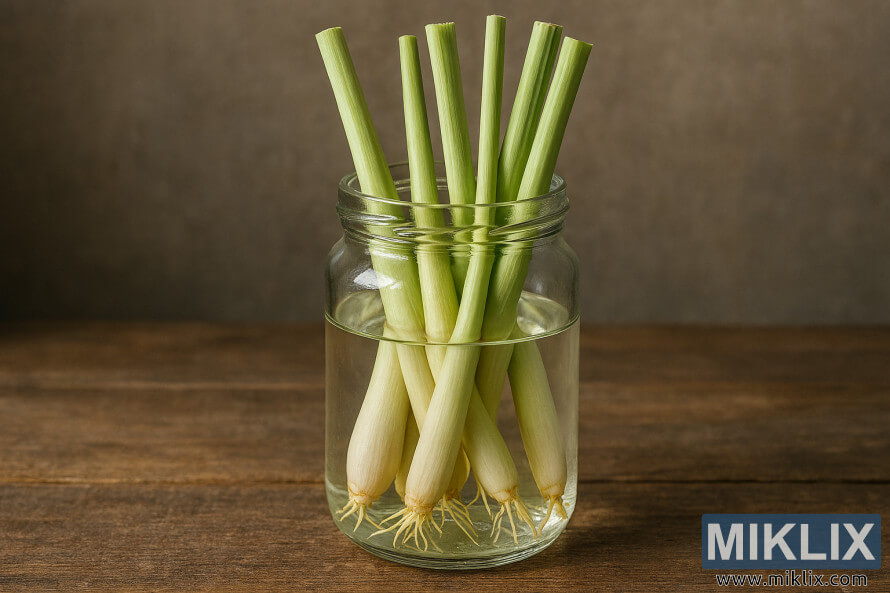
The easiest and most reliable method is to start with fresh lemon grass stalks from a grocery store or farmers market. Look for stalks with the base intact (not cut too high). Place these stalks in a jar with 1-2 inches of water, changing the water every few days. Roots should develop within 2-3 weeks, at which point the stalks can be planted in soil.
Click or tap the image for more information and higher resolutions.
Planting and Caring for Lemon Grass
Selecting the Perfect Location
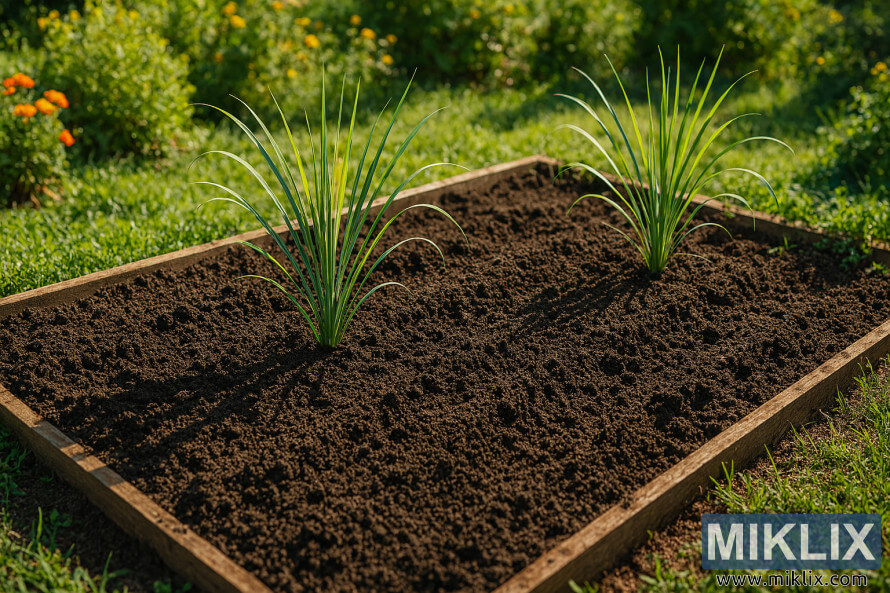
Lemon grass thrives in full sun, requiring at least 6-8 hours of direct sunlight daily. In extremely hot climates, it can tolerate light afternoon shade. The soil should be well-draining with a pH between 6.5 and 7.0. Lemon grass prefers fertile soil rich in organic matter, so working compost into your planting area will give your plants a strong start.
Click or tap the image for more information and higher resolutions.
Planting Process
Whether planting in the ground or in containers, the process for establishing lemon grass is straightforward. For the best results, follow these guidelines:
In-Ground Planting
- Space plants 24 inches apart to allow room for their mature size
- Dig holes twice as wide as the root ball but at the same depth
- Mix compost into the soil you remove from the hole
- Place the plant at the same level it was growing previously
- Backfill with soil and firm gently around the base
- Water thoroughly after planting
- Apply a 2-inch layer of mulch around plants, keeping it away from stems
Container Planting
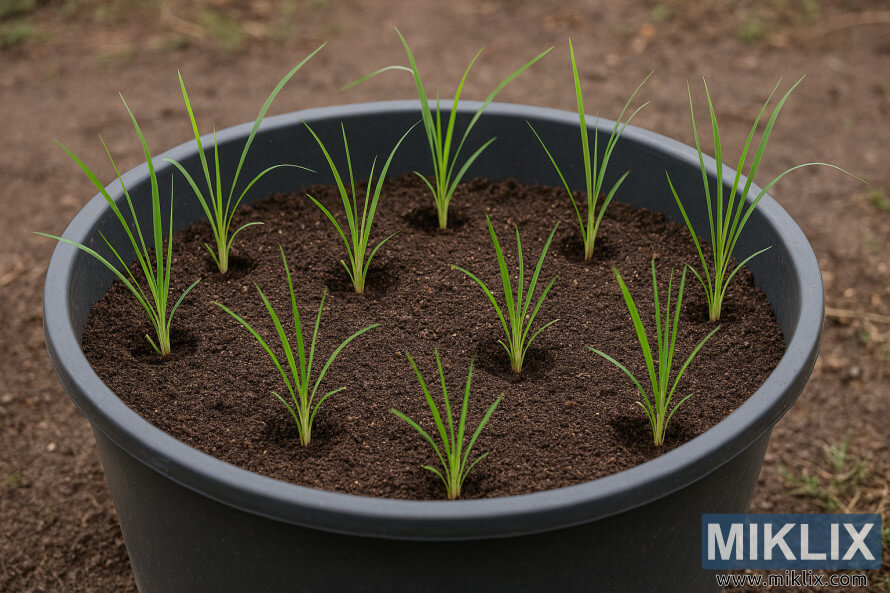
- Choose a pot at least 12 inches in diameter with drainage holes
- Use high-quality potting mix with added compost
- Place a layer of gravel at the bottom for improved drainage
- Position the plant in the center of the pot
- Fill in around the roots with potting mix
- Leave 1 inch of space below the pot rim for watering
- Water until moisture comes through the drainage holes
Click or tap the image for more information and higher resolutions.
Ongoing Care
Watering
Lemon grass requires consistent moisture, especially during hot weather. Water when the top inch of soil becomes dry, being careful not to overwater as this can lead to root rot. Container plants will need more frequent watering than those in the ground. During active growth in summer, plants may need water every 2-3 days in hot weather.
Fertilizing
Lemon grass is not a heavy feeder but benefits from regular light fertilization. Apply a balanced, water-soluble fertilizer every 3-4 weeks during the growing season, or incorporate a slow-release fertilizer into the soil in spring. Organic options like compost tea or fish emulsion work well for lemon grass and promote healthy soil.
Winter Protection
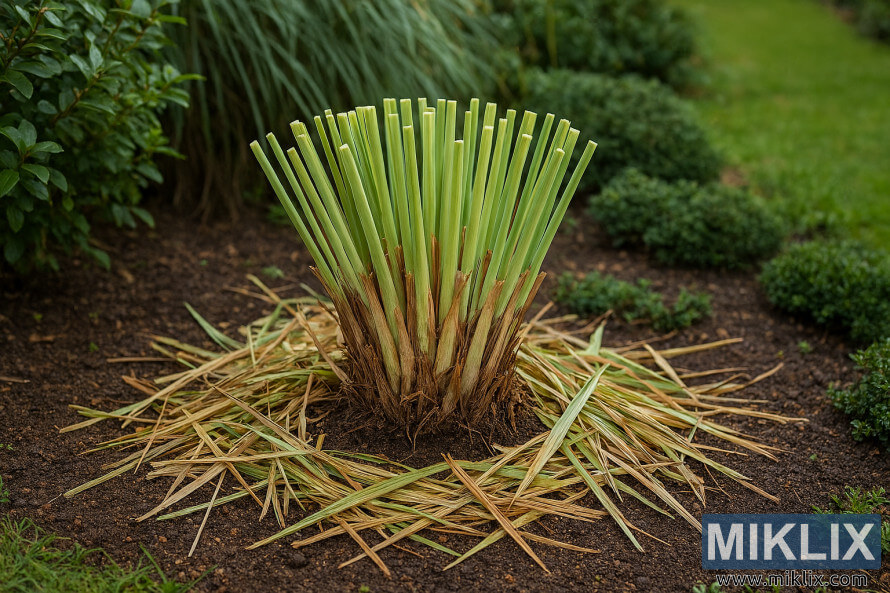
In zones 8 and warmer, lemon grass can remain in the ground year-round with a thick layer of mulch for protection. In colder regions, you have several options:
- Treat as an annual and replant each spring
- Dig up clumps in fall, trim to 6 inches tall, and pot for indoor growing
- Keep potted plants in a bright, south-facing window where temperatures stay above 40°F
- Store dormant plants in a cool, dark basement with minimal watering
Click or tap the image for more information and higher resolutions.
Harvesting and Using Your Lemon Grass
When and How to Harvest
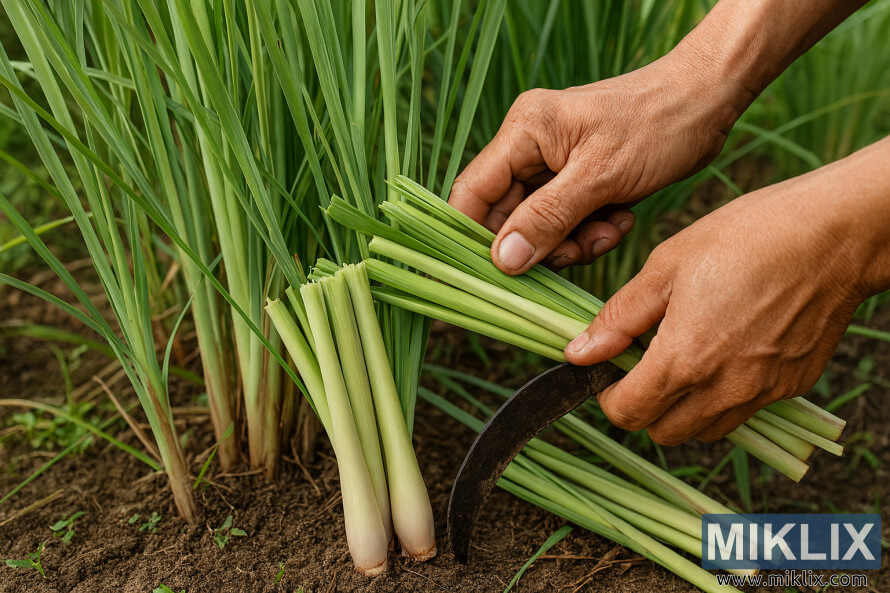
Lemon grass is ready to harvest once the stalks reach at least 12 inches tall and the base is about ½ inch thick. This typically occurs 3-4 months after planting. The most flavorful part of lemon grass is the lower portion of the stalk, which has a swollen, pale base similar to a green onion.
To harvest lemon grass:
- Select stalks from the outer portion of the clump
- Using a sharp knife or garden shears, cut stalks at ground level
- Alternatively, you can pull entire stalks with a gentle twisting motion
- Harvest only what you need, as fresh lemon grass has the strongest flavor
- Leave the center of the clump intact to continue growing
Click or tap the image for more information and higher resolutions.
Storage and Preservation
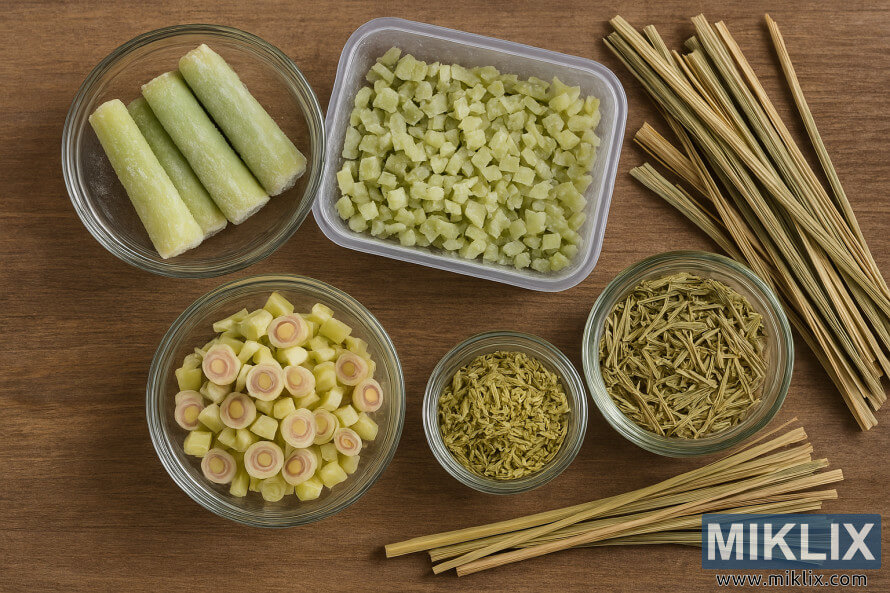
Fresh lemon grass can be stored in several ways to preserve its flavor for future use:
Short-Term Storage
- Wrap unwashed stalks in a damp paper towel
- Place in a plastic bag in the refrigerator
- Use within 2-3 weeks for best flavor
Long-Term Preservation
- Freeze whole stalks in airtight containers for up to 6 months
- Chop and freeze in ice cube trays with water or oil
- Dry the leaves for tea by bundling and hanging upside down
- Store dried leaves in airtight containers for up to a year
Click or tap the image for more information and higher resolutions.
Simple Ways to Use Lemon Grass
The distinctive citrus flavor of lemon grass makes it a versatile ingredient in many dishes:
Soups & Curries
- Thai Tom Yum soup
- Vietnamese Pho
- Coconut curry dishes
- Lemongrass chicken soup
Beverages
- Lemongrass tea (hot or iced)
- Lemongrass-infused cocktails
- Refreshing lemonade
- Herbal infusions
Other Uses
- Marinades for meat and fish
- Stir-fries and sauces
- Infused oils and vinegars
- Natural mosquito repellent

Click or tap the image for more information and higher resolutions.
Troubleshooting Common Problems
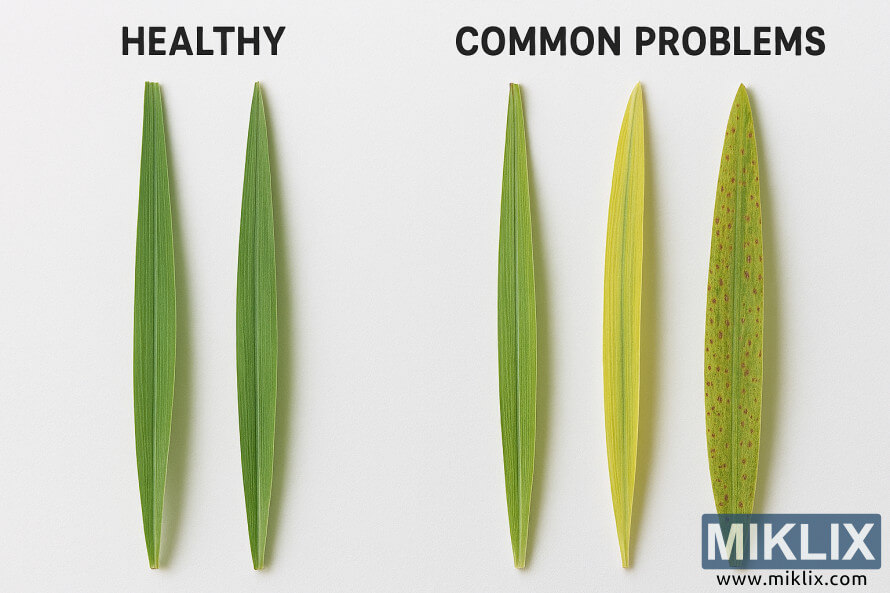
While lemon grass is generally easy to grow, you may encounter a few challenges. Here's how to address the most common issues:
Pests
Lemon grass naturally repels many insects, but it can occasionally attract:
- Spider Mites: Particularly on indoor plants. Increase humidity and spray with insecticidal soap or neem oil.
- Aphids: Wash off with a strong stream of water or treat with insecticidal soap.
Diseases
Most issues are related to growing conditions rather than diseases:
- Root Rot: Caused by overwatering. Ensure proper drainage and let soil dry slightly between waterings.
- Rust: Occasionally affects leaves. Remove affected foliage and improve air circulation.
Environmental Issues
Environmental factors can affect plant health:
- Yellowing Leaves: Often indicates nutrient deficiency. Apply balanced fertilizer.
- Brown Leaf Tips: Usually caused by dry air or inconsistent watering.
- Slow Growth: Typically due to insufficient light or cool temperatures.
Click or tap the image for more information and higher resolutions.
Why is my lemon grass not growing tall?
Stunted growth is usually caused by insufficient sunlight, cool temperatures, or poor soil fertility. Ensure your plants receive at least 6 hours of direct sunlight daily, maintain temperatures above 50°F, and fertilize regularly during the growing season.
Can lemon grass survive winter outdoors in cold climates?
Lemon grass is a tropical plant that cannot survive freezing temperatures. In USDA zones below 8, bring plants indoors before the first frost or treat them as annuals. In borderline zones, heavy mulching might protect the roots, but the top growth will die back.
How often should I divide my lemon grass plants?
Lemon grass forms dense clumps that benefit from division every 2-3 years. Divide in early spring by digging up the entire clump and separating it into sections, ensuring each division has both roots and stalks. This rejuvenates the plant and provides new starts for expanding your garden.
Conclusion: Enjoying Your Lemon Grass Harvest
Growing lemon grass in your own garden is a rewarding experience that connects you to tropical flavors regardless of where you live. With its attractive appearance, practical uses, and relatively simple care requirements, lemon grass makes an excellent addition to both herb gardens and ornamental landscapes. By following the guidelines in this guide, you'll be well on your way to harvesting fresh, flavorful lemon grass for your culinary adventures.
Remember that even in cooler climates, you can successfully grow this versatile herb by treating it as an annual or bringing it indoors during winter. The effort is well worth it when you taste the difference that fresh, homegrown lemon grass makes in your favorite recipes. So gather your supplies, prepare your garden space, and get ready to enjoy the distinctive citrus flavor and beautiful form of this remarkable plant.
Click or tap the image for more information and higher resolutions.
Further Reading
If you enjoyed this post, you may also like these suggestions:
- A Guide to Growing Artichokes in Your Own Garden
- A Complete Guide to Growing Limes in Your Home Garden
- Complete Guide to Growing Loquat Trees in Your Home Garden