
A Guide to Growing Bok Choy in Your Own Garden
Published: January 25, 2026 at 5:49:21 PM UTC
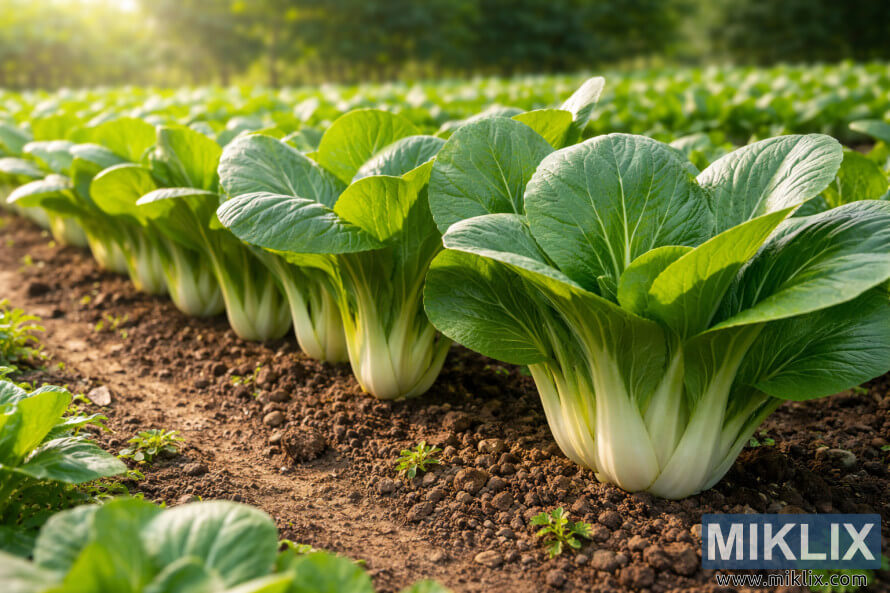
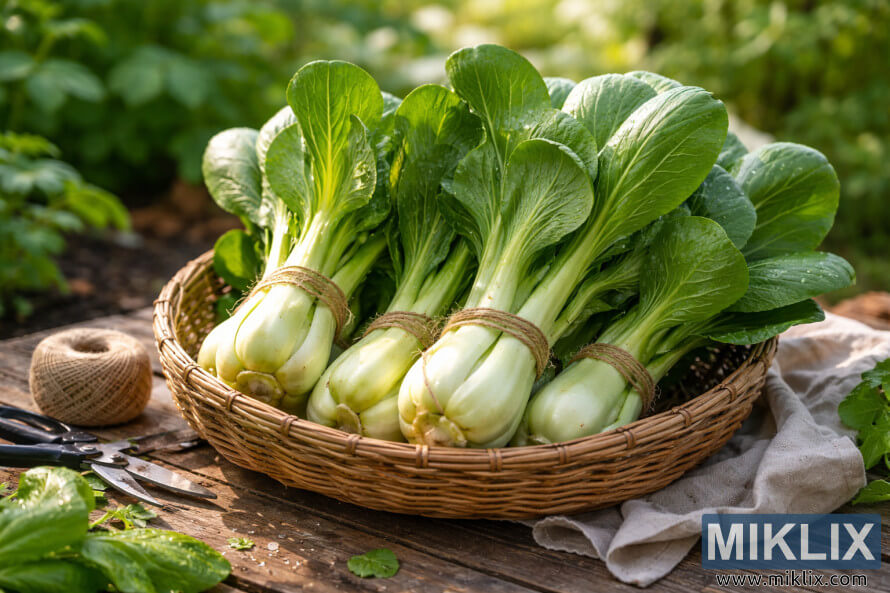
Bok choy, also known as pak choi or Chinese cabbage, is a versatile and nutritious vegetable that deserves a place in every home garden. This fast-growing member of the cabbage family offers crisp white stems and tender green leaves packed with vitamins A, C, and K.
Click or tap the image for more information and higher resolutions.
Whether you're a seasoned gardener or just starting out, bok choy rewards with a quick harvest and delicious results for stir-fries, soups, and salads. In this comprehensive guide, we'll walk through everything you need to know to successfully grow this Asian green from seed to harvest.
Why Grow Bok Choy?
Bok choy is an excellent addition to any vegetable garden for several compelling reasons. First, it's incredibly nutritious, containing high levels of vitamins A, C, and K, plus calcium and antioxidants. Second, it's one of the fastest-growing vegetables you can plant, with some varieties ready to harvest in as little as 30 days.
This versatile vegetable thrives in both spring and fall, making it perfect for extending your growing season. It's also relatively pest-resistant compared to other brassicas and adapts well to container gardening if you're short on space.
Choosing the Right Variety
Before planting, it's important to understand the different types of bok choy available and select varieties that will thrive in your growing conditions.
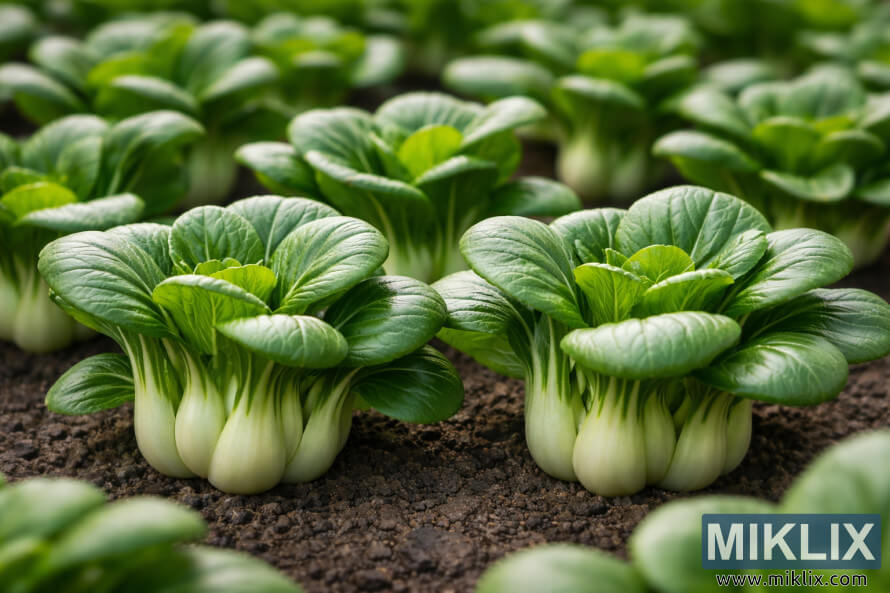
Baby Bok Choy
Smaller, more tender varieties harvested when just 6-8 inches tall. Perfect for stir-fries and salads with a milder, sweeter flavor. Varieties include 'Toy Choy' and 'Win-Win Choi'.
Click or tap the image for more information and higher resolutions.
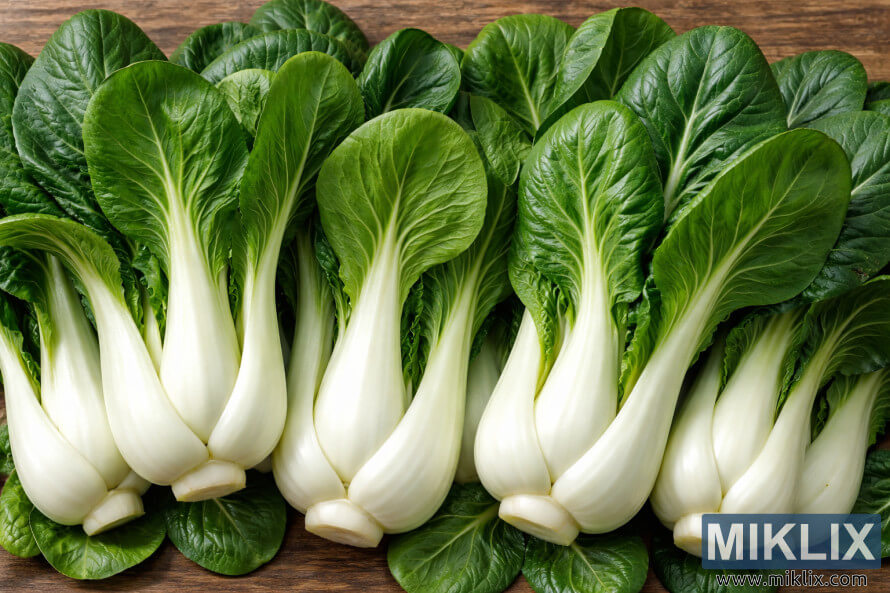
Standard Bok Choy
Traditional full-sized plants reaching 12-15 inches tall. Features thick white stems and dark green leaves. Varieties include 'Black Summer' and 'Joi Choi'.
Click or tap the image for more information and higher resolutions.
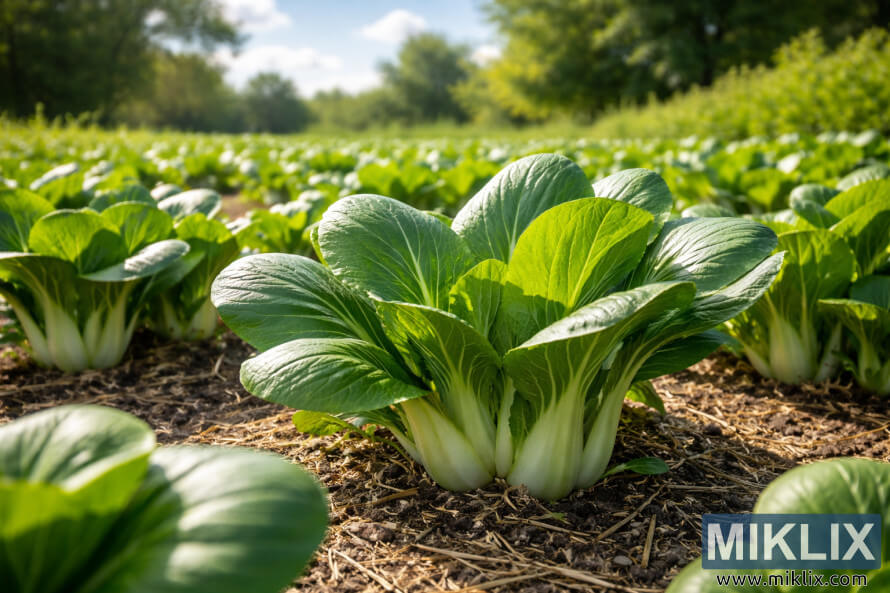
Heat-Tolerant Varieties
Varieties bred to resist bolting in warmer temperatures. Great for extended seasons. Look for 'Mei Qing Choi' which is specifically bred for heat tolerance and slow bolting.
Click or tap the image for more information and higher resolutions.
When and Where to Plant Bok Choy
Timing Your Planting
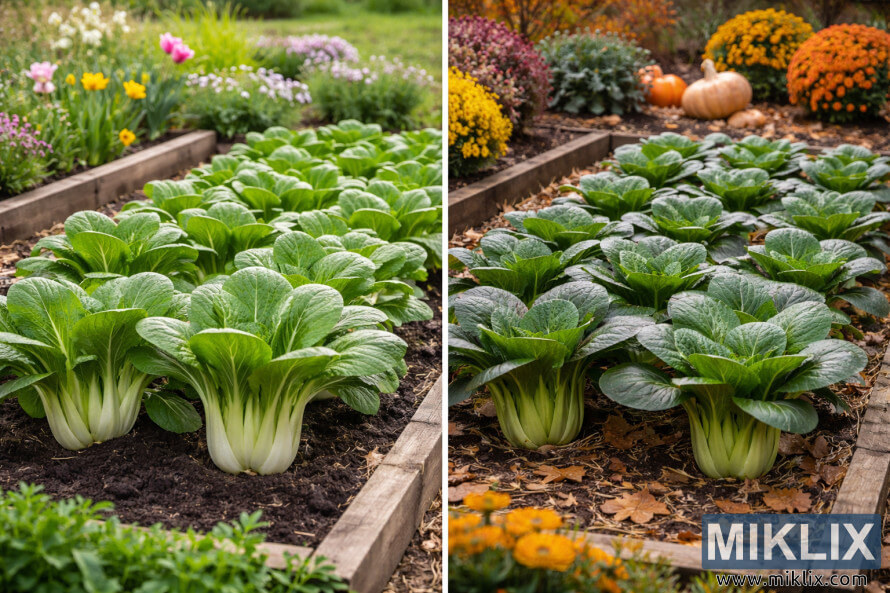
Bok choy is a cool-season crop that thrives when temperatures are between 45°F (7.2°C) and 75°F (23.9°C). When temperatures rise above 80°F (26.7°C), plants become stressed and are likely to bolt (produce flowers), making the leaves bitter.
Spring Planting
For spring crops, start seeds indoors 4-6 weeks before your last spring frost date. Transplant seedlings outdoors when they have 4 true leaves and after danger of hard frost has passed. Direct sowing can begin 2-4 weeks before the last frost date.
Fall Planting
For fall crops, count backward 50 days from your first expected frost date and direct sow seeds. In warmer climates, fall planting often produces better results as the plants mature in cooling rather than warming temperatures.
Click or tap the image for more information and higher resolutions.
Selecting the Ideal Location
Sunlight Requirements
Bok choy grows best in full sun (6+ hours of direct sunlight) in cool weather. In warmer regions or during late spring, plant in partial shade (3-5 hours of sun) to prevent bolting. Morning sun with afternoon shade is ideal in hot climates.
Soil Preferences
Plant bok choy in well-draining, fertile soil rich in organic matter. A neutral pH between 6.0 and 7.5 is ideal. Before planting, amend the soil with compost to improve fertility and moisture retention. Bok choy is a heavy feeder that appreciates nitrogen-rich soil.
Planting Methods for Bok Choy
Direct Sowing
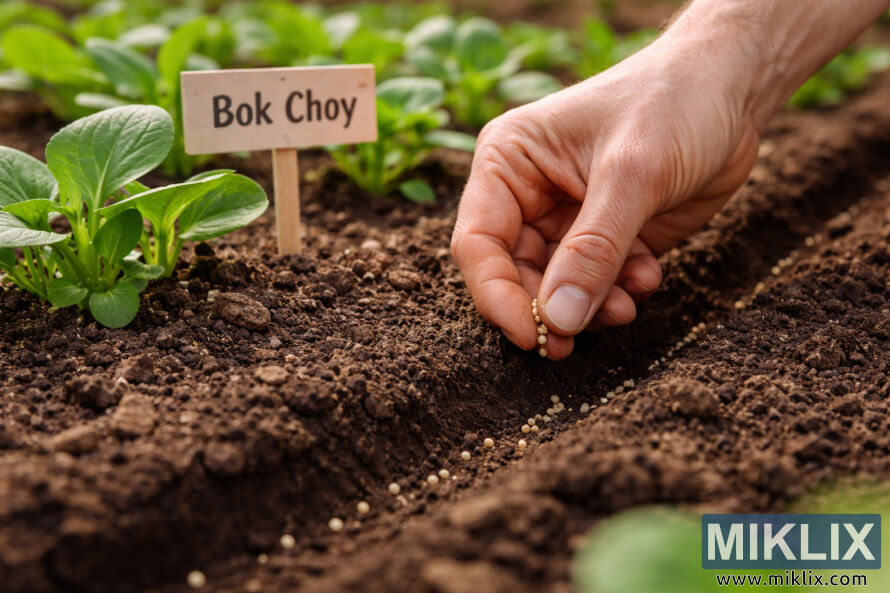
Direct sowing is a simple and effective method for growing bok choy, especially for fall crops. Follow these steps for successful direct sowing:
- Prepare the bed by loosening soil to a depth of 6-8 inches and mixing in compost.
- Create shallow furrows about ¼ inch deep, spaced 18 inches apart.
- Sow seeds thinly along the furrows, placing them about 3 inches apart.
- Cover lightly with soil and water gently but thoroughly.
- Keep soil consistently moist until germination, which typically occurs in 5-10 days.
- Once seedlings reach 4 inches tall, thin them to a final spacing of 6-9 inches apart for full-sized varieties or 4-6 inches for baby bok choy.
Click or tap the image for more information and higher resolutions.
Starting Seeds Indoors
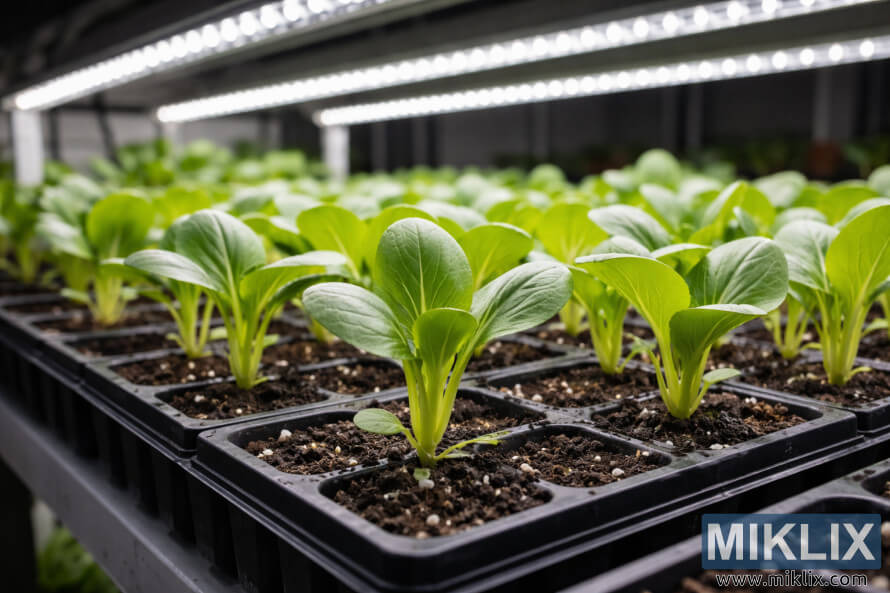
Starting seeds indoors gives your bok choy a head start and is especially beneficial for spring crops. Here's how to do it:
- Begin 4-6 weeks before your planned transplant date.
- Fill seed trays or cells with seed-starting mix.
- Sow 1-2 seeds per cell, ¼ inch deep.
- Keep soil consistently moist and provide bright light once seeds germinate.
- Maintain temperatures between 65-75°F (18-24°C) for optimal germination.
- After germination, thin to one seedling per cell by snipping extras at soil level.
- Begin hardening off seedlings one week before transplanting by gradually exposing them to outdoor conditions.
Click or tap the image for more information and higher resolutions.
Transplanting Seedlings
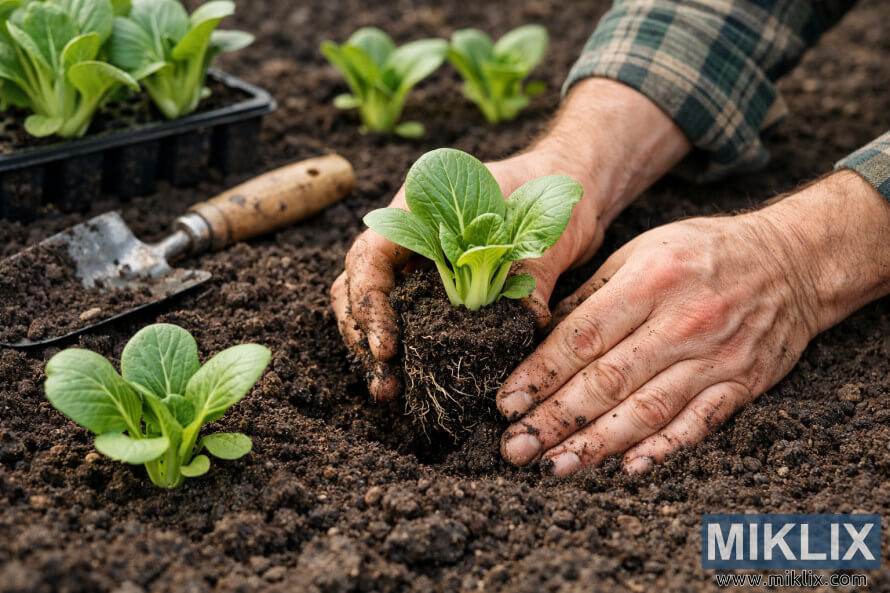
When your seedlings have developed 3-4 true leaves and outdoor conditions are suitable, they're ready for transplanting:
- Choose a cloudy day or late afternoon to transplant to reduce transplant shock.
- Water seedlings thoroughly before removing from containers.
- Dig holes slightly larger than the root ball, spaced 6-9 inches apart.
- Plant seedlings at the same depth they were growing in their containers.
- Gently firm soil around roots and water thoroughly.
- Apply a thin layer of mulch around plants to retain moisture and suppress weeds.
Click or tap the image for more information and higher resolutions.
Care and Maintenance
Watering
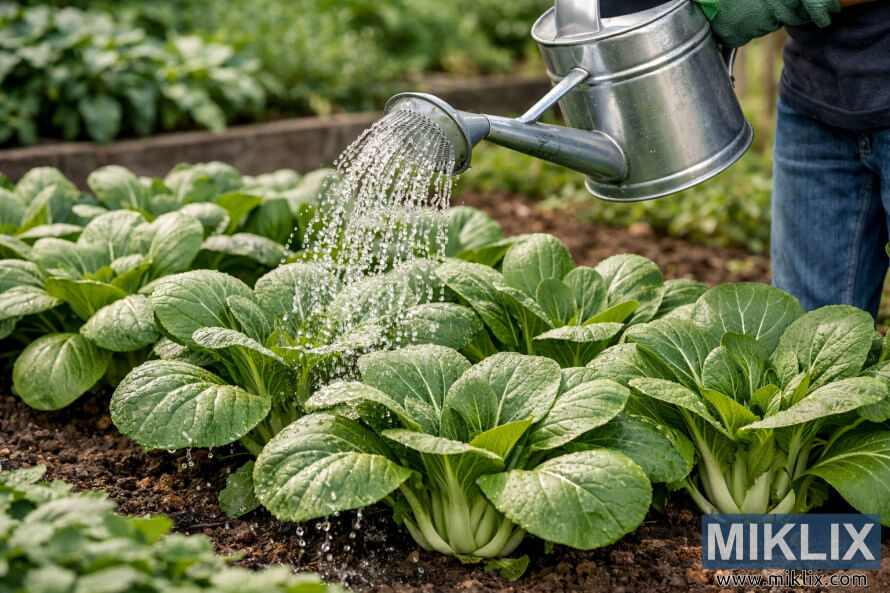
Proper watering is crucial for growing tender, flavorful bok choy. These plants prefer consistently moist soil but are susceptible to rot if overwatered.
- Provide 1-2 inches of water per week, adjusting based on rainfall and temperature.
- Water at the base of plants rather than overhead to prevent disease.
- Morning watering is ideal as it allows foliage to dry during the day.
- Check soil moisture regularly by inserting your finger 1 inch into the soil—water when it feels dry at this depth.
- Increase watering during hot, dry periods to prevent bolting due to stress.
Click or tap the image for more information and higher resolutions.
Fertilizing
Bok choy is a heavy feeder that benefits from fertile soil rich in nitrogen:
- Before planting, incorporate 2-3 inches of compost or well-rotted manure into the soil.
- For spring crops, apply a balanced organic fertilizer (such as 5-5-5) at planting time.
- For longer-growing fall crops, apply a nitrogen-rich fertilizer (such as fish emulsion) when plants are about 4 inches tall.
- Avoid excessive nitrogen, which can lead to loose, floppy growth.
- Yellowing older leaves often indicate nitrogen deficiency—apply a diluted fish emulsion or compost tea as a quick fix.
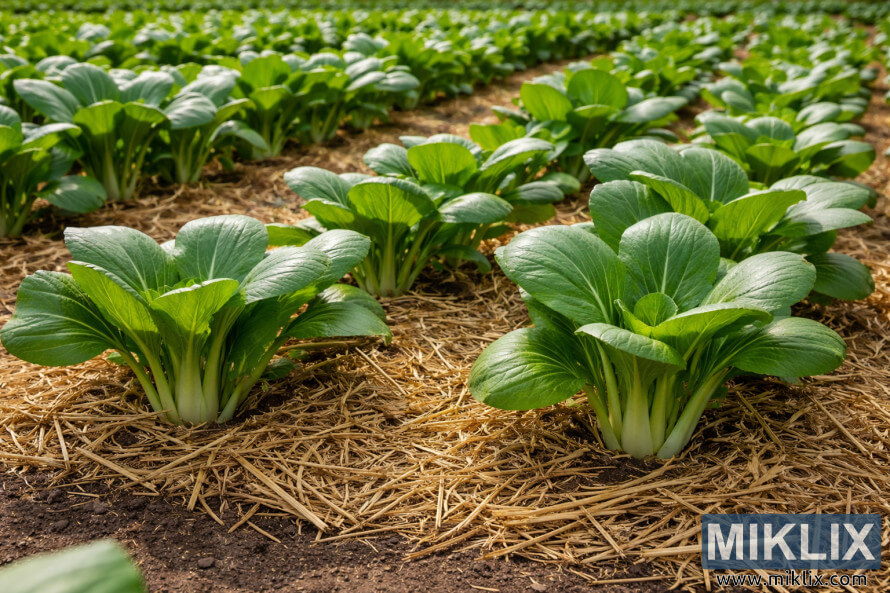
Mulching
A 2-inch layer of organic mulch around bok choy plants offers several benefits:
- Helps maintain consistent soil moisture
- Suppresses weed growth
- Moderates soil temperature fluctuations
- Prevents soil from splashing onto leaves during watering
- Adds organic matter to soil as it breaks down
Straw, shredded leaves, or fine wood chips work well as mulch for bok choy. Keep mulch an inch away from plant stems to prevent rot.
Click or tap the image for more information and higher resolutions.
Pest and Disease Management
While bok choy is relatively easy to grow, it can face several common pests and diseases. Fortunately, most can be managed with organic methods.
| Pest/Disease | Symptoms | Organic Control Methods |
| Flea Beetles | Tiny holes in leaves, stunted growth | Row covers, diatomaceous earth, companion planting with aromatic herbs |
| Cabbage Loopers | Large irregular holes in leaves, green caterpillars present | Bacillus thuringiensis (Bt) spray, hand-picking, row covers |
| Aphids | Curled leaves, sticky residue, clusters of tiny insects | Strong water spray, insecticidal soap, neem oil, beneficial insects |
| Slugs/Snails | Ragged holes in leaves, slime trails | Beer traps, copper tape barriers, diatomaceous earth |
| Downy Mildew | Yellow patches on upper leaf surfaces, gray/purple growth underneath | Improve air circulation, avoid overhead watering, copper fungicide |
| Clubroot | Stunted growth, wilting, swollen/distorted roots | Maintain soil pH around 7.2, practice crop rotation, remove infected plants |
Preventive Measures
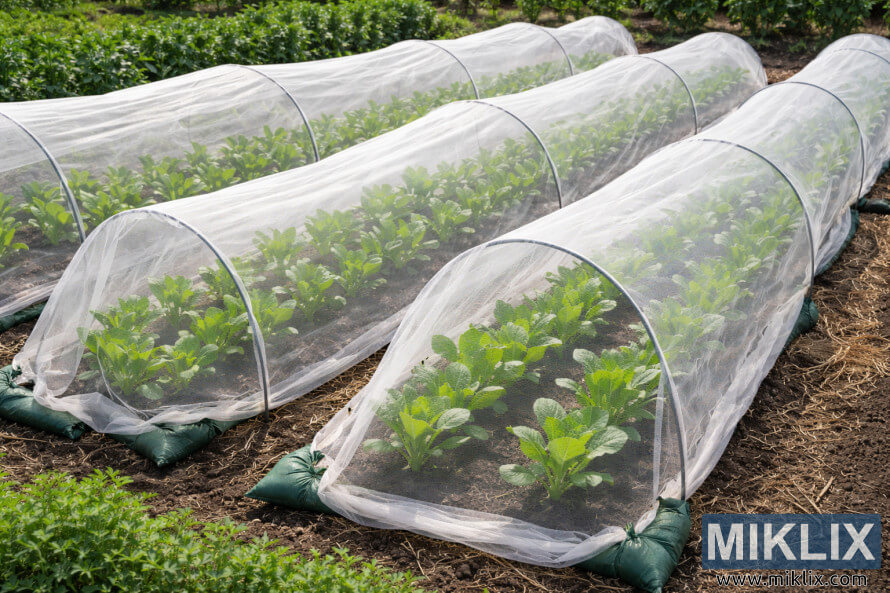
The best approach to pest and disease management is prevention:
- Practice crop rotation, avoiding planting brassicas in the same location for 3-4 years.
- Use row covers immediately after planting to prevent insect pests.
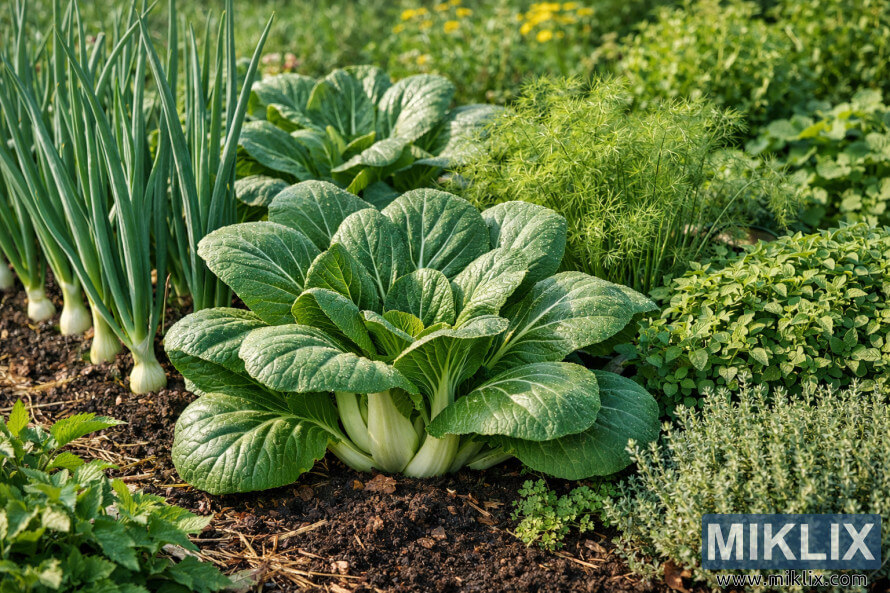
- Plant companion plants like onions, garlic, and herbs to repel pests.
- Maintain good air circulation between plants.
- Water at the base of plants rather than overhead.
- Remove plant debris promptly at the end of the season.
Click or tap the image for more information and higher resolutions.
Harvesting Bok Choy
When to Harvest
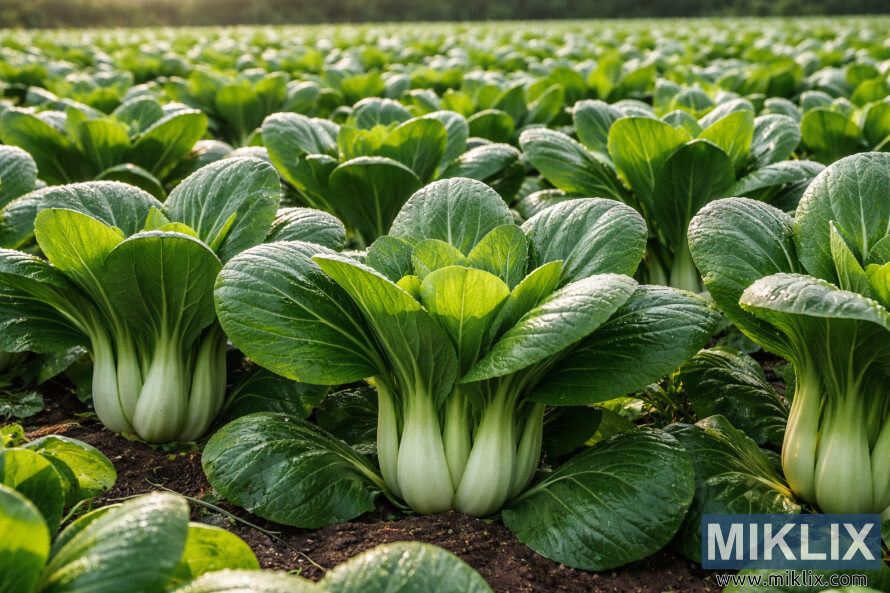
Knowing when to harvest bok choy is key to enjoying its best flavor and texture:
- Baby bok choy can be harvested when plants reach 6-8 inches tall, typically 30-40 days after planting.
- Full-sized varieties are ready when they reach 12-15 inches tall, usually 45-60 days after planting.
- Harvest in the morning when leaves are crisp and flavorful.
- Don't wait too long—harvest before plants show signs of bolting (elongated central stem with flower buds).
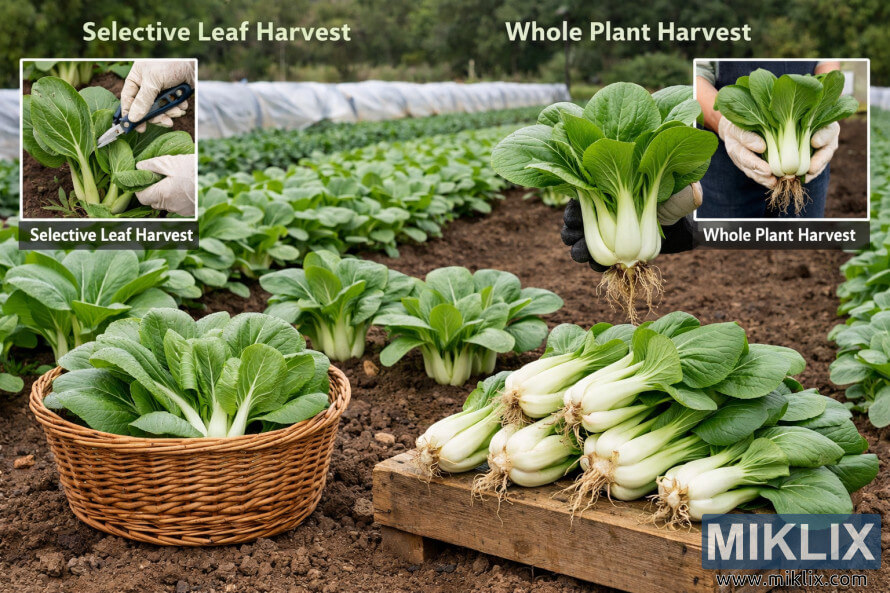
- For extended harvests, pick outer leaves individually as needed while allowing the plant to continue growing.
Click or tap the image for more information and higher resolutions.
Harvesting Methods
Cut-and-Come-Again Method
For multiple harvests from the same plant:
- Use clean, sharp scissors or pruners to cut outer leaves at their base.
- Take only 1-3 outer leaves per plant at a time.
- Leave the central growing point intact.
- Allow plant to continue producing new leaves from the center.
Whole Plant Harvest
For a single, complete harvest:
- Use a sharp knife to cut the entire plant about 1 inch above soil level.
- For potential regrowth, leave 2-3 inches of stem above the soil.
- In cool weather, the plant may produce a second, smaller harvest.
- Alternatively, pull the entire plant, roots and all, when harvesting.
Post-Harvest Handling
To maintain freshness after harvest:
- Rinse harvested bok choy thoroughly in cool water to remove soil and insects.
- Shake gently to remove excess water or use a salad spinner.
- Store unwashed bok choy in a perforated plastic bag in the refrigerator crisper drawer.
- Use within 3-5 days for best quality and flavor.
- For longer storage, blanch and freeze chopped bok choy for up to 6 months.
Click or tap the image for more information and higher resolutions.
Troubleshooting Common Problems
Why is my bok choy bolting (flowering) prematurely?
Bolting is triggered by stress, particularly heat and long daylight hours. To prevent bolting:
- Plant during cooler seasons (early spring or fall).
- Provide afternoon shade in warmer weather.
- Maintain consistent soil moisture.
- Choose bolt-resistant varieties like 'Mei Qing Choi'.
- Harvest promptly when plants reach mature size.
If your plants begin to bolt, harvest immediately as the leaves will become bitter once flowering begins.
Why are my bok choy leaves turning yellow?
Yellowing leaves can indicate several issues:
- Nitrogen deficiency: Apply a nitrogen-rich fertilizer or compost tea.
- Overwatering: Reduce watering frequency and improve drainage.
- Underwatering: Increase watering and apply mulch to retain moisture.
- Disease: Remove affected leaves and improve air circulation.
- Natural aging: Lower, older leaves naturally yellow as they age.
Why are my seedlings leggy and falling over?
Leggy seedlings typically result from insufficient light. To prevent or remedy:
- Provide more direct sunlight or use grow lights positioned 2-3 inches above seedlings.
- Maintain cooler temperatures (60-65°F) for seedlings.
- If already leggy, transplant deeper, burying part of the stem.
- Use a small fan to create gentle air movement, strengthening stems.
- Avoid overcrowding seedlings in trays.
Why is my bok choy bitter?
Bitterness in bok choy is usually caused by:
- Heat stress: Plant during cooler seasons or provide shade.
- Beginning to bolt: Harvest earlier before flowering begins.
- Water stress: Maintain consistent soil moisture.
- Overly mature: Harvest at the proper stage of growth.
For less bitter bok choy, harvest in the morning and during cool weather. Baby bok choy varieties tend to be less bitter than full-sized types.
Quick Tip: Succession Planting
For a continuous harvest of fresh bok choy, plant new seeds every 2-3 weeks throughout the growing season. This succession planting technique ensures you'll always have plants at the perfect stage for harvesting.
Companion Planting for Bok Choy
Strategic companion planting can improve the health and productivity of your bok choy plants by deterring pests and creating beneficial growing relationships.
Good Companions
- Onions, Garlic, Chives: Repel cabbage pests with their strong odor
- Herbs (Dill, Mint, Rosemary): Confuse and repel many common pests
- Celery: Different root depth, doesn't compete for nutrients
- Beets: Different growth habit, maximizes garden space
- Lettuce: Similar growing requirements, good for interplanting
Poor Companions
- Strawberries: Compete for nutrients and can inhibit growth
- Other Brassicas: Share pests and diseases, compete for nutrients
- Tomatoes: Different growing conditions, can shade bok choy
- Pole Beans: Can climb and shade bok choy plants
- Peppers: Different temperature preferences
Click or tap the image for more information and higher resolutions.
Growing Bok Choy in Containers
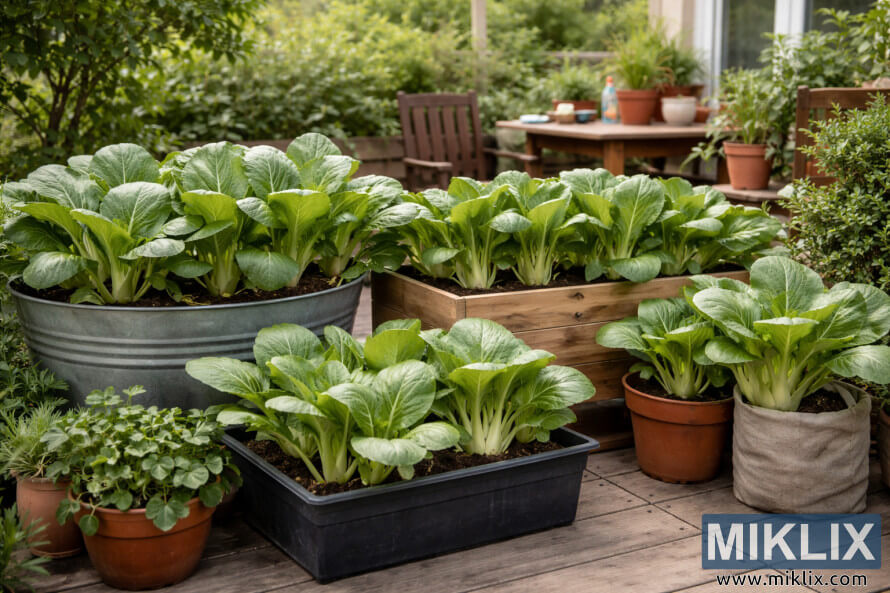
Don't have a garden bed? Bok choy grows exceptionally well in containers, making it perfect for patios, balconies, or small spaces. Container growing also gives you more control over growing conditions and can help prevent pest problems.
Container Selection
- Choose containers at least 6-8 inches deep with drainage holes.
- For individual plants, use 8-10 inch pots (1-2 gallons).
- For multiple plants, use larger containers with proper spacing (6-8 inches between plants).
- Any material works—plastic, terracotta, fabric, or wood.
Soil Mix
Use a high-quality potting mix specifically formulated for containers, not garden soil. Add compost (about 25% of total volume) to improve fertility and moisture retention.
Click or tap the image for more information and higher resolutions.
Container Care Tips
- Monitor soil moisture carefully—containers dry out faster than garden beds.
- Water when the top inch of soil feels dry.
- Apply liquid fertilizer every 2-3 weeks, as nutrients leach more quickly from containers.
- Position containers where they receive morning sun and afternoon shade in warmer weather.
- Move containers to protected areas during extreme weather.
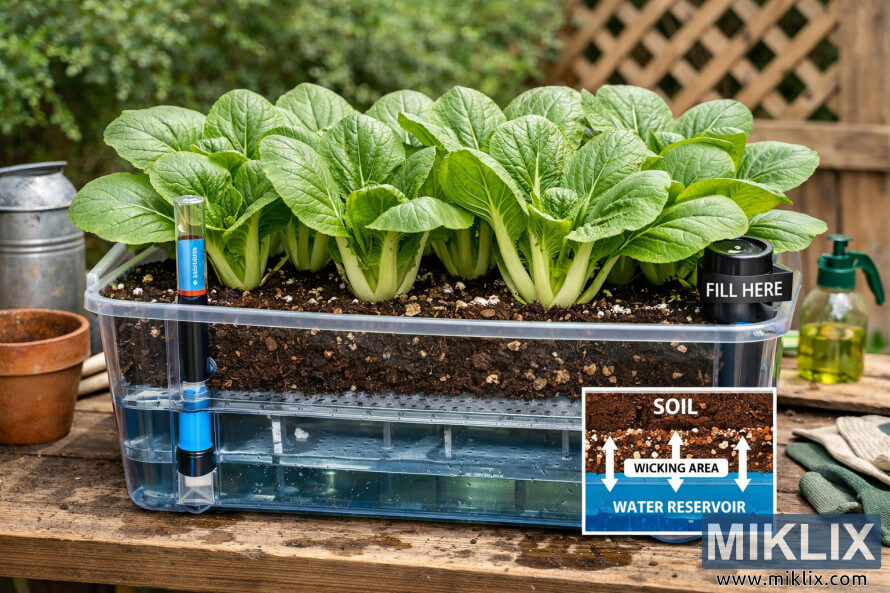
- Consider self-watering containers for more consistent moisture.
Click or tap the image for more information and higher resolutions.
Conclusion
Growing bok choy in your home garden is a rewarding experience that provides nutritious, fresh vegetables with minimal effort. By following the guidelines in this article—choosing the right varieties, planting at the optimal time, providing proper care, and harvesting at the right stage—you'll be well on your way to enjoying this versatile Asian green.
Remember that bok choy prefers cool weather, consistent moisture, and fertile soil. Whether you're growing in garden beds or containers, these basic principles will help ensure success. Don't be discouraged by occasional challenges like bolting or pest issues—even experienced gardeners face these problems, and each growing season brings new knowledge and skills.
We encourage you to experiment with different varieties and cooking methods to fully appreciate the versatility of this wonderful vegetable. From stir-fries to soups to salads, home-grown bok choy offers exceptional flavor and nutrition that store-bought simply can't match. Happy gardening!
Click or tap the image for more information and higher resolutions.
Further Reading
If you enjoyed this post, you may also like these suggestions:
- How to Grow Your Own Endive: A Complete Beginner's Guide
- A Complete Guide to Growing Potatoes in Your Own Garden
- A Guide to Growing Honeydew Melon in Your Own Garden