
A Guide to Growing the Best Aronia Berries in Your Garden
Published: December 3, 2025 at 9:32:44 PM UTC
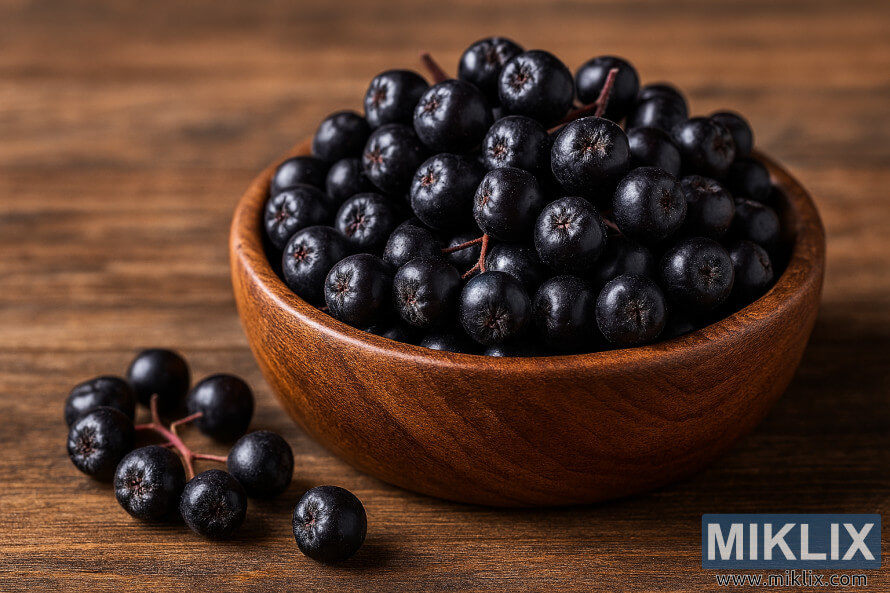
Aronia berries, also known as chokeberries, are gaining popularity among home gardeners for their exceptional nutritional profile and remarkable ease of cultivation. These native North American shrubs produce clusters of dark berries packed with antioxidants, vitamins, and minerals that surpass even blueberries in their health benefits.
Click or tap the image for more information and higher resolutions.
Whether you're looking to enhance your edible landscape, create a beautiful native garden, or simply grow your own superfood, this comprehensive guide will walk you through everything you need to know about growing Aronia (Aronia melonocarpa) berries successfully.
Nutritional Benefits and Uses of Aronia Berries
Fresh aronia berries are packed with antioxidants and vitamins
Aronia berries have earned their "superfood" status due to their impressive nutritional profile. These small dark berries contain some of the highest levels of antioxidants found in any fruit, outperforming even blueberries and elderberries. They're rich in vitamin C, flavonoids, and anthocyanins that help fight inflammation and support overall health.
While aronia berries have a naturally astringent taste when eaten fresh (hence the name "chokeberry"), they shine when processed into various products. Their slightly tart flavor makes them perfect for:
- Jams, jellies, and preserves
- Fruit juices and smoothies
- Wines and liqueurs
- Dried berries for snacking
- Baked goods and desserts
- Natural food coloring
Studies suggest that regular consumption of aronia berries may help support heart health, boost immune function, and provide anti-aging benefits due to their high antioxidant content. Adding these berries to your garden gives you access to a nutritional powerhouse right outside your door.
Best Aronia Varieties for Home Gardens
Several aronia varieties are well-suited for home gardens, each with unique characteristics. Here are the top cultivars to consider for your landscape:
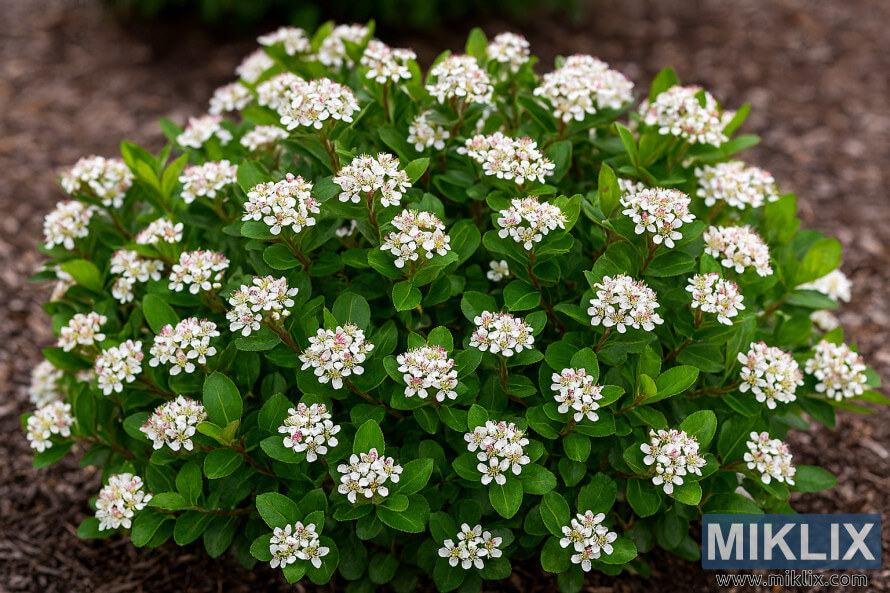
Low Scape Mound
This compact variety grows just 1-2 feet tall and wide, making it perfect for small gardens, containers, or as a ground cover. It produces white spring flowers, black berries, and stunning red fall foliage.
Click or tap the image for more information and higher resolutions.
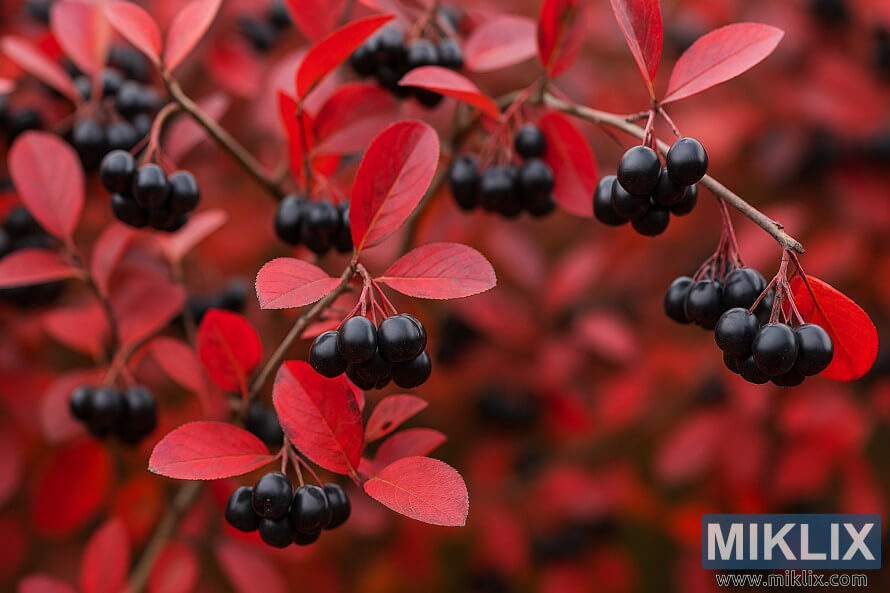
Viking
Developed for commercial production, 'Viking' is prized for its abundant, large berries. Growing 3-6 feet tall and wide, this variety produces impressive harvests and spectacular red-purple fall color.
Click or tap the image for more information and higher resolutions.
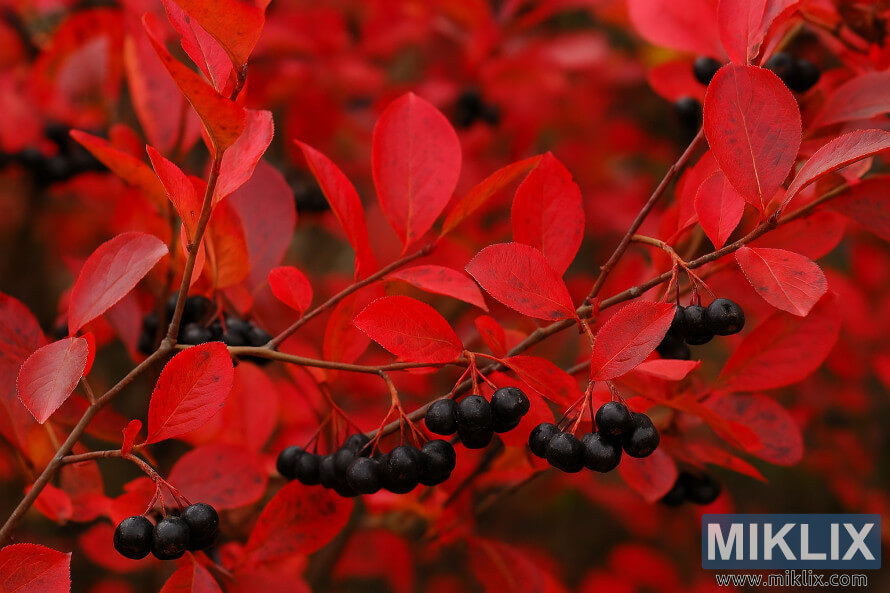
Autumn Magic
This medium-sized variety reaches 4-6 feet tall and wide with a more compact habit than wild aronia. It features exceptional fall color in vibrant reds and purples, contrasting beautifully with its glossy black berries.
Click or tap the image for more information and higher resolutions.
Ground Hug
This groundcover variety grows just 8-14 inches tall but spreads to 3 feet wide. It's perfect for slopes, erosion control, or as a low-maintenance lawn alternative. Features white flowers, black berries, and bright red fall color.
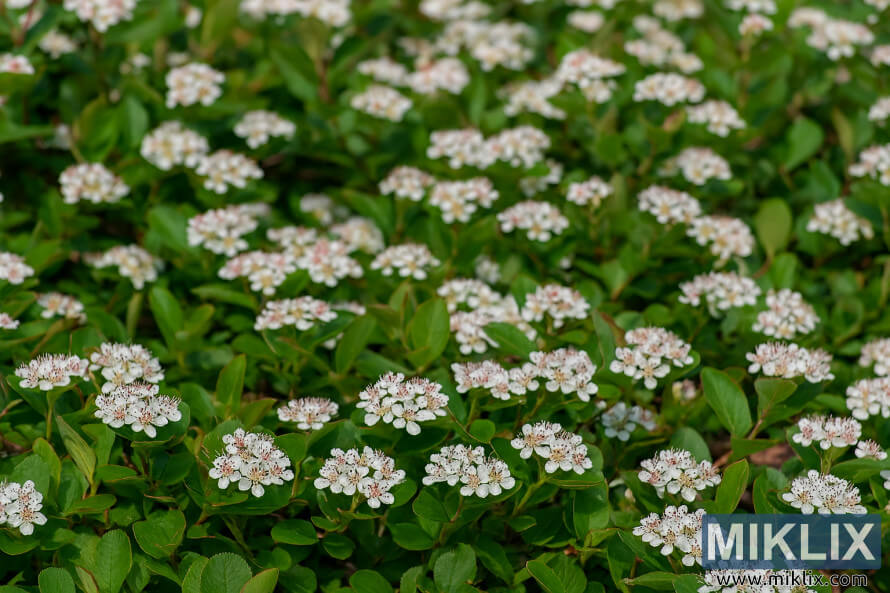
Click or tap the image for more information and higher resolutions.
Brilliantissima
This red chokeberry variety grows 6-8 feet tall and 3-4 feet wide with an upright habit. It features white spring flowers, bright red berries, and spectacular scarlet fall foliage that persists longer than other varieties.
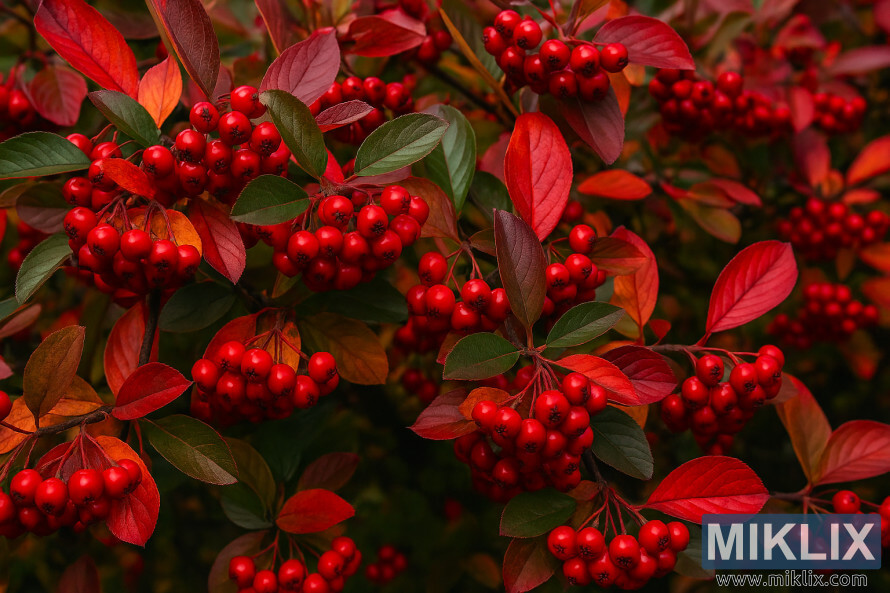
Click or tap the image for more information and higher resolutions.
Iroquois Beauty
This compact variety grows 2-4 feet tall and 3-5 feet wide with a rounded habit. It features exceptional orange-red fall color that contrasts beautifully with its glossy black berries, making it ideal for smaller landscapes.
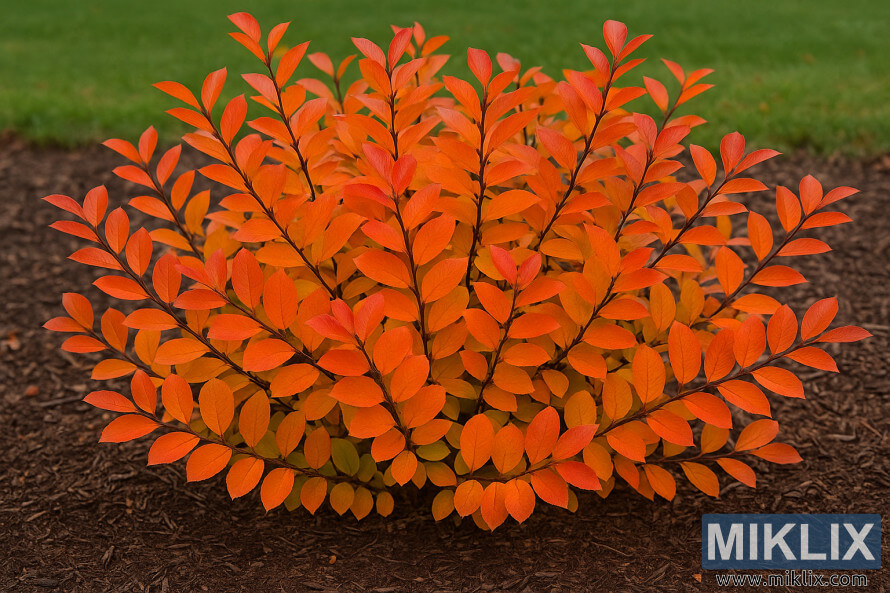
Click or tap the image for more information and higher resolutions.
Climate and Soil Requirements
Aronia shrubs thrive in well-prepared soil with proper drainage
Hardiness Zones
Aronia berries are remarkably adaptable and can be grown across a wide range of climates. Most varieties thrive in USDA hardiness zones 3-8, with some cultivars extending into zone 9. These native shrubs can withstand cold winter temperatures as low as -40°F (-40°C) once established, making them suitable for northern gardens.
Soil Requirements
One of aronia's greatest strengths is its adaptability to various soil conditions. While these plants prefer slightly acidic soil with a pH between 5.5 and 6.5, they can tolerate a range from 5.0 to 7.5. Here are the key soil factors for growing Aronia berries successfully:
Soil Type
- Loamy soil is ideal for optimal growth
- Clay soil is tolerated if drainage is improved
- Sandy soil works if organic matter is added
- Can even grow in periodically wet soils
Drainage Needs
- Prefers well-draining soil for best growth
- Can tolerate occasional standing water
- Avoid permanently waterlogged conditions
- Add organic matter to improve drainage in clay
Expert Tip: If your soil is heavy clay, consider planting aronia on a slight mound or raised area to improve drainage while still allowing the plant to access moisture during dry periods.
Sun Exposure
Aronia berries produce the most abundant flowers and fruit when planted in full sun (6+ hours of direct sunlight daily). However, they can also perform well in partial shade, making them versatile for different garden locations. In hotter southern regions, some afternoon shade may actually benefit the plants during the hottest part of summer.
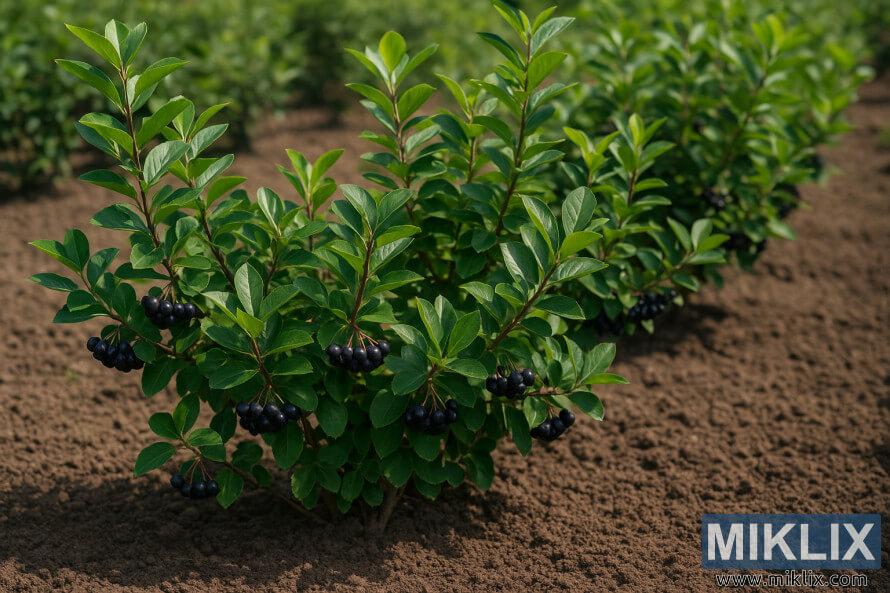
Click or tap the image for more information and higher resolutions.
Step-by-Step Planting Instructions
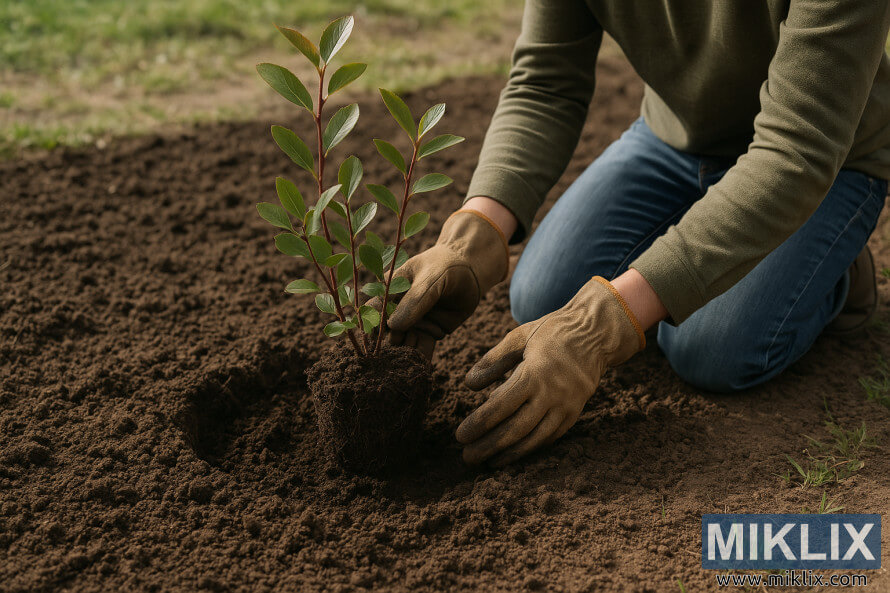
Proper planting technique ensures healthy establishment of aronia shrubs
When to Plant
The best times to plant aronia are early spring after the danger of frost has passed or in fall at least 6 weeks before the first expected frost. Spring planting is preferred in colder regions (zones 3-5), while fall planting often works well in milder climates (zones 6-9).
Spacing Guidelines
Proper spacing depends on the variety you're growing and your landscape goals:
- Dwarf varieties (Low Scape Mound, Ground Hug): 2-3 feet apart
- Medium varieties (Iroquois Beauty): 4-5 feet apart
- Larger varieties (Viking, Autumn Magic): 5-6 feet apart
- For hedgerows: Reduce spacing by about 25% to create a denser screen
Planting Process
- Prepare the site: Clear the area of weeds and grass. For clay soils, consider adding compost to improve drainage.
- Dig the hole: Make it twice as wide as the root ball but no deeper than the container depth.
- Prepare the roots: Gently remove the plant from its container. If roots are circling, carefully loosen them.
- Position the plant: Place it in the hole so the top of the root ball is level with or slightly above the surrounding soil.
- Backfill: Fill in around the roots with soil, gently firming it to remove air pockets.
- Water thoroughly: Give a deep, slow watering to help settle the soil.
- Mulch: Apply 2-3 inches of organic mulch around the plant, keeping it a few inches away from the stems.
Click or tap the image for more information and higher resolutions.
Companion Plants
Aronia berries grow well alongside other plants with similar growing requirements. Consider these companion plants for your aronia garden:
Native Companions
- Serviceberry (Amelanchier)
- Elderberry (Sambucus)
- Winterberry (Ilex verticillata)
- Black chokeberry (Aronia melanocarpa)
Ornamental Companions
- Hydrangea varieties
- Viburnum species
- Weigela cultivars
- Summersweet (Clethra)
Perennial Companions
- Black-eyed Susan (Rudbeckia)
- Bee balm (Monarda)
- Ornamental grasses
- Native ferns (for shade)
Care and Maintenance Schedule
Regular seasonal maintenance keeps aronia shrubs healthy and productive
Aronia berries are relatively low-maintenance plants, but following a seasonal care schedule will help ensure optimal growth and fruit production.
| Season | Watering | Fertilizing | Pruning | Other Tasks |
| Spring | Keep soil consistently moist as new growth emerges | Apply balanced organic fertilizer (10-10-10) in early spring | Remove dead or damaged branches before new growth starts | Apply fresh mulch; monitor for early pest issues |
| Summer | Water deeply during dry periods (1-2 inches per week) | No additional fertilizer needed | No pruning needed; plants are setting fruit | Monitor for pests; thin fruit if clusters are extremely dense |
| Fall | Reduce watering as temperatures cool | No fertilizer needed | No pruning needed; enjoy fall color | Harvest berries; clean up fallen leaves around plants |
| Winter | Water only during extended dry periods if ground isn't frozen | No fertilizer needed | Late winter: remove 1/3 of oldest stems to rejuvenate (if needed) | Check for rodent damage; apply protective measures if needed |
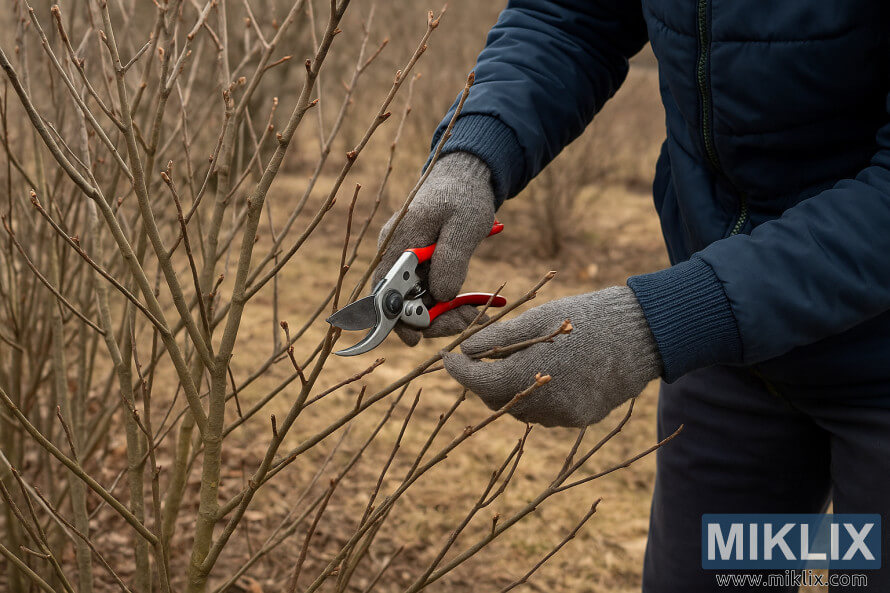
Pruning Techniques
Aronia shrubs bloom on old wood (previous year's growth), so timing your pruning is important. The best time to prune is in late winter while plants are still dormant but before new growth begins.
Maintenance Pruning
- Remove dead, damaged, or diseased branches
- Thin out crossing or rubbing branches
- Remove suckers if you don't want the plant to spread
- Shape lightly to maintain desired form
Rejuvenation Pruning
- For older plants (4+ years), remove 1/3 of the oldest stems annually
- Cut these stems to ground level to stimulate new growth
- This encourages larger berries and maintains plant vigor
- Can be done every 3-4 years for younger plants
Watering Tip: While established aronia plants are drought-tolerant, consistent moisture during fruit development (late spring to mid-summer) will result in larger, juicier berries. Consider using drip irrigation or soaker hoses for efficient watering.
Click or tap the image for more information and higher resolutions.
Common Pests and Diseases
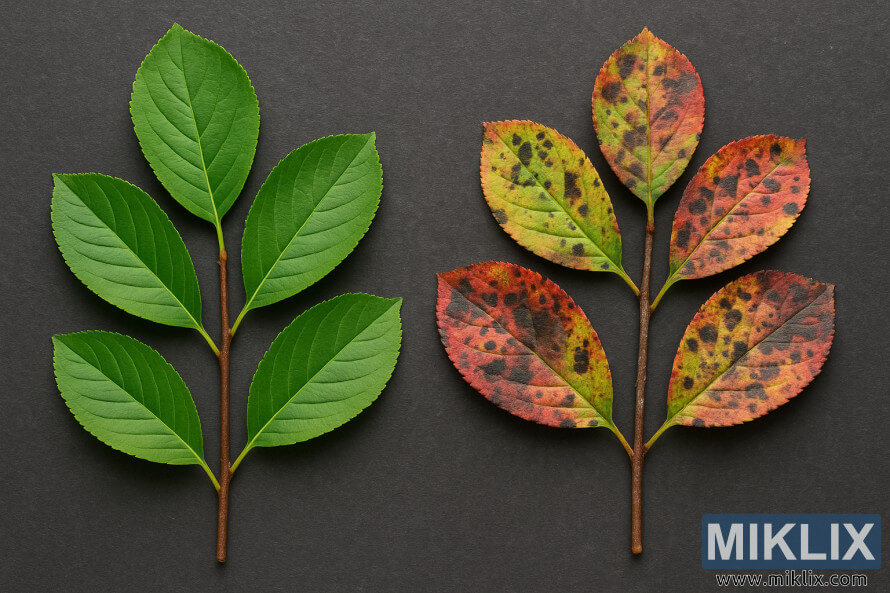
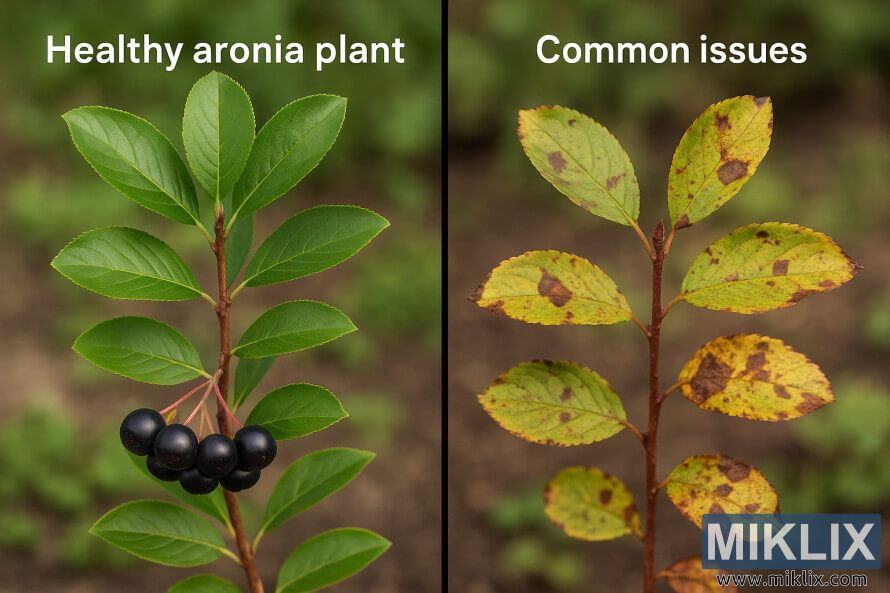
Identifying common aronia foliage issues helps with early treatment
One of aronia's greatest strengths is its natural resistance to most pests and diseases. However, a few issues can occasionally arise. Here's how to identify and address them using organic methods:
Potential Pests
| Pest | Signs | Organic Prevention | Organic Treatment |
| Aphids | Curled leaves, sticky residue, small green/black insects on new growth | Encourage beneficial insects; companion planting with aromatic herbs | Strong spray of water; insecticidal soap; neem oil spray |
| Japanese Beetles | Skeletonized leaves; metallic green beetles present in summer | Row covers during beetle season; milky spore in soil | Hand-picking into soapy water; neem oil; pyrethrin spray |
| Scale Insects | Small bumps on stems; sticky residue; yellowing leaves | Maintain plant vigor; avoid excessive nitrogen | Horticultural oil in dormant season; insecticidal soap |
| Deer/Rabbits | Browsed stems and leaves; clean cuts on branches | Physical barriers; repellent sprays; companion planting with aromatic herbs | Fencing; commercial repellents; motion-activated deterrents |
Potential Diseases
| Disease | Signs | Organic Prevention | Organic Treatment |
| Leaf Spot | Dark spots on leaves; yellowing; premature leaf drop | Proper spacing for air circulation; avoid overhead watering | Remove affected leaves; copper fungicide; compost tea spray |
| Powdery Mildew | White powdery coating on leaves; distorted new growth | Good air circulation; full sun exposure; proper spacing | Milk spray (1:10 with water); neem oil; potassium bicarbonate |
| Rust | Orange-brown pustules on leaf undersides; yellowing | Proper spacing; remove fallen leaves in autumn | Remove affected parts; sulfur spray; copper fungicide |
| Root Rot | Wilting despite adequate water; yellowing; stunted growth | Well-draining soil; avoid overwatering; proper planting depth | Improve drainage; reduce watering; apply beneficial fungi |
Click or tap the image for more information and higher resolutions.
Harvesting Timeline and Techniques
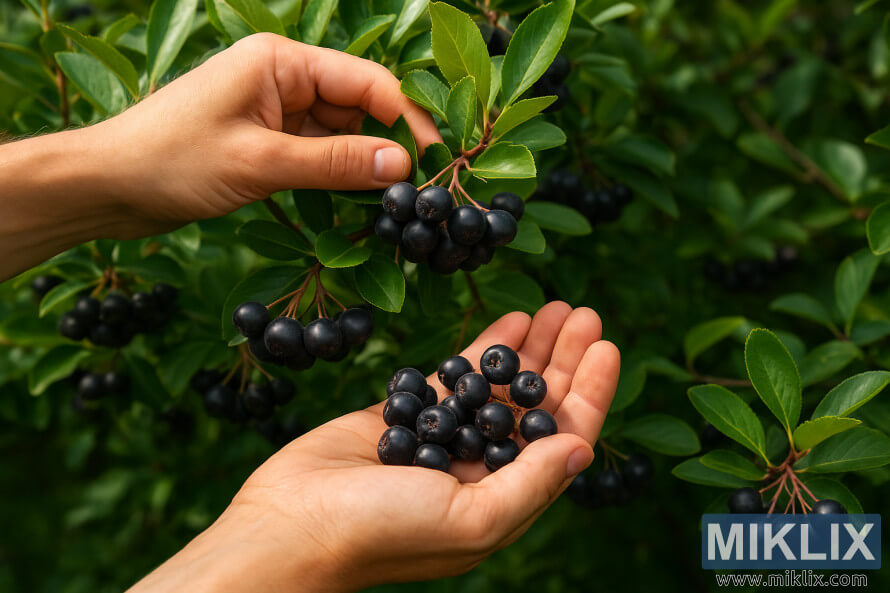
Harvesting aronia berries at peak ripeness ensures the best flavor and nutrition
When to Harvest
Aronia berries typically ripen in late summer to early fall, depending on your climate zone and the specific variety:
- Black chokeberry (Aronia melanocarpa): Mid-August to September
- Purple chokeberry (Aronia prunifolia): Late August to early October
- Red chokeberry (Aronia arbutifolia): September to October
The berries are ready to harvest when they reach their full color (deep purple-black for black chokeberry, bright red for red chokeberry) and are firm but slightly soft when gently squeezed. Unlike many other fruits, aronia berries don't drop when ripe and will hang on the bush for several weeks, giving you a flexible harvest window.
Harvesting Methods
Hand Harvesting
For small plantings or selective picking:
- Pick individual berries or entire clusters by hand
- Use scissors to snip clusters from the plant
- Collect in shallow containers to prevent crushing
- Best for ensuring only the ripest berries are harvested
Mechanical Harvesting
For larger plantings or all-at-once harvesting:
- Place a tarp or sheet under the bush
- Gently shake branches to release ripe berries
- Use a berry rake or small hand rake to comb through branches
- Faster but less selective than hand picking
Important: Unlike blueberries or strawberries, fresh aronia berries are quite astringent and not typically eaten raw. They're best processed into jams, juices, or baked goods where their tartness can be balanced with sweeteners.
Expected Yields
Yield varies by variety, plant age, and growing conditions:
- Young plants (2-3 years): 1-2 pounds per bush
- Mature plants (4+ years): 5-15 pounds per bush
- Commercial varieties like 'Viking': Up to 20 pounds per bush when mature
Aronia plants typically begin producing fruit in their second or third year, with production increasing as the plants mature. With proper care, aronia shrubs can continue producing for 20+ years.
Click or tap the image for more information and higher resolutions.
Storage and Preservation Methods
Aronia berries can be preserved in multiple ways for year-round enjoyment
Fresh Storage
Fresh aronia berries can be stored for a short period before processing:
- Refrigerate unwashed berries in a shallow container lined with paper towels
- Cover loosely with plastic wrap or a lid
- Will keep for 1-2 weeks in the refrigerator
- Wash just before using to prevent premature spoilage
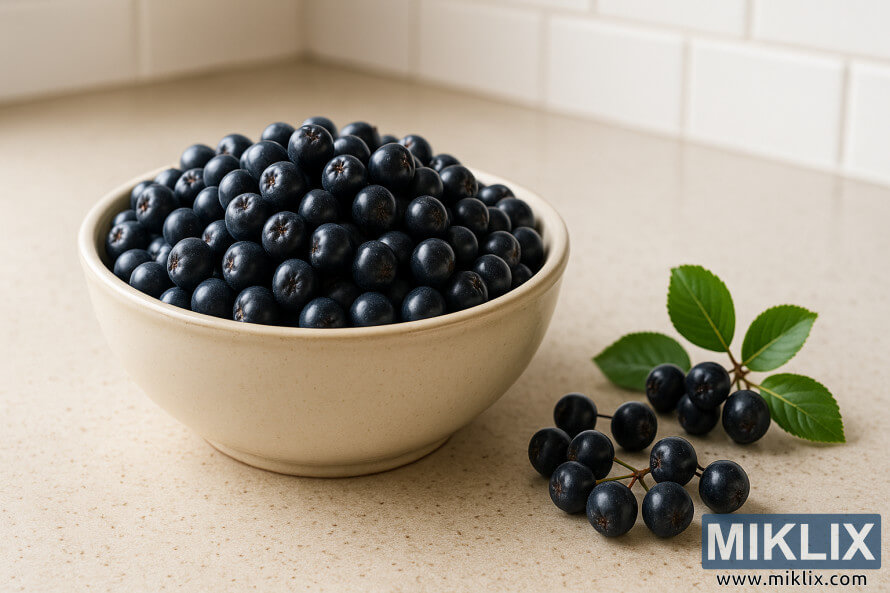
Click or tap the image for more information and higher resolutions.
Freezing
Freezing is one of the easiest and most effective ways to preserve aronia berries:
- Rinse berries and pat dry thoroughly
- Spread in a single layer on a baking sheet
- Freeze until solid (about 2-3 hours)
- Transfer to freezer bags or containers
- Label with date and contents
- Frozen berries will keep for up to 12 months
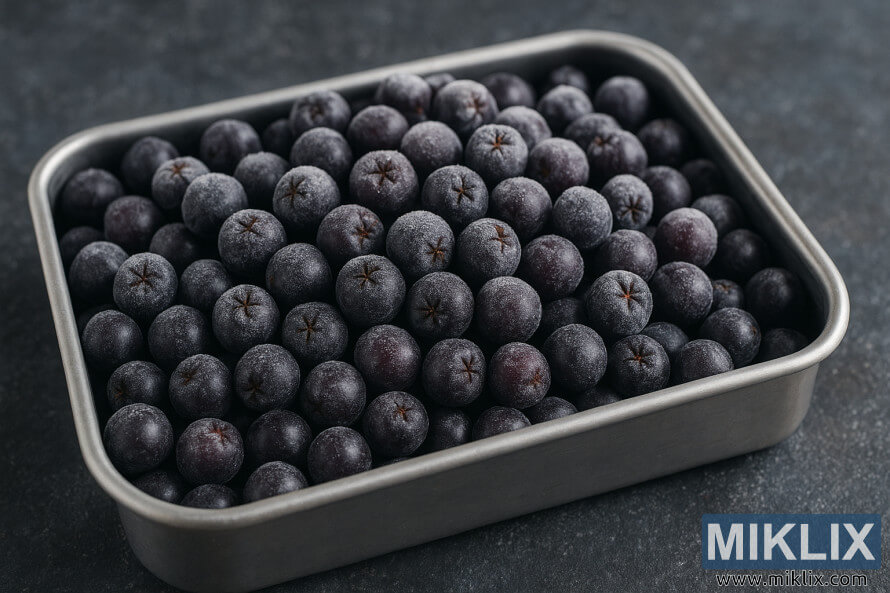
Click or tap the image for more information and higher resolutions.
Drying
Dried aronia berries make nutritious snacks or additions to baked goods:
- Dehydrator method: Arrange clean berries in a single layer and dry at 135°F for 10-18 hours until leathery
- Oven method: Spread on parchment-lined baking sheets and dry at lowest setting (typically 170°F) with door slightly ajar for 6-10 hours
- Sun drying: In hot, dry climates, berries can be sun-dried on screens over 2-3 days
- Store dried berries in airtight containers in a cool, dark place for up to 6 months
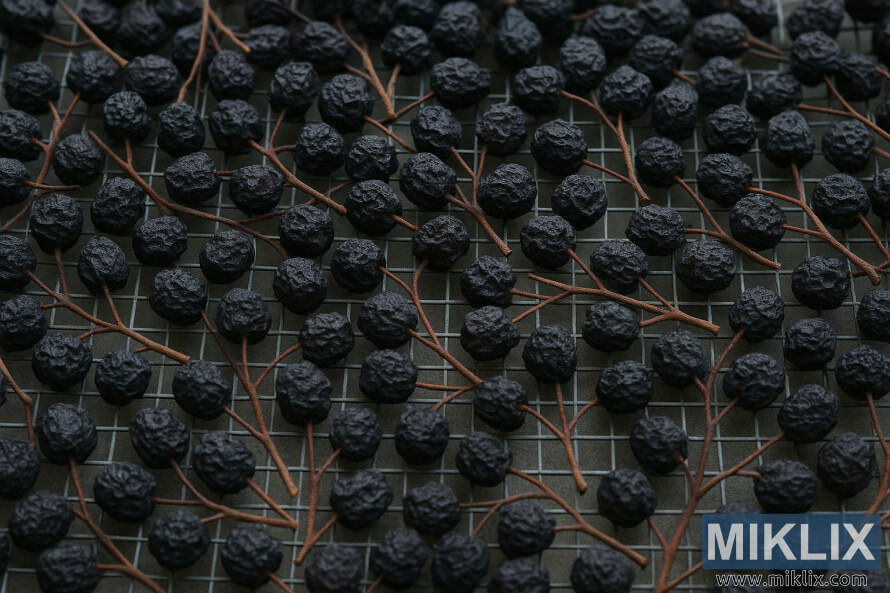
Click or tap the image for more information and higher resolutions.
Popular Recipes
Aronia Berry Jam
This simple recipe balances aronia's tartness with sweetness:
- 4 cups aronia berries
- 2 cups sugar
- 2 tablespoons lemon juice
- 1 package pectin
Cook berries until soft, add remaining ingredients, and process according to standard jam-making procedures.
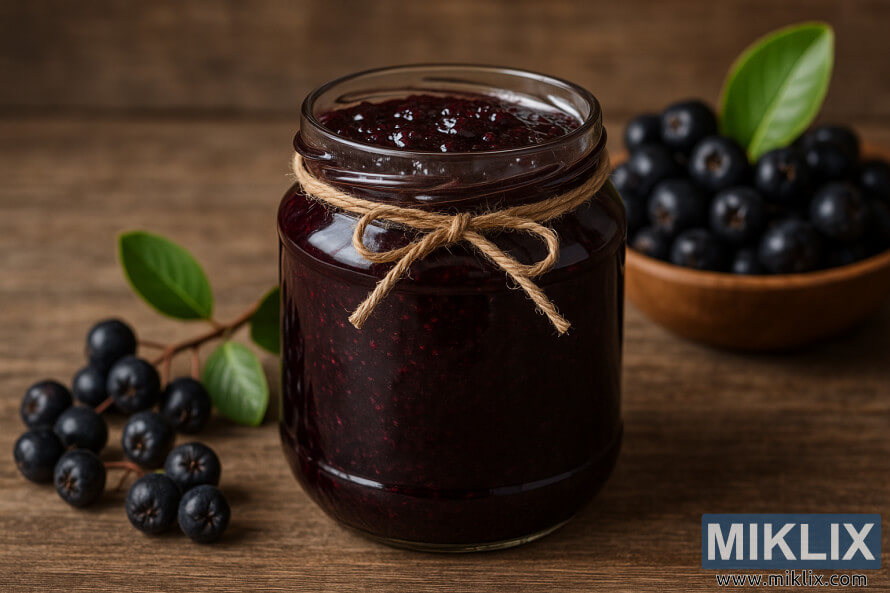
Click or tap the image for more information and higher resolutions.
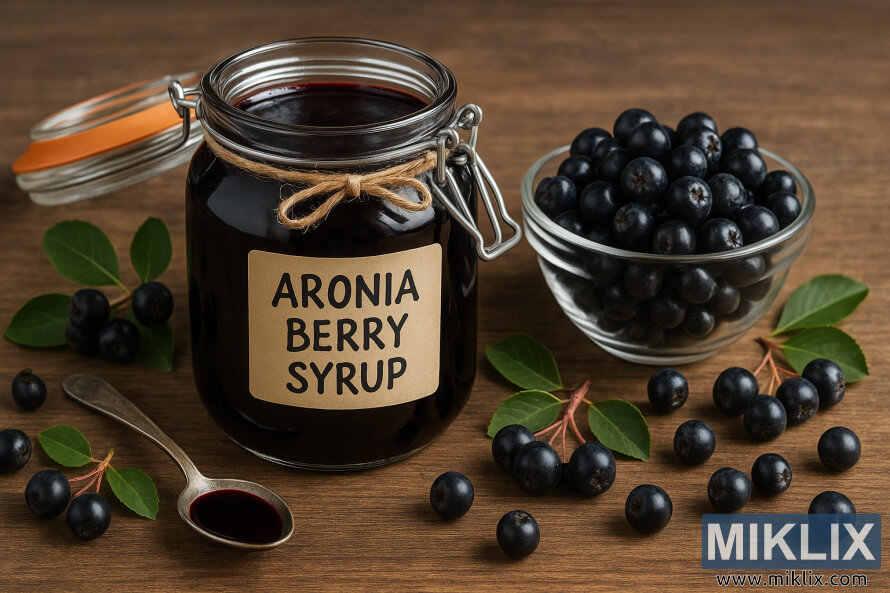
Aronia Berry Syrup
Perfect for pancakes or as a base for beverages:
- 2 cups aronia berries
- 1 cup water
- 1 cup sugar
- 1 tablespoon lemon juice
Simmer ingredients until berries burst, strain, and return liquid to pot. Reduce until slightly thickened.
Click or tap the image for more information and higher resolutions.
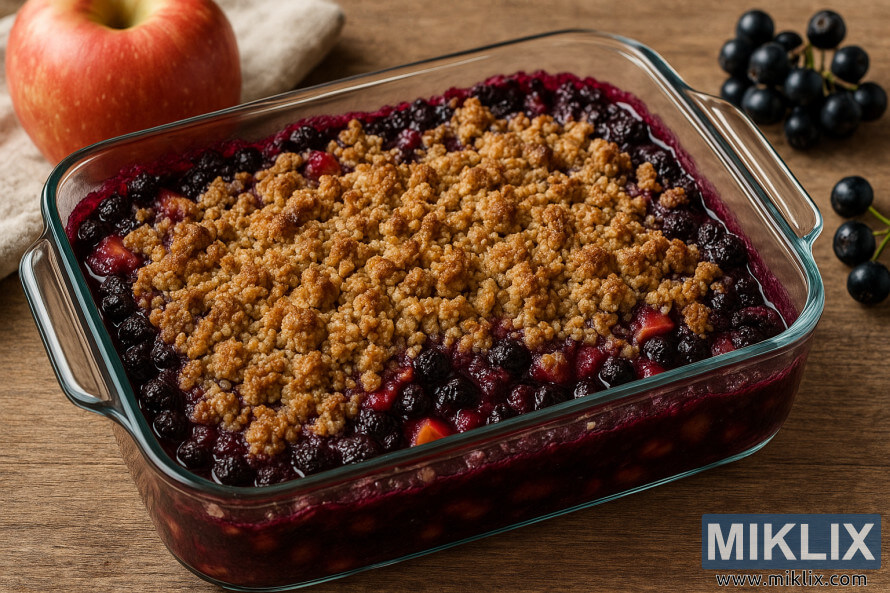
Aronia-Apple Crisp
The sweetness of apples perfectly complements aronia's tartness:
- 2 cups aronia berries
- 4 cups sliced apples
- 3/4 cup brown sugar
- 1 cup oats
- 1/2 cup flour
- 1/2 cup butter
Mix fruit with some sugar, top with oat mixture, and bake at 350°F for 45 minutes.
Click or tap the image for more information and higher resolutions.
Troubleshooting Common Growing Problems
Identifying and addressing problems early leads to healthier, more productive plants.
Why are my aronia leaves turning yellow?
Yellowing leaves can indicate several issues:
- Overwatering: Ensure soil has proper drainage and allow to dry slightly between waterings
- Nutrient deficiency: Apply a balanced organic fertilizer in spring
- pH imbalance: Test soil and adjust if pH is above 7.0
- Leaf spot disease: Improve air circulation and apply organic fungicide if needed
My aronia isn't producing many berries. What's wrong?
Poor fruit production can result from:
- Young plants: Patience—production increases with age (peak at 3-5 years)
- Insufficient sunlight: Ensure plants receive at least 6 hours of sun daily
- Improper pruning: Avoid heavy pruning in spring as flowers form on old wood
- Stress factors: Drought, extreme heat, or nutrient deficiencies can reduce fruiting
My aronia plant isn't growing much. Is this normal?
Slow growth may be due to:
- Establishment period: Plants focus on root development in first 1-2 years
- Compacted soil: Improve soil structure with organic matter
- Competition: Ensure adequate spacing from other plants and keep area weeded
- Variety selection: Some dwarf varieties naturally stay small
Why are the berries falling off before ripening?
Premature berry drop can be caused by:
- Drought stress: Maintain consistent moisture during fruit development
- Extreme heat: Provide afternoon shade in hot climates
- Pest damage: Check for evidence of insects feeding on stems or fruit
- Disease: Look for signs of fungal issues on stems and treat accordingly
My aronia is spreading too much. How do I control it?
To manage spreading:
- Root barrier: Install a deep edging barrier around plants
- Regular maintenance: Remove suckers as they appear in spring and summer
- Mowing: Keep lawn areas mowed around plantings to cut off spreading shoots
- Container planting: Consider growing in large containers to restrict spread
Click or tap the image for more information and higher resolutions.
Conclusion
Growing Aronia berries in your home garden offers multiple rewards—nutritious fruit, beautiful ornamental value, and the satisfaction of cultivating a low-maintenance native plant. With their adaptability to various soil conditions, resistance to most pests and diseases, and stunning seasonal displays, aronia shrubs deserve a place in any edible landscape.
Whether you're drawn to aronia for its superfood status, its wildlife benefits, or its three-season beauty, the guidelines in this article will help you successfully grow, harvest, and enjoy these remarkable berries for years to come. Start with one or two plants, and you'll likely find yourself adding more as you discover the many benefits these native shrubs bring to your garden.
Further Reading
If you enjoyed this post, you may also like these suggestions:
- A Complete Guide to Growing Nectarines in Your Home Garden
- Top Apple Varieties and Trees to Grow in Your Garden
- A Guide to Growing Celery in Your Own Garden