
A Guide to Growing Lettuce in Your Own Garden
Published: February 5, 2026 at 5:32:47 PM UTC
Growing your own lettuce is one of the most rewarding experiences for home gardeners. This cool-season crop grows quickly, requires minimal space, and rewards you with crisp, flavorful leaves that put store-bought varieties to shame.
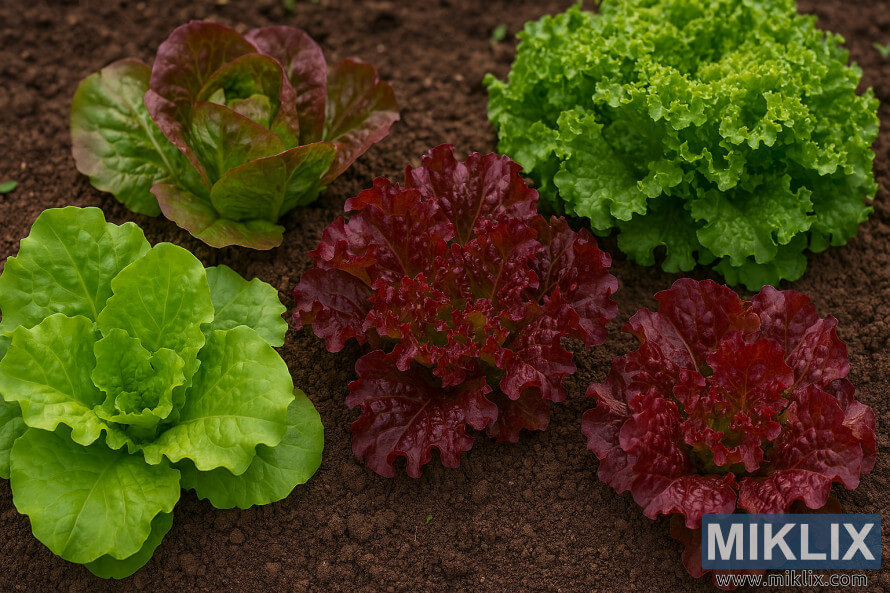
Click or tap the image for more information and higher resolutions.
Whether you're a complete beginner or looking to improve your lettuce-growing skills, this guide will walk you through everything you need to know to grow abundant, delicious lettuce right in your own garden.
Why Grow Your Own Lettuce?
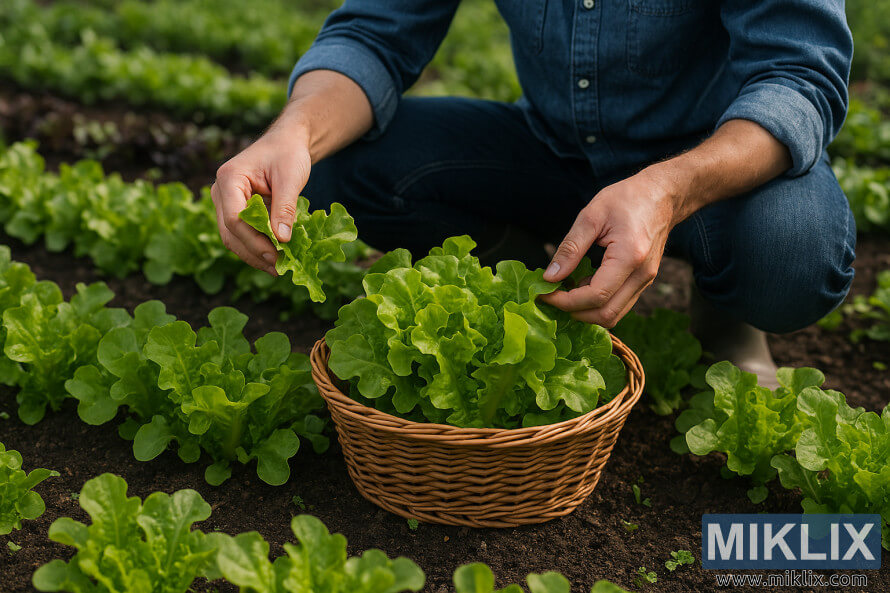
Lettuce is the perfect vegetable for beginner gardeners. It grows quickly, often ready for harvest in just 30-45 days, and can be grown in almost any space - from traditional garden beds to containers on a patio or even indoor windowsills. Growing your own lettuce offers numerous advantages:
- Unmatched freshness and flavor that store-bought lettuce can't compete with
- Access to dozens of unique varieties not found in grocery stores
- Significant cost savings compared to buying pre-packaged salad greens
- No pesticides or chemicals (when grown organically)
- Reduced food waste by harvesting only what you need
- Extended harvest season through succession planting
Click or tap the image for more information and higher resolutions.
Choosing Your Lettuce Varieties
One of the joys of growing your own lettuce is exploring the incredible diversity of varieties available. Each type offers different flavors, textures, and growing characteristics. Understanding these differences will help you select the perfect lettuce for your garden and taste preferences.
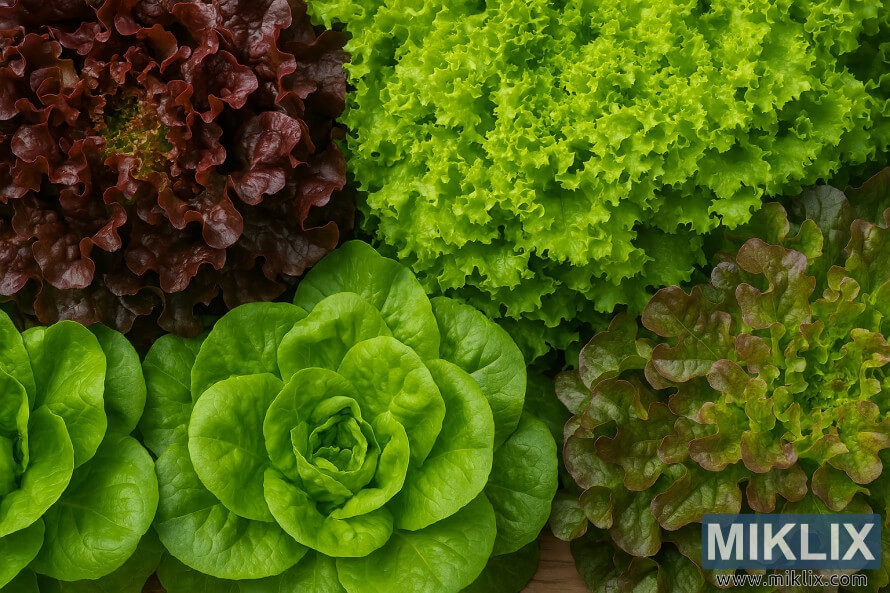
Loose-leaf Lettuce
The easiest type for beginners, loose-leaf lettuce doesn't form a head but grows as individual leaves. You can harvest outer leaves while the plant continues to grow from the center.
Best varieties for beginners: Black Seeded Simpson, Red Sails, Oak Leaf, Salad Bowl
Click or tap the image for more information and higher resolutions.
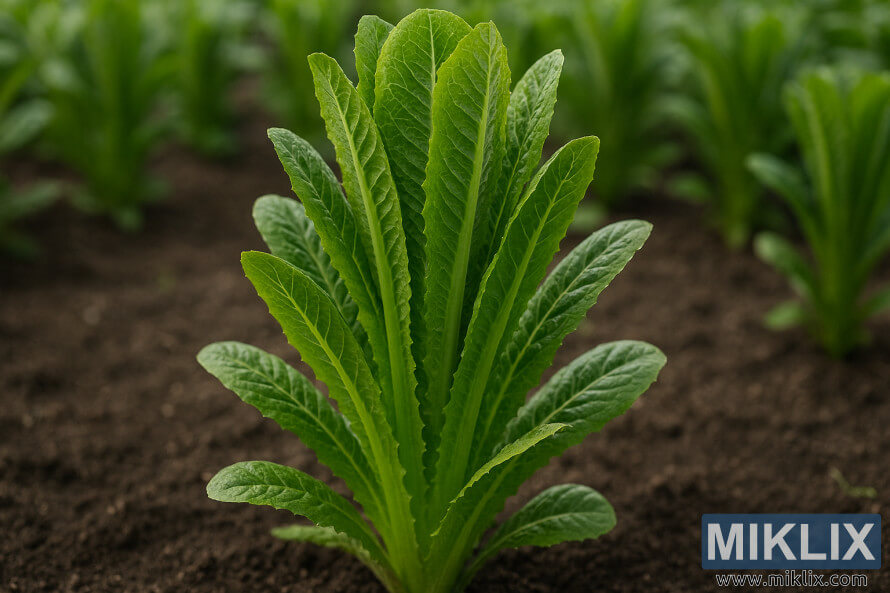
Romaine/Cos Lettuce
Known for its upright growth and crisp texture, romaine forms elongated heads with sturdy leaves. It's more heat-tolerant than other types and packed with nutrients.
Best varieties for beginners: Parris Island, Little Gem, Rouge d'Hiver
Click or tap the image for more information and higher resolutions.
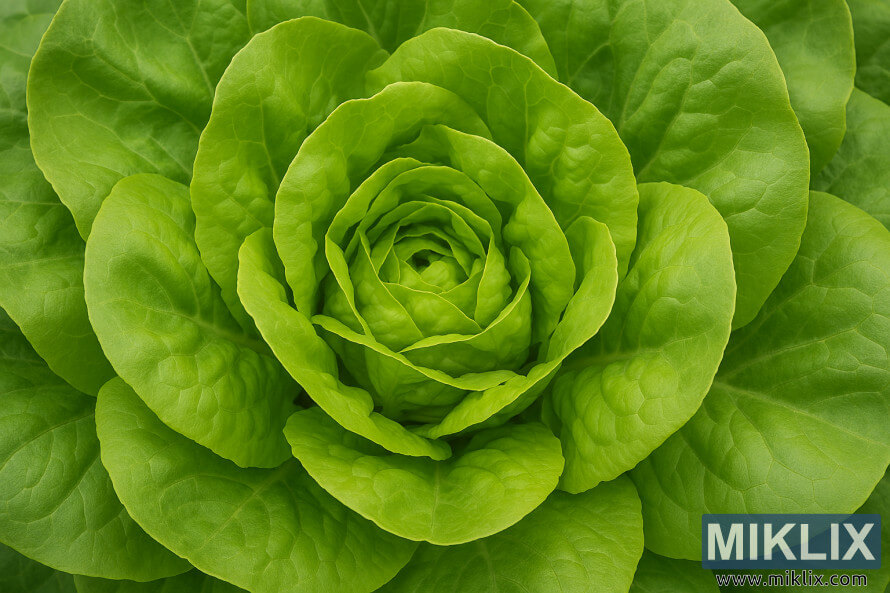
Butterhead Lettuce
Forms a loose head with soft, tender leaves that have a buttery texture. These varieties are prized for their sweet flavor and delicate texture.
Best varieties for beginners: Buttercrunch, Bibb, Boston, Tom Thumb
Click or tap the image for more information and higher resolutions.
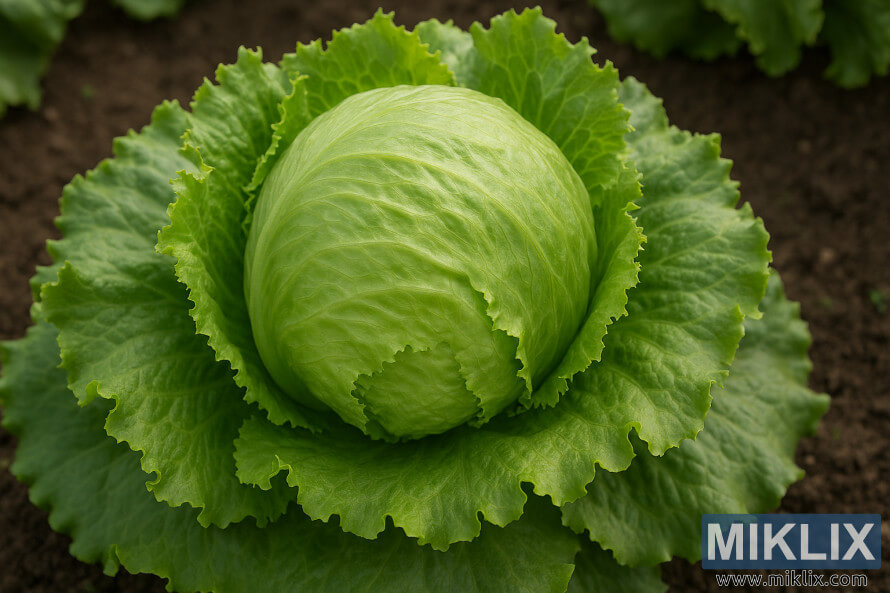
Crisphead/Iceberg Lettuce
Forms a tight, round head with crisp leaves. While these are the most challenging to grow, they offer that classic crunch many people love. They take longer to mature and prefer cooler temperatures.
Best varieties for beginners: Great Lakes, Ithaca, Summertime
Click or tap the image for more information and higher resolutions.
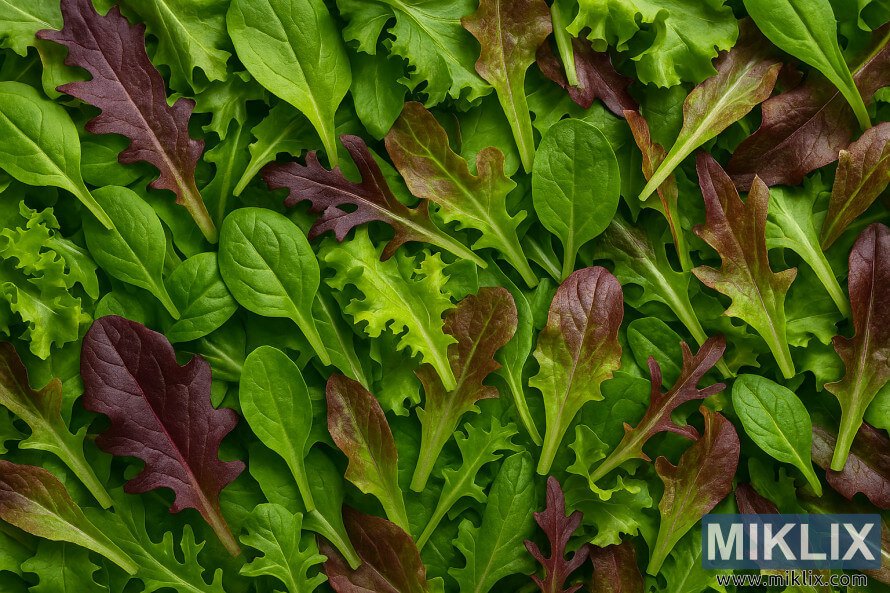
Mesclun/Salad Mixes
These seed blends contain a variety of lettuce types and often other greens like arugula or mustard. They're perfect for continuous harvesting of baby greens and provide diverse flavors and textures.
Best varieties for beginners: Spring Mix, Gourmet Blend, Spicy Mix
Beginner Tip: If you're just starting out, focus on loose-leaf varieties. They're the most forgiving, fastest-growing, and allow for multiple harvests from the same plant. Try a few different types to discover your favorites!
Click or tap the image for more information and higher resolutions.
Planning and Planting: When to Grow Lettuce
Timing is crucial when growing lettuce. As a cool-season crop, lettuce thrives in temperatures between 45°F and 75°F (7°C to 24°C). When temperatures rise above 80°F (27°C), lettuce tends to bolt (produce a seed stalk), becoming bitter and inedible.
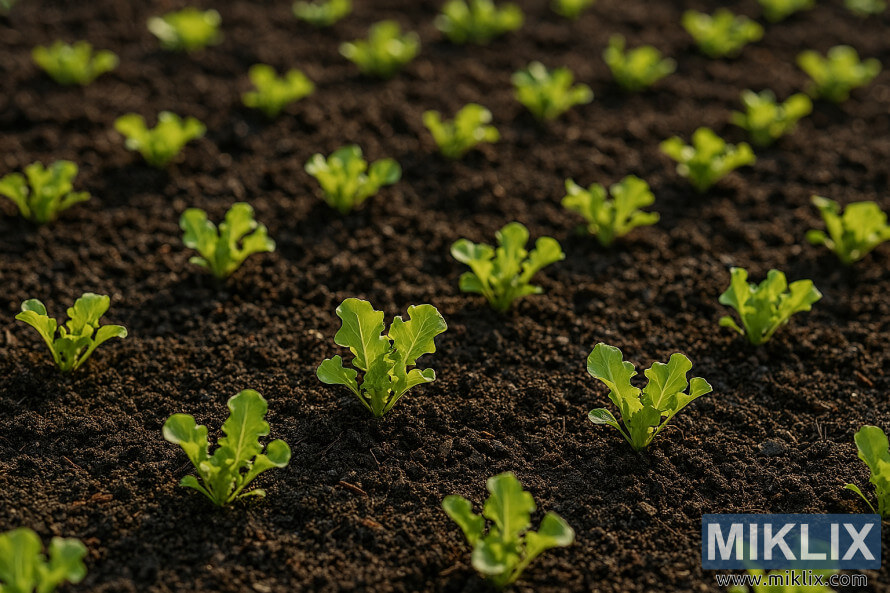
Spring Planting
Start sowing lettuce seeds outdoors 2-4 weeks before your last spring frost date. In many regions, you can begin planting as early as March or April. For an earlier start, sow seeds indoors 3-4 weeks before transplanting outside.
Click or tap the image for more information and higher resolutions.
Fall Planting
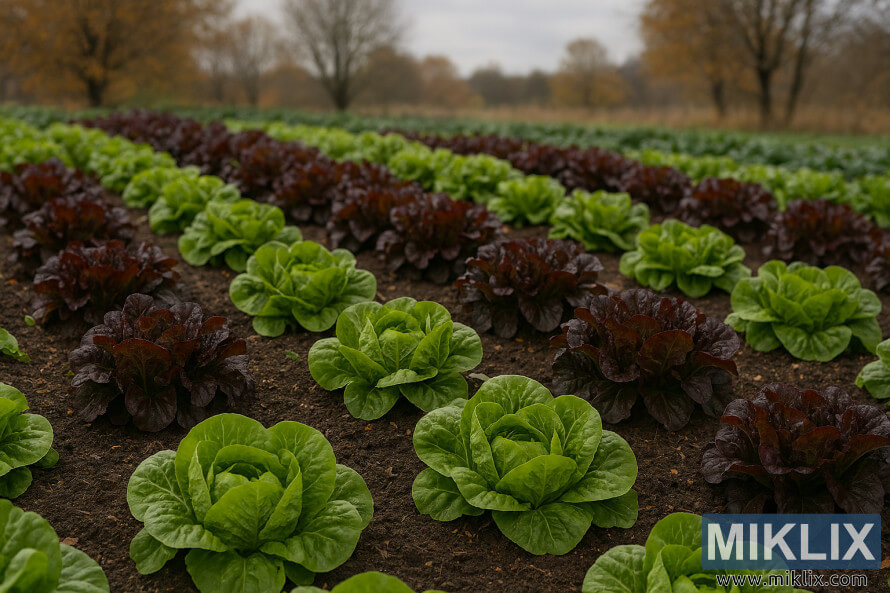
For a fall crop, start seeds 4-8 weeks before your first expected fall frost. In many areas, this means planting in August or September. Fall crops often produce the sweetest, most flavorful lettuce due to the cooling temperatures.
Click or tap the image for more information and higher resolutions.
Succession Planting for Continuous Harvest
Instead of planting all your lettuce at once, practice succession planting by sowing small amounts every 7-14 days. This ensures a continuous harvest rather than having all your lettuce mature simultaneously. Continue succession planting until temperatures become too warm in summer, then resume in late summer for fall harvests.
| Season | When to Plant | Temperature Range | Days to Maturity | Special Considerations |
| Early Spring | 2-4 weeks before last frost | 45-65°F (7-18°C) | 30-60 days | May need frost protection |
| Late Spring | After last frost | 55-75°F (13-24°C) | 30-50 days | Choose heat-tolerant varieties |
| Summer | Not recommended | Above 75°F (24°C) | N/A | Too hot; lettuce will bolt |
| Early Fall | 6-8 weeks before first frost | 65-75°F (18-24°C) | 30-50 days | Provide afternoon shade if needed |
| Late Fall | 4-6 weeks before first frost | 45-65°F (7-18°C) | 40-60 days | May need frost protection |
Where to Plant Lettuce
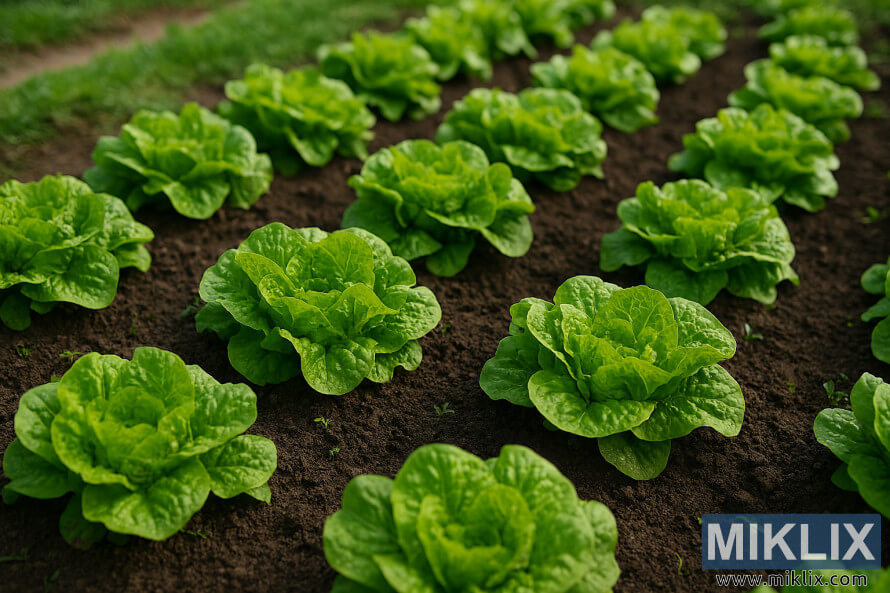
Lettuce is incredibly versatile when it comes to growing locations. Its shallow root system and compact growth habit make it suitable for various garden settings.
Click or tap the image for more information and higher resolutions.
Traditional Garden Beds
Lettuce grows well in traditional in-ground gardens. Plant in areas that receive morning sun but have some afternoon shade, especially in warmer regions.
Raised Beds
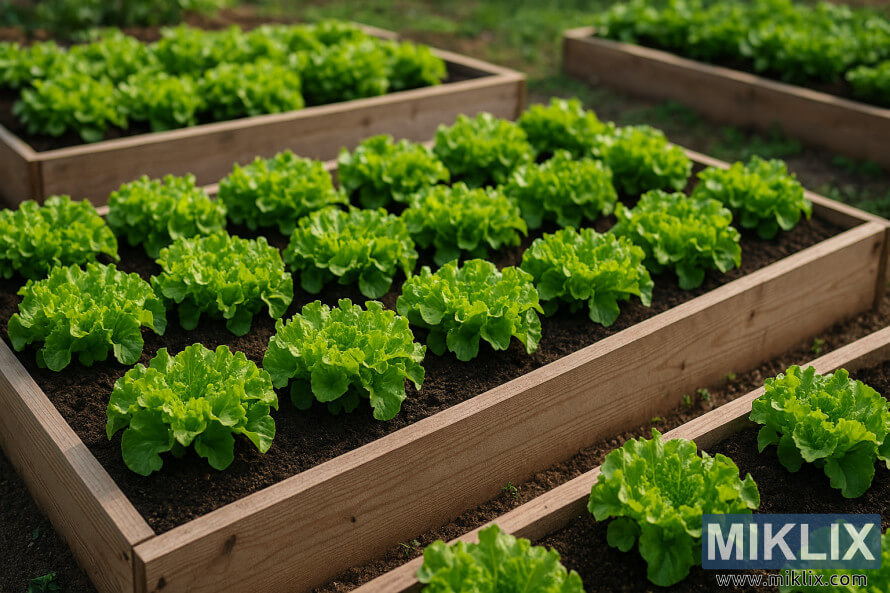
Raised beds offer excellent drainage and soil warming in spring. The defined space also makes it easier to protect lettuce from pests and extend the growing season with covers.
Click or tap the image for more information and higher resolutions.
Containers
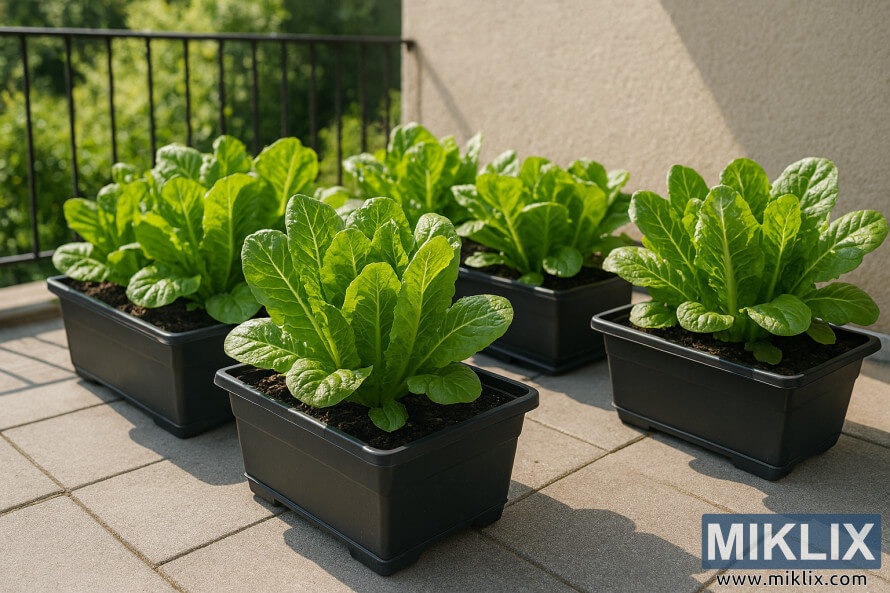
Containers as shallow as 6 inches can support lettuce growth. This makes lettuce perfect for patios, balconies, or even windowsills. Use containers at least 6-8 inches deep with drainage holes.
Click or tap the image for more information and higher resolutions.
Sunlight Requirements
Lettuce grows best with 4-6 hours of sunlight daily. In cooler climates, full sun is ideal. In warmer regions, provide afternoon shade to prevent bolting. Lettuce is one of the few vegetables that can tolerate partial shade, making it perfect for areas where other vegetables might struggle.
Soil Requirements
Lettuce prefers loose, well-draining soil rich in organic matter with a slightly acidic to neutral pH (6.0 to 7.0). The soil should retain moisture without becoming waterlogged. Before planting, incorporate 2-3 inches of compost to improve soil structure and fertility.
How to Plant Lettuce
Lettuce can be direct-sown into the garden or started indoors and transplanted. Direct sowing is generally easier and more successful, as lettuce seedlings can be delicate to transplant.
Direct Sowing Seeds
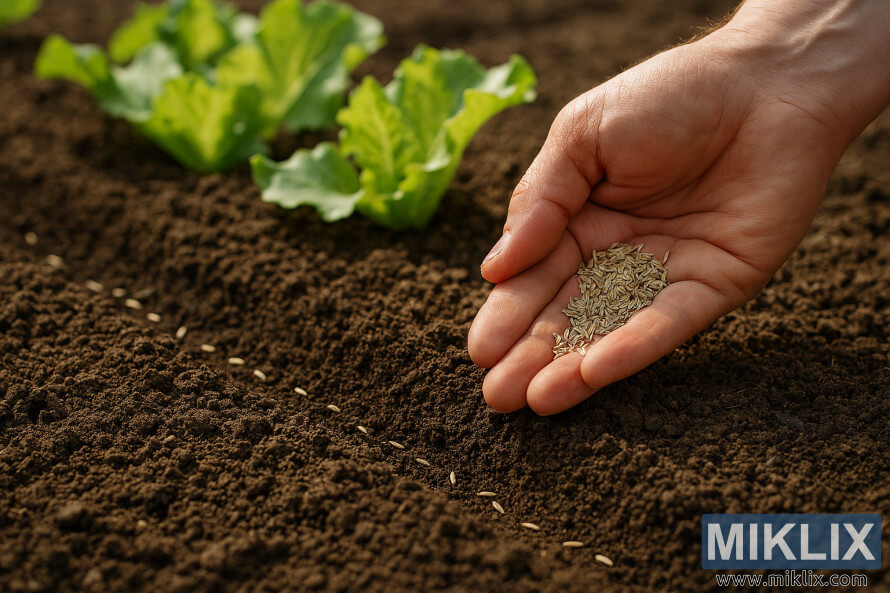
- Prepare the soil by removing weeds and rocks, then rake to create a smooth, fine surface.
- Lettuce seeds are tiny and need light to germinate, so plant them very shallow—just 1/8 to 1/4 inch deep.
- Sow seeds thinly in rows spaced 12-18 inches apart, or broadcast seeds in a designated area.
- Gently press seeds into the soil to ensure good soil contact, but don't bury them deeply.
- Water thoroughly but gently using a fine spray to avoid displacing the seeds.
- Keep the soil consistently moist until seeds germinate, usually within 7-10 days.
Click or tap the image for more information and higher resolutions.
Proper Spacing for Different Lettuce Types
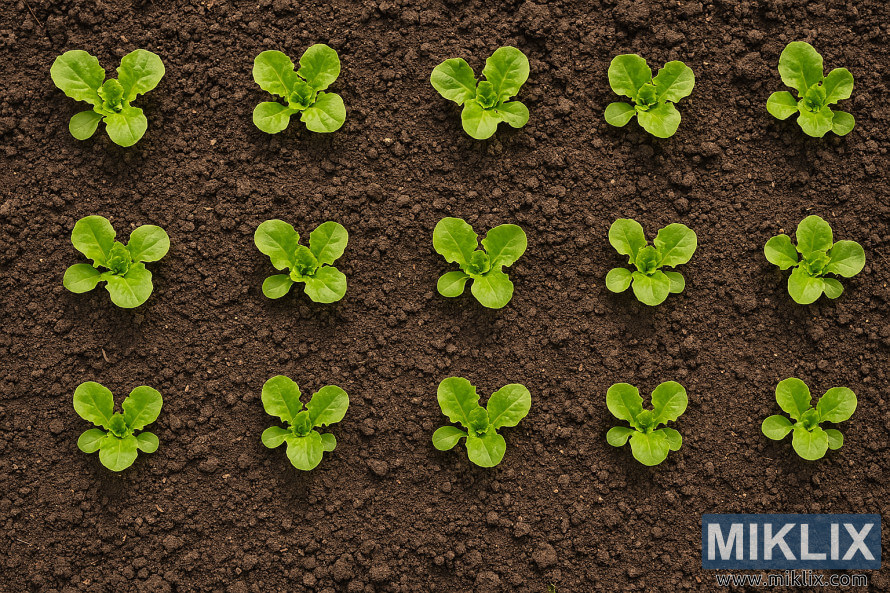
| Lettuce Type | Spacing Between Plants | Row Spacing | Planting Depth |
| Loose-leaf | 4-6 inches | 12-18 inches | 1/8 inch |
| Butterhead/Bibb | 6-8 inches | 12-18 inches | 1/8 inch |
| Romaine/Cos | 6-8 inches | 12-18 inches | 1/8 inch |
| Crisphead/Iceberg | 10-12 inches | 18 inches | 1/8 inch |
| Mesclun Mix (for cutting) | Broadcast seeds | N/A | 1/8 inch |
Starting Seeds Indoors
If you prefer to start seeds indoors, begin 3-4 weeks before your planned transplant date:
- Use seed-starting trays or small pots filled with seed-starting mix.
- Sow seeds very shallowly, barely covering them with soil.
- Keep soil consistently moist and provide plenty of light once seeds germinate.
- When seedlings have 3-4 true leaves, harden them off by gradually exposing them to outdoor conditions over 7-10 days.
- Transplant carefully, disturbing the roots as little as possible.
Thinning Seedlings
Once your lettuce seedlings reach about 1-2 inches tall, thin them to the proper spacing for their variety. Instead of pulling seedlings (which can disturb nearby roots), snip them at soil level with scissors. The thinned seedlings are perfectly edible as microgreens in salads!
Click or tap the image for more information and higher resolutions.
Care and Maintenance
Proper care is essential for growing healthy, tasty lettuce. Fortunately, lettuce is relatively low-maintenance compared to many other vegetables.
Watering
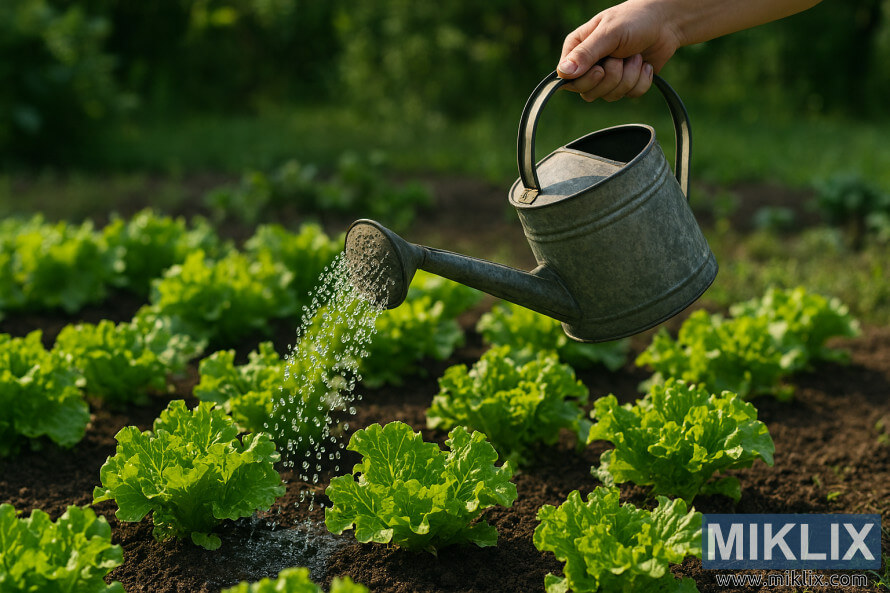
Consistent moisture is crucial for lettuce. Aim to keep the soil evenly moist but not waterlogged. Water deeply when the top inch of soil feels dry. Inconsistent watering can lead to bitter leaves or bolting.
Water in the morning to allow foliage to dry during the day, which helps prevent disease. Use a gentle spray or soaker hose to avoid damaging the plants.
Click or tap the image for more information and higher resolutions.
Mulching
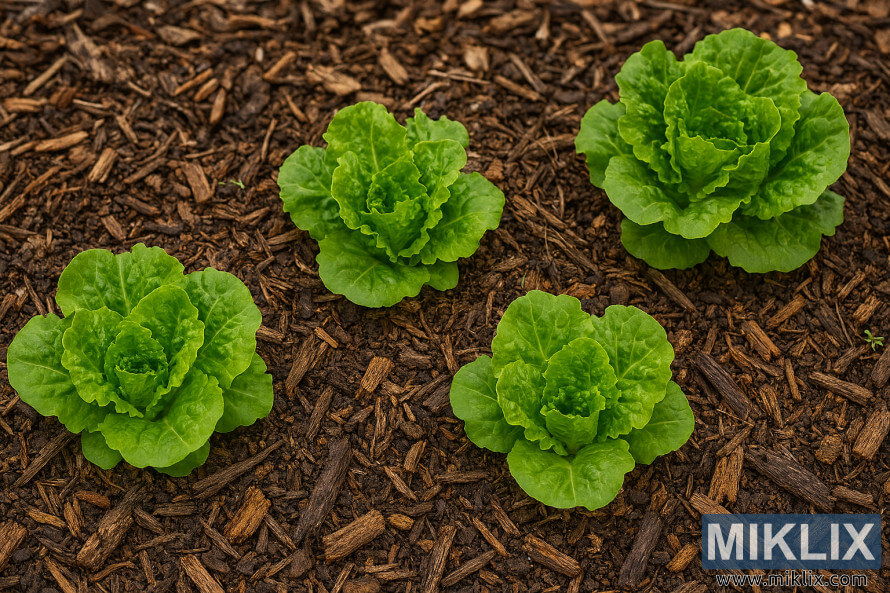
Apply a thin layer (1-2 inches) of organic mulch around plants once they're established. This helps retain soil moisture, suppress weeds, and keep soil temperatures cool.
Suitable mulches include straw, shredded leaves, or fine compost. Keep mulch from directly touching plant stems to prevent rot.
Click or tap the image for more information and higher resolutions.
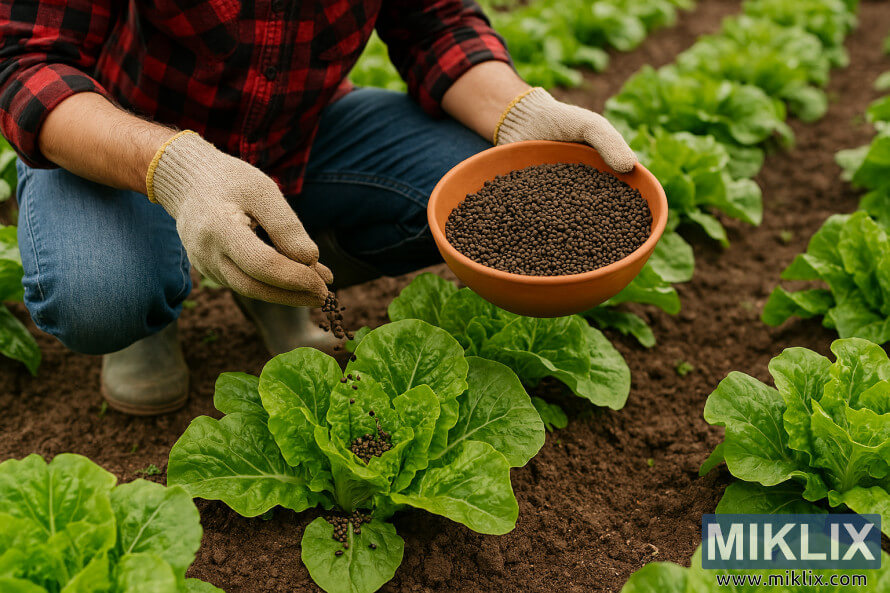
Fertilizing
Lettuce is a light feeder but benefits from some fertilization. If you've prepared your soil with compost before planting, additional fertilizer may not be necessary.
For an extra boost, apply a balanced organic fertilizer or compost tea every 3-4 weeks. Avoid high-nitrogen fertilizers, which can lead to lush but less flavorful leaves.
Click or tap the image for more information and higher resolutions.
Weeding
Regular weeding is important, as weeds compete with lettuce for nutrients and water. Because lettuce has shallow roots, be gentle when weeding to avoid disturbing the plants. Hand pulling or using a shallow hoe works best. Mulching will significantly reduce weed problems.
Temperature Management
Lettuce grows best in cool temperatures (45-75°F). In warmer weather, provide shade using row covers, shade cloth, or by planting lettuce in the shadow of taller plants like tomatoes or corn. In colder weather, protect plants with floating row covers or cold frames to extend the growing season.
Common Problems and Solutions
Even with proper care, lettuce can face some challenges. Here's how to identify and address common issues:
Pests
Aphids
Signs: Clusters of tiny green, black, or white insects on leaf undersides; sticky residue; curled leaves.
Solution: Spray with strong water stream to dislodge; apply insecticidal soap; introduce beneficial insects like ladybugs.
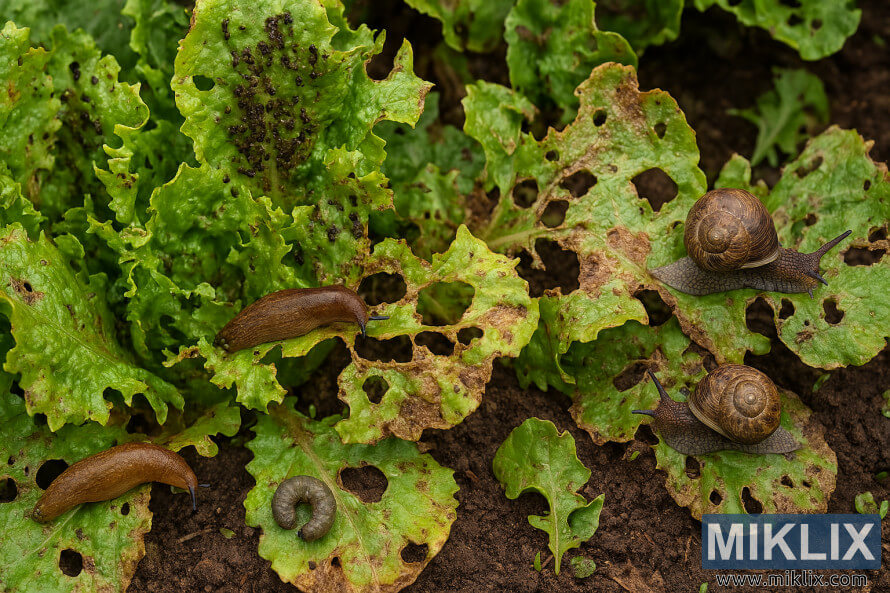
Slugs and Snails
Signs: Irregular holes in leaves; slime trails; feeding damage at night.
Solution: Hand pick at night; set beer traps; create barriers with diatomaceous earth or copper tape.
Cutworms
Signs: Seedlings cut off at soil level; C-shaped grubs in soil.
Solution: Place cardboard collars around seedlings; hand pick at night; maintain clean garden beds.
Rabbits and Deer
Signs: Clean-cut damage; plants eaten to ground level.
Solution: Install physical barriers like fencing; use repellent sprays; cover crops with row covers.
Click or tap the image for more information and higher resolutions.
Diseases
Downy Mildew
Signs: Yellow patches on leaf tops; gray fuzzy growth underneath.
Solution: Improve air circulation; avoid overhead watering; remove affected leaves; rotate crops.
Bottom Rot
Signs: Brown, slimy decay at base of plant; wilting.
Solution: Ensure good drainage; avoid overwatering; practice crop rotation; maintain clean garden.
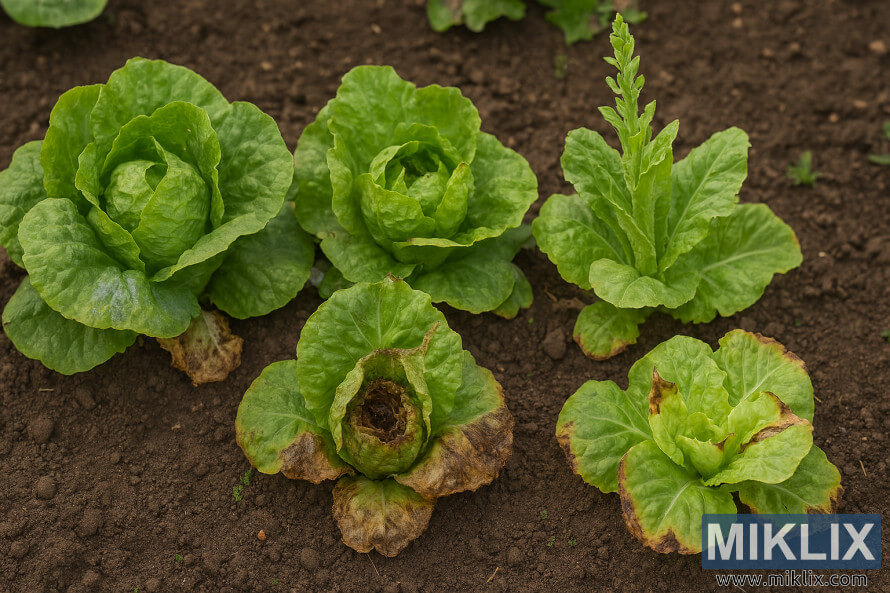
Bolting
Signs: Plant suddenly grows tall; forms flower stalk; leaves become bitter.
Solution: Plant heat-resistant varieties; provide shade; harvest before hot weather; succession plant.
Tip Burn
Signs: Brown edges on inner leaves; caused by calcium deficiency.
Solution: Maintain consistent watering; avoid high nitrogen fertilizers; harvest outer leaves regularly.
Click or tap the image for more information and higher resolutions.
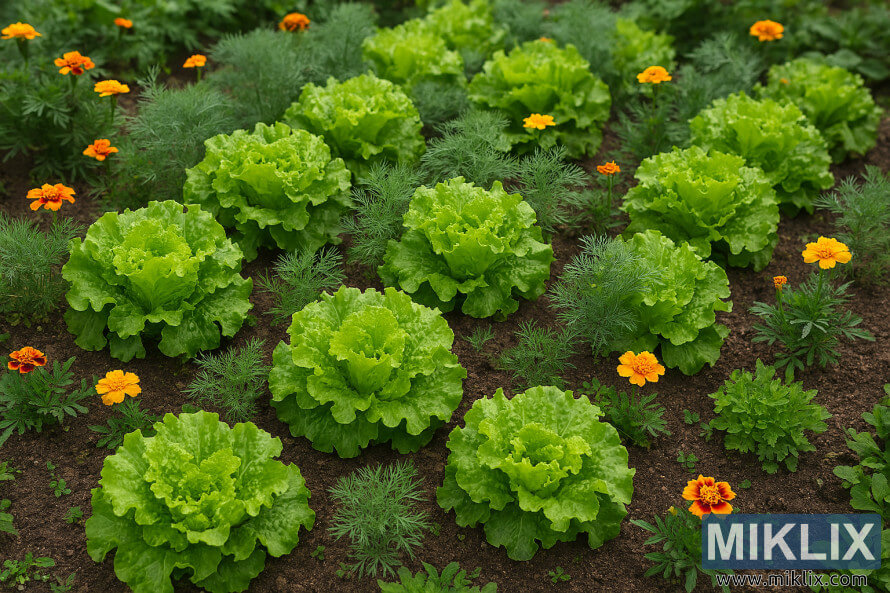
Prevention Is Key
Many lettuce problems can be prevented with good cultural practices: proper spacing for good air circulation, consistent watering, crop rotation, and keeping the garden clean of debris. Healthy plants are naturally more resistant to pests and diseases.
Click or tap the image for more information and higher resolutions.
Harvesting and Storing Lettuce
One of the greatest joys of growing lettuce is harvesting fresh leaves for immediate use. Knowing when and how to harvest will maximize your yield and extend your harvest period.
When to Harvest
Lettuce can be harvested at almost any stage of growth:
- Baby greens: Harvest when leaves are 2-3 inches tall (about 3-4 weeks after planting)
- Full-sized leaves: Harvest when leaves reach 4-6 inches (about 5-6 weeks after planting)
- Whole heads: Harvest when heads are firm for head lettuce varieties, or when plants reach full size for loose-leaf types (6-8 weeks after planting)
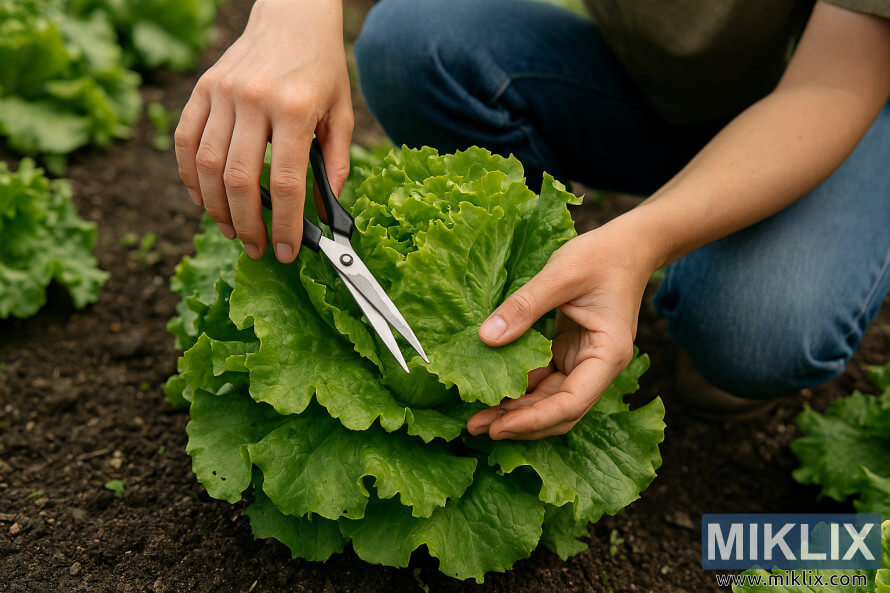
The best time to harvest lettuce is in the morning when leaves are crisp and full of moisture. Avoid harvesting in the heat of the day when leaves may be wilted.
Click or tap the image for more information and higher resolutions.
Harvesting Methods
Cut-and-Come-Again Method
For loose-leaf, butterhead, and romaine varieties, harvest the outer leaves while leaving the center to continue growing. Using clean scissors or garden shears, cut leaves about an inch above the soil line. The plant will continue producing new leaves from the center, providing multiple harvests over several weeks.
Whole Plant Harvest
For head lettuce or when plants begin to bolt, harvest the entire plant by cutting at the base just above the soil line. For crisphead varieties, wait until the head feels firm when gently squeezed. Use a sharp knife to cut the stem about an inch above the soil.
Storing Lettuce
Lettuce is best when used fresh, but proper storage can maintain its quality for several days:
- Rinse harvested leaves thoroughly in cool water to remove soil and insects.
- Dry leaves completely using a salad spinner or clean kitchen towels.
- Wrap leaves loosely in paper towels to absorb excess moisture.
- Place wrapped leaves in a perforated plastic bag or container in the refrigerator.
- Store in the crisper drawer where temperatures are consistent and humidity is higher.
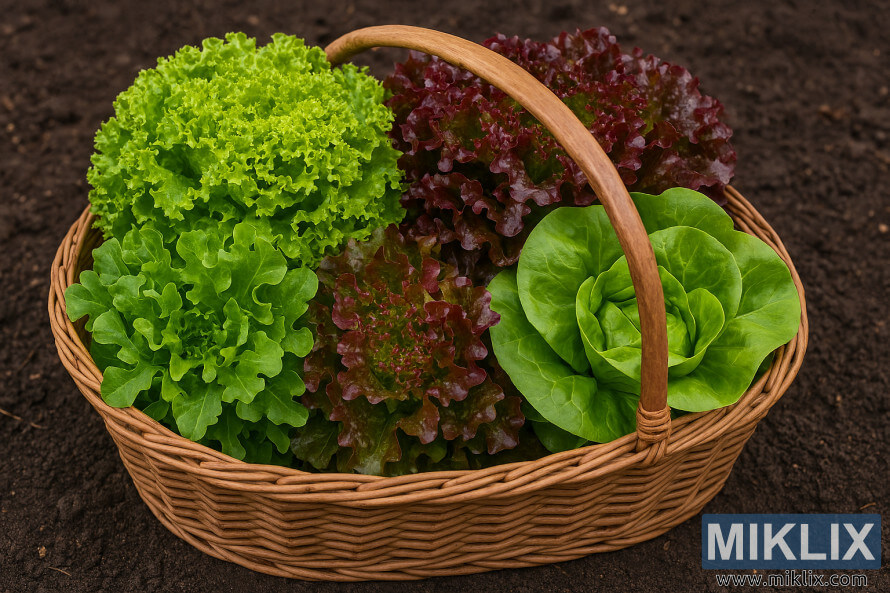
Properly stored lettuce can last 7-10 days, though the sooner you eat it, the better it will taste. Never store lettuce with fruits that produce ethylene gas (like apples or bananas), as this will cause the lettuce to deteriorate faster.
Click or tap the image for more information and higher resolutions.
Growing Lettuce in Containers
Don't have a traditional garden? No problem! Lettuce is perfect for container growing, making it accessible for apartment dwellers, those with limited space, or gardeners looking to grow lettuce close to the kitchen.
Container Selection
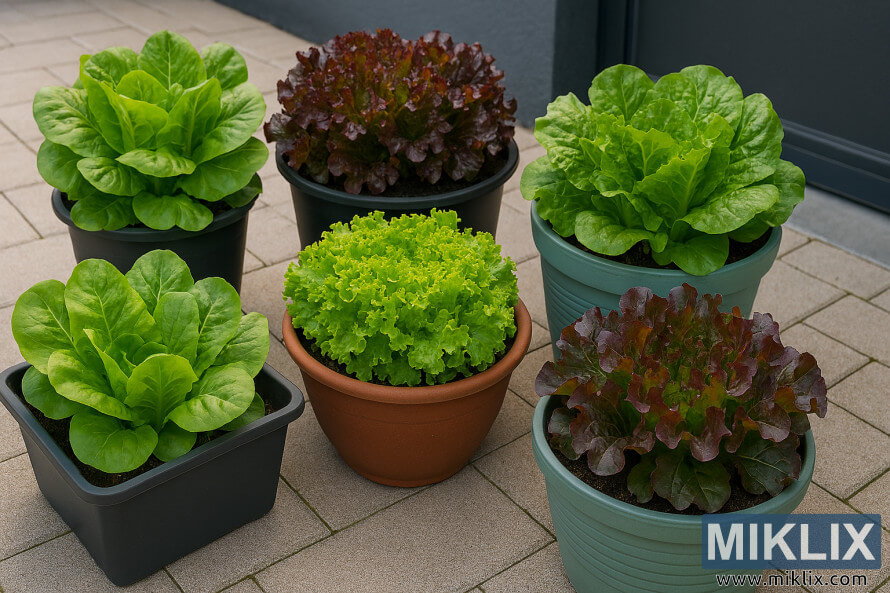
Choose containers that are at least 6-8 inches deep with drainage holes. Width depends on how many plants you want to grow—a 12-inch pot can support 3-4 lettuce plants. Options include:
- Traditional pots and planters
- Window boxes
- Grow bags
- Repurposed containers (buckets, tubs, etc.)
- Salad tables or boxes (raised containers specifically for greens)
Click or tap the image for more information and higher resolutions.
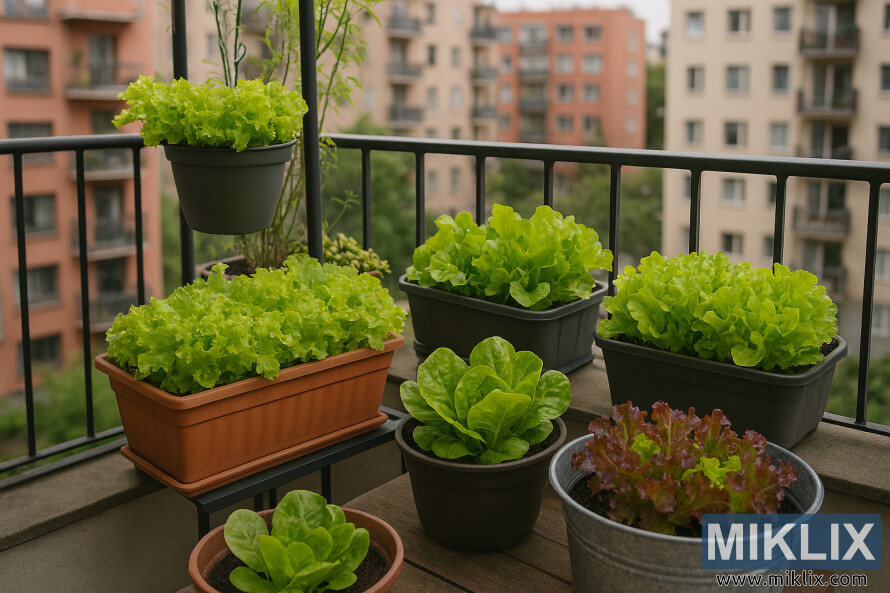
Container Growing Tips
- Use high-quality potting mix specifically formulated for containers, not garden soil.
- Add compost or slow-release organic fertilizer to the potting mix before planting.
- Check moisture levels daily—containers dry out faster than garden beds.
- Place containers where they receive 4-6 hours of sunlight, with afternoon shade in warmer regions.
- Move containers to protected areas during extreme weather (excessive heat or cold).
- Harvest using the cut-and-come-again method to maximize your yield from limited space.
Click or tap the image for more information and higher resolutions.
Growing Lettuce Indoors
With the right setup, you can grow lettuce indoors year-round, regardless of your climate or available outdoor space.
Light Requirements
The biggest challenge for indoor lettuce is providing adequate light:
- South-facing window: Can provide enough natural light if lettuce is placed within 2 feet of the window
- Grow lights: For optimal growth, use LED or fluorescent grow lights positioned 6-12 inches above plants
- Light duration: Provide 12-14 hours of light daily
Temperature and Humidity
Indoor environments are typically ideal for lettuce:
- Maintain temperatures between 60-70°F (15-21°C)
- Avoid placing containers near heating vents or radiators
- Normal indoor humidity is usually sufficient
- Ensure good air circulation to prevent disease
Indoor Growing Systems
Windowsill Gardens
The simplest approach—place containers on a sunny windowsill. Best for south-facing windows that receive at least 6 hours of direct sunlight.
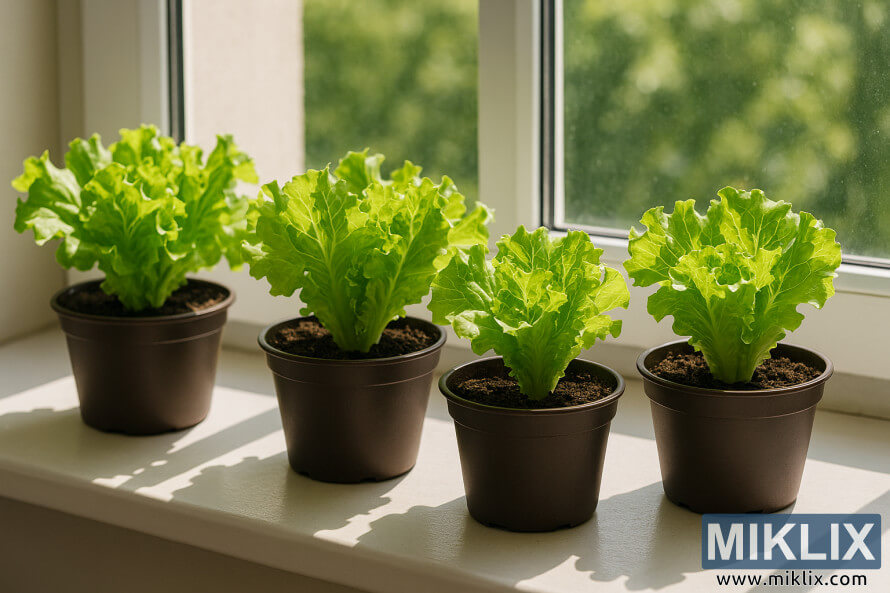
Click or tap the image for more information and higher resolutions.
Hydroponic Systems
Grow lettuce in water with added nutrients instead of soil. These systems are highly efficient and can produce lettuce faster than traditional methods.
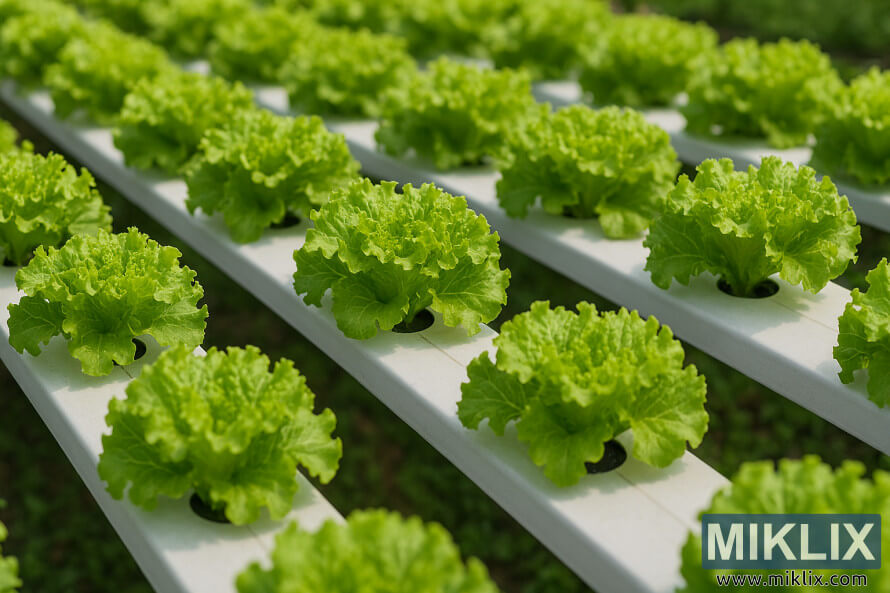
Click or tap the image for more information and higher resolutions.
Microgreens
Grow lettuce as microgreens by densely sowing seeds and harvesting when the first true leaves appear. Quick and highly nutritious.
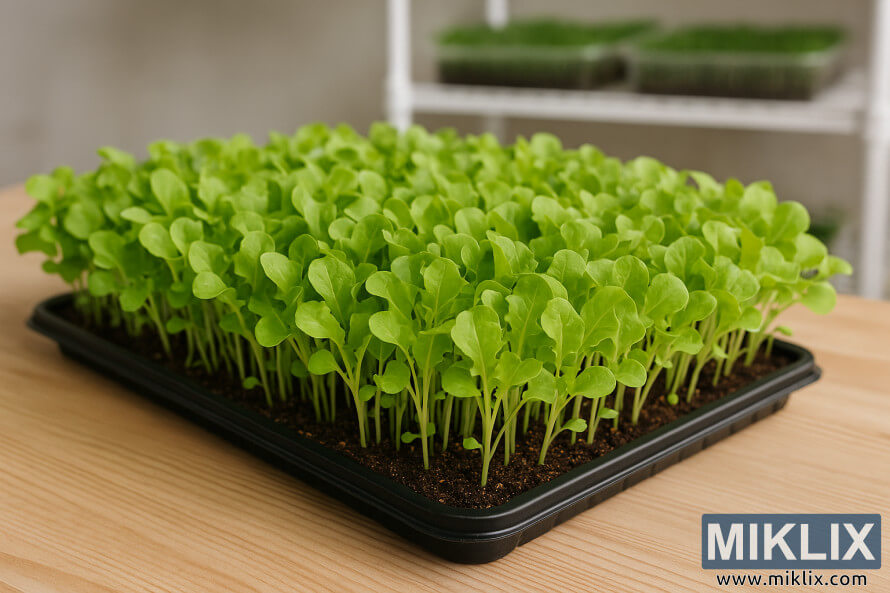
Click or tap the image for more information and higher resolutions.
Indoor Growing Tips
Choose compact varieties like Tom Thumb or Little Gem for indoor growing. Loose-leaf varieties also work well. Water carefully to avoid overwatering, which is a common issue with indoor plants. Use a spray bottle for gentle watering of seedlings.
Companion Planting with Lettuce
Companion planting can enhance your lettuce garden by deterring pests, maximizing space, and creating a more balanced garden ecosystem.
Good Companions for Lettuce
- Onions, Garlic, Chives: Repel aphids and other insects that feed on lettuce
- Carrots: Grow well alongside lettuce without competing for nutrients
- Radishes: Mature quickly and can mark rows of slower-growing lettuce
- Strawberries: Provide ground cover and share similar growing conditions
- Cucumbers: Provide shade for lettuce as temperatures warm
- Tall plants: Corn, pole beans, and tomatoes can provide afternoon shade
- Herbs: Dill, cilantro, and mint can confuse pests with their strong scents
- Marigolds: Repel many garden pests and add color to the garden
Plants to Avoid Near Lettuce
- Broccoli, Cabbage, Cauliflower: These brassicas can stunt lettuce growth
- Sunflowers: Release compounds that can inhibit lettuce growth
- Fennel: Releases compounds that inhibit growth of many plants
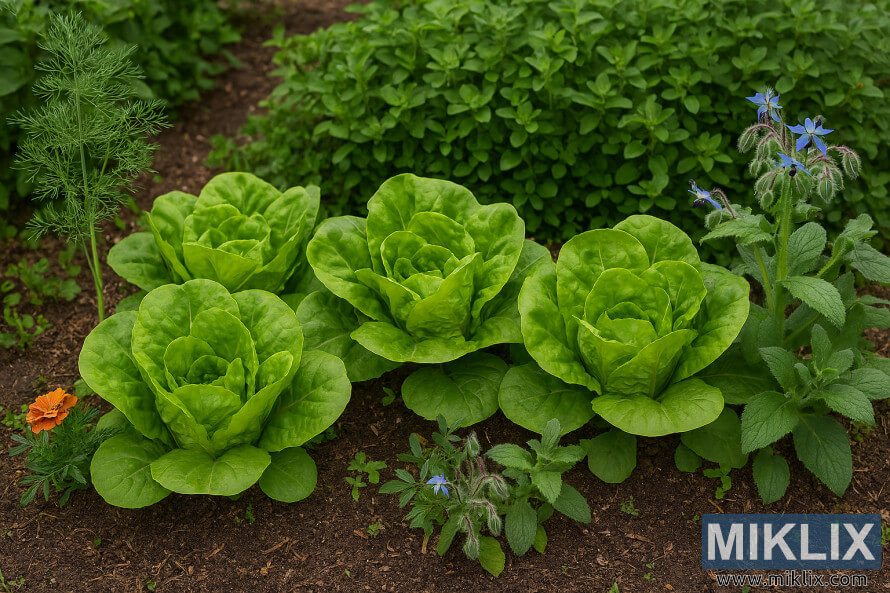
Click or tap the image for more information and higher resolutions.
Companion Planting Strategies
Intercropping
Plant fast-growing lettuce between slower-growing vegetables to maximize space. By the time the slower crops need more room, the lettuce will be harvested.
Border Planting
Plant lettuce around the edges of beds with taller plants. This utilizes space efficiently and provides some shade for the lettuce as temperatures rise.
Succession Planting
After harvesting early spring crops like radishes or peas, plant lettuce in their place. Similarly, plant fall lettuce where summer crops like beans or corn were growing.
Growing Lettuce Year-Round
With some planning and the right techniques, you can enjoy fresh lettuce from your garden nearly year-round in many climates.
Season Extension Techniques
Extend your growing season with these protective measures:
- Row covers: Lightweight fabric that protects from light frost and insects
- Cold frames: Bottomless boxes with transparent tops that create a microclimate
- Hoop houses: Plastic-covered structures that work like miniature greenhouses
- Shade cloth: Protects lettuce from excessive heat in summer
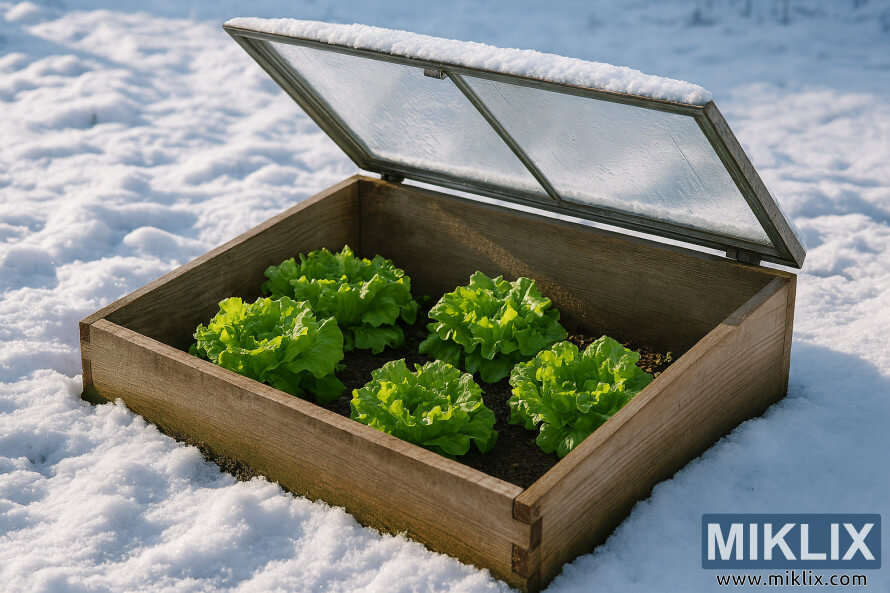
Click or tap the image for more information and higher resolutions.
Succession Planting Schedule
Plant small amounts every 7-14 days for continuous harvest:
- Early spring: Start with cold-tolerant varieties
- Late spring: Plant heat-resistant varieties
- Summer: Focus on shade and heat-tolerant varieties
- Fall: Return to cold-tolerant varieties
- Winter: Use protection methods for cold-hardy varieties
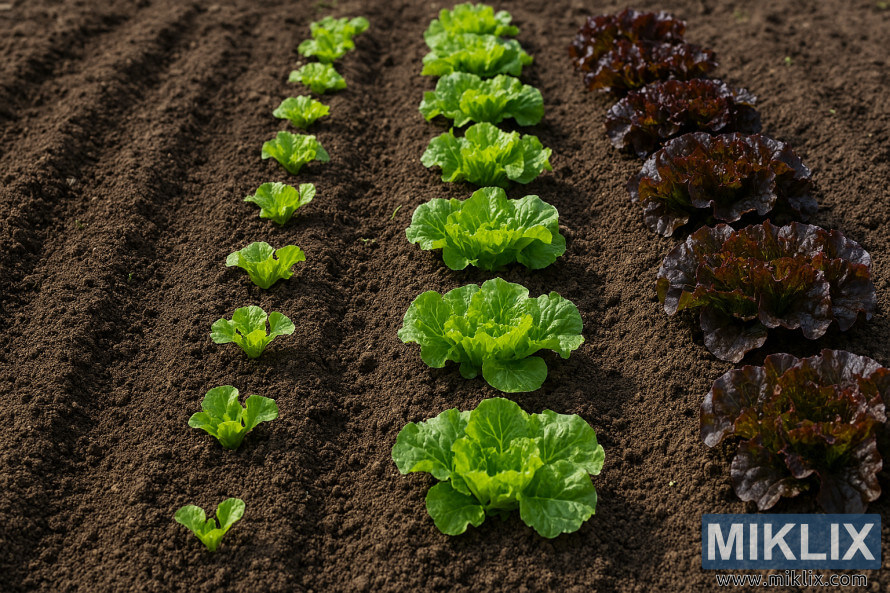
Click or tap the image for more information and higher resolutions.
Variety Selection by Season
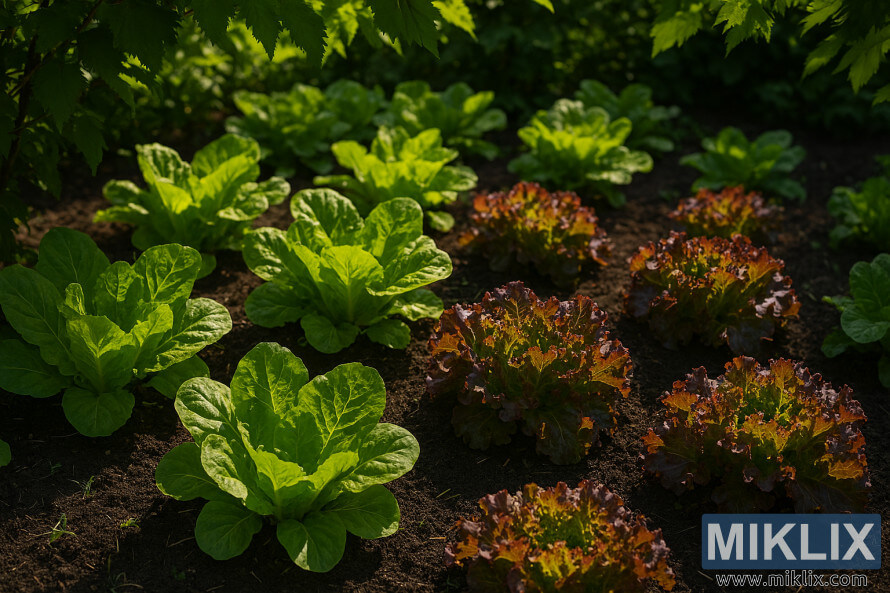
Choose appropriate varieties for each season:
- Cold-tolerant: Winter Density, Arctic King, Winter Marvel
- Heat-resistant: Nevada, Jericho, Summer Crisp, Cherokee
- Fast-maturing: Black Seeded Simpson, Salad Bowl, Tom Thumb
- Slow-bolting: Muir, Nevada, Jericho, Red Sails
Click or tap the image for more information and higher resolutions.
Saving Lettuce Seeds
Saving your own lettuce seeds is easy and economical. It also allows you to select and propagate the varieties that perform best in your specific growing conditions.
How to Save Lettuce Seeds
- Select healthy, vigorous plants with characteristics you want to preserve.
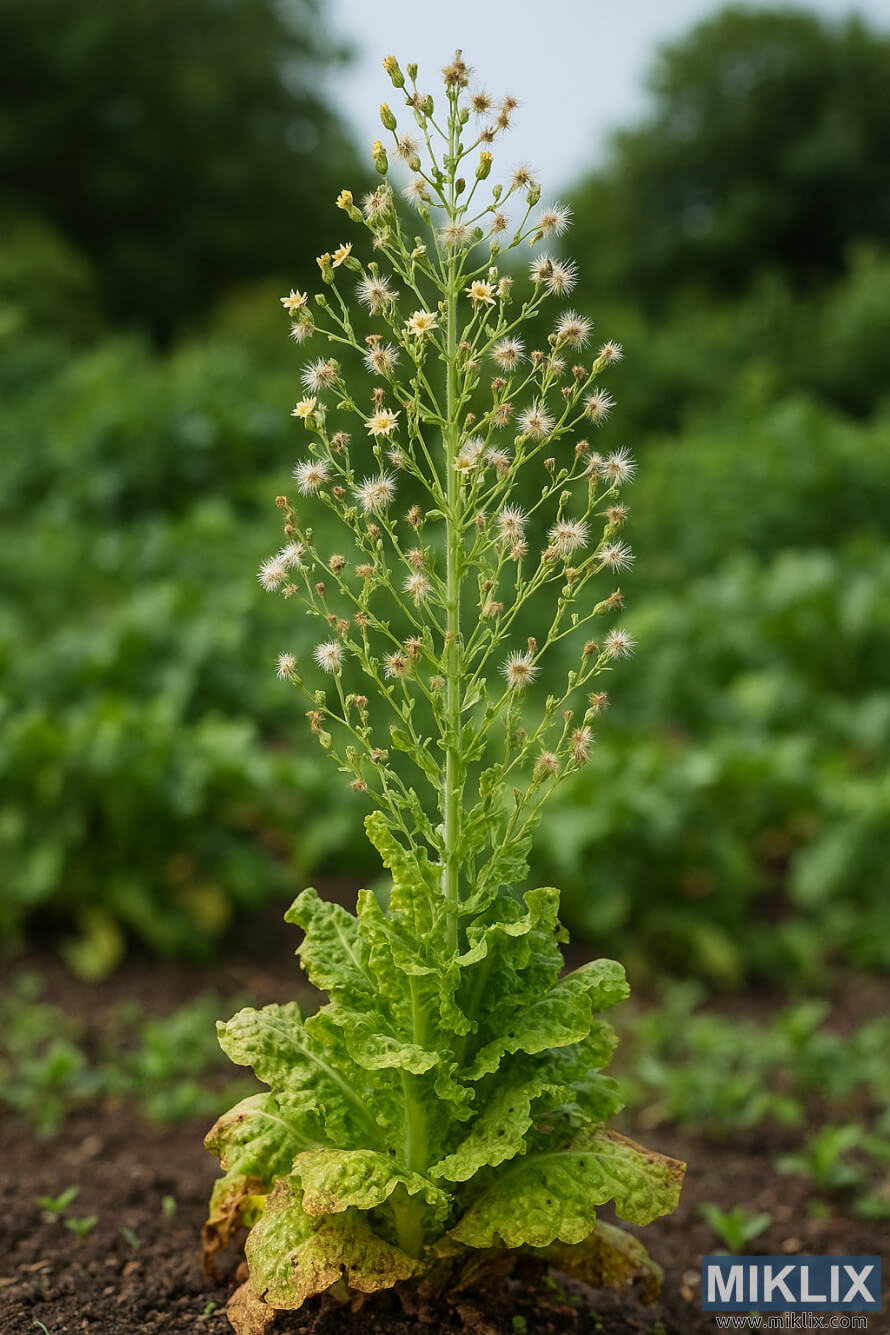
- Allow the plants to bolt (send up a seed stalk) and flower.
- The small yellow flowers will eventually develop into fluffy seed heads similar to dandelions.
- When seed heads are dry and fluffy, carefully cut the stalks and place them in a paper bag.
- Shake the bag to release the seeds, then separate the seeds from the chaff.
- Store seeds in a cool, dry place in labeled paper envelopes or glass jars.
Important Seed-Saving Tips
Lettuce is primarily self-pollinating, so varieties will generally remain true to type. However, cross-pollination can occur if different varieties are flowering simultaneously within about 10-12 feet of each other. For pure seed saving, either grow only one variety at a time or separate varieties by at least 25 feet.
Properly stored lettuce seeds remain viable for 3-5 years, though germination rates may decline over time.
Click or tap the image for more information and higher resolutions.
Frequently Asked Questions About Growing Lettuce
Why does my lettuce taste bitter?
Bitterness in lettuce is usually caused by heat stress or the plant beginning to bolt (produce a seed stalk). Lettuce naturally becomes bitter as it prepares to flower. To prevent bitterness:
- Harvest lettuce before hot weather arrives
- Provide shade during hot periods
- Choose heat-resistant varieties for warm-season planting
- Ensure consistent watering
- Harvest in the morning when leaves are sweetest
Can I grow lettuce in the shade?
Yes! Lettuce is one of the few vegetables that can thrive in partial shade. In fact, some afternoon shade is beneficial, especially in warmer climates or during summer. Lettuce needs a minimum of 3-4 hours of sunlight daily, but beyond that, partial shade can actually help prevent bolting and keep leaves tender and sweet.
How do I prevent my lettuce from bolting?
Bolting is triggered primarily by heat and longer day length. To delay bolting:
- Plant bolt-resistant varieties
- Provide afternoon shade during warm weather
- Maintain consistent soil moisture
- Mulch to keep soil cool
- Plant early in spring or late in summer for cooler growing conditions
- Harvest outer leaves regularly to reduce stress on the plant
Can I regrow lettuce from kitchen scraps?
Yes, you can regrow lettuce from the base of a head. After using the leaves, place the bottom 1-inch portion with roots attached in a shallow dish of water. Place in a sunny location and change the water every 1-2 days. New leaves will sprout from the center within a week.
This method works best with romaine and butterhead varieties. The regrown lettuce won't be as full as the original plant, but it's a fun way to get a few extra leaves. For a more substantial harvest, you can transplant the regrown base into soil once roots develop.
How do I keep slugs away from my lettuce?
Slugs are one of the most common lettuce pests. Here are effective organic control methods:
- Create barriers with diatomaceous earth, copper tape, or crushed eggshells
- Set up beer traps (shallow dishes of beer sunk into the soil)
- Hand pick slugs in the evening or early morning
- Water in the morning so soil is drier at night when slugs are active
- Use raised beds, which warm up faster and dry out quicker
- Encourage natural predators like birds, toads, and beneficial insects
Conclusion: Enjoy Your Homegrown Lettuce
Growing your own lettuce is one of the most rewarding experiences in gardening. From the excitement of seeing the first tiny seedlings emerge to the satisfaction of harvesting fresh, crisp leaves for your table, lettuce offers quick gratification and delicious results.
Remember that gardening is a journey of continuous learning. Don't be discouraged by occasional failures—they're valuable lessons that will make you a better gardener. Start small, experiment with different varieties, and most importantly, enjoy the process.
With the techniques and tips in this guide, you're well-equipped to grow beautiful, nutritious lettuce in your own garden, whether you have acres of land or just a sunny windowsill. Your reward will be the unmatched flavor and satisfaction of homegrown lettuce that connects you to the timeless joy of growing your own food.

Click or tap the image for more information and higher resolutions.
Further Reading
If you enjoyed this post, you may also like these suggestions:
- A Guide to Growing Wheatgrass at Home
- Growing Shallots: Your Complete Guide to a Bountiful Harvest
- The Complete Guide to Growing Okra in Your Home Garden