
Growing Licorice: Complete Guide to Cultivating This Remarkable Herb at Home
Published: March 14, 2026 at 10:02:10 PM UTC
Growing licorice in your home garden opens doors to centuries of herbal tradition. This remarkable plant offers sweet roots that people have valued for thousands of years. Many gardeners feel intimidated by perennial herbs, but licorice cultivation rewards patience with extraordinary benefits.
Click or tap the image for more information and higher resolutions.
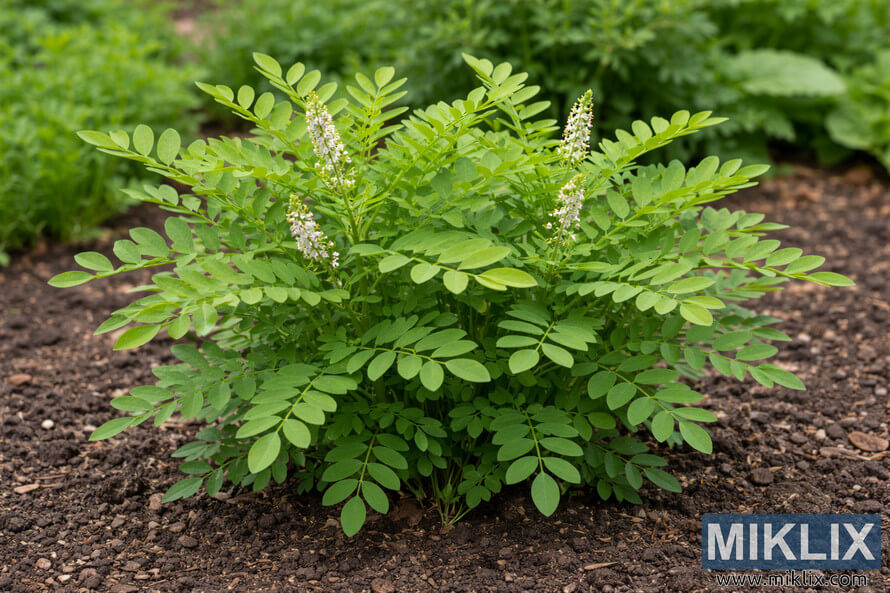
Licorice plants thrive in various climates across the United States. Home gardeners discover that Glycyrrhiza glabra brings beauty and function to their herb collection. The journey from seed to harvest takes time, yet each season brings new growth and learning opportunities.
This comprehensive guide walks you through every step of growing licorice successfully. You'll learn practical tips for planting, care, harvest, and use of your homegrown roots.
Understanding Licorice: The Sweet Root Plant
Licorice belongs to the legume family and grows as a hardy perennial herb. The plant develops deep root systems that produce the characteristic sweet flavor. Glycyrrhiza glabra stands as the most common species for cultivation and medicinal uses.
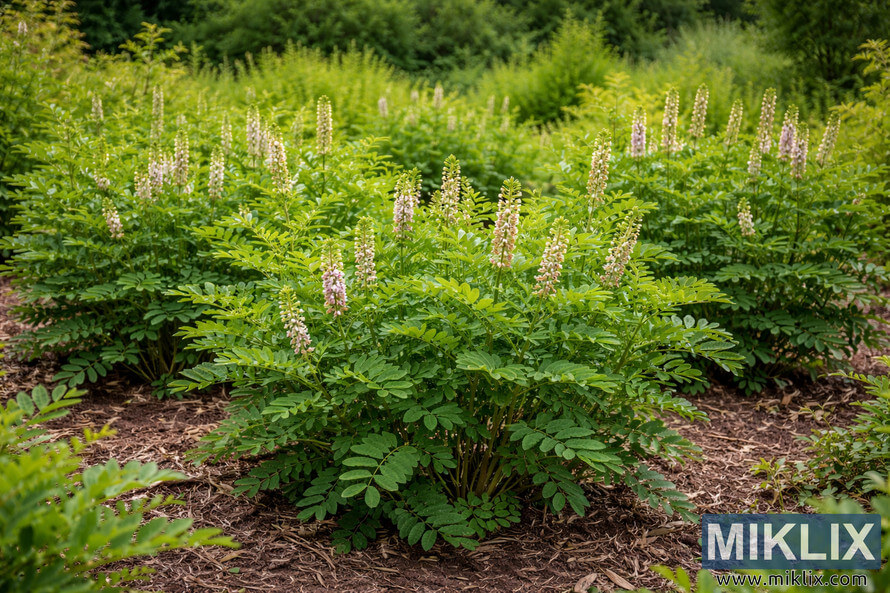
The plant features compound leaves with oval leaflets arranged along stems. During summer months, licorice produces purple-blue flowers that add ornamental value to your garden. These flowers eventually develop into seed pods similar to other legume plants.
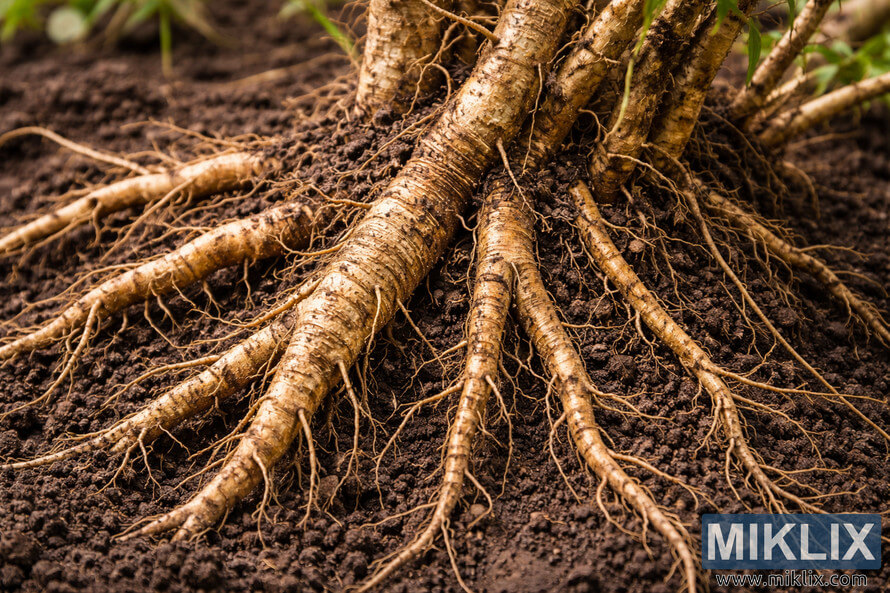
Understanding the plant's characteristics helps you provide proper care. Licorice roots contain glycyrrhizin, which tastes fifty times sweeter than sugar. This compound gives the root its distinctive flavor and medicinal benefits.
Click or tap the image for more information and higher resolutions.
Native Origins and Growing Regions
Licorice originated in Mediterranean regions and parts of Asia. The herb adapted to various climates over centuries of cultivation. Today, gardeners across different zones successfully grow licorice with proper location selection.
The plant prefers areas with warm summers and mild winters. USDA hardiness zones six through nine provide ideal conditions for growing licorice. However, gardeners in other zones can cultivate this herb with winter protection or container growing methods.
Key Plant Characteristics
Growth Pattern
Licorice plants reach heights of three to five feet at maturity. The spreading root system extends deep into soil, sometimes reaching three feet down.
- Vertical stems with alternate leaves
- Deep taproot with lateral runners
- Slow establishment in first year
- Vigorous growth after second season
Seasonal Behavior
Understanding seasonal changes helps you plan care activities throughout the growing season. The plant follows predictable patterns each year.
- Spring emergence from dormant roots
- Summer flowering period
- Fall seed pod development
- Winter dormancy in cold regions
Root Development
The root system represents the most valuable part of growing licorice. Roots develop slowly but create substantial underground networks over time.
- First year focuses on establishment
- Second year shows moderate growth
- Third year produces harvestable roots
- Fourth year offers optimal harvest size
Lifespan and Productivity
Licorice plants live for many years when properly maintained. The perennial nature allows ongoing harvests from established plants.
- Plants live ten years or longer
- Partial harvests every few years
- Continuous root regeneration
- Self-propagation through root division
Perfect Climate and Growing Conditions for Licorice
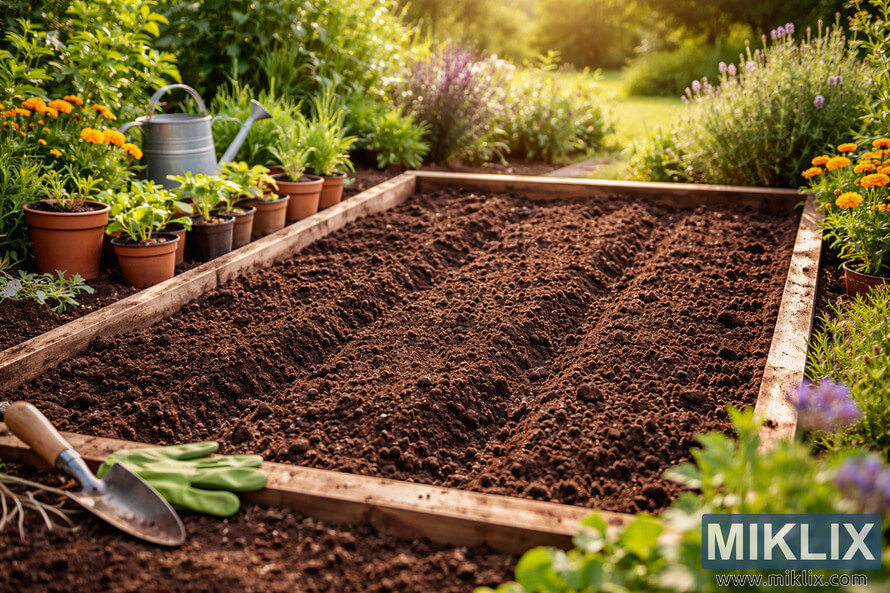
Creating optimal growing conditions ensures healthy licorice plants and productive root development. The right location and soil preparation make significant differences in plant success. Consider these essential factors before planting.
Click or tap the image for more information and higher resolutions.
Temperature Requirements
Licorice plants tolerate various temperature ranges but perform best in specific conditions. The herb enjoys warm growing seasons with consistent temperatures. Summer heat encourages vigorous growth and root expansion.
Plants handle light frosts once established. However, young seedlings need protection from freezing temperatures. In colder zones, mulching provides winter protection for root systems.
Sunlight Needs
Full sun exposure produces the strongest plants and sweetest roots. Licorice requires at least six hours of direct sunlight daily. Plants grown in partial shade develop more slowly and produce smaller root systems.
Southern-facing locations work best in northern gardens. Western exposure suits warmer regions where afternoon shade prevents stress. Observe your garden's light patterns before choosing a planting location.
Soil Requirements
Soil quality directly impacts root development and plant health. Licorice prefers deep, fertile soil with excellent drainage. Heavy clay soils cause root rot and stunted growth.
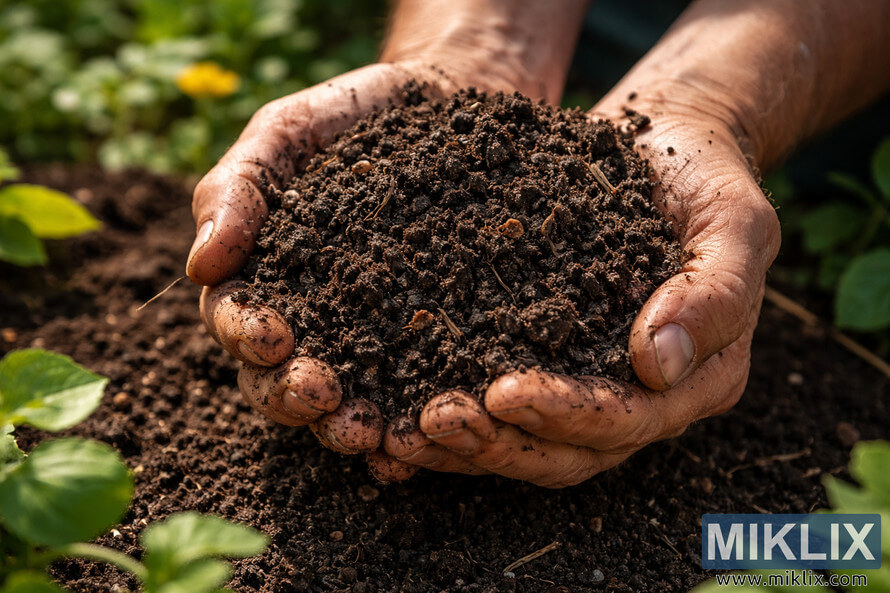
The ideal soil mixture combines loam with organic matter. Sand improves drainage in heavier soils. Compost adds nutrients and enhances soil structure for optimal root penetration.
Test soil pH before planting. Licorice grows best in slightly acidic to neutral conditions. Target a pH range between 6.0 and 7.5 for optimal nutrient availability.
Click or tap the image for more information and higher resolutions.
Tip: Amend clay-heavy soil with sand and compost months before planting. This preparation time allows soil components to integrate and settle properly.
Water Considerations
Consistent moisture supports healthy growth without waterlogging roots. Licorice plants need regular water during establishment and active growth periods. Mature plants tolerate short dry spells but produce better with even moisture.
Good drainage prevents water-related problems. Raised beds work well in areas with poor natural drainage. Avoid planting in low spots where water collects after rain.
Step-by-Step Guide to Planting Licorice
Proper planting techniques establish strong foundations for growing licorice successfully. Spring provides the best time for starting new plants. Follow these detailed steps to give your licorice the best start possible.
Starting from Seeds
Seeds offer an economical way to grow licorice, though germination requires patience. Licorice seeds have hard coats that benefit from scarification. This process improves germination rates significantly.
Soak seeds in warm water for twenty-four hours before planting. This softens seed coats and triggers germination processes. Plant seeds one-quarter inch deep in seed-starting mix.
- Fill seed trays with sterile seed-starting medium
- Plant pre-soaked seeds at proper depth
- Maintain consistent soil moisture without oversaturation
- Provide warmth between seventy and seventy-five degrees
- Expect germination within two to three weeks
- Transplant seedlings after true leaves develop
Planting Root Divisions
- Root divisions provide faster results than seeds. This method produces plants identical to the parent. Many gardeners prefer divisions for reliable, predictable growth.
- Purchase quality root divisions from reputable suppliers. Look for firm, healthy roots with visible growth buds. Avoid dried or mushy root pieces that show signs of damage.
- Select root pieces four to six inches long
- Ensure each division contains at least one growth bud
- Dig planting holes twelve inches deep
- Space plants eighteen to twenty-four inches apart
- Place root divisions horizontally in holes
- Cover with three inches of soil initially
- Water thoroughly to settle soil around roots
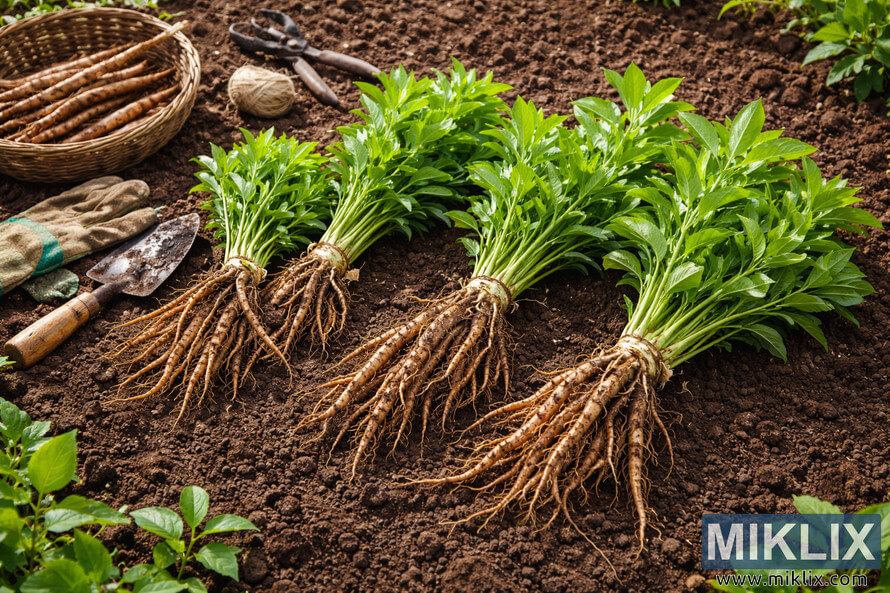
Click or tap the image for more information and higher resolutions.
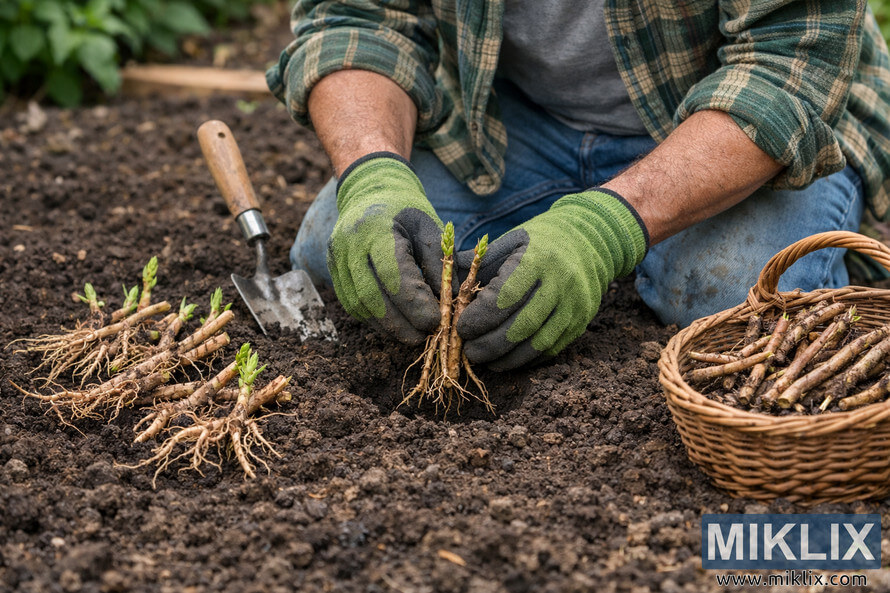
Click or tap the image for more information and higher resolutions.
Timing Your Planting
- Spring planting allows maximum growing time before winter. Plant after the last frost date in your location. Soil temperatures should reach at least fifty degrees for best results.
- Fall planting works in mild climates with extended growing seasons. This timing lets roots establish before winter dormancy. Add extra mulch protection for fall-planted licorice.
Seed Starting Supplies
Quality seed-starting materials improve germination success. Sterile medium prevents damping-off disease. Proper containers support healthy root development.
- Seed starting trays with drainage
- Sterile seed-starting mix
- Heat mat for consistent warmth
- Clear dome for humidity control
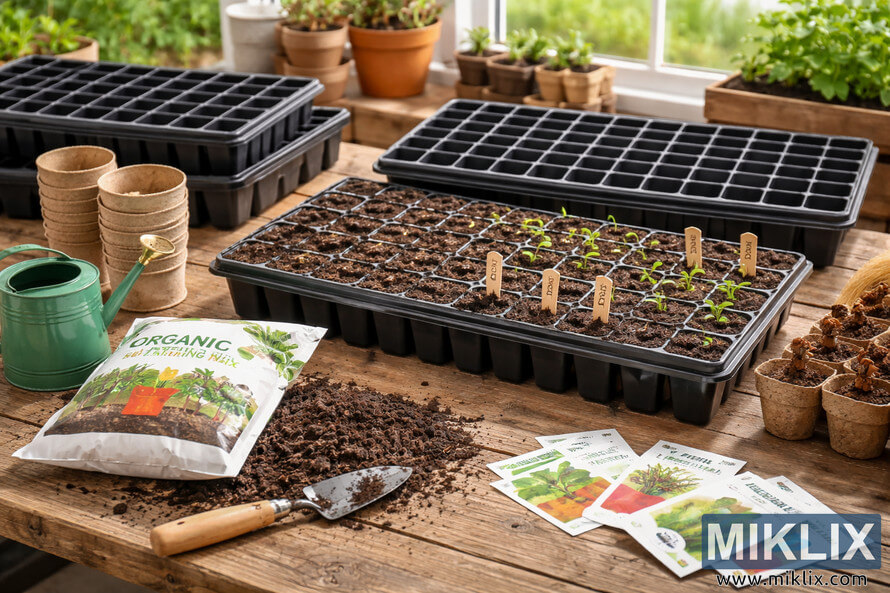
Click or tap the image for more information and higher resolutions.
Root Division Sources
Obtaining quality root divisions ensures strong plant establishment. Reputable suppliers provide disease-free, viable roots. Organic options support chemical-free gardening.
- Certified organic root stock
- Disease-free guarantee
- Fresh spring shipment timing
- Growing instruction included
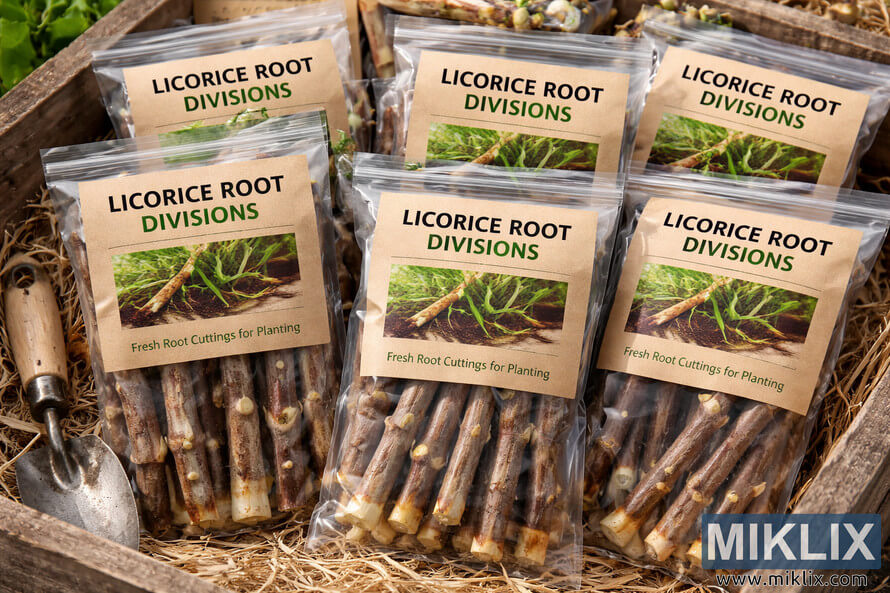
Click or tap the image for more information and higher resolutions.
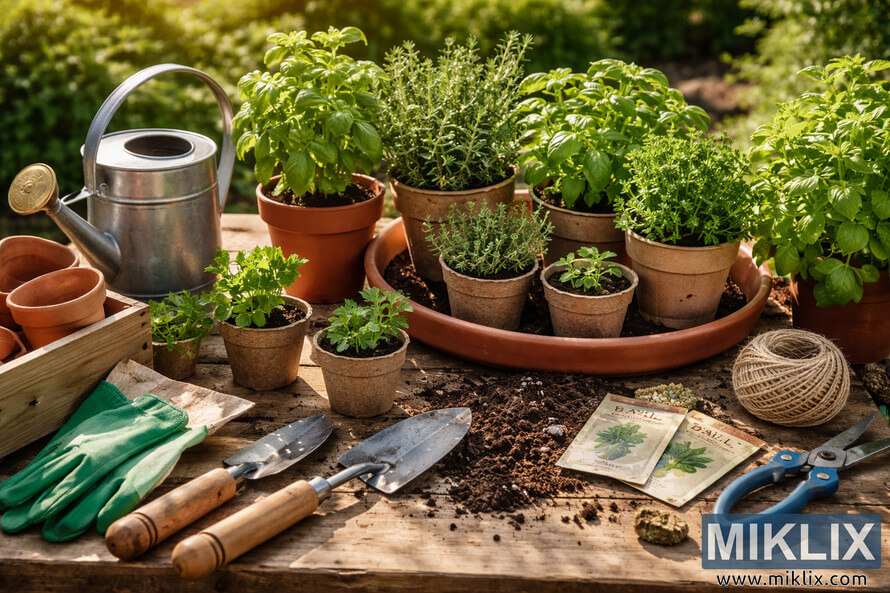
Planting Tools Kit
Proper tools simplify planting tasks and protect plant materials. Ergonomic designs reduce fatigue during garden work. Durable construction ensures years of reliable use.
- Transplanting trowel with measurements
- Soil knife for root division
- Garden fork for soil preparation
- Quality gardening gloves
Click or tap the image for more information and higher resolutions.
Essential Care and Maintenance for Growing Licorice
Consistent care throughout the growing season supports healthy plant development. Licorice plants need attention to watering, feeding, and general maintenance. These practices ensure robust growth and productive root systems.
Watering Schedule and Techniques
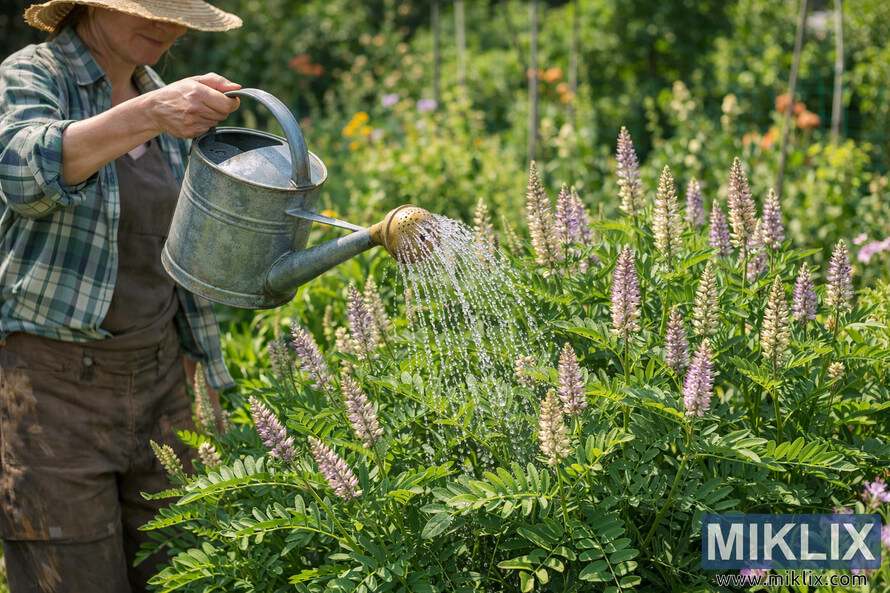
Proper watering balances moisture needs with drainage requirements. New plants need more frequent watering during establishment. Water deeply rather than frequently to encourage deep root growth.
Check soil moisture before watering. Insert your finger two inches into soil near plants. Water when soil feels dry at this depth. Avoid creating constantly soggy conditions that promote root problems.
Summer heat increases water needs significantly. Plants may require watering two to three times weekly during hot periods. Morning watering reduces
disease risk and ensures plants have moisture for the day ahead.
Click or tap the image for more information and higher resolutions.
Fertilizing for Optimal Growth
Licorice plants benefit from moderate fertilization during the growing season. Excessive nitrogen produces leafy growth at the expense of root development. Balanced nutrition supports both foliage and root systems.
Apply compost in spring as plants emerge from dormancy. This provides slow-release nutrients throughout the season. Supplement with balanced organic fertilizer mid-season if growth seems slow.
Fertilizer Recommendation: Use a 5-10-10 formula that emphasizes phosphorus and potassium. These nutrients support strong root development and overall plant health.
Mulching Benefits
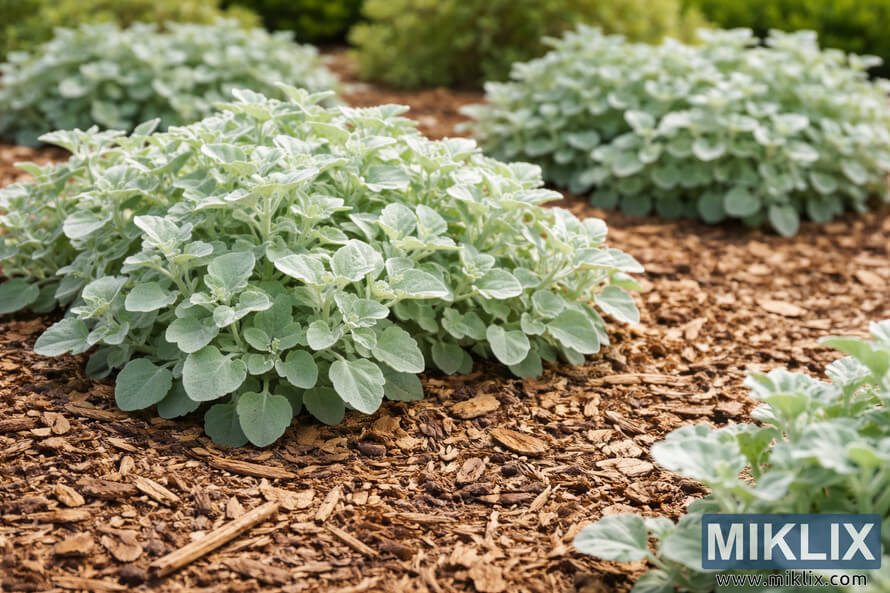
Mulch provides multiple benefits for growing licorice successfully. A two to three inch layer conserves soil moisture and regulates temperature. Organic mulches break down gradually, enriching soil over time.
Apply mulch after soil warms in spring. Keep mulch away from plant stems to prevent rot issues. Refresh mulch annually to maintain effective coverage.
Click or tap the image for more information and higher resolutions.
Weed Management
Weeds compete with licorice for nutrients and water. Keep planting areas weed-free, especially during the first two years. Young plants establish more successfully without weed competition.
Hand-pull weeds carefully around licorice plants. Shallow cultivation avoids damaging surface roots. Mulch reduces weed pressure naturally by blocking light from weed seeds.
Pest and Disease Management
Licorice plants generally resist serious pest and disease problems. Healthy plants grown in proper conditions rarely experience issues. Prevention through good cultural practices works better than treating problems after they appear.
Watch for aphids on new growth during spring. These small insects cluster on tender stems and leaves. Strong water spray dislodges light infestations. Insecticidal soap controls heavier populations.
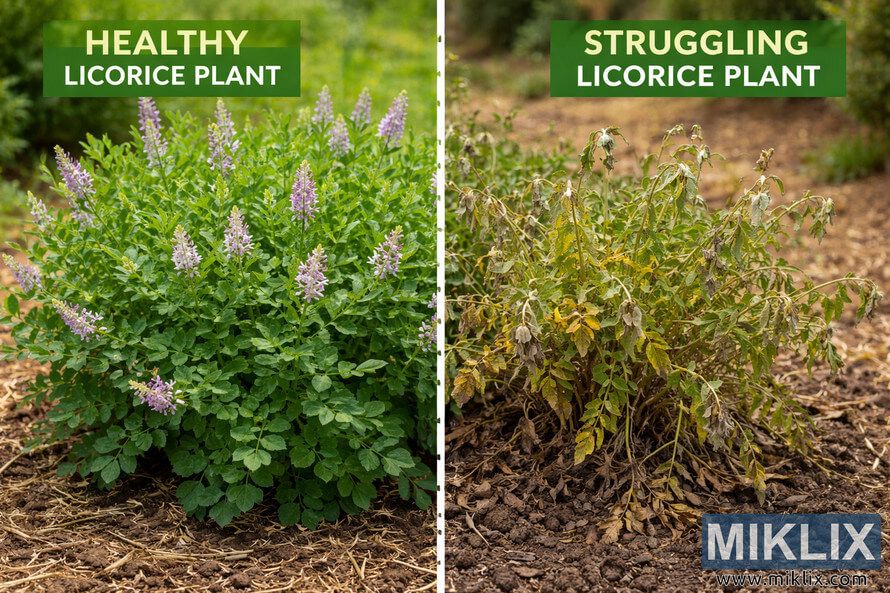
Root rot develops in poorly drained soil. Ensure proper drainage before planting to prevent this problem. Yellowing leaves and stunted growth indicate drainage issues that need addressing.
Important: Avoid overhead watering late in the day. Wet foliage overnight encourages fungal diseases. Water at the soil level when possible.
Harvesting Licorice Roots: Timing and Techniques
Patience rewards licorice growers with substantial root harvests. The waiting period allows roots to develop size and sweetness. Understanding proper harvest timing and methods protects your investment of time and effort.
Click or tap the image for more information and higher resolutions.
When to Harvest
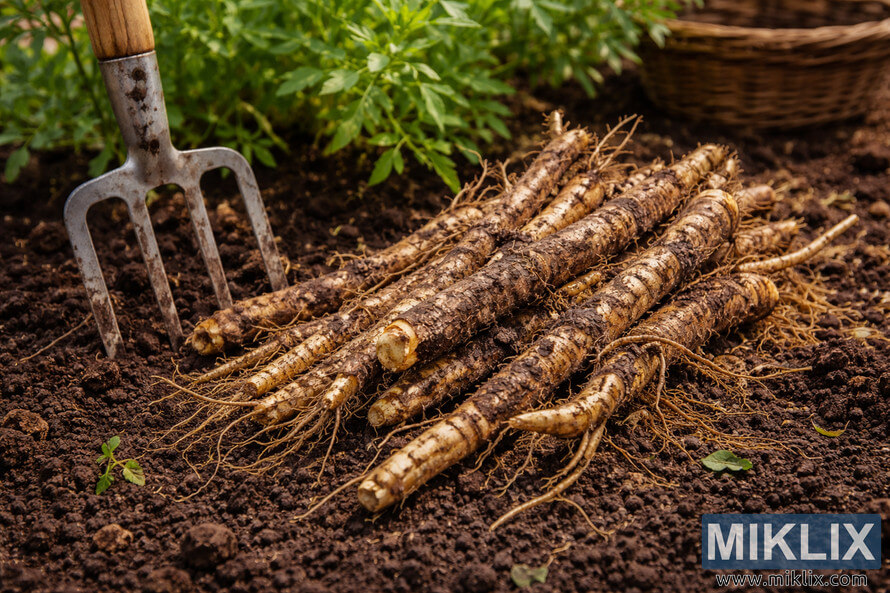
Licorice roots require three to four years of growth before first harvest. This maturation period develops the characteristic flavor and medicinal compounds. Younger roots lack the sweetness and potency of mature specimens.
Fall provides the ideal harvest time after plants enter dormancy. Wait until foliage dies back naturally. This signals that plants have moved energy into root storage for winter.
Year three allows limited harvesting of side roots. Leave the main taproot and some lateral roots for continued plant growth. Year four and beyond permit more extensive harvests.
Harvest Methods
Careful digging prevents root damage and allows partial harvests. Use a garden fork rather than a spade to reduce cutting. Work around plants in a circle, loosening soil gradually.
- Cut back dead foliage to ground level
- Mark plant locations before digging
- Loosen soil in a wide circle around plants
- Lift roots carefully with garden fork
- Select mature lateral roots for harvest
- Replant main root with some laterals attached
- Water replanted sections thoroughly
Post-Harvest Root Care
- Proper handling after harvest preserves root quality. Clean roots promptly to remove soil and debris. Gentle washing prevents damage to outer layers that contain beneficial compounds.
- Brush off loose soil before washing. Rinse roots under cool running water. Trim away any damaged or diseased sections. Pat roots dry with clean towels.
Click or tap the image for more information and higher resolutions.
Curing and Storing Your Licorice Harvest
Proper curing concentrates flavors and prepares roots for long-term storage. This process removes excess moisture that would cause spoilage. Dried roots maintain quality for years when stored correctly.
Drying Process
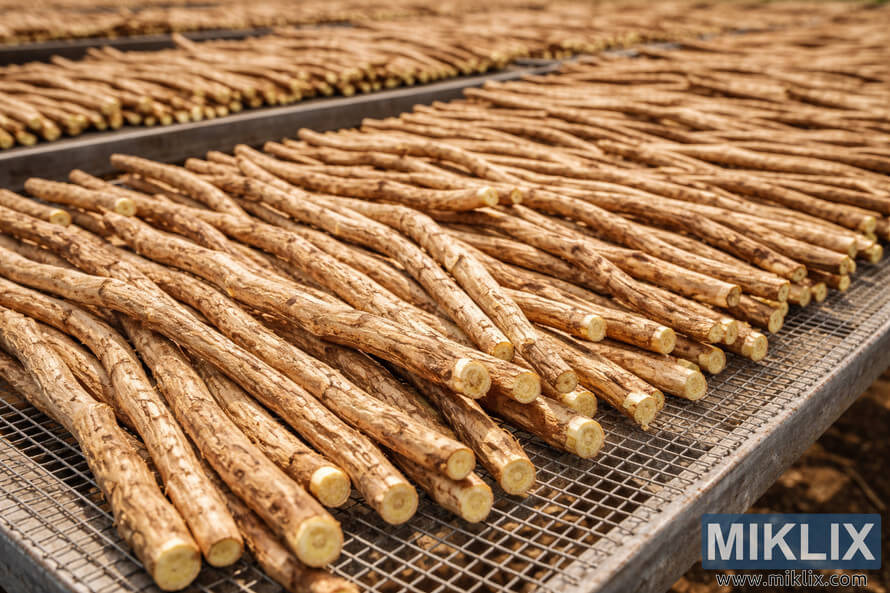
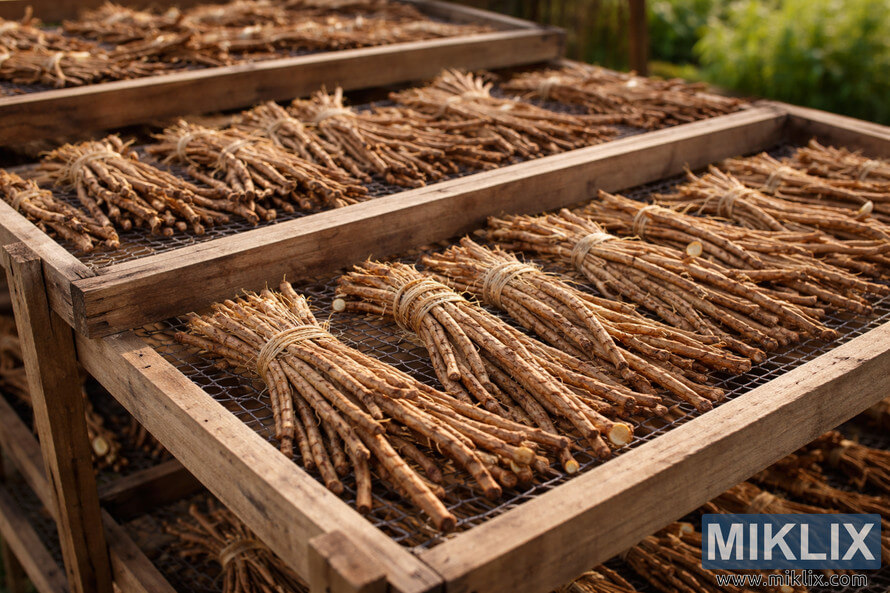
Slow air drying produces the best results for licorice roots. Quick drying methods can damage beneficial compounds. Allow several weeks for complete moisture removal.
Cut large roots into smaller pieces for faster, more even drying. Slice roots lengthwise or into rounds depending on intended use. Uniform sizing ensures consistent drying throughout the batch.
Choose a warm, dry location with good air circulation. Avoid direct sunlight that degrades compounds. Basements, attics, or spare rooms work well if they stay warm and dry.
- Arrange roots in single layers on drying racks
- Ensure space between pieces for air circulation
- Turn roots every few days for even drying
- Check progress after two weeks
- Test dryness by attempting to snap roots
- Fully dried roots snap cleanly rather than bend
Click or tap the image for more information and higher resolutions.
Storage Methods
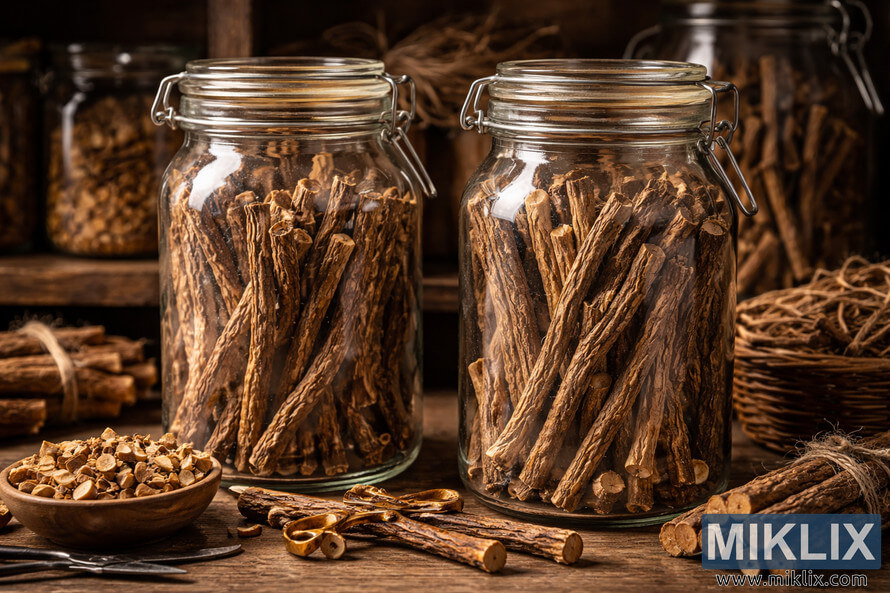
- Proper storage maintains root quality for extended periods. Dried licorice roots keep for two to three years in ideal conditions. Protect roots from moisture, light, and temperature fluctuations.
- Store whole dried roots in airtight containers. Glass jars with tight-fitting lids work excellently. Keep containers in cool, dark locations away from heat sources.
- Label containers with harvest date and any variety information. This tracking helps you use older stock first. Regular quality checks ensure roots remain in good condition.
Storage Container Options
- Glass jars with rubber gasket lids
- Food-grade plastic containers with airtight seals
- Vacuum-sealed bags for long-term storage
- Dark glass preserves light-sensitive compounds
Click or tap the image for more information and higher resolutions.
Common Mistakes to Avoid When Growing Licorice
Learning from common errors saves time and improves success rates. Many problems stem from improper site selection or care practices. Awareness helps you avoid these pitfalls in your garden.
Click or tap the image for more information and higher resolutions.
Site Selection Errors
Planting in unsuitable locations creates ongoing challenges. Poor drainage tops the list of site-related problems. Heavy, waterlogged soil causes root rot and plant death.
Insufficient sunlight produces weak, spindly plants with poor root development. Shade-grown licorice rarely produces harvestable roots. Choose locations receiving full sun for best results.
Watering Problems
Both overwatering and underwatering stress plants unnecessarily. Excessive water suffocates roots and encourages disease. Insufficient water during establishment prevents proper root development.
Inconsistent watering creates additional stress. Plants perform better with regular moisture rather than drought followed by flooding. Establish a consistent watering routine based on weather and soil conditions.
Premature Harvesting
Impatience leads gardeners to harvest roots too early. Young roots lack the size, flavor, and medicinal potency of mature specimens. Waiting the full three to four years produces significantly better harvests.
First-year plants need all their roots for establishment. Even second-year plants benefit from keeping their complete root systems. Resist the urge to check root development by digging up plants.
Neglecting Soil Preparation
Skipping thorough soil preparation causes problems throughout the plant's life. Licorice needs deep, loose soil for proper root development. Compacted or rocky soil restricts growth and reduces harvest quality.
Invest time in soil preparation before planting. Dig deep and incorporate organic matter thoroughly. This work pays dividends in healthier plants and better harvests.
Best Practices
- Test soil drainage before planting
- Prepare beds several months in advance
- Wait full maturation period before major harvest
- Maintain consistent watering schedule
- Choose full sun locations
- Add organic matter annually
Practices to Avoid
- Planting in heavy clay without amendment
- Locating plants in shady areas
- Harvesting roots before year three
- Allowing soil to become waterlogged
- Neglecting weed control around young plants
- Using fresh manure as fertilizer
Uses for Your Homegrown Licorice
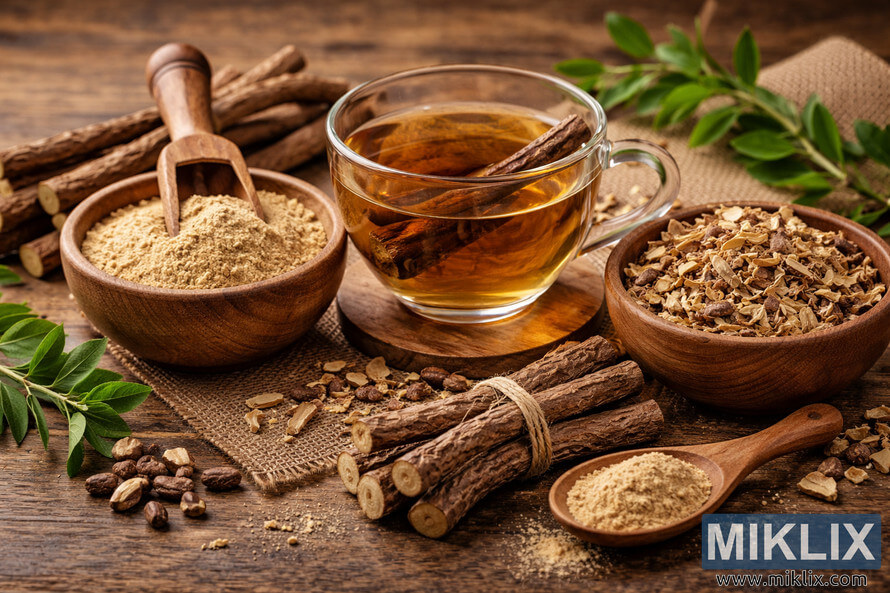
Homegrown licorice offers numerous applications in kitchen and home remedies. The distinctive sweet flavor enhances teas, recipes, and traditional preparations. Understanding various uses helps you enjoy the fruits of your gardening labor.
Click or tap the image for more information and higher resolutions.
Culinary Applications
Licorice root adds unique sweetness to beverages and dishes. The concentrated flavor means a little goes a long way in recipes. Experiment with small amounts to find your preferred intensity.
Licorice Tea Preparation
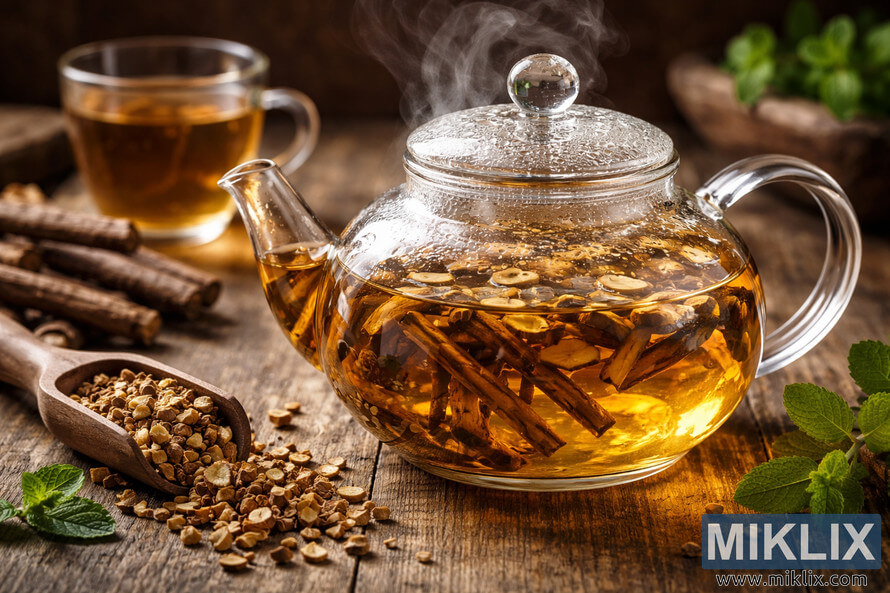
Tea represents the most popular way people use licorice at home. The simple preparation extracts beneficial compounds and creates a naturally sweet beverage. No added sweeteners are needed due to the root's natural properties.
- Break or chop one tablespoon of dried root into small pieces
- Place root pieces in teapot or cup
- Pour one cup of boiling water over roots
- Cover and steep for ten to fifteen minutes
- Strain before drinking
- Enjoy hot or cooled over ice
Click or tap the image for more information and higher resolutions.
Flavor Enhancer in Recipes
- Ground licorice root adds depth to desserts and beverages. The powder blends well in baked goods, smoothies, and flavored syrups. Start with small amounts and adjust to taste preferences.
- Homemade licorice syrup sweetens coffee, tea, and cocktails naturally. Simmer chopped roots in water with a touch of sugar. The resulting syrup keeps refrigerated for several weeks.
Traditional Herbal Uses
- Licorice has served herbal traditions for thousands of years across multiple cultures. The root contains compounds that provide various benefits. Many people incorporate licorice into their wellness routines.
- Consult healthcare providers before using licorice for health purposes. The herb interacts with certain medications and conditions. Proper guidance ensures safe, appropriate use.
Craft and DIY Projects
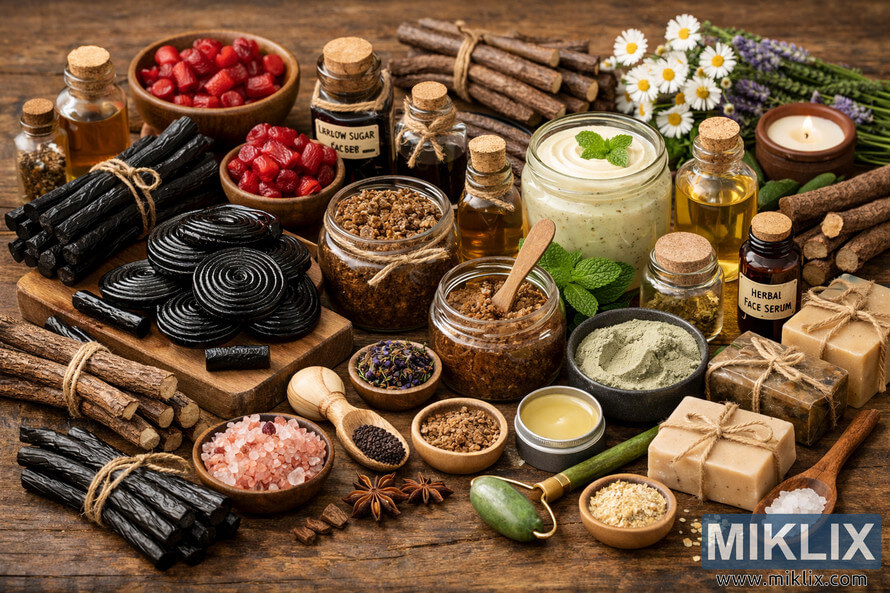
- Creative uses extend beyond consumption. Licorice root appears in natural beauty products, potpourri, and craft projects. The distinctive appearance and aroma make roots decorative as well as functional.
- Dried roots add visual interest to herbal wreaths and arrangements. The woody texture and brown color complement other dried herbs and flowers. Bundles of licorice roots tied with twine create rustic decorative elements.
Click or tap the image for more information and higher resolutions.
Sharing Your Harvest
- Homegrown licorice makes thoughtful gifts for fellow herb enthusiasts. Package dried roots attractively with usage instructions. Friends and family appreciate the unique, personal nature of garden-grown gifts.
- Consider trading with other gardeners who grow different herbs. This exchange expands your home herbal collection without additional growing space. Garden communities thrive on such sharing arrangements.
Expert Tips for Successfully Growing Licorice
Experienced gardeners develop strategies that improve results with growing licorice. These insights come from years of cultivation and experimentation. Apply these tips to enhance your success and avoid common frustrations.
Propagation Strategies
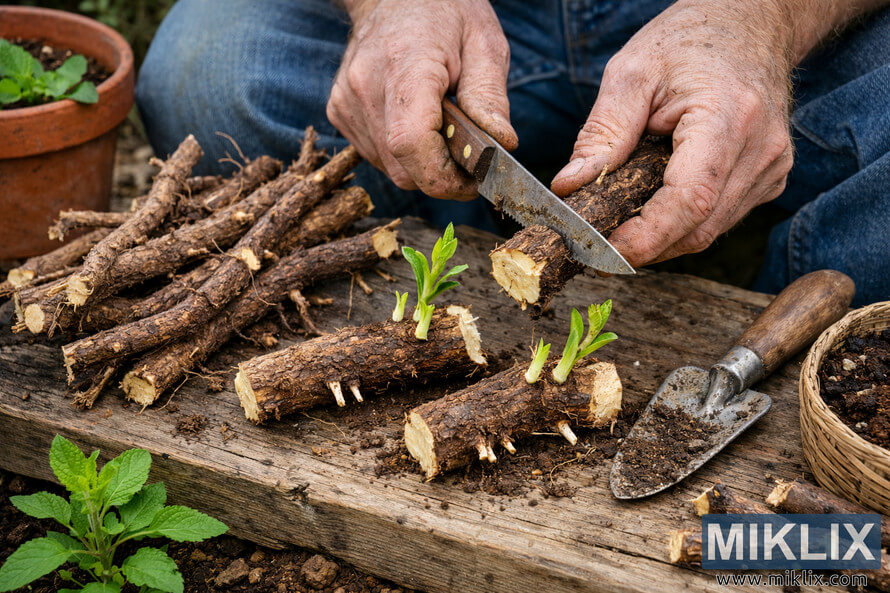
Established plants provide free propagation material through root division. This method expands your licorice patch economically. Division also rejuvenates old plants that have become less productive.
Divide plants every four to five years to maintain vigor. Spring division allows new sections the full growing season for establishment. Each division should include several growth buds for best results.
Click or tap the image for more information and higher resolutions.
Companion Planting Ideas
Licorice grows well near certain garden plants while avoiding others. Legumes fix nitrogen that benefits nearby herbs. This natural fertilization reduces supplemental feeding needs.
Avoid planting near aggressive spreaders that compete for resources. Give licorice adequate space from plants with similar deep root systems. Plan garden layouts that accommodate the plant's mature size.
Extending the Growing Season
Container growing allows gardeners in cold climates to cultivate licorice successfully. Large pots accommodate the root system while permitting winter protection. Move containers to sheltered locations during cold months.
Choose containers at least eighteen inches deep and wide. Excellent drainage is essential in pots. Use quality potting mix rather than garden soil for container culture.
Record Keeping Benefits
Documenting your licorice growing experiences improves future results. Note planting dates, weather conditions, and growth observations. Track which practices produce the best outcomes in your specific location.
Photograph plants throughout the season. Visual records help you recognize normal growth patterns and spot problems early. Garden journals become valuable references over the years.
Success Secret: Mark harvest-ready plants with stakes or tags. This prevents accidentally harvesting younger plants and helps you rotate harvest locations year to year.
Troubleshooting Common Licorice Growing Problems
Even experienced gardeners encounter challenges when growing licorice. Recognizing symptoms early allows prompt corrective action. This guide helps you identify and resolve frequent issues.
Why are my licorice leaves turning yellow?
Yellow leaves indicate several possible problems. Overwatering and poor drainage are common causes. Check soil moisture and improve drainage if necessary. Nutrient deficiency also causes yellowing. Apply balanced fertilizer if plants haven't been fed recently. Yellow older leaves during fall are normal as plants prepare for dormancy.
My plant isn't growing much in the first year. Is something wrong?
Slow first-year growth is completely normal for licorice. The plant focuses energy on establishing root systems rather than top growth. Provide consistent care and be patient. Significant above-ground growth appears in year two and beyond. Ensure adequate water, sunlight, and weed control to support healthy establishment.
How do I know if my soil drainage is adequate?
Test drainage by digging a hole twelve inches deep and filling it with water. If water drains within a few hours, drainage is adequate. Standing water after twenty-four hours indicates poor drainage. Amend heavy soils with sand and compost. Consider raised beds in areas with persistently poor drainage.
Can I grow licorice in containers?
Yes, container growing works well for licorice in appropriate pots. Choose containers at least eighteen inches deep and wide to accommodate root growth. Use quality potting mix with excellent drainage. Container plants need more frequent watering than ground-planted specimens. Move pots to protected locations during winter in cold climates.
What pests commonly affect licorice plants?
Licorice experiences few serious pest problems. Aphids occasionally appear on new growth during spring. Spider mites may attack during hot, dry weather. Both respond to strong water spray or insecticidal soap. Healthy plants resist most pest issues naturally. Good cultural practices prevent most problems.
Should I remove flowers from my licorice plants?
Removing flowers is unnecessary unless you want to direct all energy to root development. Flowering doesn't significantly impact root quality or size. The purple-blue flowers attract beneficial insects and add ornamental value to your garden. Allow flowers to develop naturally unless you have specific reasons for removal.
Embracing the Journey of Growing Licorice
Growing licorice rewards patient gardeners with unique homegrown herbs. The journey from planting to harvest teaches valuable lessons about perennial cultivation. Your investment of time and care produces roots with exceptional quality and flavor.
Success comes from understanding the plant's needs and providing consistent care. Remember that licorice develops slowly but surely over multiple years. Each season brings you closer to harvest while the plant establishes strong foundations.
The benefits extend beyond the harvest itself. Growing licorice connects you with ancient herbal traditions spanning thousands of years. Your garden becomes a living link to historical plant uses that enriched countless lives.
Start your licorice growing adventure with confidence using the knowledge gained here. Select an appropriate location, prepare soil thoroughly, and commit to the multi-year timeline. The sweet rewards make every moment of effort worthwhile.
Share your growing experiences with fellow gardeners. Exchange tips, divide roots, and celebrate successes together. The herb gardening community welcomes newcomers and experienced growers alike. Your licorice plants will thrive with proper care, providing harvests for many years to come.
Click or tap the image for more information and higher resolutions.
Further Reading
If you enjoyed this post, you may also like these suggestions:
- The Ultimate Guide to Growing Mint at Home
- A Complete Guide to Growing Tarragon at Home
- A Complete Guide to Growing Parsley in Your Home Garden