
The Ultimate Guide to Growing Mint at Home
Published: March 16, 2026 at 10:58:07 PM UTC
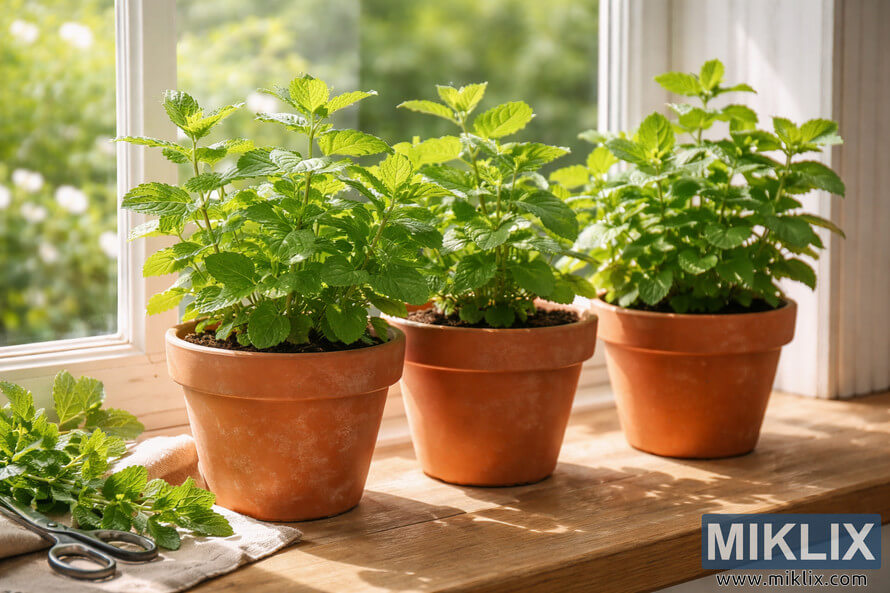
Fresh mint transforms ordinary dishes into extraordinary culinary experiences. This aromatic herb adds vibrant flavor to teas, cocktails, salads, and desserts. Growing mint at home ensures a constant supply of fragrant leaves right at your fingertips.
Click or tap the image for more information and higher resolutions.
Mint ranks among the easiest herbs for beginners. This resilient plant thrives in various conditions and forgives most gardening mistakes. Whether you have a sprawling garden or a tiny apartment balcony, you can successfully grow mint in containers or ground.
This comprehensive guide walks you through every step of growing your own mint. From selecting the perfect variety to harvesting fresh leaves, you'll learn practical techniques that guarantee success. The journey from planting to enjoying your homegrown herb takes just weeks.
Why Grow Your Own Mint
Growing mint at home delivers advantages beyond simple convenience. Fresh herbs from your garden contain more essential oils than store-bought varieties. These oils create the distinctive aroma and flavor that makes mint special.
Store-bought mint often travels hundreds of miles before reaching supermarket shelves. This journey reduces freshness and nutritional value. Home-grown mint leaves can go from plant to plate in minutes, preserving maximum flavor and nutrients.
Health Benefits
Mint contains powerful antioxidants and beneficial compounds. These natural substances support digestion and freshen breath. Fresh mint tea soothes upset stomachs and reduces stress naturally.
- Rich in vitamins A and C
- Contains iron and manganese
- Natural digestive aid
- Aromatic stress relief
Economic Advantages
A single mint plant produces leaves throughout the growing season. This abundance saves money compared to buying fresh herbs weekly. One small investment yields months of harvests.
- Continuous harvest for months
- Minimal maintenance costs
- No pesticide expenses
- Propagates freely from cuttings
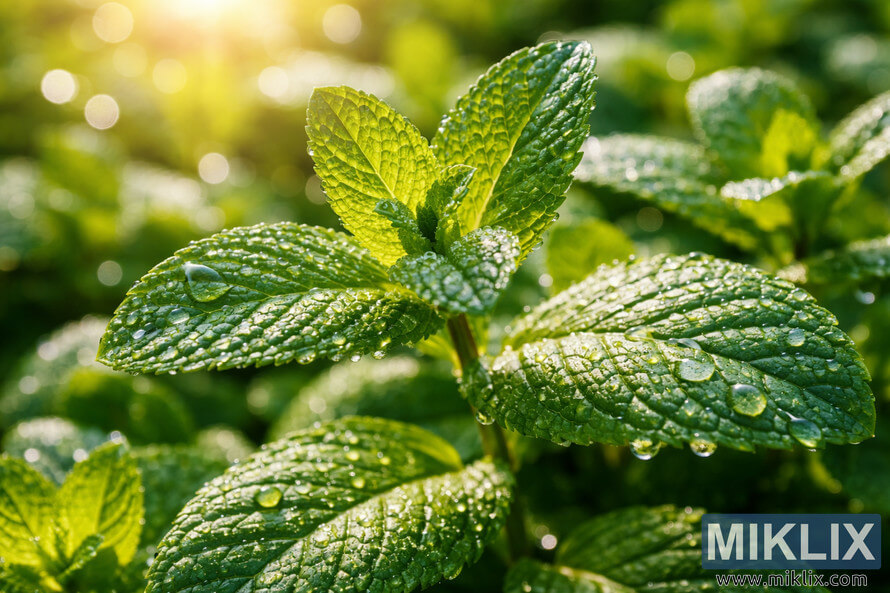
Mint plants attract beneficial insects to gardens. Bees and butterflies visit mint flowers regularly. Meanwhile, certain pests avoid areas where mint grows. This natural pest deterrent protects other plants nearby.
Click or tap the image for more information and higher resolutions.
Selecting the Perfect Mint Variety
The mint family includes dozens of varieties with distinct flavors and characteristics. Each type offers unique qualities for different uses. Understanding these differences helps you choose varieties that match your needs.
Most mint varieties share similar growing requirements. The primary differences appear in flavor profiles and growth habits. Some types spread more aggressively than others.
Popular Mint Types for Home Gardens
Spearmint
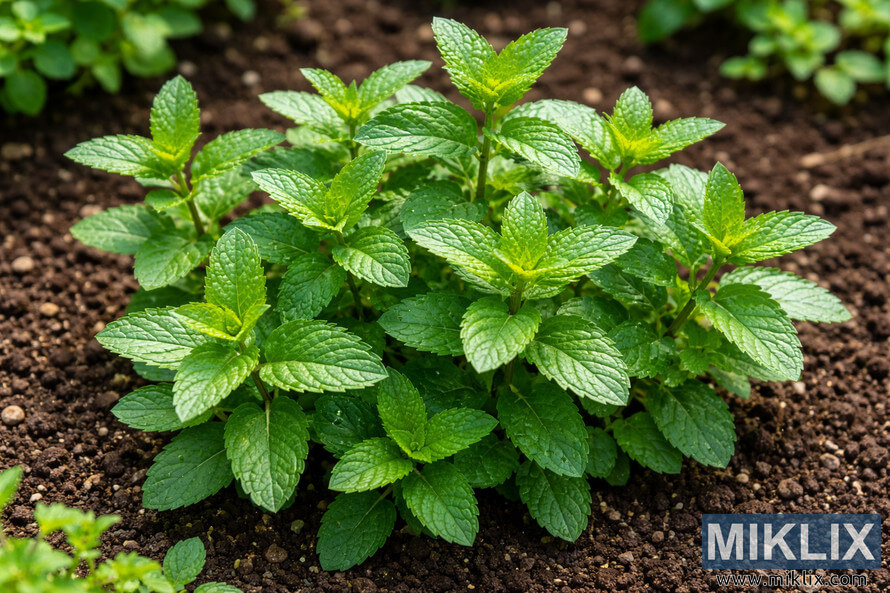
Spearmint represents the classic mint flavor most people recognize. This variety contains less menthol than peppermint, creating a sweeter taste. Spearmint grows vigorously and tolerates various conditions.
- Sweet, mild flavor
- Perfect for teas and mojitos
- Reaches 12-24 inches tall
- Hardy in most climates
- Best for Cooking
Click or tap the image for more information and higher resolutions.
Peppermint
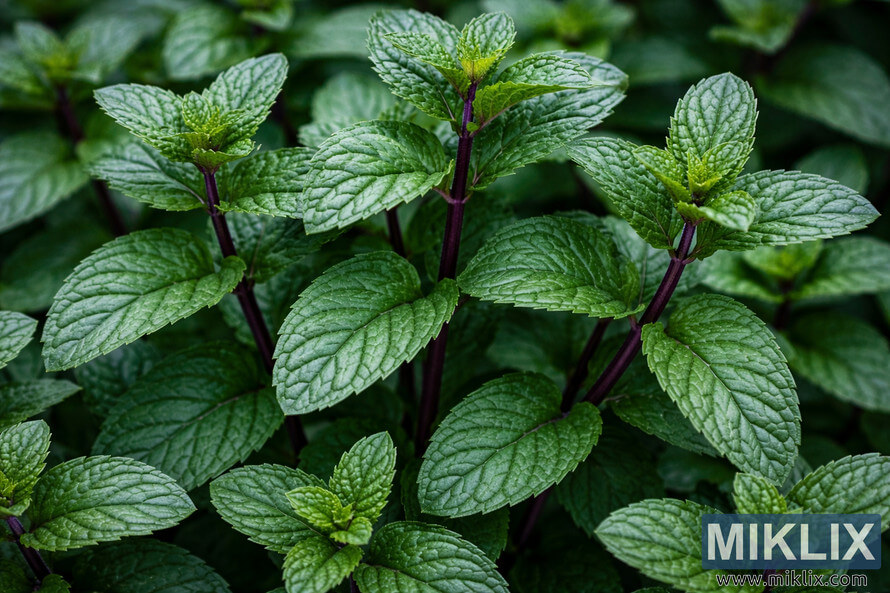
Peppermint delivers a stronger, more intense flavor than spearmint. High menthol content creates a cooling sensation. This variety excels in teas and medicinal applications.
- Strong cooling effect
- Ideal for herbal remedies
- Purple-tinged stems
- Excellent for drying
- Best for Tea
Click or tap the image for more information and higher resolutions.
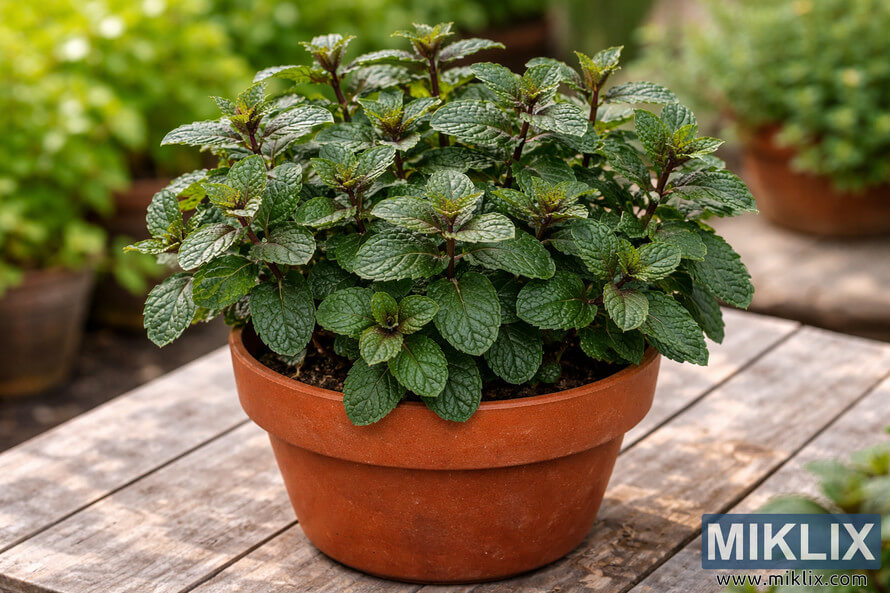
Chocolate Mint
Chocolate mint combines traditional mint flavor with subtle chocolate notes. Dark green leaves often show bronze or purple tints. This variety creates interesting flavor combinations in desserts.
- Unique chocolate aroma
- Great for desserts
- Attractive dark foliage
- Moderate growth rate
- Best for Desserts
Click or tap the image for more information and higher resolutions.
Specialty Mint Varieties
Beyond common types, specialty varieties offer unique flavors. Pineapple mint features variegated leaves with white edges and fruity undertones. Apple mint produces fuzzy leaves with a subtle apple scent. These specialty types add visual interest to herb gardens.
- Pineapple mint - variegated leaves with fruity notes
- Orange mint - citrus-scented with bright flavor
- Ginger mint - spicy undertones perfect for Asian dishes
- Lavender mint - floral notes ideal for sachets
Consider growing multiple varieties in separate containers. This approach prevents cross-pollination and maintains distinct flavors. Each type serves different culinary purposes throughout the year.
Optimal Growing Conditions for Mint
Mint adapts to various environments but thrives under specific conditions. Understanding these preferences helps maximize growth and flavor. Proper conditions produce abundant harvests with minimal effort.
Sunlight Requirements
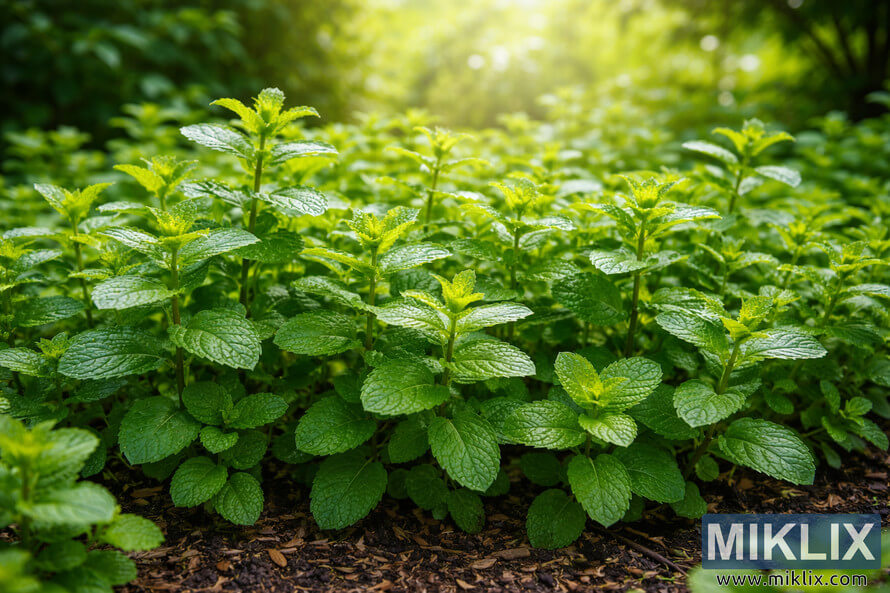
Mint plants prefer partial shade to full sun conditions. They grow best with morning sun and afternoon shade. This combination prevents leaves from scorching during hot summer months.
Full sun locations work well in cooler climates. The plant tolerates shade better than many herbs. In hot regions, afternoon shade protects plants from heat stress. Indoor mint needs at least four hours of direct sunlight daily.
Sun Exposure Tip: Provide 4-6 hours of sunlight daily for optimal growth. Morning sun with afternoon shade produces the most flavorful leaves. Too much shade creates leggy, weak growth with reduced flavor.
Click or tap the image for more information and higher resolutions.
Soil Preferences
Mint thrives in rich, moist soil with good drainage. The plant tolerates various soil types but grows best in slightly acidic to neutral conditions. A pH range between 6.0 and 7.0 supports healthy development.
Soil should contain organic matter like compost or aged manure. These amendments improve drainage while retaining moisture. Heavy clay soils benefit from added sand or perlite. Sandy soils need extra compost for water retention.
- Well-draining potting mix for containers
- Rich garden soil amended with compost
- Consistent moisture without waterlogging
- pH level between 6.0-7.0
Water Needs
Mint requires consistent moisture throughout the growing season. The soil should stay evenly moist but never waterlogged. Regular watering prevents stress and maintains tender leaf production.
Check soil moisture by inserting your finger one inch deep. Water when the top layer feels dry. Container plants need more frequent watering than garden beds. During summer heat, daily watering may become necessary.
Watering Warning: Overwatering causes root rot and yellowing leaves. Ensure pots have drainage holes. Never let plants sit in standing water for extended periods.
Temperature and Climate
Mint tolerates a wide temperature range. The plant grows actively between 55°F and 70°F. It survives light frosts and returns in spring after winter dormancy in cold climates.
In hot summer regions, mint may slow growth during extreme heat. Providing afternoon shade helps plants maintain vigor. Indoor mint prefers temperatures between 65°F and 75°F year-round.
Step-by-Step Planting Guide
Planting mint correctly establishes strong, productive plants. The process differs slightly between container and ground planting. Both methods produce excellent results when done properly.
Container Planting Method
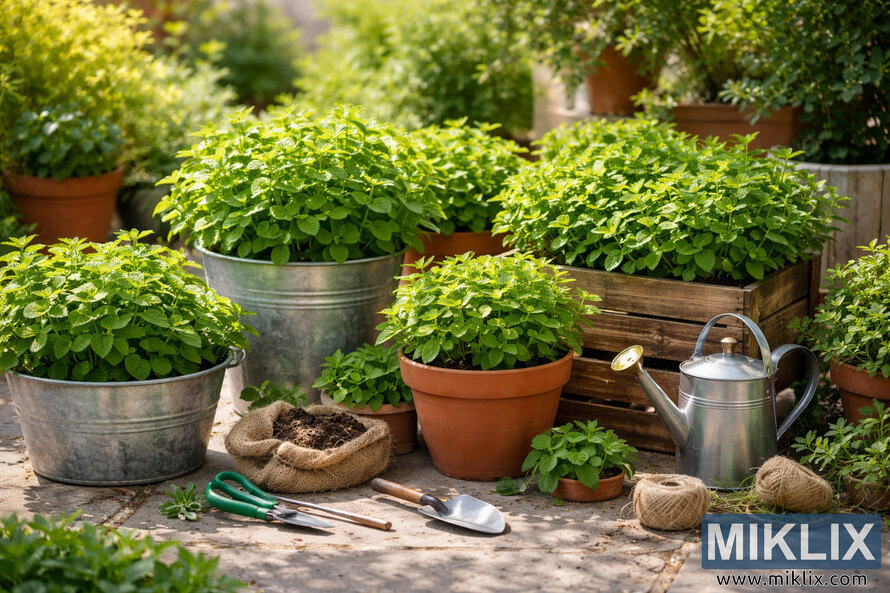
Container growing provides the best control over mint's aggressive spreading habit. This method works perfectly for small spaces and indoor cultivation. Choosing the right pot size ensures healthy root development.
- Select a pot at least 12 inches in diameter and depth
- Ensure the container has multiple drainage holes
- Fill with quality potting mix containing perlite or vermiculite
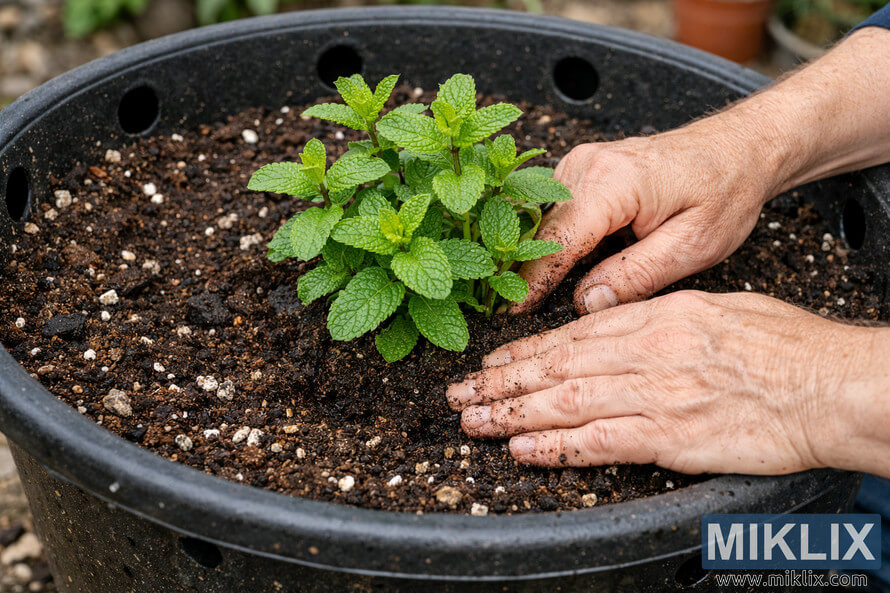
- Create a hole twice the size of the root ball
- Remove the plant gently from its nursery container
- Place the root ball in the hole at the same depth
- Fill around roots with soil and press firmly
- Water thoroughly until liquid drains from bottom holes
- Space multiple mint plants 12-18 inches apart in large containers. This spacing allows air circulation and prevents overcrowding. Each plant develops a robust root system without competition.
Click or tap the image for more information and higher resolutions.
Ground Planting with Barriers
- Ground planting requires barriers to contain mint's spreading roots. Without barriers, mint quickly invades surrounding garden areas. Underground roots travel extensively, sending up new shoots several feet away.
- Important: Mint spreads aggressively through underground runners called rhizomes. Plant mint in sunken containers or install root barriers extending at least 12 inches deep to prevent invasion of other garden spaces.
- Dig a hole 18 inches deep and wide
- Insert a bottomless container or root barrier
- Leave container rim 2 inches above soil level
- Fill the container with amended garden soil
- Plant mint at the same depth as nursery container
- Water deeply to settle soil around roots
- Mulch around the plant base with organic material
Starting from Seeds vs. Transplants
- Transplants offer faster results than seeds. Young plants from nurseries establish quickly and produce harvests within weeks. Seeds take longer to germinate and grow slowly initially.
- Most mint varieties don't grow true from seed. Hybrid types produce variable offspring. Starting from cuttings or divisions ensures identical plants to the parent. This method maintains specific flavor characteristics.
Starting from Cuttings
- Propagating mint from stem cuttings proves simple and reliable. This method creates new plants identical to favorites. Cuttings root easily in water or soil.
- Cut 4-6 inch stems below a leaf node
- Remove lower leaves from bottom half
- Place stems in water or moist potting soil
- Roots develop within 7-14 days
- Transplant when roots reach 2 inches long
Essential Supplies for Growing Mint Successfully
Start your mint garden with quality materials that ensure healthy growth and abundant harvests.
Click or tap the image for more information and higher resolutions.
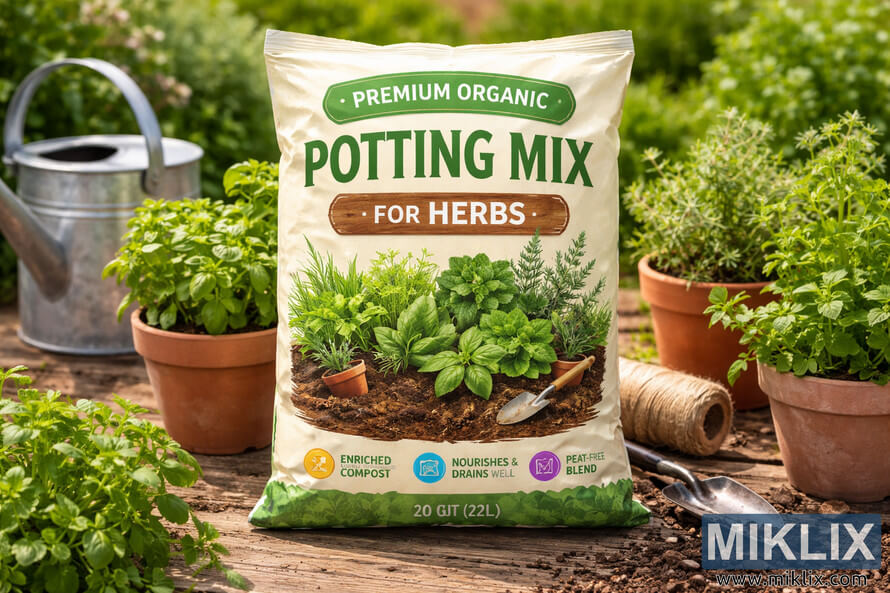
Premium Potting Mix
Quality soil provides the foundation for healthy mint plants. This specially formulated mix contains organic compost, perlite for drainage, and nutrients for vigorous growth.
- Perfect pH balance for herbs
- Excellent water retention
- Contains beneficial microorganisms
Click or tap the image for more information and higher resolutions.
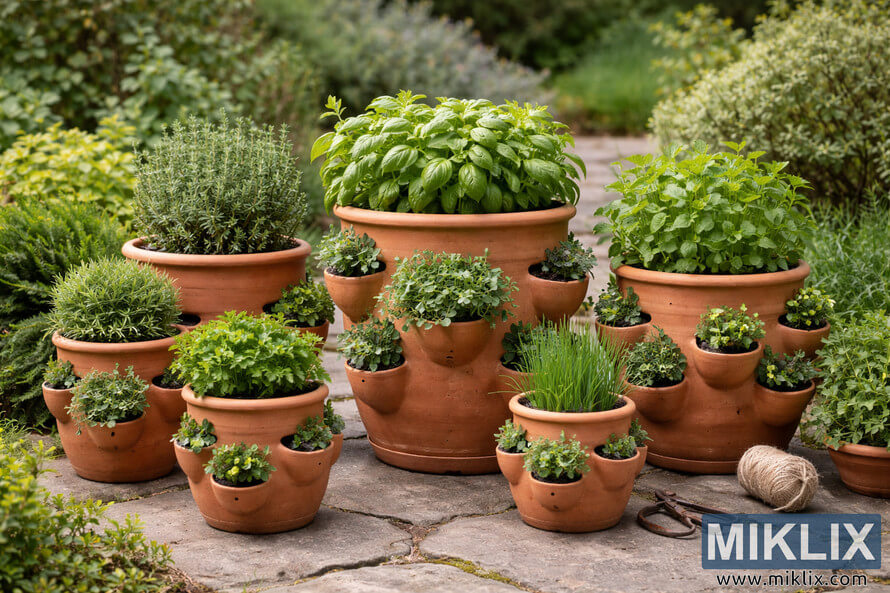
Drainage Containers
Proper containers prevent root rot and ensure healthy growth. These pots feature multiple drainage holes and breathable terracotta material that regulates moisture naturally.
- 12-inch diameter ideal size
- Natural clay breathability
- Multiple drainage holes
Click or tap the image for more information and higher resolutions.
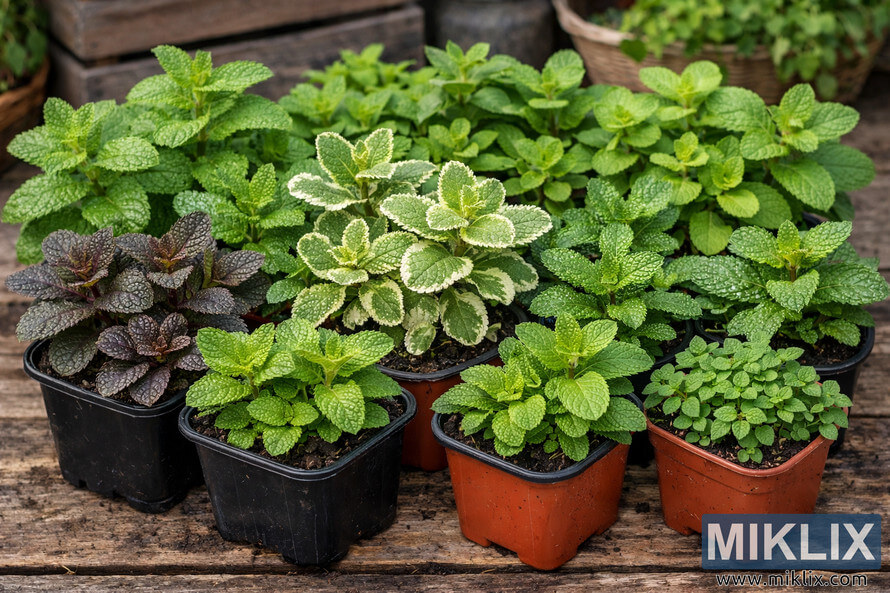
Mint Plant Varieties
Start with healthy, disease-free plants from reputable nurseries. This collection includes popular varieties perfect for different culinary uses and growing conditions.
- Certified organic options
- Multiple flavor profiles
- Ready to transplant
Click or tap the image for more information and higher resolutions.
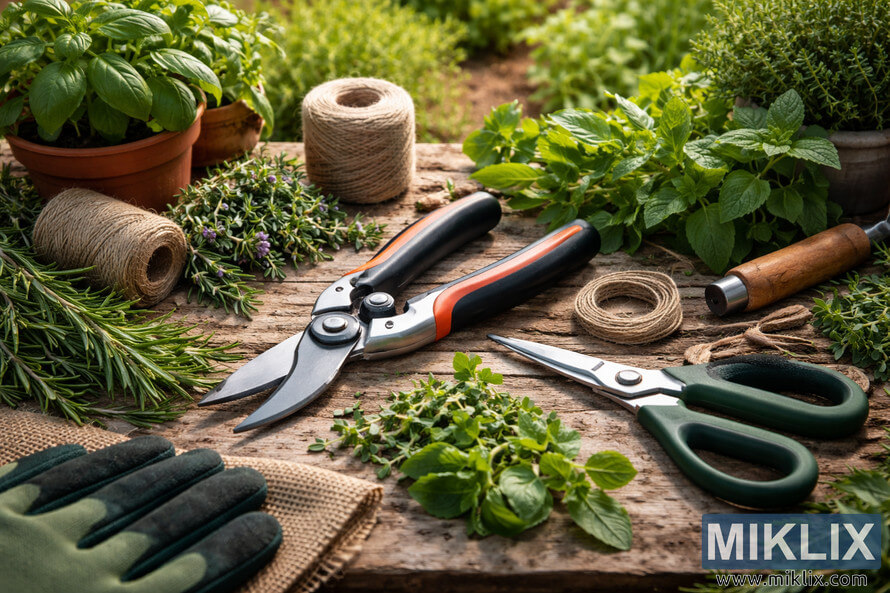
Quality Garden Tools
Sharp, clean tools make maintenance easy and prevent disease transmission. This essential set includes precision pruning shears and a hand trowel for planting and care.
- Stainless steel blades
- Comfortable grip handles
- Easy to clean and maintain
Care and Maintenance Tips
Proper maintenance keeps mint plants productive throughout the growing season. Regular care prevents common problems and encourages bushy growth. These simple practices ensure abundant harvests.
Click or tap the image for more information and higher resolutions.
Watering Schedule
Consistent moisture produces the best leaf quality. Mint requires more water than many herbs. The soil should never dry completely between waterings.
Morning watering allows foliage to dry before evening. This timing reduces disease risk. Container plants need checking daily during hot weather. Garden beds typically need watering every 2-3 days.
Watering Tip: Insert your finger 1 inch into soil. Water when the top feels dry but lower soil remains slightly moist. This moisture level prevents both drought stress and overwatering issues.
Fertilizing Requirements
Mint benefits from regular feeding during active growth. Light fertilization every 4-6 weeks supports vigorous leaf production. Too much fertilizer reduces essential oil content and flavor intensity.
Use balanced liquid fertilizer diluted to half strength. Organic options like fish emulsion or compost tea work excellently. Apply fertilizer to moist soil to prevent root burn.
- Feed every 4-6 weeks during growing season
- Use balanced 10-10-10 fertilizer at half strength
- Organic compost top-dressing in spring
- Reduce feeding in fall before dormancy
Pruning and Trimming
Regular pruning encourages bushy growth and prevents flowering. Pinch stem tips frequently to promote branching. This practice creates fuller plants with more harvestable leaves.
Remove flower buds as soon as they appear. Flowering reduces leaf production and changes flavor. Cutting stems back by one-third maintains compact growth. Make cuts just above leaf nodes for best results.
- Pinch stem tips when plants reach 6 inches tall
- Remove flower buds immediately upon appearance
- Trim plants back by one-third every month
- Cut stems above leaf nodes for new growth
- Clean pruning tools between cuts
Winter Care
- Mint survives winter in most climates with minimal protection. The plant dies back to ground level in cold regions. Roots remain alive underground and resprout in spring.
- Container plants need extra winter protection. Move pots to sheltered locations or bring them indoors. Reduce watering during dormancy but don't let soil dry completely. Indoor plants continue growing slowly with adequate light.
Cold Climate Winter Care
- Apply 3-inch mulch layer after first frost
- Cut back dead stems to ground level
- Protect container plants in unheated garage
- Resume watering when new growth appears in spring
Mild Climate Winter Care
- Continue light harvesting year-round
- Reduce watering frequency
- Provide afternoon shade on warm winter days
- Protect from occasional frosts with cloth covers
Common Problems and Solutions
Mint plants encounter few serious problems but some issues require attention. Early identification and quick action prevent most difficulties. Understanding common challenges prepares you for successful growing.
Controlling Aggressive Spread
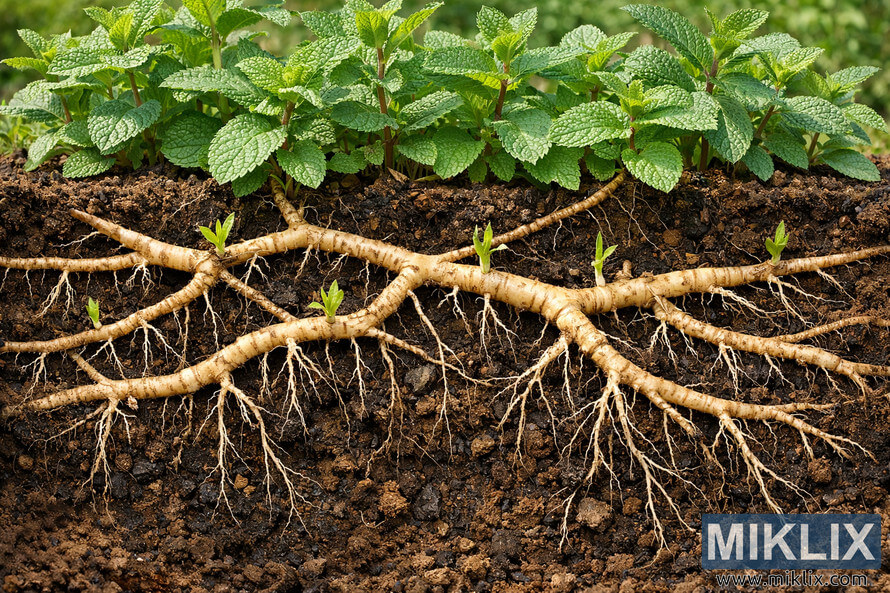
Mint's invasive nature creates the most common complaint among gardeners. Underground runners spread rapidly in favorable conditions. These roots travel several feet from the original plant location.
Container growing provides the best control method. Sunken pots or barriers prevent root spread effectively. Check containers annually for roots emerging through drainage holes. Trim escaping roots promptly.
Click or tap the image for more information and higher resolutions.
Containment Solutions
- Plant in containers or sunken pots
- Install 12-inch deep root barriers
- Keep pot rims 2 inches above soil
- Divide plants every 2-3 years
- Monitor for escaping runners monthly
Spreading Risks
- Invades flower beds and lawns
- Competes with other plants for nutrients
- Difficult to remove once established
- Spreads through tiny root fragments
- Returns year after year from roots
Pest Management
Mint resists most pests naturally. The strong aroma deters many insects. Occasional problems include aphids, spider mites, and whiteflies. These pests rarely cause serious damage.
Inspect leaves regularly for pest signs. Small populations wash off easily with water spray. Organic insecticidal soap controls larger infestations safely. Neem oil provides effective treatment for persistent problems.
- Spray leaves with strong water stream weekly
- Apply insecticidal soap for aphid clusters
- Use neem oil for spider mite infestations
- Remove heavily infested leaves immediately
- Encourage beneficial insects like ladybugs
Disease Prevention
Fungal diseases affect mint in humid, poorly ventilated conditions. Rust appears as orange spots on leaf undersides. Powdery mildew creates white coating on foliage. Both diseases reduce plant vigor and leaf quality.
Good air circulation prevents most fungal issues. Space plants adequately and avoid overhead watering. Remove affected leaves promptly. Improve drainage in containers and garden beds.
Disease Warning: Mint rust spreads quickly between plants. Remove and destroy infected leaves immediately. Don't compost diseased plant material. Disinfect pruning tools with rubbing alcohol between cuts.
Yellowing Leaves
Yellow leaves indicate various problems. Overwatering causes root rot and yellowing. Nutrient deficiency creates pale, yellow foliage. Natural aging produces some yellow leaves on lower stems.
Check soil moisture before watering. Ensure containers drain properly. Apply balanced fertilizer if plants show overall yellowing. Remove old yellow leaves to improve appearance.
Leggy Growth
Insufficient light creates tall, weak stems with sparse leaves. This leggy growth produces fewer harvestable leaves. Plants stretch toward available light sources.
Move plants to brighter locations with more sun exposure. Pinch back leggy stems to encourage branching. Regular trimming maintains compact, bushy growth. Indoor plants may need supplemental grow lights.
Solutions for Common Mint Growing Challenges
Address problems quickly with these effective products designed for herb gardens.
Click or tap the image for more information and higher resolutions.
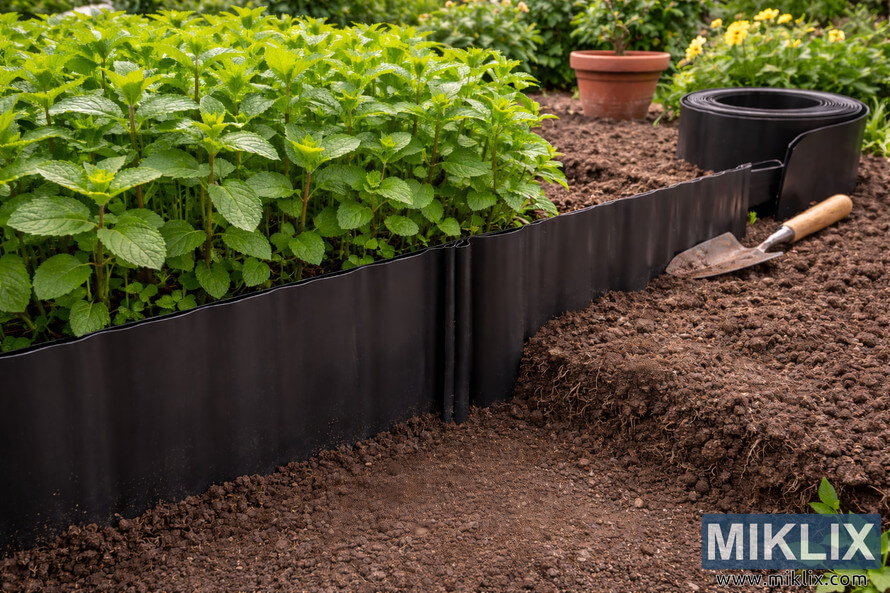
Root Barrier System
Prevent mint from invading other garden areas with professional-grade barriers. This durable material extends 18 inches deep to block aggressive underground runners.
- 18-inch depth blocks all roots
- UV-resistant material lasts years
- Easy installation process
Click or tap the image for more information and higher resolutions.
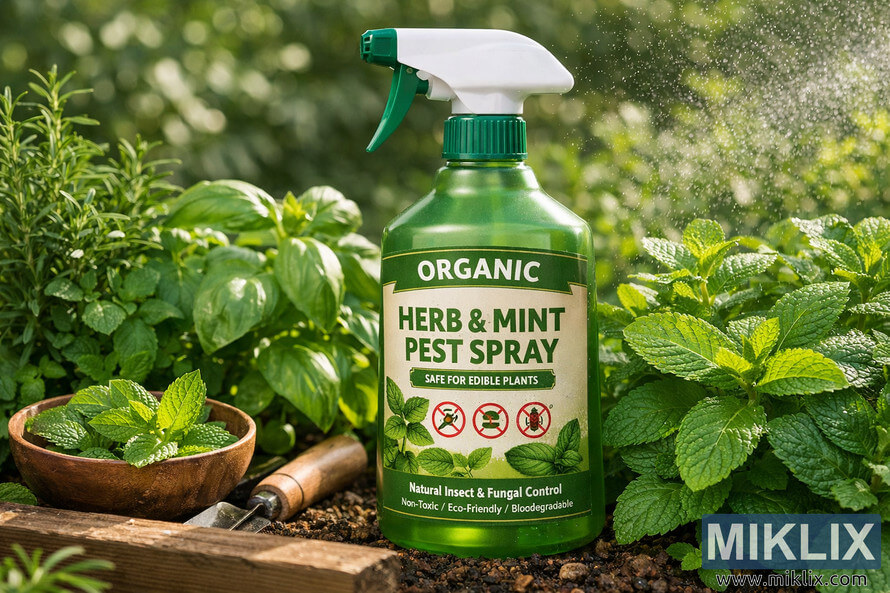
Organic Pest Control
Safe, effective treatment for aphids and other mint pests. This certified organic spray controls insects without harmful chemicals. Safe to use on herbs until harvest day.
- OMRI certified organic
- Safe for edible plants
- Controls multiple pest types
Click or tap the image for more information and higher resolutions.
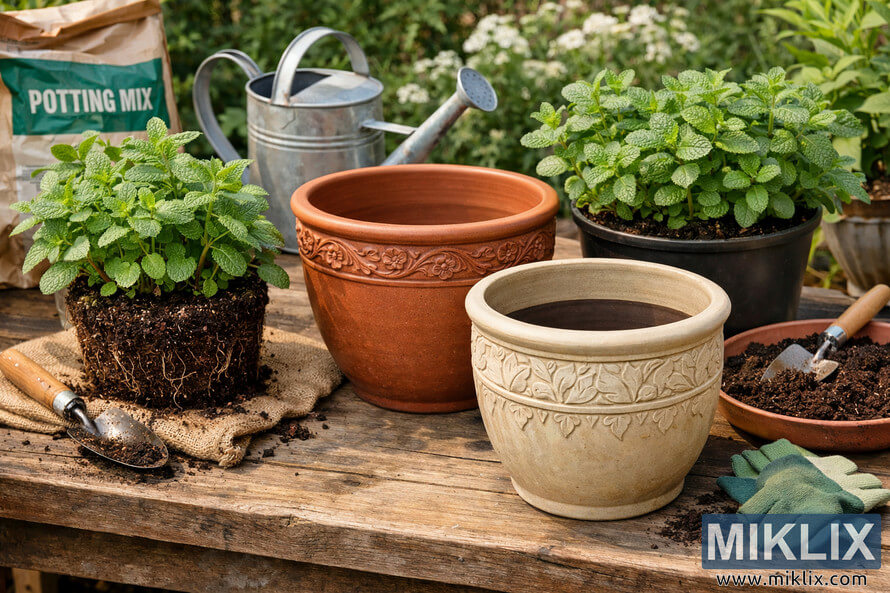
Container Upgrades
Transplant overgrown mint into larger, attractive containers. These premium pots provide extra root space while enhancing your garden's aesthetic appeal.
- 14-18 inch diameters available
- Decorative glazed finishes
- Superior drainage design
Harvesting and Storing Fresh Mint
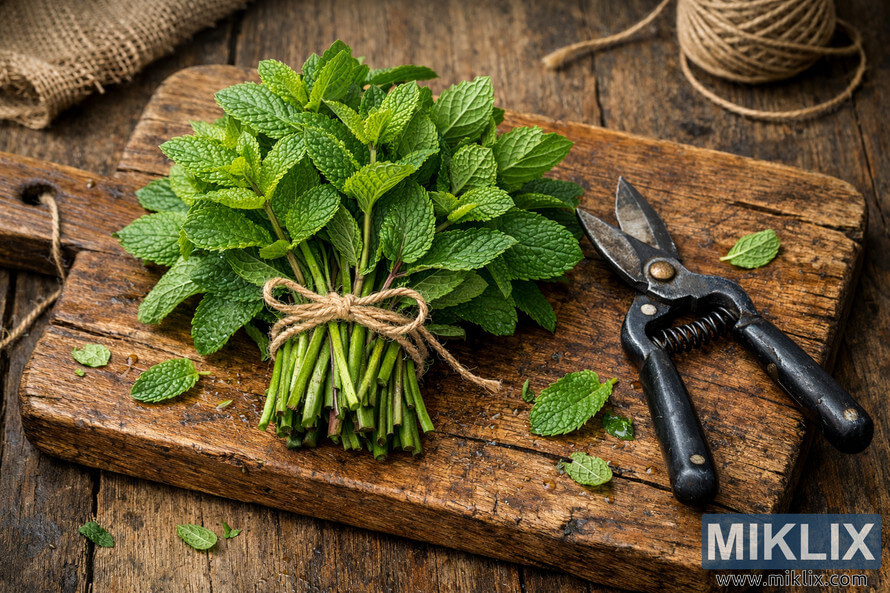
Proper harvesting techniques ensure continuous production throughout the season. Timing and methods affect both yield and plant health. Fresh mint provides maximum flavor when harvested correctly.
Click or tap the image for more information and higher resolutions.
When to Harvest
Begin harvesting when plants reach 6-8 inches tall. Pick leaves regularly to encourage new growth. Morning harvest after dew dries provides the most aromatic leaves. Essential oils concentrate in foliage during cool morning hours.
Avoid harvesting more than one-third of the plant at once. This moderation allows continued growth and recovery. Regular small harvests produce better results than occasional large cuttings. Plants recover quickly from frequent light picking.
Best Harvest Time: Pick mint leaves in mid-morning after dew evaporates but before afternoon heat. This timing captures peak essential oil content for maximum flavor and aroma.
Harvesting Methods
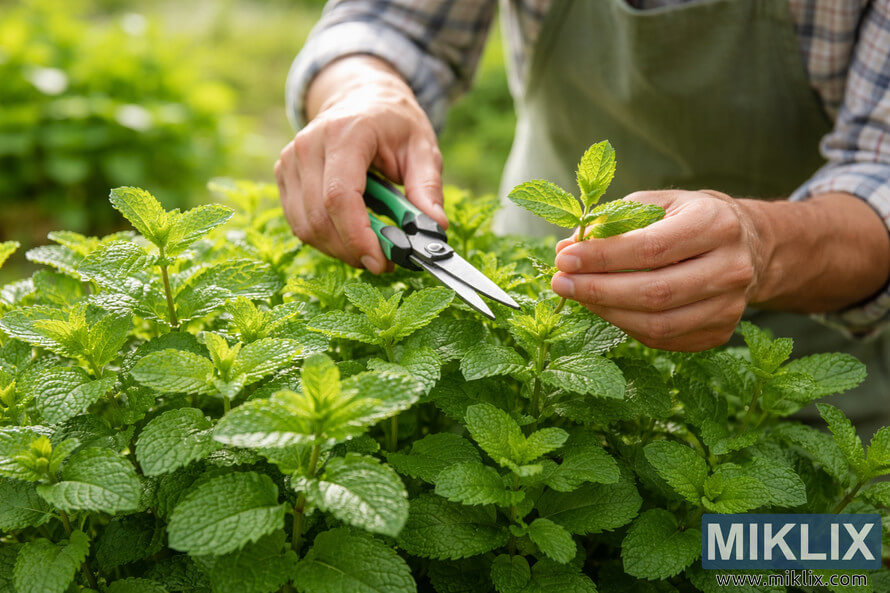
Cut entire stems rather than individual leaves. Use clean, sharp scissors or pruning shears. Make cuts just above leaf nodes to encourage branching. This technique promotes bushier growth with more productive stems.
- Select healthy stems with vibrant green leaves
- Cut stems 4-6 inches from growing tips
- Make cuts just above a set of leaves
- Rinse harvested stems gently under cool water
- Pat dry with clean towels or spin in salad spinner
Short-Term Storage
- Fresh mint stays crisp for about one week with proper storage. Treat cut stems like fresh flowers. Place stems in water at room temperature or refrigerate in damp paper towels.
- For water storage, trim stem ends and remove lower leaves. Place stems in a glass with one inch of water. Cover loosely with a plastic bag. Change water every two days to maintain freshness.
Refrigerator Method
- Wrap stems in damp paper towels
- Place in perforated plastic bag
- Store in vegetable crisper drawer
- Use within 5-7 days for best quality
Water Glass Method
- Trim stems and remove lower leaves
- Place in glass with 1 inch water
- Cover loosely with plastic bag
- Change water every 2 days
Long-Term Preservation
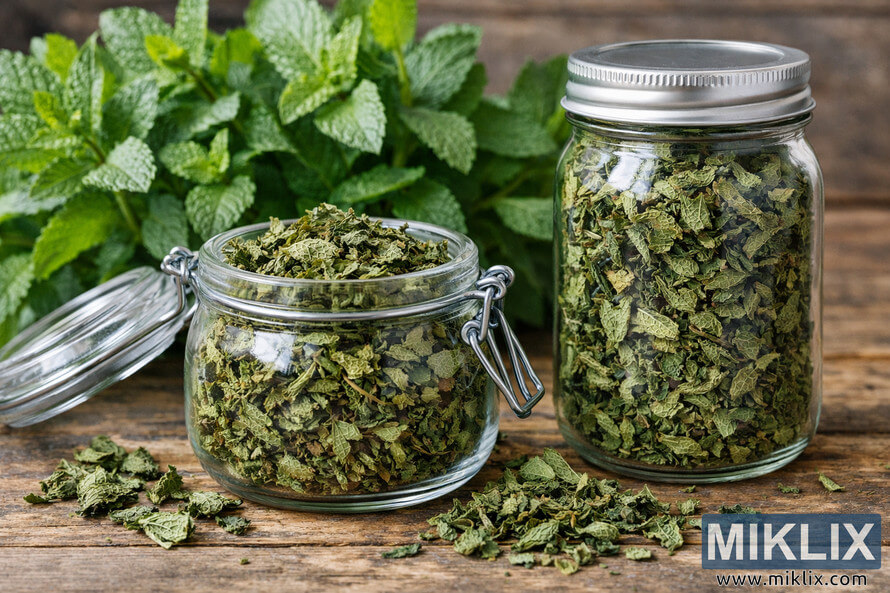
- Drying preserves mint for winter use. Air-drying maintains good flavor with minimal effort. Hang small bundles in a warm, dry location with good air circulation. Leaves dry completely within 1-2 weeks.
- Freezing offers another preservation option. Chop fresh leaves and freeze in ice cube trays with water or oil. These frozen cubes add instant flavor to teas, soups, and sauces. Frozen mint keeps quality for 6 months.
- Air-dry by hanging bundles upside down
- Dehydrator method at 95-115°F for 2-4 hours
- Freeze chopped leaves in ice cube trays
- Store dried leaves in airtight containers
- Keep away from light and heat for maximum flavor retention
Click or tap the image for more information and higher resolutions.
Creative Uses for Your Homegrown Mint
Fresh mint enhances countless recipes and household applications. This versatile herb moves beyond traditional tea into exciting culinary territory. Growing your own supply enables experimentation with different varieties and uses.
Culinary Applications
Mint brightens both sweet and savory dishes. Fresh leaves complement lamb, peas, and Middle Eastern cuisines perfectly. Chopped mint elevates fruit salads, yogurt, and grain dishes. The herb adds unexpected freshness to summer beverages.

Click or tap the image for more information and higher resolutions.
Beverages
- Classic mojitos and mint juleps
- Fresh mint tea hot or iced
- Lemonade with crushed mint
- Smoothies and green juices
- Infused water for hydration
Main Dishes
- Mint pesto for pasta dishes
- Lamb with mint sauce
- Vietnamese spring rolls
- Greek tzatziki sauce
- Thai and Vietnamese soups
Desserts
- Chocolate mint brownies
- Mint chocolate chip ice cream
- Fruit salads with mint
- Mint-infused simple syrup
- Garnish for plated desserts
Herbal Tea Blends
Mint tea offers digestive benefits and refreshing flavor. Brew tea from fresh or dried leaves. Combine mint with other herbs for custom blends. Peppermint aids digestion while spearmint provides gentle, sweet flavor.
For perfect mint tea, use 1 tablespoon fresh leaves or 1 teaspoon dried per cup. Pour boiling water over leaves and steep 5-7 minutes. Strain and enjoy hot or pour over ice. Add honey or lemon for variation.
Tea Blend Ideas: Combine mint with chamomile for relaxation, green tea for antioxidants, ginger for digestive support, or lemon balm for calming effects. Experiment with ratios to find your perfect blend.
Home and Beauty Uses
Mint applications extend beyond the kitchen. Fresh leaves create natural air fresheners and insect repellents. Essential oils in mint provide aromatherapy benefits and skincare advantages.
- Natural moth repellent in closets and drawers
- Refreshing facial toner for oily skin
- Aromatic bath additions for relaxation
- Homemade cleaning products with fresh scent
- Sachets for drawers and linens
Seasonal Recipe Ideas
Different seasons inspire unique mint applications. Summer calls for cooling beverages and light salads. Spring brings fresh peas and new potatoes perfect with mint. Fall and winter use dried mint in warming teas and hearty stews.
Summer Favorites
Hot weather demands refreshing mint recipes. These light, cooling applications showcase mint's versatility in warm-weather cooking and entertaining.
- Watermelon feta salad with fresh mint
- Frozen mint lemonade popsicles
- Cucumber mint cooler drinks
- Grilled vegetables with mint chimichurri
Winter Warmers
Cold months benefit from mint's digestive and soothing properties. Dried mint stores well for year-round enjoyment in warming preparations.
- Moroccan mint tea ceremony
- Lamb stew with dried mint
- Hot chocolate with peppermint
- Warming mint and ginger tea
Advanced Growing Tips and Tricks
Experienced gardeners employ techniques that maximize mint production and quality. These advanced methods improve yields and extend growing seasons. Mastering these skills elevates your mint cultivation to expert level.
Succession Planting
Plant new mint every 4-6 weeks for continuous harvests. Stagger plantings ensure fresh young growth always available. This strategy provides tender leaves throughout the entire growing season.
Start new plants from cuttings as older ones mature. Younger plants produce more flavorful leaves than established specimens. Rotate harvest between plants to prevent exhaustion.
Dividing Established Plants
Divide mint every 2-3 years to maintain vigor. Overcrowded roots reduce productivity and increase disease risk. Division rejuvenates plants and provides new starts for expansion or sharing.
- Lift entire plant from container or ground in early spring
- Shake off excess soil to expose root system
- Use sharp knife to divide plant into 3-4 sections
- Ensure each section has healthy roots and stems
- Replant divisions immediately in fresh soil
- Water thoroughly and keep moist until established
Indoor Growing Throughout Winter
- Continue mint production indoors during cold months. South-facing windows provide adequate light in most regions. Supplement with grow lights if natural light proves insufficient.
- Indoor mint grows slower than outdoor plants. Reduce watering frequency but maintain consistent moisture. Temperature fluctuations stress plants, so avoid placing near heating vents or drafty windows.
- Indoor Growing Success: Provide 12-14 hours of light daily using grow lights positioned 6-12 inches above plants. Maintain temperatures between 65-75°F. Rotate pots weekly for even growth on all sides.
Companion Planting Strategies
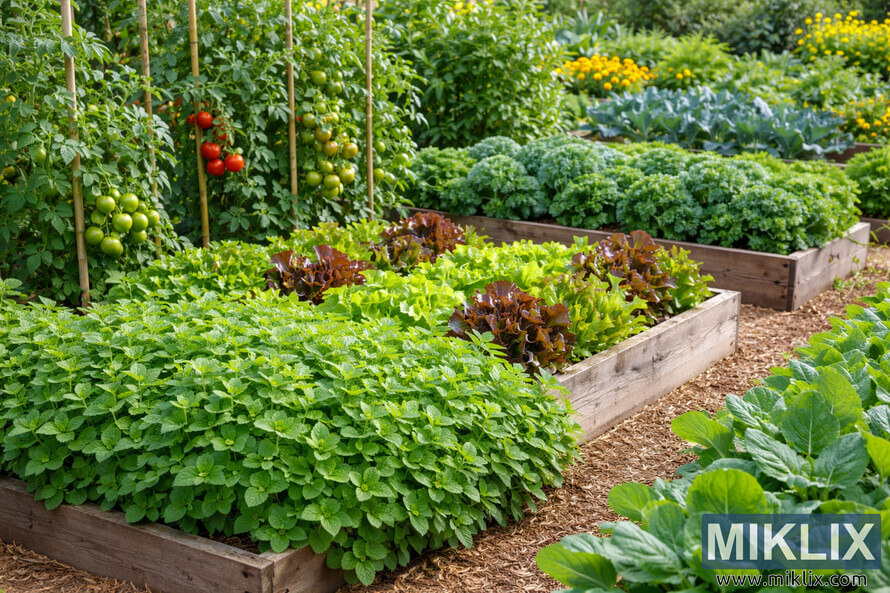
Mint benefits certain garden companions while deterring pests. Plant near cabbage family vegetables to repel cabbage moths. Keep away from parsley, which competes for similar resources.
- Beneficial companions: tomatoes, cabbage, broccoli
- Attracts beneficial insects and pollinators
- Deters aphids, flea beetles, cabbage moths
- Avoid planting near chamomile or parsley
Click or tap the image for more information and higher resolutions.
Maximizing Essential Oil Content
- Stress increases essential oil concentration in mint leaves. Slight water stress before harvest intensifies flavor. Harvest before flowering when oil content peaks.
- Plants grown in full sun produce stronger flavors than shade-grown specimens. However, excessive heat reduces quality. Balance sun exposure with adequate moisture for optimal results.
Quick Troubleshooting Reference
This reference guide helps diagnose common mint problems quickly. Identifying symptoms early enables prompt corrective action. Most issues resolve easily with proper intervention.
Why are my mint leaves turning brown at the edges?
Brown leaf edges typically indicate water stress or fertilizer burn. Check soil moisture levels and ensure consistent watering. If fertilizer was recently applied, flush soil with water. Reduce fertilizer concentration in future applications. Excessive sun exposure in hot climates also causes leaf scorch.
Can mint grow in full shade?
Mint tolerates shade better than most herbs but performs best with some sun. Plants in full shade grow slowly and produce sparse, less flavorful leaves. Provide at least 3-4 hours of morning sun for acceptable growth. Deep shade locations result in leggy stems and reduced harvests.
How do I prevent mint from taking over my entire garden?
Contain mint in pots or install deep root barriers. Sink containers into ground with rims 2 inches above soil surface. Use barriers extending at least 12 inches deep. Check monthly for escaping roots. Container growing provides the most reliable containment method.
Is it normal for mint to die back in winter?
Yes, mint naturally dies back to ground level in cold climates. The plant enters dormancy when temperatures drop. Roots remain alive underground through winter. New growth emerges in spring when soil warms. Apply mulch for extra winter protection in harsh climates.
Why does my mint taste bland?
Bland flavor results from excessive shade, overwatering, or too much nitrogen fertilizer. Increase sun exposure to at least 4-6 hours daily. Reduce watering frequency slightly to concentrate essential oils. Use balanced fertilizer rather than high-nitrogen formulas. Harvest in morning for peak flavor.
Can I grow different mint varieties together?
Avoid planting different mint types in the same container. Cross-pollination and root mingling muddle distinct flavors. Grow each variety in separate pots to maintain characteristic tastes. If planting multiple types in ground, use individual barriers for each variety.
Your Journey to Fresh Mint Success
Growing mint at home rewards gardeners with abundant harvests and endless culinary possibilities. This forgiving herb tolerates beginner mistakes while providing valuable learning experiences. Success comes easily when you follow basic guidelines for sun, water, and containment.
Start small with one or two varieties in containers. Master basic care techniques before expanding your mint collection. Regular harvesting and simple maintenance keep plants productive throughout the growing season. Soon you'll enjoy more fresh mint than you can use.
The journey from planting to harvest takes just weeks. Your patience and attention create a sustainable source of fresh herbs. Each season brings increased confidence and new growing skills. Soon you'll propagate plants for friends and experiment with creative recipes.
Remember that mint's vigorous growth works in your favor. This forgiving plant bounces back from most mistakes. Don't fear occasional setbacks or learning curves. Every challenge teaches valuable lessons that improve your gardening skills.
Final Tip: Start your mint garden today with quality supplies and proper planning. Within weeks, you'll harvest fresh leaves for teas, recipes, and home remedies. The small investment in time and materials pays dividends throughout the year.
Fresh mint enhances daily life with bright flavors and refreshing aromas. This simple herb connects you to gardening traditions spanning centuries. Growing your own creates satisfaction that store-bought herbs never provide. Begin your mint growing adventure and discover the joy of homegrown herbs.
Click or tap the image for more information and higher resolutions.
Further Reading
If you enjoyed this post, you may also like these suggestions:
- A Complete Guide to Growing Ginger at Home
- A Complete Guide to Growing Parsley in Your Home Garden
- A Guide to Growing Your Own Sage