
The Complete Guide to Growing Basil: From Seed to Harvest
Published: December 2, 2025 at 10:04:48 PM UTC
Growing basil is one of the most rewarding experiences for herb gardeners. This aromatic herb not only adds incredible flavor to countless dishes but also brings beauty to your garden with its lush green foliage and delicate flowers.
Click or tap the image for more information and higher resolutions.
Whether you're a beginner looking to start your first herb garden or an experienced gardener wanting to perfect your basil cultivation techniques, this comprehensive guide will walk you through everything you need to know about growing this versatile herb successfully.
Exploring Basil Varieties: Finding Your Perfect Match
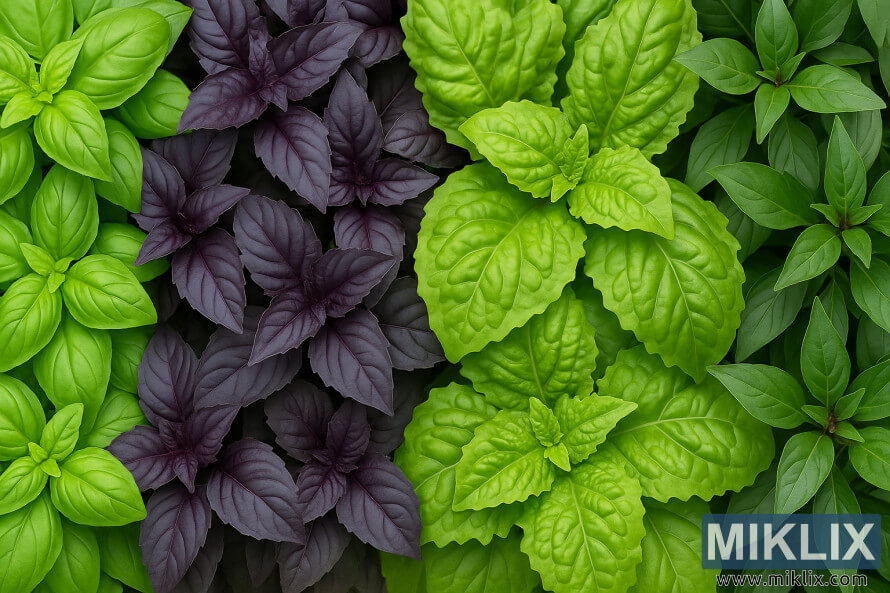
The world of basil extends far beyond the common sweet basil found in grocery stores. Each variety offers unique flavors, aromas, and visual appeal to both your garden and your plate.
Popular Basil Varieties for Home Gardens
Sweet Basil (Ocimum basilicum)
The classic variety with large, tender green leaves and a sweet, aromatic flavor. This is the standard basil for Italian cuisine and pesto. Plants typically grow 18-24 inches tall with a bushy habit.
Thai Basil (Ocimum basilicum var. thyrsiflora)
Distinguished by its purple stems, smaller leaves, and distinctive anise-licorice flavor. More heat-tolerant than sweet basil and essential for authentic Southeast Asian dishes. Grows 12-18 inches tall with beautiful purple flowers.
Purple Basil
Varieties like 'Dark Opal' and 'Purple Ruffles' offer stunning deep purple foliage that adds visual interest to gardens and dishes. The flavor is similar to sweet basil but with a slightly stronger, clove-like note.
Lemon Basil (Ocimum basilicum 'Citriodorum')
Features a bright, citrusy aroma and flavor that pairs wonderfully with fish, salads, and teas. The plants have smaller, narrower leaves than sweet basil and grow 12-18 inches tall.
Cinnamon Basil
Offers a warm, spicy aroma reminiscent of cinnamon. The stems have a reddish-purple hue, and the plant produces beautiful pink flowers. Excellent for fruit salads and desserts.
Greek Dwarf Basil
Forms compact, bushy plants (6-10 inches tall) with small leaves, making it perfect for containers and small spaces. The flavor is more intense than sweet basil, ideal for cooking.
Best Growing Conditions for Thriving Basil Plants
Basil is a heat-loving herb that thrives in specific conditions. Understanding and providing these optimal growing requirements will set the foundation for healthy, productive plants.
Sunlight Requirements
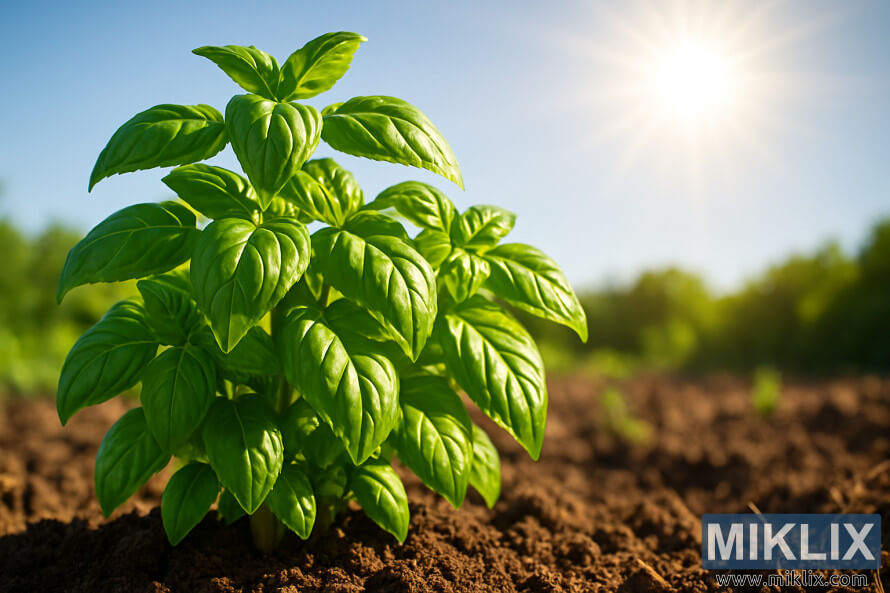
Basil loves warmth and plenty of sunshine. For the best growth and flavor development:
- Provide 6-8 hours of direct sunlight daily
- In extremely hot climates (zones 9+), afternoon shade can prevent leaf scorching
- When growing indoors, place near a south or west-facing window
- If using grow lights, position them 6-12 inches above plants for 14-16 hours daily
Temperature Considerations
As a tropical plant native to warm regions, basil is sensitive to cold temperatures:
- Optimal growing temperature: 70-85°F (21-29°C)
- Minimum temperature: 50°F (10°C) – growth slows significantly below this
- Frost sensitive: Even light frost will damage or kill basil plants
- Wait until 2 weeks after the last frost date to plant outdoors
Soil Requirements
The right soil creates the foundation for healthy basil growth:
- Well-draining, fertile soil with pH between 6.0 and 7.0
- Rich in organic matter to retain moisture while allowing excess water to drain
- Loamy soil texture is ideal – avoid heavy clay soils that retain too much moisture
- For container growing, use high-quality potting mix with added compost
Click or tap the image for more information and higher resolutions.
Step-by-Step Planting Instructions for Successful Basil
Starting Basil from Seeds
- Timing: Start seeds indoors 6-8 weeks before the last expected frost date in your area. For direct outdoor sowing, wait until soil temperatures reach at least 70°F (21°C).
- Seed Preparation: Basil seeds are small and don't require pre-soaking or special treatment before planting.
- Planting Depth: Sow seeds 1/8 inch deep in seed-starting mix. Basil seeds need light to germinate, so don't plant too deeply.
- Spacing: When sowing multiple seeds, space them about 1/4 inch apart in seed trays or pots.
- Moisture: Keep the soil consistently moist but not waterlogged. Consider covering with plastic wrap to maintain humidity until germination.
- Temperature: Maintain soil temperature between 70-75°F (21-24°C) for optimal germination. Use a seed heating mat if necessary.
- Germination: Expect seeds to germinate in 5-10 days under ideal conditions.
Planting Basil Seedlings
- Hardening Off: If starting with indoor-grown seedlings, gradually acclimate them to outdoor conditions over 7-10 days before transplanting.
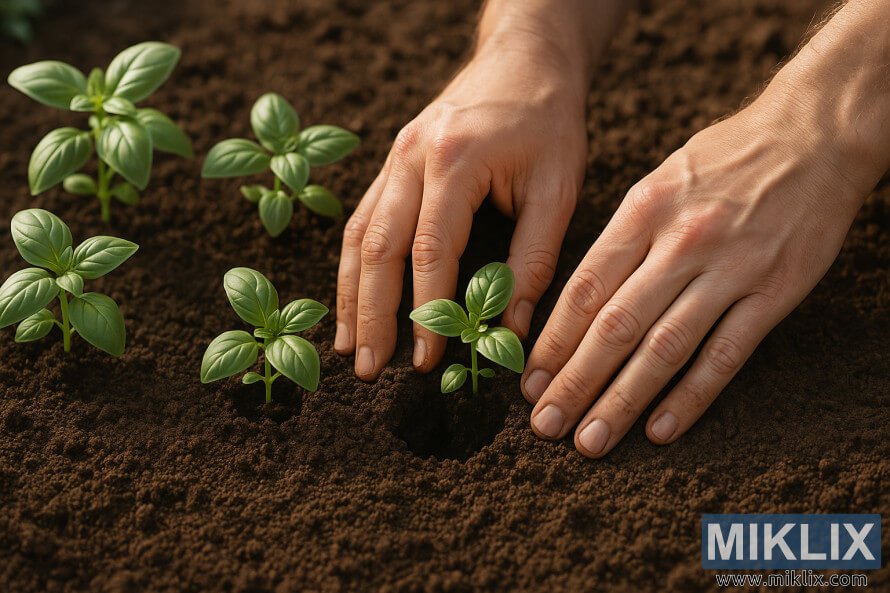
- Timing: Transplant seedlings outdoors when they have 2-3 sets of true leaves and all danger of frost has passed.
- Spacing: Plant seedlings 12-18 inches apart to allow for proper air circulation and growth.
- Planting Depth: Set plants at the same depth they were growing in their containers. Avoid burying the stems deeper as this can cause rotting.
- Watering: Water thoroughly after planting to help establish root contact with the soil.
- Mulching: Apply a thin layer of organic mulch around plants (but not touching stems) to conserve moisture and suppress weeds.
Tip: For a continuous harvest throughout the growing season, plant new basil seeds every 2-3 weeks. This succession planting ensures you'll always have fresh basil available.
Click or tap the image for more information and higher resolutions.
Container Gardening vs. Ground Planting for Basil
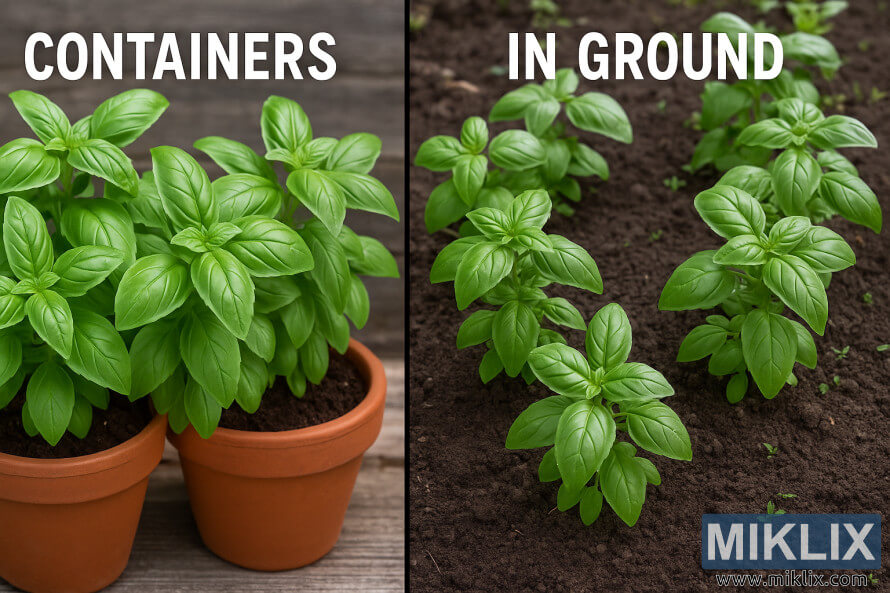
Both container gardening and in-ground planting can yield excellent results with basil. Your choice depends on your available space, climate, and gardening preferences.
Container Growing Advantages
- Perfect for limited space like balconies, patios, and windowsills
- Allows for moving plants to optimize sun exposure
- Easier to protect from frost by bringing containers indoors
- Better control over soil quality and drainage
- Can be placed near the kitchen for convenient harvesting
- Reduces problems with soil-borne diseases and pests
Container Specifications
- Minimum size: 8 inches deep and 8 inches in diameter for a single plant
- Larger containers (12+ inches) can accommodate multiple plants
- Must have drainage holes to prevent waterlogging
- Terra cotta pots work well as they allow soil to breathe
- Dark-colored containers absorb heat, which basil loves
In-Ground Growing Advantages
- Plants typically grow larger and more robust
- Requires less frequent watering once established
- More space for multiple plants and varieties
- Better suited for companion planting strategies
- Lower maintenance once properly established
- More economical for growing large quantities
In-Ground Specifications
- Plant in raised beds or mounded soil for improved drainage
- Space plants 12-18 inches apart in all directions
- Prepare soil with 2-3 inches of compost worked into the top 6 inches
- Choose a location with 6-8 hours of sunlight and protection from strong winds
- Consider using black plastic mulch to warm soil in cooler climates
Click or tap the image for more information and higher resolutions.
Watering and Fertilization Schedule for Healthy Basil
Watering Guidelines
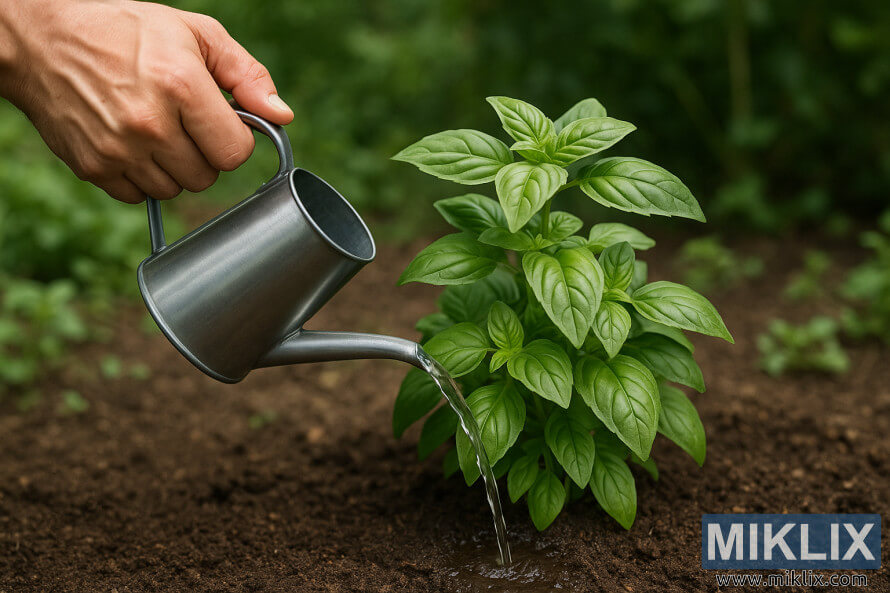
Proper watering is crucial for basil's health and flavor development. The goal is to maintain consistent soil moisture without waterlogging.
| Growing Condition | Watering Frequency | Amount | Special Considerations |
| Container (small) | Daily in summer, every 2-3 days in cooler weather | Until water drains from bottom | Check soil moisture daily; containers dry out quickly |
| Container (large) | Every 2-3 days in summer, 3-4 days in cooler weather | Until water drains from bottom | Larger soil volume retains moisture longer |
| Garden bed | 1-2 times per week | 1-1.5 inches of water per week | Water deeply to encourage deep root growth |
| Raised bed | 2-3 times per week | 1-1.5 inches of water per week | Raised beds drain faster than ground-level beds |
Watering Best Practices:
- Water at the base of plants to keep foliage dry and prevent disease
- Water in the morning to allow any splashed leaves to dry during the day
- Use room temperature water when possible
- Increase watering during hot, dry periods and reduce during cool, rainy weather
- Check soil moisture by inserting your finger 1 inch into the soil – if it feels dry, it's time to water
Click or tap the image for more information and higher resolutions.
Fertilization Schedule
Basil benefits from regular, light feeding to support continuous leaf production without sacrificing flavor intensity.
| Growing Stage | Fertilizer Type | Application Rate | Frequency |
| Seedlings (2-4 weeks) | Half-strength liquid organic fertilizer (balanced) | Per package instructions | Every 2 weeks |
| Established plants | Balanced organic fertilizer (5-5-5) | Per package instructions | Every 3-4 weeks |
| Container plants | Liquid fish emulsion or seaweed extract | Half strength | Every 2-3 weeks |
| Heavy harvesting period | Compost tea or balanced organic fertilizer | Per package instructions | Every 2 weeks |
Important: Avoid high-nitrogen fertilizers as they can reduce the concentration of essential oils that give basil its flavor. Always water plants before applying fertilizer to prevent root burn.
Pruning and Harvesting Techniques for Maximum Basil Yield
Strategic Pruning for Bushier Plants
Proper pruning is the secret to transforming a single-stemmed basil seedling into a bushy, productive plant that provides abundant harvests throughout the season.
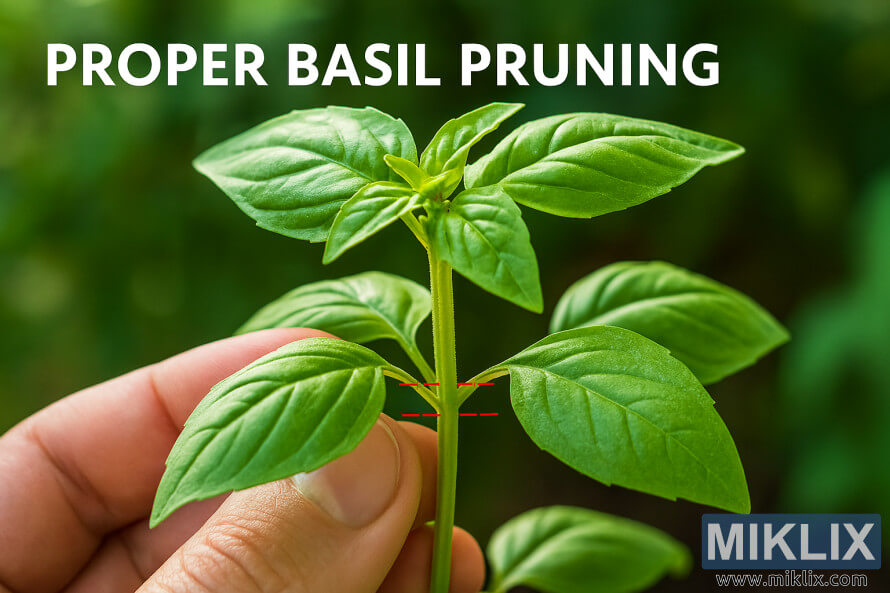
- First Pruning: When your basil plant has 3-4 sets of true leaves and is 6-8 inches tall, make your first pruning cut.
- Where to Cut: Prune just above a set of leaf nodes (where leaves emerge from the stem), cutting about 1/4 inch above the nodes.
- How Much to Remove: For the first pruning, remove the top 1-2 inches of the plant, including the central growing tip.
- Branch Development: This pruning stimulates the plant to develop new branches from the nodes below the cut, creating a bushier plant.
- Ongoing Maintenance: Continue to prune every 2-3 weeks throughout the growing season, always cutting just above leaf nodes.
- Flower Removal: Pinch off flower buds as soon as they appear to extend the harvest period, as flowering signals the plant to reduce leaf production.
Click or tap the image for more information and higher resolutions.
Harvesting Methods for Optimal Flavor and Yield
Regular Small Harvests
- Begin harvesting when plants have at least 6-8 leaves
- Take a few leaves from each plant, starting with the top leaves
- Harvest in the morning after dew has dried but before the heat of the day
- Use sharp scissors or pruners to make clean cuts
- Ideal for daily kitchen use and maintaining plant health
Larger Harvests
- Cut stems back by up to 1/3 of the plant's height
- Always leave at least 3-4 sets of leaves on each stem
- Harvest larger amounts just before flowering for maximum flavor
- For making pesto or drying, harvest larger quantities in mid-morning
- Larger harvests stimulate robust regrowth when done properly
Harvesting Tip: For the best flavor, harvest basil leaves just before the plant flowers. The essential oils that give basil its distinctive aroma and taste are most concentrated at this stage.
Common Pests and Diseases with Organic Solutions
Identifying and Treating Common Basil Pests
| Pest | Signs of Infestation | Organic Treatment | Prevention |
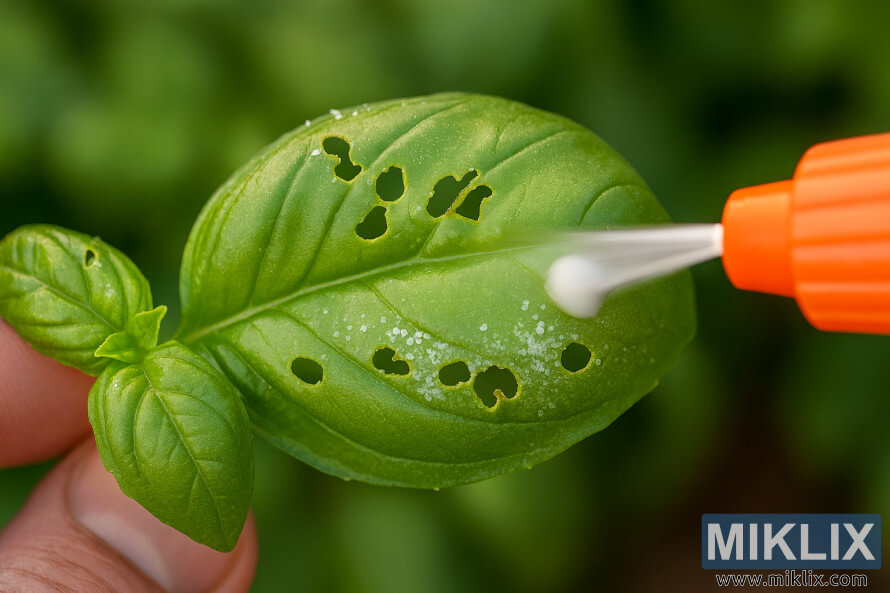
| Aphids | Clusters of tiny green, black, or white insects on stems and undersides of leaves; sticky residue; curling leaves | Spray with strong stream of water; apply insecticidal soap or neem oil solution; introduce ladybugs | Companion planting with marigolds or nasturtiums; regular inspection; healthy growing conditions |
| Japanese Beetles | Skeletonized leaves with only veins remaining; metallic green beetles visible on plants | Hand-pick and drop in soapy water; apply neem oil; use row covers during peak season | Companion planting with catnip or garlic; maintain plant health; introduce beneficial nematodes to soil |
| Slugs and Snails | Large irregular holes in leaves; slime trails; feeding damage typically occurs overnight | Diatomaceous earth barrier around plants; beer traps; copper tape barriers; hand-picking at night | Water in morning only; keep garden free of debris; create rough barriers around plants |
| Spider Mites | Fine webbing on undersides of leaves; stippled, yellowing leaves; tiny moving dots visible with magnification | Spray plants with water; apply insecticidal soap or neem oil; introduce predatory mites | Maintain humidity around plants; avoid water stress; regular inspection of leaf undersides |
Click or tap the image for more information and higher resolutions.
Managing Common Basil Diseases
| Disease | Symptoms | Organic Treatment | Prevention |
| Downy Mildew | Yellowing leaves with fuzzy gray-purple growth on undersides; blackening leaves; eventual plant death | Remove and destroy affected plants; apply copper fungicide at first signs; improve air circulation | Plant resistant varieties; water at base of plants; provide good air circulation; avoid overhead watering |
| Fusarium Wilt | Yellowing and wilting leaves despite adequate watering; brown discoloration in stems; stunted growth | No effective treatment; remove and destroy infected plants; sterilize containers and tools | Use clean soil; practice crop rotation; choose resistant varieties; maintain plant vigor |
| Leaf Spot | Brown or black spots on leaves with yellow halos; spots may merge into larger lesions | Remove affected leaves; apply organic copper fungicide; improve air circulation | Avoid wetting leaves; space plants properly; use drip irrigation; clean garden debris |
| Root Rot | Wilting despite moist soil; yellowing leaves; brown, mushy roots; stunted growth | Improve drainage; repot container plants in fresh soil; reduce watering frequency | Use well-draining soil; avoid overwatering; use containers with drainage holes; avoid compacted soil |
Companion Planting Suggestions for Healthier Basil
Strategic companion planting can enhance basil's growth, flavor, and natural pest resistance while benefiting neighboring plants. Here's how to create beneficial plant communities with your basil.
Beneficial Companions for Basil
Vegetables
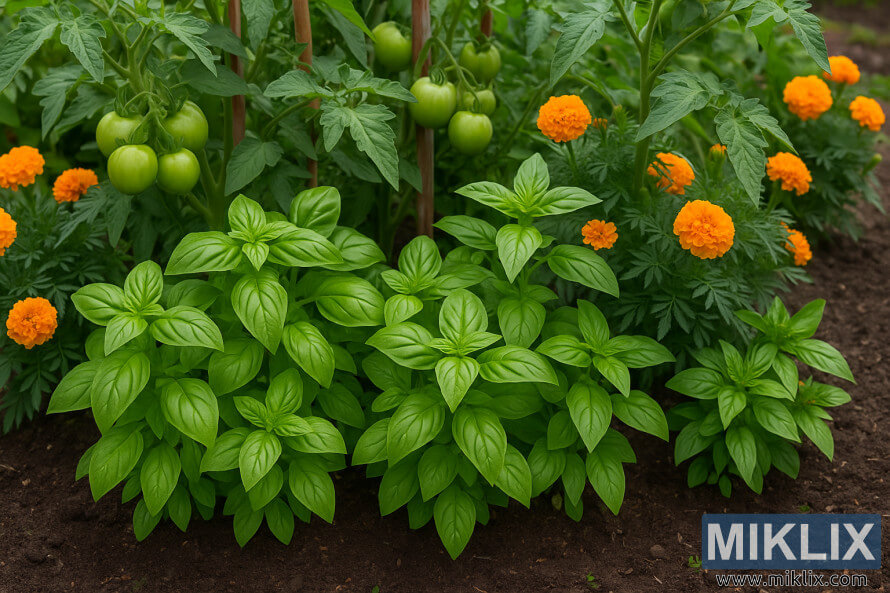
- Tomatoes: The classic companion. Basil improves tomato flavor and growth while repelling tomato hornworms and flies.
- Peppers: Basil helps deter aphids, spider mites, and thrips that commonly attack pepper plants.
- Asparagus: Basil repels asparagus beetles while asparagus provides partial shade in hot weather.
- Lettuce: Basil's aromatic oils help protect lettuce from slugs and aphids.
- Root vegetables: Carrots, beets, and potatoes benefit from basil's pest-repelling properties.
Herbs
- Chamomile: Improves basil's essential oil production and enhances its flavor.
- Oregano: Similar growing requirements make them good companions, and they repel different pests.
- Chives: Help deter aphids that might otherwise attack basil.
- Borage: Attracts pollinators and beneficial insects that protect basil.
- Parsley: Grows well with basil and attracts beneficial insects.
Flowers
- Marigolds: Repel nematodes and other soil pests that can damage basil roots.
- Nasturtiums: Act as trap crops for aphids, keeping them away from basil.
- Petunias: Deter many common garden pests including aphids and tomato hornworms.
- Calendula: Attracts beneficial insects and pollinators to the garden.
- Alyssum: Provides ground cover and attracts beneficial insects.
Plants to Avoid Planting Near Basil
- Rue: Inhibits basil's growth through allelopathic effects.
- Sage: Competes with basil and can stunt its growth.
- Fennel: Releases compounds that inhibit the growth of many herbs, including basil.
- Cucumber: May stunt basil's growth and compete for nutrients.
- Rosemary: Prefers drier conditions than basil and can cause competition issues.
- Common thyme: Requires drier soil than basil, creating conflicting growing conditions.
Companion Planting Tip: Plant basil around the base of tomato plants to improve tomato flavor, repel pests, and maximize garden space. The two plants have similar water and sunlight requirements, making them perfect companions.
Click or tap the image for more information and higher resolutions.
Preserving and Storing Your Basil Harvest
When your basil plants are producing more than you can use fresh, these preservation methods will help you enjoy your harvest year-round.
Short-Term Storage for Fresh Basil
Bouquet Method (3-7 days)
- Trim the ends of basil stems at an angle
- Place stems in a jar with 1-2 inches of water, like a bouquet of flowers
- Cover loosely with a plastic bag (not airtight)
- Store at room temperature, not in the refrigerator
- Change water every 1-2 days
Paper Towel Method (5-7 days)
- Gently wash and thoroughly dry basil leaves
- Wrap loosely in slightly damp paper towels
- Place in a plastic bag or container, partially sealed
- Store in the refrigerator's crisper drawer
- Check daily and replace paper towels if they become too wet
Click or tap the image for more information and higher resolutions.
Long-Term Preservation Methods
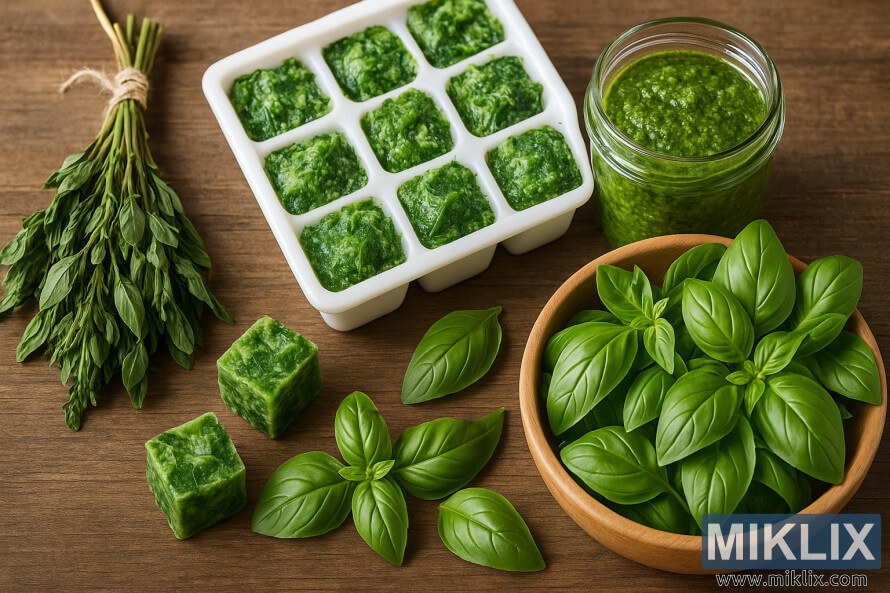
Freezing Basil
Duration: 6-12 months
Whole Leaf Method
- Blanch leaves in boiling water for 2 seconds
- Transfer immediately to ice water
- Pat dry thoroughly
- Arrange in a single layer on a baking sheet
- Freeze until solid (1-2 hours)
- Transfer to freezer bags, removing as much air as possible
Oil Cube Method
- Chop fresh basil leaves
- Fill ice cube trays 2/3 full with chopped basil
- Cover with olive oil
- Freeze until solid
- Transfer cubes to freezer bags
- Add frozen cubes directly to soups, sauces, or sautés
Drying Basil
Duration: 1-2 years
Air Drying
- Harvest stems in the morning after dew has dried
- Bundle 5-10 stems together with twine
- Hang bundles upside down in a warm, dry, well-ventilated area away from direct sunlight
- Allow to dry for 1-2 weeks until leaves crumble easily
- Remove dried leaves from stems
- Store in airtight containers away from light and heat
Oven Drying
- Preheat oven to lowest setting (typically 170-180°F)
- Arrange leaves in a single layer on a baking sheet
- Bake with door slightly ajar for 2-4 hours until completely dry
- Cool completely before storing in airtight containers
Preserving in Oil and Vinegar
Duration: 2-6 months
Basil-Infused Oil
- Blanch leaves in boiling water for 5-10 seconds
- Cool in ice water and pat completely dry
- Pack in sterilized jars
- Cover completely with quality olive oil
- Refrigerate and use within 2 weeks, or freeze for longer storage
Basil Vinegar
- Fill sterilized jar 1/3 full with fresh basil leaves
- Heat white wine or champagne vinegar to just below boiling
- Pour hot vinegar over basil, covering completely
- Seal and store in a cool, dark place for 2 weeks
- Strain out basil and transfer to decorative bottles
- Use in salad dressings and marinades
Frequently Asked Questions About Growing Basil
When is the best time to plant basil?
Plant basil outdoors after all danger of frost has passed and soil temperatures reach at least 50°F (10°C), typically 1-2 weeks after the last frost date in your area. For most regions in the United States, this means planting in mid to late May. In warmer zones (9-11), you can plant earlier. For indoor starting, sow seeds 6-8 weeks before your last frost date.
Why are my basil leaves turning yellow?
Yellowing basil leaves can be caused by several factors:
- Overwatering: The most common cause. Ensure soil drains well and allow the top inch to dry between waterings.
- Nutrient deficiency: Particularly nitrogen. Apply a balanced organic fertilizer.
- Temperature stress: Temperatures below 50°F (10°C) can cause yellowing.
- Pest infestation: Check undersides of leaves for aphids or spider mites.
- Disease: Fungal issues like downy mildew can cause yellowing with fuzzy growth underneath.
How do I prevent my basil from flowering?
Regular pruning is the key to preventing flowering. Pinch off flower buds as soon as they appear. Harvest from your plant frequently, removing the top sets of leaves to encourage bushier growth rather than vertical growth. Ensure plants receive adequate water and nutrients, as stress can trigger flowering. In very hot weather, providing afternoon shade can help delay flowering.
Can I grow basil indoors year-round?
Yes, basil can be grown indoors year-round with proper conditions:
- Place near a south or west-facing window that receives 6+ hours of sunlight
- Supplement with grow lights during winter months or in low-light conditions
- Maintain temperatures between 65-80°F (18-27°C)
- Use well-draining potting mix in containers with drainage holes
- Water when the top inch of soil feels dry
- Provide good air circulation to prevent fungal issues
- Fertilize lightly every 4-6 weeks with balanced organic fertilizer
Why does my basil wilt even when the soil is moist?
Wilting despite moist soil often indicates root problems:
- Root rot: Caused by overwatering or poor drainage. Check roots for brown, mushy appearance.
- Fusarium wilt: A fungal disease that blocks water uptake. Look for brown discoloration in stems.
- Temperature stress: Extreme heat can cause temporary wilting even with adequate moisture.
- Transplant shock: Recently moved plants may wilt temporarily as they adjust.
- Root-bound: Pot-bound plants with circling roots can't absorb water efficiently.
Improve drainage, avoid overwatering, and consider repotting if roots are crowded or diseased.
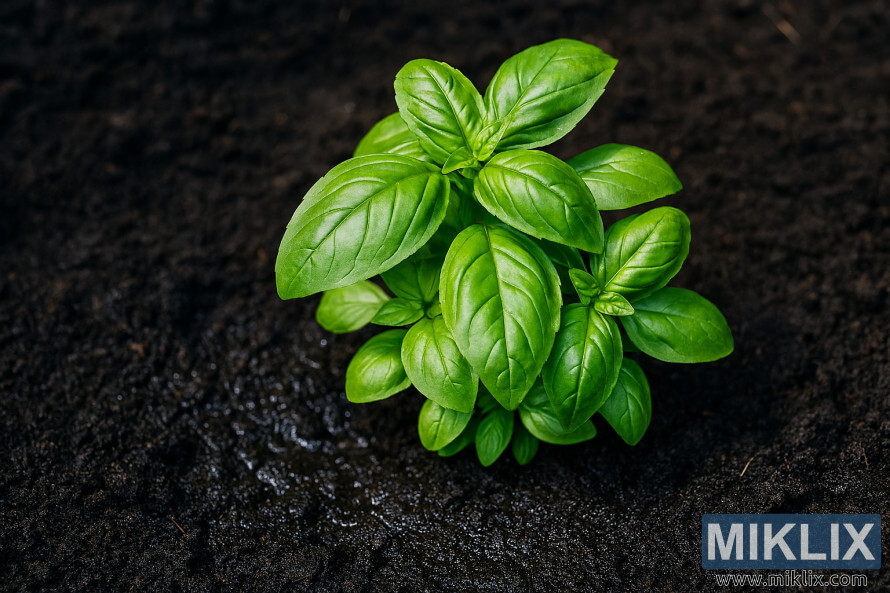
How much basil will one plant produce?
A well-maintained basil plant can produce approximately:
- 1/2 to 1 cup of leaves per week during peak season
- 20-24 cups of loosely packed leaves over a full growing season
- Enough for 4-6 batches of pesto (about 2 cups each)
Yield depends on variety, growing conditions, and harvesting frequency. Regular pruning increases production significantly. For a family of four using basil regularly, 3-4 plants should provide ample supply for fresh use, with extra for preserving.
Click or tap the image for more information and higher resolutions.
Enjoying the Fruits of Your Labor
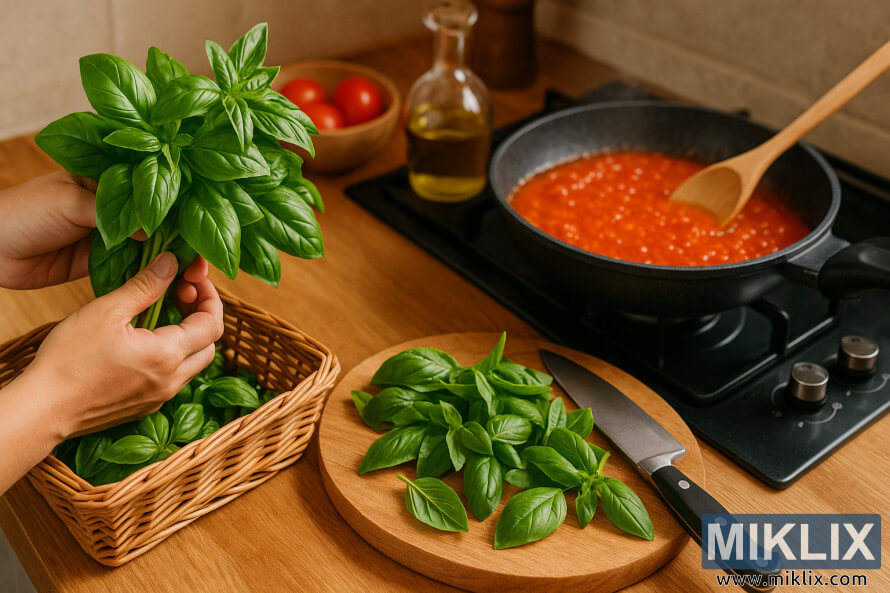
Growing basil is a journey that rewards you with not just abundant harvests, but also the satisfaction of nurturing a plant from seed to table. With the right conditions, care, and harvesting techniques, your basil plants will provide you with months of fresh, aromatic leaves that elevate countless dishes.
Remember that basil growing is both a science and an art. Don't be discouraged by initial challenges – each growing season brings new lessons and improvements. Experiment with different varieties to discover your favorites, and don't hesitate to try new preservation methods to enjoy your harvest year-round.
Whether you're growing basil in a spacious garden bed or in a small pot on your windowsill, the principles remain the same: provide warmth, sunlight, consistent moisture, and regular harvesting. Your efforts will be rewarded with the incomparable flavor and fragrance of fresh basil that store-bought simply can't match.
Click or tap the image for more information and higher resolutions.
Further Reading
If you enjoyed this post, you may also like these suggestions:
- A Complete Guide to Growing Ginger at Home
- A Guide to Growing Dill in Your Own Garden
- How to Grow Rosemary: Your Complete Growing Guide