
A Complete Guide to Growing Ginger at Home
Published: January 9, 2026 at 4:46:37 PM UTC
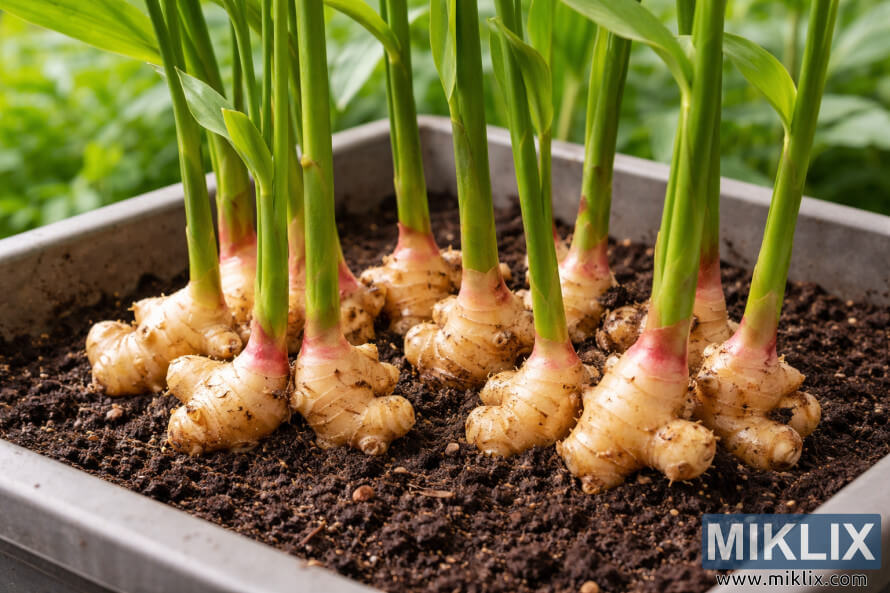
Growing your own ginger offers a world of benefits that store-bought options simply can't match. Fresh ginger from your garden delivers superior flavor, contains no chemical preservatives, and costs a fraction of what you'd pay at the grocery store.
Click or tap the image for more information and higher resolutions.
Whether you're an experienced gardener or just starting out, this tropical plant is surprisingly adaptable and can thrive in containers even in non-tropical climates. In this comprehensive guide, we'll walk through everything you need to know to successfully grow, harvest, and enjoy your own organic ginger.
Benefits of Growing Your Own Ginger
Health Benefits
- Access to truly fresh ginger with higher levels of beneficial compounds
- Complete control over growing conditions - no pesticides or chemicals
- Higher gingerol content in home-grown ginger (the active anti-inflammatory compound)
- Thin-skinned varieties that don't require peeling
Practical Benefits
- Significant cost savings over store-bought organic ginger
- Year-round supply with proper planning and storage
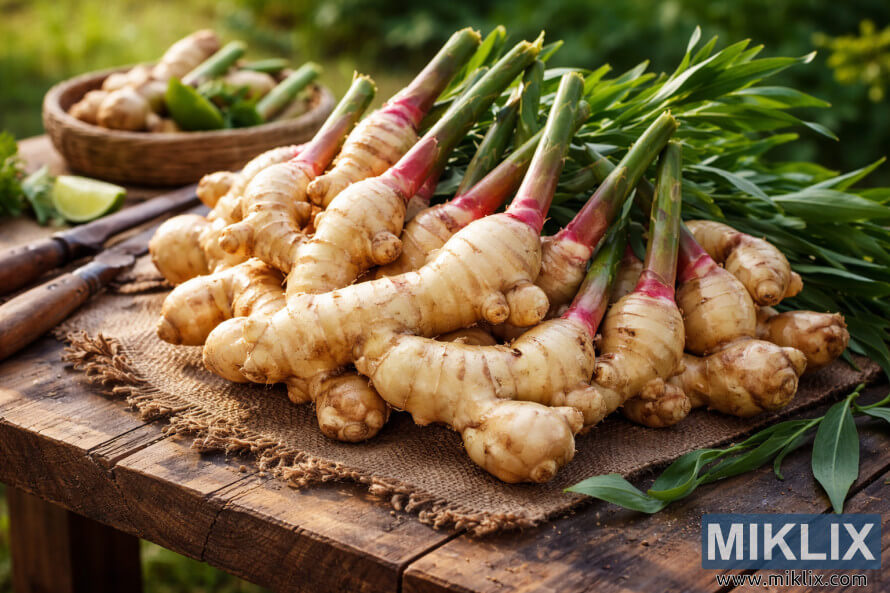
- Access to young "baby ginger" which is rarely available in stores
- Beautiful ornamental plant that adds tropical flair to your garden
Click or tap the image for more information and higher resolutions.
Getting Started: When and What You Need
Best Time to Plant Ginger
Timing is crucial when growing ginger. As a tropical plant, ginger requires warm soil temperatures above 55°F (13°C) to sprout and grow properly. For most regions in the United States, this means:
| Climate Zone | Ideal Planting Time | Growing Season Length |
| Zones 9-11 (Tropical/Subtropical) | Early spring (March-April) | 8-10 months outdoors |
| Zones 7-8 (Warm Temperate) | Mid-spring (April-May) | 6-8 months with protection |
| Zones 3-6 (Cold Temperate) | Late spring (May) or indoor start in late winter | 4-6 months, container recommended |
For northern gardeners, pre-sprouting ginger indoors 8-10 weeks before your last frost date gives your plants a crucial head start. This extended growing season allows the rhizomes to develop fully before cooler fall temperatures arrive.
Selecting Ginger Rhizomes for Planting
The quality of your starting material significantly impacts your success with growing ginger. Here's what to look for when selecting ginger rhizomes:
Best Sources for Planting Ginger
- Specialized seed companies selling "seed ginger"
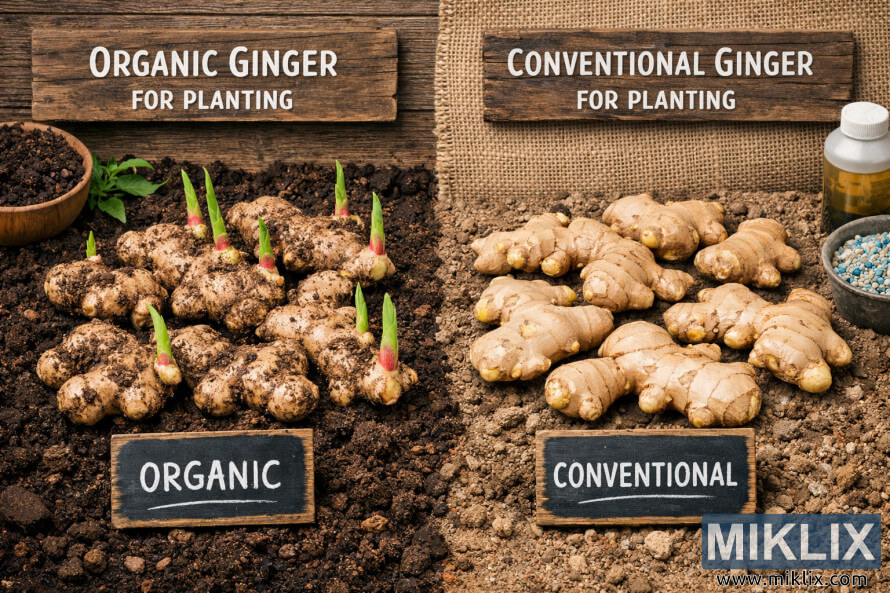
- Organic grocery store ginger (look for plump pieces with visible "eyes" or growth buds)
- Farmers markets where you can ask about growth inhibitor treatments
- Garden centers that carry tropical plants
Avoid These Sources
- Conventional grocery store ginger (often treated with growth inhibitors)
- Dried or old shriveled rhizomes
- Pieces showing signs of mold or soft spots
- Pre-packaged ginger with no visible growth buds
Pro Tip: If using grocery store ginger, soak it in water for 24 hours before planting to help remove any potential growth inhibitors. Change the water once during this period.
Click or tap the image for more information and higher resolutions.
Essential Materials for Growing Ginger
Container Options
- Wide, shallow containers (at least 12" wide)
- Fabric grow bags (5-7 gallon size)
- Terracotta pots with drainage holes
- Raised garden beds for outdoor growing
Soil Requirements
- Rich, loamy soil with excellent drainage
- Coconut coir (50%) mixed with compost (50%)
- Organic potting mix with added perlite
- pH level between 5.5-6.5 (slightly acidic)
Additional Supplies
- Organic compost or slow-release fertilizer
- Mulch material (straw or coconut coir)
- Heat mat for pre-sprouting (optional)
- Humidity dome for early growth (optional)
Step-by-Step Planting Guide
Preparing Your Ginger Rhizomes
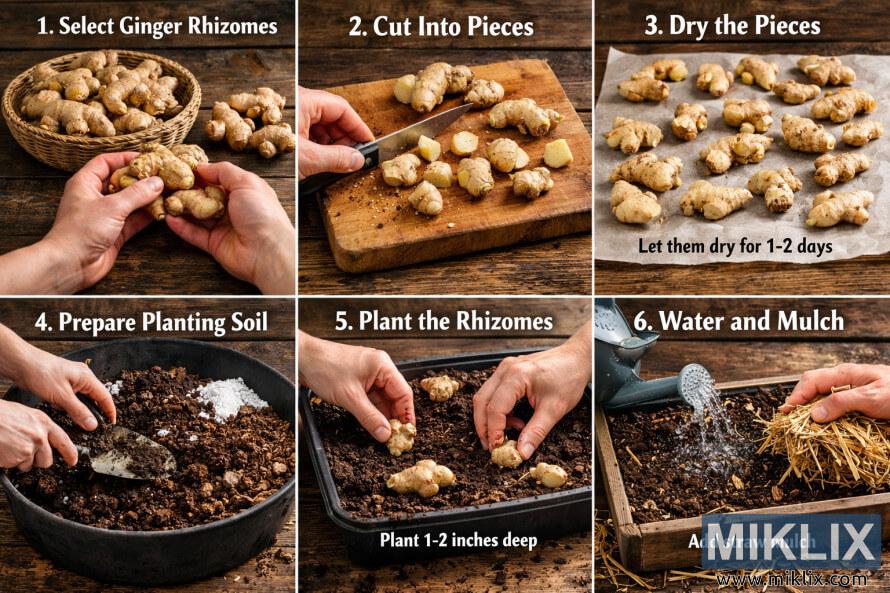
- Inspect and select rhizomes: Choose plump, firm pieces with visible growth buds or "eyes" (small yellowish tips on the rhizome).
- Soak overnight: Place rhizomes in a bowl of warm water for 24 hours to stimulate growth and remove any growth inhibitors.
- Cut into sections: Using a clean, sharp knife, cut larger rhizomes into pieces 1-2 inches long, ensuring each piece has at least 2-3 growth buds.
- Allow to callus: Let cut pieces dry at room temperature for 24-48 hours to form a protective callus over the cut surfaces, which helps prevent rot.
Click or tap the image for more information and higher resolutions.
Soil Preparation and Container Setup
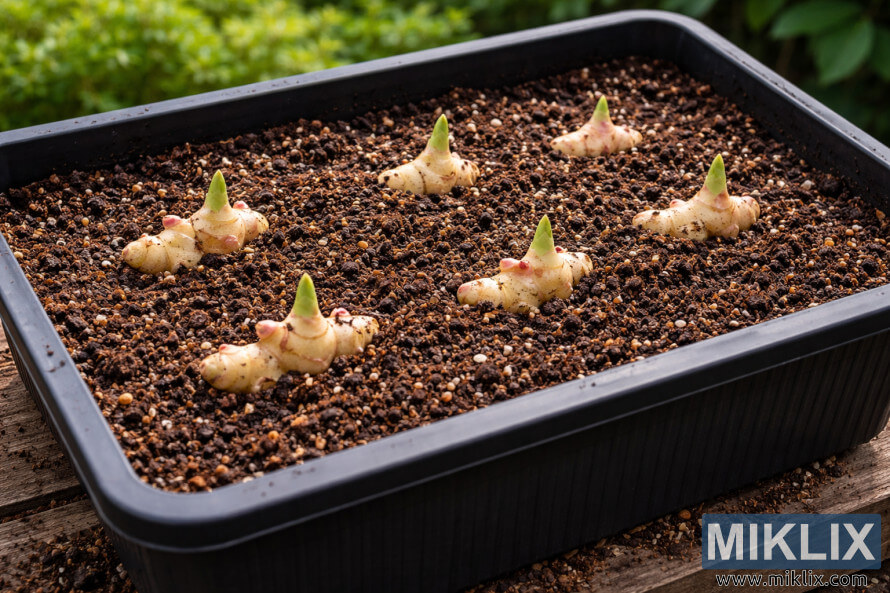
- Prepare your container: Ensure your container has adequate drainage holes. For best results, choose a wide, shallow container as ginger grows horizontally rather than vertically.
- Mix your growing medium: Combine equal parts coconut coir and compost, or use a high-quality potting mix amended with additional compost and perlite for drainage.
- Add slow-release fertilizer: Mix in a small amount of organic slow-release fertilizer to provide nutrients throughout the growing season.
- Fill container: Add your soil mixture to within 2 inches of the container rim to allow space for mulching later.
Click or tap the image for more information and higher resolutions.
Planting Technique
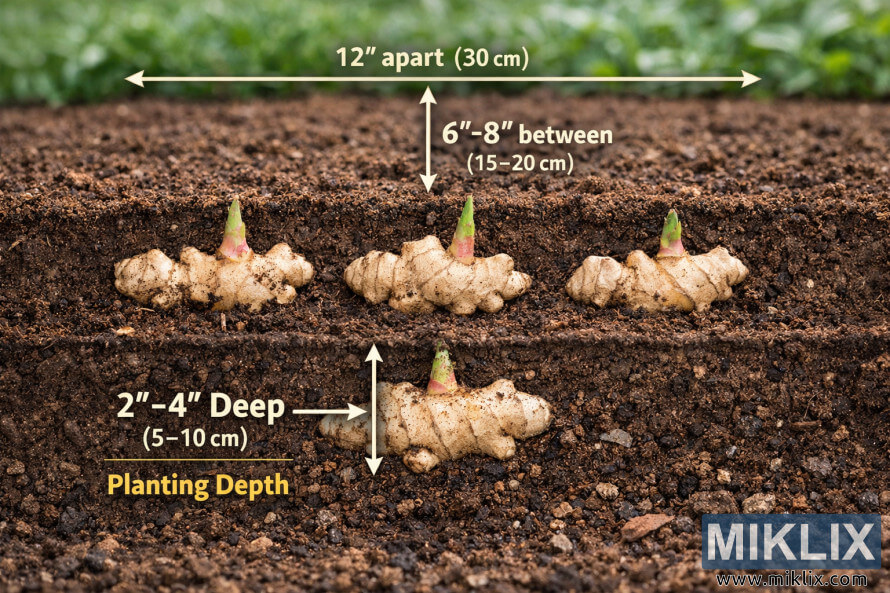
- Create planting depressions: Make shallow depressions in the soil about 2-3 inches deep.
- Position rhizomes: Place the ginger pieces in the depressions with the growth buds pointing upward.
- Proper spacing: Space pieces 8-12 inches apart to give plants room to spread.
- Cover lightly: Cover with 1-2 inches of soil, gently firming it down.
- Initial watering: Water thoroughly but gently, ensuring the soil is evenly moist but not waterlogged.
Important: Be patient! Ginger can take 3-8 weeks to sprout, depending on temperature and growing conditions. Keep soil consistently moist but not soggy during this period.
Click or tap the image for more information and higher resolutions.
Care and Maintenance for Thriving Ginger Plants
Watering Schedule and Moisture Requirements
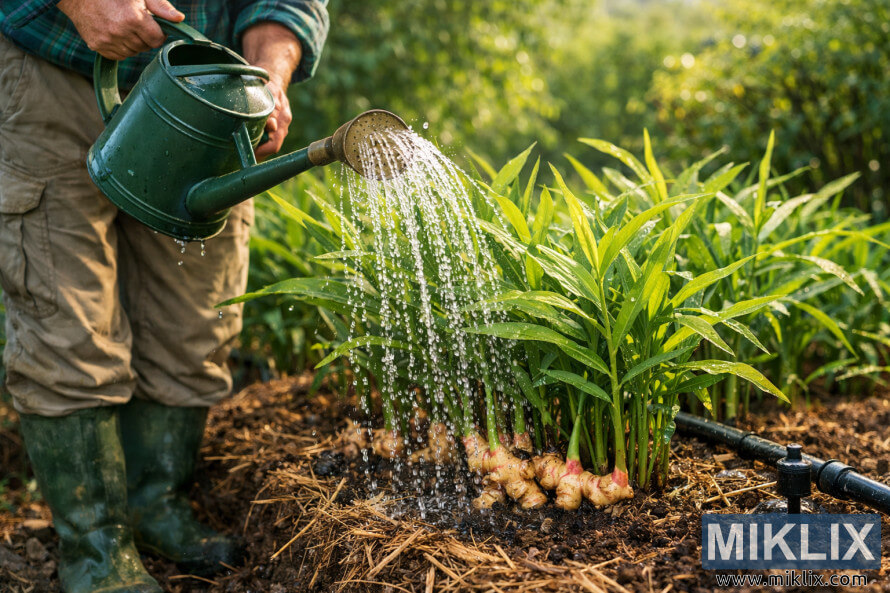
Proper watering is crucial for ginger success. This tropical plant requires consistent moisture but will rot if left in standing water. Here's how to get it right:
Early Growth Stage (Pre-Sprouting)
- Keep soil lightly moist but never soggy
- Water only when the top inch of soil feels dry
- Avoid overhead watering to prevent rot
Active Growth Stage (After Sprouting)
- Increase watering as plants establish
- Water deeply when top 1-2 inches of soil dries
- Morning watering is best to prevent overnight moisture
In hot summer weather, container-grown ginger may need daily watering. Always check soil moisture with your finger before watering, and ensure containers have proper drainage.
Click or tap the image for more information and higher resolutions.
Light and Temperature Requirements
Light Conditions
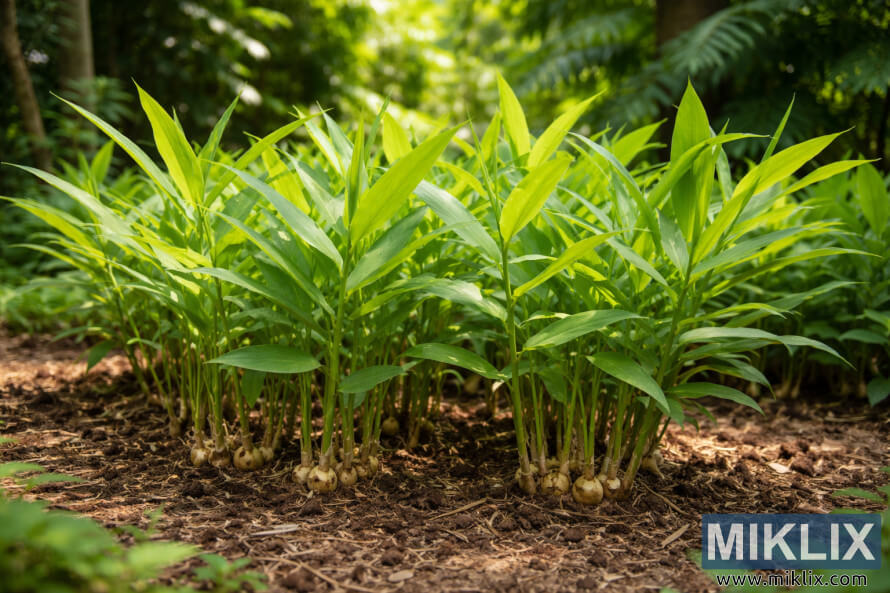
- Partial shade to filtered sunlight is ideal
- Morning sun with afternoon shade works well
- Protect from intense midday sun
- Indoors: bright indirect light near east or west window
Temperature Needs
- Optimal growing temperature: 75-85°F (24-29°C)
- Minimum temperature: 55°F (13°C)
- Bring indoors when temperatures drop below 50°F (10°C)
- Avoid cold drafts and air conditioning vents
Click or tap the image for more information and higher resolutions.
Fertilization Schedule
Ginger is a moderate to heavy feeder that benefits from regular nutrient supplementation throughout its growing season:
| Growth Stage | Fertilizer Type | Application Rate | Frequency |
| Pre-planting | Slow-release organic fertilizer | As directed on package | Once, mixed into soil |
| Early growth (1-2 months) | Balanced liquid organic fertilizer (5-5-5) | Half-strength | Every 3-4 weeks |
| Active growth (3-6 months) | Higher phosphorus liquid fertilizer (5-10-5) | Full strength | Every 2-3 weeks |
| Pre-harvest (7+ months) | Compost tea | As prepared | Every 2 weeks |
Organic Fertilizer Options: Fish emulsion, seaweed extract, compost tea, and worm castings are all excellent organic fertilizer choices for ginger plants.
Pest and Disease Management
Ginger is relatively pest and disease resistant when grown in proper conditions, but can still face some challenges:
Common Pests
- Spider mites: Treat with neem oil or insecticidal soap
- Aphids: Spray with strong water stream or use insecticidal soap
- Thrips: Apply neem oil weekly until controlled
Disease Prevention
- Root rot: Ensure proper drainage and avoid overwatering
- Bacterial wilt: Use clean planting materials and tools
- Fungal issues: Maintain good air circulation and avoid overhead watering
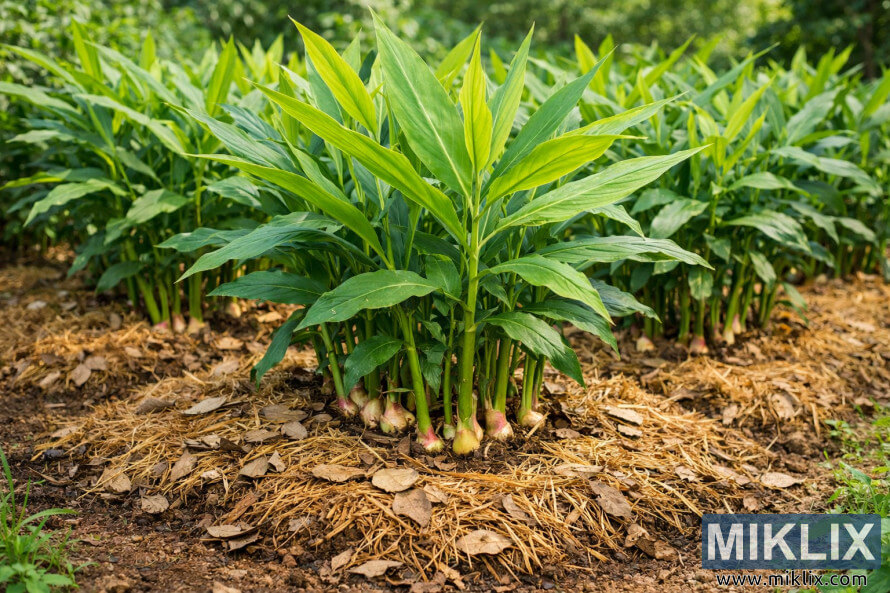
If you notice yellowing leaves, check the rhizomes for signs of rot. Healthy rhizomes should be firm and fragrant. Remove any soft or discolored sections immediately to prevent spread.
Click or tap the image for more information and higher resolutions.
Harvesting Your Homegrown Ginger
Timeline for Maturity
Ginger typically requires 8-10 months to reach full maturity, but can be harvested at different stages depending on your preference:
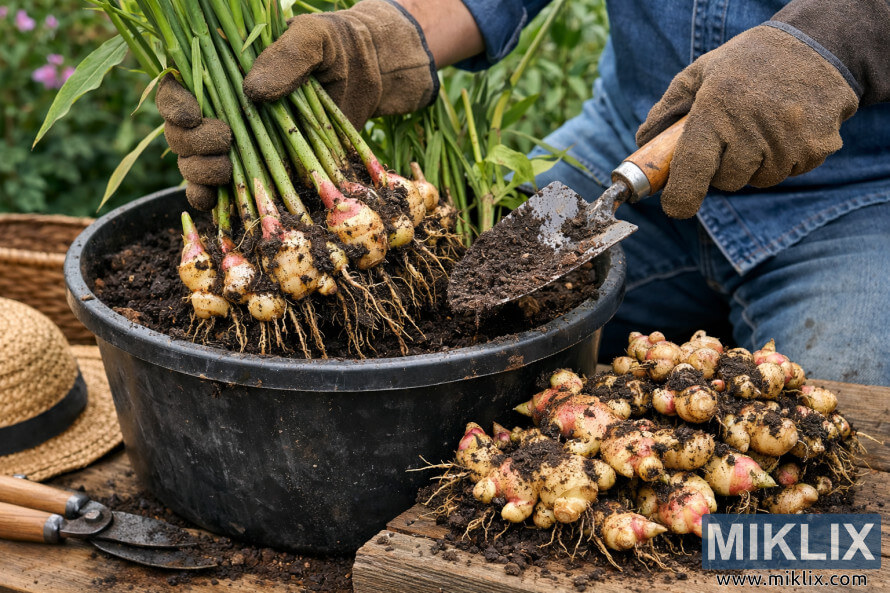
| Harvest Stage | Timeline | Characteristics | Best Uses |
| Baby Ginger | 4-6 months | Tender, pink-tinged, thin skin, mild flavor | Fresh eating, no need to peel, candying |
| Young Ginger | 6-8 months | Firmer texture, stronger flavor, thin skin | Cooking, juicing, minimal peeling needed |
| Mature Ginger | 8-10+ months | Fully developed, fibrous, strong flavor | Drying, grinding, long-term storage |
Click or tap the image for more information and higher resolutions.
Harvesting Techniques
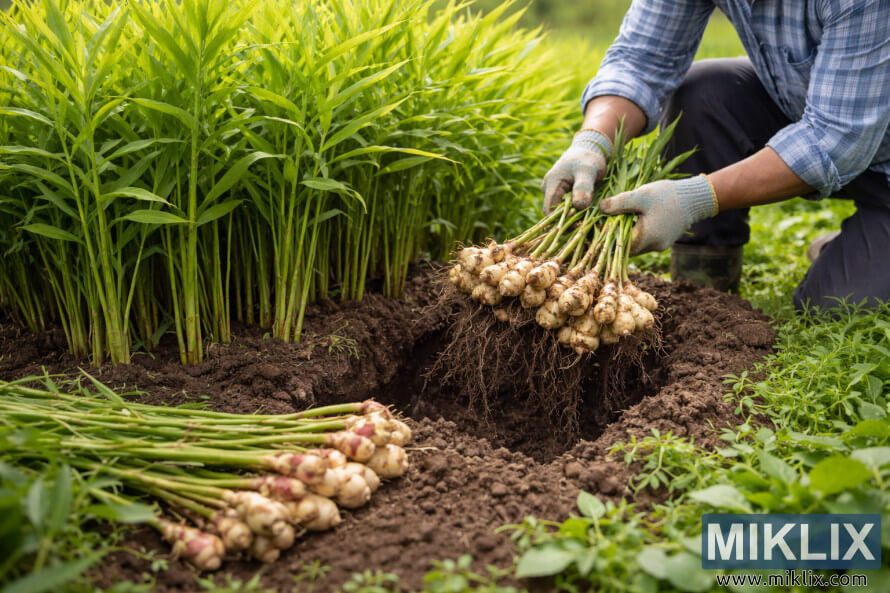
Complete Harvest
- Wait until the foliage begins to yellow and die back naturally (usually in fall)
- For container plants, gently tip the container on its side and carefully remove the soil
- For garden plants, use a garden fork to gently loosen the soil around the plant, working from the outside in
- Lift the entire rhizome mass, being careful not to damage the tender skin
- Shake off excess soil and rinse gently with water
- Cut off the stems about an inch above the rhizomes
Partial Harvest (For Continuous Growth)
- Carefully remove soil from one edge of the container or garden bed
- Locate outer rhizomes that have developed sufficiently
- Using clean scissors or a knife, cut off the desired amount
- Leave the main rhizome and some growth points intact
- Gently replace the soil and water thoroughly
- The plant will continue to grow and produce more rhizomes
Saving Seed Ginger: Set aside the best-looking rhizomes with multiple growth buds for replanting. Store these in a cool, dry place until the next planting season.
Click or tap the image for more information and higher resolutions.
Storage and Usage of Fresh Ginger
Proper Storage Methods
Short-Term Storage (1-3 weeks)
- Store unpeeled in a paper bag in the refrigerator crisper drawer
- Do not store in plastic as this promotes mold
- Check periodically and remove any pieces that show signs of spoilage
Medium-Term Storage (1-6 months)
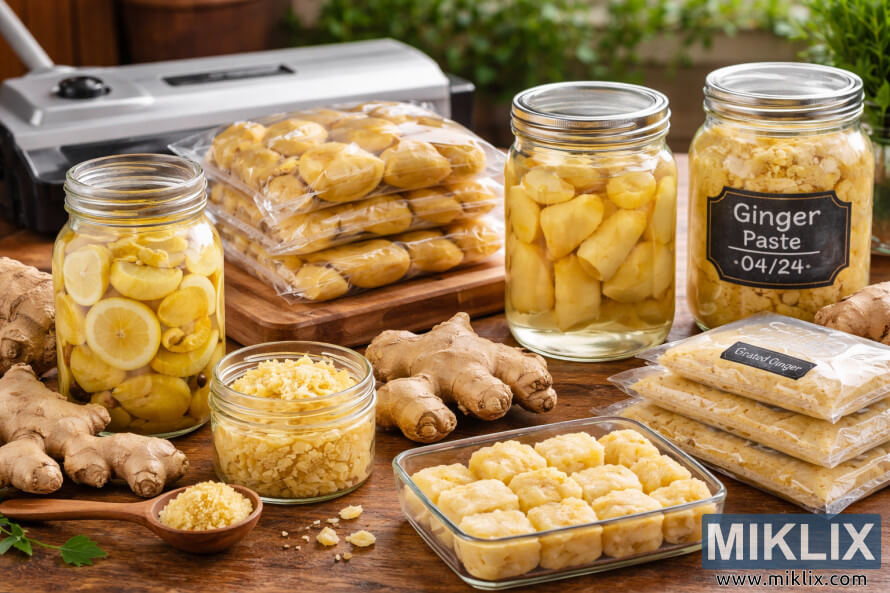
- Freeze whole unpeeled pieces in an airtight container
- Grate frozen ginger as needed (no need to thaw)
- Preserve in vodka or sherry in a glass jar in the refrigerator
Long-Term Storage (6+ months)
- Dehydrate thin slices until completely dry
- Grind dried ginger into powder
- Store in airtight containers away from light and heat
Click or tap the image for more information and higher resolutions.
Preserving Techniques
Freezing Methods
- Whole pieces: Freeze unpeeled in freezer bags
- Grated paste: Blend with a little water and freeze in ice cube trays
- Minced: Chop finely and freeze in small portions
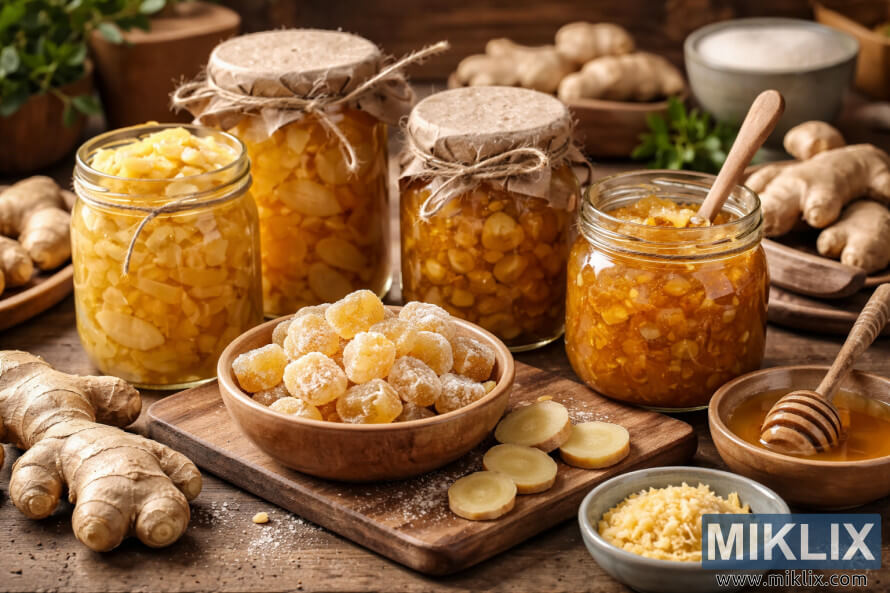
Preservation Recipes
- Pickled ginger: Slice thinly and preserve in vinegar, sugar, and salt
- Crystallized ginger: Simmer in sugar syrup and coat with sugar
- Ginger syrup: Simmer ginger in equal parts sugar and water
Click or tap the image for more information and higher resolutions.
Recipe Ideas for Homegrown Ginger
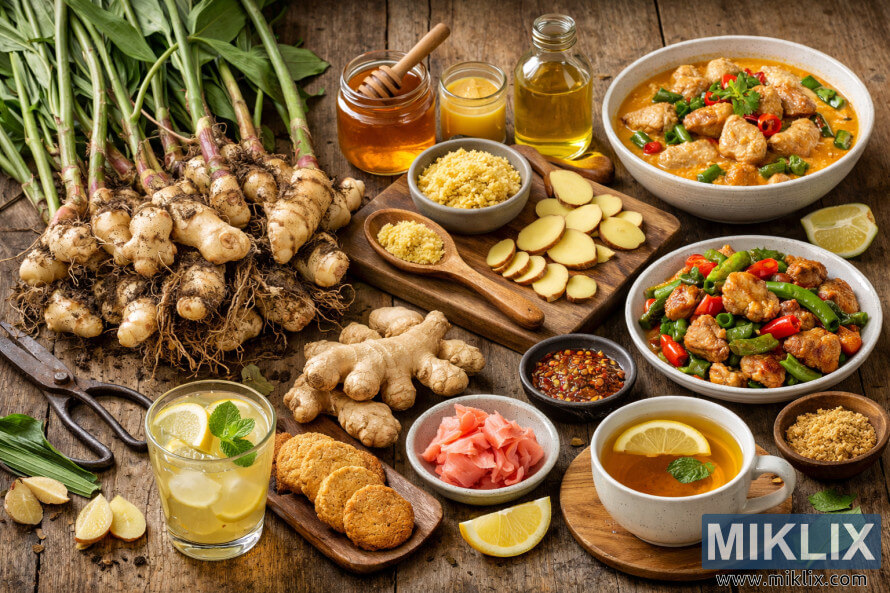
Beverages
- Fresh ginger tea with honey and lemon
- Homemade ginger beer
- Ginger-infused kombucha
- Immune-boosting ginger shots
Savory Dishes
- Stir-fries with fresh ginger
- Ginger-garlic paste for curries
- Ginger-infused soups
- Marinades for meat and vegetables
Sweet Treats
- Gingerbread using fresh grated ginger
- Ginger ice cream
- Candied ginger pieces
- Ginger-infused fruit compotes

Click or tap the image for more information and higher resolutions.
Troubleshooting Common Ginger Growing Problems
Why aren't my ginger rhizomes sprouting?
Slow or no sprouting is often due to:
- Temperature too low: Ensure soil temperature is above 55°F (13°C). Use a heat mat if necessary.
- Growth inhibitors: If using store-bought ginger, soak for 24 hours in water before planting.
- Overwatering: Ensure soil is moist but not waterlogged, as this can cause rhizomes to rot before sprouting.
- Patience needed: Ginger can take 3-8 weeks to sprout. As long as rhizomes remain firm and show no signs of rot, continue to wait.
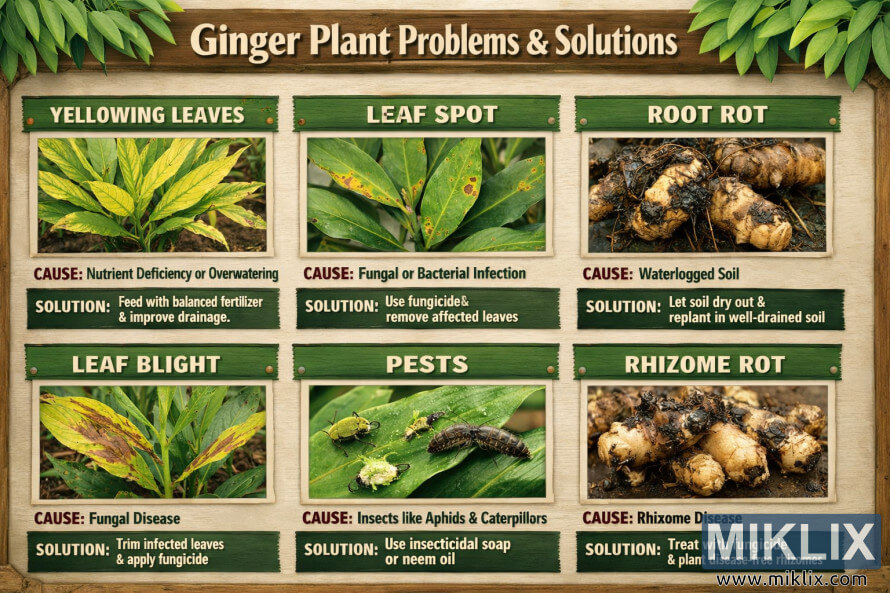
Why are my ginger plant leaves turning yellow?
Yellowing leaves can indicate several issues:
- Overwatering: The most common cause. Allow soil to dry slightly between waterings and ensure proper drainage.
- Nutrient deficiency: Apply a balanced organic fertilizer. Yellowing between leaf veins often indicates magnesium deficiency.
- Too much direct sunlight: Move to a location with filtered light or partial shade.
- Natural senescence: If occurring in fall as temperatures cool, this may be the normal end-of-season die-back.
How do I identify and treat root rot in ginger?
Root rot is a serious problem that can quickly kill ginger plants:
- Symptoms: Yellowing leaves, wilting despite moist soil, soft or mushy rhizomes with an unpleasant smell.
- Treatment: Remove plant from soil, cut away all affected (soft, brown) parts with a clean knife, dust cut surfaces with cinnamon (natural fungicide), and replant in fresh, well-draining soil.
- Prevention: Avoid overwatering, ensure excellent drainage, and don't reuse soil from containers that had rotting plants.
Can I grow ginger indoors year-round?
Yes, ginger can thrive as an indoor plant with these conditions:
- Light: Bright, indirect light from an east or west-facing window.
- Humidity: Maintain 50%+ humidity using a humidifier or pebble tray with water.
- Temperature: Keep between 65-85°F (18-29°C) and away from cold drafts or heating vents.
- Container: Use a wide, shallow pot with excellent drainage.
- Growth cycle: Indoor ginger may go dormant in winter even with good care. Reduce watering during dormancy and resume normal care when new growth appears.
Click or tap the image for more information and higher resolutions.
Conclusion: Enjoying the Rewards of Growing Ginger
Growing your own ginger is a rewarding journey that connects you with an ancient, healing plant while providing your kitchen with an incomparable ingredient. Though it requires some patience, the process is straightforward and the results are well worth the effort. Your homegrown ginger will have superior flavor, freshness, and nutritional value compared to store-bought alternatives.
Remember that each growing season is a learning experience. Take notes on what works best in your specific climate and conditions, and don't be discouraged by initial challenges. With each harvest, you'll refine your technique and develop a deeper appreciation for this remarkable plant.
Whether you're growing ginger in a container on your windowsill or in a dedicated garden bed, you're participating in a tradition that spans thousands of years and countless cultures. Enjoy the process, experiment with different culinary uses, and share your bounty and knowledge with friends and family.
Click or tap the image for more information and higher resolutions.
Further Reading
If you enjoyed this post, you may also like these suggestions:
- A Guide to Growing Aloe Vera Plants at Home
- The Complete Guide to Growing Basil: From Seed to Harvest
- A Guide to Growing Cilantro in Your Own Garden