
Health Benefits of Chives: Nature's Nutritional Powerhouse
Published: July 16, 2026 at 8:43:36 PM UTC
Chives are far more than a simple garnish sprinkled on baked potatoes. This small but mighty herb belongs to the allium family and delivers remarkable health benefits that most people overlook. While many dismiss chives as just another kitchen decoration, research shows they pack an impressive nutritional punch in every green stem.
Click or tap the image for more information and higher resolutions.
These slender herbs have been used for centuries across different cultures. Ancient Chinese medicine recognized their healing properties. European gardens cultivated them for both flavor and wellness. Today, modern science confirms what traditional healers knew all along.
The health benefits of chives extend from supporting your immune system to protecting your heart. They contain powerful compounds that may help reduce inflammation throughout your body. Their antioxidant properties fight against cellular damage. Plus, they're incredibly easy to grow in your own garden or even in small pots on a sunny windowsill.
What Are Chives and Why They Matter for Your Health
Chives scientifically known as Allium schoenoprasum are perennial herbs that grow year after year in temperate climates. They're the smallest member of the allium vegetables family, which includes onions, garlic, leeks, and shallots. Unlike their pungent cousins, chives offer a mild onion flavor that enhances dishes without overwhelming other ingredients.
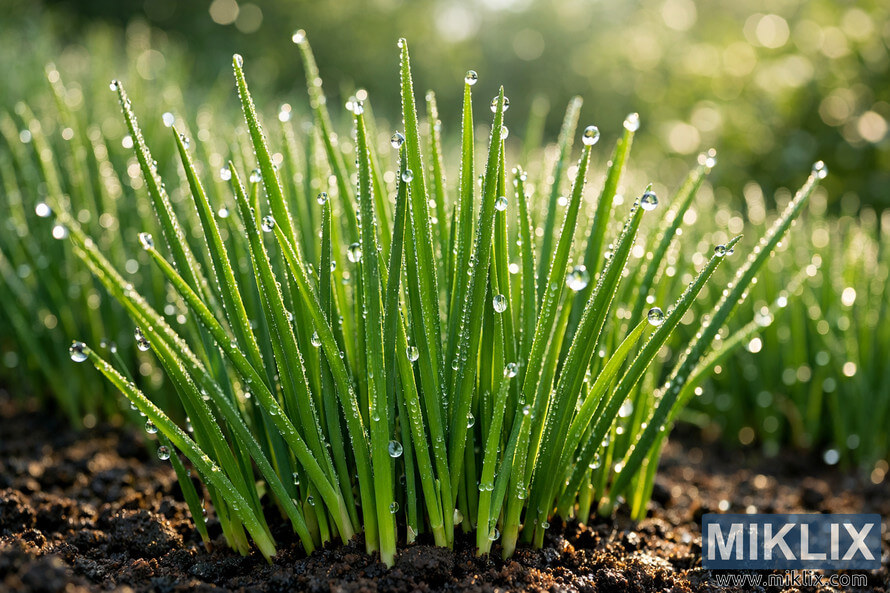
These herbs grow in clumps of hollow, tubular leaves. They can reach heights of twelve to twenty inches. In late spring and early summer, they produce beautiful purple flowers that are also edible. Many gardeners appreciate how chives return reliably each year with minimal care.
The allium family has earned respect in nutritional research. All members share beneficial sulfur compounds that contribute to health. However, chives offer unique advantages. Their delicate flavor means people consume them raw more often than other allium vegetables. This preserves heat-sensitive nutrients that cooking might destroy.
Click or tap the image for more information and higher resolutions.
Culinary Uses
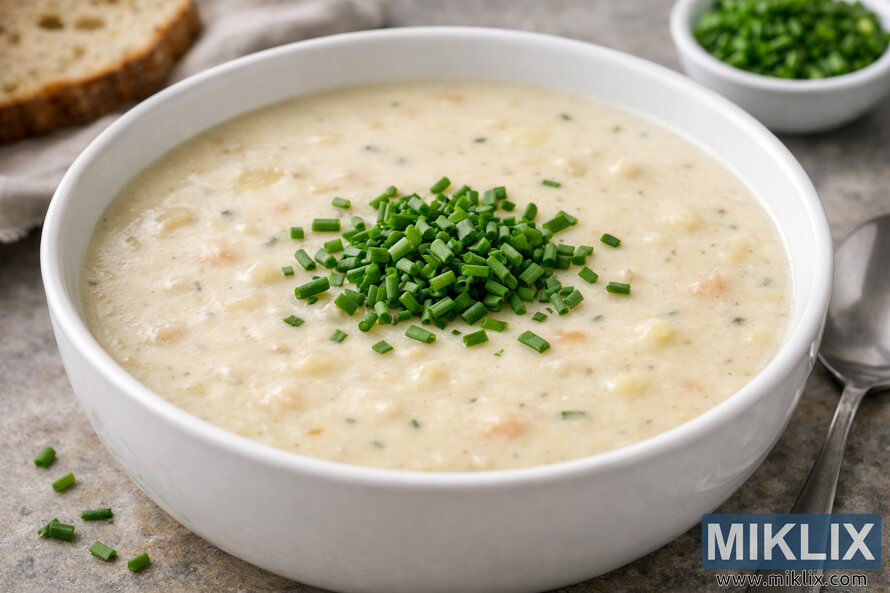
Chives appear in countless dishes worldwide. French cuisine features them in fine herbs blends. Asian cooking incorporates them in dumplings and stir-fries. They're often used as a fresh garnish on soups, salads, and cream-based sauces.
Click or tap the image for more information and higher resolutions.
Growing Characteristics
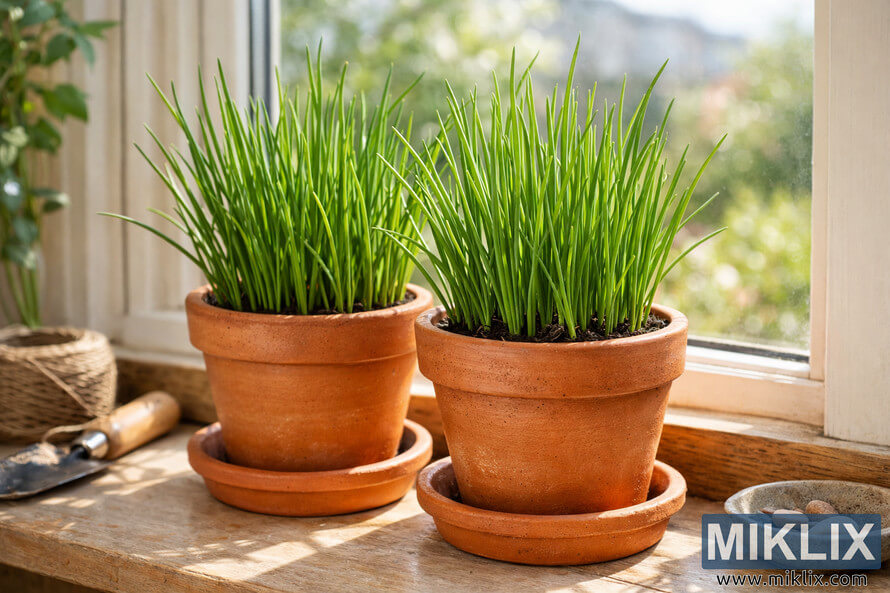
These hardy herbs thrive in well-drained soil with full sun to partial shade. They're among the easiest herbs to cultivate. Chives grow well in garden beds, raised planters, or containers. They require minimal maintenance once established in suitable conditions.
Click or tap the image for more information and higher resolutions.
Comprehensive Nutritional Profile of Chives
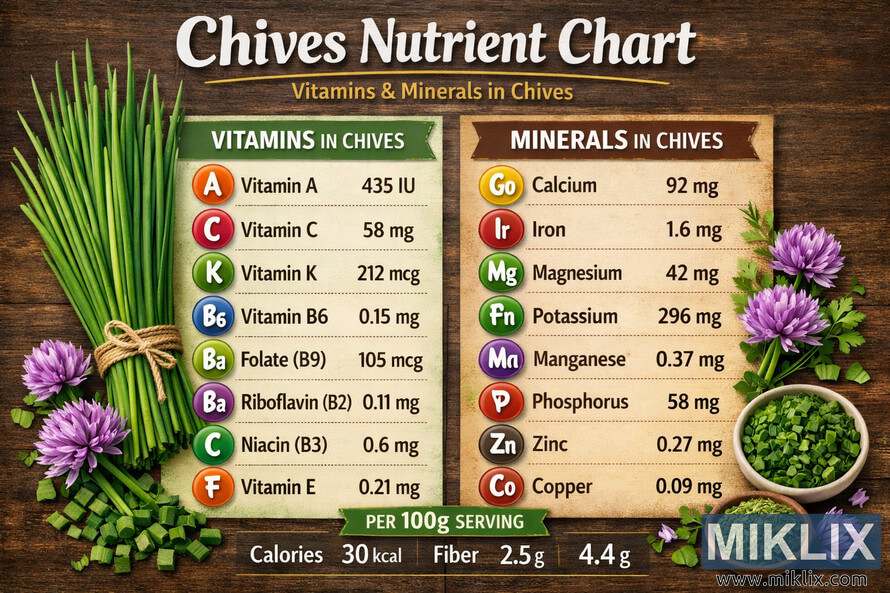
The health benefits of chives start with their impressive nutritional content. Despite their small size, these herbs deliver substantial amounts of essential vitamins and minerals. A single tablespoon of chopped chives contains minimal calories but maximum nutrition.
This herb provides an excellent source of vitamin K, which plays a crucial role in blood clotting and bone health. Just one tablespoon supplies a significant percentage of your daily vitamin K needs. They also contain vitamin C, supporting immune function and skin health.
Chives offer notable amounts of vitamin A in the form of carotenoids. These compounds support eye health and immune function. The herb contains folate, essential for DNA synthesis and cell division. Minerals like calcium, iron, and manganese appear in meaningful quantities despite the small serving size.
| Nutrient | Amount per 1 tbsp (3g) | % Daily Value | Primary Benefit |
| Vitamin K | 6.4 mcg | 8% | Blood clotting, bone health |
| Vitamin C | 1.7 mg | 3% | Immune support, antioxidant |
| Vitamin A | 131 IU | 3% | Vision, immune function |
| Folate | 3.1 mcg | 1% | Cell growth, DNA synthesis |
| Calcium | 2.8 mg | 0.3% | Bone strength, muscle function |
| Iron | 0.05 mg | 0.3% | Oxygen transport, energy |
Click or tap the image for more information and higher resolutions.
Bioactive Compounds Beyond Basic Nutrition
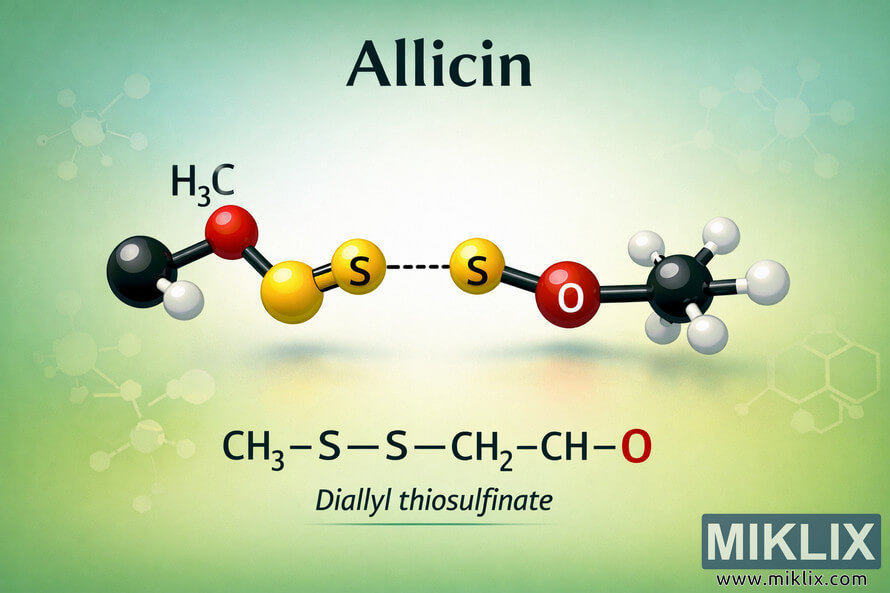
The true power of chives extends beyond standard vitamins and minerals. These herbs contain specialized plant compounds called phytochemicals. These substances offer protective effects that support overall health and may help reduce disease risk.
Organosulfur compounds give allium vegetables their distinctive aroma and flavor. These sulfur-containing molecules demonstrate remarkable biological activities. Research suggests they may support cardiovascular health and possess antimicrobial properties. The compound allicin, though present in smaller amounts than in garlic, still contributes beneficial effects.
Quercetin represents another important compound found in chives. This flavonoid antioxidant appears throughout the plant kingdom. Studies indicate quercetin may help reduce inflammation and support immune system function. It also demonstrates potential in protecting cells from oxidative stress.
- Organosulfur compounds with potential cardiovascular benefits
- Quercetin and other flavonoids offering antioxidant protection
- Carotenoids including lutein and zeaxanthin for eye health
- Chlorophyll providing detoxification support
- Various polyphenols with anti-inflammatory properties
Click or tap the image for more information and higher resolutions.
How Chives Support Digestive Health and Gut Function
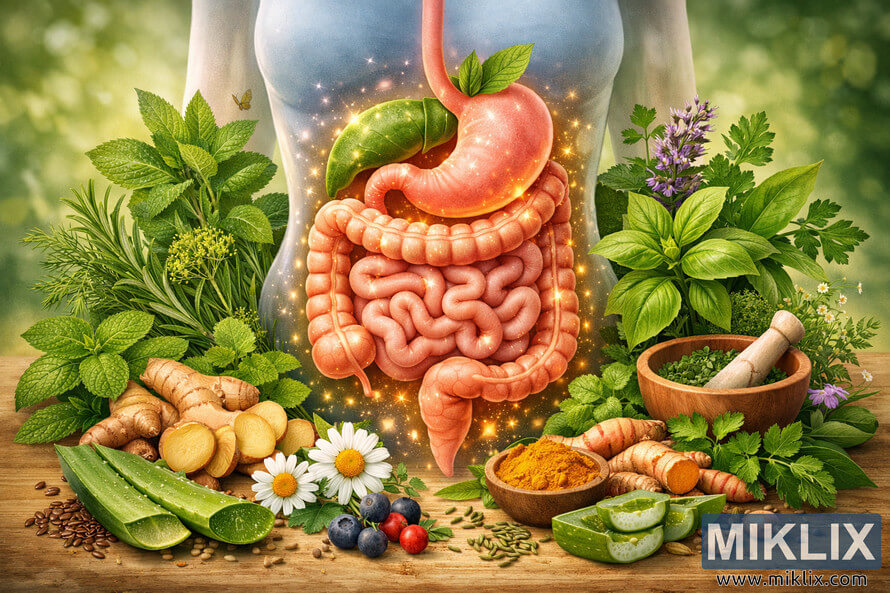
Your digestive system benefits significantly from regular chive consumption. The fiber content, though modest in small servings, contributes to digestive regularity when consumed as part of a varied diet. Fiber supports healthy bowel movements and feeds beneficial gut bacteria.
The organosulfur compounds in chives may help create an environment less hospitable to harmful bacteria. Traditional medicine systems have long used allium family members to address digestive complaints. Modern research is beginning to validate these historical uses.
Chives contain prebiotic fibers that serve as food for probiotics. These beneficial bacteria in your gut play crucial roles in digestion, nutrient absorption, and immune function. Supporting their growth through diet contributes to overall digestive wellness.
Click or tap the image for more information and higher resolutions.
Fiber Benefits
Dietary fiber from herbs like chives promotes regular bowel movements and prevents constipation. It adds bulk to stool and supports healthy transit time through the digestive tract.
- Promotes regular elimination
- Supports healthy gut bacteria
- May reduce bloating
- Aids nutrient absorption
Antimicrobial Properties
The sulfur compounds in chives demonstrate natural antimicrobial effects. These may help maintain balance in gut bacteria populations and discourage harmful microorganism overgrowth.
- Natural antibacterial effects
- Supports microbial balance
- May reduce harmful bacteria
- Protects digestive lining
Anti-Inflammatory Effects
Chronic inflammation in the digestive tract contributes to various conditions. The anti-inflammatory compounds in chives may help soothe the digestive system and reduce inflammation-related discomfort.
- Reduces gut inflammation
- Soothes digestive irritation
- Supports intestinal healing
- May ease discomfort
Enzyme Stimulation
Chives may stimulate digestive enzyme production. These enzymes break down food into nutrients your body can absorb. Better enzyme activity means improved digestion and nutrient utilization.
- Enhances enzyme activity
- Improves nutrient breakdown
- Supports absorption
- Aids complete digestion
Click or tap the image for more information and higher resolutions.
Strengthening Your Immune System with Chives
The health benefits of chives include significant immune system support. Vitamin C content provides the foundation for this immune-boosting effect. This essential vitamin supports the production and function of white blood cells, your body's primary defense against pathogens.
Research indicates that organosulfur compounds found in allium vegetables may enhance immune cell activity. These compounds appear to help immune cells respond more effectively to threats. They may also support the production of protective antibodies.
The antimicrobial properties of chives offer another layer of immune support. While not a replacement for medical treatment, these natural compounds may help your body resist certain bacterial and fungal infections. The combination of nutrients and bioactive compounds creates a comprehensive immune-supporting effect.

Click or tap the image for more information and higher resolutions.
Key Immune-Supporting Nutrients in Chives
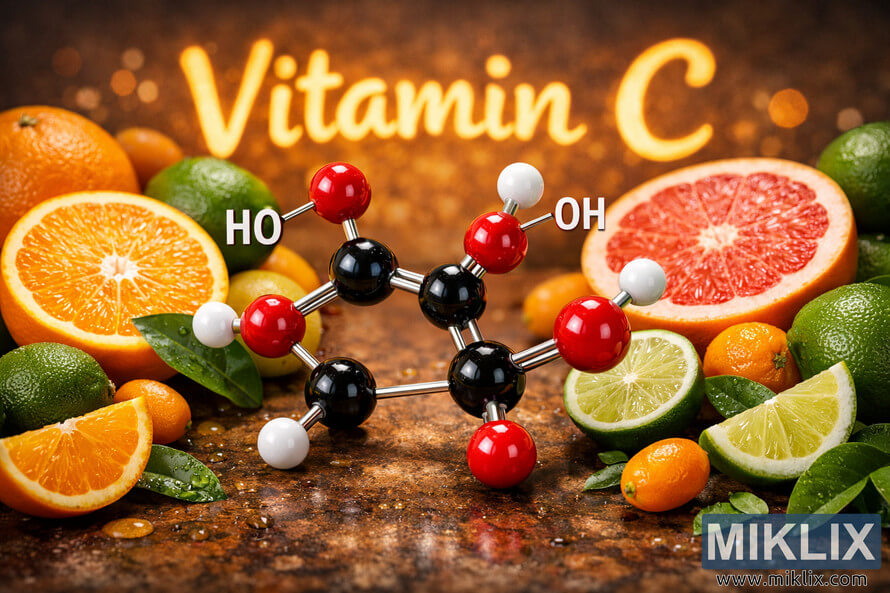
Vitamin C Power
This water-soluble vitamin acts as a powerful antioxidant. It protects immune cells from damage during their battle against invaders. Vitamin C also supports the skin barrier, your first line of defense.
Click or tap the image for more information and higher resolutions.
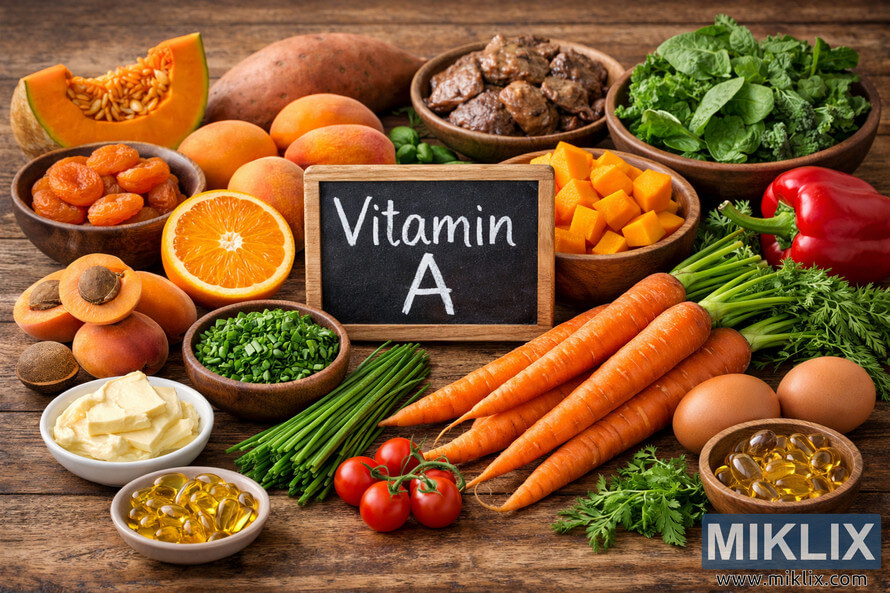
Vitamin A Benefits
The carotenoids in chives convert to vitamin A in your body. This nutrient maintains the integrity of mucous membranes in your respiratory and digestive tracts. These membranes act as barriers against pathogens.
Click or tap the image for more information and higher resolutions.
Antioxidant Protection
Multiple antioxidant compounds in chives protect immune cells from oxidative stress. This protection helps immune cells function optimally. It also supports their longevity and effectiveness in fighting infections.

Click or tap the image for more information and higher resolutions.
Cardiovascular Benefits: How Chives Protect Your Heart
Heart health represents one of the most researched areas regarding allium vegetables. The benefits chives offer for cardiovascular function come from multiple mechanisms. These small herbs pack compounds that may help maintain healthy blood pressure and cholesterol levels.
Organosulfur compounds in chives may help relax blood vessels. This relaxation allows blood to flow more easily, potentially supporting healthy blood pressure. While the effect from chives alone would be modest, every dietary contribution matters in a heart-healthy eating pattern.
Research on allium family vegetables suggests they may help reduce risk factors for heart disease. Regular consumption as part of a balanced diet might contribute to healthier cholesterol profiles. The antioxidants in chives also protect blood vessels from oxidative damage.

Click or tap the image for more information and higher resolutions.
Mechanisms of Cardiovascular Protection
The sulfur compounds in chives interact with your cardiovascular system in fascinating ways. When you consume these herbs, your body metabolizes the organosulfur compounds into various metabolites. Some of these metabolites demonstrate effects on blood vessel function and blood lipid levels.
Allicin and related compounds may influence the production of nitric oxide. This molecule signals blood vessels to relax and dilate. Better vessel flexibility supports healthy circulation throughout your body. This process helps deliver oxygen and nutrients to tissues more efficiently.
The flavonoid quercetin found in chives has been studied for its potential to reduce inflammation in blood vessels. Chronic inflammation in the cardiovascular system contributes to plaque formation and arterial stiffness. Anti-inflammatory compounds may help maintain vessel health over time.
- Blood pressure regulation through vessel relaxation and improved flexibility
- Cholesterol management by potentially reducing LDL oxidation and supporting healthy lipid profiles
- Platelet function modulation that may help prevent excessive clotting
- Antioxidant protection for blood vessels against free radical damage
- Anti-inflammatory effects reducing chronic cardiovascular inflammation
- Homocysteine metabolism support through folate and B-vitamin content
Important Note: While chives offer heart-healthy compounds, they should complement, not replace, other cardiovascular health measures. A balanced diet rich in vegetables, regular physical activity, stress management, and appropriate medical care form the foundation of heart health. Always consult healthcare providers about cardiovascular conditions.

Click or tap the image for more information and higher resolutions.
Building Strong Bones: The Role of Chives in Skeletal Health
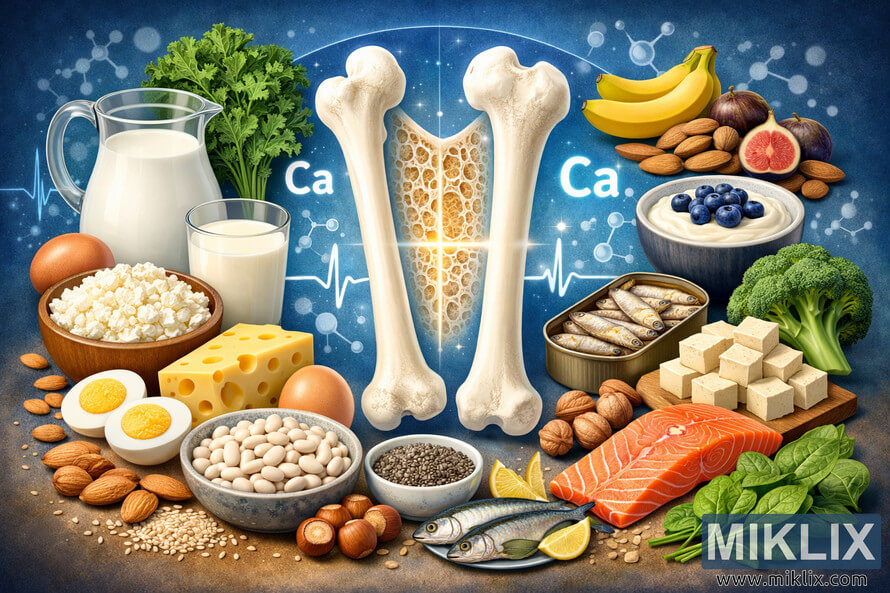
Bone strength depends on much more than calcium alone. The vitamin K found abundantly in chives plays a crucial role in bone metabolism. This often-overlooked vitamin helps proteins bind calcium into bone tissue. Without adequate vitamin K, bones cannot properly utilize the calcium you consume.
A single tablespoon of fresh chives provides a meaningful amount of vitamin K. Regular consumption contributes to meeting your daily needs for this essential nutrient. The vitamin K in chives exists primarily as vitamin K1, the form most directly involved in bone mineralization.
Beyond vitamin K, chives contain smaller amounts of calcium, magnesium, and other minerals that support bone health. While you would need to eat large quantities to get substantial amounts of these minerals, every contribution helps. The cumulative effect of including herbs like chives in your diet supports skeletal wellness.
Click or tap the image for more information and higher resolutions.
How Vitamin K Supports Bone Strength
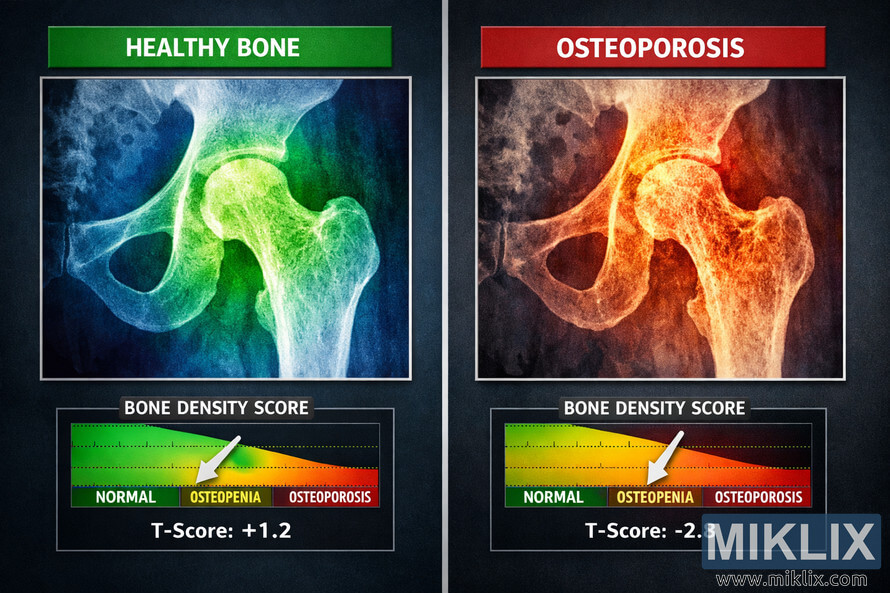
Vitamin K activates proteins called osteocalcin and matrix Gla-protein. These proteins regulate where calcium gets deposited in your body. Osteocalcin binds calcium into the bone matrix, strengthening your skeletal structure. Without vitamin K activation, these proteins cannot perform their critical functions.
Research links adequate vitamin K intake to reduced fracture risk in older adults. The vitamin appears particularly important for maintaining bone density in postmenopausal women. Studies suggest that vitamin K works synergistically with vitamin D and calcium for optimal bone health.
Click or tap the image for more information and higher resolutions.
Vitamin K Functions
- Activates osteocalcin for calcium binding
- Regulates bone mineralization processes
- May reduce calcium loss from bones
- Supports bone matrix protein function
- Works with vitamin D for bone health
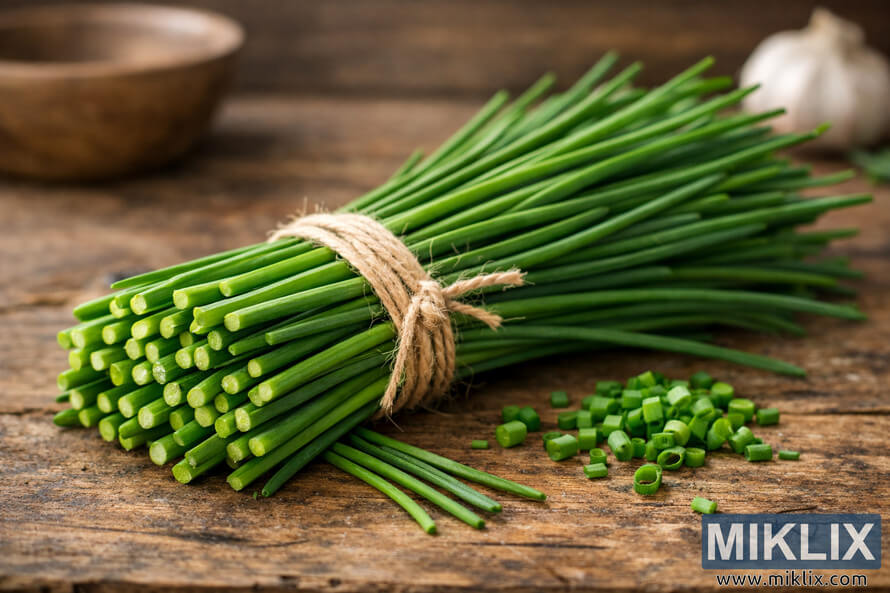
The bright green color of chives indicates high chlorophyll content, which correlates with vitamin K levels. Choosing fresh, vibrant chives ensures maximum nutritional benefit for bone health support.
Click or tap the image for more information and higher resolutions.
Powerful Antioxidant Properties and Cellular Protection
Antioxidants represent your body's defense system against oxidative stress. Free radicals form naturally during metabolism and from environmental exposures. When free radical production exceeds your antioxidant defenses, cellular damage accumulates. This oxidative stress contributes to aging and various chronic conditions.
The health benefits of chives include substantial antioxidant activity. These herbs contain multiple antioxidant compounds working together synergistically. Vitamin C provides water-soluble antioxidant protection. Carotenoids offer fat-soluble defense. Flavonoids like quercetin demonstrate powerful free radical scavenging abilities.
Research measuring the antioxidant capacity of various herbs consistently ranks allium vegetables high. While chives may not reach the levels found in some other herbs, they still contribute meaningful antioxidant support. Their mild flavor encourages regular consumption, potentially providing steady antioxidant benefits.

Click or tap the image for more information and higher resolutions.
Types of Antioxidants Found in Chives
Vitamin Antioxidants
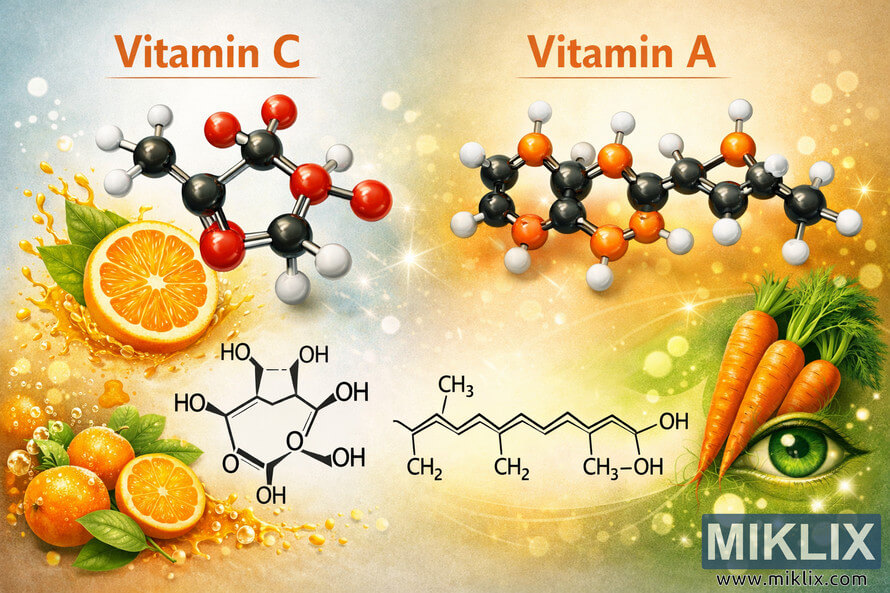
Vitamins C and A act as direct antioxidants. They donate electrons to neutralize free radicals. This sacrifice protects other molecules from oxidative damage. These vitamins regenerate through various biochemical pathways.
Click or tap the image for more information and higher resolutions.
Polyphenolic Compounds
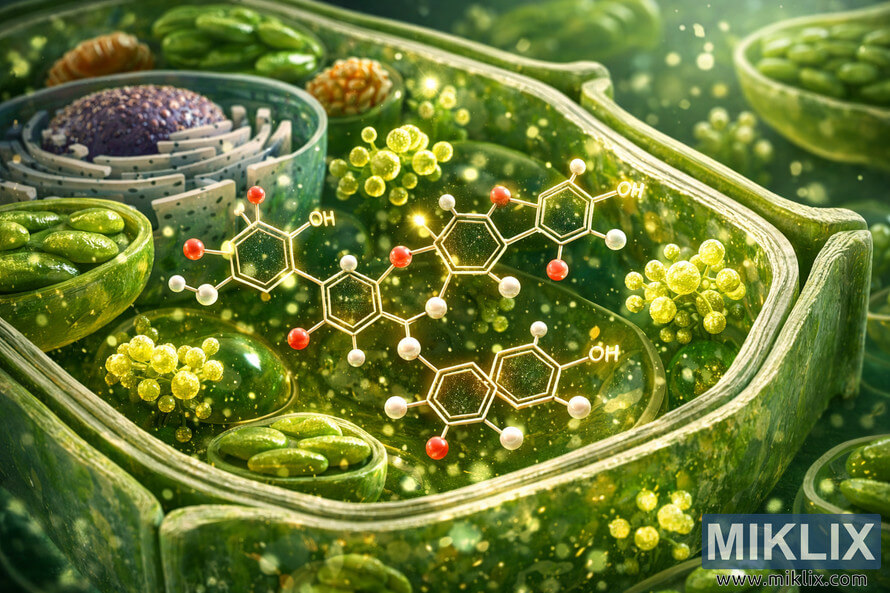
Quercetin and other polyphenols in chives offer powerful antioxidant effects. These compounds also modulate cellular signaling pathways. They may influence gene expression related to antioxidant enzyme production.
Click or tap the image for more information and higher resolutions.
Organosulfur Antioxidants
The sulfur-containing compounds unique to allium vegetables demonstrate antioxidant properties. They also boost your body's own antioxidant enzyme systems. This dual action provides comprehensive oxidative stress protection.

Click or tap the image for more information and higher resolutions.
Benefits of Antioxidant Protection
Antioxidant protection extends throughout your entire body. Every cell faces oxidative challenges. The antioxidants from chives and other plant foods help maintain cellular integrity. This protection supports multiple body systems simultaneously.
Your brain contains high concentrations of fatty acids vulnerable to oxidative damage. Antioxidants help protect neural tissue and may support cognitive function. The compounds in chives might contribute to maintaining memory and mental clarity as you age.
Skin health also benefits from antioxidant intake. These compounds help protect against UV radiation damage and support collagen integrity. While topical antioxidants get attention, dietary sources provide internal protection. The vitamin C in chives specifically supports collagen synthesis.
- Cellular membrane protection from lipid peroxidation
- DNA preservation reducing mutation risk
- Protein structure maintenance for proper function
- Mitochondrial protection supporting energy production
- Immune cell preservation for effective defense
- Brain tissue protection supporting cognitive health
- Skin integrity maintenance and anti-aging effects

Click or tap the image for more information and higher resolutions.
Anti-Inflammatory Benefits and Disease Prevention
Chronic inflammation underlies many modern health conditions. Unlike acute inflammation that helps heal injuries, chronic inflammation persists at low levels. It contributes to arthritis, heart disease, diabetes, and other conditions. Diet plays a crucial role in managing inflammation levels.
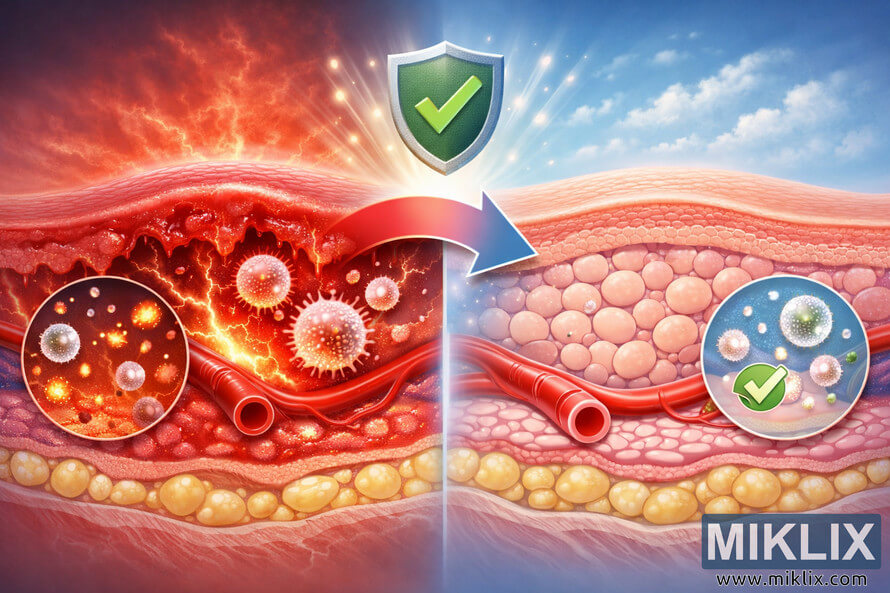
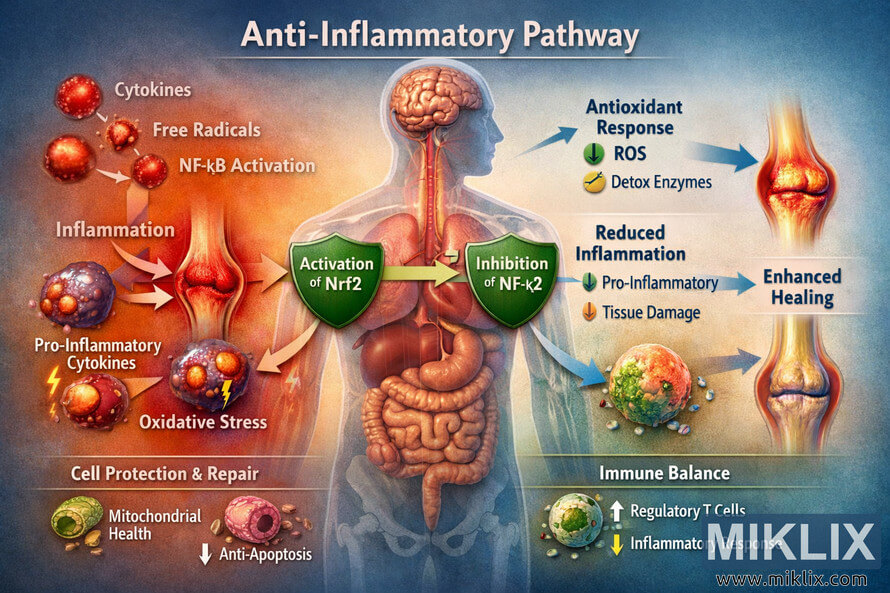
The anti-inflammatory properties of chives come from multiple compounds. Quercetin demonstrates strong anti-inflammatory effects in research studies. It inhibits the production of inflammatory cytokines and other mediators. The organosulfur compounds also show promise in reducing inflammatory markers.
Including anti-inflammatory foods like chives in your diet may help reduce overall inflammation. No single food provides a complete solution, but the cumulative effect of many anti-inflammatory choices matters. Chives offer an easy way to add anti-inflammatory compounds to everyday dishes.
Click or tap the image for more information and higher resolutions.
How Chives Combat Inflammation
Inflammation involves complex biochemical pathways. Various compounds in chives interact with these pathways at different points. Quercetin inhibits enzymes that produce inflammatory prostaglandins. Organosulfur compounds may reduce NF-kB activation, a key inflammatory signaling pathway.
The vitamin C in chives also contributes anti-inflammatory effects. This vitamin helps modulate immune responses and reduces histamine levels. Lower histamine means reduced allergic responses and inflammation. The combination of these mechanisms provides broad anti-inflammatory support.
Inflammation-Fighting Compounds
- Quercetin inhibits inflammatory enzymes
- Organosulfur compounds reduce inflammatory signaling
- Vitamin C modulates immune inflammation
- Carotenoids decrease inflammatory markers
- Kaempferol reduces cytokine production
- Chlorogenic acid suppresses inflammation
Conditions That May Benefit
- Arthritis and joint inflammation
- Cardiovascular inflammation
- Digestive tract inflammation
- Respiratory inflammation
- Skin inflammatory conditions
- Metabolic inflammation
Supporting Lifestyle Factors
- Regular physical activity
- Stress management practices
- Adequate sleep quality
- Omega-3 fatty acid intake
- Limited processed food consumption
- Maintaining healthy body weight
Click or tap the image for more information and higher resolutions.
Research on Allium Vegetables and Inflammation
Scientific studies on allium family vegetables demonstrate consistent anti-inflammatory effects. While most research focuses on garlic and onions due to higher consumption levels, the mechanisms apply to chives as well. The compounds responsible for benefits appear throughout the allium family.
One area of particular interest involves inflammation related to cancer risk. Chronic inflammation can promote cellular changes that increase cancer susceptibility. Research suggests the organosulfur compounds in allium vegetables may help reduce this inflammation-cancer connection.
Studies also examine how allium vegetables affect inflammatory markers in blood. Regular consumption correlates with lower levels of C-reactive protein and other inflammation indicators. While correlation doesn't prove causation, the consistent association across multiple studies suggests real benefits.

Click or tap the image for more information and higher resolutions.
Supporting Brain Health, Memory, and Cognitive Function
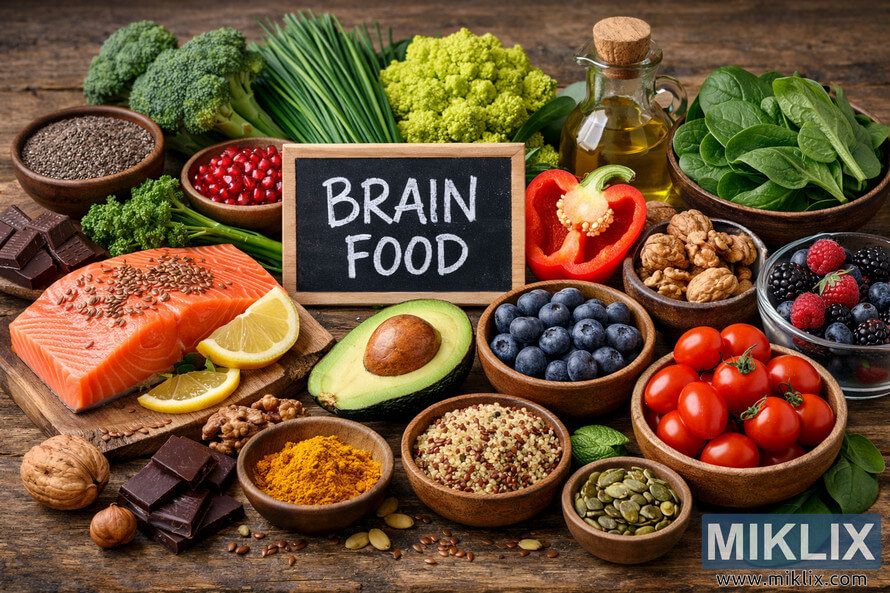
Brain health depends on nutrition just like any other organ. Your brain requires specific nutrients to maintain cognitive function. The compounds in chives may support brain health through multiple mechanisms. Antioxidants protect neural tissue from oxidative damage. Anti-inflammatory compounds reduce neuroinflammation.
The folate content in chives plays a role in brain health. This B-vitamin helps synthesize neurotransmitters, the chemical messengers in your brain. Adequate folate intake correlates with better cognitive function, especially in older adults. Deficiency can contribute to memory problems and cognitive decline.
Organosulfur compounds from allium vegetables may benefit brain health. Some research suggests these compounds could help protect against age-related cognitive decline. They might improve blood flow to the brain and protect neurons from damage. While more research is needed, preliminary findings show promise.

Click or tap the image for more information and higher resolutions.
Nutrients Supporting Cognitive Function
B-Vitamins and Brain Function
Folate and other B-vitamins in chives support homocysteine metabolism. High homocysteine levels correlate with increased dementia risk. B-vitamins help keep these levels in check.
- Neurotransmitter synthesis
- Homocysteine regulation
- Myelin sheath maintenance
- Energy metabolism in brain cells
Antioxidant Neuroprotection
The brain uses significant oxygen and generates many free radicals. Antioxidants from chives help neutralize these reactive molecules before they damage neural tissue.
- Protects neurons from oxidation
- Preserves membrane integrity
- Supports mitochondrial function
- Reduces age-related damage
Anti-Inflammatory Brain Protection
Neuroinflammation contributes to cognitive decline and neurodegenerative diseases. Anti-inflammatory compounds in chives may help reduce brain inflammation.
- Reduces inflammatory cytokines
- Protects against neuroinflammation
- May slow cognitive decline
- Supports neural repair
Vascular Support for Brain
Healthy blood vessels ensure adequate oxygen and nutrient delivery to brain tissue. The cardiovascular benefits of chives extend to cerebral circulation.
- Improves cerebral blood flow
- Maintains vessel flexibility
- Delivers nutrients efficiently
- Removes metabolic waste
Click or tap the image for more information and higher resolutions.
Lifestyle Factors That Enhance Brain Benefits
While chives offer brain-supporting nutrients, they work best as part of a comprehensive approach to cognitive health. Regular mental stimulation keeps neural pathways active. Physical exercise increases blood flow to the brain and promotes the growth of new neurons.
Quality sleep allows your brain to consolidate memories and clear metabolic waste. Social engagement provides mental stimulation and emotional support. Managing stress protects against cortisol-related brain damage. A varied diet rich in vegetables, including herbs like chives, provides diverse nutrients for optimal brain function.
Potential Cancer-Preventive Properties of Chives
Research into allium vegetables and cancer prevention has yielded intriguing results. While no food can prevent cancer alone, certain dietary patterns correlate with reduced cancer risk. The compounds in chives and related vegetables demonstrate properties that may help reduce cancer development risk.
Organosulfur compounds show promise in laboratory studies. They appear to interfere with cancer cell growth and proliferation. Some research suggests these compounds promote apoptosis, the programmed death of abnormal cells. They may also help detoxify carcinogenic substances before they damage DNA.
Population studies examining dietary patterns provide additional insights. People who consume more allium vegetables tend to have lower rates of certain cancers. These observational studies cannot prove causation, but they suggest protective effects worth investigating. Stomach, colorectal, and prostate cancers show particularly strong inverse associations.

Click or tap the image for more information and higher resolutions.
Mechanisms of Potential Cancer Protection
Cancer develops through multiple stages over many years. Various compounds in chives may interfere with different stages of this process. Antioxidants protect DNA from mutation-causing damage. Anti-inflammatory compounds reduce chronic inflammation that can promote cancer development.
The organosulfur compounds demonstrate several anticancer mechanisms in research settings. They may enhance the activity of detoxification enzymes that neutralize carcinogens. Some studies show they can inhibit angiogenesis, the formation of blood vessels that feed tumors. They might also regulate cell cycle checkpoints.
- DNA protection through antioxidant activity preventing mutations
- Enhanced detoxification of carcinogenic compounds by boosting enzyme activity
- Inflammation reduction limiting chronic inflammatory contributions to cancer
- Apoptosis induction promoting programmed death of abnormal cells
- Cell cycle regulation ensuring proper division control mechanisms
- Angiogenesis inhibition limiting blood supply to potential tumors
- Immune system support helping identify and destroy abnormal cells
Important Perspective: While research on allium vegetables and cancer is promising, chives should never be considered a cancer treatment or cure. If you have cancer or are at high risk, work with qualified oncologists and healthcare providers. A diet rich in vegetables, including herbs like chives, supports overall health and may complement medical treatment, but it cannot replace evidence-based cancer care.

Click or tap the image for more information and higher resolutions.
Research Findings on Allium Vegetables and Cancer
Multiple epidemiological studies have examined the relationship between allium vegetable consumption and cancer incidence. A meta-analysis of these studies found that higher intake correlated with reduced risk for several cancer types. The strongest associations appeared for gastric and colorectal cancers.
Laboratory research helps explain these population-level observations. When researchers expose cancer cells to compounds from allium vegetables, growth slows or stops. The cells may undergo apoptosis or lose their ability to replicate. These findings occur in controlled laboratory conditions and don't directly translate to human effects, but they suggest plausible mechanisms.

Click or tap the image for more information and higher resolutions.
Growing Your Own Chives: Garden and Container Tips
Growing chives at home ensures the freshest possible supply of this nutritious herb. Unlike many vegetables, chives require minimal space and care. They thrive in garden beds, raised planters, or simple pots on a sunny windowsill. This accessibility makes them ideal for beginners and experienced gardeners alike.
Chives prefer well-drained soil enriched with organic matter. They tolerate a range of soil pH levels but perform best in slightly acidic to neutral conditions. Full sun produces the most vigorous growth, though chives adapt to partial shade. In hot climates, afternoon shade helps prevent stress during peak summer heat.
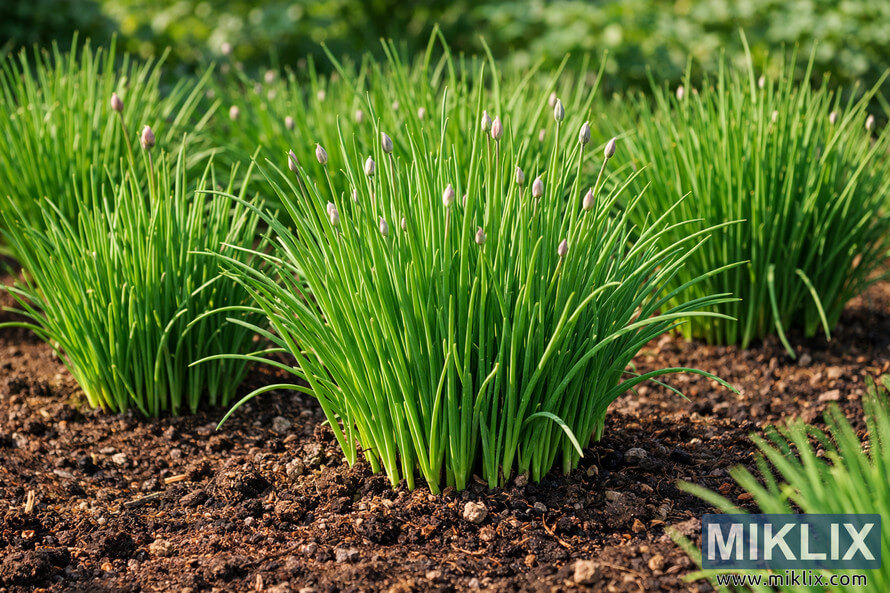
These perennial herbs return year after year once established. In spring, green shoots emerge from the soil as temperatures warm. The plants grow throughout the season, producing hollow tubular leaves. In late spring or early summer, attractive purple globe-shaped flowers appear. Both leaves and flowers are edible.
Click or tap the image for more information and higher resolutions.
Step-by-Step Growing Guide
Starting from Seed
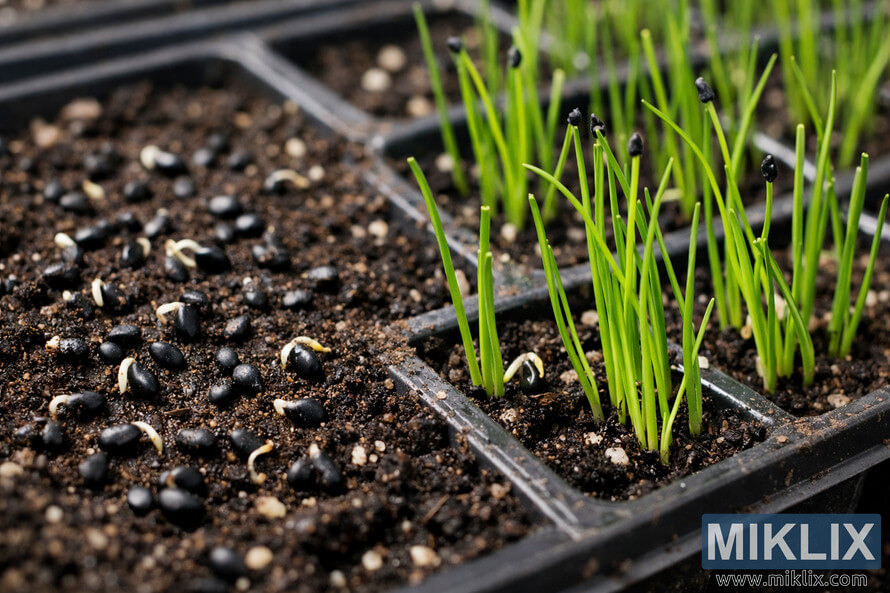
Seeds offer an economical way to grow chives. Sow them directly in the garden after the last frost date. Or start them indoors six to eight weeks before the last frost. Seeds germinate in one to two weeks under proper conditions.
- Fill seed trays with seed-starting mix
- Sow seeds on the surface, lightly covering with soil
- Keep soil consistently moist but not waterlogged
- Provide warmth and light for germination
- Transplant seedlings when they reach three inches tall
Click or tap the image for more information and higher resolutions.
Division Method
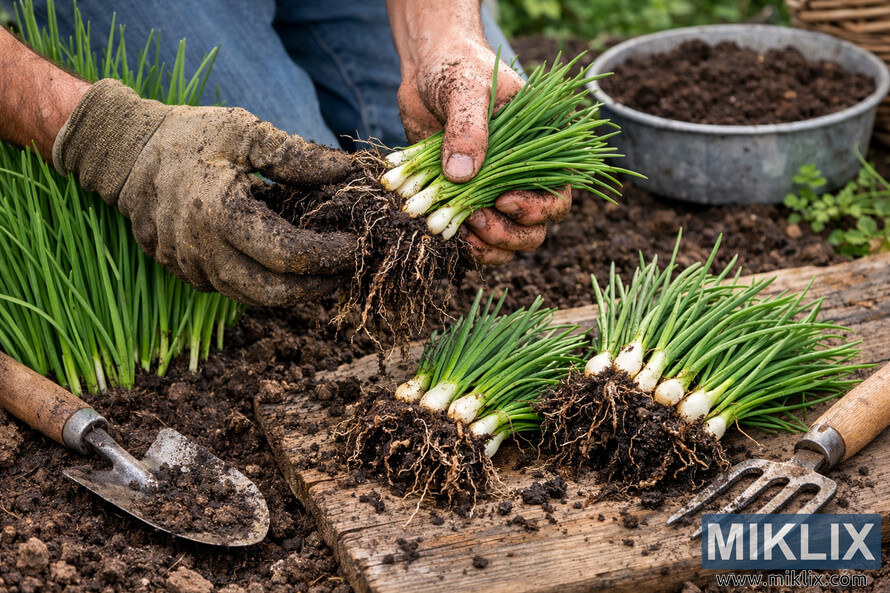
Established clumps can be divided every few years. This rejuvenates plants and provides new starts. Spring or fall are ideal times for division. Each division should contain several bulbs with attached roots.
- Dig up entire clump carefully preserving roots
- Separate into smaller sections with hands or knife
- Each section needs at least six to eight bulbs
- Replant divisions at same depth as before
- Water thoroughly and keep moist until established
Click or tap the image for more information and higher resolutions.
Container Growing Requirements
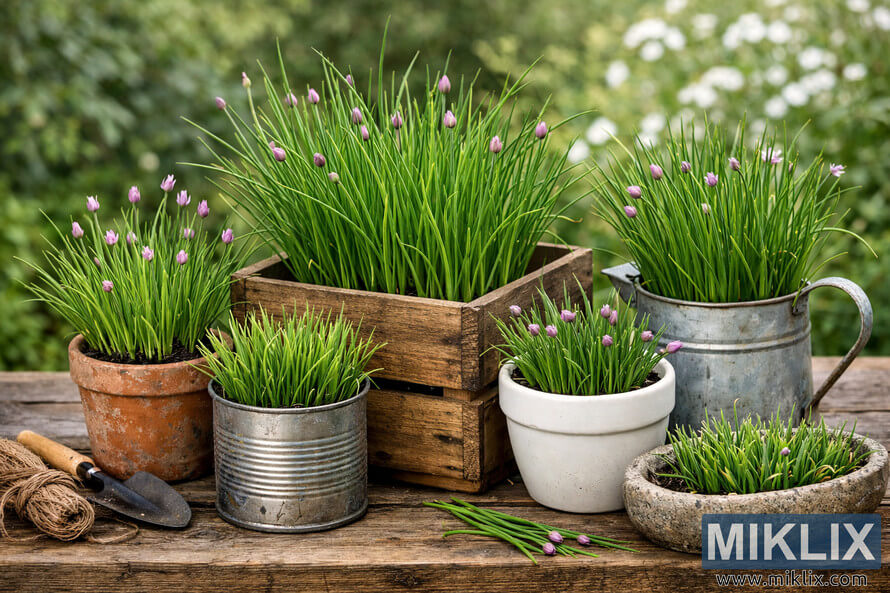
Container cultivation suits chives perfectly. Choose pots at least six inches deep and eight inches wide. Larger containers support more robust growth. Drainage holes are essential to prevent waterlogged soil. Terra cotta pots work well as they allow soil to breathe.
Use high-quality potting mix rather than garden soil. Potting mix provides better drainage and disease resistance. Mix in compost or aged manure for nutrients. Container plants need more frequent watering than garden plants. Check soil moisture regularly and water when the top inch feels dry.
- Select containers with adequate drainage holes
- Use well-draining potting mix enriched with compost
- Place containers where they receive six hours of sun daily
- Water when top inch of soil becomes dry
- Fertilize monthly during growing season with balanced fertilizer
- Divide and repot every two to three years
Click or tap the image for more information and higher resolutions.
Care and Maintenance Throughout the Year
Spring Care
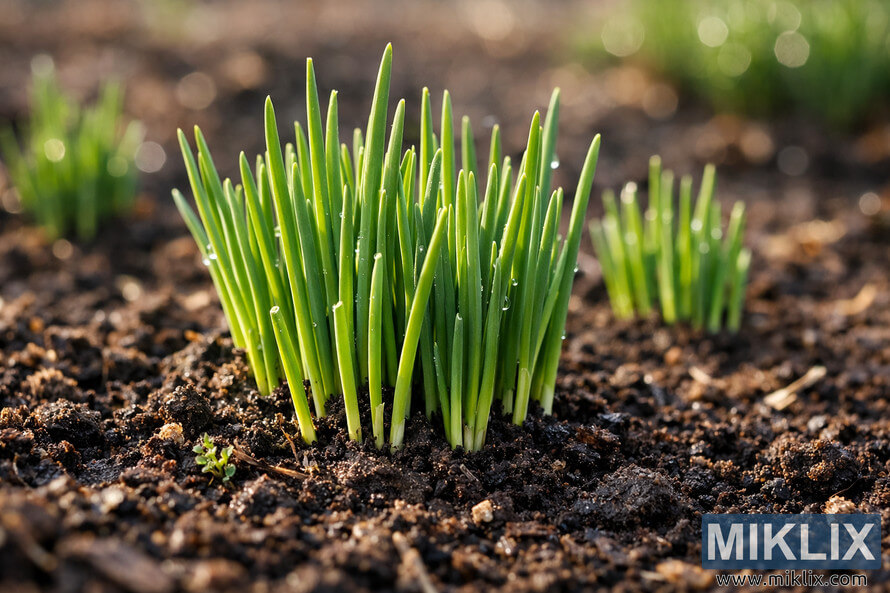
As growth resumes, remove any dead foliage from winter. Apply compost or balanced fertilizer. Divide overcrowded clumps. Begin regular harvesting once plants reach six inches tall.
Click or tap the image for more information and higher resolutions.
Summer Maintenance
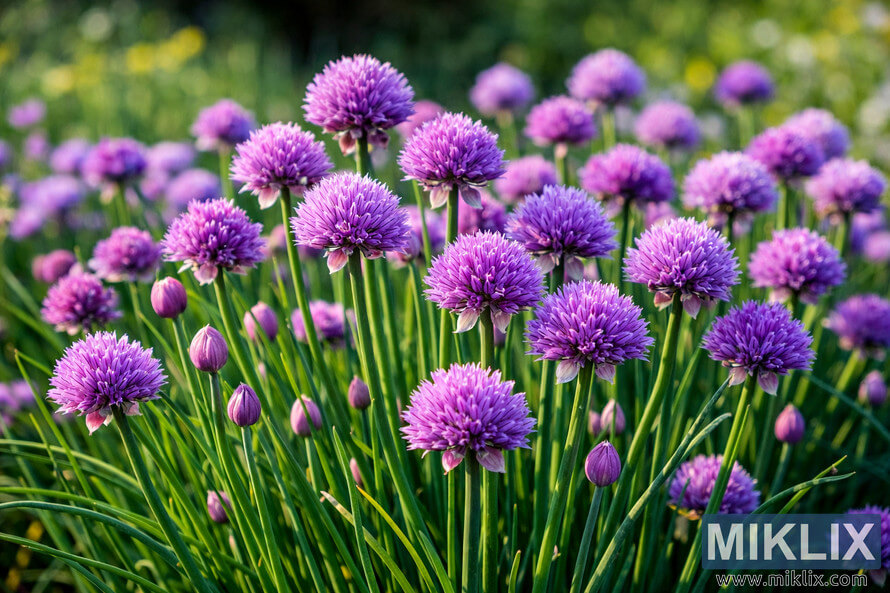
Harvest regularly to encourage fresh growth. Water during dry periods. Deadhead flowers after blooming to prevent self-seeding unless you want volunteers. Watch for pests though chives rarely have problems.
Click or tap the image for more information and higher resolutions.
Fall and Winter
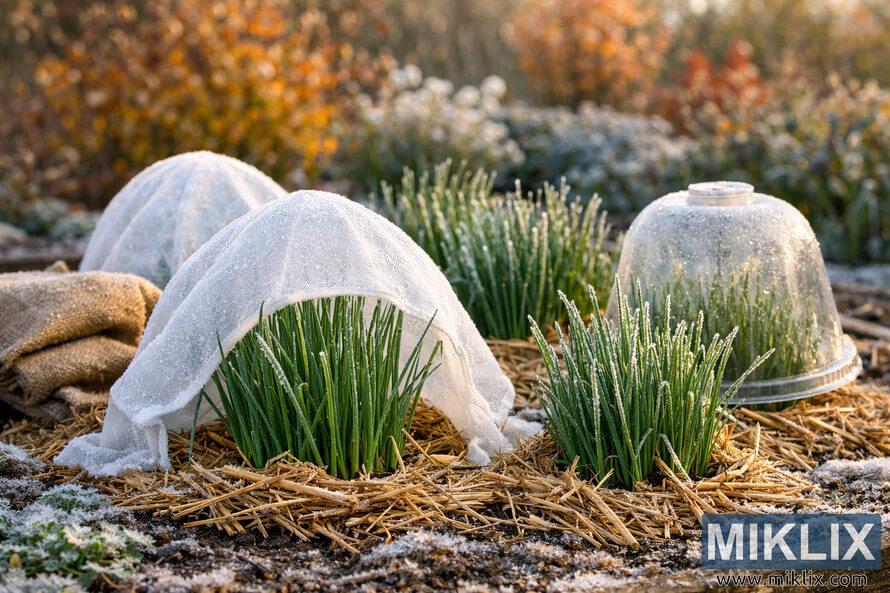
In cold climates, chives die back naturally. Leave foliage until spring for natural mulch. In mild climates, they may stay evergreen. Reduce watering as growth slows. Protect container plants from hard freezes.
Click or tap the image for more information and higher resolutions.
Incorporating Chives Into Your Diet: Recipes and Ideas
The mild onion flavor of chives complements countless dishes. Their versatility makes them easy to incorporate into your regular diet. Unlike stronger allium vegetables, chives rarely overpower other ingredients. This delicate taste encourages generous use, maximizing the health benefits of chives.
Fresh chives deliver the best flavor and retain the most nutrients. Heat degrades some beneficial compounds, so adding chives at the end of cooking or using them raw preserves their nutritional value. Chopping releases their flavor compounds, but excessive chopping can cause nutrient loss through oxidation.
Beyond their role as a simple garnish, chives shine in numerous applications. They enhance cream-based sauces and soups. They brighten salads and vegetable dishes. They complement eggs, potatoes, and fish beautifully. Many classic preparations rely on chives for their signature taste.

Click or tap the image for more information and higher resolutions.
Classic Preparations Featuring Chives
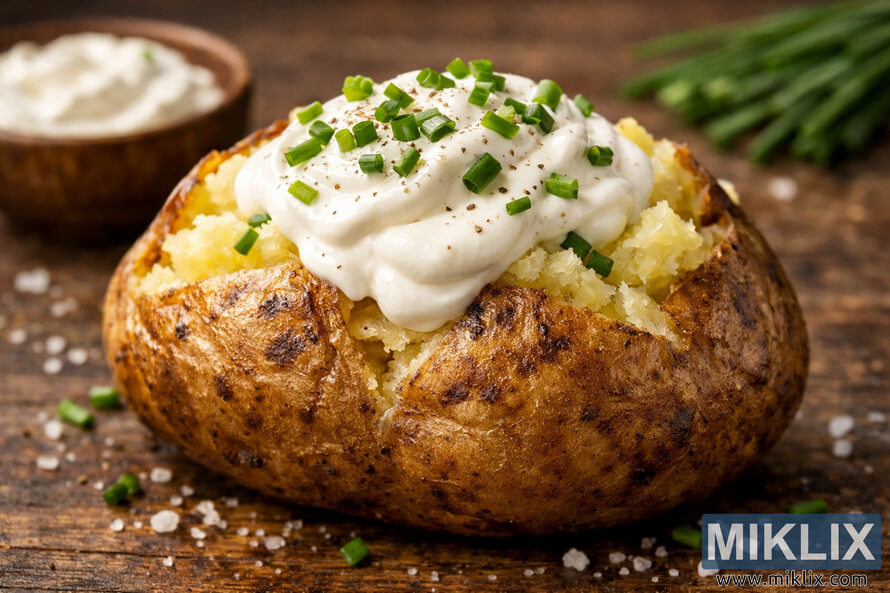
Baked Potatoes with Chive Cream
This timeless combination showcases chives perfectly. Mix chopped chives into sour cream or Greek yogurt. Season with salt and pepper. Spoon generously over hot baked potatoes. The heat releases the chive aroma.
Click or tap the image for more information and higher resolutions.
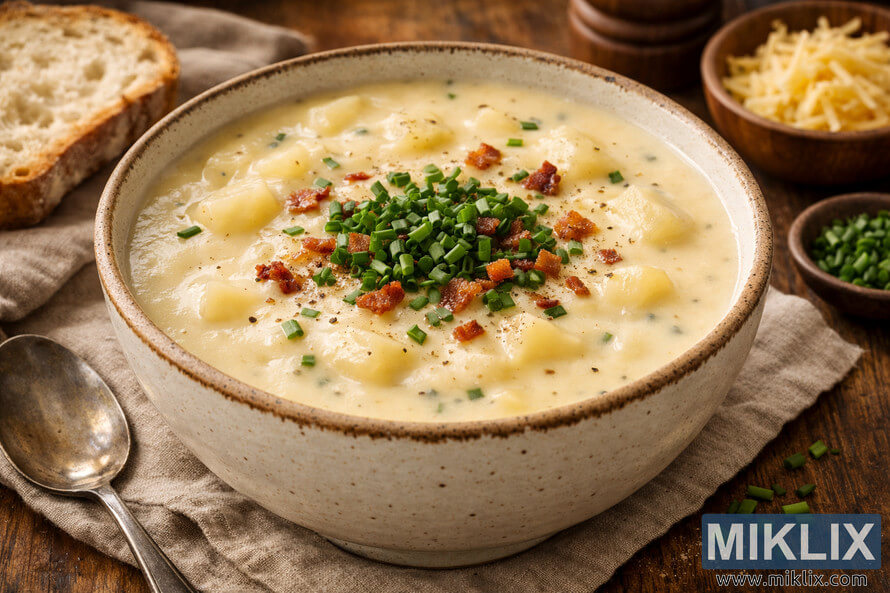
Vichyssoise
This French cold soup features chives prominently. Pureed potatoes and leeks create a smooth base. Cream adds richness. Fresh chives provide the finishing touch. Both chopped chives and whole chive flowers make beautiful garnishes.
Click or tap the image for more information and higher resolutions.
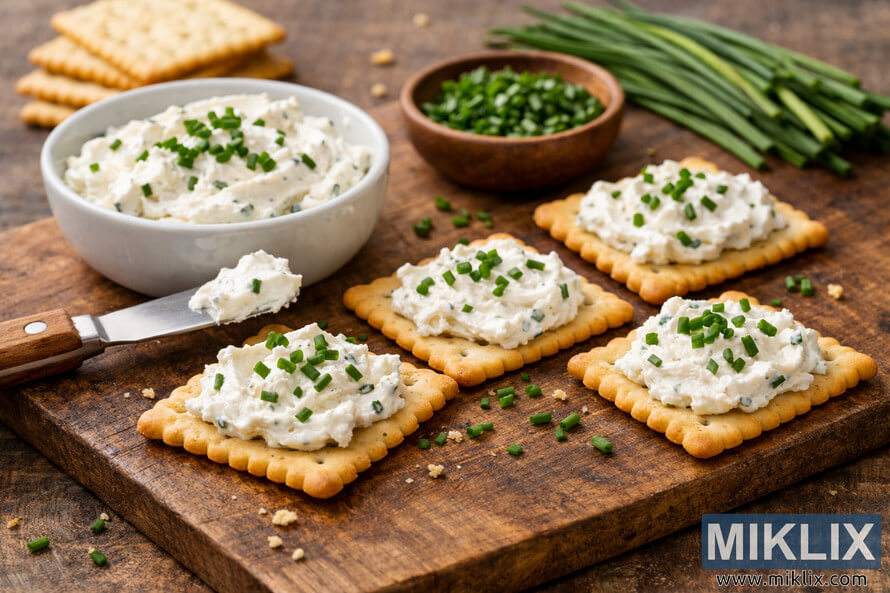
Chive Cream Cheese
Blend softened cream cheese with chopped chives, salt, and lemon juice. Use as a spread for bagels and sandwiches. Serve with crackers as an appetizer. The combination offers both flavor and the health benefits of chives.
Click or tap the image for more information and higher resolutions.
Breakfast Applications
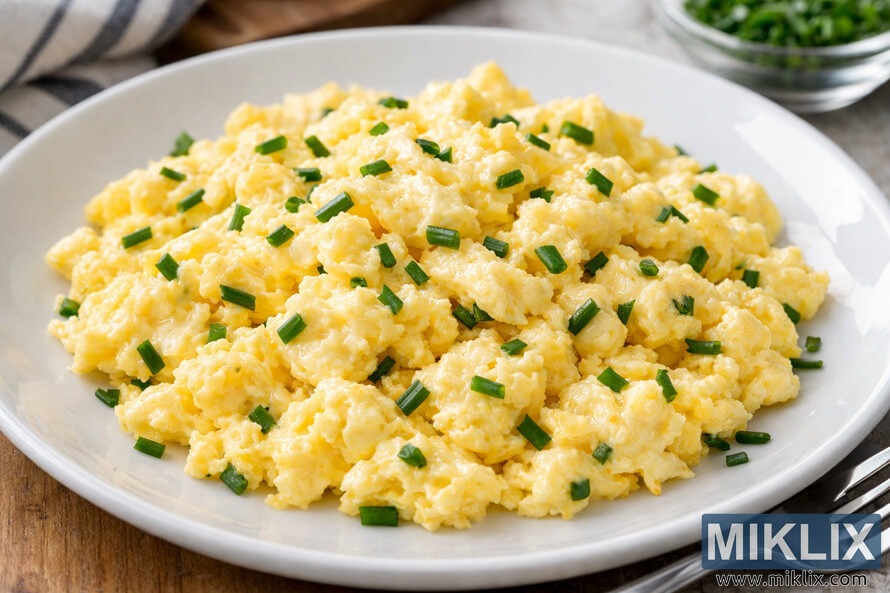
Morning meals provide excellent opportunities to enjoy chives. Scrambled eggs benefit from chives mixed in just before serving. Omelets gain sophistication with a chive filling. Frittatas and quiches incorporate chives throughout the egg mixture. The combination of eggs and chives creates a nutritionally complementary pairing.
Beyond eggs, chives enhance many breakfast items. Stir them into cottage cheese or ricotta for a protein-rich start. Top avocado toast with chopped chives for added flavor and nutrients. Mix them into breakfast sandwiches or wraps. Even simple toast with butter and chives makes a satisfying light breakfast.
Click or tap the image for more information and higher resolutions.
Salads and Dressings
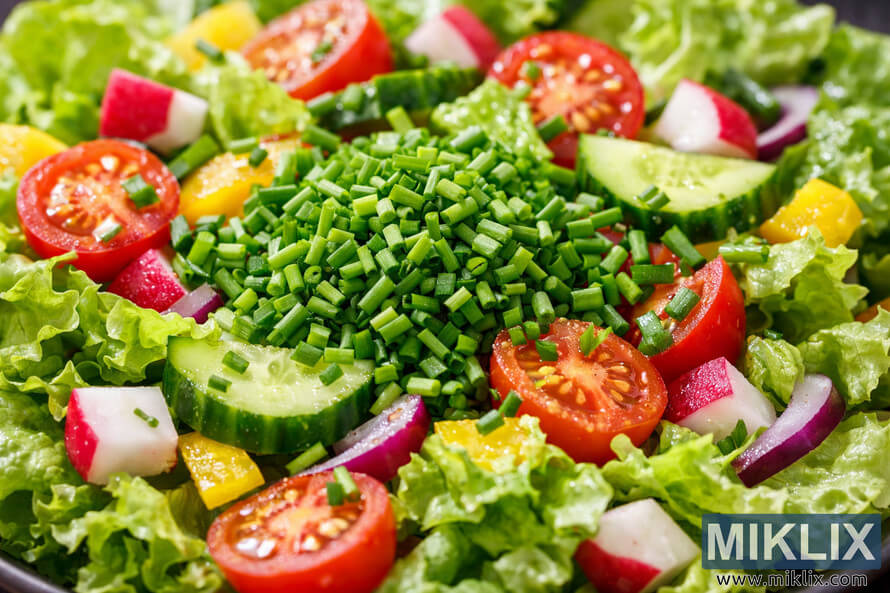
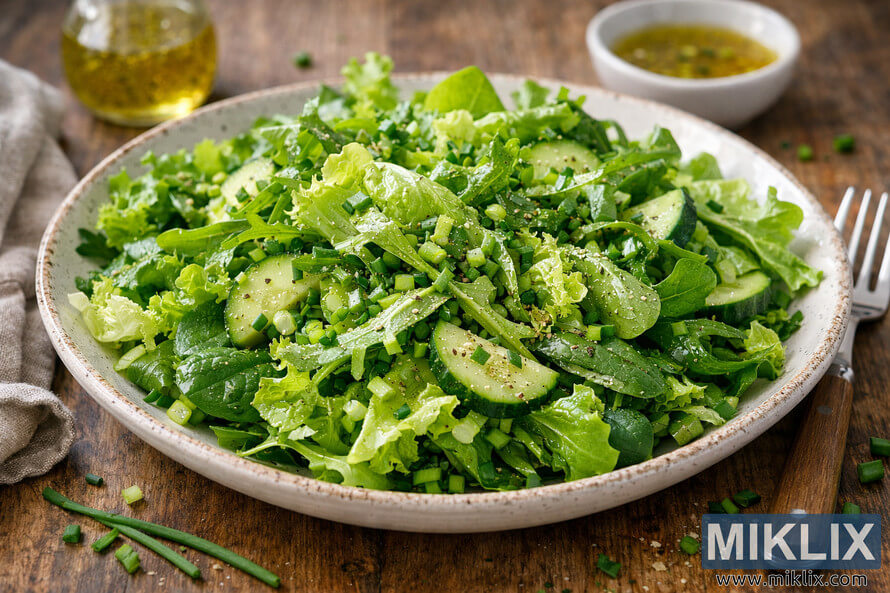
Fresh salads showcase chives at their best. Their bright green color adds visual appeal. Their crisp texture provides interest. Their flavor complements both mild lettuces and assertive greens. Chop chives and toss them directly into salads or use them in dressings.
A simple chive vinaigrette elevates any salad. Blend chopped chives with olive oil, vinegar, Dijon mustard, and honey. Season with salt and pepper. This versatile dressing works on green salads, potato salads, and grain bowls. The fresh herb flavor brightens the entire dish.
- Garden salads with mixed greens and chive vinaigrette
- Potato salad with chives, Dijon mustard, and herbs
- Cucumber salad with sour cream, dill, and chives
- Tomato and onion salad topped with fresh chives
- Chicken or tuna salad enhanced with chopped chives
- Pasta salad with vegetables and chive-herb dressing
Click or tap the image for more information and higher resolutions.
Soups and Sauces
Hot soups benefit from a final sprinkle of fresh chives before serving. The heat releases their aroma without cooking away all the beneficial compounds. Cold soups like gazpacho and cucumber soup taste excellent with generous chive additions. Pureed soups gain visual interest from the bright green garnish.
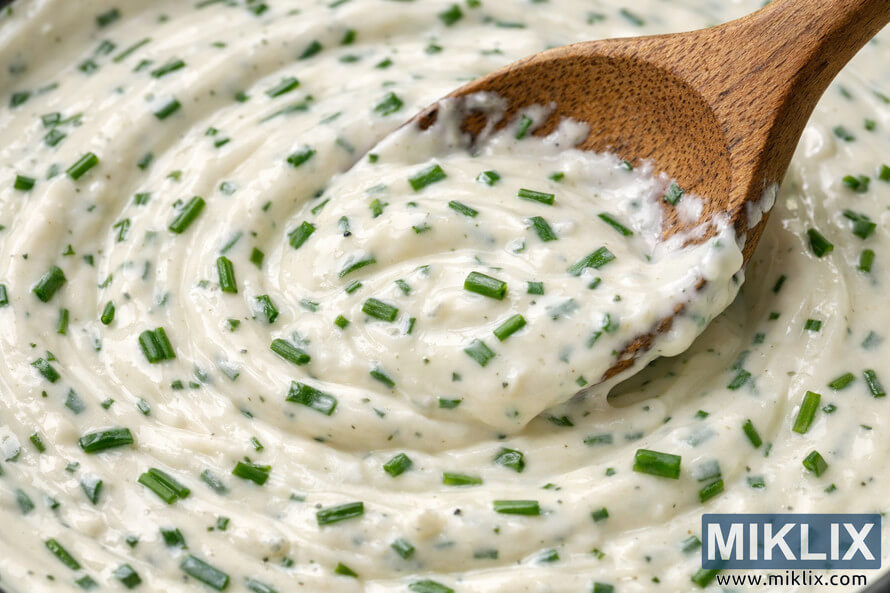
Cream sauces and chives create natural partnerships. Add chives to béchamel for a flavorful base sauce. Stir them into pan sauces for fish or chicken. Mix them into compound butters to top grilled meats or vegetables. The possibilities span the entire culinary spectrum.
Click or tap the image for more information and higher resolutions.
Preserving Chives to Enjoy Year-Round Benefits
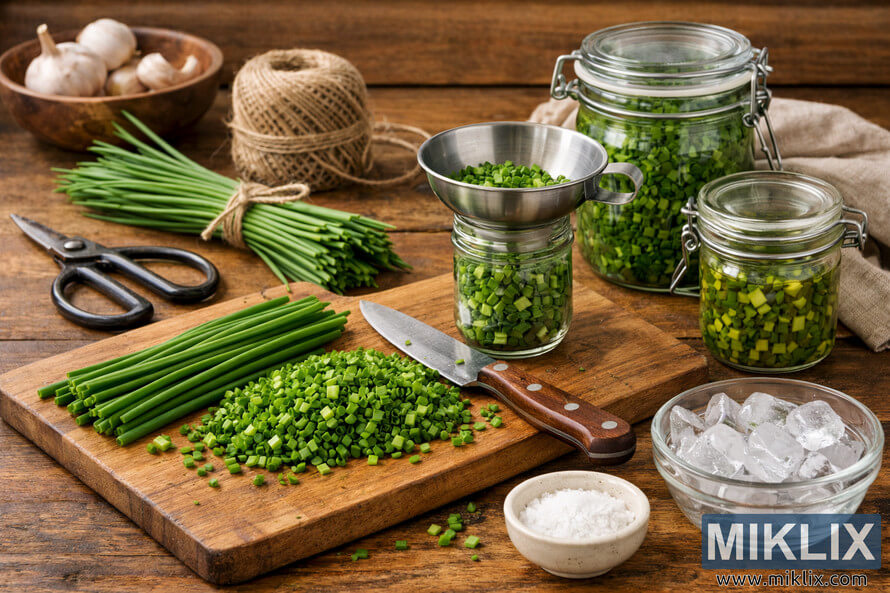
Fresh chives taste best and provide maximum nutritional value. However, preserving your harvest allows year-round enjoyment of their health benefits. Several preservation methods maintain much of their flavor and nutrients. Each technique suits different culinary applications and storage capabilities.
The key to successful preservation lies in starting with the freshest possible chives. Harvest in the morning after dew dries but before intense heat. Choose vibrant green leaves without yellowing or damage. Process chives quickly after harvesting to minimize nutrient degradation. Proper preparation ensures the best results from any preservation method.
Click or tap the image for more information and higher resolutions.
Freezing Methods
Freezing preserves chives better than drying for many applications. Frozen chives retain much of their color, flavor, and nutritional content. They work well in cooked dishes though their texture becomes soft upon thawing. Several freezing approaches offer different advantages.
The simplest method involves chopping chives and placing them in freezer bags. Remove as much air as possible before sealing. Label with the date. Use within six months for best quality. This approach works well when you need to add chives to hot dishes where texture doesn't matter.
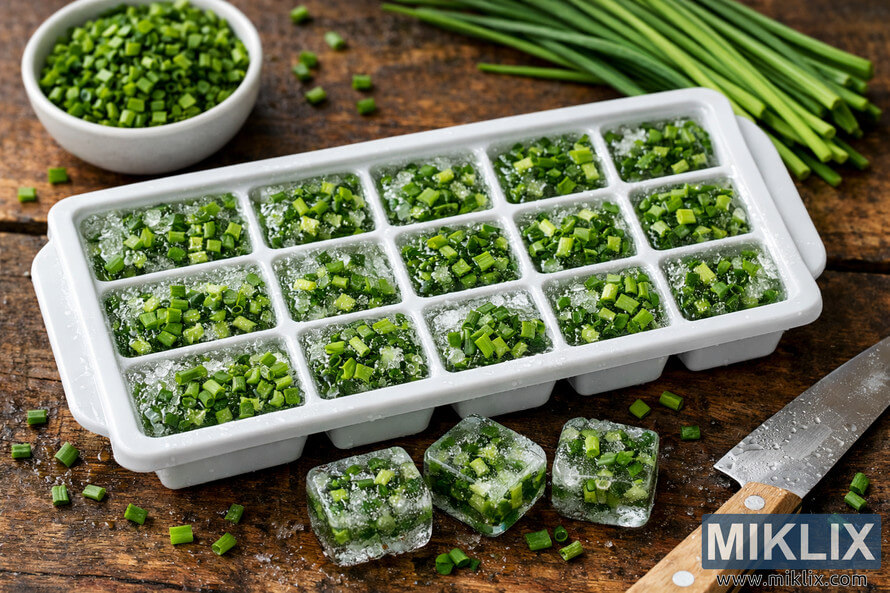
Ice cube freezing provides portion-controlled servings. Chop chives and place them in ice cube trays. Cover with water or olive oil. Freeze until solid, then transfer cubes to freezer bags. Each cube represents roughly two tablespoons of fresh chives. Drop frozen cubes directly into soups, sauces, or other hot preparations.
- Wash chives gently and pat completely dry
- Chop to desired size using sharp knife or scissors
- Choose freezing method based on intended use
- Package in airtight containers or freezer bags
- Remove excess air to prevent freezer burn
- Label clearly with contents and date
- Store in freezer for up to six months
Click or tap the image for more information and higher resolutions.
Drying Techniques
Dried chives concentrate their flavor while reducing volume. They store at room temperature without refrigeration. However, drying reduces some nutrients and changes the flavor profile somewhat. The convenience of dried herbs makes them valuable despite these tradeoffs.
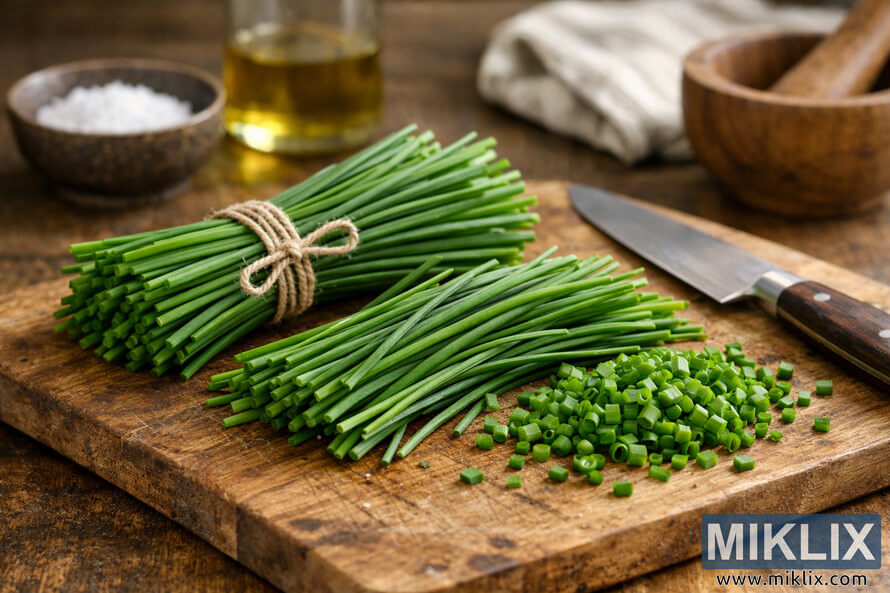
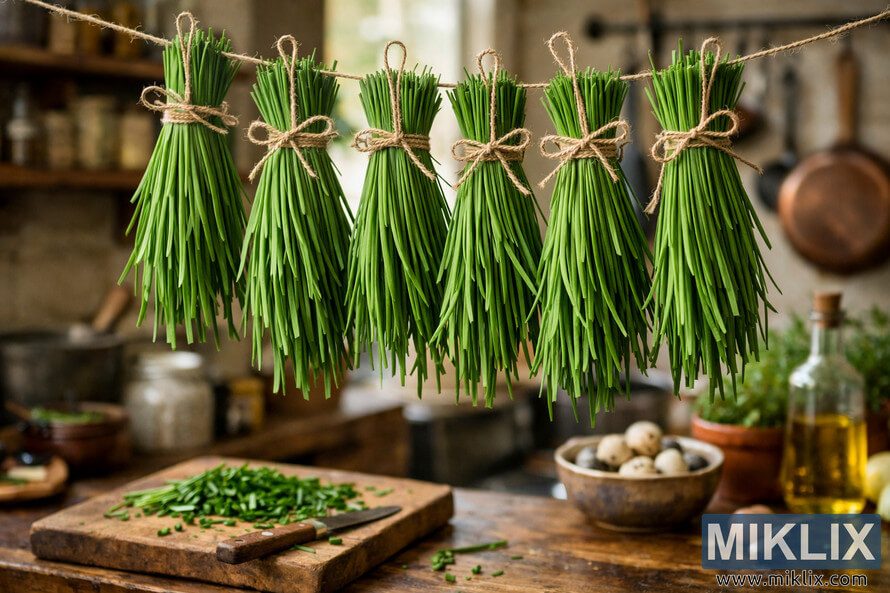
Air drying works in low-humidity environments. Gather chives into small bundles and tie them with string. Hang upside down in a warm, dry location away from direct sunlight. Good air circulation prevents mold. Leaves are ready when they crumble easily, usually after one to two weeks.
Dehydrator drying offers more control and speed. Spread chopped chives on dehydrator trays in thin layers. Set temperature to 95-105°F. Check after two to four hours. Properly dried chives should crumble when touched but not turn brown. Store in airtight containers away from light and heat.
Click or tap the image for more information and higher resolutions.
Chive-Infused Products
Chive Oil
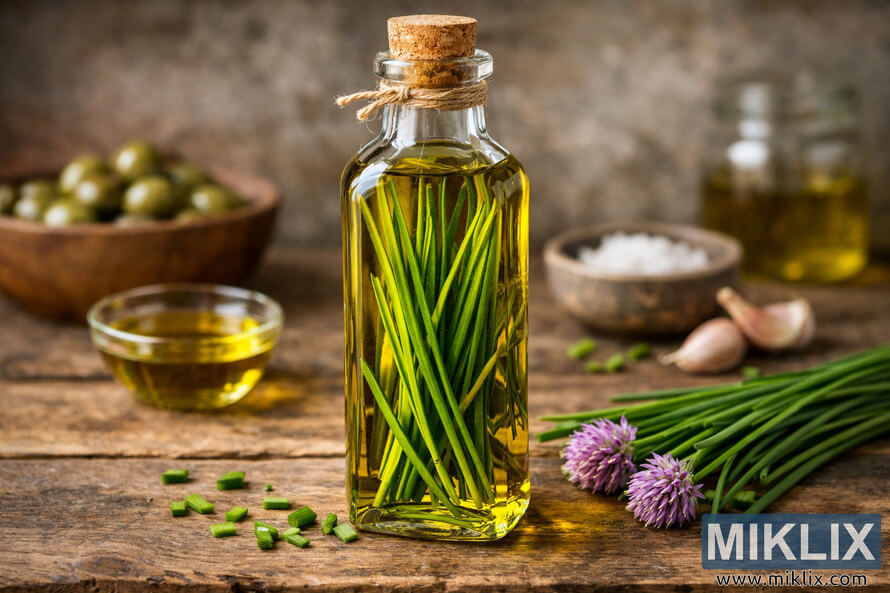
Create flavorful oil by combining fresh chives with high-quality olive oil. Blanch chives briefly in boiling water, then shock in ice water. Pat dry thoroughly. Blend with oil until smooth. Strain through cheesecloth. Store refrigerated for up to one week.
Click or tap the image for more information and higher resolutions.
Compound Butter
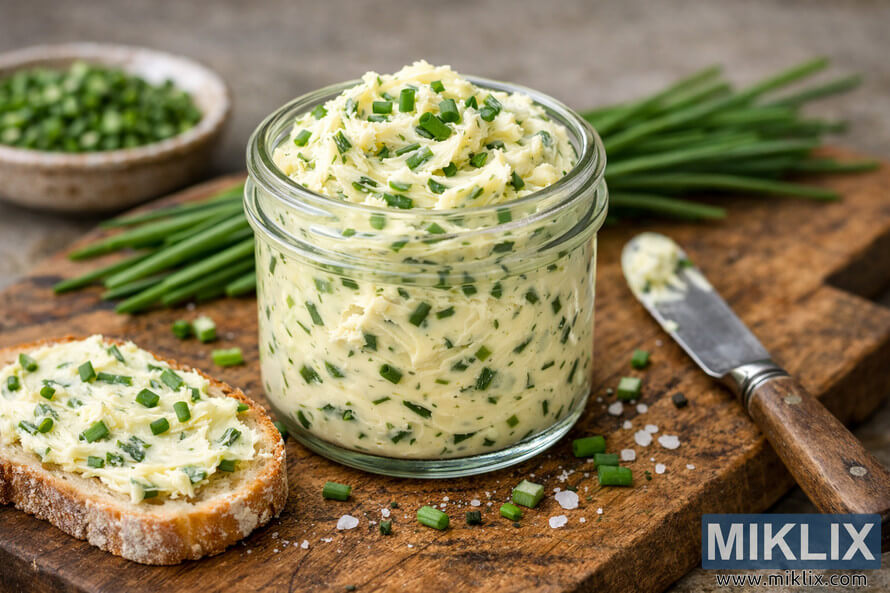
Mix softened butter with finely chopped fresh chives. Add salt and lemon zest if desired. Roll into a log using parchment paper. Freeze for up to three months. Slice frozen butter to top grilled meats, fish, or vegetables.
Click or tap the image for more information and higher resolutions.
Precautions and Considerations When Using Chives
While chives offer numerous health benefits, certain considerations apply. Most people tolerate chives well when consumed as food. They're generally recognized as safe by food authorities. However, individual circumstances may require caution or moderation in consumption.
Allergies to allium vegetables affect some people. Those with known sensitivities to onions, garlic, or related plants may react to chives. Symptoms might include digestive upset, skin reactions, or respiratory issues. Anyone with suspected allium allergies should avoid chives and consult an allergist.
Chives contain vitamin K, which plays a role in blood clotting. People taking anticoagulant medications like warfarin need consistent vitamin K intake. Sudden large increases in vitamin K consumption can affect medication effectiveness. If you take blood thinners, maintain steady chive consumption and inform your healthcare provider about your diet.
Click or tap the image for more information and higher resolutions.
Medication Interactions
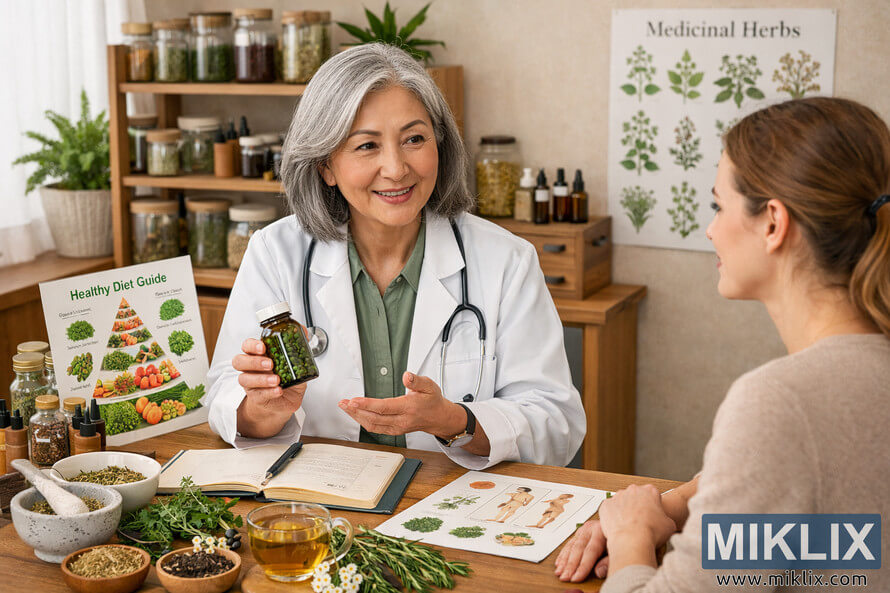
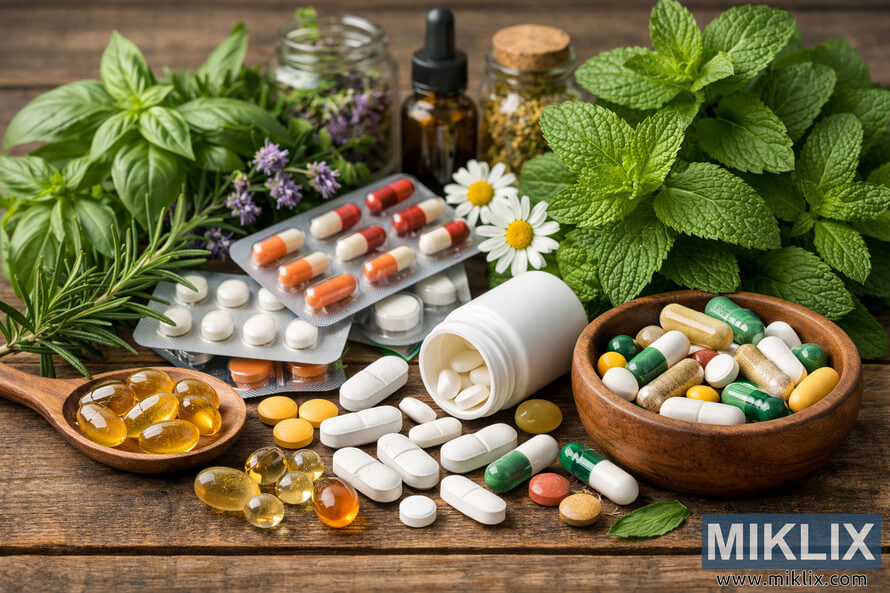
The compounds in chives may interact with certain medications. While culinary amounts rarely cause problems, awareness helps ensure safety. Always inform healthcare providers about all herbs and supplements you consume regularly, even common culinary herbs.
Blood thinning medications require special attention. The vitamin K in chives affects clotting pathways. Consistency matters more than complete avoidance. People on anticoagulants should maintain steady intake rather than varying dramatically. Work with your doctor to determine appropriate consumption levels.
Blood sugar medications may interact with allium vegetables. Some research suggests organosulfur compounds can lower blood glucose. While this effect could be beneficial, it might require medication adjustments. Monitor blood sugar carefully if you have diabetes and consume significant amounts of allium vegetables regularly.
Click or tap the image for more information and higher resolutions.
Important Safety Information: If you take prescription medications, especially blood thinners or diabetes medications, consult your healthcare provider before significantly increasing chive consumption. While food amounts are generally safe, individual circumstances vary. Medical supervision ensures your diet complements rather than interferes with treatment plans.
Special Population Considerations
Pregnancy and Breastfeeding
- Culinary amounts generally considered safe
- No evidence of harm from food quantities
- Avoid medicinal doses or supplements
- Consult healthcare provider with concerns
- Part of varied, balanced diet
Children
- Safe when consumed as food
- Introduce gradually like any new food
- Watch for allergic reactions
- Age-appropriate portions
- Encourages vegetable consumption
Surgery Patients
- May affect blood clotting
- Discontinue large amounts before surgery
- Inform surgeon about regular consumption
- Resume after healing with approval
- Follow medical team guidance
Digestive Sensitivity
Some individuals experience digestive discomfort from allium vegetables. Symptoms may include gas, bloating, or heartburn. These effects typically occur with larger amounts. If you notice digestive upset after eating chives, reduce your portion size or frequency of consumption.
People with irritable bowel syndrome sometimes react to FODMAPs, fermentable carbohydrates found in many foods including allium vegetables. Chives contain moderate FODMAP levels. Those following a low-FODMAP diet under medical supervision should discuss appropriate chive consumption with their healthcare provider or dietitian.

Click or tap the image for more information and higher resolutions.
Chives Compared to Other Allium Family Members
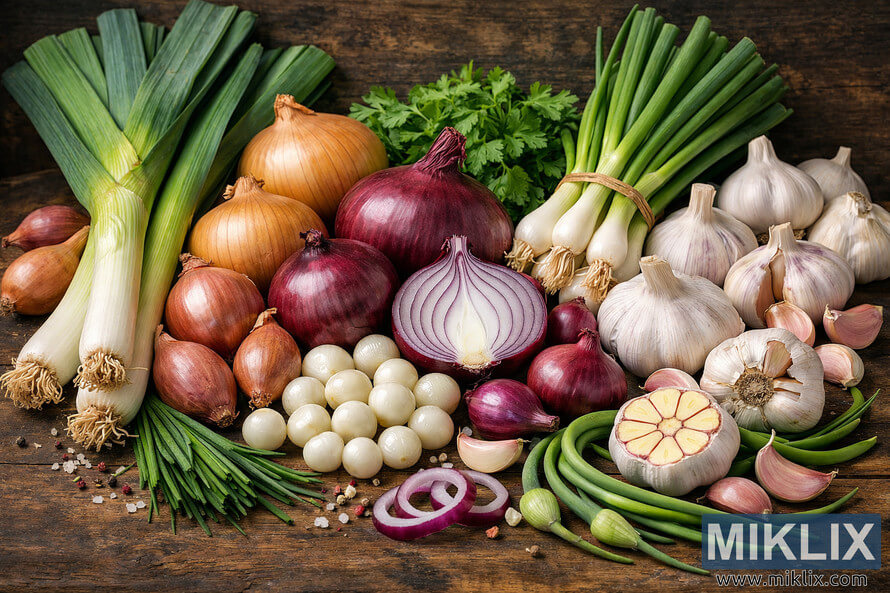
The allium family includes several commonly used vegetables and herbs. While they share similar compounds and health benefits, each offers unique characteristics. Understanding these differences helps you choose the right allium for specific culinary and nutritional purposes.
Chives provide the mildest flavor among allium vegetables. This gentleness makes them versatile and suitable for raw applications. Their delicate taste won't overpower other ingredients. The soft texture of fresh chives also differs from the firmer structure of onions or the denser cloves of garlic.
Nutritionally, all allium vegetables offer health benefits. The specific compound concentrations vary. Garlic contains the highest levels of organosulfur compounds. Onions provide more quercetin. Chives excel in vitamin K content. Each member brings something valuable to a varied diet.
Click or tap the image for more information and higher resolutions.
Nutritional and Culinary Comparison
| Allium Vegetable | Flavor Intensity | Key Nutrients | Best Culinary Uses | Primary Health Benefits |
| Chives | Very Mild | Vitamin K, Vitamin C, Folate | Fresh garnish, salads, cream sauces | Bone health, antioxidants |
| Garlic | Very Strong | Allicin, Manganese, Vitamin B6 | Cooking base, roasted, sauces | Cardiovascular, antimicrobial |
| Onions | Medium-Strong | Quercetin, Vitamin C, Fiber | Cooking base, caramelized, raw | Anti-inflammatory, heart health |
| Leeks | Mild-Medium | Vitamin K, Folate, Manganese | Soups, braises, gratins | Digestive health, antioxidants |
| Shallots | Medium | Minerals, Vitamin A, Antioxidants | Vinaigrettes, sauces, roasted | Heart health, immune support |
| Scallions | Mild | Vitamin K, Vitamin C, Folate | Asian dishes, garnish, grilled | Bone health, antioxidants |
When to Choose Chives Over Other Alliums
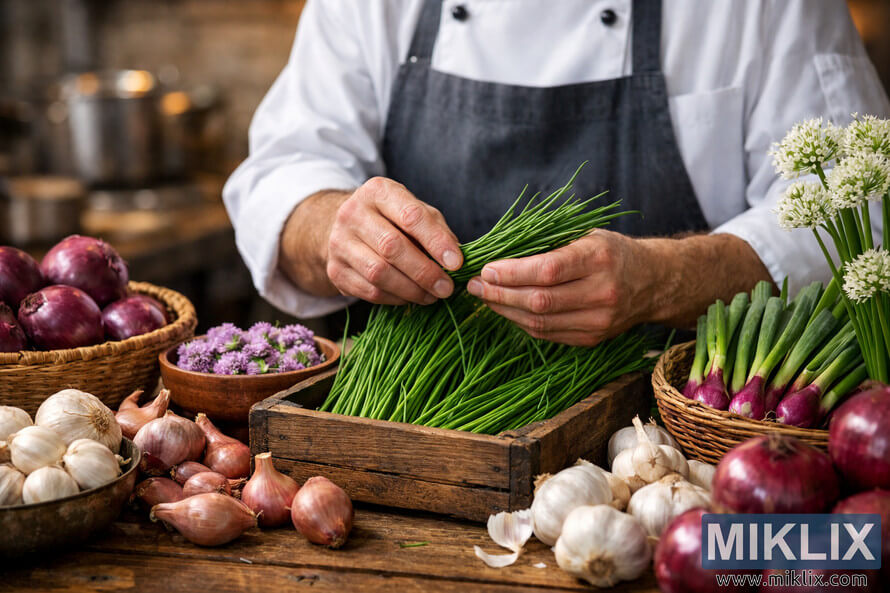
Chives excel in situations requiring subtle onion flavor. Their mild taste works beautifully in delicate dishes where stronger alliums would dominate. Fresh applications showcase chives best. Unlike garlic or onions that often require cooking, chives shine when used raw or barely heated.
Visual presentation represents another advantage. The bright green color and fine texture of chopped chives create attractive garnishes. Their appearance signals freshness and attention to detail. Professional chefs value this visual appeal alongside the flavor contribution.
For maximum vitamin K intake, chives outperform other allium vegetables. If you're specifically seeking this nutrient, chives offer concentrated amounts in small servings. This makes them particularly valuable for bone health support when consumed regularly.
- When you want mild onion flavor without overpowering other ingredients
- For raw applications where heat-sensitive nutrients remain intact
- When bright green color enhances visual presentation
- For dishes where soft texture is preferable to crunchy onions
- When you need concentrated vitamin K in small amounts
- For people who find garlic or onions too strong or difficult to digest
Click or tap the image for more information and higher resolutions.
Selecting and Storing Fresh Chives for Maximum Benefits
The health benefits of chives depend partly on their freshness and quality. Proper selection and storage preserve both flavor and nutrients. Fresh chives should look vibrant and smell pleasantly onion-like. Avoid yellowed, wilted, or slimy herbs as these indicate age and nutrient degradation.
When purchasing chives, examine the entire bunch carefully. Look for firm, crisp leaves with deep green color. The cut ends should appear moist, not dried out. If buying potted chives, check for healthy growth and absence of pests or disease. Potted herbs offer the advantage of continued growth at home.
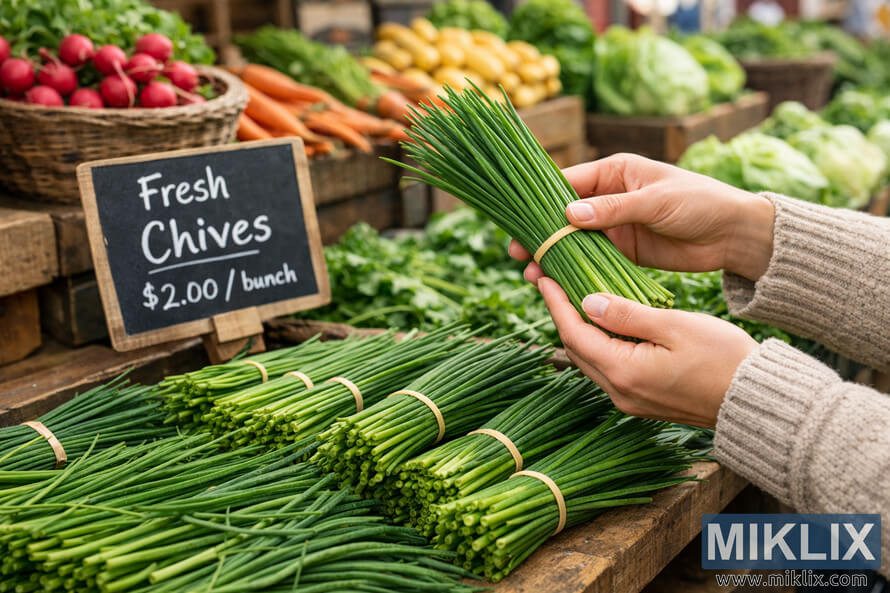
Click or tap the image for more information and higher resolutions.
Selection Criteria for Fresh Chives
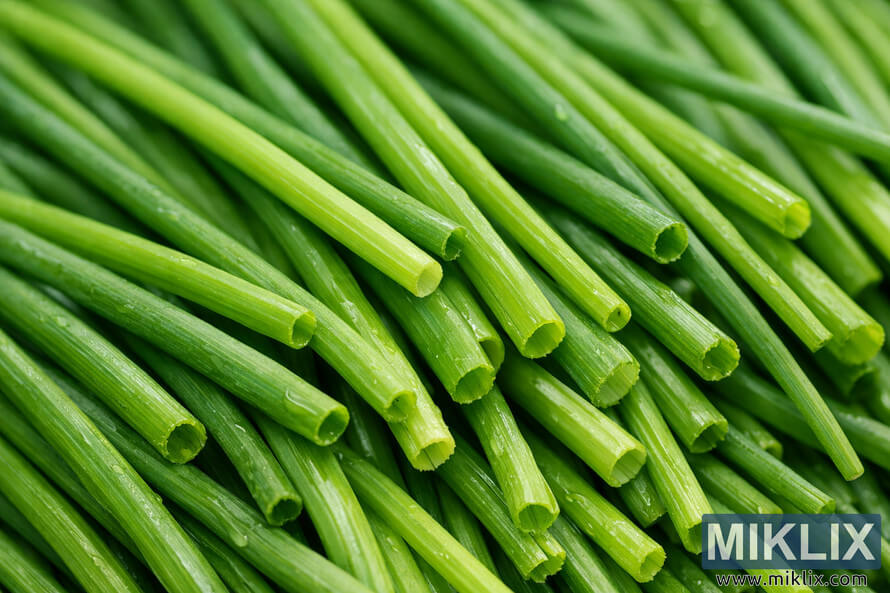
Quality Indicators
- Deep green color throughout the leaves
- Firm, crisp texture that snaps when bent
- Fresh, mild onion aroma when handled
- No yellowing, brown spots, or sliminess
- Moist cut ends if bunched and trimmed
- Absence of wilting or drooping leaves
Click or tap the image for more information and higher resolutions.
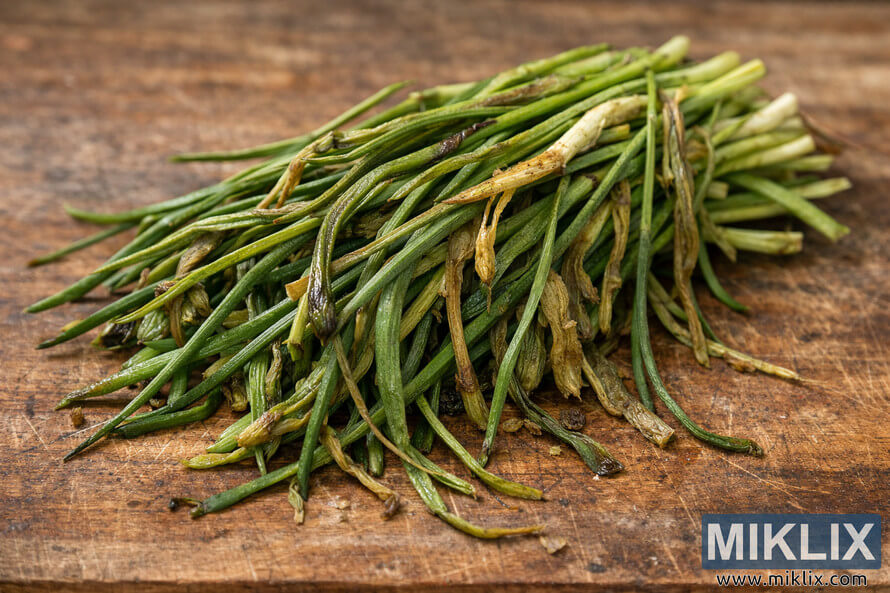
Red Flags to Avoid
- Yellow or brown discoloration anywhere on leaves
- Slimy or mushy texture indicating spoilage
- Dried, brown cut ends suggesting old harvest
- Wilted appearance from improper storage
- Off odors beyond normal onion scent
- Visible mold or bacterial growth
Click or tap the image for more information and higher resolutions.
Proper Storage Methods
Correct storage extends the usable life of fresh chives while maintaining their nutritional value. Different methods suit different time frames. Choose your storage approach based on how quickly you plan to use the herbs. All methods aim to maintain moisture while allowing air circulation.
For short-term storage up to one week, treat chives like cut flowers. Trim the ends and place them in a glass of water. Cover loosely with a plastic bag. Keep in the refrigerator, changing water every few days. This method keeps chives crisp and fresh while preventing wilting.
Alternatively, wrap unwashed chives loosely in damp paper towels. Place the wrapped bundle in a plastic bag, leaving it slightly open. Store in the refrigerator crisper drawer. This method works well for one to two weeks. Check periodically and replace paper towels if they become too wet or dry.

Click or tap the image for more information and higher resolutions.
Best Storage Practices
- Store unwashed until ready to use
- Maintain consistent refrigerator temperature
- Use within one week for peak freshness
- Keep away from ethylene-producing fruits
- Ensure adequate moisture without sogginess
- Allow some air circulation to prevent mold
Storage Mistakes to Avoid
- Storing in completely sealed plastic bags
- Washing before storage accelerates spoilage
- Exposure to warm temperatures
- Storing near strong-smelling foods
- Allowing leaves to sit in standing water
- Overcrowding in refrigerator drawer
Preparing Chives for Use
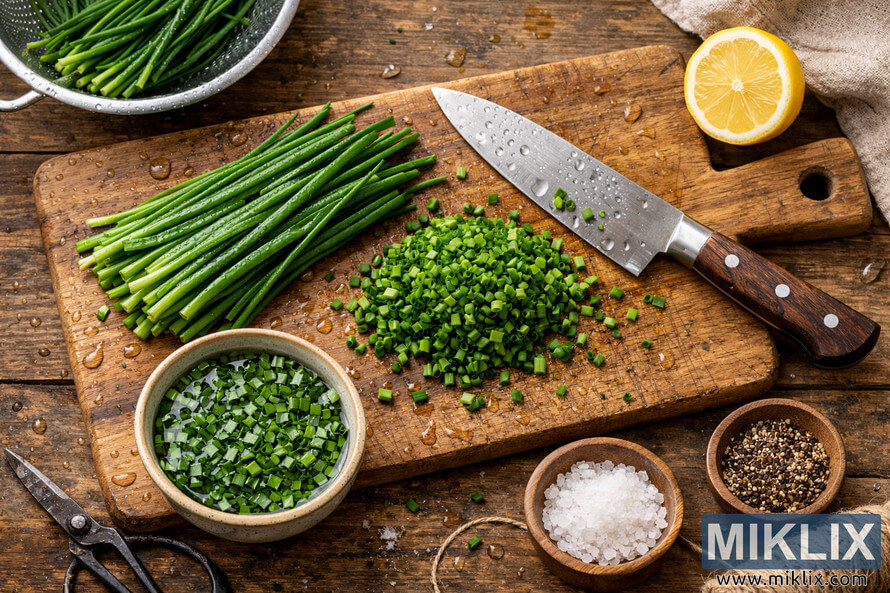
When ready to use your stored chives, wash them gently under cool running water. Pat dry with clean towels or use a salad spinner. Examine each stem and discard any yellowed or damaged portions. Fresh chives should smell pleasantly mild and feel crisp to the touch.
Cut chives just before use to minimize nutrient loss and preserve flavor. Use sharp kitchen scissors or a sharp knife. Scissors often work better, creating clean cuts without crushing the delicate leaves. Cut to desired length, typically quarter-inch to half-inch pieces for most applications.
Click or tap the image for more information and higher resolutions.
Frequently Asked Questions About Chives and Health
Can chives help lower blood pressure naturally?
The organosulfur compounds in chives may contribute to healthy blood pressure levels through blood vessel relaxation. However, the effect from culinary amounts of chives alone would be modest. They work best as part of an overall heart-healthy diet rich in vegetables, whole grains, and lean proteins. People with high blood pressure should continue prescribed treatments and consult healthcare providers before relying on dietary changes alone.
How much chives should I eat daily to see health benefits?
No specific daily requirement exists for chives. Most research on allium vegetables examines regular consumption patterns rather than specific amounts. Including one to two tablespoons of fresh chopped chives several times per week provides beneficial compounds. The key lies in regular consumption as part of a varied diet rather than large occasional amounts. More isn't necessarily better, and balance matters more than quantity.
Are the purple flowers on chive plants also healthy to eat?
Yes, chive flowers are completely edible and contain many of the same beneficial compounds as the leaves. They offer a mild onion flavor similar to the leaves but with a slightly sweeter note. The flowers contain antioxidants and can be used whole as garnishes or separated into individual florets. They make beautiful additions to salads and provide both visual appeal and nutritional value.
Do cooked chives provide the same health benefits as raw ones?
Raw chives retain more heat-sensitive nutrients like vitamin C. However, cooking doesn't eliminate all benefits. Some compounds become more bioavailable with light cooking. For maximum benefit, add chives at the end of cooking or use them raw when possible. The best approach involves eating chives both ways, enjoying raw chives in salads and garnishes while also incorporating them into hot dishes.
Can people with acid reflux or GERD safely eat chives?
Chives are generally milder than onions or garlic, which often trigger reflux symptoms. Many people with GERD tolerate chives well in moderate amounts. However, individual responses vary. Start with small quantities and monitor your symptoms. If chives cause discomfort, reduce the amount or avoid them. Consult a gastroenterologist or registered dietitian for personalized dietary guidance regarding GERD.
Are freeze-dried chives as nutritious as fresh ones?
Freeze-dried chives retain more nutrients than air-dried or heat-dried versions. The freeze-drying process preserves most vitamins and beneficial compounds. However, fresh chives still provide superior nutrition. Freeze-dried chives work well as a convenient alternative when fresh aren't available. They're particularly useful during winter months when growing fresh chives becomes challenging in many climates.
Can chives interact with blood thinning medications?
Chives contain vitamin K, which affects blood clotting. People taking warfarin or similar anticoagulants need consistent vitamin K intake. Sudden large increases or decreases can affect medication effectiveness. If you take blood thinners, maintain steady chive consumption and inform your healthcare provider about your dietary habits. Your doctor can adjust medication dosing if needed to account for your vitamin K intake.
Do chives have any benefits for skin health?
The vitamin C in chives supports collagen production, essential for skin structure and elasticity. Antioxidants protect skin cells from damage caused by UV radiation and pollution. While eating chives contributes to overall skin health, they work best as part of a comprehensive approach including sun protection, adequate hydration, and a balanced diet rich in various fruits and vegetables.
Are chives safe for pets like dogs and cats?
No, chives and all allium family vegetables are toxic to dogs and cats. They contain compounds that damage red blood cells in these animals, potentially causing anemia. Even small amounts can be harmful. Keep chives and dishes containing them away from pets. If your pet consumes chives, contact your veterinarian immediately. This toxicity applies to fresh, cooked, and dried forms.
Can pregnant women safely eat chives?
Yes, chives in normal food amounts are safe during pregnancy. They provide beneficial nutrients including folate, important for fetal development. The vitamin K supports blood clotting. However, pregnant women should avoid medicinal doses or concentrated supplements without medical supervision. A varied diet including moderate amounts of chives and other vegetables supports a healthy pregnancy. Consult your obstetrician or midwife with specific concerns.

Click or tap the image for more information and higher resolutions.
Conclusion: Embracing the Health Benefits of Chives
The health benefits of chives extend far beyond their role as a simple garnish. These small but powerful herbs deliver impressive amounts of vitamins, minerals, and bioactive compounds. From supporting bone health through vitamin K to protecting cells with antioxidants, chives contribute meaningfully to wellness.
Their mild flavor and versatility make incorporating chives into your diet remarkably easy. Unlike some beneficial foods that require acquired tastes, most people enjoy chives from first introduction. This palatability encourages regular consumption, allowing the cumulative health effects to develop over time.
Growing your own chives provides the freshest possible supply while connecting you with your food sources. The simple pleasure of harvesting herbs from your garden or windowsill adds satisfaction beyond nutrition. Even small-scale growing in pots delivers enough chives for regular use.
Remember that no single food creates health or prevents disease alone. Chives work best as part of a varied, balanced diet rich in different vegetables, fruits, whole grains, and lean proteins. They complement other healthy lifestyle choices including regular physical activity, adequate sleep, and stress management.
Whether you're sprinkling fresh chives on your morning eggs, stirring them into cream sauces, or growing them in your garden, you're choosing a path toward better health. These humble herbs demonstrate how simple, accessible foods can support wellness. Start enjoying the health benefits of chives today by adding them to your favorite dishes.
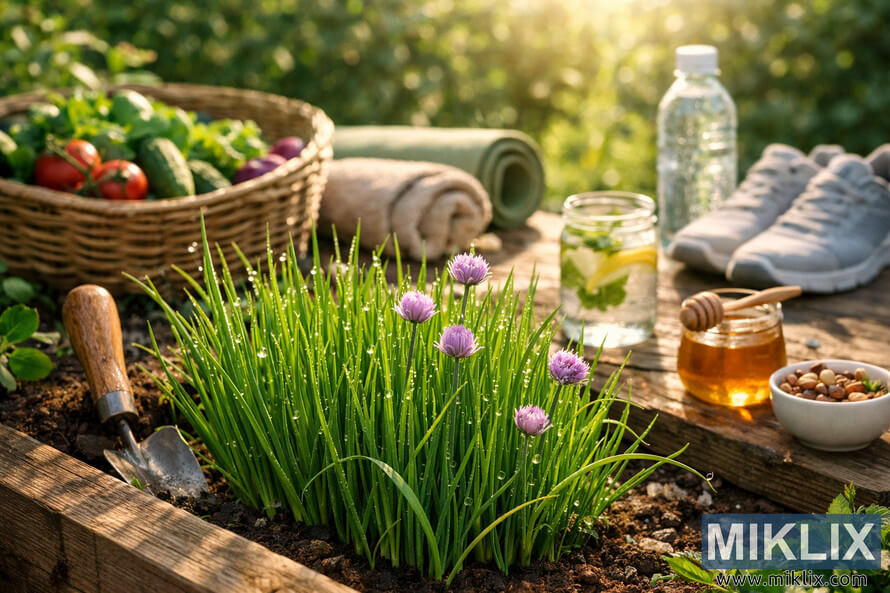
Click or tap the image for more information and higher resolutions.
Further Reading
If you enjoyed this post, you may also like these suggestions:
- Unlocking Vitality: The Surprising Benefits of Co-Enzyme Q10 Supplements
- From Fungus to Fuel: How Cordyceps Can Boost Your Body and Mind
- A Round-Up of the Most Healthy and Nutritious Foods