
The Surprising Health Benefits of Potatoes: A Complete Nutrition Guide
出版された:
最終更新日 2026年8月4日 13:57:09 UTC
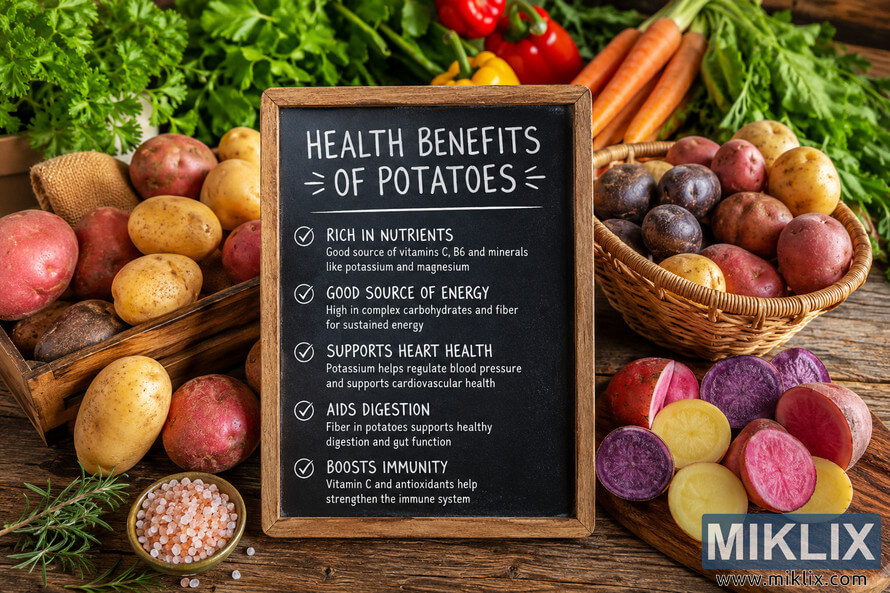
Potatoes have earned an unfair reputation in modern diet culture. Many people avoid them, believing they cause weight gain or spike blood sugar dangerously. The truth reveals a different story entirely.
The Surprising Health Benefits of Potatoes: A Complete Nutrition Guide
画像をクリックまたはタップすると、詳細と高解像度が表示されます。
This humble vegetable delivers powerful nutrients that support your body in remarkable ways. When prepared properly, potatoes become a valuable addition to any healthy eating pattern.
Understanding the real health benefits of potatoes helps you make informed dietary choices. This comprehensive guide explores the science-backed advantages, nutritional content, and best preparation methods for maximizing potato's health potential.
Potatoes Pack Essential Nutrients Your Body Needs
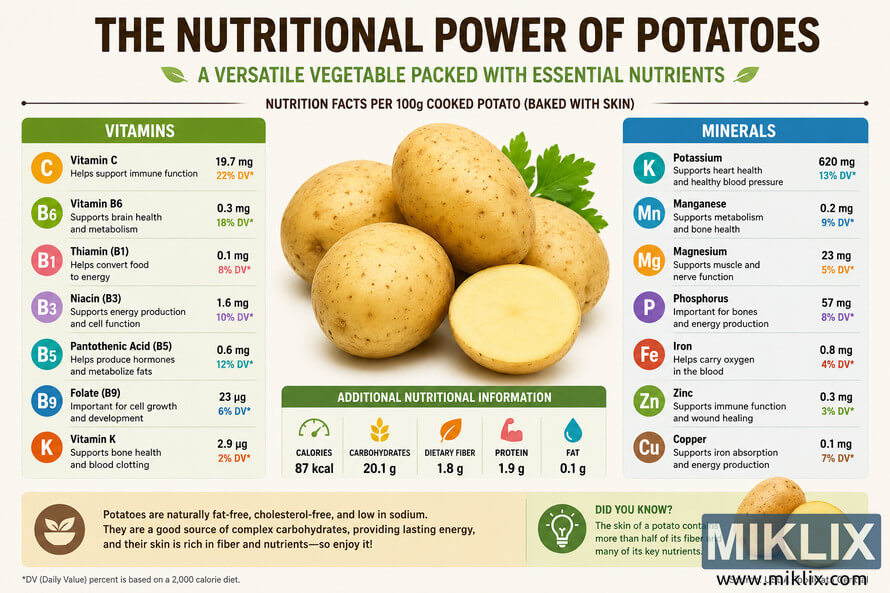
A medium potato with skin contains impressive amounts of vital nutrients. The potato skin holds significant fiber and nutrients that many people discard without realizing their value.
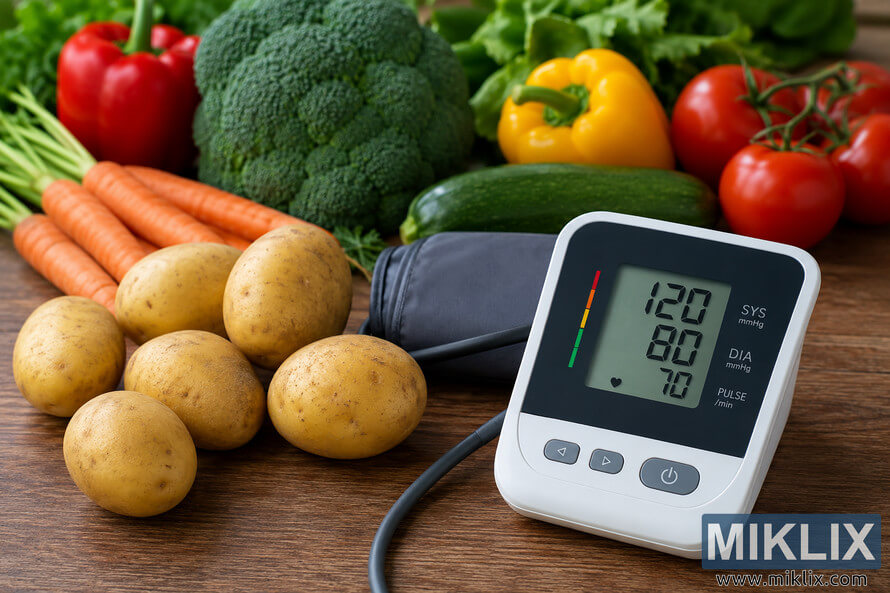
Potassium stands out as one of potato's most abundant minerals. One medium potato provides more potassium than a banana, supporting healthy blood pressure levels throughout your body.
画像をクリックまたはタップすると、詳細と高解像度が表示されます。
Vitamin Content in Potatoes
White potatoes deliver nearly half your daily vitamin C needs in just one serving. This powerful antioxidant supports immune function and skin health.
Vitamin B6 plays crucial roles in protein metabolism and brain development. Potatoes provide approximately 30% of your daily B6 requirement per medium serving.
画像をクリックまたはタップすると、詳細と高解像度が表示されます。
Essential Minerals That Support Health
| Mineral | Amount per Medium Potato | Daily Value Percentage | Primary Health Benefit |
| Potassium | 926 mg | 26% | Blood pressure regulation |
| Magnesium | 48 mg | 12% | Muscle and nerve function |
| Iron | 1.9 mg | 11% | Oxygen transport in blood |
| Phosphorus | 121 mg | 12% | Bone health and energy production |
| Zinc | 0.6 mg | 5% | Immune system support |
The mineral content in potatoes supports numerous bodily functions. These nutrients work together to maintain optimal health across multiple systems.
Resistant Starch: Potatoes' Secret Weapon for Digestive Health
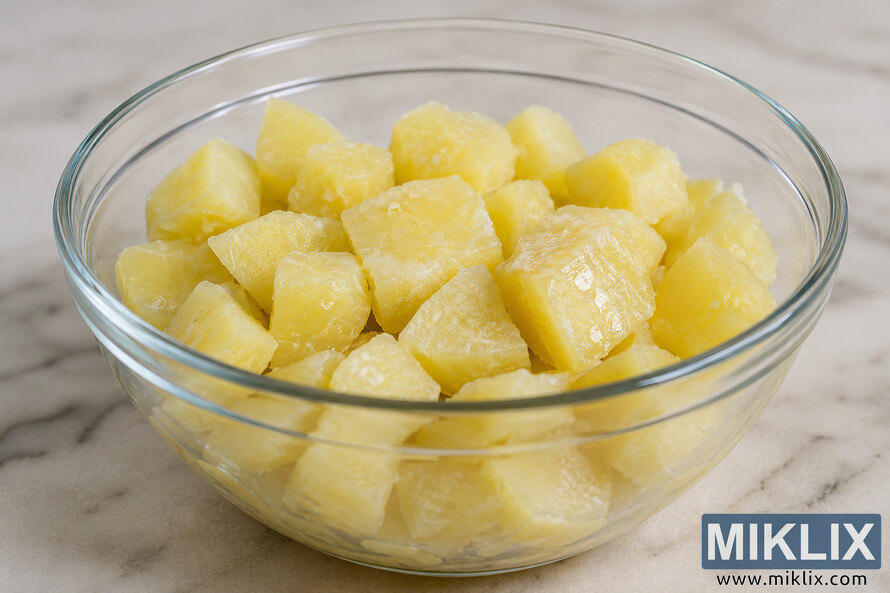
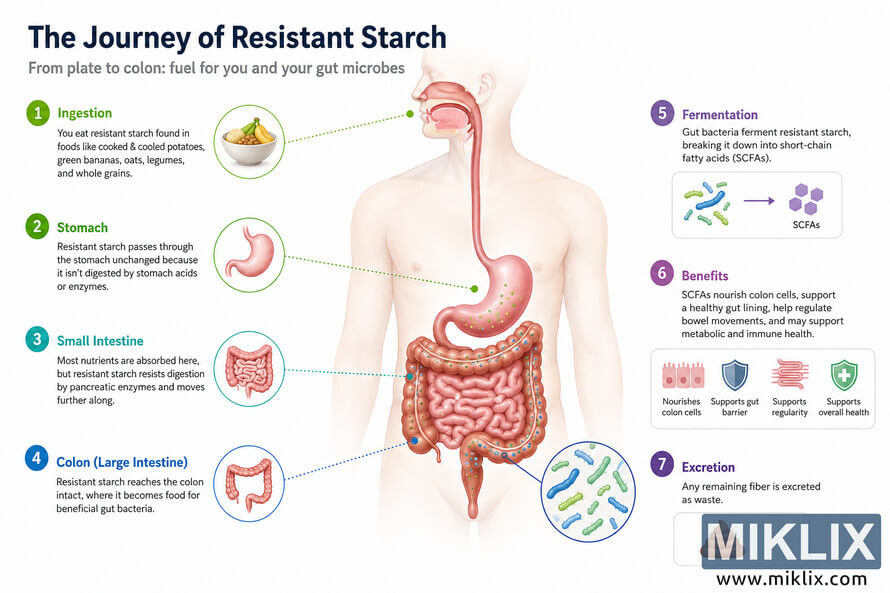
Resistant starch represents a unique type of carbohydrate that behaves differently from regular starch. This special fiber passes through your small intestine undigested, reaching your colon intact.
Your gut bacteria ferment resistant starch, producing beneficial short-chain fatty acids. These compounds support colon health and may reduce disease risk throughout your digestive system.
画像をクリックまたはタップすると、詳細と高解像度が表示されます。
How Cooking and Cooling Creates Resistant Starch
The amount of resistant starch in potatoes increases dramatically through a simple process. Cooking potatoes, then cooling them in your refrigerator overnight creates significantly more resistant starch than eating them hot.
Did You Know? Reheating cooled potatoes doesn't destroy the resistant starch that formed during cooling. You can enjoy the benefits while eating warm potato dishes.
Benefits of Resistant Starch
- Improves insulin sensitivity and blood sugar control
- Increases feelings of fullness after meals
- Supports healthy gut bacteria populations
- May reduce colon cancer risk
- Helps lower cholesterol levels
- Promotes regular bowel movements
Fiber content in potato skin adds another layer of digestive benefits. One medium potato with skin provides about 4 grams of fiber, supporting regular digestion and gut health.
Studies show that resistant starch may help reduce inflammation in your colon. This protective effect contributes to overall digestive system wellness and disease prevention.
画像をクリックまたはタップすると、詳細と高解像度が表示されます。
Potatoes Support Heart Health and Blood Pressure Control
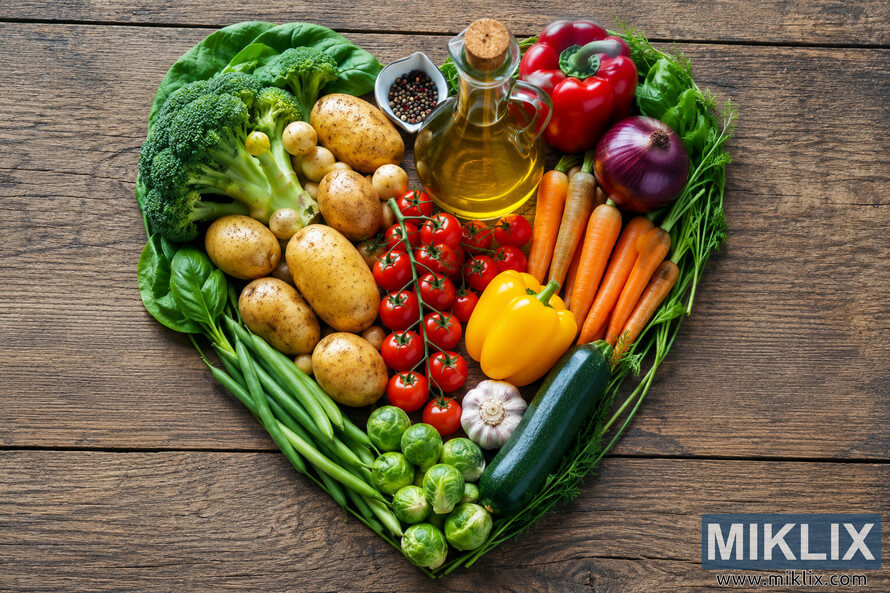
The high potassium content in potatoes plays a vital role in cardiovascular health. This essential mineral helps counteract sodium's effects on blood pressure, promoting healthy circulation throughout your body.
Research demonstrates that adequate potassium intake correlates with lower blood pressure readings. Potatoes provide this crucial nutrient in an accessible, affordable food source that fits various eating patterns.
画像をクリックまたはタップすると、詳細と高解像度が表示されます。
How Potatoes Protect Your Cardiovascular System
Potatoes contain compounds called kukoamines that research has linked to blood pressure reduction. These phytonutrients work alongside potassium to support healthy blood pressure levels.
The fiber in potato skin contributes to heart health by helping manage cholesterol levels. Soluble fiber binds to cholesterol in your digestive system, reducing the amount absorbed into your bloodstream.
Vitamin C and other antioxidants in potatoes combat oxidative stress that can damage blood vessels. This protective effect helps maintain the health of your entire cardiovascular system over time.
Important Note: Preparation method matters significantly for heart health. Baking, boiling, or steaming potatoes supports cardiovascular wellness, while french fries and hash browns cooked in unhealthy oils may increase heart disease risk.
画像をクリックまたはタップすると、詳細と高解像度が表示されます。
Blood Pressure Benefits: The Research Evidence
A study published in medical journals found that participants who consumed potatoes prepared without added fat experienced improved blood pressure readings. The key lies in choosing healthy cooking methods rather than avoiding potatoes entirely.
The amount of potassium in one medium potato exceeds what you'd get from many other common vegetables. This makes potatoes an efficient way to meet your daily potassium needs for blood pressure management.
Blood Sugar Regulation and Type 2 Diabetes Management
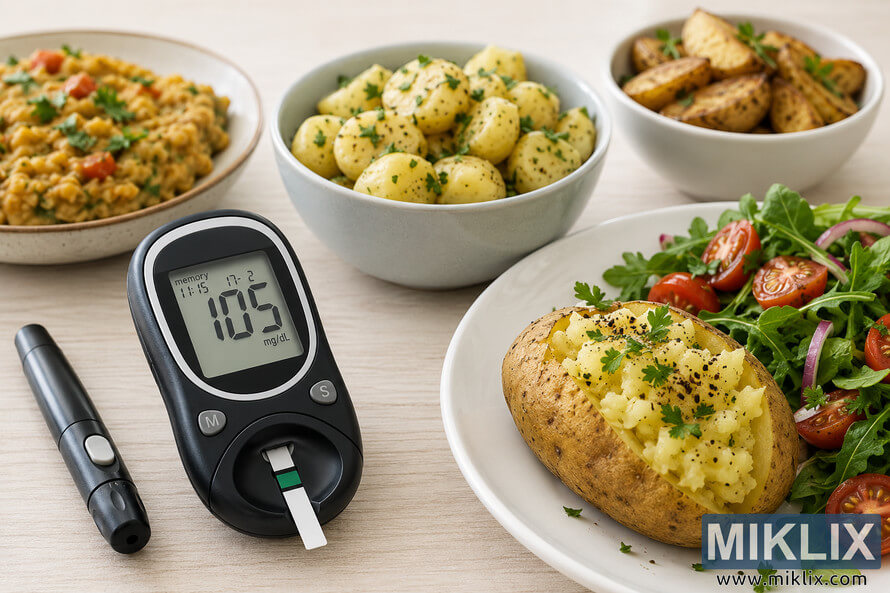
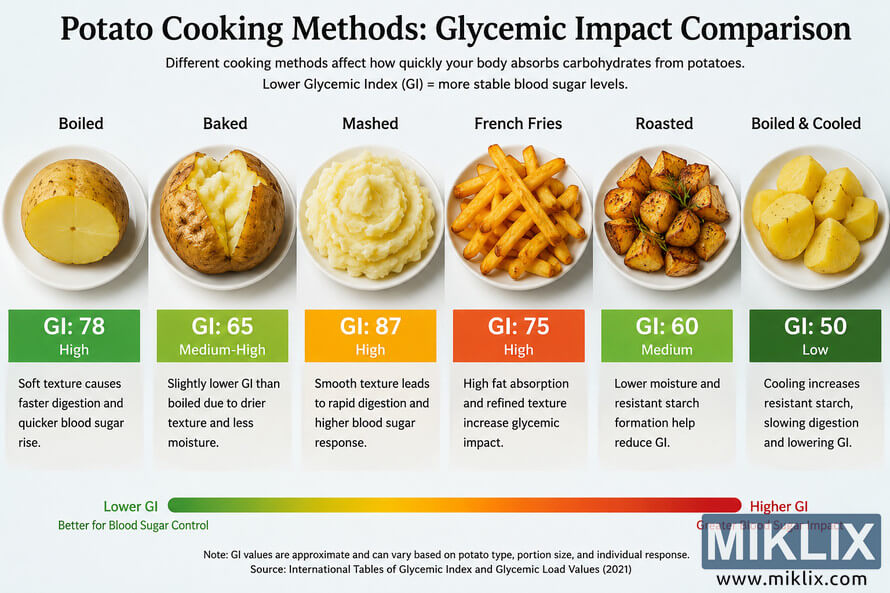
The relationship between potatoes and blood sugar requires understanding several important factors. While potatoes do contain starch, their impact on blood sugar depends heavily on preparation method, portion size, and what you eat alongside them.
Resistant starch in cooled potatoes significantly improves their blood sugar response. This type of starch resists digestion, leading to a more gradual rise in blood glucose compared to freshly cooked hot potatoes.
Understanding Glycemic Response and Potato Varieties
Different types of potatoes affect blood sugar levels differently. Sweet potatoes generally cause a lower blood sugar spike than white potatoes, though proper preparation makes white potatoes perfectly suitable for blood sugar management.
Factors That Lower Potato Glycemic Impact
Several strategies can help you enjoy potatoes while maintaining stable blood sugar levels throughout the day.
- Cooking and cooling potatoes overnight
- Eating potato skin for added fiber
- Pairing potatoes with protein sources
- Including healthy fats like olive oil
Factors That Raise Glycemic Impact
Certain preparation methods and eating patterns can cause more dramatic blood sugar spikes when consuming potatoes.
- Eating potatoes alone without other foods
- Consuming large portion sizes at once
- Choosing french fries or hash browns
- Removing all potato skin before eating
Best Cooking Methods for Blood Sugar
How you cook potatoes dramatically influences their effect on blood glucose levels and insulin response.
- Boiling potatoes then cooling them
- Baking with skin intact
- Steaming until just tender
- Making potato salad with vinegar dressing
Portion Control Recommendations
The amount of potatoes you consume matters significantly for blood sugar management and overall health.
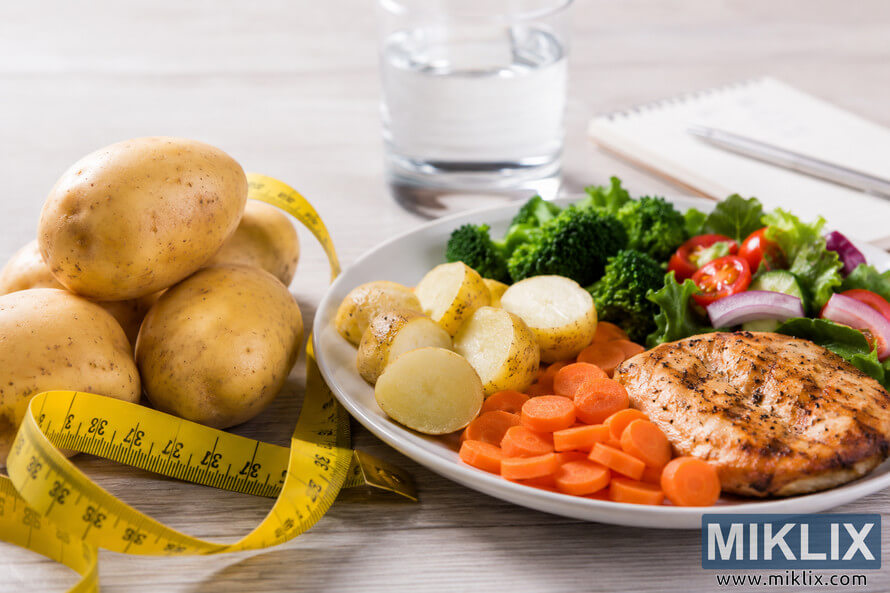
- One medium potato per meal maximum
- Fill half your plate with non-starchy vegetables
- Include lean protein with every potato serving
- Monitor your individual blood sugar response
Research shows that people with type 2 diabetes can include potatoes in their diet without adverse effects when following proper portion and preparation guidelines. The key involves treating potatoes as part of a balanced meal rather than the entire meal.
For People with Diabetes: Always monitor your individual blood sugar response to potatoes. Work with your healthcare provider or registered dietitian to determine appropriate portion sizes for your specific needs and health goals.
画像をクリックまたはタップすると、詳細と高解像度が表示されます。
The Role of Resistant Starch in Insulin Sensitivity
Studies demonstrate that resistant starch improves insulin sensitivity over time. This means your body becomes more efficient at using insulin to regulate blood sugar levels, reducing the risk of developing type diabetes or managing existing diabetes more effectively.
The fiber content in whole potatoes with skin slows down digestion and glucose absorption. This natural buffering effect helps prevent the sharp blood sugar spikes that concern many people with diabetes or prediabetes.
画像をクリックまたはタップすると、詳細と高解像度が表示されます。
Weight Management: How Potatoes Can Support Your Goals
Potatoes often face unfair blame in weight gain discussions. The truth reveals that potatoes themselves don't cause weight gain when consumed as part of a balanced diet with appropriate portion control.
Research indicates that potatoes rank among the most satiating foods available. They help you feel full longer after eating, potentially reducing overall calorie intake throughout the day.
The Satiety Index: Why Potatoes Keep You Full
Scientists developed the Satiety Index to measure how well different foods satisfy hunger. Boiled potatoes scored highest among all tested foods, surpassing bread, pasta, and even meat products in their ability to promote fullness.
画像をクリックまたはタップすると、詳細と高解像度が表示されます。
Weight-Friendly Potato Preparations
- Boiled potatoes with herbs and olive oil
- Baked potatoes topped with Greek yogurt
- Roasted potatoes with minimal oil spray
- Mashed potatoes made with low-fat milk
- Potato salad with vinegar-based dressing
- Steamed potatoes in mixed vegetable dishes
Weight-Sabotaging Potato Foods
- French fries cooked in partially hydrogenated oil
- Hash browns fried in butter or lard
- Loaded baked potatoes with excessive toppings
- Mashed potatoes with heavy cream and butter
- Potato chips and processed snack foods
- Twice-baked potatoes with cheese and bacon
The high water content and fiber in potatoes contribute to their filling nature. One medium potato contains about 80% water, adding volume to your meal without significantly increasing calories.
Calorie Content and Nutrient Density
A plain medium potato contains only about 160 calories while delivering substantial nutrients. This makes potatoes remarkably nutrient-dense compared to their calorie content, providing excellent nutritional value per calorie consumed.
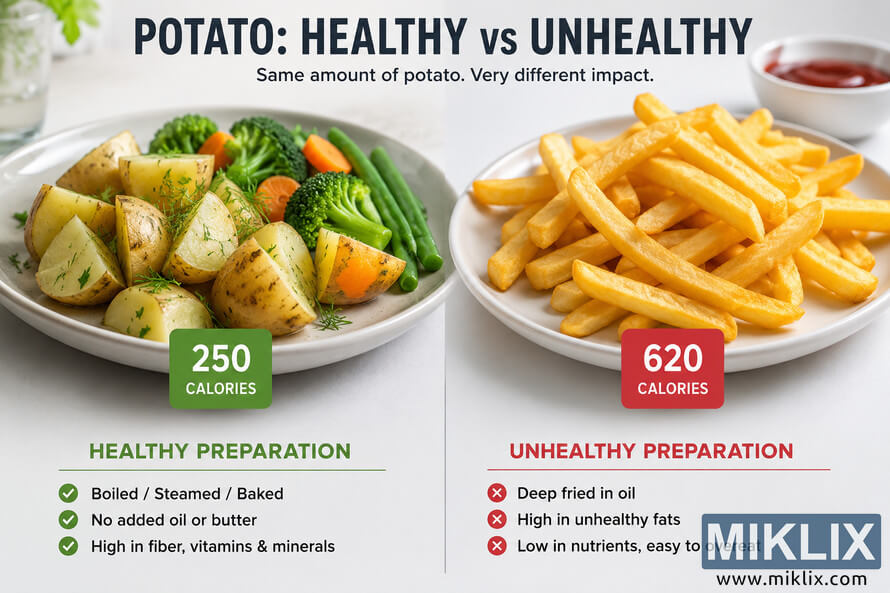
The problem arises when people add high-calorie toppings or cook potatoes in excessive amounts of fat or oil. French fries contain roughly three times the calories of a boiled potato due to absorbed oil during frying.
Protein content in potatoes, while modest, still contributes to satiety. Combined with their resistant starch and fiber, potatoes provide multiple mechanisms that help control appetite and support weight management efforts.
画像をクリックまたはタップすると、詳細と高解像度が表示されます。
Immune System Support and Antioxidant Protection
Potatoes deliver powerful antioxidants that protect your body from cellular damage. These protective compounds support immune function and may reduce the risk of chronic disease over time.
Vitamin C in potatoes plays a crucial role in immune system health. One medium potato provides approximately 45% of your daily vitamin C needs, supporting white blood cell function and antibody production.
画像をクリックまたはタップすると、詳細と高解像度が表示されます。
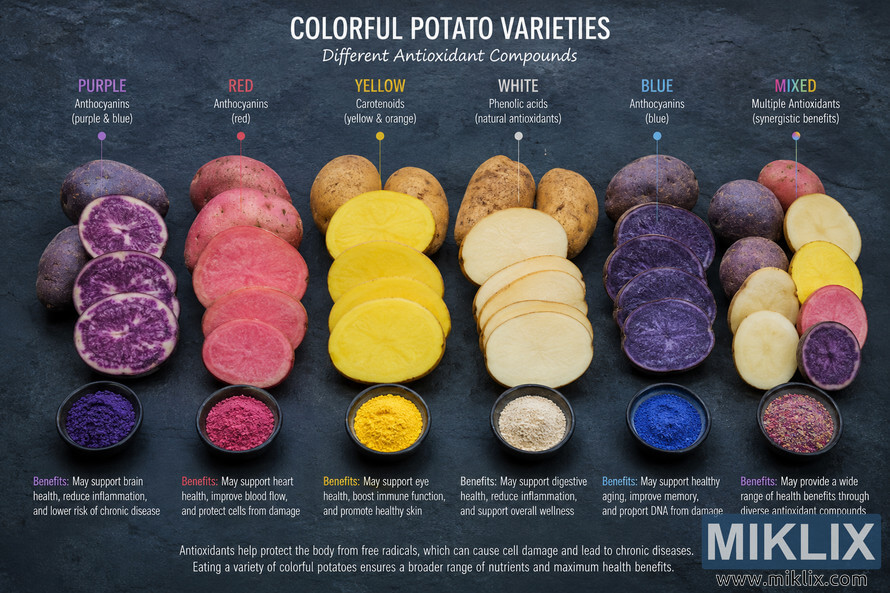
Antioxidant Compounds in Different Potato Types
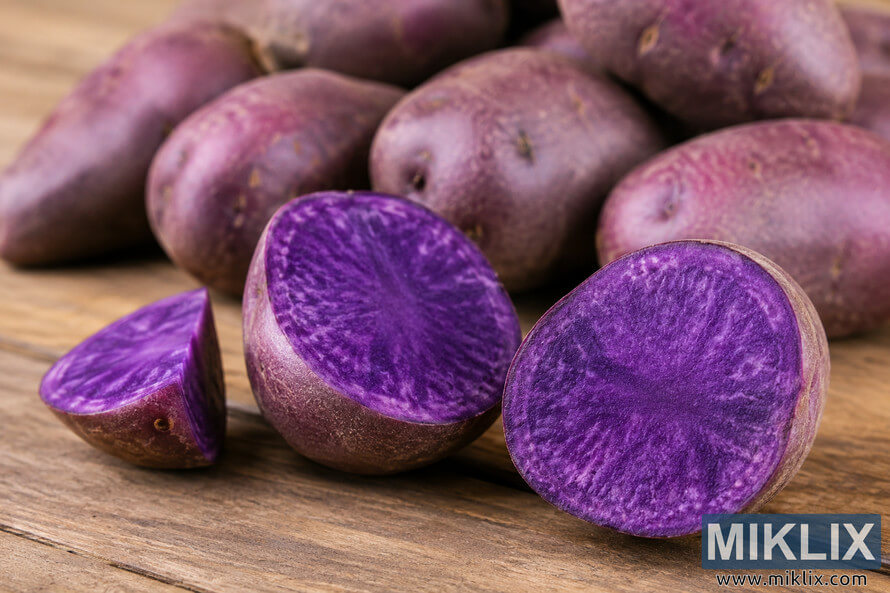
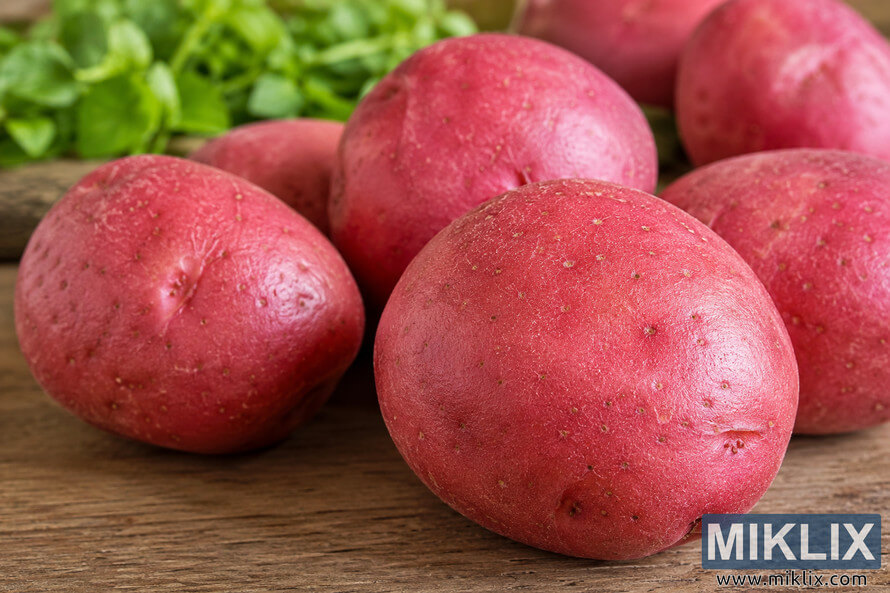
Purple and red potatoes contain anthocyanins, the same beneficial compounds found in berries. These antioxidants demonstrate strong anti-inflammatory properties and may offer protection against certain types of cancer.
Purple Potatoes
Rich in anthocyanins and other polyphenols that fight free radical damage throughout your body and support brain health.
画像をクリックまたはタップすると、詳細と高解像度が表示されます。
Red Potatoes
Contain carotenoids and flavonoids concentrated in their colorful skin that provide antioxidant protection and anti-inflammatory benefits.
画像をクリックまたはタップすると、詳細と高解像度が表示されます。
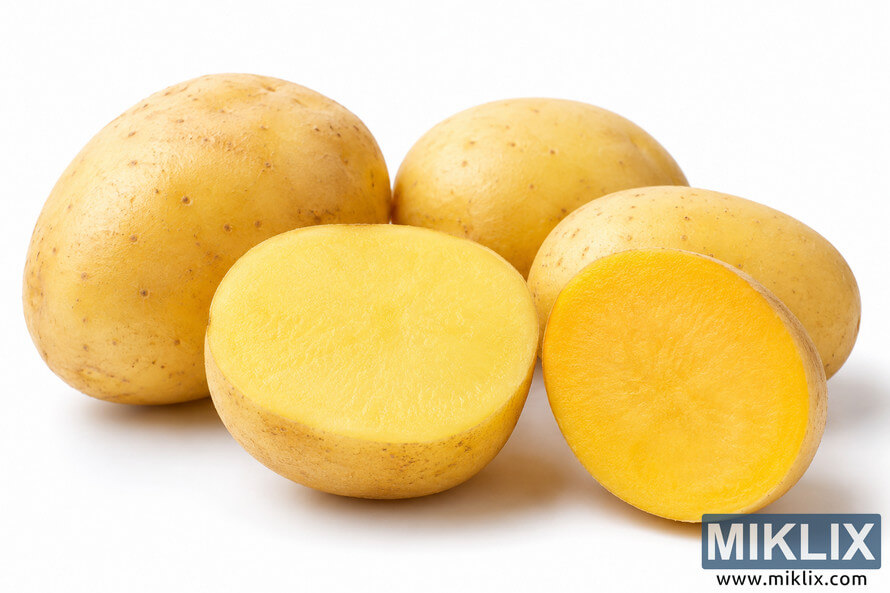
Yellow Potatoes
Provide carotenoids including lutein and zeaxanthin that support eye health and offer antioxidant protection against oxidative stress.
The amount of antioxidants varies significantly between potato varieties. Generally, colored potatoes contain higher levels of beneficial compounds than white potatoes, though all types offer health-supporting nutrients.
画像をクリックまたはタップすると、詳細と高解像度が表示されます。
Cancer Risk Reduction Potential
Research suggests that certain compounds in potatoes may help reduce cancer risk. The resistant starch forms butyrate in your colon, a short-chain fatty acid that studies link to lower colon cancer risk.
Potato skin contains particularly high concentrations of antioxidant compounds. Eating potatoes with their skin intact maximizes your intake of these protective substances that support immune function and disease prevention.
Best Cooking Methods to Maximize Nutritional Benefits
How you cook potatoes dramatically affects their nutritional value and health benefits. Some methods preserve and even enhance beneficial compounds, while others diminish nutritional quality or add unhealthy elements.
The best cooking methods maintain potato nutrients while avoiding excessive fat, oil, or high-heat processes that create harmful compounds. Understanding these differences helps you make choices that support your health goals.
画像をクリックまたはタップすると、詳細と高解像度が表示されます。
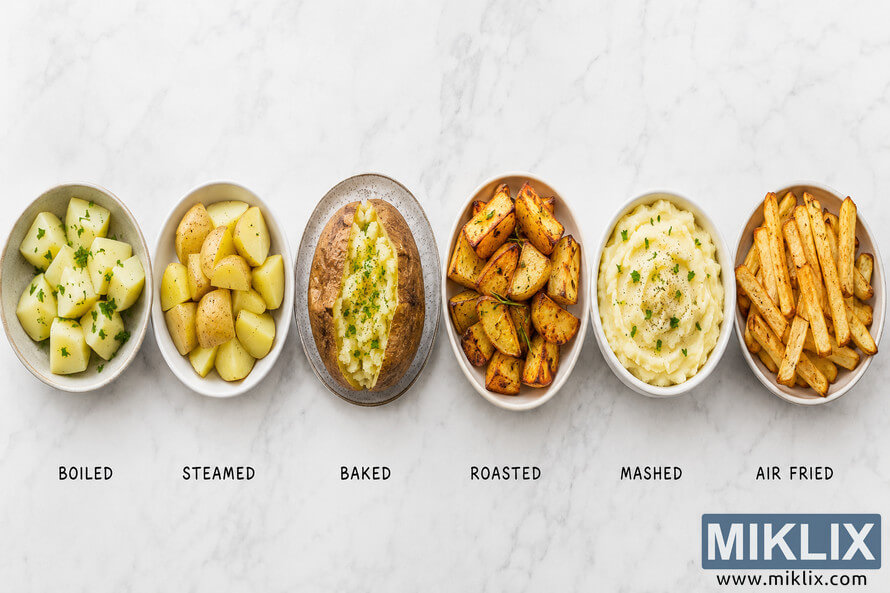
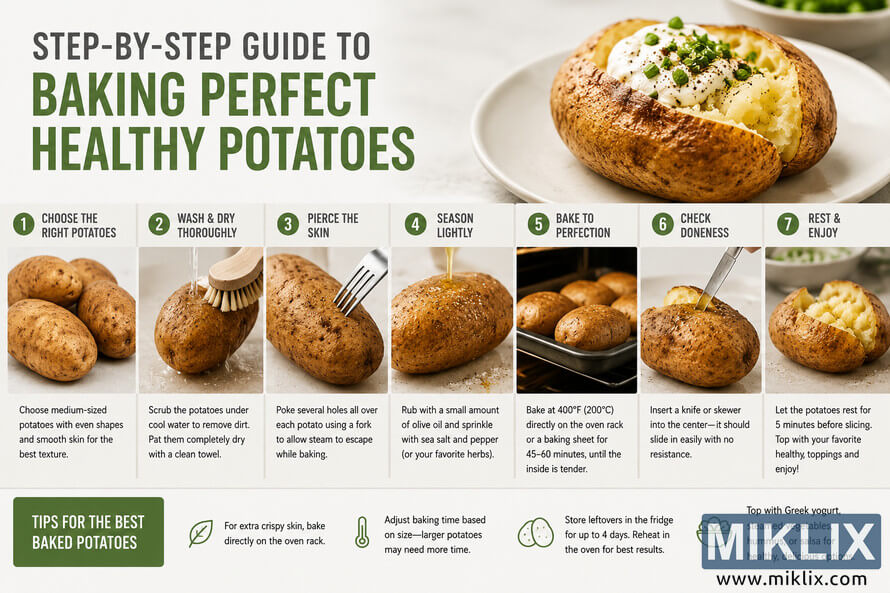
Healthiest Potato Cooking Techniques
Boiling - Preserves most nutrients when you cook potatoes with skin on. Cooling boiled potatoes overnight maximizes resistant starch content for digestive and blood sugar benefits.
Steaming - Retains more vitamin C and minerals than boiling since nutrients don't leach into cooking water. Steam until just tender to preserve texture and nutrition.
Baking - Maintains fiber and nutrients when you keep the skin on. Bake at moderate temperatures around 400°F to avoid creating acrylamide, a potentially harmful compound.
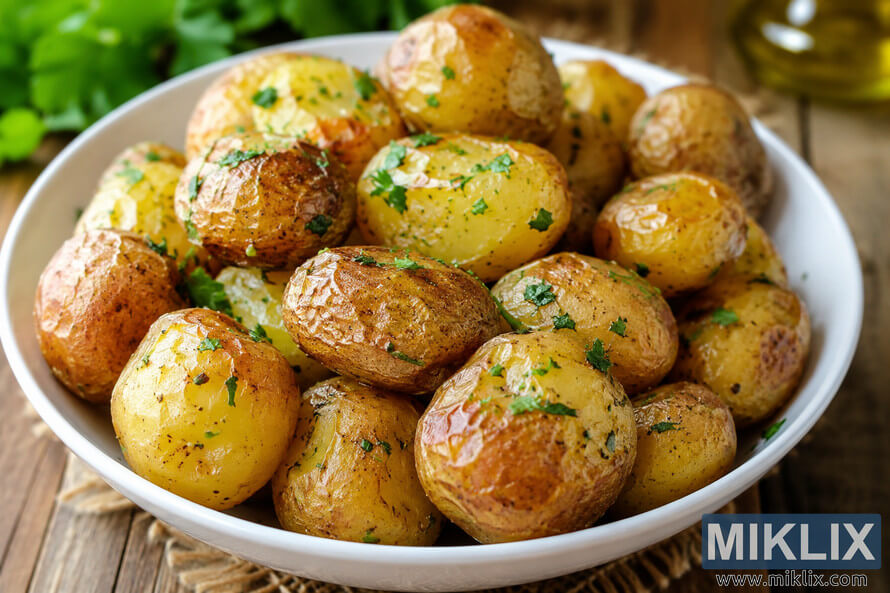
Roasting with minimal olive oil - Adds healthy fats while creating appealing texture. Use just enough olive oil to lightly coat potatoes rather than drenching them.
Microwaving - One of the best methods for preserving nutrients due to short cooking time. Pierce skin, add a small amount of water, and cook until tender.
Air frying - Creates crispy texture with minimal oil compared to traditional frying. Use this method for healthier versions of typically fried potato dishes.
画像をクリックまたはタップすると、詳細と高解像度が表示されます。
Cooking Methods to Minimize or Avoid
Deep frying potatoes to make french fries or hash browns significantly increases their calorie content while adding unhealthy fats. The high heat also creates potentially harmful compounds like acrylamide that form when starchy foods cook at very high temperatures.
Benefits of Proper Cooking
- Preserves heat-sensitive vitamin C content
- Maintains beneficial mineral levels
- Creates resistant starch when cooled
- Keeps calorie content reasonable
- Avoids formation of harmful compounds
- Enhances digestibility and nutrient absorption
Risks of Improper Cooking
- Destroys heat-sensitive nutrients at high temperatures
- Adds excessive calories from cooking fat or oil
- Creates acrylamide through high-heat frying
- Removes beneficial fiber when skin is discarded
- Increases glycemic impact through certain preparations
- Diminishes satiety factor with processed forms
Tips for Nutrient Preservation During Cooking
- Always scrub and keep potato skin on during cooking
- Use minimal water when boiling to reduce nutrient loss
- Cook potatoes whole rather than cutting them first
- Choose lower cooking temperatures when possible
- Don't overcook - stop when just fork-tender
- Cool cooked potatoes completely before reheating
- Store cooked potatoes in refrigerator for resistant starch formation
Adding a small amount of vinegar or lemon juice when cooking potatoes may help preserve their vitamin C content. The acidic environment protects this sensitive nutrient from heat degradation during the cooking process.
画像をクリックまたはタップすると、詳細と高解像度が表示されます。
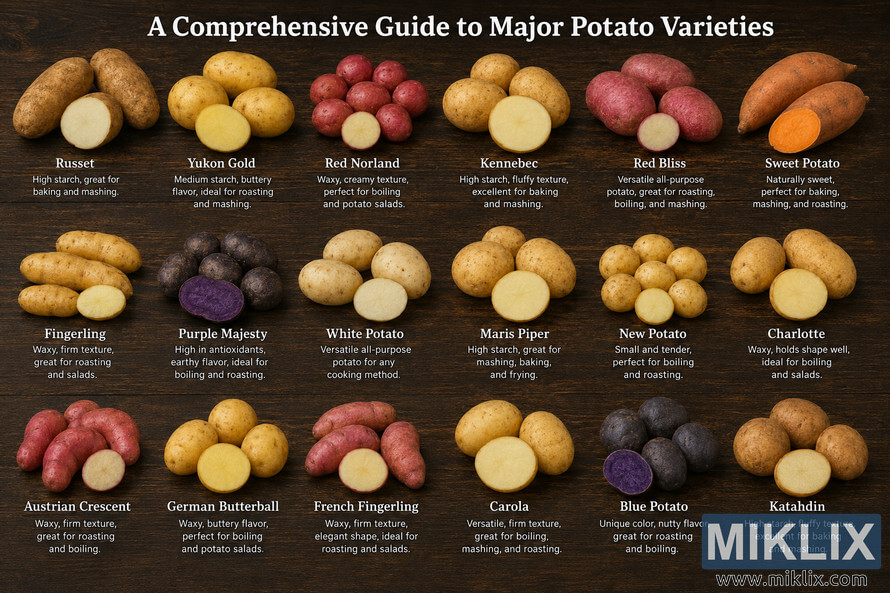
Different Types of Potatoes and Their Unique Health Properties
Not all potatoes offer identical nutritional profiles. Different potato varieties provide varying levels of specific nutrients, antioxidants, and beneficial compounds that support particular aspects of health.
Understanding these differences helps you select the type of potato that best matches your specific health goals and dietary needs. Each variety brings unique advantages to your eating pattern.
画像をクリックまたはタップすると、詳細と高解像度が表示されます。
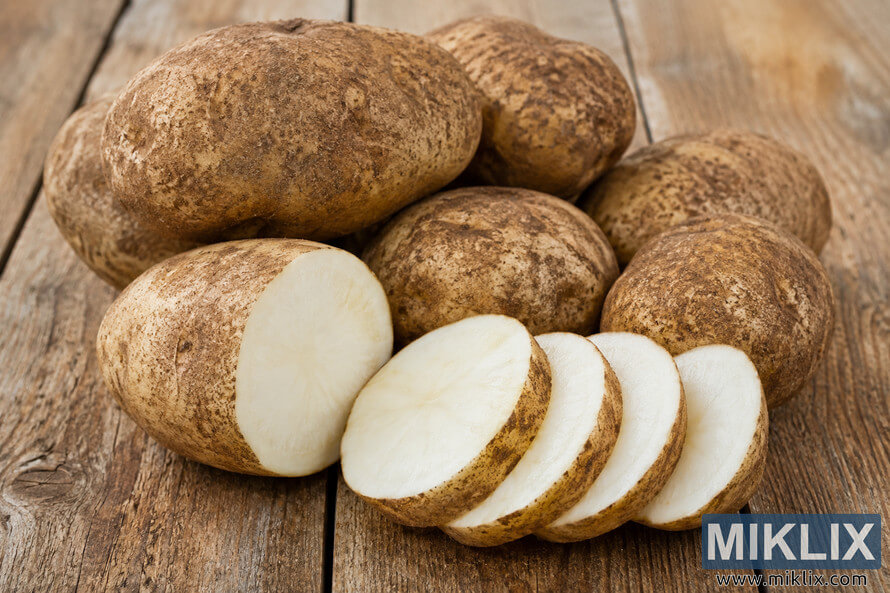
Russet Potatoes: The Classic Choice
Russet potatoes contain high starch content, making them ideal for baking and creating fluffy mashed potatoes. Their thick skin provides substantial fiber when consumed.
These potatoes offer excellent potassium levels and vitamin C. The high starch content means they create more resistant starch when cooked and cooled, benefiting digestive and blood sugar health.
画像をクリックまたはタップすると、詳細と高解像度が表示されます。
Red Potatoes: Waxy and Nutrient-Dense
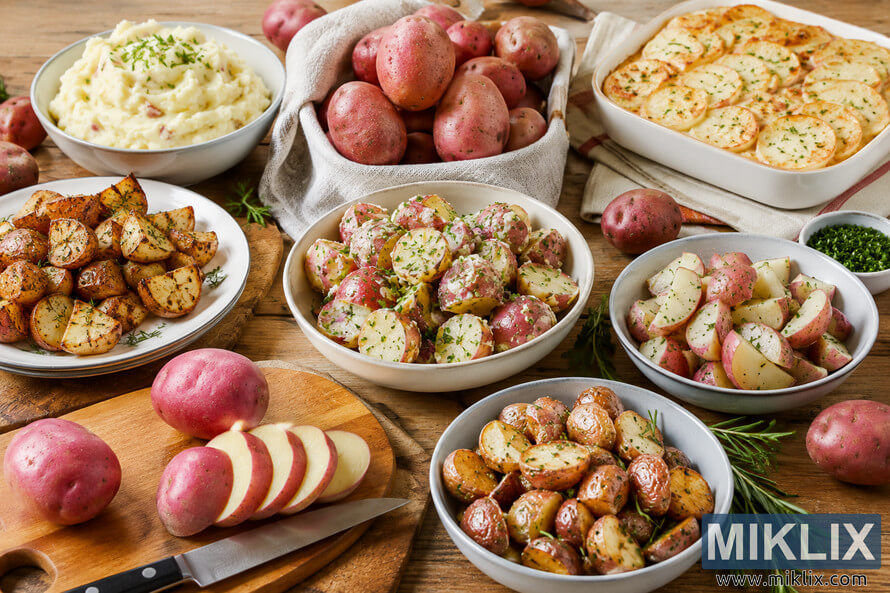
Red potatoes have thinner skin but pack significant antioxidants in their colorful outer layer. The waxy texture holds shape well during cooking, making them perfect for salads and roasting.
These potatoes contain more vitamin C and slightly less starch than russet potatoes. Their lower starch content results in a gentler impact on blood sugar levels compared to high-starch varieties.
画像をクリックまたはタップすると、詳細と高解像度が表示されます。
Yellow and Gold Potatoes: Naturally Buttery
Yellow potatoes like Yukon Gold offer a creamy texture without added fat. Their naturally buttery flavor means you can use less butter or oil in preparation while still enjoying rich taste.
The golden color indicates carotenoid content, particularly lutein and zeaxanthin. These antioxidants support eye health and provide protection against age-related vision problems.
Purple and Blue Potatoes: Antioxidant Powerhouses
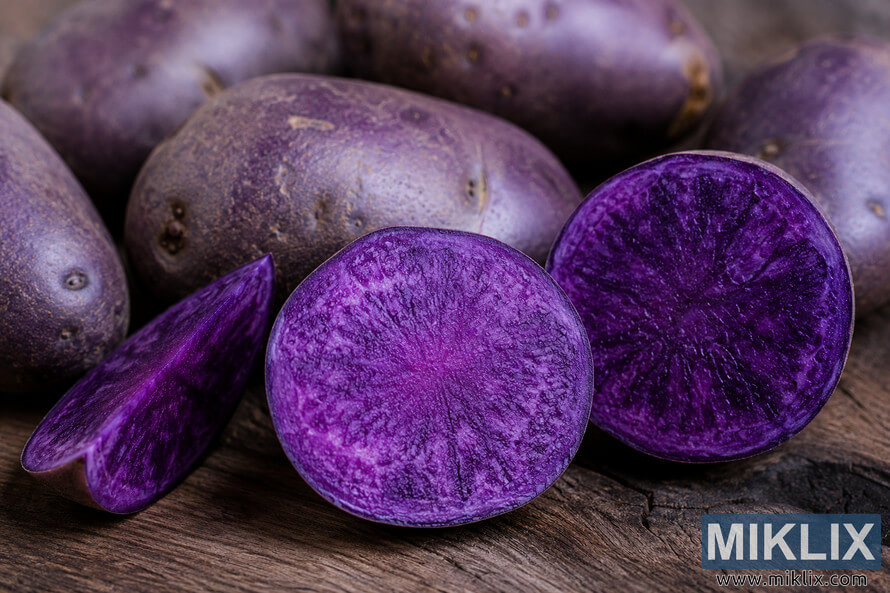
Purple potatoes contain the highest levels of antioxidants among common potato varieties. Their deep color comes from anthocyanins, the same compounds that make blueberries blue and provide powerful health benefits.
Research indicates that purple potatoes may offer superior antioxidant and anti-inflammatory effects compared to other potato types. Studies show they help reduce inflammation markers in the blood and may lower disease risk.
The anthocyanin content in purple potatoes remains stable during cooking, unlike some other antioxidants that degrade with heat. This makes purple potatoes an excellent source of these beneficial compounds regardless of cooking method.
画像をクリックまたはタップすると、詳細と高解像度が表示されます。
Fingerling Potatoes: Small but Mighty
Fingerling potatoes offer concentrated nutrition in small packages. Their thin skin means you consume more skin relative to total potato weight, increasing your fiber and nutrient intake.
These small potatoes cook quickly, preserving more heat-sensitive nutrients. They work beautifully roasted whole, maintaining their nutritional integrity while developing delicious flavor.
Sweet Potatoes vs. White Potatoes
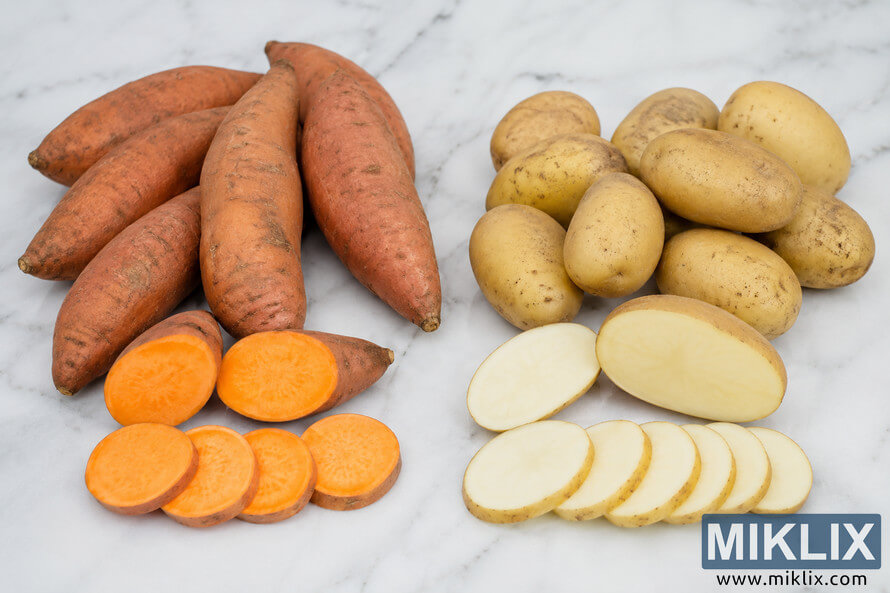
Sweet potatoes belong to a different plant family than white potatoes, despite their similar name. Both offer valuable nutrients, though their nutritional profiles differ in important ways.
| Nutrient Comparison | White Potato (medium) | Sweet Potato (medium) | Key Difference |
| Calories | 164 | 112 | White potatoes slightly higher |
| Vitamin A | 0% DV | 438% DV | Sweet potatoes dramatically higher |
| Vitamin C | 27 mg | 22 mg | White potatoes moderately higher |
| Potassium | 926 mg | 542 mg | White potatoes significantly higher |
| Fiber | 3.8 g | 3.9 g | Nearly equivalent |
| Glycemic Index | Higher (varies by type) | Lower (more stable) | Sweet potatoes better for blood sugar |
Both potato types deserve a place in a healthy diet. White potatoes excel in potassium content, while sweet potatoes provide exceptional vitamin A. Rotating between varieties ensures you receive diverse nutrients and beneficial compounds.
画像をクリックまたはタップすると、詳細と高解像度が表示されます。
Smart Portion Sizes and Dietary Integration Strategies
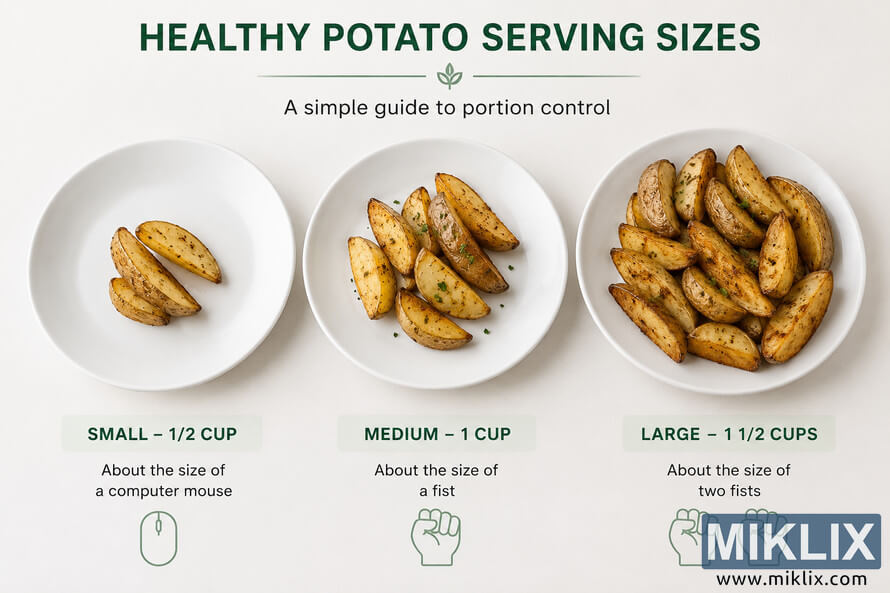
The amount of potatoes you eat matters as much as how you prepare them. Proper portion control allows you to enjoy potato benefits while maintaining balanced nutrition and managing your overall calorie intake.
Nutrition experts recommend treating potatoes as one component of a complete meal rather than the main focus. This approach ensures you receive diverse nutrients while avoiding excessive carbohydrate consumption from any single source.
Recommended Serving Sizes for Different Goals
General Health Maintenance
- One medium potato (5-6 ounces) per meal
- 2-3 servings of potatoes per week maximum
- Always pair with non-starchy vegetables
- Include lean protein source with potato meals
- Keep skin on for maximum nutrient content
- Limit added fats to 1-2 teaspoons olive oil
Weight Management Goals
- One small to medium potato (4-5 ounces)
- 1-2 servings weekly while actively losing weight
- Fill two-thirds of plate with vegetables and protein
- Choose boiled or steamed preparation methods
- Avoid all high-fat toppings and additions
- Consider resistant starch benefits by cooling first
Blood Sugar Management
- One small potato (3-4 ounces) maximum
- Test individual blood sugar response carefully
- Always combine with protein and healthy fat
- Choose lower glycemic varieties when possible
- Cook and cool potatoes before eating
- Monitor portion impact on glucose levels
Building Balanced Meals with Potatoes
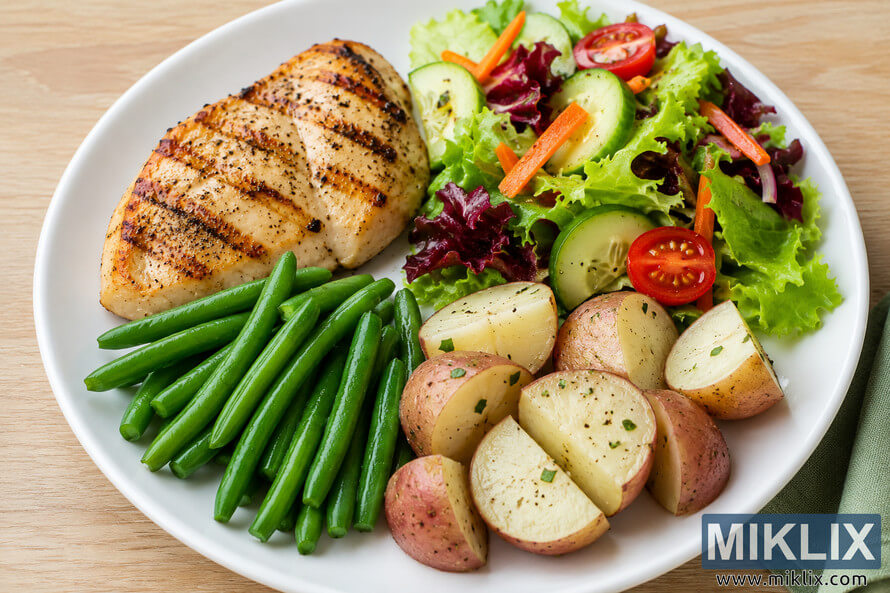
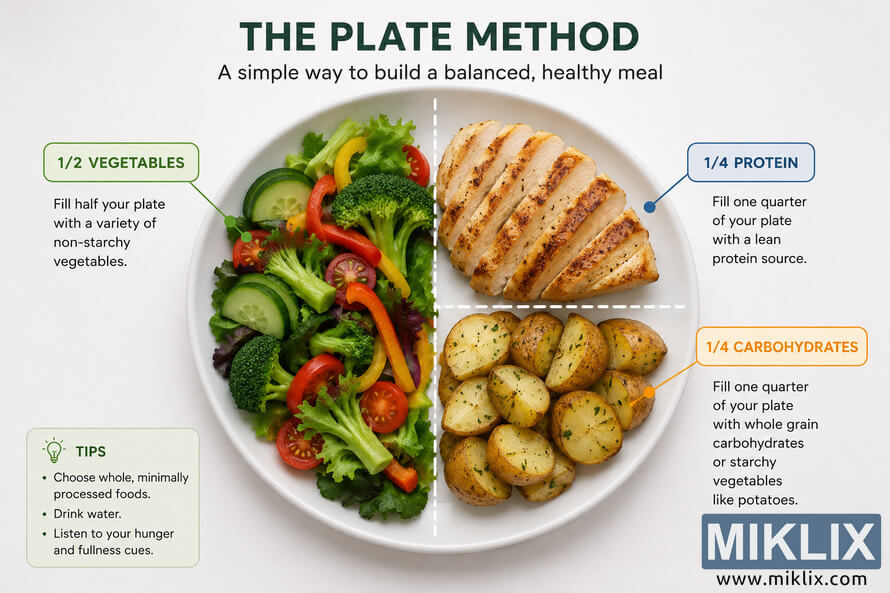
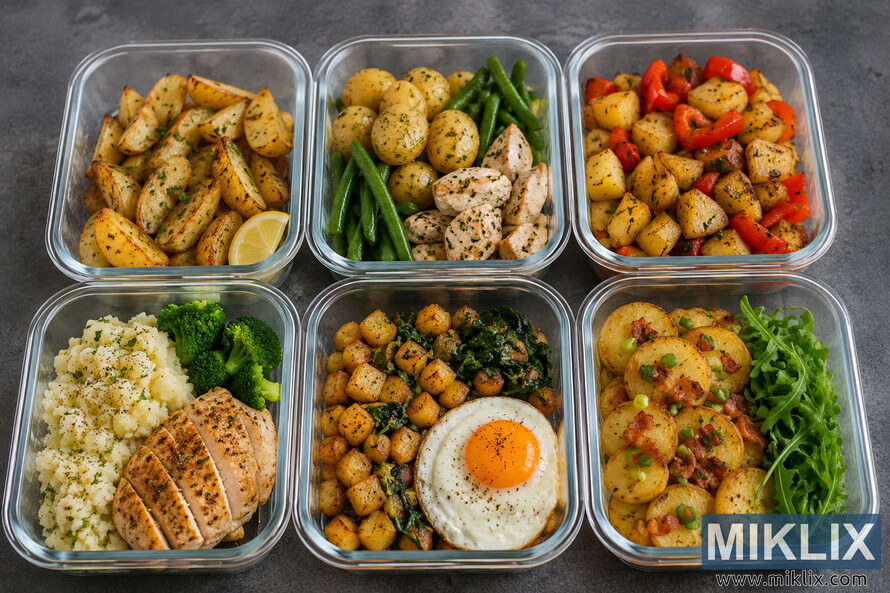
Creating nutritionally complete meals that include potatoes requires thoughtful planning. The plate method offers a simple visual guide for proper proportions that support health without requiring complicated calculations.
画像をクリックまたはタップすると、詳細と高解像度が表示されます。
The Potato Plate Method: Fill half your plate with non-starchy vegetables like broccoli, salad greens, or green beans. Reserve one quarter for your potato serving. Use the remaining quarter for lean protein such as chicken, fish, or legumes. This balance provides complete nutrition while controlling carbohydrate intake.
画像をクリックまたはタップすると、詳細と高解像度が表示されます。
Special Dietary Considerations
Different health conditions and dietary patterns require specific approaches to potato consumption. Understanding these nuances helps you make appropriate choices for your individual situation.
Are potatoes suitable for low-carb or ketogenic diets?
Potatoes contain too many carbohydrates for strict ketogenic diets, which typically limit carbs to 20-50 grams daily. One medium potato contains about 37 grams of carbohydrates. However, some lower-carb diets (50-100 grams daily) can include small potato portions. Sweet potatoes in very small amounts might fit better due to their fiber content and lower glycemic impact.
Can people with kidney disease eat potatoes safely?
People with kidney disease often need to limit potassium intake, making potatoes problematic due to their high potassium content. However, a technique called "potassium leaching" can reduce potato potassium by up to 50%. This involves peeling, cutting into small pieces, and soaking in water for several hours before cooking. Always consult your nephrologist or renal dietitian before including potatoes in a kidney disease diet.
Are potatoes appropriate for gluten-free diets?
Plain potatoes are naturally gluten-free and safe for people with celiac disease or gluten sensitivity. However, watch for cross-contamination when potatoes are prepared in facilities that also process gluten-containing foods. French fries and hash browns at restaurants may be cooked in shared fryers with breaded items. Always verify preparation methods when eating potatoes prepared by others.
How do potatoes fit into vegetarian and vegan diets?
Potatoes work excellently in plant-based diets, providing complex carbohydrates, fiber, and various nutrients. While not a complete protein source, potatoes contain all essential amino acids in small amounts. Combine potatoes with legumes, nuts, or seeds to create complete protein meals. The resistant starch in cooled potatoes particularly benefits plant-based eaters by supporting gut bacteria and nutrient absorption.
Should children eat potatoes differently than adults?
Children can safely enjoy potatoes as part of balanced meals. Portion sizes should scale to the child's age and size—typically one-quarter to one-half of an adult portion for young children. Focus on healthy preparation methods and avoid making french fries a regular offering. Potatoes provide growing children with energy, potassium for muscle development, and vitamin C for immune function.
Timing Your Potato Consumption
When you eat potatoes during the day may influence their metabolic effects. Some research suggests consuming higher-carbohydrate foods earlier in the day aligns better with natural insulin sensitivity patterns.
Athletes and highly active individuals can consume larger potato portions, particularly after exercise when muscles efficiently absorb glucose for recovery. The body uses these carbohydrates to replenish glycogen stores rather than converting them to fat.
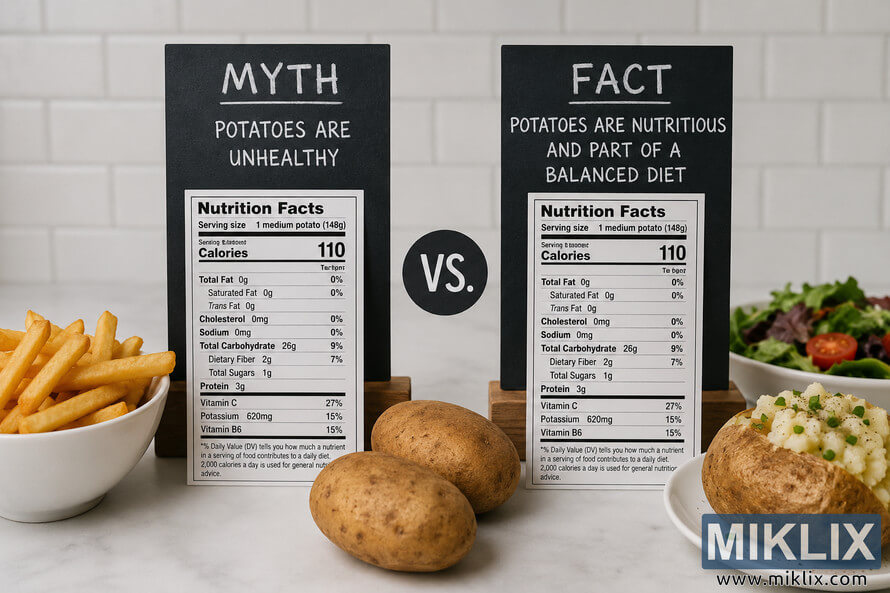
Common Myths About Potatoes: Separating Fact from Fiction
Misinformation about potatoes circulates widely in diet culture. These myths prevent many people from enjoying a nutritious food that could genuinely support their health goals when consumed appropriately.
Examining the scientific evidence reveals the truth behind common potato misconceptions. Understanding these facts empowers you to make informed decisions rather than following diet trends based on incomplete information.
画像をクリックまたはタップすると、詳細と高解像度が表示されます。
Myth 1: Potatoes Make You Gain Weight
The Truth: Potatoes themselves don't cause weight gain. The preparation method and portion size determine their impact on body weight. Research shows boiled potatoes rank as one of the most filling foods, potentially helping with weight management.
Studies comparing people who eat potatoes regularly with those who avoid them find no significant difference in body weight when controlling for overall diet quality and calorie intake. The problem stems from eating french fries, potato chips, and loaded baked potatoes with excessive toppings—not from the potato itself.
画像をクリックまたはタップすると、詳細と高解像度が表示されます。
Myth 2: Potatoes Offer No Nutritional Value
The Truth: This couldn't be further from reality. Potatoes provide vitamin C, potassium, vitamin B6, fiber, and various antioxidants. One medium potato with skin delivers approximately 30% of your daily vitamin C, 25% of potassium, and 12% of fiber needs.
Compared to many other common carbohydrate sources, potatoes offer superior nutrient density. They provide more potassium than bananas, more vitamin C than tomatoes, and significant amounts of resistant starch that supports gut health.
Myth 3: All Potatoes Are the Same Nutritionally
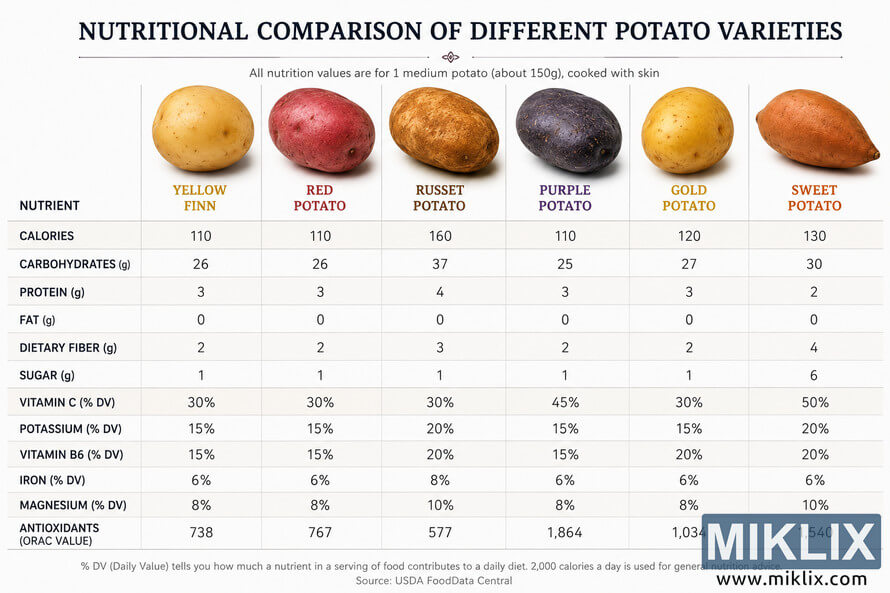
The Truth: Significant nutritional differences exist between potato varieties. Purple potatoes contain four times the antioxidants of white potatoes. Red potatoes offer different phytonutrient profiles than yellow varieties. Sweet potatoes provide dramatically more vitamin A than any white potato type.
The skin color, flesh color, and potato type all influence the specific nutrients and beneficial compounds you consume. Rotating between different varieties ensures you receive diverse phytonutrients and antioxidants.
画像をクリックまたはタップすると、詳細と高解像度が表示されます。
Myth 4: Potatoes Cause Diabetes
The Truth: Potatoes don't cause type diabetes. While they do contain carbohydrates that affect blood sugar, research shows that potato consumption in reasonable portions as part of a balanced diet doesn't increase diabetes risk.
Research Finding: A comprehensive study following over 200,000 people found that eating boiled, baked, or mashed potatoes showed no association with increased type 2 diabetes risk. However, french fries consumption correlated with higher diabetes risk—likely due to the unhealthy fats and cooking method rather than the potato itself.
People with existing diabetes can include potatoes in their meal plans by controlling portions, choosing appropriate preparation methods, and monitoring their individual blood sugar response. Cooking and cooling potatoes to form resistant starch actually improves their blood sugar impact.
Myth 5: Sweet Potatoes Are Always Better Than White Potatoes
Sweet Potato Advantages
- Exceptionally high in vitamin A (438% DV)
- Lower glycemic index overall
- Rich in beta-carotene antioxidants
- Slightly higher in fiber content
- Contains unique sweet potato-specific compounds
White Potato Advantages
- Nearly double the potassium (926mg vs 542mg)
- Higher vitamin C content (27mg vs 22mg)
- More resistant starch when cooled
- Superior protein content per serving
- Greater variety of preparation options
The Truth: Both sweet and white potatoes offer valuable nutrition. Sweet potatoes excel in vitamin A and have a lower glycemic index. White potatoes provide more potassium and vitamin C. The "better" choice depends on your specific nutritional needs and health goals.
Myth 6: You Should Always Remove Potato Skin
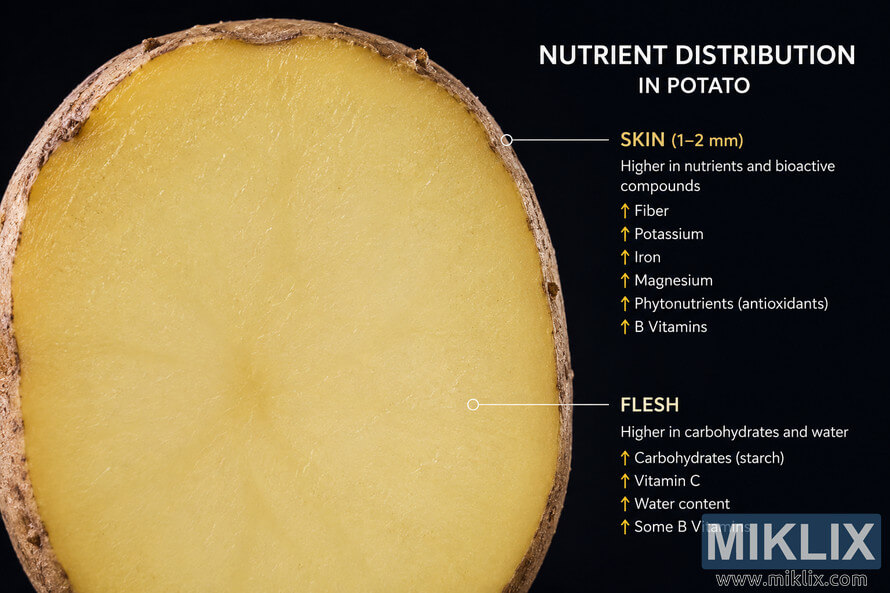
The Truth: Potato skin contains substantial fiber, vitamins, minerals, and antioxidants. Removing it discards up to half the fiber content and significant amounts of beneficial compounds concentrated near the surface.
The skin itself provides unique phytonutrients not found in the flesh. Properly scrubbed potato skin is completely safe and nutritious to eat. Only remove it if you need to reduce potassium intake for medical reasons or if the potatoes show green discoloration indicating solanine presence.
画像をクリックまたはタップすると、詳細と高解像度が表示されます。
Practical Strategies for Including Potatoes in Your Healthy Diet
Implementing what you've learned about potatoes requires practical strategies that fit your lifestyle. These actionable tips help you enjoy potato benefits while maintaining overall dietary balance and supporting your health objectives.
Success comes from creating sustainable habits rather than following rigid rules. Find approaches that work for your schedule, preferences, and health goals to make healthy potato consumption a regular part of your eating pattern.
画像をクリックまたはタップすると、詳細と高解像度が表示されます。
Smart Shopping and Storage Strategies
Choose firm potatoes without soft spots or sprouts - Examine potatoes carefully before purchasing. Avoid any with green discoloration, which indicates solanine accumulation that can cause digestive upset.
Buy organic when possible to reduce pesticide exposure - Potatoes typically appear on the "Dirty Dozen" list of produce with highest pesticide residues. Organic varieties minimize this concern.
Store potatoes in a cool, dark, well-ventilated place - Never refrigerate raw potatoes, as cold temperatures convert starch to sugar, affecting taste and cooking properties. A pantry or basement works well.
Keep potatoes away from onions - Both vegetables release gases that accelerate spoilage when stored together. Store them in separate locations.
Use potatoes within 2-3 weeks for best quality - While potatoes can last months under ideal conditions, consume them within a few weeks for optimal nutrient content and flavor.
Meal Preparation Techniques That Save Time
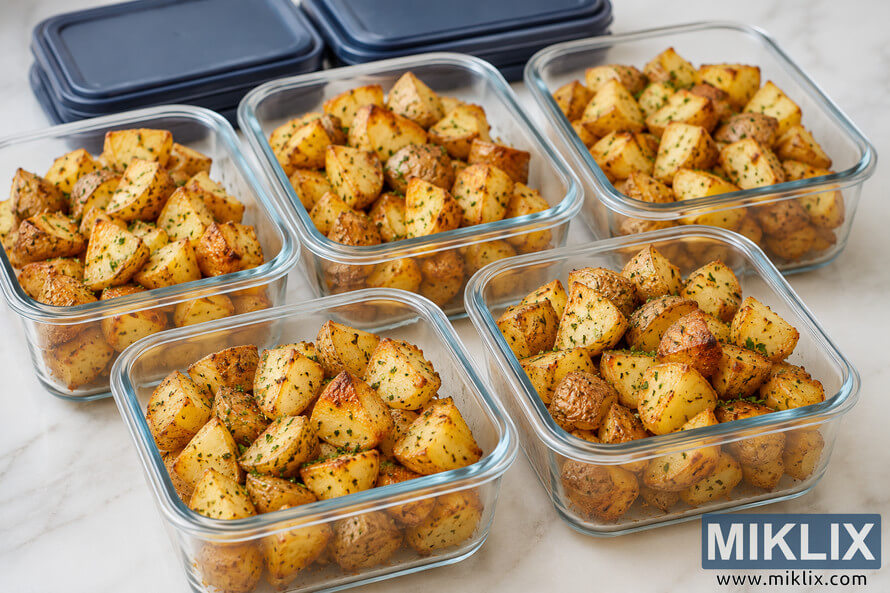
Preparing potatoes in advance makes healthy eating more convenient during busy weeks. These batch-cooking strategies reduce daily effort while ensuring nutritious options stay readily available.
Batch Cook and Cool
Boil a large batch of potatoes on Sunday. Let them cool completely in the refrigerator overnight to maximize resistant starch formation. Use throughout the week in various dishes.
画像をクリックまたはタップすると、詳細と高解像度が表示されます。
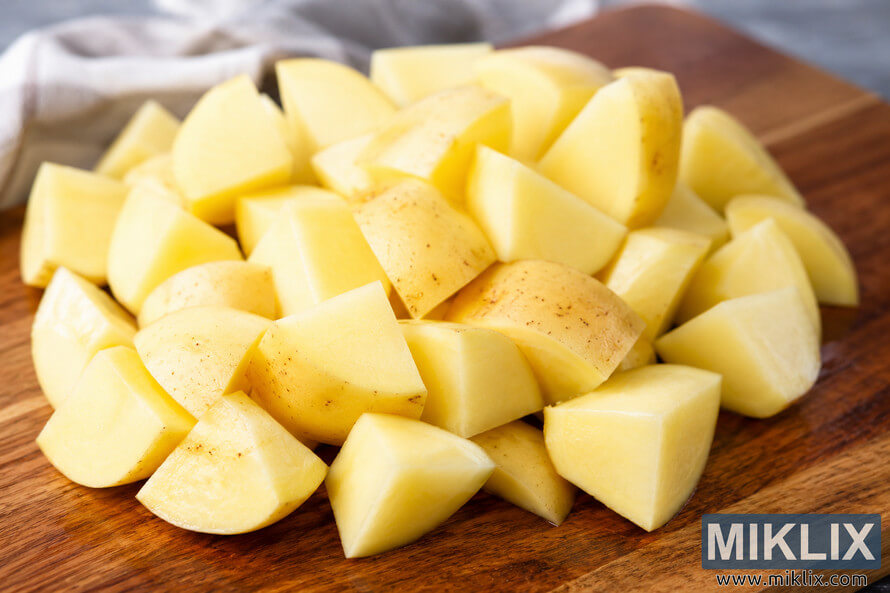
Pre-Cut and Soak
Wash and cut potatoes into desired shapes. Store in water in the refrigerator for up to 24 hours. This saves time while preventing browning and reducing some starch content.
画像をクリックまたはタップすると、詳細と高解像度が表示されます。
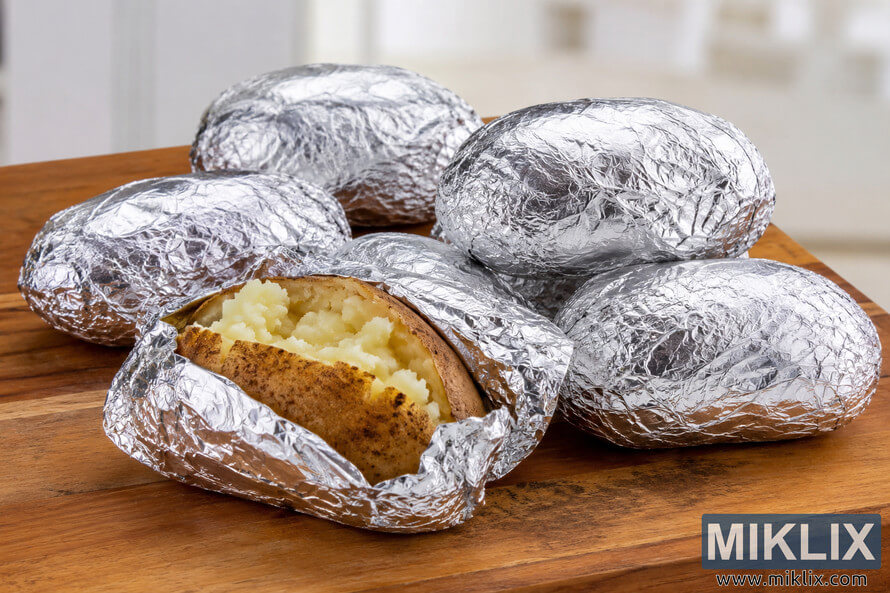
Bake in Bulk
Bake multiple potatoes at once. Wrap individually and refrigerate for up to 5 days. Reheat quickly in the microwave for instant side dishes or meal components.
画像をクリックまたはタップすると、詳細と高解像度が表示されます。
Creative Healthy Potato Recipe Ideas
Moving beyond basic preparations keeps potato consumption interesting and sustainable. These creative approaches deliver excellent nutrition while providing variety that prevents meal boredom.
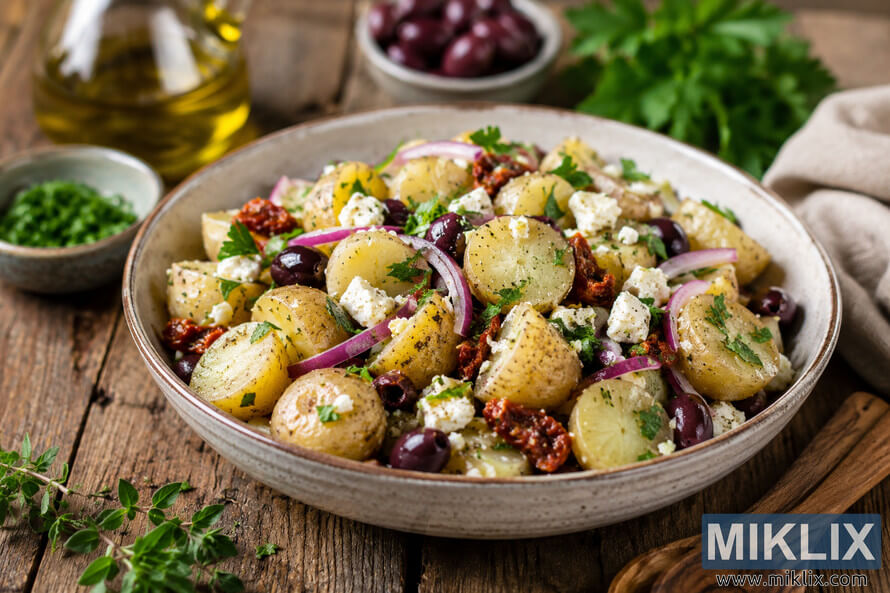
Mediterranean Potato Salad
Toss cooled boiled potatoes with cherry tomatoes, cucumbers, olives, red onion, and fresh herbs. Dress with olive oil, lemon juice, and oregano for a resistant starch-rich meal.
画像をクリックまたはタップすると、詳細と高解像度が表示されます。
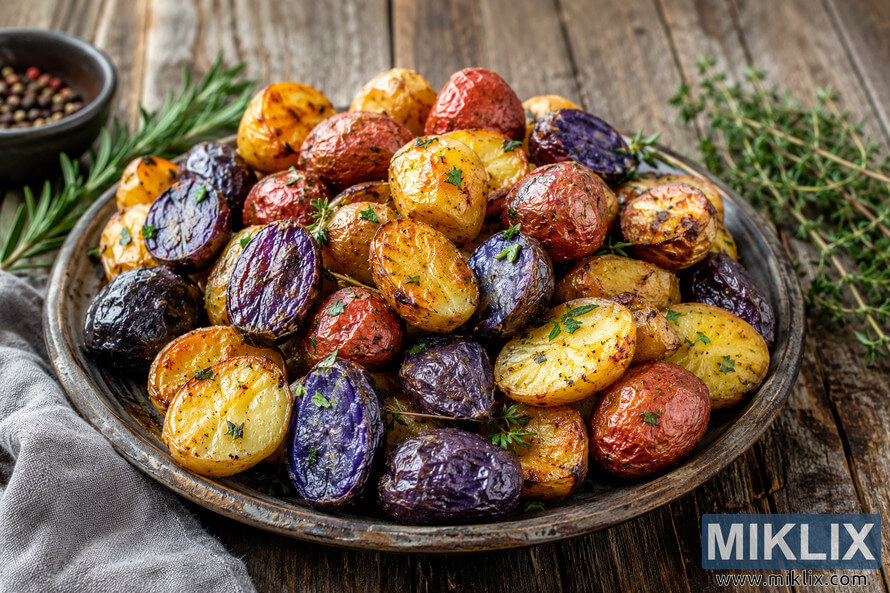
Roasted Rainbow Potatoes
Mix purple, red, and yellow potato varieties. Toss with minimal olive oil and herbs. Roast until crispy for a visually stunning, antioxidant-rich side dish.
画像をクリックまたはタップすると、詳細と高解像度が表示されます。
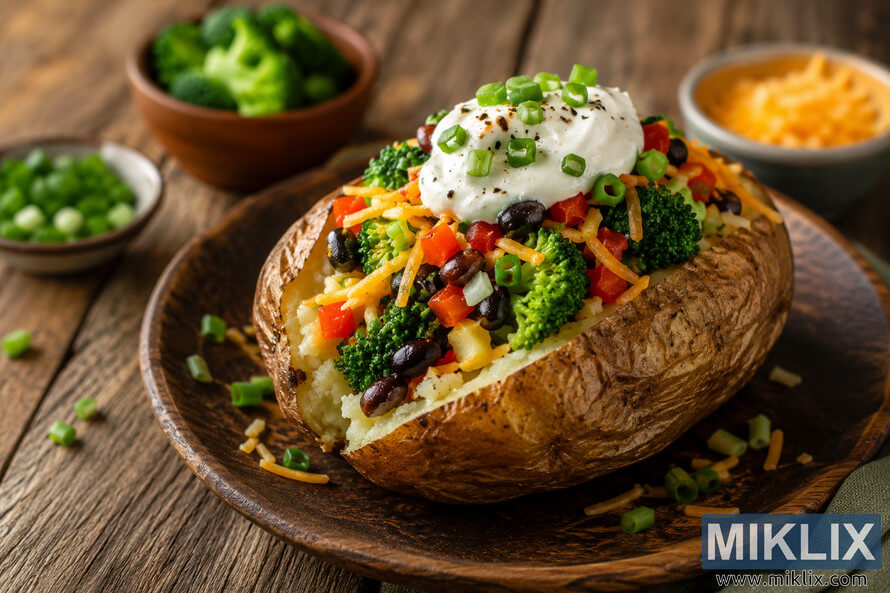
Loaded Veggie Baked Potato
Top baked potatoes with steamed broccoli, black beans, salsa, and Greek yogurt instead of butter and sour cream. This creates a complete, nutrient-dense meal.
画像をクリックまたはタップすると、詳細と高解像度が表示されます。
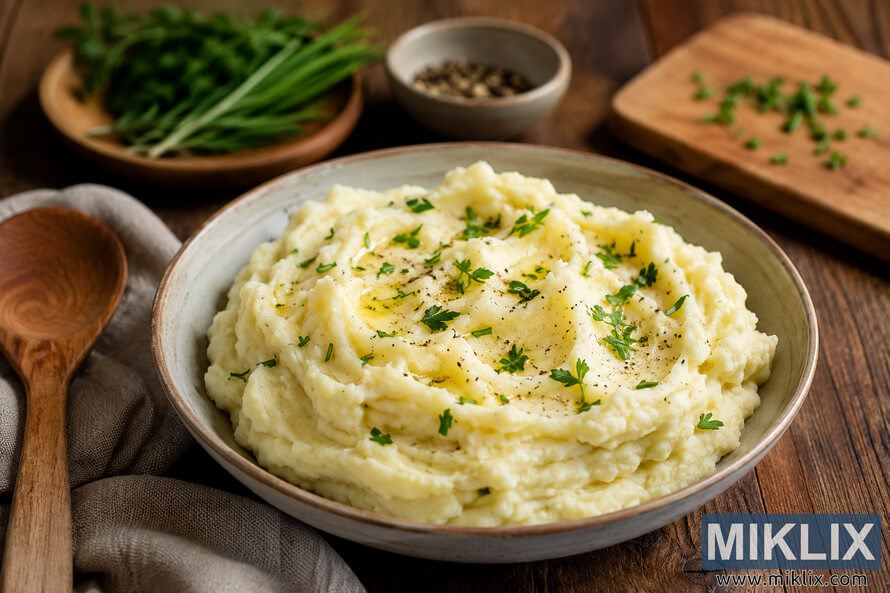
Herb-Infused Mashed Potatoes
Mash boiled potatoes with low-fat milk, roasted garlic, and fresh herbs. Skip the butter or use minimal amounts. The natural creaminess satisfies without excess fat.
画像をクリックまたはタップすると、詳細と高解像度が表示されます。
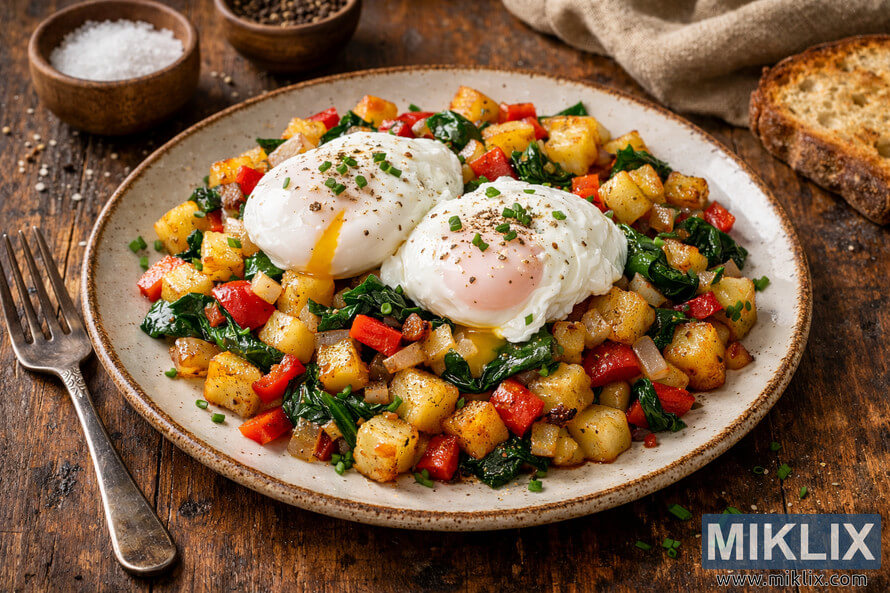
Breakfast Hash Bowl
Dice cooled boiled potatoes and sauté with bell peppers, onions, and spinach. Top with poached eggs for a filling breakfast with resistant starch benefits.
画像をクリックまたはタップすると、詳細と高解像度が表示されます。
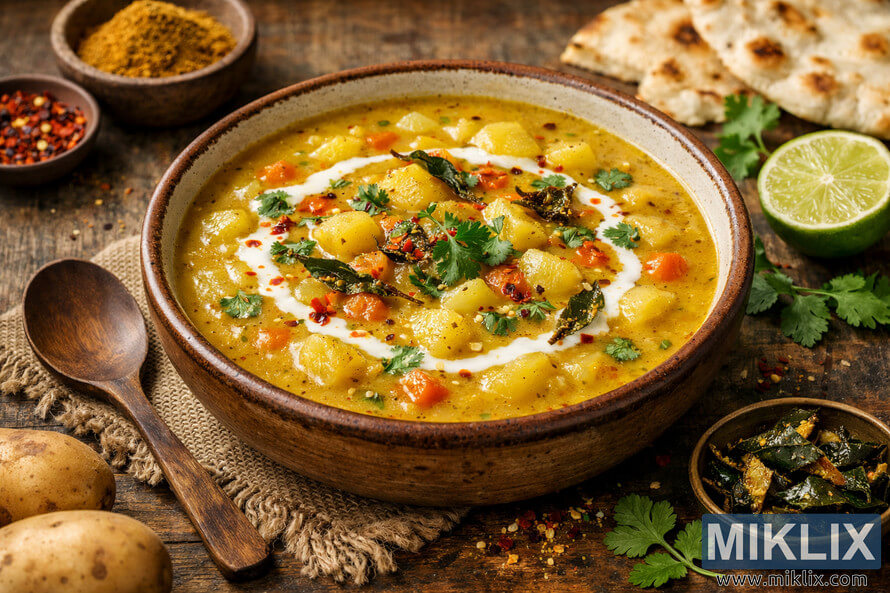
Curry Spiced Potato Soup
Blend cooked potatoes with vegetable broth, curry spices, and coconut milk. This warming soup delivers comfort food satisfaction with impressive nutritional value.
画像をクリックまたはタップすると、詳細と高解像度が表示されます。
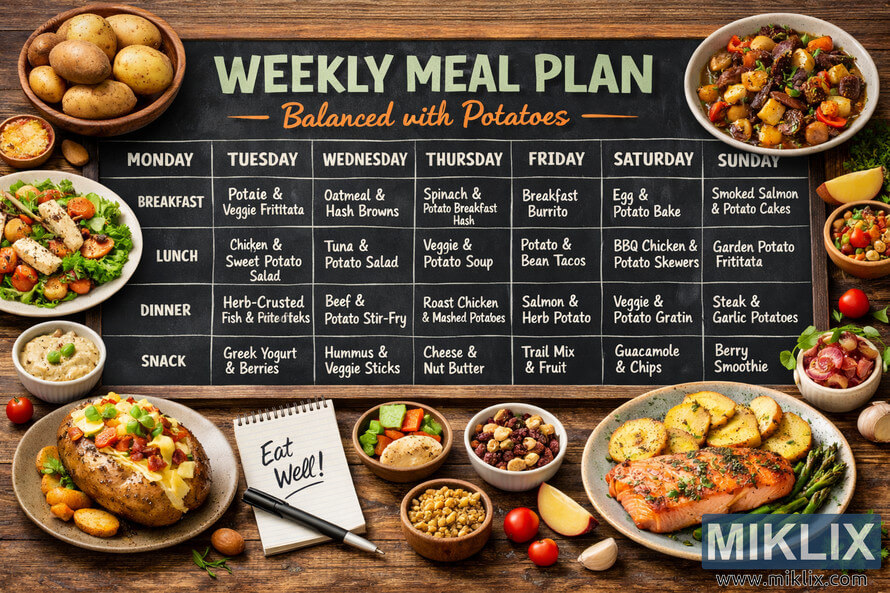
Building a Sustainable Potato-Inclusive Eating Pattern
Creating lasting dietary habits requires balance rather than extremes. Include potatoes 2-4 times weekly as part of varied, colorful meals that emphasize vegetables, lean proteins, and healthy fats.
Track how you feel after eating potatoes prepared different ways. Notice your energy levels, hunger patterns, and blood sugar responses. This personal data helps you identify which potato preparations work best for your body.
画像をクリックまたはタップすると、詳細と高解像度が表示されます。
Final Thoughts on Potatoes and Your Health
The health benefits of potatoes extend far beyond what diet culture acknowledges. This versatile vegetable delivers essential nutrients, resistant starch, antioxidants, and satiety that support numerous aspects of wellness.
Understanding proper preparation methods transforms potatoes from a feared food into a valuable dietary component. Boiling, steaming, or baking potatoes with skin intact preserves their nutritional value while avoiding the pitfalls of deep frying or excessive fat addition.
Your individual health goals should guide how you incorporate potatoes into your eating pattern. People managing blood sugar need smaller portions and cooled preparations, while active individuals can consume larger amounts to fuel their bodies effectively.
The key to potato consumption lies in balance, variety, and smart preparation. Include them alongside colorful vegetables, lean proteins, and healthy fats to create nutritionally complete meals that satisfy both your taste preferences and nutritional requirements.
Don't let nutrition myths prevent you from enjoying a food that humans have relied upon for thousands of years. When consumed thoughtfully as part of an overall healthy diet, potatoes offer remarkable benefits that support your journey toward optimal health and wellness.
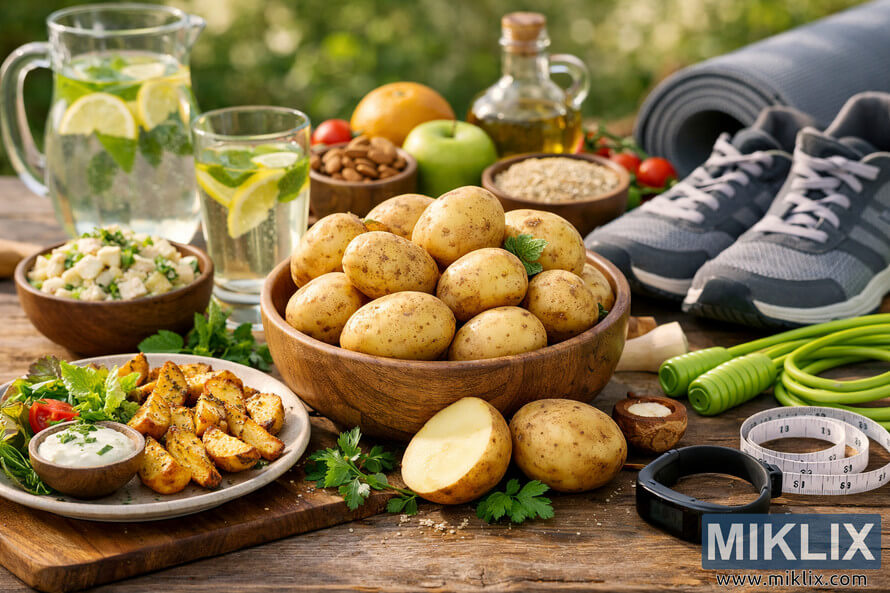
画像をクリックまたはタップすると、詳細と高解像度が表示されます。
Key Takeaway 1
Potatoes provide essential nutrients including potassium, vitamin C, vitamin B6, and fiber that support heart health, immune function, and digestive wellness.
Key Takeaway 2
Cooking and cooling potatoes creates resistant starch that benefits gut health, improves blood sugar control, and increases satiety for weight management.
Key Takeaway 3
Preparation method determines whether potatoes support or sabotage health goals. Choose baking, boiling, or steaming over frying for maximum nutritional benefits.
Start incorporating potatoes into your meals using the strategies outlined in this guide. Monitor your body's response, adjust portions to match your needs, and enjoy this nutritious food without guilt or confusion.
Your health journey deserves foods that nourish your body while satisfying your palate. Potatoes, when prepared properly and consumed mindfully, absolutely fit that description and deserve recognition as the nutritional powerhouse they truly represent.
さらに読む
この投稿が気に入った場合は、次の提案も気に入るかもしれません: