
Growing Burdock: Your Complete Guide from Seed to Harvest
ထုတ်ဝေသည်-
နောက်ဆုံး မွမ်းမံပြင်ဆင်သည်- ၂၀၂၆၊ မတ် ၁၂ UTC ၁၅:၁၅:၅၆
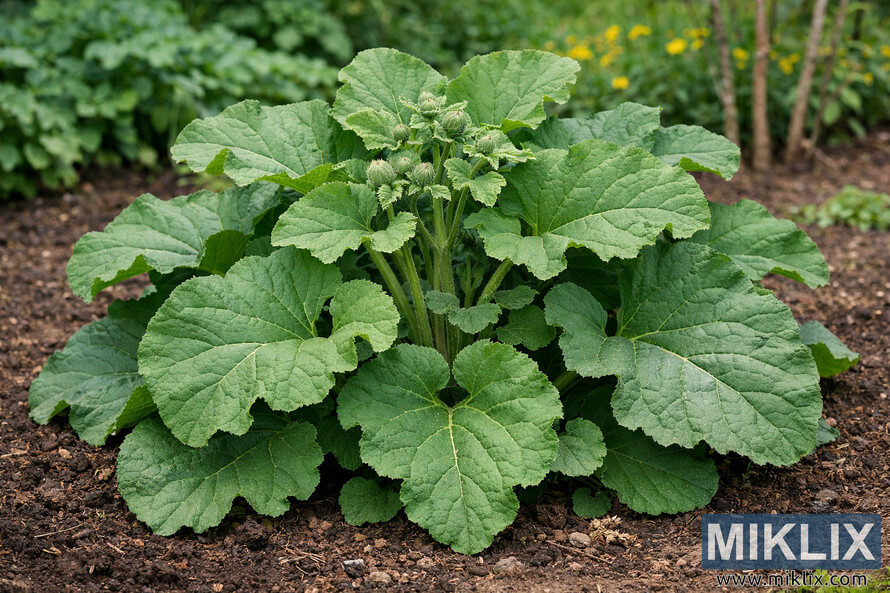
Burdock has earned its place in gardens worldwide. This remarkable plant offers culinary delights and medicinal benefits that gardeners have treasured for generations. The root serves as a staple in Asian cuisine while herbalists value its traditional healing properties.
Growing Burdock: Your Complete Guide from Seed to Harvest
နောက်ထပ်အချက်အလက်များနှင့် ပိုမိုမြင့်မားသော ရုပ်ထွက်အရည်အသွေးများအတွက် ပုံကို နှိပ်ပါ သို့မဟုတ် တို့ပါ။
Many home gardeners feel intimidated by growing burdock. The plant actually thrives with basic care and rewards you with abundant harvests. Your garden can produce this versatile herb whether you live in cool northern regions or warmer southern zones.
This guide walks you through every step of the growing process. You will learn proper soil preparation techniques and discover optimal planting times. The information covers essential care practices and reveals when to harvest for peak flavor and potency.
What Is Burdock and Why Grow It
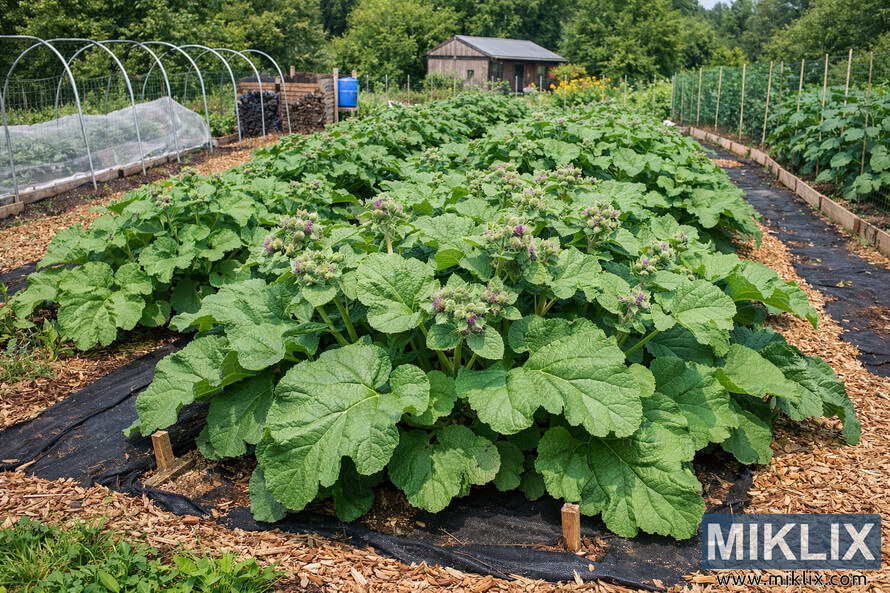
Burdock stands as a biennial plant that completes its life cycle over two years. The first year focuses energy on producing large leaves and developing a deep taproot. Flowering occurs during the second year when the plant sends up tall stalks covered with purple thistle-like flowers.
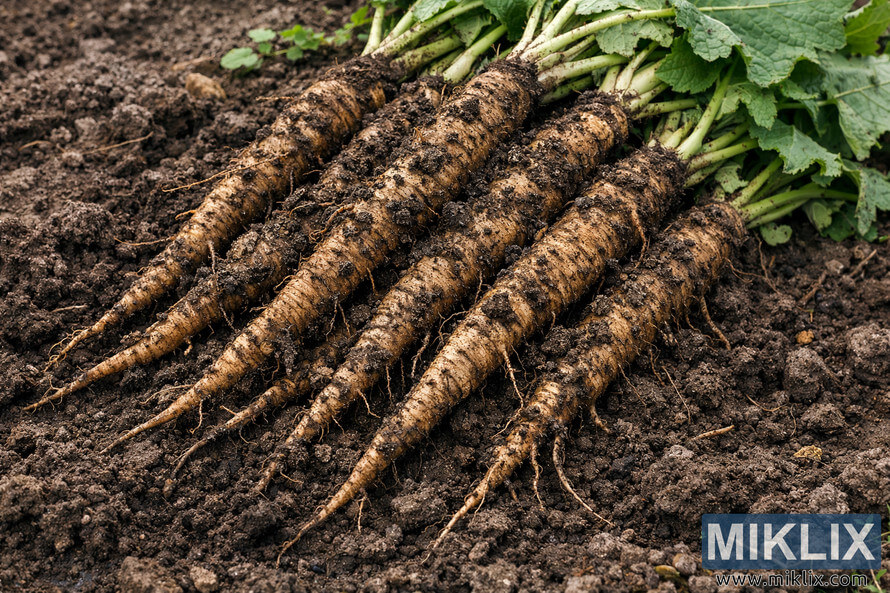
The root provides the primary harvest for most gardeners. Japanese cuisine features gobo (burdock root) as a crunchy vegetable with earthy, slightly sweet flavor. The root grows twelve to eighteen inches deep and requires careful digging at harvest time.
Young leaves offer edible greens during spring months. Cooks prepare them like spinach or add them to soups. The tender leaf stems provide another food source when peeled and cooked properly.
Traditional medicine has used burdock for centuries. Herbalists value the root for supporting skin health and digestive wellness. Modern research continues exploring these historical uses and their potential benefits.
The plant serves ecological purposes in your garden too. Deep roots break up compacted soil layers and bring nutrients from below. Flowers attract beneficial pollinators while seeds provide food for birds in late summer.
နောက်ထပ်အချက်အလက်များနှင့် ပိုမိုမြင့်မားသော ရုပ်ထွက်အရည်အသွေးများအတွက် ပုံကို နှိပ်ပါ သို့မဟုတ် တို့ပါ။
Benefits of Growing Burdock
- Produces nutritious edible roots and leaves
- Requires minimal pest management
- Improves soil structure with deep taproots
- Provides medicinal herb for home remedies
- Thrives in various climate zones
- Offers two-season harvest potential
Growing Challenges
- Needs deep soil for proper root development
- Becomes invasive if seed heads are not controlled
- Requires patience during first year growth
- Harvest involves heavy digging work
- Takes significant garden space
Climate Requirements and Growing Zones
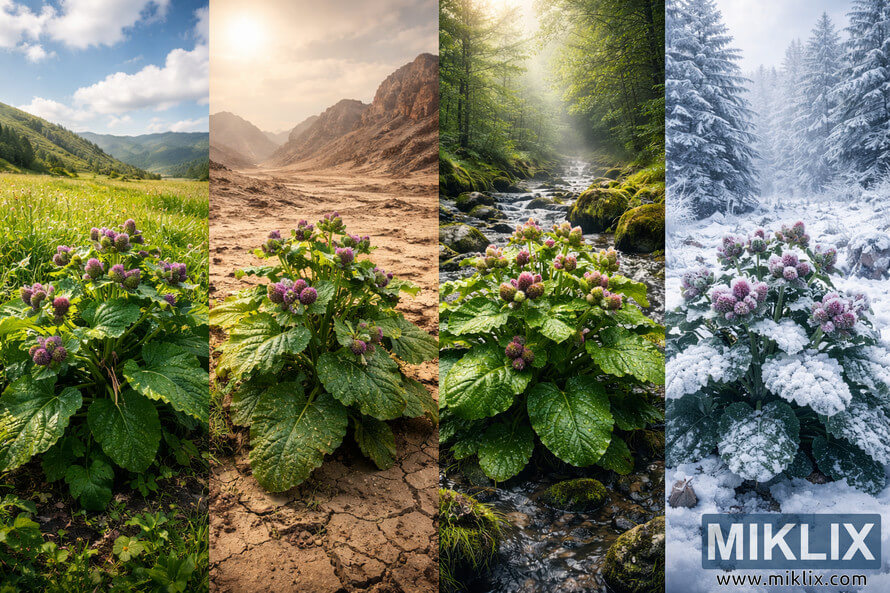
Burdock adapts to a wide range of climates across North America. The plant grows successfully in USDA hardiness zones three through nine. This range covers most regions of the United States except extreme southern areas.
Cool weather suits burdock best. The plant tolerates frost and even light freezes without damage. Seeds germinate when soil temperatures reach fifty degrees Fahrenheit. Spring planting works well in most zones while fall planting succeeds in warmer regions.
Summer heat does not harm established plants. Burdock continues growing through warm months when given adequate water. The leaves may wilt during afternoon heat but recover overnight as temperatures drop.
Northern gardeners enjoy an advantage with this plant. Burdock produces the highest quality roots in areas with cool summers and cold winters. The cold period triggers better root development and enhances flavor.
Southern growers can still succeed with proper timing. Plant burdock in early fall to harvest roots the following spring. This schedule avoids the hottest summer months while using mild winter weather for growth.
- Zones three to five offer ideal growing conditions with long cool seasons
- Zones six to seven provide excellent results with spring or fall planting
- Zones eight to nine require fall planting and spring harvest timing
- Mountain areas benefit from elevation cooling effects on summer temperatures
နောက်ထပ်အချက်အလက်များနှင့် ပိုမိုမြင့်မားသော ရုပ်ထွက်အရည်အသွေးများအတွက် ပုံကို နှိပ်ပါ သို့မဟုတ် တို့ပါ။
Preparing Soil for Burdock Success
Soil preparation makes the difference between struggling plants and thriving burdock. The root system demands deep loose soil for proper development. Shallow or compacted ground produces forked twisted roots that prove difficult to harvest and clean.
Start by testing your soil pH levels. Burdock prefers slightly acidic to neutral conditions between six and seven on the pH scale. Most garden soils fall within this range naturally. Add lime to raise pH or sulfur to lower it based on test results.
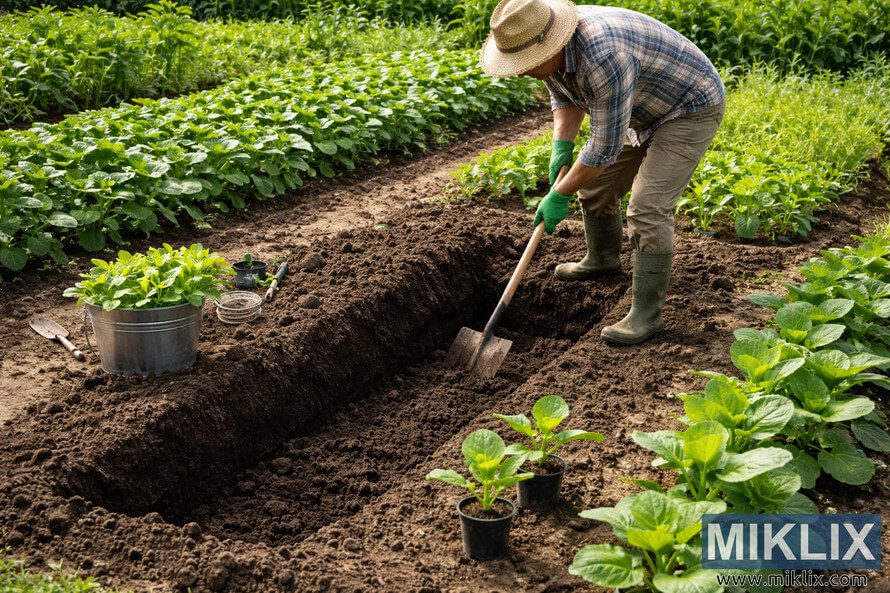
Deep cultivation becomes essential for this crop. Work the soil to a depth of eighteen to twenty-four inches. Double-digging creates ideal conditions by loosening two layers of earth. This method takes effort but produces superior roots.
Add organic matter generously throughout the soil profile. Compost improves drainage in clay soils while helping sandy ground retain moisture. Work in two to three inches of well-aged compost or rotted manure before planting.
Drainage issues spell trouble for burdock roots. Standing water causes rot and disease problems. Raised beds solve drainage concerns in heavy clay areas. Build beds twelve to eighteen inches high for best results.
Remove rocks and debris carefully during preparation. Even small stones can deflect growing roots and create forked shapes. Sift soil if necessary to ensure smooth root development throughout the season.
Pro Tip: Mark your prepared burdock bed in fall for spring planting. This allows winter freeze-thaw cycles to further break down soil structure naturally. The bed will be perfect when planting time arrives.
နောက်ထပ်အချက်အလက်များနှင့် ပိုမိုမြင့်မားသော ရုပ်ထွက်အရည်အသွေးများအတွက် ပုံကို နှိပ်ပါ သို့မဟုတ် တို့ပါ။
Planting Burdock Seeds and Roots
Seeds provide the most common way to start burdock plants. Direct sowing works better than transplanting because the taproot dislikes disturbance.
Timing your planting correctly sets the stage for success. Spring planting should occur two to three weeks before the last frost date in your area. The seeds tolerate cool soil and germinate reliably when temperatures reach fifty degrees.
Sow seeds one-half inch deep in prepared beds. Space them three to four inches apart in rows. The rows themselves need eighteen to twenty-four inches between them. This spacing accommodates the large leaves that develop during the growing season.
Seed germination takes seven to fourteen days under proper conditions. Keep soil consistently moist during this period. A light mulch helps retain moisture without blocking emerging seedlings from sunlight.
Thinning becomes necessary once seedlings reach three inches tall. Remove weaker plants to leave final spacing of six to eight inches between burdock plants. Crowded plants produce smaller roots and compete for nutrients.
Root division offers another planting method for the second year. Dig roots in early spring before growth resumes. Cut pieces three to four inches long that include growth buds. Plant these sections horizontally two inches deep.
Germination Boost: Soak burdock seeds overnight before planting. This softens the seed coat and speeds germination by two to three days. Use room temperature water and plant seeds promptly after soaking.
- Clear the planting area of all weeds and debris
- Create shallow furrows one-half inch deep using a hoe or stick
- Drop seeds every three inches along the furrow
- Cover seeds lightly with fine soil and firm gently
- Water thoroughly with a gentle spray to avoid washing seeds
- Mark rows clearly to avoid disturbing during germination
- Thin seedlings when they develop two true leaves

နောက်ထပ်အချက်အလက်များနှင့် ပိုမိုမြင့်မားသော ရုပ်ထွက်အရည်အသွေးများအတွက် ပုံကို နှိပ်ပါ သို့မဟုတ် တို့ပါ။
Caring for Growing Burdock Plants
Water needs change as burdock plants mature through the seasons. Young seedlings require consistent moisture to establish roots. Provide one inch of water per week through rain or irrigation during the first six weeks after germination.
Established plants develop drought tolerance once roots reach deeper soil layers. Reduce watering frequency but increase the amount when you do water. Deep soaking encourages roots to grow downward rather than spreading near the surface.
Mulching conserves soil moisture and suppresses weed growth around plants. Apply two to three inches of organic mulch after seedlings establish. Straw, shredded leaves, or grass clippings all work well as mulch materials.
Fertilizing requirements remain modest for this plant. Burdock grows well in average garden soil without heavy feeding. A side-dressing of compost mid-season provides sufficient nutrients for robust growth and quality roots.
Excessive nitrogen fertilizer causes problems rather than benefits. High nitrogen produces lush leaf growth at the expense of root development. The leaves may look impressive but roots stay small and woody.
Weeding matters most during early growth stages. Keep the area around young burdock plants free of competing vegetation. Once plants develop full-size leaves, they shade out most weeds naturally.
The first year focuses entirely on vegetative growth. Plants produce large leaves and establish deep root systems. Remove any flower stalks that appear during year one to direct energy toward root development.
Second-year care differs from first-year management. Allow some plants to flower if you want to save seeds for future planting. Cut flower stalks before seeds mature if you want to prevent self-seeding throughout your garden.

နောက်ထပ်အချက်အလက်များနှင့် ပိုမိုမြင့်မားသော ရုပ်ထွက်အရည်အသွေးများအတွက် ပုံကို နှိပ်ပါ သို့မဟုတ် တို့ပါ။
First Year Care Schedule
- Water deeply twice weekly until established
- Apply mulch when plants reach six inches tall
- Side-dress with compost in mid-summer
- Remove any premature flower stalks immediately
- Keep area weed-free through growing season
Second Year Care Schedule
- Resume watering as spring growth begins
- Refresh mulch layer after winter breakdown
- Support tall flower stalks if saving seed
- Remove flower heads before seeds scatter
- Harvest roots before flowering for best quality
Managing Pests and Diseases
Burdock plants resist most common garden pests naturally. The large leaves contain compounds that deter many insects. Serious pest problems rarely develop in healthy well-maintained plantings.
Slugs pose the main threat to young burdock seedlings. These mollusks eat holes in tender leaves during damp weather. Hand-picking after dark removes many slugs before damage becomes severe.
Beer traps provide organic slug control in the garden. Bury shallow containers flush with the soil surface and fill with beer. Slugs crawl in overnight and drown. Empty and refill traps every few days.
Diatomaceous earth creates a barrier against slugs and other crawling pests. Sprinkle food-grade powder around the base of plants. The sharp particles damage soft-bodied insects without harming plants or beneficial creatures.
Aphids occasionally cluster on young burdock growth tips. A strong spray of water dislodges these pests before populations explode. Beneficial insects like ladybugs arrive naturally to control any remaining aphids.
Leaf spot diseases appear during extended wet periods. Dark spots develop on older leaves but rarely spread to new growth. Remove affected leaves and improve air circulation by thinning crowded plants.
Root rot becomes an issue only in poorly drained soils. Waterlogged conditions kill roots and destroy the harvest. Prevention through proper soil preparation proves easier than treating root diseases after they develop.
Powdery mildew may coat leaves with white fungal growth late in the season. This cosmetic problem does not affect root quality significantly. Harvest roots on schedule regardless of leaf appearance in fall.
Slug Control Methods
- Hand-pick at night with flashlight
- Set beer traps near affected plants
- Apply diatomaceous earth barriers
- Encourage natural predators like toads
Disease Prevention
- Ensure proper soil drainage
- Space plants for air circulation
- Avoid overhead watering late in day
- Remove diseased leaves promptly
Organic Solutions
- Neem oil spray for aphids
- Copper fungicide for leaf spots
- Companion plantings that repel pests
- Crop rotation prevents disease buildup
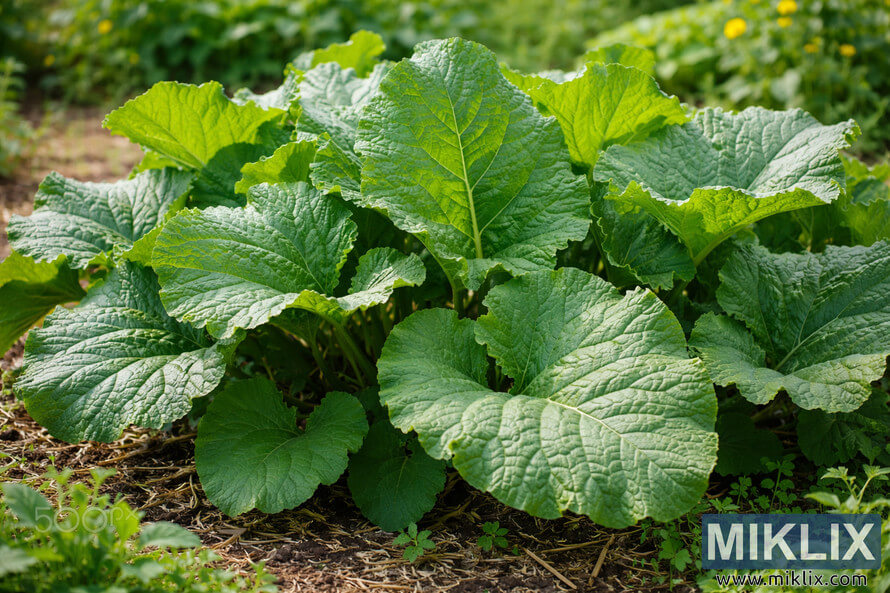
Watch Out: Burdock's burr-covered seeds stick to clothing and animal fur. This is how the plant spreads in nature. Remove flower heads before seeds mature to prevent burdock from becoming a garden pest itself.
နောက်ထပ်အချက်အလက်များနှင့် ပိုမိုမြင့်မားသော ရုပ်ထွက်အရည်အသွေးများအတွက် ပုံကို နှိပ်ပါ သို့မဟုတ် တို့ပါ။
Harvesting Burdock Roots and Leaves
Timing your burdock harvest correctly ensures the best flavor and texture. First-year roots reach peak quality in late fall after several frosts. Cold weather concentrates sugars and improves the earthy sweet taste.
Spring harvest offers another option for first-year roots. Dig roots as soon as the ground thaws before new growth begins. Spring-harvested roots taste slightly milder than fall crops but remain tender and delicious.
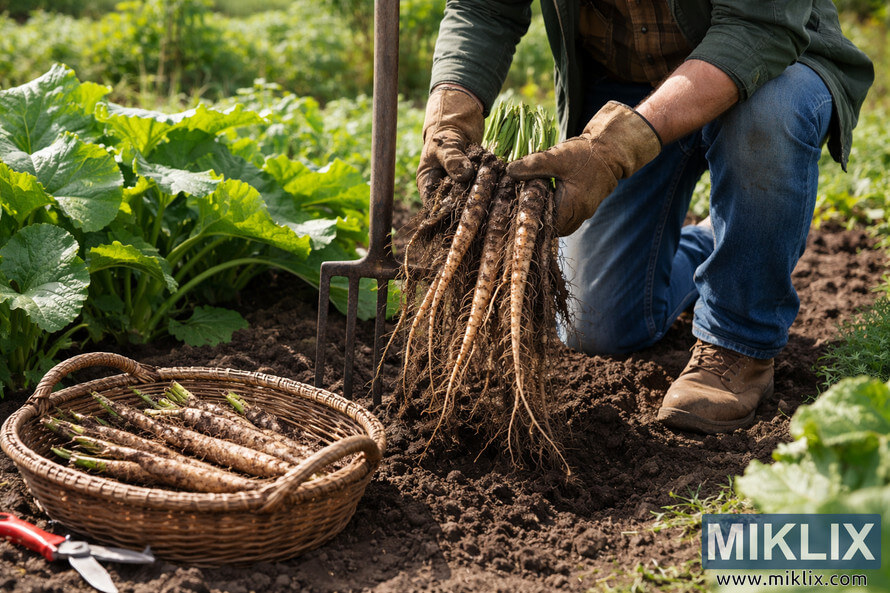
The harvest process requires patience and proper tools. A garden fork works better than a shovel for digging deep roots. Begin digging twelve inches away from the plant stem to avoid cutting the root.
Loosen soil carefully around the entire root circumference. Work your way deeper gradually while following the root downward. The taproot can extend two feet deep in good soil conditions.
Pull roots gently once sufficiently loosened to prevent breaking. Broken roots left in the ground will resprout the following year. Clean roots immediately after harvest by scrubbing under running water with a vegetable brush.
Young leaves provide a secondary harvest during spring months. Pick outer leaves when they reach six to eight inches long. Leave the center growth intact so plants continue producing new leaves.
Leaf harvest should stop once hot weather arrives. Summer leaves turn bitter and tough as plants mature. Focus on root development rather than leaf production during warm months.
Flower stalks offer another edible part before flowers open. Cut stalks when still tender and peel away the tough outer skin. The inner core tastes similar to artichoke hearts when cooked properly.
- Mark harvest plants with stakes in early fall
- Cut back leaf growth to six inches before digging
- Water the harvest area deeply one day before digging
- Loosen soil in a wide circle around each plant
- Work garden fork under root from multiple angles
- Lift root slowly while supporting its full length
- Trim off small side roots and leaf crown
- Scrub roots clean under cold running water
နောက်ထပ်အချက်အလက်များနှင့် ပိုမိုမြင့်မားသော ရုပ်ထွက်အရည်အသွေးများအတွက် ပုံကို နှိပ်ပါ သို့မဟုတ် တို့ပါ။
Takinogawa Long
This Japanese heirloom produces roots up to two feet long. The variety offers excellent flavor and tender texture. Seeds germinate reliably in cool spring soil.
နောက်ထပ်အချက်အလက်များနှင့် ပိုမိုမြင့်မားသော ရုပ်ထွက်အရည်အသွေးများအတွက် ပုံကို နှိပ်ပါ သို့မဟုတ် တို့ပါ။
Watanabe Early
A shorter-season variety perfect for northern gardens. Roots mature in ninety days instead of the usual one hundred twenty. Quality and flavor match longer-season types.

နောက်ထပ်အချက်အလက်များနှင့် ပိုမိုမြင့်မားသော ရုပ်ထွက်အရည်အသွေးများအတွက် ပုံကို နှိပ်ပါ သို့မဟုတ် တို့ပါ။
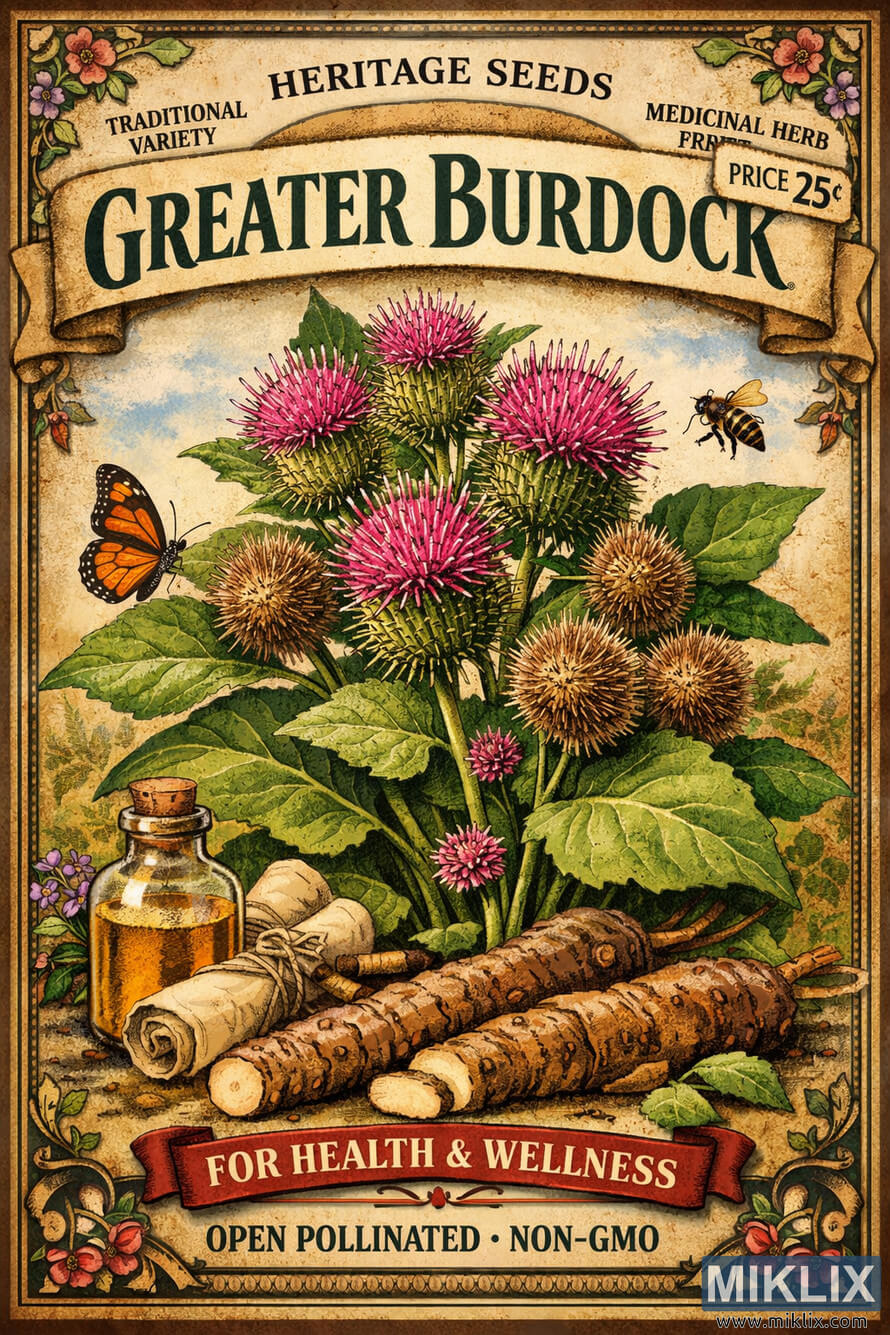
Greater Burdock
The traditional variety grown for medicinal purposes. Plants produce robust roots with high concentrations of beneficial compounds. Ideal choice for herbal medicine gardens.
နောက်ထပ်အချက်အလက်များနှင့် ပိုမိုမြင့်မားသော ရုပ်ထွက်အရည်အသွေးများအတွက် ပုံကို နှိပ်ပါ သို့မဟုတ် တို့ပါ။
Storing and Preserving Your Harvest
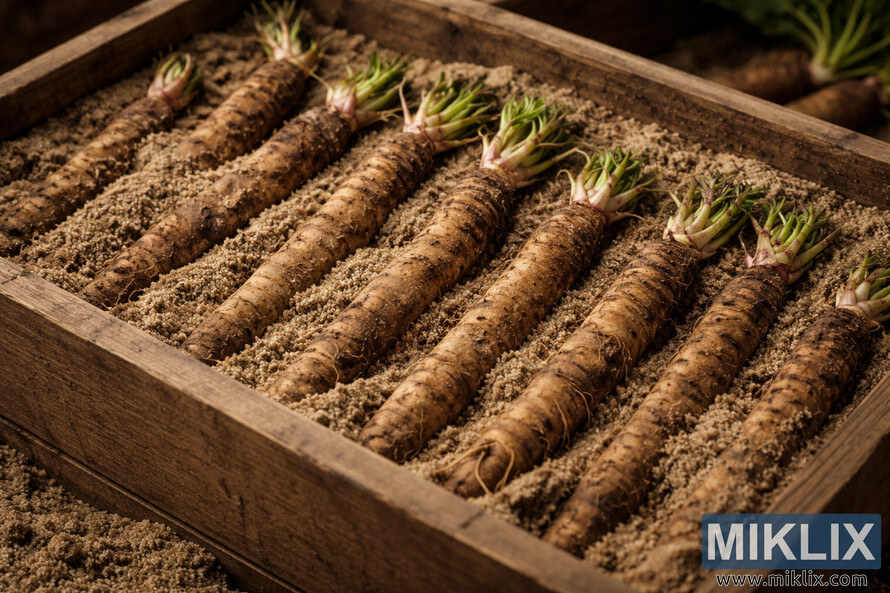
Fresh burdock roots store well under proper conditions. A cool humid environment preserves quality for several months. Root cellars provide ideal storage with temperatures between thirty-two and forty degrees Fahrenheit.
Pack roots in damp sand or sawdust inside wooden crates. This method prevents shriveling while maintaining freshness. Check stored roots monthly and remove any that show signs of decay.
Refrigerator storage works for shorter periods. Wrap unwashed roots in damp paper towels and place in plastic bags. Properly stored roots keep for two to three weeks in the vegetable crisper.
Washing roots before storage shortens their life span. Soil clinging to roots actually helps preserve moisture and quality. Clean roots only when ready to use them in recipes.
Freezing extends burdock storage through winter and beyond. Scrub roots thoroughly and cut into coins or matchsticks. Blanch pieces in boiling water for two minutes then plunge into ice water.
Pat blanched burdock dry and pack into freezer bags. Remove as much air as possible before sealing. Frozen burdock maintains quality for up to one year when stored at zero degrees.
Drying creates shelf-stable burdock for tea and medicinal use. Slice clean roots thinly and arrange on dehydrator trays. Dry at one hundred fifteen degrees until pieces snap crisply when bent.
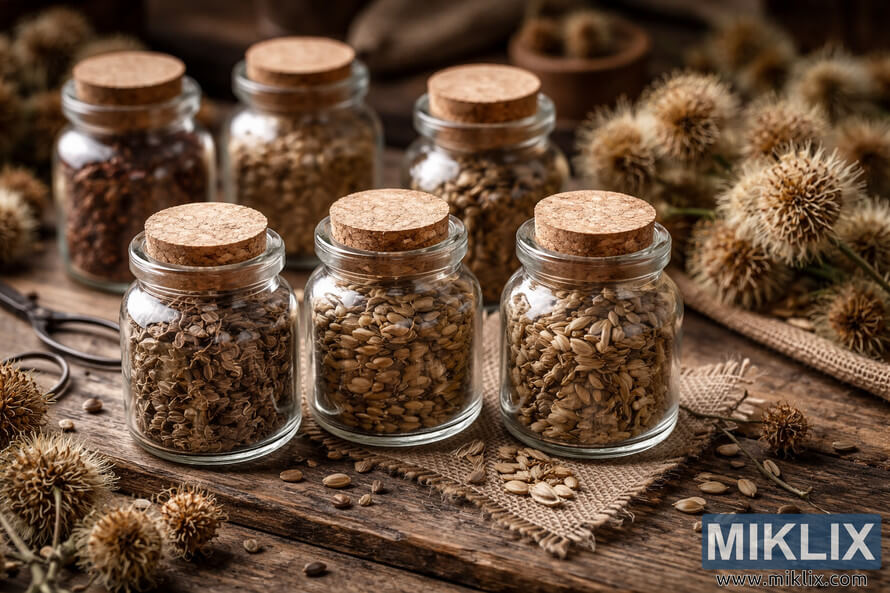
Store dried burdock in airtight containers away from light and heat. Dried roots retain potency for one to two years. Grind dried slices into powder for easy addition to recipes and herbal preparations.
နောက်ထပ်အချက်အလက်များနှင့် ပိုမိုမြင့်မားသော ရုပ်ထွက်အရည်အသွေးများအတွက် ပုံကို နှိပ်ပါ သို့မဟုတ် တို့ပါ။
Short-Term Storage
- Refrigerate in damp paper towels for two weeks
- Keep in plastic bag in vegetable crisper
- Do not wash until ready to use
- Check weekly for soft spots or mold
Long-Term Storage
- Store in sand-filled crates in root cellar
- Maintain temperature between thirty-two and forty degrees
- Keep humidity high but provide air circulation
- Inspect monthly and remove damaged roots
Tips for Growing Success
Common mistakes limit burdock success for many beginning growers. Shallow soil preparation ranks as the most frequent error. Roots develop poorly in hard or shallow ground no matter how well you care for plants.
Planting too late in spring reduces growing time and results in small roots. Early planting allows maximum growth before hot weather slows development. Start seeds as soon as soil can be worked in your area.
Overcrowding plants creates competition for nutrients and water. Resist the urge to skip thinning seedlings. Proper spacing produces far better results than leaving all seedlings to struggle.
Neglecting water during dry spells stresses plants unnecessarily. While burdock tolerates some drought, consistent moisture produces superior roots. Deep watering once or twice weekly beats frequent shallow watering.
Harvesting too early yields immature roots with less flavor and smaller size. Wait until plants complete a full growing season. Fall harvest after frost gives you the biggest and best-tasting roots.
Leaving flower heads on second-year plants creates future problems. Burdock seeds spread aggressively when allowed to mature. Remove flowers before they go to seed unless saving them intentionally.
Why are my burdock roots forked and twisted?
Rocks and hard soil layers cause roots to fork as they grow downward. Remove all stones during soil preparation and cultivate deeply before planting. Clay soil may need amendment with compost for better structure.
Can I grow burdock in containers?
Container growing works only with very deep pots of at least eighteen inches. Most gardeners get better results with in-ground planting. Consider raised beds as an alternative to containers.
When should I harvest burdock leaves versus roots?
Harvest young leaves in spring when six to eight inches long. Roots taste best in fall after frost or in early spring before growth resumes. Each part has an optimal harvest window.
Will burdock take over my garden?
Burdock spreads only by seed when flowers mature and scatter. Remove all flower heads before seeds form to prevent spreading. First-year plants do not produce flowers or seeds.
နောက်ထပ်အချက်အလက်များနှင့် ပိုမိုမြင့်မားသော ရုပ်ထွက်အရည်အသွေးများအတွက် ပုံကို နှိပ်ပါ သို့မဟုတ် တို့ပါ။
Companion Planting and Sustainable Growing
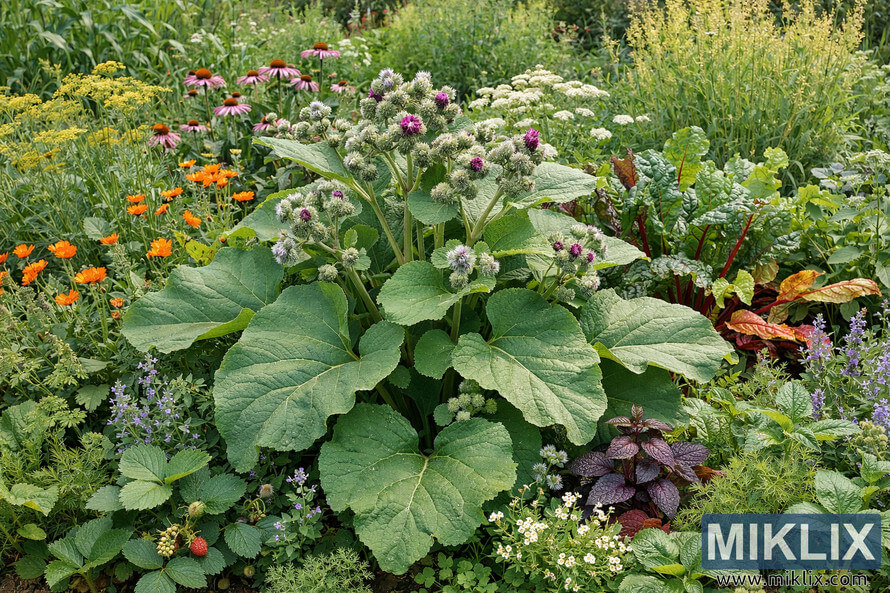
Burdock functions well in polyculture garden systems. The deep taproot mines nutrients from lower soil layers that shallow-rooted plants cannot reach. This nutrient cycling benefits the entire garden ecosystem.
Companion planting with certain vegetables improves overall garden health. Burdock grows well alongside carrots, parsnips, and other root crops. These plants have similar care requirements and harvest times.
Avoid planting burdock near potatoes or tomatoes. These crops attract pests that occasionally damage burdock leaves. Physical separation reduces pest pressure on all plants.
Aromatic herbs planted nearby may help repel certain insects naturally. Basil, oregano, and thyme all work as companion plants. The herbs themselves benefit from light shade provided by large burdock leaves.
Nitrogen-fixing plants support burdock growth when interplanted thoughtfully. Beans and peas add nitrogen to soil that burdock uses for leaf production. Plant nitrogen-fixers in nearby rows rather than directly with burdock.
Sustainable growing practices enhance long-term soil health and productivity. Return burdock leaves to the compost pile after harvest. The large leaves break down into nutrient-rich compost for next year's garden.
Crop rotation prevents disease and pest buildup in burdock beds. Avoid planting burdock in the same area more than once every three years. Rotate with completely different plant families like legumes or grasses.
Saving seeds from second-year plants reduces costs and preserves adapted varieties. Allow one or two plants to flower and set seed. Harvest seed heads when they turn brown and dry thoroughly before storing.
- Plant with shallow-rooted vegetables for efficient space use
- Include nitrogen-fixing companions in adjacent rows
- Add aromatic herbs to naturally discourage some pests
- Keep burdock away from nightshade family crops
- Rotate growing areas every three years minimum
- Compost all plant material except seed heads
- Save seeds from healthiest second-year plants
နောက်ထပ်အချက်အလက်များနှင့် ပိုမိုမြင့်မားသော ရုပ်ထွက်အရည်အသွေးများအတွက် ပုံကို နှိပ်ပါ သို့မဟုတ် တို့ပါ။
Your Path to Growing Burdock Successfully
Growing burdock rewards patient gardeners with versatile harvests. The roots provide nutritious vegetables for your kitchen while leaves offer medicinal benefits. Success depends on proper soil preparation and consistent care throughout the growing season.
Start with quality seeds planted in deeply worked ground. Maintain steady moisture and protect young plants from slugs. Harvest roots in fall after frost for peak flavor and texture.
Your garden will thrive when you apply these proven growing techniques. Burdock brings both practical benefits and ecological value to home growing spaces. The plant enriches soil while producing useful harvests year after year.
Begin planning your burdock garden today. Prepare beds this season for next spring planting. The investment of time and effort pays dividends through abundant harvests and improved garden health.
နောက်ထပ်စာဖတ်ခြင်း။
ဤပို့စ်ကို သင်နှစ်သက်ပါက၊ ဤအကြံပြုချက်များကို သင်လည်း နှစ်သက်နိုင်ပါသည်-
- သင့်အိမ်ဥယျာဉ်တွင် ဟင်းနုနွယ်ရွက်ကို စိုက်ပျိုးရန် လမ်းညွှန်ချက်
- အိမ်မှာ Leeks အောင်မြင်စွာစိုက်ပျိုးနည်း လမ်းညွှန်အပြည့်အစုံ
- သင့်ကိုယ်ပိုင်ဥယျာဉ်တွင် ခရမ်းချဉ်သီးစိုက်ပျိုးနည်းလမ်းညွှန်