
The Complete Guide to the Health Benefits of Persimmons
ที่ตีพิมพ์:
ปรับปรุงล่าสุด : 4 มิถุนายน 2026 เวลา 18 นาฬิกา 33 นาที 02 วินาที UTC
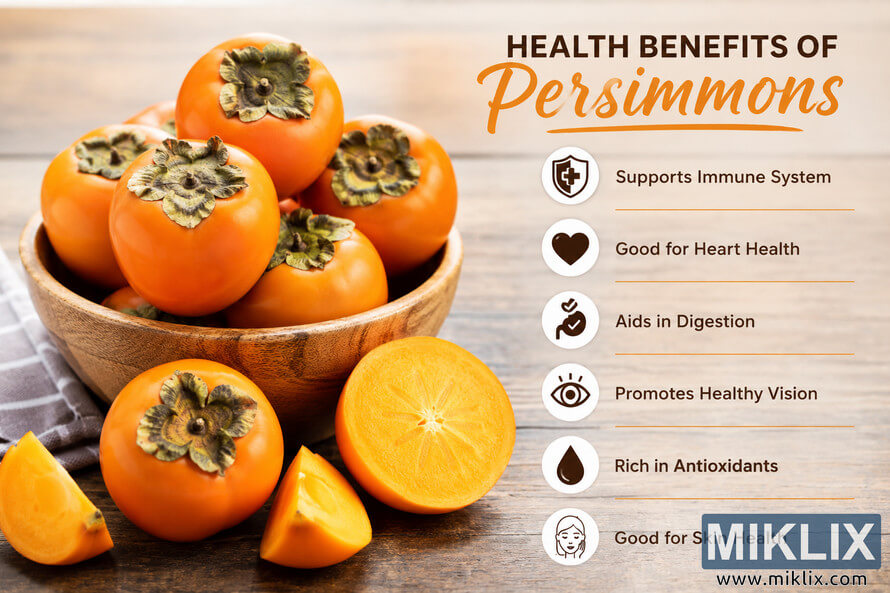
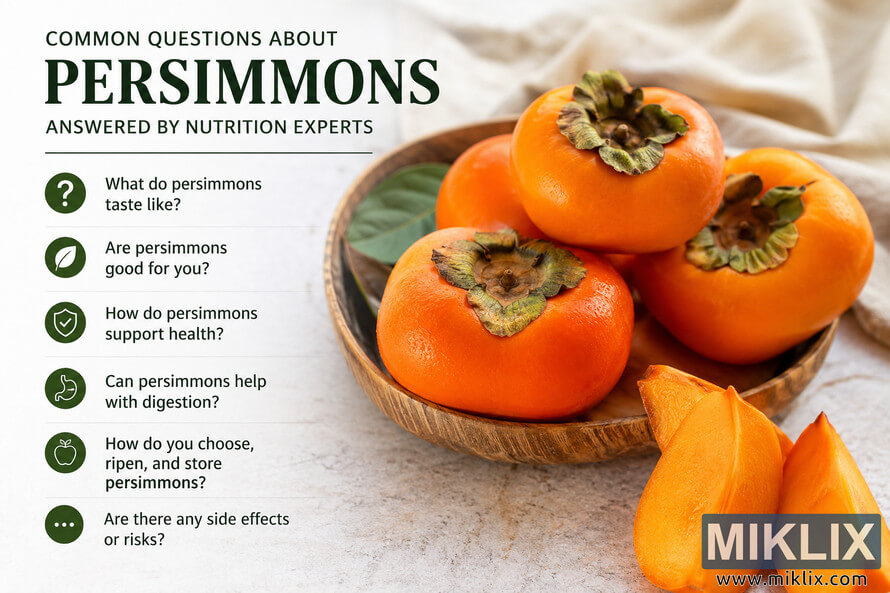
Persimmons bring remarkable health benefits that many people overlook. This vibrant orange fruit packs powerful nutrients that support your body in surprising ways. You'll discover how this fall superfruit can transform your wellness routine.
The Complete Guide to the Health Benefits of Persimmons
คลิกหรือแตะที่ภาพเพื่อดูข้อมูลเพิ่มเติมและภาพความละเอียดสูงขึ้น
These sweet fruits grow on trees and appear in markets during autumn months. Their unique flavor combines honey-like sweetness with subtle complexity. The health benefits of persimmons extend far beyond their delicious taste.
What Are Persimmons?
Persimmons belong to the Diospyros genus of trees. The name means "divine fruit" in Greek. These fruits originated in China over 2000 years ago. Today, farmers grow persimmons across many regions worldwide.
The fruit features smooth, glossy skin ranging from yellow-orange to deep red-orange. Inside, the flesh offers varying textures depending on ripeness. Some varieties taste sweet when firm. Others require complete softness before eating.
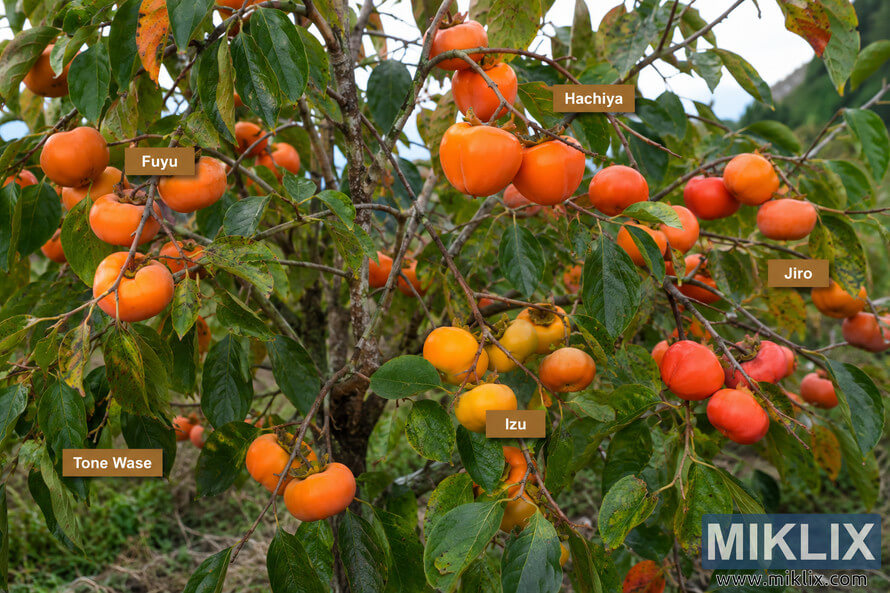
Japanese persimmon varieties dominate commercial markets. These fruits thrive in temperate climates. The trees produce abundant harvests each fall. Many cultures celebrate persimmons as symbols of good fortune.
คลิกหรือแตะที่ภาพเพื่อดูข้อมูลเพิ่มเติมและภาพความละเอียดสูงขึ้น
Types of Persimmons and Their Unique Properties
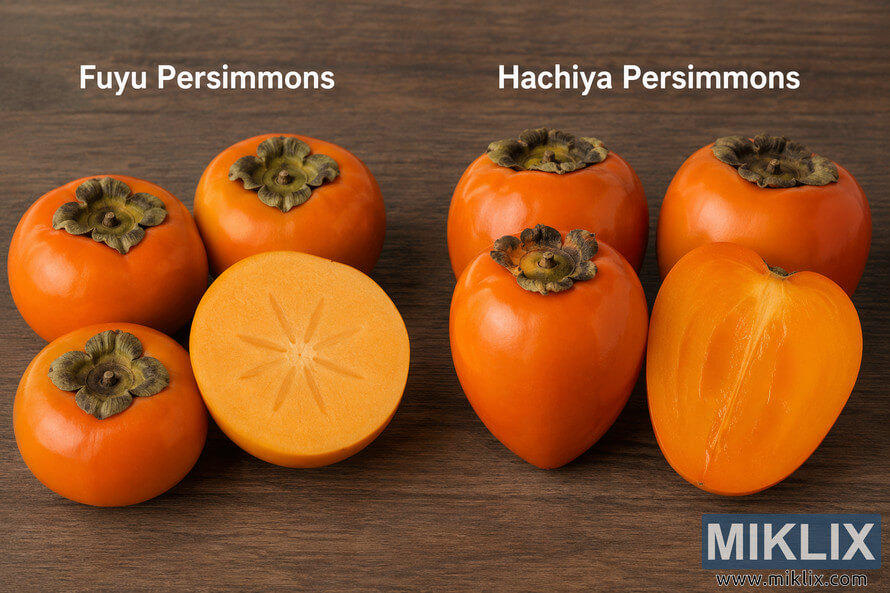
Understanding persimmon varieties helps you choose the right type for your needs. Each variety brings distinct characteristics. The health benefits of persimmons remain strong across all types.
คลิกหรือแตะที่ภาพเพื่อดูข้อมูลเพิ่มเติมและภาพความละเอียดสูงขึ้น
Fuyu Persimmons
Fuyu persimmons look like flattened tomatoes. You can eat them while still firm and crispy. Their flavor resembles a sweet, mild apricot. These fruits work perfectly as a convenient snack.
This variety contains no tannins when ripe. The flesh stays sweet and non-astringent. You simply wash, slice, and enjoy. Many people prefer Fuyu for salads and fresh eating.
คลิกหรือแตะที่ภาพเพื่อดูข้อมูลเพิ่มเติมและภาพความละเอียดสูงขึ้น
Hachiya Persimmons
Hachiya persimmons feature an acorn-like shape. These fruits must ripen completely before eating. When unripe, they taste extremely astringent. The tannins make your mouth pucker.
Ripe Hachiya persimmons become incredibly soft. The flesh turns jelly-like and deeply sweet. This variety excels in baking and smoothies. You need patience waiting for proper ripeness.
คลิกหรือแตะที่ภาพเพื่อดูข้อมูลเพิ่มเติมและภาพความละเอียดสูงขึ้น
American Persimmons
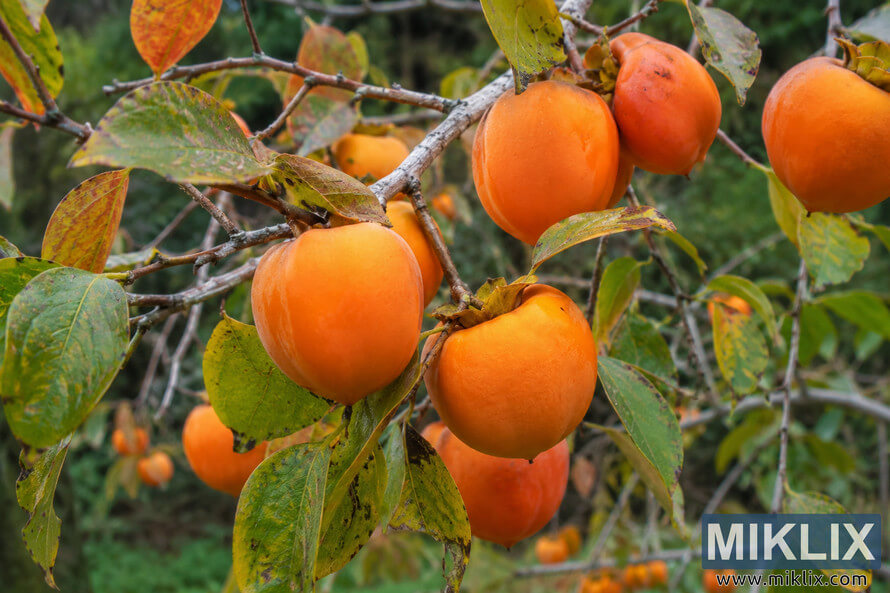
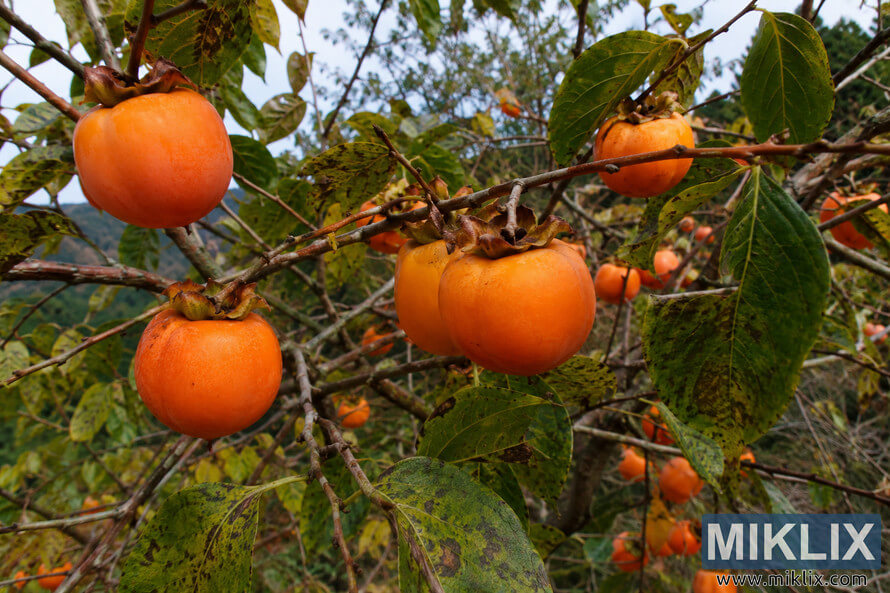
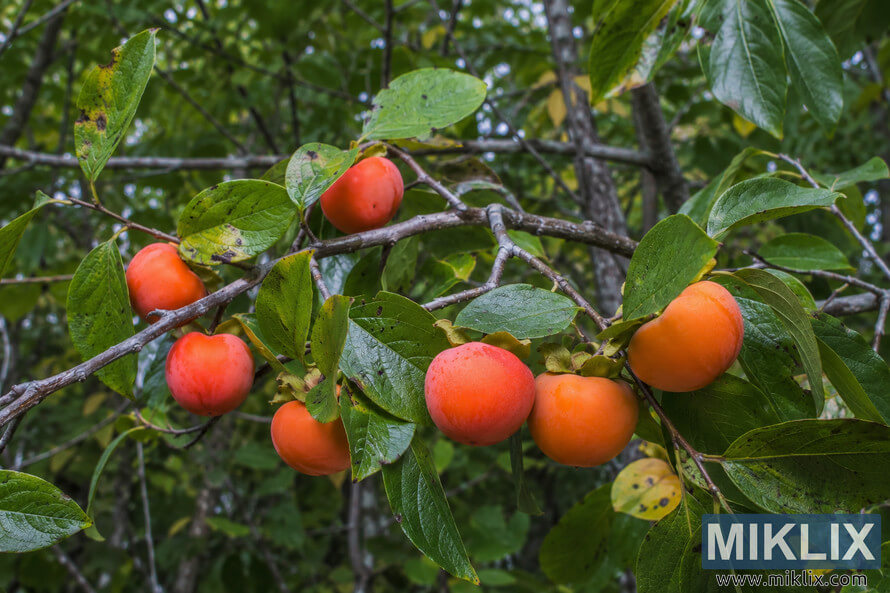
American persimmons grow wild across the eastern United States. These fruits measure smaller than Asian varieties. The flavor intensifies with a rich, complex sweetness. Wildlife and foragers treasure these native fruits.
This type requires full ripeness for eating. The fruits often fall from trees when ready. American persimmons offer exceptional nutrition. They contain higher fiber than commercial varieties.
คลิกหรือแตะที่ภาพเพื่อดูข้อมูลเพิ่มเติมและภาพความละเอียดสูงขึ้น
Nutritional Profile of Persimmons
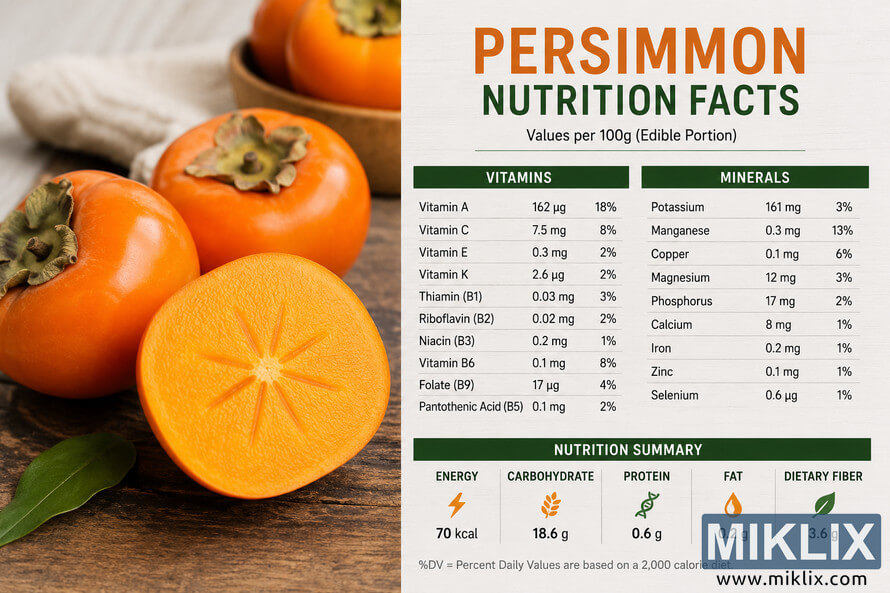
The nutrition packed into persimmons impresses health experts. These fruits deliver essential vitamins and minerals. One medium persimmon provides substantial daily nutrition requirements.
Each fruit contains approximately 118 calories. The low calorie count makes persimmons ideal for weight management. The natural sweetness satisfies cravings without excess sugar.
Powerful Antioxidants in Persimmons
Antioxidants make persimmons exceptionally healthy. These compounds protect your cells from damage. The bright orange color signals high antioxidant content.
- Beta-carotene converts to vitamin A in your body
- Lycopene supports heart health and reduces inflammation
- Lutein and zeaxanthin protect your vision and eye health
- Flavonoids combat oxidative stress throughout your system
- Tannins provide anti-inflammatory benefits when properly ripened
คลิกหรือแตะที่ภาพเพื่อดูข้อมูลเพิ่มเติมและภาพความละเอียดสูงขึ้น
Heart Health Benefits of Persimmons
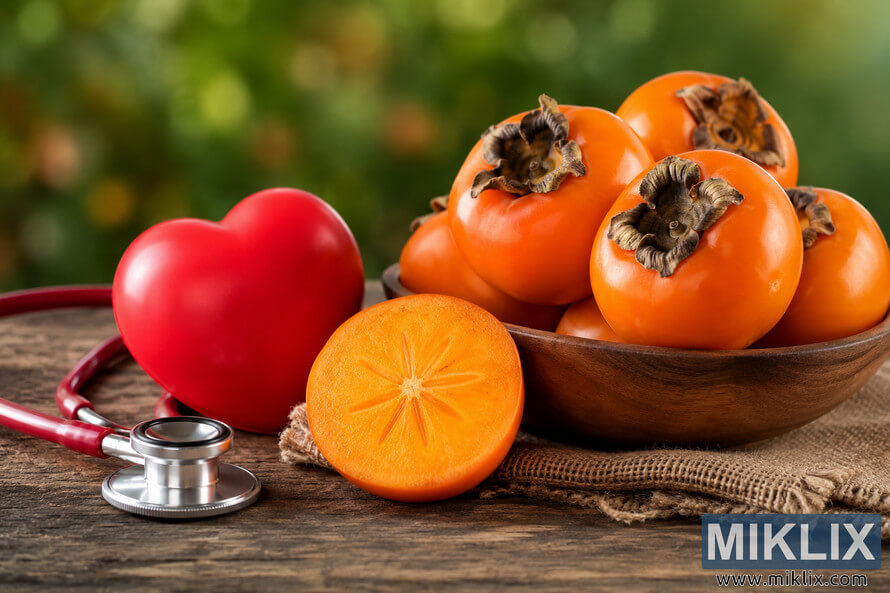
Your heart gains tremendous support from regular persimmon consumption. These fruits contain compounds that protect cardiovascular health. The benefits of persimmons for heart wellness continue emerging through research.
Fiber in persimmons helps lower cholesterol levels naturally. Each fruit delivers substantial soluble fiber. This type of fiber binds to cholesterol in your digestive system. Your body eliminates it before absorption occurs.
Blood Pressure Support
Potassium content in persimmons promotes healthy blood pressure. This mineral helps balance sodium effects. Adequate potassium intake reduces pressure on arterial walls. Regular consumption may help reduce risk heart disease.
The flavonoids in persimmons strengthen blood vessel walls. These antioxidants improve circulation throughout your body. Better blood flow means improved oxygen delivery to tissues. Your entire cardiovascular system benefits.
คลิกหรือแตะที่ภาพเพื่อดูข้อมูลเพิ่มเติมและภาพความละเอียดสูงขึ้น
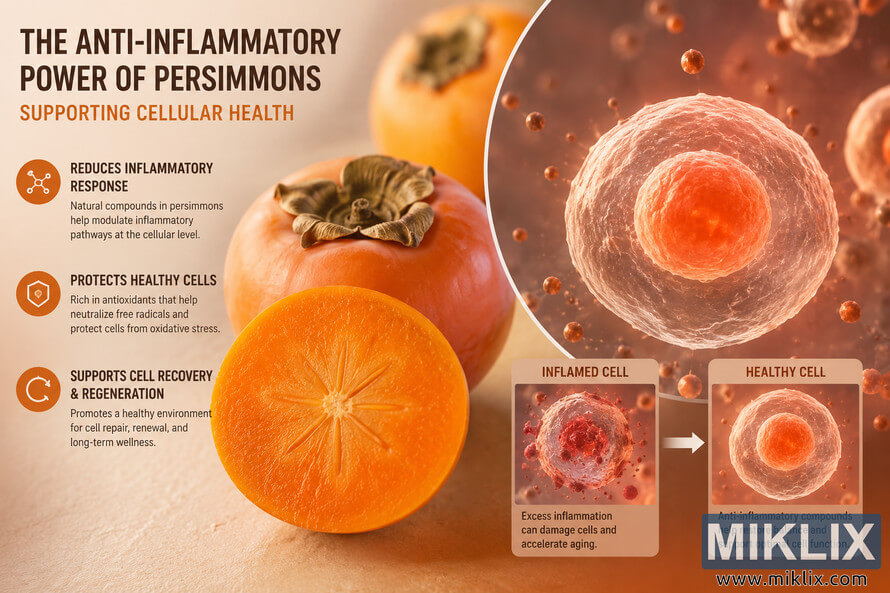
Reducing Inflammation
Chronic inflammation damages your heart over time. Persimmons combat this through multiple mechanisms. The vitamin C content neutralizes harmful free radicals. Antioxidants reduce inflammatory markers in your blood.
Studies suggest regular fruit consumption lowers risk heart disease significantly. Persimmons rank among the most protective fruits. Their unique combination of nutrients provides comprehensive heart support.
คลิกหรือแตะที่ภาพเพื่อดูข้อมูลเพิ่มเติมและภาพความละเอียดสูงขึ้น
Digestive Health and Fiber Benefits
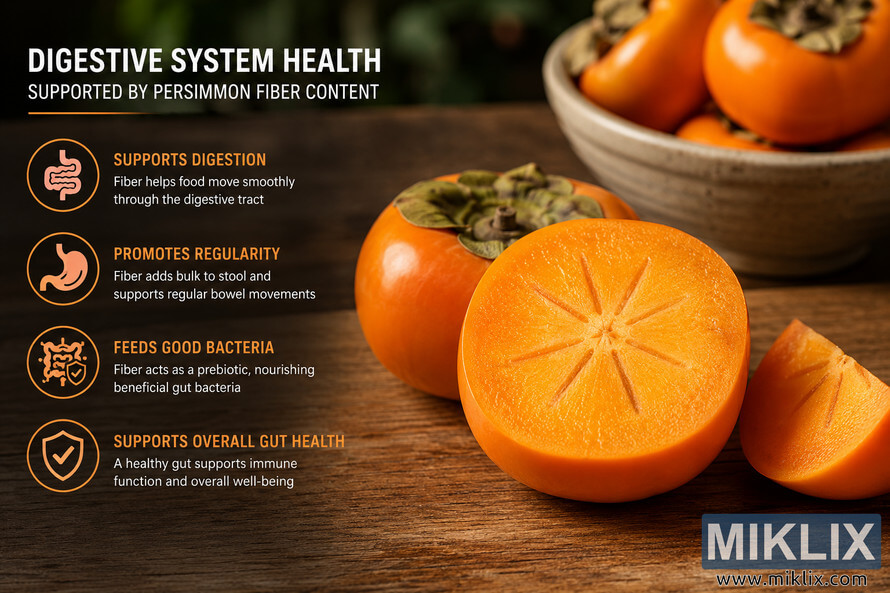
The fiber content in persimmons supports optimal digestive function. Both soluble and insoluble fiber work together. Your digestive system processes food more efficiently with adequate fiber intake.
One medium persimmon provides nearly one-quarter of daily fiber needs. This remarkable amount promotes regular bowel movements. Fiber adds bulk to stool and facilitates easier passage. Many people notice improved regularity within days.
Gut Microbiome Support
Healthy gut bacteria thrive on persimmon fiber. These beneficial microorganisms ferment fiber in your colon. The process produces short-chain fatty acids. These compounds nourish your intestinal lining.
A diverse gut microbiome strengthens your immune system. It influences mood and mental clarity. The fiber from persimmons acts as prebiotic food. Your beneficial bacteria multiply and flourish.
Quick Tip: Eat persimmons with skin on for maximum fiber benefits. The peel contains concentrated nutrients and additional fiber that support healthy digestion and overall wellness.
คลิกหรือแตะที่ภาพเพื่อดูข้อมูลเพิ่มเติมและภาพความละเอียดสูงขึ้น
Blood Sugar Management
Despite their sweetness, persimmons help manage blood sugar levels. The fiber slows sugar absorption into your bloodstream. This prevents rapid blood sugar spikes after eating. Your energy remains stable throughout the day.
The glycemic index of persimmons rates as moderate. Eating them with protein or healthy fats further stabilizes blood sugar. People managing diabetes can enjoy persimmons in moderation. Always consult healthcare providers about individual dietary needs.
Immune System Support and Vitamin C
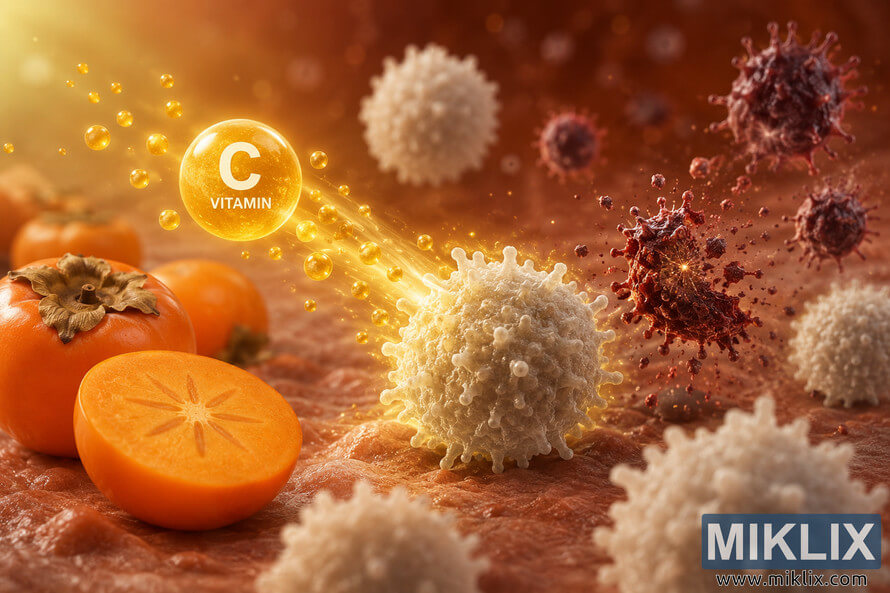
Your immune system relies on vitamin C for optimal function. Persimmons deliver this essential nutrient abundantly. One fruit provides over 20% of your daily vitamin C requirement. This antioxidant vitamin protects against infections.
Vitamin C stimulates white blood cell production. These cells identify and eliminate pathogens. The vitamin also enhances antibody response. Your body fights illness more effectively with adequate intake.
Seasonal Wellness
Persimmons ripen during fall and winter months. This timing perfectly supports seasonal health needs. Cold and flu season coincides with persimmon availability. Nature provides exactly what your body requires.
The combination of vitamins and antioxidants strengthens your defenses. Regular consumption during peak season may help reduce illness duration. Many traditional medicine systems recognize persimmons for immune support.
Antiviral Properties
Research indicates persimmons contain compounds with antiviral activity. These natural substances may inhibit viral replication. The tannins show particular promise in laboratory studies. More research continues exploring these benefits.
Traditional Asian medicine has used persimmons for centuries. They treated respiratory infections and coughs. Modern science now validates many traditional applications. The fruit offers both preventive and supportive benefits.
Wound Healing
Vitamin C plays crucial roles in wound healing. It supports collagen synthesis throughout your body. This protein forms the foundation of skin and tissue repair. Adequate vitamin intake accelerates recovery from injuries.
The vitamin also enhances iron absorption from plant foods. Better iron status supports oxygen transport in blood. Your cells receive necessary oxygen for healing processes. Every system benefits from optimal vitamin C levels.
คลิกหรือแตะที่ภาพเพื่อดูข้อมูลเพิ่มเติมและภาพความละเอียดสูงขึ้น
Vision and Eye Health Protection
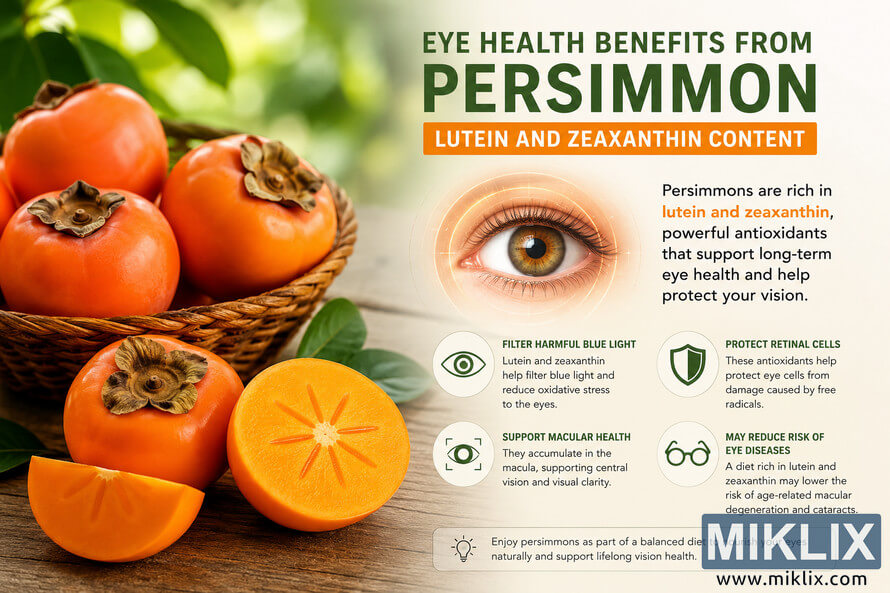
Persimmons contain exceptional amounts of eye-protecting nutrients. Lutein and zeaxanthin concentrate in your retina. These carotenoids filter harmful blue light. They protect delicate eye structures from damage.
Vitamin A from persimmons supports overall vision health. This vitamin maintains the cornea and conjunctival membranes. It also produces rhodopsin for low-light vision. Deficiency leads to night blindness and other eye problems.
Age-Related Eye Protection
Macular degeneration affects millions of aging adults. This condition causes progressive vision loss. The antioxidants in persimmons may help lower risk of developing this disease. Regular consumption provides protective compounds.
Cataracts represent another common age-related eye condition. Oxidative stress contributes to cataract formation. The antioxidants in persimmons neutralize damaging free radicals. Your eye lens stays clearer longer with adequate antioxidant protection.
Research Note: Studies show people consuming foods rich in lutein and zeaxanthin experience better long-term eye health outcomes compared to those with low intake of these protective nutrients.
คลิกหรือแตะที่ภาพเพื่อดูข้อมูลเพิ่มเติมและภาพความละเอียดสูงขึ้น
Skin Health and Anti-Aging Benefits
Your skin reflects your nutritional status. Persimmons provide nutrients essential for healthy, glowing skin. The vitamin A content supports cell turnover and regeneration. New skin cells replace damaged ones more efficiently.
Vitamin C boosts collagen production throughout your body. Collagen gives skin its firmness and elasticity. Adequate vitamin intake helps maintain youthful appearance. Fine lines and wrinkles develop more slowly.
Protection from UV Damage
The antioxidants in persimmons protect skin from sun damage. They neutralize free radicals generated by UV exposure. While not replacing sunscreen, dietary antioxidants provide internal protection. Your skin gains an extra layer of defense.
Beta-carotene accumulates in skin tissue. It provides subtle protection against sunburn. People consuming carotene-rich fruits often notice improved skin resilience. The orange pigments offer natural photoprotection.

คลิกหรือแตะที่ภาพเพื่อดูข้อมูลเพิ่มเติมและภาพความละเอียดสูงขึ้น
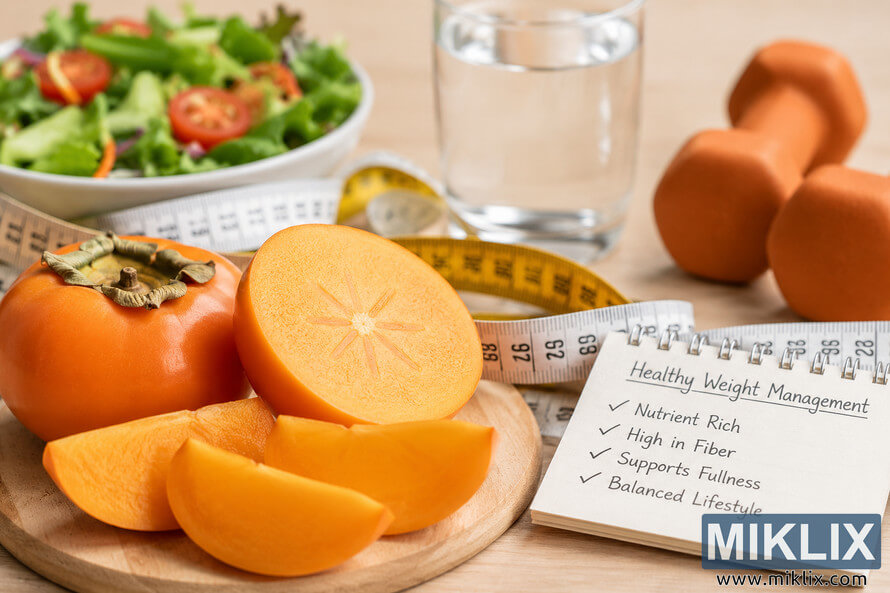
Weight Management and Metabolic Health
Persimmons support healthy weight management through multiple mechanisms. The high fiber content promotes feelings of fullness. You feel satisfied longer after eating. This natural appetite control prevents overeating.
The natural sweetness curbs sugar cravings effectively. Instead of processed sweets, you enjoy nutritious fruit. Your body receives vitamins and minerals with every bite. Empty calories from junk food decrease naturally.
Metabolic Benefits
Research suggests compounds in persimmons may enhance fat metabolism. The fruits contain chlorogenic acid and other beneficial substances. These compounds influence how your body processes and stores energy. Healthy metabolism supports sustainable weight management.
The low glycemic impact prevents energy crashes. Stable blood sugar means consistent energy throughout your day. You avoid the fatigue that leads to poor food choices. Your body functions optimally with steady fuel supply.
คลิกหรือแตะที่ภาพเพื่อดูข้อมูลเพิ่มเติมและภาพความละเอียดสูงขึ้น
Anti-Inflammatory Properties
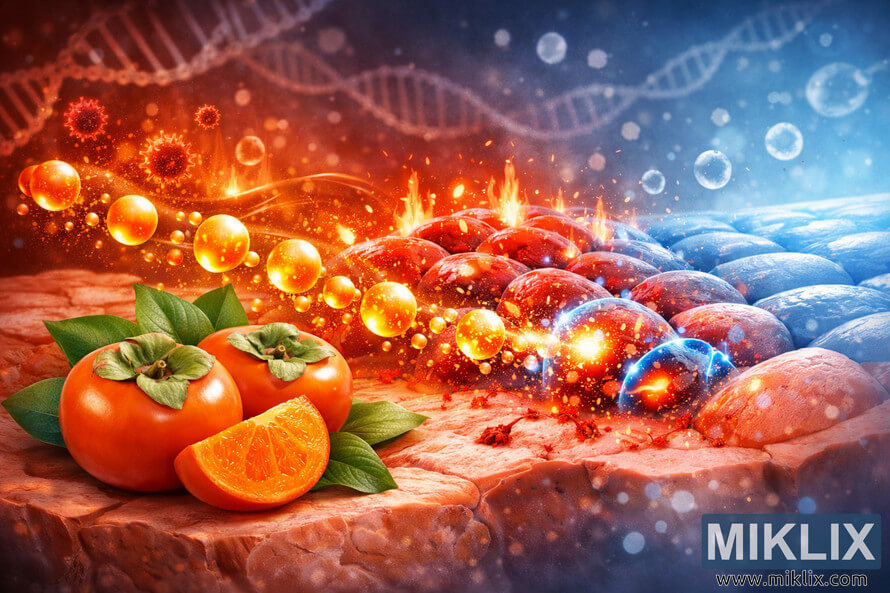
Chronic inflammation underlies many modern health conditions. Persimmons contain powerful anti-inflammatory compounds. These natural substances help reduce inflammation throughout your body. Regular consumption may lower overall inflammatory markers.
The flavonoids in persimmons inhibit inflammatory pathways. They block production of inflammatory molecules. This action protects tissues from damage. Your joints, blood vessels, and organs all benefit.
Joint Health Support
People with arthritis often experience pain from inflammation. The anti-inflammatory properties of persimmons may provide relief. While not a cure, dietary changes support overall joint health. Many people notice reduced discomfort with consistent fruit consumption.
The vitamin C content also supports joint health directly. It helps produce and maintain cartilage tissue. Healthy cartilage cushions your joints during movement. Adequate vitamin intake protects against degenerative joint conditions.
คลิกหรือแตะที่ภาพเพื่อดูข้อมูลเพิ่มเติมและภาพความละเอียดสูงขึ้น
Potential Cancer-Preventive Properties
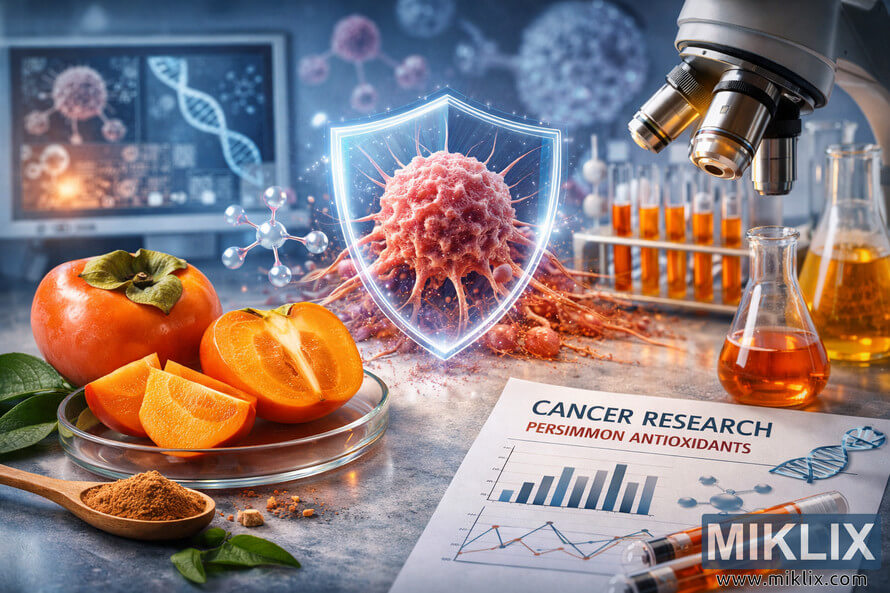
Emerging research explores persimmons' potential cancer-preventive effects. The high antioxidant content protects DNA from damage. Preventing genetic mutations reduces cancer risk over time. No single food prevents cancer alone, but diet plays important roles.
The betulinic acid in persimmons shows promise in laboratory studies. This compound demonstrates anti-tumor properties in cell cultures. Research continues investigating these potential benefits. Traditional medicine systems have long valued persimmons for disease prevention.
Antioxidant Protection
Free radicals damage cellular structures throughout your body. This oxidative stress contributes to cancer development. The diverse antioxidants in persimmons neutralize these harmful molecules. Your cells gain protection from multiple angles.
Beta-carotene specifically shows protective effects against certain cancers. Lung, prostate, and stomach cancers may be influenced by carotene intake. Population studies link higher fruit consumption with lower cancer rates. Persimmons contribute to this protective dietary pattern.
คลิกหรือแตะที่ภาพเพื่อดูข้อมูลเพิ่มเติมและภาพความละเอียดสูงขึ้น
How to Select and Store Persimmons
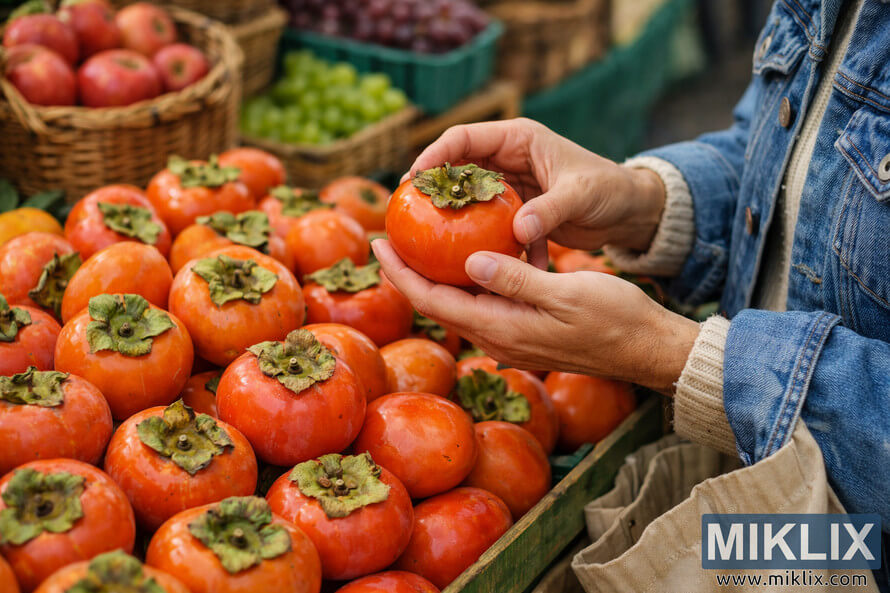
Choosing quality persimmons ensures you get maximum health benefits and flavor. Look for fruits with smooth, unblemished skin. The color should be deep and vibrant. Avoid fruits with cracks, bruises, or soft spots.
Fuyu persimmons can be enjoyed while still firm. Gentle pressure should yield only slightly. Hachiya persimmons need complete softness. They should feel like water balloons when ready to eat.
- Check the calyx (leaf-like top) for freshness and green color
- Smell the fruit for sweet, pleasant aroma indicating ripeness
- Heavier fruits contain more juice and better flavor
- Choose fruits appropriate for your intended use and timeline
คลิกหรือแตะที่ภาพเพื่อดูข้อมูลเพิ่มเติมและภาพความละเอียดสูงขึ้น
Storage Tips for Maximum Freshness
Store firm Fuyu persimmons at room temperature for up to a week. Refrigeration extends their life to two weeks. Keep them in the crisper drawer away from ethylene-producing fruits. This prevents premature softening.
Hachiya persimmons ripen best at room temperature. Place them in a paper bag to speed ripening. Adding an apple or banana accelerates the process. Once soft, refrigerate immediately and use within three days.
Freezing Persimmons
Freeze persimmons for long-term storage. Wash and dry fruits completely first. Remove stems and cut into desired sizes. Spread pieces on baking sheets to freeze individually.
Transfer frozen pieces to airtight containers. They'll keep for six months in the freezer. Frozen persimmon works perfectly in smoothies. The texture changes but nutrition remains intact.
Drying Persimmons
Dried persimmons offer concentrated sweetness and nutrients. Traditional methods involve hanging fruits in dry, airy spaces. Modern dehydrators work faster and more reliably. Slice fruits uniformly for even drying.
Dried persimmons keep for months in sealed containers. They make excellent portable snacks. The concentrated sugars provide quick energy. Store in cool, dark places for best quality.
Delicious Ways to Add Persimmons to Your Diet
Incorporating persimmons into your regular diet brings variety and nutrition. These versatile fruits adapt to many culinary applications. You can enjoy them raw, cooked, or dried. Each preparation method offers unique benefits and flavors.
Fresh and Simple Ideas
The simplest way to eat persimmons involves washing and slicing. Fuyu varieties work perfectly for this approach. Cut them into wedges like apples. The crisp texture and sweet taste need no enhancement.
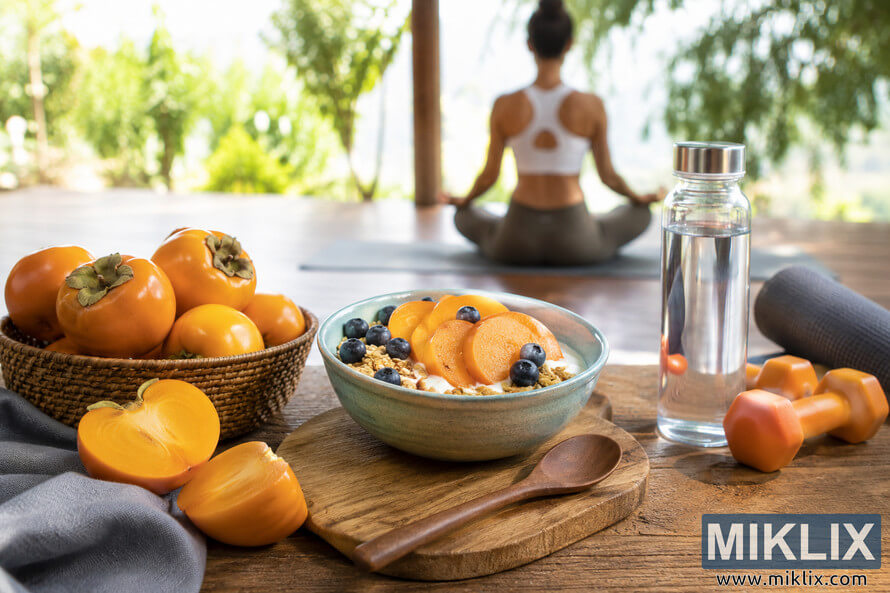
- Add sliced persimmons to morning yogurt with granola and drizzle honey for sweetness
- Toss persimmon cubes into green salads with nuts and citrus vinaigrette
- Layer thin persimmon slices on toast with nut butter
- Create fruit salads combining persimmons with citrus and pomegranate
- Blend frozen persimmons into smoothies with banana and almond milk

คลิกหรือแตะที่ภาพเพื่อดูข้อมูลเพิ่มเติมและภาพความละเอียดสูงขึ้น
Cooked Preparations
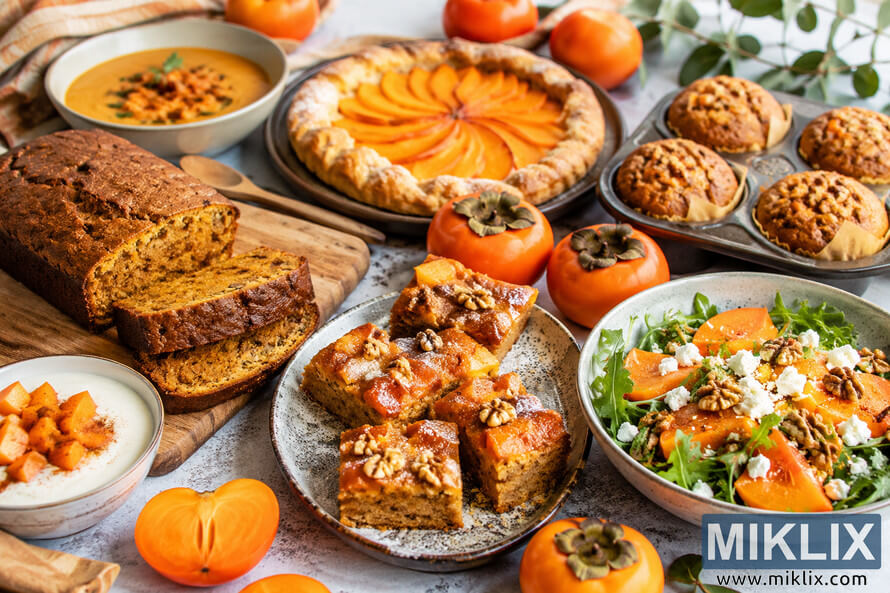
Cooking persimmons intensifies their sweetness. Roasted persimmons develop caramel-like flavors. Cut Fuyu varieties into quarters and roast at 400°F for 20 minutes. Drizzle honey and add cinnamon before serving.
Hachiya persimmons excel in baking applications. Their soft flesh blends smoothly into batters. Use persimmon pulp in breads, muffins, and cakes. The natural sweetness reduces added sugar needs.
คลิกหรือแตะที่ภาพเพื่อดูข้อมูลเพิ่มเติมและภาพความละเอียดสูงขึ้น
Savory Applications
Persimmons work surprisingly well in savory dishes. Their sweetness balances salty and umami flavors. Add them to grain bowls with roasted vegetables. The contrast creates complex, satisfying meals.
Slice persimmons thinly for elegant appetizers. Pair with prosciutto and fresh mozzarella. The sweet fruit complements salty cured meats beautifully. Guests always appreciate this unexpected combination.
How Persimmons Compare to Other Fruits
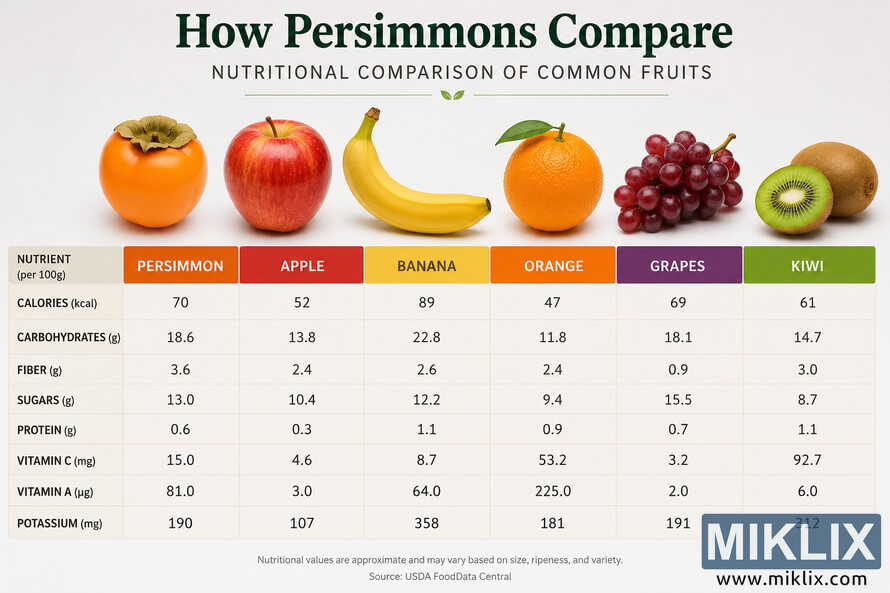
Understanding how persimmons stack up against other fruits helps you make informed choices. These fruits offer unique nutritional advantages. While all fruits provide health benefits, persimmons deliver exceptional nutrient density.
Vitamin A Content
Persimmons contain significantly more vitamin A than most common fruits. They surpass apples, pears, and even citrus fruits. Only mangoes and cantaloupe offer comparable amounts. This makes persimmons particularly valuable for vision health.
Fiber Comparison
The fiber content in persimmons exceeds many popular fruits. One persimmon provides more fiber than an apple or orange. Berries and pears offer similar amounts. The combination of soluble and insoluble fiber makes persimmons especially beneficial.
Antioxidant Power
Laboratory testing shows persimmons rank among the highest antioxidant fruits. They contain more total phenolic compounds than many berries. The diverse antioxidant profile provides comprehensive cellular protection. Few fruits match this protective capacity.
คลิกหรือแตะที่ภาพเพื่อดูข้อมูลเพิ่มเติมและภาพความละเอียดสูงขึ้น
Precautions and Considerations
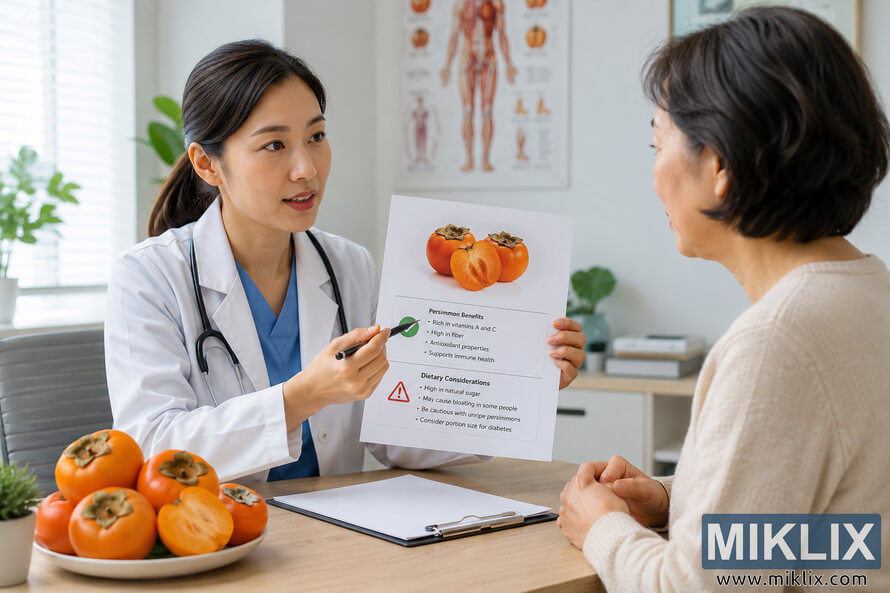
While persimmons offer tremendous health benefits, certain people should exercise caution. Understanding potential concerns helps you enjoy these fruits safely. Most people tolerate persimmons well without issues.
Tannin Sensitivity
Unripe persimmons contain high tannin levels. These compounds cause dry, puckering mouth sensations. Some people experience digestive discomfort from excess tannins. Always ensure Hachiya persimmons reach complete softness before eating.
Tannins can interfere with iron absorption. People with anemia should consume persimmons separately from iron-rich meals. The effect is temporary and minimal with ripe fruits. Proper ripening reduces tannin content significantly.
Blood Sugar Considerations
People managing diabetes should monitor portion sizes. Persimmons contain natural sugars that affect blood glucose. The fiber helps moderate this impact. Eating persimmons with protein or fat further stabilizes blood sugar response.
Test your individual blood sugar response to persimmons. Everyone metabolizes fruits differently. Some people handle persimmons well while others see larger spikes. Work with healthcare providers to determine appropriate serving sizes.
Important: People taking blood pressure medications should consult doctors before significantly increasing persimmon consumption. The high potassium content may interact with certain medications.
Allergic Reactions
Persimmon allergies remain relatively rare. However, people allergic to birch pollen may cross-react. Symptoms typically include mouth itching or mild swelling. Severe reactions occur infrequently but require immediate medical attention.
If you've never eaten persimmons, start with small amounts. Monitor for any adverse reactions. Most people enjoy persimmons without any problems. The benefits far outweigh risks for the vast majority.
คลิกหรือแตะที่ภาพเพื่อดูข้อมูลเพิ่มเติมและภาพความละเอียดสูงขึ้น
Traditional and Cultural Uses
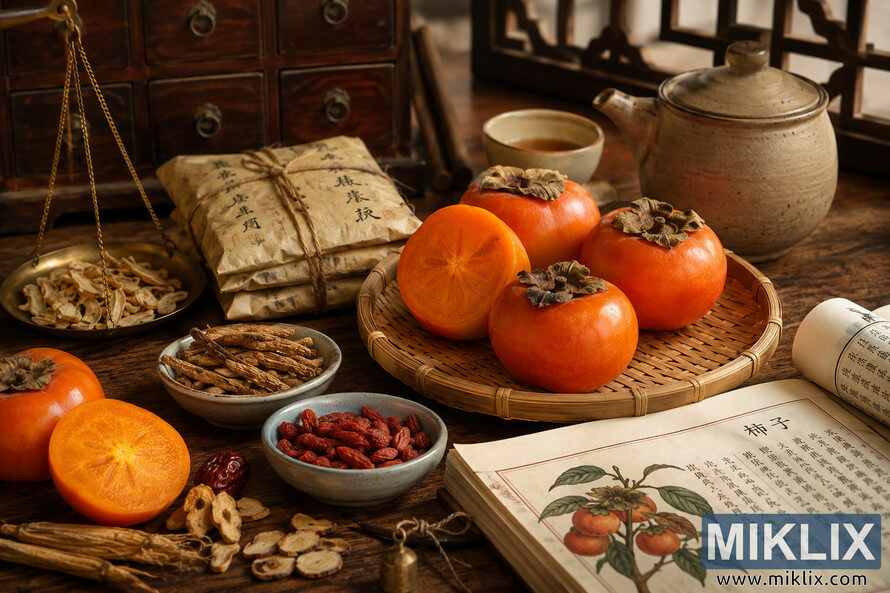
Persimmons hold deep cultural significance across many Asian countries. Traditional medicine systems have utilized these fruits for thousands of years. Modern science now validates many historical applications. The wisdom of traditional use meets contemporary research.
Traditional Chinese Medicine
Chinese medicine classifies persimmons as cooling foods. Practitioners recommend them for reducing heat and inflammation. The fruits treat dry cough and sore throat conditions. Both fresh and dried forms serve medicinal purposes.
Traditional preparations often combine persimmons with other herbs. These formulas address specific health imbalances. The natural astringency helps with certain digestive issues. Dried persimmon frost (the white powder on surface) treats coughs.
Japanese Traditions
Japanese culture celebrates persimmons as autumn symbols. The fruit represents transformation and change. Dried persimmons (hoshigaki) require weeks of careful preparation. This traditional process creates intensely sweet, chewy treats.
Japanese persimmon varieties dominate commercial production worldwide. These cultivars result from centuries of selection and cultivation. The attention to variety development produced superior fruits. Different types serve distinct culinary and cultural purposes.
Korean Customs
Korean traditions incorporate persimmons in celebrations and daily life. The fruit appears in traditional beverages and desserts. Dried persimmons serve as special occasion foods. Families share these treats during holidays and gatherings.
Traditional Korean medicine uses persimmon leaves as tea. This beverage provides vitamin C and antioxidants. People drink persimmon leaf tea for overall health maintenance. The practice continues in modern Korea alongside contemporary medicine.
คลิกหรือแตะที่ภาพเพื่อดูข้อมูลเพิ่มเติมและภาพความละเอียดสูงขึ้น
Growing Your Own Persimmon Trees
Growing persimmon trees offers rewarding long-term benefits. These trees thrive in many climates and require minimal maintenance. Home gardeners can successfully cultivate persimmons with proper planning. Fresh fruit from your own tree maximizes nutritional value.
Climate Requirements
Japanese persimmon trees prefer temperate climates. They tolerate winter cold but need warm summers. Most varieties grow well in USDA zones 7-10. American persimmons handle colder temperatures and wider zone ranges.
Choose varieties appropriate for your specific location. Some cultivars tolerate more cold than others. Local nurseries often stock regionally adapted varieties. Research which type grows best in your area before purchasing.
Planting and Care
Plant persimmon trees in full sun for best fruit production. They prefer well-draining soil with moderate fertility. Space trees 15-20 feet apart for adequate air circulation. Young trees need regular watering until established.
- Choose healthy nursery stock with good root systems
- Plant in spring after frost danger passes completely
- Water deeply once weekly during the first growing season
- Apply mulch around trees to retain moisture and suppress weeds
- Prune minimally during dormant season to shape trees

คลิกหรือแตะที่ภาพเพื่อดูข้อมูลเพิ่มเติมและภาพความละเอียดสูงขึ้น
Harvesting Home-Grown Fruit
Persimmon trees begin bearing fruit after 3-5 years. Production increases as trees mature. Fuyu varieties can be picked when color develops fully. Hachiya types need to ripen on the tree until soft.
Monitor fruits carefully as harvest time approaches. Birds and wildlife also enjoy ripe persimmons. Harvest promptly when fruits reach optimal ripeness. Home-grown persimmons taste superior to store-bought options.
Environmental and Sustainability Aspects
Choosing persimmons supports sustainable agriculture practices. These trees require fewer pesticides than many fruit crops. Their natural pest resistance reduces chemical inputs. Environmental benefits extend beyond individual health advantages.
Low Input Requirements
Mature persimmon trees need minimal fertilizer or irrigation. They tolerate drought better than many fruits. This water efficiency matters increasingly in changing climates. Sustainable farming becomes easier with resilient crops like persimmons.
Organic persimmon production succeeds without extensive chemical intervention. The trees' natural defenses protect against common pests. Some growers maintain productive orchards using only organic methods. Consumer demand for organic options continues growing.
Supporting Local Agriculture
Buying persimmons from local farmers reduces transportation emissions. Seasonal, local fruit offers superior freshness and nutrition. Supporting regional growers strengthens local food systems. Your purchase decisions impact agricultural sustainability.
Many small farms cultivate heritage persimmon varieties. These unique types preserve genetic diversity. Choosing diverse varieties supports agricultural resilience. Monoculture farming creates vulnerabilities that diversity prevents.

คลิกหรือแตะที่ภาพเพื่อดูข้อมูลเพิ่มเติมและภาพความละเอียดสูงขึ้น
Create Your Personalized Nutrition Plan
Understanding the health benefits of persimmons represents just one piece of optimal nutrition. Every person has unique dietary needs and health goals. Personalized guidance helps you maximize benefits from all foods you eat.
Our nutrition experts create customized plans incorporating persimmons and other nutrient-dense foods. We consider your health status, preferences, and lifestyle factors. The result is a sustainable eating pattern that supports your specific goals.

คลิกหรือแตะที่ภาพเพื่อดูข้อมูลเพิ่มเติมและภาพความละเอียดสูงขึ้น
Frequently Asked Questions About Persimmons
Can you eat persimmons every day?
Yes, you can safely eat persimmons daily as part of a balanced diet. One or two persimmons per day provides excellent nutrition without excessive sugar intake. The fiber, vitamins, and antioxidants support overall health. Listen to your body and adjust portions based on individual needs and tolerance.
What happens if you eat an unripe persimmon?
Eating unripe astringent persimmons causes an intensely dry, puckering mouth sensation. The high tannin content creates this unpleasant experience. Some people also experience stomach discomfort or nausea. Always wait for Hachiya persimmons to become completely soft before eating. Fuyu varieties can be eaten while still firm.
Are persimmons good for weight loss?
Persimmons support healthy weight management through high fiber content and natural sweetness. The fiber promotes fullness and reduces overall calorie intake. Their natural sugars satisfy sweet cravings without empty calories. However, portion control matters since persimmons contain carbohydrates. Include them as part of a calorie-controlled, balanced eating plan.
Do persimmons need to be refrigerated?
Firm persimmons can stay at room temperature for up to one week. Refrigeration extends shelf life to two weeks for firm Fuyu varieties. Store them in the crisper drawer. Soft, ripe Hachiya persimmons should be refrigerated immediately and consumed within three days. Remove from refrigeration 30 minutes before eating for best flavor.
What is the best way to eat persimmons?
The best way depends on variety and personal preference. Fuyu persimmons taste great eaten fresh like apples. Simply wash, slice, and enjoy the crisp texture. Hachiya persimmons work best scooped with a spoon when fully soft. Both varieties excel in smoothies, salads, and baked goods. Experiment to find your favorite preparation method.
Can diabetics eat persimmons?
People with diabetes can include persimmons in their meal plans with appropriate portion control. The fiber helps moderate blood sugar impact. Monitor your individual glucose response to determine suitable serving sizes. Pair persimmons with protein or healthy fats to further stabilize blood sugar. Always consult your healthcare provider about specific dietary questions.
Are persimmon seeds edible?
Persimmon seeds are technically edible but not recommended for consumption. They taste bitter and contain compounds that may cause digestive discomfort. Most people simply discard the seeds. Some persimmon varieties produce seedless fruit. Focus on enjoying the delicious flesh and discard any seeds you encounter.
How do you know when a persimmon is ripe?
Ripeness indicators vary by type. Fuyu persimmons are ripe when skin turns deep orange and fruit yields slightly to gentle pressure. Hachiya persimmons need to become extremely soft and translucent. They should feel like water balloons when ready. The calyx (leafy top) should be dry and brown. Trust texture more than color alone.
คลิกหรือแตะที่ภาพเพื่อดูข้อมูลเพิ่มเติมและภาพความละเอียดสูงขึ้น
Embracing the Health Benefits of Persimmons
The remarkable health benefits of persimmons make them valuable additions to any diet. These nutritious fruits deliver essential vitamins, minerals, and antioxidants. From supporting heart health to boosting immunity, persimmons offer comprehensive wellness support.
Your journey toward better health includes making informed food choices. Persimmons represent one of nature's most nutrient-dense options. Their versatility allows endless culinary creativity while providing consistent health advantages.
Start incorporating these wonderful fruits into your regular eating patterns. Whether you choose crisp Fuyu or creamy Hachiya persimmons, your body will benefit. The combination of delicious flavor and powerful nutrition creates a perfect superfood package.
Remember that individual nutrition needs vary. What works perfectly for one person may differ for another. Listen to your body and adjust consumption based on personal responses. The goal is sustainable, enjoyable healthy eating that supports your unique wellness goals.
Take advantage of persimmon season each fall and winter. Stock up when these fruits appear fresh in markets. Try different varieties and preparation methods. Discover how easily persimmons enhance both nutrition and flavor in your daily meals.
คลิกหรือแตะที่ภาพเพื่อดูข้อมูลเพิ่มเติมและภาพความละเอียดสูงขึ้น
อ่านเพิ่มเติม
หากคุณชอบโพสต์นี้ คุณอาจชอบคำแนะนำเหล่านี้ด้วย:
- เล็กแต่ทรงพลัง: ปลดล็อกคุณประโยชน์ด้านสุขภาพจากเมล็ดเจีย
- ยกน้ำหนักให้หนักขึ้น คิดให้เฉียบคมขึ้น: พลังหลายแง่มุมของครีเอทีนโมโนไฮเดรต
- เหนือกว่าคาเฟอีน: ปลดล็อกสมาธิอันสงบด้วยอาหารเสริม Bacopa Monnieri